kottke.org posts about books
I’m currently doing the thing I do after seeing a movie (The Odyssey) I really enjoyed or found interesting: digging into related media. Yesterday I had an hour in the car, so I listened to this episode of The Daily podcast with Madeline Miller and Emily Wilson.
I think it’s quite odd to think that one book or one translation erases the others. I mean, if people prefer some other translation or if people want to read the Greek, I would love for them to do that. I think it’s great. I have no desire to legislate about which versions of “The Odyssey,” or of any ancient text, people want to engage with. So I think there’s something quite strange about the idea that the canon doesn’t have room for many, many different interpretations, translations, engagements, reinventions.
I’ve also flagged this New York Review of Books podcast with Daniel Mendelsohn, another NYT podcast with Madeline Miller, and this WNYC podcast with Emily Wilson for future listening.
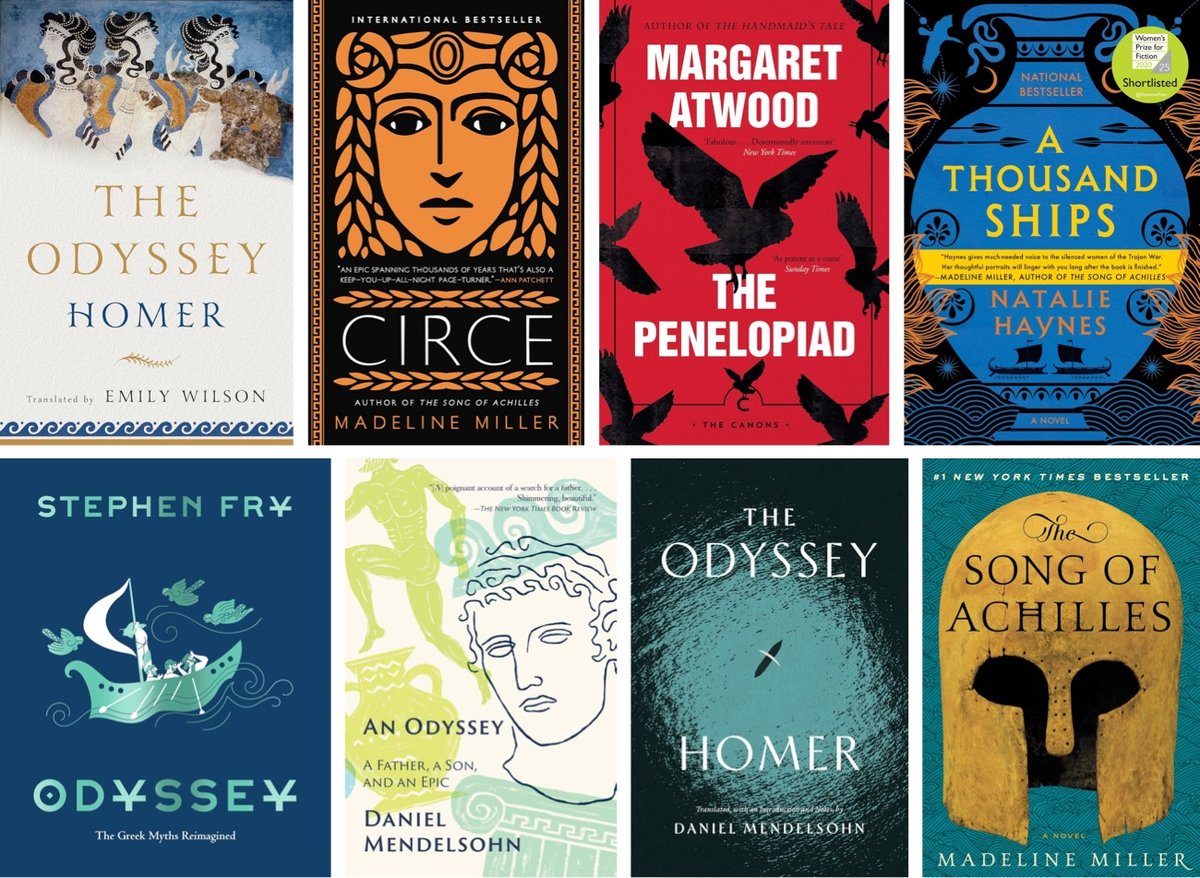
As for reading, Wilson and Mendelsohn both did contemporary translations of The Odyssey within the past few years: The Odyssey translated by Emily Wilson (I loved this, read it aloud to my kids) and The Odyssey translated by Daniel Mendelsohn. Actor Stephen Fry recently did a more approachable reimagining of The Odyssey. The Odyssey: A Graphic Novel by Gareth Hinds is even more accessible, especially for younger readers.
Miller is the author of two great novels based on the Iliad and the Odyssey: Circe (my personal favorite of the two…I love this book and tell everyone to read it)1 and The Song of Achilles.
Other novels based on Homer’s works: The Penelopiad by Margaret Atwood and A Thousand Ships by Natalie Haynes.
Mendelsohn also wrote An Odyssey: A Father, A Son, and an Epic back in 2018; it sounds really interesting:
When eighty-one-year-old Jay Mendelsohn decides to enroll in the undergraduate Odyssey seminar his son teaches at Bard College, the two find themselves on an adventure as profoundly emotional as it is intellectual. For Jay, a retired research scientist who sees the world through a mathematician’s unforgiving eyes, this return to the classroom is his “one last chance” to learn the great literature he’d neglected in his youth—and, even more, a final opportunity to more fully understand his son, a writer and classicist.
Do you have any recommendations for podcasts or favorite Odyssey translations/retellings?
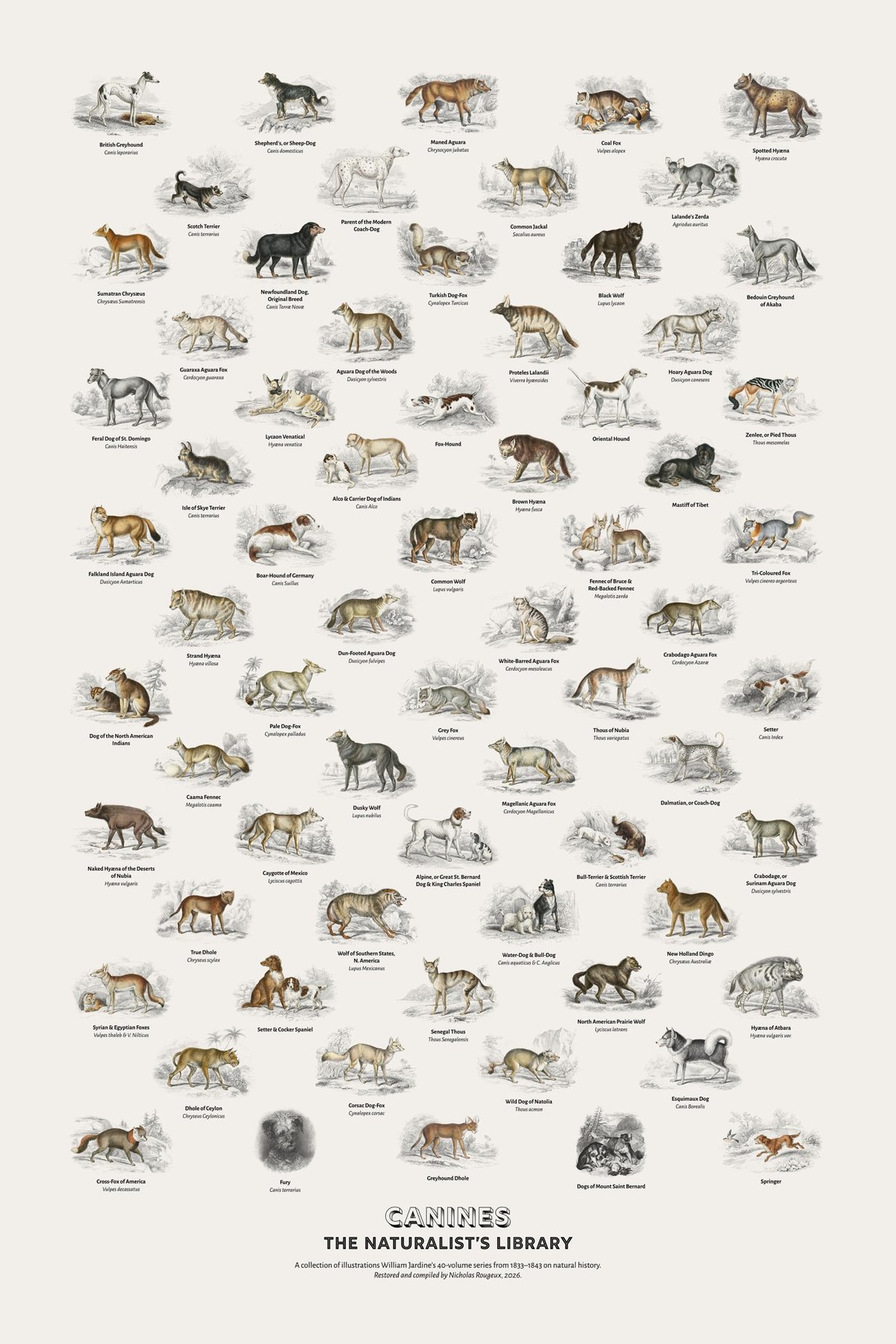
Nicholas Rougeux, whose work I have featured here before, has published a complete digital edition of William Jardine’s 40-volume book series on natural history published in the early-to-mid 19th-century. As part of the project, Rougeux restored each of the more than 1300 illustrations in the library, and the results are fantastic.


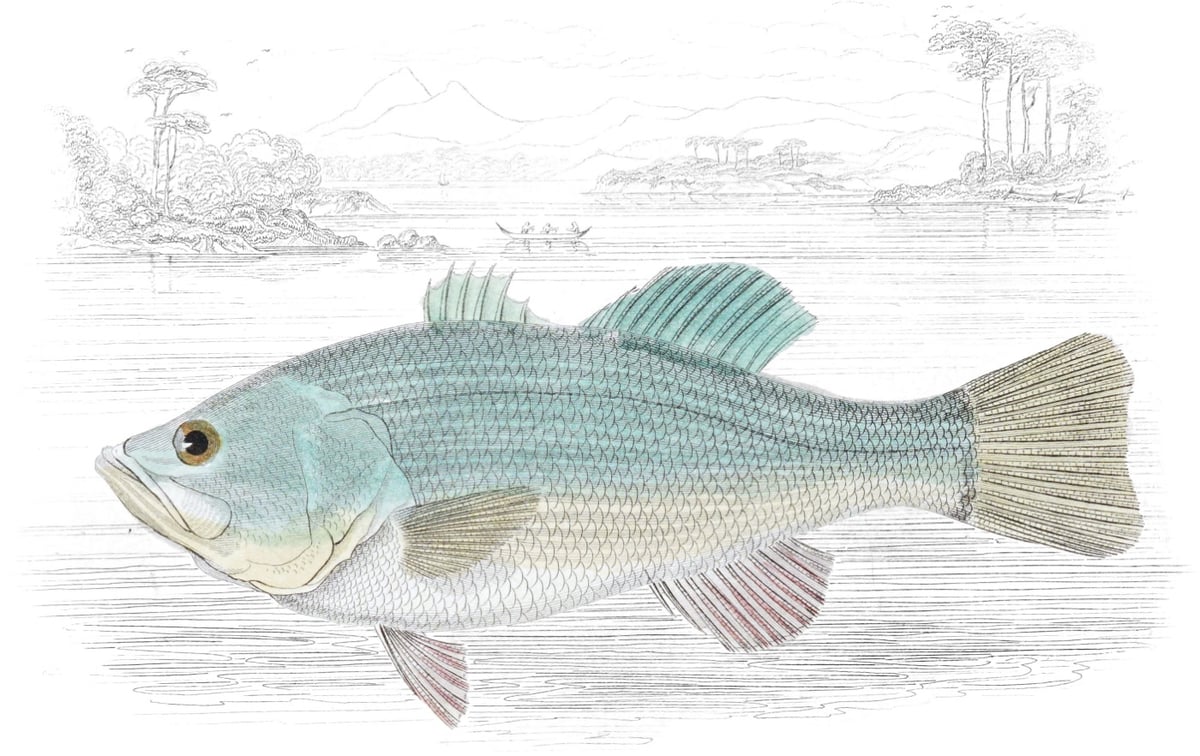

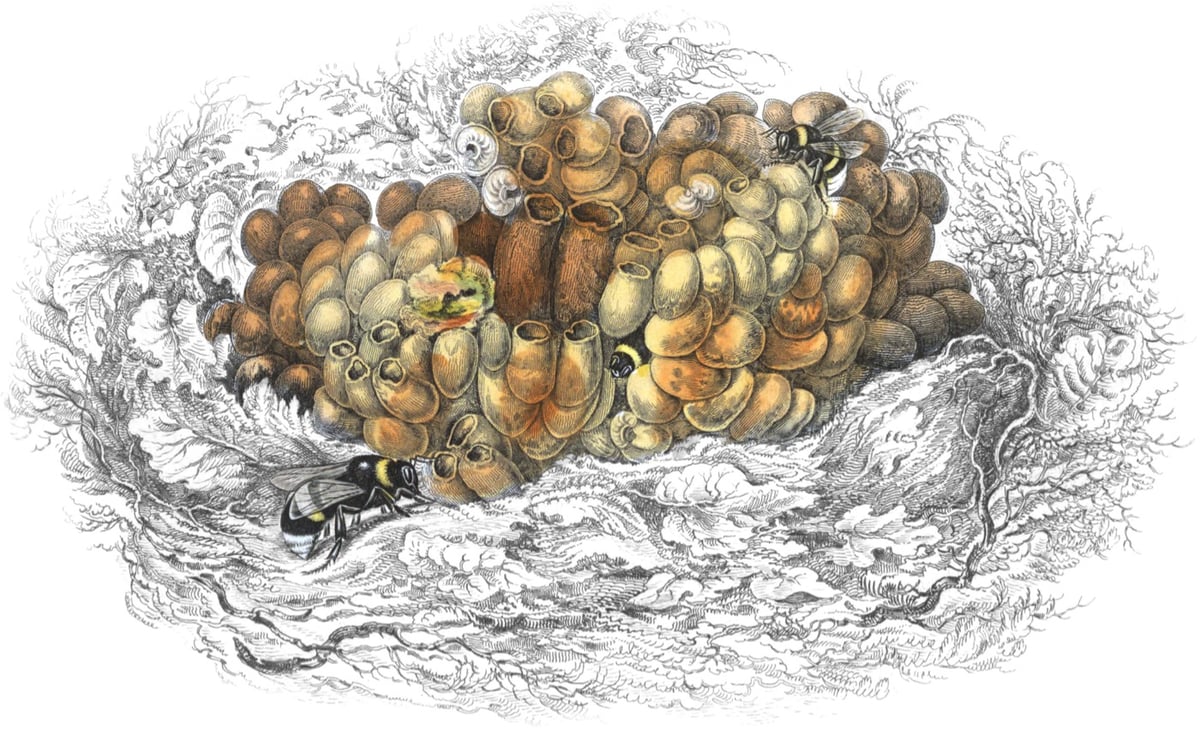

Rougeux wrote a post on the history of The Naturalist’s Library and how the project came about.
The Library is credited with having a significant democratizing effect on the study of natural history because Jardine and Lizars prioritized affordability and portability. Each book was only 4 by 6 inches and priced at six shillings, making them a much more accessible alternative to the “unwieldy folios” from other naturalists. This led to a tremendous demand for each one, resulting in tens of thousands of copies being printed overall. Just two years into publication, a notice appears at the beginning of one volume stating, “we have sold upwards of 60,000 volumes, in which there have been nearly 2,400,000 coloured plates given as Illustration.” Exact sales numbers are difficult to come by but history has shown that the series was very popular with estimates of 10,000 copies sold for each volume, totaling at least 400,000.
In order to help with his research, he borrowed a biography of Jardine from the library and built a custom rig out of K’nex construction toy pieces to scan the whole thing.

About a month later, I discovered a 2001 biography about Jardine, Sir William Jardine: A Life in Natural History, which only existed as a physical copy. I emailed the publisher to ask for a digital copy but had no luck. So I did what any self-respecting researcher would do and borrowed it on an inter-library loan and made my own digital copy by building a very janky custom rig out of old K’nex parts to take pictures of each page with my phone that I later combined into a searchable PDF. The OCR on it could be improved but having it available digitally allowed me to consult it in my research.
You can check out the shop for posters of the illustrations as well as a complete, bound, 800-page volume of all 1300+ illustrations.
Palantir, the data analysis defense contractor co-founded by Peter Thiel, was named after the magical seeing stones from J.R.R. Tolkien’s Lord of the Rings books. This video compares the ethos of the company with that of Tolkien.
The palantiri of The Lord of the Rings are sort of like crystal balls or “seeing stones” that allow their users to communicate across vast distances, see events from afar, and sometimes even peer into the future. But just about everybody who tries to use a palantir in The Lord of the Rings is deceived by it, acting on the visions they’re receiving without the greater context or wisdom of what’s behind them. So why would the people behind Palantir want to name the company and build its culture around these powerful yet easily corruptible magical objects?
J.R.R. Tolkien was famously anti-tech and anti-government, expressing his fears of what would happen when those two forces combined through his fantasy works and his letters to friends, family, and colleagues. If he were alive in the age of Palantir, he might not be thrilled that a tech company with lucrative government contracts is name-checking his creations.
Palantir is one of the purest instantiations of the Torment Nexus in tech today:
Sci-Fi Author: In my book I invented the Torment Nexus as a cautionary tale.
Tech Company: At long last, we have created the Torment Nexus from classic sci-fi novel Don’t Create The Torment Nexus.
See also The Right Is Obsessed With Lord of the Rings. But They Don’t Understand It.
In Tolkien’s books, it is not the men of Gondor who turn back the forces of evil and save the Shire; it’s those gentle, peaceful hobbits who pull the whole thing off. They’re the only species able to carry the One Ring of Power, because they are, by their nature, unambitious. All they want is to live their peaceful bourgeois lives of tea and toast and jam, so they are able to withstand the temptations of the ring and its promises of power, ultimately carrying it far enough to destroy it. The best the men of Gondor can do to help is refuse to ever touch the ring, because they know that if they pick it up, they will not be able to resist temptation.
To translate this into the metaphor: If you’re taking Tolkien as your guide, and you believe your homeland to be under invasion by the forces of evil, the solution is not to try to consolidate your power, harden your nature, and glory in needless cruelty. The solution is to refuse power whenever it is offered to you and to fight from a place of humility.
Any of these dopes — Musk, Thiel, Vance — would 100% have tried to take the Ring for themselves.
I’d vaguely remembered that Hulu was adapting The Testaments, Margaret Atwood’s follow-up to The Handmaid’s Tale, as a sequel to the TV series of the same name, but I was surprised to find out that the show has premiered and is already three episodes in (a fourth will be available today).
The initial series lost its way after 2-3 seasons, but I still ended up watching the whole thing. I’ll probably give The Testaments a shot as well.
I’ve been hearing nothing but good things about Ben Lerner’s new novel Transcription (Amazon) which comes out tomorrow. From the book’s description:
What unfolds from this dreamlike circumstance is the unforgettable story of the triangle formed by Thomas, Max, and the narrator, and an exploration of fathers and sons, male friendship and rivalry, and the challenges of parenting in a burning world. One of the first great novels about the early days of COVID, it is also a brilliant meditation on those technologies that enrich or impoverish our connection to one another, that store or obliterate memory. Full of startling insight, but written with the intensity of a séance, Lerner shows us how the air is full of messages, full of ghosts. Ultimately Transcription demonstrates what only a work of fiction can record.
And the cover is great:

I read Lerner’s 10:04 years ago and really liked it…I might pick this one up (and at only 144 pages, I might actually finish it).1
More reading: Ben Lerner and the Impossible Interview, The Gentle Parenting Of Ben Lerner’s ‘Transcription’, A Novel as Slim as an iPhone Has a Lot to Say About Technology, Ben Lerner’s Latest Is a Strange and Brilliant Attempt to Resurrect the Novel, and Ben Lerner’s Big Feelings.
I was thankful to read Marcin Wichary’s review of Stewart Brand’s Maintenance: Of Everything. I first heard about the book months and months ago; it sounded potentially interesting but I was afraid it was going to suffer from a now-familiar myopia of the “tech” old guard. Wichary writes:
I will just say it: I wish the author was more woke. The book is very male-coded. The main chosen areas of investigation are: motorcycles! tanks! guns! wars! There are moments towards the end where Elon Musk and Bill Gates are talked about as if it was still 15 years ago and we haven’t actually learned anything since. (No word of Cybertruck, either.)
We know maintenance tends to be unrewarded and forgotten come promotion time. We know that tedious tasks are often assigned to women and people of color while white men go around doing “genius things.” It’s hard to imagine women not being present in a book about maintenance, and yet — and I wish I was joking — the only woman of any significance in the entire book is… The Statue Of Liberty.
Oof. Yeah. Writing a book with that title (and its attendant aspirations) while ignoring the expertise and experiences of the vast majority of the world’s population (and more than half of the US population) is just not good enough at this point. It’s lazy and incurious, especially for an author frequently lauded as the opposite of both.
(Bit of a sharp turn perhaps, but a recent contrast to Brand’s approach is the PBS series The American Revolution, directed by Ken Burns, Sarah Botstein, and David Schmidt. Instead of yet another retelling of the Revolutionary War focused on battles, Founding Fathers, and heroic tales of the good guys, Burns and his team drew from a broader pool of participants (many voices of women, free & enslaved Black people, Native Americans, etc.) and emphasized the extent to which the Revolution was many different things to many different people: a fight for freedom, a campaign to continue the enslavement of Black people, a cover for raping & pillaging, and the birth of a new colonizing nation. The result was a balanced, truthful, and insightful look at the war, an event that should be reckoned with at least as much as it’s celebrated.)
In 2017, city planner Jeff Speck gave a talk on the four ways to make a city more walkable:
In the typical American city, in which most people own cars and the temptation is to drive them all the time, if you’re going to get them to walk, then you have to offer a walk that’s as good as a drive or better. What does that mean? It means you need to offer four things simultaneously: there needs to be a proper reason to walk, the walk has to be safe and feel safe, the walk has to be comfortable, and the walk has to be interesting.
I know Speck is talking about cities here, but these four rules — useful, safe, comfortable, and interesting — get at something about living in rural Vermont that I’ve always had trouble articulating: for a place that’s so outdoors-oriented with so many trails and places to hike, a good walk can be difficult to find. I can walk out my door to take a walk that’s sorta safe (walking against traffic on the side of the road — some assholes don’t slow down or move over that much). Comfort is variable: cars kick up dust and my house is surrounded by pretty steep hills. I can’t really walk to anywhere useful, and there aren’t too many possible routes so the interest of the scenery, though beautiful in the summer, gets stale. So then I’m left with driving somewhere to walk, which always just bums me out.
Anyway, this explains why every time I get to walkable city (Tokyo, Rome, NYC, Paris), I am instantly like, yes!! This! This is a walk.
Related reading: Speck is the author of Walkable City (Amazon) and Walkable City Rules (Amazon). (via paul stout)
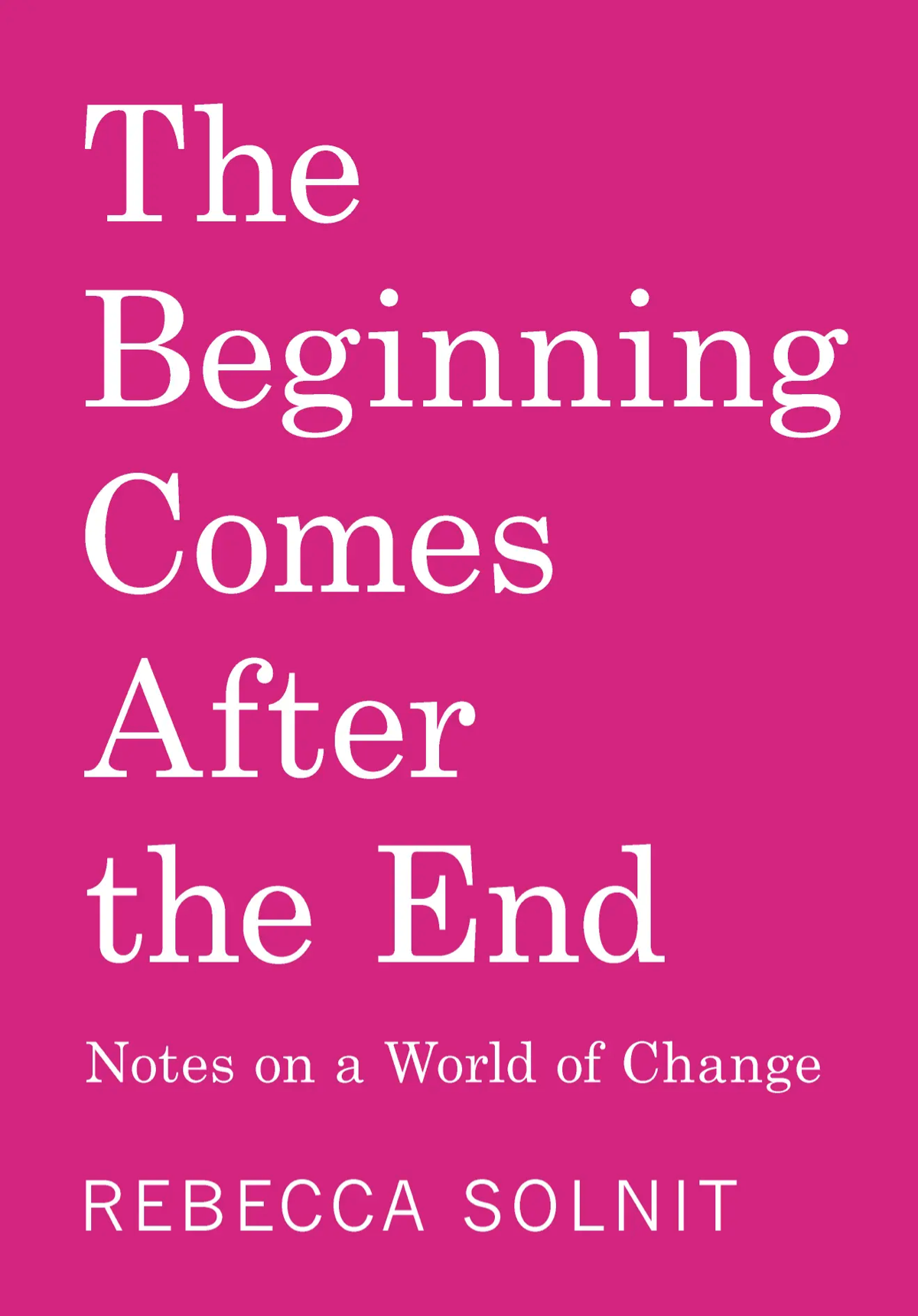
A new book by Rebecca Solnit came out yesterday; it’s called The Beginning Comes After the End: Notes on a World of Change (Amazon). The synopsis:
Rebecca Solnit offers a thrilling account of the sheer breadth and scale of social, political, scientific, and cultural change over the past three quarters of a century.
In this sequel to her enduring bestseller Hope in the Dark, Solnit surveys a world that has changed dramatically since the year 1960. Despite the forces seeking to turn back the clock on history, change is not a possibility; it is an inevitability.
The changes amount to nothing less than dismantling an old civilization and building a new one, whose newness is often the return of the old ways and wisdoms. In this rising worldview, interconnection is a core idea and value. But because the transformation is obscured within a longer arc of history, its scale is seldom recognized.
While the white nationalist and authoritarian backlash drives individualism and isolation, this new world embraces antiracism, feminism, a more expansive understanding of gender, environmental thinking, scientific breakthroughs, and Indigenous and non-Western ideas, pointing toward a more interconnected, relational world.
I feel like maybe I should read this. I need some hope about the world.
See also Solnit’s recent Longreads Questionnaire.
The details of Elizebeth Smith Friedman’s remarkable career sound a bit outlandish when you list them all together:
cracked thousands of codes and ciphers during WWI
did the same in WWII, helping to foil Nazi spy rings and protect Allied supply ships
chief cryptanalyst for the US Navy and the US Coast Guard
co-developed, with her husband, many of the principles of modern cryptology
broke mobster codes used by rumrunners bringing illegal alcohol into the US during Prohibition
testified in court against Al Capone
debunked the claim that Francis Bacon had secretly written Shakespeare’s plays
J. Edgar Hoover took credit for her “uncovering a Nazi spy ring operating across South America in 1943”, knowing that her wartime work was classified and she couldn’t correct him
From an NSA press release in 2020:
She began solving these encrypted messages and providing the Coast Guard with vital intelligence that supported their efforts to interdict smuggling. She also trained a small team in cryptanalysis to expand the crime-fighting intelligence effort. Elizebeth and her assistant solved about 12,000 coded messages between the so-called rum runners and smugglers, which resulted in 650 criminal prosecutions. In addition to criminals violating the Prohibition laws, some of the messages Ms. Friedman solved also enabled the arrest and conviction of a number of narcotics smugglers.
She had a personal role in some of the prosecutions. She testified as an expert witness in 33 cases, and frequently became the subject of newspaper and magazine articles. For a time, she was one of the most famous women in the country.
From a 2022 piece in the US Naval Institute’s Naval History magazine:
The Zimmermann Telegram, sent in code, changed the trajectory of life for the Friedmans, who possessed skills suddenly extremely valuable to the U.S. government. The military was desperate for codebreakers, and radio and wireless technology was changing the nature of war. There were possibly three or four persons in the whole of the United States who could break codes, and Elizebeth and William were two of them. Elizebeth was the first to decode military messages intercepted from the Mexican Army, working by counting the frequency of letters.
The Friedmans began operating as a team, developing strategies as they went along. For the first eight months of the war, they and their small team conducted all codebreaking for every part of the U.S. government, developing broader methodologies still in use today. Neither was particularly good at mathematics, but they operated on an intuitive level to devise techniques to discern patterns. Most importantly, their methods were scientific, which is to say the results could be replicated.3 The Friedmans worked feverishly to solve messages as they poured in. They decrypted messages from Scotland Yard revealing an intricate separatist plot by Hindu activists living in New York to ship weapons to India with German help. William was summoned to testify about how he broke the codes, but before he could take the stand, an Indian man in the gallery shot one of the defendants.
The Marshall Foundation:
While testifying against Al Capone’s liquor smuggling ring in New Orleans, Mrs. Friedman taught a lesson on the science of codebreaking and the use of mono-alphabetic ciphers right in the courtroom. Col. Amos Woodcock, director of the Bureau of Prohibition said that without the work of the cryptanalysis unit and the expert testimony of Mrs. Friedman, the case would not have been won.
Time magazine: How America’s ‘First Female Cryptanalyst’ Cracked the Code of Nazi Spies in World War II — and Never Lived to See the Credit:
But her biggest achievement was uncovering a Nazi spy ring operating across South America in 1943 — a feat that J. Edgar Hoover took full credit for on behalf of the FBI. Friedman, meanwhile, took her involvement to the grave.
From the National Women’s History Museum:
Smith met William Friedman, a geneticist at the estate. After spending time together, Smith brought William onto her team to help break the Shakespearean codes. They worked together to show there was no evidence that Bacon wrote Shakespeare’s plays, while growing closer professionally and romantically. The couple married in Chicago in May 1917, just after the United States entered World War I. Now using her married name, Smith Friedman worked with her husband at Riverbank to decrypt every single secret message sent to them by the Navy. Trailblazing her way through the field as an expert and teacher, Smith Friedman successfully trained the first generation of codebreakers for the military.
In 2017, Jason Fagone published a bestselling biography about Friedman, The Woman Who Smashed Codes: A True Story of Love, Spies, and the Unlikely Heroine Who Outwitted America’s Enemies (AMZN). That book was the basis for an hour-long PBS/American Experience documentary called The Codebreaker, which is available for rent at Amazon or as a free bootleg on Dailymotion. Here’s the trailer:
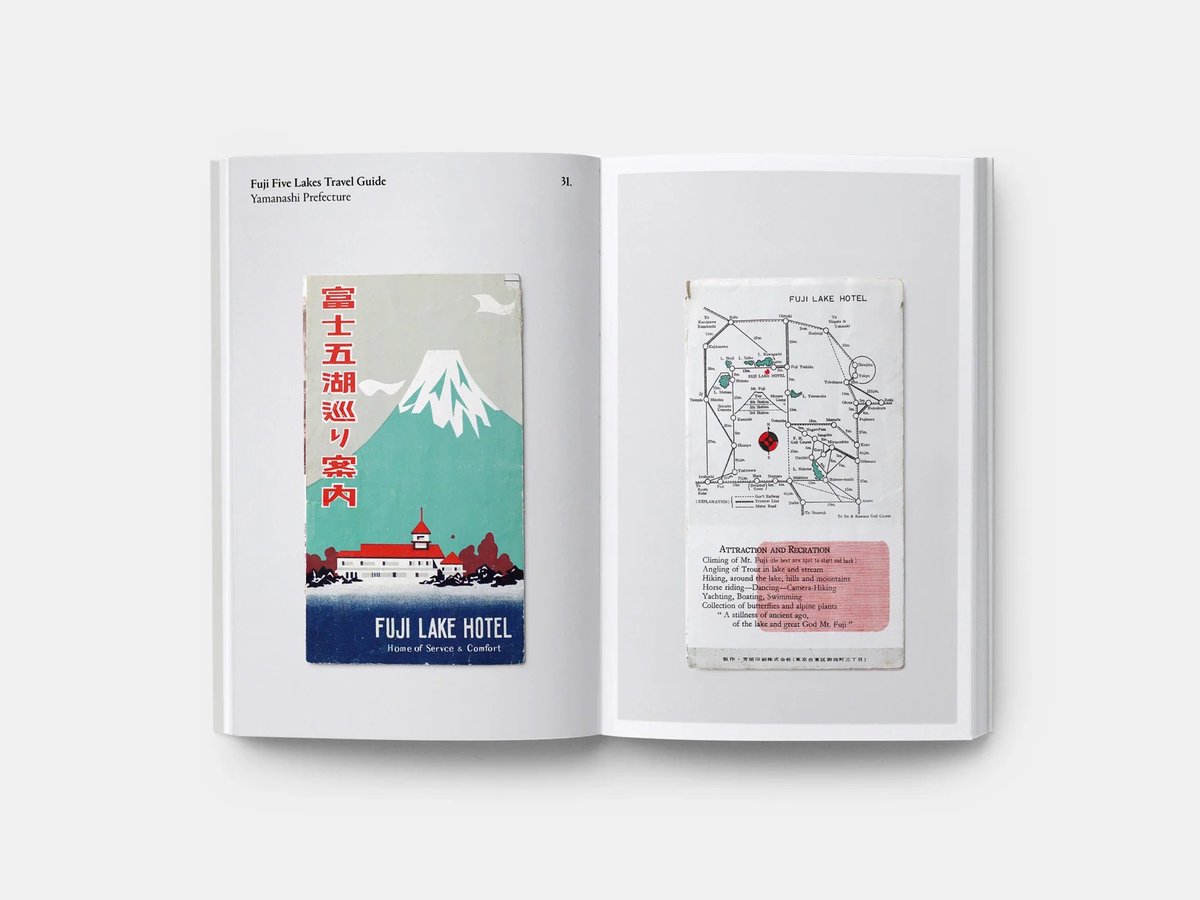


The gang at Present & Correct found a cache of pre-war tourist maps of Japan while rummaging around in Tokyo’s Jinbōchō used book district. They photographed them for a new self-published book called Paper Trails.
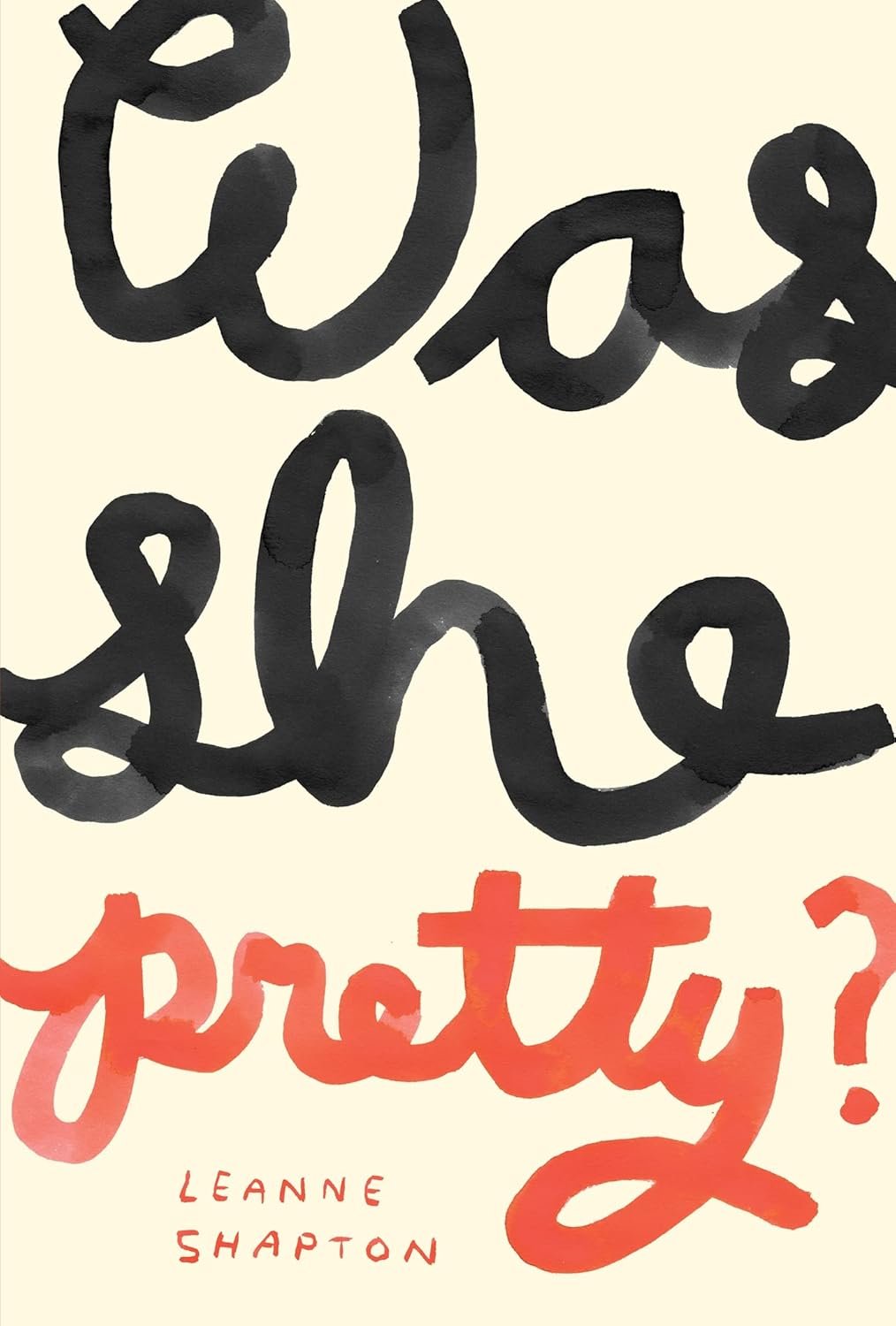
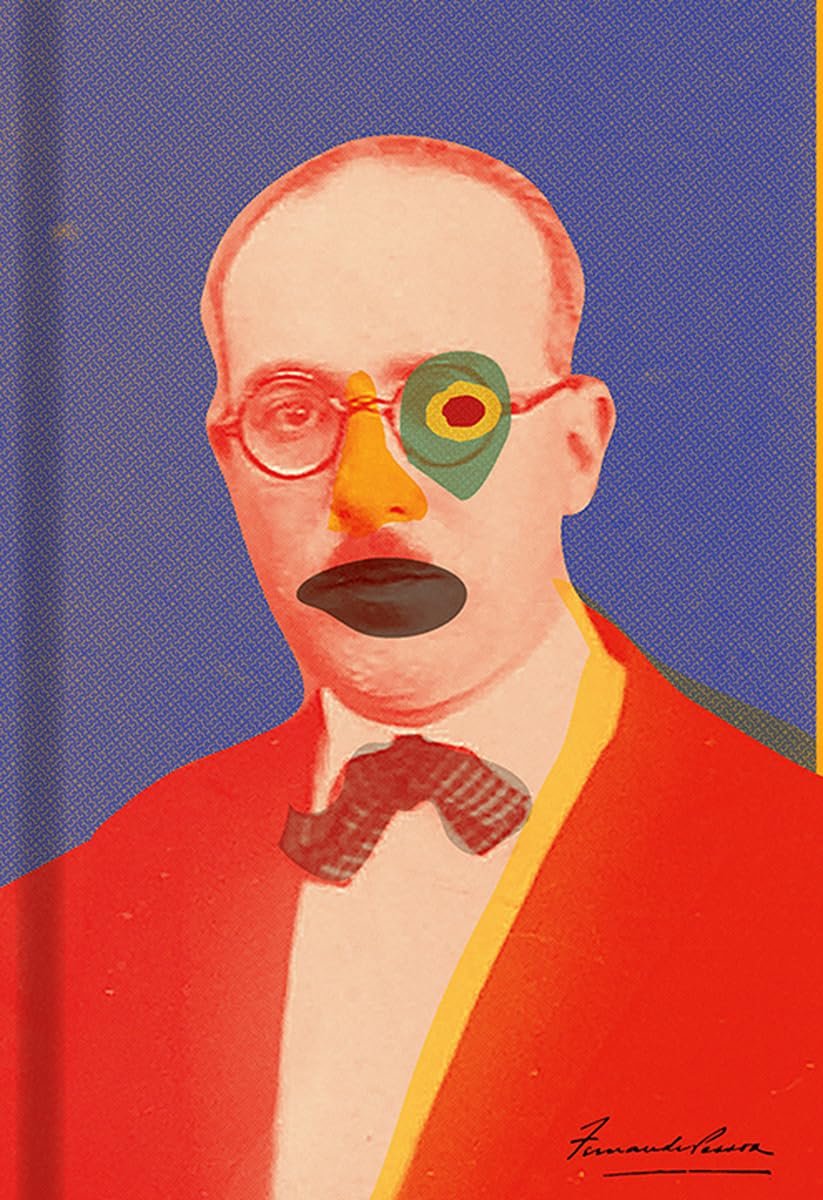
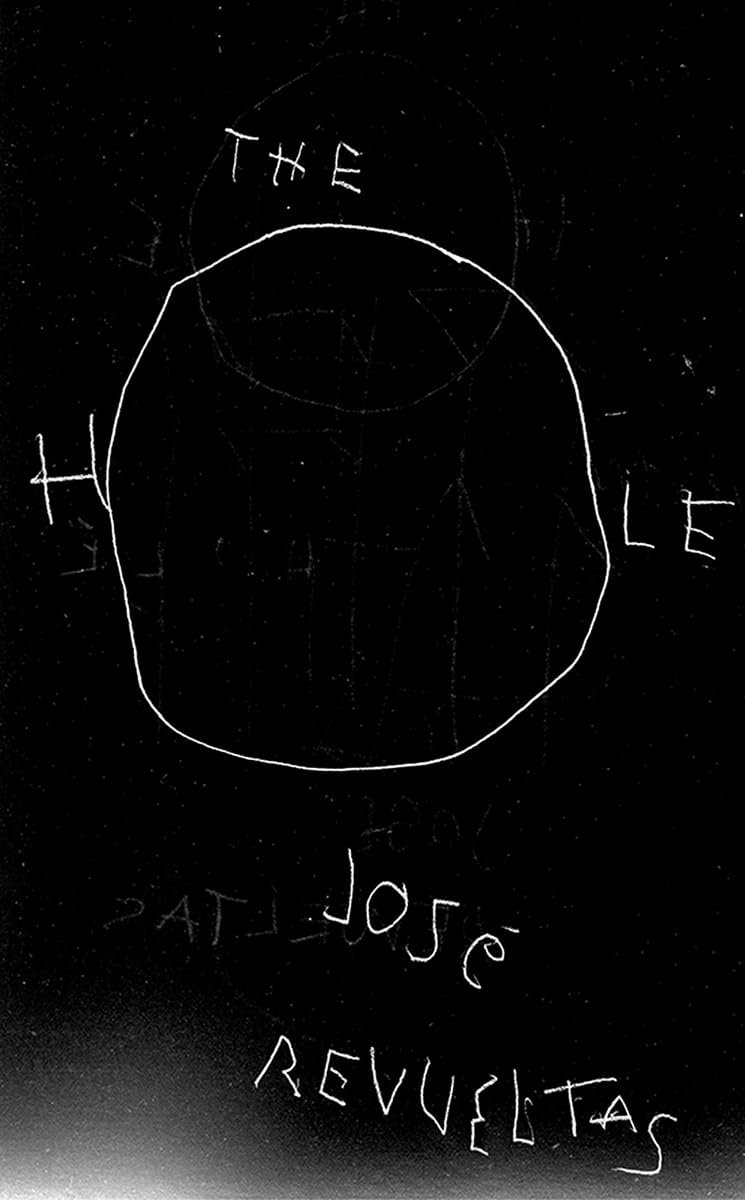
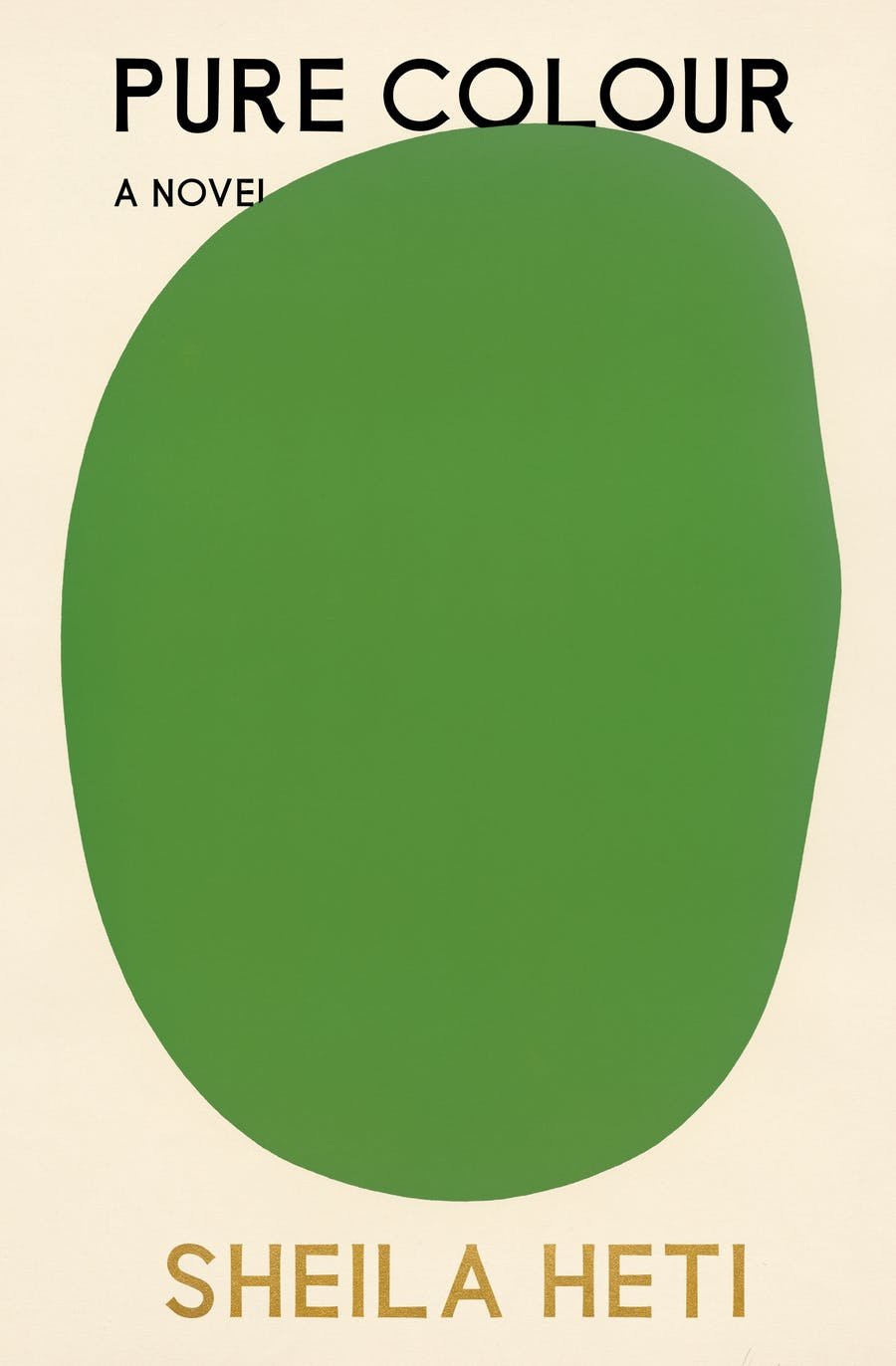
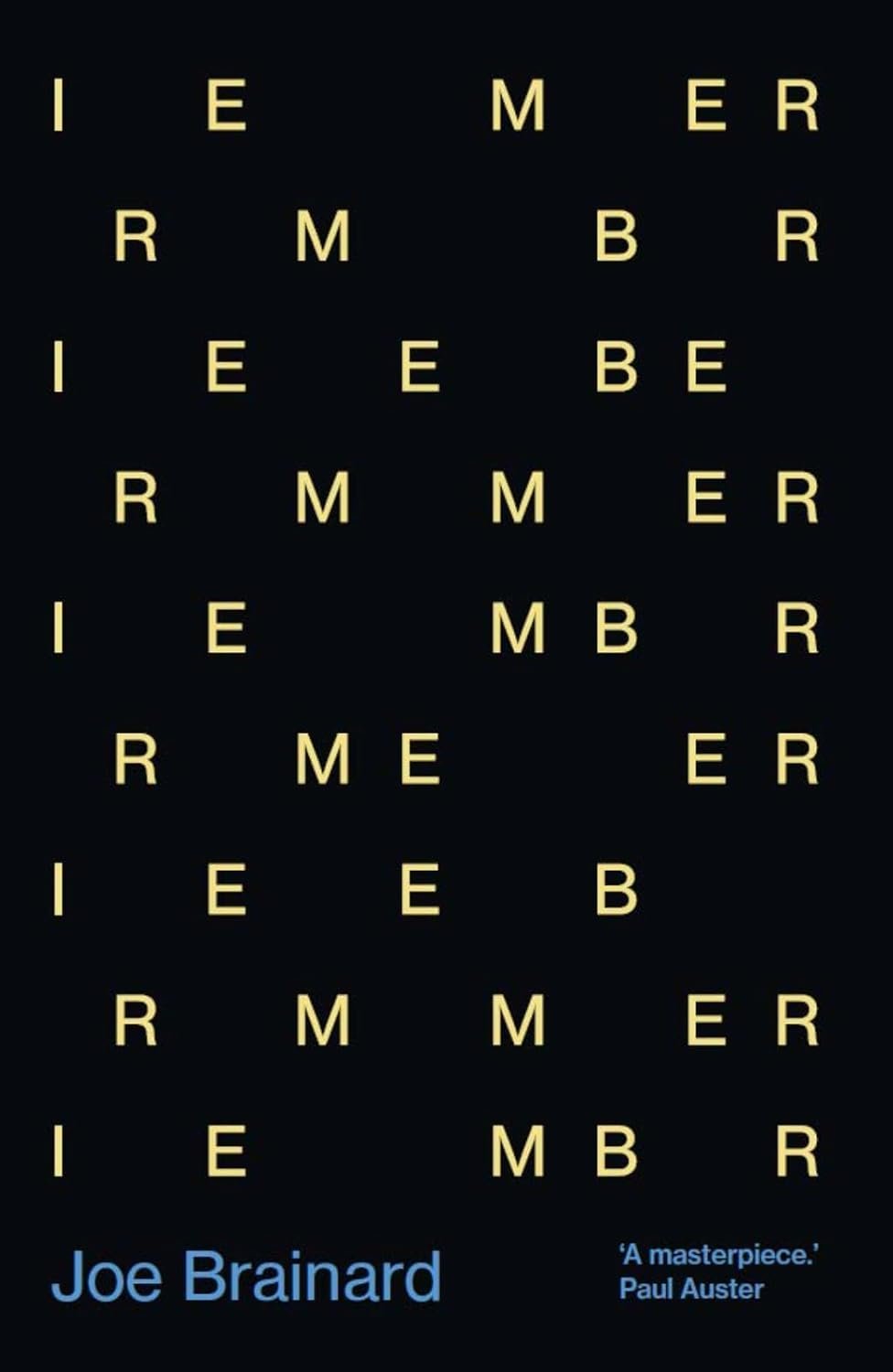
Every year since 2016, Literary Hub has asked a group of book cover designers for their picks for the best book covers of the year. Using 10 years of data, here are their picks for the best covers of the last decade. I’ve included a few of my personal favorites below.

The Anthony Bourdain Reader (Amazon) is a collection of writings from the late author, TV host, and chef, including some unpublished pieces.
The Anthony Bourdain Reader is also a showcase for new and never-before-seen material, like diary entries from Bourdain’s first trip to France as a teenager and “It’s Cruel and Unforgiving Terrain,” a piece on the New York restaurant scene, as well as unpublished short fiction like “I Quit My Job Yesterday” and chapters from No New Messages, his unfinished novel. These newly discovered pieces all contribute to give the fullest picture of the man behind the books.
Here’s a sample from his teenage diary he kept on a trip to France:

And from a review in the Guardian:
Some of the loveliest passages come when Bourdain writes with just-so tenderness and precision about his family: a journey with his brother to La Teste-de-Buch in France among whose sand dunes they holidayed as young men; the outsize pleasure he takes in his five-year-old daughter nibbling on Pecorino and an anchovy. I suspect Bourdain will be read in years to come less as a writer about food than of food work. Everywhere he lands — whether in struggling bistros, mob joints or midtown nightclubs — he warms to the subaltern caste of underpaid toilers slicing and sizzling and sweating away.
The book was edited by his longtime agent Kimberly Witherspoon and contains a foreword by Patrick Radden Keefe. Buy now at Bookshop.org or Amazon.

For finding a good book, there is no substitute for going into your local independent bookstore and browsing what’s on the front tables, the bestsellers shelf, and the staff picks. But bookshop.org is an amalgam of online sales some of the best indie bookstores in the country (and websites like kottke.org), so the list of their bestselling nonfiction books for 2025 is pretty darned good. Here are a few from the list that I’ve featured (or should have featured) here this year:
Bit too late to order in time for the holidays, but there are also bookshop.org digital gift cards.
In a recent bombshell piece for the New Yorker (archive), Rachel Aviv explored the personal journals of the celebrated neurologist and writer Oliver Sacks. What she found was shocking: he had fabricated and embellished some of his most well-known work — like Awakenings and The Man Who Mistook His Wife for a Hat. Sacks himself referred to his “lies” and “falsification” in journal entries.
But, in his journal, Sacks wrote that “a sense of hideous criminality remains (psychologically) attached” to his work: he had given his patients “powers (starting with powers of speech) which they do not have.” Some details, he recognized, were “pure fabrications.” He tried to reassure himself that the exaggerations did not come from a shallow place, such as a desire for fame or attention. “The impulse is both ‘purer’ — and deeper,” he wrote. “It is not merely or wholly a projection — nor (as I have sometimes, ingeniously-disingenuously, maintained) a mere ‘sensitization’ of what I know so well in myself. But (if you will) a sort of autobiography.” He called it “symbolic ‘exo-graphy.’”
Sacks had “misstepped in this regard, many many times, in ‘Awakenings,’” he wrote in another journal entry, describing it as a “source of severe, long-lasting, self-recrimination.”
The author Maria Konnikova discovered Sacks’ work in high school — “it blew my mind”, she writes. After the Aviv piece was published, Konnikova wrote a post about Sacks: The man who mistook his imagination for the truth.
When Joseph Mitchell invents a fishmonger, nobody gets hurt. It’s not journalism. It’s not nonfiction. But it’s not life or death. When Jonah Lehrer invents a quote from Bob Dylan, you can call him a narcissistic idiot for thinking he can get away with fabulizing a living legend whose every word has been studied. It’s not journalism. It’s not nonfiction. But, again, it’s not the end of the world. When Oliver Sacks invents an ability that does not exist or crafts a portrait of his own creation, he is hampering medical progress and tampering with the ethics of his profession. Not all journalistic malfeasance is created equal. There are plenty of shades of grey. But making up medical details is not in the gray zone. It’s malpractice.
Hmm, I really don’t know about this one: an animated adaptation of George Orwell’s Animal Farm as a sort of Ice Age-ish comedy adventure? One commenter on YouTube says, “This movie is 100% gonna end with a random dance party scene with the pigs and humans dancing to something like Uptown Funk” and another suggests that “this is like a bad Family Guy joke from 2007 escaped into the real world”.
From a review in IGN:
Gone are the specific allusions to the Russian Revolution and the stinging critique of Stalinism laced into Orwell’s “all animals are equal, but some animals are more equal than others” allegory. Instead, Serkis paints the terrifying rise of porcine dictator Napoleon (Seth Rogen, playing brilliantly to and against type) in a broader brush for a modern era of big business run amok. In toning down the more graphic elements of its descent into totalitarianism and simplifying the depths of its commentary, the director and performance-capture pioneer trades a dystopian tone for something a little more uplifting. It’s a fun movie with some creative visual choices and a great cast, but it’s also hard not to feel like it lost some teeth on its journey from the page to the screen.
This Variety review isn’t much more encouraging:
Serkis’ 21st-century update dilutes Orwell’s political allegory in favor of what passes for something more “audience friendly”: His approach adopts the celebrity voices, cutesy character designs and antic, mile-a-minute energy of big-studio American toons. The result isn’t nearly as polished as Illumination or DreamWorks movies, but “good enough for government work,” as the saying goes.
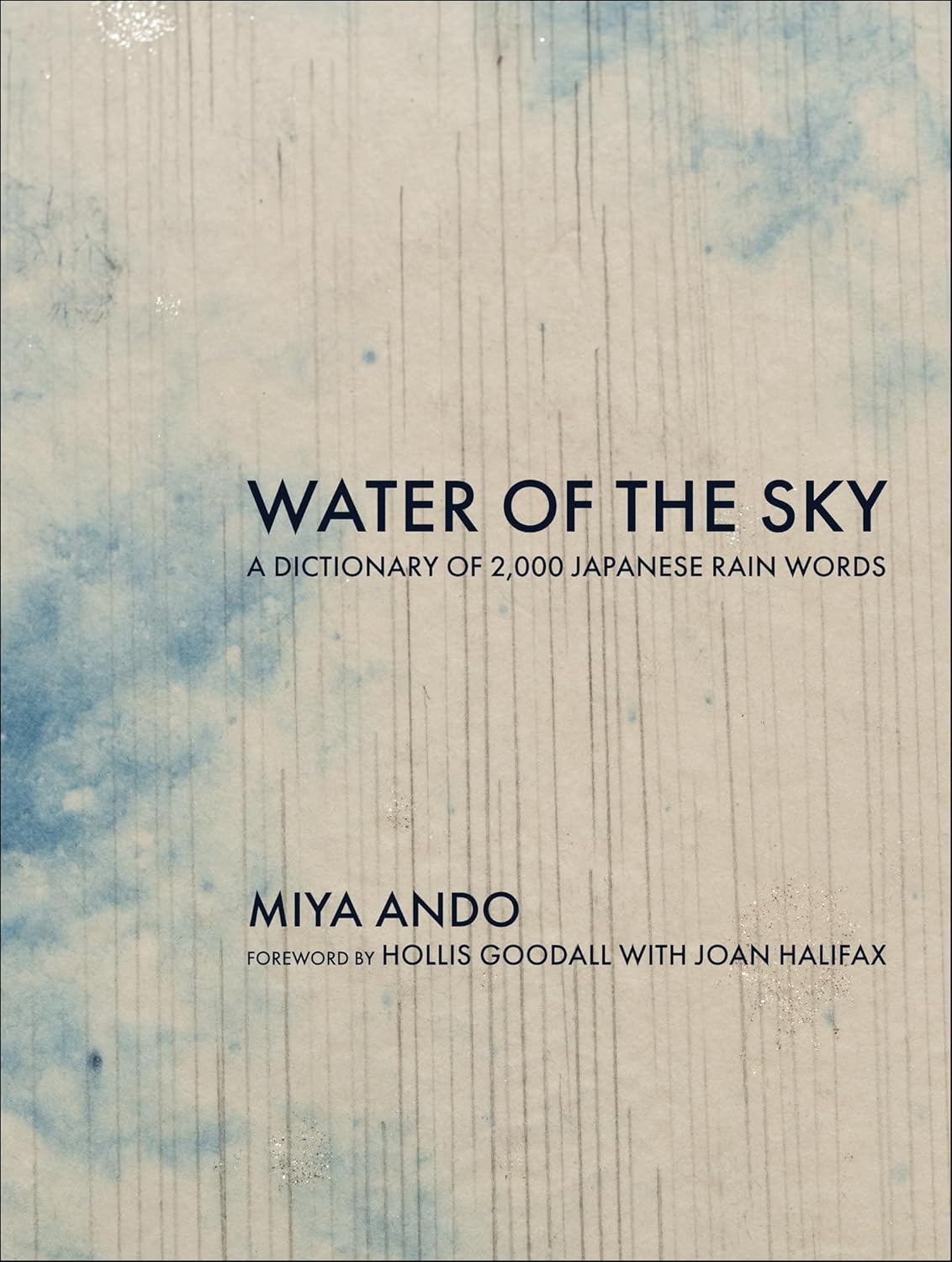
From artist Miya Ando, Water of the Sky, A Dictionary of 2,000 Japanese Rain Words.
Through a collection of 2,000 Japanese words, their English interpretations, and 100 drawings, Ando describes the breadth and diversity of rain’s many expressions: when it falls, how it falls, and how its observer might be transformed physically or emotionally by its presence.
I paged through this at a bookstore recently; it is delightful. From an excerpt of the book, here are a few of Ando’s rain words & phrases:
Tokidoki Niwaka Ame: Sometimes light snow and rain showers
Ama ga Nukeru: The skies open up, it rains like cats and dogs
Shinotsukuame: Intense rain that falls heavily, is very fine and strong like the Bamboo Grove at Shinotake
Giu: False rain
Amadoi: Sliding red beans to resemble the sound of rain
Kōu: Rain that comes exactly when you were waiting for it
Water of the Sky is available at Bookshop, Amazon, and wherever books are sold.
Konnichiwa! I’m back from Japan and finally getting over my jetlag, which took much longer than I expected. Here’s a list of all the things I’ve been reading, watching, listening to, and experiencing over the past few months.1 Let us know what movies, books, art, TV, music, etc. you’ve been enjoying in the comments below!
Deacon King Kong by James McBride. This was my first time reading anything by McBride and maybe I have a new favorite author? I love everything about this story and the way he tells it. (A+)
The Da Vinci Code. One of my go-to comfort movies. “Scientific” art history detective story? Yes, please. (A)
One Battle After Another. Great. Especially Sean Penn. And it reminded me of a Wes Anderson movie for some reason? Like one that he would have made had he followed the Bottle Rocket path instead of the Rushmore Path. (A+)
Meredith Dairy Marinated Sheep & Goat Cheese. All cheese is delicious, but this one particularly so. (A)
Fantastic Four. It was ok? Aside from a few things, I’m having trouble getting excited about post-Infinity Saga Marvel. There was just a special alchemy about that whole arc that is proving impossible to reproduce. (B)
The Age of Innocence by Edith Wharton. Fantastic right from the first page. Sharp writing about social mores, reminded me of Middlemarch & Price and Prejudice in that respect. One of my all-time favorites, I think. (A+)
The Gilded Age (season three). Still enjoying the hell out of this show. Total suspension of disbelief is a must. (A-)
Mission: Impossible. I haven’t seen this in maybe 20 years and I guess it holds up? Not my favorite of the series though. (B+)
Tinker, Tailor, Soldier, Spy. Great spy thriller. Gary Oldman is fantastic in this. Cold War? Spies? Britain? I will pretty much watch as many of this type of movie as you can make. (A)
Leaving America. This is a 12-part podcast on the logistics, benefits, and challenges of leaving the United States. Oh, no reason. (B+)
The Fellowship of the Ring (and TT & ROTK) by J.R.R. Tolkien. It’s been a while since I’ve read The Lord of the Rings books and wow, are they long. There’s entirely too much “and they travelled from here to there” logistics that drag on over several pages and descriptions of hilltops & ancient landmarks that you only hear about once. But Andy Serkis narrating the audiobook? So good. (A-)
The Lord of the Rings trilogy. After each audiobook, I watched the extended version of the corresponding film. My general feeling after 65+ hours of audiobook and 12+ hours of movie is that the books are too long and the movies too short. An 18-hour mini-series — perhaps three seasons of six episodes each? — seems like the sweet spot. (A)
Star Trek: Strange New Worlds (season three). Maybe didn’t enjoy this quite as much as the previous two season, but I love spending time with these people and look forward to doing more of that when season four drops. (B+)
Jaws. Got to see this in the theater when they released it for the 50th anniversary. Spielberg had such a strong style right from the jump. (A-)
Paradise. Just fine. But I feel like there are better apocalyptic shows out there. (B)
Downton Abbey: The Grand Finale. It was so nice to head to the theater to nestle myself into the low-stakes world of Downton Abbey for 2 hours. (B+)
Daft Punk Fortnite. Love anything with Daft Punk. (A)
The Heaven & Earth Grocery Store by James McBride. Right after finishing Deacon King Kong, I did something I almost never do: started in on a different book from the same author. Loved this one too. (A+)
Tron: Ares. It was a loud NIN music video on a huge screen, what’s not to like? Jared Leto was fine, but there were probably better casting options here that the audience would have been more excited about. And the direction could have been stronger…Gillian Anderson and Greta Lee were both surprisingly meh. (B+)
Tron: Ares soundtrack. Better than the movie. (A-)
Total Recall. First time! Maybe a little too Verhoeven/B-movie for me. (C+)
Cars. I’ve seen this movie several times and what I noticed this time around is how incredibly expressive the cars are. You can just tell they worked very hard on that aspect of the animation. (A-)
Shopkeeping by Peter Miller. This was recommended from a couple of different vectors — pretty sure one was Robin Sloan. Lots of resonance to my work here and how I think about it (and want to think about it). (A-)
Japan. Absolutely loved it. (A+)
Iyoshi Cola. Craft colas are often disappointing, but this one was absolutely delicious. Wish I could get it in the States for less than $14 a can. (A)
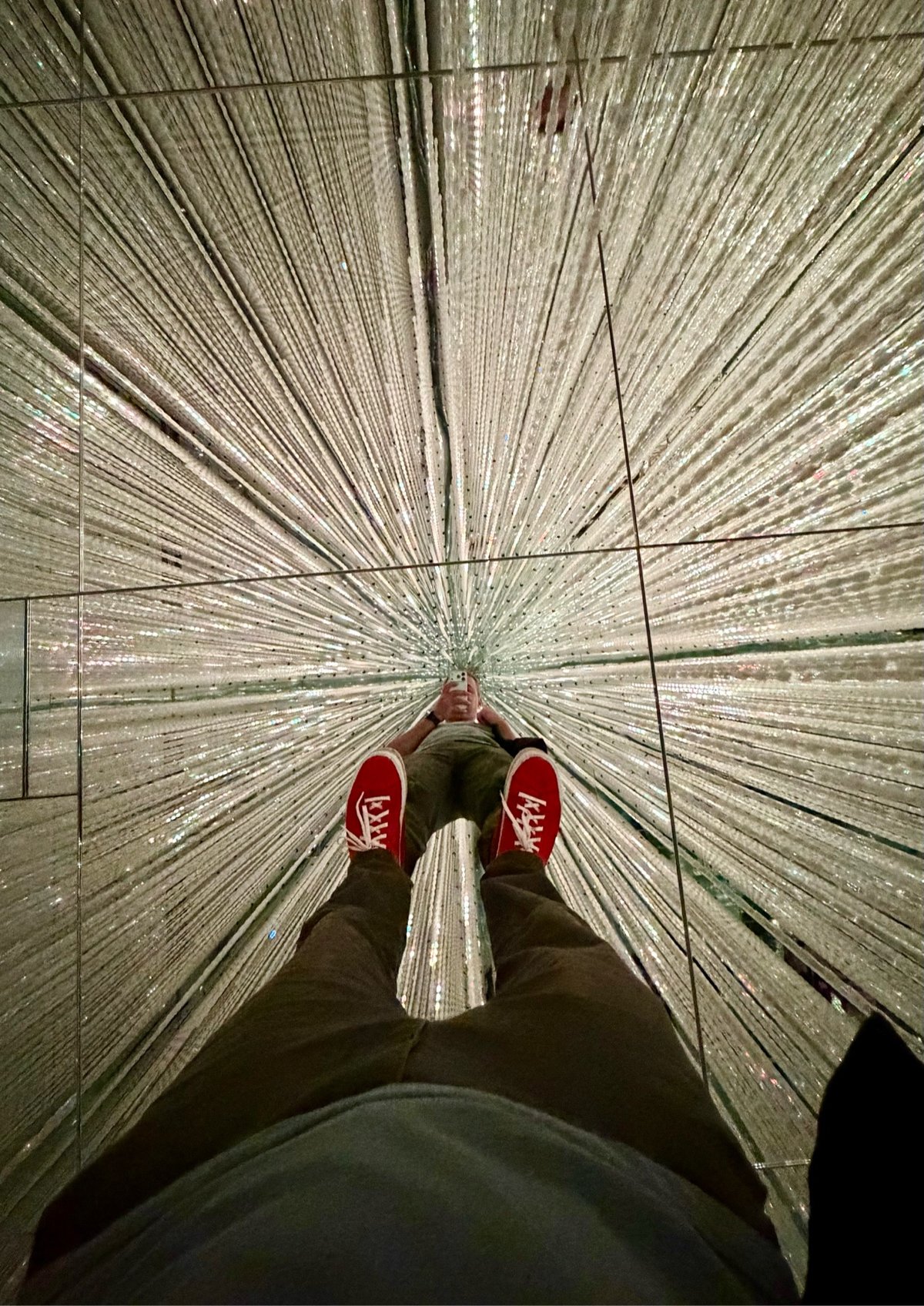
teamLab Borderless. Some of this was too “built for Instagram” but a couple of the rooms (the one where it felt like the whole room was moving & the cathedralish one with the light strings) were great. (A-)
The Sumida Hokusai Museum. Had to make the pilgrimage here. (A-)
In Praise of Shadows by Jun’ichirō Tanizaki. Read this book about Japanese aesthetics while visiting Japan — it provided an interesting context. (B+)
Hokusai at Creative Museum Tokyo. Fantastic show…there were hundreds and hundreds of prints and drawings that showed his evolution and influence. (A+)
Okunoin Cemetery. Had one of the strongest senses of place I have ever experienced. (A)
Konbini. The Japanese convenience stores really are as appealing as you’ve heard. (A-)
Awakening Your Ikigai by Ken Mogi. Perhaps a little over-simplifying when it comes to Japanese culture, but I appreciated the message of having a purpose. (B)
Sho-Chan Okonomiyaki. When I got to Hiroshima, I knew I had to try their version of okonomiyaki, so I went to Okonomimura, a multi-story building crammed with okonomiyaki restaurants. I picked one and had one of the most surprising meals of my trip. So good. (A)

Blue Planet Sky. I spent a lot of time sitting in this room by James Turrell. (A)
Kanazawa Phonograph Museum. Lovely little museum, and a good opportunity to observe how successful inventions move from technology to culture/fashion/commerce. (A)
Princess Mononoke. I saw this in the theater on my last full day in Tokyo; they recently released a 4K remaster. Absolutely breathtaking. (A+)
Butch Cassidy and the Sundance Kid. Redford and Newman are both total smokeshows in this. And I’d forgotten how goofy this movie is. (B+)
A House of Dynamite. A very tough watch, but I thought this was fantastic as a tour of some of the different kinds of people who hold the fate of every single person on the planet in their hands every damn day. They’re tired, stressed, distracted, at cross-purposes with themselves, set in their ways, more celebs than leaders, and mediocre. And none of them have ever seen Dr. Strangelove? (A)
Past installments of my media diet are available here. What good things have you watched, read, or listened to lately?
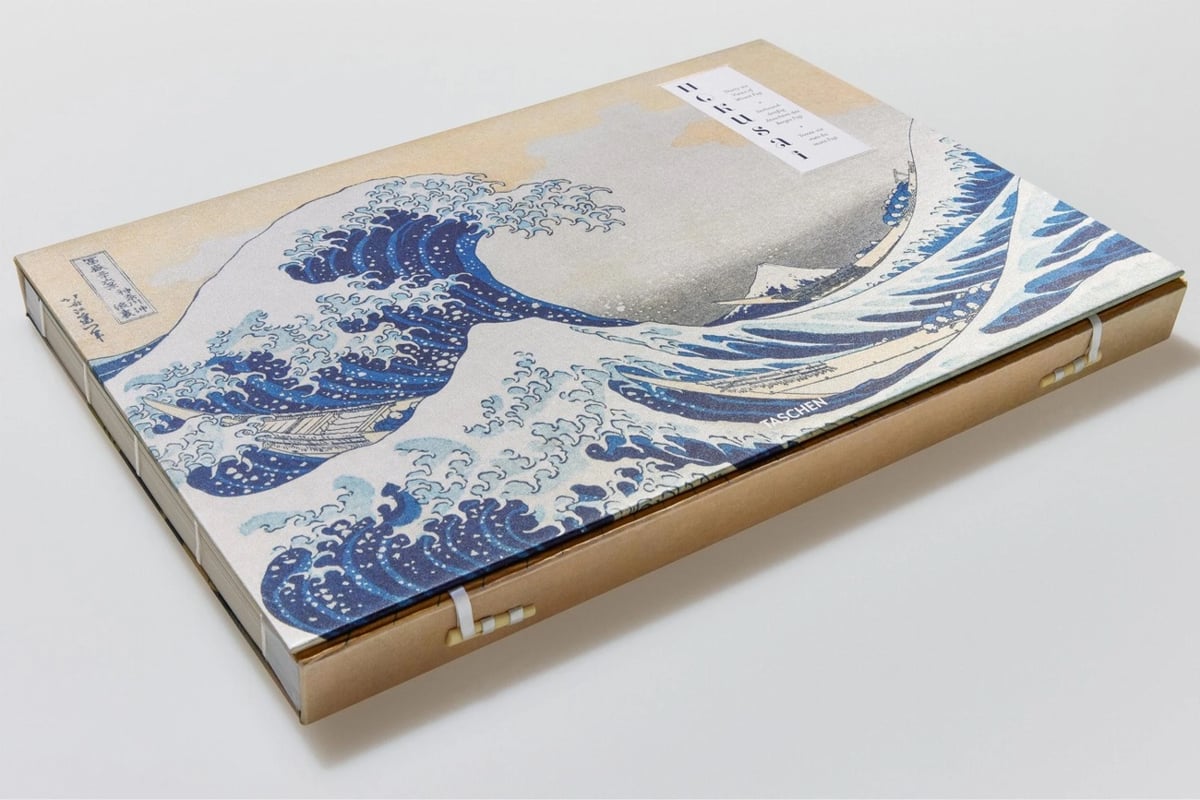


This book, from Taschen, looks amazing. Bound in Japanese style, it’s a reproduction of Katsushika Hokusai’s Thirty-six Views of Mount Fuji, a collection of woodblock prints of which the most famous is the Great Wave.
The prints illustrate Hokusai’s own obsession with Mount Fuji as well as the flourishing domestic tourism of the late Edo period. Just as the mountain was a cherished view for travelers heading to the capital Edo (now Tokyo) along the Tōkaidō road, Mount Fuji is the infallible backdrop to each of the series’ unique scenes. Hokusai captures the distinctive landscape and provincial charm of each setting with a vivid palette and exquisite detail. Including the iconic Under the Great Wave off Kanagawa (also The Great Wave), this widely celebrated series is a treasure of international art history.
This XXL version of the book is available at Taschen ($175), Bookshop ($210), and Amazon ($158). A smaller version of the book comes out in a few months and can be pre-ordered from Taschen ($80), Bookshop ($74), and Amazon ($80).
In a 2014 preface for his 1978 book The Ohlone Way, a description of how the indigenous peoples of California’s Bay Area lived before Europeans arrived, Malcolm Margolin shared a list of what he thought constituted a healthy society:
- Sustainable relationship with the environment. In a healthy society, the present generation doesn’t strip-mine the soil, water, forest, minerals, etc., leaving the future impoverished and the beauty of the world degraded.
- Few outcasts. A healthy society will have relatively few outcasts — prisoners, homeless, unemployed, insane.
- Relative egalitarianism. The gap between those with the most wealth and power and those with the least should be moderate, and those with the least should feel protected, cared for, or rewarded in some other way.
- Widespread participation in the arts.
- Moderation or control of individual power.
- Economic security attained through networks of family, friendship, and social reciprocity rather than through the individual hoarding of goods.
- Love of place. The feeling that one lives with emotional attachment to an area that is uniquely beautiful, abundant in natural recourses, and rich in personal meaning.
- Knowing one’s place in the world. A sense, perhaps embodied in spiritual practice, that the individual is an insignificant part of a larger, more abiding universe.
- Work is done willingly, or at least with a minimum of resentment.
- Lots of laughter.
(thx, swati)
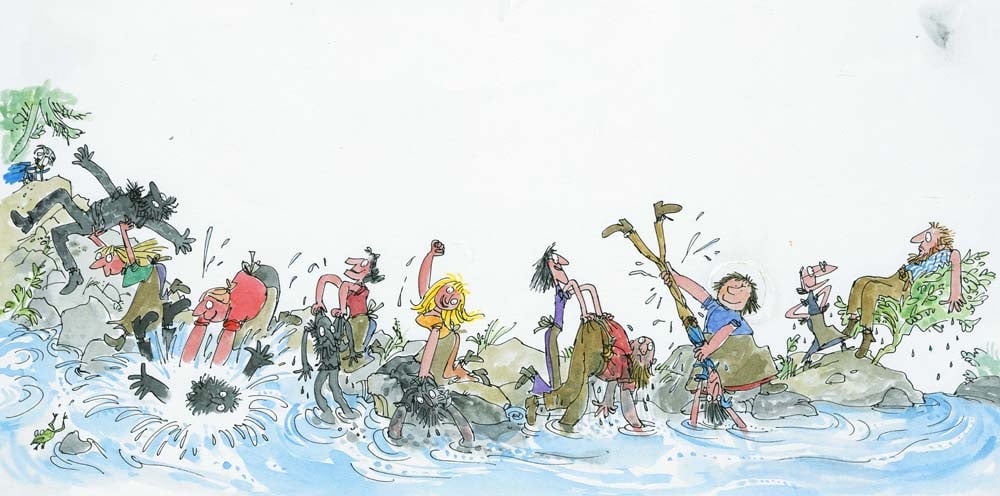
Illustrator Quentin Blake, who is most widely known for his energetic drawings for Roald Dahl’s books, generously shares his drawing process on his website and also in a series of videos.
I do a freewheeling sort of drawing that looks as though it is done on the spur of the moment. However even a single drawing needs a certain amount of preparation and planning. Most of the time I need to do a rough in which I find out how people stand, what sort of expressions they have and how they fit on the page.
Here are some of the videos he’s done. Quentin Blake draws a Hornswoggler:
Ten Minutes of Illustration (in three parts for some reason):
We Live in Worrying Times:
The illustration above is from The Wild Washerwomen.
In his latest video, Evan Puschak looks at the differences between Edith Wharton’s novel The Age of Innocence and Martin Scorsese’s 1993 film adaptation.
In every adaptation across artistic mediums, there is a loss. You lose something of the original, something vital. But hopefully you gain something too, ideally something that the new medium is uniquely good at expressing.
I’ve been thinking about the pros and cons of adaptation as I make my way through the entire Lord of the Rings trilogy on audiobook. I’ve been watching each of the movies after finishing the corresponding book, so I’m getting a really good sense how the books differ from the film adaptations. Some hardcore Tolkien fans were critical of some of Peter Jackson’s choices (leaving out Tom Bombadil for instance) but as the 20-hour+ audiobooks attest, you can’t leave everything in — and there are long sections where the books’ narrative drags like a rusty muffler.
Antonio Scurati’s 2018 “documentary novel” M: Son of the Century was a worldwide bestseller about the early political career of Benito Mussolini and the rise of fascism in post-WWI Italy. Director Joe Wright (Pride and Prejudice, Darkest Hour) has adapted the book into an 8-part TV series called Mussolini: Son Of The Century. Here are a pair of trailers:
One commenter on this YT video says “it’s Cabaret meets Clockwork Orange, meets Metropolis…” I stumbled across this via Carla Sinclair, who writes:
It is, unsurprisingly, violent and gritty, highlighting Benito Mussolini’s rise to power that began in the year 1919, when he founded the National Fascist Party in Italy. But it’s also beautifully shot, with military and fight scenes stunningly choreographed to electronic music by Tom Rowlands of the Chemical Brothers. At times it feels like an intense musical — without the song and dance.
If you’re in the US, you can stream Mussolini: Son Of The Century on Mubi — four of the episodes are available so far and the new ones debut on Wednesdays.
For her newest film, director Chloé Zhao (Nomadland) has adapted Maggie O’Farrell’s 2020 novel Hamnet; both book and movie are about William Shakespeare and his wife in the aftermath of the death of their 11-year-old son, Hamnet. Paul Mescal stars as William Shakespeare and Jessie Buckley as his wife Agnes. Here’s the trailer.
The film recently premiered at the Telluride Film Festival and the reviews are very good.
Premiering at the Telluride Film Festival ahead of a November theatrical release, Hamnet is devastating, maybe the most emotionally shattering movie I’ve seen in years. The book was overwhelming, too, and going into a film about the death of a child, one naturally prepares to shed some tears. Still, I did not really expect to cry this much. That’s not just because of the tragic weight of the material, but because the picture reimagines the poetic act of creating Hamlet. Shakespeare’s play sits on the highest shelf, fixed by the dust from centuries of acclaim. It is about as unimpeachable as a work of art can be. And yet, here is a movie that dares to explore its inception. The attempt itself is noble, and maybe a little brazen; that it succeeds feels downright supernatural.
The film premieres in the US on Nov 27 with a nationwide release on Dec 12.
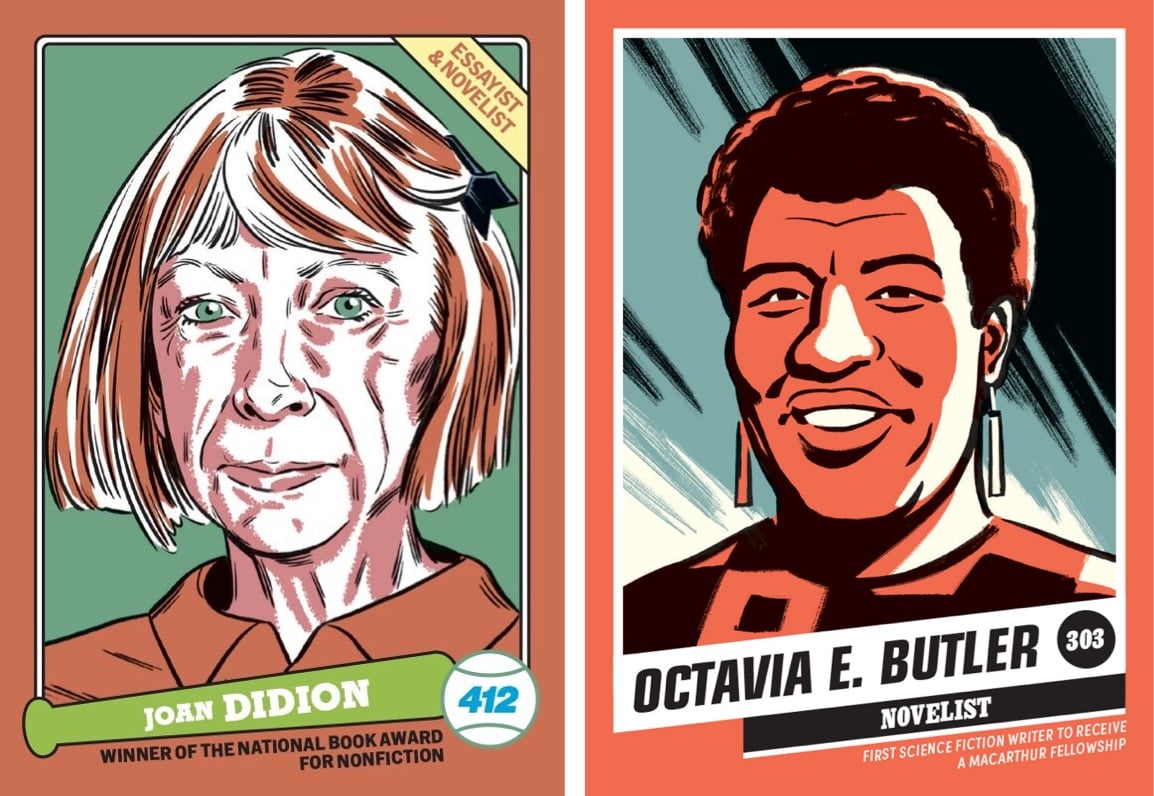
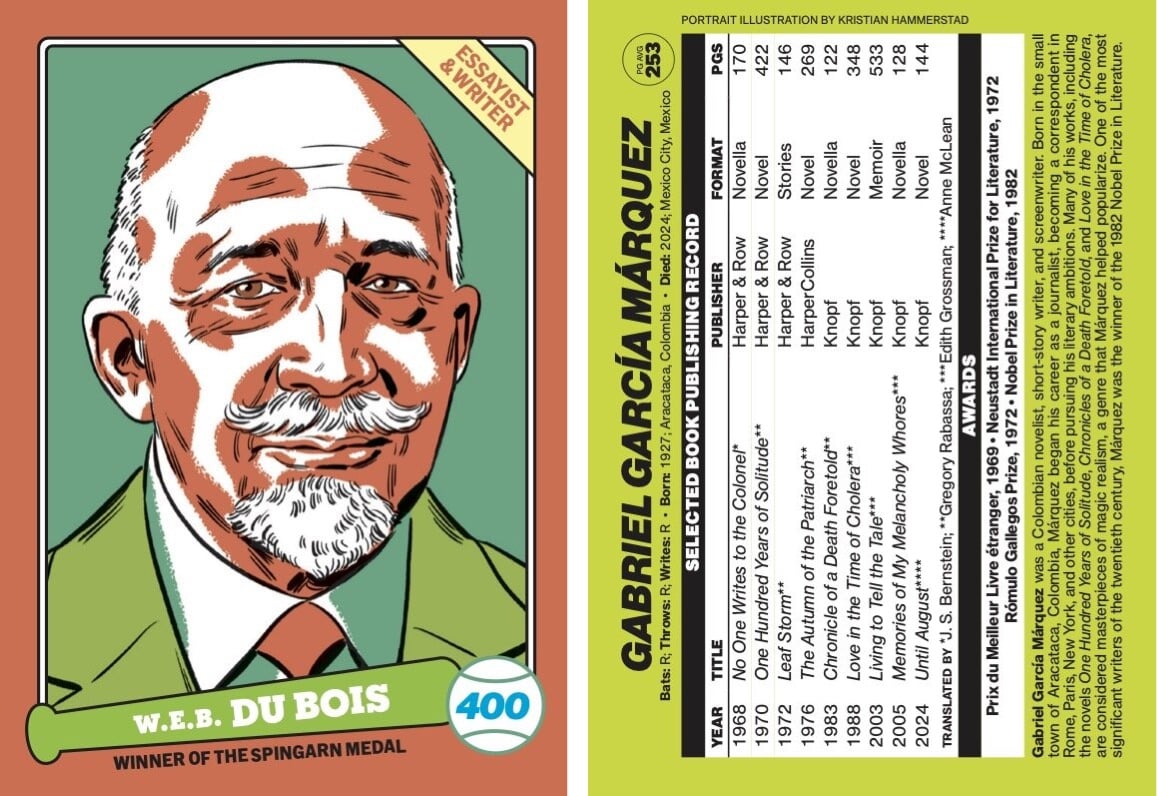
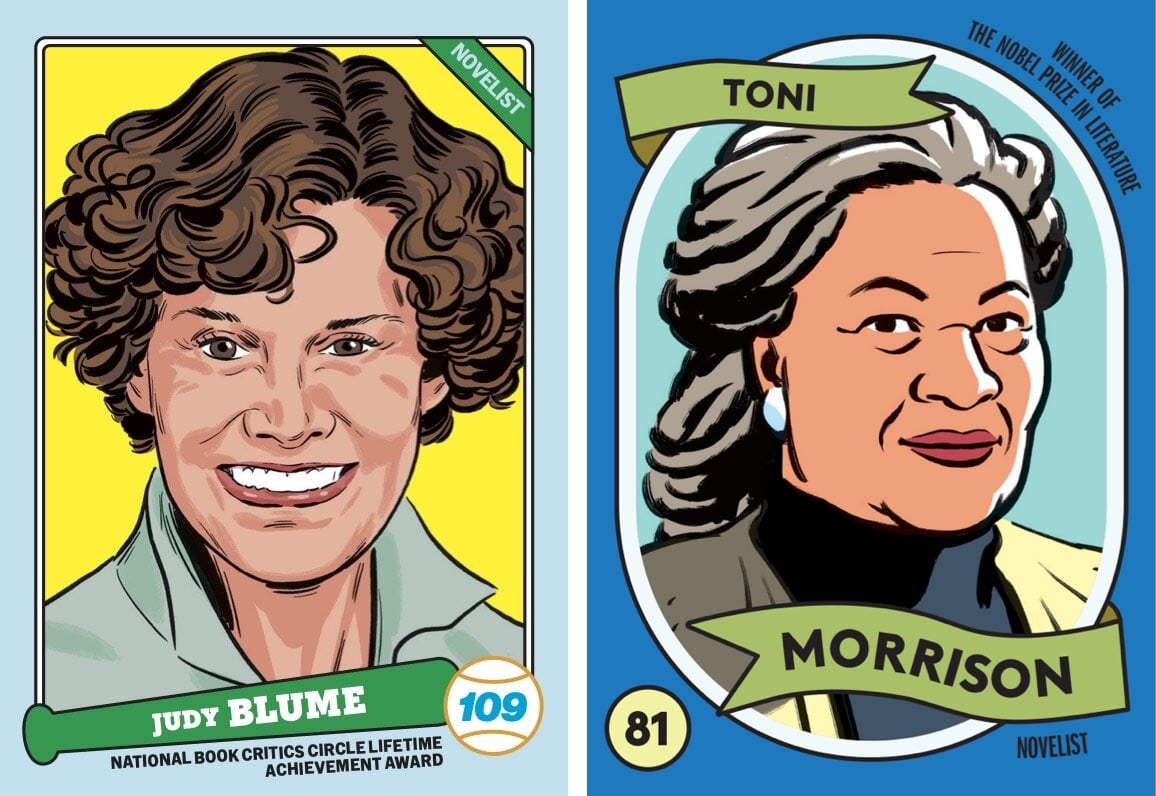
I love these author cards from McSweeney’s in the style of baseball cards.
For years you’ve seen athletes, web-slinging superheroes, orcs, and pocket monsters get the trading-card treatment, while you’ve sat in your room hoping upon hope that the heroes of magical realism or giants of New Journalism would get their own. The wait is over, friends.
They have three sets: the first set is a part of their 74th issue, series 2, and series 3. The authors featured in the sets include Octavia Butler, Judy Blume, Lauren Groff, Toni Morrison, Stephen King, George Saunders, Sarah Vowell, and Kurt Vonnegut.

Just the other day, I learned that Andy Serkis, who played Gollum in the LoTR movies, did an unabridged audiobook version of the original trilogy, as well as one of The Hobbit:
The Hobbit (Libro.fm, Amazon, Audible)
The Fellowship of the Ring (Libro.fm, Amazon, Audible)
The Two Towers (Libro.fm, Amazon, Audible)
The Return of the King (Libro.fm, Amazon, Audible)
I’ve listened to about three hours of Fellowship so far; it’s very good. Serkis is an exceptional voice actor who doesn’t so much narrate as perform the book. The whole trilogy clocks in at around 65 hours1 but I’m immersed already so it can go on as long as it wants for all I care.
And if you’re super hardcore, there’s also a Serkis-narrated version of The Silmarillion that clocks in at more than 19 hours. That is a lot of Middle Earth.
Well, it’s been awhile since I’ve done one of these but I’m gonna skip the apologies and get right into it. Here’s a list of what I’ve been reading, watching, listening to, and experiencing over the past several months. Let us know what movies, books, art, TV, music, etc. you’ve been enjoying in the comments below!
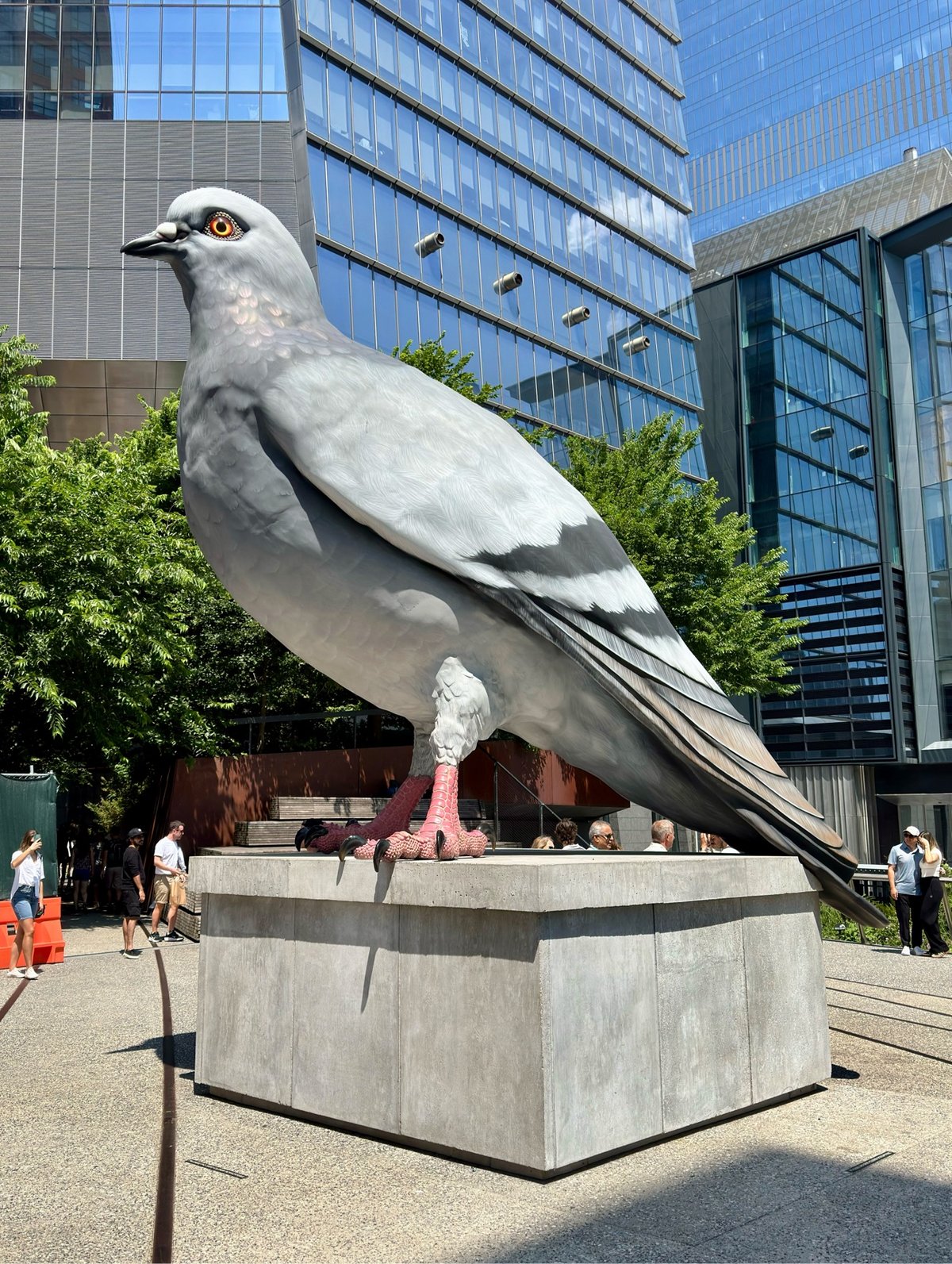
Dinosaur. It’s a huge pigeon on the High Line — what else do you need to know? (A-)
The Ministry of Time by Kaliane Bradley. Entertaining and engaging. It’ll make a good TV series. (B+)
Bill and Ted’s Excellent Adventure. I hadn’t seen this in several years but I still knew all the words. (A-)
My Brilliant Friend (season four). If there’s one thing I’ve watched in the past several years that I wish had gotten more attention from viewers, critics, and awards panels, it’s this wonderful show. (A+)
Pirates of the Caribbean: The Curse of the Black Pearl. Johnny Depp’s Jack Sparrow might be the most perfectly cast role in the history of cinema. Great story too. This movie surprised me when I saw it in the theater in 2003 and it’s still in the top tier of action/adventure movies. (A)
Andor (season one). A rewatch to prep for season two. I didn’t understand what the fuss was about this show the first time around, but this second viewing was a revelation. Andor is easily the best Star Wars thing since Empire. (A+)
Galleria Borghese. As previously discussed, the Bernini sculptures were a highlight of the summer. (A+)
Caravaggio 2025. Fantastic exhibition. (A)

The vivid blue color of the Mediterranean. (A+)
La Vita è Un Mozzico. We waited for an hour for sandwiches and it was probably worth it? (A)
Black Doves. British spy thriller? Keira Knightley? Ben Whishaw? Twist my arm. (B+)
Captain America: Brave New World. I’m sorry Sam Wilson / Anthony Mackie, there’s a “we have the Avengers at home” vibe here that’s hard to shake. (B)
Music to Refine To: A Remix Companion to Severance. I love this album; one of my favorite things of the past several months. (A+)
Mickey 17. It was fine? I was distracted while watching it in the theater, which is never a good sign. My favorite Bong Joon Ho film is still Snowpiercer. (B)

Amy Sherald: American Sublime. Absolutely fantastic. (A+)
The French Dispatch. This has quietly become a favorite of mine among Anderson’s films. (A)
The Royal Tenenbaums. However, this is still my favorite. (A+)
Paris Is Burning. Classic documentary of a bygone NYC era & a subculture that is now both flourishing and threatened. (A-)
Star Trek: Strange New Worlds (season two). I love these characters, always the sign of a good Trek. The crossover episode with Lower Decks was delightful even though I’ve not watched any of the animated series yet. The musical episode I liked less (not a showtunes guy) but I appreciated the experimentation. Bring on the Muppet episode. (A)
Severance (season two). Perhaps not as good as the first season — there was a lot in the mid-season episodes that didn’t land for me. Still, I always watched when a new episode dropped. (A-)
Army of Shadows. Part of the unplanned resistance film festival I’ve been screening for myself recently. Not quite as good as I remembered it, but it’s nice to watch something that doesn’t just lay everything out on a platter for you so you can emote properly. (A-)
Best in Show. So many lines from this that I use in my daily life. (A-)
The 99% Invisible Breakdown: The Power Broker. This is such a good series with fantastic guests about a legendary book. Who knew that Roman Mars was such a gigglepuss though? (A)
Johnny English. I didn’t find this quite as delightful as my family does. I prefer Mr. Bean. (B+)
Paddington in Peru. Not quite the magic of the first two, but entertaining. (B)
Indiana Jones and the Last Crusade. I have likely said this before, but while Raiders is likely the best Indy movie, Last Crusade is my favorite (probably due to Tom Stoppard’s heavy rewrite of the script). (A+)
Star Wars: The Return of the Jedi. It’s interesting to watch the original trilogy having seen so many subsequent movies & TV series.
Ocean’s Twelve. The dancing lasers scene is completely ridiculous. (A)
Wallace & Gromit: Vengeance Most Fowl. Well, I wasn’t expecting a critique of AI and the role of technology in society from this animated feature, but maybe I should have? (B+)
A Complete Unknown. Liked this more than I thought I would. (A-)
Pride and Prejudice by Jane Austen. Just a wonderful book — witty and fun. (A)
The Devil in the White City by Erik Larson. Fantastic book. Listen to the audiobook version if you can — Scott Brick’s narration elevates the story. (A)
A Quiet Place: Day One. I only watched this because I was on a plane. (B)
Severance (season one). After watching the second season, I rewatched season one. There was apparently much I missed the first time around. (A-)
Black Bag. Soderbergh is always worth watching, especially when he dips into Ocean’s Eleven territory — although this was more serious. (A-)
A Minecraft Movie. The first half was tolerable, enjoyable even. And then not so much. (C+)
Star Wars: Revenge of the Sith. Watched this in the theater for the 20th anniversary. There are some good bits in here, but some of the acting really stinks. Folks in the theater cheered when Anakin slaughtered the younglings, which is probably some sort of meme that I don’t want to know about. (B+)
Sinners. I loved this movie. (A+)
Thunderbolts*. Thought I would like this more than I did. (B)
Mission: Impossible – The Final Reckoning. The last scene is a masterclass in not having the faintest idea how to end a movie. (B+)
Andor (season two). Only a slight dip from season one. Overall, the series was a brilliant look at radicalization, the messiness of rebellion, and the oppressive flatness of authoritarianism. (A+)
There There by Tommy Orange. Devastating. (A-)
The Fear of Never Landing. Good album to chill out to by Marconi Union, who previously brought you the most relaxing song in the world. (A-)
Novocaine. This was bad. (D+)
Glass Onion. More Benoit Blanc mysteries please — I love watching Daniel Craig and his CSI: KFC accent chewing scenery. (A-)
The Gorge. Half of this was great and the other half was just another pseudo-horror action thing. (B-)
Martyr! by Kaveh Akbar. Marvelous. (A)
Andor: The Rogue One Arc. This fan edit of Rogue One in the style of a three-episode Andor arc is as Gilroy-esque a cut as you’re ever going to get. (A-)
Mission: Impossible – Rogue Nation. I had been kinda ambivalent about the M:I movies, but Fallout converted me, so now I’m slowly making my way back through the back catalog. (B+)
Via Carota. Best meal I’ve had in a long time. The tagliatelle was better than any pasta dish I had during my trip to Rome — it’s true, don’t @ me! And the roast chicken was perfect. (A+)
V for Vendetta. Underrated. (A-)
The Last Samurai by Helen DeWitt. I’m going to tell you the embarrassing truth: I thought this was about actual samurai and perhaps related to the Tom Cruise movie. It is very much not. I gave it a real shot but ended up abandoning it about halfway through. (C)
Spider-Man: Into the Spider-Verse. Still a marvel of animated creativity. (A)
The Phoenician Scheme. Didn’t vibe with this at all. (B-)
Downhill mountain biking. This is giving me so much life right now. (A+)
Wallace & Gromit: A Matter of Loaf and Death. Not my favorite W&G but still. (B+)
F1. Like Top Gun: Maverick crossed with Ford v Ferarri but Cruise and Bale played the aging outsider role much better than Pitt. Is Pitt even a good actor or is he just extremely charismatic? (B+)
Superman. I thought it was fine but didn’t like it as much as others seemed to. Better than anything Zach Snyder did for DC though. (B)
Shōgun. Rewatch with my son. Just an incredible show all the way around. (A+)
The Last of Us (season two). This show was always fighting an uphill battle with me — I don’t like zombie media and I dislike characters (Ellie!) who wouldn’t survive/thrive in the situations that they’re in with their personalities & characteristics. And I finally won. (C+)
The Handmaid’s Tale (season six). *sigh* No idea why I started watching (and then finished) this season; I’m a sucker for closure I guess. (C)
Nintendo Switch 2. I bought this to play Kart with my kids and also for a better Fortnite experience. So far, so good. (B+)
Mario Kart World. I haven’t played a ton of this, but it’s good so far. Free roam mode is pretty fun. I’ve gotta write up my Kart wishlist sometime…Nintendo only checked off one or two items in World. (B+)
Sargent and Paris. Caught this on the very last day of the show and hoo boy was it crowded. (A- for the show, C+ for the crowds)
Let God Sort Em Out. Need to listen to this one a few more times but I’m liking it so far. (B+)
Right now, I’m watching Star Trek: Strange New Worlds season three, listening to Deacon King Kong on audiobook (fantastic, a lock for an A+), rewatching Wandavision, and picking at Is a River Alive? by Robert Macfarlane.
Past installments of my media diet are available here. What good things have you watched, read, or listened to lately?
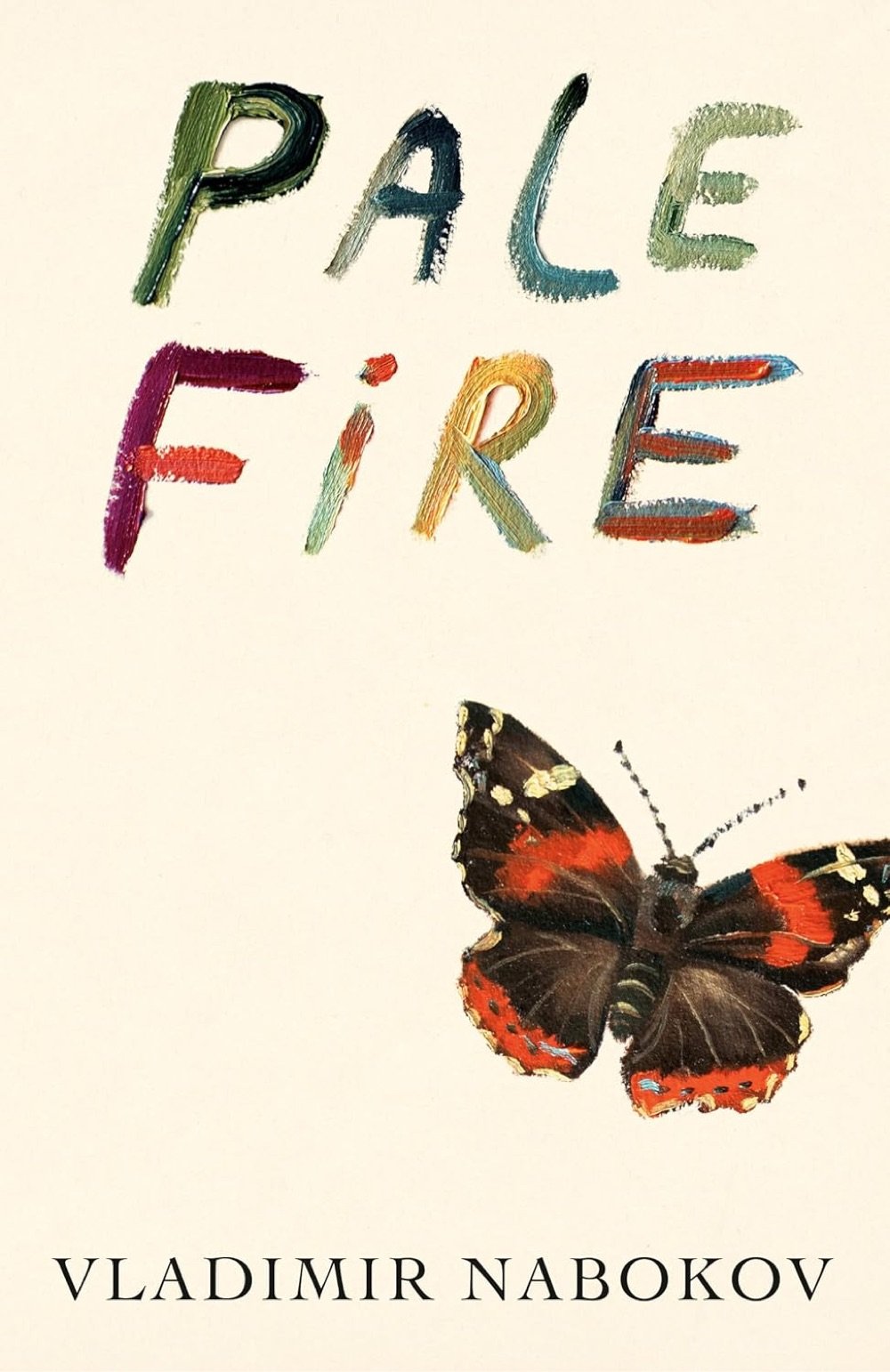
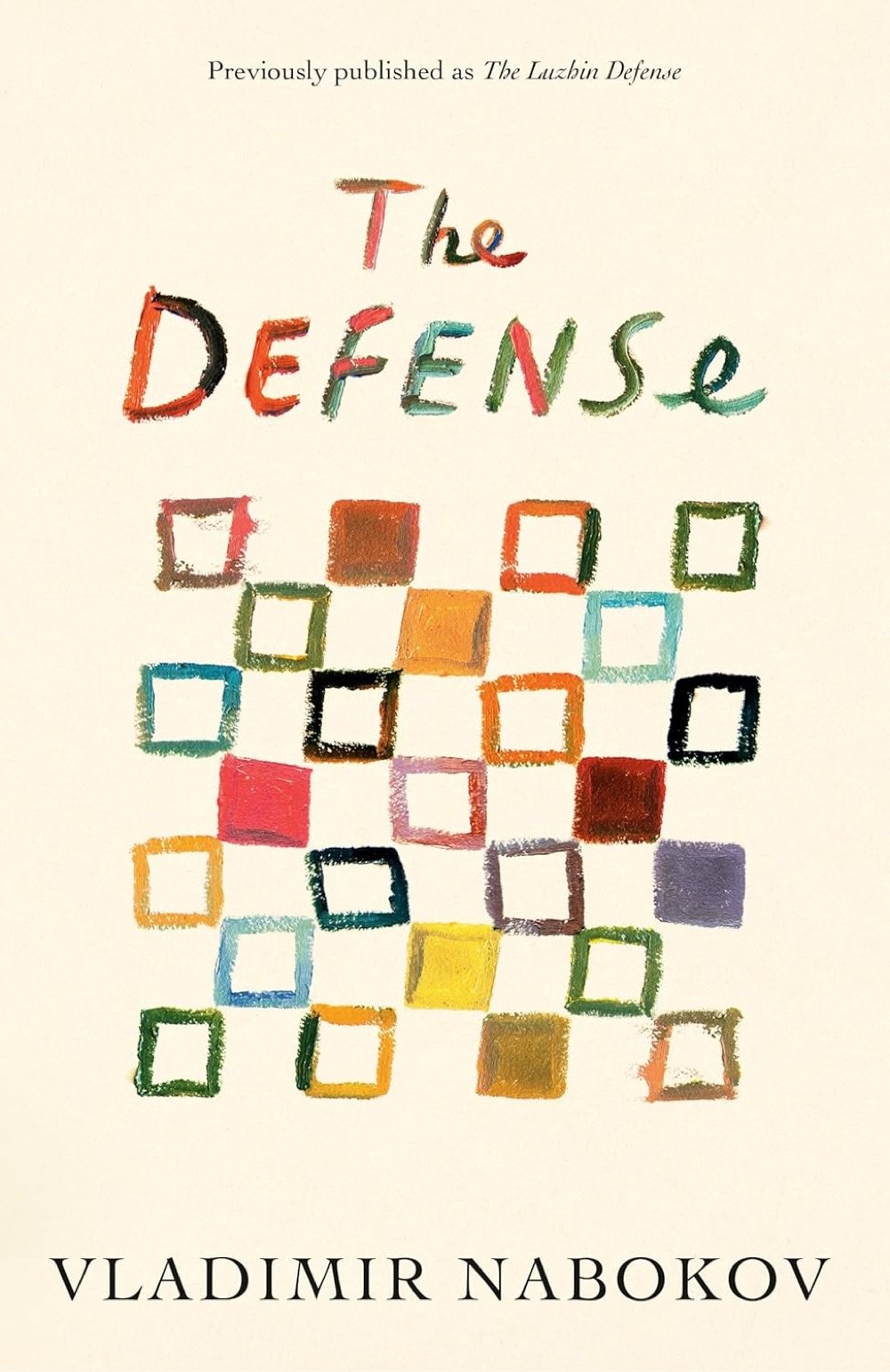
Na Kim is one of the best book cover designers out there, and I love her set of covers for four of Vladimir Nabokov’s books being released in advance of the 70th anniversary of Lolita. Pictured above are her covers for Pale Fire (Bookshop, Amazon) and The Defense (Bookshop, Amazon).
I am only a couple of chapters into James McBride’s Deacon King Kong (loving it!) and in the first chapter, there’s a relatively short passage about some cheese, Jesus’s Cheese, that comes into the lives of the members of the book’s community that is a first ballot Hall of Famer for the best depiction or description of a foodstuff in literature. Here it is:
The cheese was free. It came like clockwork for years, every first Saturday of the month, arriving like magic in the wee hours in Hot Sausage’s boiler room in the basement of Building 17. Ten crates of it, freshly chilled in five-pound hunks.
This wasn’t plain old housing projects “cheese food,” nor was it some smelly, curdled, reluctant Swiss cheese material snatched from a godforsaken bodega someplace, gathering mold in some dirty display case while mice gnawed at it nightly, to be sold to some sucker fresh from Santo Domingo.
This was fresh, rich, heavenly, succulent, soft, creamy, kiss-my-ass, cows-gotta-die-for-this, delightfully salty, moo-ass, good old white folks cheese.
It’s even better when narrated by Dominic Hoffman. “Moo-ass cheese” is going right into the regular rotation.
If you somehow missed Deacon King Kong — it was on every 2020 best of list — you can get it at Bookshop (paperback & ebook), Amazon (paperback & ebook), and Libro (audiobook, read by the aforementioned Dominic Hoffman, who is amazing and also narrated James).

Online bookseller bookshop.org recently released a list of their bestselling books of the year (so far). The list is quite a bit different than what you might see from larger booksellers and looks more like what your local bookstore has on their bestseller list. The top five:
- On Tyranny by Timothy Snyder. “Today, our political order faces new threats, not unlike the totalitarianism of the twentieth century. We are no wiser than the Europeans who saw democracy yield to fascism, Nazism, or communism. Our one advantage is that we might learn from their experience.”
- Careless People by Sarah Wynn-Williams. “An explosive memoir charting one woman’s career at the heart of one of the most influential companies on the planet, Careless People gives you a front-row seat to Facebook, the decisions that have shaped world events in recent decades, and the people who made them.”
- Sunrise on the Reaping by Suzanne Collins. “As the day dawns on the fiftieth annual Hunger Games, fear grips the districts of Panem. This year, in honor of the Quarter Quell, twice as many tributes will be taken from their homes. Back in District 12, Haymitch Abernathy is trying not to think too hard about his chances.”
- Parable of the Sower by Octavia Butler. “In the ongoing contest over which dystopian classic is most applicable to our time, Octavia Butler’s ‘Parable’ books may be unmatched.”
- We Can Do Hard Things by Abby Wambach, Amanda Doyle, and Glennon Doyle. “When you travel through a new country, you need a guidebook. When you travel through love, heartbreak, joy, parenting, friendship, uncertainty, aging, grief, new beginnings — life — you need a guidebook, too. We Can Do Hard Things is the guidebook for being alive.”
Others on the list that caught my eye:
- One Day, Everyone Will Have Always Been Against This by Omar El Akkad. “From award-winning novelist and journalist Omar El Akkad comes a powerful reckoning with what it means to live in a West that betrays its fundamental values.”
- James by Percival Everett. “A brilliant, action-packed reimagining of Adventures of Huckleberry Finn, both harrowing and darkly humorous, told from the enslaved Jim’s point of view.” (So, so good.)
- Let This Radicalize You by Kelly Hayes and Mariame Kaba. “What fuels and sustains activism and organizing when it feels like our worlds are collapsing? Let This Radicalize You is a practical and imaginative resource for activists and organizers building power in an era of destabilization and catastrophe.” (Buy direct from the publisher.)
- The Artist’s Way by Julia Cameron. “A revolutionary program for personal renewal, The Artist’s Way will help get you back on track, rediscover your passions, and take the steps you need to change your life.” (I think I saw, via Insta, Doechii reading this recently.)
- Bad Company by Megan Greenwell. “A timely work of singular reportage and a damning indictment of the private equity industry told through the stories of four American workers whose lives and communities were upended by the ruinous effects of private equity takeovers.”

Ah, this is awesome: Great Art Explained is one of my favorite YouTube channels and there’s a book version coming out in the fall.
Art can be thrilling, and resonate on a deep personal level. It is how you view the work, place it in context and understand its history that makes an artwork truly come alive.
A fresh approach to a classic subject, James Payne’s no-nonsense analysis sheds new light on 30 masterpieces from around the globe and reveals what makes them truly timeless works of art.
Each chapter delves into not only the art itself but also the artist’s life, as well as the work’s place in their wider oeuvre; in other words, what makes it “great.”
You can preorder Great Art Explained from Bookshop or Amazon.
Older posts



Socials & More