



Vintage Japanese Train Tickets
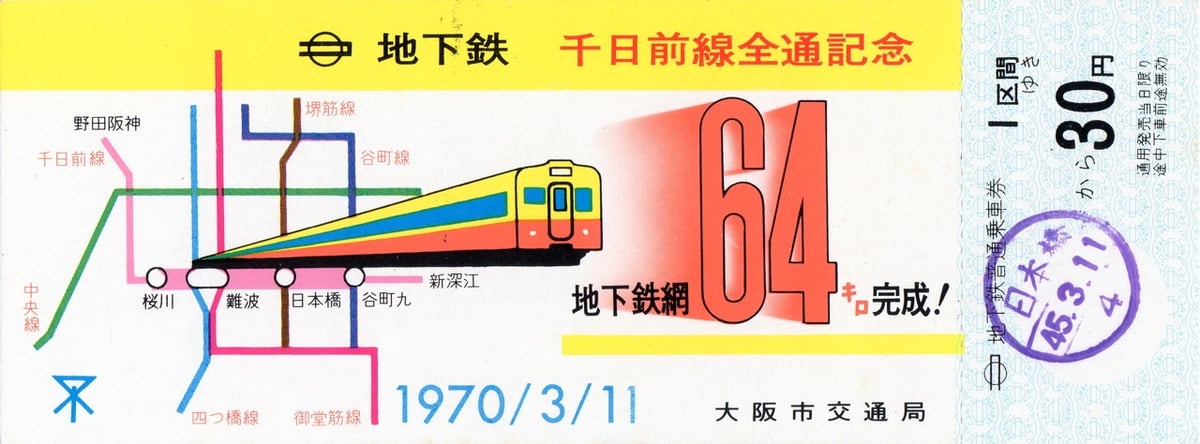
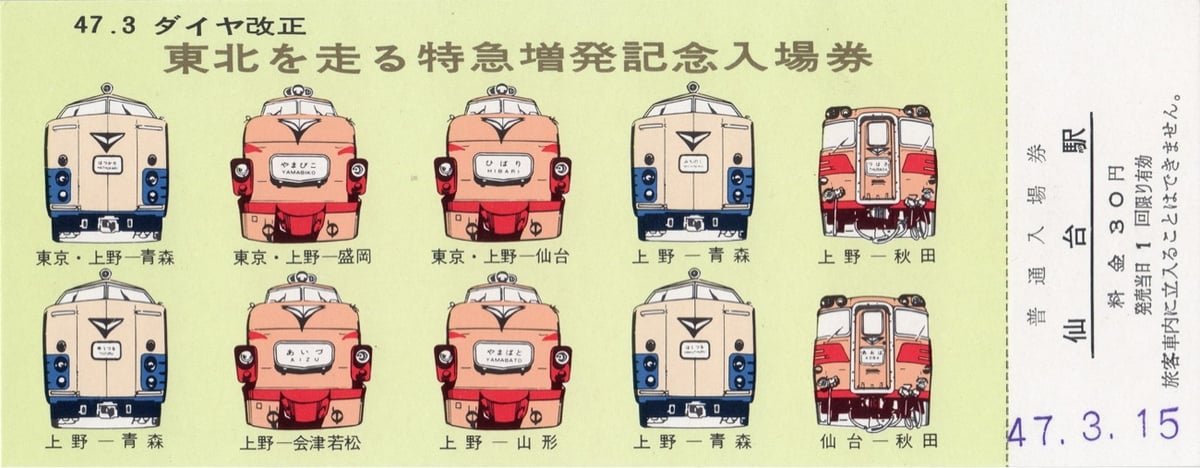
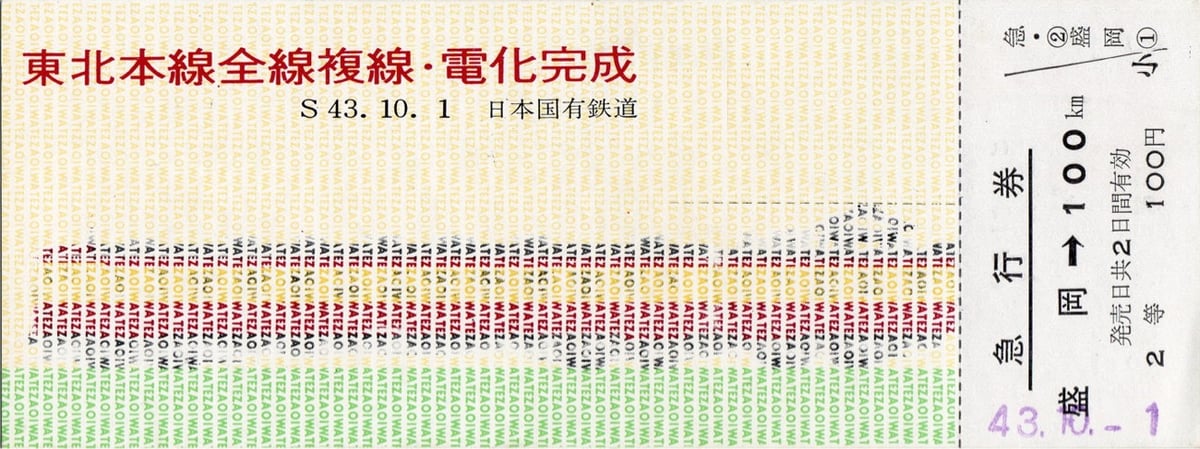
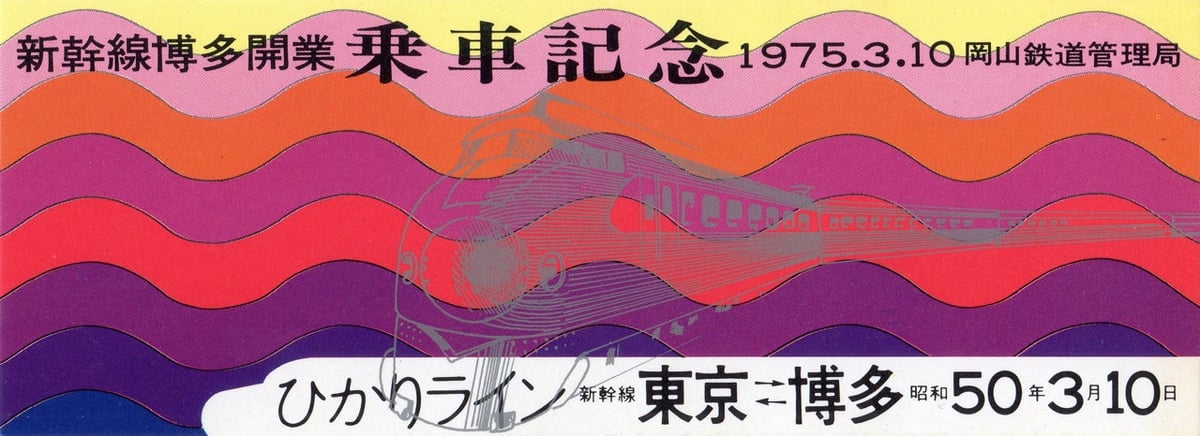
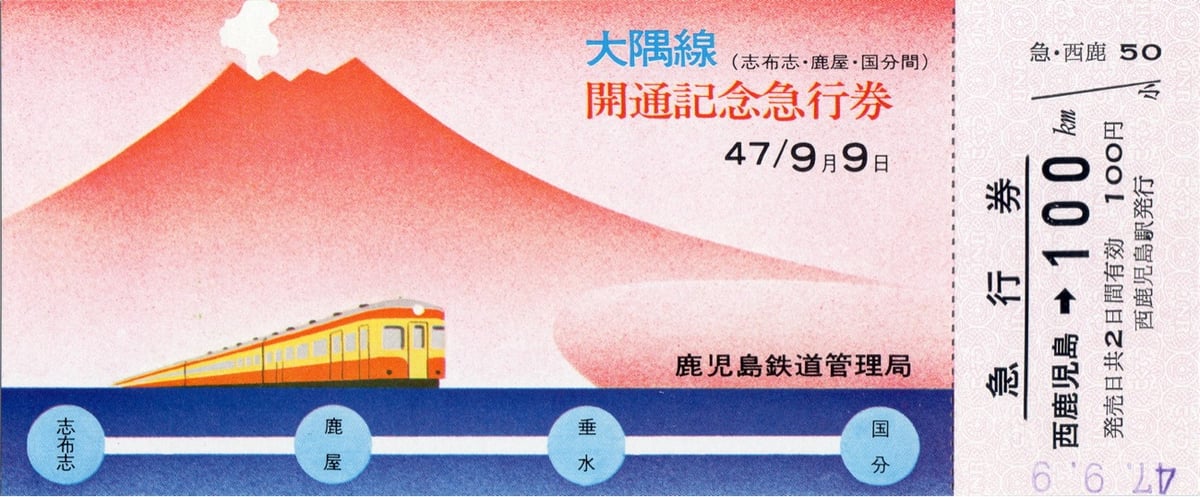

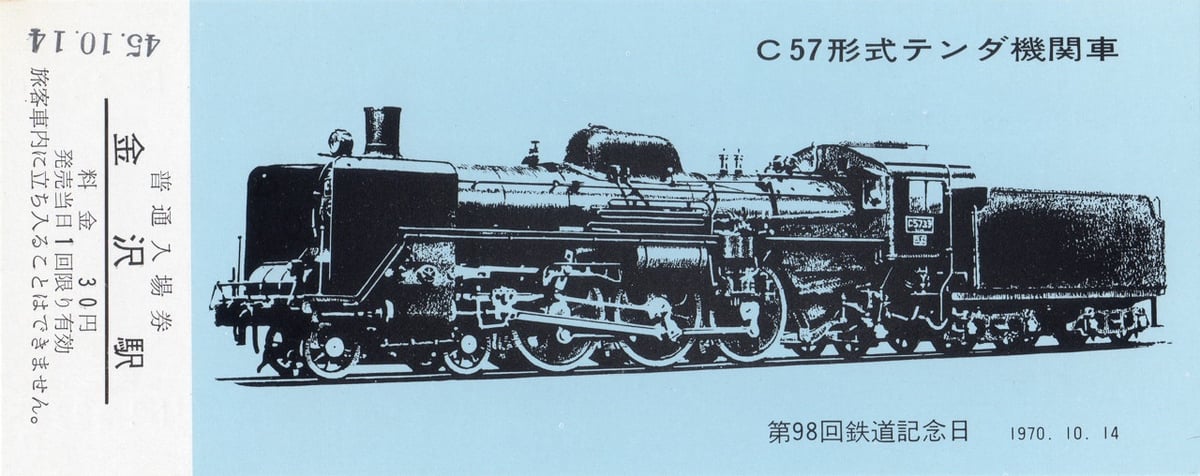
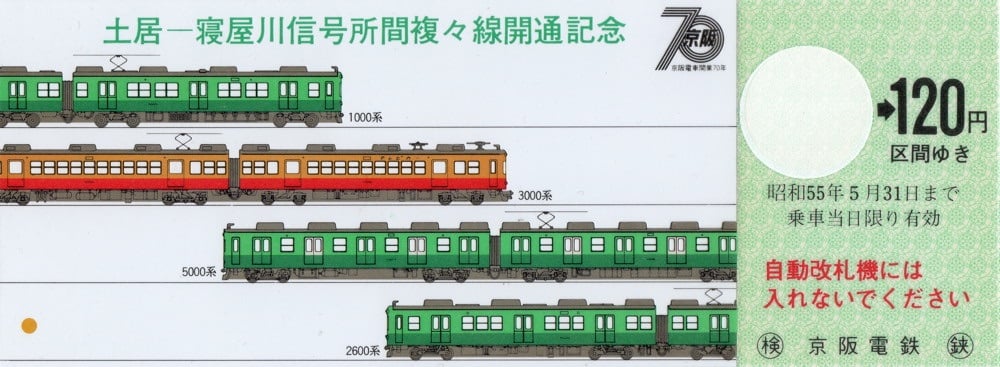
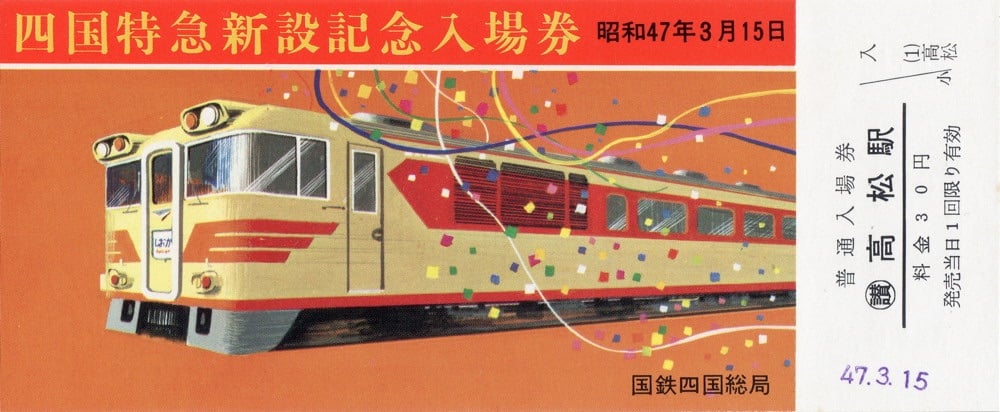
Oh, these old Japanese train tickets, sourced from this collector, are wonderful. So much design inspiration. You can find more at Present and Correct.
See also Vintage Weekly Bus Passes.

This site is made possible by member support. ❤️
Big thanks to Arcustech for hosting the site and offering amazing tech support.
When you buy through links on kottke.org, I may earn an affiliate commission. Thanks for supporting the site!
kottke.org. home of fine hypertext products since 1998.
Oh, these old Japanese train tickets, sourced from this collector, are wonderful. So much design inspiration. You can find more at Present and Correct.
See also Vintage Weekly Bus Passes.
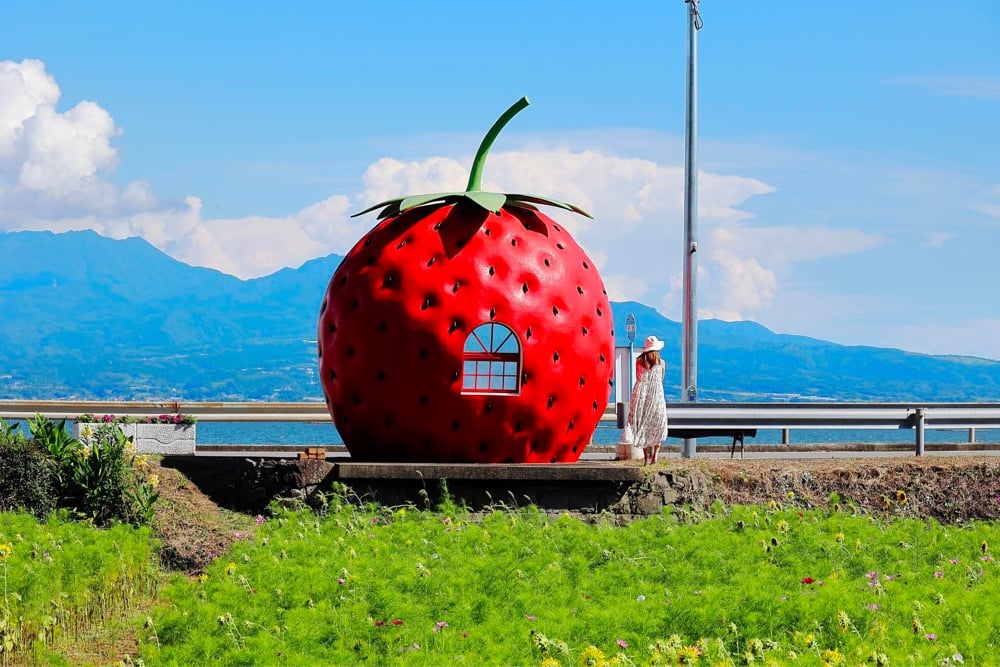
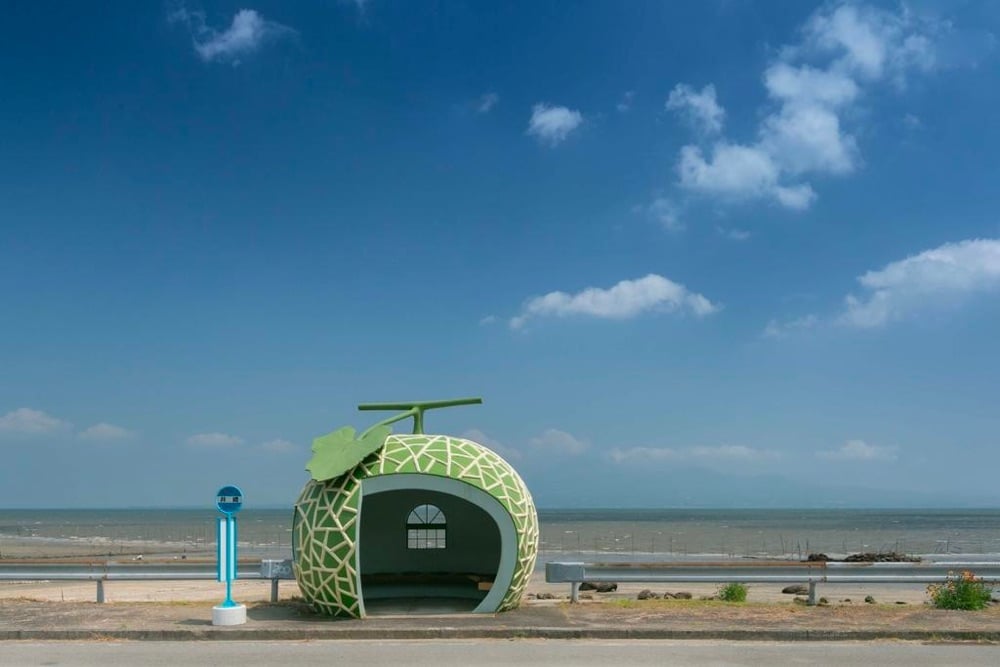
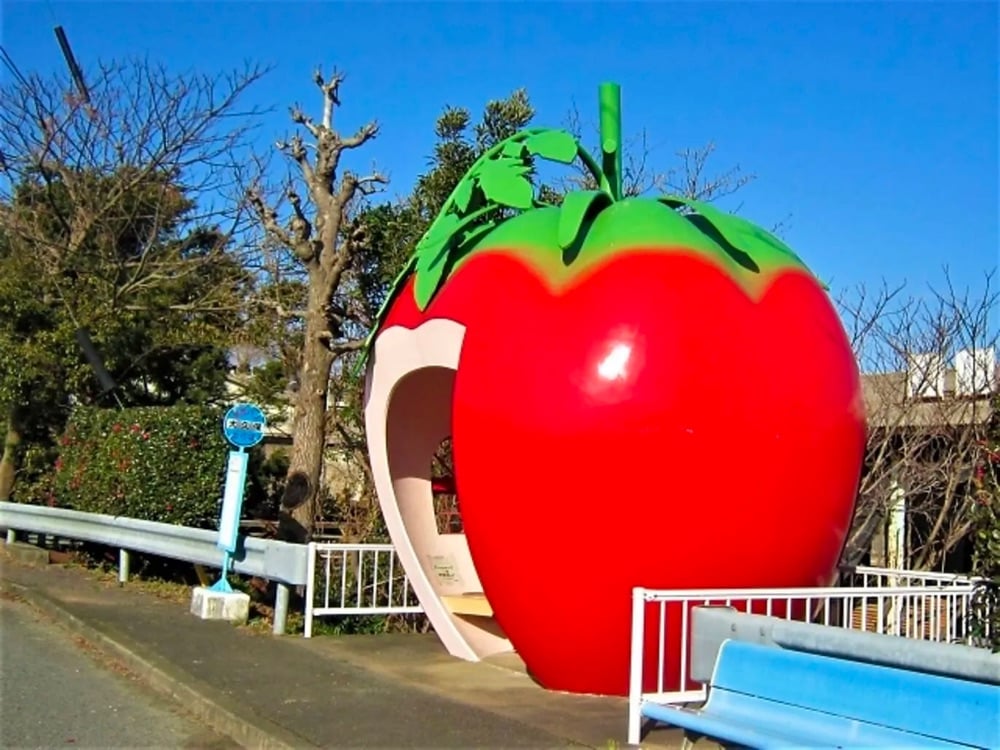
The small town of Konagai in Nagasaki Prefecture has a number of whimsical bus stops shaped like fruits.
Today, there are 5 kinds of fruit-shaped bus stops; strawberry, watermelon, cantaloupe, orange and tomato. The area of the highway is now referred to as “Tokimeki Fruits Basutei Dori”, or “Tokimeki Fruit-shaped Bus Stop Avenue”.
(thx, caroline)
There are only a couple of things I like about Halloween: 1. Heidi Klum’s costumes (last year she dressed up as a worm), and 2. the relatively recent Japanese tradition of mundane Halloween costumes. From Spoon & Tamago and Nick Kapur (here too), here are a few of my favorite mundane costumes:
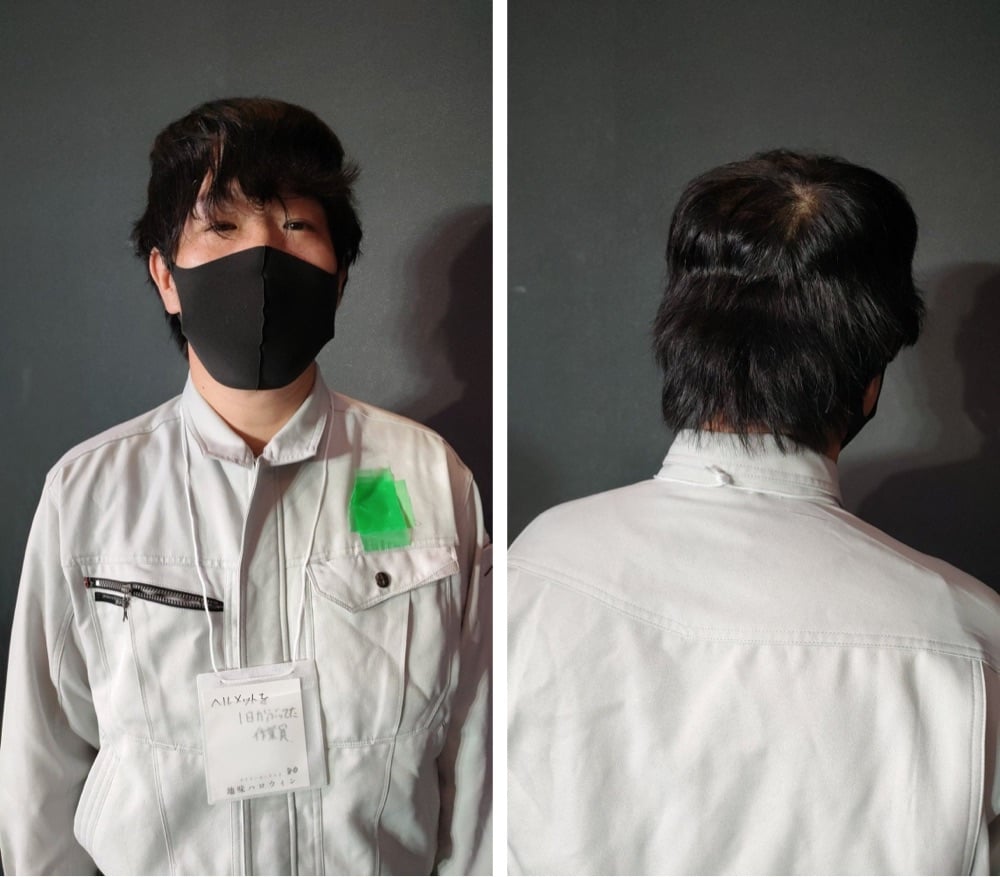
“Factory worker who wore a helmet all day”

“Person who was about to be late for work, but then their train got delayed and now they are taking their time since they got a proof-of-delay ticket from the station”
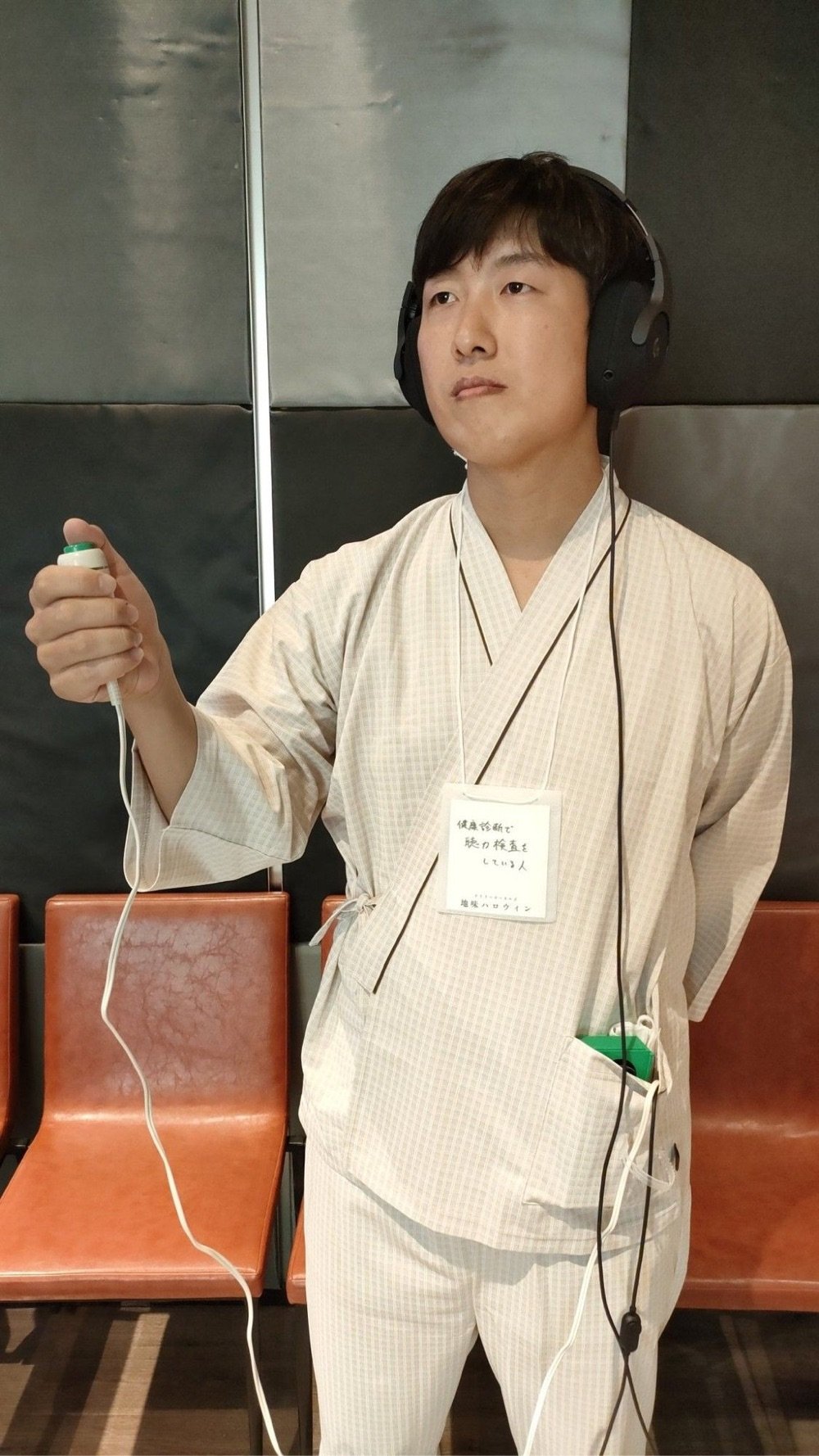
“Person taking a hearing test at the doctor’s office”
See also 2021’s best costumes, including “guy who leans in as his Mario Kart character turns a curve”.
This is great and I loved it to bits: a 15-minute video from the Life Where I’m From YouTube channel about a tiny izakaya (13 seats!) in Tokyo owned and operated by a woman called “Mama” by her regulars.
When Mama is busy, regulars at this izakaya will serve themselves, get their own beers, get their “bottle-keep” and make their own drinks. They’ll also help out Mama-san by serving other customers as well. […] Bottle keep is when a customer buys a bottle and the shop holds on to it for them. Then the next time they visit they can drink from that bottle again.
I’ve got lots of thoughts about this and connections to make! The izakaya’s casual help-yourself atmosphere reminded me of a post I made here more than 20 years ago called Business Lessons From the Donut and Coffee Guy.
“Next!” said the coffee & donut man (who I’ll refer to as “Ralph”) from his tiny silver shop-on-wheels, one of many that dot Manhattan on weekday mornings. I stepped up to the window, ordered a glazed donut (75 cents), and when he handed it to me, I handed a dollar bill back through the window. Ralph motioned to the pile of change scattered on the counter and hurried on to the next customer, yelling “Next!” over my shoulder. I put the bill down and grabbed a quarter from the pile.
I followed that up with another post a few years later:
I get my occasional donut in another part of town now, but I noticed something similar with my new guy. Last Friday, the woman in front of me didn’t order anything but threw down a $20, received a coffee with two sugars a moment after she’d stepped to the window, and no change. As they chatted, I learned that the woman pays for her coffee in advance. The coffee guy asked her if she was sure she owed today. “Yep,” she replied, “It’s payday today; I get paid, you get paid.” Handy little arrangement.
Get to know your customers and trust them — it’s a simple thing that even some small businesses never master.
If this place was on my commute home, I would definitely be a regular — it seems more like someone’s living room than a bar. But there are definitely spots with similar vibes in all sorts of places in the world. Last year, I went to a restaurant in Philadelphia called Her Place that also felt like this. From my sabbatical media diet:
A unique dining experience that’s not unlike going over to someone’s house for a dinner party. There are two seatings a night, at 6:00 and 8:30; all parties are seated at the same time. It’s a set menu with no substitutions and everyone in the restaurant is served at the same time. Every course or two, the chef quiets the diners to explain what’s coming up, who cooked it, where the ingredients are from, and anything else she thinks is relevant. It’s operationally smart and creates a great dining environment. Esquire just named it one of the best new restaurants in America.
Great meal and experience. I felt like a regular even though I’d never been there before. Speaking of, I wrote about being a regular back in 2013:
This is a totally minor thing but I love it: more than once, I’ve come in early in the evening, had a drink, left without paying to go run an errand or meet someone somewhere else, and then come back later for another drink or dinner and then settle my bill. It’s like having a house account without the house account.
I really miss that place — I moved away several years ago now but went back to visit as often as I could. But Covid (and an asshole landlord) killed it.
One last thing Mama’s izakaya reminded me of is when I visited a restaurant in Istanbul called Meşhur Filibe Köftecisi.
While I waited for my food, I noticed an order of köfte going out of the kitchen…to a diner at the restaurant across the street. When he was finished, the staff at that place bussed the dishes back across the way. Meanwhile, my meal arrived and the köfte were flavorful and tender and juicy, exactly what I wanted…no wonder the place across the street had outsourced their meatballs to this place. I’d noticed the owner, the waiter, and the cook drinking tea, so after I finished, I asked if I could get a tea. The owner nodded and started yelling to a guy at the tea place two doors down. A few minutes later, a man bearing a tray with four glasses of tea arrived, dropping one at my table and the other three for the staff. Just then, a server from the place across the street came over to break a 100 lira bill. Me being a big nerd, this all reminds me of Unix and the internet, all of these small pieces loosely joined together to create a well-functioning and joyous experience. There’s only one thing on the menu at Meşhur Filibe Köftecisi, but you can get anything else within yelling distance. I declined dessert…who knows where that would have come from.
(via andy, who correctly guessed this was up my alley)
Craig Mod recently finished a 16-day tour of jazz kissas in northern Japan. Jazz kissas are bar/cafes where one goes to listen to jazz, mostly on records and not live. Mod loosely defies them thusly:
Mostly defined as: Mid-20th century “listening cafes” for jazz music. But there is a lot of variance in this definition. Lots are coffee-focused cafes, fitting into the broader “kissaten” universe. But some are more bar-like, and some even jazz clubs (but for the most part, live music is rare). You can tie yourself in knots splitting hairs over this stuff. Though they’re traditionally known as “jazz kissa” — the shortened version of “kissaten” (fear not: even if you call them “jazz kissaten” you won’t suddenly turn into a pillar of salt). Some are seventy years old. Some forty. Some are five years old. The important defining element is simply: A presiding and effusive ever-abiding love for jazz, jazz, and more jazz.
At each stop, he recorded the ambient sounds of each kissa so that you can experience a little bit of the atmosphere at these places — here’s the full playlist. The recordings were done with a pair of microphones so that the audio is in stereo. This sounds great with a good pair of headphones!
Noh is a classical Japanese art of dramatic dance that’s been performed since the 14th century. The masks worn by characters are an art form in themselves, and in this video, an expert craftsperson carves a noh mask out of a single block of Japanese cypress and then paints it with pigments made from crushed seashells.
I love the look of the rough texture of the mask when she’s about halfway through, before she smoothes it out with the paint — it’s like IRL low-poly. But the detail of the finished product is incredible.
See also How to Carve Marble Like Italian Master Donatello. (via open culture)
In Japan, people who disappear from their lives are called “evaporated people”. People choose to drop out of their lives for different reasons, ranging from debt or abuse to mental health struggles or a lack of second chances in Japanese society. Some Japanese who want to go into hiding or relocate from domestic abuse or stalkers hire “night movers” to help them disappear.
For more info, here’s a long piece from Time magazine from 2017.
Sometimes a whole team works on a client’s disappearance, swiftly sweeping through an apartment in the dead of night. At TS, it costs between ¥50,000 ($450) and ¥300,000 ($2,600) depending on the amount of possessions somebody wants to flee with, how far they’re going, and whether the move needs to happen under the cover of darkness. Taking along children, or evading debt collectors, can push prices higher. Every day, TS receives between five and 10 inquiries like the one Saita described. Most people simply require counseling or legal advice but the company claims to help between 100 and 150 people to vanish annually.
I’m totally charmed by this collection of Japanese company buildings from Spoon & Tamago that are shaped like things related to what they sell. For instance, here’s a chocolate factory that looks like a big chocolate bar:
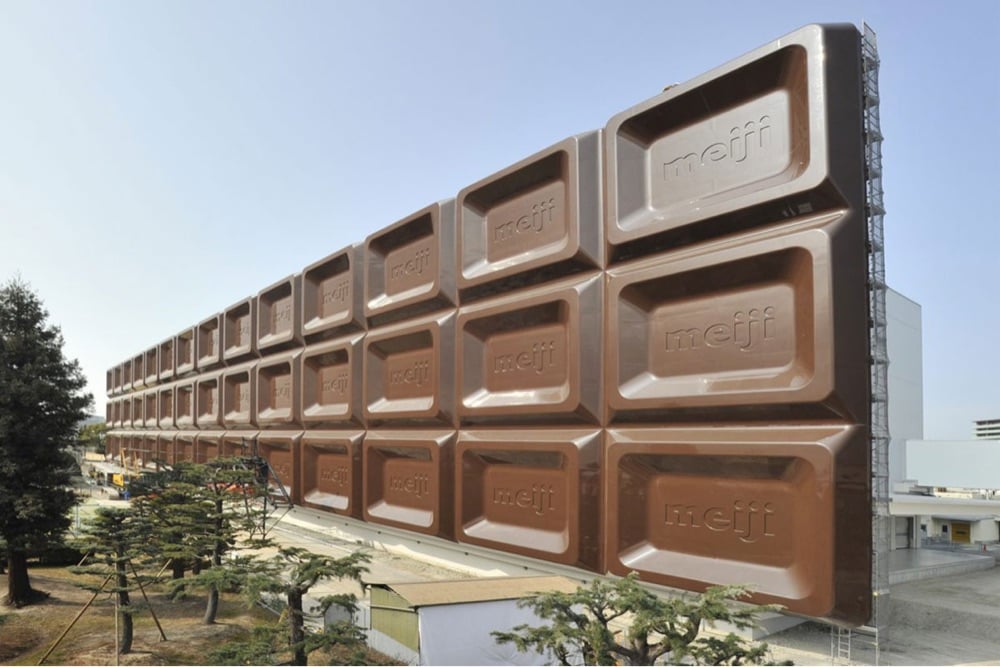
You’ll have to click through to see the rest, which include a building for a pet food company shaped like a dachshund and tanks at a brewery painted to look like beer glasses.
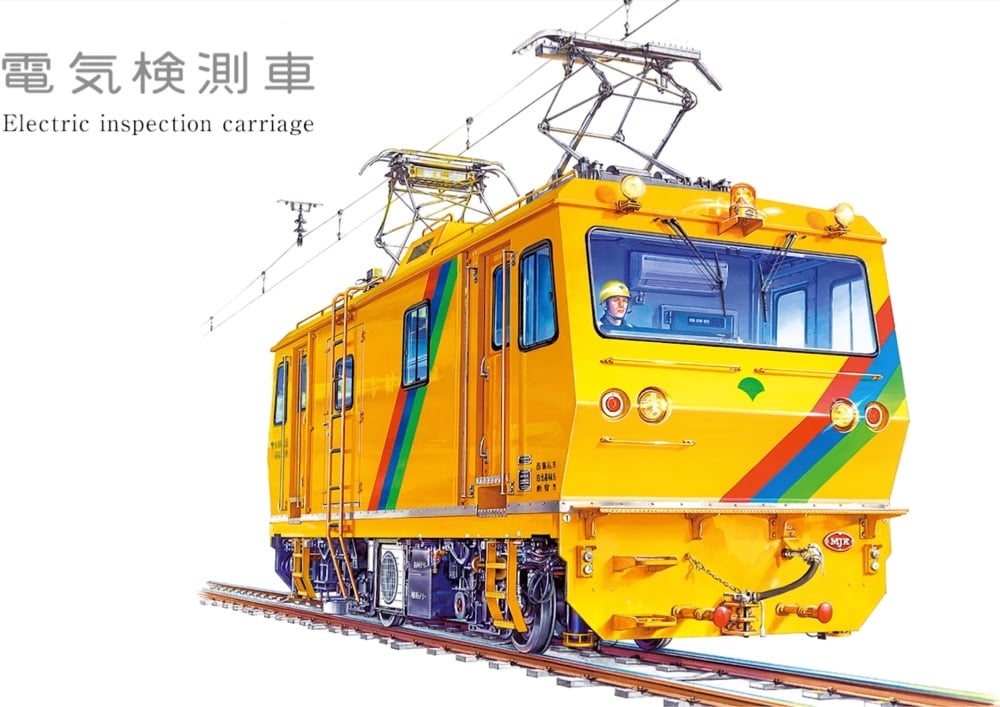
I’m charmed by these ultra-realistic drawings of Japanese maintenance trains by Masami Onishi.
Japanese trains are renowned for their punctuality, comfort and overall reliability. But part of what makes them so reliable is an “unseen” workforce of overnight trains. These trains will be unfamiliar to the everyday rider because they only show themselves after regular service has ended for the day. Working through the wee hours of night and early morning, they perform maintenance work on tracks and electrical wires that ensures a smooth and uninterrupted ride during the day.
My pal Craig Mod recently spotted a “rare and majestic” inspection Shinkansen called Doctor Yellow.
The inspection vehicle is popular among train enthusiasts as a sighting of the train is said to bring good luck since it is so rarely glimpsed.
Gotta love a place that’s so deservedly proud of and enthusiastic about its rail infrastructure.
Update: Great Britain has a maintenance train called the Yellow Banana. (thx, james)
From steel scrap to testing the final product with a ton of water pressure, here’s how Japanese manhole covers are made. The video is perhaps a little long in parts, so I would not blame you for skipping ahead to ~12:10 to see how some of the covers are hand-painted in brilliant color.
See also Japanese Manhole Covers Are Beautiful.
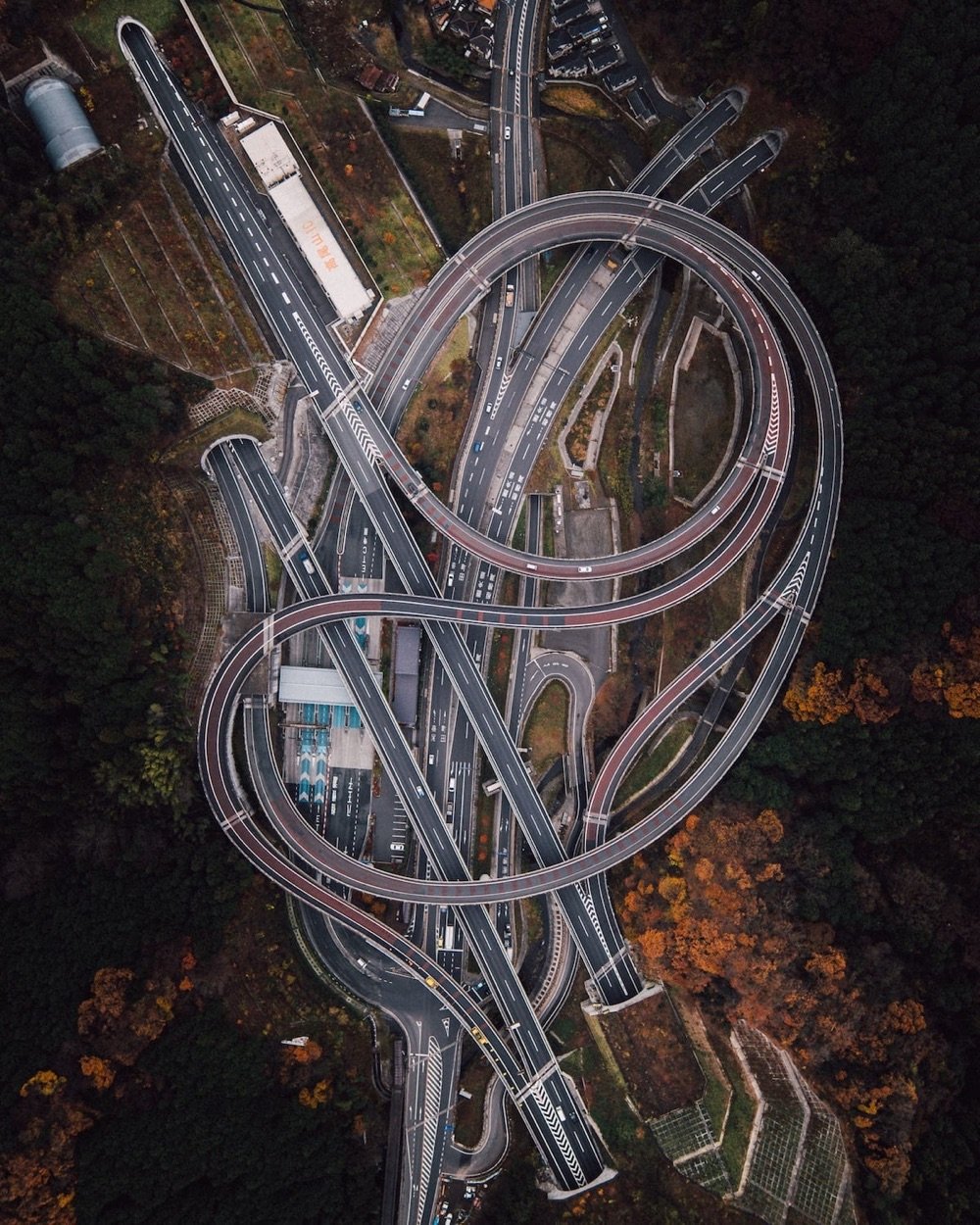
Well, would you look at this great photo by Rob Antill of the amazing Takaosan Interchange located in Sagamihara, Japan. It’s like Bézier curves meets highway engineering meets Euler’s Seven Bridges of Königsberg meets Mr. Messy.
See also Aerial Photos Reveal the Sculptural Beauty of Japanese Highway Interchanges, Crazy Whirlpool Traffic Interchange in Dubai, and The Flipper Bridge.
Japan’s lost and found system is legendarily good — millions of items are turned into local police stations by residents every year and most of those items make their way back to their owners (unless it’s a cheap umbrella). As this short video explains, there are a few reasons why the system works so well — the importance of the “societal eye”1 in Japanese culture is one of them.
The Japanese concept of ‘hitono-me’ or the ‘societal eye’ is an important part of the process. “Our internal morals usually help us modify our behavior, but so does the ‘societal eye.’” The culture prevents people from doing wrong, even without a police presence. “Japanese people care deeply about how other people view their behavior. So their attitude to lost property is tied to their image in society.” The moral discipline is upheld even in the face of natural disasters. “It’s often the case in Japan that when disasters happen, crime doesn’t go up. The only exception was the Fukushima disaster when we had cases of crime. So I think that the power of people’s eyes around us is far greater than the power of public authority.”
This article goes into more detail about why Japan’s lost and found system works so well. The comments on YouTube are full of people describing their experience w/ the lost and found system, many by foreigners who are stunned at the honesty. Here’s one:
This is really true. I lost my bag that had all our passports, laptops, money… everything. Somehow they managed to track it down 200km in Nagoya and bring it to me the next morning in Takayama. I offered to give them something as a token of my gratitude but they didn’t accept because this is considered normal in their country. Absolutely amazing.
It is not quite the same thing, but “hitono-me” reminds me of Jane Jacobs’ emphasis on the importance in cities of having “eyes upon the street”:
A city street equipped to handle strangers, and to make a safety asset, in itself, out of the presence of strangers, as the streets of successful city neighborhoods always do, must have three main qualities:
First, there must be a clear demarcation between what is public space and what is private space. Public and private spaces cannot ooze into each other as they do typically in suburban settings or in projects.
Second, there must be eyes upon the street, eyes belonging to those we might call the natural proprietors of the street. The buildings on a street equipped to handle strangers and to insure the safety of both residents and strangers, must be oriented to the street. They cannot turn their backs or blank sides on it and leave it blind.
And third, the sidewalk must have users on it fairly continuously, both to add to the number of effective eyes on the street and to induce the people in buildings along the street to watch the sidewalks in sufficient numbers. Nobody enjoys sitting on a stoop or looking out a window at an empty street. Almost nobody does such a thing. Large numbers of people entertain themselves, off and on, by watching street activity.
Almost no need to note here that “eyes upon the street” is a thing that almost does not exist in most American cities these days. ↩
I love this: the local recycling center in the town of Kamikatsu, Japan is itself made of recycled and upcycled materials. Most prominent of those materials are the hundreds of mismatched windows that form the building’s facade:
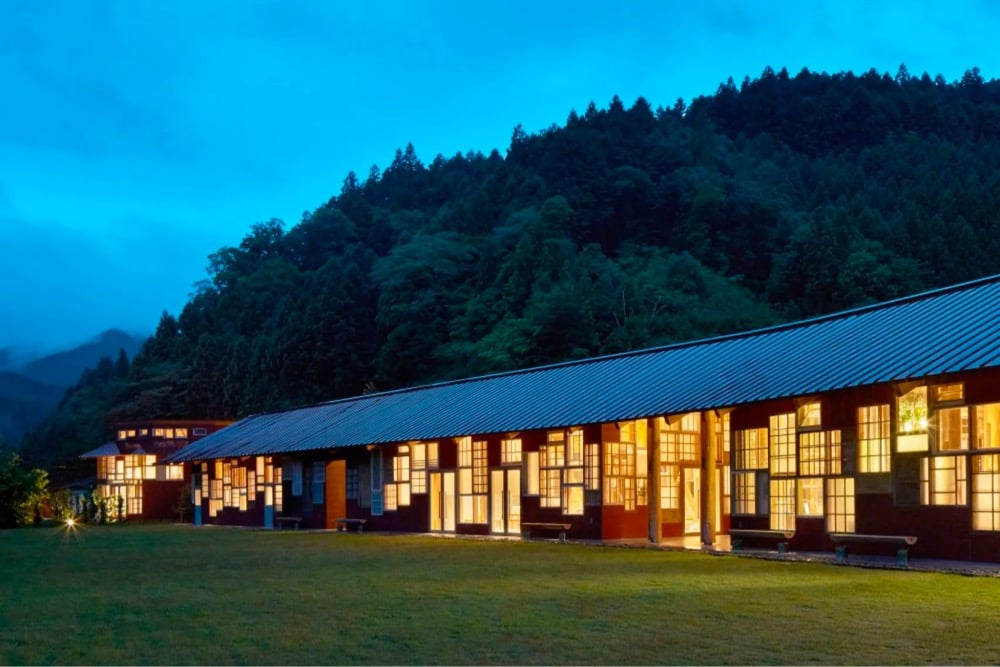
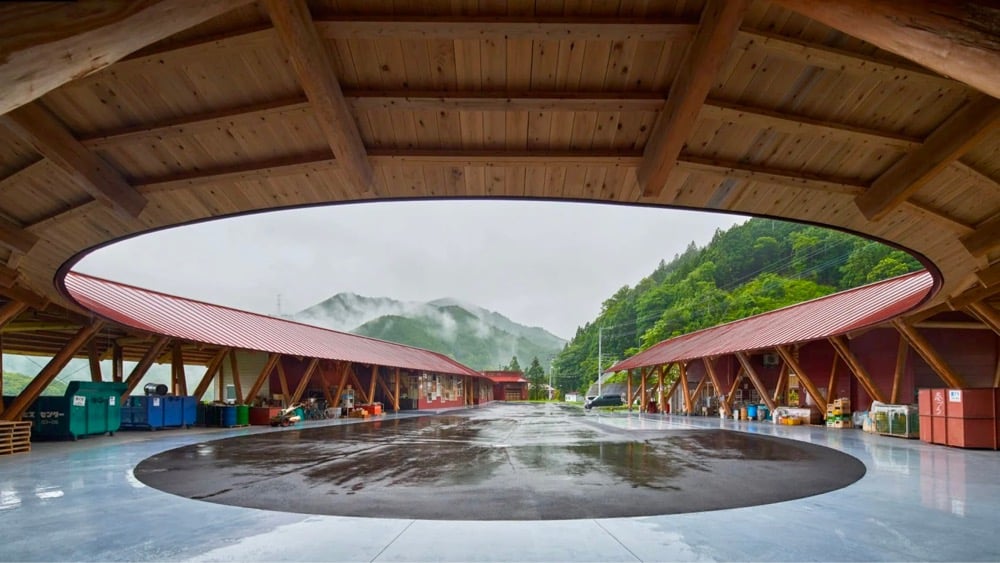
Brilliant. From Dezeen:
Kamikatsu’s main industry was once forestry, but all that remains of this today are neglected cedar forests. Nakamura’s studio worked with Yamada Noriaki Structural Design Office to design a structure using unprocessed cedar logs that reduce waste associated with squared-off lumber.
The logs are roughly sawn along their length to retain their inherent strength and natural appearance. The two sawn sections are bolted together to form supporting trusses that can be easily disassembled and reused if required.
The building’s facades are made using timber offcuts and approximately 700 windows donated by the community. The fixtures were measured, repaired and assigned a position using computer software, creating a seemingly random yet precise patchwork effect.
Recycled glass and pottery were used to create terrazzo flooring. Materials donated by companies, including bricks, tiles, wooden flooring and fabrics, were all repurposed within the building.
Unwanted objects were also sourced from various local buildings, including deserted houses, a former government building and a junior high school that had closed. Harvest containers from a shiitake mushroom factory are used as bookshelves in front of windows in the office.
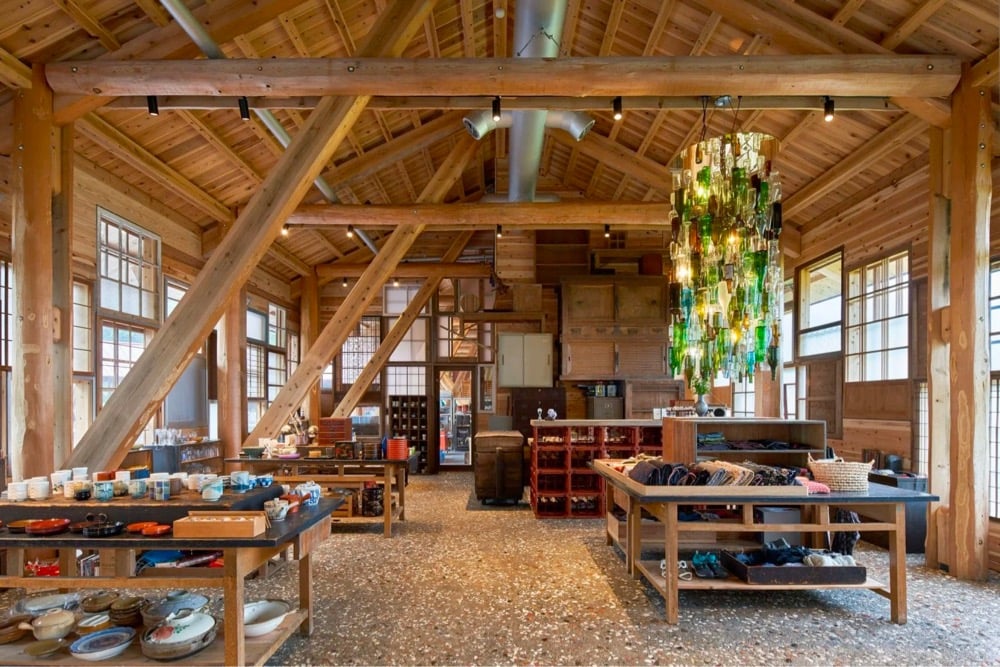
The recycling center also includes a “take it or leave it” shop where residents can exchange used goods and a small hotel. (via colossal)
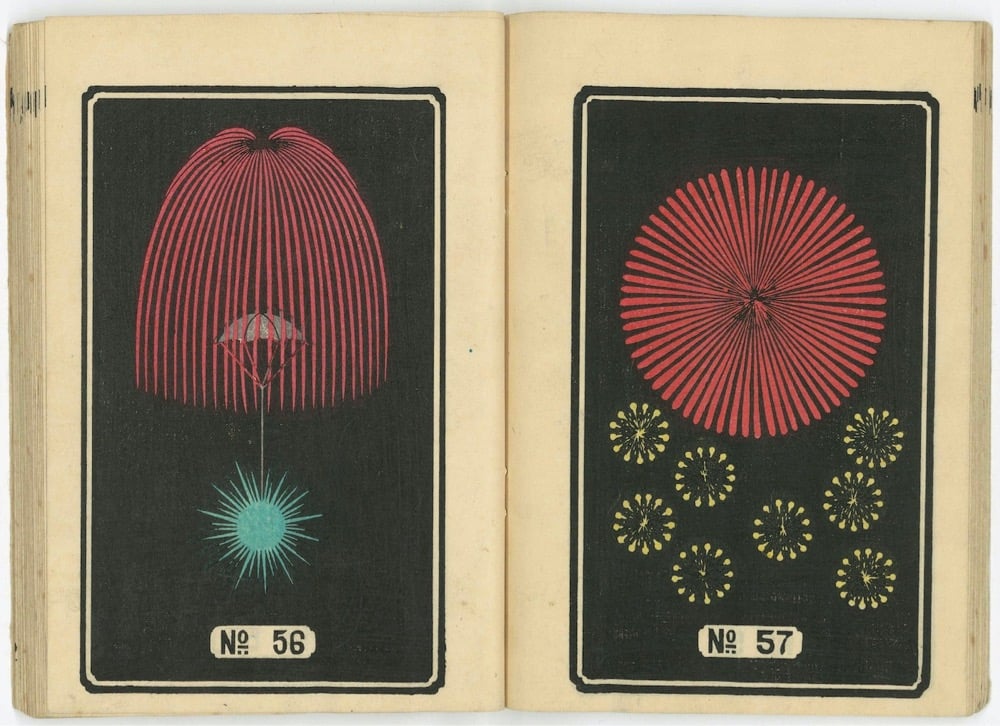
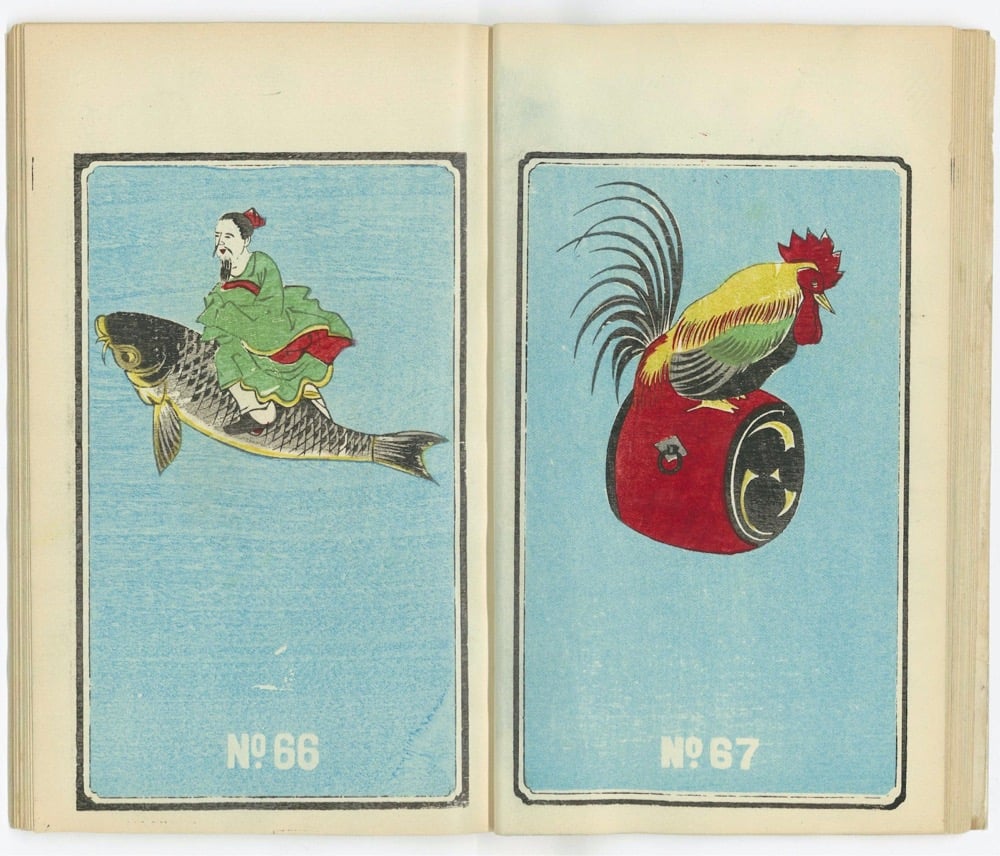
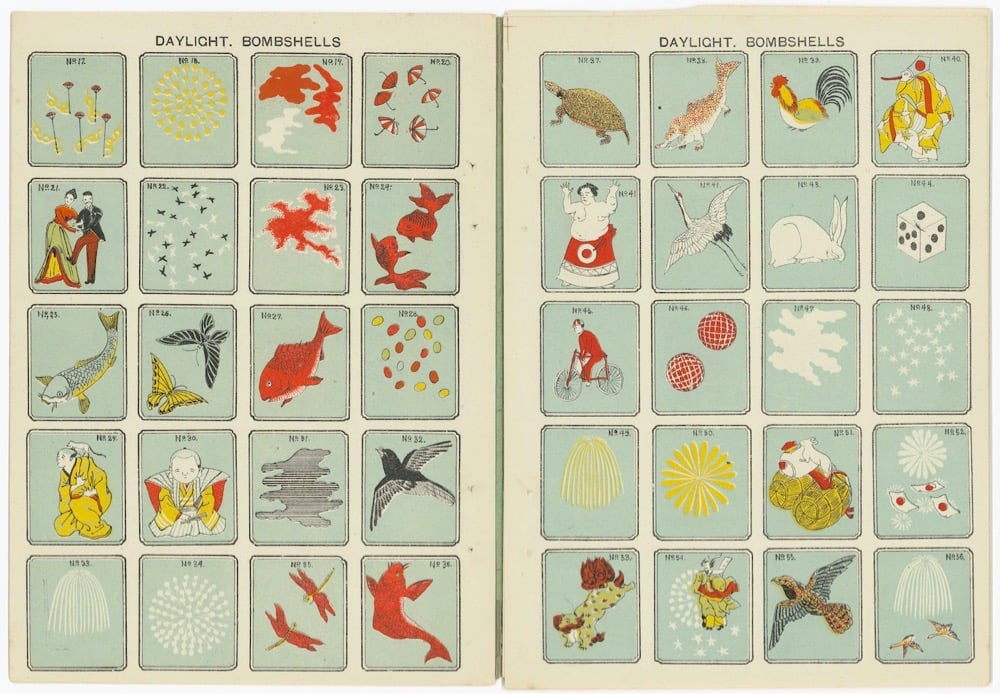
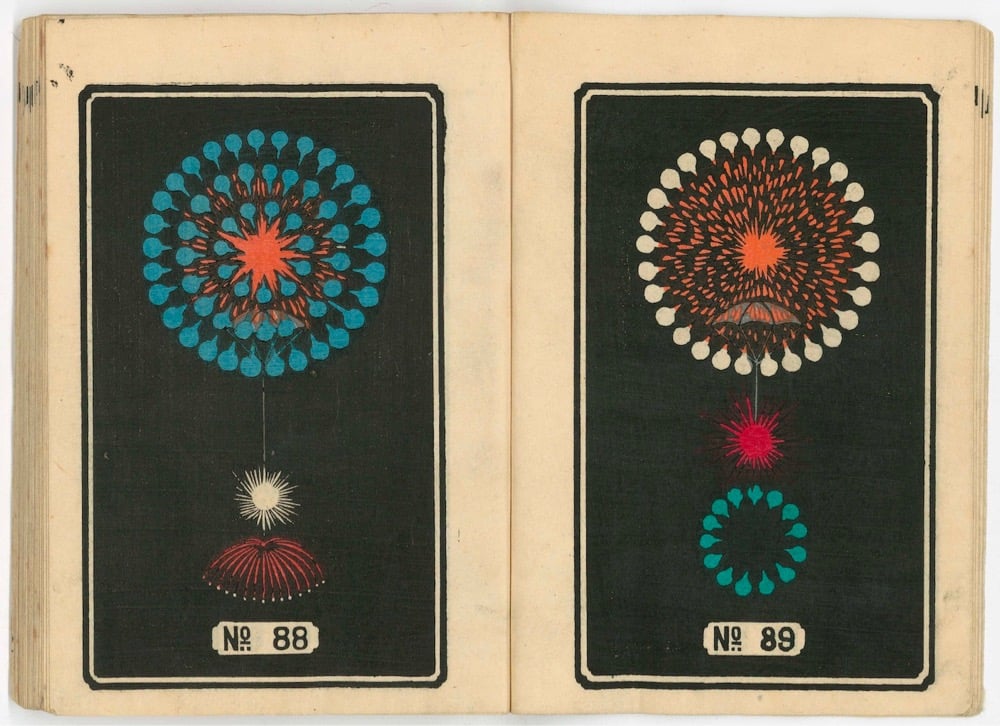
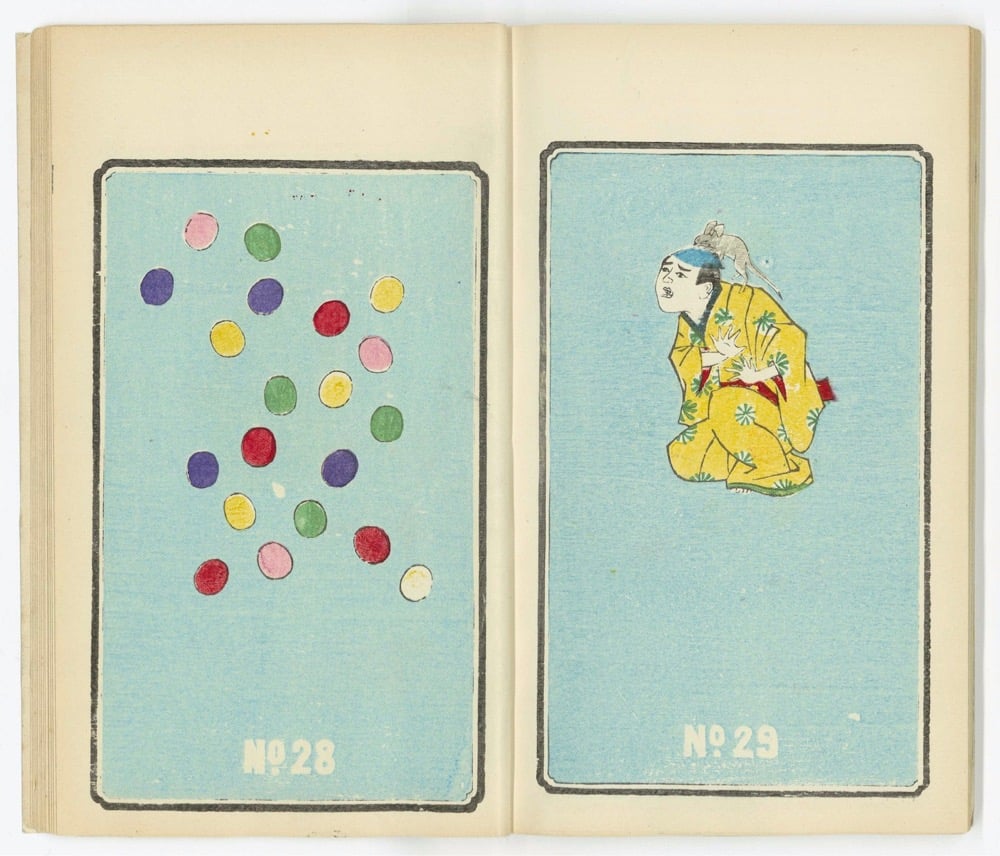
From the excellent Public Domain Review, a collection of illustrations from Japanese fireworks catalogs published in the 1880s.
The spinning saxon, flying pigeons, polka batteries, jumping jacks and firecrackers, squibs and salutes, Aztec Fountains, Bengal Lights, and Egyptian Circlets, bangers or bungers, cakes, crossettes, candles, and a Japanese design known as kamuro (boys haircut), which looks like a bobbed wig teased out across the stratosphere… the language of fireworks has a richness that hints at the explosive payload it references. And yet, anyone who has ever held their camera up to the blazing sky knows that a brilliant firework show can rarely be captured to any satisfying degree. Perhaps this is what makes a nineteenth-century series of catalogue advertisements for Japanese fireworks so mesmerizing: denied the expectations of photorealism, these images are free to evoke a unique sense of visual wonder.
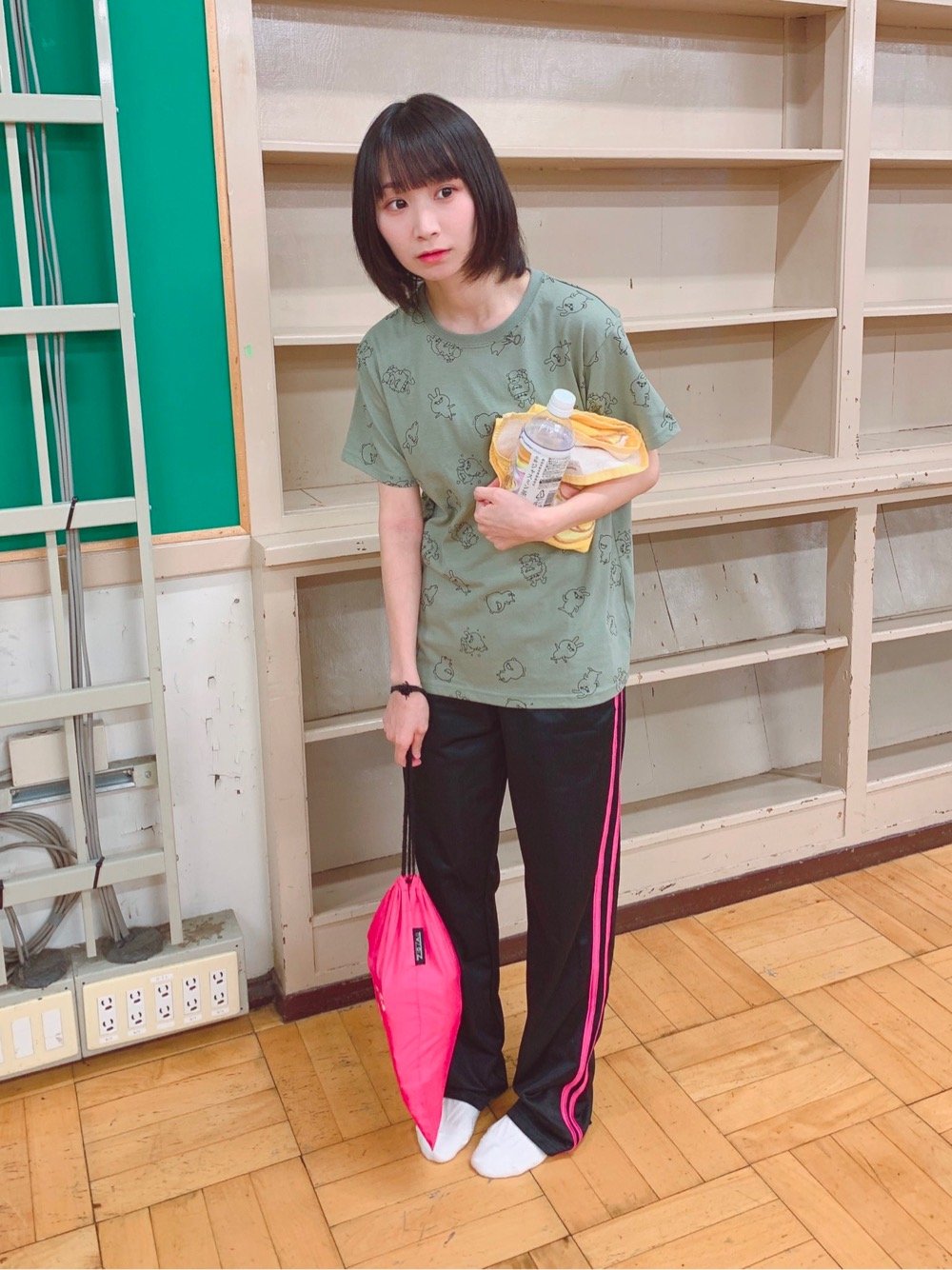
It’s become a tradition in Japan to dress up in mundane costumes that depict everyday situations for Halloween and once again Johnny Waldman of Spoon & Tamago has collected some of the best and most creative efforts for 2021. Here are a few favorites. “Guy who leans in as his Mario Kart character turns a curve” (I am 100% this guy when I play):

“That person who showed up for the free trial lesson”:
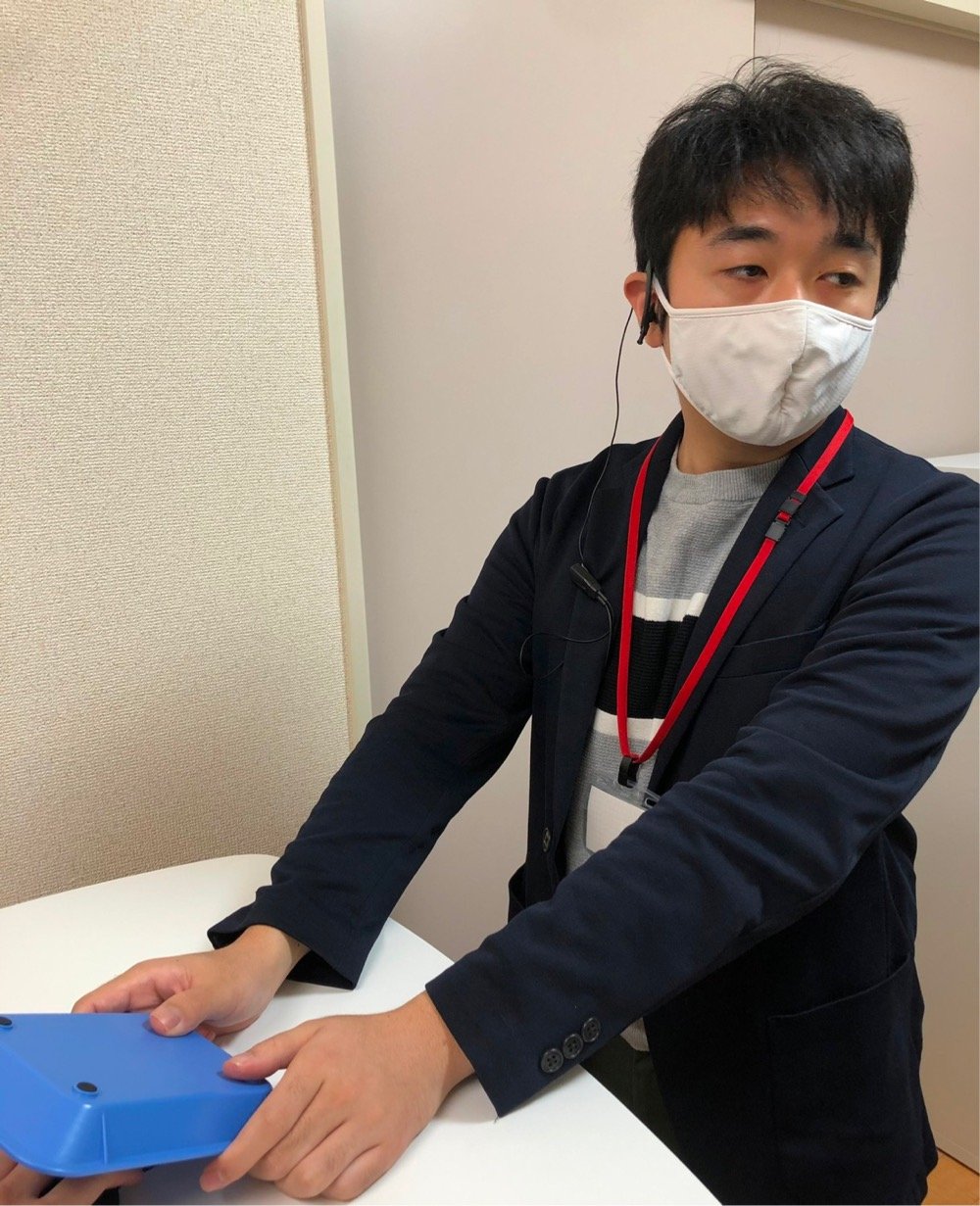
“That cashier who looks away as you enter your debit PIN”:
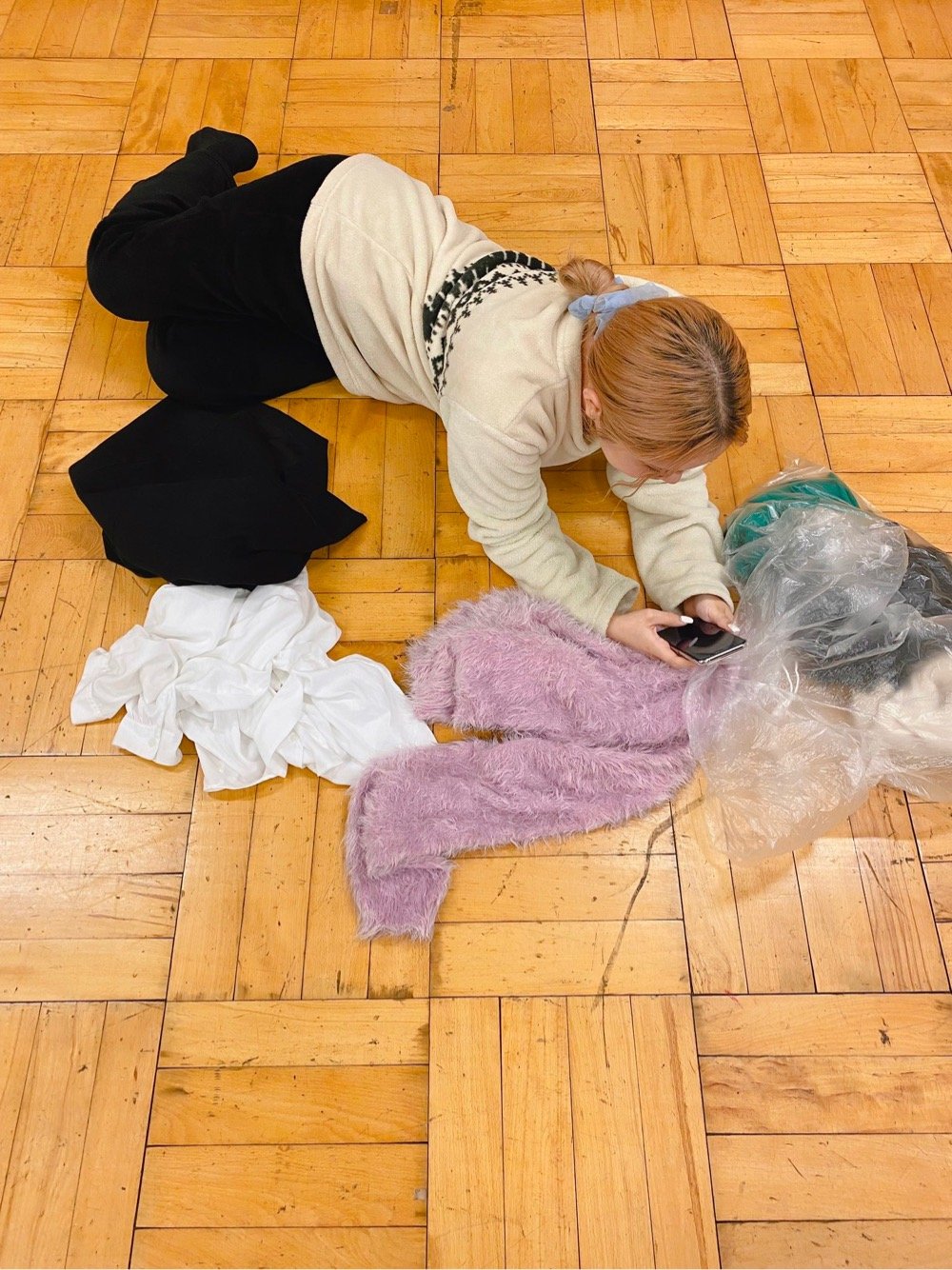
“Girl who started decluttering but ended up on her phone”:
You can see the rest here or check out the costumes from 2019 and 2020.
In Living While Black, in Japan, directed by Keith Bedford and Shiho Fukada, a group of African-Americans talk about what it’s like to live in Japan as Black people versus their experiences living in the United States.
“I didn’t leave because I was running away from anything. I left because I felt I could be more myself in Japan.”
“Living in Japan, as an African-American, I’ve honestly never felt more free.”
“You know, I can do things here in Japan that I can’t do back at home, in the U.S.”
“I can catch a cab when I’m not trying to catch a cab. People in stores that are supposed to serve you, serve you, like they serve everybody else.”
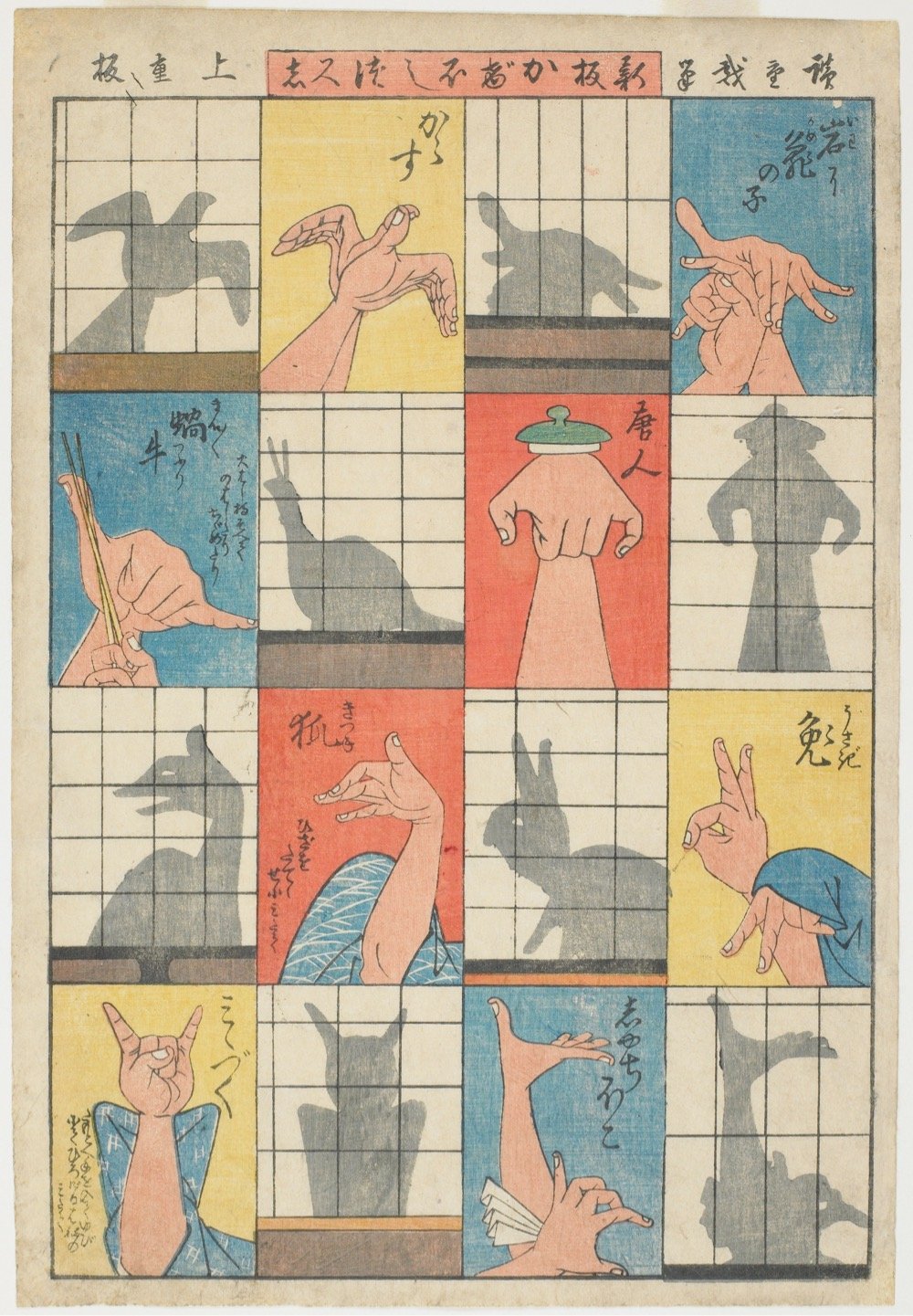
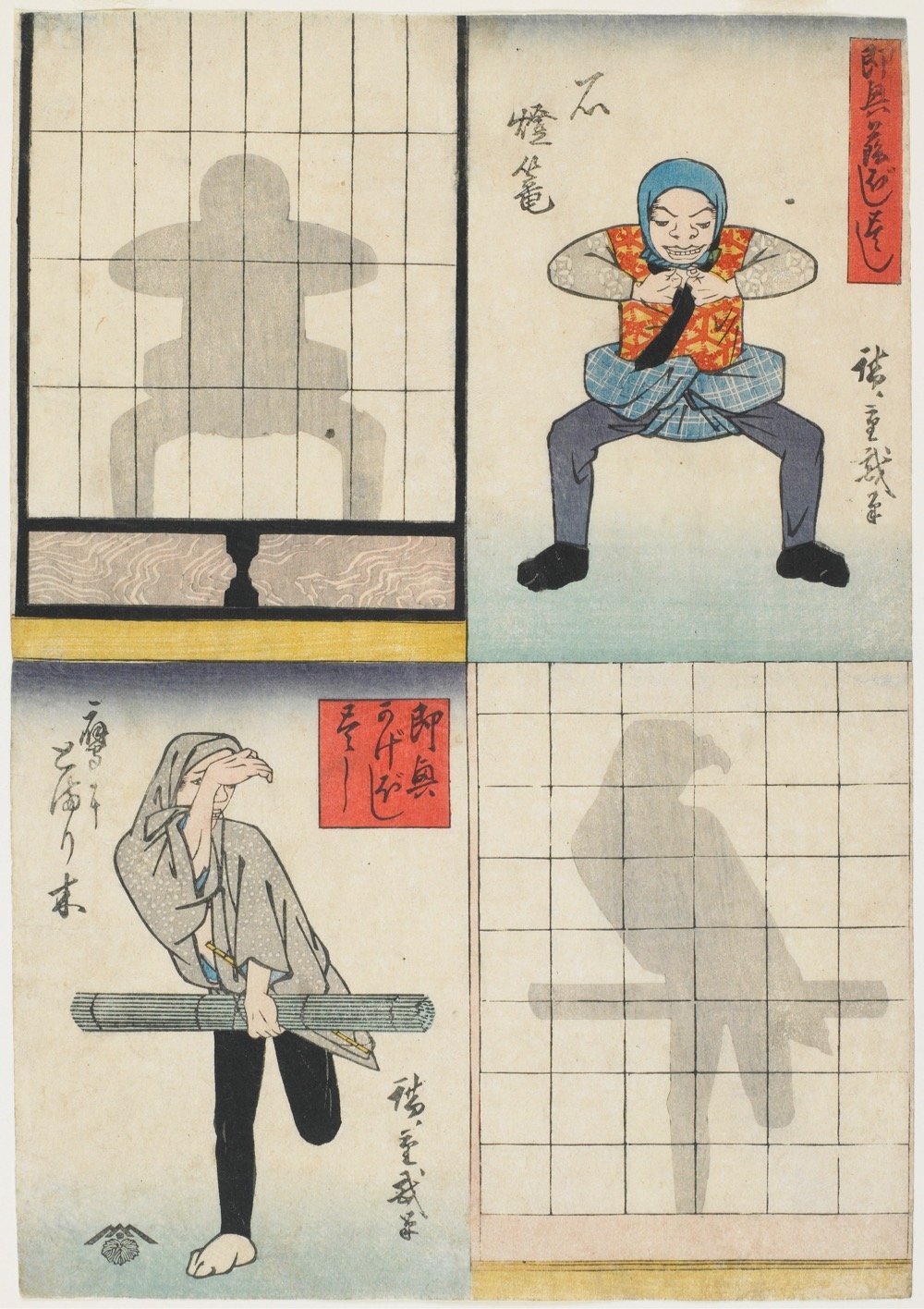
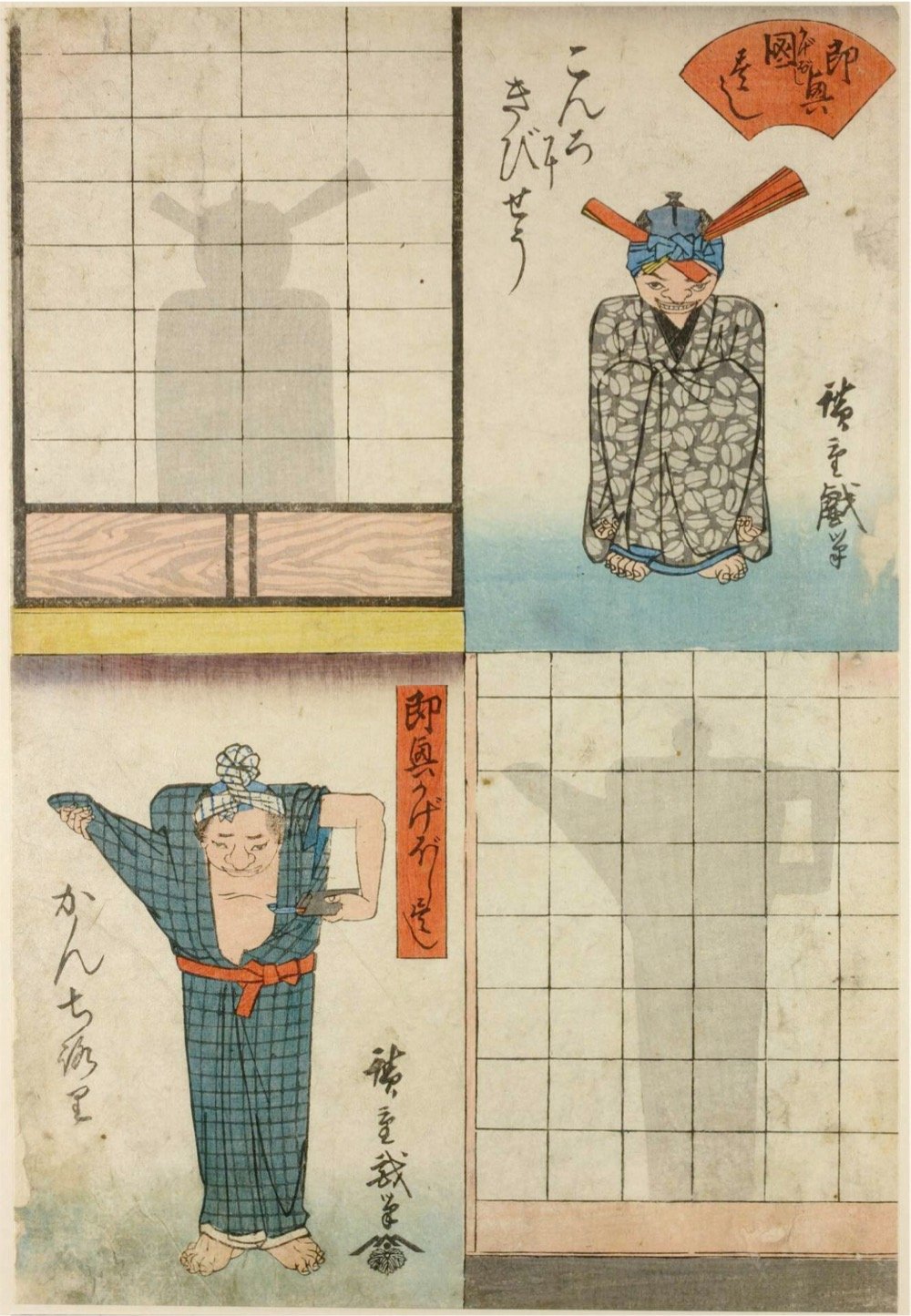
Circa 1842, ukiyo-e artist Utagawa Hiroshige released an 11-print series revealing the secrets of shadow puppetry performances. From the description of one of these woodblock prints held in the collection at The Minneapolis Institute of Art:
As comic entertainment, shadow performances were among the many diversions, including music and dance, offered at teahouse parties during the Edo period. In the eleven-print series Improvised Shadow Performances, Hiroshige depicted figures making shadows on shōji screens by contorting their bodies. The images demonstrate how to create ingenious shadows and could easily have been used as a how-to guide for clever shadow making.
You can find more of Hiroshige’s shadow prints at Ukiyo-e.org. (via colossal)
Riffing on a byōbu folding screen of the Battle of Sekigahara painted in the 1700s, Yusuke Shigeta made a pixel animated version for a recent exhibition. The video above is a tantalizingly short preview of the work — I could have watched these tiny pixel vignettes all day.
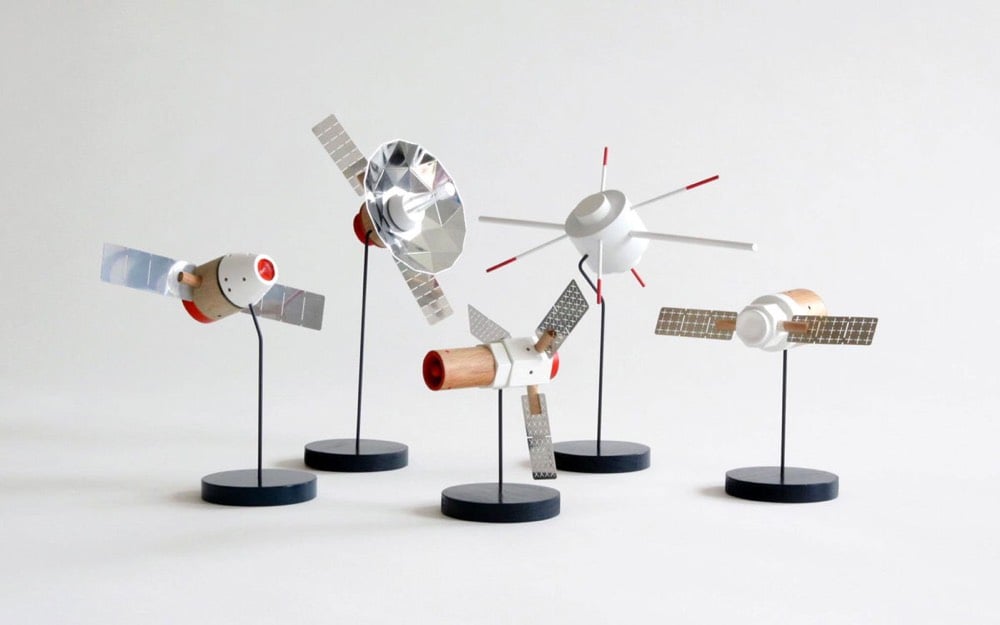
Researchers at Kyoto University and a Japanese forestry company have joined forces to develop orbital satellites made out of wood, purportedly to address the growing threat of space junk. The design will need to be resistant to dramatic changes in temperature and sunlight but will easy burn up in the Earth’s atmosphere upon reentry.
I love the idea of satellites made from wood — it seems like Victorian-era scifi. The harshness of space seems like a domain exclusively for metals and ceramics, but wood is a surprisingly versatile material used in many different severe environments on Earth. There’s no reason it couldn’t work in space as well — and if their traditional expertise in joinery is any indication, I trust the Japanese to figure out a way make it happen.
But as Ars Technica’s John Timmer notes, wooden satellites won’t meaningfully help with the space junk problem.
Unfortunately, making satellite housings out of wood won’t help with this, for many, many reasons. To start with, a lot of the junk isn’t ex-satellites; it’s often the boosters and other hardware that got them to orbit in the first place. Housings are also only a fraction of the material in a satellite, leaving lots of additional junk untouched by the change, and any wood that’s robust enough to function as an effective satellite housing will be extremely dangerous if it impacts anything at orbital speeds.
The (unrelated) photo above is of toy company Papafoxtrot’s wooden scale models of NASA spacecraft.
This video is three minutes and nine seconds of pure precision — welcome to the world of Japanese wood joinery. Carpenter Dylan Iwakuni wordlessly demonstrates taking two or more pieces of wood and (improbably, impossibly) making them one. Seriously, I am gobsmacked at how exactly these bits of wood fit together.
If you enjoyed that, you may want to check out another of Iwakuni’s videos, Making the “Impossible Joint”.
(via colossal & the kid should see this)
Since 1789, Fueki Syoyu Brewing has been making soy sauce using simple ingredients, big wooden barrels for aging, and traditional methods handed down through the generations to ensure the signature richness and taste of their product. This video from Eater takes us inside the brewery to see how the magic happens.
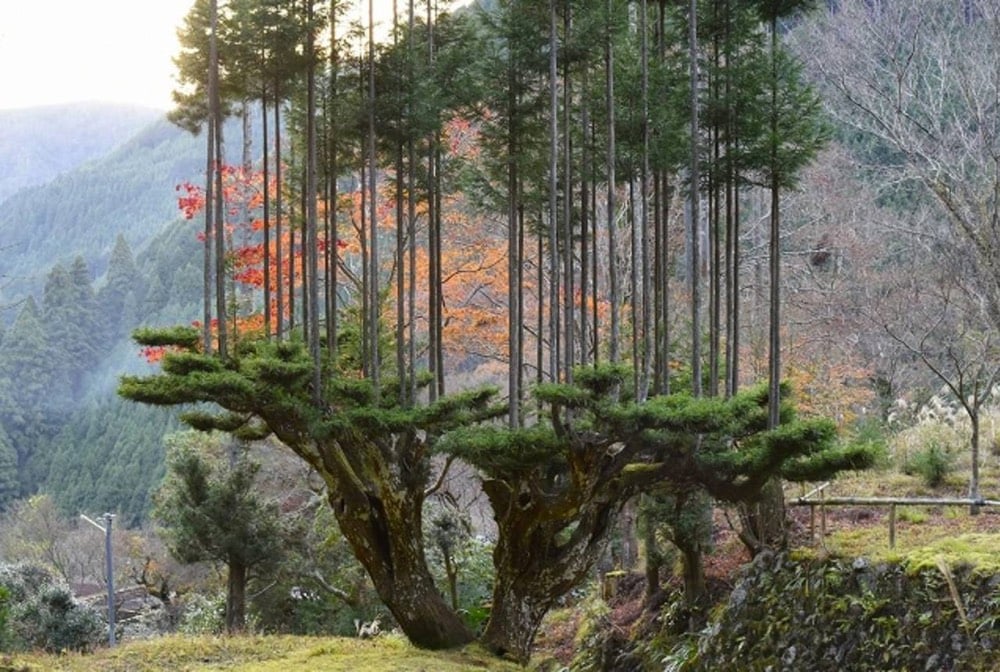
Daisugi is a sustainable forestry technique that originated in Kyoto in the 14th or 15th century. The tops of Kitayama cedar trees are carefully pruned so that a stand of very straight branches grow straight up from a main platform. From Spoon & Tamago:
The technique was developed in Kyoto as a means of solving a seedling shortage and was used to create a sustainable harvest of timber from a single tree. Done right, the technique can prevent deforestation and result in perfectly round and straight timber known as taruki, which are used in the roofs of Japanese teahouses.
The technique is not really used in forestry anymore, but daisugi are popular as garden trees and bonsai. There are lots of terrible videos about daisugi on YouTube, so I’d recommend watching this one from NHK about how Kitayama cedars are pruned & harvested, what the wood is used for, and a short segment on daisugi near the end.
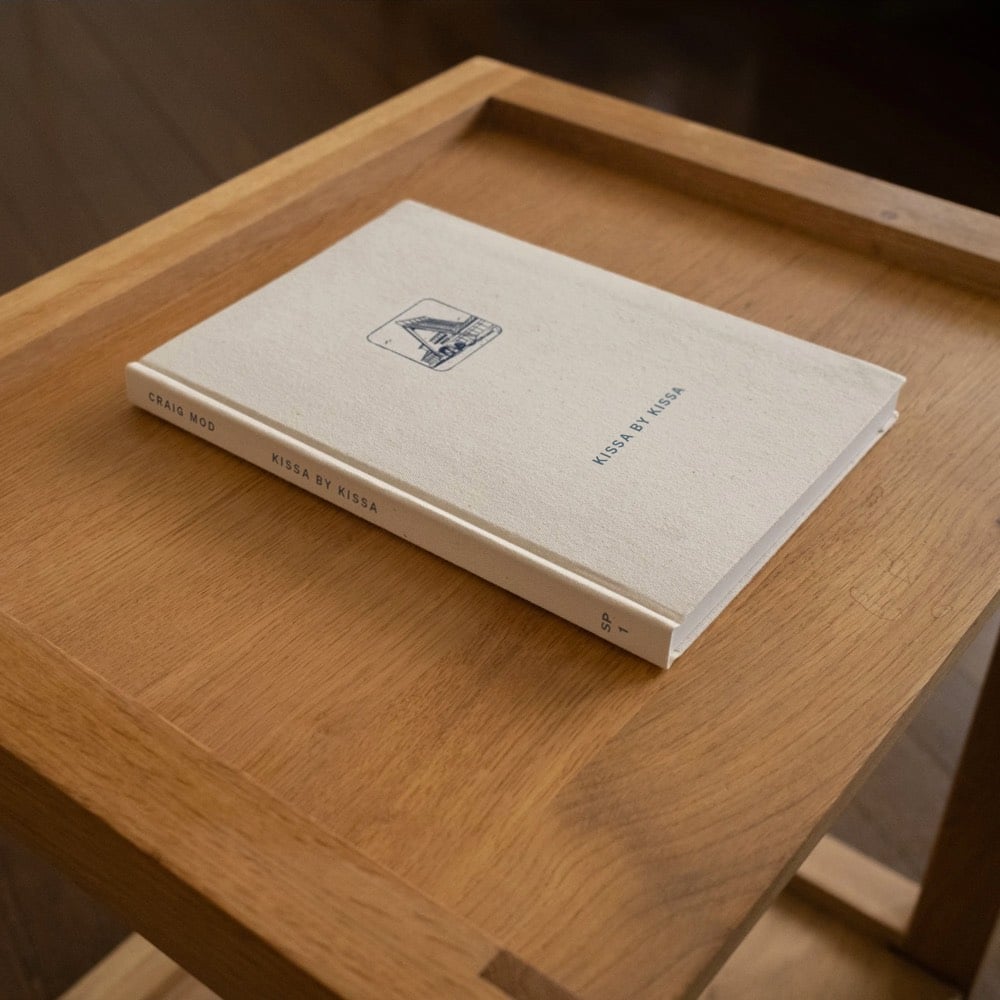
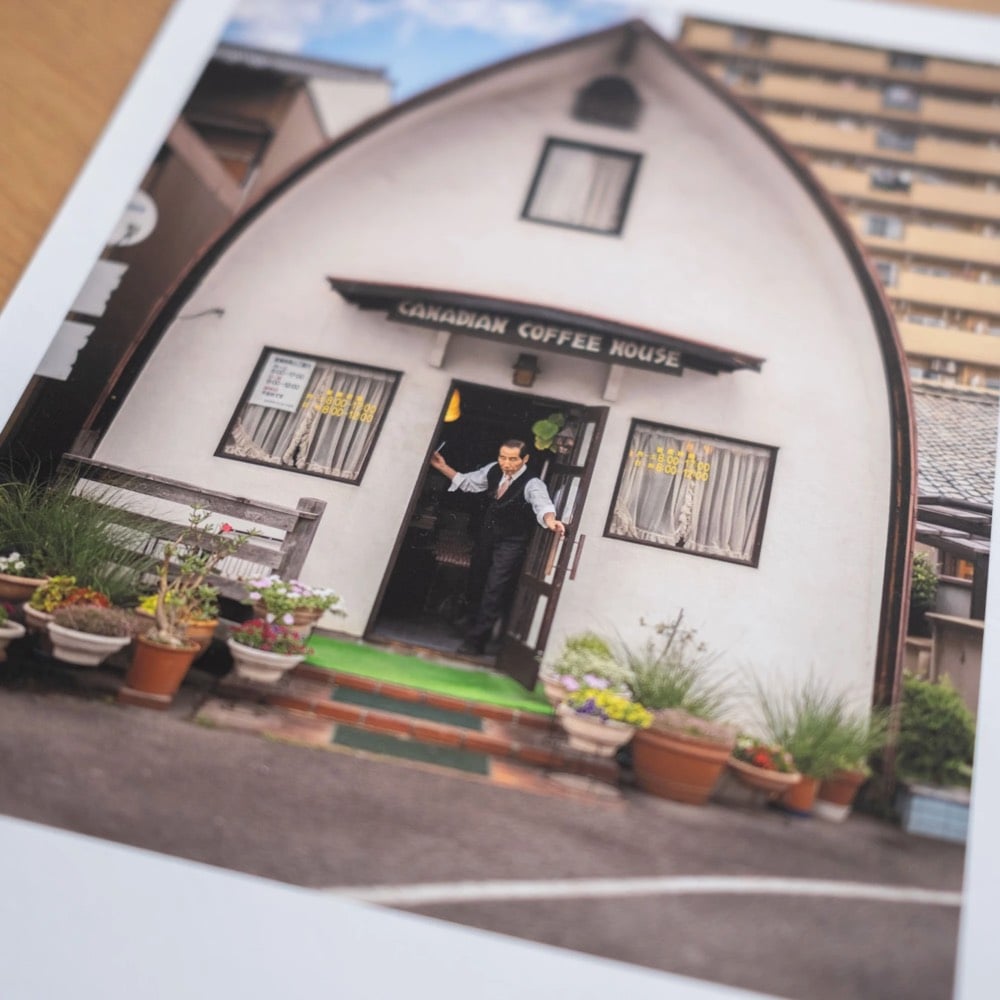
Last year, Craig Mod walked 620 miles from Tokyo to Kyoto along the Nakasendō historic highway and along the way he stopped at kissaten (or kissa), old-school Japanese cafes known for their pizza toast. Mod wrote about his quest late last year for Eater and has now turned a fuller account of the journey into a gorgeous book called Kissa By Kissa.
Those kissaten — or kissa — served up toast. I ate that toast. So. Much. Toast. Much of it pizza toast. If you buy this book, you’ll learn more than you ever dared to know about this variety of toast available all across Japan. It’s a classic post-war food staple. Kissa by kissa, and slice by thick slice of beautiful, white toast, I took a heckuva affecting and long walk. This book is my sharing with you, of that walk, the people I met along the way, and the food I ate.
Even more interesting is that to sell the book, Mod built a Kickstarter clone on top of Shopify called Craigstarter. And he’s released the code for it on Github.
Kickstarter is an excellent way to run a crowdfunding campaign. But if you already have a community built up, and have communication channels in place (via a newsletter, for example), and already run an online shop, then Kickstarter can be unnecessarily cumbersome. Kickstarter’s 10% fee is also quite hefty. By leaning on Shopify’s flexible Liquid templating system and reasonable CC processing fees, an independent publisher running a campaign can save some ~$7,000 for every $100,000 of sales by using Craigstarter instead of Kickstarter. That’s materially meaningful, especially in the world of books.
You can order Kissa By Kissa right here.
Update: Mod made a short video of the proprietor of Būgen, one of the kissaten featured in the book, making pizza toast:

Over the last decade plus, Fab Labs have had some years of great growth and visibility. Recently, some have had a harder go of it and a growing number of people, including most of media, seem to have dismissed them.
Fab Lab Aso Minami-Oguni is one kind of project that can “keep the dream alive” and shows how local fabrication workshops can serve a number of functions and help different groups within a community.
Created by the companies Anai Wood Factory and Foreque Inc., the lab sits in a relatively remote village of 4000 people.
[B]uilt with the intention of developing new products with Oguni Cedar, a locally prized resource. Oguni Cedar is a fine-grained, high-quality wood, known for its lustre, texture and beautiful pink colour. The Fab Lab is affiliated with a shop called the FIL Store which sells tableware and furniture, from wooden plates and cups to tables, lounge chairs, and coat hangers, all made by Foreque Inc. under the FIL brand. All the products are made from Oguni Cedar, and their hallmark is the way in which the grain of the wood is incorporated into their design. Suzutani explains that the products symbolise the way the industry has changed over time.
It’s part of an effort to rejuvenate the exploitation of the local cedar and to help another generational shift, having gone from logs, to lumber, and hopefully now to more finished products.
The lab also caters to other audience in the village.
Fab Lab Aso Minami-Oguni attracts all kinds of people, from housewives who want to engage in craftwork, to newcomers to the village working on ambitious projects. But according to Suzutani, they expend their biggest efforts on primary school and junior high school students, aged 6 - 15. “Rural towns like this do not have many places for children to safely go and play on their own. Because of that, many of them go home after school just to play games on their phone for hours. You could even say that smartphones are their only connection to the outside world.”
Credits: The interview is a collaboration between Pop-Up City and MOMENT Magazine. Photo of Mount Aso by Takahiro Taguchi (Fab Lab Aso Minami-Oguni is just north of the mountain).
Wow, check out the official posters for the Tokyo 2020 Olympic and Paralympic Games.
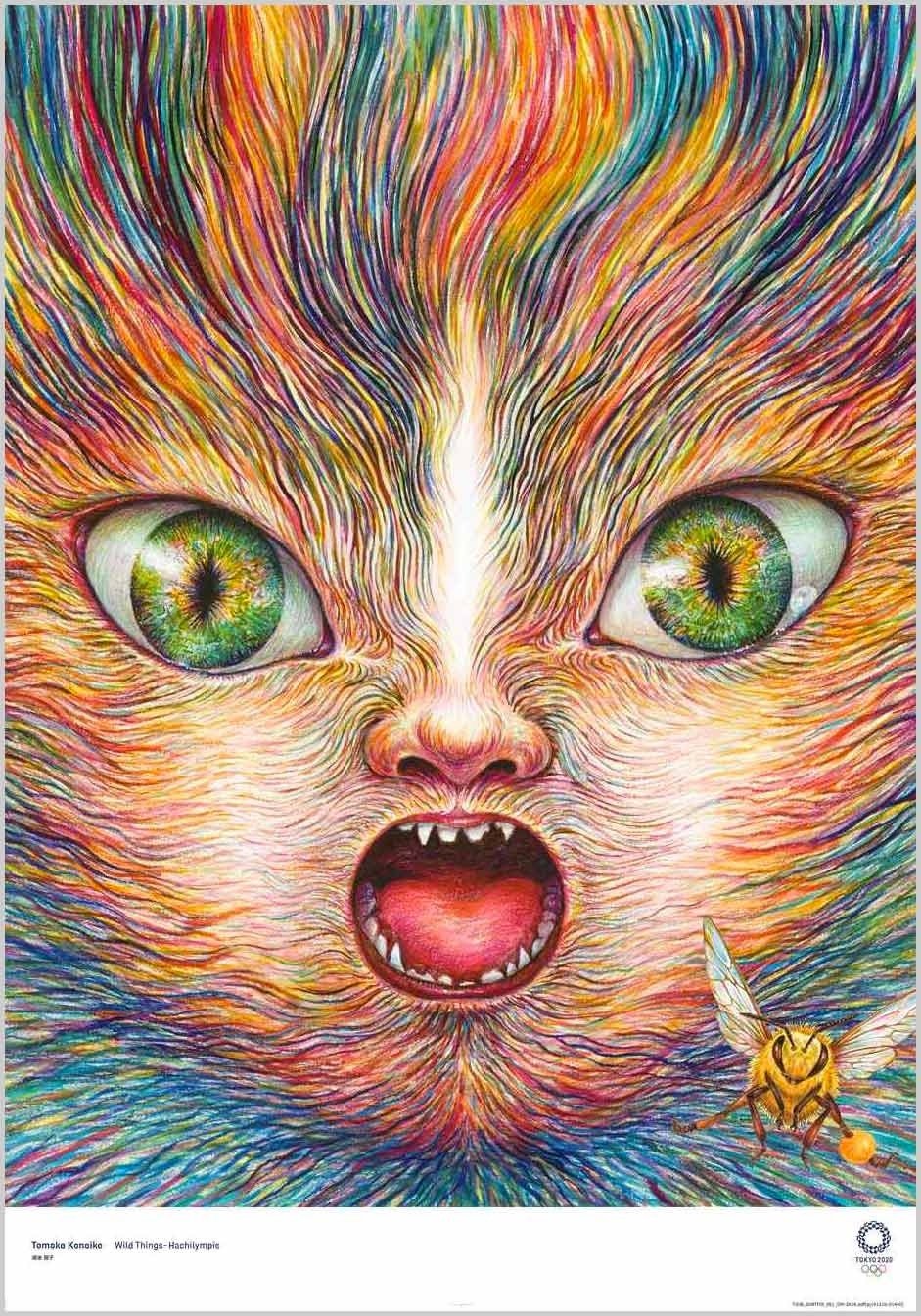


What an amazing array of styles and disciplines — there’s manga, shodo (calligraphy), Cubism, photography, surrealism, and ukiyo-e. That stunning poster at the top is from Tomoko Konoike — fantastic. As you can see, posters from past Olympics have tended towards the literal, with more straightforward depictions of sports, the rings, stadiums, etc. Kudos to the organizers of the Tokyo Games for casting their net a little wider. Love it. (via sidebar)
In early 2021, Toyota plans to break ground on a prototype city of the future located at the base of Mt. Fuji in Japan. Around 2000 people will populate Woven City at first, which will be powered by hydrogen fuel cells.
The masterplan of the city includes the designations for street usage into three types: for faster vehicles only, for a mix of lower speed, personal mobility and pedestrians, and for a park-like promenade for pedestrians only. These three street types weave together to form an organic grid pattern to help accelerate the testing of autonomy.
The city is planned to be fully sustainable, with buildings made mostly of wood to minimize the carbon footprint, using traditional Japanese wood joinery, combined with robotic production methods. The rooftops will be covered in photo-voltaic panels to generate solar power in addition to power generated by hydrogen fuel cells. Toyota plans to weave in the outdoors throughout the city, with native vegetation and hydroponics.
Residences will be equipped with the latest in human support technologies, such as in-home robotics to assist with daily living. The homes will use sensor-based AI to check occupants’ health, take care of basic needs and enhance daily life, creating an opportunity to deploy connected technology with integrity and trust, securely and positively.
The press release and video above are the best sources of info about the city, but there’s also a website with not a lot of info and some weirdly fuzzy low-res icons that I hope are not indicative of the level of effort and polish being put into this effort. Those icons definitely didn’t go through the Toyota Production System.
Each year since 2014, a group in Japan holds a Halloween event where people come dressed not as witches, Avengers, or zombies but in everyday “mundane” costumes. This year’s costumes include “woman who forgot to take out the trash” and “woman who showed up to a BBQ with no intention of helping out”. My personal favorite is “guy who face-swapped with a Starbucks cup”:

You can see more costumes from this year on Twitter #DPZ or Spoon & Tamago. See also some of last year’s costumes, including “a girl who just gave blood and now can’t do anything for a few minutes” and “guy at the office whose turn it is to empty the shredder”.
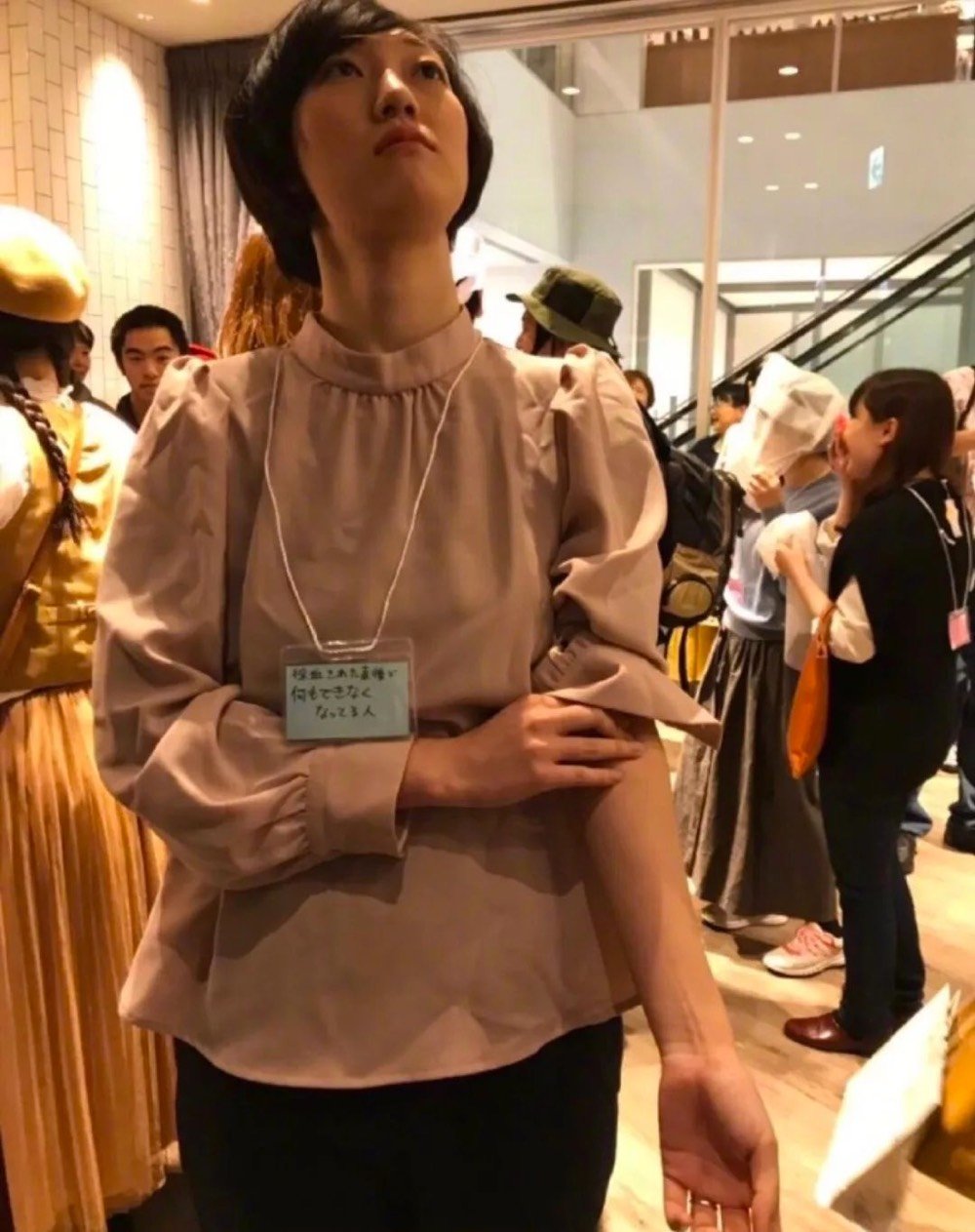
I’m not much for Halloween, but this I could get into.
The servers at The Restaurant of Mistaken Orders, a series of pop-up restaurants in Tokyo, are all living with dementia, which means that you might not receive what you ordered.
All of our servers are people living with dementia. They may, or may not, get your order right.
However, rest assured that even if your order is mistaken, everything on our menu is delicious and one of a kind. This, we guarantee.
“It’s OK if my order was wrong. It tastes so good anyway.” We hope this feeling of openness and understanding will spread across Japan and through the world.
At the first pop-up, 37% of the orders were mistaken. This video explains a bit more about the concept and shows the restaurant in action.
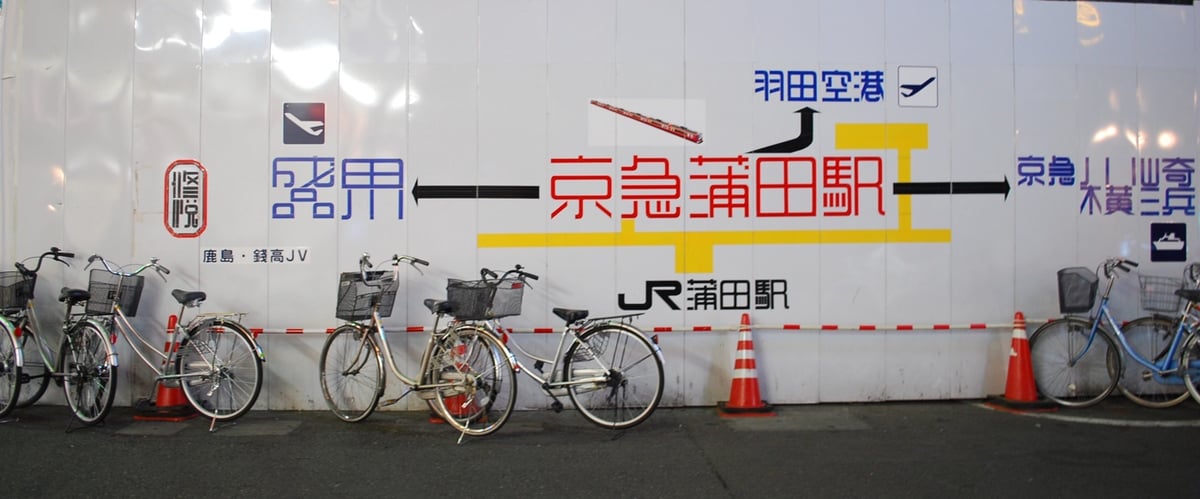
Lovely story of a Tokyo security guard who’s enhancing his guidance work through constructions sites with some fantastic custom made signage. He crafts those crisp and distinctive signs with… duct tape and a knife! Having no formal training in graphic design, he managed to create a style so noticeable and appreciated that it is now “highly regarded by designers and curators” and is even known as “Shuetsu Sans.”
The man in question, Shuetsu Sato, also published an instructional book and has fans on Instagram, spotting and sharing his work!


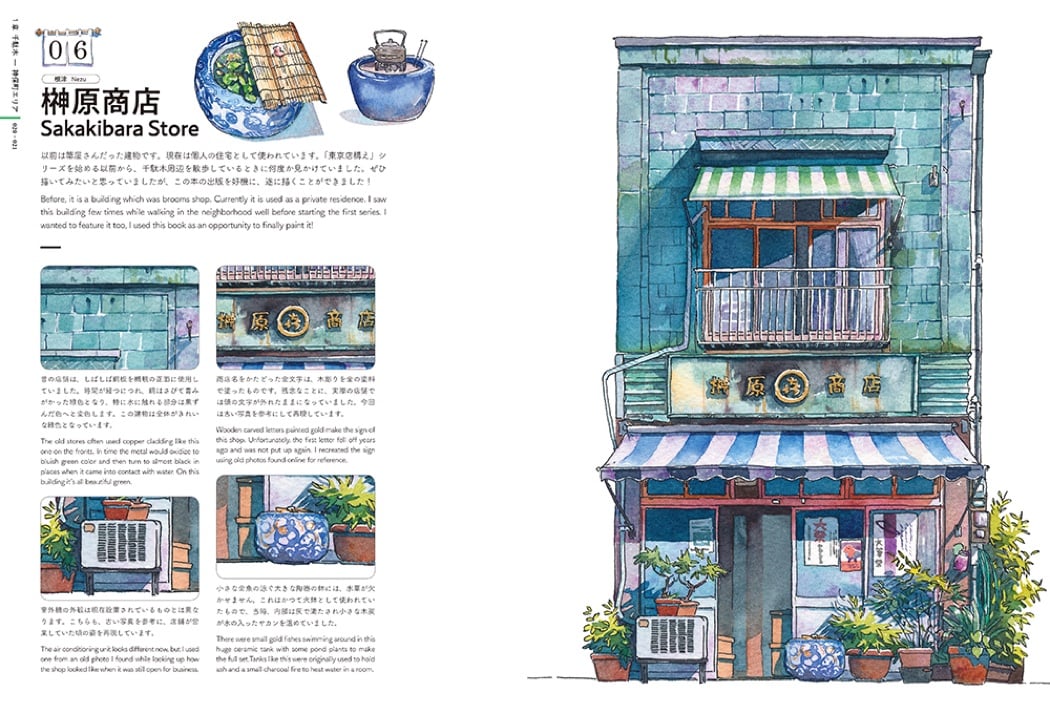
Gorgeous work by a Polish illustrator working in Japan. Originally found him through this page about his Tokyo storefronts book, which features a number of super detailed watercolor illustrations. You can see even more on the series page and the Tokyo by night ones are also worth a long look. He also links to this very detailed review of the storefronts book, with a page by page description (sounds boring but the work is so beautiful, it goes by fast).
Urbanowicz also has a Youtube channel with lots of making-of videos, including a series about the book above.
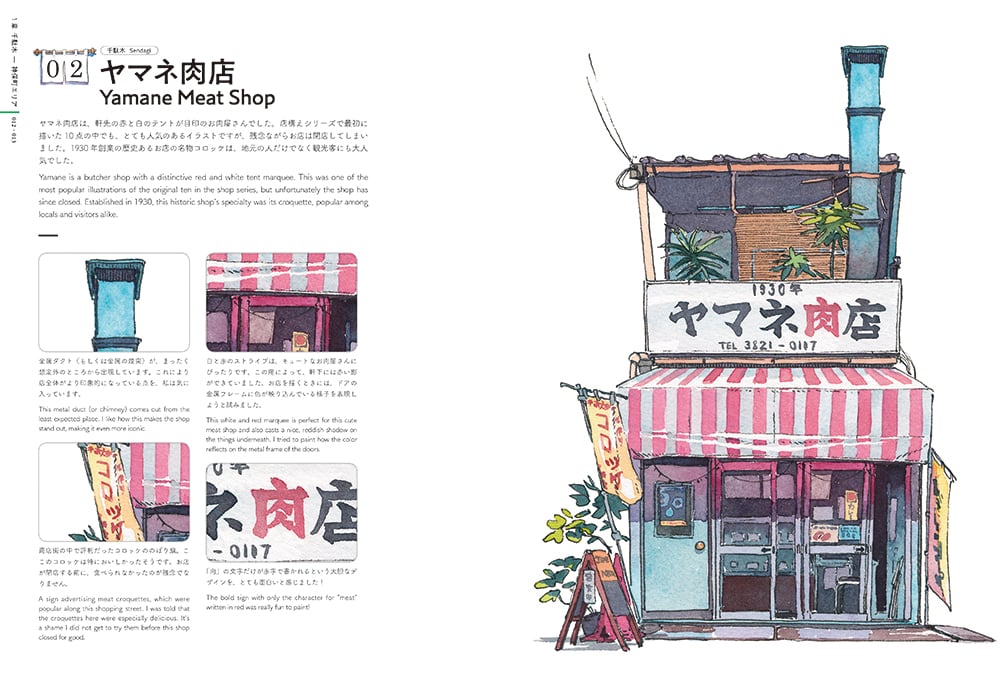
(Via Darran Anderson)
Stay Connected