Gaggan, in Bangkok, was named not just the ninth-best restaurant in the world but the single best restaurant in Asia. The chef, Gaggan Anand, greets diners at his 14-seat table facing the kitchen with “Welcome to my …” completing the sentence with a term, meaning a chaotic situation, that will not be appearing in The New York Times. [The word is shitshow. Or clusterfuck. Or shitstorm. Any of which should be printed in The New York Times because it’s a fact relevant to a story. This writing around swearing has gotten as ridiculous as these restaurants. -ed]
What follows are about two dozen dishes organized in two acts (with intermission). The menu is written in emojis. Each bite is accompanied by a long story from Mr. Anand that may or may not be true. The furrowed white orb splotched with what appears to be blood, he claims, is the brain of a rat raised in a basement feedlot.
Brains are big in other restaurants on the list. Rasmus Munk, chef of the eighth-best restaurant in the world, Alchemist, in Copenhagen, pipes a mousse of lamb brains and foie gras into a bleached lamb skull, then garnishes it with ants and roasted mealworms. Another of the 50 or so courses — the restaurant calls them “impressions” — lurks inside the cavity of a realistic, life-size model of a man’s head with the top of the cranium removed.
I love going to restaurants and putting myself in their talented hands1 but just reading about some of these high-wire acts dressed up as restaurants leaves me cold. (thx, yen)
I’m not just talking about tasting menus here… In many places, you can ask your server what their favorites are, if there are dishes that the chef is particularly proud of, or which special is 🔥🔥🔥 tonight, and order those. If you’re a regular, you can just ask the kitchen to surprise you.↩
A couple of years ago, frustrated by a takeout Italian sandwich with unevenly distributed fillings, I had a wonderful, life-changing idea: chopped sandwiches. It’s like what you get at those chopped salad places but instead of chopping up all the ingredients and putting them into a bowl, you put them between two slices of bread or in a hoagie roll or whatever. That way, you get all of the elements of the sandwich — cheese, tomato, lettuce, dressing/mayo, onion, whatever — in every single bite. Yum.
Chopwiches already exist — tuna salad, Philly cheesesteaks, chicken salad, egg salad — and they’re amazing because you get all of their deliciousness in every bite. I just wanted to extend that enjoyment to many other types of sandwich: banh mi, BLT, Italian sub, gyro, turkey club, and even the humble ham and cheese. Great idea, right? I wanted to open a chopped sandwich restaurant and change the world.
Then I made a mistake: I told people about my idea. And every single one of them laughed at me. To my face! My friends, my kids, everyone. It was a heartbreaking moment but as an entrepreneur, I knew I had to persist and follow my dream. Like Wayne Gretzky said: “First they ignore you, then they laugh at you, then they fight you, then you win.” And I was going to win.
But the whole thing became a joke for awhile and I had to play along, biding my time. My friend Caroline came up with a name: Choppke’s. We brainstormed slogans and things the sandwich artists could say to patrons:
Choppke’s. You’ll Love It to Bits.
Welcome to Choppke’s, your wich is my command.
As you wich. [In response to any customer query.]
Welcome to Choppke’s! What can I get chopping for you today?
I asked ChatGPT to come up with a logo; this was my favorite one:
When (not if!) Choppke’s gets huge, there’s gonna be a corporate jet, so I wanted to see what that was going to look like:
Caroline got me a custom-made hat for my birthday (actual hat and actual dopey human wearing it, not AI-generated):
Ever so slowly, I was winning her over, despite every fiber of her being telling her that a chopped sandwich restaurant was the stupidest idea she’d ever heard and causing her to question the entire basis of our relationship. And if I could get one person on my side, a person who thought I was an idiot, the rest of the world would surely follow. Ideas + persistence = manifesting your reality.
I think it was the legendary management guru Michael Scott (quoting IBM founder Steve Jobs) who said “skate to where the puck is going to be, not where it has been”. Well, my long chopped sandwich skate has finally paid off — the puck is here! According to The Takeout, the chopped sandwich is all the rage on TikTok!
If you enjoy a good chopped salad, the kind where every component (veggies, cheese, protein) is chopped into uniformly forkable bites and then tossed in dressing, you’re halfway to a chopped salad sandwich, sometimes just referred to as a chopped sandwich. It’s simply any version of that same salad, just stuffed into a hinge-cut roll. The shape of the roll is crucial, as it prevents all the fillings from falling out the sides.
Yes, exactly. Wow. I’ve never felt so seen. What’s that smell? No, not a delicious chopped sandwich…it’s the sweet smell of V-I-N-D-I-C-A-T-I-O-N.
Nearly any filling is a candidate for a chopped salad sandwich, and that’s the part that appeals most to TikTok users. Beyond the go-to Italian sub, you can create chopped salad sandwiches that contain Vietnamese banh mi ingredients, wedge salads, Caesar salads, whatever your heart desires. And that versatility means it’s a goldmine for social media content.
A goldmine! You’re goddamn right it’s a goldmine! The time is right, the market is PRIMED, Gen Z is on board, it’s now or never. We’re gonna do it, Choppke’s is a go!
Now, just to properly calibrate expectations, I haven’t looked at any commercial real estate nor have I made a single chopped sandwich of any kind at home to test out whether they actually taste better or not because I just know they will. What I do have is the idea (which is amazing, as we’ve agreed), a janky misspelled AI logo, and a dream.
Right now, you’re probably wondering how you can help, how you can climb aboard this rocket ship, how you can secure a place in a better future for us all. Well, I’m happy to announce that you can join the movement for better, tastier sandwiches today by zhuzhing yourself up with an exclusive Choppke’s t-shirt!
All proceeds from shirt sales will be pumped into developing the Choppke’s franchise (or, if that doesn’t work out, buying myself sandwiches from the local deli). Thanks for the support everyone — even though I could have done it without you, I definitely couldn’t have done it without you.
As the bulk of 2023 recedes from memory, I wanted to share some of the things from my media diet posts that stood out for me last year. Enjoy.
Succession. I did not think I would enjoy a show about extremely wealthy people acting poorly, but the writing and acting were so fantastic that I could not resist.
25 years of kottke.org. Very proud of what I’ve accomplished here and also genuinely humbled by how many people have made this little site a part of their lives.
Antidepressants + therapy. I was in a bad way last spring and it is not too strong to say that finding the right antidepressant and arriving at some personal truths in therapy changed my life.
The Bear (season two). I don’t always love it (especially when the intensity ramps up) but there’s definitely something special about this show.
Crossword puzzles. A few times a week, a friend and I do the NY Times crossword puzzle together over FaceTime. It’s become one of my favorite things.
AirPods Pro (2nd generation). Am I ever going to shut up about these? Possibly not. The sound quality is better than the first-gen ones and the sound cancelling is just fantastic. I used these on several long flights recently and you basically can’t hear much of anything but your music.
The Kottke Hypertext Tee. Might be bad form to put your own merch on a list like this, but I’m just tickled that these exist. Putting an actual physical good out into the world that people connect with is somehow satisfying in a way that digital media is not.
ChatGPT. This very quickly became an indispensable part of my work process.
Downhill mountain biking. I did this a couple years ago and it didn’t click for me. But my son and I went last summer and I loved it…it’s one my favorite things I did all year. Gonna try and get out more in 2024!
Once Upon a Time in Northern Ireland. Probably the best TV thing I watched last year. Listening to survivors of The Troubles talking about their experiences was unbelievably compelling.
Au Kouign-Amann. One of my all-time favorite pastries. Looks like a boring cake, tastes like magic.
Democracy Awakening: Notes on the State of America by Heather Cox Richardson. An extremely clear-eyed explanation of how Trumpism fits in with the Republicans’ decades-long project of weakening American democracy.
The Creator. I liked this original sci-fi a lot — more stuff that’s not Star Wars and Marvel pls.
BLTs. I could not get enough of this simple sandwich at the end of last summer — I was eating like 4-5 a week. When the tomatoes are good, there’s nothing like a BLT.
The little hearts my daughter put on the backs of the envelopes containing her letters from camp. Self explanatory, no notes.
From TasteAtlas, a listing of the 150 Most Legendary Restaurants in the World & Their Iconic Dishes. These aren’t necessarily the best restaurants on Earth, but places that have “withstood the test of time, eschewing trendy gimmicks in favor of traditional, high-quality cuisine”.
Here are a few of the entries from the list that I’ve either been to or would like to go to someday (ok, almost the whole list would have qualified for that):
2. Katz’s Delicatessen (pastrami on rye)
10. Gino e Toto Sorbillo (pizza margherita)
22. Schwartz’s Deli (Montreal-style smoked meat)
25. Peter Luger Steak House (dry-aged porterhouse)
34. El Rinconcillo (tapas)
42. O Thanasis (souvlaki)
47. Au Pied de Cochon (soupe à l’oignon)
95. Le Relais de l’Entrecote (steak frites)
Schwartz’s is iconic, but I think Snowdon Deli has better smoked meat. In the same vein, I’ve had good steak and not-so-good steak at Luger’s — as far as an iconic NYC steakhouse goes, I would have gone for Keen’s.
I’m sure any food fan worth their (don’t say it, don’t say it) salt (ugh) could come up with a few dozen restaurants that could/should be on this list, but 150 is certainly a good start! Soba, bratwurst, ćevapi, udon, churrasco, kofte, phở, ramen, ceviche, sushi, risotto, bouillabaisse, dim sum, BBQ, Peking duck, biryani, xiao long bao…man, I’m so hungry now!
In the 60s and 70s, Howard Johnson’s was the largest restaurant chain in the US — the restaurants and their associated hotels were ubiquitous while travelling America’s roadways. So it made sense that when Stanley Kubrick needed a hospitality brand for the Earthlight Room on the space station circling Earth in 2001: A Space Odyssey, he reached for HoJo’s.
And of course, even in 1968, you had to do some sort of cross-promotion and, bizarrely, what Howard Johnson’s came up with was a 2001-themed children’s menu.
Even more weirdly, the menu is not about the movie itself, it’s about a family that goes to see the movie. The whole opening sequence with the apes is omitted entirely, as is the HAL 9000 (arguably the film’s main character) — I suspect the HoJo’s people didn’t get to see the entire movie while putting this together (as evidenced by the “preview edition” graphic in the bottom right corner of the menu’s cover).
It’s cool to see scenes from the movie rendered in comics form:
This is a sweet video profile of La Dinastia, one of the last old-school, family-run places in NYC where you can find Chino-Latino cuisine. From Lisa Chiu at ThoughtCo, a brief history of Asian-Latin food blends:
Cuban-Chinese Cuisine is the traditional fusing of Cuban and Chinese food by Chinese migrants to Cuba in the 1850s. Brought to Cuba as laborers, these migrants and their Cuban-Chinese progeny developed a cuisine that blended Chinese and Caribbean flavors.
After the Cuban Revolution in 1959, many Cuban Chinese left the island and some established Cuban Chinese food restaurants in the United States, mainly in New York City and Miami. Some diners contend that Cuban-Chinese food is more Cuban than Chinese.
There are also other genres of Chinese-Latin and Asian-Latin food blends created by Asian migrants to Latin America over the last two centuries.
Eric Huang is the chef/owner/operator of Brooklyn’s laudedPecking House fried chicken joint. In a recent Instagram post, Huang explains why tipping is a part of the experience at his restaurant.
We do NOT use a tip credit at Pecking House. If we do not take a tip credit that means we pay every employee at least $15/hour. We then pool the tips and divide them among the entire hourly staff, including all back-of-house employees. This helps to foster an equitable team culture where everyone feels they are participating in the restaurant’s success.
So far, we’ve been able to pay every front-line employee an average of an extra $7 per hour on top of their hourly wages. We’ve been managing that while collecting a tip average of 18% on a check average of $26. So even an entry-level employee at Pecking House is making $22/hour if not more.
Almost no one in New York City does this. This is pretty damn unique. And while people have been generally enthusiastic about supporting restaurants as they weather a furious storm of inflation, this is an easy way for us to take better care of our restaurant workers. Because the pandemic revealed quite painfully that we are a sizable, important and vulnerable population. And this is all perhaps even more relevant given that certain Best Restaurants have been outed about certain abhorrent business practices. Their example should be motivating us to take a look at how we can change the restaurant industry for the better.
So when you add a tip at Pecking House, you’re really helping to take care of the whole team and acknowledge their effort in creating your experience. I think we’ve all been guilty of having a great time and leaving a fat tip, but forgetting at that moment that the cook who made you that taglioni isn’t seeing an extra penny. So for those of you who have been helping us out with 18% on $26, an extra $4, know that it’s going to everyone. Except and rightfully so, the chef standing there pointing at stuff, not being terribly helpful, i.e. me.
From there, he goes on to explain why eliminating tipping doesn’t work from the standpoint of the restaurant (customers spend less), its employees (they make less than they could elsewhere), or, surprisingly, its customers (they want the illusion of control/agency). And there’s also a sort of tacit collusion that happens amongst restaurants — no one wants to eliminate this obviously unfair system because of the financial hit so none of them do. The whole thing is worth a read.
Back when I lived in NYC, a restaurant I frequented experimented for a few months with eliminating tipping. In practice, it meant that the bartenders and servers made less money and the chefs got paid more. As a regular customer who knew and liked everyone who worked there, I thought that was much more fair than front-of-the-house staff being paid more than the kitchen folks due to some antiquated racist bullshit. In the end, they had to revert to doing tips again because customers weren’t spending as much money and it eliminated the restaurant’s profit margin. Customers looked at the higher prices ($25 for the chicken instead of $21, $17 cocktails instead of $14) and ordered fewer and less-expensive items, even though they were paying exactly the same amount for them by tacking 20% onto the check at meal’s end. It’s just economic reality: lower posted prices with added fees will encourage people to spend more money because the posted price is what gets stuck in their heads.
It seems like the only way to get rid of tipping in the US is for every restaurant to do it simultaneously, either by mutual decision (ha!) or through some kind of legislation (double ha!). But because of the pandemic and the ubiquity of digital payment screens, tipping is more engrained in American commerce than ever so…??
As 2022 recedes into the rearview mirror, I took some time to go back over my media diet posts to pick out some books, movies, TV shows, and experiences from the past year that were especially wonderful. Enjoy.
Everything Everywhere All at Once. I’ve seen this a few times now and I still don’t know how the filmmakers pulled this off. A chaotic martial arts action comedy romance multiverse movie with heart? It is a miracle of a film. Definitely my favorite movie of the year and probably in the past 2-3 years.
Glass Onion. I don’t know, maybe this shouldn’t be here because I just watched it the other day, but whatever. This movie is fun. Janelle Monáe and Blanc’s bathing costume were the highlights for me.
Fortnite. The one thing I worked on more than almost anything else during my sabbatical was my Fortnite skills. My kids play and I wanted to join them, so that we could have an activity to do as a family, one that was on their turf and not mine. I’m still not great at it, but I’m more than competent now and it’s been a great addition to our routine.
A Sunday on La Grande Jatte. Seeing this painting in person is a whole other deal. I think I stood in front of it for a good 10 minutes and then circled back later for another look.
Station Eleven. You can see the ending of this coming a mile away and it still caught me by surprise when it happened. I didn’t think I wanted to watch a TV show about a flu pandemic causing the end of civilization, but it was actually perfect.
Severance. It’s comforting to know that TV shows on these massive streaming services can still be weird. I didn’t love this as much as many other people did, Severance did keep popping up in my thoughts in the months after I watched it.
Tomorrow and Tomorrow and Tomorrow by Gabrielle Zevin. If you’ve ever worked on a creative project with someone and that collaborative frisson felt like the highlight of your life, this book might be right up your alley.
Tár. Cate Blanchett is just ridiculously good in this.
My Brilliant Friend. The most underrated show on television? This was so much better than a lot of other shows I kept seeing praised but not a lot of people seem to be talking about it.
Kimi. Soderbergh does Rear Window + The Conversation. The direction is always tight and Zoë Kravitz is great in this.
Middlemarch by George Eliot. By far the best thing I read during my sabbatical and an instant addition to my all-time favorites list. For whatever reason, I thought this was going to be stuffy liht-tra-chure but it turns out it’s hilarious? Almost every page had me laughing out loud. The writing is exquisite and Eliot’s observations about human behavior are still, 150 years on, remarkably astute. And there’s a scene near the end of the book that is almost cinematic — she painted such a vivid picture that it took my breath away (like, literally I was holding my breath).
Her Place. This Philly spot is getting a ton of attention and end-of-the-year kudos; it’s well-deserved. The food is great but it’s the casual family-style dinner-party vibe that really makes this place special. People will try to copy this concept — it’ll be interesting to see if they can do it as well.
The Lost Daughter. Based on an Elena Ferrante book and directed by Maggie Gyllenhaal, the acting and cinematography are the central strengths of this film. Olivia Colman & Jessie Buckley shine as an ambivalent mother at two different points in her life and the tight shots keep them smoldering the entire time.
Top Gun: Maverick. I was shocked at how much I liked this movie — a Top Gun sequel didn’t have any right to be this entertaining. Straight-up no-frills thrill ride that’s best on a big screen. Loved Val Kilmer’s scenes.
Matrix by Lauren Groff. I find it difficult to pinpoint exactly what I liked so much about this book, but it has something to do with its surprising entrepreneurial bent, its feminist startup vibe. Groff’s Marie de France is one of my favorite characters of the year.
Bar Kismet. The type of place where you instantly feel like a regular. And with the ever-changing food and cocktail menus, you’ll want to become one.
Schitt’s Creek. I was worried that I wouldn’t jibe with the show’s humor — nothing worse than a comedy that isn’t funny — but it delivered so many laugh-out-loud moments that I lost count. The show really hits its stride after the first season or two when it makes you start caring about what happens to these annoying weirdos. I would have watched 10 seasons of this.
The Bear. Again, I didn’t love this as much as some others did, but my thoughts kept returning to it often.
Saap. When someone says a restaurant in Vermont is “good”, you always have to ask: “Is it actually good or just Vermont good?” Saap is great, period.
Stories of Your Life and Others by Ted Chiang. I don’t know how to think about the kind of stories that Chiang writes — they are simple and complex and deep and fantastical and familiar all at the same time. It’s the perfect kind of sci-fi for me.
The US and the Holocaust. Essential six-hour documentary series about how the United States responded (and failed to respond) to Nazi Germany’s persecution and murder of European Jews in the years before, during and after WWII. Another banger from Ken Burns, Lynn Novick, and Sarah Botstein.
Barbarian Days: A Surfing Life by William Finnegan. I can’t say that this book made me want to become obsessed with surfing, but maybe it made me want to become obsessed with something again. Beautifully written and personally resonant.
Mercado Little Spain. José Andrés’ Spanish version of Eataly. I’ve only been there a couple of times, but omg the food. The pan con tomate is the simplest imaginable dish — bread, tomato, olive oil, garlic, salt — but I could easily eat it every day.
As you’ll soon read in a comically long “what I did on my summer break” post I’m writing, almost everything I do on a day-to-day basis when I’m working on the site came to a complete halt when I went on sabbatical back in May - I stopped reading online, unsubscribed from all newsletters (save one or two), ignored Twitter, stopped paying attention to the news, didn’t really read my email. Pretty much the only concession I made was to keep track of what I was reading, watching, and listening to. So here you go, my media diet over the past seven months.
Russian Doll (season two). A worthy second act of Natasha Lyonne’s surprising hit. The NYC subway is the best time machine since the police box and the DeLorean. (A-)
Four Thousand Weeks: Time Management for Mortals by Oliver Burkeman. Another Burkeman banger. If The Antidote was a self-help book for people who don’t like self-help books, this is time management for people who don’t want to organize their lives like a Toyota factory. (A-)
Middlemarch by George Eliot. By far the best thing I read during my sabbatical and one of my favorite books of all time. For whatever reason, I thought this was going to be stuffy liht-tra-chure but it turns out it’s hilarious? Almost every page had me laughing out loud. The writing is exquisite and Eliot’s observations about human behavior are still, 150 years on, remarkably astute. And there’s a scene near the end of the book that is almost cinematic — she painted such a vivid picture that it took my breath away (like, literally I was holding my breath). (A+)
All of This by Rebecca Woolf. You’re about to split up with your husband and then he gets cancer and dies. That is a complex emotional landscape; Woolf describes how she navigated her relief and grief as her life was torn apart and put back together again. A brutally honest read. (B+)
Conversations with Friends. Not quite up to Normal People’s high bar but still pretty entertaining and affecting. (A-)
Ten Steps to Nanette: A Memoir Situation by Hannah Gadsby. Unexpectedly resonant — one of a number of things I’ve read recently by people who have discovered they’re on the autism spectrum as adults. (B+)
Troubling Love by Elena Ferrante. Didn’t like this one quite as much as her excellent Neapolitan novels. (B+)
Old. Decent M. Night Shyamalan effort. The Sixth Sense remains the only film of his I’ve actually liked though. (B-)
The Mt. Qi Pork Hand-Ripped Noodles Meal Kit from Xi’an Famous Foods. I find most restaurant meal kits to be expensive and the resulting food unsatisfyingly unlike what you’d get at the restaurant. Not so with this one…I feel like it’s an incredible bargain (when paired with some bok choi or something it feeds 4-6 in my experience) and it tastes exactly like what you get at the restaurant. I’ve recommended this to several folks and everyone loves this kit. Note: neither the ingredients or the finished product freezes well — order this when you can make and consume the whole thing over the course of a few days. (A)
Apple Watch. I haven’t worn a watch since the early 90s, so it took me awhile to talk myself into this. But I wanted a good way to track my exercise and perhaps use my phone less. The Watch has succeeded on the first point but not really on the second, and I’m convinced that this thing has no idea how to accurately track calories on mountain bike rides. (B+)
Blade Runner 2049. Always up for a rewatch of this. I (sacrilegiously?) prefer it to the original. (A)
Gattaca. I always use the title of this movie when I need to remember the four nucleotide bases of DNA. Which, admittedly, is not super often. (A-)
Against the Rules (season three). Timely and fascinating exploration of the role of experts in our society by Michael Lewis. (B+)
Maus I & II by Art Spiegelman. Finally got around to reading this after finding it on a local bookstore’s table of banned books. A masterpiece. (A+)
Doctor Strange in the Multiverse of Madness. I guess I am having a little trouble with caring about Marvel stuff after Endgame. Also, Sam Raimi’s horror thing doesn’t jibe with my dislike/indifference of/about horror movies. (B-)
Top Gun: Maverick. I was shocked at how much I liked this movie — a Top Gun sequel didn’t have any right to be this entertaining. Straight-up no-frills thrill ride that’s best on a big screen. Loved Val Kilmer’s scenes. (A)
Roadrunner: A Film About Anthony Bourdain. I was a little wary of watching this; from what I’d read, it seemed like it was a bunch of Bourdain’s friends and loved ones blaming Asia Argento (who was not interviewed for the film) for his death. It’s a delicate balancing act, but the film doesn’t actually do that, IMO. And the stuff about his early-mid career is great and was personally resonant. (A-)
Slow Burn: The L.A. Riots. I was 18 years old and a busy freshman in college when the 1992 LA riots happened, so this was fascinating to listen to. Joel Anderson was the perfect host for this — authoritative, probing, and skeptical in all the right places. (A)
Hold Still: A Memoir with Photographs by Sally Mann. Nearly unbelievable family stories combined with fascinating insights on what it’s like to be an uncompromising artist. (A-)
Persepolis: The Story of a Childhood by Marjane Satrapi. A friend recommended this after I read Maus. Another masterpiece about the effects of authoritarianism. (A)
The Card Counter. Good performances but ultimately not that memorable. (B+)
The Grand Budapest Hotel. A rewatch after many years. Anderson’s most commercially successful film but not my favorite. I love that there are hundreds of reviews of the hotel on Tripadvisor. (B+)
Thor: Love and Thunder. Natalie Portman is a great actress who sometimes seems like she’s a bad actress — see also Star Wars. Maybe superhero sci-fi is not her bag? Also, I think they went a little overboard on the stuff that made Ragnarok so much fun…it just didn’t work as well here. (B)
Persuasion. Oof. A poor adaptation of Austen through the lens of Fleabag. (C-)
The Outsiders by S.E. Hinton. Hinton was in high school when she wrote this so it’s a little uneven, but the voice is amazing. (A-)
For All Mankind (seasons two and three). Not as good as the first season IMO. It’s tough for alt-histories as they get farther and farther from where the timelines split. That said, I am a sucker for such an artfully placed Radiohead song. (B+)
Schitt’s Creek. Late to this but what a delightful show! Was very sad when it ended; I wanted to spend more time with these people. P.S. If you’re in the US and missed this on Netflix, it’s available on Hulu now. (A)
The Bear. I’ll admit I didn’t love this at first — I got my fill of the edgy/grungy aesthetic in the 90s — but it crescendoed nicely. (A-)
Saap. Nisachon Morgan, the chef of this unassuming Thai place in the tiny town of Randolph, VT, won the 2022 James Beard award for best chef in the northeast. A friend of mine has been a regular there for years, so we stopped in for a meal. Let’s just say the Beard Foundation got this one right. (A)
The Gray Man. Gotta be honest — I think I got this confused with Red Notice. (B-)
Brave New World by Aldous Huxley. Still incredible that this was written in 1931 — it’s strikingly modern in many ways. (A-)
Deception Point by Dan Brown. Total beach read. Tom Clancy did this sort of book much better though. (B)
The Lord of the Rings: The Rings of Power. I don’t understand the poor reviews of this series and its (unfair) comparison to the sexier House of the Dragon. It was engaging throughout, though maybe a little slow in places (I didn’t care much for the Harfoots plotline.) And it’s a setup for an epic tale that lasts four more seasons…there’s bound to be a lot of table-setting. (B+)
The Great Canadian Baking Show. Not as good as the original but worth a watch if you’re in Canada (either physically or via VPN), if only to catch how judge Bruno Feldeisen pronounces “sponge” and “layers”. Seasons one and two feature the delightful Dan Levy as one of the hosts. (B+)
Junior Bake Off. I understand that they’re children, but Bake Off just isn’t as fun when the baking is, uh, not great. (B)
Cloud Cuckoo Land by Anthony Doerr. With five different stories spanning hundreds of years, this was challenging to listen to as an audiobook at first. But it paid off well in the end. (B+)
The US and the Holocaust. Essential documentary by Ken Burns, Lynn Novick, and Sarah Botstein about how the United States responded (and failed to respond) to Nazi Germany’s persecution and murder of European Jews in the years before, during and after WWII. (A+)
The Holocaust: A New History by Laurence Rees. I’ve watched and read a fair bit about the Holocaust over the years, but watching The US and the Holocaust and reading Maus spurred an interest in learning about how the Holocaust happened in detail. After some research, I settled on this book by Laurence Rees, which provides a good overview on how the Nazis harnessed European anti-Semitism to gain power and then used it to murder six millions Jews. It was unsettling to read but important to know this history so that we do not let it repeat. (A)
Murder on the Orient Express by Agatha Christie. The perfect little murder mystery. Like a magician revealing her tricks, Christie lays bare how murder mysteries are structured — and it takes nothing away from the thrill of the story. (A-)
Renaissance. Not my favorite Beyoncé album — it’s a little all over the place and the disco/house vibe isn’t exactly my jam — but there are some definitely bangers on here. All Up in Your Mind is my favorite track…I just wish it were longer! (B+)
Star Fluxx. A friend recommended this after I asked him for card/board games that would be good to play with my now-teenaged kids. Part of the game play includes changing the rules of the game as you go…we’ve been enjoying it. (B+)
Unspoken Words. Ambient-ish electronica from Max Cooper. My favorite track from this one is Everything. (A-)
See How They Run. Fun murder mystery with a few laugh out loud moments and great performances by Saoirse Ronan and Sam Rockwell. (B+)
Cool It Down. First new album from the Yeah Yeah Yeahs for the first time in nearly a decade? Yes yes yes. Spitting Off the Edge of the World is sublime. (A-)
Downton Abbey: A New Era. Sometimes, nothing but a low-stakes British period drama will do. (B+)
Night and Fog. An illuminating but difficult-to-watch companion to my other explorations of the Holocaust. (A)
Munich — The Edge of War. Solid historical drama that takes place around the events of the Munich Agreement that gave the so-called Sudetenland in Czechoslovakia to Nazi Germany in exchange for postponing WWII for about a year. (B+)
The Worst Person in the World. Really interesting and affecting in parts and a great performance by Renate Reinsve. (A-)
Barbarian Days: A Surfing Life by William Finnegan. I can’t say that this book made me want to become obsessed with surfing, but maybe it made me want to become obsessed with something again. Beautifully written and personally resonant. (A)
Enemy. Good acting and direction but this is the type of film that I don’t think I care for anymore. (B)
Say Nothing: A True Story of Murder and Memory in Northern Ireland by Patrick Radden Keefe. Compelling and well-researched. The Troubles happened during my lifetime and I saw bombings on the news as a kid, but I didn’t have any more than a vague sense of what it was all about until I read this. (A)
Black Panther: Wakanda Forever. I thought Coogler and co. did a good job in paying tribute to Chadwick Boseman while moving the story forward. But the kids and I agreed that we missed some of the fun and lightheartedness of the first film. (B+)
Harry Potter and the Order of the Phoenix. We listened to the audiobook in the car over several months — the British Stephen Fry version not the (IMO) inferior Jim Dale versions. (B+)
Her Place. A unique dining experience that’s not unlike going over to someone’s house for a dinner party. There are two seatings a night, at 6:00 and 8:30; all parties are seated at the same time. It’s a set menu with no substitutions and everyone in the restaurant is served at the same time. Every course or two, the chef quiets the diners to explain what’s coming up, who cooked it, where the ingredients are from, and anything else she thinks is relevant. It’s operationally smart and creates a great dining environment. Esquire just named it one of the best new restaurants in America. (A)
Tim Carmody’s wedding. Tim has been my friend and a vital part of this website for more than a decade, so it was a real pleasure to be able to join him and Karen McGrane for their wedding. We got to walk through a 20-foot-tall model of a human heart at the Franklin Institute! What a metaphor! (A)
The Handmaid’s Tale (seasons four and five). The first two seasons of this show were great. And then…well, they turned June into an antihero and a superhero, neither of which was very compelling. I dunno, maybe I just can’t get past how Elisabeth Moss can play someone escaping a cult-driven society while belonging to a cult herself. (C)
You’re Wrong About. I’ve given it a chance over the past several months but the new iteration of You’re Wrong About isn’t as good as the Sarah and Michael version. The show is still interesting and guests are fine, but the podcast is missing that comfortable witty banter, pacing, and Michael’s sharp editing (the double intro and outro are awkward and should be discarded). One odd thing for a show that is literally about explaining things: since the format changed, they often don’t plainly describe the subject matter at hand — it’s just assumed that we all know what they’re talking about (the eugenics and Henry Lee Lucas episodes for example). (B)
Le Relais de l’Entrecôte. If I ever own a restaurant, it’s gonna serve one thing, really fucking well. (A)
Trains in Europe. Specifically in Switzerland & France and to a lesser extent in Portugal & Italy. *sigh* (A)
The Strasbourg astronomical clock. A mechanical wonder located in the Cathédrale Notre-Dame in Strasbourg, France. I stayed for quite awhile, examining all the details. (B+)
Venice. This city seems fake, like you’re on a movie set or something. Even though Venice is unbelievably crowded in the touristy areas and the food is often so-so, it’s so so so relaxing and quiet to walk around a city without cars. (A)
Switch Sports. Nice to have a sports game on the Switch, but I miss the golf and a couple of games from Wii Sports Resort. (B+)
Benfica vs. Newcastle United. My very first time watching a football match in a European stadium and wow, what a stadium and experience. Great crowd for a preseason friendly and an 89th minute winner by the home club didn’t hurt either. Almirón, who is making some waves in the Premier League this season, scored two goals for the away team. (A)
Bar Kismet. Reminded me of my dearly departed favorite place in NYC. Great food, great casual atmosphere, creative cocktails, friendly service. (A)
Snowden Deli. My new favorite place for smoked meat in Montreal. (A-)
The Wok: Recipes and Techniques by Kenji López-Alt. Have only scratched the surface of this one, but it’s upped my wok cooking game already. Also, does anyone else’s entire family groan when I weigh in on some food question with “well, Kenji says…” or is that just me? (A-)
Legacy of Speed. Great story about athletics, politics, and activism. (B+)
Ejaculate Responsibly: A Whole New Way to Think about Abortion by Gabrielle Blair. A clever & compelling common-sense reframing of the abortion debate that places much more of the responsibility for birth control on men (for a whole host of reasons enumerated by Blair). Fellows, this is worth your attention and consideration. (A-)
Enola Holmes 2. Fun and entertaining but could have been 20 minutes shorter. (B)
Tár. Incredible performance from Cate Blanchett. I’m not going to weigh in on what I thought the film was about, but do read Tavi Gevinson’s take in the New Yorker. (A)
I don’t know why I thought that chefs at really high-end restaurants cut onions the same way I do at home (except perhaps more carefully), but it turns out that they absolutely do not. The rationale behind the fussiness makes sense: the pieces need to be small enough to “melt away” when you’re making sauces. (via digg)
“Recent” is increasingly becoming a lie with these media diet posts…the last one I did was back on Sept 13, right before my life went to hell in a handcart for a couple of months.1 So let’s get to it: a list of short reviews of all the movies, books, music, TV shows, podcasts, and other things I’ve enjoyed (or not) in the last few months of 2021 (as well as a few 2022 items). As usual, don’t pay too much attention to the letter grades — they are subjective and inconsistent. Oh and some of this stuff might have already popped up in my end-of-2021 review, but I’ll try and say something different about them here.
The Great British Baking Show. I already covered this in the last media diet (and the year-end review), but I wanted to include it here as well because it’s become a real favorite. Rahul 4eva! (A)
Project Hail Mary. After my whole family read this and couldn’t stop talking about it, I had to read it too. And……it was alright. I guess I don’t quite get the acclaim for this book — reminded me of a sci-fi Da Vinci Code. Looking forward to the movie being better. (B)
The French Dispatch. Maybe my favorite Wes Anderson movie since The Royal Tenenbaums? (A)
The Hunger Games. I watched all four movies in this series because I needed something familiar and also mindless to switch my brain off. (B+)
Ted Lasso (season two). Not quite as good as the first season and definitely not as beloved because they had some new ground to cover, but I enjoyed the season as a whole. And put me down as a fan of the Coach Beard Rumspringa episode. (A-)
Izakaya Minato. I don’t exactly know what it was about this meal, but I’m still thinking about it more than 3 months later. Really fresh, clean, creative food. (A)
Magnus on Water. Amazing cocktails, great service, and the outdoor seating area was just right. (A-)
The Lost Daughter. Gah, so good! Olivia Colman, Dakota Johnson, and Jessie Buckley are all fantastic and the direction and cinematography (all those tight, almost suffocating shots) were just great. Gonna be thinking about this one for awhile. (A+)
Therapy. I’ve got more to say about this at some point, but I’ve been seeing a therapist since September and it’s been really helpful. (A)
Dune. Felt good to see a serious blockbuster in the theater again. And to be able to rewatch it on HBO Max a couple of weeks later. (A-)
Ravine. I’ve only played this a couple of times with the kids, but it got high marks all around for fun and quick rounds. (B+)
The Power of the Dog. A slow burn with a great payoff. Wonderful cast & direction. (A)
No One Is Talking About This by Patricia Lockwood. I loved the first half of this book — lots of pithy observations about social media. (B+)
Don’t Look Up. Everyone is comparing this to Dr Strangelove and while it’s not quite on that level, it certainly does some of the same things for climate change that DS did for nuclear war. (A)
When We Cease to Understand the World by Benjamin Labatut. A super interesting mix of historical fact and narrative fiction about the swift technological changes that took place in the early 20th century that altered history in small and large ways. (A-)
Wingspan. Bought this game after reading Dan Kois’ review and our family has been enjoying it. (B+)
Pirates of the Caribbean. Still fun. I remember being very skeptical before seeing this for the first time back when it came out, but as soon as Jack Sparrow stepped off his sinking ship right onto the dock, I knew it was going to be good. (A-)
Clear and Present Danger. I don’t actually remember watching much of this…must have switched off my brain too much. (-)
Spies in Disguise. I read the plot synopsis of this on Wikipedia and I still don’t remember watching any of it. I think the kids liked it? (-)
Finch. Charming but nothing much actually happens? (B)
Eternals. Now that the Infinity Saga is done, I’m not sure how much interest I’m going to have in some of these new characters & storylines. (B)
Mad Max Fury Road. Seventh rewatch? Eighth? I just plain love this movie. (A)
No Time to Die. I am not really a James Bond fan but I liked this one. (B+)
Succession (season three). This got off to a bit of a slow, meandering start, but the last few episodes were just fantastic. (A)
Omicron variant. You think you’re out but they keep pulling you back in. (F-)
Swimming with bioluminescent plankton. Thought the water was going to glow as I swam through it, but it was more like sparkly fireworks. Magical. (A)
Xolo Tacos. We stumbled in here for dinner after nothing else looked good and were rewarded with the best tacos on Holbox. The carne asada taco might be the best taco I’ve had in years and we ended up ordering a second round. (A)
Beautiful World, Where Are You by Sally Rooney. I liked this one slightly less than her first two novels. But only slightly. (A-)
Free Guy. Fun entrant into the video game movie genre. (B+)
Hacks. It was fine but ultimately didn’t understand why so many people on my timeline were raving about this. (B+)
NY Times Crossword app. I’ve never been much for crossword puzzles, but the Times app does all the fiddly work (e.g. of finding the current clue’s boxes, etc.) for me so I’ve been enjoying dipping my toe into the Monday and Tuesday puzzles. But the Minis and Spelling Bee are where it’s at for me. (B+)
Avatar: The Last Airbender. After watching The Legend of Korra, the kids and I went back to watch Avatar. The first season and a half is kinda uneven, but overall we really liked it. The beach episode has to be one of the weirdest things I’ve ever seen on television and the one where Aang is hallucinating from the lack of sleep made my kids laugh so hard I thought they were going to pass out. (A-)
The Matrix Resurrections. I am someone who didn’t dislike the second and third Matrix movies as much as everyone else seemed to, and so it is with this one as well. Wish I could have seen this in the theater, but Omicron. (A-)
For a few years now, I’ve been keeping track of all the stuff I read, watch, listen to, and experience — I call it my media diet. As 2021 comes to a close, I’m sharing some of my favorite things from a year that was somehow even weirder than last year.
The French Dispatch. I saw this twice and loved it. Maybe my favorite Wes Anderson movie since Tenenbaums? (That feels crazy to say but also might be true?)
Strava. I first tried mountain biking in the fall of 2020 and this year it blossomed into a favorite hobby. Despite a lot of other responsibilities and engagements, I got out on the bike once or twice a week during the spring, summer, and fall and missed it when I couldn’t manage a ride. I recorded all of my rides with Strava and was gratified to see progress and to try and beat my personal bests.
Handshake Speakeasy. Post-vaccination (and pre-Delta and Omicron) I was able to travel a bit. This new-ish bar in Mexico City had some of the coolest, tasty, and unique cocktails I’ve ever had. (Handshake was named the 25th best bar in the world earlier this month.) Baltra Bar was also quite good. Restaurant-wise, Quintonil was amazing. But just walking around the city, eating street food, going to museums, ducking into bookstores, and wandering through markets was such a fantastic experience after a difficult 16 months.
Fleabag (season two). I rewatched this when I was deep in the emotional weeds this summer and I think it might be the best season of television ever made. I laughed like a maniac and cried like a baby. The final scene is absolute perfection.
The Great British Bake-Off. My kids got me into this over the summer and it is, as many of you discovered in early 2020, the perfect low-stakes entertainment for getting one’s mind off of current events for 60 minutes at a time.
Pfizer-BioNTech (BNT162b2) and Moderna (mRNA-1273) Covid-19 Vaccines. Getting vaccinated (full three-series) and seeing my kids & friends (and their kids) get fully vaccinated was the absolute best thing that happened to me this year. Getting back to some semblance of normalcy, at least in certain situations at certain times with certain people, while being protected against severe disease and death, felt incredible.
The Premier League. I’ve watched a lot of football this year, mostly the Premier League but also the occasional PSG, Dortmund, Bayern, and Barca matches. Oh, and the Euros and Copa America. I don’t have a favorite team, I just like watching the best players in the world play football at a high level. I know this particular way of being a sports fan is often offensive to Real Sports Fans™ because you need to have a team and get upset and rend your garments when they lose and beat up the other teams’ fans, but my parents didn’t happen to live within 20 miles of an English soccer stadium when I was born, so I can do what I like.
You’re Wrong About. For the second year in a row, my favorite podcast. I couldn’t wait for the new episodes to drop on Monday. However. Michael Hobbes left the show in October and while I’ve been giving the show’s new format the benefit of the doubt, I’m not sure about it. Both Hobbes and co-host Sarah Marshall are individually wonderful but it was their combination that made the show marvelous and that bit is missing now.
Succession (season 3). My interest waned at times in the middle of the season, but I thought the last two episodes were outstanding. Plus, in preparation for this season, I watched season two’s finale and got to see this scene again.
The ocean. This should be on the list every year. Visiting the ocean nourishes my soul like little else and I was able to make that happen several times this year.
Dune. I can’t even put my finger on why I enjoyed this movie so much.
Donda. Ugh, I know. I continue to hate how much I love parts of this album.
The pandemic scribes. Even if you’re not a conspiracy theorist in thrall to religion, fascist media, or “wellness”, it’s been difficult to find steady, non-hysterical information, analysis, and opinion about the pandemic. I’m grateful to Zeynep Tufekci, Eric Topol, Ed Yong, Katelyn Jetelina, Jodi Ettenberg, Carl Zimmer, and others for keeping me informed.
NYC. I missed this place immensely: the restaurants, the bars, the museums, the people, the subway, the bookstores, the architecture, the crowds, the culture, the walkability. Keep all the outdoor seating and space reclaimed from cars please!
Wandavision. I was extremely charmed by this wonderful love letter to television.
Geraldine DeRuiter, aka The Everywhereist, documents a high-concept fine-dining meal that, for reasons yet unexplained, went all kinds of wrong.
It’s as though someone had read about food and restaurants, but had never experienced either, and this was their attempt to recreate it.
What followed was a 27-course meal (note that “course” and “meal” and “27” are being used liberally here) which spanned 4.5 hours and made me feel like I was a character in a Dickensian novel. Because — I cannot impart this enough — there was nothing even close to an actual meal served. Some “courses” were slivers of edible paper. Some were shot glasses of vinegar. Everything tasted like fish, even the non-fish courses. And nearly everything, including these noodles, which was by far the most substantial dish we had, was served cold.
Even forearmed with this overall description, some of the individual moments in the meal play like (bad) theatrical surprises:
“These are made with rancid ricotta,” the server said, a tiny fried cheese ball in front of each of us.
“I’m… I’m sorry, did you say rancid? You mean… fermented? Aged?”
“No. Rancid.”
“Okay,” I said in Italian. “But I think that something might be lost in translation. Because it can’t be—”
“Rancido,” he clarified.
Another course — a citrus foam — was served in a plaster cast of the chef’s mouth. Absent utensils, we were told to lick it out of the chef’s mouth in a scene that I’m pretty sure was stolen from an eastern European horror film.
Not just bad. Memorably bad. Award-winningly bad. Which is, as DeRuiter writes, something of an achievement in itself.
Update: You can scroll down to the end of this piece to read a “Declaration by Chef Floriano Pellegrino” that responds to DeRuiter’s review.
But a restaurant is not a museum, or an art gallery. If anything, the stakes are even higher, because you aren’t simply creating, you are creating something for someone. Every meal that comes out of the kitchen at Bros. is for a paying customer. It is for someone who has a minimum expectation of what a meal should be. A meal might be innovative, or cutting edge, or require a great deal of technical skill (and indeed, many of the dishes at Bros. were). But if it is insubstantial, or contains something that the customer is allergic to, or it simply doesn’t taste good, then what the hell does it matter if the chef thinks that he’s created art? He’s still failed at being a chef.
But beyond that, it’s a baffling sort of gatekeeping, to tell someone that the reason they didn’t enjoy a meal is that they didn’t understand art. That the reason the meal was awful was because we don’t appreciate the avant garde. It’s a sort of culinary gaslighting.
I have been lucky enough to have eaten at a few restaurants whose food & dining experience could be considered art and the one thing they all had in common was that they were able to ask tough questions of the diner and deliver some of the most surprising & delicious food I have ever tasted.
I moved away from NYC more than four years ago, and I still think about Xi’an Famous Foodsall the time. I miss going there and pondering the make-up of the mind-bendingly delicious sauces they ladled out onto their hand-pulled noodles — “What the hell is in here that makes it taste so good?” Xi’an is one of my favorite restaurants, but with the pandemic and all, the last time I ate there was nearly an entire year ago. So it’s not an understatement to say that I’m overjoyed to see that they are coming out with a cookbook: Xi’an Famous Foods: The Cuisine of Western China, from New York’s Favorite Noodle Shop .
CEO Jason Wang divulges the untold story of how this empire came to be, alongside the never-before-published recipes that helped create this New York City icon. From heavenly ribbons of liang pi doused in a bright vinegar sauce to flatbread filled with caramelized pork to cumin lamb over hand-pulled Biang Biang noodles, this cookbook helps home cooks make the dishes that fans of Xi’an Famous Foods line up for while also exploring the vibrant cuisine and culture of Xi’an.
Lemme just highlight the most important part of that paragraph: never-before-published recipes. YESSSSS. The cookbook is coming out next week, but you can pre-order it now from Bookshop.org and Amazon.
Eater food critic Ryan Sutton, who had Covid-19 back in March, isn’t dining out at restaurants right now and explains why.
What’s more is that local health regulations for dining out aren’t strong enough. Before every shift, restaurants have to screen employees with health based questions, but temperature checks aren’t mandatory for either staffers or employees. And even though patrons are encouraged to wear masks at tables while they’re not actively eating or drinking, few really do. Even if no one dies or is sent to intensive care under these conditions, the notion of being in a place where underpaid staffers are financially compelled to interact with unscreened and unprotected patrons seeking leisure is unacceptable to me on a very basic human level.
I miss dining out so SO much. I miss my friends in the industry and am furious that federal and state governments have pushed them back into unsafe working conditions in the idiotic & dangerous race to “open up the economy” before any reasonable system of test/trace/isolate + a mask mandate is put into place nationwide. But I haven’t been in a restaurant since early March and will not return to one, outside dining or no, until the pandemic is over.1 I’ve been ordering takeout as much as I can (and heavily tipping) to support local businesses that are operating safely. But the whole concept of dining out seems very irresponsible to me and should not even be an option right now.
If “over” actually has any meaning in the context of the pandemic. I keep saying “when this is over” and hearing others say it, but I have no idea what it means. Whatever “this” eventually is, I’m not sure it has an end, happy or otherwise.↩
When America wants to know how bad things are in a crisis, they look not to the President or FEMA, they look to Waffle House.
The “Waffle House Index,” first coined by Federal Emergency Management Agency Director W. Craig Fugate, is based on the extent of operations and service at the restaurant following a storm and indicates how prepared a business is in case of a natural disaster.
For example, if a Waffle House store is open and offering a full menu, the index is green. If it is open but serving from a limited menu, it’s yellow. When the location has been forced to close, the index is red. Because Waffle House is well prepared for disasters, Kouvelis said, it’s rare for the index to hit red. For example, the Joplin, Mo., Waffle House survived the tornado and remained open.
At last count (as of 10:42am on 3/25), 418 Waffle House restaurants across the country were closed, an unprecedented event. The remainder, from what I can gather from social media and news reports, are operating on a carry-out basis only. Kudos to them for doing the right thing in trying to keep their employees and patrons safe.
Last week, the beloved NYC eating establishment City Bakery closed its doors due to financial troubles.1 Rachel Holliday Smith dug into what happened for The City. It sounds like the company over-expanded, couldn’t get out of the debt it took on, and got into a series of increasingly bad lending situations.
One of those bad deals was borrowing $75,000 from a financial services firm called Kalamata Capital Group and promising to pay back $105,000. That’s a 40% interest rate, firmly in loan shark territory. But this is the bit that really got my eyebrows heading north (especially the bit in italics):
In a statement, the chief operating officer of Kalamata Capital Group, Brandon Laks, said the company “is truly sorry City Bakery decided to close” and stressed that many Kalamata Capital Group employees loved the establishment.
He said KCG made amendments to the funding agreement as City Bakery struggled and “without KCG’s capital and amendments, City Bakery would have closed, and jobs would have been lost, much sooner.”
“Unfortunately, many small businesses close and it is a risk KCG takes when we help fund and support these businesses,” he said.
Let’s be clear here: City Bakery was primarily a place for folks who can afford $5 croissants, but this is one of those instances where capitalism has become deeply disconnected from the people it’s allegedly supposed to benefit. All those KCG employees that loved City Bakery? Meaningless bullshit. A local lender that wants to invest in the community and its businesses doesn’t charge 40% interest. City Bakery needed some solid financial advice, a plan for getting out from under their debt (if possible), and a loan with decent terms. All KCG did was give City Bakery more rope to hang themselves and called it “support”.
Update: A couple people have pointed out that we don’t know the length of the loan and so cannot calculate the annual interest rate. Even so, as the article details, these “merchant cash advance” loans are under increasing scrutiny for being predatory:
As the Duncans soon learned, tens of thousands of contractors, florists, and other small-business owners nationwide were being chewed up by the same legal process. Behind it all was a group of financiers who lend money at interest rates higher than those once demanded by Mafia loan sharks. Rather than breaking legs, these lenders have co-opted New York’s court system and turned it into a high-speed debt-collection machine. Government officials enable the whole scheme. A few are even getting rich doing it.
I was in NYC last week and City Bakery shuttered on the very day I was going to wander over for one of their chocolate chip cookies, my #1 all-time favorite cookie.↩
Waffle House is prepared to make you breakfast at all hours of the day in any kind of weather. The restaurant chain is so widely respected for its severe weather preparedness that a former director of FEMA started using their stores as an indicator of how bad a particular storm or disaster was:
The “Waffle House Index,” first coined by Federal Emergency Management Agency Director W. Craig Fugate, is based on the extent of operations and service at the restaurant following a storm and indicates how prepared a business is in case of a natural disaster.
For example, if a Waffle House store is open and offering a full menu, the index is green. If it is open but serving from a limited menu, it’s yellow. When the location has been forced to close, the index is red. Because Waffle House is well prepared for disasters, Kouvelis said, it’s rare for the index to hit red. For example, the Joplin, Mo., Waffle House survived the tornado and remained open.
When any of the stores are in danger of being hit by severe weather, so-called “jump teams” are activated to be ready to deploy wherever needed.
Jump teams are made up of Waffle House contractors, construction workers, gas line experts, restaurant operators, food providers and other associates who are assembled and ready to go wherever needed at a moment’s notice. Their purpose is to help relieve local Waffle House operators and employees who need to evacuate, be with their families or tend to their homes when a storm hits, and help make sure restaurants are able to open quickly after a storm or stay open during a storm.
On Twitter, Blanks shared a photo of the four different pared-down menus that Waffle House prepares for disasters.
In the 1960s, Haddon Salt built up a small empire of fish & chips shops in North America — they eventually had more than 500 stores. That attracted the attention of Kentucky Fried Chicken, then flush with cash after their IPO. And then…
An initial Google search revealed that this shop was the last gasp of a once-sprawling fish-and-chips empire with hundreds of locations that started with an immigrant’s secret family recipe, flourished into an eight-figure deal with Colonel Sanders and ended in collapse.
It took several years and the research help of friends to track down Mr. Salt. We found him in a remote retirement community in Southern California’s desert. The rest you can see in the film before you.
For every icon there are those who were almost famous. And perhaps they, even more than their conqueror, have the lessons we need to hear.
The servers at The Restaurant of Mistaken Orders, a series of pop-up restaurants in Tokyo, are all living with dementia, which means that you might not receive what you ordered.
All of our servers are people living with dementia. They may, or may not, get your order right.
However, rest assured that even if your order is mistaken, everything on our menu is delicious and one of a kind. This, we guarantee.
“It’s OK if my order was wrong. It tastes so good anyway.” We hope this feeling of openness and understanding will spread across Japan and through the world.
At the first pop-up, 37% of the orders were mistaken. This video explains a bit more about the concept and shows the restaurant in action.
Nolla is a zero-waste restaurant in Helsinki, Finland.
At Nolla there is no waste bin in the kitchen nor can you find any single use plastic in the restaurant either. No produce wrapped in plastic, no cling film, no vacuum bags. Every detail from staff clothing and napkins to tableware has been thought of. Even the gift cards are made of compostable paper that has poppy seeds in them.
We don’t produce waste nor do we cook from waste.
We work directly with suppliers to rethink, reject and control packaging while at the same time sourcing local and organic produce, which are the core of our menus.
See also WastED, a pop-up series conceived by Blue Hill’s Dan Barber where dishes on the menu were made of so-called waste food.
And if you would like to use less plastic in your own home, Trash Plastic offers a bunch of tips to make that happen.
I keep track of every media thing I “consume”, so here are quick reviews of some things I’ve read, seen, heard, and experienced in the past two months. I never wrote a proper report on my trip to Mexico City, so I put some of the highlights in here. I’m in the middle of several things right now. On TV, I’m watching Our Planet, In Search of Greatness, Street Food, Chernobyl, The Clinton Affair, Reconstruction: America After the Civil War, and This Giant Beast That is the Global Economy. I don’t normally watch 19 different things at one time, but life’s felt a little scattered lately. For books, I’m listening to Guns, Germs, and Steel by Jared Diamond on audiobook and I’m making good progress on Robert Caro’s Working (highly recommended).
Fleabag. Bitingly funny and poignant, a real gem. (A+)
Skyscraper. Die Hard + the Sherlock Holmes story A Scandal in Bohemia + #sponcon for Big Duct Tape. I love a good disaster movie. (B+)
Mexico City. Great food, vegetation everywhere, beautiful architecture, culturally fascinating, super walkable/bikeable/scooterable. I am definitely visiting here again as soon as I can. (A)
Puyol Taco Omakase. Delicious & fun & a great experience, but I’m not sure the food was obviously so much better than some of the best street food I had in Mexico City. I had this same experience in Bangkok years ago…street food is tough to beat when there’s a thriving culture of markets, carts, and stalls. (B+)
The National Museum of Anthropology. One of my new favorite museums in the world. The only thing possibly more impressive than the collection is the architecture of the building. (A+)
Teotihuacán. I had high hopes for this archeological site and I was still blown away by it. (A+)
AirPods. This is my favorite gadget in years, the first real VR/AR device that feels seamless (and not like a Segway for your face). The freedom of wireless headphones feels similar to when I first used a laptop, wifi, and dockless bike share. (A+)
Homecoming. So many things to love about this, but one of my favorites is the shots of the audience watching Beyoncé and the rare moments when she watches them back: “I see you.” And also the way they put a cohesive show together while showcasing individual talents and styles. (A-)
Homecoming: The Live Album. Come on, a marching band playing Beyoncé hits? That this works so well is a small miracle. (A-)
Avengers: Endgame. I liked but didn’t love it. It was like the ST:TNG finale and the Six Feet Under finale mashed together and not done as well. It also seemed too predictable. (B)
Avengers: Age of Ultron. Now that the Thanos narrative arc is complete, this is an underrated installment. (B+)
Casa Luis Barragán. This was like being in someone’s creative mind. The layering of the garden reminded me of Disney’s use of the multiplane camera in the forest scene in Bambi. (B+)
Gelatin Sincronizada Gelitin (NSFW). I was skeptical of this art performance at first — a bunch of half-naked people painting on a moving canvas using paintbrushes coming out of their butts — but it ended up being a really cool thing to experience. (B+)
Game of Thrones. I’m not quite as critical of the final season as everyone else seems to be. Still, it seems like since the show left the cozy confines of George RR Martin’s books, it has struggled at times. (B+)
Running from COPS. A podcast about how media and law enforcement in America intersect to great and terrible effect. (B+)
Eating bugs. I tasted crickets, grasshoppers, and grubs at the market: mostly just salty. I had beef tartare and guacamole with grasshoppers on it. They added a nice crunch to the guac. Wouldn’t exactly go out of the way for them, but they weren’t bad. (B)
Panaderia Rosetta. Did I have one of the best pain au chocolat I’ve ever had here? Yes. Yes, I did. Also extremely delicious: everything else I tried. (A-)
Against the Rules. A podcast from Michael Lewis about what’s happening to the concept of fairness in America. The episode about Salvator Mundi, the supposed Leonardo masterpiece, is particularly interesting. (A-)
Tolkien: Maker of Middle-earth. I have a new appreciation of how much Tolkien did in creating his books: writing, map making, world building, art, constructing languages. (B+)
Frida Kahlo’s Blue House. A striking house with a lush courtyard, but the highlight was seeing Kahlo’s work area much the way she left it when she died. (B+)
Street Food Essentials by Club Tengo Hambre. Mexico City is a huge place with so much to do that I wanted to hit the ground running right away, so I booked this street food tour. Definitely a good idea. We sampled so many different kinds of tacos & gorditas & quesadillas that I lost count. Highlights: huitlacoche quesadillas, al pastor tacos, fresh Oaxaca cheese at the Mercado de San Juan, and the blue corn masa used to make tlacoyos at one of our last stops — probably the best tortilla I’ve ever eaten. (A-)
The Matrix. This came out 20 years ago. I watched it with my 11-yo son the other day and he thought the special effects “held up pretty well”. (A)
Electric scooters. I used the Lime dockless electric scooters for the first time when I was in Mexico City and I loved experience. Easier than a bike and a fun & fast way to get around the city. Cons: the combo of the speed & small wheels can be dangerous and cities generally don’t have the infrastructure to accommodate them yet. (B+)
Paprika. Inventive and visually dazzling. Purportedly an influence on Christopher Nolan’s Inception. (B+)
Over the past three years, a number of restaurants across the geographic and economic spectrum of America have experimented with eliminating tipping. The practice is outdated, creates a difficult-to-justify wage imbalance between servers and cooks, and can result in mistreatment of staff (racism, sexual harassment) because of the fucked-up power dynamic it creates.
But as Grub Street’s Nikita Richardson writes, the no-tip test has largely failed, with many of those places going back to the old ways. This happened for three main reasons:
1. No tips meant higher prices printed on the menu, and customers stayed away from what they perceived as more expensive meals. That $12 burger became a $14.50 burger and all of a sudden, people knew what they were actually paying for their food. What’s interesting is that in another situation (say, having to pay to check a bag on a flight), people would be upset at not knowing the price up front and having a “hidden charge” added to their bill when they’re drunk and happy at the end of a meal.
2. Servers can make more at tipping restaurants. Places that went tip-free lost a bunch of their staff to places that still had tipping.
Meanwhile, by raising menu prices and thus revenues, the extra money would go toward higher wages for kitchen staff, who could start making $12 to $15 an hour at a time when the state minimum wage was $8.75.
But, it turned out, many front-of-house staffers were more concerned with making money than with maintaining the moral high ground. This February, Meyer admitted that he had lost 30 to 40 percent of his “legacy” staffers since 2015. (One Meyer employee told Grub last year that her wages dropped from $60,000 per year to $50,000 under the new policy.) While he insisted that the employees that replaced them “understand ‘Hospitality Included’ and are thrilled about it,” added employee attrition in an industry where turnover is already 1.5 times that of the private sector average has to hurt.
My regular NYC spot was one of the restaurants that experimented with eliminating tipping, and I can report that the staff was indeed quite skeptical about it and they switched back to the old method very soon. (I believe they kept the raises for the chefs though somehow.)
3. Tips make diners feel powerful. With tipping, you become the boss of your server or bartender and are responsible for a large chunk of their take-home pay.
Generally speaking, Americans hated the practice of tipping when it was first introduced in the late 19th century, perceiving it as a form of bribery for service workers who should simply do their jobs. But as we’ve adjusted to it, tipping has become undeniably intertwined with a sense of power.
Short of walking into the kitchen and telling off the chef, tipping is the easiest way to express satisfaction or dissatisfaction with a dining experience.
As a customer, I loved not tipping. I don’t feel the need to have power over the staff in a restaurant, I want cooks & chefs to get paid as well as servers, and I’ve acclimated to factoring the tip into my dining expenses. But it seems that Americans in the aggregate do care about those things, and so here we are.
If you can’t afford to tip 20 percent of the total amount that you spend at a restaurant, you can’t afford to eat at that restaurant.
And if your meal is bad?
You still tip. If something truly egregious happened, you ask to speak privately with a manager. If you do not want to speak privately with a manager, and would rather correct this perceived slight by tipping less or not tipping at all, you do not actually care about your perceived slight; you’re just using it as an excuse to be a dick.
As you might guess, chain restaurants with units in the many hundreds or thousands lean toward standardization. The larger the chain, the more it regulates everything from menus to service, which creates the public perception of a homogenous and regimented operation.
This is the strongest at limited-service chains because every segment of the company-designed encounter between patron and server is at its most rote. Regulars are supposed to be addressed the same way as first-timers. Managers don’t encourage servers to recall a repeat customer’s favorite dish or how much ice she likes in her tea. That would only slow operations down-the kiss of death for a high-volume operation. If a server does become familiar with a repeat customer, that relationship could lead to special treatment, such as extra generous provisions of fries or special sauce, but interactions like these stray from the company line.
2. The price anchor. Menu consultants use this prime space for high-profit items, and price “anchors”, in this case the Le Balthazar seafood plate, for $115 (£70). By putting high-profit items next to the extremely expensive anchor, they seem cheap by comparison. So, the triple-figure price here is probably to induce customers to go for the $70 (£43) Le Grand plate to the left of it, or the more modest seafood orders below it.)
Word is filteringthrough the NYC food community that Kenny Shopsin has passed away. Together with his wife and children, Shopsin was the proprietor of Shopsin’s General Store, an iconic NYC restaurant, an establishment.
One evening, when the place was nearly full, I saw a party of four come in the door; a couple of them may have been wearing neckties, which wouldn’t have been a plus in a restaurant whose waitress used to wear a T-shirt that said “Die Yuppie Scum.” Kenny took a quick glance from the kitchen and said, “No, we’re closed.” After a brief try at appealing the decision, the party left, and the waitress pulled the security gate partway down to discourage other latecomers.
“It’s only eight o’clock,” I said to Kenny.
“They were nothing but strangers,” he said.
“I think those are usually called customers,” I said. “They come here, you give them food, they give you money. It’s known as the restaurant business.”
Kenny shrugged. “Fuck ‘em,” he said.
Kenny’s daughter Tamara published a memoir recently called Arbitrary Stupid Goal…I read it last month and loved it. The book is not only a love letter to her family’s restaurant and the old West Village (which is now almost entirely gone), but also to her father, who is featured on nearly every page.
“Pancakes are a luxury, like smoking marijuana or having sex. That’s why I came up with the names Ho Cakes and Slutty Cakes. These are extra decadent, but in a way, every pancake is a Ho Cake.” Thus speaks Kenny Shopsin, legendary (and legendarily eccentric, ill-tempered, and lovable) chef and owner of the Greenwich Village restaurant (and institution), Shopsin’s, which has been in existence since 1971.
Kenny has finally put together his 900-plus-item menu and his unique philosophy-imagine Elizabeth David crossed with Richard Pryor-to create Eat Me, the most profound and profane cookbook you’ll ever read. His rants-on everything from how the customer is not always right to the art of griddling; from how to run a small, ethical, and humane business to how we all should learn to cook in a Goodnight Moon world where everything you need is already in your own home and head-will leave you stunned or laughing or hungry.
Much love to the Shopsin family right now.
Update: Several people wrote in mentioning I Like Killing Flies, a 2004 documentary about Shopsin. There are a few clips of it floating around on YouTube. The NY Times filmed Shopsin making his macaroni and cheese pancakes, one of the hundreds of items on the restaurant’s menu.
The imaginary horizontal lines that circle the earth make sense. Our equator is 0°, the North and South Poles are 90°. Latitude’s order is airtight with clear and elegant motives. The earth has a top and a bottom. Longitude is another story. There isn’t a left and right to earth. Any line could have been called 0°. But Greenwich got first dibs on the prime meridian and as a result the world set clocks and ships by a British resort town that lies outside London.
It was an arbitrary choice that became the basis for precision. My father knew a family named Wolfawitz who wanted to go on vacation but didn’t know where.
It hit them. Take a two-week road trip driving to as many towns, parks, and counties as they could that contained their last name: Wolfpoint, Wolfville, Wolf Lake, etc.
They read up and found things to do on the way to these other Wolf spots: a hotel in a railroad car, an Alpine slide, a pretzel factory, etc.
The Wolfawitzes ended up seeing more than they planned. Lots of unexpected things popped up along the route.
When they came back from vacation, they felt really good. It was easily the best vacation of their lives, and they wondered why.
My father says it was because the Wolfawitzes stopped trying to accomplish anything. They just put a carrot in front of them and decided the carrot wasn’t that important but chasing it was.
The story of the Wolfawitzes’ vacation was told hundreds of times to hundreds of customers in the small restaurant that my mom and dad ran in Greenwich Village. Each time it was told, my dad would conclude that the vacation changed the Wolfawitzes’ whole life, and this was how they were going to live from now on — chasing a very, very small carrot.
The restaurant was Shopsin’s, no longerin Greenwich Village, and after a start like that, I read the next 80 pages without stopping. Really wish I’d heeded much advice to pick this up sooner.
At Miya’s Sushi in New Haven, CT, chef owner Bun Lai makes sustainable sushi using invasive species and other typically overlooked ingredients.
By collecting invasive seafood on shell-fishing beds, we are basically providing a free weeding service… We hope that this will do a few things. First of all, it could potentially curb the dominance of invasive species in the ecosystem. Secondly, it would provide the seafood industry a greater supply of native seafood and reduce the stresses on those populations already fished. Finally, we hope that it would encourage greater balance in the inter-regenerative relationship between man and the oceans. If we were to have thirty Miya’s in thirty different places, each one would have a slightly different menu, each reflecting the problems of its local universe.






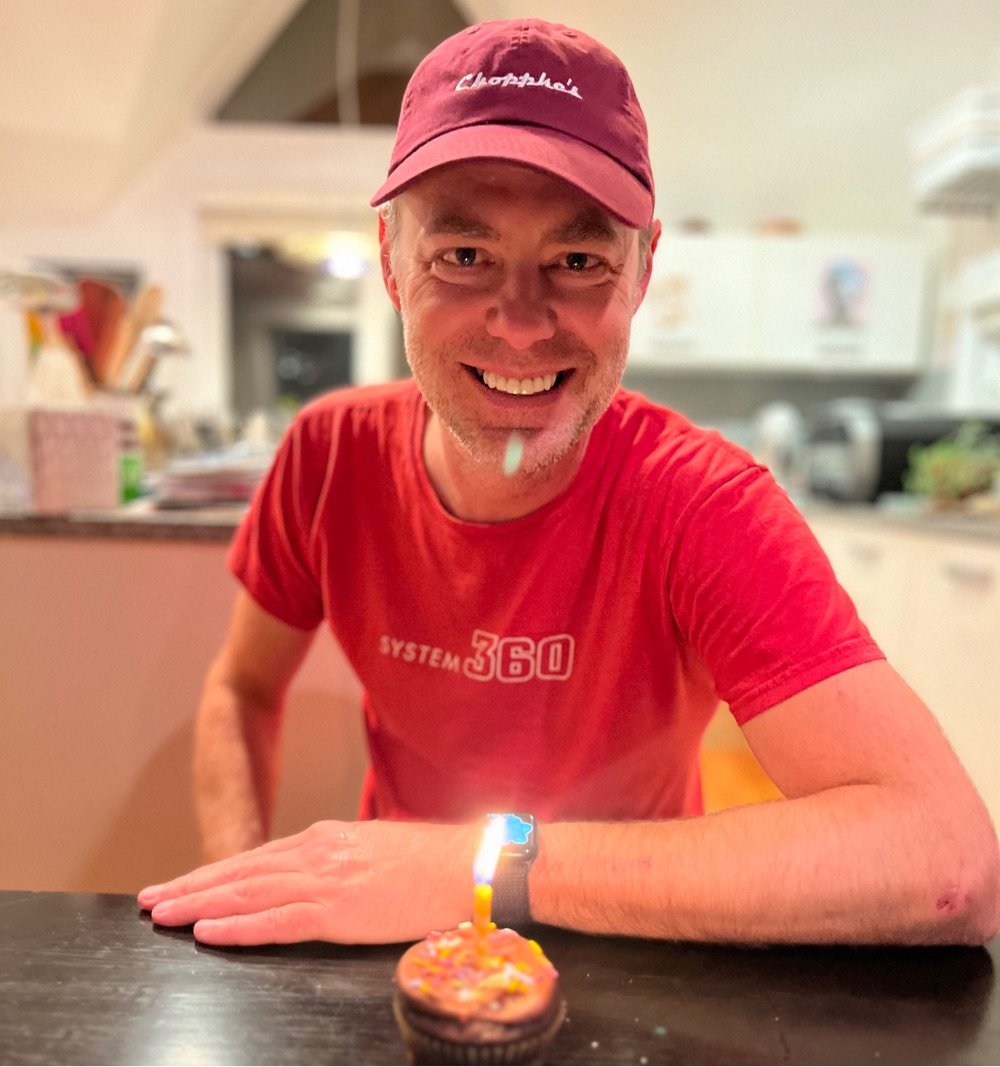
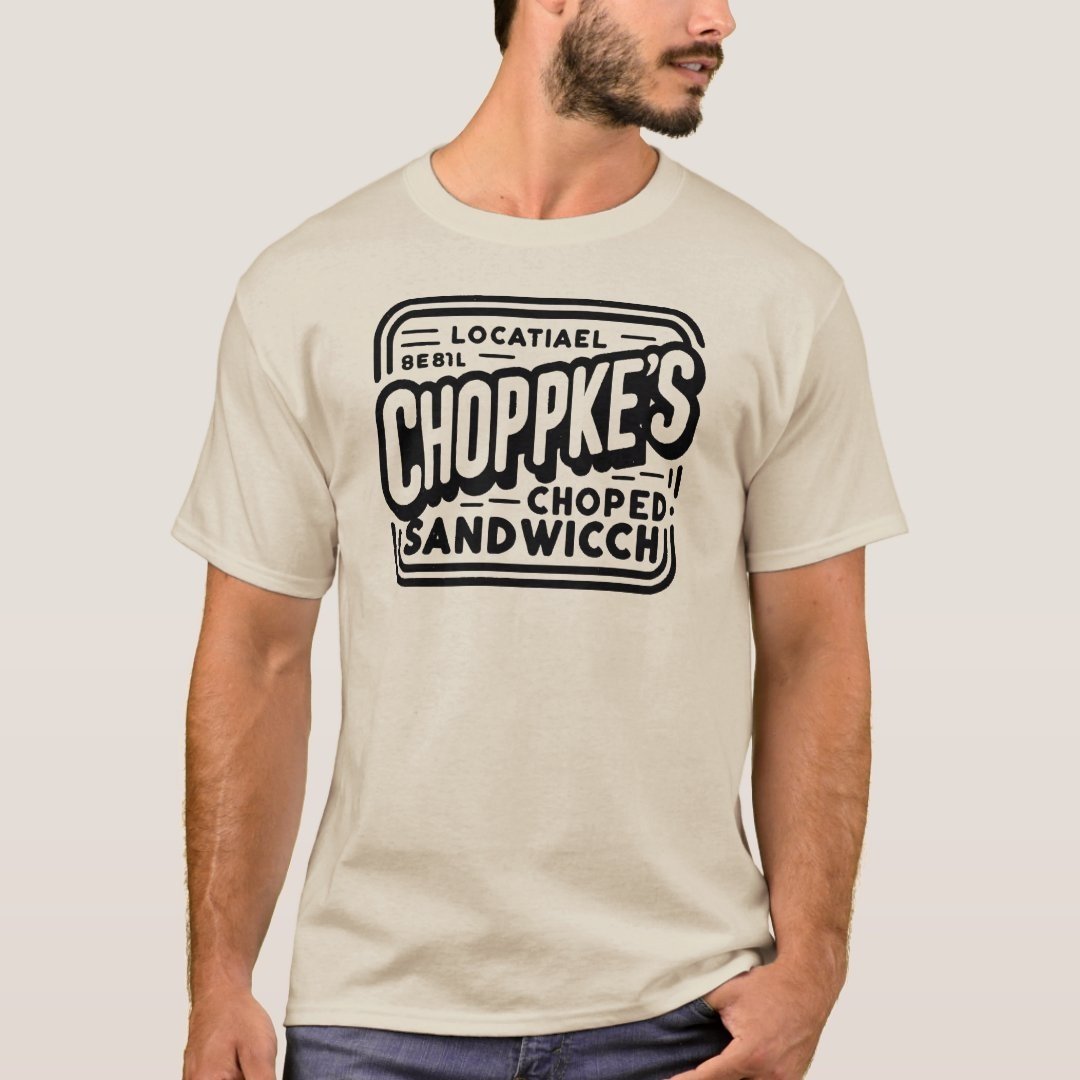

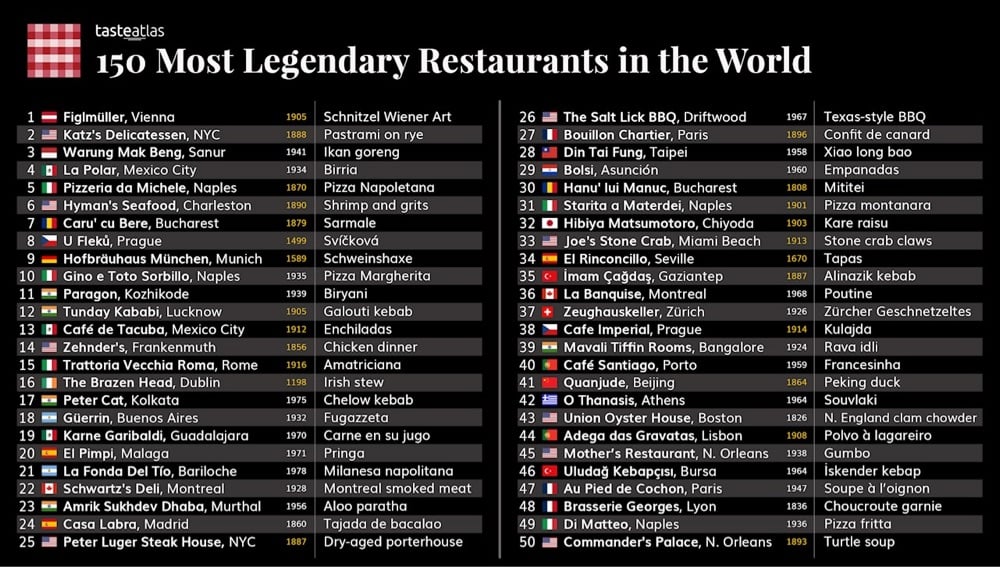
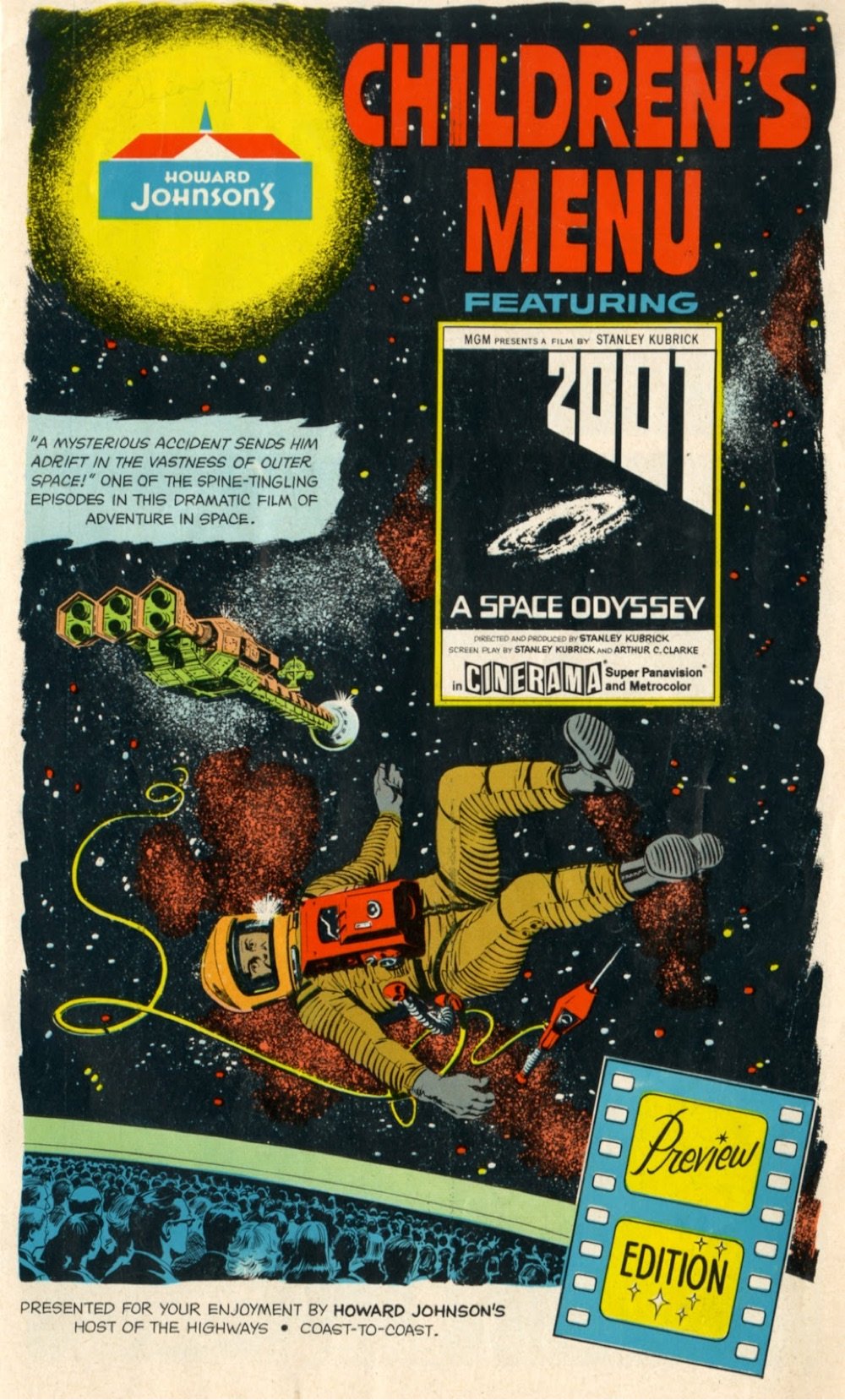

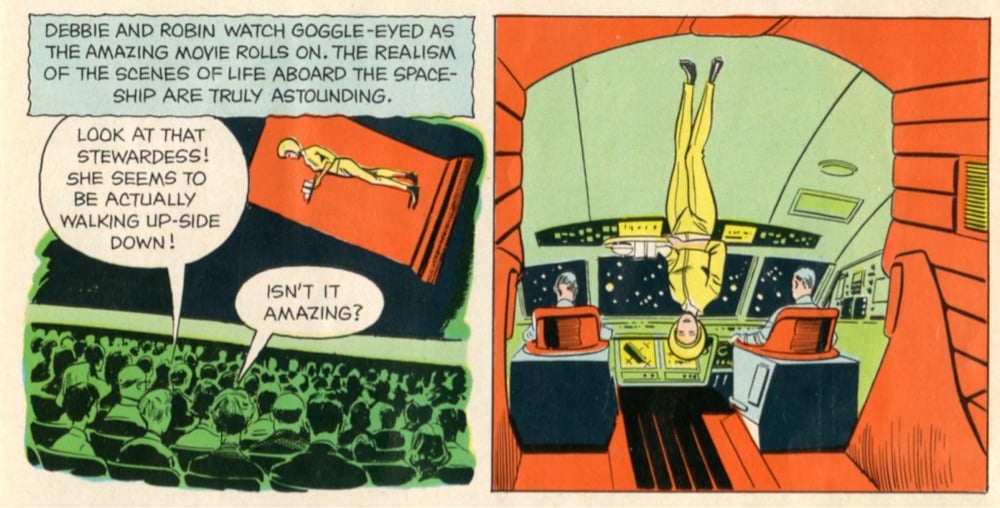
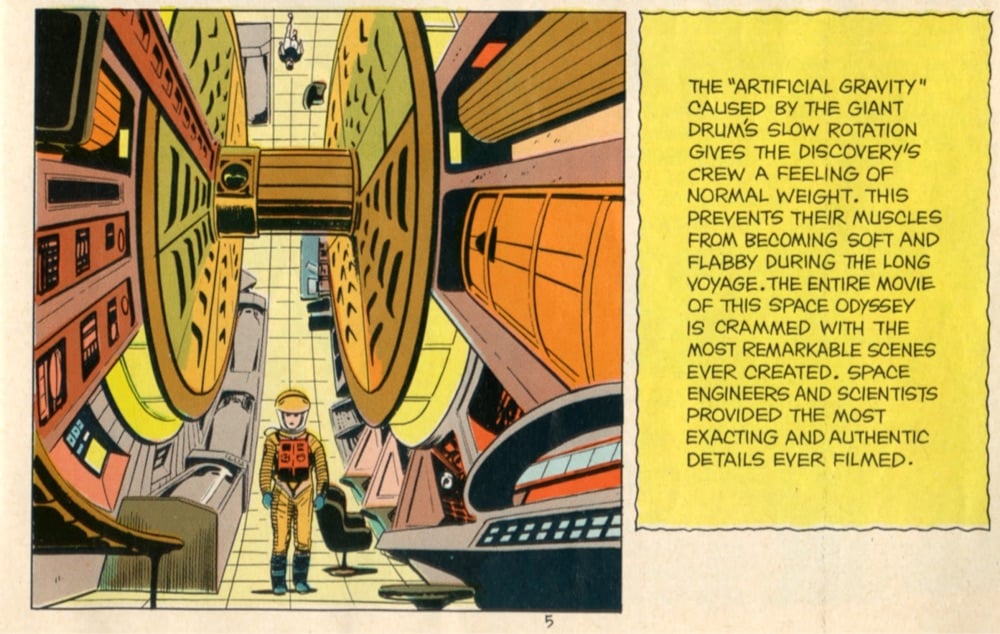


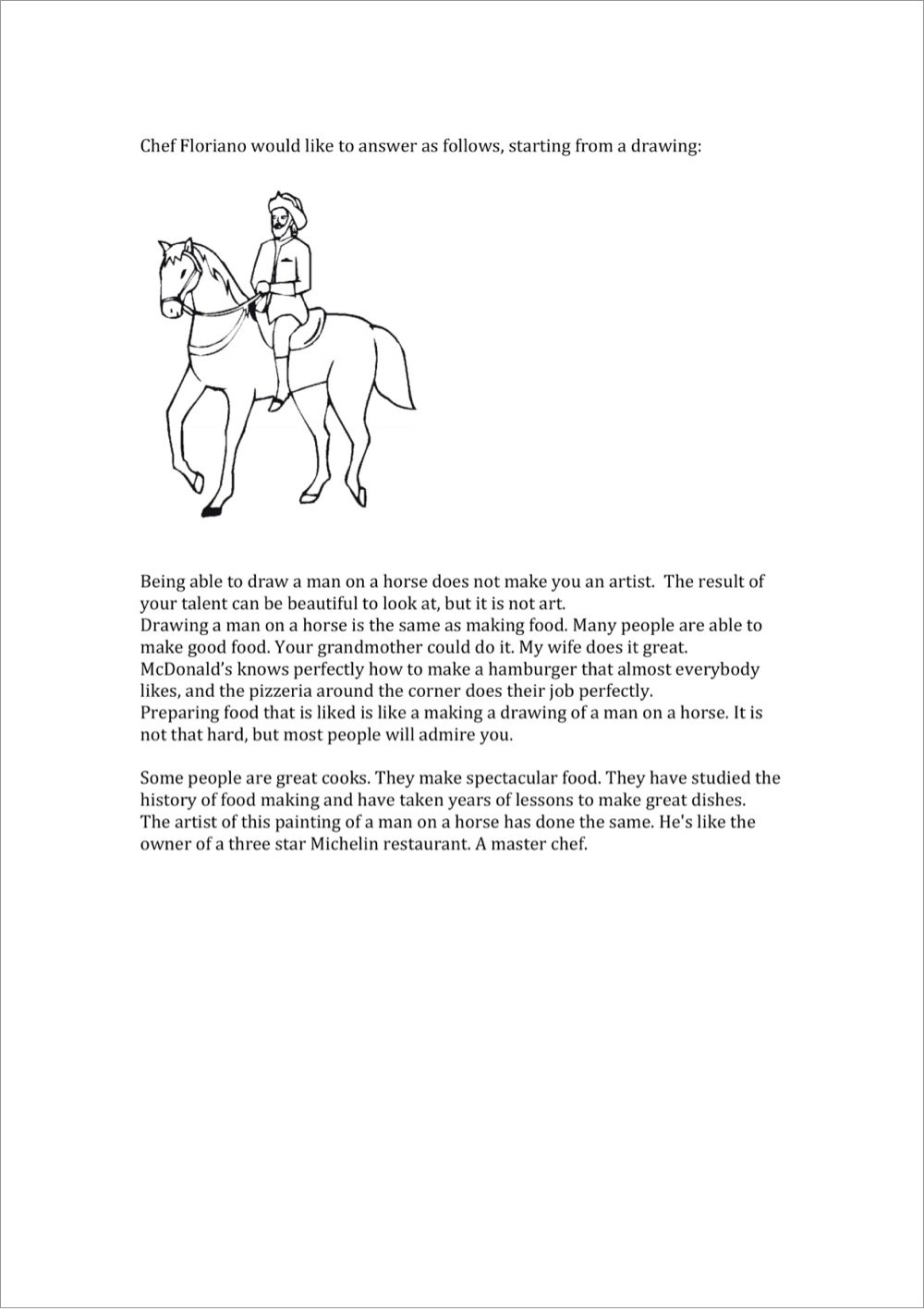
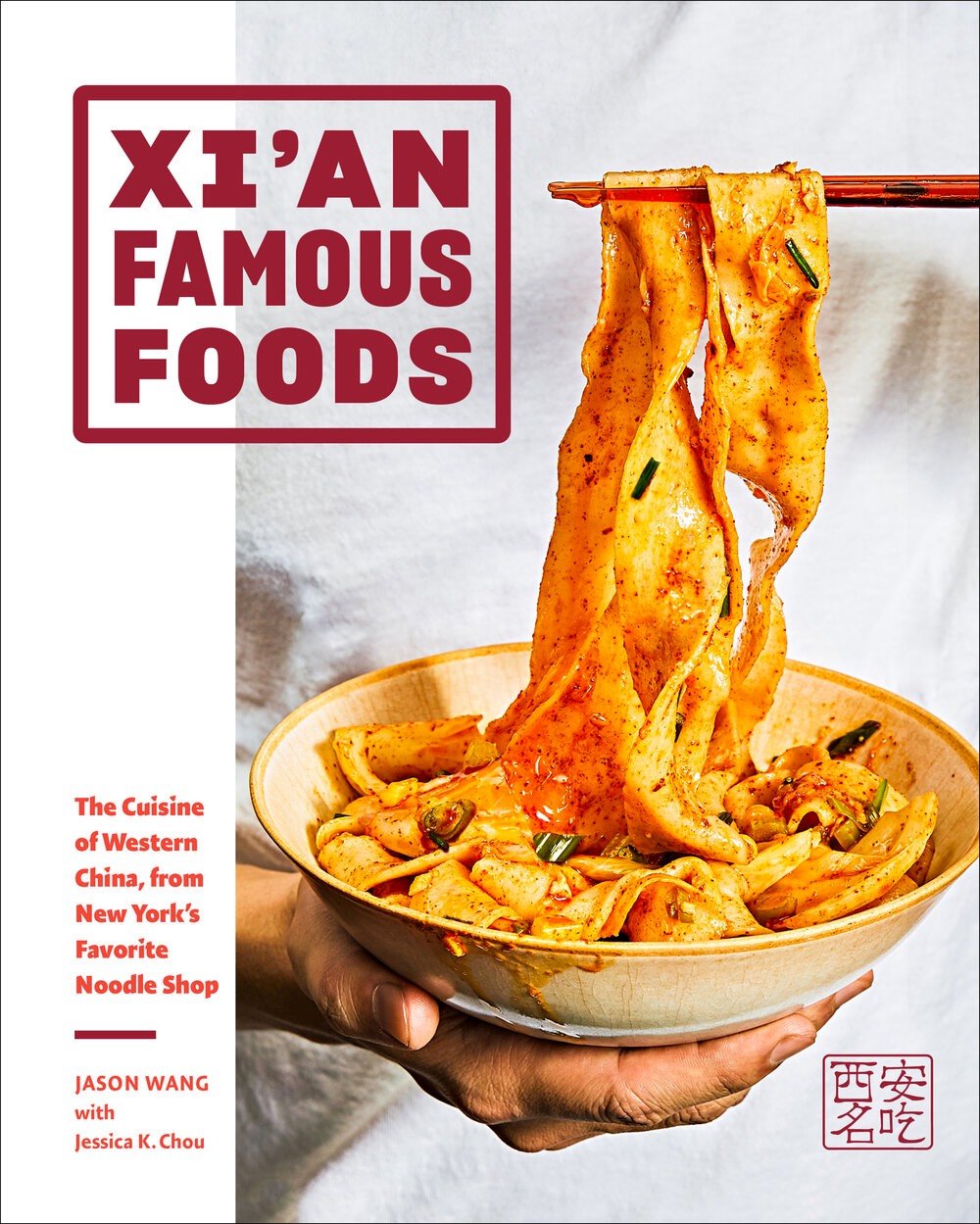
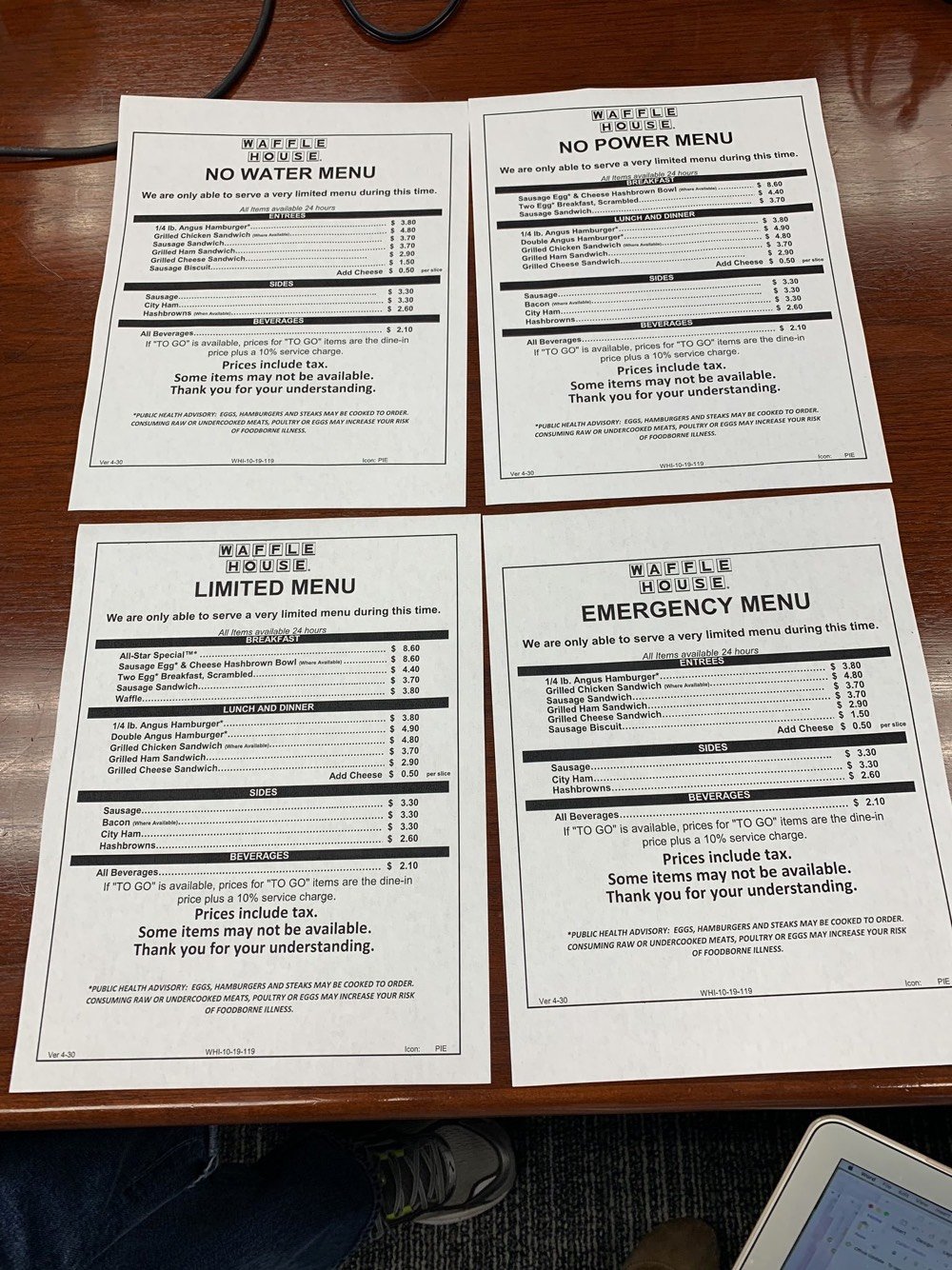

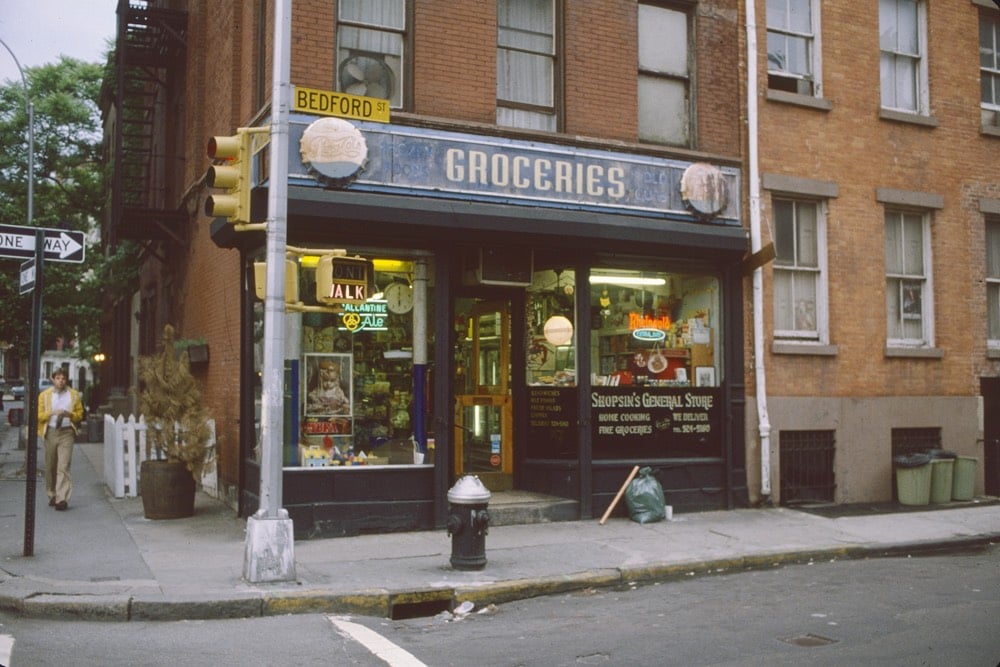

Stay Connected