A thoughtful video essay from The Cinema Cartography about 15 of film’s greatest documentaries, including The Thin Blue Line, Grizzly Man, The Act of Killing, Shoah, Hoop Dreams, and OJ: Made in America (my personal favorite).
I am not sure I agree with their #1 pick? But it’s been a loooong time since I saw it (in the theater when it came out, if you can believe it), so maybe it’s time for another viewing. (via open culture)
For Ars Technica, science writer Jennifer Ouellette and theoretical physicist Sean Carroll review time travel used in 20 popular movies, ranging from The Terminator to Bill and Ted’s Excellent Adventure to Interstellar. Each movie is rated on scientific accuracy and how entertaining the use of time travel is. Here’s part of their review of Superman (1978).
Our standards are admittedly lax when it comes to the physical mechanism by which cinematic heroes journey through time, but “flying really fast around the Earth so that it reverses the direction of its rotation and sends it back to a previous moment” is such thoroughgoing lunacy that one must almost pause in admiration. Then we return to our senses and ask, “Why does Superman’s flight have any effect on the rotation of the Earth? And what does that rotation have to do with the direction of time? Do I get younger if I start twirling counterclockwise?” No, dear reader, you do not. Indeed, by the rules handed down by Einstein, Superman’s near-speed-of-light journey would actually send him into the future, not into the past.
To its dubious credit, Superman pioneers two different flaws that will frequently recur in movies to come. First, time travel is portrayed as a miraculous cure-all, which is then never used again. Superman essentially goes back in time to save his girlfriend. This is admirable, but aren’t there other, more historically significant global disasters that could be averted by the same strategy? This is a narrative problem, not a scientific or logical one, but it rankles.
Then, of course, there is the flaw that almost always accompanies stories in which the past gets changed by time-travelers: Where did those time-travelers come from? We, the viewers, see a sequence of events that seems to make sense if we don’t think too hard. Lois Lane dies, Superman gets upset, he travels back in time, stops the events that led to Lois dying, and we live happily ever after. But at the end of this sequence, Superman still has the memory of Lois dying the first time around. Yet because he changed history, that event he remembers never happened. Lois certainly doesn’t remember it. How does he?
From a YouTube channel called The Solomon Society, a pair of videos that some of the most beautiful shots in the history of film. When Denis Villeneuve emphasizes the important of image in film, these are the kinds of shots that he’s talking about.
I haven’t watched this yet, but it’s definitely in my queue: a recording of a livestreamed panel of all the visual effects nominees from this year’s Oscars, talking about their work on those films. I got this from Todd Vaziri, a visual effects artist at ILM, who says:
If you’re at all interested in visual effects, you gotta watch this Academy presentation that took place last weekend. It goes in-depth with all five nominees, and shows before/after material that hasn’t been seen publicly.
The meat of the program begins at around 24 minutes when they start showing visual effects reels from the nominated films (The Creator, Godzilla Minus One, Guardians of the Galaxy Vol. 3, Mission: Impossible – Dead Reckoning Part One, Napoleon), followed by a discussion with the members of the effects teams.
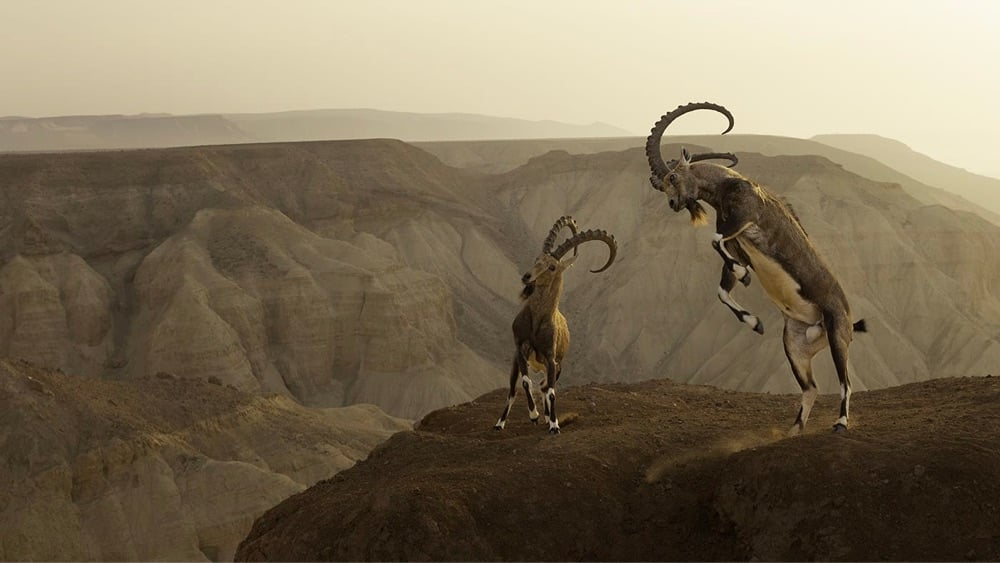
After hiking to a clifftop vantage point, Amit slowly crept closer. Using a wide-angle lens, he set the action of two clashing Nubian ibex against the dramatic backdrop. The battle lasted for about 15 minutes before one male surrendered and the pair parted without serious injury.
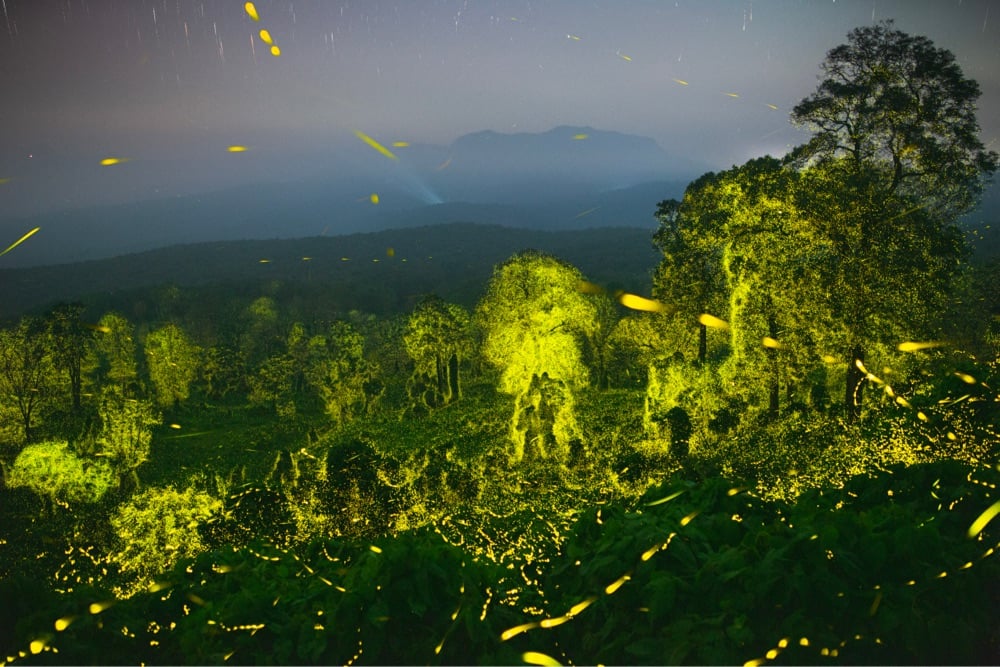
Sriram Murali captured the jungle lit up by fireflies:
Sriram combined 50 individual 19-second exposures to show the firefly flashes produced over 16 minutes in the forests of the Anamalai Tiger Reserve near his hometown. He watched as pinpoint flashes appeared in the treetops increasing in number as they spread down along the branches until something remarkable happened. Synchronising, they pulsated through the canopy like a wave — the pattern punctuated with sequences of abrupt on-off bursts in unison.
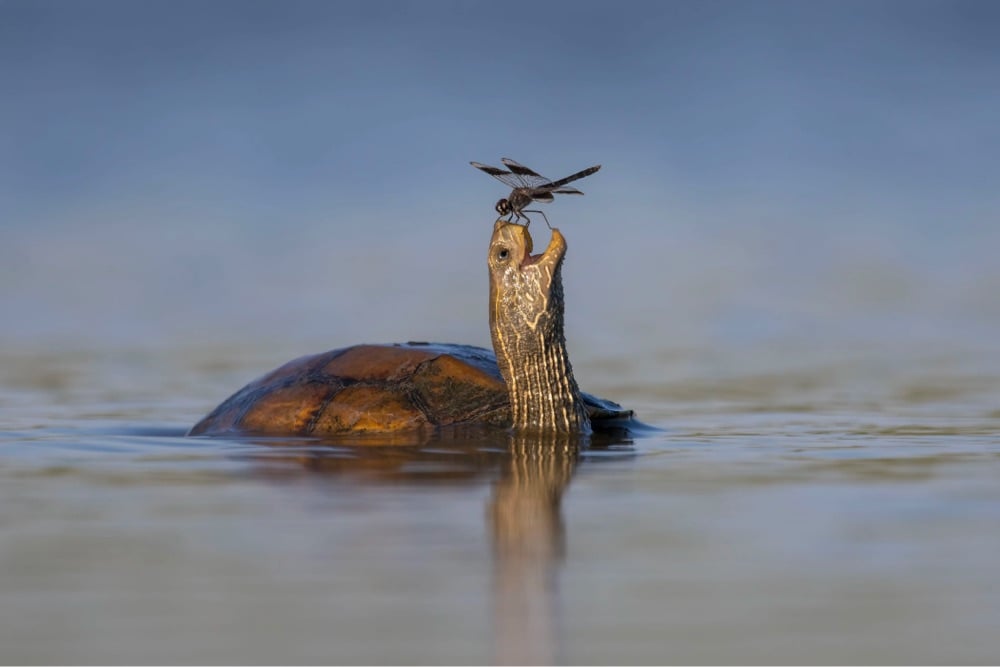
This dragonfly unexpectedly landed on the turtle’s nose but instead of the turtle snapping up the insect, it appeared to be experiencing pleasure from the interaction as they shared a moment of peaceful coexistence amid a swamp’s murky waters.
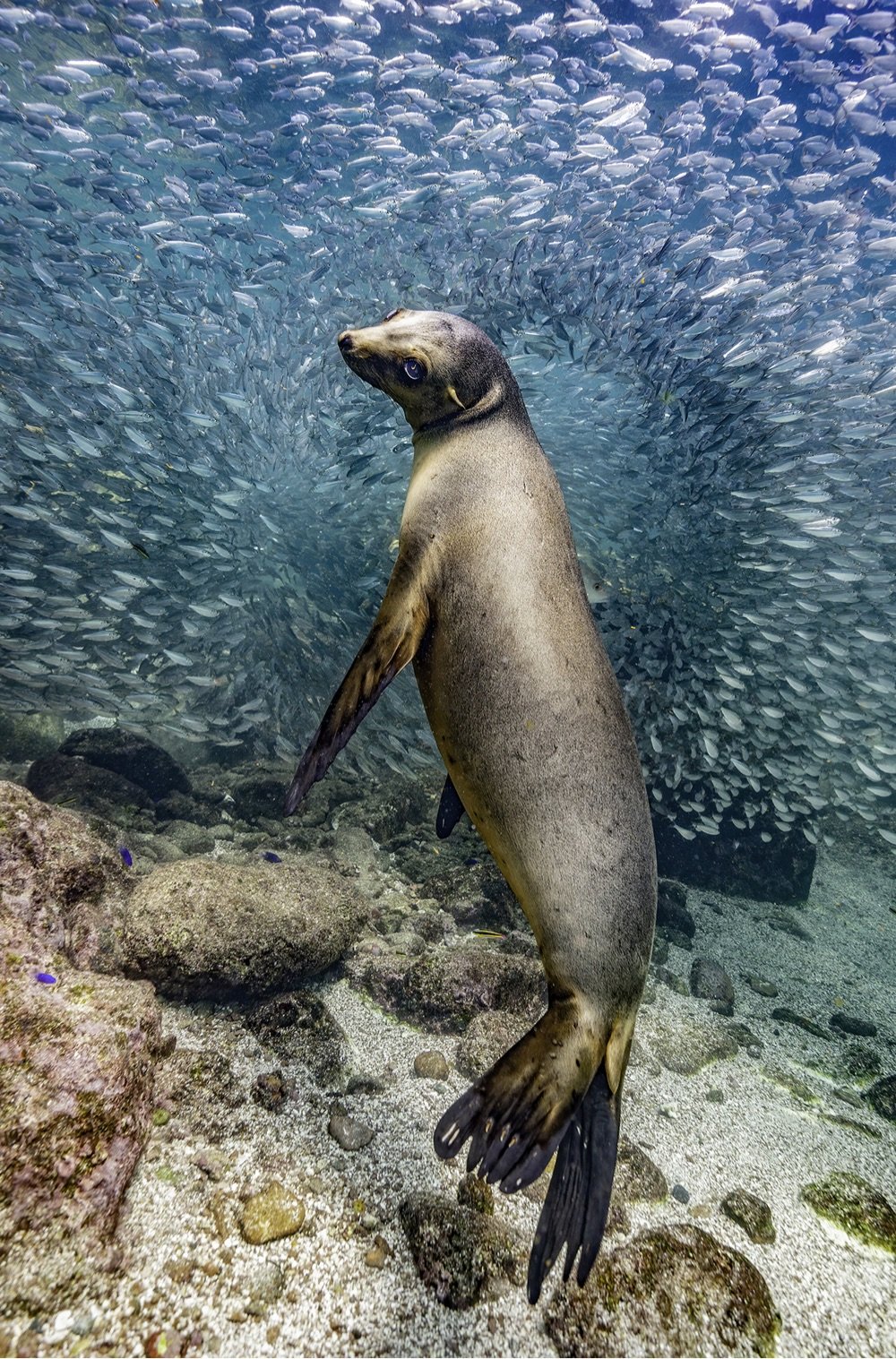
That sea lion has the same energy as Aragorn at the Black Gate of Mordor, just before he whispers “for Frodo” and charges into the horde of orcs assembled before him. “For lunch.”
Anyway! You can check out the rest of the winners and finalists on the website.
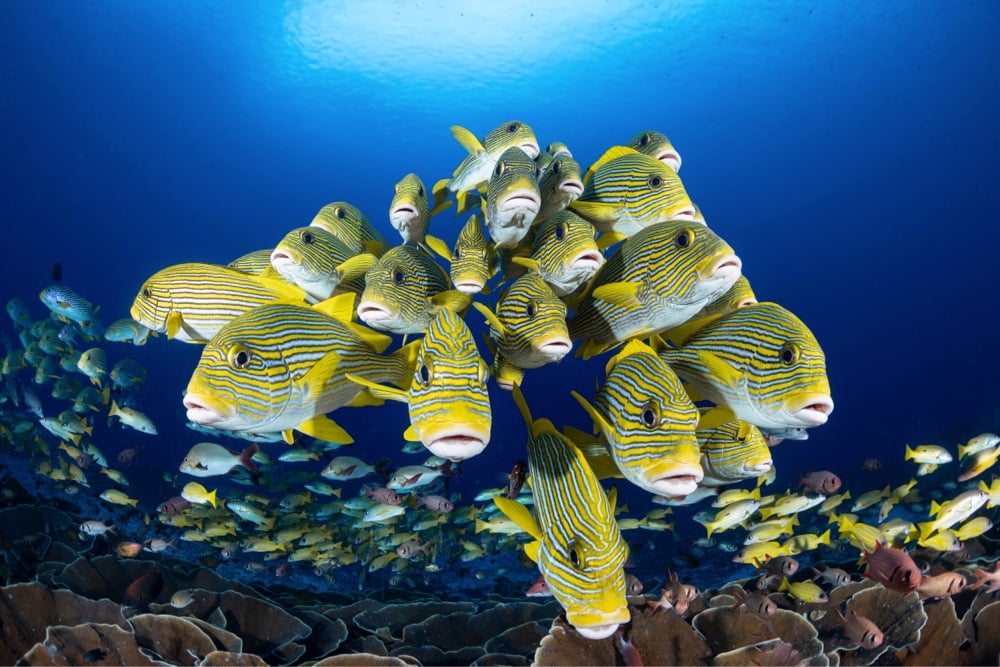
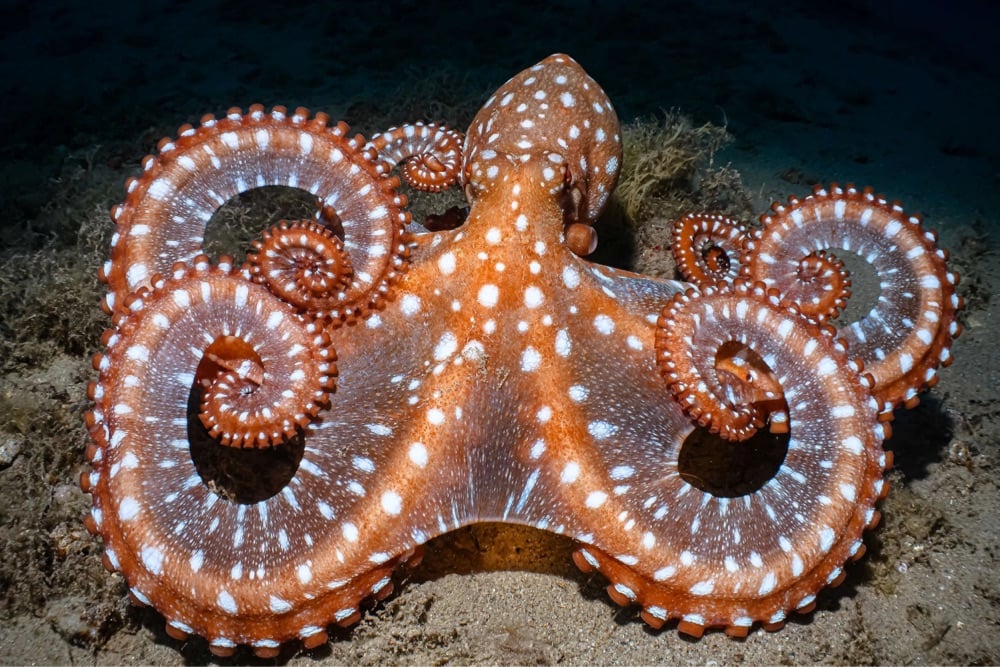
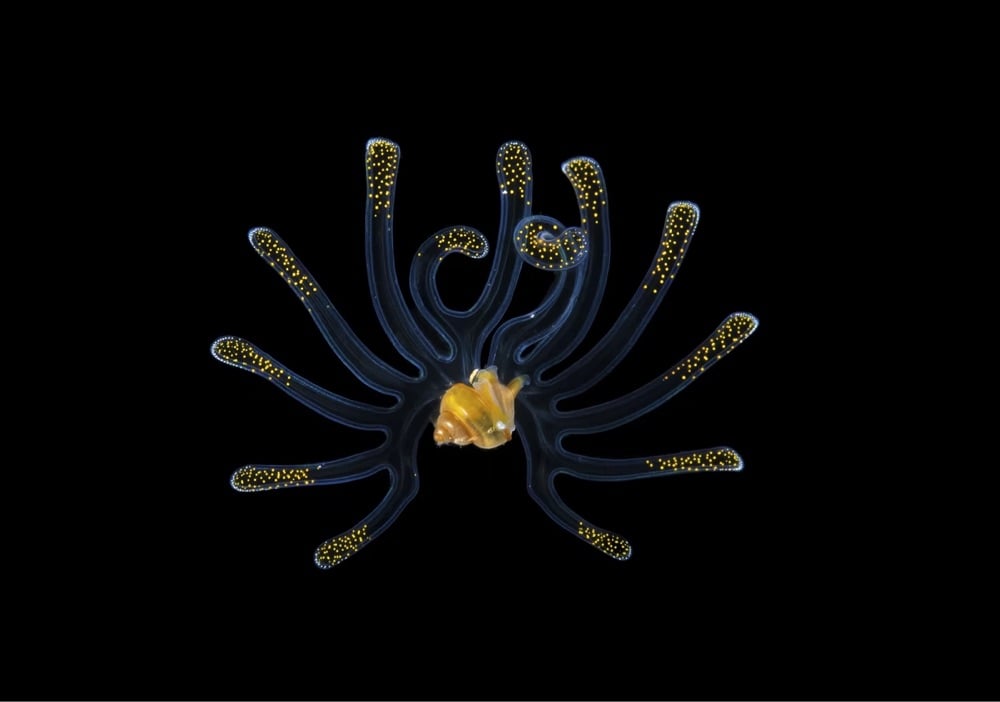
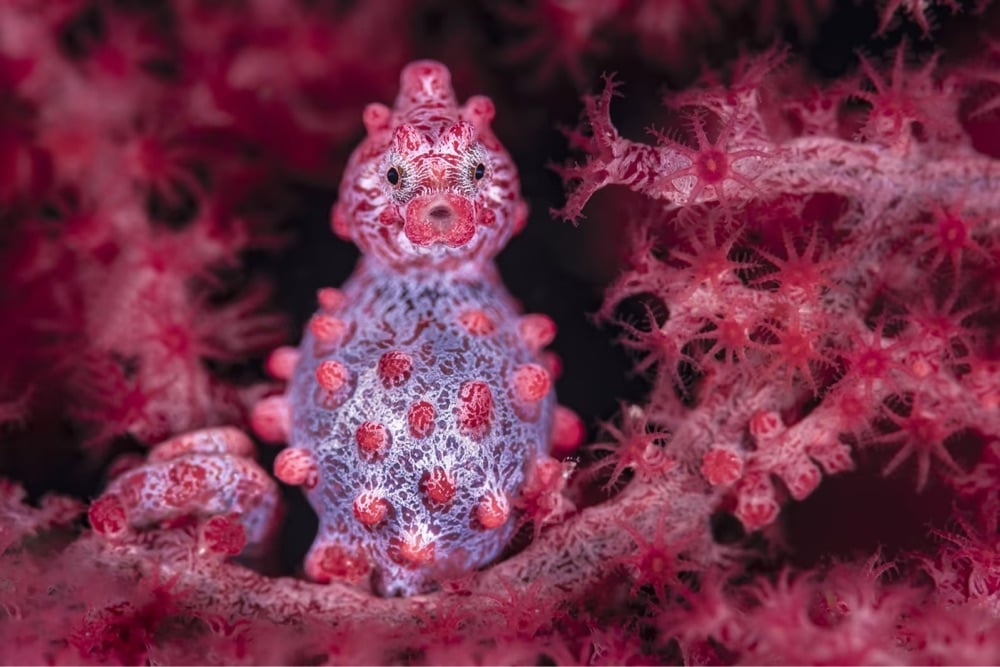
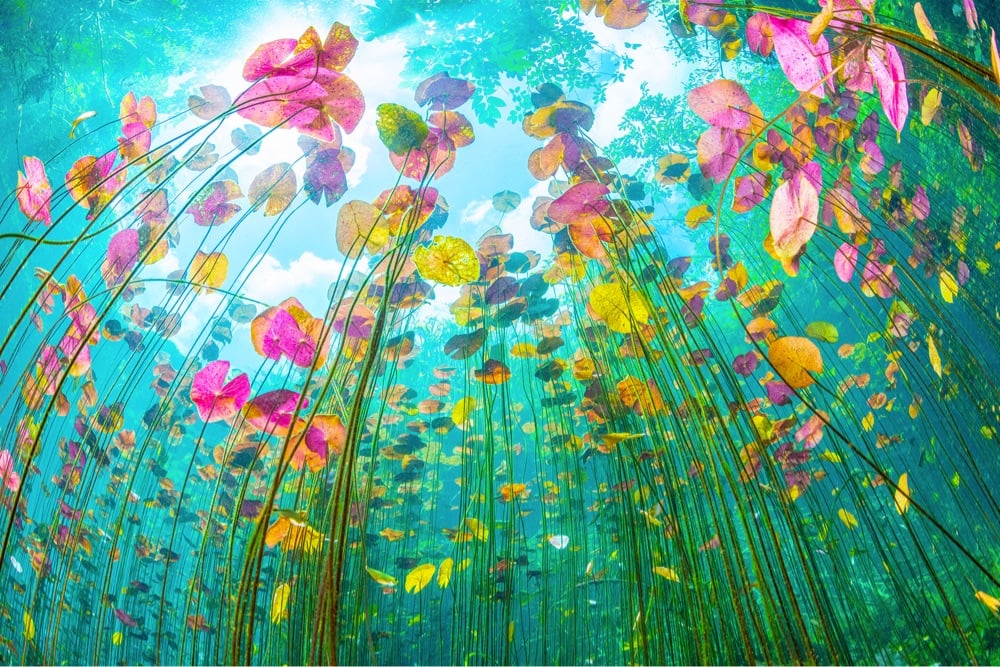
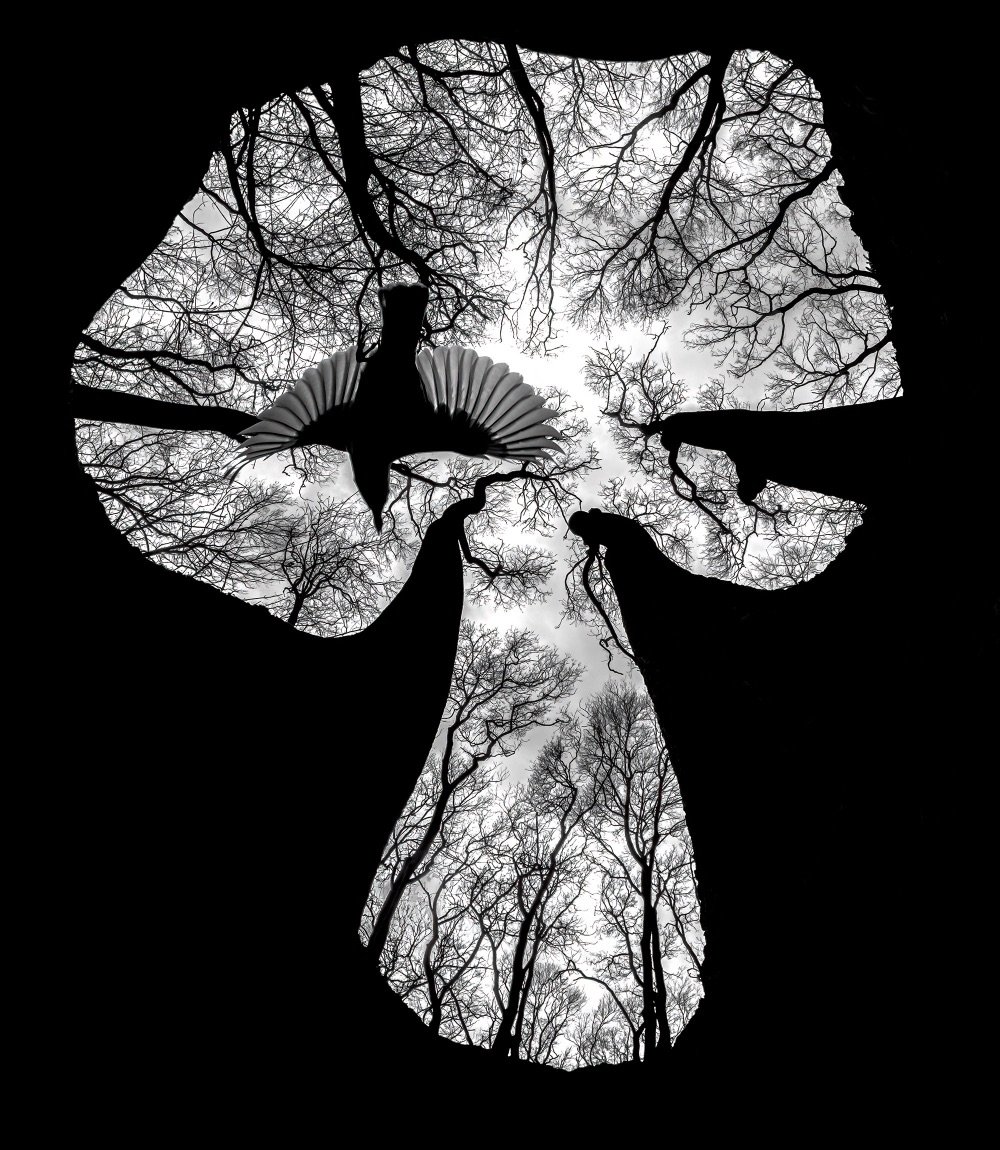
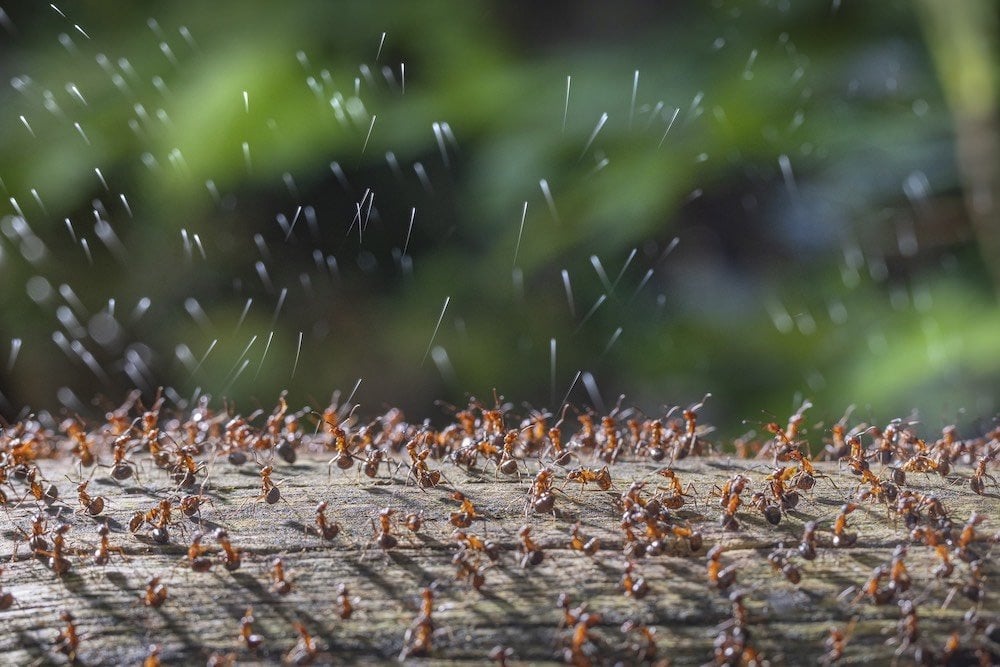
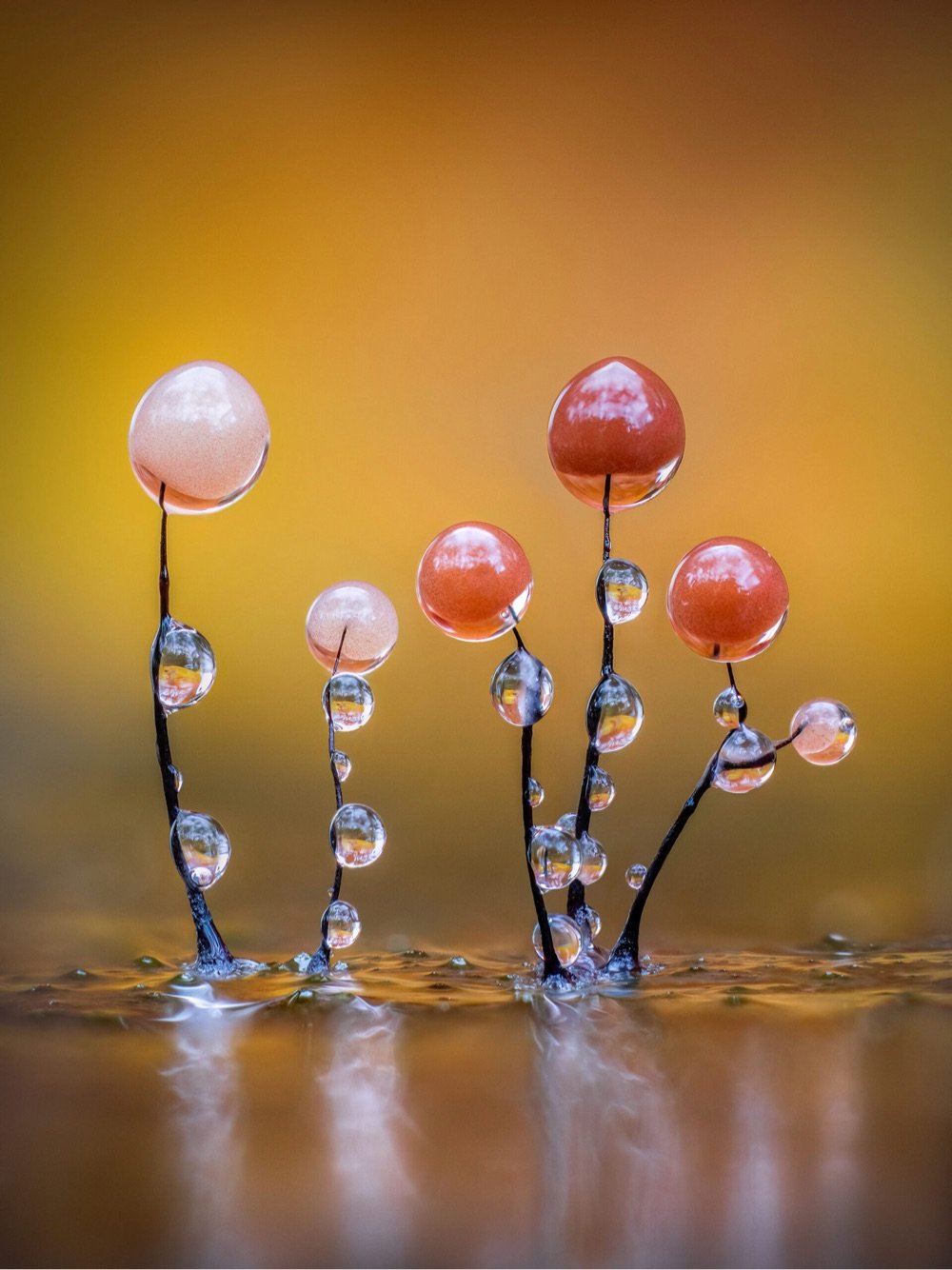
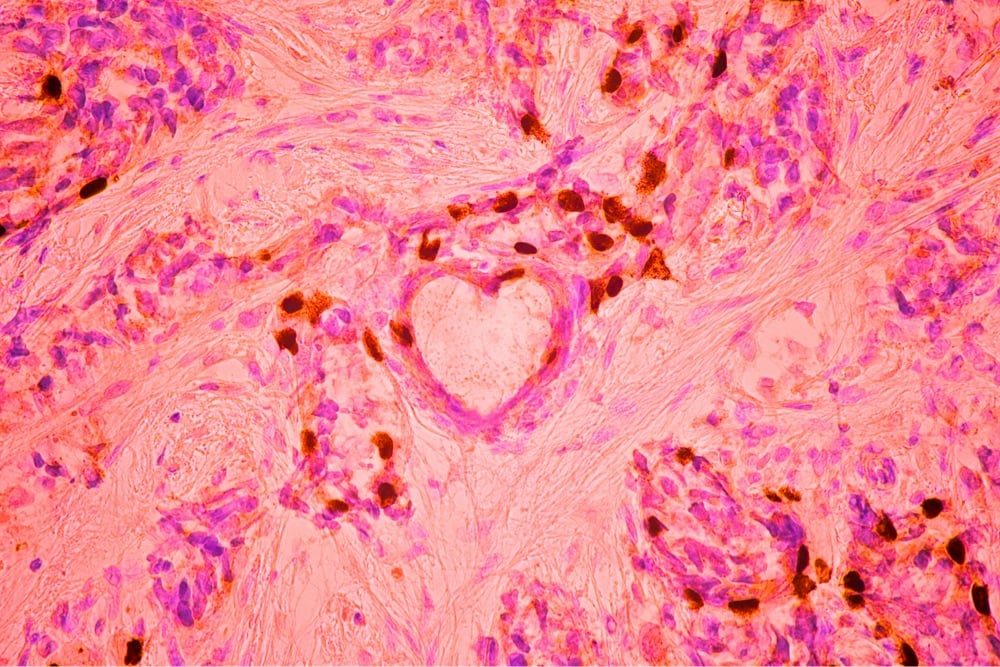
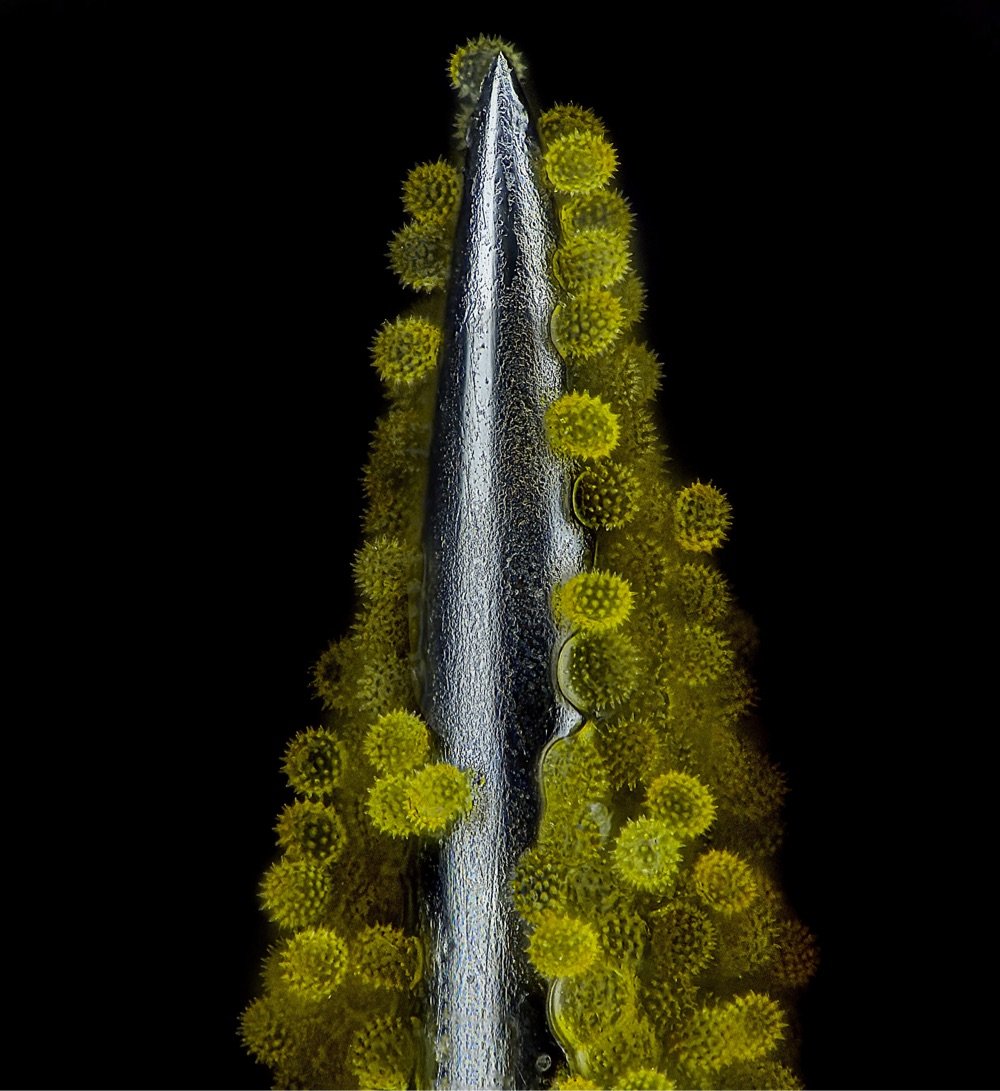
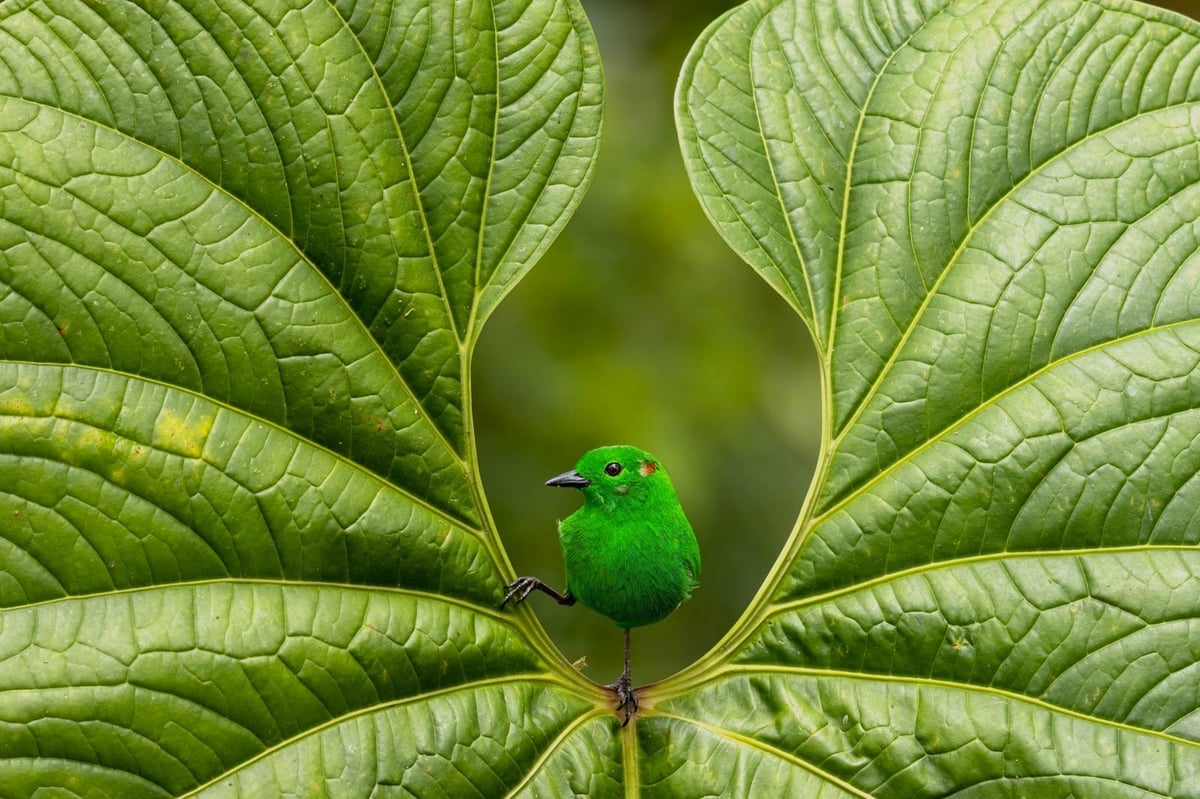
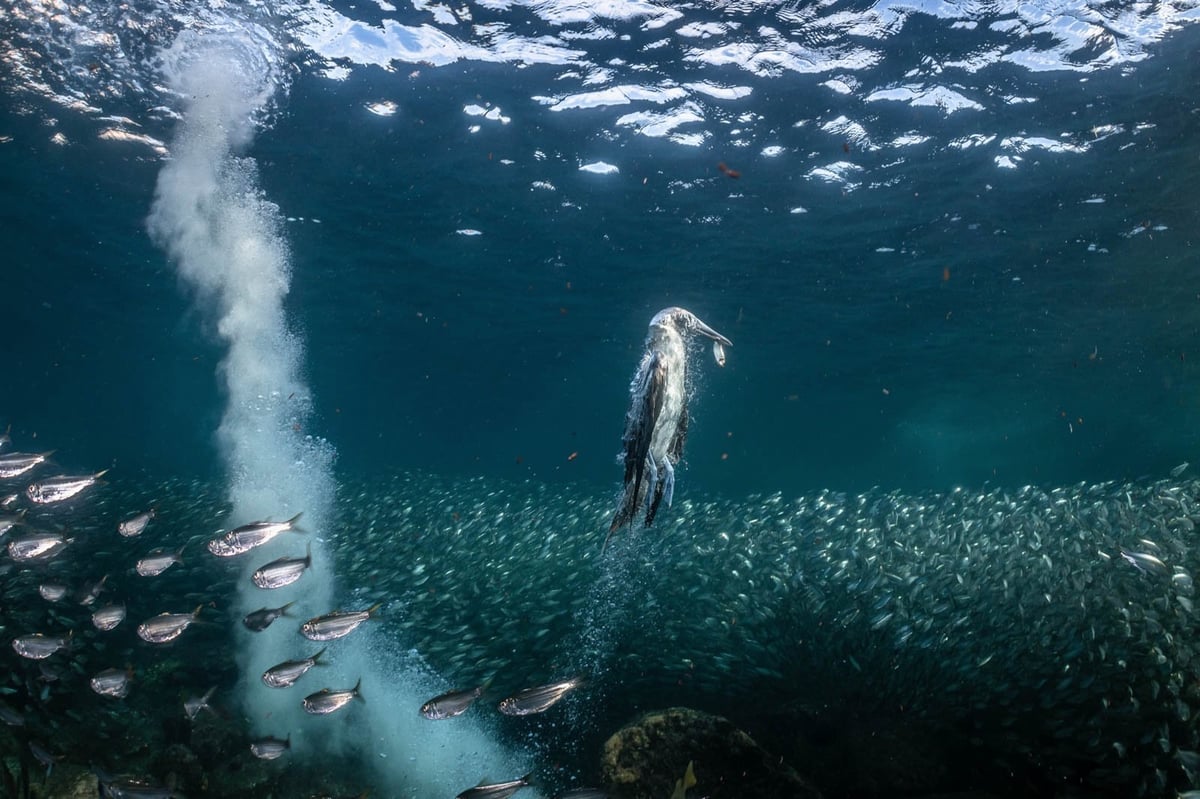
You all know I love a good photography contest and it’s hard to pick favorites, but the Close-up Photographer of the Year competition is always up there for me. The results of this year’s contest are fantastic and it was difficult to pick out just a few of my faves above. From top to bottom: Chris Gug, Csaba Daróczi, René Krekels, Barry Webb. (via colossal)
I always look forward to David Ehrlich’s annual love letter to cinema and his favorite films of the year. So put this thing on the biggest screen you can find, slap on some headphones, and get ready to put a bunch of excellent films on your must-watch list. This year in conjunction with the video, Ehrlich is raising money for the Palestine Children’s Relief Fund.
As the bulk of 2023 recedes from memory, I wanted to share some of the things from my media diet posts that stood out for me last year. Enjoy.
Succession. I did not think I would enjoy a show about extremely wealthy people acting poorly, but the writing and acting were so fantastic that I could not resist.
25 years of kottke.org. Very proud of what I’ve accomplished here and also genuinely humbled by how many people have made this little site a part of their lives.
Antidepressants + therapy. I was in a bad way last spring and it is not too strong to say that finding the right antidepressant and arriving at some personal truths in therapy changed my life.
The Bear (season two). I don’t always love it (especially when the intensity ramps up) but there’s definitely something special about this show.
Crossword puzzles. A few times a week, a friend and I do the NY Times crossword puzzle together over FaceTime. It’s become one of my favorite things.
AirPods Pro (2nd generation). Am I ever going to shut up about these? Possibly not. The sound quality is better than the first-gen ones and the sound cancelling is just fantastic. I used these on several long flights recently and you basically can’t hear much of anything but your music.
The Kottke Hypertext Tee. Might be bad form to put your own merch on a list like this, but I’m just tickled that these exist. Putting an actual physical good out into the world that people connect with is somehow satisfying in a way that digital media is not.
ChatGPT. This very quickly became an indispensable part of my work process.
Downhill mountain biking. I did this a couple years ago and it didn’t click for me. But my son and I went last summer and I loved it…it’s one my favorite things I did all year. Gonna try and get out more in 2024!
Once Upon a Time in Northern Ireland. Probably the best TV thing I watched last year. Listening to survivors of The Troubles talking about their experiences was unbelievably compelling.
Au Kouign-Amann. One of my all-time favorite pastries. Looks like a boring cake, tastes like magic.
Democracy Awakening: Notes on the State of America by Heather Cox Richardson. An extremely clear-eyed explanation of how Trumpism fits in with the Republicans’ decades-long project of weakening American democracy.
The Creator. I liked this original sci-fi a lot — more stuff that’s not Star Wars and Marvel pls.
BLTs. I could not get enough of this simple sandwich at the end of last summer — I was eating like 4-5 a week. When the tomatoes are good, there’s nothing like a BLT.
The little hearts my daughter put on the backs of the envelopes containing her letters from camp. Self explanatory, no notes.
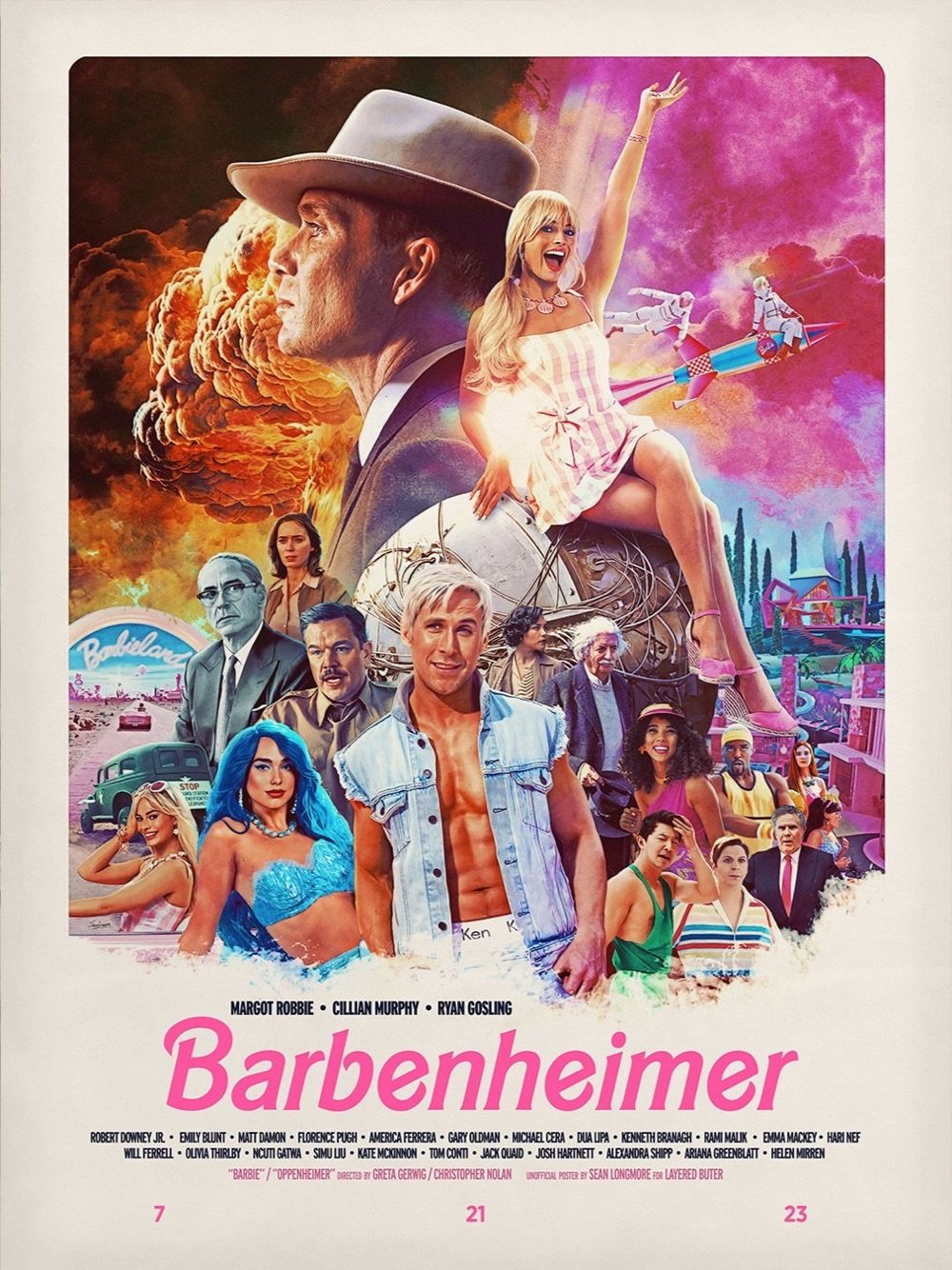
I am not in the habit of buying movie posters, but I bought one this year — for a movie that doesn’t even exist. A few weeks ago, I was lucky enough to snag one of Sean Longmore’s Barbenheimer posters. It’s still in the shipping canister, but I’m gonna get it framed and find a spot for it on my wall soon.
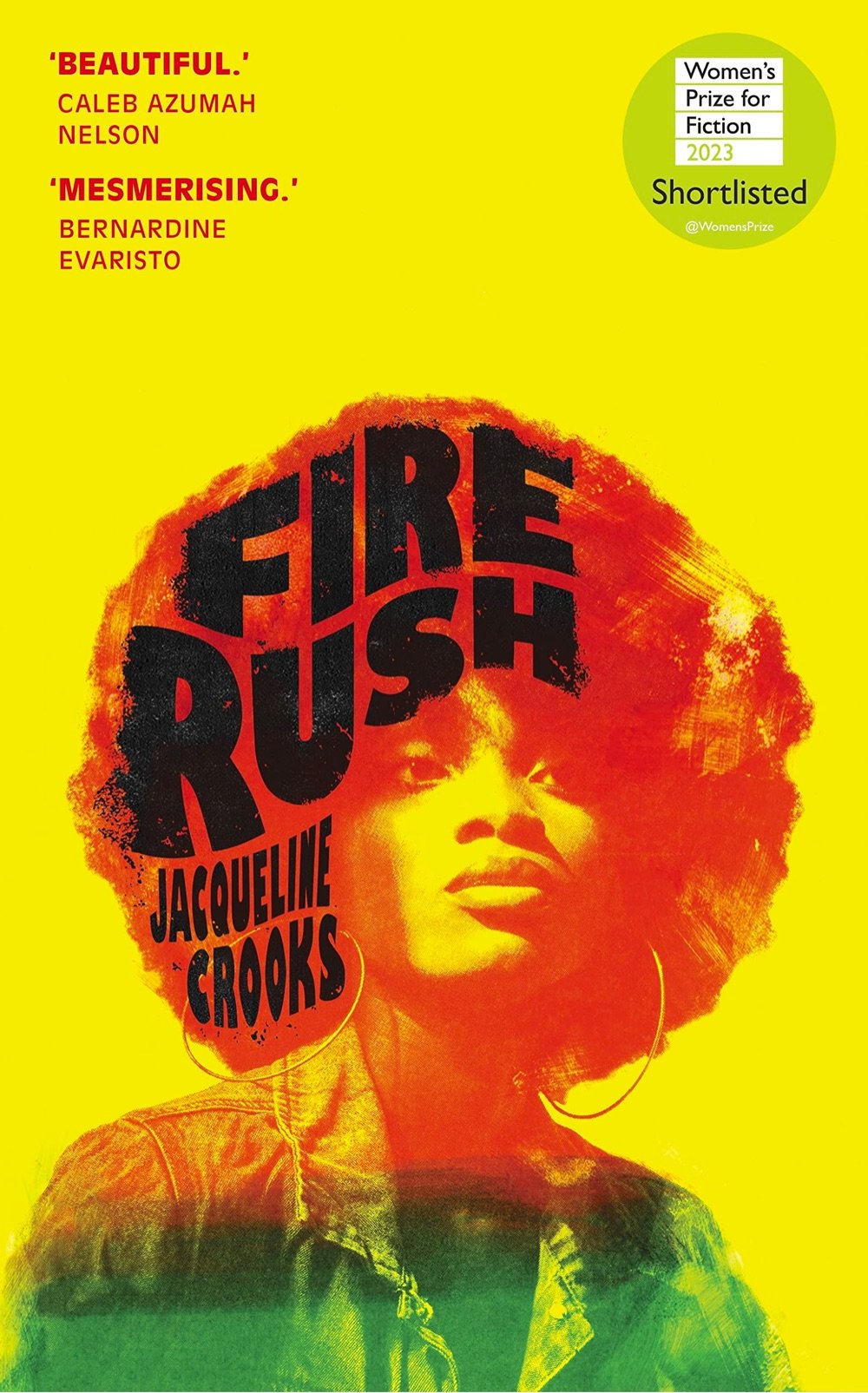
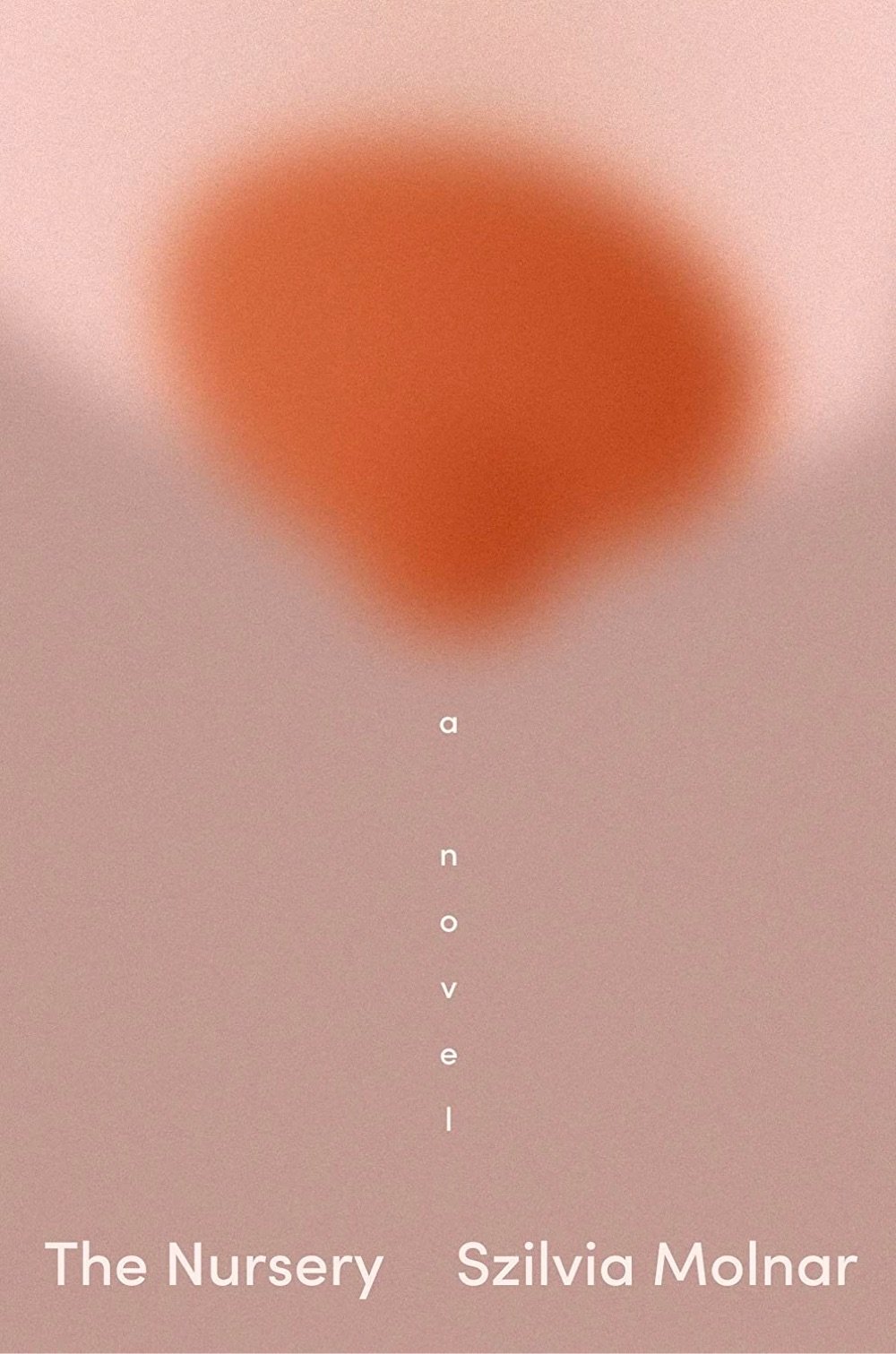
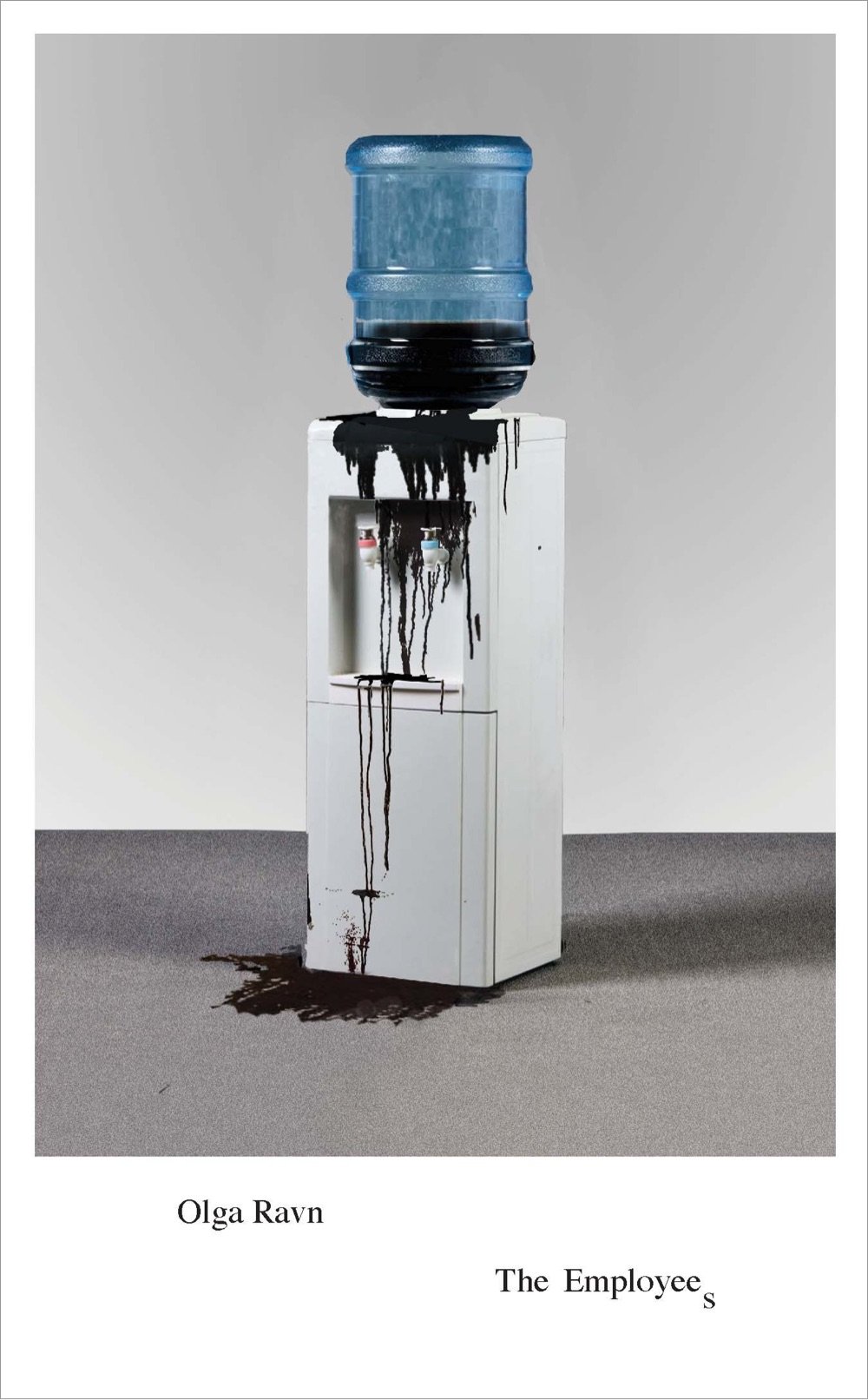
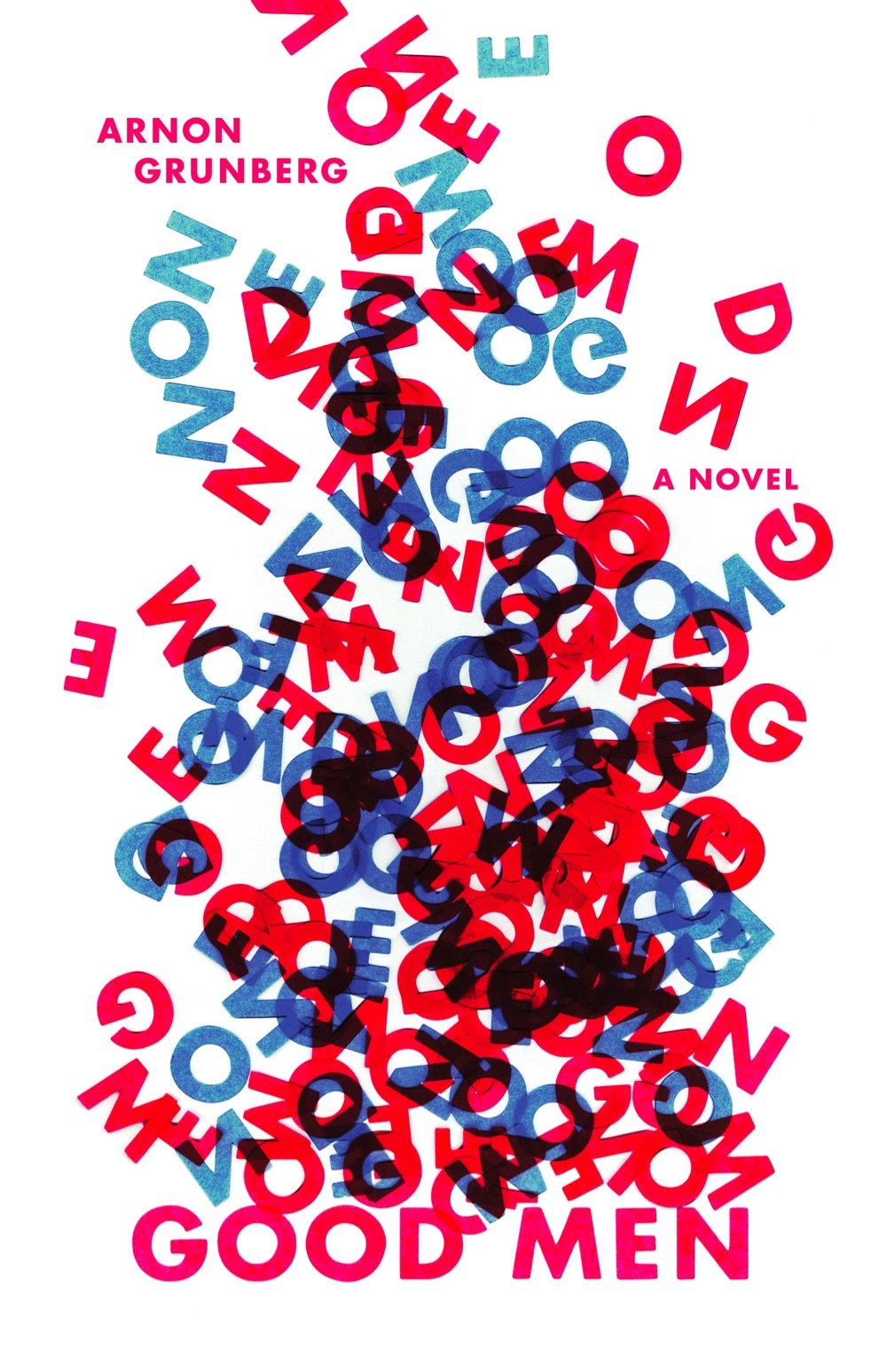
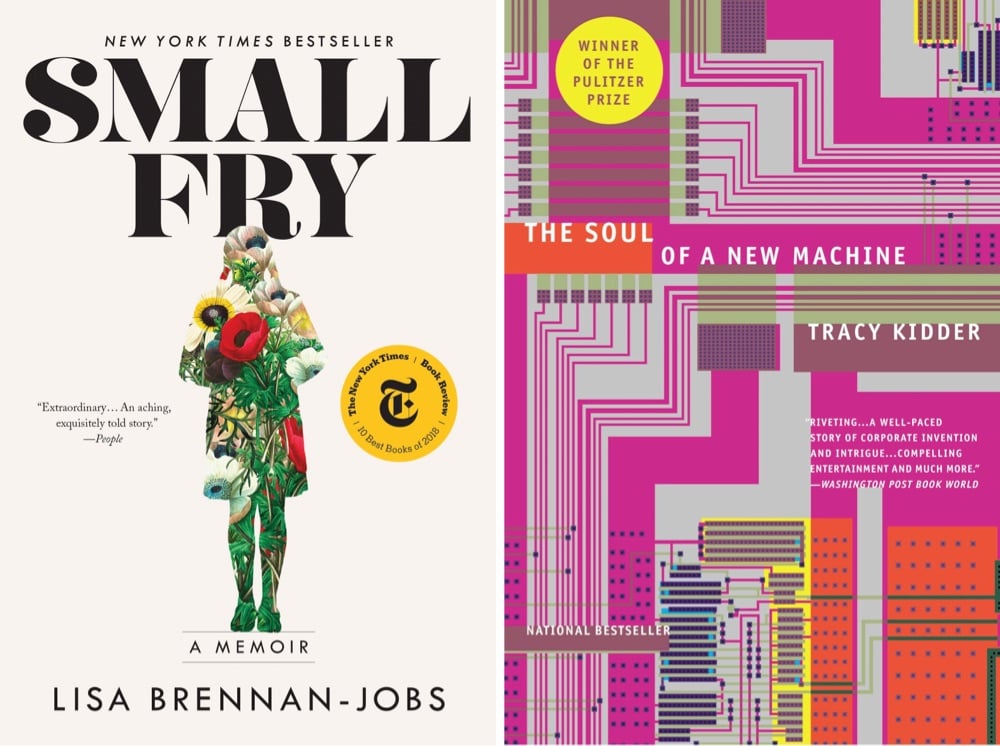
I love a good book cover design. As I wrote last year:
The book cover is one of my all-time favorite design objects and a big part of the reason I love going to bookstores is to visually feast on new covers. I don’t keep an explicit list of my favorites from those trips, but there are definitely those that stick in my mind, covers that I’ll instantly recognize from across the room on subsequent trips.
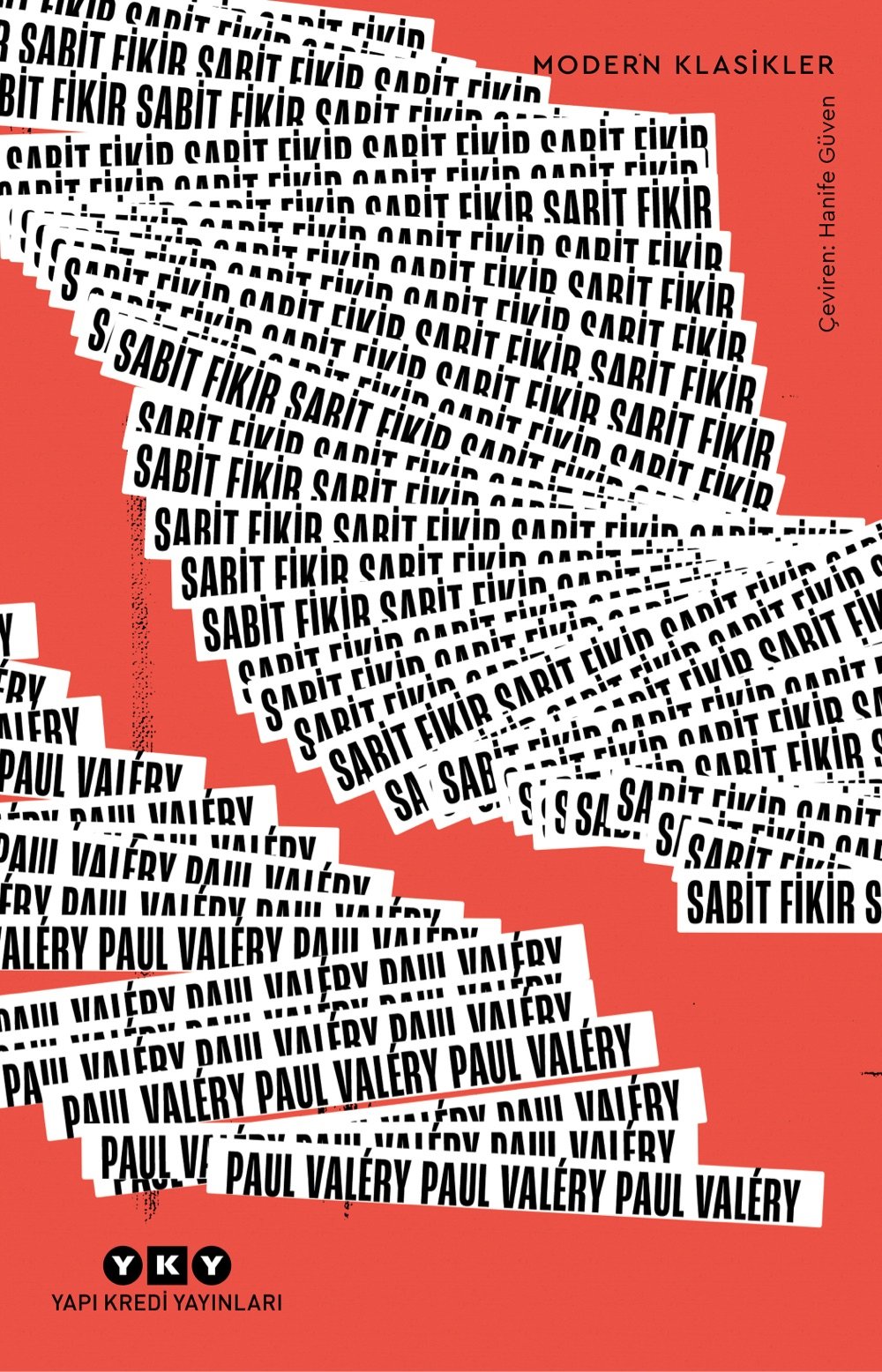
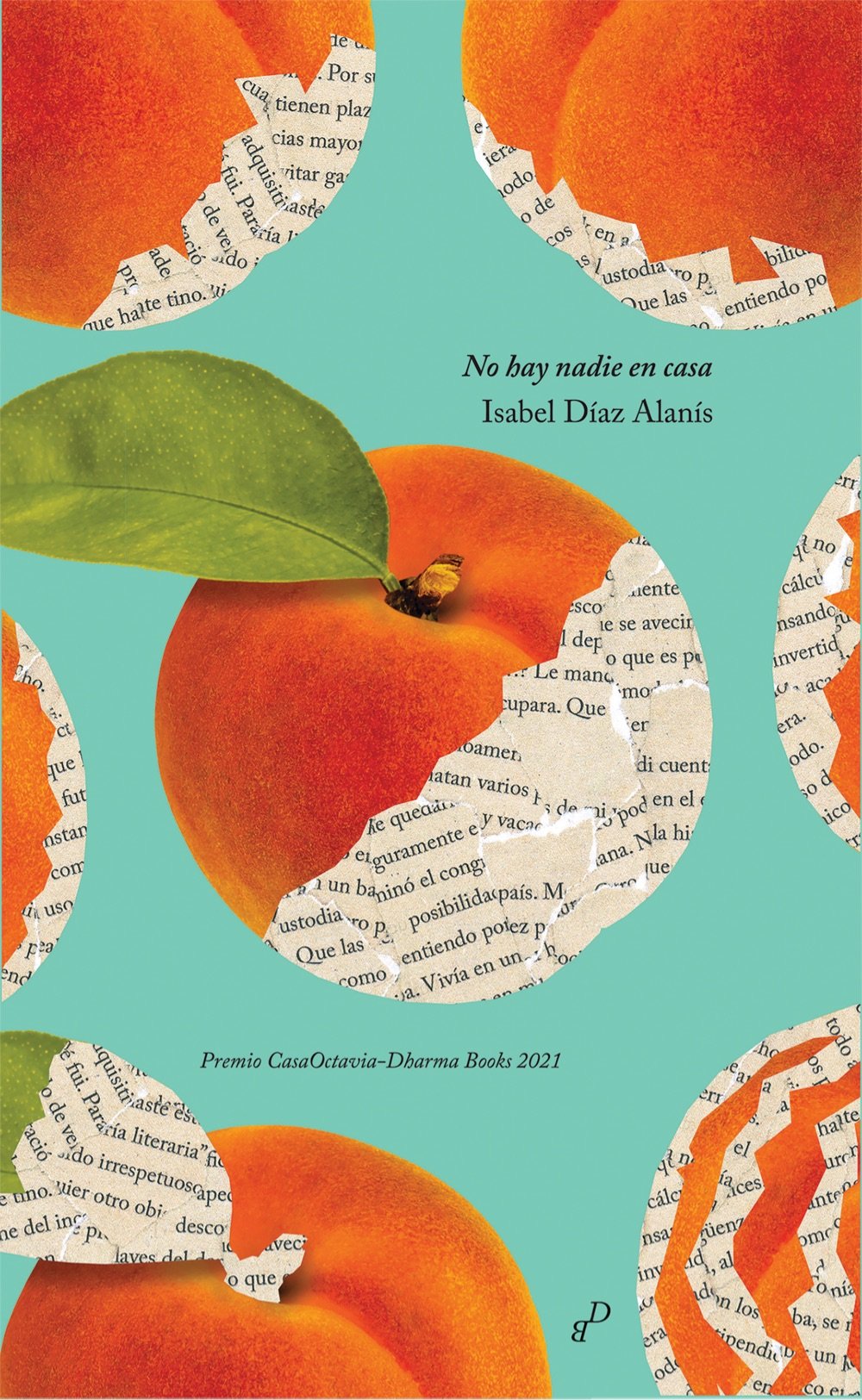
I used those bookshop trips and several year-end lists to compile my list of favorites, pictured above and listed here, along with their designers:
I linked to this in the recent David Bowie post, but it’s worth pulling out separately: the 100 greatest BBC musical performances. This is an incredible trove of late 20th and early 21st century musical greatness. Some selections just off the top of my head:
Blondie – Atomic/Heart of Glass (The Old Grey Whistle Test, 1979):
Talking Heads – Psycho Killer (OGWT, 1978):
Daft Punk – Essential Mix (Radio 1, 1997):
Hole – Doll Parts/He Hit Me (And It Felt Like A Kiss)/Violet (Later, 1995):
Joy Division – Transmission (Something Else, 1979):
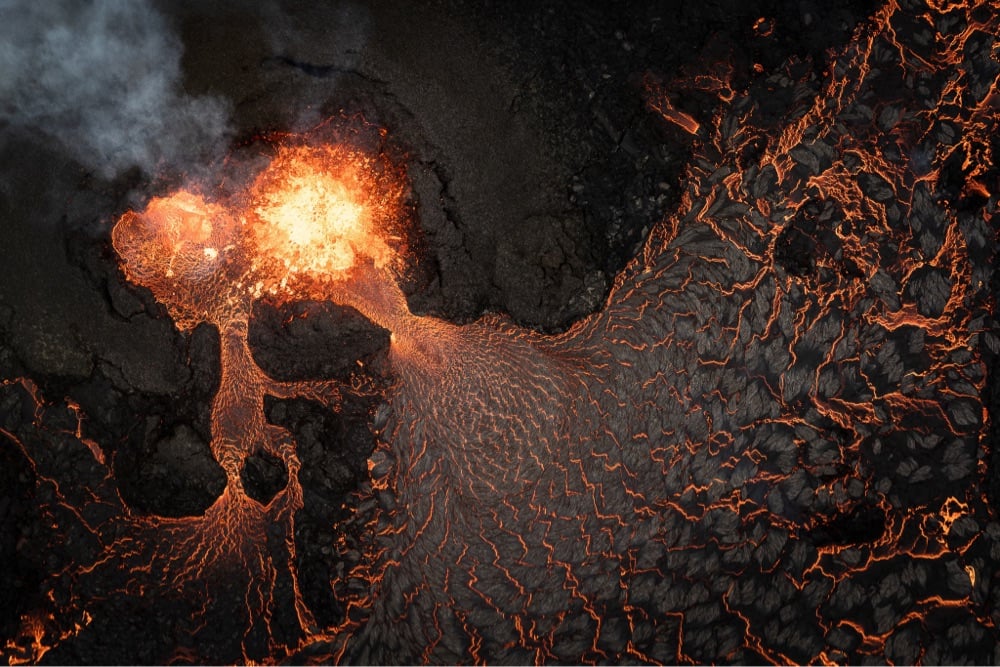
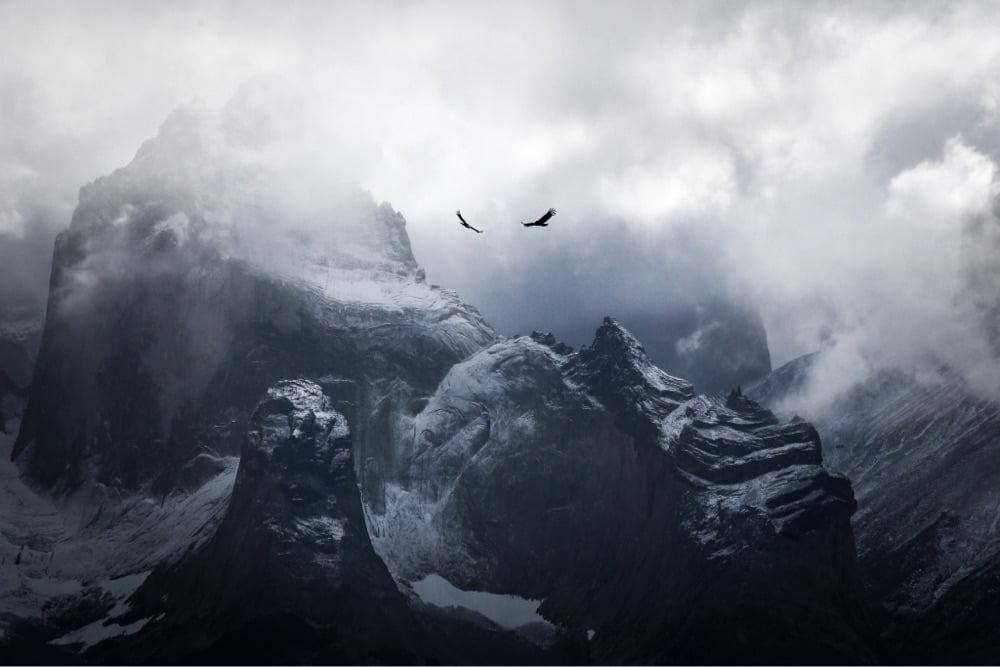
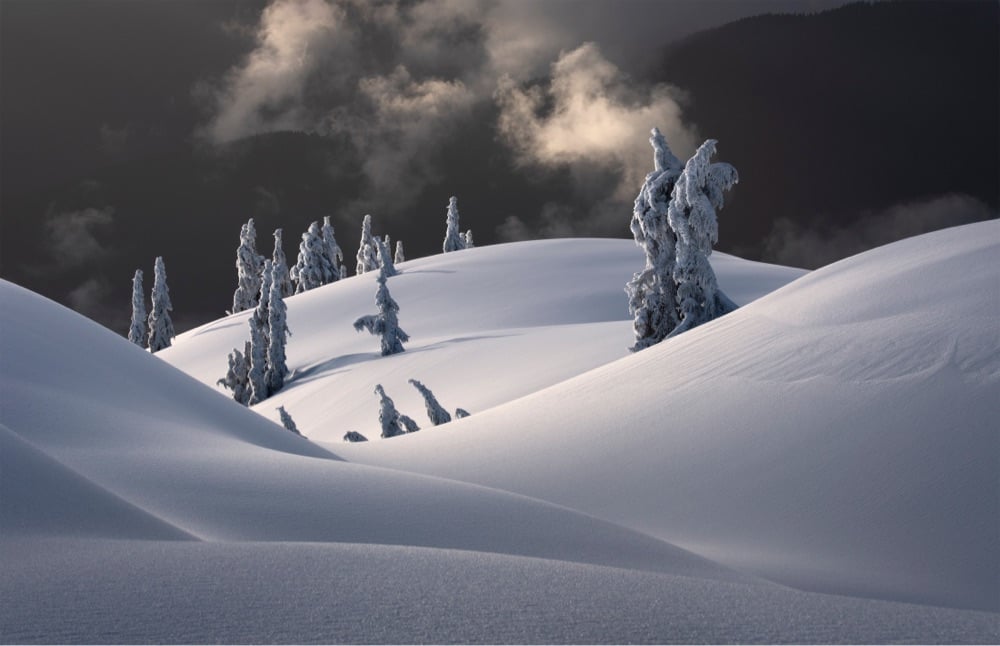
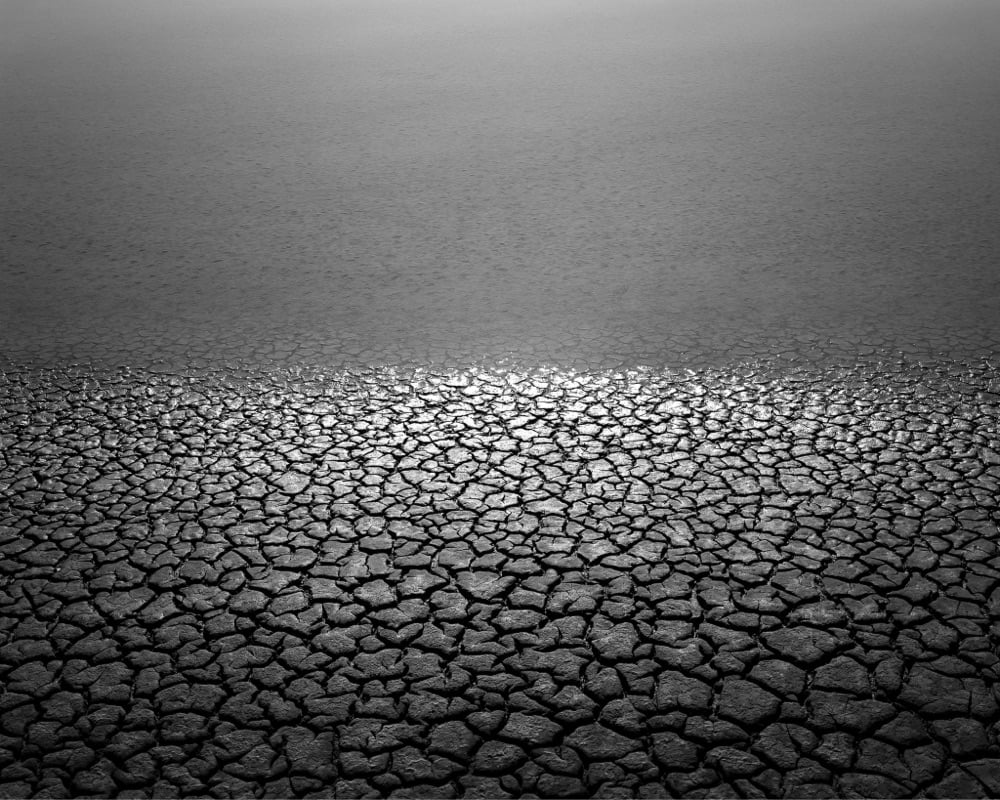
The winners have been announced in the Natural Landscape Photography Awards for 2023. The competition rules are worth a look — they are pretty hardcore on the types of editing and retouching allowed. I posted some favorites above; from top to bottom by Jeroen Van Nieuwenhove, Xavier Lequarre, Blake Randall, and Jay Tayag. (via in focus)
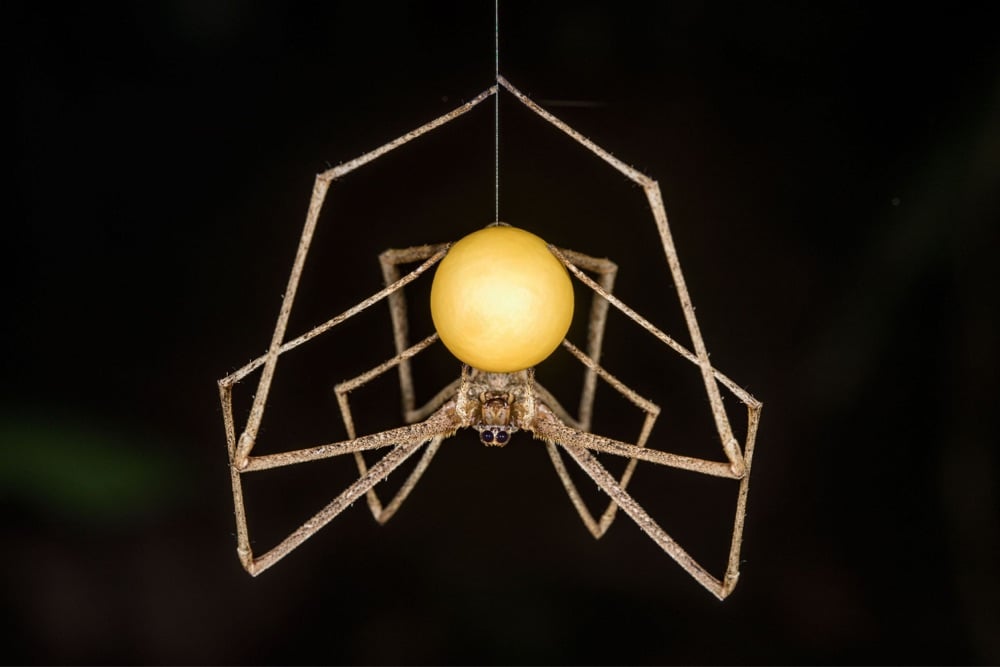
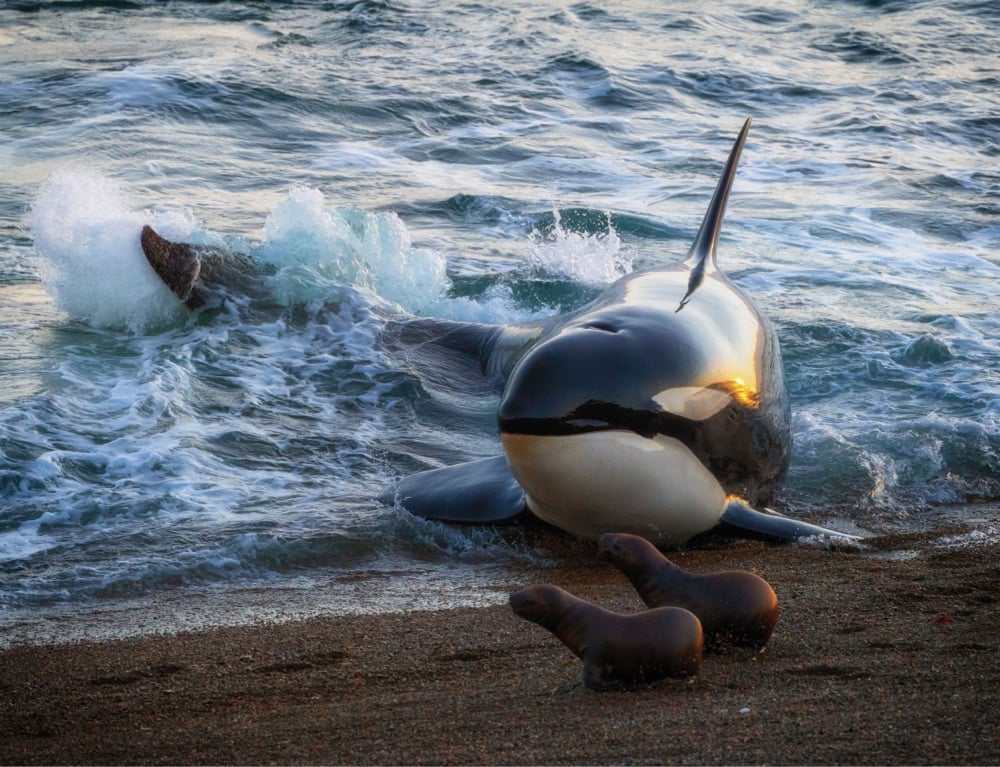
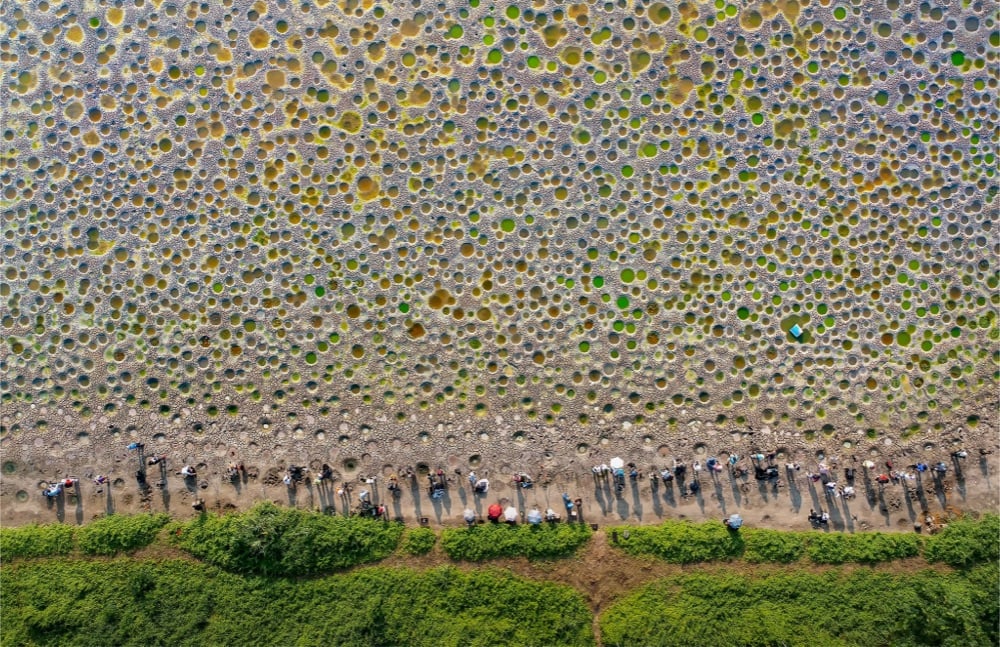
The Nature Conservancy has announced this year’s winners of their annual photo contest. Collectively, the winning photographs “gave voice to nature and showed us the power and peril of the natural world”. As usual, I selected a few of my favorites and included them above. From top to bottom:
Jaime Daniel Fajardo Torres: “This is a species of spider known as ogre spiders, of the genus Deinopis. The photograph was taken at night in the middle of a mature forest in northern Ecuador in the tropical rainforest of the Ecuadorian Chocó, a place considered a hotspot. The spider photographed was generating its egg sac with its own web.”
HJ Yang: An orca attacks two seals in the morning on the beach.
Jeanny Tang: “The holes dug by fish for spawning can be seen after the pond has dried up.”
I loved the video for Sledgehammer. I was 12 years old the summer it came out. We didn’t have cable TV then, but I’d turn on MTV anywhere I could, hoping for a glimpse of it. My dad used to take my sister and me on roadtrips all over the country and I vividly remember the rare times we got to stay in a motel (they had to have a swimming pool with a diving board), turning on MTV, and catching that Sledgehammer video a few times every hour. It was only years later, after becoming a Wallace and Gromit fan, that I learned that — of course! — Aardman had done the animation for Sledgehammer.
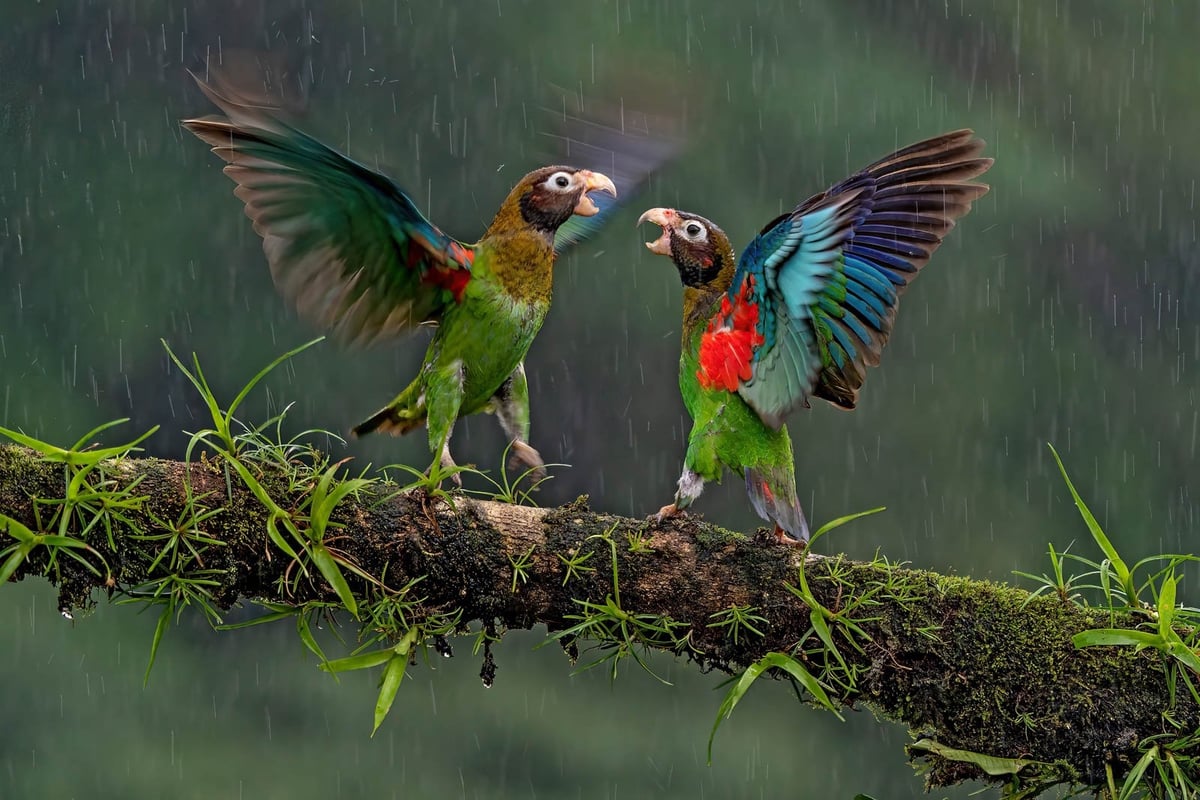
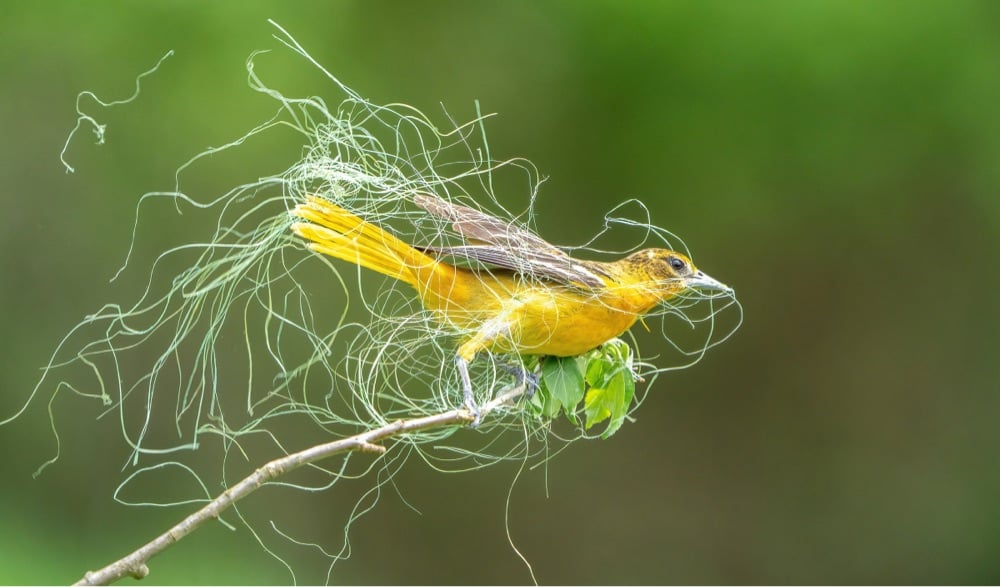
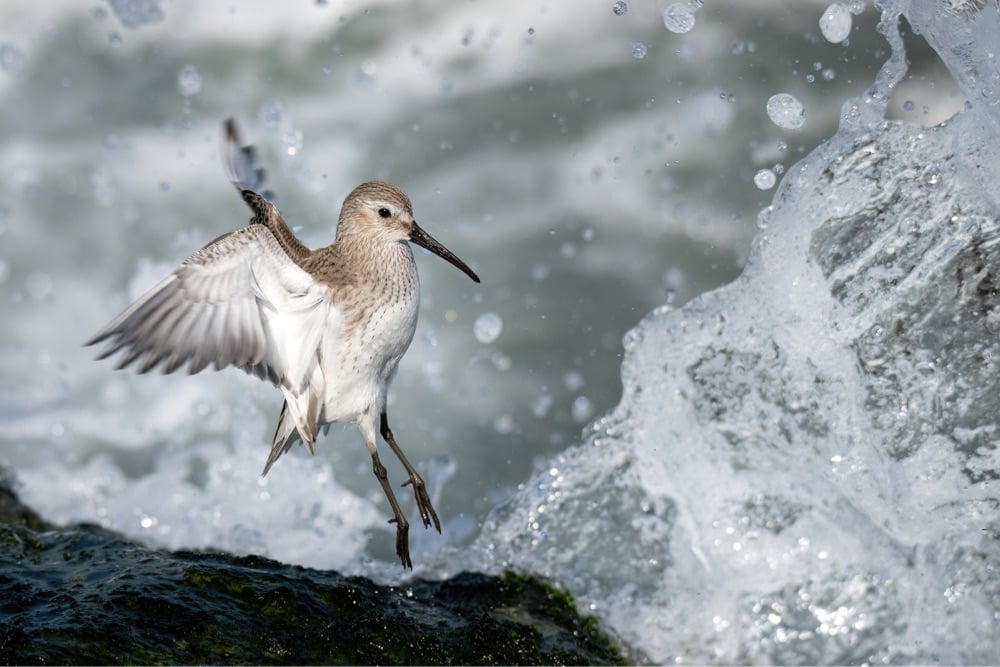
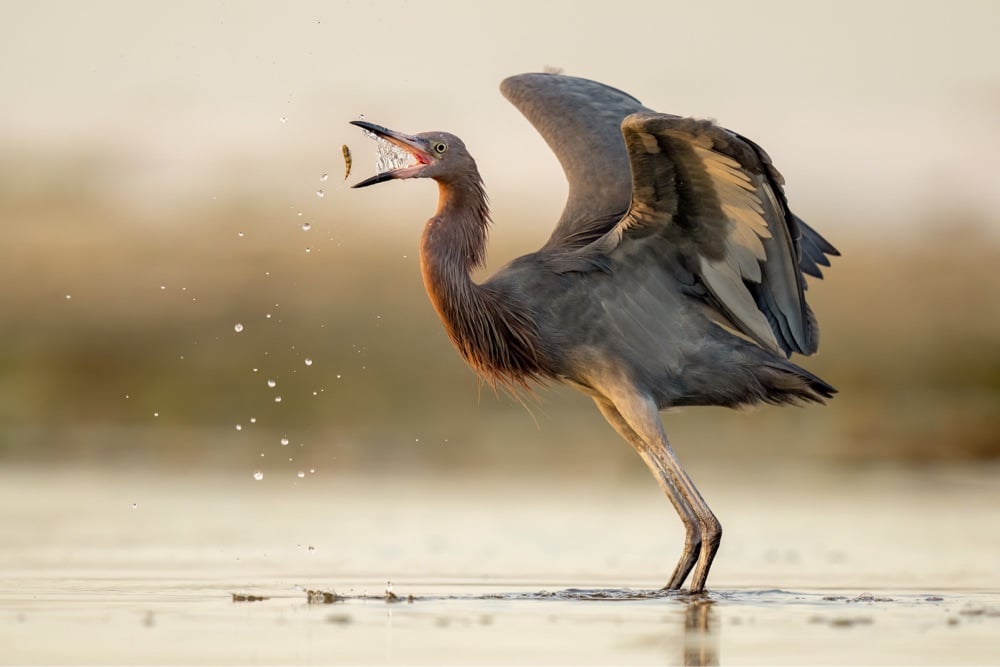
From over 23,000 entered images, the judges in the Bird Photographer of the Year competition for 2023 have selected their winners and runners-up. I selected a few of my favorite images above; the photographers from top to bottom: Nicolas Reusens, Henley Spiers, and Gianni Maitan.
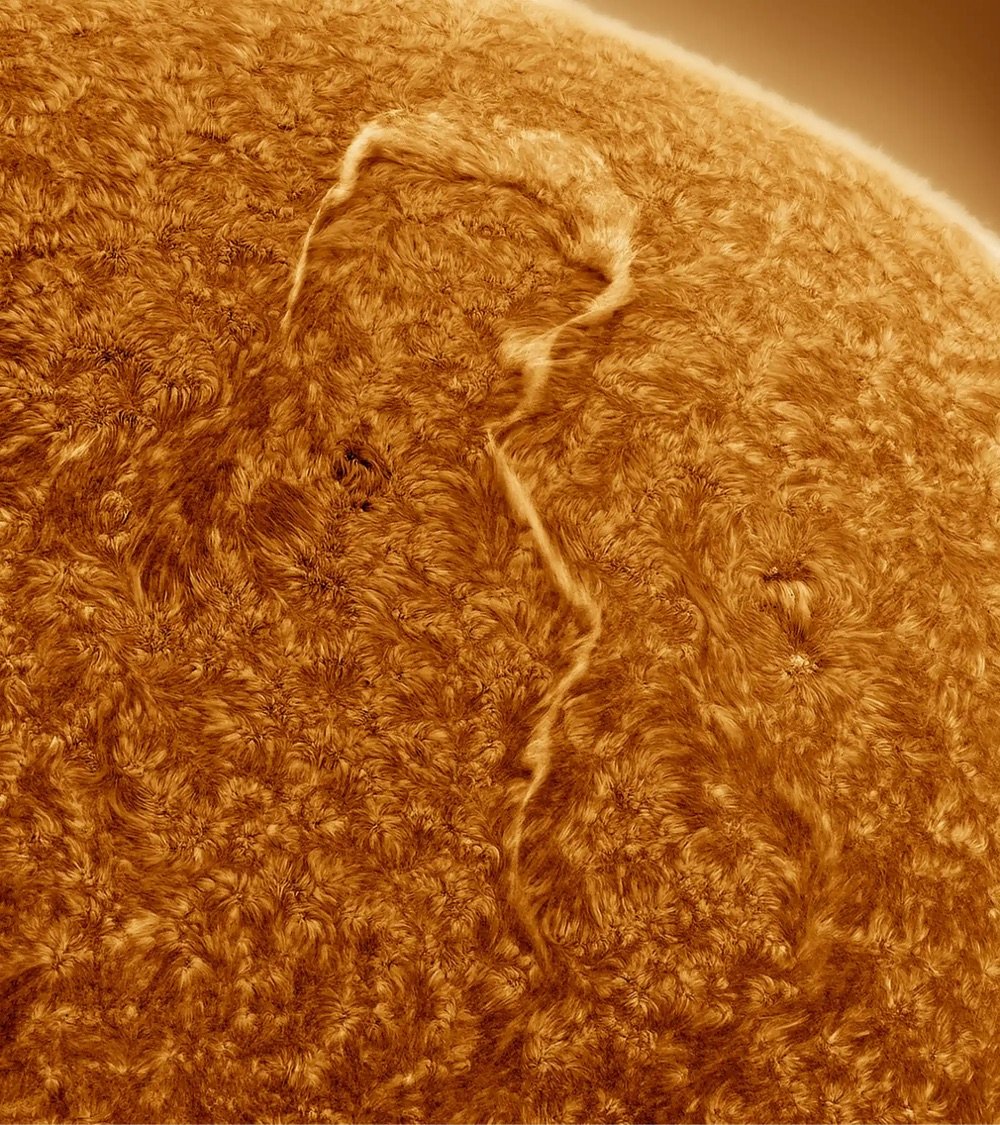
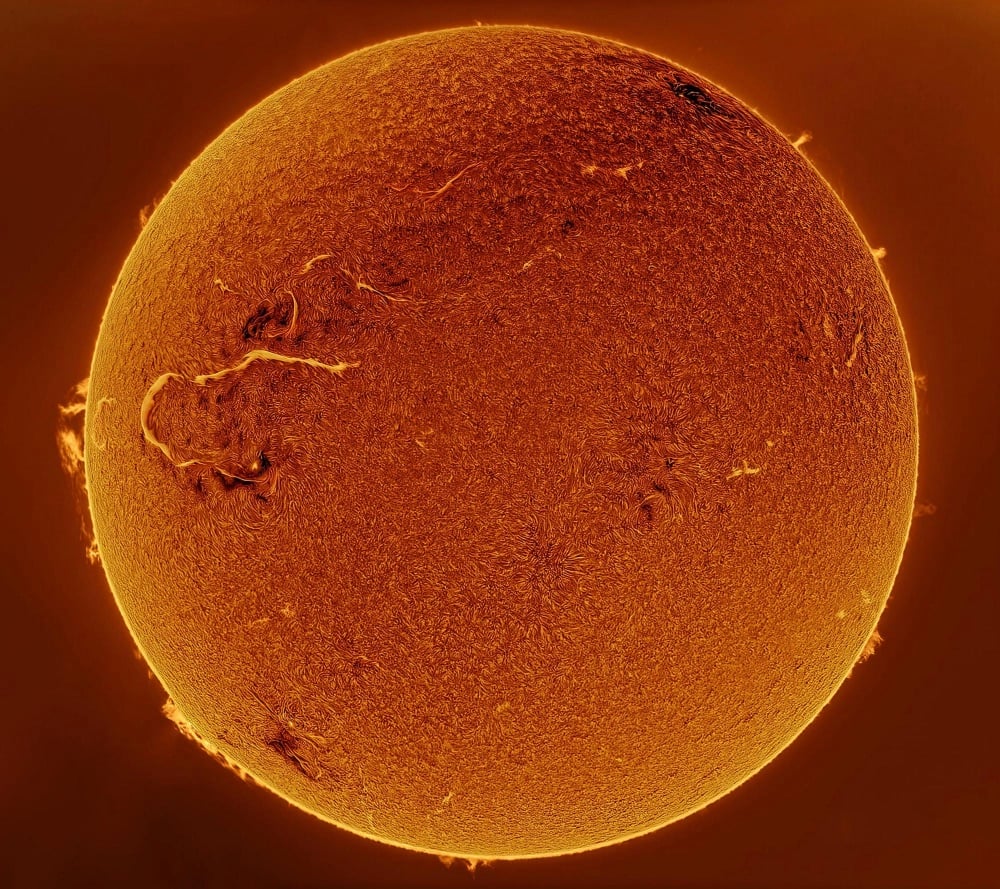
Eduardo Schaberger Poupeau for capturing a question mark on the Sun. I will never tire of looking at the detail of the Sun’s surface.
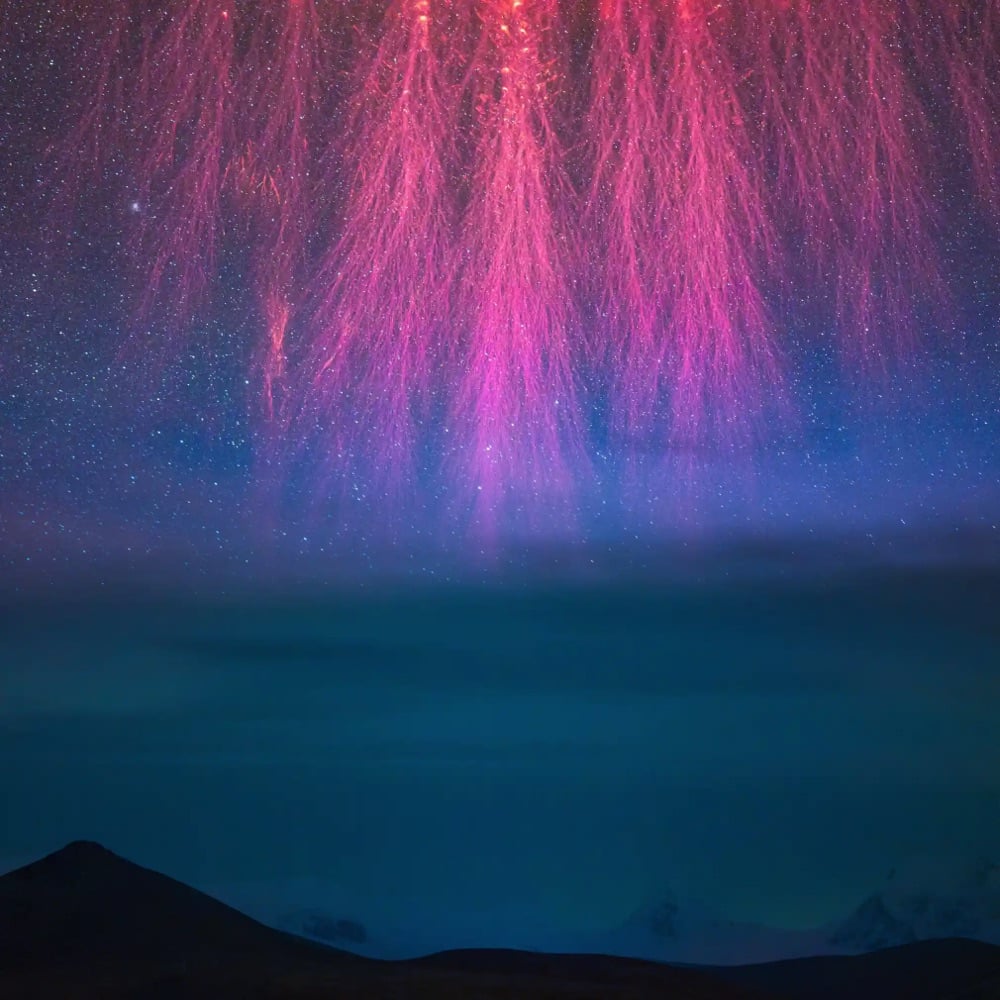
Angel An. “This is not, as it might first appear, an enormous extraterrestrial, but the lower tendrils of a sprite (red lightning)! This rarely seen electrical discharge occurs much higher in the atmosphere than normal lightning (and indeed, despite the name, is created by a different mechanism), giving the image an intriguingly misleading sense of scale.”
Mehmet Ergün. More Sun!
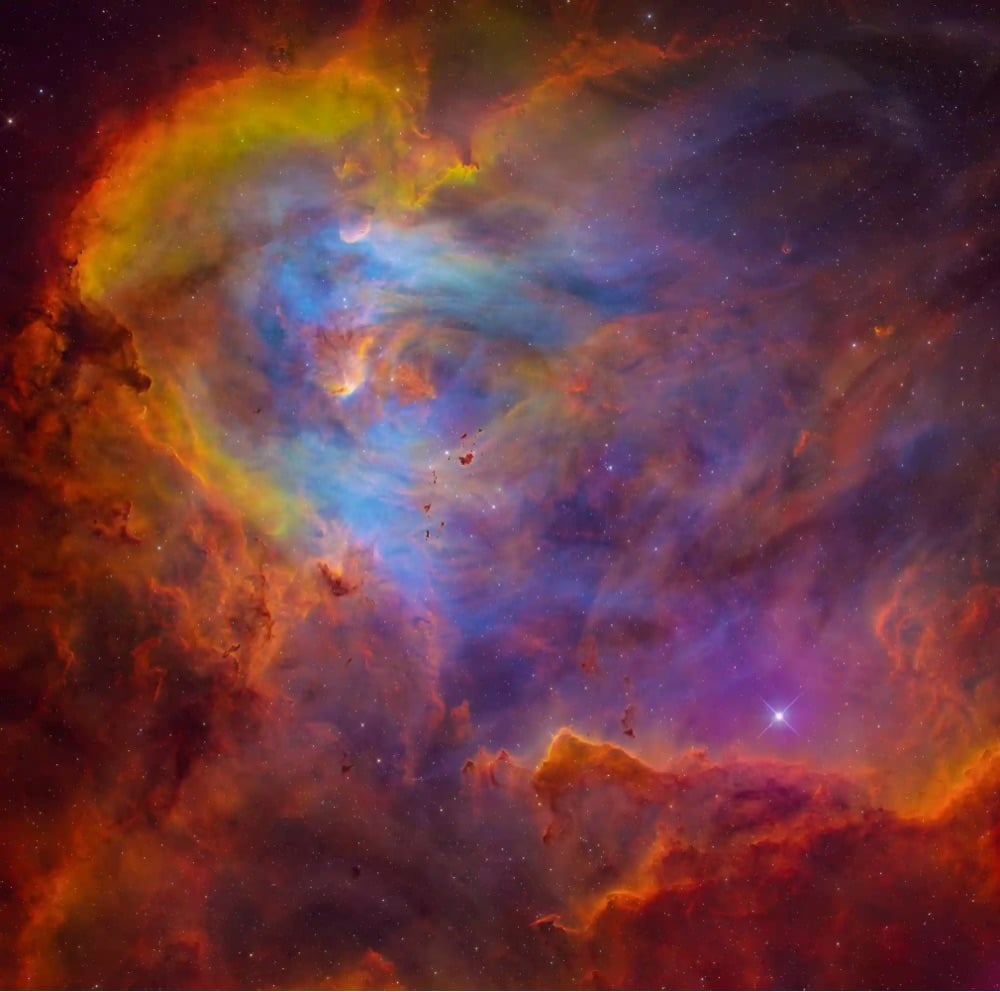
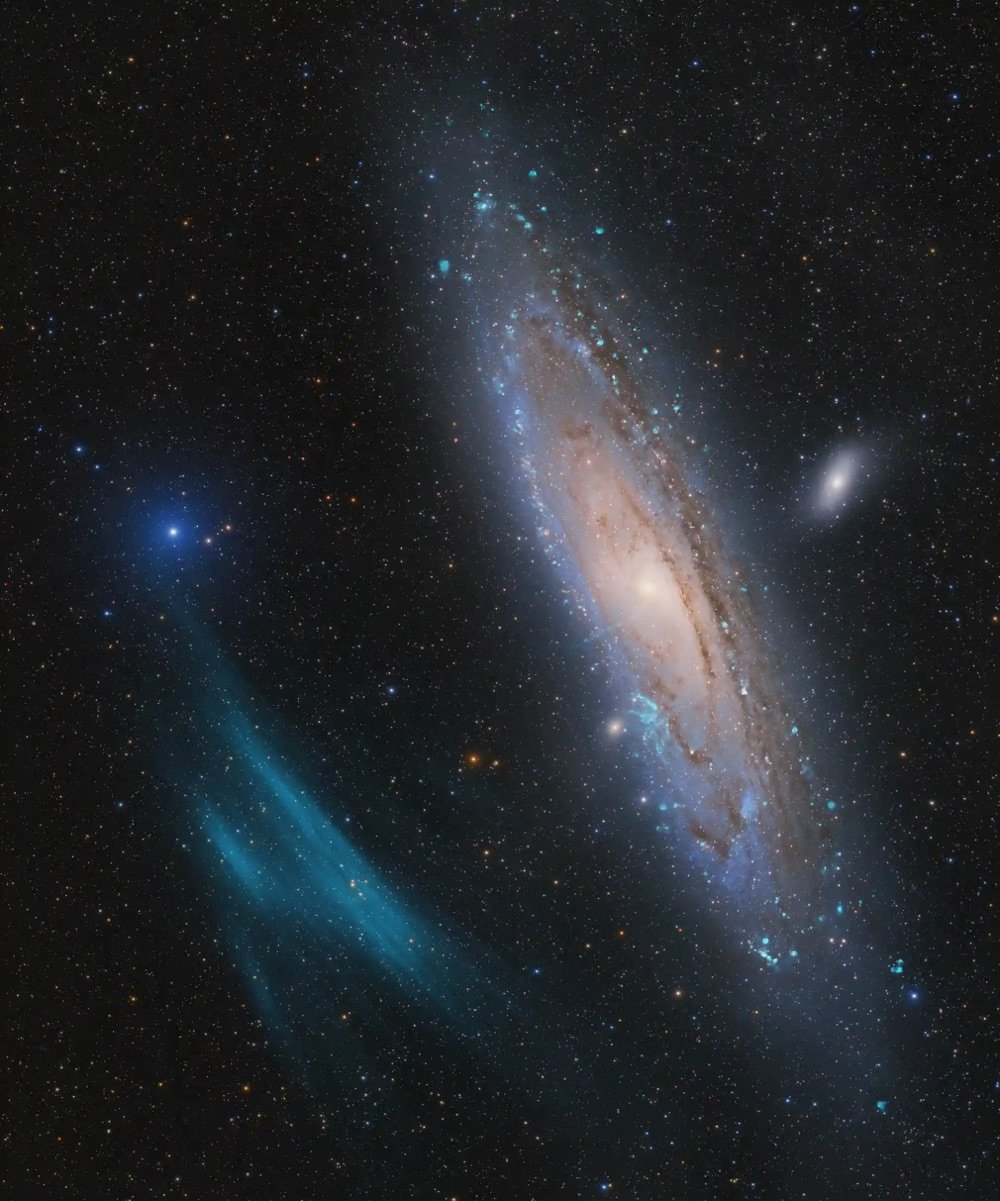
Marcel Drechsler, Xavier Strottner and Yann Sainty for their shot of the Andromeda galaxy.
The Andromeda galaxy is the closest spiral galaxy to our own Milky Way, and one of the most photographed deep-sky objects. Yet this particular photo, captured by an international trio of amateur astronomers, revealed a feature that had never been seen before: a huge plasma arc, stretching out across space right next to the Andromeda galaxy.
“Scientists are now investigating the newly discovered giant in a transnational collaboration,” explain the photographers. “It could be the largest such structure nearest to us in the Universe.”
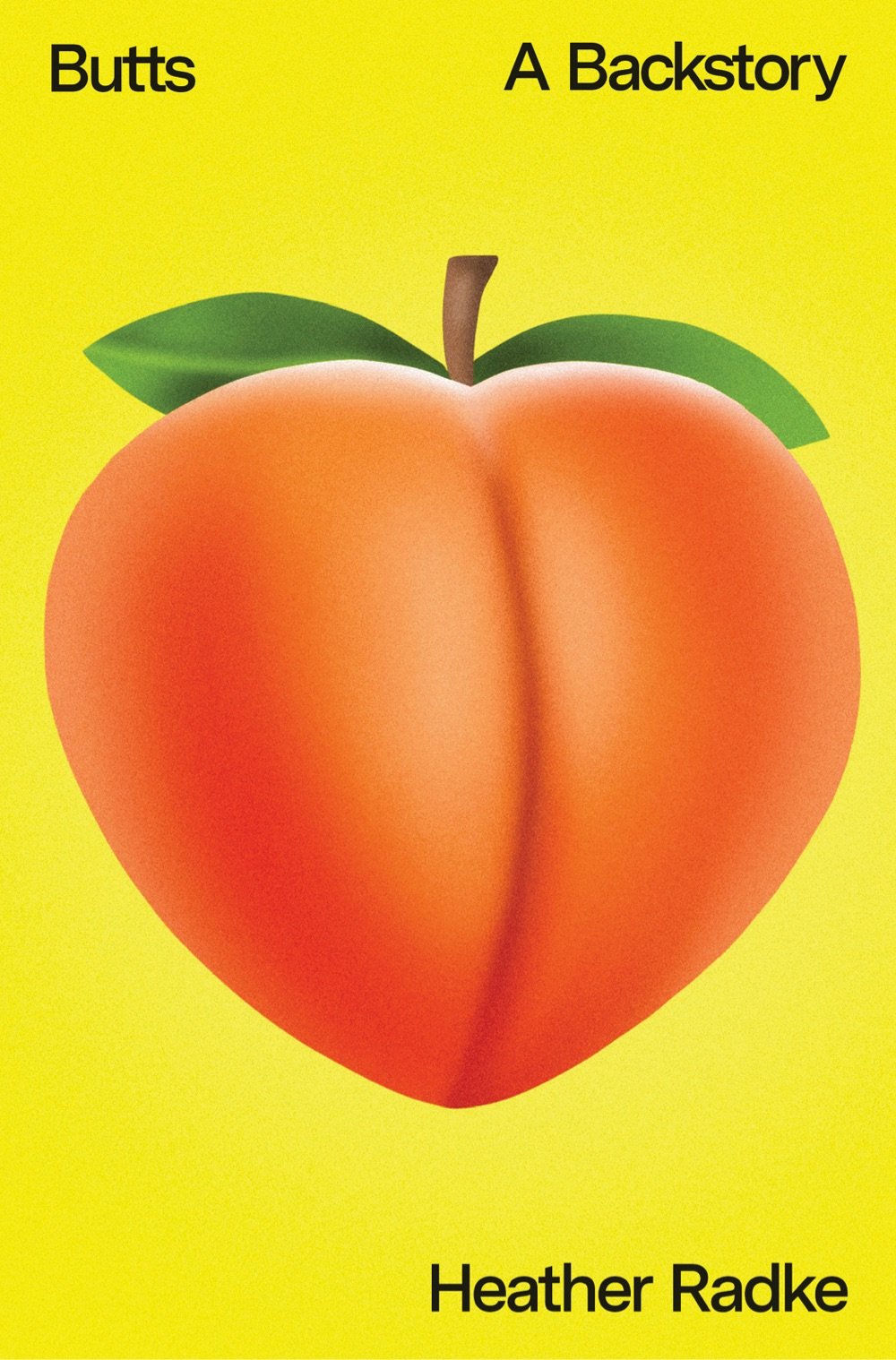
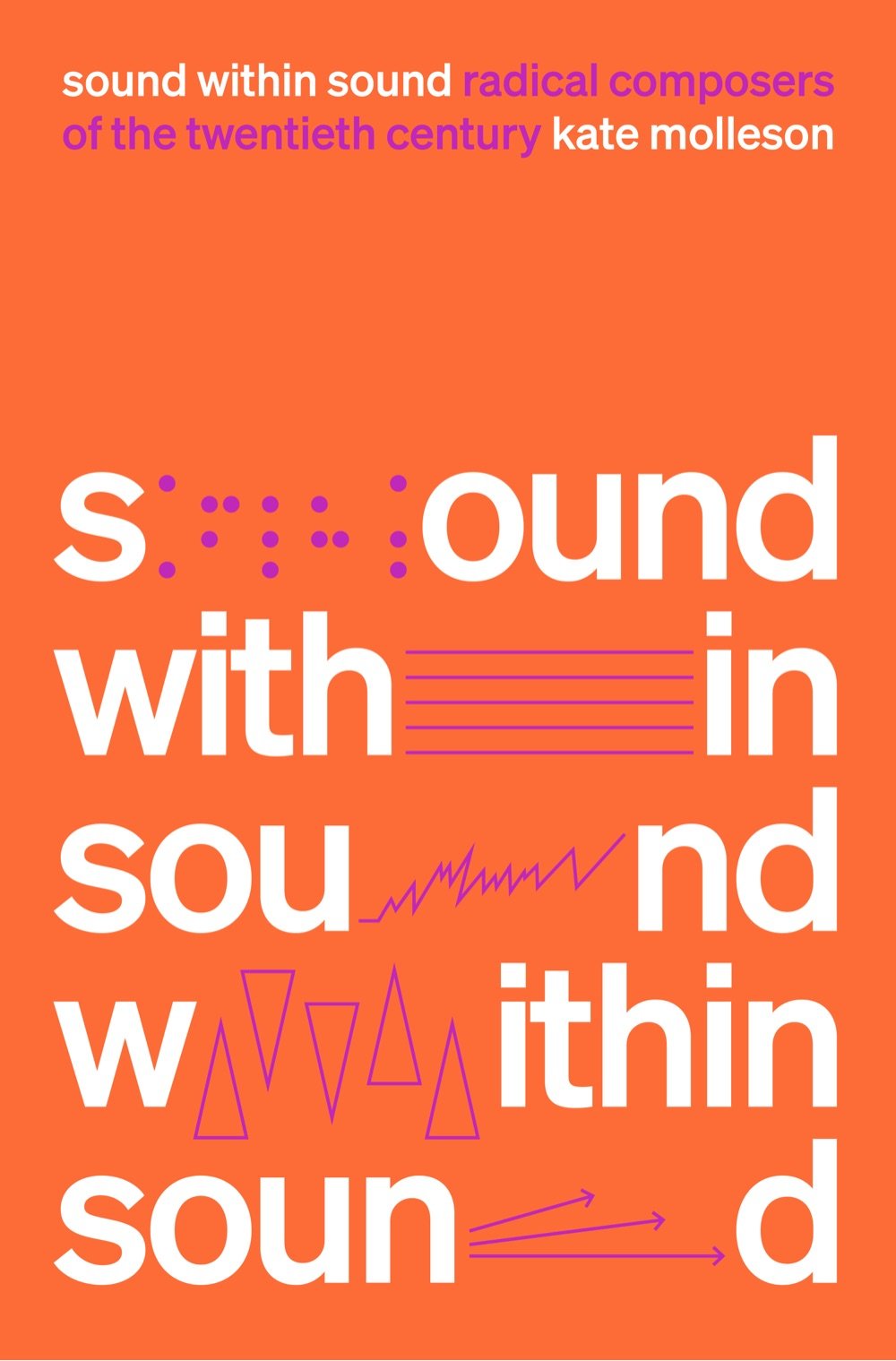
You know me; I love a good book cover. The AIGA’s annual roundup of the best designed books and covers is usually aces and the results of the 2022 competition (announced at the beginning of July 2023) is no exception. Here are a few I picked out that I didn’t feature in The Best Book Covers of 2022 back in December.
Uh, I guess I’m really into orange today? Anyway, these covers are from:
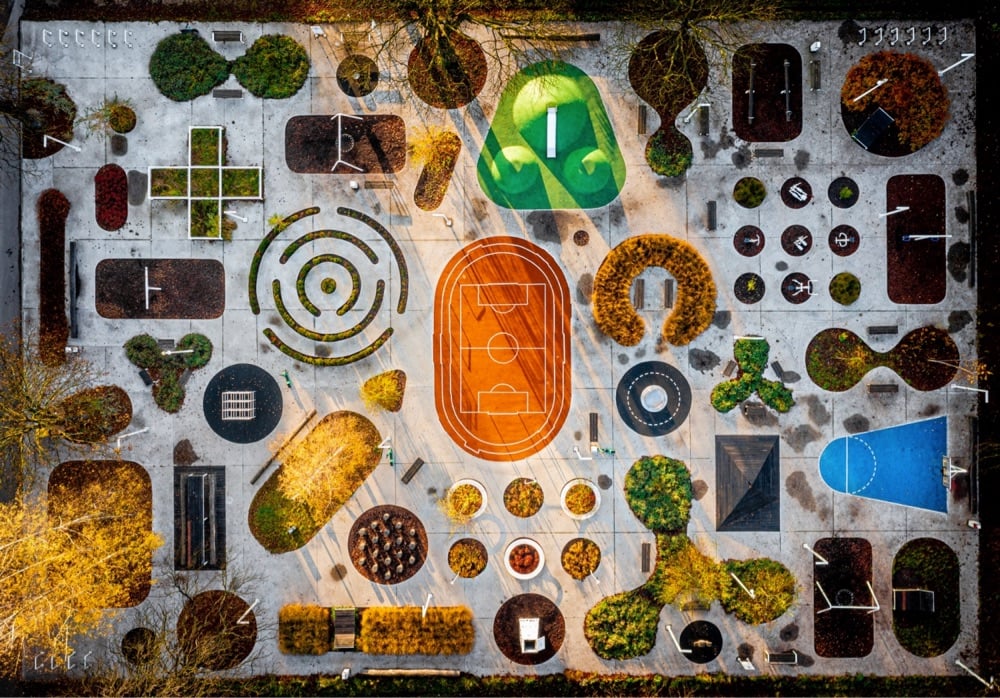
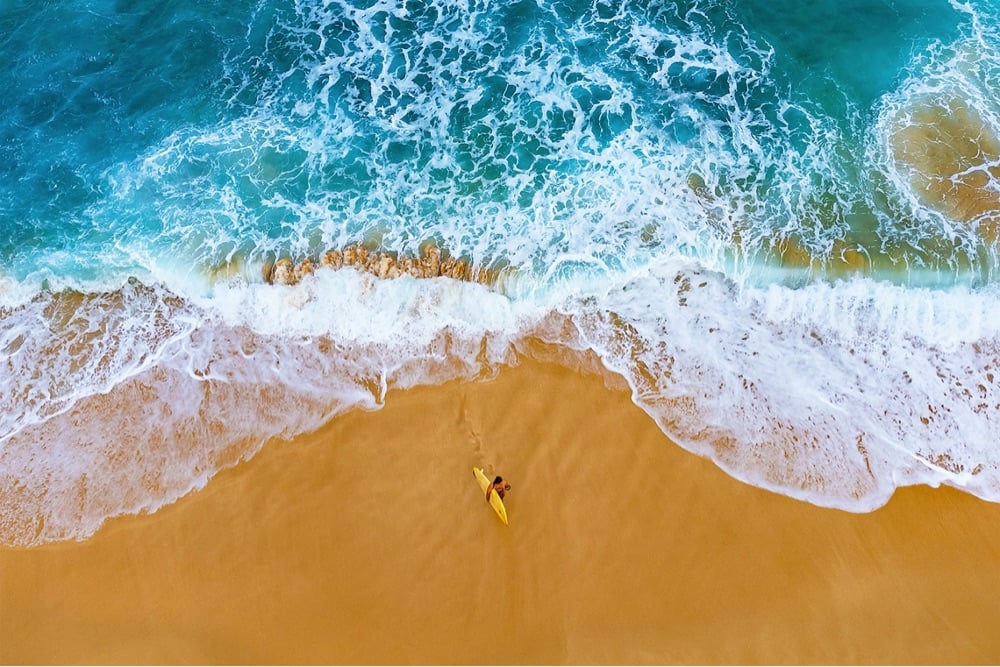
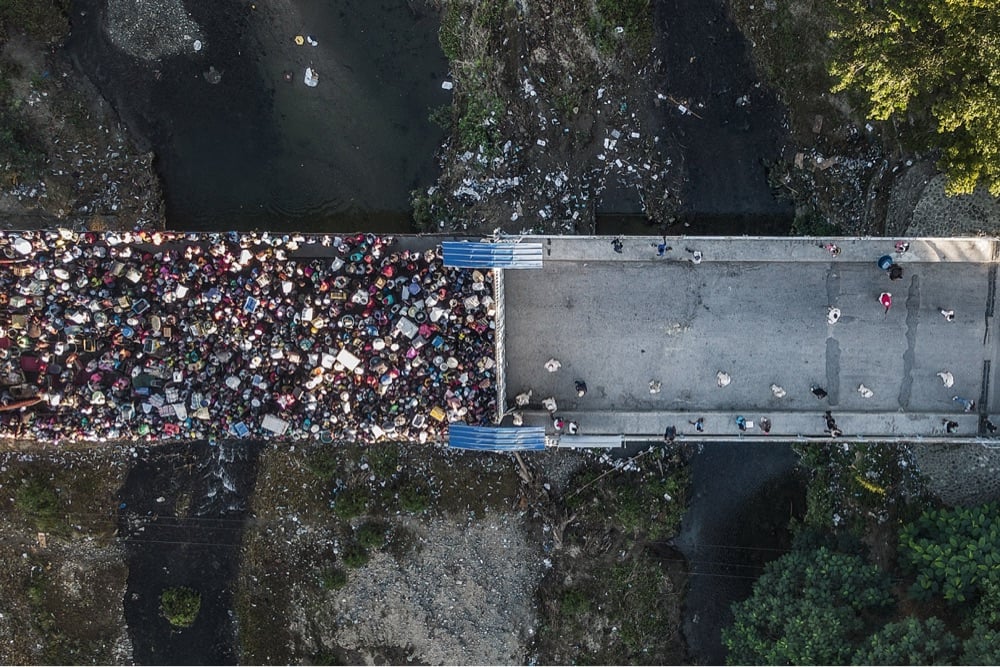
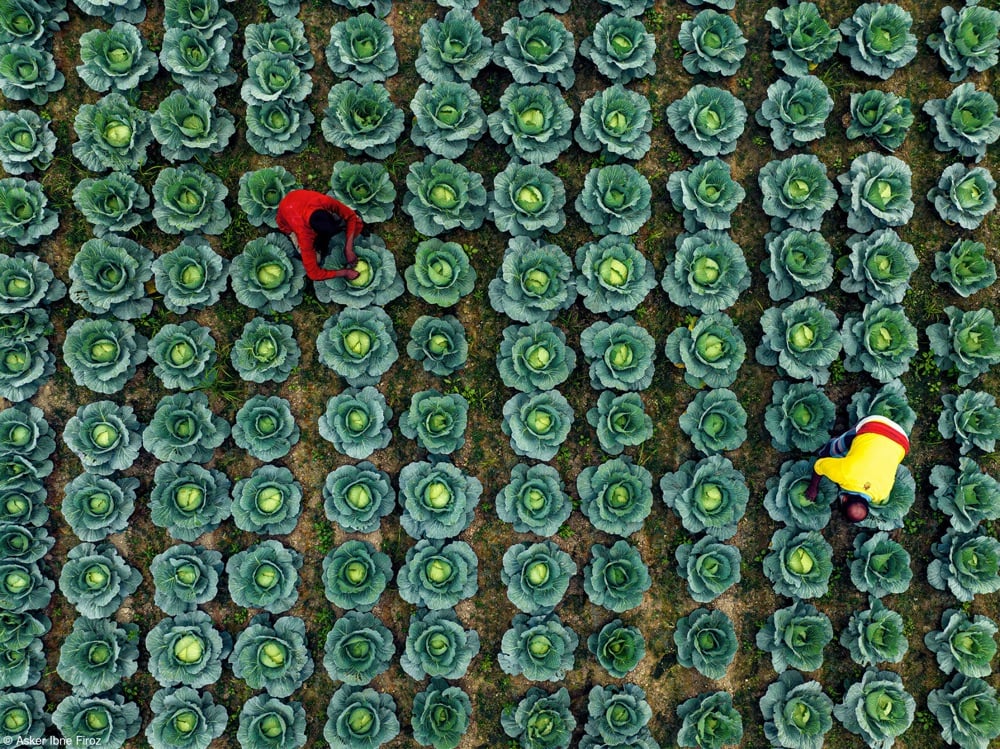
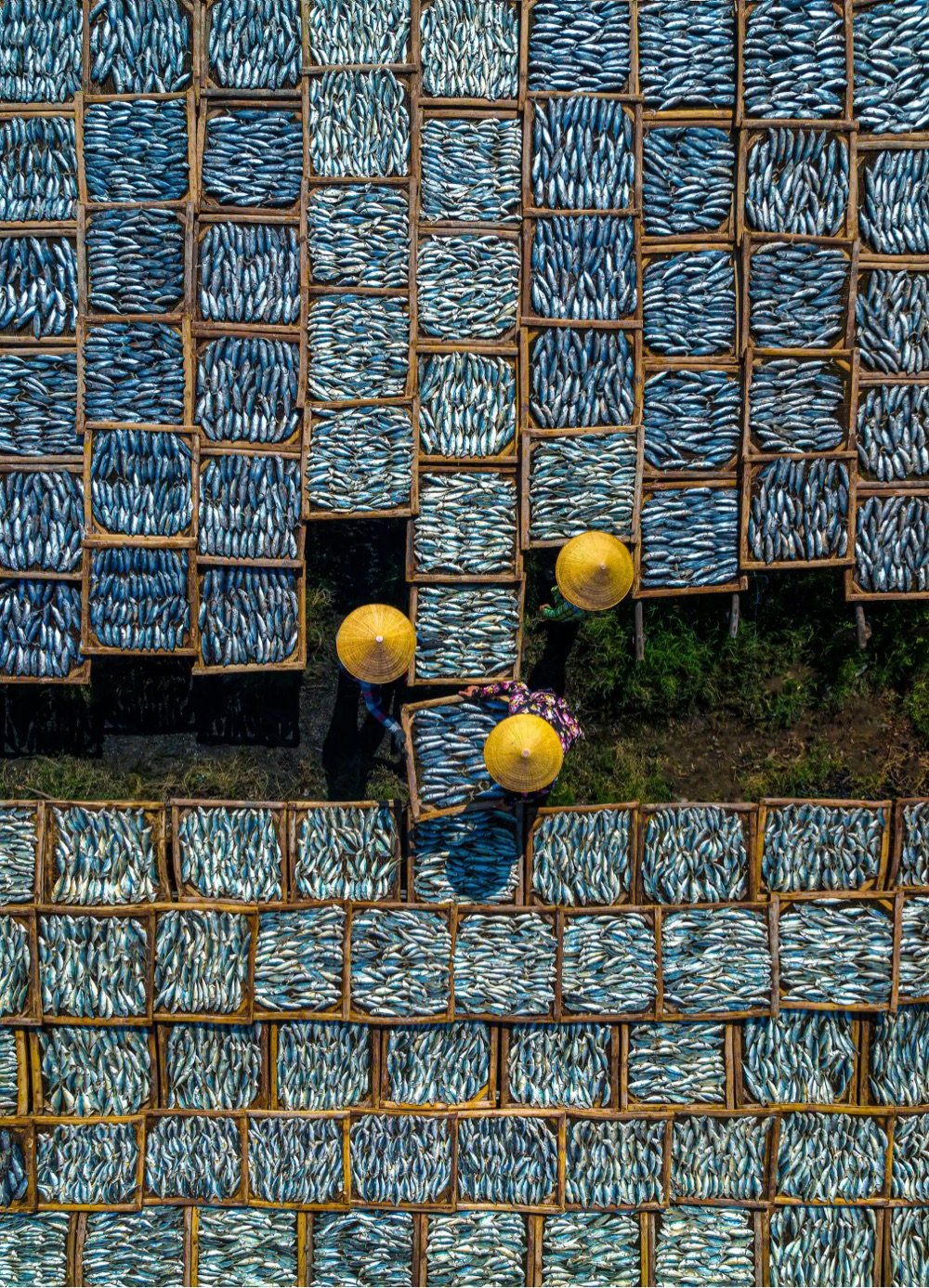
I am a sucker for aerial photography, so I had a lot of fun looking through all the winners and runners-up of the 2023 Drone Photo Awards. As usual, I picked out a few favorites and included them above. From top to bottom, photos by: Sebastian Piórek (a very tidy Polish playground), Brad Weiner (surfer), Gheorghe Popa (amazing abstract shot), and Matias Delacroix (a border crossing between Haiti and the Dominican Republic).
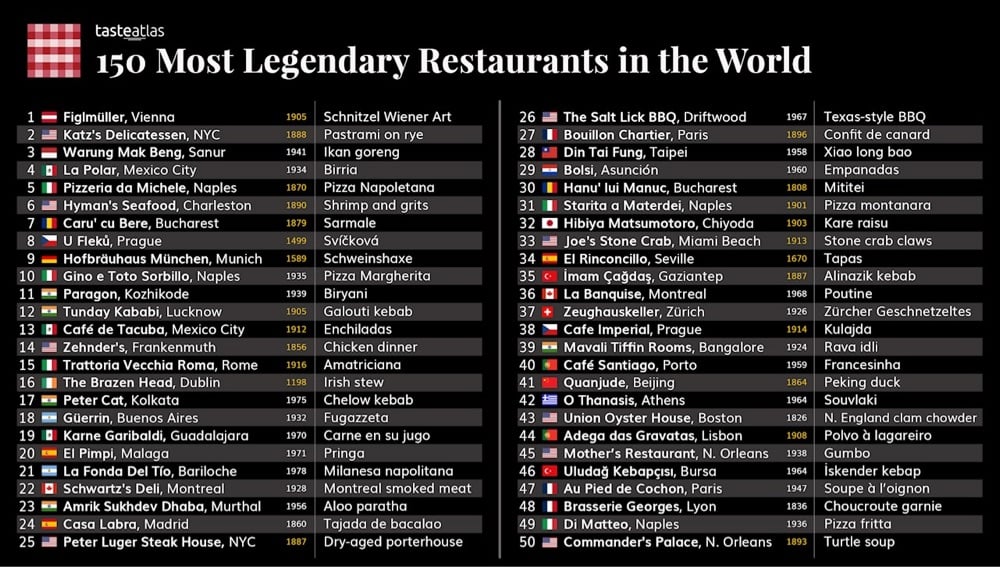
From TasteAtlas, a listing of the 150 Most Legendary Restaurants in the World & Their Iconic Dishes. These aren’t necessarily the best restaurants on Earth, but places that have “withstood the test of time, eschewing trendy gimmicks in favor of traditional, high-quality cuisine”.
Here are a few of the entries from the list that I’ve either been to or would like to go to someday (ok, almost the whole list would have qualified for that):
2. Katz’s Delicatessen (pastrami on rye)
10. Gino e Toto Sorbillo (pizza margherita)
22. Schwartz’s Deli (Montreal-style smoked meat)
25. Peter Luger Steak House (dry-aged porterhouse)
34. El Rinconcillo (tapas)
42. O Thanasis (souvlaki)
47. Au Pied de Cochon (soupe à l’oignon)
95. Le Relais de l’Entrecote (steak frites)
Schwartz’s is iconic, but I think Snowdon Deli has better smoked meat. In the same vein, I’ve had good steak and not-so-good steak at Luger’s — as far as an iconic NYC steakhouse goes, I would have gone for Keen’s.
I’m sure any food fan worth their (don’t say it, don’t say it) salt (ugh) could come up with a few dozen restaurants that could/should be on this list, but 150 is certainly a good start! Soba, bratwurst, ćevapi, udon, churrasco, kofte, phở, ramen, ceviche, sushi, risotto, bouillabaisse, dim sum, BBQ, Peking duck, biryani, xiao long bao…man, I’m so hungry now!
The National Audubon Society has announced the winners of the 2023 Audubon Photography Awards. I’ve highlighted a few of my favorites above (from top to bottom, photos by Sandra Rothenberg, Kieran Barlow, and Nathan Arnold). Oh, and don’t miss the pair of videos from Steven Chu…
But reading through the rest of the list, it occurred to me that I don’t really read tech books — and if I did, I didn’t get a whole lot from them. When I was younger and trying to understand the industry and momentous period I was participating in, I generally looked to books outside of tech as guides. I read things like How Buildings Learn by Steward Brand, The Death and Life of Great American Cities by Jane Jacobs, Chaos by James Gleick, The Timeless Way of Building by Christopher Alexander, and Understanding Comics by Scott McCloud.
Anyway, back to the list — it seems incomplete in a way that I can’t quite articulate. I would have liked to have seen Tom Standage’s The Victorian Internet on there. What else? I would like to hear about your favorite books about tech (or non-tech books that are sneakily about tech anyway) or what you think might be missing from the list. Leave your thoughts in the comments!
Update: Some great additional suggestions from the comments:
As many commenters noted, it’s hard to see how Hackers was left off this list. And My Tiny Life…it anticipated so much about how social media was going to function.
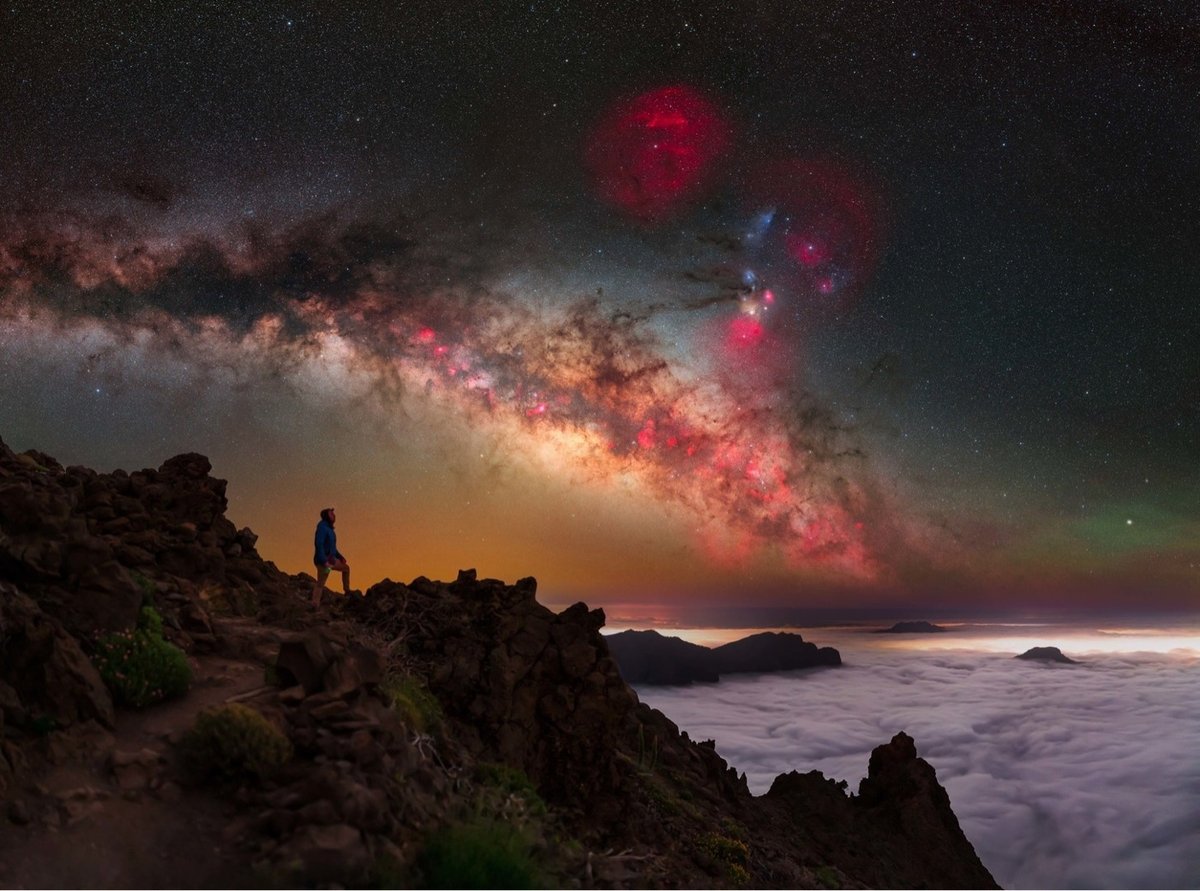
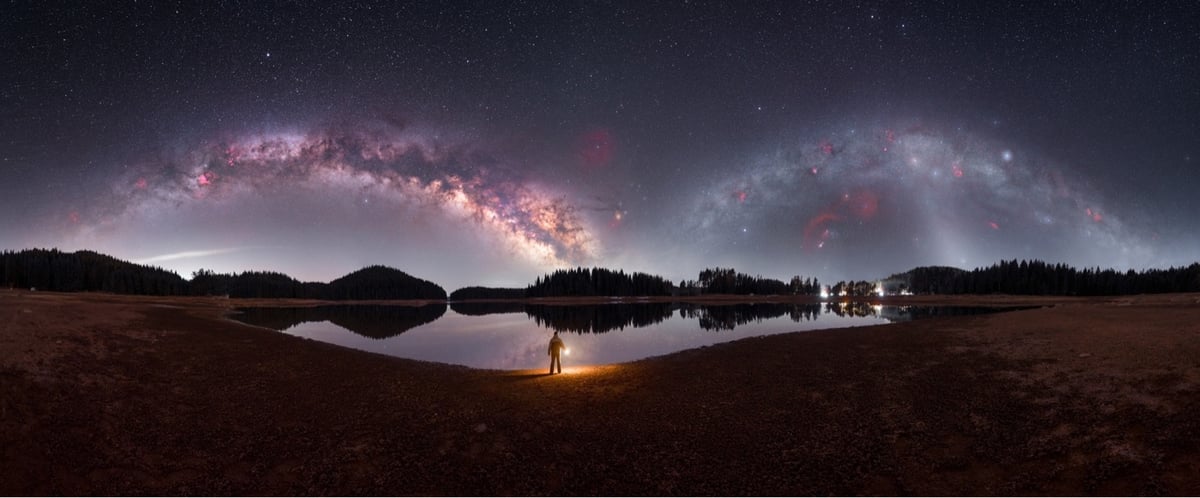
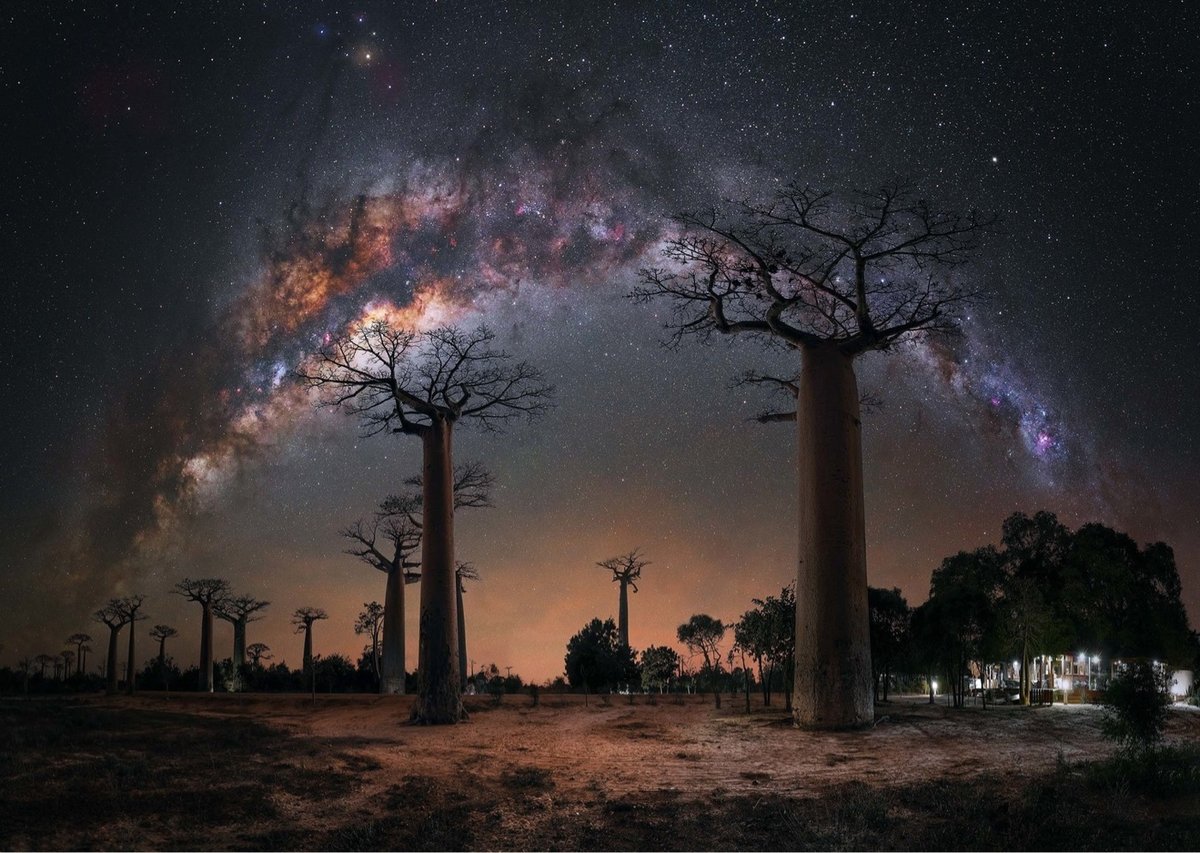
Capture the Atlas have announced their picks for the 2023 Milky Way Photographer of the Year competition. As usual, I’ve included a few of my favorites here — from top to bottom: Jakob Sahner’s photo from the Canary Islands, Mihail Minkov’s composite shot of the Milky Way as it looks in both the summer & winter, and Steffi Lieberman amongst the baobab trees in Madagascar. Here’s Minkov explaining his full-galactic view:
I’ve always wondered what the night sky would look like if we could see the two Milky Way arches from the winter and summer side by side. This is practically impossible, since they are part of a whole and are visible at different times of the day.
However, this 360-degree time-blended panorama shows us what they would look like. The two arches of the Milky Way represent one object in the starry sky, with part of it visible in winter and part of it in summer. Therefore, they are called the winter and summer arches. The winter arch includes objects that we can observe from October to March, primarily associated with the constellation Orion.
On the other hand, the summer arch features the Milky Way core, visible from March to September, which is the most characteristic and luminous part of the night sky, representing the center of our galaxy.
I loved Everything Everywhere All at Once so much when I saw it in the theater last spring. It caught me in a low moment and swept me up in a protective embrace; it was magic. I was afraid this joyously weird movie would get lost in the Very Serious Film shuffle come awards time but I was beyond thrilled when I woke up this morning to the news that EEAAO swept the major categories for which it was nominated at the Oscars. Here are all the film’s wins from last night:
Best Picture - Daniel Kwan, Daniel Scheinert, and Jonathan Wang, producers (acceptance speech).
Best Director - Daniel Kwan and Daniel Scheinert (acceptance speech).






Stay Connected