



I am putting myself to the fullest possible use

A behind-the-scenes photo from “2001: A Space Odyssey” from Coudal’s treasure trove of “Stuff About Stanley Kubrick.”

This site is made possible by member support. 💞
Big thanks to Arcustech for hosting the site and offering amazing tech support.
When you buy through links on kottke.org, I may earn an affiliate commission. Thanks for supporting the site!
kottke.org. home of fine hypertext products since 1998.
Beloved by 86.47% of the web.
A behind-the-scenes photo from “2001: A Space Odyssey” from Coudal’s treasure trove of “Stuff About Stanley Kubrick.”
“The house was very quiet.” A Visit from St. Nicholas in the style of Ernest Hemingway

A screenshot of how Taylor Hodge data labels his sleep.
The other day I posted about the trend away from five-star reviews to emoji reviews, and on Twitter reader Taylor Hodge shared his unique method of using emoji to data label his sleeping patterns: “Recently I’ve been using emoji as data labels in @sleepcycle,” he tweeted. Interested in learning more, I interviewed Taylor via email about how he tracks his personal data with emoji.
How old are you, what do you do for a living, and where do you live?
My name is Taylor Hodge, I’m 25 years old, and currently I live in Myrtle Beach, SC (although my plan is to change that in 2016). I’ve spent the past ~5 years working in restaurants and serving tables to support myself, but I harbor a deep, wholehearted fascination with data science and machine learning that I am in the process of pursuing.
What’s Sleep Cycle and why do you use it?
Sleep Cycle is an alarm clock for iOS and Android that tracks your sleep cycles during rest by monitoring your movement and behavior during sleep via sound analysis. This information is then used to optimize your waking time, ensuring that you wake up in your desired time window between the light and REM sleep cycles.
I use Sleep Cycle because it wakes me up more effectively than any other alarm I’ve ever used. (Admittedly, I’ve never tried any “sunrise” alarms like this one, but I’m very interested in doing so.) In my experience, its combination of sleep tracking and alarm windows (with steadily increasing alarm volumes) leaves me energized and rejuvenated after being gently woken, as opposed to being groggy and sleep drunk when being woken up by harsh, shrill, traditional alarm clocks. Sleep Cycle also allows you to use “sleep notes” to label activities and learn how they effect the quality of your sleep. This feedback is incredibly useful and has allowed for actionable changes in my behavior that have drastically improved the quality of my sleep.
Where did you come up with the idea of using emoji for data labeling?
The idea for using emoji for data labeling arose out of my own laziness. After training myself and practicing to become a morning person over the past ~6 months, I wanted a clean slate with Sleep Cycle, so I erased all of my past data, not realizing that all of my previous data labels would be erased as well. When I realized this was the case, I decided that I didn’t want to take the time to type the meticulous labels I was using before, so I thought it’d be neat and efficient to label them using the smallest number of characters possible, so I decided to try emoji.
Can you explain what a couple of the labels in your screen grab mean?
Of course! In the screenshot I tweeted, a few of the labels are as follows:
emoji —> meaning
beer —> Did I drink alcohol today?
coffee/tea —> Did I consume caffeine today?
rosary + 20 —> Did I meditate for ~20 minutes?
valley + 30 —> Did I spend ~30 minutes outside today?
OFF + 60 —> Did I turn off/avoid electronic screens ~60 minutes before bed?
book + 60 —> Did I read for ~60 minutes before bed?
Do you think emoji are a more effective way of labeling data?
Subjectively, for personal data or pet projects, I think emoji for data labeling can be very effective. In this way, you’re able to use a minimal amount of characters in a robust fashion that allows for an unambiguous meaning. However, I think it would be difficult to pass this data on to someone else and have them objectively understand it without explicit explanations of the emoji’s meaning in the label.
What do you think of the trend away from five-star reviews to emoji reviews?
I think using emoji in place of five-star reviews could be effective, depending on the context, constraints, and clarity of how they are used.
For example, a “sick” emoji next to a restaurant review tells about that person’s specific experience in a clear way, one that is arguably more effective than “1 star” with an accompanying paragraph, and definitely more effective than just a lone “1 star” review. But, on the other hand, if I see a review for a dentist that’s labeled with an “Easter Island head” emoji, then I’m even more lost than when I started.

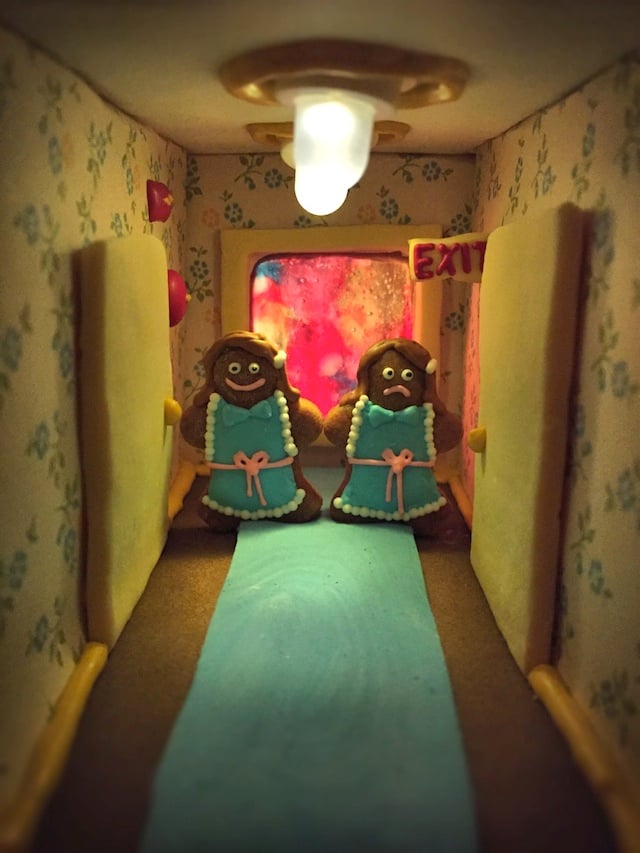
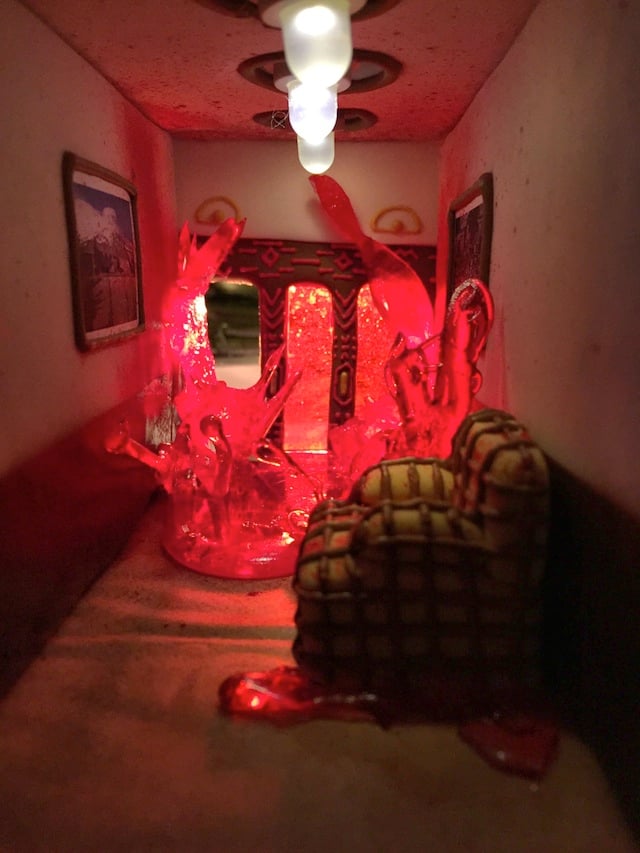
Amazing! Redditor eudicotyledon and family win the holiday season with this exquisite gingerbread rendition of the Overlook Hotel from “The Shining,” complete with scary gingerbread twins and edible wallpaper, Danny lost in a hedge maze made of green Rice Krispies, a quinoa-and-powdered-sugar snow covered roof, Jack and Wendy fighting, the dreaded room 237 and its decomposing woman in the bathtub, and an elevator spilling a hallway of Jolly Rancher blood. Unbelievable. (via Neatorama)
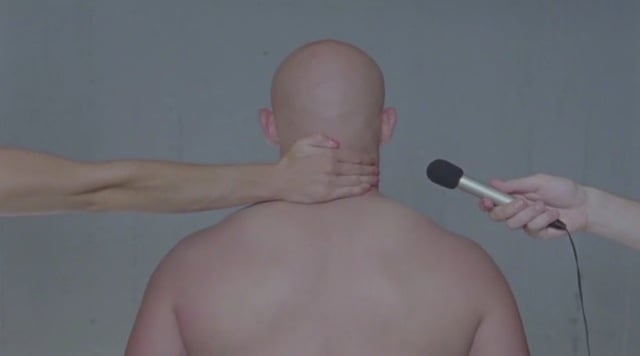
What does it sound like when a woman in red high heels walks across a dining room table? What does it sound like when a big guy gets slapped on the nape? What does it sound like when a forest watches itself? “Unnecessary Sounds” reveals all.
You want the Force. But how do you get it? You buy it in a bottle for $16. It’s The Force in a Jar.
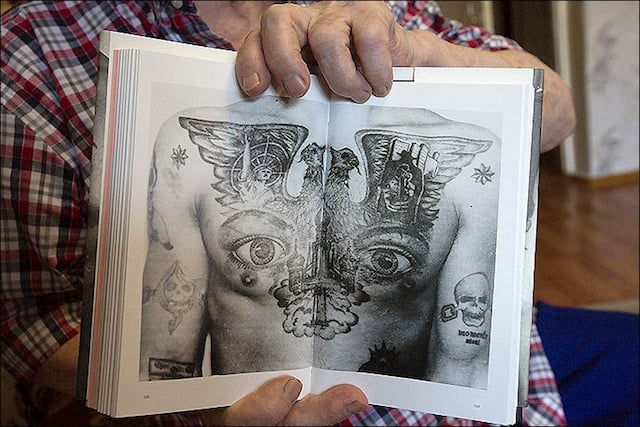
Arkady Bronnikov is an expert when it comes to translating the tattoos of criminals in Russia. To date, he’s collected over 20,000 tattoos, and he’s compiled a “jail slang” dictionary with over 10,000 terms.
The Siberian Times reports:
“Some general rules: crosses often depict the thief’s level of authority. Thiefs are the ones ruling in jails, not murderers.
“Tattoos with knives mean those jailed for hooliganism. Tattoos with beasts - lions, wolves, tigers - mean those jailed for violent robberies. Spiders and syringes indicate drug users.
“The church is another frequent symbol, the number of domes means the number of jail terms, just like rings. Often they have to add extra domes, even though they do not look right for the design.
“There is a lot of text in tattoos. For example, ‘Damn those who decided to improve a man with the help of jail’ or ‘Jail is not a school and prosecutor is not a teacher.’”
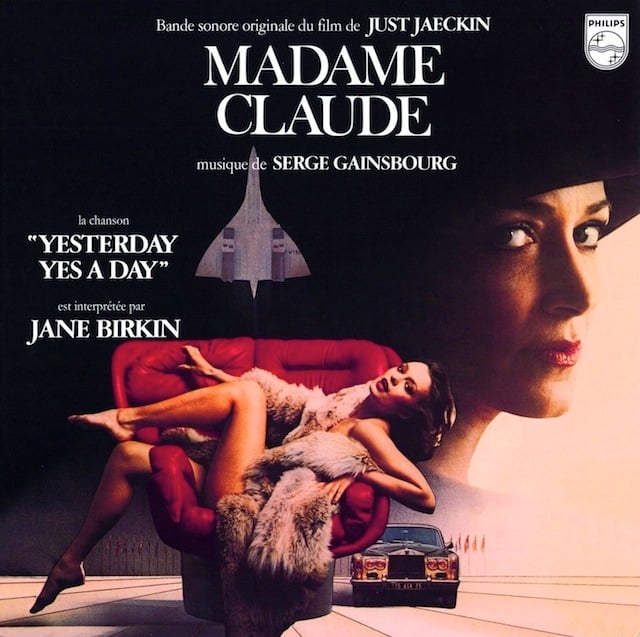
One of the world’s most famous madams, Madame Claude (real name: Fernande Grudet), has died at 92, leaving behind a colorful obituary in which it’s hard to discern what the real story was behind the mere maquerelle to the world’s most powerful men.
In 1975, the French tax authorities, who had begun taking an interest in Ms. Grudet’s business, estimated that she was taking in 100,000 to 140,000 francs a month. Her clients, whom she called “friends,” were a catalog of the rich and famous.
The soul of discretion in her heyday, Ms. Grudet became a heavy name-dropper when the time came to tell her life story, which she did in two memoirs: “Allo Oui, or the Memoirs of Madame Claude” (1975), written with Jacques Quoirez, the brother of her good friend Francoise Sagan and one of her testers; and “Madam,” published in 1994 under the name Claude Grudet.
By her account, the “friends” included John F. Kennedy, the shah of Iran, Muammar el-Qaddafi, Gianni Agnelli, Moshe Dayan, Marc Chagall, Rex Harrison and King Hussein of Jordan, who, she said, once told a Claude girl: “You and I are in the same business. We have to smile even when we don’t feel like it.”
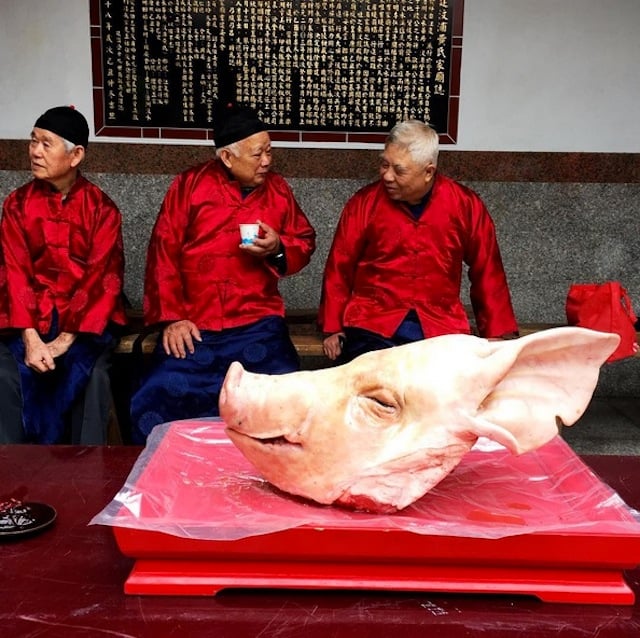
From Sim Chi Yin’s Instagram feed:
Winter solstice offering at an ancestral hall for the Huang clan, #taiwan, 22 Dec. Wonderful to see such a detailed, traditional ceremony honouring 108 ancestors from the family, with young and old male members of the clan participating — traditions long lost in other Chinese societies. Where such ceremonies in the past always had a sheep sacrificed as well, this village which is no longer as agricultural used bread made in the shape of sheep instead. (With apologies to vegetarians)
(Photo credit: Sim Chi Yin)
Boston Dynamics wins the holidays with this trio of robot reindeer drawn sleigh.

(Reminder: This is Susannah Breslin guest-blogging.)
I’m a freelance writer, but I didn’t do a lot of freelance writing this year, mostly because I’ve been working on a book. Recently, I’ve been reading various best-writing-of-the-year listicles floating around, and I wondered to myself, of the things I’d published this year, which I thought was the best of it. I thought of a piece I wrote for The Billfold back in May: “Blood Sacrifice.” It’s about having a very expensive dinner and having had cancer, and what the two have in common.
Check it out, if you’re interested.
Then a month ago, I got a note from a friend, who had a ticket to Next, and what he wanted to know was: Did I want to go? As far as restaurants go, Next is kind of a unicorn. It’s co-owned by Grant Achatz, who is a pioneer in the strange world of molecular gastronomy and the owner of Alinea, which is considered to be one of the best restaurants in the world, and Nick Kokonas, and it is so exclusive that you have to buy a ticket in advance to get into it. The date of the reservation was one week after my birthday. I fantasized that if I went, on the night that I was there, by some strange coincidence, Achatz would be there. Achatz, I knew, had had cancer, too, and, in my daydream, Achatz would come by the table, and I would motion to him, and he would bend down low, and I would tell him, in a murmuring voice, that I had had cancer, and I knew that he had had cancer, too. He would smile knowingly at me, and I would smile knowingly at him, and then he would disappear into the kitchen, and he would emerge with a plate of something that looked like a tumor splattered across porcelain, and I would eat it, and whatever it was made of (rhubarb? venison? something else entirely?), it would be delicious, and I would have eaten the tumor that had tried to eat me, metaphorically, of course, and the cycle of life would close upon itself, completing itself, like Ouroboros with his tail in his mouth rolling down a street like a wheel.
Also, this is a nice homage to The Billfold and its “certain sense of humanity.”
(Photo credit: Radio-Canada/Claude Brunet)
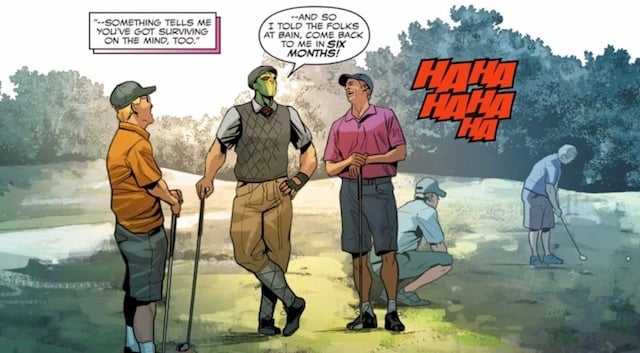
To wit:
Captain America: Sam Wilson #4—written by Nick Spencer with art by Paul Renaud, Romulo Fjardo, and Joe Caramagna—finds its lead character looking a lot different than he usually does. This is the second issue where Sam has been trapped in a werewolf form, the results of a run-in with old Cap villain Karl Malus. Malus’ experiments with splicing human and animal DNA weren’t just garden-variety mad scientist shenanigans; they were R&D for the newest iteration of an old supervillain cadre called the Serpent Society. They’re calling themselves Serpent Solutions now and they’re serving as a metaphor for all the horrible things that happen in the name of turning a profit. Kidnapping people and turning them into giant iguanas? Just another regrettable but necessary fact-of-life decision in today’s business landscape, according to exec leader Viper.”
Drones have spawned the architectural tourist who can fly over buildings, dive through doorways, and sail down hallways without ever leaving his or her home. Curbed has a nice collection of architectural-tourism-by-drone videos. The subjects include Tesla’s Gigafactory, Apple Campus 2, and Frank Lloyd Wright’s Hollyhock House, which isn’t far from Wright’s Ennis House, which served as Deckard’s apartment in “Blade Runner.”
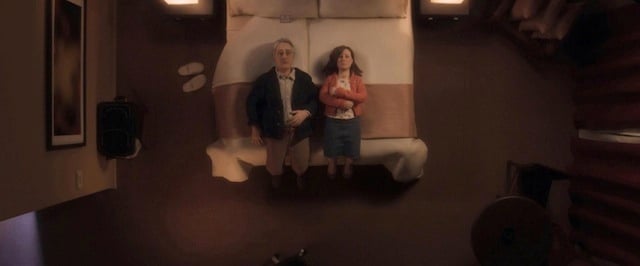
Charlie Kaufman, who wrote “Being John Malkovitch” and “Eternal Sunshine of the Spotless Mind” and wrote and directed “Synecdoche, New York,” talks about his latest writing/now co-directing project, “Anomalisa,” which is “a stop-motion animated dark comedy about a depressed customer-service expert who falls in love on a business trip”:
Is it weird for me to say that Anomalisa contains the most realistic sex scene I’ve ever seen in a movie? Given that it’s happening between puppets?
It’s not weird. Almost everybody we speak to feels that way. We worked really hard on that scene. It took six months to shoot. We were very aware of people coming into it thinking it was going to be like Team America, that it was going to be a joke, and we didn’t want it to be [like that]. We knew there would probably be some laughing at first because it’s puppet sex. We weren’t opposed to that, but what we found is that there is the occasional laugh at that point out of nervousness, but then people get really quiet.
There’s also an interview with co-director Duke Johnson that starts, “‘There were a lot of penises,’ says Duke Johnson. ‘They break very easily because they’re tiny.’”
One architect is a man. Another architect is a woman. Which one do you think is more creative?
Quartz has a vision of the future of food, and the meatballs don’t lie: “What Your Food Will Look Like in 2035, Told Through Meatballs.”
I’m having a hard time choosing between the Artificial Meat Ball and the Crispy Bug Ball. Or there’s the Wonderful Waste Ball.
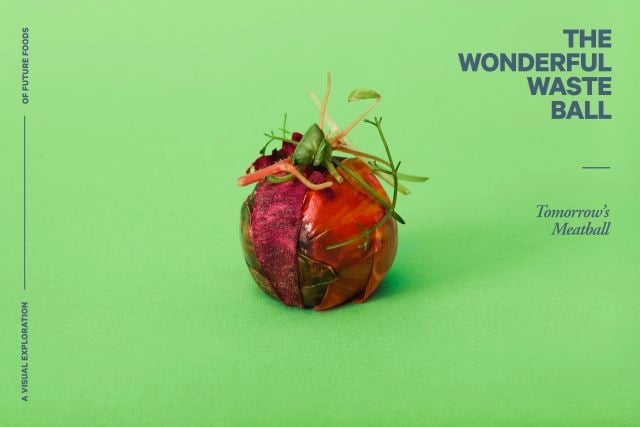
There are a lot of ideas about how to solve the world’s food waste problem—an estimated third of all food gets trashed. Turning would-be-waste into a meatball is actually one of the simpler solutions.
(via Coudal)
The New York Times Magazine has published its annual death roundup: “The Lives They Lived.”
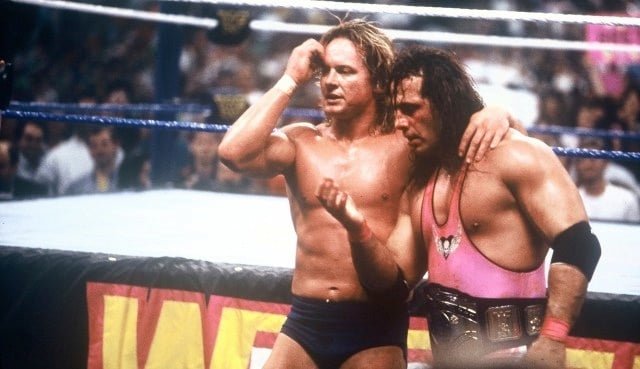
With Andre, Piper asks if it’s true that Big John Studd body-slammed him. No, Andre says, it isn’t. Piper, neck veins pulsing, suggests that even he could body-slam him. Interview over. Andre grabs Piper’s shirt, uses it to fling him across the room and walks off the set. Piper, red-hot with rage, screams, “You think you’re tough?” He stares into the camera and does an Incredible Hulk pose that shows off his terrifying trapezius muscles. “You ain’t nothing!’” You have never seen a man so committed to seeming to have lost all control.
Little Rascal Jean Darling:
Still, she said, her childhood wasn’t unhappy, just different. “A lot of people say their childhood was stolen,” she wrote in a 2014 interview on Reddit. “Mine was never stolen, I just worked a lot! I might have had more fun if my mother hadn’t spent all my money, but that’s it!”
From then on, Ford lived in solitary confinement for 23 hours a day at the Louisiana State Penitentiary at Angola, in a concrete cell the size of a bathroom. Three hours a week, he was allowed outside to exercise, but even there he was alone and in a cage offering less freedom than a dog run. For his last seven years in prison, Ford refused to even go outside. He called the exercise pen “ridiculous.” Being in a solitary cage outdoors was more like a taunt than a respite.
“Madeline the Robot Tamer” is a really lovely video about Madeline Gannon, a woman who dances, so to speak, with robots. As a resident at Pier 9, she developed Quipt, “a gesture-based control software that gives industrial robots basic spatial behaviors for interacting closely with people.” It’s a wonderful demonstration of robots and humans learning to work together.
(via Laughing Squid)
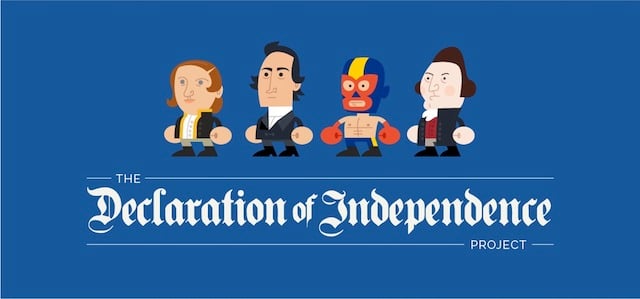
Artist and illustrator Chris Bishop is working on a terrific new project: The Declaration of Independence Project. His goal is to draw all 56 men who signed the Declaration of Independence. What’s the twist?
Bishop writes:
“I’m working on a series of educational posters that will give the delegates from the Thirteen Colonies the fun and cool treatment I give X-Men, Star Wars and other pop culture fan art. I had this idea at 4am one night.”
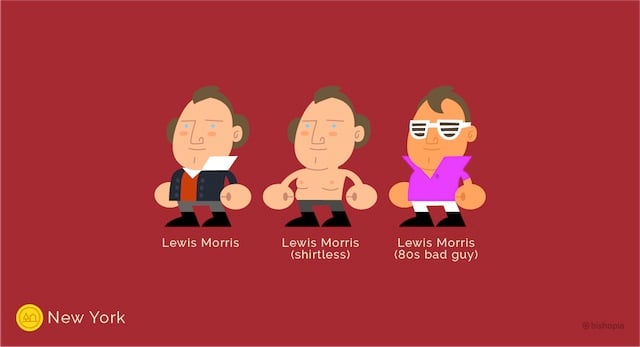
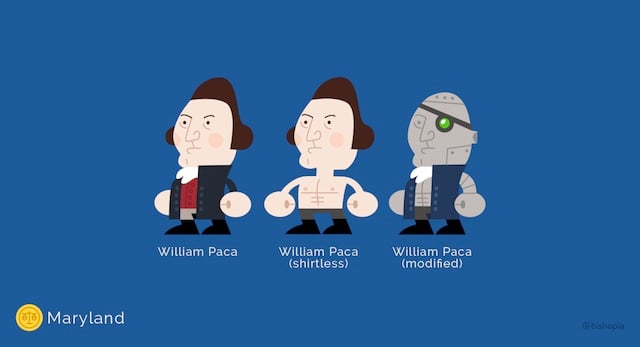
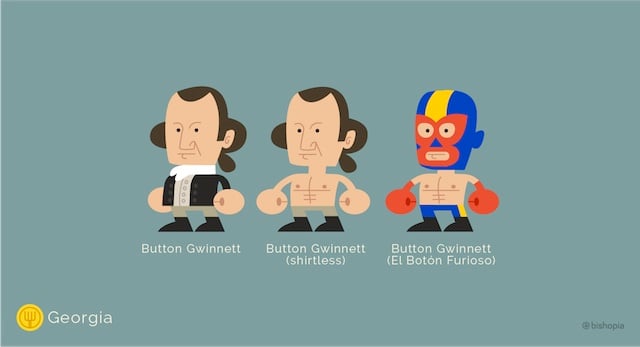
You can see the rest here, and you can track his progress on Twitter and Instagram.
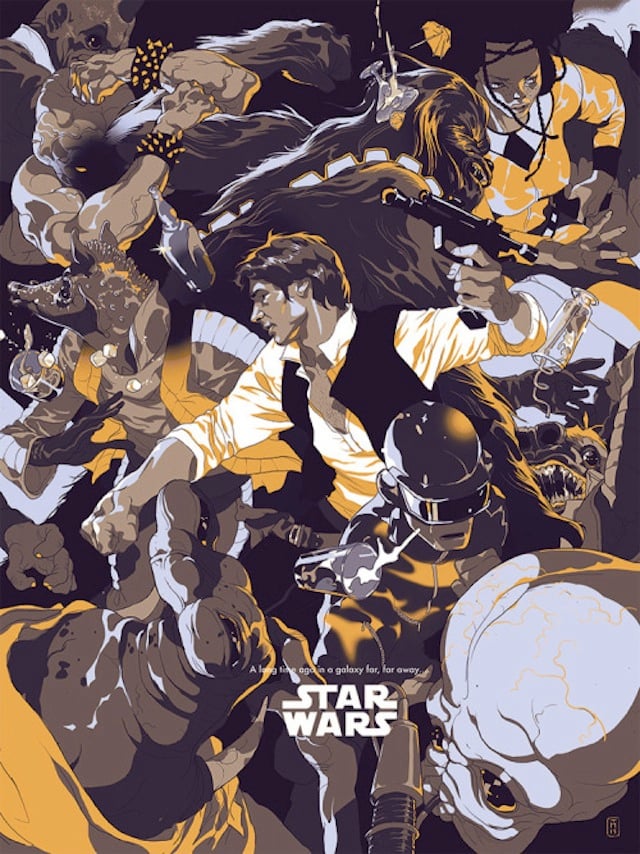
Cool “Star Wars” poster artwork by Tomer Hanuka. See the other version at This Isn’t Happiness.

I spent some time in Rensselaerville, New York, this fall, where Andy Rooney used to pass his summers. Not far from his home, he had a five-sided shed in which he did his writing. It had an AC unit stuck to the side of it and triangle-shaped windows on its roof. He called it the Pentagon. The day I took this photo, it was quiet, and the door was padlocked.
Did Marreese Speights of the Golden State Warriors really previously own this “1975 Oldsmobile Donk on 28s forgiatos”? I have no idea, but it can be yours for $20,000.

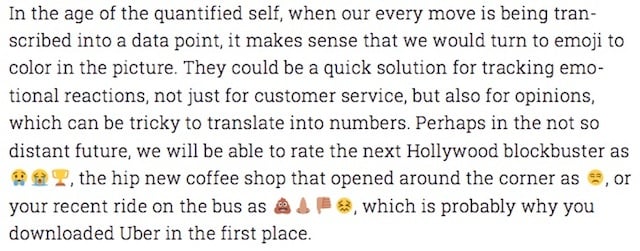
There’s no point in sticking with the old school system of reviewing restaurants and rides with stars when emoji can offer other users more nuanced and specific feedback. Facebook and Uber are trying to figure how to make emoji reviews work.
Kristen V. Brown and Cara Rose DeFabio share their take on how and how not to enable emoji reviews.
According to Jacq the Stripper’s Twitter bio, “I dance. Naked. For large (and occasionally insultingly modest) sums of money. I wrote a book about it.” Her book is The Beaver Show, and you can buy it in paperback or Kindle.
It’s a memoir of her life on the gentlemen’s club stage.
On Twitter, she also posts her art, featuring absurd things male customers say.
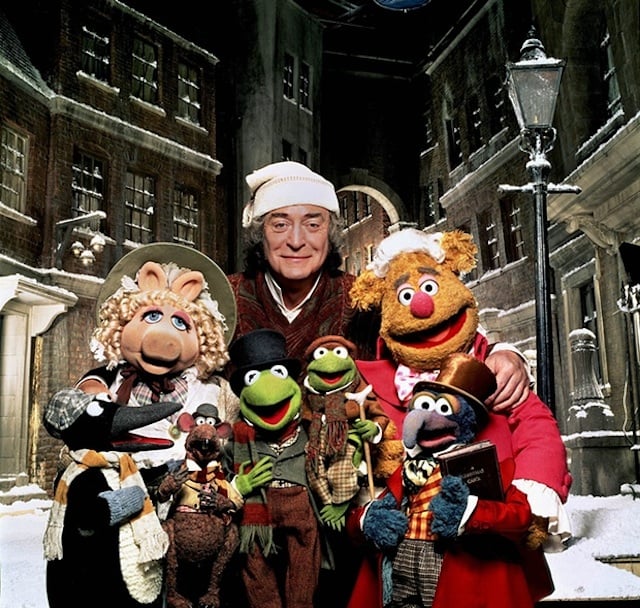
A surprisingly moving micro-oral history of “How we made: The Muppet Christmas Carol”:
When I met Michael Caine to talk about playing Scrooge, one of the first things he said was: “I’m going to play this movie like I’m working with the Royal Shakespeare Company. I will never wink, I will never do anything Muppety. I am going to play Scrooge as if it is an utterly dramatic role and there are no puppets around me.” I said: “Yes, bang on!” He was intimidating to start with, but he’s a delight.
What’s a ghost street? The shadow scape of a real street that no longer exists.
BLDGBLOG explains:
“The buildings that fill it look more like scar tissue, bubbling up to cover a void left behind by something else’s absence.”

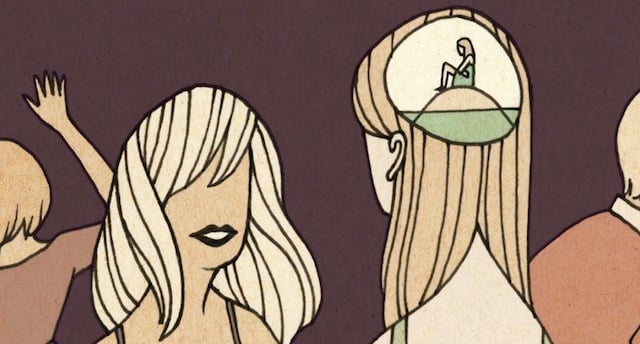
A really intriguing personal essay from Broadly by Gwen Kansen, a woman diagnosed with an autism spectrum disorder who reveals what it’s like when she goes out to a nightclub.
The first thing I do is get a drink—she wants to buy. Then we start dancing.
I dance exuberantly, and not always on rhythm, either. At gay clubs they thought this was hip. My friends took me to some great ones in college; I made friends with a lot of gay guys because they thought I was outrageous. I didn’t realize at the time that wearing a bright green leather pencil skirt was inappropriate for class in rural Pennsylvania, but they loved me for it.
This isn’t the place for that. Some guy with the obligatory striped button-down shirt comes up and chest-butts me. I rub up on him for a minute until I realize he’s mocking my dancing.
Defeated, I go back to our table.
“People don’t dance here,” I tell Felicity.
“I really like you,” she says. “You just are who you are, you know?”
You may have seen “The Year in Pictures 2015,” but you should also check out how New York Times editors pick the best of the 150,000 photographs that come across their desks over the course of a year.
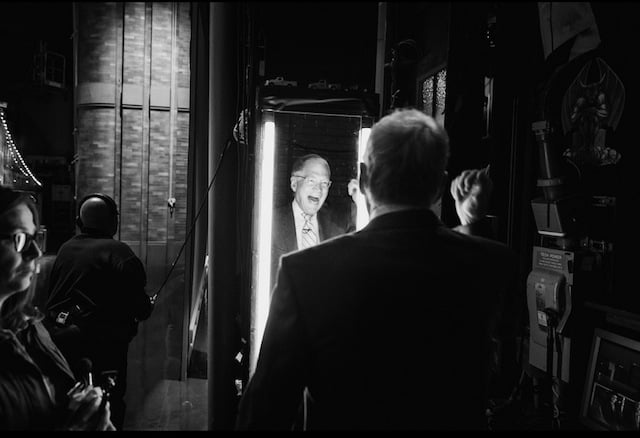
Q. The Times wants to publish Pictures of the Year, but for you individually, why do this?
Jeffrey: For me, it’s to look at the great work that’s been produced over the year. Because I work in Opinion I don’t look at as much of the news photography as Meaghan does as a front-page editor. But seeing the breadth of the work, like the migrant coverage, is very exciting, very rewarding. But at the same time, it can be a somewhat distressing task to go over the things that happened over the year. Because there are a lot of very brutal images that you don’t always want to be reminded of.
Meaghan: It’s a mixed bag in that way, because it’s really meant to be a celebration of skillfully made photography and enterprising and talented photographers. So on the one hand there is a joy to it. But on the other hand, there’s a lot of difficult material. We do try to look for a balance in the imagery that we’re selecting. But on the whole. …
Jeffrey: It’s a dark world.
(Photo credit: Damon Winter/The New York Times)
Whether or not you’re a writer or even care about words, this video starring George Saunders talking about how to tell a story that matters is phenomenal. It was created by Redglass Pictures. (P.S. There’s swearing in it.)
(via Harry Allen)
Behold, Princess Leia wearing milk. You can find the rest of photographer Manu Cabanero’s “Splash Wars” series here, but be forewarned the rest are NSFW.

(via This Isn’t Happiness)
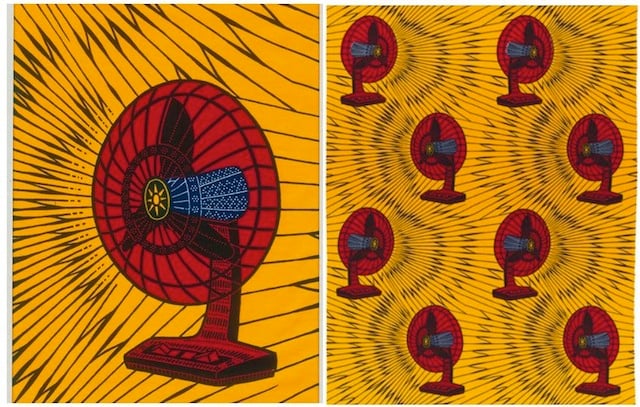
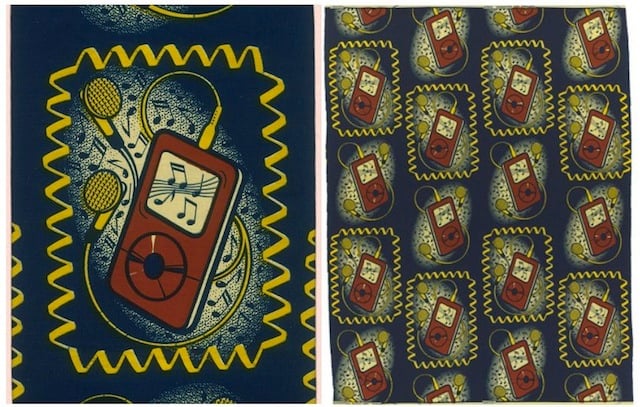
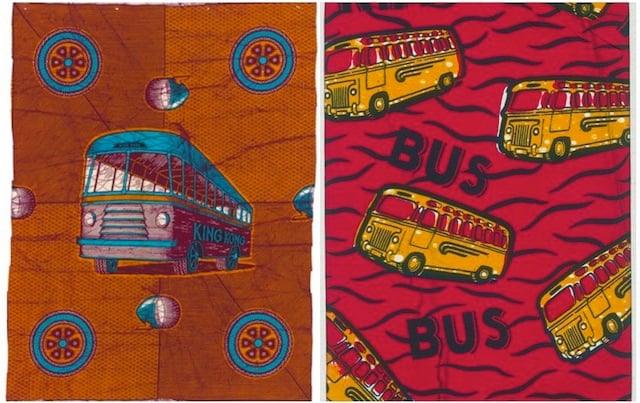
Love these. African textiles. Studio 360: “But I had no idea that some of the trendiest of these prints are actually designed and produced in the Netherlands by a company called Vlisco.”
Khrista Rypl writes:
Inge Oosterhoff wrote a wonderful deep dive into the history behind the Vlisco textile house, and explained how their designs have remained hugely popular in Africa since the late 1800s. But Vlisco doesn’t just make fabric; they’re known for their printed designs. And unlike many fashion companies, Vlisco doesn’t name their patterns: each is given a number and then distributed to different areas in Africa. Some patterns are designed with different countries in mind, while others are distributed widely around the continent. As the patterns catch on among shopkeepers and consumers, many of them get colorful names like “Love Bomb,” “Tree of Obama,” and “Mirror in the Sun.” But the names aren’t even the best part: many popular patterns have developed specific cultural meanings and subtexts.
(via yellowdoorhouse)
Katherine Waterston has been cast to star in “Alien: Covenant,” the sequel to “Prometheus” to be directed by Ridley Scott. Waterston starred in Paul Thomas Anderson’s “Inherent Vice” and is the daughter of actor Sam Waterston.
So what’s the storyline?

Specific plot details are being closely guarded, but it is believed to follow the crew of the colony ship Covenant, bound for a remote planet, who discover what they believe is an uncharted paradise. But in fact it’s a dark, dangerous world whose the only inhabitant is David (Michael Fassbender), the “synthetic” and survivor of the doomed Prometheus expedition.
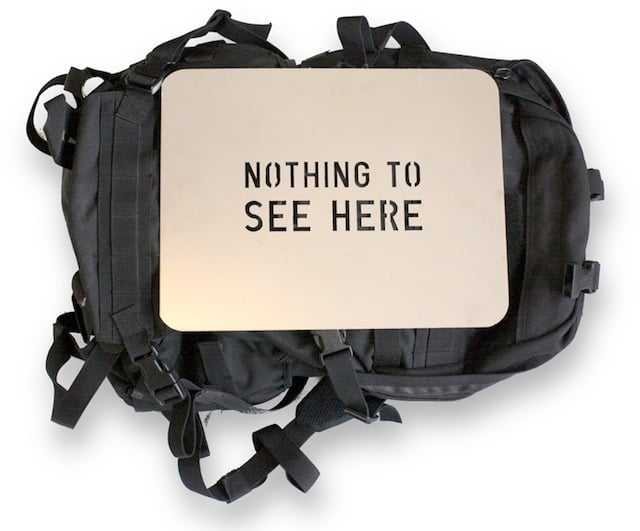
Mental Floss has an interesting article disclosing the secrets of TSA agents. Among them: Your cat is like a terrorist, if they refer to you as “very nice,” you are not, and they handle their professional status like the mob.
TSOs undergo regular training and performance reviews where they’re expected to simulate a screening in a private room for supervisors. After two years, the probationary period is over, and employees are generally set. “They’d call it being a ‘made’ man or woman,” Harrington says, referring to the mafia term for acceptance. “It’s really hard to get fired at that point. The only way to lose your job would be to commit a crime.”
Image via Evan Roth’s TSA Communication project.
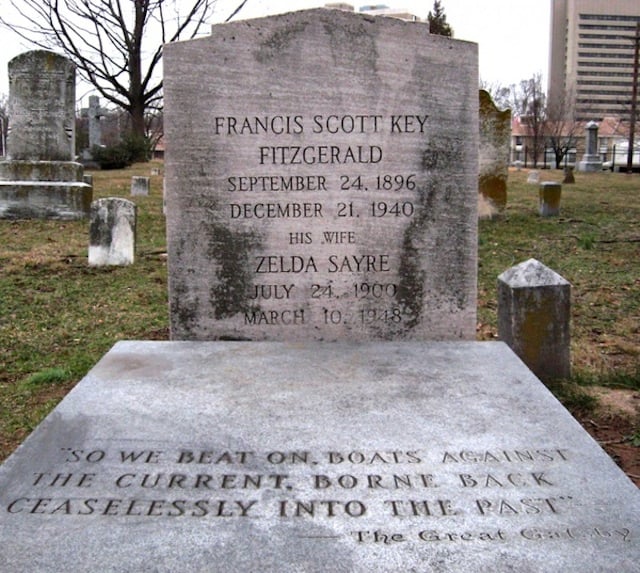
F. Scott Fitzgerald died on December 21, 1940. According to his New York Times obituary, he was felled at 44 by a heart attack that he’d suffered three weeks earlier.
Mr. Fitzgerald in his life and writings epitomized “all the sad young men” of the post-war generation. With the skill of a reporter and ability of an artist he captured the essence of a period when flappers and gin and “the beautiful and the damned” were the symbols of the carefree madness of an age.
An excerpt from The Great Gatsby:
About half way between West Egg and New York the motor road hastily joins the railroad and runs beside it for a quarter of a mile, so as to shrink away from a certain desolate area of land. This is a valley of ashes — a fantastic farm where ashes grow like wheat into ridges and hills and grotesque gardens; where ashes take the forms of houses and chimneys and rising smoke and, finally, with a transcendent effort, of men who move dimly and already crumbling through the powdery air. Occasionally a line of gray cars crawls along an invisible track, gives out a ghastly creak, and comes to rest, and immediately the ash-gray men swarm up with leaden spades and stir up an impenetrable cloud, which screens their obscure operations from your sight.
But above the gray land and the spasms of bleak dust which drift endlessly over it, you perceive, after a moment, the eyes of Doctor T. J. Eckleburg. The eyes of Doctor T. J. Eckleburg are blue and gigantic — their retinas are one yard high. They look out of no face, but, instead, from a pair of enormous yellow spectacles which pass over a nonexistent nose. Evidently some wild wag of an oculist set them there to fatten his practice in the borough of Queens, and then sank down himself into eternal blindness, or forgot them and moved away. But his eyes, dimmed a little by many paintless days, under sun and rain, brood on over the solemn dumping ground.
The valley of ashes is bounded on one side by a small foul river, and, when the drawbridge is up to let barges through, the passengers on waiting trains can stare at the dismal scene for as long as half an hour. There is always a halt there of at least a minute, and it was because of this that I first met Tom Buchanan’s mistress.
(via Riley Dog)
The case of the accidental “Star Trek” Starfleet uniform
Recently, I was doing some research on food in prison, specifically prison spread. According to Urban Dictionary: “Typically spread is a Top Ramen base that can be augmented to a specific flavor by using chips, canned meat, or other foods that are also available in the prison store.” According to Prison Culture, it’s also a social ritual: “Spread provides inmates with an opportunity to ‘create community’ within the jail as they share their food with others.”
In this video, which features NSFW language, Chef Lemundo teaches viewers how to make his Five Animal Spread.
In related news, the State of New York will no longer be serving prisoners Nutraloaf, aka Disciplinary Loaf, as punishment.
“I would taste it and just throw it away,” said George Eng, 67, who served 36 years for murder and several stints in Special Housing Units, as solitary confinement is formally known. “You’d rather be without food than eat that.”
Ms. Murtagh called the loaf “a disgusting, torturous form of punishment that should have been banned a century ago.”
“Most people are appalled at using food as punishment,” she said, adding that many people believe “such behavior went out with the stocks, whips and shackling to the wall.”
Just in time for the holidays, Kim Kardashian, queen of the selfie, is releasing her own line of emoji. They are called Kimoji. The emoji include a butt, a doughnut, Kim’s censored boobs, Kim ugly crying, a word cloud featuring Kim calling someone “basic,” a solo cup, Kim taking a selfie, and a hairdryer.

Clayton Cubitt has a new installment of his “Hysterical Literature” series, and this one’s in French. As Jason described previously, in each video, “a female participant is filmed from the waist up reading a story of her choosing while she is stimulated to orgasm with a vibrator by Cubitt’s partner, Katie James.” (There’s no nudity in the video, but you may find the audio NSFW.)
This time, the woman is Fette, the reading is in French with English subtitles, and the text is Thomas Bernhard’s The Loser.
You can see the entire Hysterical Literature project here, you can read author Toni Bentley’s Vanity Fair account of being a Hysterical Literature star here, and Cubitt’s Instagram is here.
If you’re interested in strange stories involving brain tumors, fecal bacterium, and Institutional Review Boards, Emily Eakin’s “Bacteria on the Brain” for the New Yorker should be right up your alley.
Dr. Paul Muizelaar, then chair of the neurosurgery department at U.C. Davis, undertook a daring approach to treating brain tumors. It might work, but would it help?
The previous month, he had operated on Patrick Egan, a fifty-six-year-old real-estate broker, who also suffered from glioblastoma. Egan was a friend of Muizelaar’s, and, like Terri Bradley, he had exhausted the standard therapies for the disease. The tumor had spread to his brain stem and was shortly expected to kill him. Muizelaar cut out as much of the tumor as possible. But before he replaced the “bone flap” — the section of skull that is removed to allow access to the brain — he soaked it for an hour in a solution teeming with Enterobacter aerogenes, a common fecal bacterium. Then he reattached it to Egan’s skull, using tiny metal plates and screws. Muizelaar hoped that inside Egan’s brain an infection was brewing.


Socials & More