kottke.org posts about cancer
In a letter to the Times of London, Dr. Michael Baum tells how a line in Arcadia by Tom Stoppard sparked an idea which resulted in adjuvant systemic chemotherapy, a therapy Baum helped pioneer which greatly increased the survivability of breast cancer.
Sir, In 1993 my wife and I went to see the first production of Arcadia by Tom Stoppard (obituary, Dec 1), and in the interval I experienced a Damascene conversion. As a clinical scientist I was trying to understand the enigma of the behaviour of breast cancer, the assumption being that it grew in a linear trajectory spitting off metastases on its way. In the first act of Arcadia, Thomasina asks her tutor, Septimus: “If there is an equation for a curve like a bell, there must be an equation for one like a bluebell, and if a bluebell, why not a rose?” With that Stoppard explains chaos theory, which better explains the behaviour of breast cancer. At the point of diagnosis, the cancer must have already scattered cancer cells into the circulation that nest latent in distant organs. The consequence of that hypothesis was the birth of “adjuvant systemic chemotherapy”, and rapidly we saw a striking fall of the curve that illustrated patients’ survival.
Stoppard never learnt how many lives he saved by writing Arcadia.
Michael Baum
Professor emeritus of surgery; visiting professor of medical humanities, UCL
Certainly drives home the value of a robust and diverse culture of humanities in contradiction to the current backlash. (via @harrywallop.co.uk)
In 2010, Randall Munroe’s fiancée (now wife) was diagnosed with cancer. Every once in awhile, he updates his audience at XKCD on how that’s going. The most recent missive: Fifteen Years.
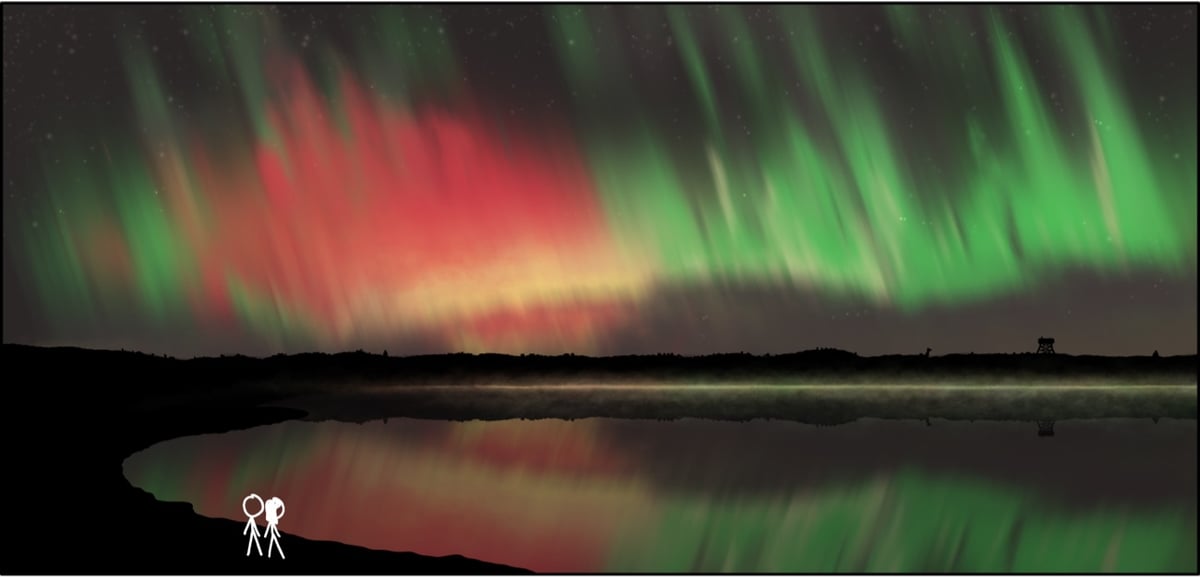
If you’re not up on XKCD lore, here’s an explanation. 💞
It’s not often that a movie trailer makes you cry — but this one might.1
Come See Me in the Good Light is a documentary film about poets Andrea Gibson and Megan Falley facing a cancer diagnosis that took Gibson’s life earlier this year.
This is the beginning of a nightmare, I thought. But stay with me, y’all, because my story is one about happiness, being easier to find, once we realize we do not have forever to find it.
Falley’s letter published just after Gibson’s death will give you a sense of the spirit of the film & the two humans at the center of it:
A couple years ago, Andrea said, “Whenever I leave this world, whether it’s sixty years from now, I wouldn’t want anyone to say I lost some battle. I’ll be a winner that day.”
Whatever beast of emotion bucks or whimpers through you right now, I hope you can hold that line beside it: Andrea didn’t lose anything. If you had been here in our home during the three days of their dying — if you’d seen dozens of friends drift in to help, to say goodbye, to say thank you, to kiss their perfect face, if you’d felt the love that floored every hospice nurse — you would have agreed. Andrea won.
The film is set to premiere Nov 14 on Apple TV.
I’d missed that Time magazine is naming a “Kid of the Year” now and this year’s recipient is 15-year-old scientist Heman Bekele, who has developed a soap that could treat and even prevent skin cancer.
A few years ago, he read about imiquimod, a drug that, among other uses, is approved to fight one form of skin cancer and has shown promise against several more. Typically, imiquimod, which can help destroy tumors and usually comes in the form of a cream, is prescribed as a front-line drug as part of a broader cancer treatment plan, but Heman wondered if it could be made available more easily to people in the earliest stages of the disease. A bar of soap, he reckoned, might be just the delivery system for such a lifesaving drug, not just because it was simple, but because it would be a lot more affordable than the $40,000 it typically costs for skin-cancer treatment.
“What is one thing that is an internationally impactful idea, something that everyone can use, [regardless of] socioeconomic class?” Heman recalls thinking. “Almost everyone uses soap and water for cleaning. So soap would probably be the best option.”
Using the metaphor of a cancerous tumor as an unruly village, Kurzgesagt explains how cancer develops in the human body, how the body fights against it, and how, sometimes, the cancer develops into something unmanageable.
In a sense this tiny tumor is like a rogue town. Imagine a group of rebels in Brooklyn decided that they were no longer part of New York but started a new settlement called Tumor Town, which happens to occupy the same space. The new city wants to grow, so it orders tons of steel beams, cement and drywall. New buildings follow no logic, are badly planned, ugly and dangerously crooked. They are built right in the middle of streets, on top of playgrounds and on existing infrastructure. The old neighborhood is torn down or overbuilt to make room for new stuff. Many of the former residents are trapped in the middle of it and begin to starve. This goes on for a while until the smell of death finally attracts attention. Building inspectors and police show up.
Last week, popular YouTuber, author, and science communicator Hank Green announced that he had cancer (very treatable Hodgkin’s lymphoma). His video announcement was part of a series of back-and-forth videos he does with his brother John Green, popular YouTuber and novelist. John replied to Hank’s video with a short one of his own, noting that humor is one way that people deal with grief but also a way in which we can accompany people through tough times.
To work, the humor has to feel like love rather than judgment, like inclusion rather than stigma, and like celebration rather than dismissal. And that’s a tough balance. Sometimes well-intentioned people, including me, get it wrong. And it also depends on, like, who’s saying it and the context.
Good luck and my warmest thoughts to the Greens and their family as they navigate this difficult time. And, you know, fuck cancer.
From Kurzgesagt, this video is a good overview of the arms race going on in all human bodies between cancer cells and the defenses developed by our immune systems over the years.
Somewhere in your body, your immune system just quietly killed one of your own cells, stopping it from becoming cancer, and saving your life. It does that all the time. The vast majority of cancer cells you develop will be killed without you ever noticing. Which is an incredibly hard job because of what cancer cells are: parts of yourself that start to behave as individuals even if it hurts you.
What is cancer and how does your body kill it all the time?


During the course of battling salivary gland tumors over many years, photographer and artist Rubén Álvarez discovered hematopoiesis (the process by which blood cells & blood plasma are formed in the body) as a possible treatment option. The treatment didn’t end up being applicable to his situation, but the process became the inspiration for a very personal project called Haematopoiesis.
This project was inspired by my very personal experiences so I discovered the Hematopoiesis process, while I was looking for treatments for more than 15 pleomorphic adenomas that were located around my head and neck. I went through several surgeries to remove them and reconstruct my facial nerve, as well as almost thirty radiotherapy sessions to prevent these adenomas to appear again.
Álvarez used paint, ferrofluid, and magnets to produce his interpretation of the actual hematopoiesis process. (via moss & fog)
In this short film by Simon Perkins, Jon Wilson shares his story of how cancer left him with one leg and the perspective he’s gained by skinning up and then skiing down mountains.
Sometimes I forget I’m broken. I cover up my scars and plug my ears. Things go okay for a while, but then I start thinking I’m entitled to some artificial slice of happiness, and before I know it I’m climbing a ladder to nowhere. To get down again, and find my equilibrium, it helps to remember when I was so low. It also helps to remind myself that life is relatively good if I have the luxury to ski up a goddamn mountain.
Many of us are scared to be broken. I’m a high school teacher, and I see it in the kids around me every day. They’re conditioned by black mirrors and social media algorithms designed for “perfect offerings.” We tell them about the ills of brokenness, but not the power and wisdom in it. We talk about post-traumatic stress — not post-traumatic growth. Being broken is a pre-existing condition that is never expunged from our record. And while I would never wish it on anyone, I would never trade in my scars, even if it meant having my leg back.
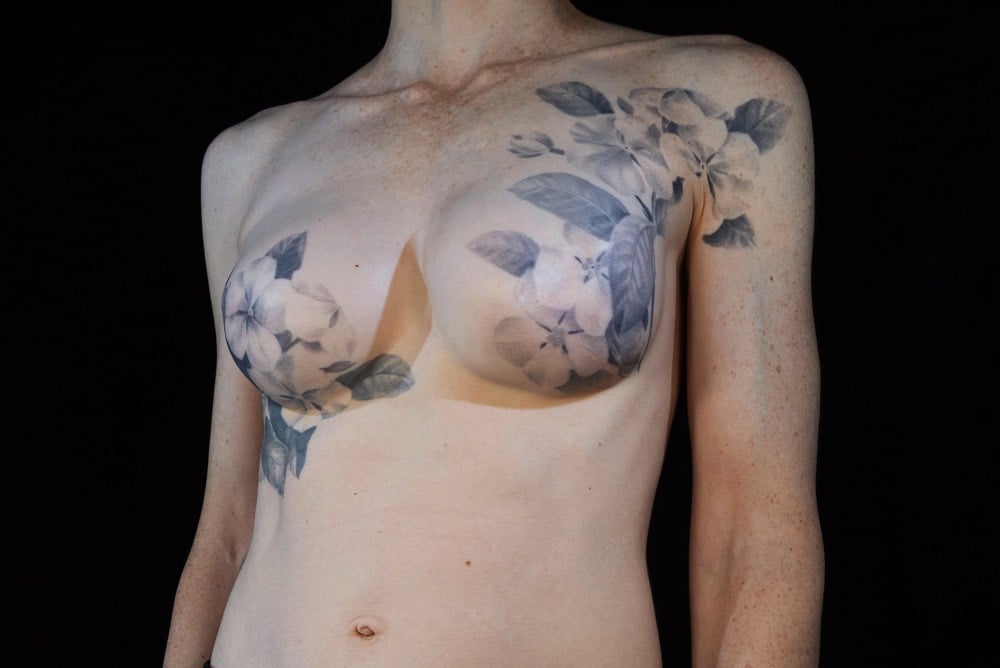
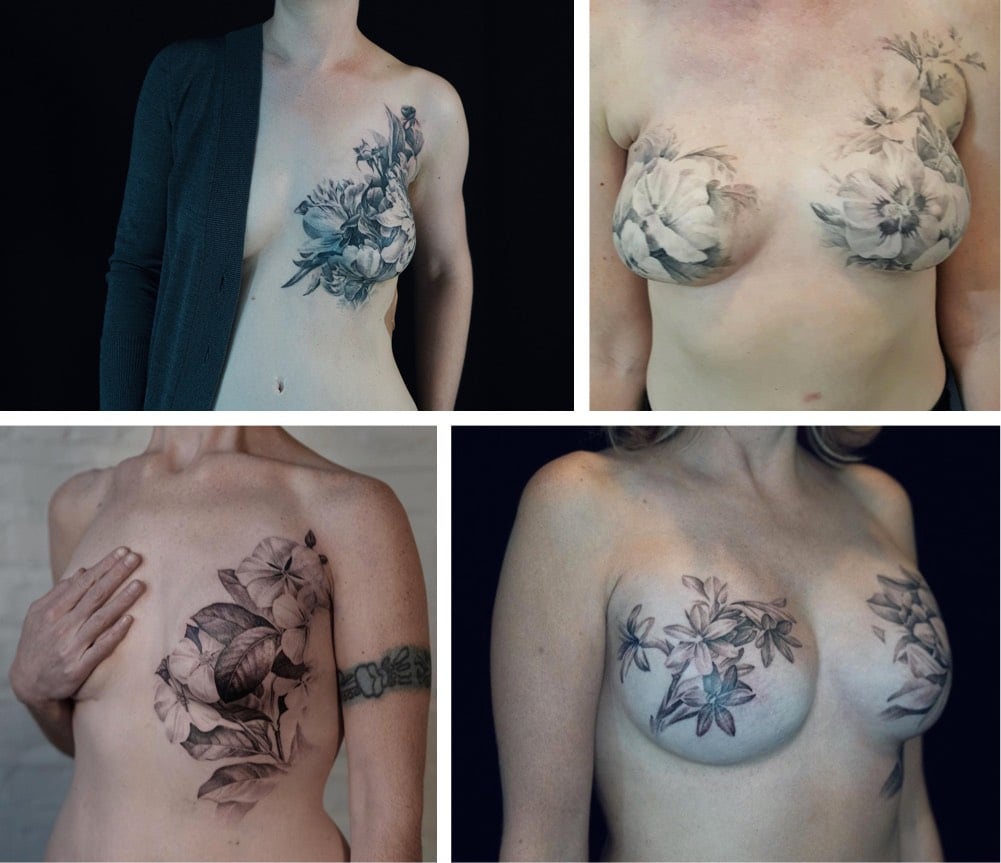
David Allen is a tattoo artist who does postmastectomy tattooing. He works with women who survive breast cancer to design and implement tattoos that cover scarring from mastectomies, transforming what might be seen as a destructive disfigurement into something creative and beautiful. Here’s Allen writing for The Journal of the American Medical Association (abstract):
I am a tattoo artist who works with women after they’ve had mastectomies to transform their sense of disfigurement and loss of control into feelings of beauty and agency. On a good day, I can heal with my art.
The women with breast cancer with whom I work share a feeling that they’ve been acted upon — by cancer, the health industrial complex and its agents, the sequelae of their treatments. Their physical and psychological points of reference are destabilized, having changed so quickly. A successful tattooing experience establishes a new point of reference, a marker that’s intimately theirs that replaces their sense of rupture and damage with an act of creation and, in my work, images of natural life.
Allen even does “solidarity tattoos” for his clients’ partners and friends. You can see more of his postmastectomy work on Instagram.
Even though larger animals like elephants and blue whales have up to 100 billion more cells than humans in their bodies — and therefore many more chances for harmful mutations to develop — they are much more immune to cancer. This is called Peto’s paradox the subject of Kurzgesagt’s latest video. Scientists aren’t sure why this happens, but one hypothesis is that in order to have grown so large, the evolutionary process that resulted in these animals provided built-in defenses against cancer that other animals didn’t need. Further reading on the topic is available here.
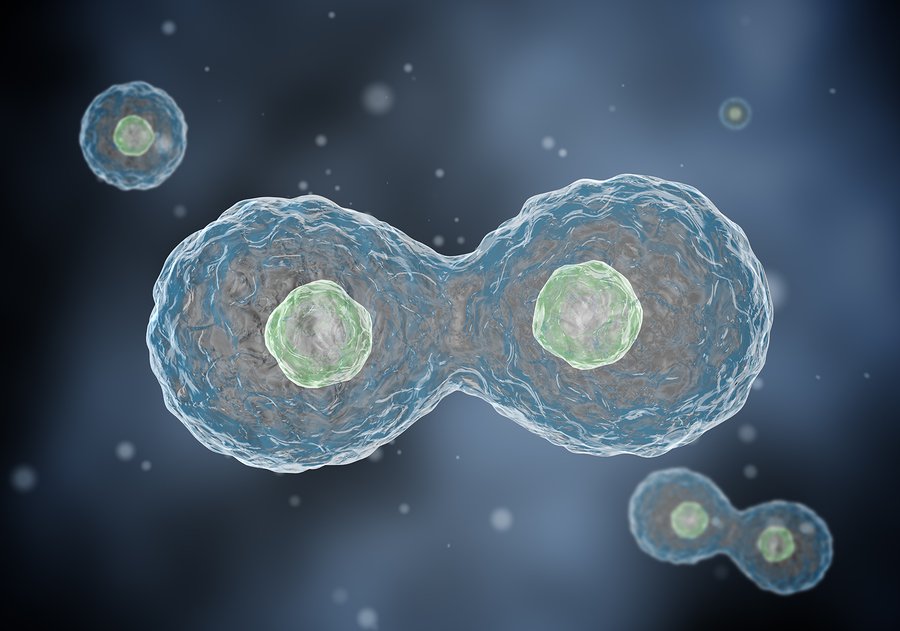
Biology is one field I don’t know supremely well, having had a couple of college courses and then mostly just public television documentaries. So it’s always cool to get a new concept or two to play with, like the Hayflick Limit.
What is it?
In normal, replicating cells, all the important genetic code in a cell’s nucleus is protected by telomeres—sections of non-coding DNA on the ends of chromosomes. (Elizabeth Blackburn, who won a Nobel for her work on telomeres, compares them to the caps on the end of shoelaces that keep them from fraying.) Every time cells divide, telomeres shorten ever so slightly; the white blood cells in newborn humans have telomeres that consist of about 8,000 base pairs, which falls to around 1,500 in the elderly.
The Hayflick limit is thought to occur when telomeres are gone and cell division would be risky, because without their protection, loss of genetic information would occur. When cells no longer replicate, they’re considered “senescent”: they carry on most of their normal cellular activity and eventually die. The Hayflick limit is one cause, but external stress, like an infection, physical trauma, or UV radiation can hasten cell death, according to Jan van Deursen, a cancer biologist at the Mayo Clinic in Rochester, Minnesota.
Senescent cells are a culprit in aging, but they also have benefits. They give off proteins that can recruit immune cells, which can promote wound healing, and they’re one of our body’s defenses against cancer. One of the reasons cancer occurs is when cells switch on a gene that allows them to rebuild their telomeres—kind of like speeding through a stop sign. That’s why the only immortal human cells are cancer cells.
So the Hayflick Limit, if it could be waived, could theoretically prevent or delay aging. But as it is, it’s a built-in cap on how many replications a body’s cells and tissues can undergo, so it guarantees our mortality.
Here’s what Hayflick himself had to say about it:
To slow, or even arrest, the aging process in humans is fraught with serious problems in the relationships of humans to each other and to all of our institutions. By allowing asocial people, tyrants, dictators, mass murderers, and people who cause wars to have their longevity increased should be undesirable. Yet, that would be one outcome of being able to tamper with the aging process.
I guess at a minimum, as bad as everyone is, at least they (as an individual) are not around to be bad forever? I’ll take that silver lining.
When she was 16, Charlotte Eades was diagnosed with glioblastoma, an extremely aggressive form of brain cancer. About a year after the diagnosis, she began documenting her illness and her life on her YouTube channel. After Eades died, her family made the video above, a short tribute to her life and video blog.
According to a study published in March 2017 in the Journal of the National Cancer Institute, cancer death rates continue to fall across most cancer types. From 2010 to 2014 (the most recent year that statistical data is available), overall death rates decreased by 1.8%.
Overall cancer death rates from 2010 to 2014 decreased by 1.8% (95% confidence interval [CI] = -1.8% to -1.8%) per year in men, by 1.4% (95% CI = -1.4% to -1.3%) per year in women, and by 1.6% (95% CI = -2.0% to -1.3%) per year in children. Death rates decreased for 11 of the 16 most common cancer types in men and for 13 of the 18 most common cancer types in women, including lung, colorectal, female breast, and prostate, whereas death rates increased for liver (men and women), pancreas (men), brain (men), and uterine cancers.
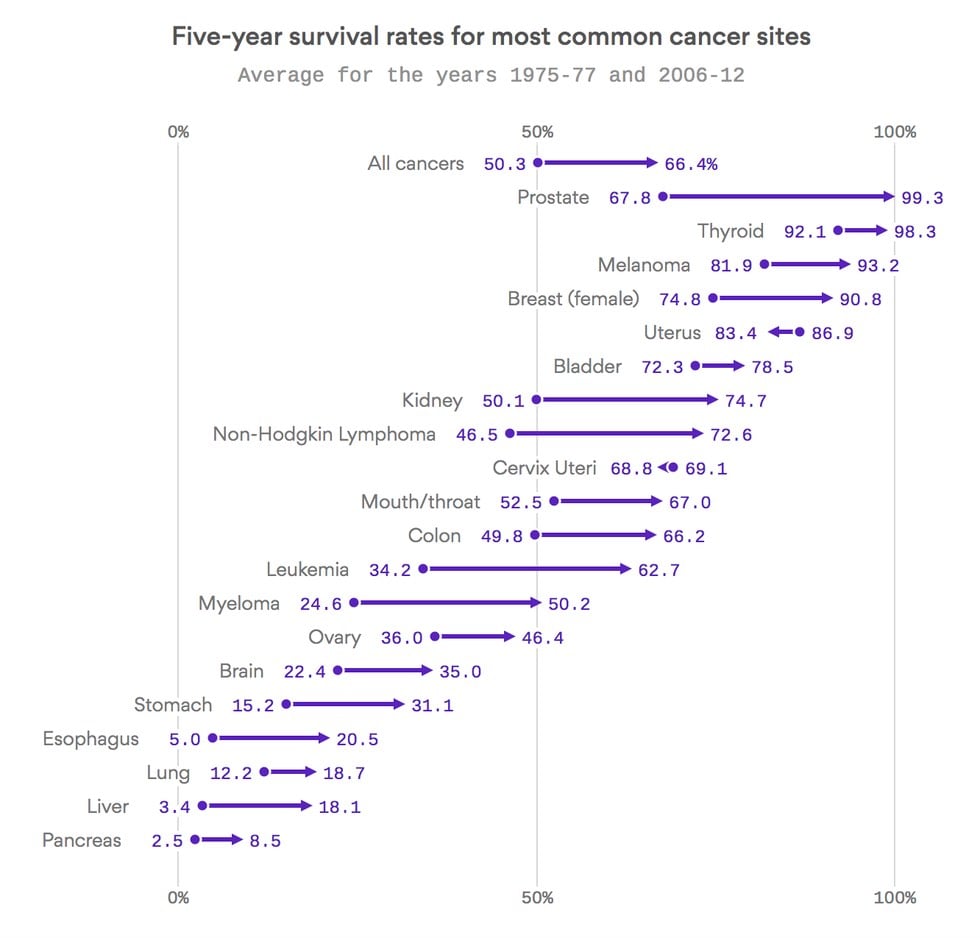
But the trends are much clearer when you look at progress over a longer time period. As this graph from Axios shows, the five-year survival rates for most common types of cancer have increased quite significantly in the past 30-40 years. Survival rates from all cancers increased by 16% and jumped 26% and almost 29% for non-Hodkin lymphoma and leukemia respectively. If you have prostate or thyroid cancer, you’re almost guaranteed to survive 5 years at this point and the female breast cancer survival rate is up to almost 91%. (via @Atul_Gawande)
Senator John McCain has been diagnosed with a particularly aggressive form of brain cancer. The tumor has been removed and McCain is recovering at home with his family. I wish Senator McCain well and hope for a speedy recovery.
In the wake of his diagnosis, many of those expressing support for McCain reference his considerable personal strength in his fight against cancer. President Obama said:
John McCain is an American hero & one of the bravest fighters I’ve ever known. Cancer doesn’t know what it’s up against. Give it hell, John.
McCain’s daughter Meghan references his toughness and fearlessness in a statement released yesterday. Vice-President Joe Biden expressed similar sentiments on Twitter:
John and I have been friends for 40 years. He’s gotten through so much difficulty with so much grace. He is strong — and he will beat this.
This is the right thing to say to those going through something like this, and hearing this encouragement and having the will & energy to meet this challenge will undoubtably increase McCain’s chances of survival. But what Biden said next is perhaps more relevant:
Incredible progress in cancer research and treatment in just the last year offers new promise and new hope. You can win this fight, John.
As with polio, smallpox, measles, and countless other diseases before it, beating cancer is not something an individual can do. Being afflicted with cancer is the individual’s burden to bear but society’s responsibility to cure. In his excellent biography of cancer from 2011, The Emperor of All Maladies, Siddhartha Mukherjee talks about the progress we’ve made on cancer:
Incremental advances can add up to transformative changes. In 2005, an avalanche of papers cascading through the scientific literature converged on a remarkably consistent message — the national physiognomy of cancer had subtly but fundamentally changed. The mortality for nearly every major form of cancer — lung, breast, colon, and prostate — had continuously dropped for fifteen straight years. There had been no single, drastic turn but rather a steady and powerful attrition: mortality had declined by about 1 percent every year. The rate might sound modest, but its cumulative effect was remarkable: between 1990 and 2005, the cancer-specific death rate had dropped nearly 15 percent, a decline unprecedented in the history of the disease. The empire of cancer was still indubitably vast — more than half a million American men and women died of cancer in 2005 — but it was losing power, fraying at its borders.
What precipitated this steady decline? There was no single answer but rather a multitude. For lung cancer, the driver of decline was primarily prevention — a slow attrition in smoking sparked off by the Doll-Hill and Wynder-Graham studies, fueled by the surgeon general’s report, and brought to its full boil by a combination of political activism (the FTC action on warning labels), inventive litigation (the Banzhaf and Cipollone cases), medical advocacy, and countermarketing (the antitobacco advertisements). For colon and cervical cancer, the declines were almost certainly due to the successes of secondary prevention — cancer screening. Colon cancers were detected at earlier and earlier stages in their evolution, often in the premalignant state, and treated with relatively minor surgeries. Cervical cancer screening using Papanicolaou’s smearing technique was being offered at primary-care centers throughout the nation, and as with colon cancer, premalignant lesions were excised using relatively minor surgeries. For leukemia, lymphoma, and testicular cancer, in contrast, the declining numbers reflected the successes of chemotherapeutic treatment. In childhood ALL, cure rates of 80 percent were routinely being achieved. Hodgkin’s disease was similarly curable, and so, too, were some large-cell aggressive lymphomas. Indeed, for Hodgkin’s disease, testicular cancer, and childhood leukemias, the burning question was not how much chemotherapy was curative, but how little: trials were addressing whether milder and less toxic doses of drugs, scaled back from the original protocols, could achieve equivalent cure rates.
Perhaps most symbolically, the decline in breast cancer mortality epitomized the cumulative and collaborative nature of these victories — and the importance of attacking cancer using multiple independent prongs. Between 1990 and 2005, breast cancer mortality had dwindled an unprecedented 24 percent. Three interventions had potentially driven down the breast cancer death rate-mammography (screening to catch early breast cancer and thereby prevent invasive breast cancer), surgery, and adjuvant chemotherapy (chemotherapy after surgery to remove remnant cancer cells).
Understanding how to defeat cancer is an instance where America’s fierce insistence on individualism does us a disservice. Individuals with freedom to pursue their own goals are capable of a great deal, but some problems require massive collective coordination and effort. Beating cancer is a team sport; it can only be defeated by a diverse collection of people and institutions working hard toward the same goal. It will take government-funded research, privately funded research, a strong educational system, philanthropy, and government agencies from around the world working together. This effort also requires a system of healthcare that’s available to everybody, not just to those who can afford it. Although cancer is not a contagious disease like measles or smallpox, the diagnosis and treatment of each and every case brings us closer to understanding how to defeat it. We make this effort together, we spend this time, energy, and money, so that 10, 20, or 30 years from now, our children and grandchildren won’t have to suffer like our friends and family do now.
Older posts


Socials & More