


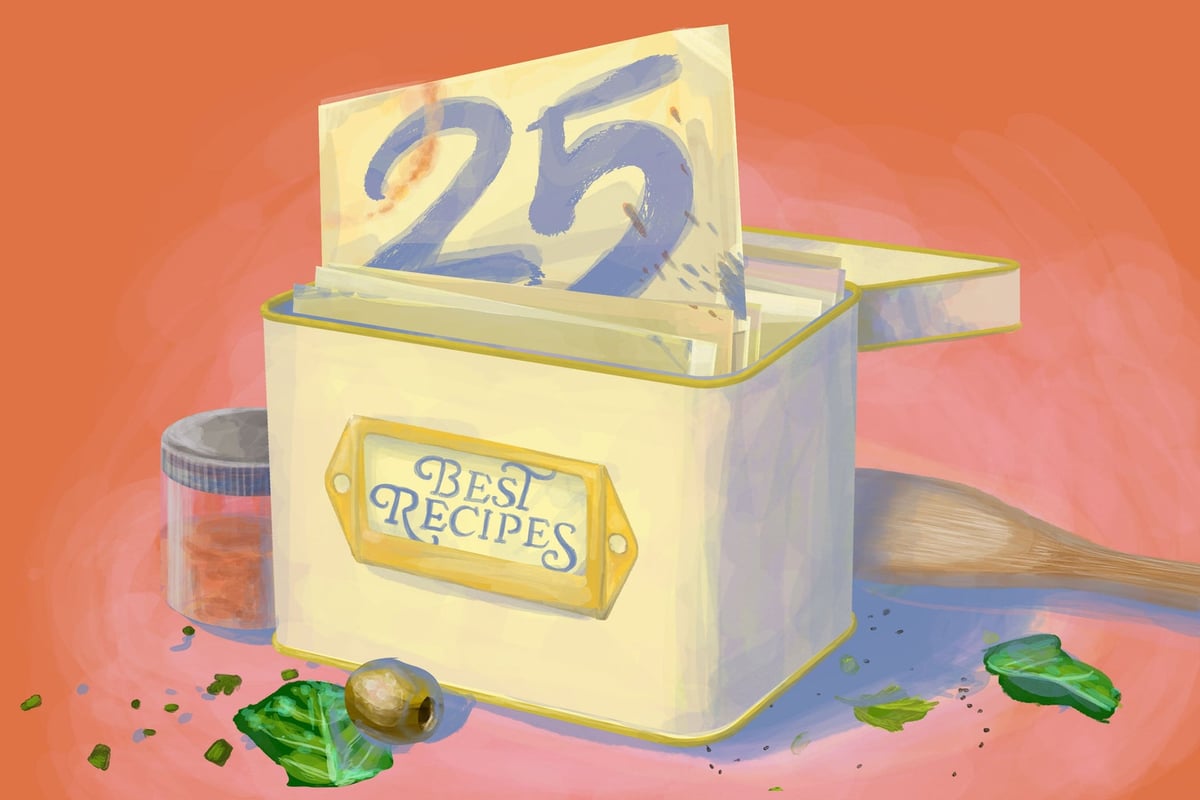
A great idea for a list: The 25 Most Important Recipes of the Past 100 Years. Includes caesar salad, the last word cocktail, Marcella Hazen’s tomato sauce, Julia Child’s beef bourg, no-knead bread, and Kenji’s reverse-sear steak. What’s missing?

Advertise here with Carbon Ads
This site is made possible by member support. ❤️
Big thanks to Arcustech for hosting the site and offering amazing tech support.
When you buy through links on kottke.org, I may earn an affiliate commission. Thanks for supporting the site!
kottke.org. home of fine hypertext products since 1998.
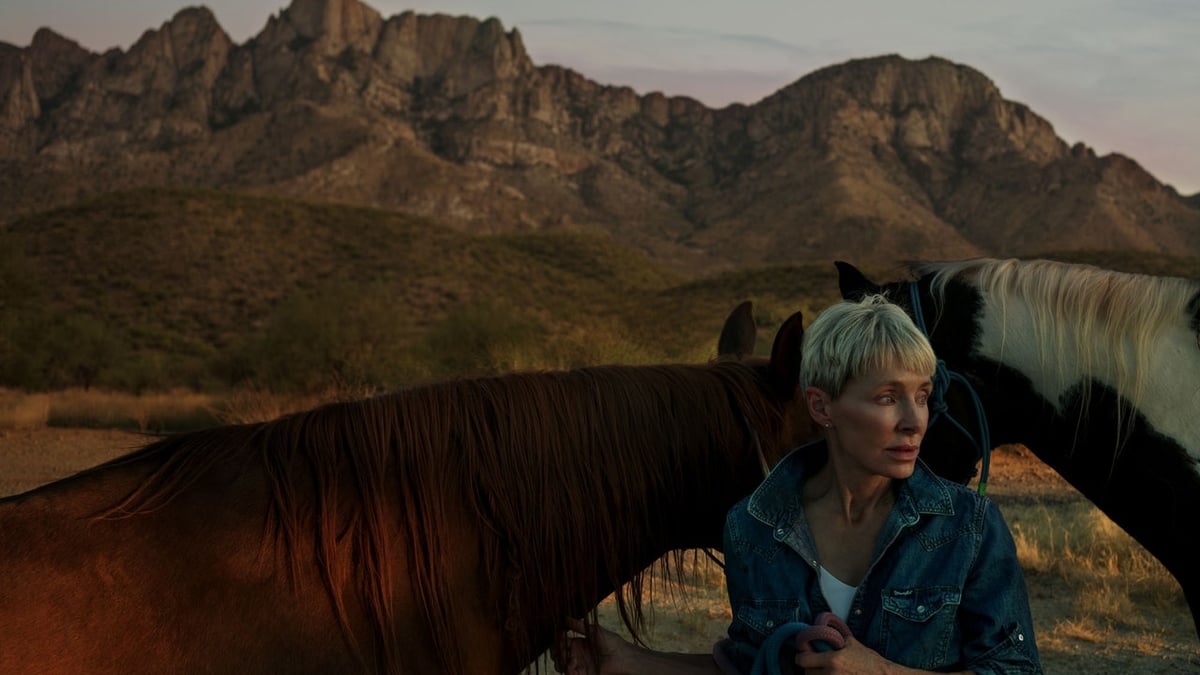
Augusta Britt, secret teenaged muse of a middle-aged Cormac McCarthy, sounds like a fascinating person but this profile of her in Vanity Fair does not do her justice.
The winners of the National Book Awards were announced last night — Percival Everett’s fantastic James deservedly took the prize for fiction. Full list of the winners here.
Cheese Crime
People like stealing fontina fortunes worth of cheese because it’s easy to sell on the black market and is hard to track. The mascarpone market probably doesn’t even have to be super dark for creamy criminals to launder their pinched cheese through conventional cheddar channels thus allowing the roquefort rapscallions to bathe forever in ill-gotten ricotta riches. Cheese is the most stolen food in the world, so let’s read about some cheese crime, shall we? (Unrelated, cheese fire.)
England, 2024: An arrest was made recently in the case of massive cheese theft suffered by Neal’s Yard Dairy who lost 950 wheels of cheese weighing a total of 48,500 pounds.
2017, Wisconsin (3 of them!): “Why would someone steal a truck stocked with thousands of pounds of yellow cheddar? Police and industry experts say it’s all about resale value. The cheese from Marshfield had an estimated retail value of $90,000. The other two stolen loads were worth $70,000 and $46,000 respectively.”
This could go on and on. By the way, did you know cheese.com has a whole list with nothin’ on it but different cheeses? You could just look at different cheeses ALL DAY!
Cher’s New Memoir

Cher has a book coming out, Cher, The Memoir, Part One, and Vulture has an excerpt about meeting Sonny Bono.
In my mind I was thinking, Yeah, OK, this old line. But I must have had a look on my face because he shook his head and laughed. “Don’t worry, I’ve got twin beds,” he said. With a grin he added, “And honestly, I don’t find you particularly attractive.” I was both insulted and relieved. And that’s how I became the potty-mouthed sidekick to a man eleven years older than me who was in the middle of a divorce.
I hadn’t realized Sonny was so much older than Cher, who was 16 when they met, which, uh, yeah. (via @georgehahn.bksy.social)
A report from the European championship of tram drivers. This was one of the tests: “Drivers had to come to a stop so gently that water did not slosh out of a bowl that was filled to the brim.”

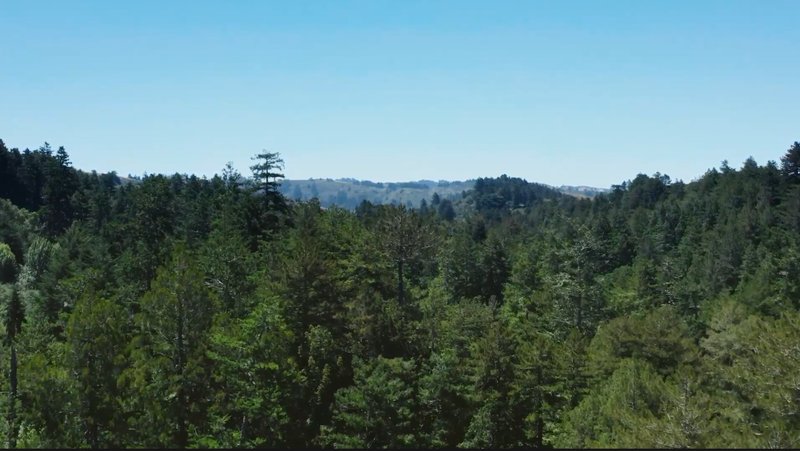
Photos by Noah Kalina of the oldest forest in the world (a 385-million-year-old forest in Cairo, New York) and the paleobotanist who discovered it. “Holy cats! These were roots and that’s where a tree stood 385 million years ago.”

Earth’s First Interstellar Transmission Is 50 Years Old
Oh wow, this is cool: an article in Scientific American about the Arecibo message, the first message purposely sent by humanity out into interstellar space. The piece is written by science writer Nadia Drake — the daughter of Frank Drake, who designed the message — and it digs into the details of how the whole thing came about.
I’ve somehow never read about the Arecibo message before. It was sent out from the Arecibo Telescope in Puerto Rico on November 16, 1974 towards global cluster M13. The message was in binary and when properly decoded upon receipt, should look like this:
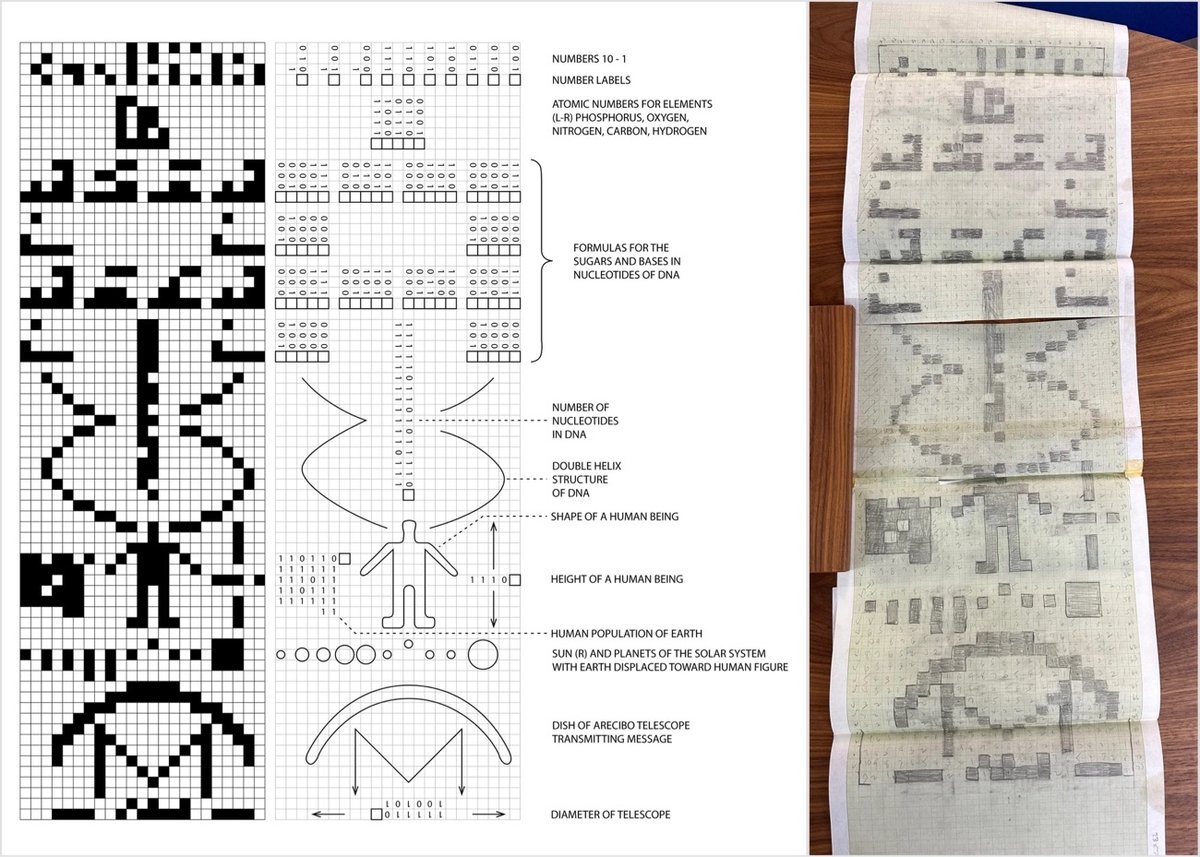
The drawing on the right is Frank Drake’s recently discovered first draft of the message.
Dad targeted a globular cluster of stars called Messier 13 (M13), or the Great Cluster in the constellation of Hercules, because it would conveniently be overhead at the time of the ceremony (nestled in a sinkhole, Arecibo’s giant dish was not fully steerable). In about 25,000 years, Dad’s message will reach M13 — or at least part of it, because the majority of the cluster’s thousands of stars will have moved out of the telescope’s beam by then. But anyone who’s around to detect the Arecibo transmission, and who figures out how to decode it, will have a blueprint telling them a lot about us: what we look like, which chemical elements and biomolecules make up our DNA, what our planetary system is and how many of us existed in 1974. Dad’s transmission concluded with a binary encoded representation of the Arecibo dish itself.
Read the whole thing…it’s fascinating.
Btw, in addition to creating the Arecibo message, Frank Drake also designed the Drake equation (“a probabilistic argument used to estimate the number of active, communicative extraterrestrial civilizations in the Milky Way Galaxy”), helped design the Pioneer plaque and the Voyager Golden Record, and generally kickstarted the whole SETI effort. (via @https://bsky.app/profile/astrokatie.com)
Today’s Work Music: A Groovy Autumn Mix
A few months ago, I posted about Lane 8’s seasonal mixes and I’m happy to report that the Fall 2024 Mixtape is now out. You can find it on Soundcloud, YouTube, and Apple Music. I’ve been listening for the past few days and it’s 🔥🔥.
Google & the US Forest Service are partnering to use machine learning to detect forest fires. “[FireSat] will provide global high resolution imagery that is updated every 20 minutes, enabling the detection of wildfires roughly the size of a classroom.”
Rafael Nadal has officially retired from professional tennis. One of the greatest to ever do it. “I’m not tired of playing tennis but my body doesn’t want to play anymore and you have to accept that.”

For the love of god, quit calling your newsletter “my Substack”. “You can talk about your work as *your work*. It’s your newsletter, or your email, or your blog. Or just your writing. But it sure as hell isn’t ‘your Substack.’”
Doomsday Fish
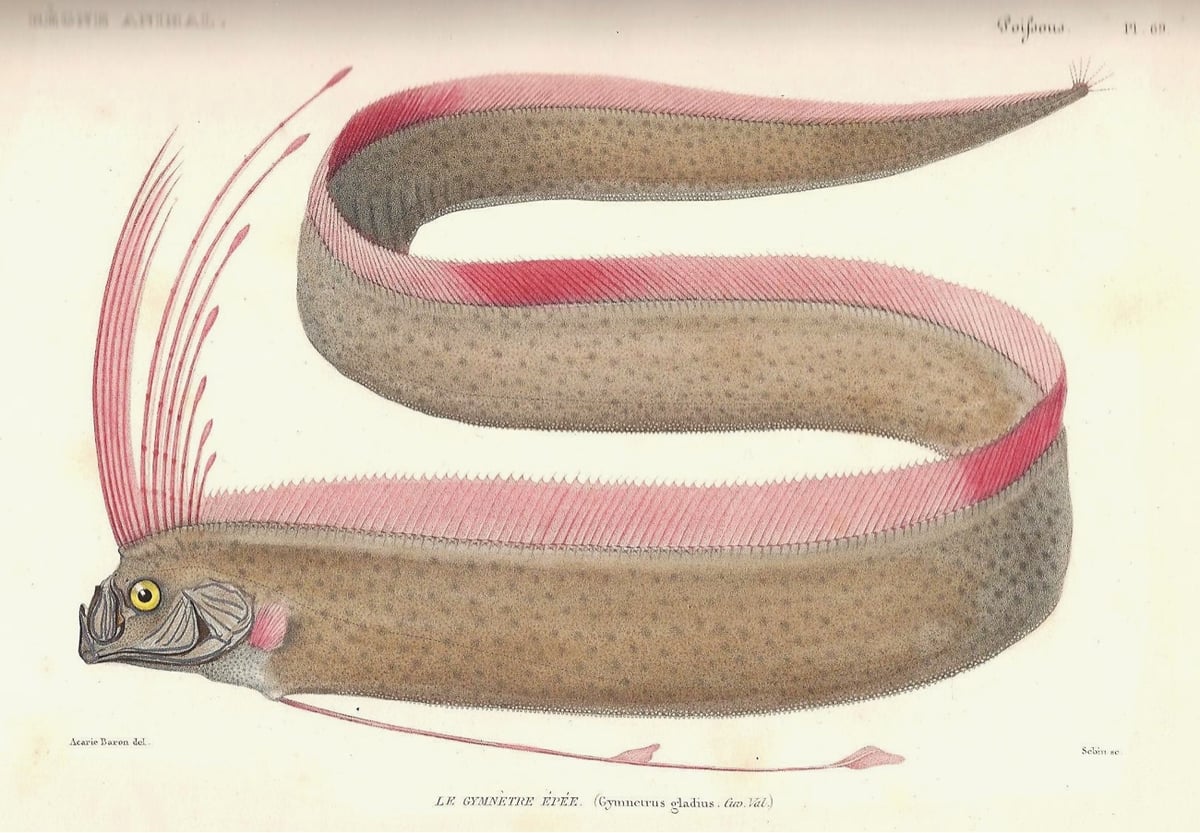
The oarfish is a very long fish people don’t normally see on account of it living deep, deep in the deep water, though three have washed up on the shores of Southern California in the last 3 months. The oarfish is referred to as the Doomsday Fish (a very cool name for a fish imo), because Japanese mythology considers seeing one of these fish, which can grow to be 30 feet, an omen of tsunamis or earthquakes. 12 washed up on the shores of Japan before the earthquake in 2011.
Don’t worry though because scientists looked into it and decided “the spatiotemporal relationship between deep‐sea fish appearances and earthquakes was hardly found.” Honestly, it’s a weird way to say “no the fish don’t mean an earthquake,” but it’s all we’ve got.
25 years after the much maligned DK Rap premiered to scorn in Nintendo’s Donkey Kong 64, the composer, Grant Kirkhope, has released a remix with the rapper Substantial that whips.

Every day, people go out and do the kind of stuff you’ve never imagined being possible, but they imagined it, and that’s what’s important.
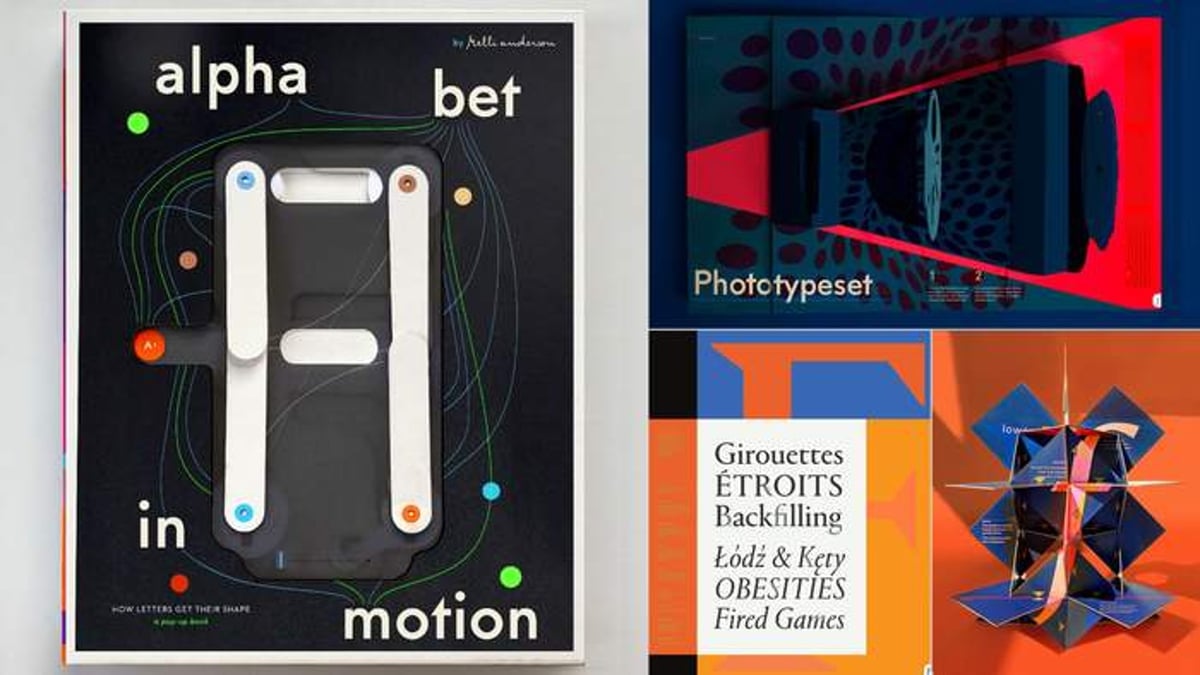
You still have a couple of days left to back Kelli Anderson’s pop-up book about typography on Kickstarter. It looks incredible.
Purple Isn’t Real
So we all know the color purple has always been associated with royalty because the dye used to make it was extremely limited because you could only get it from the Phoenician city of Tyre where a tiny snail lived. Dye makers had to “crack open the snail’s shell, extract a purple-producing mucus and expose it to sunlight for a precise amount of time,” and it took 250K snails to make an ounce of dye. But did we know purple isn’t like all the other colors?
Most of you here probably know that our perception of color comes down to physics. Light is a type of radiation that our eyes can perceive, and it spans a certain range of the electromagnetic spectrum. Individual colors are like building blocks in white light: they are subdivisions of the visible spectrum. For us to perceive an object as being of a certain color, it needs to absorb some of the subdivisions in the light that falls on it (or all of them, for black). The parts it reflects (doesn’t absorb) are what gives it its color. But not so for purple, because it is a non-spectral color.
Hahahah. Yessssss. Pound sand, Harold!
Asheville, NC has lifted its boil water notice after 53 days. Hurricane Helene left high sediment levels contaminating 80% of the city’s drinking water.
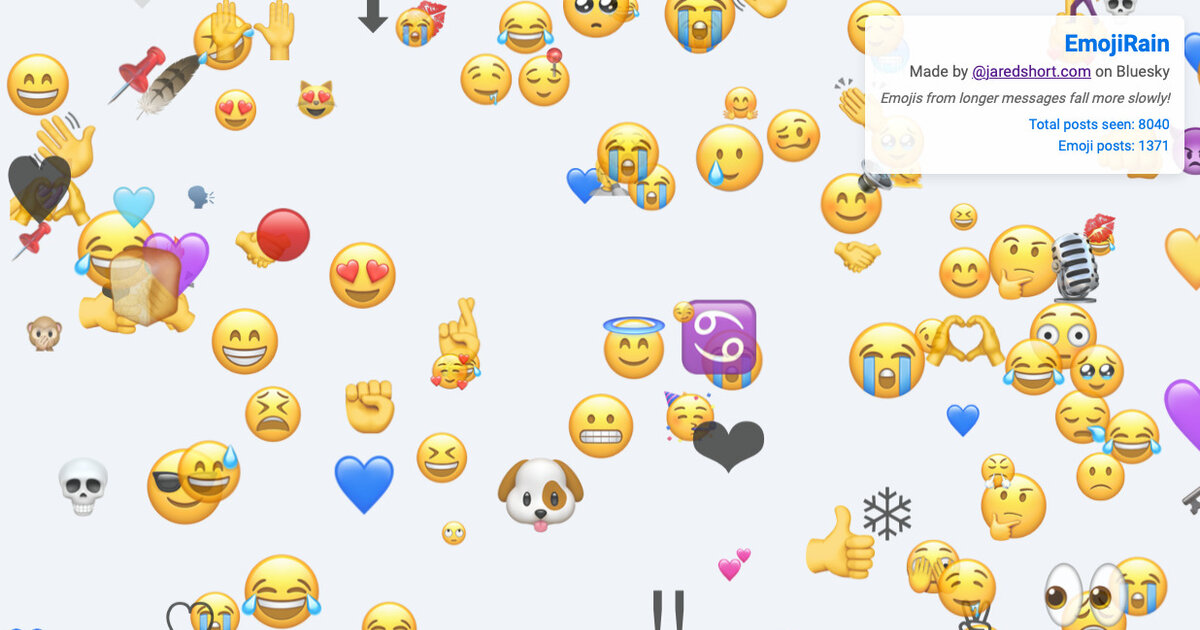
Emoji Rain is a visualization of emoji use on Bluesky. “Emojis from longer messages fall more slowly!” 🦋 💧 🌧️ ☔️ 🌈 🦄
How to Survive Our Authoritarian Post-Truth Era
For The Observer, Carole Cadwalladr published a list of pointers on how to survive in Trumpist America, inspired by Timothy Snyder’s Fighting Authoritarianism: 20 Lessons from the 20th Century that was published in the wake of the 2016 election. Some of these are excellent:
1 When someone tells you who they are, believe them. Last week Donald Trump appointed a director of intelligence who spouts Russian propaganda, a Christian nationalist crusader as secretary of defence, and a secretary of health who is a vaccine sceptic. If Trump was seeking to destroy American democracy, the American state and American values, this is how he’d do it.
2 Journalists are first, but everyone else is next. Trump has announced multibillion-dollar lawsuits against “the enemy camp”: newspapers and publishers. His proposed FBI director is on record as wanting to prosecute certain journalists. Journalists, publishers, writers, academics are always in the first wave. Doctors, teachers, accountants will be next. Authoritarianism is as predictable as a Swiss train. It’s already later than you think.
5 You have more power than you think. We’re supposed to feel powerless. That’s the strategy. But we’re not. If you’re a US institution or organisation, form an emergency committee. Bring in experts. Learn from people who have lived under authoritarianism. Ask advice.
15 Remember. Writer Rebecca Solnit, an essential US liberal voice, emails: “If they try to normalize, let us try to denormalize. Let us hold on to facts, truths, values, norms, arrangements that are going to be under siege. Let us not forget what happened and why.”
This is a good time to revisit Snyder’s original list as well. Like Cadwalladr, I think about this one all the time:
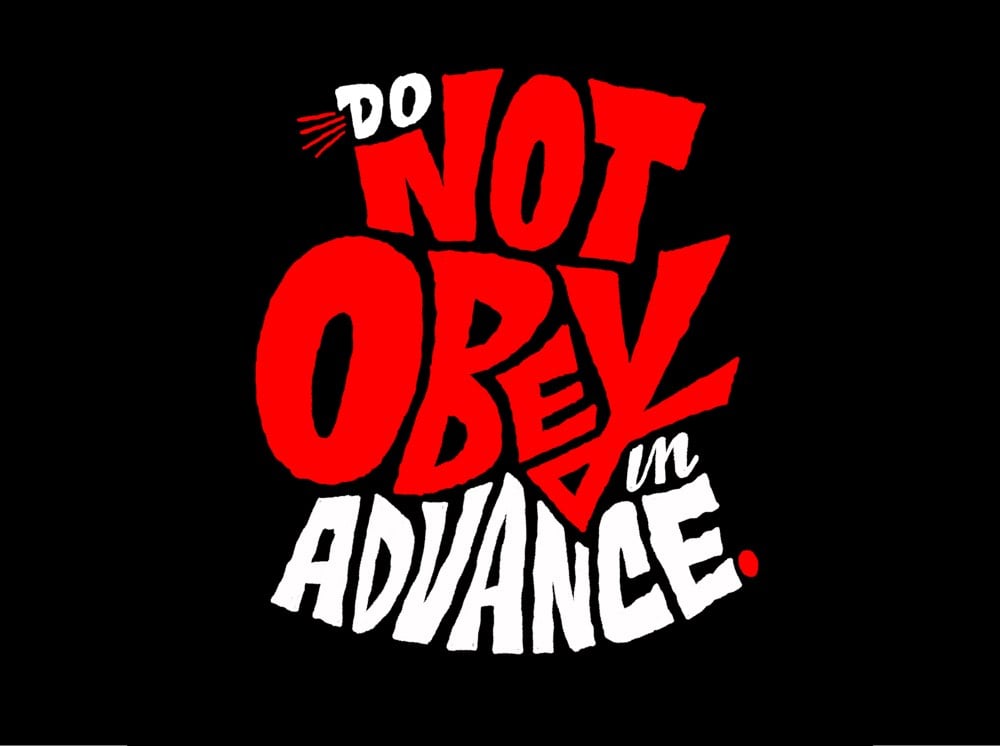
1. Do not obey in advance. Much of the power of authoritarianism is freely given. In times like these, individuals think ahead about what a more repressive government will want, and then start to do it without being asked. You’ve already done this, haven’t you? Stop. Anticipatory obedience teaches authorities what is possible and accelerates unfreedom.
Note: Illustration by the awesome Chris Piascik.
Weight of the World
Premiering this Friday (Nov 22) on FX is a short documentary from The New York Times called Weight of the World about GLP-1 drugs. Here’s the synopsis:
As GLP-1 drugs like Ozempic soar in popularity for weight loss, this film follows three people on their own GLP-1 journeys and explores how decades of diet culture and society’s relentless pursuit of thinness paved the way for their rise.
The doc features Roxane Gay & Tressie McMillan Cottom and will will be available on Hulu on Nov 23.
Can A Bike Flip On A Train
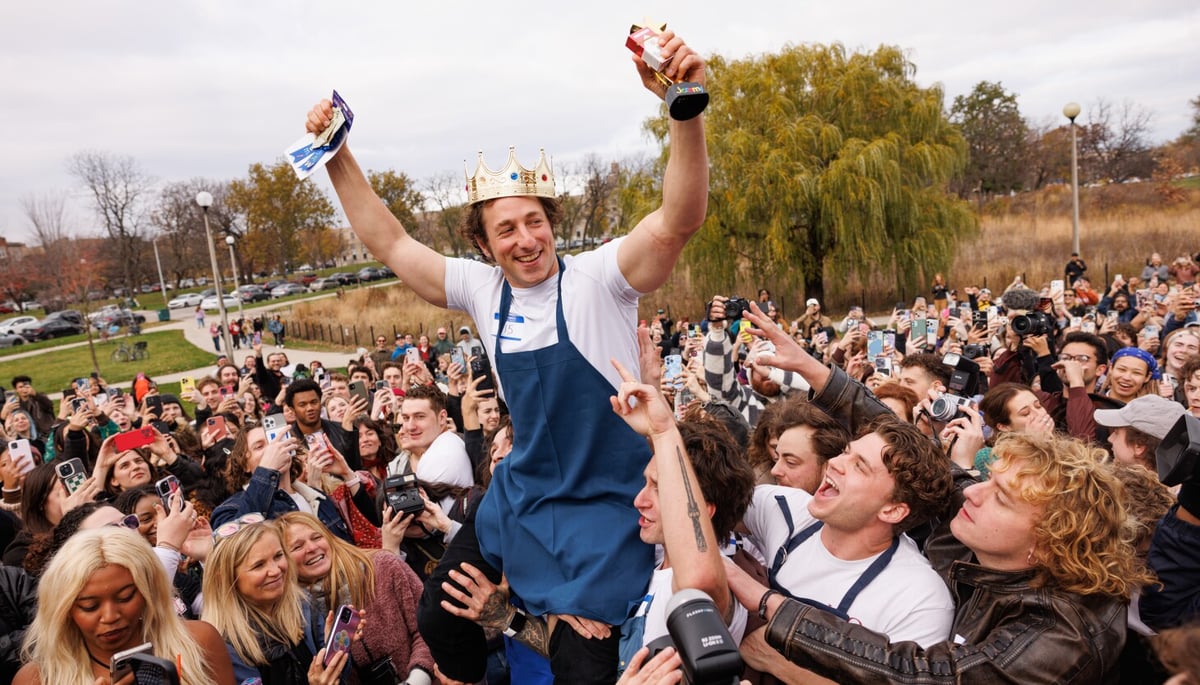
Something I still think about is the “Can a plane take off on a treadmill,” so imagine my glee at discovering these superheroes trying to flip a bike on a moving train. Yes, it’s glee I felt. I’m gleeing all over the place right now. (Not to be violent, but I thought the plane taking off on a treadmill post was from 10 years ago, but it’s from 2006.)
Christian Right Lobbies To Overturn Second Law Of Thermodynamics. “What do these scientists want us teaching our children? That the universe will continue to expand until it reaches eventual heat death?”

The trailer for Mission: Impossible – The Final Reckoning. Tom Cruise…still running. I can’t wait to see what he falls off of, clings to, leaps onto, or is thrown from this time!
Less Uniform Social Media Experiences
In the MIT Technology Review, Mat Honan makes two points about changes in the world of social media with both Bluesky and Threads seeing massive growth in November accelerated by the election and people leaving Twitter. The era of everyone having a uniform social media experience is ending. And that’s good.
The first is that tech and politics are just entirely enmeshed at this point. That’s due to the extreme extent to which tech has captured culture and the economy. Everything is a tech story now, including and especially politics.
The second point is about what I see as a more long-term shift away from centralization. What’s more interesting to me than people fleeing a service because they don’t like its politics is the emergence of unique experiences and cultures across all three of these services, as well as other, smaller competitors.
I loved Twitter early on when it felt like everyone was building their own communities, and then it stopped feeling like that, and then it got worse and worse. For the most part, it seems like my better friends from Twitter went to Threads, but I can’t really figure out the vibe over there, which is annoying because I’m too old to make new friends. I’m on Bluesky and like it very much. One of the more helpful features is letting individual users create their own Starter Packs, so if you want to, for example follow a community of Carly Rae Jepsen fans, you can do that really easily because I made a starter pack for you.
90 seconds of Miss Piggy absolutely roasting Martha Stewart. “Oh, how obsessive!”
If you need a refresher, here’s the official 2-minute recap of Severance season one from Apple TV+.
What Is The Most Surprising Predator Prey Relationship?
OK, I see you have your hand up with an answer, but I’m going to take this one, alright? Killer whales hunt moose. Right? That’s the most surprising.
It is not terribly common, but in the Pacific Northwest, habitats of two of the more massive mammals intersect. Moose will swim to look for food or escape other predators and orcas will eat anything once, just like Jason. For more on the reasons orcas sometime eat moose, we turn now to noted naturalist publication, Forbes.
One documented incident occurred in 1992 in Alaska, when a hungry pod of four Biggs’ killer whales attacked a pair of swimming moose. They feasted on the larger of the two. The smaller one escaped the feeding frenzy, but it was wounded so badly that it was unable to keep swimming and drowned a little later.
So are killer whales, with their jerky tendencies and habit of toying with prey the bluejay of the sea? I say no. Bluejays have no redeeming qualities and orcas sink yachts for fun, anecdotally save humans from sharks, rescue trapped whales, and wash the dishes after dinner. I made up that last one, no clue if they do the dishes at not. I know for sure bluejays don’t, the bullies.
“In 2018, Nerds products brought in $40 million in sales. In the past calendar year, the company said, that number jumped to $800 million.” NERDS Gummy Clusters are good as hell and everyone’s talking about them.
Roxane Gay: “To suggest we should yield even a little to Mr. Trump’s odious politics, to suggest we should compromise on the rights of trans people, for instance, […] is unacceptable. It is shameful and cowardly.” Yes, yes, yes, 1000% this.

Trump’s Historically Small Victory
I honestly did not read most of this article, but I wanted to draw your attention to some facts about the recent presidential election that you might find surprising:
While Mr. Trump won the popular vote for the first time in three tries, he garnered just 50.1 percent nationally, according to the latest tabulation by The Times, just 1.8 percentage points ahead of Vice President Kamala Harris. When the slow-counting blue giant of California finally finishes tallying its votes, that margin is likely to shrink a bit more. The Cook Report already calculates that his percentage has fallen below 50 percent, meaning he did not win a majority.
Wherever it eventually falls, Mr. Trump’s margin of victory in the national popular vote will be one of the smallest in history. Since 1888, only two other presidents who won both the Electoral College and the popular vote had smaller margins of victory: John F. Kennedy in 1960 and Richard M. Nixon in 1968. (Both Mr. Trump in 2016 and George W. Bush in 2000 won the Electoral College, and therefore the presidency, without winning the popular vote.)
Mr. Trump can boast that he increased his margin in the Electoral College, winning 312 votes this year to the 306 he garnered eight years ago. But according to nearly complete totals, he secured his most recent victory by just a cumulative 237,000 votes in three states that, had they gone the other way, would have meant victory for Ms. Harris.
It’s fine for Trump to crow about his massive election win, but everyone else should realize how historically small his victory actually was. And how he might not have won at all if not for the pressure the Republicans have put on our systems of voting over the past decades (all manner of voter suppression), the billionaires propping up his campaign with hundreds of millions of dollars when he couldn’t keep pace with his opponent in non-PAC fundraising, and the will of post-pandemic voters worldwide who wanted the incumbents out no matter what. Mandate schmandate.
Note: You wouldn’t even need all of those “cumulative 237,000 votes” to go the other way — all you’d need is half + 1. So we’re talking about ~118,500 voters out of ~155 million. That’s razor thin.
This Week
Hello there everybody. I’m working on some programming stuff to enable some future new features for the site this week, so I’m going to be around a little less than usual. My pal Aaron Cohen (previously) is going to be here to fill in some of the gaps, so be on the lookout for that. 👯♂️
In the meantime, what was one small thing you did this weekend that made you or someone else smile, laugh, relax, or feel satisfied? After a productive day yesterday, I treated myself to the first episode of the new season of Silo, read Craig Mod’s Things Become Other Things for 30 minutes, and listened to James by Percival Everett on audiobook for 20 minutes.
You might be able to fit an entire orange in your mouth. But can you get it out again? “Temporarily blind and gasping in my own private world of consequences, I was unaware of the cone of devastation that I had unleashed…”
Downhill Skateboarding
On these downhill skateboarding things, I’m always wondering why there aren’t any cars, but uh, there are cars in this one. Josh Neuman skateboarding down a mountain road while cars come up makes me real nervous! He almost skates into a barrier at 2:07, and towards the end there’s a biker riding up the hill going very slow showing how steep this is. I don’t know. It’s too fast I think. Love to see someone as good at their job as this guy.
Haymarket Books is giving away 10 free ebooks that meet this moment in US history, including titles by Rebecca Solnit, Angela Davis, Mariame Kaba, and Keeanga-Yamahtta Taylor.
Jason Koebler at 404 Media: The Great Migration to Bluesky Gives Me Hope for the Future of the Internet. He also explains why he’s bullish on Bluesky and not Mastodon (“difficult to make a diverse and active feed”) or Threads.

This is an astute observation about the conservative sense of permanent resentment: “They’re seeking political power as a substitute for cultural power, and it’s never going to give them what they actually want.”
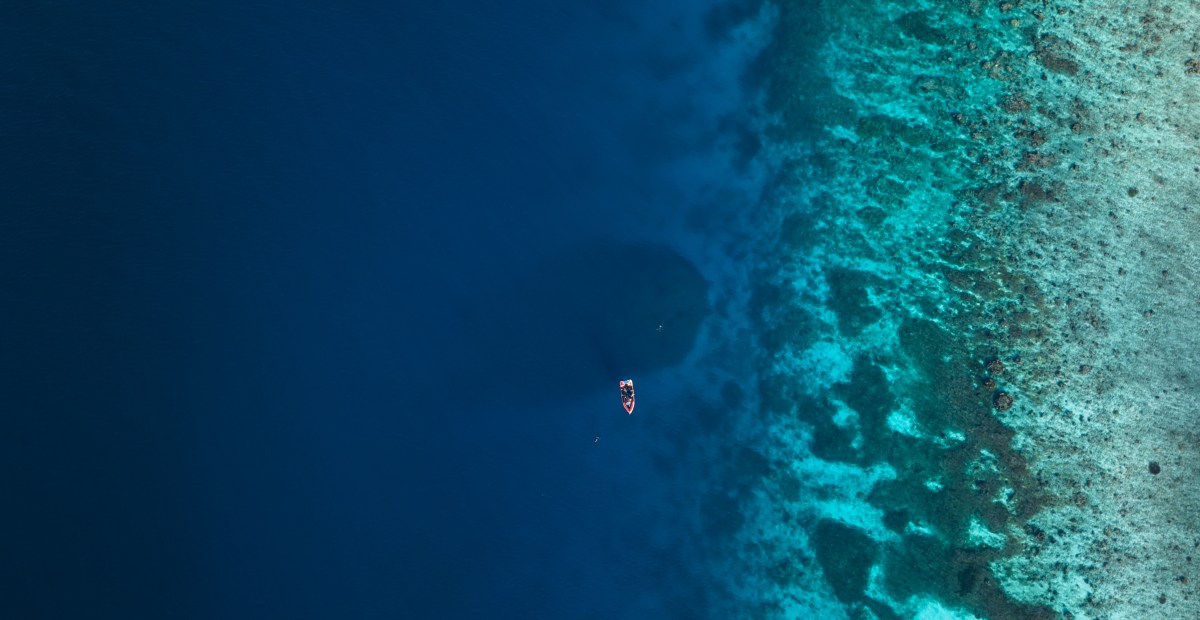
Scientists have found an individual coral colony that’s large enough to be seen from space. “Given its size and the slow speed at which corals grow, this individual is likely several centuries old.”
Let’s Build a Massive Meta McDonald’s in Times Square
Writing for The Awl, Jeb Boniakowski shares his vision for a massive McDonald’s complex in Times Square that serves food from McDonald’s restaurants from around the world, offers discontinued food items (McLean Deluxe anyone?), and contains a food lab not unlike David Chang’s Momofuku test kitchen.
The central attraction of the ground floor level is a huge mega-menu that lists every item from every McDonald’s in the world, because this McDonald’s serves ALL of them. There would probably have to be touch screen gadgets to help you navigate the menu. There would have to be whole screens just dedicated to the soda possibilities. A concierge would offer suggestions. Celebrities on the iPad menus would have their own “meals” combining favorites from home (“Manu Ginobili says ‘Try the medialunas!’”) with different stuff for a unique combination ONLY available at McWorld. You could get the India-specific Chicken Mexican Wrap (“A traditional Mexican soft flat bread that envelops crispy golden brown chicken encrusted with a Mexican Cajun coating, and a salad mix of iceberg lettuce, carrot, red cabbage and celery, served with eggless mayonnaise, tangy Mexican Salsa sauce and cheddar cheese.” Wherever possible, the menu items’ descriptions should reflect local English style). Maybe a bowl of Malaysian McDonald’s Chicken Porridge or The McArabia Grilled Kofta, available in Pakistan and parts of the Middle East. You should watch this McArabia ad for the Middle Eastern-flavored remix of the “I’m Lovin’ It” song if for nothing else.
And I loved his take on fast food as molecular gastronomy:
How much difference really is there between McDonald’s super-processed food and molecular gastronomy? I used to know this guy who was a great chef, like his restaurant was in the Relais & Châteaux association and everything, and he’d always talk about how there were intense flavors in McDonald’s food that he didn’t know how to make. I’ve often thought that a lot of what makes crazy restaurant food taste crazy is the solemn appreciation you lend to it. If you put a Cheeto on a big white plate in a formal restaurant and serve it with chopsticks and say something like “It is a cornmeal quenelle, extruded at a high speed, and so the extrusion heats the cornmeal ‘polenta’ and flash-cooks it, trapping air and giving it a crispy texture with a striking lightness. It is then dusted with an ‘umami powder’ glutamate and evaporated-dairy-solids blend.” People would go just nuts for that. I mean even a Coca-Cola is a pretty crazy taste.
I love both mass-produced processed foods and the cooking of chefs like Grant Achatz & Ferran Adrià. Why is the former so maligned while the latter gets accolades when they’re the same thing? (And simultaneously not the same thing at all, but you get my gist.) Cheetos are amazing. Oscar Meyer bologna is amazing. Hot Potato Cold Potato is amazing. Quarter Pounders with Cheese are amazing. Adrià’s olives are amazing. Coca-Cola is amazing. (Warhol: ” A Coke is a Coke and no amount of money can get you a better Coke than the one the bum on the corner is drinking.”) WD50’s Everything Bagel is amazing. Cheerios are amazing. All have unique flavors that don’t exist in nature — you’ve got to take food apart and put it back together in a different way to find those new tastes.
Some of these fancy chefs even have an appreciation of mass produced processed foods. Eric Ripert of the 4-star Le Berdardin visited McDonald’s and Burger King to research a new burger for one of his restaurants. (Ripert also uses processed Swiss cheese as a baseline flavor at Le Bernardin.) David Chang loves instant ramen and named his restaurants after its inventor. Ferran Adrià had his own flavor of Lay’s potato chips in Spain. Thomas Keller loves In-N-Out burgers. Grant Achatz eats Little Caesars pizza.
You’ll soon be able to watch your local PBS station & PBS Kids through Amazon Prime. There will also be a dedicated Reading Rainbow channel. All of free…no Prime membership needed.

“…trans posters were the earliest adopters of Bluesky and were able to forge the platform into what it is today: funny, frequently horny, and with very strong moderation tools. If you like Bluesky’s vibe right now, thank a trans person.”

Today’s Google Doodle is a celebration of the kayak, illustrated by Inuit Nunangat artist Natashia Allakariallak. “These small and narrow watercraft were created thousands of years ago for hunting, fishing, and transportation.”

Might As Well Face It, You’re Addicted to Running
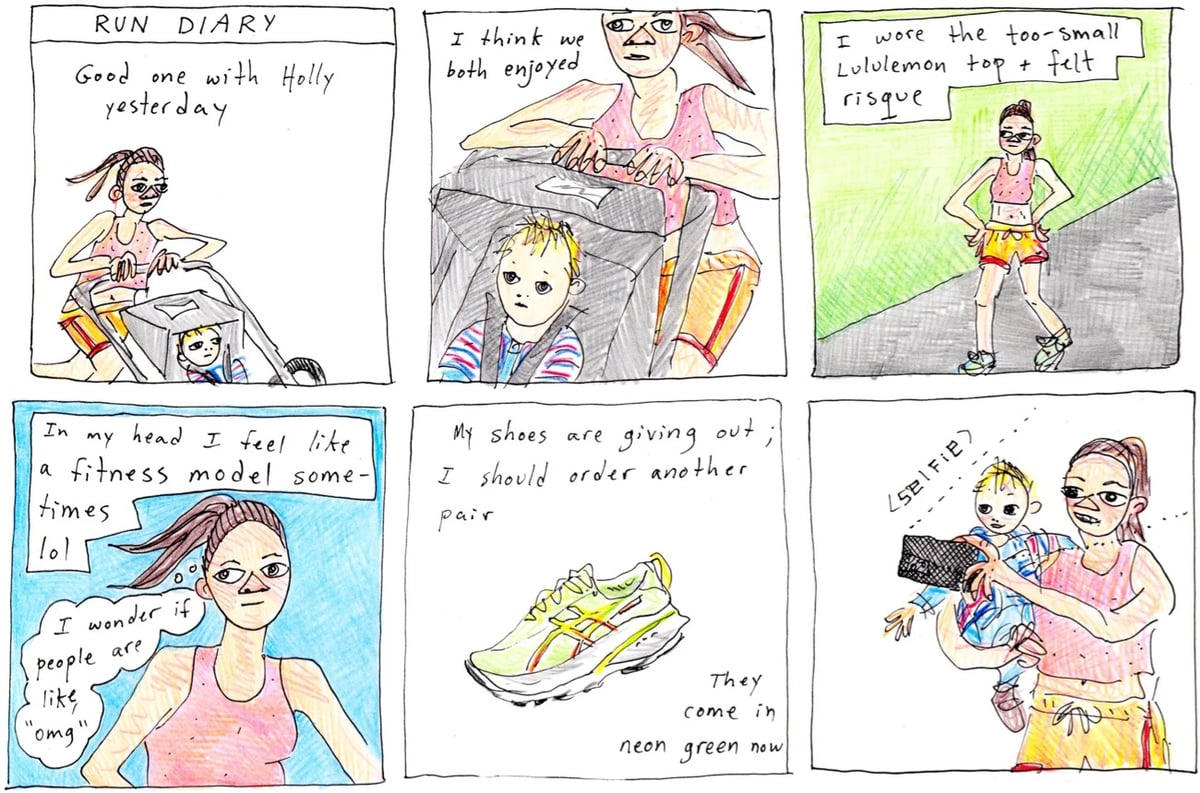
In a piece for Vogue, Edith Zimmerman writes about trading one addiction for another: A Former Drinker Asks, Am I Addicted to Running?
And running is good. I don’t have to lie about it or hide it. It makes me happy, and it makes my life better. There are little parallels between running and drinking, though: I feel antsy, for instance, on days when I can’t run (that itch!). And I backpedal on the days I plan to rest — I’ll just go for a quick one right now and take tomorrow off instead. And I don’t understand the people — my friends — who run only once or twice a week. Why not more? Wouldn’t you want to do it every day?
Edith and I traded Insta memes this morning about running and mountain biking. I’ve been mtn biking for four years now but this year was the first time it felt urgent — every few days, I had to get out on the bike. And each time I did, I wanted to ride harder and faster and better. I pushed it so hard I almost died and didn’t ride for a month, during which period I wasn’t feeling apprehensive about getting back on the bike, I was impatient and antsy that I couldn’t. Since getting back to it, I’ve modified my approach — less aggressive, more life preserving — but the need to get out remains. I don’t know what I’m going to do this winter without it.
A report from the American Immigration Council on Trump’s mass deportation plan. “There is no way to engage in mass deportation without fundamentally changing the federal government, the national economy, and, ultimately, America itself.”
Fake Bear Commits Insurance Fraud
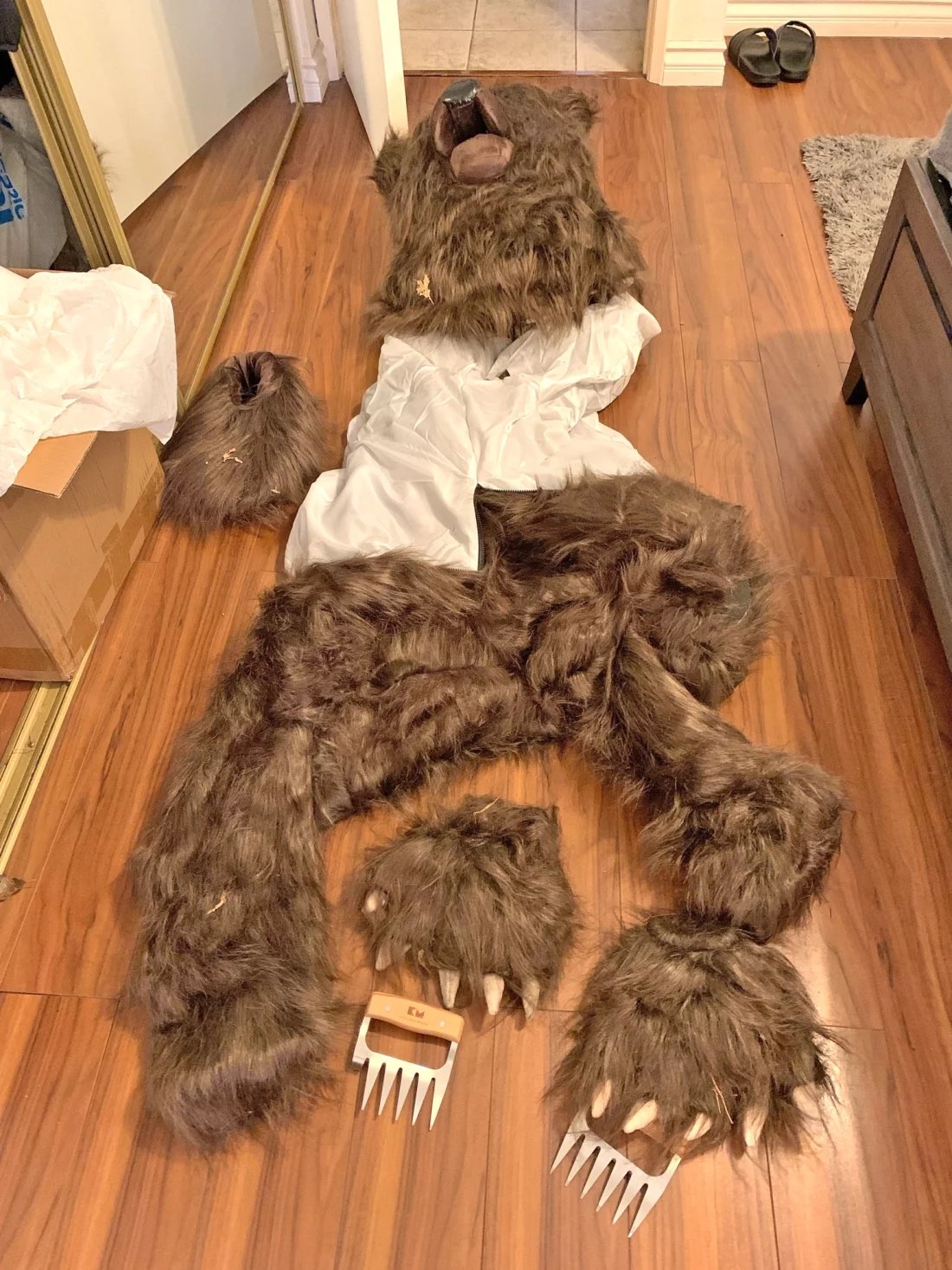
California Department of Insurance investigators watched the footage of a bear damaging the inside of a car because who wouldn’t watch that kind of video if it was submitted to them in a work setting, I know I sure would, but the thing is when the CDI investigators watched the footage they realized it wasn’t a bear at all, but a person in a bear costume, which you can bet your butt is insurance fraud if you know anything about fraud or insurance or bears.
Four individuals were arrested recently after submitting 3 insurance claims for 3 different cars in the same date and location after one of them put on the costume below and scratched up the inside of the car and they didn’t even do that good a job scratching up the car neither. This is what a real bear will do to the inside of a car, for what it’s worth.
The Violin. “A stack of hundred-year-old photos lead to the discovery of a family treasure hiding in plain sight.”

Strata: Layered Watercolor Gradients
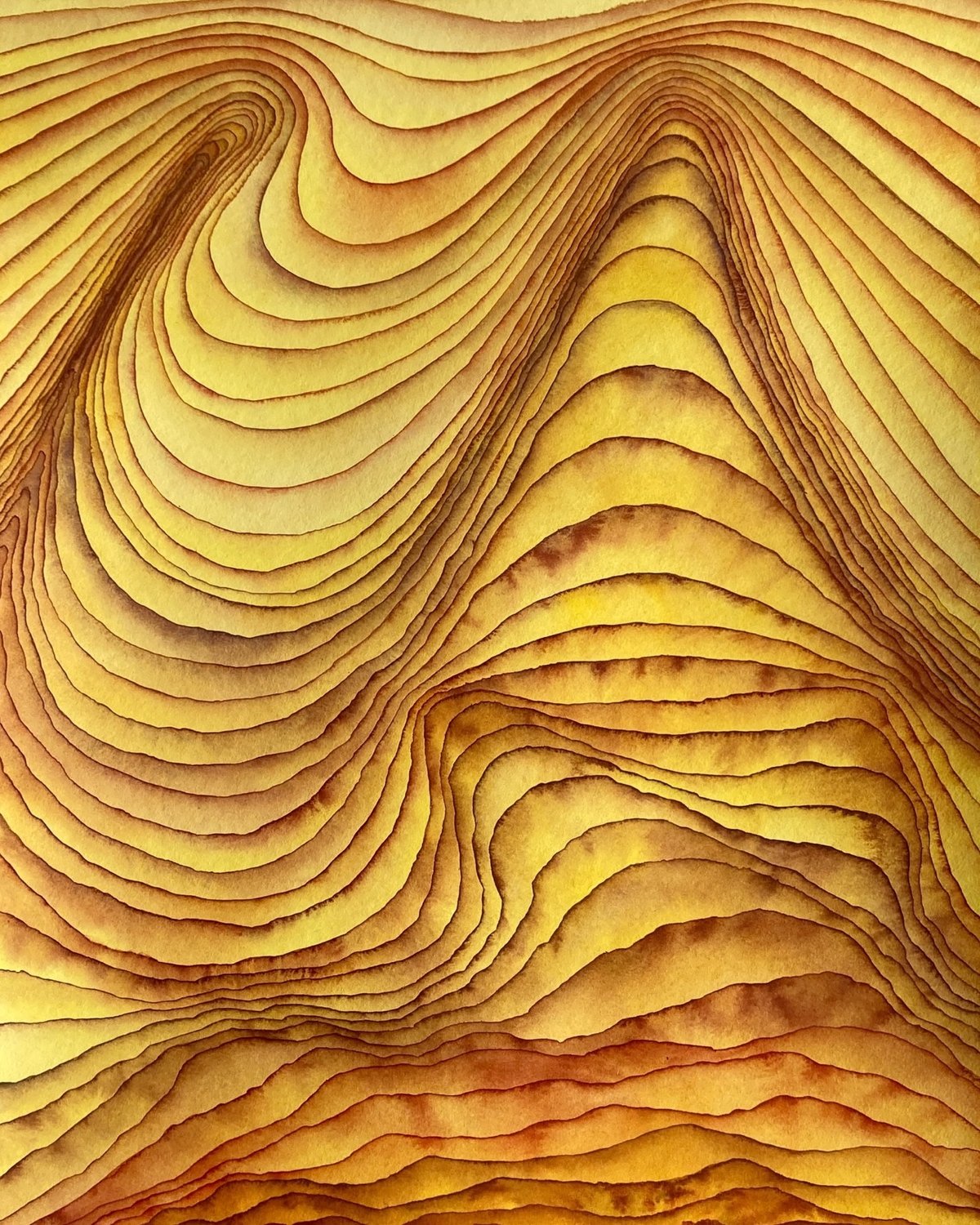
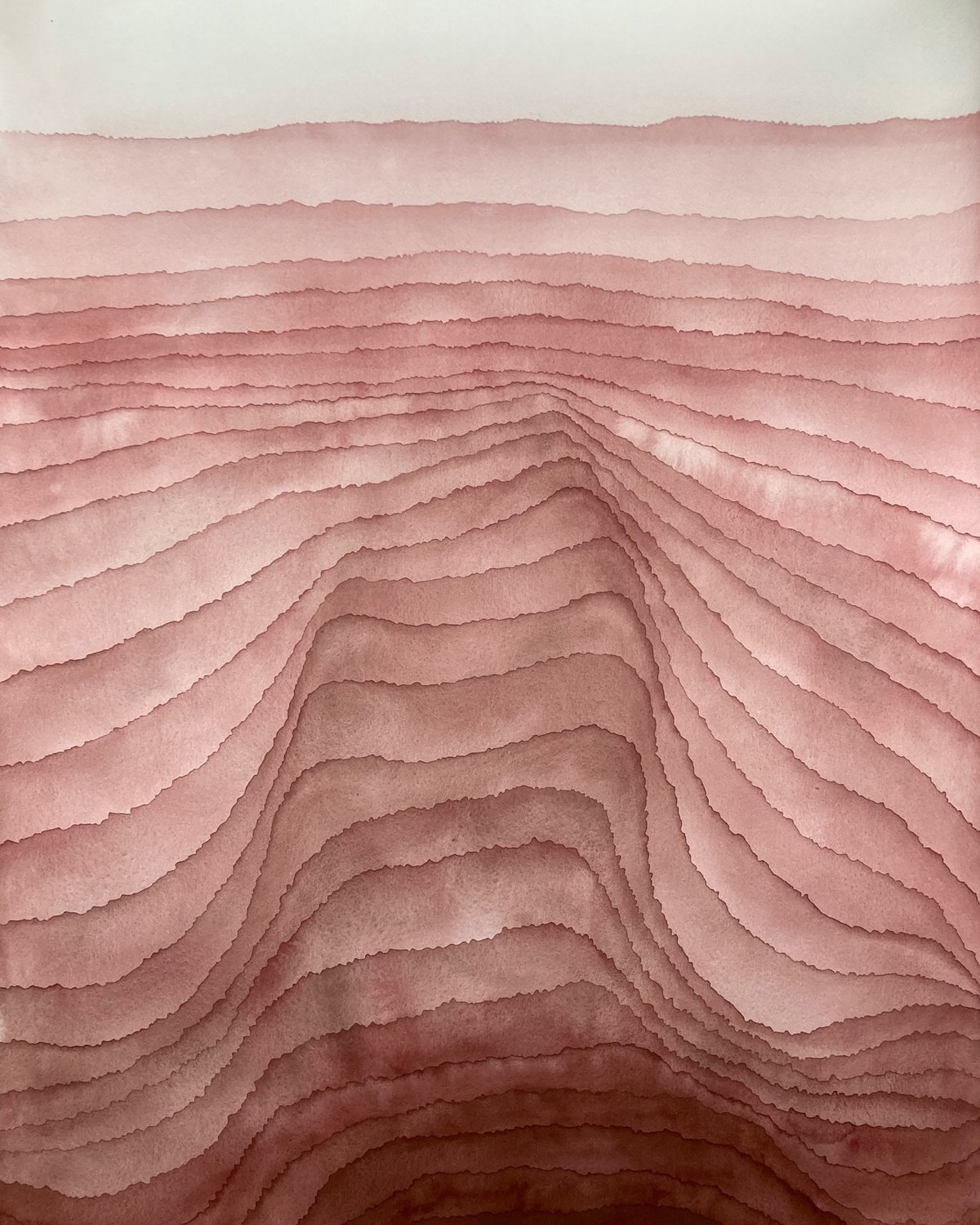
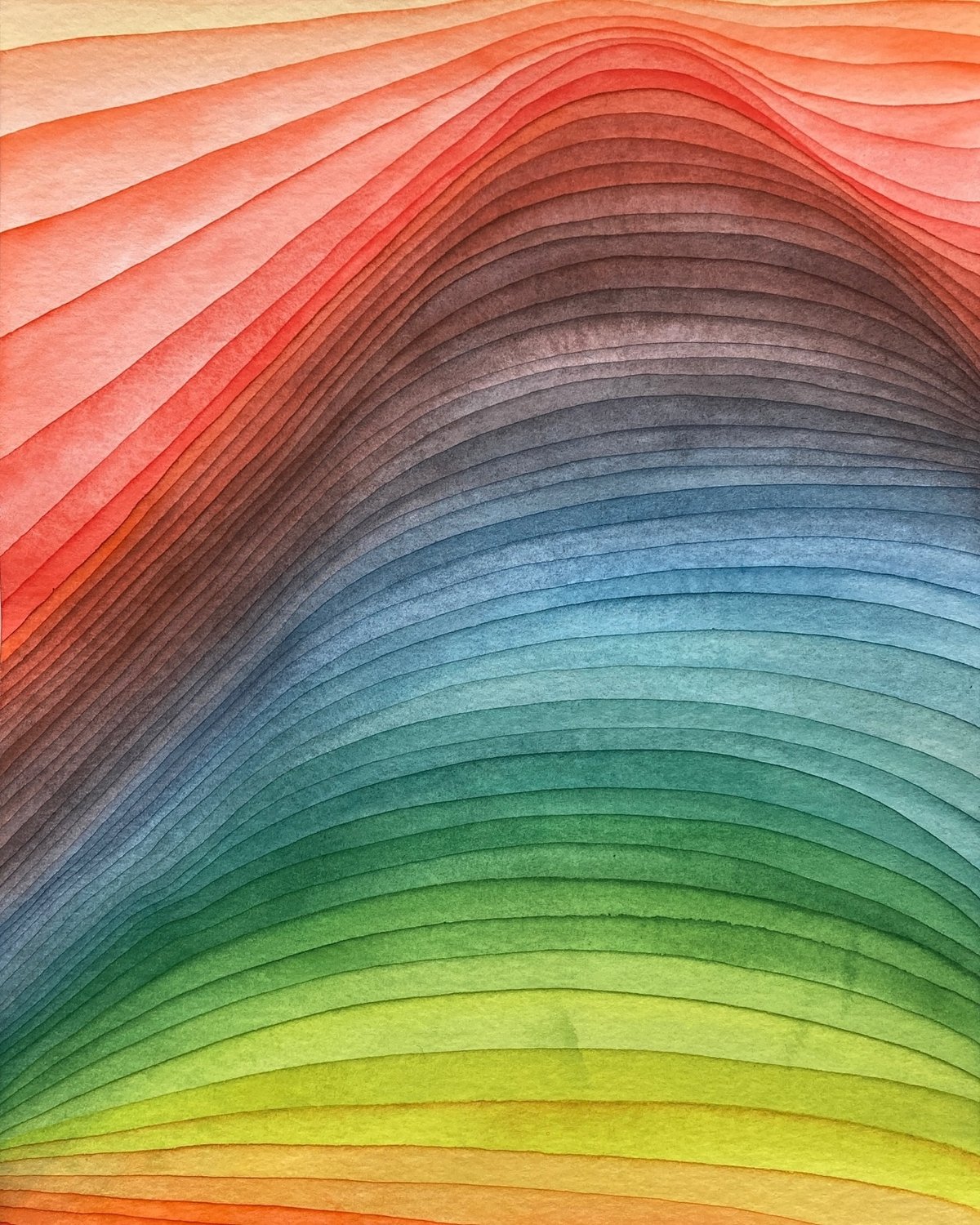
You know me, I love a good gradient. These watercolors are from a series called Strata by Mikael Hallstrøm Eriksen, an artist who uses “repetitive and accumulative mark-making” in his work.
You can check out more of Eriksen’s work on Instagram.The works in the Strata-series are inspired by geological and natural phenomena — sediments, horisons, bodies of water, etc. These works explore a colourful imagery of accumulation, distance and transformation. Within geology and archeology, strata (singular: stratum) refers to layers (of rock, soil, culture etc.) possessing internally consistent characteristics making them distinguishable from each other.
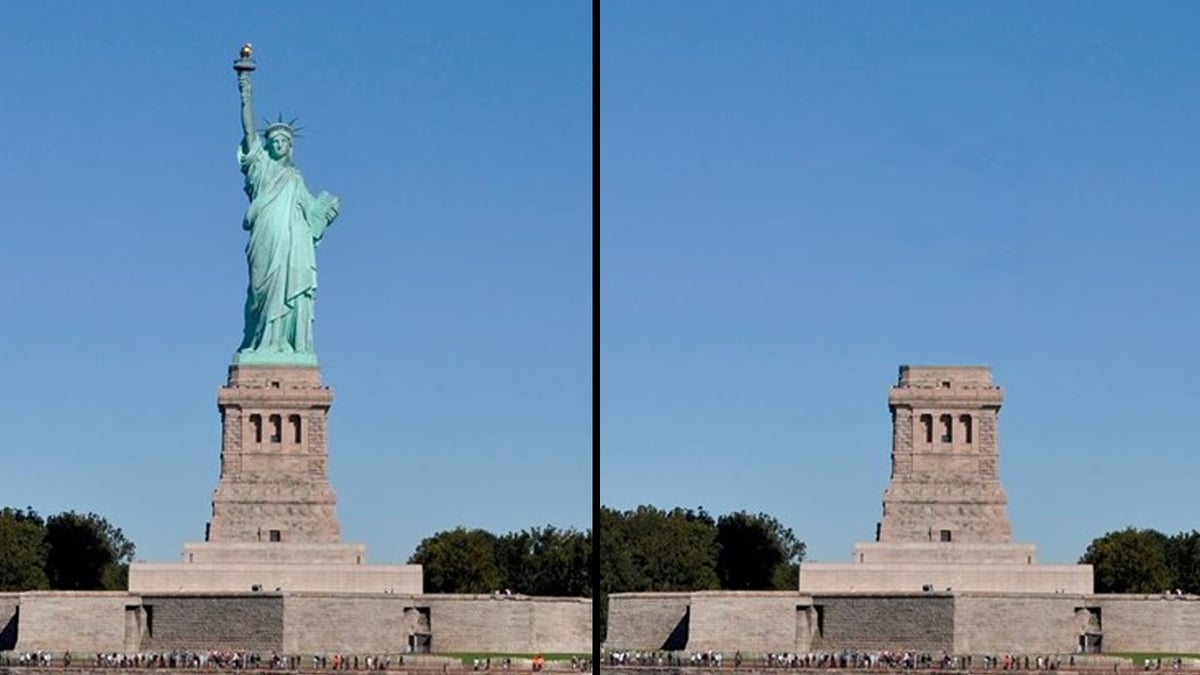
This is how David Copperfield made the Statue of Liberty disappear on live television in 1983. This was a *huge* event in my childhood and I am thrilled to finally learn how it was done.
Stay Connected