Hey there everyone. As I quickly touched on over the weekend, I launched a few new tweaks/features for the comments here on kottke.org:
1. Ability to edit comments. After you post a new comment, you’ve got 10 minutes to edit it — to fix any typos, formatting slip-ups, or quick extra thoughts. After 10 minutes, the comment is locked. Edited comments are denoted by some text (“Edited”) next to the timestamp of the comment and you can click on it to see the comment’s original text.
2. A (hopefully) less confusing posting interface. I still haven’t totally dialed this in, but the inline reply box wasn’t working, particularly when you tried replying to the last comment in a thread and then you had Dueling Comment Textareas but only one was the One True Textarea — chaos. Now everything (posting, replying, editing) is in a popup modal. We’ll see how that works.
3. There’s been a list of recently active comment threads on the front of the site for a couple of months now. One of the biggest feature requests I’ve gotten is a way for people to follow threads that they’ve participated in, to see if others have replied to them, etc. There are lots of potential ways to tackle this problem, but for right now, I’ve added a tab to the front page comment widget that lists threads that you’ve commented in that have new comments. It’s not perfect, but neither is turning the whole site into Reddit or a social media site. Navigating that middle path is going to be tricky — I don’t want to end up in a place where several things about the site half-work — but hey it’s fun to be out here experimenting.
Given this refresh, this seems like a good moment to check in on how comments are going overall. Here’s what I wrote when they launched back in October:
“Always good, often great, and occasionally sublime” describes a lot of the feedback I get via email and social media — kottke.org readers are a super-interesting bunch and very often share things that are more interesting than whatever thing I posted that prompted them to write in. Reader comments become more valuable to everyone who reads the site when they’re relocated from my inbox and from disparate threads on various social sites to the site itself. Some days, my inbox is the best thing on the internet and I want to bring that vibe to the site.
The timing feels right. Twitter has imploded and social sites/services like Threads, Bluesky, and Mastodon are jockeying to replace it (for various definitions of “replace”). People are re-thinking what they want out of social media on the internet and I believe there’s an opportunity for sites like kottke.org to provide a different and perhaps even better experience for sharing and discussing information. Shit, maybe I’m wrong but it’s definitely worth a try.
I have been very happy with how the comments have gone over the past 6 months. Borrowing Michael Pollan’s formulation, I feel like we’ve largely stuck to the unstated maxim of “Post comments. Not too much. Mostly interesting.” Every day on the site, there’s are 2-3 active threads going and I learn something new from or am moved (to feel, to action) by a comment or a discussion, but it’s not so much that you can’t keep up with it all. There are a lot of posts without comments and that’s great too. Thank you to everyone for taking the time to participate and adding to the vibe here.
Moderation has been extremely easy — having commenting open only to active members has resulted in aligned incentives for everyone and we’ve all committed to the bit, i.e. tried to follow the guidelines to help create something meaningful together.
How about some stats? Around 850 unique commenters have left more than 4300 comments on ~650 posts (mean: 6.5 comments/post, median: 3 comments/post). The most popular post is Who Are the People in the Neighborhood? (350 comments) and more than two dozen threads have 30 comments or more. Only 4 comments have started with the word “actually”. 🙃
Comments are open on almost every post now, and that’s been going well. The very few comments I’ve had to hide have either been off-topic, out of place in a community setting, or of the “fighting about opinions” variety. Nothing that I can recall has been mean-spirited or in bad faith. All of the hidden comments would not be out of place on social media at all, but we’re trying something slightly different here.
The last time we checked in on the comments, I shared a few threads that I thought were particularly good for whatever reason and I’d like to do that again here:
The job board comments thread is an obvious place to start — in the months since I’ve heard of a couple of people who found work bc of it. I’ll try doing this again in a few weeks.
Why Weather Forecasts Have Gotten So Good. Not a huge thread but almost every comment is substantive. And Jeffrey Shrader, whose paper was cited in the link I posted, made a comment and took the time to answer questions from other readers. The thread made the whole post so much better.
Knitting Anything? A perfect Friday post about something that a lot of people are into. This was one of the most active threads and the most enthusiastic. I don’t knit and am not super interested in it, but I checked back on this one through the weekend because everyone was so excited to share and learn. And now I want to learn how to knit a little?
Where Do You Call Home? Maybe my favorite thread on the site…just so many people sharing personal stories and thoughts about what and where they think of as home and why.
And finally, a short thread about something goofy with folks in the comments sharing related goofy things. One commenter even came back more than a month later to follow up on a recommendation made by another reader (“Recommend! And thanks Elsa!”)
What threads and/or comments have you particularly liked? Maybe I’ll collect some of them under a tag of some sort so we can all keep track of them. Also, please let me know if you’ve got feedback or other thoughts about the comments — I’ve got a list of future improvements I’d like to do, but would love to hear of any features you’d like to see or pain points you’re having a hard time with.
Hey, gang. Today is the solar eclipse, it’s supposed to be mostly sunny here in Colchester, VT, we’ve got 3 minutes and 16 seconds of totality to enjoy, and I built a solar filter for my telescope (and binoculars!), so kottke.org is going to take the day off. Edith and I will see you back here tomorrow.
In the meantime, are you doing anything for the eclipse? Anyone got any crazy camera/telescope setups? Do you think Instagram is going to crash this afternoon? Will I completely lose my mind if a cloud drifts in front of the sun today at 3:26pm ET? Is it a coincidence or a miracle that we happen to be alive during the relatively brief period of time when the moon almost exactly covers the sun, resulting in total solar eclipses? Could you imagine if the eclipse somehow doesn’t happen today??!
Hey, Jason here. I’m off this week (Mar 25-29) to spend some time with family (and Edith is working on Drawing Media), so my friend and ice cream impresario Aaron Cohen will be taking over the site again (he previously guest edited a couple of times in the ’10s). He owns and operates Gracie’s Ice Cream & Earnest Drinks and I hear he’s working on a novel.
On this day in 1998, 26 freaking years ago, I started writing this blog. I’ve talkedat youa lotaboutthe site recently, so I’ll be brief. Last year on this anniversary, I wrote:
My love for the web has ebbed and flowed in the years since, but mainly it’s persisted — so much so that as of today, I’ve been writing kottke.org for 25 years. A little context for just how long that is: kottke.org is older than Google. 25 years is more than half of my life, spanning four decades (the 90s, 00s, 10s, and 20s) and around 40,000 posts — almost cartoonishly long for a medium optimized for impermanence.
And still having fun. Perhaps more fun than ever. Thanks to all of you for being a part of it.
P.S. I hope you’ll forgive me taking advantage of any 26-years!-I-love-this-place! feelings you might have today to ask that if you find value in what I do here, I’d appreciate if you’d support the site by purchasing a membership. And to everyone who has supported the site over the years, thank you so much!
Oh no, a dreaded dose of site news — but I’ll make this quick. One of the changes I quietly made to the site with the recent redesign is enabling members to set their own price on memberships. It’s been 7 and a half years since the membership program launched, and I’ve thought about raising prices over the years just to keep pace with inflation, but it never seemed like the right way to go.
So I’ve put that capability in your hands. Now you can voluntarily raise prices if you’d like — here’s how it works. The price of each membership tier is now a base price that can be added on to (e.g. for the Patron tier, $30 is the minimum but you can increase that to $35 or even $130 if you’d like). For current members, your chosen new price will go into effect on your next renewal date.
If that’s something you’d be interested in doing and are currently a member, you can go to the subscriptions view and click on “change price”. The whole thing takes about 15 seconds (perhaps a bit longer if you need to log in). For new members, you can simply choose the price you want when you enter your payment information during the signup process.
Ok, that wasn’t too bad. Now back to our regularly scheduled links from the internet. 💞
{ Important: If the “logo” on the left/top is not circles and is squares/diamonds instead, you can update your browser to the latest version to see it how I intended. (Will be looking for a fix for this…) }
(Justified and) Ancient.The last time I redesigned the site, a guy named Barack Obama was still President. Since then, I’ve launched the membership program, integrated the Quick Links more fully into the mix, (more recently) opened comments for members, and tweaked about a million different things about how the site works and looks. But it was overdue for a full overhaul to better accommodate all of those incremental changes and, more importantly, to provide a solid design platform for where the site is headed. Also, I was just getting tired of the old design.
Back to the Future. In my post introducing the new comments system, I wrote about the potential for smaller sites like mine to connect people and ideas in a different way:
The timing feels right. Twitter has imploded and social sites/services like Threads, Bluesky, and Mastodon are jockeying to replace it (for various definitions of “replace”). People are re-thinking what they want out of social media on the internet and I believe there’s an opportunity for sites like kottke.org to provide a different and perhaps even better experience for sharing and discussing information. Shit, maybe I’m wrong but it’s definitely worth a try.
Before Facebook, Tumblr, Twitter, Instagram, and Snapchat came along and centralized social activity & output on the web, blogs (along with online diaries, message boards, and online forums) were social media. Those sites borrowed heavily from blogging — in the early years, there wasn’t much that those sites added in terms of features that blogs hadn’t done first. With the comments and now this redesign, I’m borrowing some shit back from the behemoths.
A social media design language has evolved, intelligible to anyone who’s used Twitter or Facebook in the past decade. Literally billions of people can draw what a social media post looks like on a napkin, show it to someone else from the other side of the world, and they’d say, “oh, that’s a post”. In thinking about how I wanted kottke.org to look and, more importantly, feel going forward, I wanted more social media energy than blog energy — one could also say “more old school blog energy than contemporary blog energy”. Blogs now either look like Substack/Medium or Snow Fall and I didn’t want to pattern kottke.org after either of those things. I don’t want to write articles — I want to blog.
Practically speaking, “social media energy” means the design is more compact, the type is smaller,1 the addition of preview cards for Quick Links, and the reply/share/???? buttons at the bottom of each post. But, it also still looks like a personal (old school) blog rather than a full-blown Twitter clone (I hope). I think this emphasis will become clearer as time goes on.
So What’s Different? I mean, you can probably tell for yourself what’s changed, but I’ll direct your eye to a few things. 1. Member login + easy account access for members on the top of every page. kottke.org has always been very much my site…but now it’s just a little bit more our site. 2. No more top bar (on desktop), so the content starts much higher on the page. 3. Most Quick Links have a preview card (also called an unfurl) that shows the title, a short description, and often an image from the link in question — the same as you’d get if someone sent you a link via text or on WhatsApp. 4. We’ve bid a fond farewell to the Whitney typeface and welcomed Neue Haas Unica into the fold. 5. IMO, the design is cleaner but also more information dense, reflecting the type of blogging I’d like to do more of. 6. Dark mode! There’s no toggle but it’ll follow your OS settings.
Billions and Billions. kottke.org has (famously?) never had a logo. I’ve never wanted one thing to represent the site — in part because the site itself is all over the place and also because it’s fun to switch things up every once in awhile. Instead, I’ve always gone for a distinctive color or gradient that lets readers know where they are. This time, I’ve opted for a series of circles — a friend calls them “the planets” — but with a twist. There are 32 images, each with 4 different hues and 8 different rotations, that can slot into the 4 available spaces…and no repeats. By my calculations (corrections welcome!), there are over 900 billion different permutations that can be generated, making it extremely unlikely that you’ll ever see the same exact combo twice. Even if, like last time, this design lasts for almost eight years.
Gimme the Goods. The tiny collection of kottke.org t-shirts has its own page on the site now. The Hypertext Tee based on the previous design will be offered only for another few weeks and then probably be retired forever. To be replaced with…TBD. 😉
Winnowing Down. Last time I redesigned, I went back and modified the template of every page on the site, even stuff from the late 90s and early 00s that no one actually remembers. This time around, I’m focusing only on the core site: blog posts from 1998-present, tag pages, membership, and the few pages you can get to from the right sidebar. The rest of the site, mostly pages deep in the archive that see very little (if any) traffic, are going to stick with the old design, effectively archived, frozen in digital amber. We wish those old pages well in their retirement.
So yeah, that’s kind of it for now. There is so much left to do though! The comments need some lovin’, some social media things need tightening up, the about page could use some tuning, the newsletter needs a visual refresh, a few other small things need doing — and then it’s on to the next project (which I haven’t actually decided on, but there are several options).
I’m happy to hear what you think in the comments, on social media, or via email — feedback, critique, and bug reports are welcome. Now, if you’ll excuse me, I have not taken a full day off from the site since late December (including weekends), so I’m going to go collapse into a little puddle and sleep for about a week.
If you’d like the text bigger, you can adjust the size using your browser’s zoom controls (cmd + & cmd -). This is what I do for viewing Instagram on my desktop web browser — 150% is the way to go…the photos are teensy otherwise. (I adjust Daring Fireball and Threads too.) The browser even remembers your settings for a site between visits…you only have to adjust it once.↩
I’m feeling a little retrospective and nostalgic today, so if you’ll indulge me, I’m going to acknowledge a couple of personal milestones.
1. Today marks 19 years of me doing kottke.org as a full-time job. What. The. Actual. F? I kinda can’t believe it. Before this, the longest I’d ever stayed at a job was about two years…and the average was closer to 9-12 months. Aside from dropping out of grad school to bet my life on the World Wide Web, choosing to turn this website into my job is the best decision I’ve ever made.
Some of you may not know this, but when I went full-time, I ran a three-week “pledge drive” to fund my activities on the site. In 2005, this was an almost unheard-of thing to do — people did not send money to strangers over the internet for their personal websites. But it worked: that initial boost sustained me that first year and allowed me to build this career sharing the best of the internet with you. Those brave folks got a pretty good return on their risky investment, I’d say.
Several years ago, I circled back to the idea of a reader-funded site and since then, the membership program has completely transformed the site and my engagement with the work I do here. Incredibly, some of the folks who supported me back in 2005 are still supporting me today — a huge thank you to them and to everyone else who has supported the site along the way.
2. This is a less-obvious milestone with diffuse edges but one that came to mind this morning as I looked back at some photos from a couple of years ago. When I announced I was taking a sabbatical in May 2022, I wrote about my fiddle leaf fig and the metaphorical connection I seem to have with it:
I’d brought this glorious living thing into my house only to kill it! Not cool. With the stress of the separation, my new living situation, and not seeing my kids every day, I felt a little like I was dying too.
One day, I decided I was not going to let my fiddle leaf fig tree die…and if I could do that, I wasn’t going to fall apart either. It’s a little corny, but my mantra became “if my tree is ok, I am ok”. I learned how to water & feed it and figured out the best place to put it for the right amount of light. It stopped shedding leaves.
I went on to explain that my tree was not doing that well…and its condition was telling me that I needed a break. Well, what a difference the last two years have made. On the left is a photo I took two years ago today of my fig and on the right is from this morning:
Oh, there are a couple of janky leaves in today’s photo (the product of some inattentive watering earlier this winter as I failed to adjust to the winter dryness), but the plant is happy in a bigger pot and there are several new leaves just from the past two weeks (as the amount of daylight increases). There are also two other fiddles in the house that are descended from cuttings I took from this one — they’re also thriving and both have new leaves coming in right now.
I still have not written a whole lot about what I did (or didn’t do) during the seven months I was off, but after more than a year back, it seems pretty clear that the sabbatical did what I wanted it to. I feel like I’m thriving as much as my tree is. In recent months, I’ve launched a couple of new features (including the comments, which I’ve been really pleased with) and added another voice to the site. There’s a new thing launching soon (*fingers crossed*) and I have plans for more new features, including improvements to the comments.
More importantly, the site feels vital and fun in a way that it hasn’t for quite awhile. It’s not all sunshine and lollipops (nothing is — I’m looking at you, tax season), but I’m having a blast, am engaged with the work, and am feeling pretty fulfilled lately. So another huge thanks to everyone for hanging in there while I sorted my shit out — I appreciate you.
Hey, everyone. I’m really excited to announce that Edith Zimmerman is joining kottke.org as a regular contributor! Edith guest edited the site back in December and sent me an email a few weeks ago saying how much fun she’d had and that if I needed any help around the place, she’d be down for that. I hadn’t really been planning to add anyone to the site, but we talked on the phone and the more I thought about it, the more sense it made. So, we’re gonna give it a shot.
Edith starts this week and will sprinkle in posts and Quick Links during the week and then handle Thursday afternoons (for now). She’s also working on a series for the site that I think you’re going to like. I asked her if she wanted to comment and she sent this along:
As for me, I will be drinking piña coladas by the pool working on some new features for the site, including something that I’m hoping to finish up & launch in the next couple of weeks. 🤞 As always, thanks to all you contributing members out there, past and present, who make this stuff possible.
While I was travelling earlier this month, I missed observing the one-year anniversary of my return from a 7-month sabbatical1 and I wanted to briefly circle back to it.
I still haven’t written too much about what I did and didn’t do during my time away — I thought I would but found I didn’t have a whole lot to say about it. The truth is I’m still in the process of, uh, processing it. But it’s clear to me that the extended time off was an incredible gift that has revitalized me — I’m really enjoying my work here and have great plans for the future that I can’t wait to get going on.
So anyway, I just wanted to say thank you again to my readers and members for your support and for trusting that the end result of such a long break would be worth it (when even I was skeptical about it). In an email after she finished her recent guest editing stint, Edith told me “You have the best readers!” I sure do and I feel very lucky for it.
I still cannot spell “sabbatical” correctly the first time. Apparently it has two Bs and only one T?? ↩
Hello everyone. I’m going to be traveling for a few weeks and have invited my friend Edith Zimmerman to guest edit kottke.org while I am gone. Edith was the founding editor of The Hairpin (RIP), wrote a profile of Chris Evans that broke the internet a little bit, and most recently was Drawing Links (on hiatus). You can buy greeting cards featuring her drawings on Etsy. She starts tomorrow — I’m very excited to see what she’s going to do with the site. Welcome, Edith!
Now if you’ll excuse me, I’m off to complete an item from my bucket list: going on a walk with Craig Mod and Kevin Kelly. I will see you back here in mid-December. 👋
Itttt’s baaack… After not happening for the past three years, the Kottke Holiday Gift Guide has returned. I’ve scoured the internet and dozens of other gift guides for the best (and sometimes weirdest) stuff out there — it’s a curated meta-guide for your holiday giving. This list is US-centric, link-heavy, and you might see some tried-and-true items that have been featured in previous years. Ok, let’s get to it.
Charitable Giving
First thing’s first: charitable giving should be top-of-mind every holiday season if you can afford it. Giving locally is key. I support our area food shelf year-round, with an extra gift for Thanksgiving and the December holiday; giving money instead of food is best. The kids and I also support Toys for Tots by heading to the local toy store to get some things — they like it because they get to pick out toys and games (they’re thoughtful about deciding which ones would be best).
Some kids and some ages are really easy to shop for. But for those that aren’t, here are some good gifts for the young and young at heart.
Give the gift of sitting at a table for a few hours, listening to quiet music, and sipping on a mug of tea: the JIGGY Puzzle Club. Remember the Babysitter’s Club books from the 80s & 90s? They’re back in the form of graphic novels…my daughter really liked these when she was younger.
I’ve heard some mixed things about the Tidbyt, but I still kinda want one. I definitely want one of these cute Tiny Arcade Pac-Man Arcade Games. I don’t know why it never occurred to me that you could buy climbing holds and just make your own climbing/bouldering wall at home with some plywood.
And here’s a great gift for kids that doesn’t require shopping: holiday coupons (like “stay up 20 minutes past bedtime” and “one minute of saying bad words”).
This is the section where you’re going to see a lot of repeats from past years because this is stuff that I regularly use and love. You’re probably getting tired of me talking about the 2nd-gen Apple AirPods Pro but I use mine every day and they are great. Almost every book I read, I read on the Kindle Paperwhite — it’s light, waterproof, and very travel-friendly.
Apple AirTags are super useful for traveling and keeping track of my keys and bags. When I need some art for my walls, I go to 20x200, run by my pal Jen Bekman. For a pleasant atmosphere while working, I often burn a Keap Wood Cabin candle.
It gets cold here in Vermont and instead of wearing slippers in the house all day, I wear a thick pair of wool socks because they are unbelievably warm and comfortable. I got mine from a local place, but you can find alternate options on Etsy. Speaking of VT, I thought Darn Tough socks were a local secret, but I found them on multiple gift guides — they’re great for any outdoor activities.
And I give up: everyone loves Crocs. They are comfortable and you can get all sorts of jibbitz to fancy them up — Star Wars, Minecraft, Pokemon, sports, Starbucks, Pixar, Marvel, etc, etc, etc.
Every year, I feature goods and services by people I know, folks who read the site, and from kindred online spirits. My friend Aaron runs an ice cream shop in Somerville called Gracie’s and pays extra attention to the merch. Wondermade sells marshmallows in all sorts of different flavors. Robin Sloan and his partner make extra virgin olive oil in California. My pals at Hella Cocktail Co. have grown quite a bit in the past few years: in addition to bitters, they now sell mixers and bitters & soda in a can.
It wouldn’t be kottke.org without a bunch of stuff that’s difficult to categorize. Get your favorite nature lover a 1-year National Parks Pass.. Whoa, check out this intricate maze drawn as a side project over a period of 7 years — now available as a full-scale art print. This gorgeous blanket was designed by Addie Roanhorse, a member of the Osage Nation who worked on Martin Scorsese’s Killers of the Flower Moon.
I haven’t had time to compile my EOY books list yet (and may not get around to it), but books are always the most popular items under our tree. Rapid-fire-style, here are a few titles that caught my gifter’s eye over the past year:
More goods and services from pals in my little corner of the internet. Moss & Fog and Spoon & Tamago both have shops filled with well-designed products. Andre Torrez makes bags (products here go quickly and may not be in stock). Fitz sells custom-fitted eyeglasses and was inspired in part by a post on kottke.org. Craig Mod’s new book just came out: Things Become Other Things.
During his cancer treatment, Hank Green designed some socks; they’re now for sale, with profits going to help people get access to cancer treatment. OG web designer Dan Cederholm sells fonts and shirts, prints, and other type-related products at Simplebits. Field Notes makes some of the best notebooks around. Ami Baio makes “sweet, kind games to connect people” at Pink Tiger Games. Storyworth helps you compile a book of stories told by a loved one.
Things I Would Like
In the course of compiling these guides, I always run across some stuff I’d like to have, even though I have relatively simple everyday needs. This year, I’ve got my eye on Super Mario Bros. Wonder (while also hoping for a new console from Nintendo soonish) and the Analogue Pocket (alas, sold out). A few years back, I replaced my 27-inch iMac with an M1 MacBook Air & a 24” LG monitor. I love the Air but miss the bigger monitor, so I wouldn’t complain if I found Apple’s Studio Display (or, better yet, the truly bonkers 32” Pro Display XDR) under the tree. But I’d settle for the cheaper LG 27MD5KL-B 27 Inch UltraFine 5K.
Lego sets are always a huge holiday hit. I’ve had my eye on Hokusai’s The Great Wave set (Amazon) for awhile but I hadn’t seen this NASA Mars Rover Perseverance set (Amazon) with the Ingenuity helicopter — wow. If your household already has too many Legos, check out The Lego Engineer by expert builder Jeff Friesen — he guides you through 30 builds of engineering marvels like bullet trains and skyscrapers.
Let’s destigmatize the gift card: there is no shame in not knowing what to get someone for a gift, even if you know them really well. This is actually the gift of getting someone exactly what they want, even if it’s something practical & lame like razor blade refills, HDMI adapters, or laundry detergent. There’s the obvious Amazon gift card but you can also get cards for Apple (use it for Fitness+ or Apple TV+?), Audible, Fortnite, Snapchat, Airbnb, Disney+, Spotify, Netflix, and Roblox.
Days Gone By
Ok, that’s quite enough to get you started. I’ve got more recommendations that I’ll add in the next few days. If you’re interested, you can also check out my past gift guides from 2019, 2018, 2017, 2016, 2015, 2014, and 2013.
When you buy through links on kottke.org, I may earn an affiliate commission. Thanks for supporting the site!
Today, November 3rd, is my 44th birthday. Tomorrow, the 4th, is my first wedding anniversary. But today is also an important day in my personal history of the web, and I’d argue, in the history of blogging, or at least our corner of it. It’s the twentieth anniversary of Snarkmarket, founded by Robin Sloan and Matt Thompson. It’s also the fifteenth anniversary of the day I joined as the site’s third blogger, or Snarkmaster, after five years of being part of the site’s community (the Snarkmatrix). (Coincidentally, Obama was first elected President that November 4th. It was a really good couple of days.)
If you didn’t have the good fortune to read Snarkmarket while it was active, I’ll give you a quick précis. Robin and Matt both graduated college in 2002, then completed a year of journalism study at the Poynter Institute. They started Snarkmarket as a way to write about the future of media, but also to keep in touch with each other as they scattered across the country to look for jobs in media. And for over a decade, that’s exactly what they did.
Now, there were a lot (for relatively small values of “a lot”) of blogs that purported to be about the future of media in 2003. But too many of these were navel-gazing armchair speculations that were mostly about settling scores within the industries they covered.
Snarkmarket was different. (For one thing, it wasn’t really very snarky.)
Matt and Robin were two young practitioners of journalism who loved the web but largely saw it for what it was — which is to say, a set of imperfect communities and technologies that were in danger of calcifying around a limited set of interests, and in even greater danger of being dominated by big companies.
Snarkmarket’s clearest vision of this future was a Flash video released in 2004 called EPIC 2014. It imagines a future of journalism where search, social media, and personalization transform the production and consumption of news, creating an ecosystem where traditional news sources (and traditional journalistic ethics) get displaced by the new techno-capitalist hegemony. The specific predictions seem quaint now (Google buys Amazon; Apple doesn’t release an iPhone, but a WiFiPod; The New York Times goes print-only, etc.), but for the most part it describes the world we live in shockingly well.
There’s also a coda/update to EPIC 2014 called, appropriate, EPIC 2015: in this version, along with the corporate dominance, there’s democratic pushback, with people using their own devices to create and share their own content, communicating with another in a loose, messy, but ultimately humanistic way, in smaller communities united by local interests. And I would argue that this future — the flip side of what we’ve known as Web 2.0 — has ultimately come true as well.
Both videos are now marvelous time capsules. Even at their inception, they were framed as an artifacts from an imagined history at a date in the future. I think this helps to explain what made Snarkmarket so different from the much snarkier blogs about media with which it was intertwined.
Snarkmarket was never about one future of media, but a plurality of them. And it wasn’t focused on the narrow present, but the Long Now: a confluence of histories that took the past, present, and future of media (and the communities formed around media) equally seriously.
At the time, I was a graduate student at Penn, studying comparative literature. My main fields were literary theory, twentieth-century modernism, the history of the book, and cinema and media studies. I was zeroed in on the media universe circa 1450-1950. I felt that it was at this moment, when all our assumptions about books and newspapers and movies and documents as such were being washed away, that we could finally see the past as it actually was. (I still think that’s true.)
But Snarkmarket was the site and the community that most fully yanked my brain out of the past and into the present, and through that, into the future. It made me care about what was happening now not just as casual politics or lifehacks, but as an essential element in that long history. And I think — fuck it, I know it for a fact, it’s just empirically true — that talking to me helped Robin and Matt think about their present and future concerns as part of that long history too.
It’s probably too easy to say that Robin was the voice of the future, Matt of the present, and Tim of the past. We were all (and are still) continually bouncing like pinballs between all three historical perspectives. But it is nevertheless true that Robin was and is an inventor, Matt a journalist, and me a scholar. We all helped each other and our readers think through those perspectives, even if it was just in how we reframed a quick link.
I don’t know anyone today who genuinely does what we did.
The same thing happened to Snarkmarket that happens to a lot of great web sites driven by people rather than organizations. Students stop being students, junior professionals become senior ones, people start families, and all the other demands on your time become more demanding.
Also the ground moved beneath our feet. The rise of social media and Google’s embrace, extend, extinguish approach to RSS changed how news and commentary on the web was distributed.
We still had plenty of fans and friends who kept their old RSS readers active or were willing to navigate to the URL every day, but there are reasons why sites like Kottke (or Waxy.org, or insert your favorite long-running blog here) are special. It’s hard to keep something like this going unless you can make it your full-time job, and the economics of that for three people are even harder than for a sole proprietor.
And at a certain point, at a certain moment in the web’s history, you have to think long and hard about what you want to put on a blog and why. From 2003-2013, you just didn’t have to think as hard about it. The blog was your post of first resort. Now, too often, it’s the last.
There are things I would change, and things I wouldn’t. Nothing could change the fact that after five years of watching them live, I got a solid five years to be a part of my favorite band. Isn’t that what it’s like to have a website that you love?
And now that site is twenty years old. The babies who were born at the same time Snarkmarket began are now old enough to have their own thoughts about the past, present, and future of media, old enough to start thinking about graduate school, or maybe even apply to a place like Poynter and try their hand at building the future of media themselves.
Maybe one of them might meet a friend or two in school and decide they want to document that journey: write down a few thoughts, link to things they’ve read, and keep in touch with their friends.
If anyone in Gen Z is reading this, remember: it’s never too late to start a website. It doesn’t have to be perfect. It doesn’t have to get a million readers. It doesn’t have to change the world. All it has to be is a reflection on the past, a time capsule for the future — a document for the now. Your readers are out there, waiting. They’ll find you.
Hey everyone. I rolled out a new comments system (in beta!) on Monday and it seems to have been well-received so far. I’ve fixed some of the most egregious bugs and rolled out some tweaks and it seems to be holding up pretty well. 🤞 (Is there a knock-on-wood emoji?)
It’s early days and I’m rolling things out slowly (only ~10 posts were open for comments this week out of about 50), but commenting activity waned as the week went on. Discovery is still poor (there’s no list of open comment threads) and there aren’t any notifications — even as an admin user, I have to go to the front page of the site and click into individual threads to see if there’s anything new. That’s an obvious hinderance to participation and I’m gonna make a first pass at fixing it next week.
I also recognize that it’s tough for readers to make room for a new online social space. People have their routines with Mastodon, Threads, Reddit, Instagram, etc. and each of those spaces has different social norms and unspoken rules. Getting used to a new space and learning what it’s “for” takes time. At the end of the day, it’s on me to facilitate discussion here. I’m not used to writing posts to spark conversation and it’s gonna take some time for that muscle to develop and to find a balance — I don’t want the site to become a series of prompts. (“Here’s a cool thing about giraffes. Do YOU like giraffes?” 🥴)
Like LLMs, we’ve all been trained on contemporary social media and tend to interact online in that way now. But per the community guidelines, I’m asking us to try for a slightly different sort of discussion:
There are three types of feedback I get often via email or social media that I love: 1) when someone sends me a link related to something I’ve shared (often with a short explanation/summary), 2) when a reader with expertise about something I’ve posted about shares their knowledge/perspective, or 3) when someone tells a personal story or shares an experience they had related to a post or link. When readers share this sort of constructive feedback, it improves the original post so much…that’s what I want to happen with comments on kottke.org.
The internet is full of places for people to go to express their opinions or argue about others’ opinions, so I’d like to steer away from that here. If we can prioritize talking about facts, sharing stories, experiences, and expertise over opinions, it’ll make for better, more informative threads.
I’d also like folks participating in threads to think a little bit less about what you might want out of making a comment and a little bit more about how your comment might help improve the community’s understanding of the topic at hand.
When I think about the posts & comments on social sites that I’m most interested in, they’re often experiences/personal stories, informed opinion, or, my personal favorite, links to related content. I’m gonna share some comments from this past week that hit these marks. First is Steven’s comment in the best 50 bars thread:
Our friend Kate Mikkelson has been tracking the best bars for years and maintaining her own list which may be of some relevance here. We were just in Brooklyn and while we didn’t make it to any of the bars on the most recent list we did go to Long Island Bar (twice) and had the best martini we’ve ever had, and enjoyed a great meal with excellent cocktails at Maison Premiere. Probably the best bar we’ve been to in recent memory was Artillery, in Savannah, but we’ve been lucky to visit many others, both with Chris and Kate and without, mostly in New Orleans, San Francisco, and Austin.
An excellent link, some context, and a little personal story.
I loved everyone sharing their favorite music videos in this thread. It took some cajoling by Caroline, but the thread got instantly better for everyone when people started sharing links to the videos they were talking about. Sharing links is a form of Showing Your Work and it only takes a few additional moments.
Though it contains fewer than 10 comments, I thought the best thread of the week was on the What a Japanese Neighborhood Izakaya Is Like post. I easily could have pinned every comment in the thread but I’ll highlight two here. First, this one by Thom:
One of the best gift’s a friend ever gave me was (silently) insisting we always meet at the same coffee shop. Over time, the connections we created and overall vibe of doing so spilled into other aspects of my life, especially when I travel. Usually when you go somewhere new you want to try as many things as possible. But I try and go to the same place repeatedly, glorying in the warmth of them learning my name, picking up on what I like to order, and finally telling me about things I should check out they think I’d like.
I don’t know if it’s a skill to do so, but, having now moved between cities and countries multiple times in my life, it’s my first objective when I find a new home. Go somewhere enough times until they know my name. In this small way it feels like my spending money there matters more than it would in a place where the staff turnover even day by day would make this impossible.
Love this. I recently stumbled onto a show on Netflix called Midnight Dinner about a guy who runs a Izakaya (though I didn’t know what it was called until this post). It follows the stories of his regulars and has been warm comfort TV as the nights get colder. Y’all might appreciate it as I’ve been doing.
I’ve added Midnight Dinner to my Netflix queue — I hadn’t heard of it before. Comments like these make whatever posts I’ve written so much better — many thanks to these readers and everyone that else that took the time to comment this week.
I’ve been working nights and weekend for the past few weeks to get this thing going, quite happily for the most part, but I’m wiped. So I’m taking the rest of the day off (aside from one more post (with comments on!) after this one) to get a few things done around the house, do a bit of reading, and go watch my daughter play soccer. I’ll see you next week!
For the past few months, I’ve been working on a new commenting system for kottke.org and today I’m launching it in beta. If you’re a kottke.org member, you can try it out by heading to the comment section of this very post. (More on this in a bit but: comments are public but only members can post them.) I wrote up some community guidelines; I’d appreciate you reading them before participating.
So why comments? And why now? Blog comments have been long since left for dead, a victim of spam, social media, toxicity, and neglect. But there are still plenty of sites out there with thriving communities. My particular favorite is Cup of Jo, which has some of the best comment threads on the web:
They are always good, often great, and occasionally sublime. Years and even decades after most websites have removed their comment sections for being toxic and unwieldy, Cup of Jo readers are in there delivering on the original promise of the web as a way to connect humans with one another by providing advice, reflections, stories, and support to each other.
Why can’t we have that here on kottke.org? I think we can. “Always good, often great, and occasionally sublime” describes a lot of the feedback I get via email and social media — kottke.org readers are a super-interesting bunch and very often share things that are more interesting than whatever thing I posted that prompted them to write in. Reader comments become more valuable to everyone who reads the site when they’re relocated from my inbox and from disparate threads on various social sites to the site itself. Some days, my inbox is the best thing on the internet and I want to bring that vibe to the site.
The timing feels right. Twitter has imploded and social sites/services like Threads, Bluesky, and Mastodon are jockeying to replace it (for various definitions of “replace”). People are re-thinking what they want out of social media on the internet and I believe there’s an opportunity for sites like kottke.org to provide a different and perhaps even better experience for sharing and discussing information. Shit, maybe I’m wrong but it’s definitely worth a try.
As I mentioned above, comments can be read by anyone but only active members of kottke.org can post comments. I’ve done it this way for two main reasons:
The biggest reason is moderation. I am a big believer in the active moderation and facilitation of conversation in social spaces (*glances sideways at various social media trash fires*). By making commenting members-only, I’m hoping for a manageable number of comments from people who are already inclined to support the well-being of the site so that I can maximize the time I spend posting to the site.
I have been very deliberate about making sure everything I produce is available on the open web — it’s at the heart of the site’s membership program. But allowing members to comment and help build a community on the site seems like a good way to provide some extra benefit to those who have chosen to support the site (and the development of the comment system itself) while keeping everything I do publicly available.
My friend Tim put it more succinctly: “Tying [comments] to membership creates good, aligned incentives and makes moderation easier and meaningful.” Yeah, that!
I realize basing a person’s ability to comment on kottke.org on their ability to contribute financially is not ideal. In a perfect world, I would hire a moderator or two to help me facilitate conversation here and open it up to anyone and everyone. But kottke.org is still a small, one-person site and I can’t swing that right now, particularly for a new thing like this. Anyone can still comment on posts on social media and I very much welcome your feedback and input via email.
Ok, that’s the vision. Now for some logistics:
Not every post on kottke.org will have comments, but I’ll be turning them on for posts that have a chance of generating some good feedback and discussion. Both main posts and Quick Links can have comment threads attached to them. I’m gonna start slow, but hopefully there will be at least a few threads to participate in every day.
Did I mention the community guidelines? I’d love for you to read them before participating here!
As I said above, the comment system is in beta and I am looking for feedback, suggestions, complaints, etc., either in the comments below or via email. Help me kick the tires a little bit.
I use Memberful for the membership program and if you have trouble logging in (e.g. getting stuck in a login death loop) in order to comment, it might have something to do with a browser extension or ad blocker that you have installed. Temporarily disabling them will likely fix the problem. If you’re still having trouble, send me an email!
Ok, that’s all I have for now. Go try it out! ⬇️ I have no idea if this is going to work or if people will want to use it, but I’m committed to giving it my time and attention for the next few months to find out. Thanks for reading and for the support.
This piece on How to Compete with Patreon by Siderea is interesting throughout, but this bit on enabling “non quid pro quo patronage” caught my eye:
There is an entire little universe of people using Patreon to be funded to do good works in the world. These may be open source contributors. They may be activists. They may be journalists or bloggers. They do not make things that they exchange for money with the people who pledge them on Patreon.
Their patrons do not pay these creators to give things to them. Their patrons pay these creators to give things to the world: to release code for anyone to use, to engage in activism that changes the world for the better, or to write things that anyone can read.
I’m one of them. The number one reason I signed up for Patreon as my funding platform nine years ago, was because it was literally the only way of funding my writing that did not entail my selling it: my withholding it only for those people who paid me for it.
She continues:
What I want to do is write openly on the internet where anyone can read what I write. Where what I write can be cited by anyone who wants to refer to it in any internet discussion.
The audience of my writing is not my patrons, and it is not just the people who pay me for it. It’s the whole world.
And that, quite explicitly, is what my patrons pay me to do.
I could not have put this better myself. This sort of win-win patronage is at the heart of what I do here on kottke.org with the membership program; it’s what Tim Carmody calls Unlocking the Commons:
The most economically powerful thing you can do is to buy something for your own enjoyment that also improves the world. This has always been the value proposition of journalism and art. It’s a nonexclusive good that’s best enjoyed nonexclusively.
Anyways. This is a prediction for 2019 and beyond: The most powerful and interesting media model will remain raising money from members who don’t just permit but insist that the product be given away for free. The value comes not just what they’re buying, but who they’re buying it from and who gets to enjoy it.
I modelled my membership program, in part, after that “little universe of people using Patreon”. Watching what’s going on in the world of paid newsletters and paywalled media, the nonexclusive future of media that Tim hoped for is struggling for air, but I remain thankful to have found a group of readers who understand and support that vision in this tiny corner of the web.
Hey all. I’m going to be launching a new thing here soon (more on that in a few days), but you may have already noticed some changes around here. Design tweaks mostly. What you don’t see is that I pretty much ripped out the main guts of the site and rewrote a key piece of it…painful but necessary for some upcoming features. Hooooopefully it’s all working properly, but let me know if you see anything amiss? Especially with the membership stuff?
Anyway, one of the changes that people using RSS/newsreaders to read the site will have noticed is that the Quick Links are no longer bundled up into a few digests/day…they now arrive as they’re posted, one at a time. So if you got a bunch of old Quick Links clogging up your feedreader this morning, sorry about that — it should be a one-time thing.
Also regarding the RSS feed: the QL RSS items do not have titles (they are optional IIRC) and I’m getting a glimpse of the ways in which various newsreaders, uh, deal with title-less items. 😬 I’ve tested Feedly and Feedbin, but if you use another newsreader, would you mind emailing me a screenshot of how it handles these title-less Quick Links? Thanks!
Update: Ok, I’ve got FreshRSS, Newsblur, Unread, Reeder, NetNewsWire, Newsify, Newsboat, Inoreader, The Old Reader, Tiny Tiny RSS, Vienna, and a few others. I think I’m all set, thank you!
Hey folks. Just wanted to check in with how The Process Tee is going. We’ve sold quite of a few of them so far, and I’ve just sent off the first of hopefully many donations to the National Network of Abortion Funds to the tune of $1288 to support their mission of working towards a world “where all reproductive options, including abortion, are valued and free of coercion”.
Thanks so much to everyone who has bought a shirt so far! If you’d like to purchase one of your own, you can check out the original post for more information and the ordering links.
When you start something new, how do you know where you’re going to end up? Most of the time, you don’t — you stumble around for awhile, exploring uncertainly until, slowly, things start to make sense. That messy journey is all part of the process. Designer Damien Newman and I have teamed up with Cotton Bureau to make some t-shirts featuring his Design Squiggle that illustrate this untidy pattern of creativity. The Process Tee is available in two varieties — light design on dark fabric and dark design on light fabric — and 50% of the profits will be donated to a charitable organization (more on that below).
Newman originally came up with the Design Squiggle (aka The Process of Design Squiggle) more than 20 years ago to explain how design worked to some of his clients. Here’s his description:
The Design Squiggle is a simple illustration of the design process. The journey of researching, uncovering insights, generating creative concepts, iteration of prototypes and eventually concluding in one single designed solution. It is intended to convey the feeling of the journey. Beginning on the left with mess and uncertainty and ending on the right in a single point of focus: the design.
Although it originated in the design world, the Squiggle is handy for understanding or describing the process of many different creative endeavors. If you asked a chef, a scientist, a writer, a programmer, or an artist to describe how they got from their starting point to an end result, I think it would look a lot like the Squiggle. So what’s this shirt about? The Process of Design. The Process of Writing. Cooking. Art-making. Science. Learning a New Skill. Creativity. The Messy Process of Becoming a Better Human.
50% of the profits from these tees will be donated to the National Network of Abortion Funds. Access to safe, legal abortion is essential health care and we’re supporting the NNAF in their mission to work towards a world “where all reproductive options, including abortion, are valued and free of coercion”.
Update: I’ve sent two donations to the NNAF so far, for a total of $3,640. Thanks for helping support such a great cause — I will continue to update this post with further donation amounts.
Update: Sent another donation from the past month of sales: $432 for a total of $4,072 donated so far!
Update: It’s been awhile, but I just sent another donation from the sales since November: $656 for a total of $4,728 donated so far!
Hey folks, a quick word. Newsletter. I’ve revamped it in recent weeks and now it’s a digest of posts and Quick Links from the site, delivered to your inbox twice a week on Tuesday and Friday. It’s free and you can subscribe here.
[Brief newsletter colophon interlude because I know people will be curious: I recently moved the newsletter from Mailchimp because it was too expensive, kinda janky for media-ish newsletters, and also they are owned by Intuit now. 👎 I switched to Sendy, which is a locally installed program that sends mail through Amazon’s SES.
If you’re looking for a new home for your newsletter, Sendy might not be a good choice if you don’t want to install software on a server, but I have heard great things about Buttondown and good things about beehiiv. Try toavoidSubstack.]
Second thing, two words: Gift links. Online content is increasingly paywalled and even though kottke.org doesn’t have a paywall (thanks to a generous membership for keeping it free and open for everyone!), I do link to things on sites that are paywalled. I wish I didn’t need to, but that’s how many media companies have chosen to pay quality writers, editors, artists, and photographers to produce excellent work these days. It can be easy to get around some of these paywalls — by opening a link in private browsing mode, deleting the site’s cookies, or using a site like 12ft, archive.org, or archive.is — but it’s a pain in the ass and doesn’t work in all cases. While I cannot promise no paywalled links, I have been making a greater effort lately to use gift links when featuring stuff from the likes of the NY Times & Washington Post and finding alternate sources for news items — the AP, Reuters, The Guardian, NPR, The Verge, Vox, Ars Technica, and several other media sites all publish quality content without paywalls and I am happy to link to them more often in appreciation. (And if I do use a paywalled link and you’ve got a gift link to spare, send it along and I’ll replace it. Thx!)
Lastly, three words: Ask Me Anything. I know it’s been awhile since I’ve answered any of the AMA questions, but I haven’t forgotten about it and will get back to it soon.
P.S., four words: new thing coming soon. I love to underpromise and overdeliver so I generally don’t tease things, but I have been beavering away on something new for the site for a few weeks now. The first iteration is getting close to the finish line and hopefully I’ll be able to launch it towards the end of the month or in the first part of September. It’s been fun to see it come together and I’m eager/anxious to see if it works once it’s out there. But that’s all you get for now. ✌️🤐
Father’s Day here in the US is coming up in about 3 weeks (June 18) and I thought I’d throw together a list of gift ideas for the occasion. I used to do December holiday gift guides and really enjoyed the process, so this is me dipping my toe back into the gift guide water after a three-year absence.
Note: if you’re shopping for a fishing/hunting/golfing dad, this list might not be that useful. Read on if your dad is a tech/design/culture dork like me — this is all stuff I wouldn’t mind getting or already own myself.
The Legend of Zelda: Tears of the Kingdom for Nintendo Switch. This game has gotten such good reviews that the only thing holding me back from getting it is the knowledge that I have other things in my life that I cannot completely neglect for the next three weeks.
Ernest Wright Turton Kitchen Scissors. I’ve featured products from this English scissor company for years — the first time was almost 9 years ago. These suckers aren’t cheap and they’re backordered (so won’t arrive in time for Father’s Day), but they’re handmade and a pleasure to cut with. You could also try the Kutrite (pictured above), although that one is so backordered that there’s now a ticketed reservation system in place.
Apple AirPods Pro (2nd Generation). Great noise-cancelling earbuds that are a true step up from the 1st gen ones. And somehow, Amazon is selling them for 20% less than what you would pay at the Apple Store. 🤷♂️👍
Tidbyt. This is a simple retro-style display device that can show you the time, weather, news, sports scores, etc. and fits on your bedside table or kitchen counter. You can even make your own apps for it. Tidbyt is connected to the internet to get data, but there’s no speaker, AI, or microphone, so you don’t have to worry about it eavesdropping on you or organizing your appliances into open rebellion.
Ember Travel Mug 2. I can’t tell if this is idiotic or genius, so I’ll let you decide: a travel mug with a programmable temperature feature, a pairable app, and if you lose it, you can locate it with Apple’s Find My feature. For the right person, I bet this is the perfect gift.
Xi’an Famous Foods Hand-Pulled Noodles Meal Kits. When I learned that one of my favorite places to eat in NYC shipped meal kits around the country, I was excited but also a little wary. Would the food taste like it does in the restaurant? Thankfully the answer is a resounding yes…my family and everyone I’ve ever recommended this to loves it. My personal favorite is the Mt. Qi Pork Hand-Ripped Noodles.
Vintage Baseball Cards. If your dad watched baseball or collected baseball cards as a kid, a cool thing to get them is a little nostalgia bomb in the form of some unopened packs of cards from whenever they were 8-16 years old (give or take). For me, that was the mid-to-late 80s. They aren’t that expensive and will be worth every penny to see the look on their face when they open them and attempt to chew the extremely stale gum within.
Ice.Made.Clear. When making cocktails at home, I’m a fan of the big ice cube. This ice maker ups the game in a major way: big cubes that are perfectly clear like you get at the fancy cocktail bar where the staff refer to themselves as mixologists. If you don’t want to splurge on this one, try this cheaper one.
Ooni Fyra 12 Wood Pellet Pizza Oven. Everyone I know that has an Ooni pizza oven uses it to churn out restaurant-quality pies and loves it. This model is portable, uses hardwood pellets, and can cook a pizza in just 60 seconds at 950°F.
Moyu RS3M 2021 MagLev 3x3 Magnetic Speed Cube. A maglev Rubik’s Cube? Yeah, this 3x3 cube has strong magnets in it to cut down on friction and noise while you’re solving. This is perhaps overkill but for $13, why not? Besides, it might inspire them to bring that solving time down from 10 minutes…
Ambient Weather WS-1965 WiFi Weather Station. Just set up this personal weather station somewhere outside your house and you can measure the very local weather conditions, including temperature, barometric pressure, precipitation, humidity, wind speed & direction, and more. It connects to the internet so you can do some cool things with your data, including letting others access your hyperlocal weather via Weather Underground and other services.
Keap Wood Cabin Candle. I have this candle and love it — it smells great and lasts months and months if you don’t overdo it. A very sensible splurge.
Kindle Paperwhite. Overall, this is still the best ereader out there…I’m on my third model. The Paperwhite holds thousands of books, goes several weeks between charges, and is waterproof for beach/tub reading. And you can use Libby to check books out from your local library right to your device.
Cocktail Smoker Kit. I thought cocktail & food smoking required a large glass dome and some other fussy apparatus, but this tiny fire that sits on top of a glass looks pretty simple. I want to try this!
Apollo Remastered: The Ultimate Photographic Record by Andy Saunders. This coffee table book contains hundreds of images from the Apollo program, recently rescanned and remastered from the original photographic film that rarely leaves a frozen vault at NASA. I haven’t seen this book in person but it sounds amazing.
Amazon Gift Card. Let’s destigmatize the gift card: there is no shame in not knowing what to get someone for a gift, even if you know them really well. This is actually the gift of getting someone exactly what they want, even if it’s something practical & lame like razor blade refills, HDMI adapters, or laundry detergent.
That was fun — I’ve genuinely missed doing this. But I have too many things in my shopping cart now… 🫠 I hope you find this useful and that everyone has a good Father’s Day.
Hey, I just wanted to pop in with some reminders and a couple of new things. As I outlined in a post last month, 2023 has been busy around here:
The site celebrated its 25th anniversary last month. I built and launched a micro-site for the Kottke Ask Me Anything & spent a couple of sessions answering reader questions. I went on The Talk Show to discuss the early days of blogging with John Gruber and put some cool t-shirts out into the world. It’s been fun to continue to build up a presence for kottke.org over on Mastodon. I rejiggered the Quick Links infrastructure (which has made it easier/faster for me to post them) and have been working on a couple of behind-the-scenes projects that will hopefully streamline & shore up things around here. Oh, and I also kept up the regular stream of posts and links you know and love. *phew*
And the hits keep on coming. In the last two weeks, I’ve added two additional ways to keep up with kottke.org: on Tumblr and Bluesky (web). My Tumblr posting bot stopped working a couple of years ago, so it was good to get that going again. So as of now, there are seven ways to read/follow the activity at kottke.org: on the website, full-text RSS, Mastodon, Facebook, Twitter (until they kick me off they kicked me off!), Bluesky, Tumblr, and Threads (kinda/sorta). And I’m adding one more (big one) to the mix, hopefully sometime in the next week, so look for that. (Also up next: focusing on some UI/UX stuff…) Oh, and regarding the social accounts, I’m only active on Mastodon and, for now, Bluesky…if you reply to stuff on Twitter or FB, I probably won’t even see it and won’t respond.
Last thing. I’m going to bug you one more time and then shut up about it for awhile: If you’re not already a member (or are a former member) and you’ve been liking what’s been going on here in recent months after my return from sabbatical and can manage it, please consider supporting the site by purchasing a membership. Everything I do here, including making it easy for readers to find the site wherever they choose to read web content, is only possible because of the financial support of members. Thank you so much for the support! ✌️
It’s been a hectic few weeks here at Kottke HQ — lots going on personally/familially but I’ve also been pretty focused on the website. The site celebrated its 25th anniversary last month. I built and launched a micro-site for the Kottke Ask Me Anything & spent a couple of sessions answering reader questions. I went on The Talk Show to discuss the early days of blogging with John Gruber and put some cool t-shirts out into the world. It’s been fun to continue to build up a presence for kottke.org over on Mastodon. I rejiggered the Quick Links infrastructure (which has made it easier/faster for me to post them) and have been working on a couple of behind-the-scenes projects that will hopefully streamline & shore up things around here. Oh, and I also kept up the regular stream of posts and links you know and love. *phew*
Once again, I’d like to thank kottke.org members for supporting all of this activity on the site, with relatively few membership solicitations like this one, very minimal advertising, no popup newsletter sign-up forms, a full-text RSS feed w/ no ads, and open for everyone to read. As I wrote last month:
Perhaps nearest and dearest to my heart, member support keeps the site free, open, and available to everyone on an internet that is increasingly paywalled. It’s not difficult to imagine an alt-universe kottke.org with ads crammed into every bit of whitespace, email collection forms popping up on every visit, and half the site behind a members-only paywall. No shade to those who have gone that route to keep things running - I’d probably make more money with members-only content on Substack or whatever and that pull is tempting. But seriously, I love you folks so much for collectively keeping all of kottke.org on the open web. Thank you.
If you’re not already a member (or are a former member) and you’ve been liking what’s been going on here in recent months after my return from sabbatical and can manage it, please consider supporting the site by purchasing a membership. Thanks for reading!
Hey folks, just a short note to say that I’m dropping in to answer some more questions over on the Kottke AMA site this afternoon, so head on over there to check out what’s new or read through some previous questions if you missed it a couple of weeks ago.
If I let it, every part of my life could be part of my job: not only books, movies, and travel but kids, relationships, emotions, everyday goings-on, etc. etc. etc. That’s the way it used to be, much more than it is now. But slicing and dicing everything up for consumption all the time, meta-experiencing absolutely everything; that’s no way to live. Back in the day, you saw journalers and bloggers burn out from sharing too much of themselves and their lives online with others — now you see it happening with YouTubers, TikTokers, and influencers. I’ve learned (mostly) how to meter myself; you get less of me now (this AMA notwithstanding) but hopefully for much longer.
And who I have in mind when I write for the site:
The site is best when I try to write posts as if each one is an email to a curious friend who I think would be interested in the thing I’m writing about, irrespective of topic/subject/field/whatever. I know not everyone is interested in every topic (or even most topics!) but I tend to look for things that people might find intriguing even if they don’t normally collect stamps, skateboard, watch ballet, appreciate mathematics, or listen to rap. Anything is interesting if you dig deep enough, observe it from the correct angle, or talk to the right enthusiast.
I have been really enjoying this Pasta alla Norcina recipe I found on Instagram awhile back. There’s some great Italian sausage that I get from the local market that works really well for it. And my daughter got me some truffle oil for my birthday, so we put a little bit of that on there too.
I might pop in there later this week to answer some more questions, so stay tuned! Folks had lots of questions about my process and what I learned on my sabbatical, so I may tackle them next.
Last month, I put out a call for readers to ask me anything — “questions about the sabbatical, media diets, 25 years of blogging, membership stuff, editorial policies, my fiddle leaf fig, Mastodon, parenting, Fortnite, etc.” I meant to start answering these sooner, but I ended up getting so any questions (over 330 of them!) that I decided to go a little overboard and build a little site to host the questions and answers.
I’ll be spending the entire day today answering questions over there, so check it out now and then come back later for more. You can favorite posts to help others discover what the collective readership thinks are the best ones. Here’s one of the questions I’ve answered so far:
Q: What’s the reader profile you have in your mind when you write? Are you thinking about someone or some kind of person specifically? I’m a 37 year old lawyer who can’t even remember how I first came across your blog. I’ve read for 10+ years and have always sort of wondered if you had a sense of the breadth of people who read your blog. I don’t necessarily fit neatly within any of the topics you focus on but always learn something when I dip in. - Garo
A: The site is best when I try to write posts as if each one is an email to a curious friend who I think would be interested in the thing I’m writing about, irrespective of topic/subject/field/whatever. I know not everyone is interested in every topic (or even most topics!) but I tend to look for things that people might find intriguing even if they don’t normally collect stamps, skateboard, watch ballet, appreciate mathematics, or listen to rap. Anything is interesting if you dig deep enough, observe it from the correct angle, or talk to the right enthusiast.
Hey everyone. I just wanted to thank you all for the well-wishes on kottke.org’s 25th anniversary. Reading all your comments, tweets, Mastodon posts, DMs, and emails really put a hop in my step this week. And an extra special thank you to those who bought a t-shirt (ordering is now closed nope, back open…people are still clamoring) or supported the site with a membership.
I also managed to make some tweaks to how the Quick Links look/work around here. I’m still not completely happy with it, but I hope the recent effort has laid the groundwork for better things ahead.
Coming up next week: the epic Ask Me Anything. I can’t promise I’m going to answer all 330+ questions you folks sent me, but I will do my best.
For much of the nearly 25-year lifespan of kottke.org, the site’s tagline has been “home of fine hypertext products”. I always liked that it felt olde timey and futuristic at the same time, although hypertext itself has become antiquated — no one talks of hypertextual media anymore even though we’re all soaking in it.
And so but anyway, I thought it would fun to turn that tagline into a t-shirt, so I partnered with the good folks at Cotton Bureau to make a fine “hypertext” product that you can actually buy and wear around and eventually it’ll wear out and then you can use it to wash your car. If you want to support the site and look good doing it, you can order a Kottke.org Hypertext Tee right now.
You can check out my original post for more details. These shirts were super popular (I sold almost 3X as many as I thought I would) so I figured I’d make them available again for folks who hadn’t seen them the first time around.
I realize how it sounds, but I’m going to say it anyway because it’s the truth. When I first clapped eyes on the World Wide Web, I fell in love. Here’s how I described the experience in a 2016 post about Halt and Catch Fire:
When I tell people about the first time I saw the Web, I sheepishly describe it as love at first sight. Logging on that first time, using an early version of NCSA Mosaic with a network login borrowed from my physics advisor, was the only time in my life I have ever seen something so clearly, been sure of anything so completely. It was a like a thunderclap — “the amazing possibility to be able to go anywhere within something that is magnificent and never-ending” — and I just knew this was for me and that it was going to be huge and important. I know how ridiculous this sounds, but the Web is the true love of my life and ever since I’ve been trying to live inside the feeling I had when I first saw it.
My love for the web has ebbed and flowed in the years since, but mainly it’s persisted — so much so that as of today, I’ve been writing kottke.org for 25 years. A little context for just how long that is: kottke.org is older than Google. 25 years is more than half of my life, spanning four decades (the 90s, 00s, 10s, and 20s) and around 40,000 posts — almost cartoonishly long for a medium optimized for impermanence. What follows is my (relatively brief) attempt to explain where kottke.org came from and why it’s still going.
It’s an absurd understatement to say that the web has changed a lot in the nearly 30 years since I experienced that “thunderbolt that completely changed my life” — it’s now a massive, overwhelmingly corporate entity that encompasses and organizes an ever-growing share of human information and activity. As a web designer in the 90s and early 00s, I helped companies figure out how to use the web for business, but the core of my own personal experience of the web has always been self-expression and making websites for individual humans to read & experience.
I started making personal websites shortly after discovering the web, first using Notepad and then a program called HTML Assistant. My first site had an audience of exactly one — it lived on a 3.5” floppy disk and was mostly a jazzed-up version of my bookmarks file that I carried back and forth from my dorm room to the physics lab. When I was finally able to finagle public server access, I launched a site called “some web space” (all lowercase, because 90s)1 that included a hand-drawn graphic of swiss cheese and a bunch of links related to Pulp Fiction. This is me right around that time:
That tiny baby Jason loved cheese, Quentin Tarantino, and the World Wide Web, bless his little heart.
Anyway, the sites I built then were terrible at first, but I was obsessed and slowly they improved. some web space turned into a site called 0sil8, which became a playground of sorts for my experiments in writing and design. Every few weeks/months, I’d create a new “episode” to put up on 0sil8 and gradually I gained an online following and became part of a community of folks who were likewise experimenting with the web.
Around this time, more and more of what I was reading online were diaries and these things called weblogs.2 The updates on weblogs & diaries were smaller but more frequent than on other personal sites — their velocity felt different, exhilarating. But by the time I actually got interested enough to start my own weblog, there were so many of them — hundreds! maybe thousands! — that I thought I was too late, that no one would be interested. I forged ahead anyway and on March 14, 1998, I started the weblog that would soon become kottke.org. It was called Notes and here’s what it looked like:
I’m not gonna go through the whole history of the site, but it eventually took off in a way that I didn’t anticipate. Since 2005, kottke.org has been my full-time job and supports my family. I’ve met so many people from all over the world through my work here, including many life-long friends and my (now ex-) wife. I’ve spoken at conferences and travelled the world. I got to be on TV. I launched a membership program (which you should totally join if you haven’t already) that has given the site an incredible boost as it powers through its third decade.
I’ve been reading back through the early archives (which I wouldn’t recommend), and it feels like excavating down through layers of sediment, tracing the growth & evolution of the web, a media format, and most of all, a person. On March 14, 1998, I was 24 years old and dumb as a brick. Oh sure, I’d had lots of book learning and was quick with ideas, but I knew shockingly little about actual real life. I was a cynical and cocky know-it-all. Some of my older posts are genuinely cringeworthy to read now: poorly written, cluelessly privileged, and even mean spirited. I’m ashamed to have written some of them.
But had I not written all those posts, good and bad, I wouldn’t be who I am today, which, hopefully, is a somewhat wiser person vectoring towards a better version of himself. What the site has become in its best moments — a slightly highfalutin description from the about page: “[kottke.org] covers the essential people, inventions, performances, and ideas that increase the collective adjacent possible of humanity” — has given me a chance to “try on” hundreds of thousands of ideas, put myself into the shoes of all kinds of different thinkers & creators, meet some wonderful people (some of whom I’m lucky enough to call my friends), and engage with some of the best readers on the web (that’s you!), who regularly challenge me on and improve my understanding of countless topics and viewpoints.
I had a personal realization recently: kottke.org isn’t so much a thing I’m making but a process I’m going through. A journey. A journey towards knowledge, discovery, empathy, connection, and a better way of seeing the world. Along the way, I’ve found myself and all of you. I feel so so so lucky to have had this opportunity.
That all still rings incredibly true and I cannot improve upon it as an explanation of why I’m still here doing this moderately anachronistic thing. Thank you all so much for reading. ♥
P.P.P.P.S. Ha, I’ve thought of one more thing: I’ve turned comments on for this post! kottke.org used to allow comments on every post, but it’s been almost 8 years since the last time they were on. I figured it would be fun to try them out today. No idea if they’re even going to work or how long they will be available, but let’s try it out. If you’d like to share how long you’ve been reading the site or leave any memories or observations, feel free. My inbox is open as well. Ok, that’s really all for now! Thank you!
Update: A bunch of comments got hung up in a spam filter in my CMS that I didn’t even know was active. They should be all through now…sorry about that!
Fun fact: when kottke.org started, I wrote everything in lowercase. At some later point, I switched to mixed-case and went back through the old entries and edited them to use mixed-case too.↩
Peter Merholz wouldn’t coin the word “blog” until sometime in early 1999; they were known as weblogs before then.↩
Good morning! Tomorrow marks 25 years of blogging here at kottke.org and it’s been more than three months since I returned from my sabbatical, so I thought it would be a good time to:
a) Once again express my heartfelt thanks to those of you who have supported the site over the years by purchasing a membership. Kottke.org has been my full-time job since 2005, and I’ve said this many times before but: this membership support is essential in keeping the site running so smoothly, with few membership solicitations like this one, very minimal advertising, no popup newsletter sign-up forms, a full-text RSS feed w/ no ads, etc. etc. etc.
And perhaps nearest and dearest to my heart, member support keeps the site free, open, and available to everyone on an internet that is increasingly paywalled. It’s not difficult to imagine an alt-universe kottke.org with ads crammed into every bit of whitespace, email collection forms popping up on every visit, and half the site behind a members-only paywall. No shade to those who have gone that route to keep things running — I’d probably make more money with members-only content on Substack or whatever and that pull is tempting. But seriously, I love you folks so much for collectively keeping all of kottke.org on the open web. Thank you.
b) Cajole those of you who aren’t currently members to sign up for a membership today or, in the case of former members, to restart your memberships.1 I’m not going to give you the hard sell here — I listed some reasons to join in the preceding paragraphs and if you’re a regular reader, I don’t have to tell you the value you get from the site; you already know that for yourself. What I’m asking is: if you appreciate what I do here and you can manage it, please support the site by purchasing a membership.
—-
I also wanted to give you a brief update & behind-the-scenes about what happened with memberships during my sabbatical and in the months since I’ve returned. One of my biggest hesitations about taking time off from the site was losing revenue from both memberships and advertising. I was unsure how my announcement would be received and was worried I was somehow idiotically crashing this tiny, fragile business of mine onto the shoals. After probably too much thinking/anxiety about it, I decided I needed the break more than the revenue and that I could build memberships back up again after I returned. It was a risk, but one I decided I needed to take.
When I announced the sabbatical back in May 2022, something completely unexpected happened: memberships went up. People signed up or increased their membership levels specifically to support me taking time off, and very few people cancelled. I actually burst into tears when I checked my member dashboard and saw this happening in the hours after the announcement. That display of support — and the hundreds of emails2 I received — allowed me the space and peace of mind I needed to fully disengage and disconnect from my work here to reflect and recharge (and, like, get some chores done around the house for a change).
Fast forward to the end of October. I wasn’t quite ready to return to work yet. Because I’d launched the membership program back in November of 2016, I’d say about 60-70% of all annual memberships still renew in early November.3 You may be able to guess what happened: despite a brief update on my plans to return soon, many people cancelled their memberships. That decline has continued in the following months, even after I returned to work. In fact, there are about 10% fewer members now than there were right before I logged off in May. So, the drop-off in revenue I expected when I took a break was just delayed by a few months.
When I returned at the beginning of December, I wanted to knuckle down and focus on the site and not bug you about memberships. Ship first, worry about revenue later. Now that I’ve been back at it full-time for three-and-a-half months, I’d like to build membership levels back up again, ideally to pre-sabbatical levels. Once again, you can check out your membership options here if you’d like to help me reach that goal.
Fun fact: right now, there are more former members of kottke.org than there are current members. Would like to change that!↩
I read every single email and responded to as many as I could. My apologies if I didn’t reply to yours…there were just too many!↩
Just as a sidebar, this creates an interesting cashflow situation — I get like 60% of my total revenue for the whole year delivered to my bank account in a space of 2 weeks. But I obviously have expenses and estimated tax payments that occur throughout the year, so I need to budget and manage that carefully. I’ve gotten used to it, but it’s taken awhile to acclimate.↩
Kottke.org is turning 25 years old this Tuesday and I’ll be doing a few posts this week related to the (silver!) anniversary. First up: John Gruber was kind enough to host me for a short chat on his podcast, The Talk Show. Our time together was pretty limited, but we still managed to talk about the good ol’ days of the web & blogging, my recent sabbatical, burnout, Dean Allen, kottke.org’s 25th anniversary, Suck.com, hypertext, Stellar, and several other topics I can’t remember.
You can listen this episode of The Talk Show on Apple Podcasts, Spotify, or wherever you listen to podcasts.




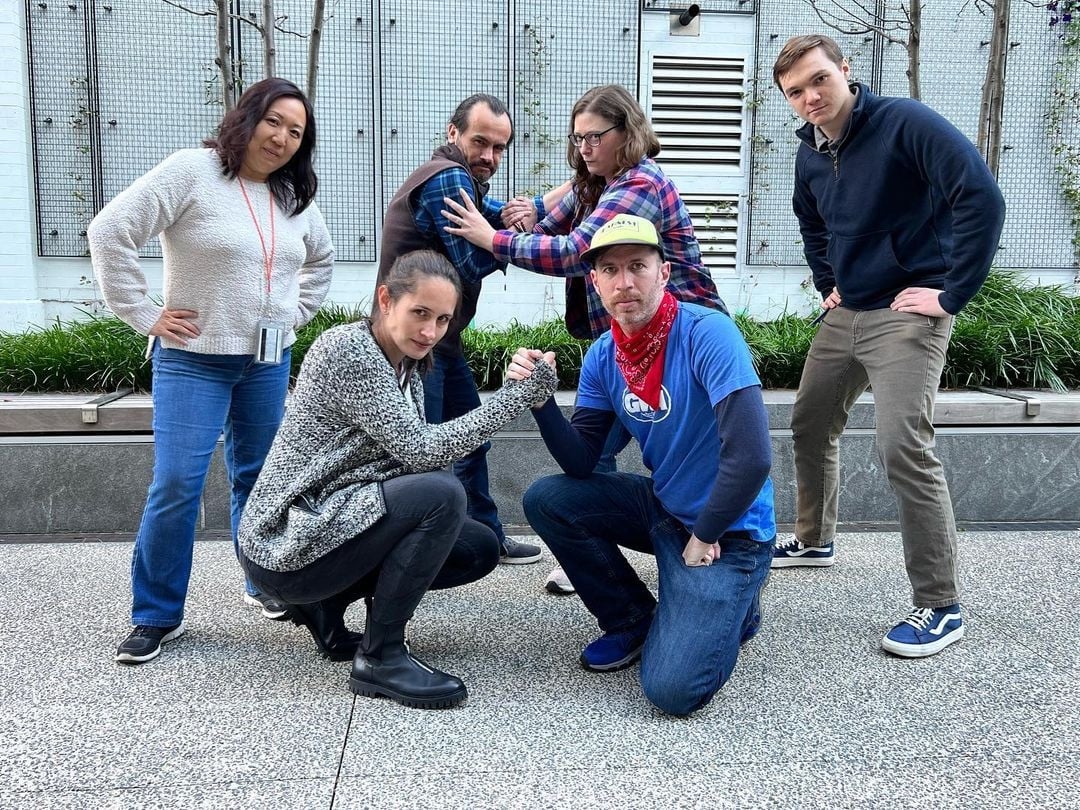
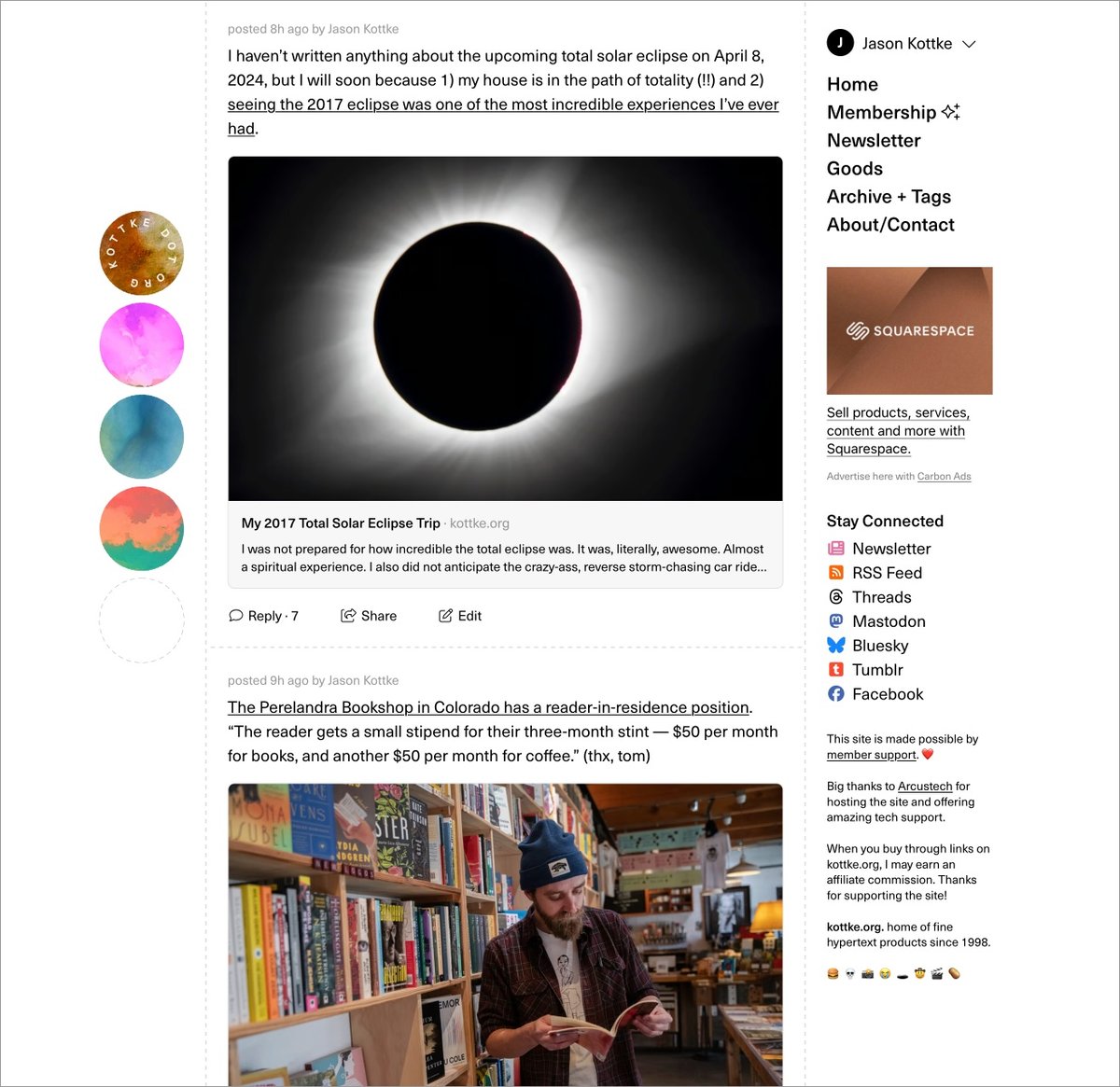
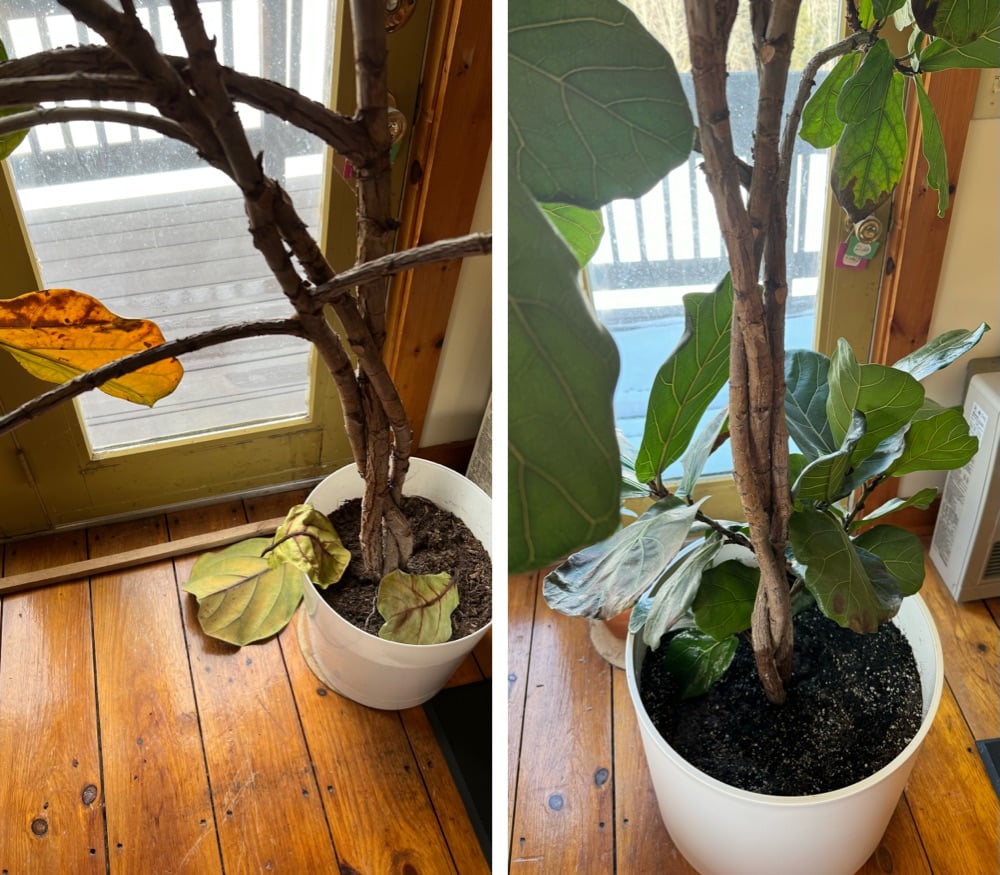
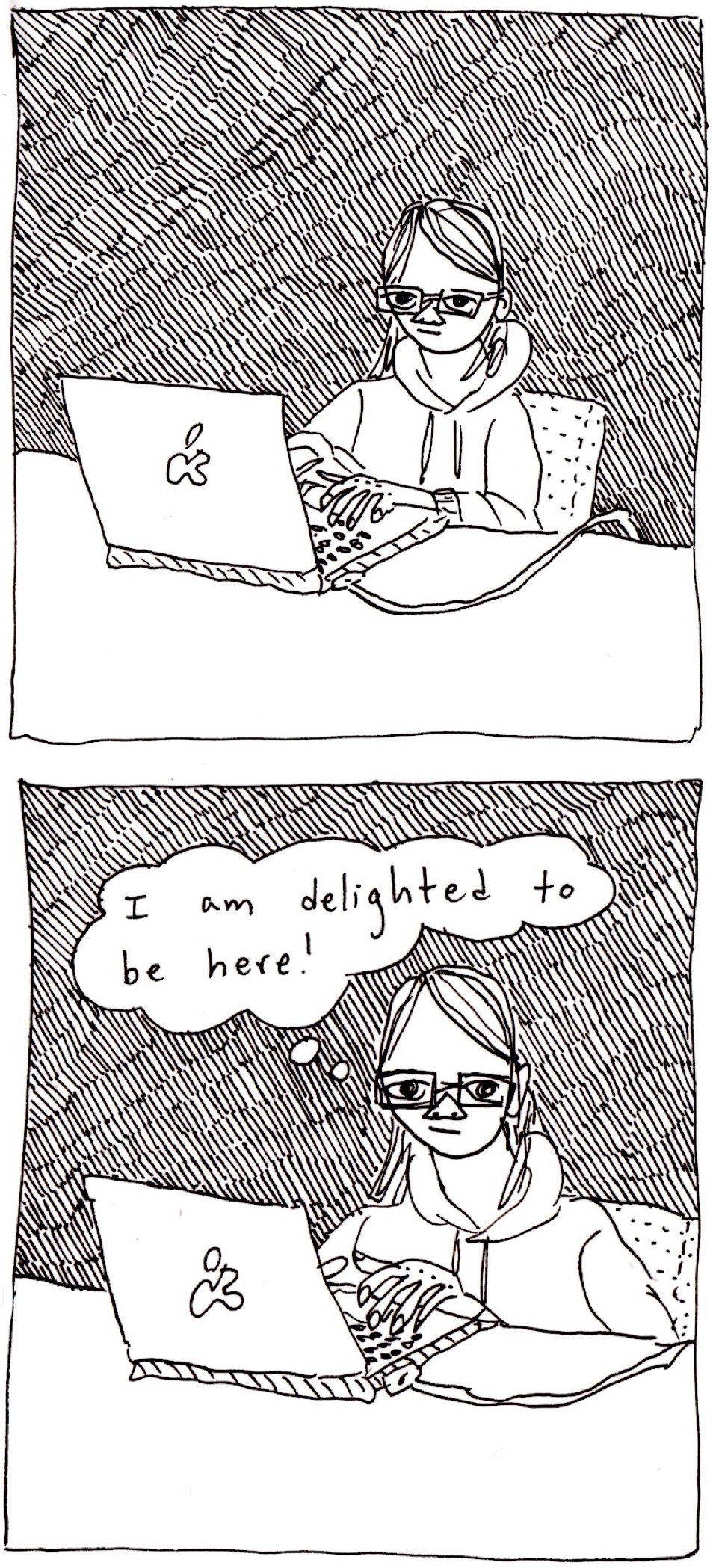








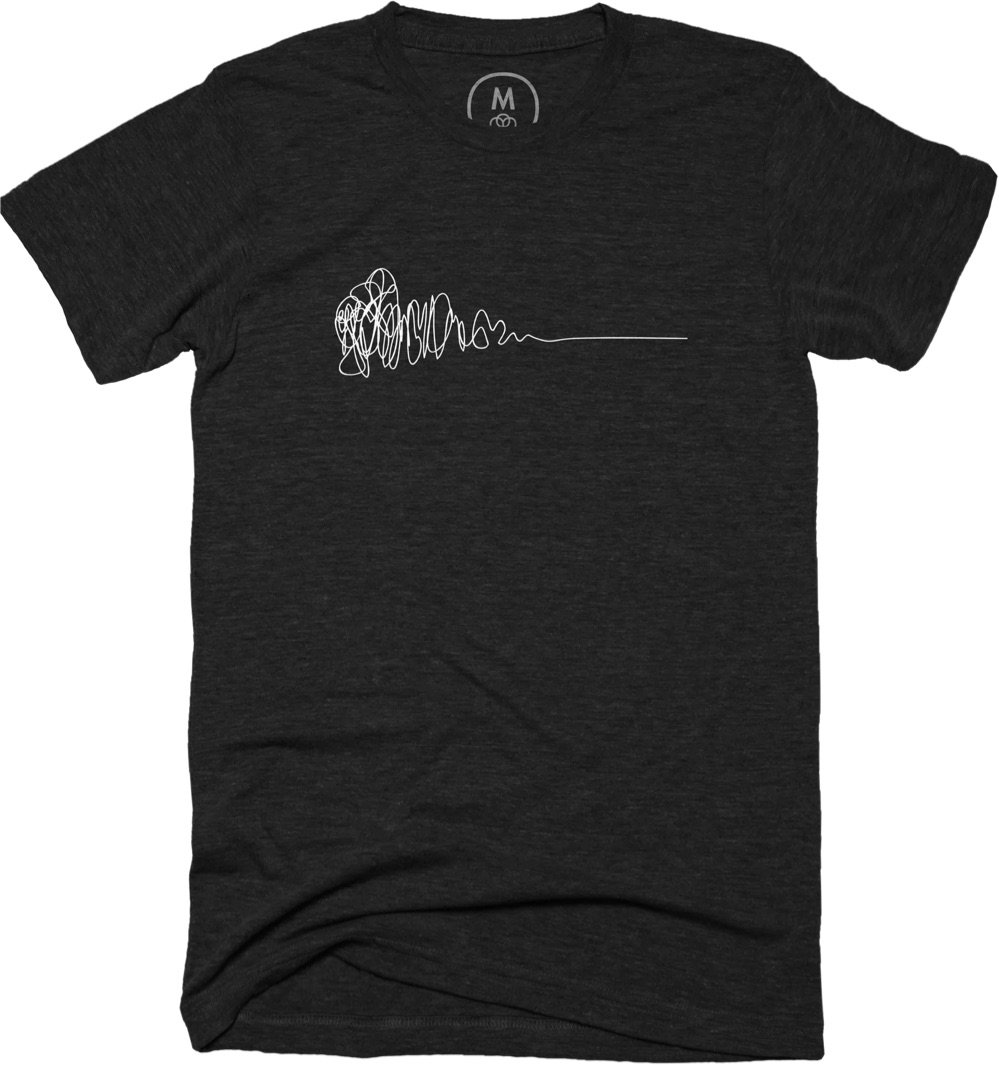

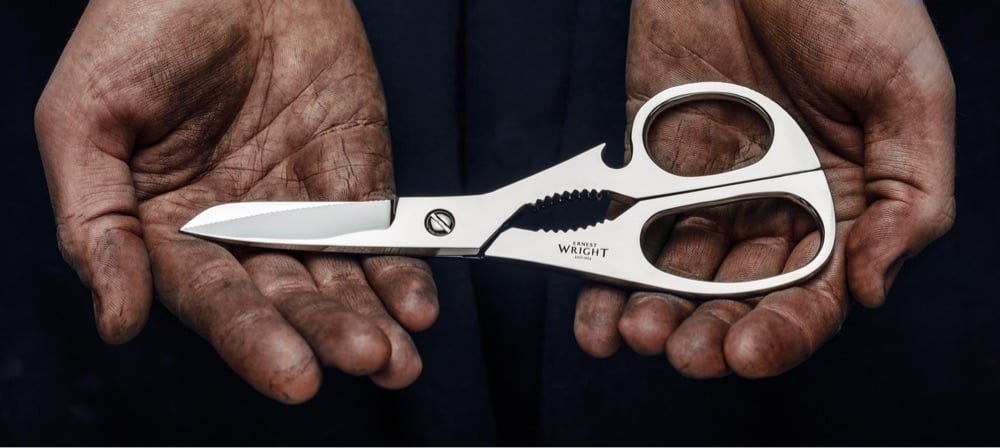
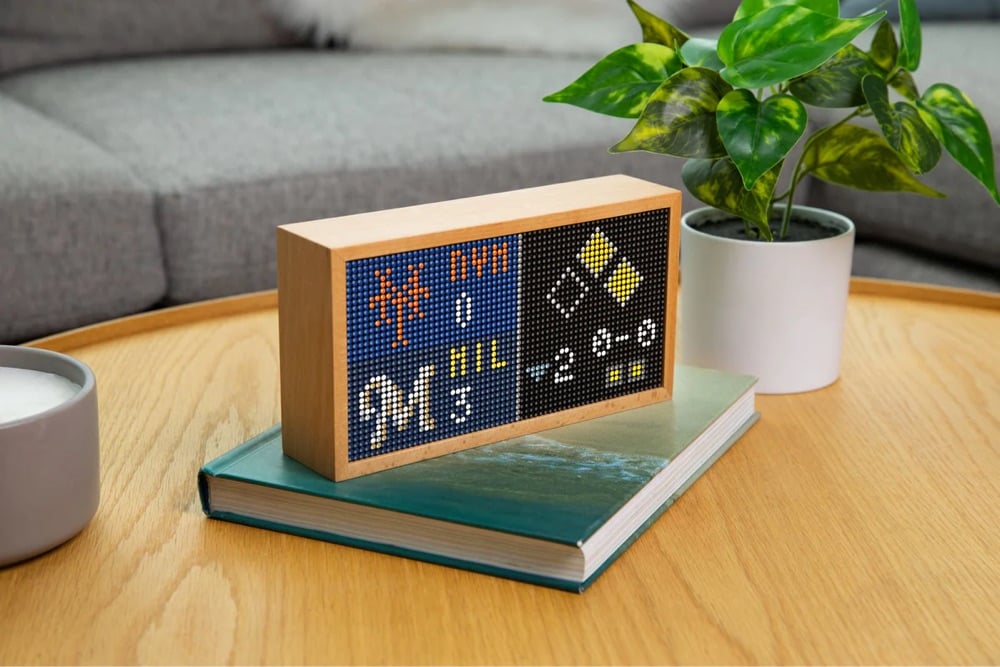

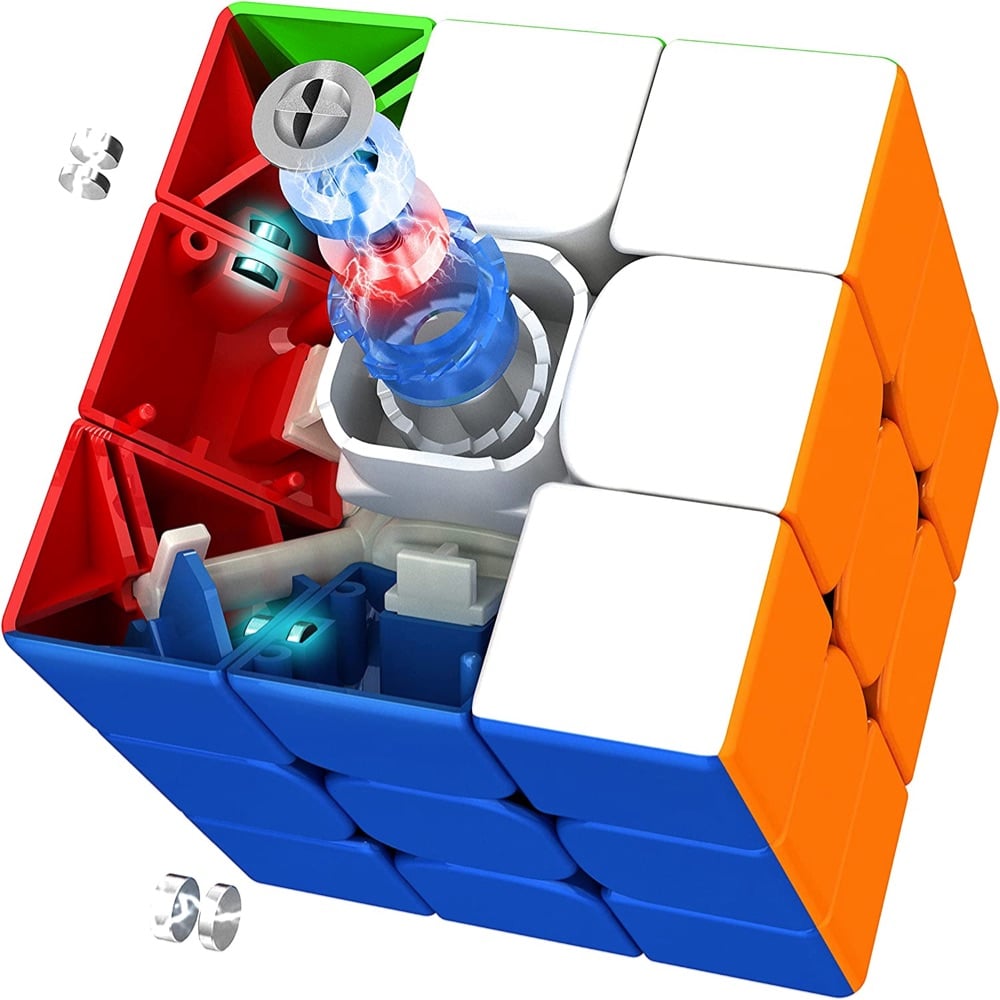
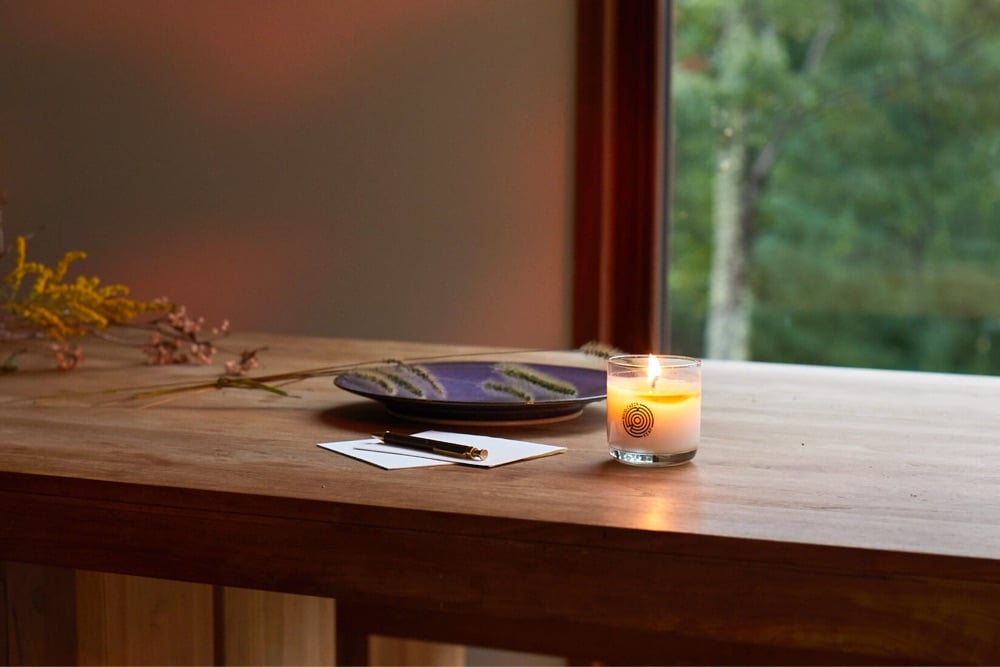
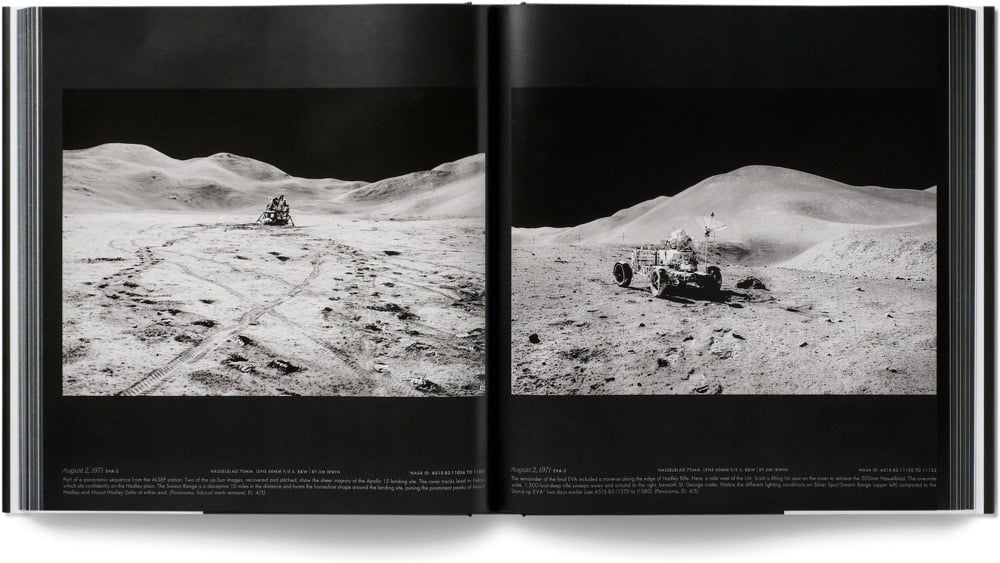

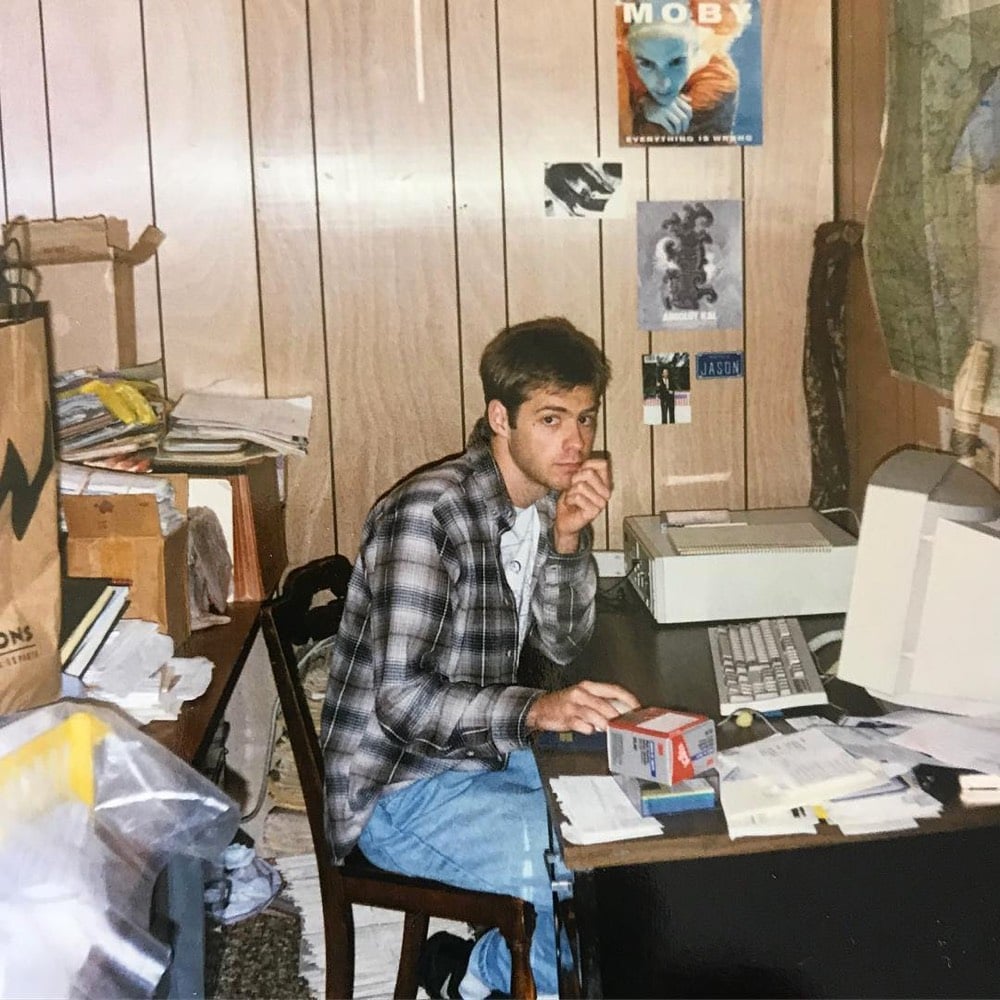
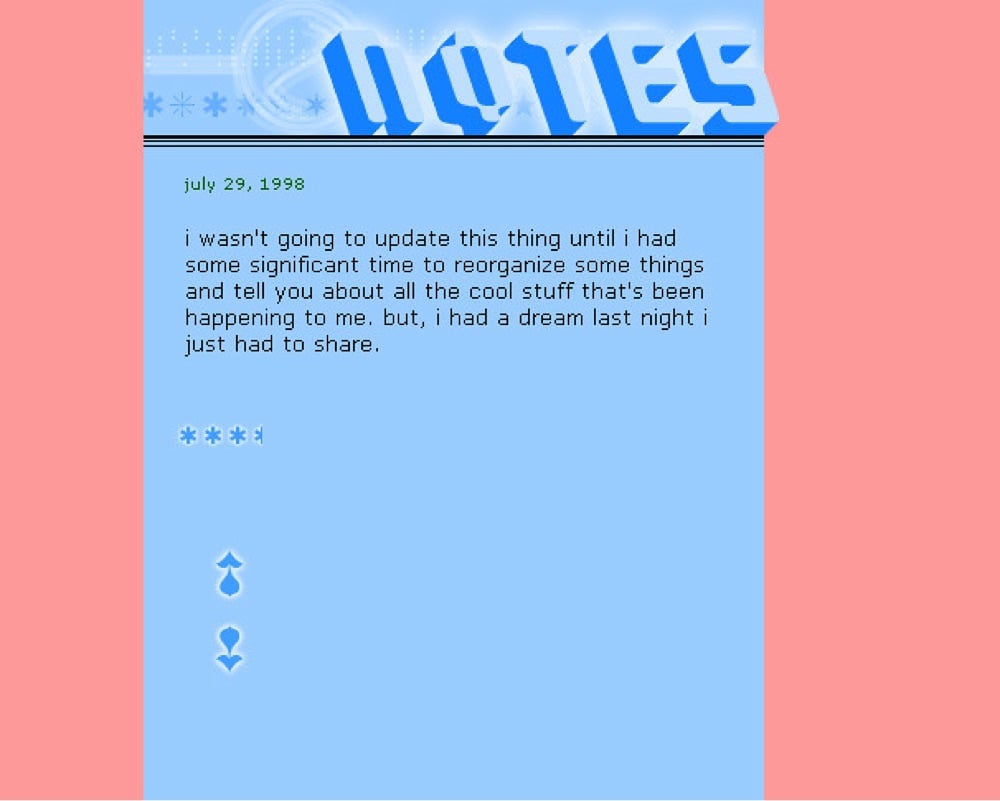
Stay Connected