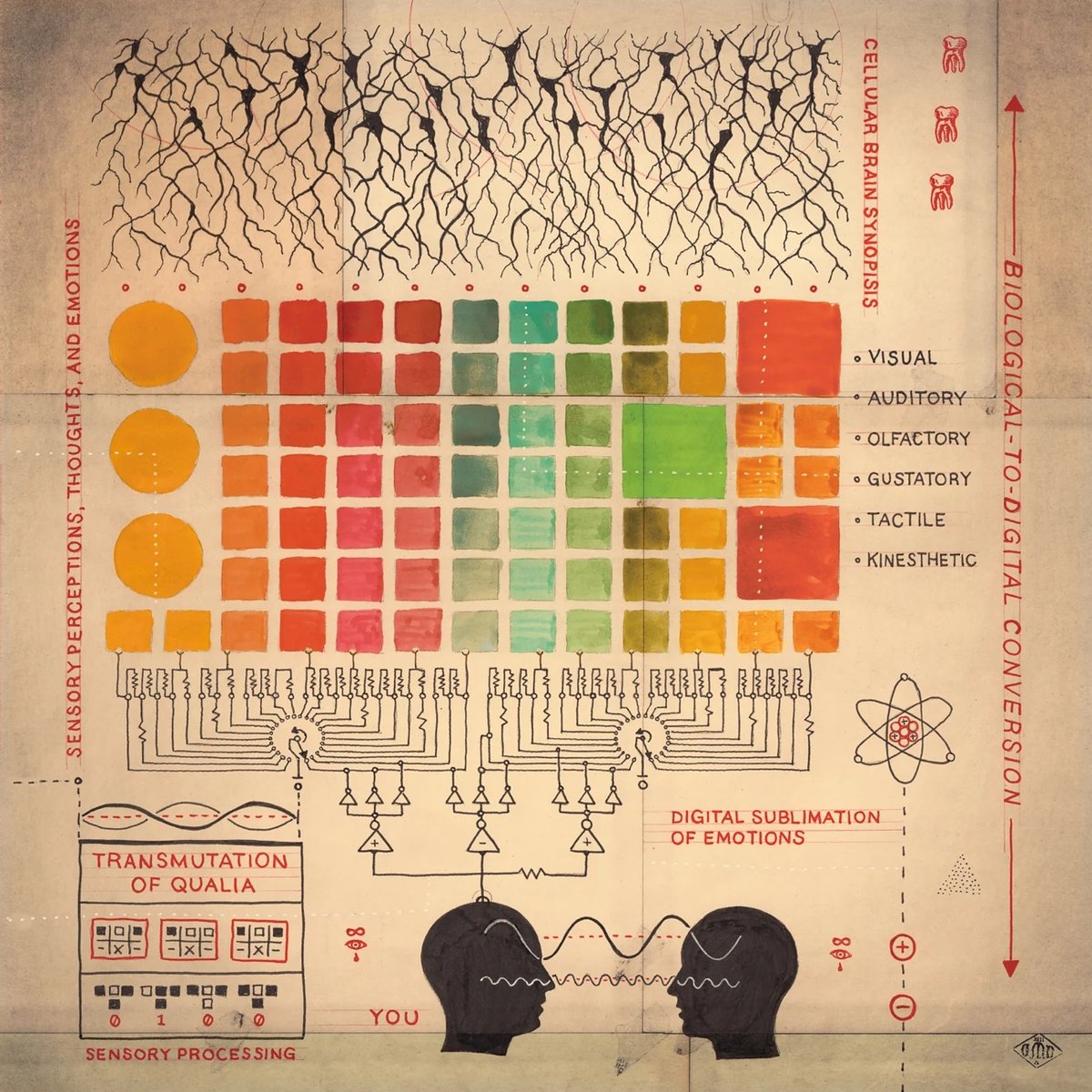
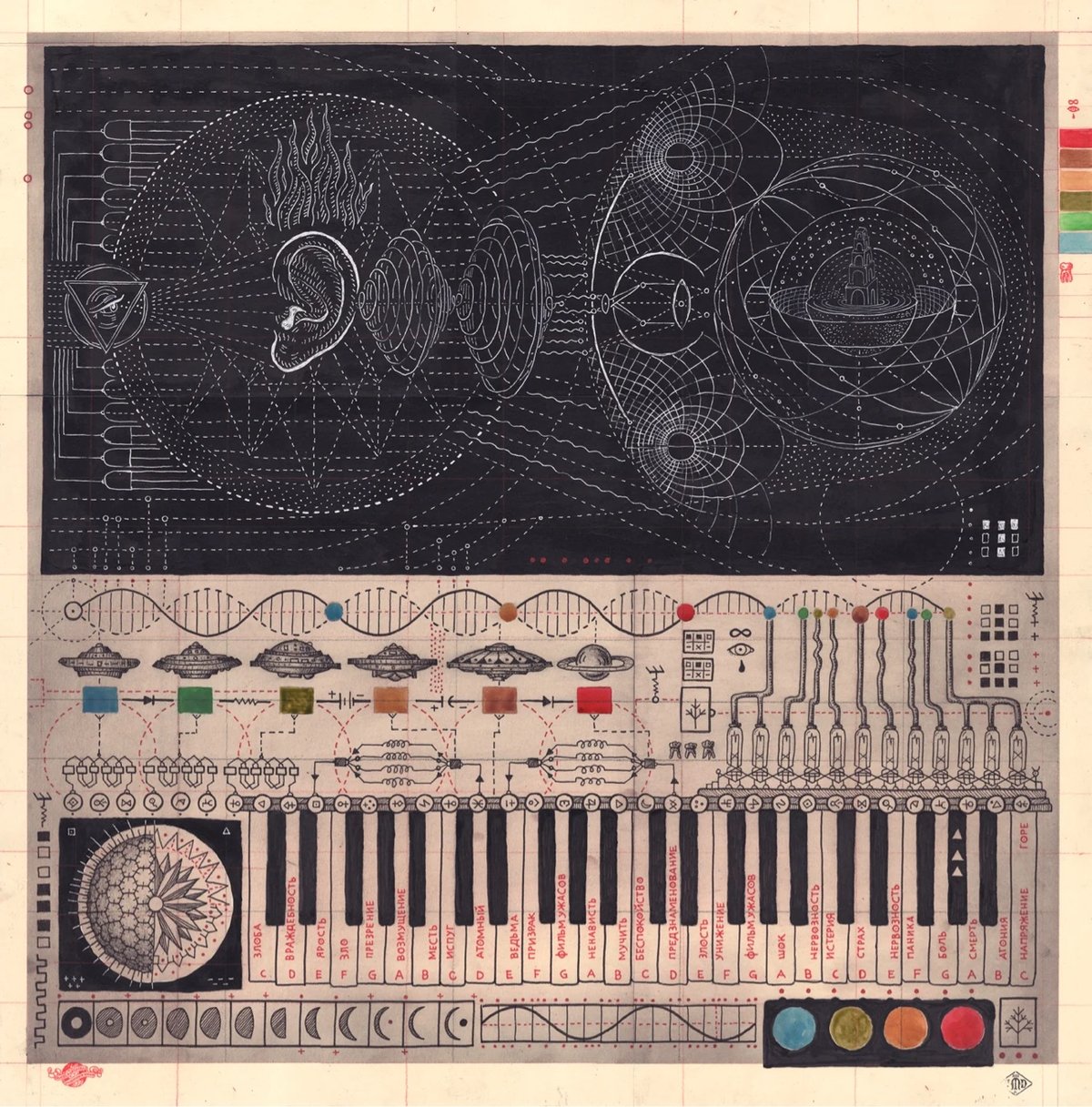
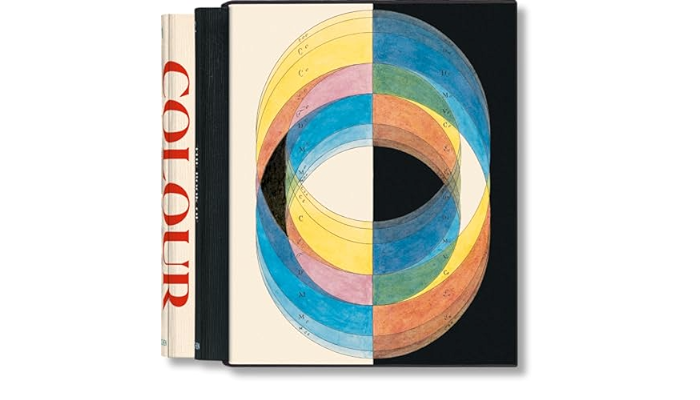
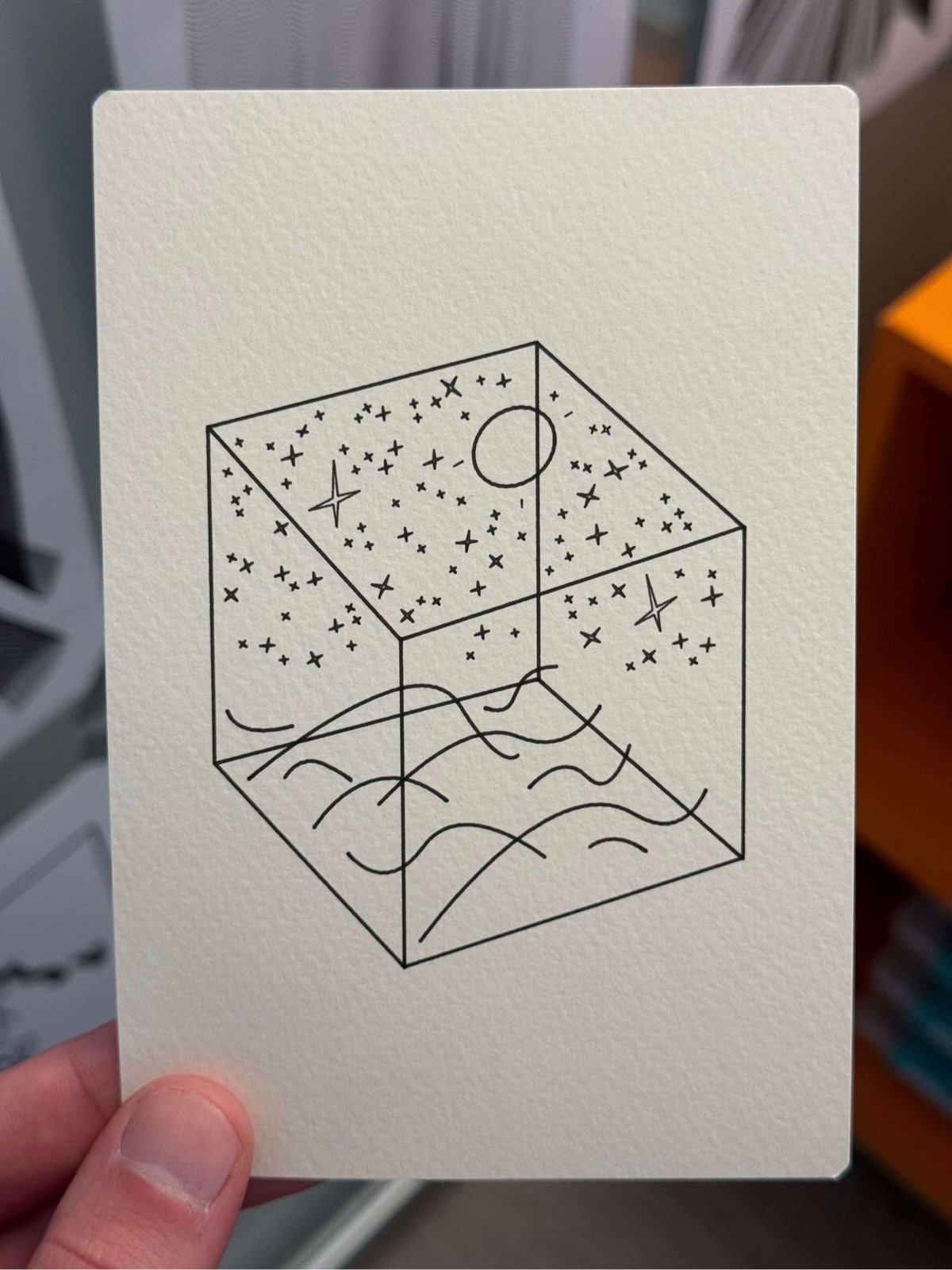
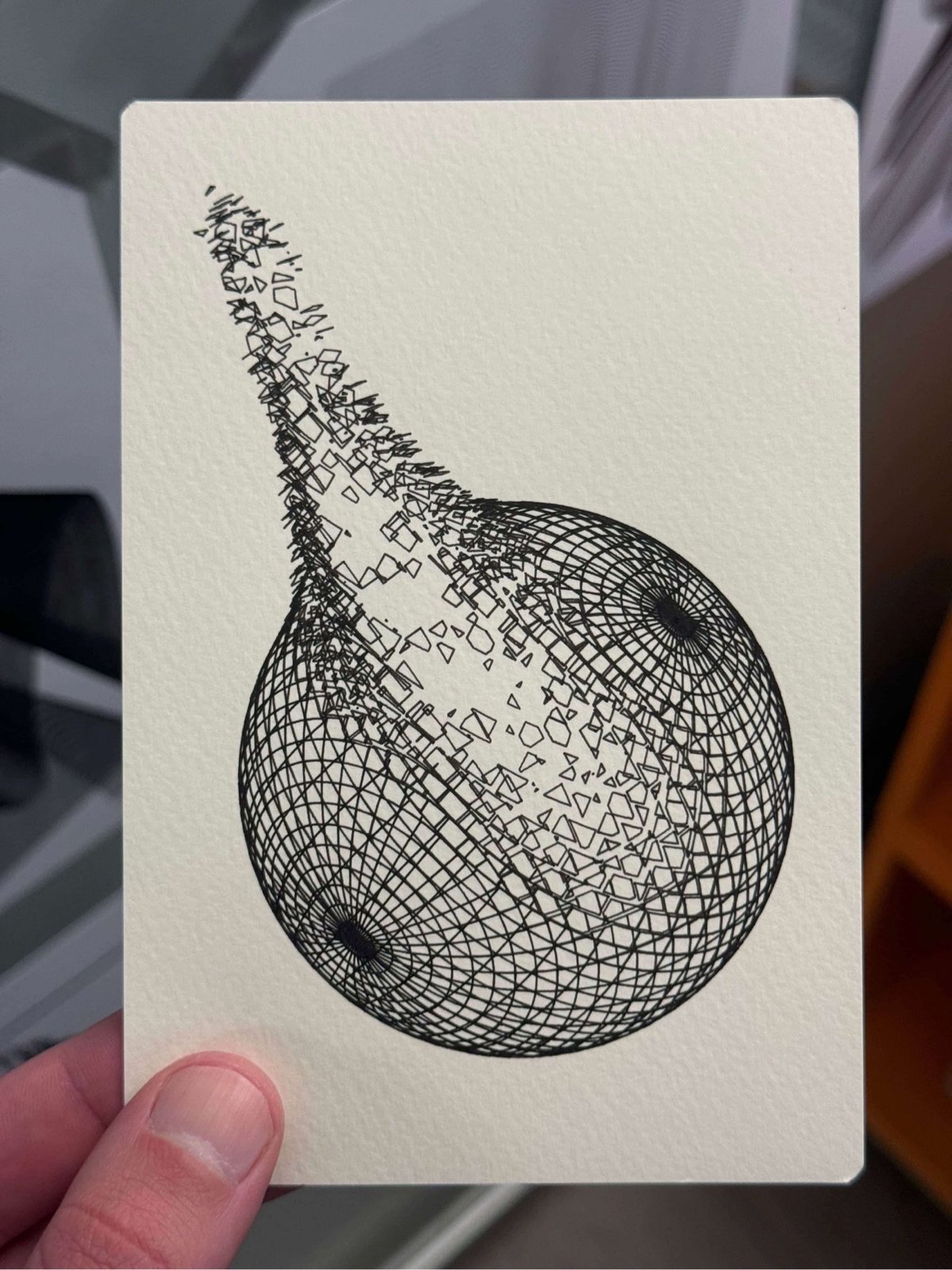
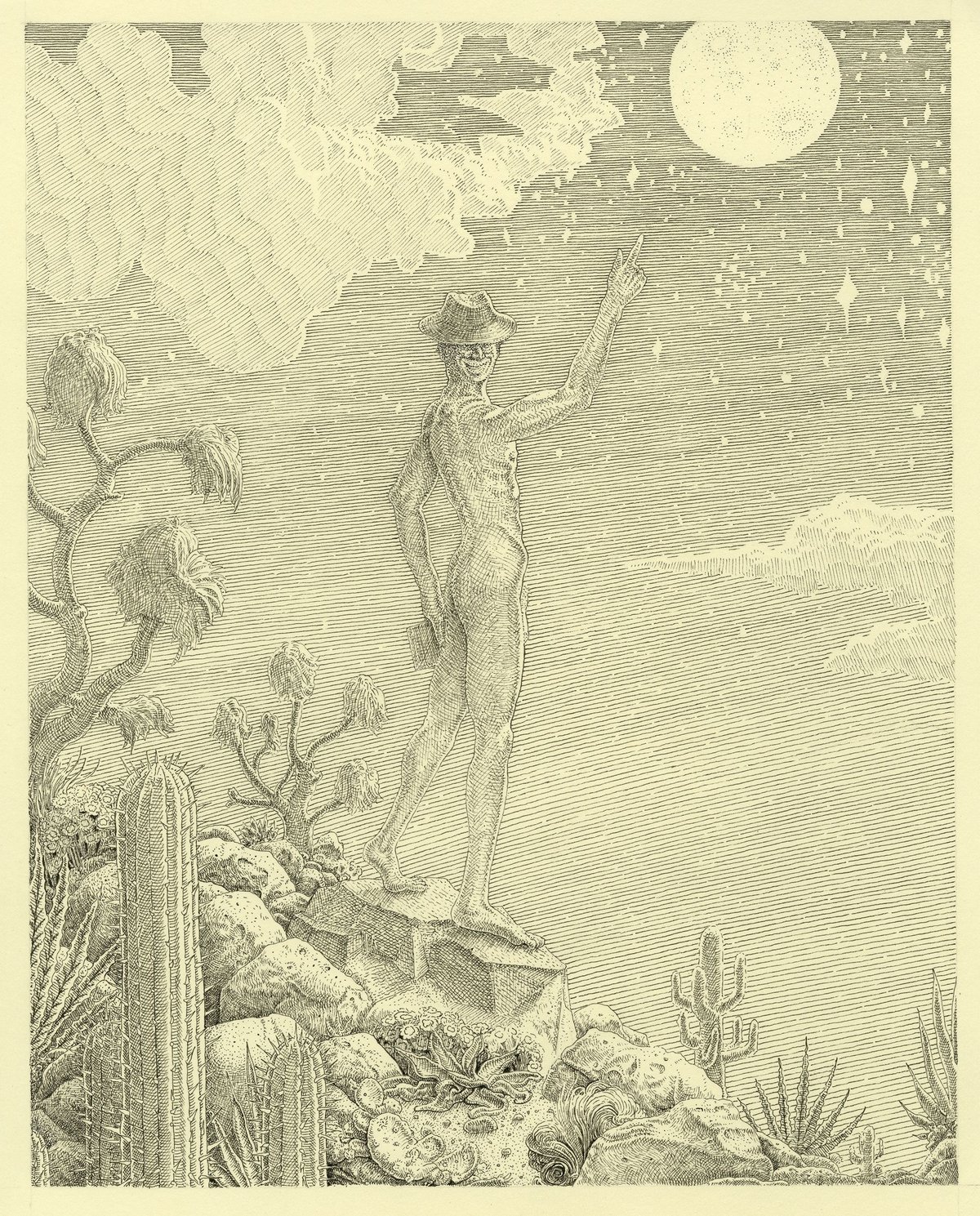
I have to admit that the illustration style of Daniel Martin Diaz is not completely my cup of tea, but I do like a few of his pieces (like those pictured above). They have an infographic quality that’s quite compelling — and also remind me a bit of Chris Ware, by way of Hilma af Klint and, uh, Edward Gorey maybe?
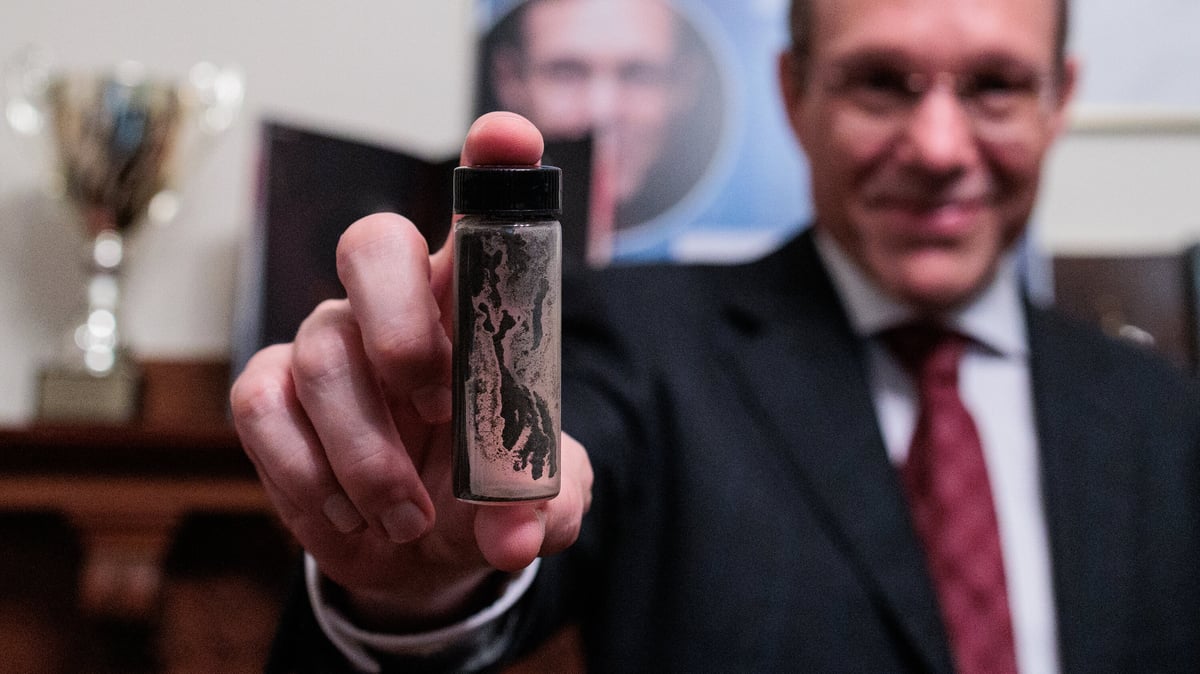
Short interview with a seismologist who has debunked a Harvard astrophysicist’s claim that an alien artifact was found on Earth. “One, if you want to do seismic analysis, it’s ideal if you check with a seismologist first. The other is, it’s not aliens.”
It’s really become a thing for bands to go on tour to play their classic albums from start to finish (e.g. Death Cab, Postal Service). When did this start? I found this 10-year-old Reddit thread which mentioned Weezer, Green Day, and The Pixies. Anyone?
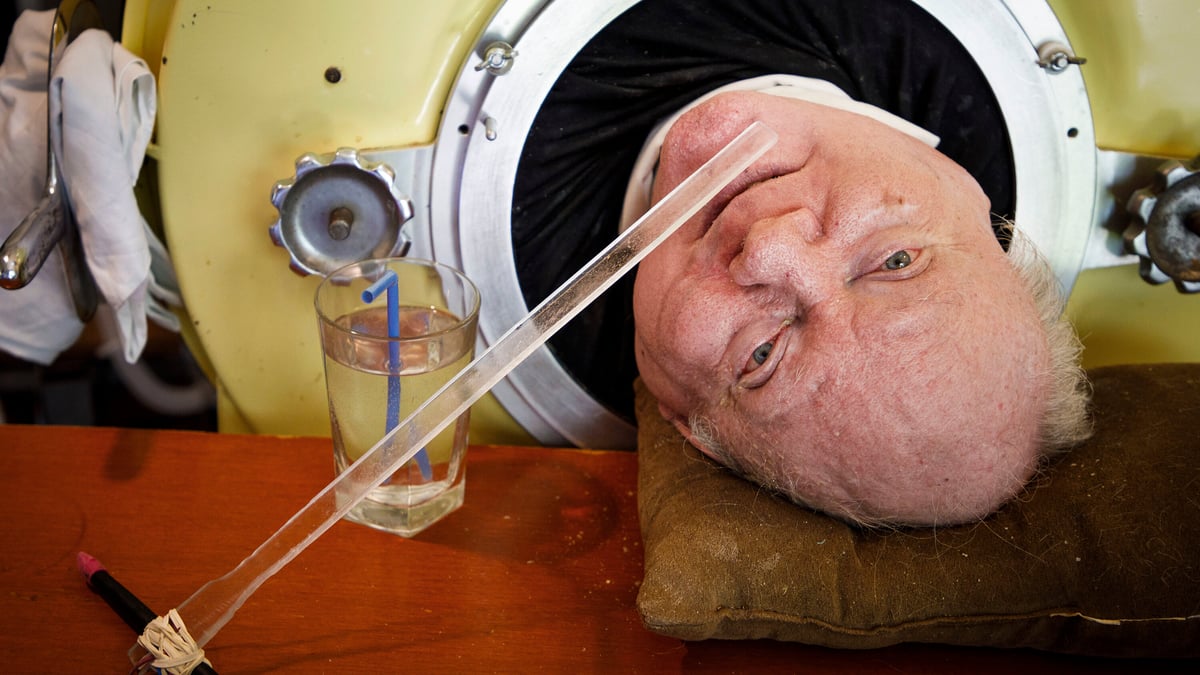
“Sometimes it’s desperate because I can’t touch someone, my hands don’t move, and no one touches me except in rare occasions, which I cherish.” Extraordinary obituary for lawyer and author Paul Alexander.
On this day in 1998, 26 freaking years ago, I started writing this blog. I’ve talkedat youa lotaboutthe site recently, so I’ll be brief. Last year on this anniversary, I wrote:
My love for the web has ebbed and flowed in the years since, but mainly it’s persisted — so much so that as of today, I’ve been writing kottke.org for 25 years. A little context for just how long that is: kottke.org is older than Google. 25 years is more than half of my life, spanning four decades (the 90s, 00s, 10s, and 20s) and around 40,000 posts — almost cartoonishly long for a medium optimized for impermanence.
And still having fun. Perhaps more fun than ever. Thanks to all of you for being a part of it.
P.S. I hope you’ll forgive me taking advantage of any 26-years!-I-love-this-place! feelings you might have today to ask that if you find value in what I do here, I’d appreciate if you’d support the site by purchasing a membership. And to everyone who has supported the site over the years, thank you so much!
I didn’t know (or had somehow forgotten) that Marlo Thomas’s seminal children’s album Free to Be… You and Me (Spotify, Apple Music) was turned into a TV special that aired in 1974.
The basic concept was to encourage post-1960s gender neutrality, saluting values such as individuality, tolerance, and comfort with one’s identity. A major thematic message is that anyone — whether a boy or a girl — can achieve anything.
The TV show starred Thomas, Mel Brooks, Harry Belefonte, Dionne Warwick, Carol Channing, Michael Jackson, Dustin Hoffman, and many others. You can watch the whole thing (commercials included) on YouTube:
The opening sketch features Thomas and Mel Brooks as cue-ball-headed puppet babies in a hospital nursery, daffily trying to work out which of them is a boy and which is a girl — the Brooks baby declares himself a girl because he wants to be “a cocktail waitress” — and setting up the bigger themes of the special: What is a boy and what is a girl?
As newborns, they’re indistinguishable, just base line people - eyes, ears, hands, mouth. They haven’t yet been programmed with all the lessons about boy things and girl things, boy colors and girl colors, boy games and girl games. The rest of the special gives its young viewers a decoder ring for those messages, and permission to disregard them.
Take “Parents Are People,” a duet with Thomas and Harry Belafonte, which remains one of the most innocently radical things I’ve ever seen on TV. The lyrics explain that your mom and dad are just “people with children,” who have their own lives and a wide range of careers open to both of them.
Mel Brooks’ session was more eventful. Thomas had written to him that the album “would benefit the Ms. Foundation,” and when he came in the morning of his recording, he told her that he thought the material Reiner and Stone had written was funny but that he didn’t know what it had to do with multiple sclerosis. Once set straight about the MS in question, Brooks joined Thomas in the recording booth, where they would both play babies for the album’s first sketch, “Boy Meets Girl.”
“When I directed,” Alda recalls, “I would be meticulous and relentless. I would do a lot of takes. But Mel is not a guy who’s used to doing a lot of takes. He’s not used to taking direction from anybody — you know, he gives direction.” Alda didn’t love the first few takes of “Boy Meets Girl”; in the end it took, Alda remembers, 10 or 15 tries, with Brooks improvising madly all along the way. Rodgers was there that day to record “Ladies First,” and she still remembers standing in the control room laughing harder with each take. “Mel was generous,” Alda allows, “and he let me egg him on.”
We listened to Free to Be… quite a bit in the car when the kids were younger. Nice to see it pop up again.
Dew Point I is a mesmerizing water sculpture piece by Lily Clark — water droplets seem to appear from nowhere and bead up on a surface made of superhydrophobic ceramic.
I’ve always been a little fascinated by the list of the largest cities throughout history, so this animated version from Ollie Bye is right up my alley. While watching, it’s interesting to think about what makes cities grow large at specific times: a mixture of economics, demography, social movements, empire/colonialism, technology, and the like.
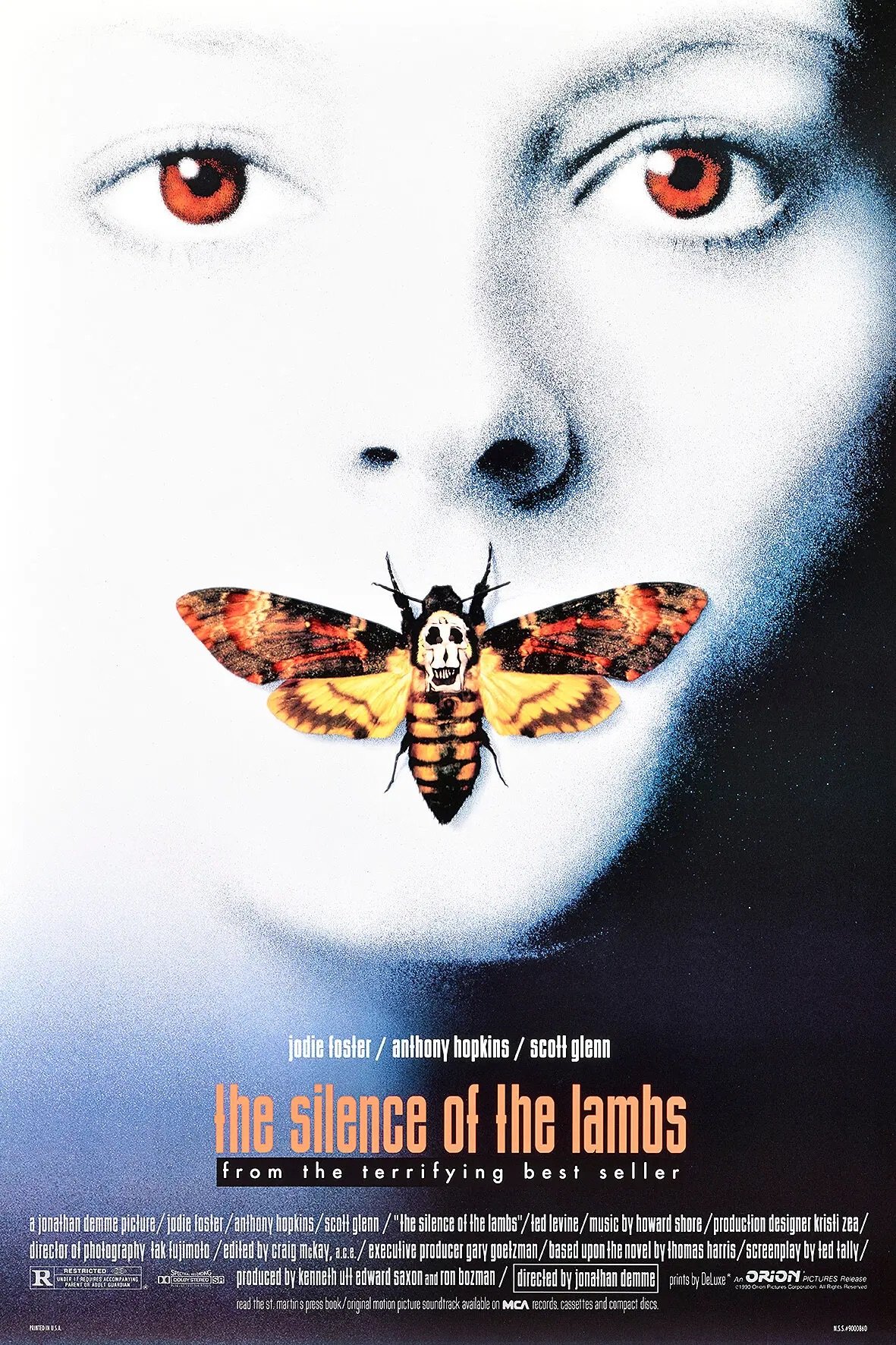
I love a good movie poster and Dawn Baillie designed one of the best ones ever: the iconic poster for The Silence of the Lambs. Her other work includes posters for Dirty Dancing, Little Miss Sunshine, Zoolander, The Truman Show, and The Royal Tenenbaums. A show of her work opens soon at Poster House in NYC. Some of Baillie’s original posters are for sale at Posteritati.
Chiroptera is a dance performance from artist & photographer JR, choreographer Damien Jalet, Thomas Bangalter (Daft Punk), dancer Amandine Albisson, and 153 “pixel” dancers (you’ll see what I mean).
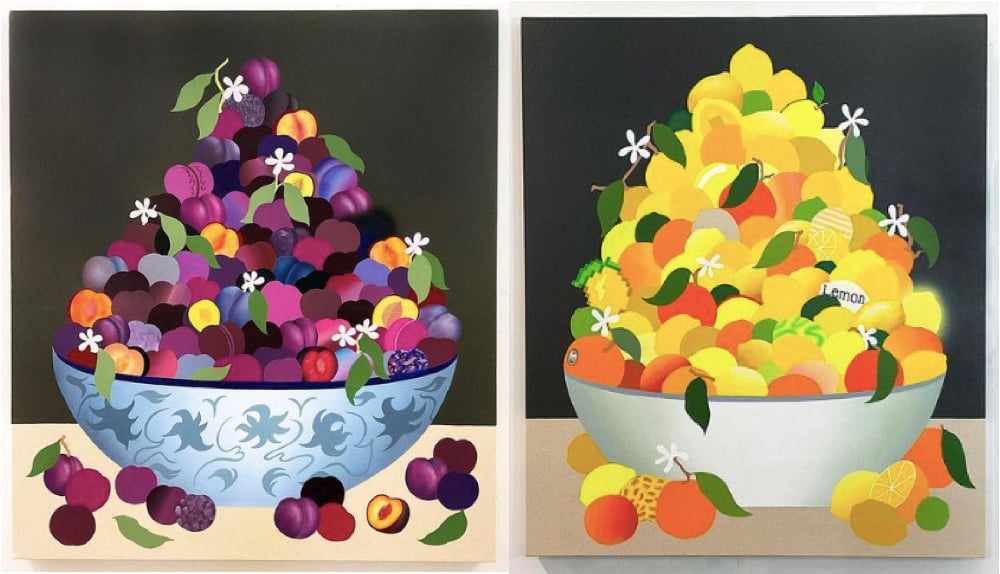
I recently discovered the “pile of fruit”-themed art of Stephen D’Onofrio. I love it! The strawberries are a preliminary sketch, but they’re what drew me in, and the rest are paintings. He’s represented by Dallas’s Galleri Urbane. I also like his “trees fitting exactly in the canvas” paintings.
On trimming the silence from our lives. “One of the more distressing qualities of humanity, in my mind, is the emphasis we collectively put on efficiency.”
This is a fun ad for the 2024 AICP Awards about the pitfalls of focus-grouping & corporatizing art, featuring an annoyed van Gogh (“How can a painting fail?”) and an even more annoyed Frida Kahlo. (via noah kalina)
For Ars Technica, science writer Jennifer Ouellette and theoretical physicist Sean Carroll review time travel used in 20 popular movies, ranging from The Terminator to Bill and Ted’s Excellent Adventure to Interstellar. Each movie is rated on scientific accuracy and how entertaining the use of time travel is. Here’s part of their review of Superman (1978).
Our standards are admittedly lax when it comes to the physical mechanism by which cinematic heroes journey through time, but “flying really fast around the Earth so that it reverses the direction of its rotation and sends it back to a previous moment” is such thoroughgoing lunacy that one must almost pause in admiration. Then we return to our senses and ask, “Why does Superman’s flight have any effect on the rotation of the Earth? And what does that rotation have to do with the direction of time? Do I get younger if I start twirling counterclockwise?” No, dear reader, you do not. Indeed, by the rules handed down by Einstein, Superman’s near-speed-of-light journey would actually send him into the future, not into the past.
To its dubious credit, Superman pioneers two different flaws that will frequently recur in movies to come. First, time travel is portrayed as a miraculous cure-all, which is then never used again. Superman essentially goes back in time to save his girlfriend. This is admirable, but aren’t there other, more historically significant global disasters that could be averted by the same strategy? This is a narrative problem, not a scientific or logical one, but it rankles.
Then, of course, there is the flaw that almost always accompanies stories in which the past gets changed by time-travelers: Where did those time-travelers come from? We, the viewers, see a sequence of events that seems to make sense if we don’t think too hard. Lois Lane dies, Superman gets upset, he travels back in time, stops the events that led to Lois dying, and we live happily ever after. But at the end of this sequence, Superman still has the memory of Lois dying the first time around. Yet because he changed history, that event he remembers never happened. Lois certainly doesn’t remember it. How does he?
I didn’t know what to expect from this 1937 video explanation of how wire photos were transmitted to newspapers, but a double stunt sequence featuring an airplane and a death-defying photographer was not anywhere on my bingo card. This starts kinda slow but it picks up once they get into the completely fascinating explanation of how they sent photographs across the country using ordinary telephone lines. The whole setup was portable and they just hacked into a wire on a telephone pole, asked the operator to clear the line, and sent a photo scan via an analog modem. Ingenious!
The Wikipedia page about wire photos is worth a read — French designers argued that the technology was responsible for an early form of fast fashion.
After World War II at haute couture shows in Paris, Frederick L. Milton would sketch runway designs and transmit his sketches via Bélinographe to his subscribers, who could then copy Parisian fashions. In 1955, four major French couturiers (Lanvin, Dior, Patou, and Jacques Fath) sued Milton for piracy, and the case went to the Appellate Division of the New York Supreme Court. Wirephoto enabled a speed of transmission that the French designers argued damaged their businesses.
For the last few weeks, I’ve been listening to the audiobook of Brian Merchant’s history of the Luddite movement, Blood in the Machine: The Origins of the Rebellion Against Big Tech. In it, Merchant argues the Luddites were at their core a labor movement against capitalism and compares them to contemporary movements against big tech and media companies. Merchant writes in the Atlantic:
The first Luddites were artisans and cloth workers in England who, at the onset of the Industrial Revolution, protested the way factory owners used machinery to undercut their status and wages. Contrary to popular belief, they did not dislike technology; most were skilled technicians.
At the time, some entrepreneurs had started to deploy automated machines that unskilled workers — many of them children — could use to churn out cheap, low-quality goods. And while the price of garments fell and the industrial economy boomed, hundreds of thousands of working people fell into poverty. When petitioning Parliament and appealing to the industrialists for minimum wages and basic protections failed, many organized under the banner of a Robin Hood-like figure, Ned Ludd, and took up hammers to smash the industrialists’ machines. They became the Luddites.
He goes on to compare their actions to tech publication writers’ strikes, the SAG-AFTRA & WGA strikes, the Authors Guild lawsuit against AI companies, and a group of masked activists “coning” self-driving cars. All this reminds me of Ted Chiang’s quote about AI:
I tend to think that most fears about A.I. are best understood as fears about capitalism. And I think that this is actually true of most fears of technology, too. Most of our fears or anxieties about technology are best understood as fears or anxiety about how capitalism will use technology against us. And technology and capitalism have been so closely intertwined that it’s hard to distinguish the two.
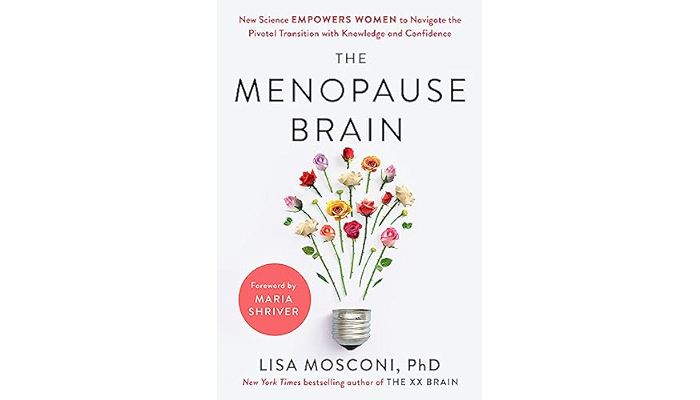
Out today from Dr. Lisa Mosconi: The Menopause Brain. It’s a reexamination of menopause and perimenopause through the lens of neuroscience. Mosconi calls it “a scientist’s love letter to womanhood”.
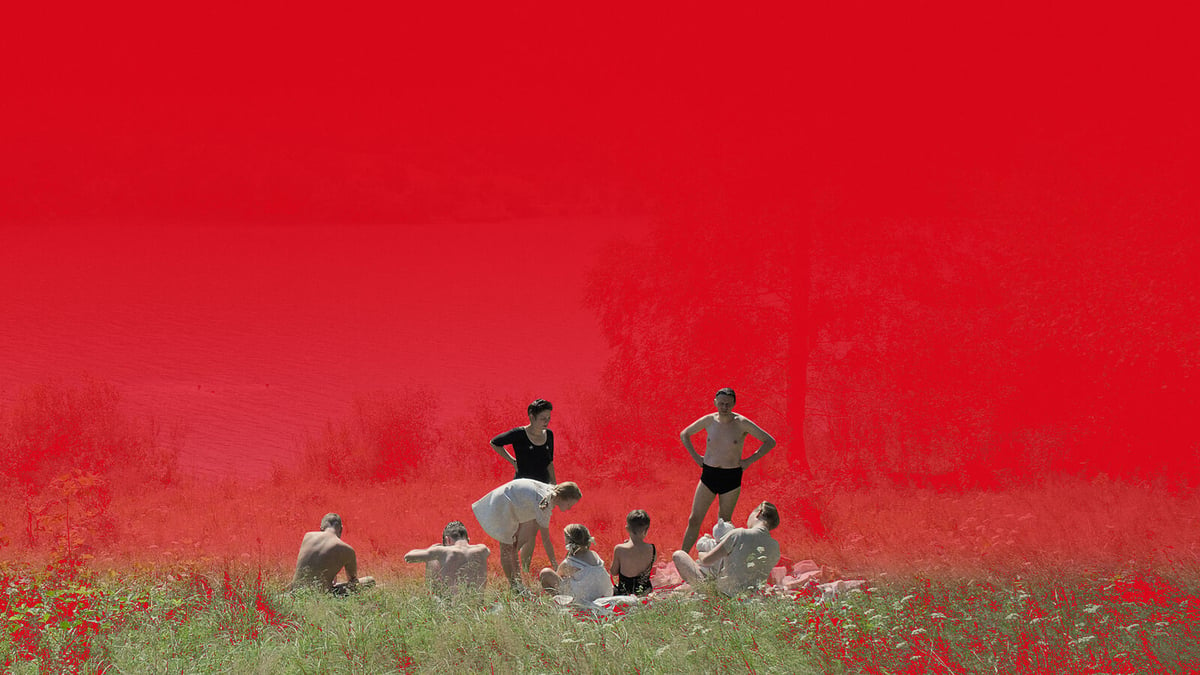
Jonathan Glazer’s ‘The Zone of Interest won’t let us look away — from the present, from ourselves. “It turns the audience’s gaze on the perpetrators, but it also implicitly asks us to examine our own roles.”
Winter is winding down here in the northern hemisphere (though you wouldn’t know it from the foot of new snow outside my window), but for practitioners of wild ice skating, spring can bring favorable conditions.
But the problem with Nordic skating or any kind of wild skating — which is defined as outdoors and on naturally formed ice, regardless of the style of skate used — is finding good ice. Wild-ice seekers extol late fall and sometimes spring for freezing conditions without snowfall, which degrades ice.
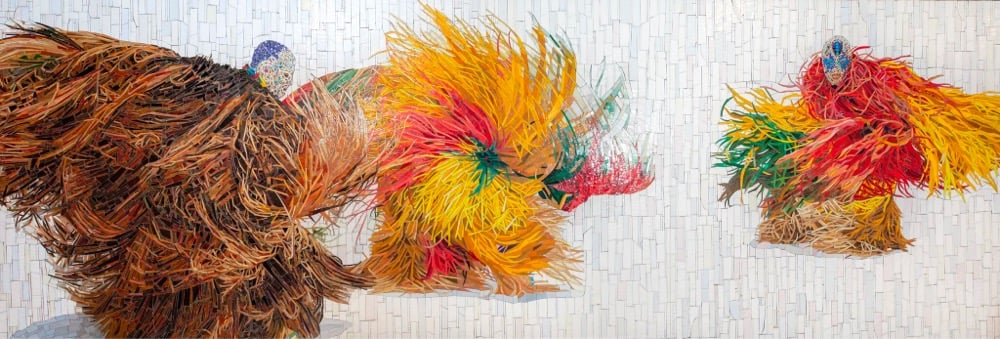
Of special interest is the discussion of fabricating and transposing the artist’s rendering or model into mosaic, glass, or metal, the materials that can survive in the transit environment.
Nancy Blum’s piece at the 28th Street station (top, above) is my favorite piece in the entire subway system; I love it so much. (via colossal)
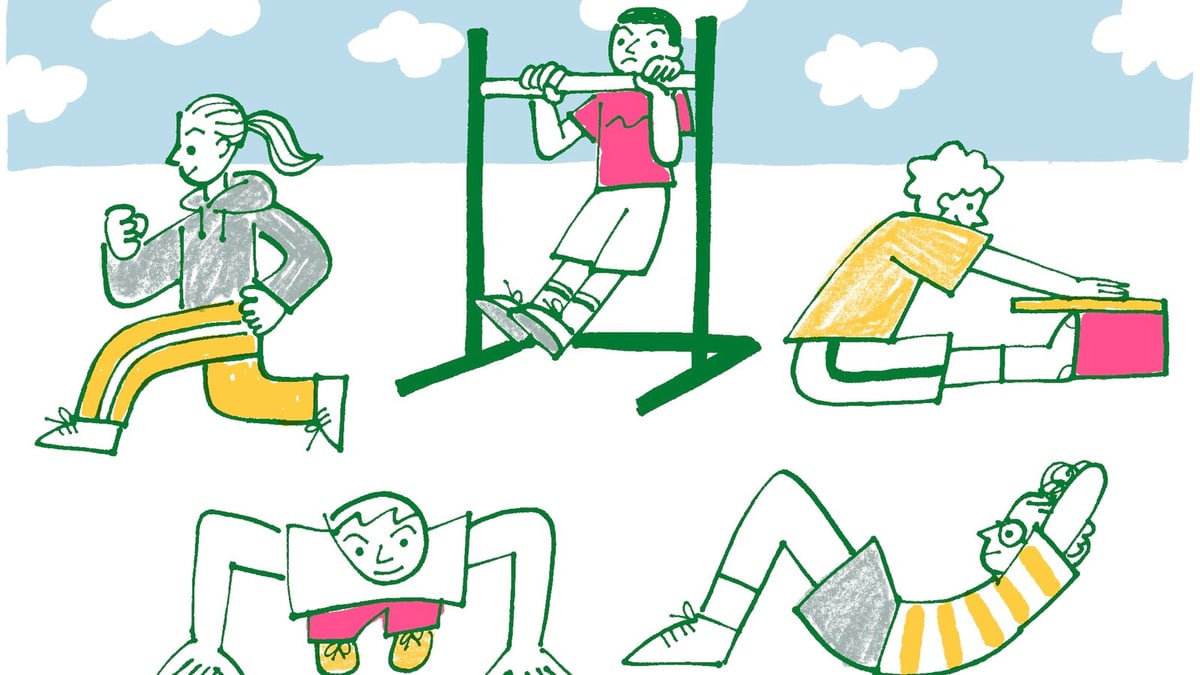
“Struggling in front of my classmates wasn’t something I looked forward to.” Fitness writer Danielle Friedman on whether the Presidential Fitness Tests might have backfired for some people.
“Like many amateur photographers, I do occasionally experiment with editing.” Well, I can’t resist the kerfuffle around what’s going on with Princess Catherine. Yesterday she posted a photo of herself with her family that turned out to have been edited, and today she apologized for “any confusion” it might have caused. (Shared presumably in part to dispel rumors about her health and whereabouts, the photo “fans [those rumors] instead,” per the NY Times.)
Last week, Nieman Lab ran a story on how unusual the Palace’s response to gossip surrounding the situation has been. And if you really want to get into the weeds, Nieman Lab’s editor-in-chief Laura Hazard Owen also just linked to a three-minute TikTok video proposing that the original Instagram photo was actually taken last November.
See also Hilary Mantel’s 2013 essay in the London Review of Books: “I wanted to apologise. I wanted to say: it’s nothing personal, it’s monarchy I’m staring at.”
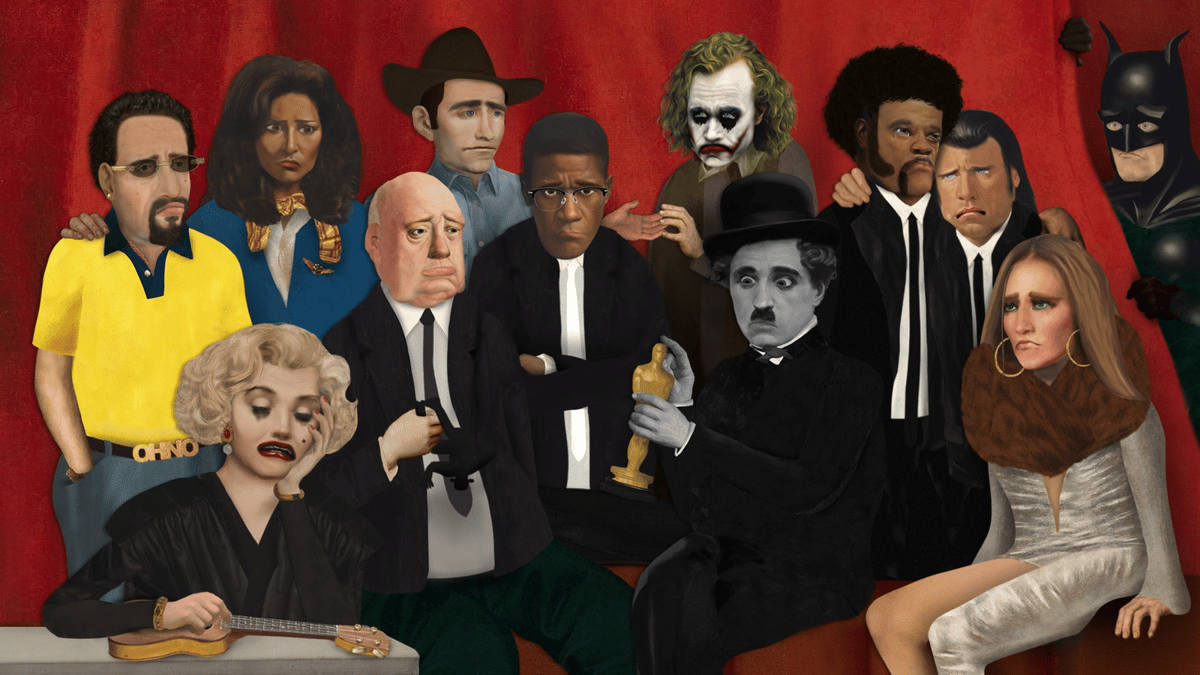
25 Oscar snubs and unjust losses, including Do The Right Thing losing to Driving Miss Daisy, Crash beating Brokeback Mountain, and 2001 losing Best Picture to Oliver! ((Um, what is Hitchcock doing with his hand??))
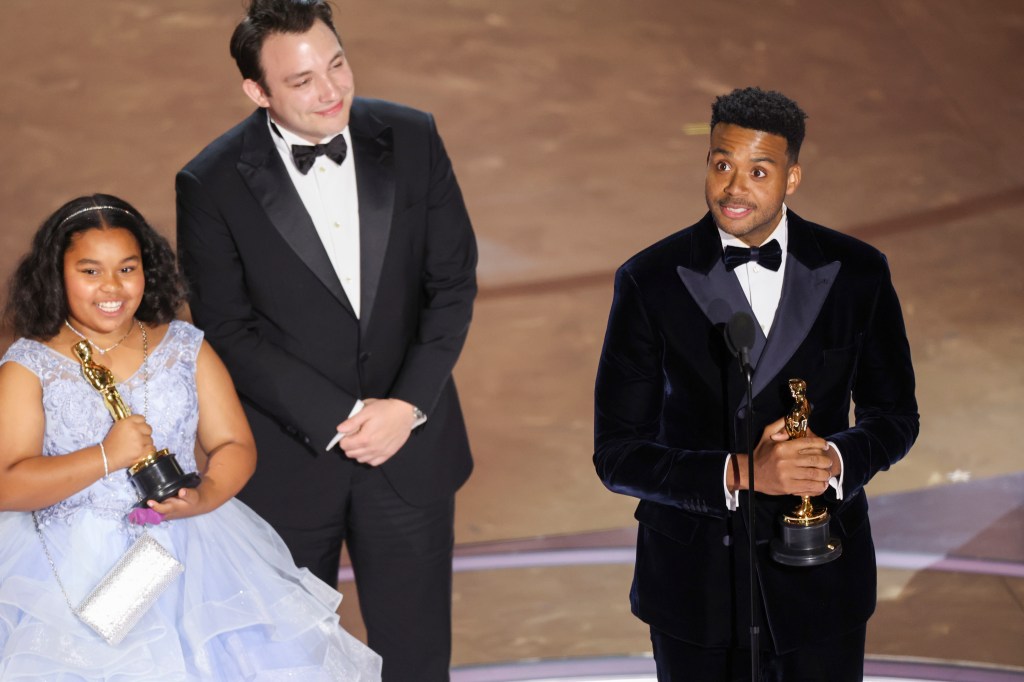
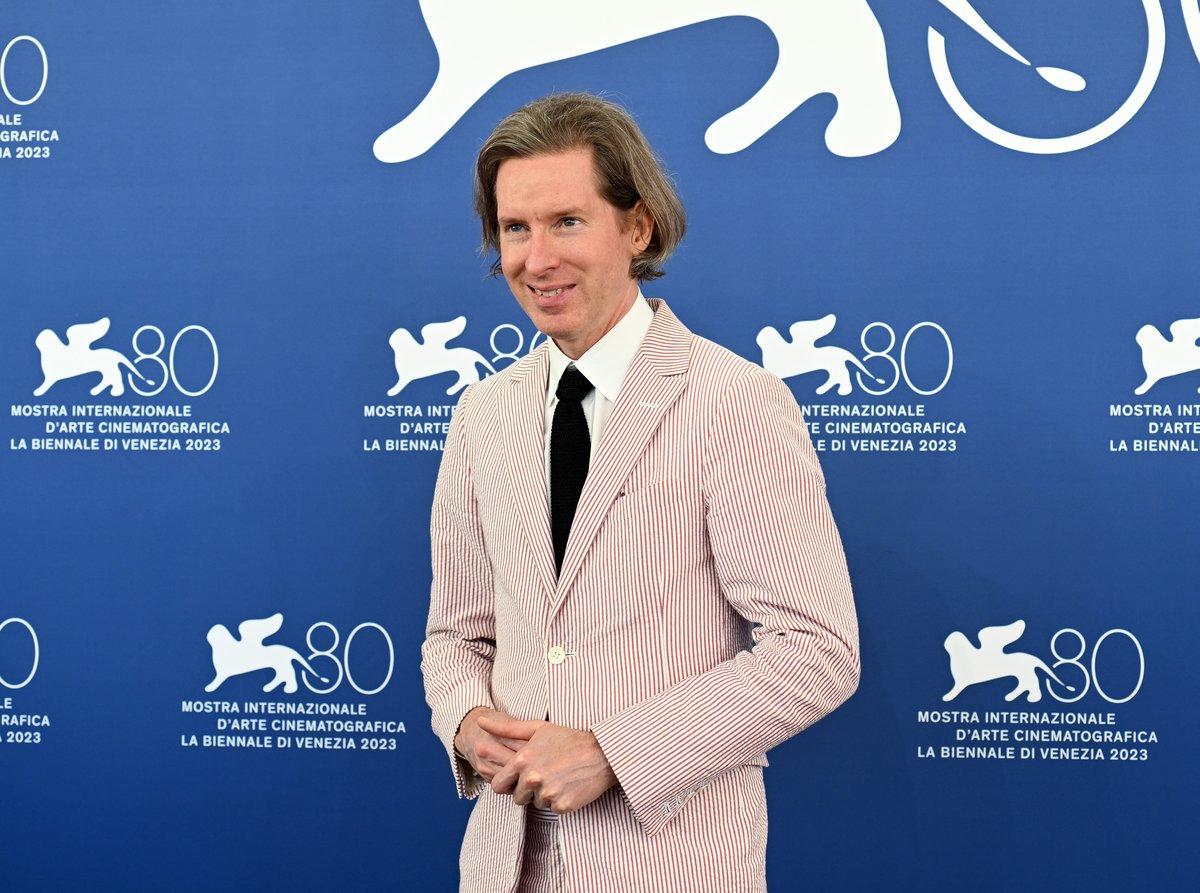
Wes Anderson has finally won an Oscar. Not Best Director though… Best Live Action Short for his adaptation of Roald Dahl’s “The Wonderful Story of Henry Sugar” (which was great).
This is mesmerizing and cool and even soothing: a “vanishing clock” that’s made using a brush dipped in water, special “magic cloth” calligraphy paper that’s used for practicing, and a 3D printer.
I saw this quote the other day and haven’t stopped thinking about it since: “Dystopian fiction is when you take things that happen in real life to marginalized populations and apply them to people with privilege.”
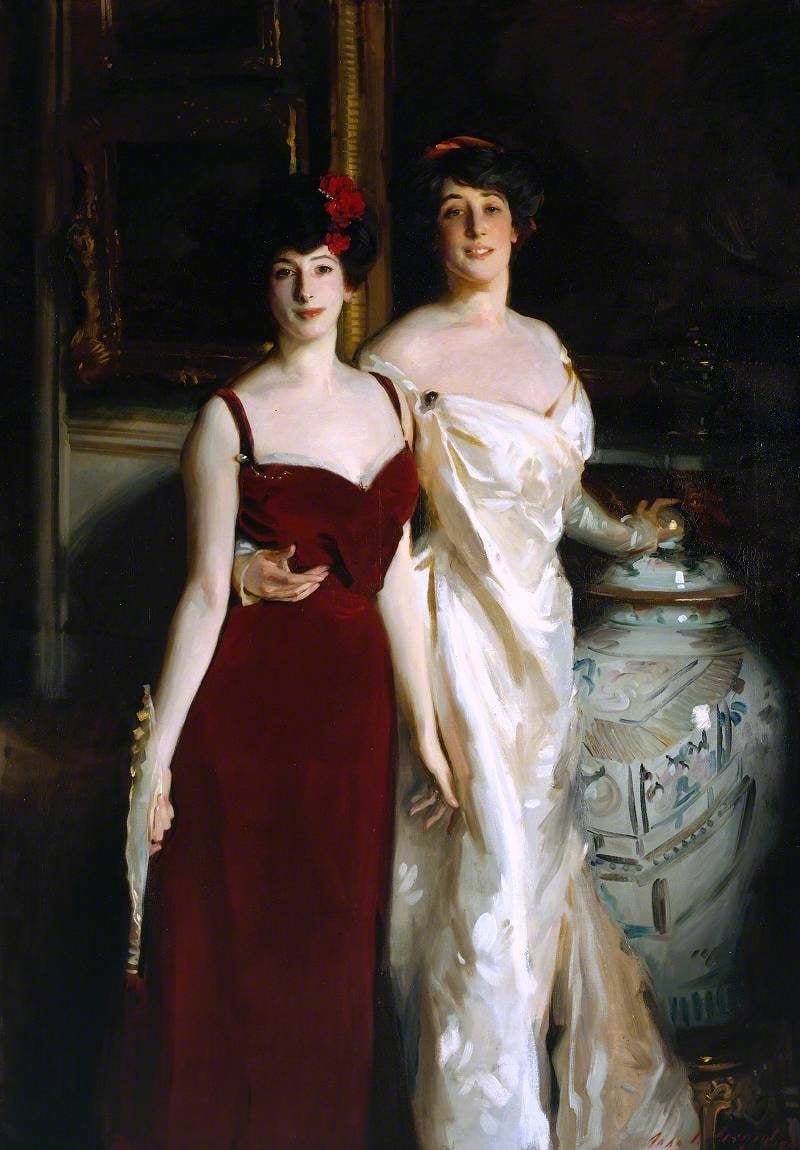
If a genie granted me the ability to bring one artist back from the dead to create a portrait of myself or a loved one, without thinking too hard about what it might mean for the artist (“you brought me back for what?!”), I’d pick John Singer Sargent. I’m curious about which artists come to mind for others, if anyone wants to chime in.
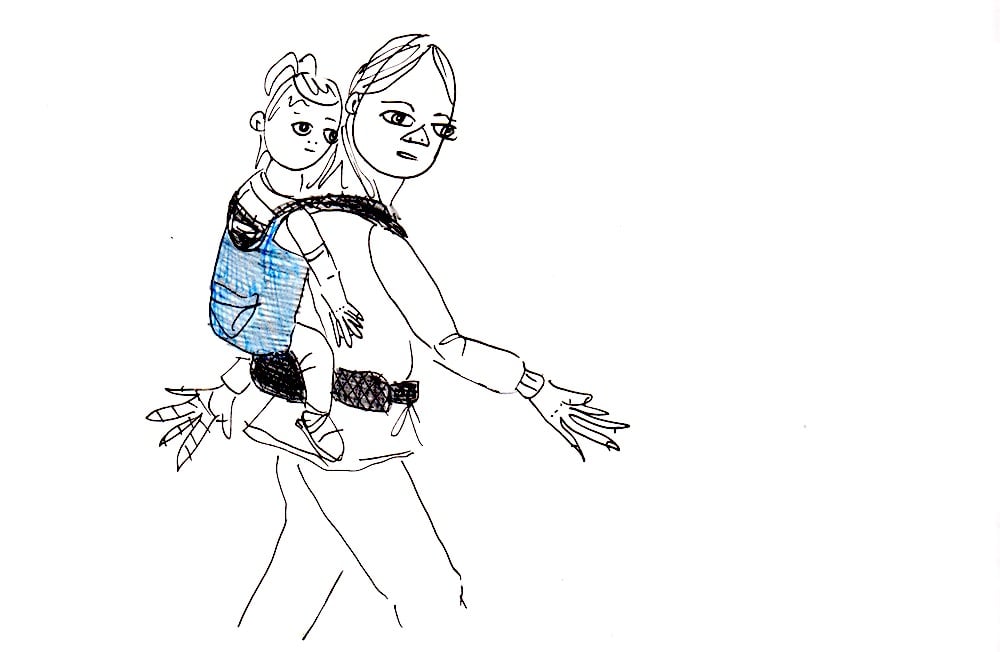
A friend texted this morning to ask if I had any recommendations for toddler hiking backpacks (for carrying the toddler in), and I was pleased to offer a concrete answer: the BityBean Baby Carrier. I bought one on a recommendation from parenting writer and economist Emily Oster, and it’s been one of the best kid purchases I’ve made. I carried my toddler in it every day until I got too pregnant with our second child, but I’m psyched to bring it back this year. It’s super minimal and easy to put on, with a weight limit of 40 pounds. There’s a slight learning curve to put the child in unassisted, but we got pretty good at it after a while. Way more fun than wearing the baby on the front! (And it looks like they also sell it at Walmart.)
A couple weeks ago, music writer Hank Shteamer tweeted a link to Tracy Chapman’s 1988 song “Behind the Wall,” from her self-titled debut album, writing:
“Fast Car,” yes, for all eternity, but can we make some room for “Behind the Wall”? Made a huge impression back then and I’ve still never heard anything else like it. 110 seconds of unaccompanied voice. Spellbinding.
I hadn’t heard it in a while and was grateful for the reminder.
Note: If you are a member and tried to log in, it didn't work, and now you're stuck in a neverending login loop of death, try disabling any ad blockers or extensions. Or try logging out and then back in. Still having trouble? Email me!


















Socials & More