kottke.org posts about Jason Kottke
Here are some photos I’ve taken during my time in Tokyo so far. I’ve been posting new stuff more or less daily to Instagram. Somehow I’m already about halfway through my stay.
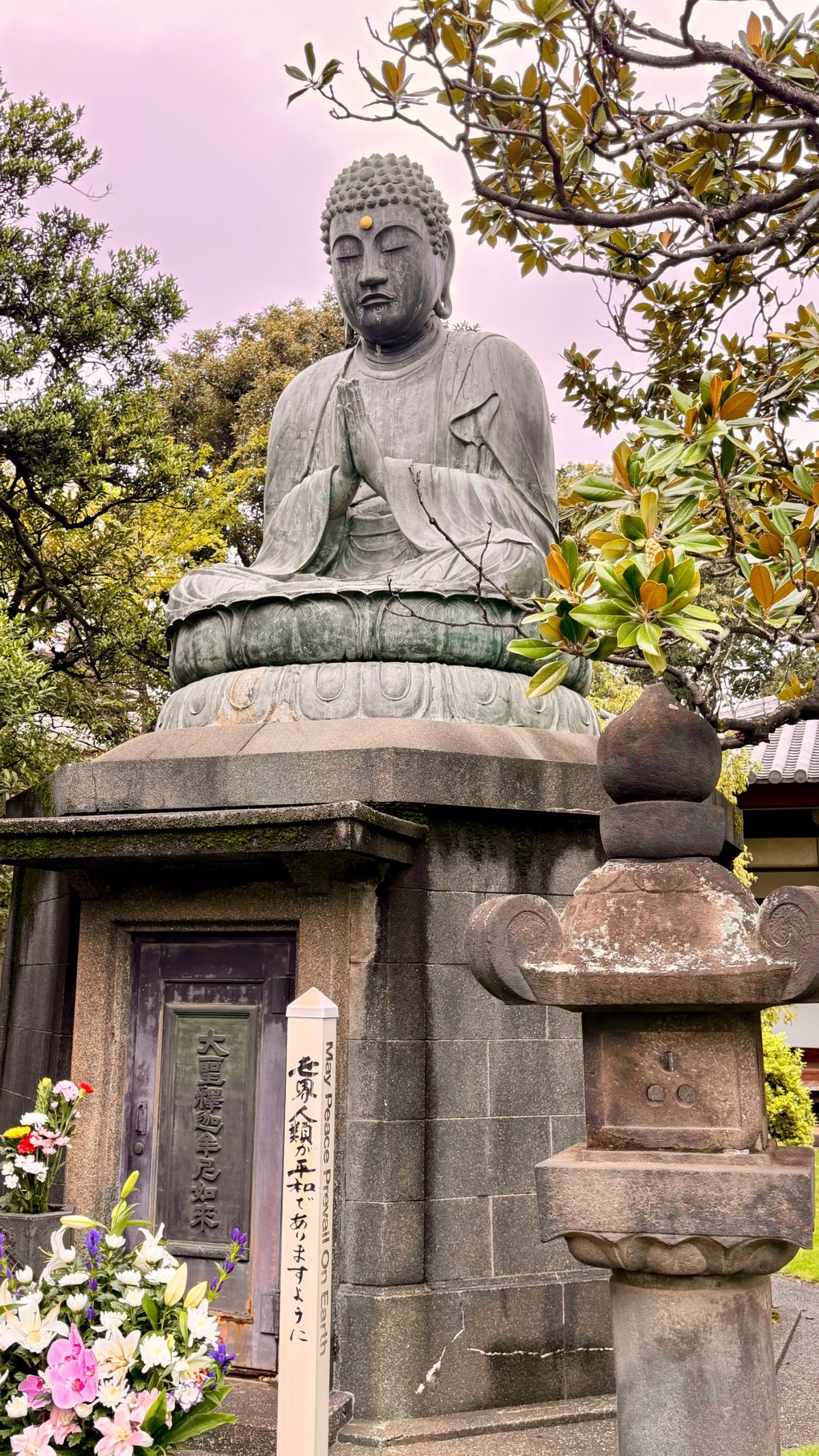
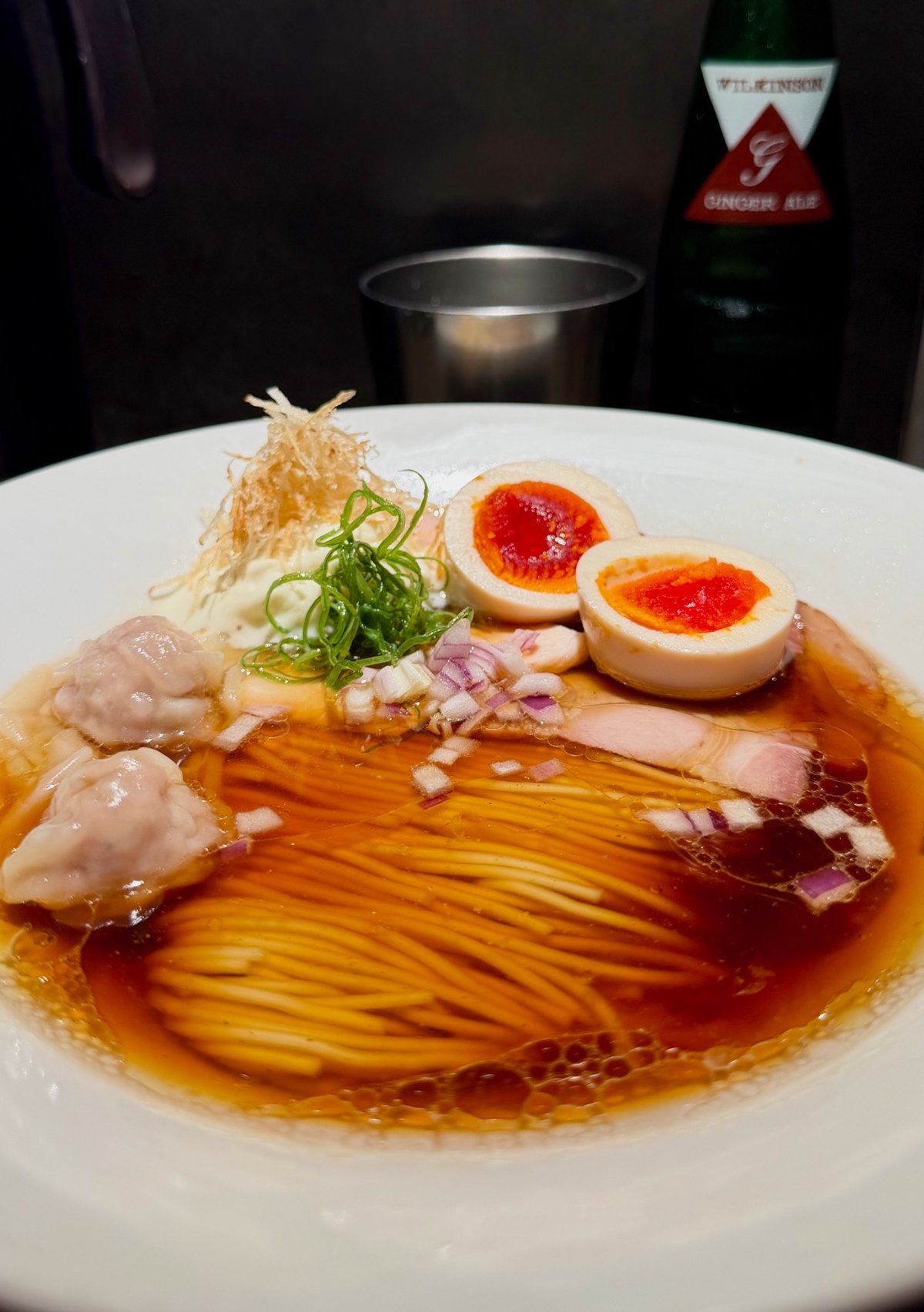
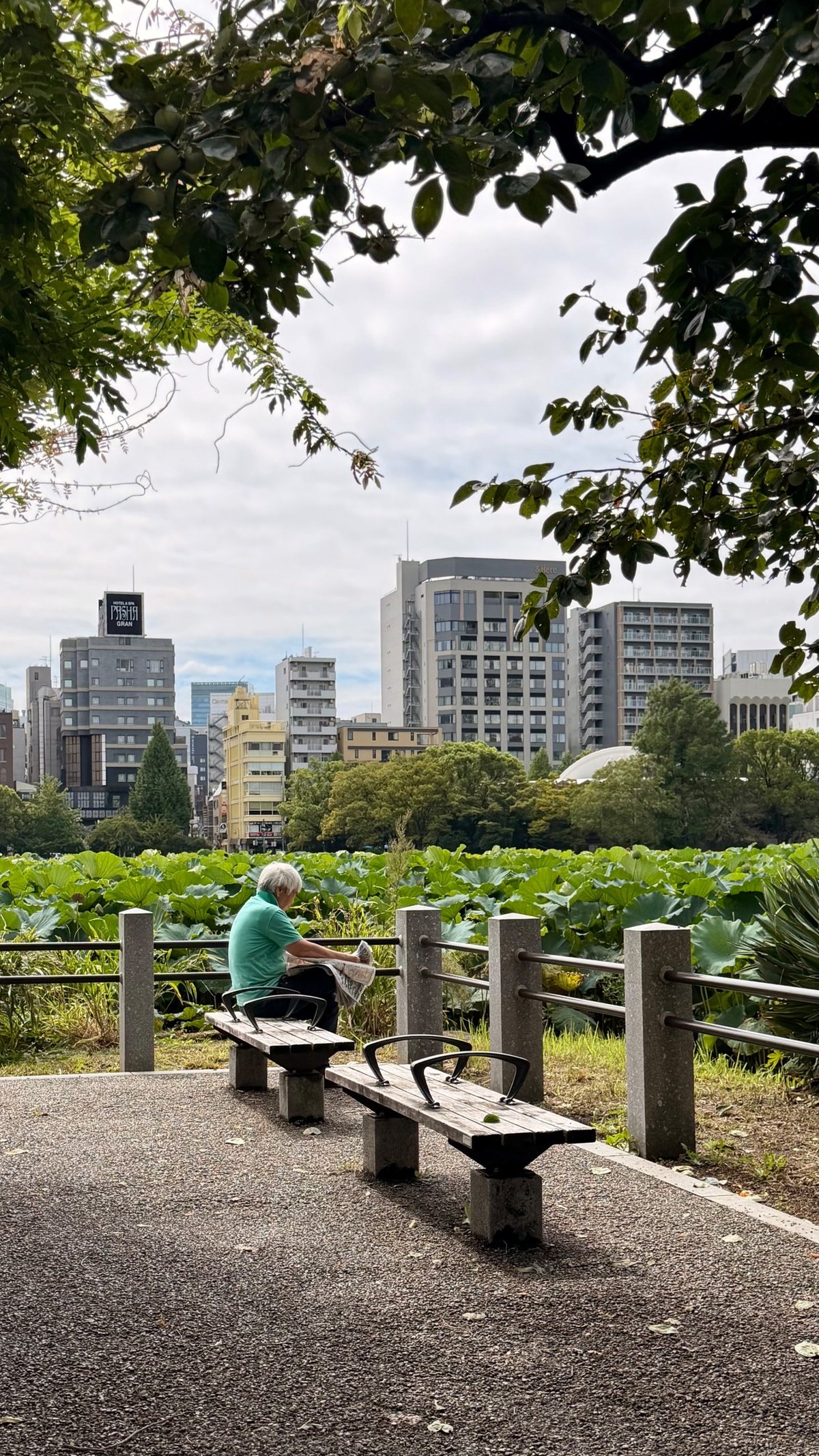
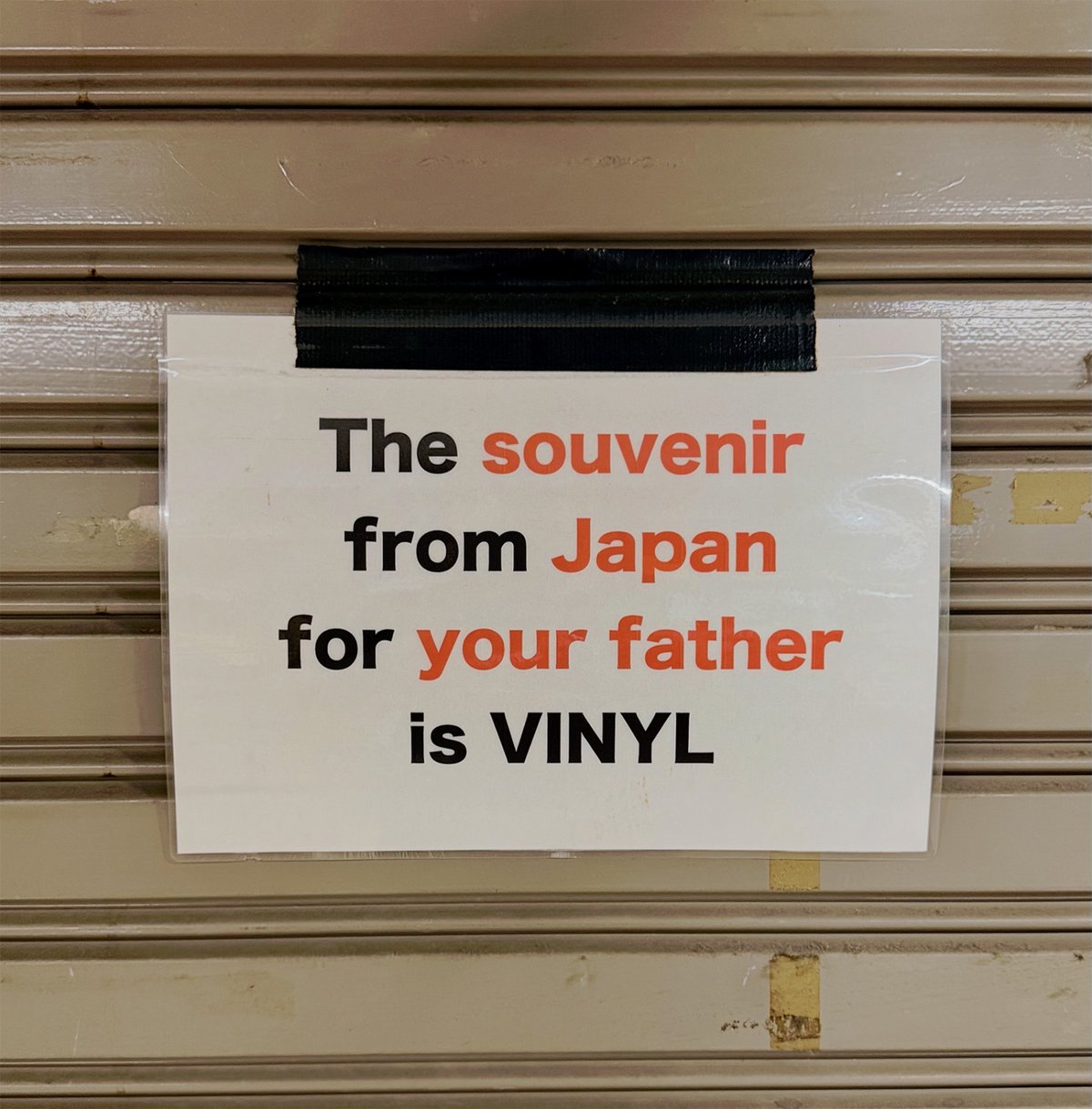
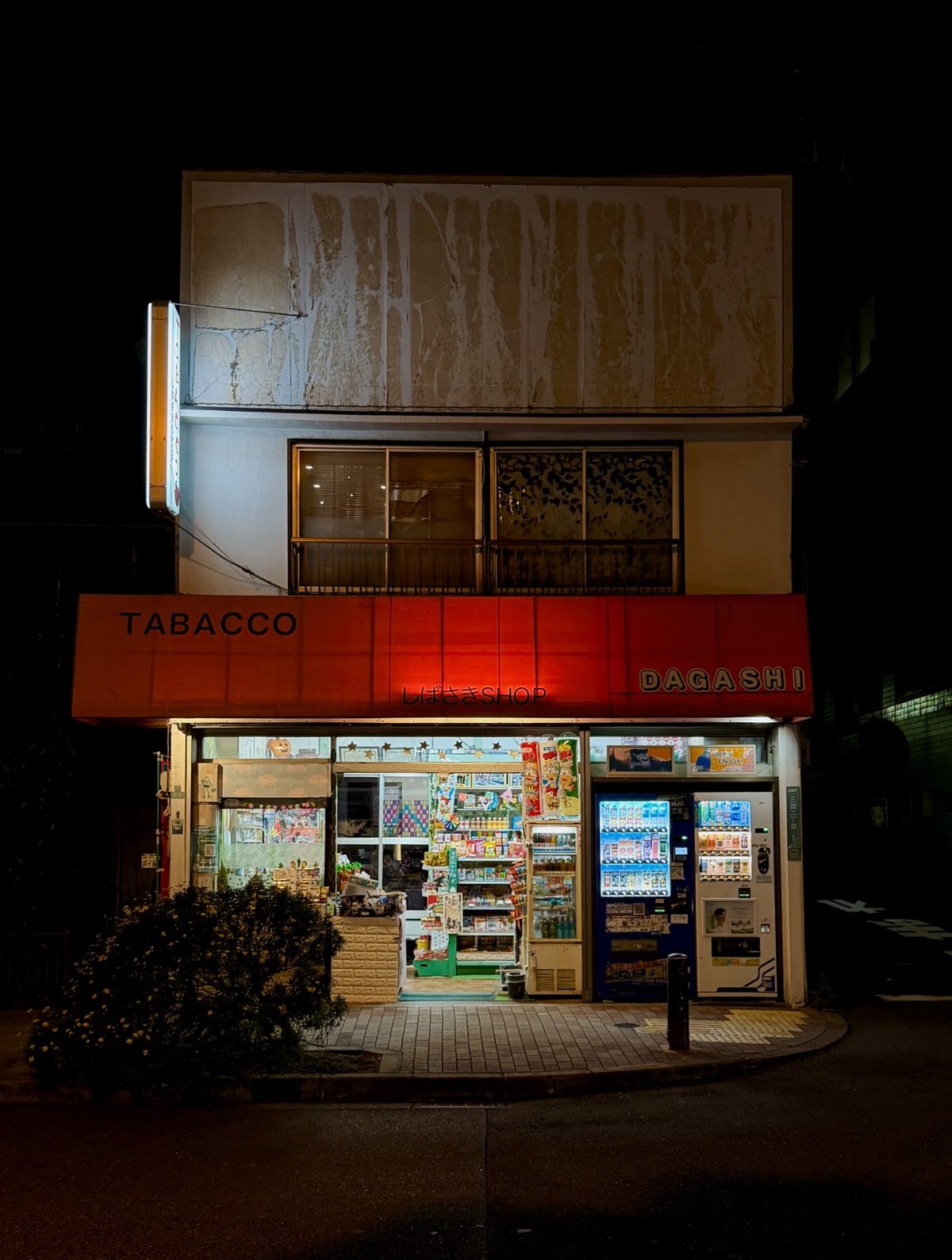
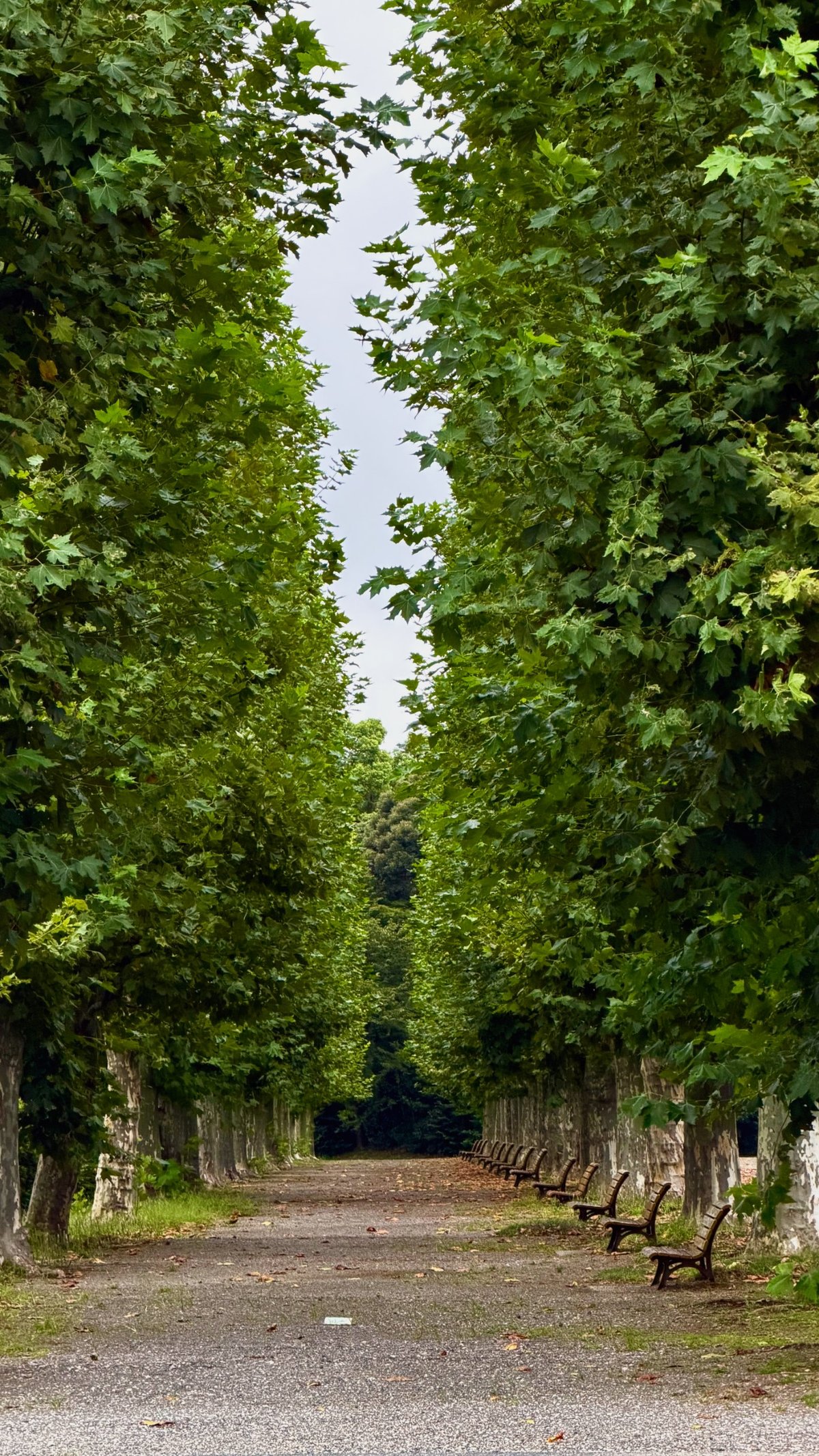
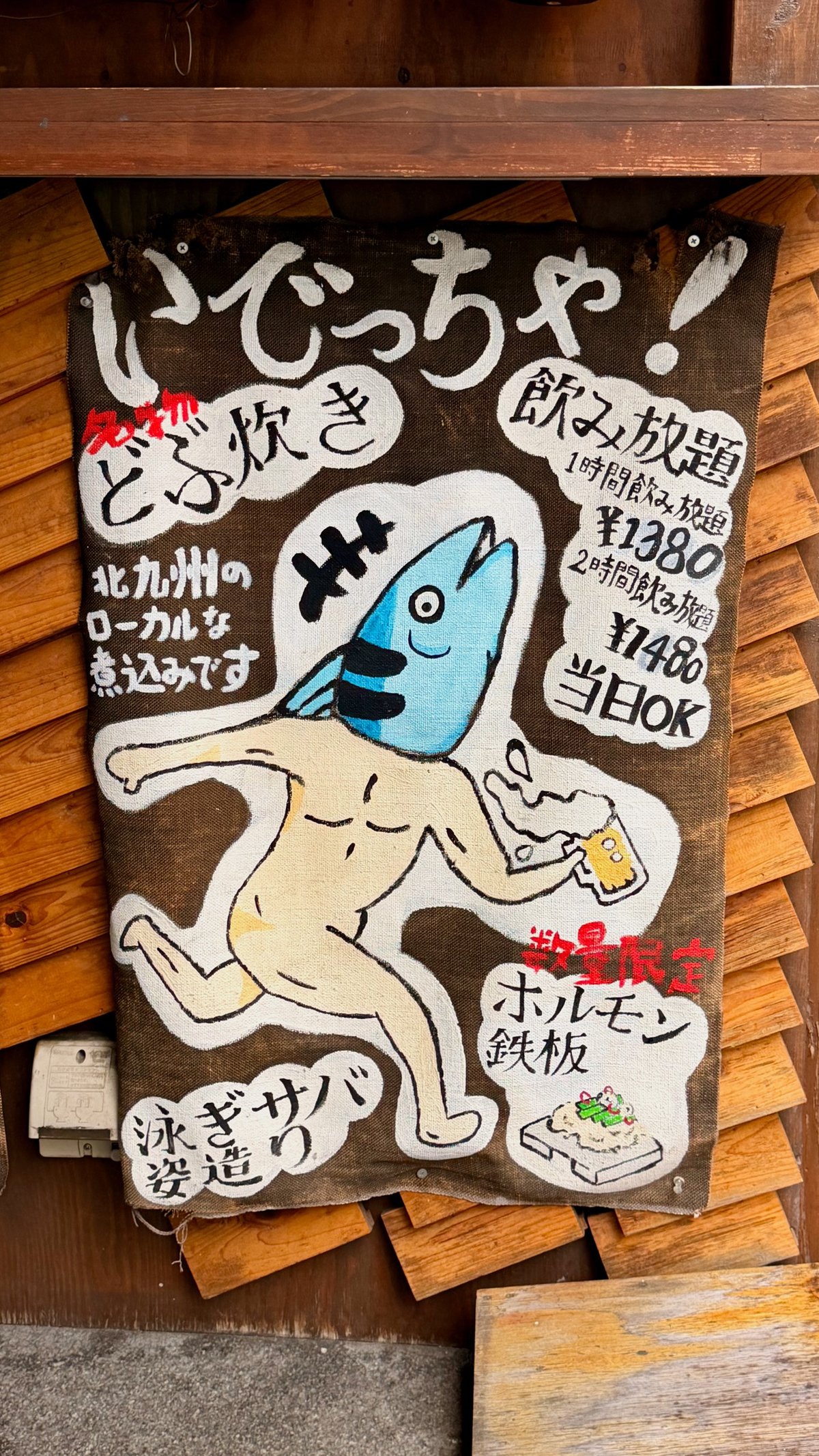
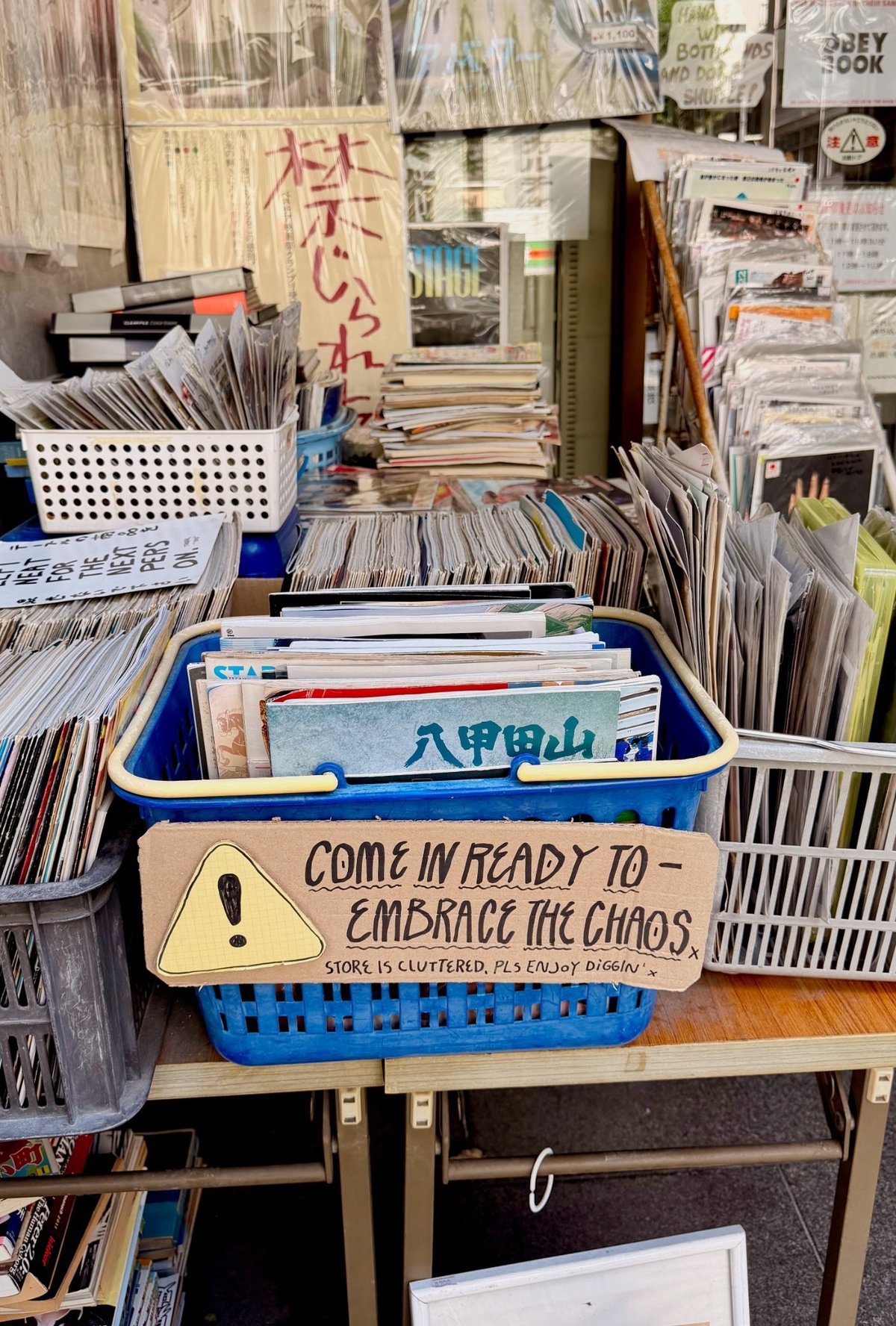
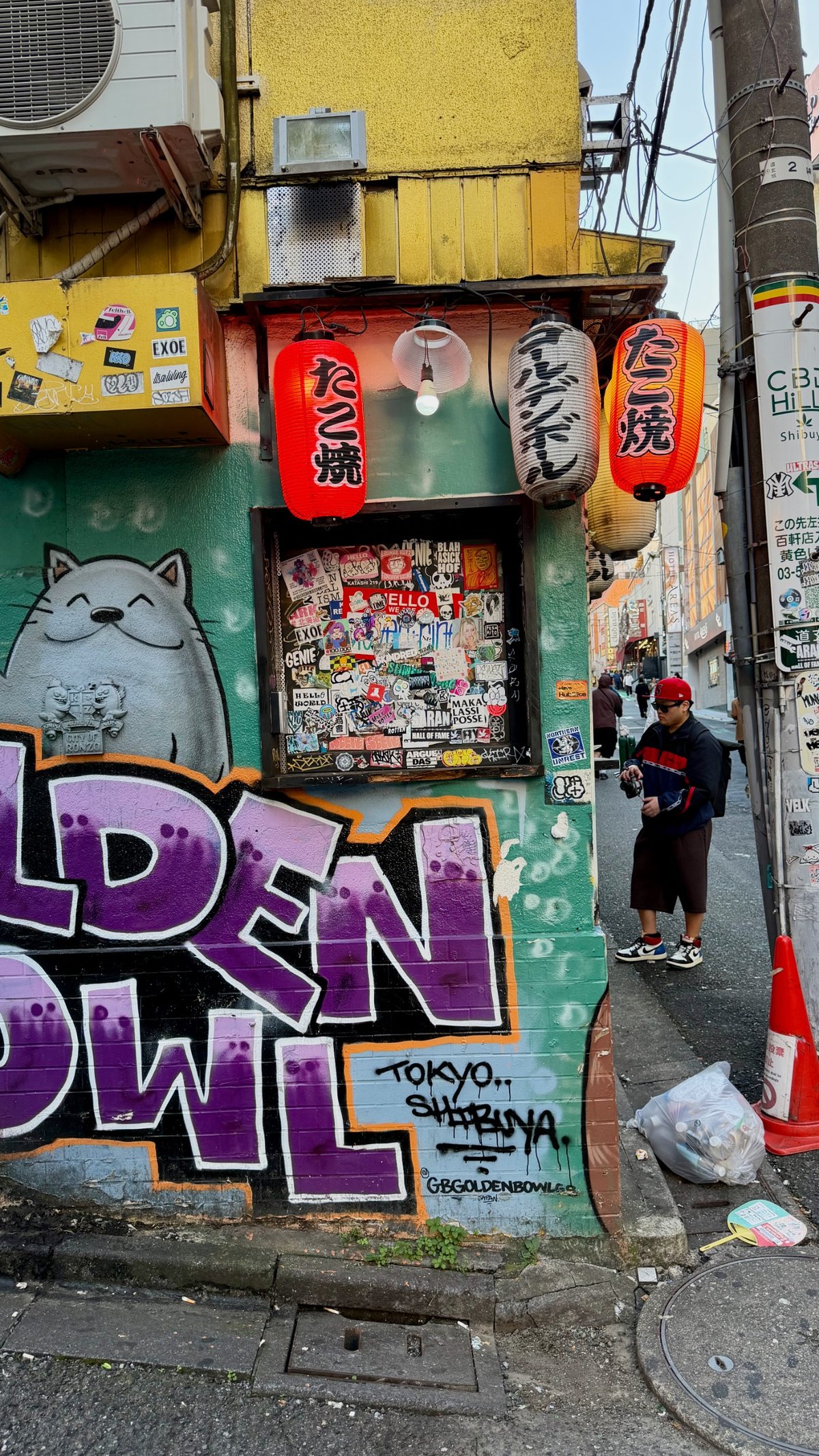
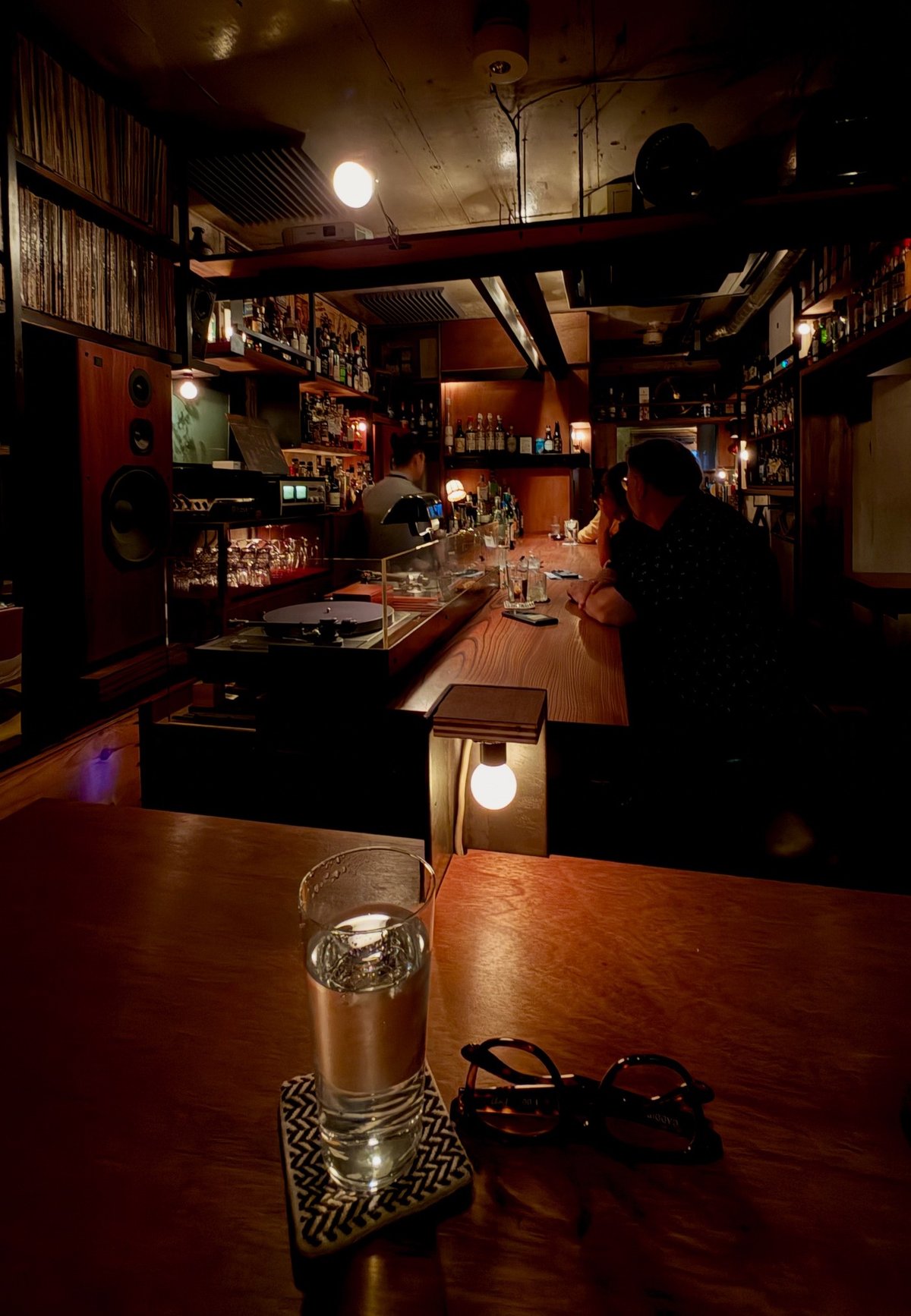
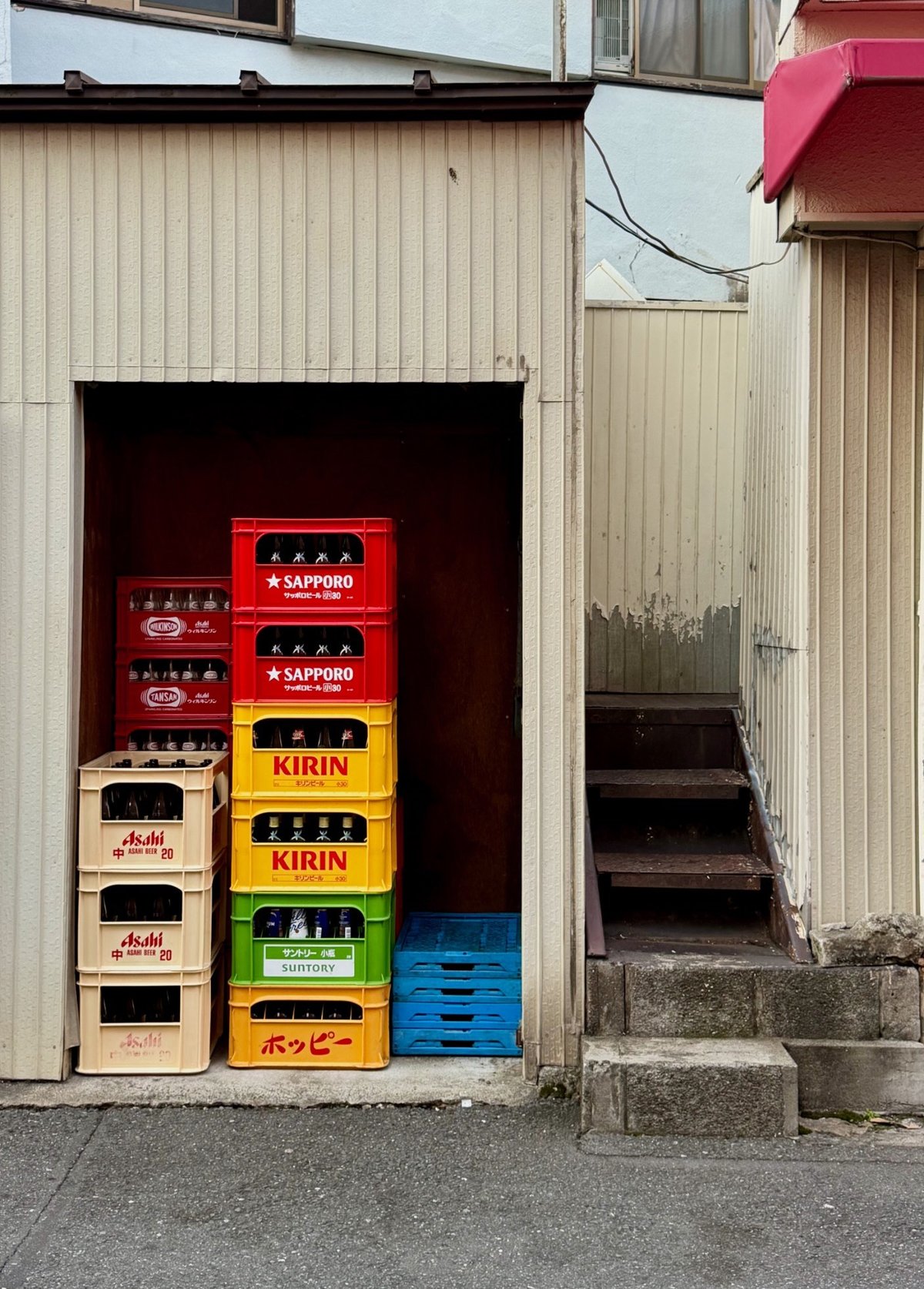
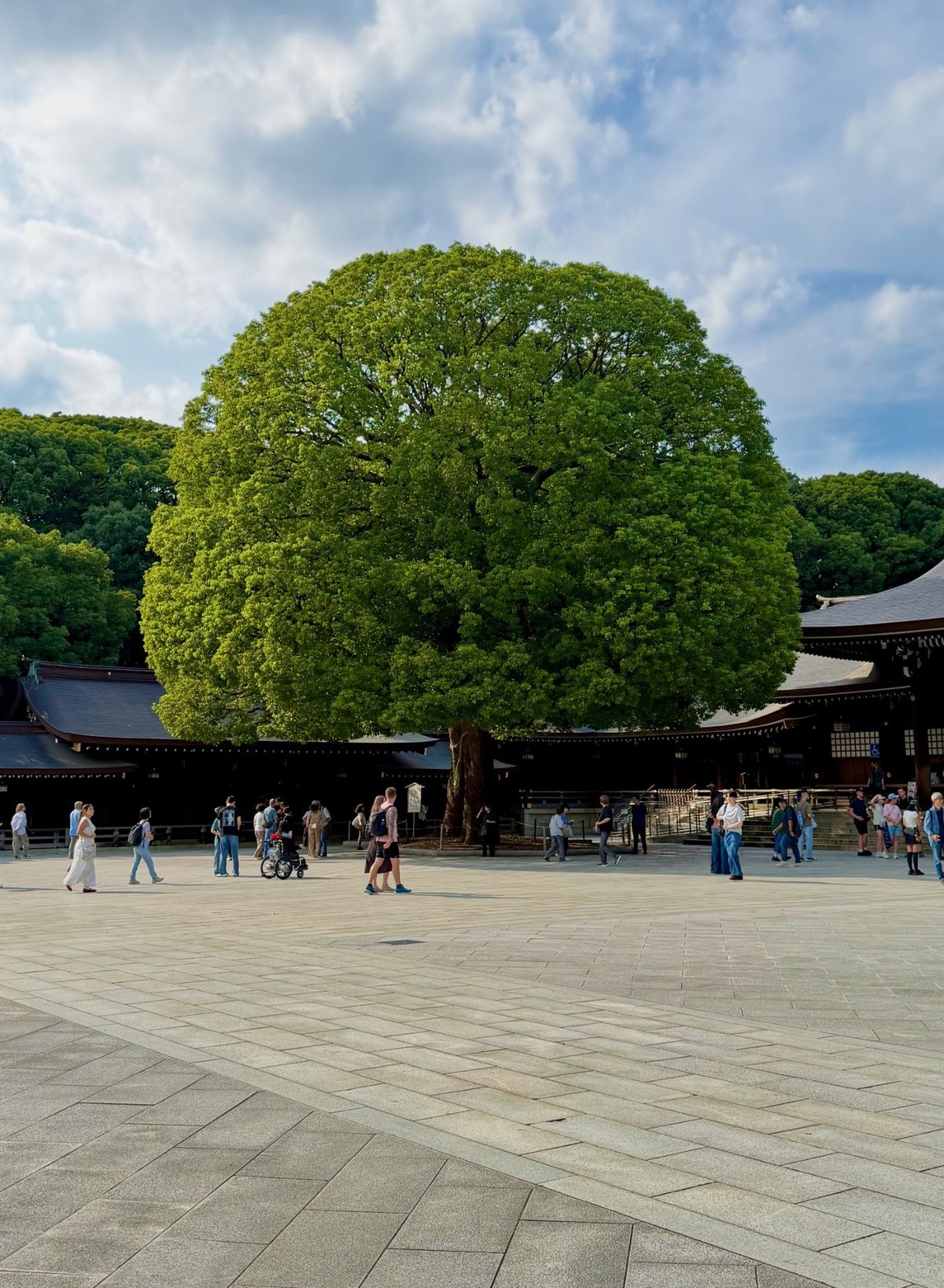
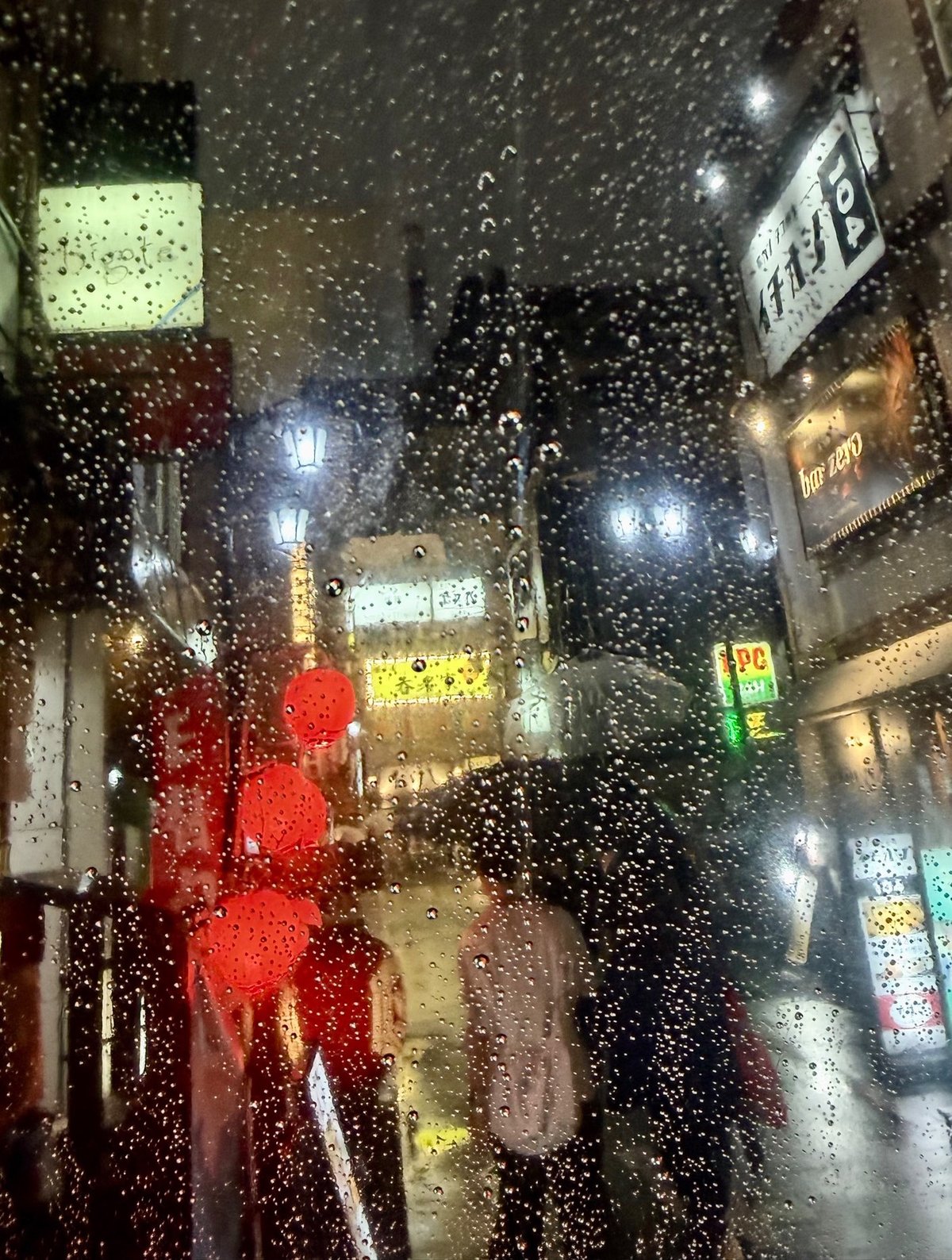
Somehow these images both capture and don’t even come close to capturing my experience here. That kinda place, I guess.
For New York magazine, Emily Gould writes about her quest to cry again: I Miss My Tears (archive).
I looked over at my husband, Keith, whose eyes were red, and felt … nothing. Not a clench in my chest, not a pang, not an incipient burning behind my eye sockets. It wasn’t totally surprising; by this point, I hadn’t cried for more than three years.
I’d started to suspect that something was wrong with me when a friend I’d known since childhood died and I didn’t shed a tear. I sat at her memorial service and felt something worse than nothing — a calcified layer around where feeling should have been, as if something were trapped in my body with no hope of emerging on its own. I noticed the absence at other times I would usually have sobbed. A late-night fight with my husband, at the point where any other form of communication feels impossible. Fifth-grade graduation, when the valedictorian thanked her teachers for helping her when she was going through chemo. Pixar movies, Call the Midwife, Sarah McLachlan singing “in the arms of the angel” — none of it moved me to tears. I wasn’t a monster, I was pretty sure. Something was wrong with me. I craved the cleansing sensation after the tears stop, that feeling in your sinuses that’s like you’ve been swimming in the ocean. The boneless relief that comes after sobbing has ceased to wrack your body and you can finally rest, absolutely drained. I had no idea what it would take to get back there, the place I’d been effortlessly able to access for the first 41 years of my life. But I would spend the next six months trying. I hoped it might even be fun.
I started taking an SSRI a few years ago with the goal of giving me enough space to approach life’s challenges without feeling completely overwhelmed (by anxiety, by depression). The medication didn’t “fix” me…it just kept the train from derailing all the time (sometimes over the smallest things) and gave me the freedom to work through things on my own and with my therapist.1
I was lucky to land on a good med/dose combo on my second try — the first pill I tried made me feel jittery and more anxious than I already was. But my current med does come with a couple of side effects. My sex drive is lower than it was (although that could also be age), which is not altogether unpleasant — a quieter mind in charge of things instead of a libido. The other side effect is that I don’t cry anymore, at least not as easily.
Crying is something I took up after my kids were born. Not often, but once every few weeks maybe. I cried when things got hard and for awhile, things were hard a lot of time: pandemic, parenting insecurity, divorce, living somewhere that really didn’t suit me, and always always the website & the discomfort of being an odd sort of “public figure”. Watching any movie with parents and kids (esp. dads and sons) got me — heck, even some Marvel movies got me. In sessions with my therapist, I cried when we’d hit a particularly tender vein of pain. As Gould says, the crying was cathartic and felt necessary — I always felt better and clearer afterwards.
But that’s mostly stopped since I’ve been on my meds. I still get sad, although less so, but I don’t cry. Movies don’t really get me going anymore. When my kids are struggling (in school, with friends), that gets me the closest. I miss that release — I feel a little pent-up sometimes. But I wouldn’t trade crying again for how I felt in the Before Times. I’m ok not having access to crying — at least for now.
Over the past six months (leisurely) and in the past three weeks (intensely), I’ve cleaned out and packed up my entire house where I’ve been living for the past 10 years. I went through every bit and bob of what I owned and either:
- gave it away (fiddle leaf fig, grill, chairs, stuffed animals,1 blender, rugs)
- sold it (car, coffee table, lamp, iPad)
- put it into storage (art, mementos, chairs)
- took it with me (very little, mostly clothes & computing things)
Parting with my possessions was surprisingly easy. I’d been planning this move for a while now and had time to get used to the idea and say my farewells. And the concept of having a bunch of stuff, 95% of which I never used or thought about or even remembered owning, was really starting to make me itch. So out it went; I felt lighter with each thing that exited the house.
But I wasn’t expecting the spice drawer.
I was working my way through the kitchen when I opened the drawer with all of my spices and baking supplies. A pause. What do I do with these? I picked up a jar of smoked paprika and was suddenly flung back in time to 12 years ago. I remember exactly where I bought that paprika and why.
I’d recently moved into my own apartment after separating from my wife and was still trying to figure out how my new household was going to work. My kids came over a few times a week; what the hell were we going to eat for dinner? I was competent but not confident in the kitchen; Meg is a great cook and I couldn’t match her effort or output. I had to come up with my own meals that a) I could cook, b) the kids would actually eat, and c) were somewhat healthy.
One of the recipes I found was for smoky corn chowder, so I headed to the grocery store on 23rd St. to buy ingredients, including a jar of smoked paprika. The kids loved the corn chowder and it became a favorite of ours — something that they only ate over at Dad’s house.
Over the years, the kids and I amassed a small collection of recipes we loved and often had at my house — caldo verde, lasagne, buttermilk pancakes, taco salad, apple pie, and others — and the spices to cook them: oregano, cinnamon, nutmeg, baking powder, basil, baking soda, Ortega Taco Seasoning Mix 😂. I pulled each spice container out of the drawer and tried to remember what I’d cooked with it, what dishes it was in that we’d eaten together. I opened the tops to sniff some of the spices and was more strongly pulled back into those times when my kids were small and I was worried — no, I was terrified — about not being up to the task of filling their tummies, minds, and souls with the good stuff on my watch.
Man, so much of our time together revolved around food. The spice drawer hit me hard because it was a powerful olfactory reminder not only of the delicious meals we’d shared but also of my insecurity around parenting, how I slowly gained confidence, and how I eventually found freedom & pride in what I was able to offer my kids.
In the end, I had to throw all the spices out — no takers for half-used, decade-old containers of parsley flakes or jars of cumin — but I’ll always remember cleaning out that drawer and all of the memories it stirred up. Proust had his madeleines, but I doubt I’ll ever pass by a jar of smoked paprika in the supermarket or in someone’s spice drawer without feeling all of it all over again.
Back when I went on sabbatical in 2022, I told the story of the fiddle leaf fig tree I bought shortly after my ex-wife and I separated and I’d moved into my own apartment.
I’d recently moved into my own apartment after separating from my wife and figured a large plant in my new place would add some liveliness to a new beginning that was feeling overwhelming, lonely, and sad. For the first couple of months, I didn’t know if my tree and I were going to make it. I’d never really had a plant before and struggled getting a handle on the watering schedule and other plant care routines. It started losing leaves. Like, an alarming number of leaves.
I’d brought this glorious living thing into my house only to kill it! Not cool. With the stress of the separation, my new living situation, and not seeing my kids every day, I felt a little like I was dying too.
One day, I decided I was not going to let my fiddle leaf fig tree die…and if I could do that, I wasn’t going to fall apart either. It’s a little corny, but my mantra became “if my tree is ok, I am ok”. I learned how to water & feed it and figured out the best place to put it for the right amount of light. It stopped shedding leaves.
The fig tree was a happy plant for several years after that. And I was ok because my plant was ok — I found new routines and rhythms in my altered life, made new traditions with my kids, got divorced, met new people, moved to a new state (w/ my family and tree), rediscovered who I was as a person, and, wonderfully and unexpectedly, forged a supportive and rewarding parenting partnership and friendship with my ex. We made it through that tough time together, that plant and me.
I got a lot of feedback from that post…so many kind notes and comments. But there was one email from a reader that particularly stuck in my mind. Of course I can’t find the actual message in my disaster of an inbox, but the gist of it was something like: There may come a time when you feel like you need to let your fiddle leaf fig go and that will be ok too.
Over the next few years, I thought often of that email. About how my tree, which in some sense kept me going during one period of my life, might not be quite right for whatever the next period in my life would be.
Recently, that time arrived. I carried the fig out to my car, stopping to snap this pic on the way:

I loaded it into the car and drove it a short distance to its new home with my friend and her three young boys. Here it is in its new habitat:

Looks pretty good, right? Like it belongs there. I’m really happy it found such a good new home. I hope it thrives along with their family.
A few days ago, about two weeks after the tree departed, I left my house in Vermont for the last time too. In the preceding months, I’d sold some of my things (including my car), given a bunch of stuff away, and put the rest in storage. I drove my rental car to Boston and got on a flight to Tokyo. Right now, I’m sitting in a cafe near my rental apartment writing this post, jetlagged but happy to be here.
So what’s my plan? I’m going to travel for an indeterminate period (mostly outside of the US and dipping back in for visits), starting in Japan for a couple of months. I don’t know where I’m going next yet — probably somewhere closer to the US so I can visit my kids more easily during this transition.
Zooming out a bit, the broader plan is to attempt to answer the questions that I’ve been thinking about for the past few years, ever since I went on a Walk and Talk in Thailand:
Where do you call home? And why?
I’ve been struggling with the concept of home for the past several years. NYC very much felt like home to me shortly after I moved there in 2003 in a way that Minneapolis and (especially) San Francisco hadn’t. Since moving to Vermont in 2016, I’ve never really felt at home here. But NYC isn’t home anymore…and neither is Wisconsin, where I grew up. Where do I want to go to find a home? Do I need to feel at home somewhere? Or is home simply wherever my bed/desk/stuff happens to be? I had more questions than answers around this issue and I was interested in how other people in the group, which included folks that had lived and travelled all over the world, would answer the question.
I’m not going to lie…I’m a little terrified. Sitting on the plane to Narita, I looked out the window thinking “what have I done?” But I’m also excited. Living elsewhere in the world has been on my mind for a long while and at this point, I can’t not do it. I’ll let you know how it goes.
As for what this means for KDO: hopefully not much and only good things. I moved; I didn’t retire. As I get more settled here and my body accepts its new timezone, regular service will resume. I’m hoping the more stimulating surroundings and injection of culture shows up in interesting ways in my life and on the website. I don’t think KDO will ever become a travel blog, but I imagine I’ll write sometimes about where I am and what I’m doing. I’ve got a backlog of things I want to do for the site and now that the massive time sink of moving is done, I’ll have the opportunity to do them.
For now, I’m going to pack my computer up and walk to find something tasty for lunch — I’ve so missed being able to easily do that. Catch you on the flip side.
Hey folks. I just wanted to hop in here quickly to let a cat out of a bag: I am in the midst of moving. Not going to get into the wheres, whys, and hows right now; there’s a bigger post coming at some point about all of that. I’m excited and anxious about the transition (it’s a pretty big one), but it’s been taking up a lot of time, energy, and bandwidth that I would usually be putting into KDO.
The move is happening in early Sept, and I’m probably going to be taking some time off between now and then (timing tbd) to get everything packed & organized, spend time with family & friends before I go, and generally not run myself completely into the ground. Thanks for your patience & understanding; I’m excited to get back to focusing on the site in mid-Sept. ✌️
Yesterday, Ollie and I hiked up to Delta Lake (via Lupine Meadows Access) in Grand Teton National Park. It was perhaps a bit aggressive given my current lack of fitness, my non-acclimation to the altitude (we topped out at 9000’), and the rock scrambling we had to do near the top, but we were rewarded with one of the best views I’ve ever seen.
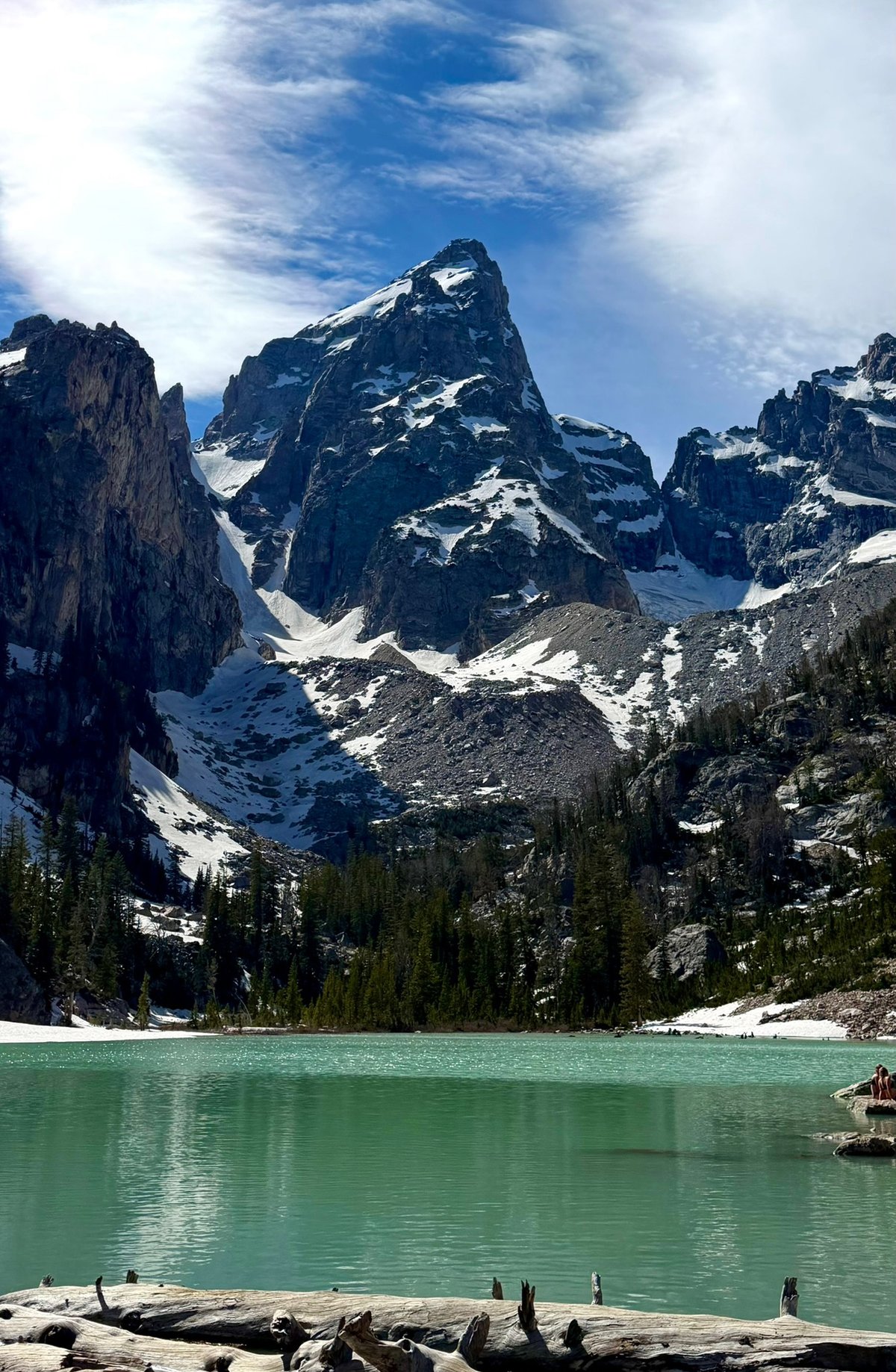
That’s the Grand Teton (13,775’) in the background. The lake was so enchantingly blue…the photos don’t do it justice. I shared a few more photos from the hike on Instagram.

I’m headed out on an unexpected trip this afternoon, to attend the funeral of Dr. Steve Feller, who was my advisor in college and to whom I owe a great deal. I talked about Doc, as all his students called him, on this podcast with Craig Mod several years ago. From the transcript:
When I got to college, it was like, holy shit, there are people here who take [the learning] part of school seriously – because they’re curious about it, because they can’t help it. I learned that that I am one of those people — that I just can’t help being interested in all sorts of different things. College for me was like this amazing thing.
Didn’t know what I was going to major in when I got there, but after a year or two, I decided I was going to major in physics. I had this advisor. His name was Dr. Feller. He was the best teacher, hands down, I’ve ever had in my entire life.
He would do this amazing thing. I didn’t notice this right away, but when I got to be a junior and senior, I noticed this more and more.
In the class, he would teach simultaneously to every level in the class, no matter if you knew exactly what was going on with everything, or if you were really struggling, or anywhere in between. I don’t know how he did it. Like I still don’t know how he did it.
He was so generous with his time and his energy. He had this infectious energy that just propelled everyone forward. I just took so much from that experience and from having him as an advisor, and as a mentor, and as a friend really. He became a friend.
I think I owe him a lot in how I approach the world, and how I approach work, and in just thinking of the world as this endless bounty of things to know.
I feel very lucky to have had him in my life, and I know many, many other people feel the same way. (Photo above of Doc & me in 2018.)
I don’t know how much I’ll be posting here over the next few days; I will likely see you back here next week. 💞

I began at the end. The Chōishi-michi pilgrimage route is an amazing 12-mile trail that winds its way up through the forest from the Jison-in temple in the town of Kudoyama in the valley to the Danjo Garan temple in the town of Kōyasan in the mountains. The origins of the trail date back to the founding of Kōyasan as a center for the esoteric Shingon school of Buddhism by Kūkai (aka Kōbō Daishi) in 819 CE. Legend has it that Kūkai used the trail to visit his mother; ever since, for some 1200 years, Buddhist faithful have been using the Chōishi-michi to worship in sacred Kōyasan. I was going to follow in their footsteps, for my own ends.
To climb up a mountain like a proper pilgrim, you need to start at the base. Seeing as my lodgings were already in Kōyasan, my journey began by a) catching the bus down a winding forest road; b) where I boarded a cable car for the ludicrously steep journey down to Gokurakubashi; c) where I got on an extremely local train; and d) finally disembarked at the Kudoyama train station and walked to the starting point. One hour and 30 minutes after I’d left my guesthouse, I stepped through the gate of the Jison-in temple. Now all I had to do was climb the entire 4100 feet of elevation back to where I’d started.

When establishing the Chōishi-michi some 1200 years ago, Kūkai marked the route with wooden guideposts, one every 109 meters. You don’t want your pilgrims getting lost — how are you going to find eternal salvation if you can’t even make it to the temple? The markers were replaced with more sturdy stone gorintō in the late 13th century. 180 of these stone markers are situated along the route from to Jison-in to Danjo Garan, along with another 36 markers from Danjo Garan to the Mausoleum of Kōbō Daishi in the Okunoin Cemetery. In the spirit of wayfinding, perhaps a map of my there-and-back-again route would be useful:

———
I was thankful for the frequent stone markers as I’d gotten a little lost on my hike the previous day. I was traveling on — or I was supposed to be traveling on — the Nyonin-michi pilgrimage route (Women’s pilgrimage route) and doing pretty well when I took a wrong turn right near the end.
This particular trail, though popular, wasn’t on All Trails and markers were sparse, so I was doing a lot of pinching & zooming of Google Maps and a PDF I downloaded from the internet. The trail curved right and I stayed straight, wondering why this bit of the trail was a little less blazed than the rest of it had been, and I popped out into the backyard of a temple. Oh no, I thought, I’m not supposed to be back here; only monks are supposed to be back here. I’m offending so many ancestors right now.

More pinching and zooming — ok, there’s a road off to the northwest. I set off and walked by what looked like some recent graves? The ancestors: so mad right now! What a disgrace of a pilgrim I am. I found myself crouching as I walked almost on tiptoe, trying to evade detection — even though the Buddha surely knew where I was and what I’d done. The road was just where the map said it would be; I slipped through a gap in the fence and followed it downhill for a quarter mile, not entirely sure I wasn’t still in a restricted area.
I came up on the other side of the temple and realized I’d stumbled into the backyard of Kōbō Daishi’s Mausoleum, where Shingon founder Kūkai entered into eternal meditation in 835 CE,1 aka one of the absolute holiest places in all of Japan, aka I am in deep, deep shit with the ancestors. Abandoning my plans for lunch, I entered Okunoin Cemetery through a proper entrance and made my way to the mausoleum. Wishing to make amends, I bowed at every bridge and threshold where everyone else was bowing and threw some coins into the saisen box.2 Many of the people around me were quite emotional about being there. The whole atmosphere just felt good, peaceful, numinous.
———


Ok, back to the Chōishi-michi, the big 12-miler. The first few miles felt almost straight up and then the trail leveled off for a while. The weather was cool but humid, so I hiked in shorts sleeves, sweating. It rained intermittently. Fog crept up the mountainside. I hiked though persimmon orchards; they’re in season right now. Small stands sold oranges & persimmons on the honor system. The path was well marked, not only with the stone gorintō but with well-placed signs in Japanese and English pointing the way to Kōyasan.


Walking the narrow path between the forest’s tall evergreen trees felt like entering a European cathedral with a towering vaulted ceiling. A bamboo forest earlier on the hike had a similar feeling; spaces such as these make you look up and feel whatever power or force or presence you believe in. You feel small and big all at once. The forest: unbelievably beautiful.

I heard voices through the trees and then the crack of something — was that a golf ball? Am I hiking through a golf course? The trail came to a clearing and lo, the tee for the 13th hole. The path also passed by vending machines,3 crossed roads, and zagged through tiny towns. The modern world, built up around this ancient trail.
I stopped for lunch around the halfway point: a sandwich, apple & custard pastry, and a small can of consommé flavored Pringles procured the night before at FamilyMart. FamilyMart is one of the big three convenience stores (konbini) in Japan — the other two are Lawson and 7-Eleven. Before you come to Japan for the first time, everyone tells you how amazing the konbini are: “You’re not going to believe this, but…” And then you get here and damn, they were right. The consommé Pringles were delicious.
After lunch: one foot in front of the other. Pilgrim mode locked in. Maybe I should become a monk, I think. I’m pretty good at being a pilgrim, the hiking part of it, I mean. I’m fine being alone with my thoughts. The clothes look comfy. I could be a monk with the internet at the center of my practice. Hours spent doomscrolling is kind of like meditation, right? It’s certainly a flow state of sorts, like the blood gushing from the elevators in The Shining. I’m into aesthetics. And I— oh, it’s ascetic? Ah. Maybe I’ll just stick to my secular life then.
Another stone marker. Another 109 meters. Keep going. I pass one every 90-100 seconds or so. Early on, the markers flew by; I didn’t even notice some of them. Now I’m searching them out ahead, peering up the slope I know (via All Trails) steepens sharply right at the end. Is this is the last one? No. But keep going. It’s damp, the rocks are wet. An inch of moss covers everything save for the well-worn pilgrimage path. It feels like a rain forest. Another stone marker. Another 109 meters. Keep. Going.
I sense the top of the hill — something about the light changes. I see a guardrail ahead. Emerging on the side of the road, I cross it and make for the Daimon gate, the traditional entrance into town. On the threshold, I bow deeply. Stepping over, I pump my fist in the air — I’ve made it back to Kōyasan.
———
A weary pilgrim deserves a hot bath. My guesthouse is a further few hundred feet. The woman who runs it is very nice and a little kooky; I like her. After the sacred backyard debacle the other day, I told her about all the ancestors I’d offended. She chuckled and told me, the ancestors, they don’t mind so much. She cooked me breakfast (delicious, nutritious) every morning — you don’t look like a tofu person, she said, eyeing me. Correct.
On my last morning, I asked her about a bunch of boxes stacked on a table. I have an interest in incense, she said. Apparently it’s quite involved and the most skilled practitioners are equal in expertise to those who do the chadō tea ceremony. She opened one of the boxes and showed me a very expensive twig of charcoal, which is so special that they sell it by the stick. When the charcoal burns, it does so purely, without giving off any gases or sparking or spitting. Afraid she’s trapped me into politely listening to her going on about her hobby, she checks in: are you actually interested in this? My turn to chuckle; personally & professionally, I’m interested in all sorts of things, even fancy charcoal.
The guesthouse has a kick-ass bathtub, deep and quick-to-fill. My host keeps a selection of bath salts and I select a yuzu one. Tired but happy and fulfilled, I soak a long while, easing the pain in my aching feet & back, the yuzu scent filling my pores.
———
After bathing, I set out to finish my journey. I’d previously walked the length of town to the Okunoin Cemetery and back a couple of times, but I wanted to do the whole thing in one day: from Jison-in temple to Kōbō Daishi’s Mausoleum at the far end of the cemetery, a proper pilgrimage. Well, not quite proper…because I was tired from my hike, I caught the bus instead of walking. The quest is the quest, whatever it takes.

Okunoin Cemetery is one of the most breathtaking and magical places I’ve ever been. Imagine a redwood forest like Muir Woods with Buddhist temples and a 1200-year-old cemetery with tens of thousands of faithful buried in it. The soaring trees create that cathedral effect and even an atheist like me can’t help but feel holy in the presence of so many souls, including Kūkai/Kōbō Daishi himself.
I hopped off the bus and started into the cemetery. Night had fallen and it was quite dark; should I have brought my headlamp? Ah, no need…the way is lit by hundreds of lanterns lining the path at about shoulder height. There are also some brighter, taller lights, a concession to safety I suspect. They’re the wrong temperature though, a rare misstep in a country with an unrivaled collective attention to detail. Whereas the lanterns glow with a pleasant amber light, these safety lights are a cold, garish blue, a color as harsh to the eye as the word “garish” (or “harsh” for that matter).

Aside from a few other people, I’m the only one here at this hour. Why are my shoes. So! LOUD!!? Each footfall echoes about the whole place and the crunch of the sand on the wet pavement under my soles is deafening. Once again, I am disturbing the ancestors. I try to walk quieter but somehow that’s even louder? How is anyone supposed to be eternally meditating with all this racket going on? Definitely not monk material, neither me nor my cacophonous shoes.
What’s that noise?! Some kind of animal? Ok, I can still hear the faint sound of traffic on the nearby road and anywhere with automobile noise isn’t scary — dangerous perhaps, but not scary. I hear another noise, one that I can only describe as “probably bird but what if monkey?” Or maybe Ghibli monster? I gotta say, in case you didn’t know, Hayao Miyazaki sure nailed Japan. Hit it out of the park. Everywhere I go, I am reminded of his work: small food stalls, beautiful parks, tiny trucks, cute little train stations, forest paths — the just-so touches of Japan reflected and amplified by the meticulous and rich detail of Studio Ghibli’s work.

The cemetery oozes Ghibli energy; it is not difficult to imagine thousands of Miyazaki’s weird little guys hanging from every tree and lurking behind every gravestone. Buoyed by their benevolent presence, I make a full loop of the cemetery in the dark, all the way to Kōbō Daishi’s Mausoleum and back to the entrance again.
And then, not wanting to wait 25 minutes for the bus, I walked all the way back to my guesthouse again, stopping at a sushi place for dinner. When I poked my head through the door, there was one other customer, an old guy smoking a cigarette who gestured for me to join him at the communal table. A menu was produced; I ordered so much sushi. Baseball was on the TV in the corner — game 1 of the Japanese equivalent of the World Series. The old couple running the place brought me sake, six massive fatty tuna rolls, six even larger salmon nigiri, and a much larger bowl of miso soup than I was expecting. As the three of them chatted, we all watched the baseball and I finished everything they brought me. I’d walked a total of 17.5 miles and needed to replenish.
I rolled out of there around the 4th inning of the game, arigato gozaimasus all around, and limped the rest of the way back to the guesthouse with a full belly, full heart, and teeming mind — back to where I began, at the end, completely satisfied by one of the best, most fulfilling days I’ve had in a long time.

Hey folks. I’m very excited to be heading to Japan for the first time next month. I’ll be there from mid-October for 3-4 weeks. The current plan is Tokyo, Kamakura, Kanazawa, Kyoto, Osaka, Koyasan, and perhaps Hiroshima — change my mind? If you’ve been there, please leave your recs in the comments below or drop me an email. If you live there or will be visiting at the same time, let’s meet up!
The photograph above is from Koya Bound by Craig Mod & Dan Rubin. The companion website to the book is great.
Writer & designer Frank Chimero took the summer off (“I quit my job at an opportune moment and called it a sabbatical”) and wrote a short post about the experience:
The summer is now mostly spent, and I am writing to say: not much has happened. I swept away the everyday to make space for the profound, and my days refilled with everyday things. No a-has, no takeaways, no transformation, no strong convictions about the future of technology, design, or Frank. But also: no crises, no existential dread (at least about myself), and very few reservations about quitting as the right choice. I am more spacious inside and enjoying a refreshed ability to attend to the things in front of me. Most people call this a vacation, I guess.
I never really wrote about the seven-month sabbatical I took three years ago because, as Chimero notes, not much happened. Or perhaps more accurately, the changes that took place didn’t reveal themselves or manifest for months (or even years) afterwards. As I wrote after being back to work for a year:
I still haven’t written too much about what I did and didn’t do during my time away — I thought I would but found I didn’t have a whole lot to say about it. The truth is I’m still in the process of, uh, processing it. But it’s clear to me that the extended time off was an incredible gift that has revitalized me — I’m really enjoying my work here and have great plans for the future that I can’t wait to get going on.
While I can tell you with absolute certainty that my sabbatical was transformative, pinpointing the critical things I did or didn’t do during my time off is still difficult. All I can say is: if you feel like you need one and have the opportunity, take a sabbatical. Just don’t expect your life to change that quickly because of it.
Hey folks. I’m dropping my son off at college today1 so the site is going to be a little slow until I get back midweek. In the meantime, you can check out some of the great sites on the KDO Rolodex on the front page of the site (scroll down some), and I’ll see you back here sometime on Tuesday or Wednesday. 👋
From an excerpt of his new book, It’s Only Drowning (Amazon), David Litt writes about the frustrating and humiliating experience of learning how to surf at the age of 35.
Yet I didn’t quit. I returned to the dog beach twice more the week of my first solo session, and four more times the week after that. I could count my total number of successful pop-ups on my fingers, so it wasn’t the rush of riding waves that kept me coming back. It was something deeper. During each surf session I felt frustrated, exhausted, humiliated, terrified, depleted, confused, and sore — but never depressed. While flailing in pursuit of whitewater may not have been fun, it was something different to think about. It paused the spin cycle in my mind.
I started mountain biking almost 5 years ago, at the age of 46. The sport is not so geared towards young learners as surfing, but it presents sufficient physical challenges and danger for the older human that feeling “frustrated, exhausted, humiliated, terrified, depleted, confused, and sore” is guaranteed. But also: exhilarated, fulfilled, happy, and engaged. While my cardio could still use some work, I’m no longer terrible at mountain biking and continue to improve, which is both a source of satisfaction at my progression and hunger to keep getting better.
See also: To Air Is Human and The Joy of Fortnite.
Ok, having been all over the western Mediterranean for the past two weeks, I’m back. *sigh* Here, without comment or context (I know, I know), are some of the things I saw:


Not pictured: a bunch of amazing food we ate over the course of the trip.

Derek Bolz made a video about what biking does for his mental health. A partial transcript (boldface mine):
Life has been rough lately. I don’t want to air my dirty laundry on the internet, so I won’t go into detail. But for a number of reasons, I am quite stressed out, maybe more than I’ve ever been before. To put it simply: everything is not ok.
But then, suddenly, everything is ok. My hands are on the bars, my feet are on the pedals, the wind is in my face, my mind is clear. All I have to do is clear that jump, rip around that corner, clear that other jump, land that trick, hold that manual, hold that wheelie, hold on for dear life, pedal harder and harder and harder.
That is the beauty of biking. It demands so much of your attention that you have no option but to live in the present. There’s no time to worry. It’s like meditation while moving. And then you always feel a bit better after.
This is one of the reasons I’ve fallen in love with mountain biking over the past few years — riding is so all-encompassing that it forces me out of whatever past or future crisis is occupying my thoughts and into thinking no more than a second or two into the future. And moving through physical space feels like you’re making progress, which is amazing when you’re feeling stuck in the rest of your life.
Depending on the trail, if I lose concentration for a second while biking, I might get seriously injured or die. As someone who has never been into extreme sports, I have no idea why I decided being on the edge of death is fun and stress-relieving, but it is. 🤷♂️
Mountain biking isn’t for everyone — I know others get a similar sense of presence and focus from running, skiing, throwing pots, woodworking, photography, walking, surfing, writing, knitting, meditation, gardening, painting, reading, and the list goes on and on. I feel lucky to have found my thing and would love to hear if you’ve found yours. (via @mmilan)
When Fairlee, Vermont’s Lake Morey freezes over in the winter, a 4-5 mile loop is cleared by a local resort for wild ice skating. I was able to get out on the ice with my family for a couple hours on Friday; it was great fun, and I’m looking forward to going again soon.


I hope you got out this weekend and did something outside or active or new or comforting…we’re going to need to replenish our reserves in the coming weeks and months.
Older posts



Socials & More