



More Than Friends. “How do you define a relationship? What is required for it to be ‘serious?’ Sex? Love? The threat of heartbreak? Is a relationship something you do or something you have? It is something that changes you? Teaches you who you are?”

Advertise here with Carbon Ads
This site is made possible by member support. 💞
Big thanks to Arcustech for hosting the site and offering amazing tech support.
When you buy through links on kottke.org, I may earn an affiliate commission. Thanks for supporting the site!
kottke.org. home of fine hypertext products since 1998.
Beloved by 86.47% of the web.
Entries for September 2024
A hand-drawn map by Vladimir Nabokov of the travels of Leopold Bloom & Stephen Dedalus around Dublin in James Joyce’s Ulysses. He drew the map for his college course on Masters of European Fiction.
Colonial Williamsburg, a Safe Space for Learning History
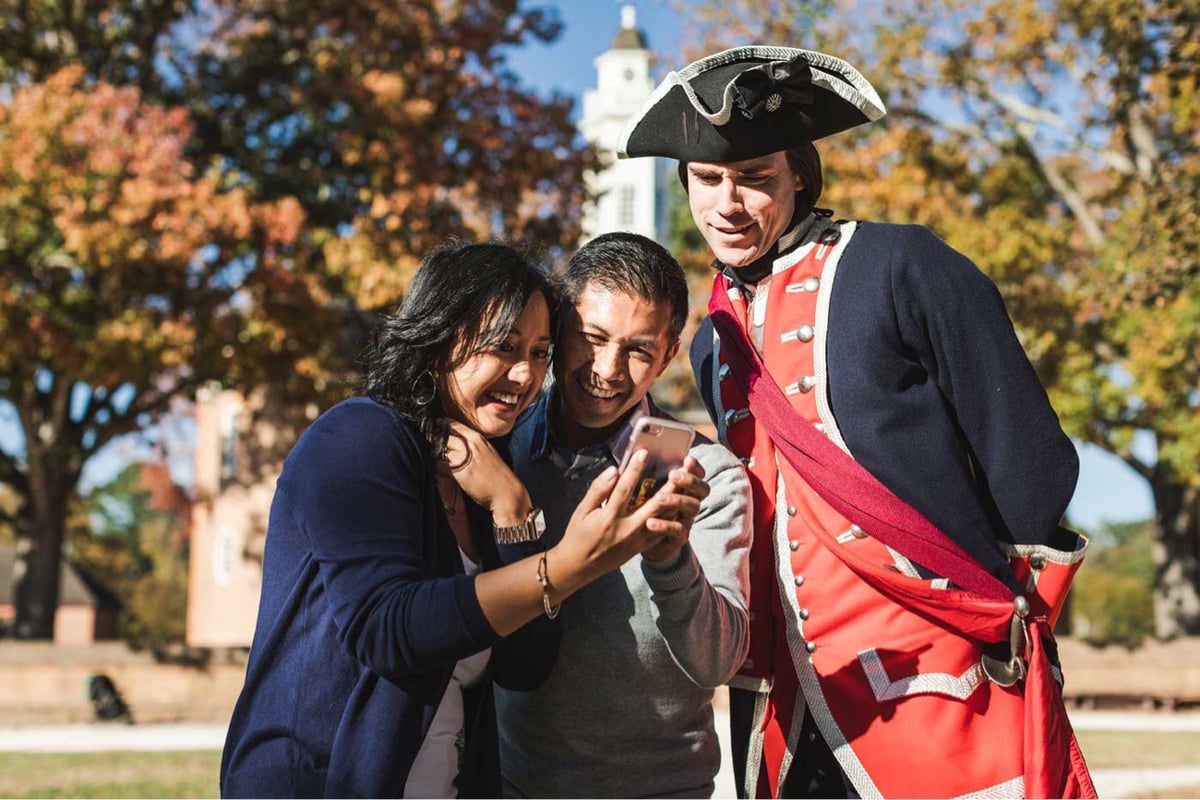
When you woke up this morning, you probably didn’t think the most interesting & thought-provoking thing you’d read today was about Colonial Williamsburg. Laura Jedeed’s piece for Politico, Where MAGA Granddads and Resistance Moms Go to Learn America’s Most Painful History Lessons, is about how folks at the living museum strive to accurately interpret the past while remaining accessible to those who might feel challenged by those truths.
In this excerpt, Jedeed describes how long-time museum interpreter Stephen Seals approaches portraying James Armistead Lafayette, an enslaved man who served as a spy for the American forces during the Revolution:
James Armistead Lafayette’s story encapsulates the paradox at the heart of America’s founding; enslavers who founded a nation to preserve liberty from tyrants. “To get a guest to understand that — to many of them it completely destroys their self-worth,” Seals said. “My job is to minimize their feelings of that destruction.”
That job can require a deft hand and emotional control, as when an older Southern man visiting Colonial Williamsburg with his granddaughter complained about what he saw as the museum’s hyperfocus on American chattel slavery when slavery has existed for millennia. “He’s like, ‘I’m kind of an expert in that sort of thing,’” Seals recalls. “My mind went, ding ding ding! Because that’s also something that I’ve read a lot about as well, which means I can have a conversation.” Seals asked the guest about the realities of enslavement in Greece and Rome, and how those institutions differed from slavery in Colonial America. The differences quickly became apparent. Classical slavery was not hereditary or explicitly based on theories of superior and inferior races, and enslaved people in Greece and Rome had many avenues to attain freedom and become full citizens.
“He actually said to me, ‘I never thought of it that way,’” Seals said. “I didn’t have to embarrass him in front of his granddaughter, which would have completely shut him down.”
In some ways, this was the exchange between two equals that it appeared to be on the surface. But Seals had to do most of the emotional and intellectual work to bridge that divide. At bottom, interpretation is a customer service job, and the power imbalance in favor of the guests is baked in. “Sometimes I’ve got to put myself to the side — actually, most of the time I have to put myself to the side — to think about where [the guests] are and what they need,” Seals remarked.
Read the whole thing, it’s interesting throughout.
James Earl Jones has died at the age of 93. I loved him in Dr. Strangelove, The Hunt for Red October, and of course all the Star Warses.

A Math Exam, but Obviously Some Stuff Has Happened over the Summer in the Teacher’s Personal Life. “Do you think if Evelyn saw on Instagram that the math teacher was now taller than Mark and hand-in-hand with a beautiful woman like Jane…”
Satisfactory Processing Machine
For some reason, this is a full-length version of Radiohead’s OK Computer by @shonkywonkydonkey that uses his voice for everything (vocals, drums, guitar, etc.) I don’t exactly know if I like this, but it is interesting. (via sippey)
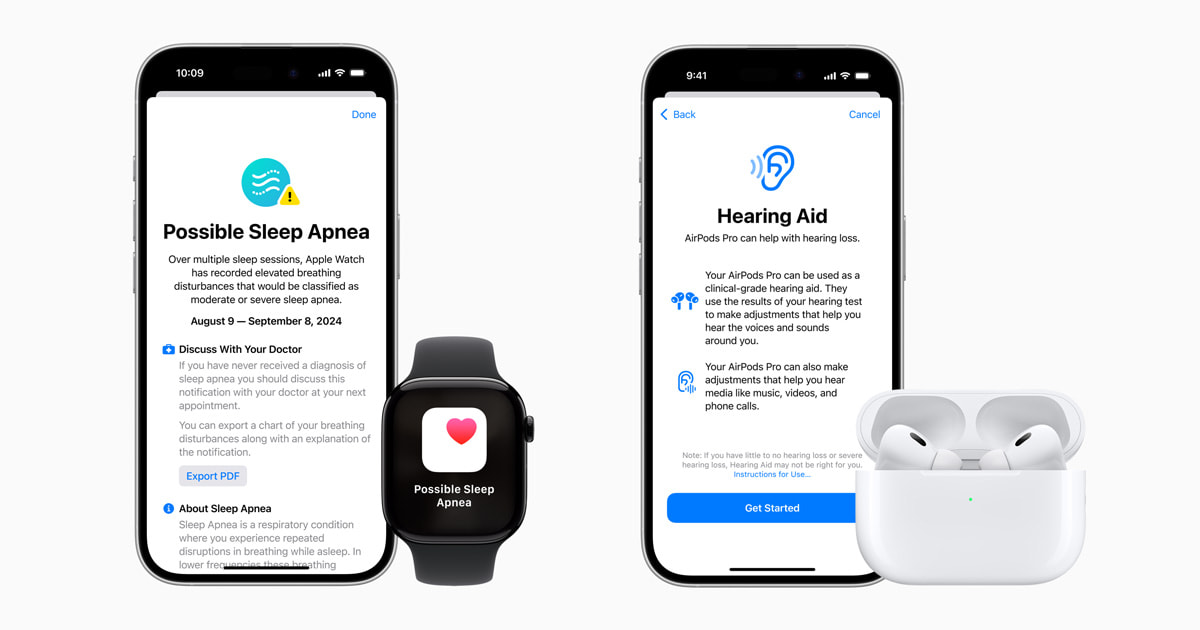
Apple just announced a number of hearing health features for AirPods Pro 2, including the ability to use them as over-the-counter hearing aids. (Oh and sleep apnea detection for the new Apple Watch.)
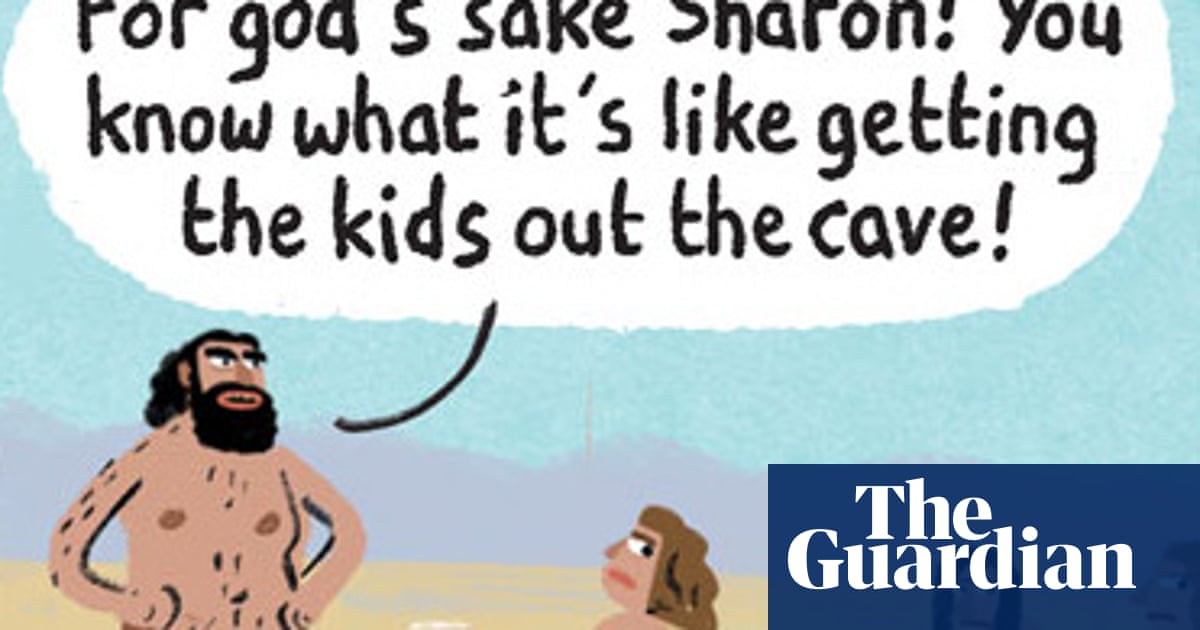
The neolithic dad guide to what time to leave for the airport. “The airport. We need to get there by 8 so we should probably leave about 6. / What’s an airport? What’s 8? What’s 6?”
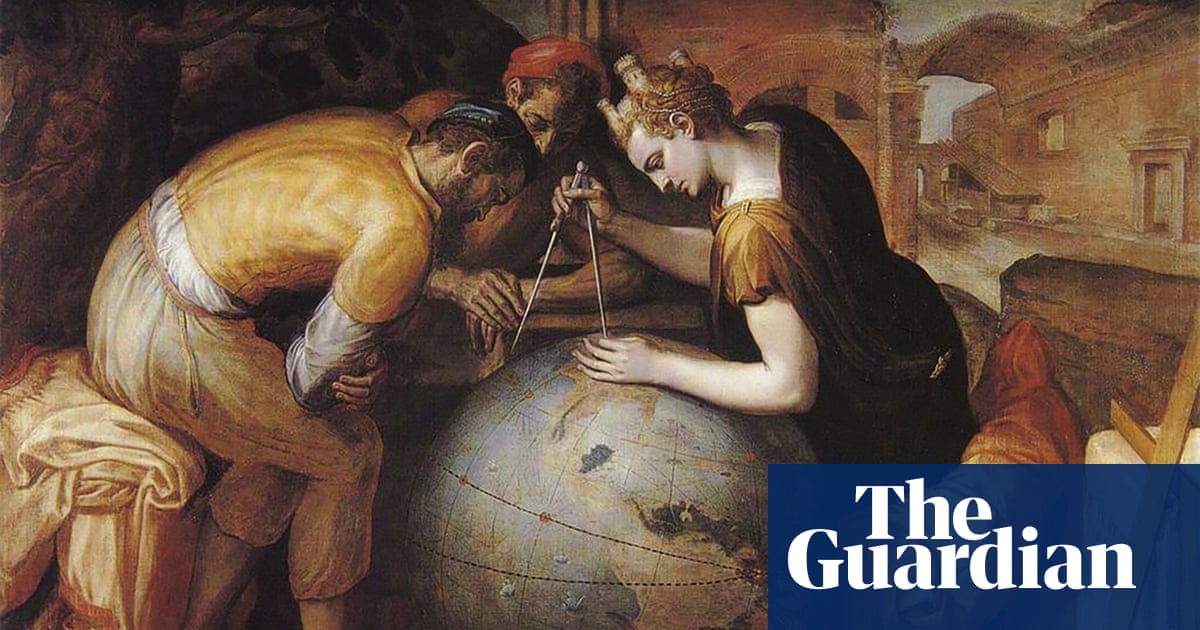
Is my date’s flat-earth beliefs a dealbreaker? “Our beliefs aren’t just a barometer of what we think is true. They’re also bound up with what we value; our attitude to how thinking itself should work. When will you count something as true?”
404 Media on The Rise of DIY, Pirated Medicine (to get around prohibitively high drug costs). For instance, Sovaldi cures hepatitis C and costs $84,000…but you can make it at home for about $70.

Playground by Richard Powers

Richard Powers (author of the wonderful The Overstory) is coming out with a new book later this month called Playground. I found out via this New Yorker profile of Powers by Hua Hsu, which describes the new book like so:
This month, Powers will publish his fourteenth novel, “Playground,” a book that initially seems like a way for him to add “ocean guy” to his C.V. It essentially comprises three story lines. The first is about Todd Keane, an all-conquering tech giant. The onset of dementia has compelled him to revisit his happiest memories, which involve Rafi Young, a close friend of his teens and twenties from whom he is now estranged. A second story line concerns a close-knit, dwindling community on Makatea, an island in French Polynesia, that must decide how to respond to an offer from wealthy American investors who want to launch a libertarian seasteading enclave nearby. The third follows Evelyne Beaulieu, a famous oceanographer, as she reflects on her life’s work and all the destruction she has witnessed: the collapse of fisheries and the disappearance of various species; the acidification of the seas; the dredging, in a single afternoon, of entire “coral cities that had taken ten thousand years to grow.” There’s also a Silicon Valley-inspired twist, involving Todd’s investments in social networking and artificial intelligence, that brings these narrative threads together.
Powers was a participant in the personal-computing revolution of the seventies and the rise of the Internet in the nineties, and he is deeply attuned to the potential cataclysms that technological innovation could invite. “I had this sense that we were living through this ethical moment again,” he said, of the inspiration for the new book.
You can preorder Playground on Amazon or at Bookshop.org.
This extensive list of pangrams (e.g. “the quick brown fox…”) also contains a list of phonetic pangrams, which use all the phonemes of English, like: “Are those shy Eurasian footwear, cowboy chaps, or jolly earthmoving headgear?”

The Prince Documentary You Might Never See
Ezra Edelman’s OJ: Made in America is probably the best documentary I’ve ever watched — it’s a powerful and illuminating work. For the past five years, Edelman has been working on a documentary about Prince for Netflix that aimed to understand an artist who resisted being known for much of his life and career. Edelman got access to Prince’s archive and talked to many of the people closest to him.
But now Prince’s estate is objecting to the portrait of Prince painted by the film: a man of “multiplying paradoxes” who was a “creature of pure sex and mischief and silky ambiguity [but] also dark, vindictive and sad”. Sasha Weiss wrote a fantastic article about the documentary, Edelman, and Prince for the New York Times Magazine.
When the screening ended, after midnight, Questlove was shaken. Since he was 7 years old, he said, he had modeled himself on Prince — his fashion, his overflowing creativity, his musical rule-breaking. So “it was a heavy pill to swallow when someone that you put on a pedestal is normal.” That was the bottom line for him: that Prince was both extraordinary and a regular human being who struggled with self-destructiveness and rage. “Everything’s here: He’s a genius, he’s majestical, he’s sexual, he’s flawed, he’s trash, he’s divine, he’s all those things. And, man. Wow.”
I called Questlove a few months later, to see how it had all settled in his mind. He said he went home that night and spoke to his therapist until 3 a.m. He cried so hard he couldn’t see. Watching the film forced him to confront the consequences of putting on a mask of invincibility — a burden that he feels has been imposed on Black people for generations. “A certain level of shield — we could call it masculinity, or coolness: the idea of cool, the mere ideal of cool was invented by Black people to protect themselves in this country,” he said. “But we made it sexy. … We can take dark emotion and make that cool, too.”
The night of the screening, he said he told his therapist, was a wake-up call: “I don’t want my life to be what I just saw there.” It was painful, he said, to “take your hero and subject him to the one thing that he detests more than life, which is to show his heart, show his emotion.”
Ever if you’re not a particular fan of Prince, it’s worth reading the whole thing.
John McFall is the first physically disabled astronaut. “Paralympian and surgeon John McFall is redefining the astronaut image and proving that space travel is achievable for people with physical disabilities.”


Hokusai’s The Great Wave Now on Display at the Art Institute of Chicago
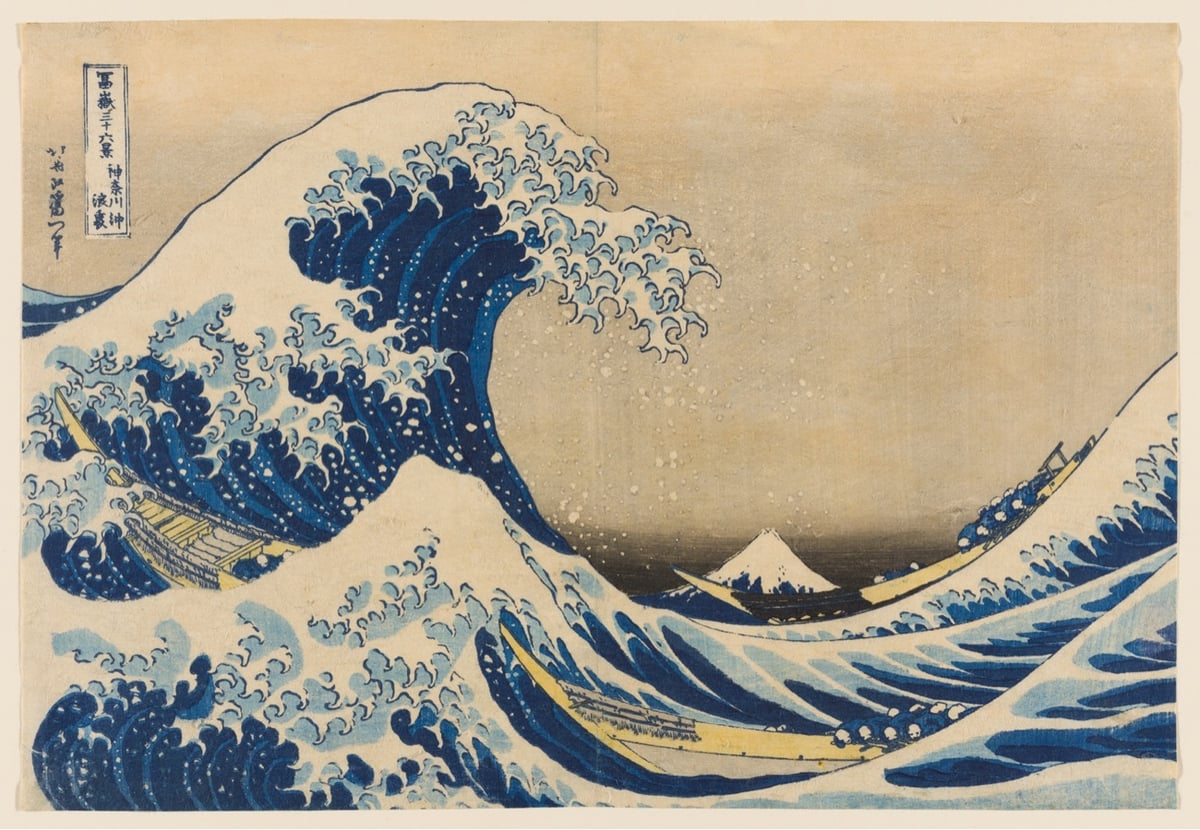
The Art Institute of Chicago has three copies of Katsushika Hokusai’s iconic work The Great Wave Off Kanagawa in its collection and one of them has been removed from storage and is back on display in the museum until Jan 6, 2025.
The Great Wave has not been on view in the Art Institute galleries for five years because, like all prints, it is susceptible to light damage and must rest a minimum of five years between showings to preserve its colors and vibrance.
Here’s a video of the print being removed from storage as well as a brief comparison of their three prints:
For other places you can see The Great Wave on display, check out Great Wave Today.
The Open Book in Wigtown, Scotland is a rental place (available on Airbnb) where you can stay and help run the bookstore downstairs. “There’s no better feeling than somebody buying a book that you put on display.”

“Harris and Walz, intentionally or not, are projecting something different: a sitcom vibe. And not just any sitcom — the multi-camera family shows of the 1980s.” Blended families, cool woman/dorky guy, and woman in charge were all 80s sitcom staples.

I know some of you are K-12 educators — the excellent The Kid Should See This is holding a free virtual workshop on how to integrate their library of 7000+ engaging and educational videos into your lesson plans.

Big Hockey Players, Itty-Bitty Rink
For his 2012-13 piece The Obstruction of Action by the Existence of Form, artist R. Eric McMaster built a hockey rink less than 1/10th the size of a regulation rink and had two full hockey teams play what has to be the most frustrating game of hockey ever. This is definitely a metaphor for something but I don’t quite know what.
“Dark energy, which most physicists have long held to be unchanging, may in fact be weakening.” And now cosmologists are trying to figure out what this means for our conceptions of the universe.

Elite athletes are using a new baking soda formulation to boost athletic performance. A recent study showed “a 1.4% boost for cyclists in a 40-km time trial, which works out to a gain of roughly a minute over the course of an event lasting an hour”.

The Harris campaign posted a TikTok of Donald Trump talking about his stance on abortion in a split-screen next to a gameplay clip of Subway Surfer for low-attention-span viewers. This is genius. “Top-tier information conveyance.”

Detailed Miniature “Sculptures of Urban Decay”

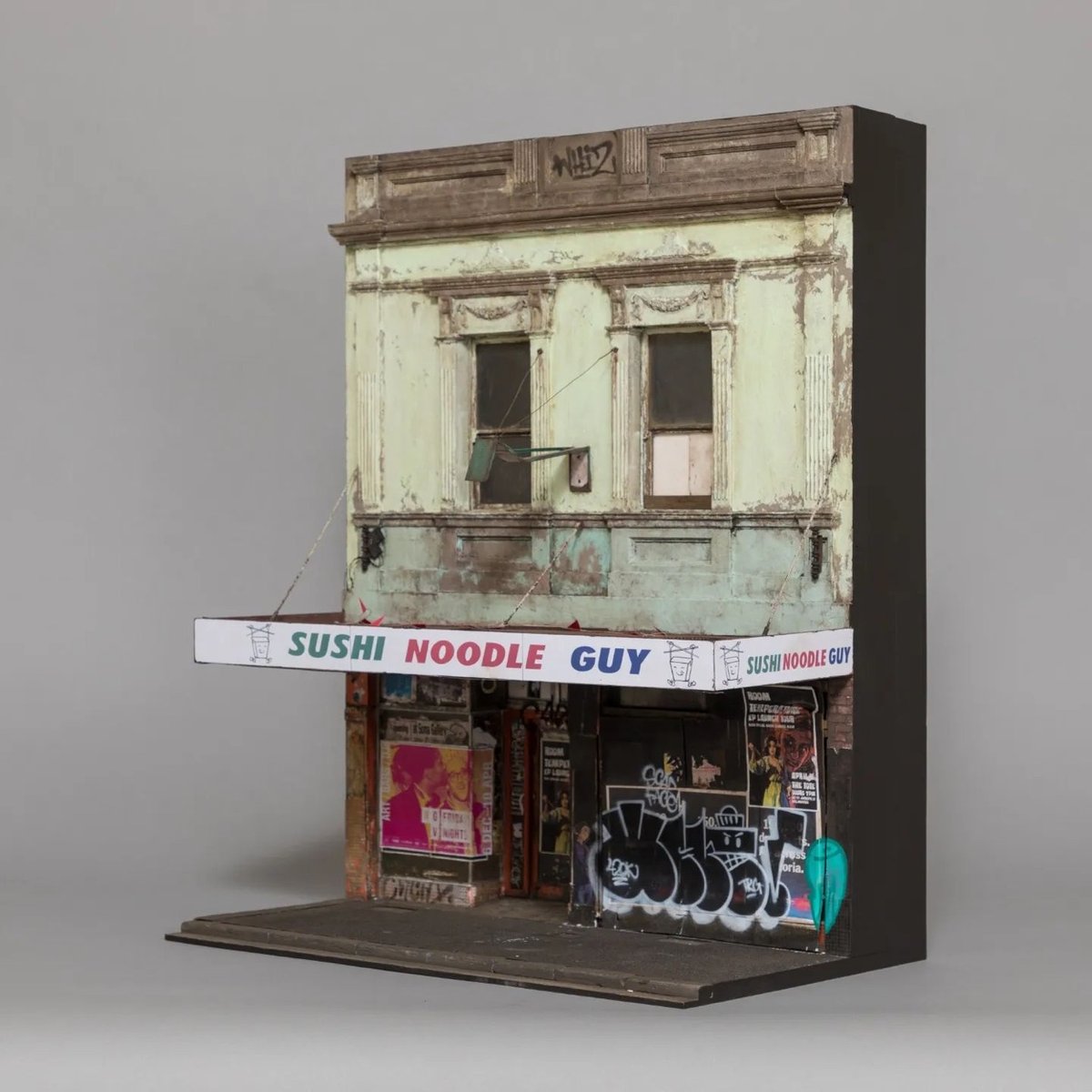


Australian artist Joshua Smith makes extremely detailed and realistic miniatures of grimy, graffitied buildings — he calls them “sculptures of Urban Decay”.
An introduction to the latest iteration of Dynamicland’s Realtalk, a prototype of a communal computing environment that makes use of physical materials to make collaboration easier & more powerful. (Hard to explain, just watch the video..)
Cars Have Fucked Up This Country Bad. “On average, America is an ugly country. The median American scene…would be an exhaust-choked roadway flanked on both sides by fast food restaurants and big box stores.”

A working thumper from Dune built out of Lego. (Working as in it thumps…I have no idea if it actually summons Shai-Hulud.)
Einstein’s Nuclear Warning Letter to FDR Up For Auction
A copy of the letter written and signed by Albert Einstein in 1939 warning President Franklin Roosevelt of the possibility of Nazi Germany building nuclear weapons is up for auction next week at Christie’s. The estimate is $4-6 million.
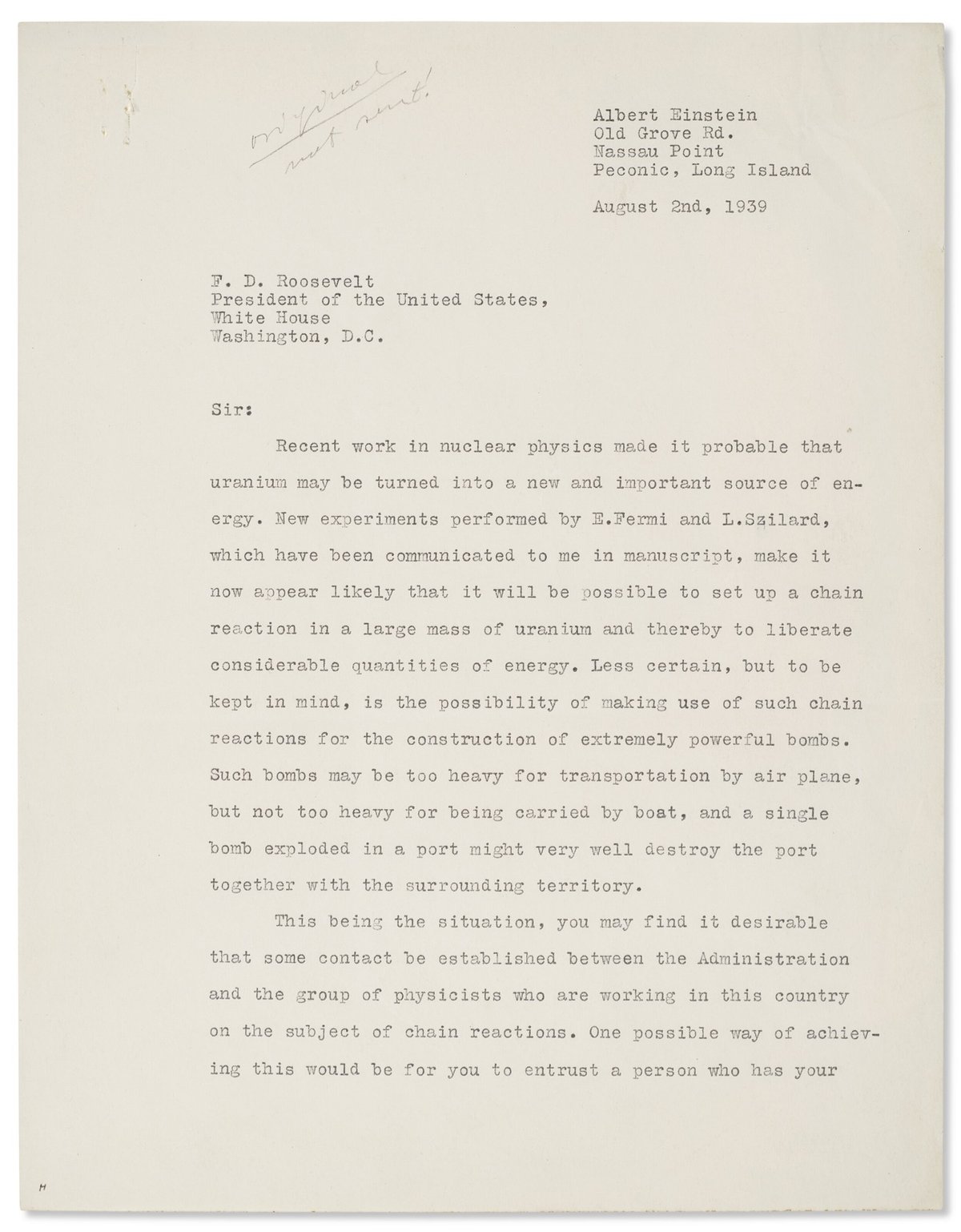
The present letter is based directly on the content that Einstein dictated in German. Leo Szilard then translated the text into English and dictated it in turn to a Columbia University typist. Unsure of the level of detail to present to the chief executive, Szilard also made a longer version that recommended specific administrative steps the President could take to support uranium research. The longer version was the one delivered to the White House. It has rested, since 1945, in the permanent collection of the Franklin D. Roosevelt Library at Hyde Park, New York and has been referenced in myriad histories and biographies. It is arguably the single-most influential letter of the twentieth century. Leo Szilard retained the original version of that historic communication and it is offered here, together with Einstein’s handwritten letter to Szilard transmitting both signed letters addressed to the President of the United States.
The letter reads in part:
Recent work in nuclear physics made it probable that uranium may be turned into a new and important source of energy. New Experiments performed by E. Fermi and L. Szilard, which have been communicated to me in manuscript, make it now appear likely that it will be possible to set up a chain reaction in a large mass of uranium and thereby to liberate considerable quantities of energy. Less certain, but to be kept in mind, is the possibility of making use of such chain reactions for the construction of extremely powerful bombs.
Nuclear weapons historian Stephen Schwartz writes more about the letter on Bluesky:
On August 15, Szilard mailed the letter to prominent economist Alexander Sachs, who had formerly worked for Roosevelt, after trying and failing (at Sach’s suggestion) to get Charles Lindbergh to personally deliver the letter to the president.
Sachs did not immediately reach out to Roosevelt. Then, on September 1, Hitler invaded Poland and Roosevelt became preoccupied with the war. Sachs finally met with Roosevelt on October 11, bringing not only the letter but scientific reports and papers provided by Szilard.
The letter is being sold by the estate of late Microsoft co-founder Paul Allen. The series of Allen auctions also include notable items like an Apple I computer, an Enigma machine, a Cray-1 supercomputer, a NASA flight suit worn by Buzz Aldrin, and a cool-ass meteorite.
This is a website you can only visit once. (I mean, technically you can visit many times. But embracing constraints is worthwhile.)
Crash Course Art History, a playlist of 22 episodes with topics like What Makes an Artist “Great”?, What’s the Difference Between Art and Design?, and Should We Separate Art from the Artist?
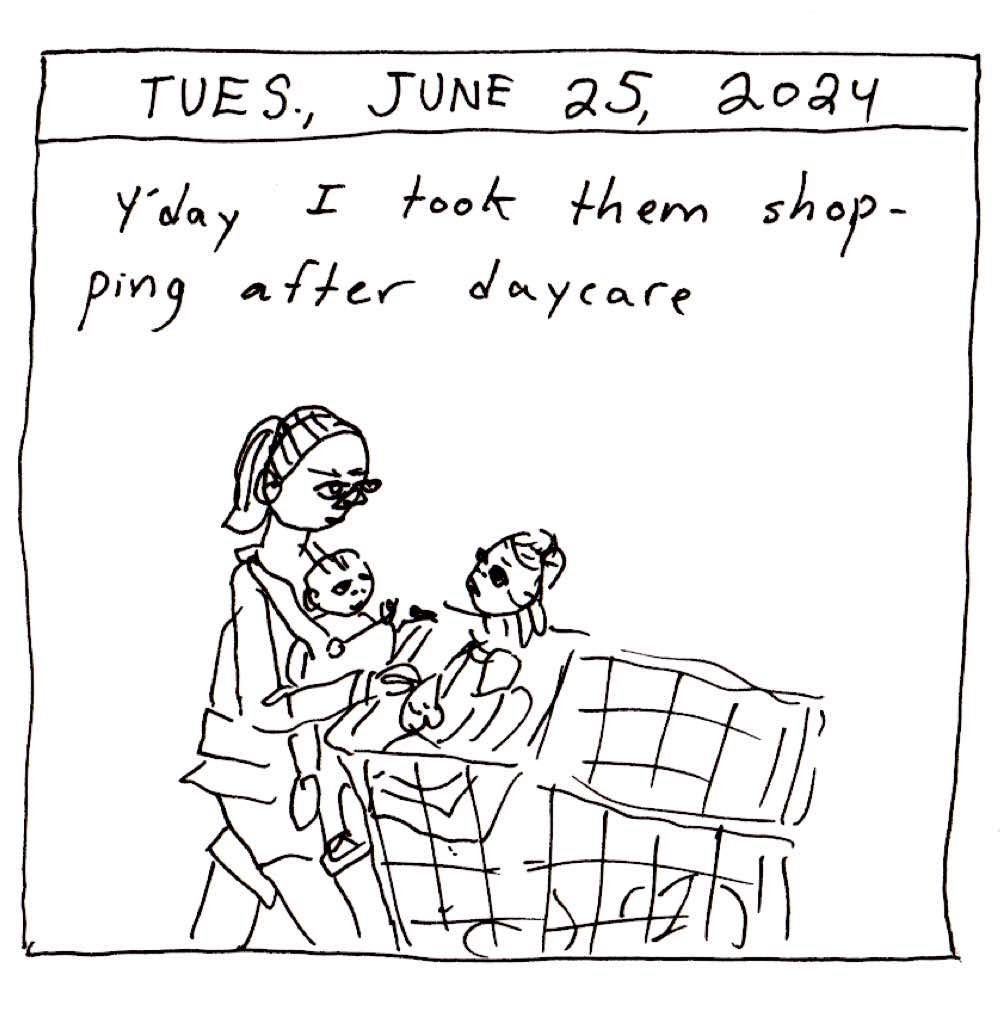
Goodbye for Now! And a Diary Comic
Hi, it’s me, Edith, again! I’m back with one more comic before I sign off for a while. I know I haven’t actually been blogging recently, but I wanted to make a more official “goodbye for now” post in case anyone is like, Where did Edith go? Basically I think I bit off a little more than I could chew, blogging-wise. But it meant so much to me that Jason was willing to give it a shot.
Thank you for reading, big thanks to Jason for having me, and I hope to be back before too long (especially if Jason goes on vacation again or something 👀). And of course I’m not actually going anywhere, so I’ll see you in the comments!


Lies by scientists can kill people — falsified research on beta blockers may have killed 800,000 people. “In cases where research dishonesty is literally killing people, shouldn’t it be appropriate to resort to the criminal justice system?”

I Never Expected To Run For Office — Here’s What I Learned. “An election wasn’t really a contest with a prize. It was a course of study. It was the process of trying to become the world’s premier authority in what my neighbors wanted and needed…”

Lane 8 Season Mixtapes
I don’t remember how I happened upon them, but I’ve been enjoying Lane 8’s seasonal mixtapes for the past few years — good upbeat music to work to.
He’s been doing these for 11 years. The Denver DJs mixes are available on Soundcloud, YouTube, and Apple Music. The fall 2024 mix should be out very soon!
100 tiny tricks for sorting out your life. I did this one recently: “Take 10 minutes to tackle the inevitable plastic boxes and lids situation in your kitchen.” (All this advice all at once was kinda overwhelming tbh.)

The Banned Somersault Long Jump
I’d never heard this before: in a long jump competition in 1974, Tuariki Delamere did a full front flip during a jump in an attempt to fly further.
The idea of a front flip in long jump had been talked about for years. Experts believed it could help jumpers go further by using the body’s natural rotation to boost momentum. The flip would turn the jumper’s upward motion into forward motion, potentially adding crucial inches to the jump.
This Wired article delves deeper into the physics of the somersault jump:
Delamere’s technique might have added significant distance to long jumps. Many experts think it could have broken the 30-foot mark. (The world record is 29 feet, 4 inches.) But he was never given the chance, because the sporting authorities said it was too dangerous. Evidently they’d never seen gymnastics or ski jumping.
That’s right, the flip technique was quickly banned and never used in competition again. Come on, bring it back!
Useful Time Travel Is Impossible. But Fun to Think About.
The folks at Kurzgesagt have done a few time travel videos now, but this one is notable for its concise, intuitive explanation and visualization of our constant speed through spacetime (special relativity).
Everything in our universe moves at the speed of light through four dimensional spacetime. Your speed through spacetime is the sum of your separate speeds through time and space. It is impossible for you to stay still. Even if you are not moving through space dimensions, you are moving through the time dimension, blasting face first into the future.
You can slow down in the time dimension, by moving faster through the space dimensions but in total, you will always move at the speed of light through spacetime.
And you can “trade” moving through space for moving through time: “Move faster through space, go slower in time. Move slower through space, go faster in time.” Or as a commenter put it:
Your speed is constant. So the faster you move through the space dimensions, the slower you move through the time dimension, and vice versa.
Not sure this textual explanation makes as much sense as the visualization in the video, so maybe just watch that? Oh, and check out the sources for the video.
Realized I often use “Forgetful Jones” when describing my tendency to forget things but had forgotten where I’d picked it up from. It’s from Sesame Street, of course.
A new scientific analysis suggests that the Altar Stone at Stonehenge (weighing several tons) was transported to the site from more than 450 miles away in Scotland (likely by sea).

If you (or someone you know) has hiked the Appalachian Trail since 1979, it’s likely that a photo of that person exists in the ATC’s online Hiker Photo Archive. Some folks in these photos have never seen them before & forgot they even exist.
Different Kinds of Human Operating Systems
In her excellent link-laden newsletter Curious About Everything, my friend Jodi Ettenberg highlighted this passage from Steve Silberman, the author of Neurotribes: The Legacy of Autism and the Future of Neurodiversity who died last week (italics mine):
Sometimes the word “neurodiversity” is framed as if it’s merely a political stance or a political conviction. It’s not. It’s a living fact, like biodiversity in rain forests. We clearly have people with many different kinds of minds. There are people with dyslexia, there are people with ADHD, there are people with autism, there are people at all points of the spectrum. And all of these labels are the names of “disorders,” but if you look at them another way, they’re just different kinds of human operating systems.
We have to get beyond the fact that these conditions were discovered by people looking for forms of illness, basically, and recognize that they’re just there. They’re part of the human fabric. They always have been. People with these conditions have been making contributions to the evolution of science, art and technology for centuries — invisibly, mostly. You know, most of the labels were invented in the 20th century. We have to start looking at those labels, instead of the checklist of modern disorders, as human resources that we have not learned to tap fully because we’ve been so busy treating those people like carriers of disorder.
You can read the full 2015 interview with Silberman from which that passage was pulled.
P.S. The Kindle version of Neurotribes is on sale for $4.99 right now.
“Tim Walz has tonic masculinity. Confident. Decent. The kind of man who…would start his job at the White House ‘being asked about national security and the tax code and end with him wearing a headlamp up in the attic fixing some old wiring.’”

The last coal-fired power station in the UK will close down on Sept 30. Coal literally fueled the Industrial Revolution in the UK and now it’s all but vanished from the country.

David Attenborough on Cybertruck behavior. “Here we see the Cybertruck has formed a peculiar symbiotic relationship with the larger Flatbed Trailer species.”
The 100 Best TV Episodes of All Time
From the staff at Rolling Stone, a list of the all-time best 100 episodes of TV. The rules: 1 episode per show, no reality (or talk shows or news or sketch comedy), and it’s mostly American shows (but, come on, no episodes of Fawlty Towers?)
I cannot help it, I love lists like these; here are a few of my favorites from the larger collection:
86. Black Mirror, “San Junipero” (Season 3, Episode 4)
83. The Fresh Prince of Bel-Air, “Papa’s Got a Brand New Excuse” (Season 4, Episode 24)
73. The Good Place, “Michael’s Gambit” (Season 1, Episode 13)
53. Six Feet Under, “Everyone’s Waiting” (Season 5, Episode 12)
50. The Last of Us, “Long Long Time” (Season 1, Episode 3)
38. The Bear, “Forks” (Season 2, Episode 7)
31. Deadwood, “Sold Under Sin” (Season 1, Episode 12)
25. Homicide: Life on the Street, “Three Men and Adena” (Season 1, Episode 6)
24. Fleabag, “Episode 1” (Season 2, Episode 1)
20. The Americans, “The Magic of David Copperfield V: The Statue of Liberty Disappears” (Season 4, Episode 8)
14. Succession, “Connor’s Wedding” (Season 4, Episode 3)
12. The Wire, “Middle Ground” (Season 3, Episode 11)
6. Mad Men, “The Suitcase” (Season 4, Episode 7)
5. Seinfeld, “The Contest” (Season 4, Episode 10)
2. The Simpsons, “Last Exit to Springfield” (Season 4, Episode 17)
So much to agree and disagree with here. Thoughts? Also: television!
A Navajo Weaving of an Intel Pentium Processor

In 1994, a Navajo/Diné weaver named Marilou Schultz made a weaving of the microscopic pattern of an Intel Pentium processor. (In the image above, the weaving is on the left and the chip is on the right.)
The Pentium die photo below shows the patterns and structures on the surface of the fingernail-sized silicon die, over three million tiny transistors. The weaving is a remarkably accurate representation of the die, reproducing the processor’s complex designs. However, I noticed that the weaving was a mirror image of the physical Pentium die; I had to flip the rug image below to make them match. I asked Ms. Schultz if this was an artistic decision and she explained that she wove the rug to match the photograph. There is no specific front or back to a Navajo weaving because the design is similar on both sides,3 so the gallery picked an arbitrary side to display. Unfortunately, they picked the wrong side, resulting in a backward die image.
Schultz is working on a weaving of another chip, the Fairchild 9040, which was “built by Navajo workers at a plant on Navajo land”.
In December 1972, National Geographic highlighted the Shiprock plant as “weaving for the Space Age”, stating that the Fairchild plant was the tribe’s most successful economic project with Shiprock booming due to the 4.5-million-dollar annual payroll. The article states: “Though the plant runs happily today, it was at first a battleground of warring cultures.” A new manager, Paul Driscoll, realized that strict “white man’s rules” were counterproductive. For instance, many employees couldn’t phone in if they would be absent, as they didn’t have telephones. Another issue was the language barrier since many workers spoke only Navajo, not English. So when technical words didn’t exist in Navajo, substitutes were found: “aluminum” became “shiny metal”. Driscoll also realized that Fairchild needed to adapt to traditional nine-day religious ceremonies. Soon the monthly turnover rate dropped from 12% to under 1%, better than Fairchild’s other plants.
The whole piece is really interesting and demonstrates the deep rabbit hole awaiting the curious art viewer. (via waxy)
Atul Gawande: Tuberculosis is still the world’s #1 infectious disease killer (1+ million people per year) but “the are new advances in screening, prevention and treatment, however, that now make significant progress possible — if we tap them.”

New School Year Drop-Off and Pick-Up Rules. “Approach the White Zone at exactly 2.6 mph. Staff are standing by to launch your student into the window, Dukes of Hazzard style, with a trebuchet handmade by the LARP Club.”
Socials & More