Entries for January 2018
Nintendo has introduced a new product category that harkens all the way back to Duck Hunt, Robbie the Robot, and papercraft models the company produced in the 70s. Labo is a suite of cardboard peripherals for the Switch that you construct yourself and then play using the Switch console screen and controllers. Pianos, fishing rods, car accelerator pedals. Just watch the video…this really blew my mind.
Caine’s Arcade anyone? I love that Nintendo is making DIY cardboard toys. Love it. I think I may have to get a Switch now. You can preorder the Labo Robot Kit (a wearable robot suit) and the Labo Variety Kit (cars, bike, house, piano, fishing rod) on Amazon…they come out on April 20.
The great Ronaldinho has officially retired from world football at age 37. When you talk about the best football players ever, Ronaldinho has to be part of the conversation. He was awarded three player of the year awards, won the World Cup with Brazil, and won the Champions League with Barcelona. He was also only one of two Barcelona players ever to receive a standing ovation from Real Madrid supporters at their home stadium. More than many other players, he consistently did things with a ball that left you, mouth agape, thanking whatever higher power you believe in that you just witnessed a minor miracle. He was dazzlingly talented and I just loved watching the guy play.
But. Because of issues with fitness, injury, and lifestyle, Ronaldinho didn’t live up to his full potential. He managed only ten seasons of play in the top European leagues and only a handful of those were full seasons at his best. In his final full season at AC Milan, he played well and showed flashes of his best self but ended up leaving halfway though the next season. He was only 31. For reference, Lionel Messi will turn 31 this summer and has played 14 seasons for Barcelona with no signs of slowing; Cristiano Ronaldo will be 33 next month, has played 15 seasons for Manchester United & Real Madrid, and won the Ballon d’Or in 2017 for a record-tying fifth time; and Zlatan Ibrahimovic has played 19 seasons for 7 different top European clubs and scored 50 goals in a season at 34 years of age. If Ronaldinho had been able to combine his talent with fitness and a better mindset for training & competing, perhaps instead of placing him somewhere on the list of the best 100 players of all time, we’d be talking about the top 5 or 10.
There are a ton of videos on YouTube that show Ronaldinho’s skill and best goals. But my two favorite Ronaldinho moments are decidedly less dramatic. The first is when he scored a goal by shooting it under the wall on a free kick:
Many other players have scored similar goals (Ronaldinho himself did it more than once) but he does it in such a casual yet precise way.
Speaking of casual, my all-time favorite Ronaldinho moment didn’t even happen in a game. A fan recorded him warming up before a game, lazily juggling the ball. He boots the ball high in the air and settles it dead on the pitch with such indifference that you can almost hear him yawn. Then he playfully nutmegs a teammate:
I’ve watched this video dozens and maybe even hundreds of times and it never gets old.
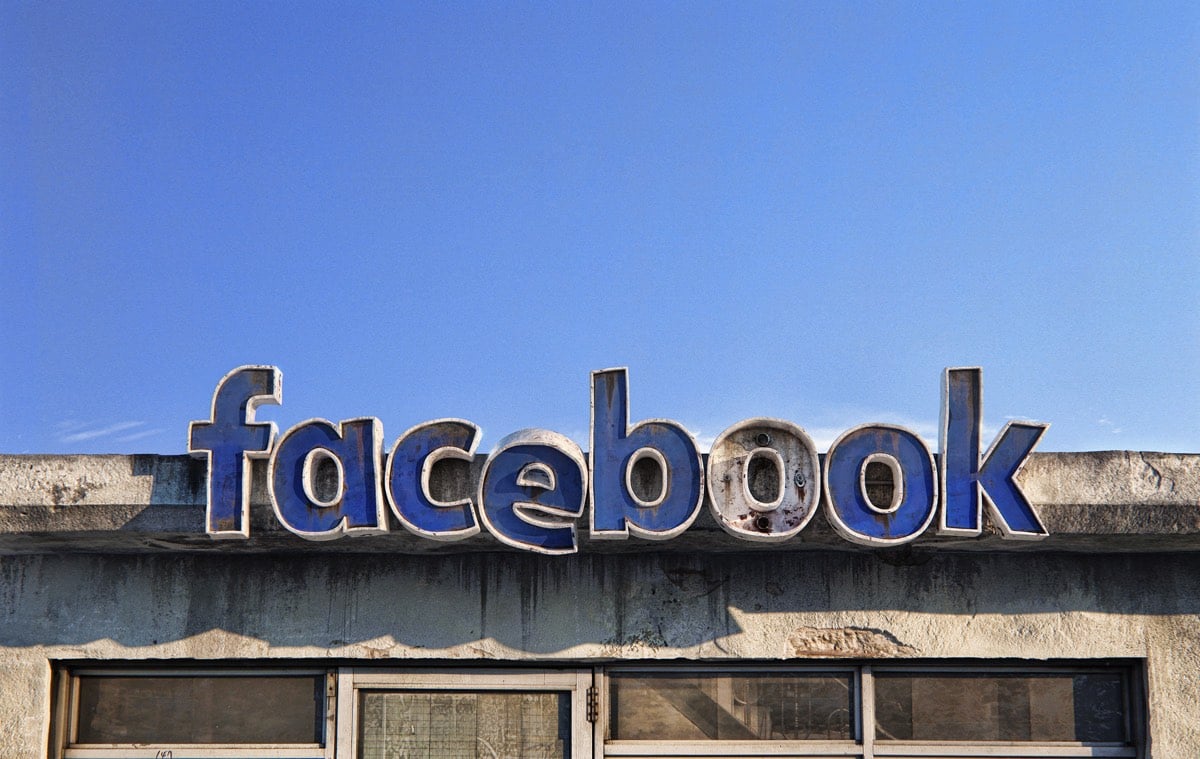
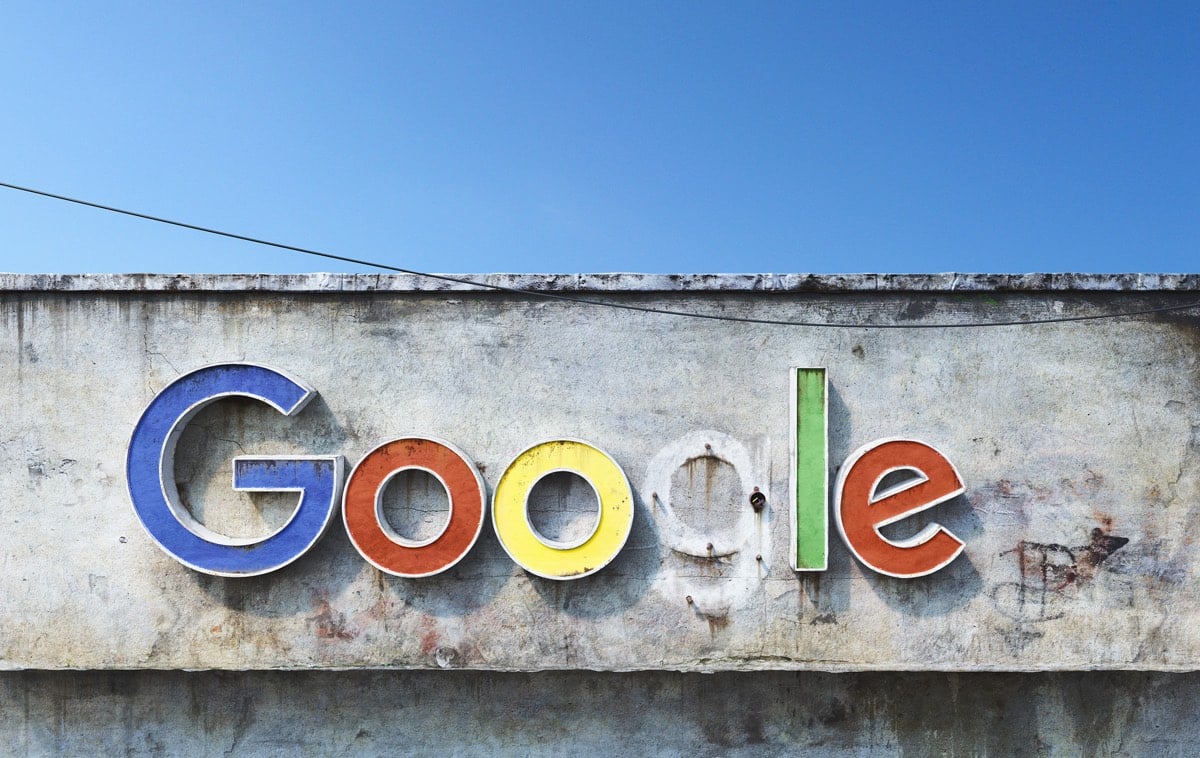
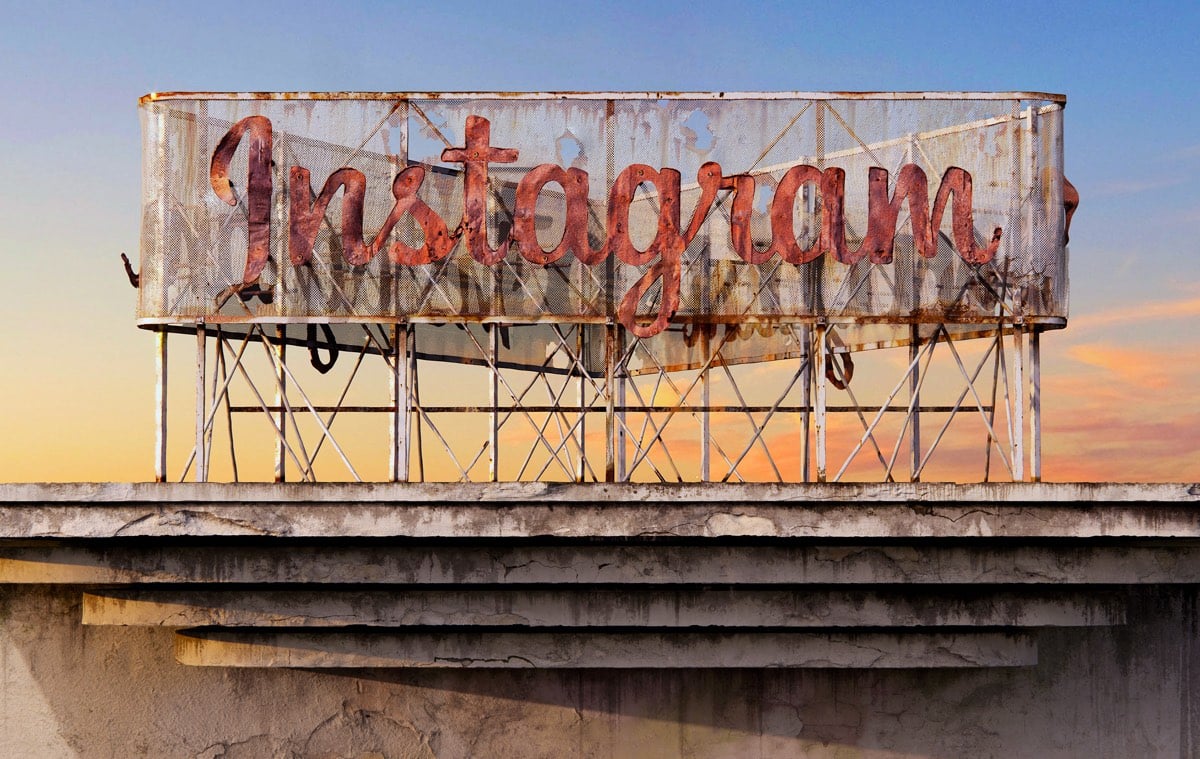
For a project called Social Decay, Andrei Lacatusu imagines what it would look like if big social media companies were brick & mortar and went the way of Blockbuster, Woolworth’s, and strip malls across America. These are really well done…check out the close-up views on Behance.
This morning on Twitter, I wrote out a list of places my brain thinks I have been to “recently”:
Berlin (17 years ago)
Thailand & Vietnam (13 years ago)
Austria (12 years ago)
Ireland (13 years ago)
London (10 years ago)
Hawaii (18 years ago)
Alaska (16 years ago)
And it’s true. I remember being in Austria not so very long ago, maybe five or seven years tops. Berlin is particularly vivid in my memory as a recent destination, perhaps because I loved being there so much.
So what’s going on here? Why don’t I have a proper sense of how much time has really passed between now and these trips? Cognitive psychologists have a name for this: the telescoping effect.
The telescoping effect (or telescoping bias) refers to the temporal displacement of an event whereby people perceive recent events as being more remote than they are and distant events as being more recent than they are. The former is known as backward telescoping or time expansion, and the latter as is known as forward telescoping. Three years is approximately the time frame in which events switch from being displaced backward in time to forward in time, with events occurring three years in the past being equally likely to be reported with forward telescoping bias as with backward telescoping bias. Although telescoping occurs in both the forward and backward directions, in general the effect is to increase the number of events reported too recently.
My faulty travel memories are a trivial example, but the telescoping effect becomes more important when people’s political actions are tied to their memories of, say, the weather, acts of terrorism, or financial events. (via @pjdoland)

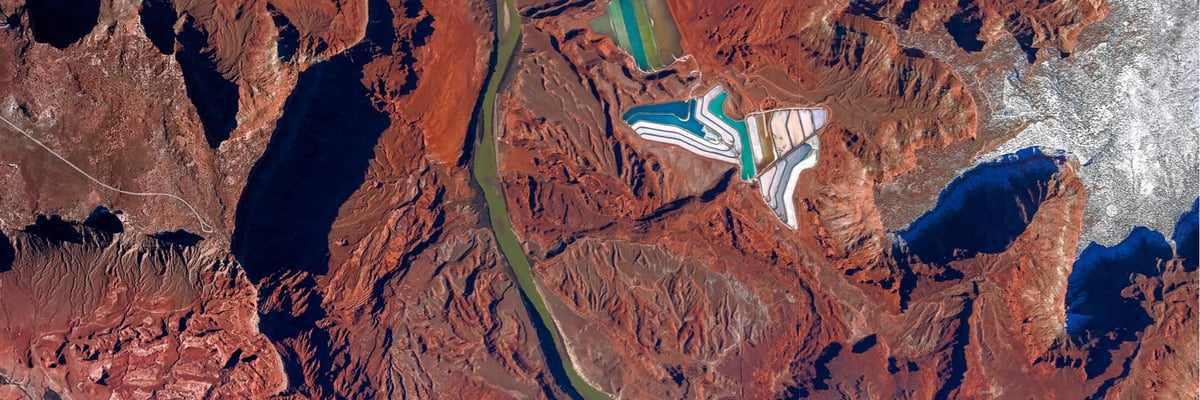
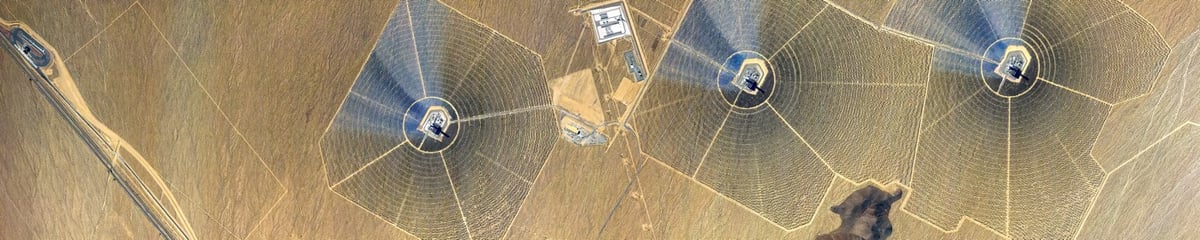
Over on his Instagram account, photographer Vincent Laforet is sharing some 50-megapixel panoramic photos he shot for Apple. He strapped an iPhone 7 to the bottom of a Learjet, set it on Pano mode, and flew it over various landscapes at a height of 20,000 feet. Here’s the first one.
For 7 consecutive days I will be posting a series of 50+ Megapixel Panoramic Photographs shot on an @apple iPhone 7, from the belly of a LearJet from 20,000 feet above the earth.
We set the standard Camera App to “Pano” Mode and flew for 2-7 minutes at 220+ Knots on a perfectly straight line and we witnessed the iPhone effectively paint the landscape like a roller brush. It produced a stunningly high quality image that I’d never before seen before from any smartphone!
Laforet also shot a video from some of those same flights using a RED camera in 8K resolution.
Watch this on as big a screen as you can in 4K. Wonderful.
In a study done by UPenn researchers, first-year medical students who were taught art observation classes at the Philadelphia Museum of Art were more proficient at reading clinical imagery than students who didn’t take the classes.
If you’re unfamiliar or uncomfortable with how art and science can mingle to produce something clinically beneficial, it’s a study premise that might seem far-fetched — but it didn’t seem that way to Gurwin, an ophthalmology resident at Penn, in part because she’d already seen the benefits of art education on a medical career firsthand.
“Having studied fine arts myself and having witnessed its impact on my medical training, I knew art observation training would be a beneficial practice in medical school,” she said. “Observing and describing are skills that are taught very well in fine arts training, and so it seemed promising to utilize their teachings and apply it to medicine.”
Gurwin and Binenbaum’s findings, published in the journal Ophthalmology in September: The medical students who’ve dabbled in art just do better.
It’s a glimpse at how non-clinical training can and does make for a better-prepared medical professional. Not only does art observation training improve med students’ abilities to recognize visual cues, it also improves their ability to describe those cues.
The results of this study reminded me of Walter Isaacson’s assertion in his book that Leonardo da Vinci’s greatest skill was his keen observational ability. Not coincidentally, Leonardo was both an artist and a medical researcher who dissected more than 30 human cadavers to study human anatomy. These dissections helped him to represent the human form more realistically in his paintings and drawings.
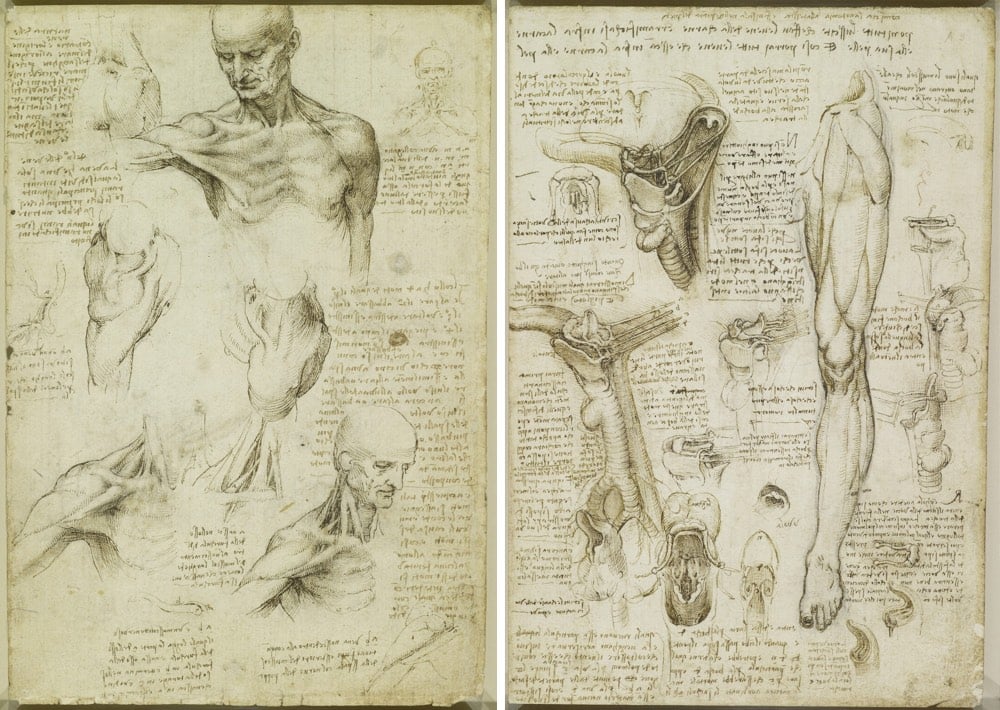
It’s easier to draw a hand, particularly a hand that appears to be moving (as Leonardo liked to do), if you know that’s going on underneath the skin. Looking carefully and purposefully at art, at anatomy, at the physical world, at people’s actions, at movies; it’s all the same skill that can be applied to anything.
I’ve been preoccupied with observation lately…the new kottke.org newsletter is named Noticing for good reason. Again, Leonardo factors in:
Isaacson argues that Leonardo’s observational powers were not innate and that with sufficient practice, we can all observe as he did. People talk in a precious way about genius, creativity, and curiosity as superpowers that people are born with but noticing is a more humble pursuit. Noticing is something we can all do.
Even if you only read kottke.org once a fortnight in a drunken stupor, you’re likely aware that I love Kurzgesagt, a YouTube channel that makes animated explainers about everything from robot rights to the failure of the War on Drugs to black holes to The Most Efficient Way to Destroy the Universe.
Epic Mountain is a music and sound design company based in Munich that does all of the music for Kurzgesagt episodes. They’ve put four volumes of their Kurzgesagt music on Spotify, iTunes, Soundcloud, and Bandcamp.
I’ve been listening to these on and off for the past few days and they make lovely background music to work to.
This is silly and I loved it: someone took the clip from Aladdin when he and Jasmine sing A Whole New World while riding the magic carpet and dubbed realistic audio over it. I laughed embarrassingly hard at this. (via @JossFong)
Over the course of several month, Shawn James built a log cabin all by himself in the wilderness of Canada.
Once on site, I spent a month reassembling the cabin on a foundation of sand and gravel. Once the log walls were up, I again used hand tools to shape every log, board and timber to erect the gable ends, the wood roof, the porch, the outhouse and a seemingly endless number of woodworking projects.
For the roof, I used an ancient primitive technology to waterproof and preserve the wood - shou sugi ban, a fire hardening wood preservation technique unique to Japan and other areas in northern climates.
See also the Primitive Technology guy, who recently bought a new property and is starting from scratch building on it.
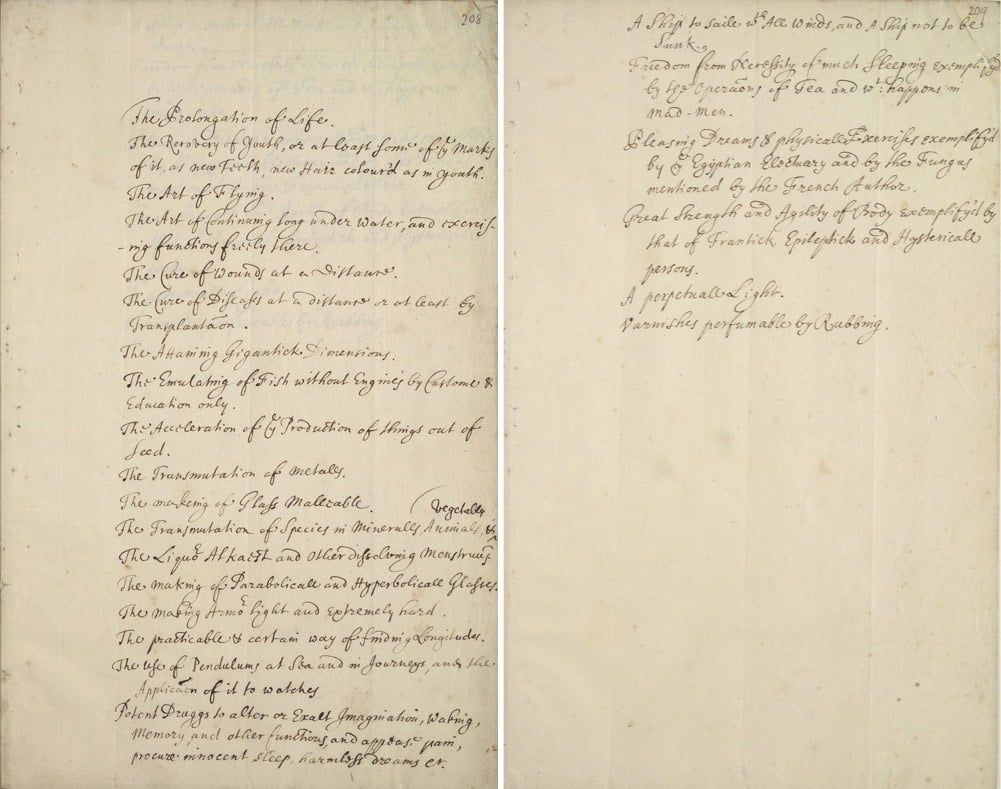
17th-century scientist Robert Boyle, one of the world’s first chemists and creator of Boyle’s Law, wrote out a list of problems he hoped could be solved through science. Since the list was written more than 300 years ago, almost everything on it has been discovered, invented, or otherwise figured out in some fashion. Here are several of the items from Boyle’s list (in bold) and the corresponding scientific advances that have followed:
The Prolongation of Life. English life expectancy in the 17th century was only 35 years or so (due mainly to infant and child mortality). The world average in 2014 was 71.5 years.
The Art of Flying. The Wright Brothers conducted their first flight in 1903 and now air travel is as routine as riding in a horse-drawn carriage in Boyle’s time.
The Art of Continuing long under water, and exercising functions freely there. Scuba gear was in use by the end of the 19th century and some contemporary divers have remained underwater for more than two days.
The Cure of Diseases at a distance or at least by Transplantation. Not quite sure exactly what Boyle meant by this, but human organ transplants started happening around the turn of the 20th century. X-rays, MRI machines, and ultrasound all peer inside the body for disease from a distance. Also, doctors are now able to diagnose many conditions via video chat.
The Attaining Gigantick Dimensions. I’m assuming Boyle meant humans somehow transforming themselves into 20-foot-tall giants and not the obesity that has come with our relative affluence and availability of cheap food. Still, the average human is taller by 4 inches than 150 years ago because of improved nutrition. Factory-farmed chickens have quadrupled in size since the 1950s. And if Boyle paid a visit to the Burj Khalifa or the Mall of America, he would surely agree they are Gigantick.
The Acceleration of the Production of things out of Seed. To use just one example out of probably thousands, some varieties of tomato take just 50 days from planting to harvest. See also selective breeding, GMOs, hydroponics, greenhouses, etc. (P.S. in Boyle’s time, tomatoes were suspected to be poisonous.)
The makeing of Glass Malleable. Transparent plastics were first developed in the 19th century and perfected in the 20th century.
The making of Parabolicall and Hyperbolicall Glasses. The first high quality non-spherical lenses were made during Boyle’s lifetime, but all he’d need is a quick peek at a pair of Warby Parkers to see how much the technology has advanced since then, to say nothing of the mirrors on the Giant Magellan Telescope.
The making Armor light and extremely hard. Bulletproof armor was known in Boyle’s time, but the introduction of Kevlar vests in the 1970s made them truly light and strong.
The practicable and certain way of finding Longitudes. When pushed to its limits, GPS is accurate in determining your location on Earth to within 11 millimeters.
Potent Druggs to alter or Exalt Imagination, Waking, Memory, and other functions, and appease pain, procure innocent sleep, harmless dreams, etc. Dude, we have so many Potent Druggs now, it’s not even funny. According to a 2016 report, the global pharmaceutical market will reach $1.12 trillion.
A perpetuall Light. It’s not exactly perpetual, but the electric lightbulb was invented in the 19th century and the longest-lasting bulb has been working for at least 116 years.
Varnishes perfumable by Rubbing. Scratch and sniff was invented by 3M in 1965.
(via bb)
For many, the standout episode of the newest season of Black Mirror is USS Callister. In a recent video (w/ spoilers galore), ScreenPrism breaks down how the episode veers from the Star Trek-inspired opening into a parable about toxic fanboyism, sexism, and online behavior.
Daly is clearly driven by the lack of respect he gets, but Nanette didn’t disrespect him. She’s shown him huge respect and admiration; it’s just for his work rather than expressed as wanting to sleep with him. There’s a weird cultural assumption we tend to make that if a woman thinks highly of a man, she must want to sleep with him. And then if she doesn’t, it’s somehow an insult to him, and that’s exactly what we see going on in this episode.
When I finished watching the episode, it struck me as a timely repudiation of Gamergate, meninists on Reddit & Twitter, and those who want to roll back the clock to a time when a woman’s place was wherever a man told her to be. Great episode, one of my favorites of the entire series.
Oooh, the trailer for season two of The Handmaid’s Tale. The first season was one of the best things I watched last year. Season two premieres on Hulu on April 25th. Season one episodes are available on Amazon and elsewhere, but if you’re going to binge it, it’s cheaper to just sign up to Hulu (30 days free then $8/mo).
Update: The second trailer shows a bit more of what to expect in the second season:
Cranberries lead singer Dolores O’Riordan has died at the age of 46. One of the most New York things I’ve ever seen is a horse-drawn carriage booking it up 11th Ave with the driver singing Zombie at the top of his lungs. RIP, Dolores.
Note: The image at the top of this post does not show the actual interface. See the update below.
The Honolulu Civil Beat has tweeted a screenshot of the interface that was used to send an real alert for a nonexistent incoming ballistic missile on Saturday morning.

Instead of selecting “DRILL - PACOM (CDW) - STATE ONLY” from what looks more like a list of headlines on The Drudge Report than a warnings & alerts menu, the operator chose “PACOM (CDW) - STATE ONLY” and sent out a real alert.
The design for this is obviously terrible. As others have noted, there are better interfaces for confirming much more trivial actions on our phones. In Mailchimp, the service that powers the Noticing newsletter, you are asked to manually type in the word “DELETE” as a confirmation for deleting a template (an action a tiny bit less consequential than sending out a ballistic missile launch alert):

But the response to the false alarm has been worse. The employee who triggered the erroneous alert has been “reassigned” and, as the news cycle continues to wind itself up, it wouldn’t surprise me if he were soon fired. And the fix for this, again per the Honolulu Civil Beat, is the addition of the “BMD False Alarm” link at the top of the menu, presumably so that if a real alert is sent out again in the future, it can be followed by a message saying, “actually, that was a drill”.
Hopefully this, uh, “redesign” is temporary and a full overhaul is in the works. That menu is a really dangerous bit of interface design and adding an “oopsie, we didn’t mean it” button doesn’t help. The employee made a mistake but it’s not his fault and he shouldn’t be fired for it. The interface is the problem and whoever caused that to happen — the designer, the software vendor, the heads of the agency, the lawmakers who haven’t made sufficient funds available for a proper design process to occur — should face the consequences. More importantly, the necessary changes should be made to fix the problem in a way that’s holistic, resilient, long-lasting, and helps operators make good decisions rather than encouraging mistakes.
Update: John Allspaw, who worked at both Etsy and Flickr at a time when they thought deeply about design and engineering process, says that a wider view is needed to truly understand what happened and fix it.
Focusing solely and narrowly on the “bad UI’ design in the Hawaii alert accident would be like focusing solely and narrowly on the F-15 misidentification in @scottsnook’s causal map in “Friendly Fire”.
Here’s the map he’s referring to, along with a link to a discussion of the F-15 incident described by Snook in the context of causal landscapes.
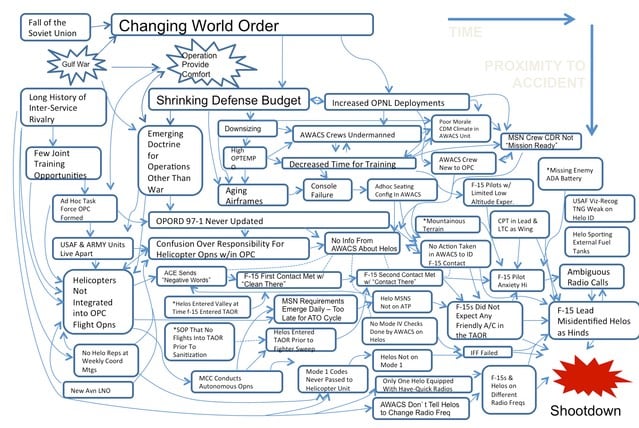
To compound this challenge, people want definitive 1-2 word answers, as if life was a series of mechanical operations and it was possible to affix blame and diagnose faults. If a copying machine jams, there is usually a mechanical reason — a sheet of paper may have gotten stuck in the assembly and once it is removed, the problem is solved. Mechanical problems like this are determinate; there is a cause and it can be identified. Yet most of our problems are not mechanical. They are not determinate. There is not a single cause. There are multiple, intersecting causes and we may never uncover some of the most important causes. We live in a multi-cause, indeterminate world and our attempts to understand why events occurred will usually be frustrating. We cannot expect specific single-cause 1-2 word answers.
It’s easy to say that the menu is wrong and it should be redesigned. But how did that menu come to be? What’s the context? What does the casual landscape look like here? Back to Allspaw (emphasis mine):
How are operators of the alert system involved in the design of their tools? How have those tools changed over time, across staff changes and feedback rounds? How do ‘near-misses’ happen with this system? How many operators are familiar with these tools and how many are new?
What does this system look like (not just UI) contrasted with other states with similar systems? How have accidental false-alarms been caught before? What data is collected about the type of work (difficulty, frequency, procedure-updating, etc.) including upward mgmt?
In other words: we focus on the UI because unhelpful UI is endemic to software, and easily identified and cartoonishly convicted. But there’s always much more to the narrative of an accident.
As it says on the front page of the site for Allspaw’s new consulting firm (which works with groups facing problems just like the Hawaii alert snafu): “Incidents are encoded messages your system is sending you about how it really works.” I hope that message is being received by the Hawaii Emergency Management Agency in the right way.
Update: Honolulu Civil Beat is now reporting that the image above is not what the actual interface looks like.
However, state officials now say that image was merely an example that showed more options than the employee had on the actual screen.
“We asked (Hawaii Emergency Management Agency) for a screenshot and that’s what they gave us,” Ige spokeswoman Jodi Leong told Civil Beat on Tuesday. “At no time did anybody tell me it wasn’t a screenshot.”
HEMA won’t share what the interface actually looks like because of security concerns (which is understandable) but they did provide a new image that “better represents what an employee would have seen on Saturday”:
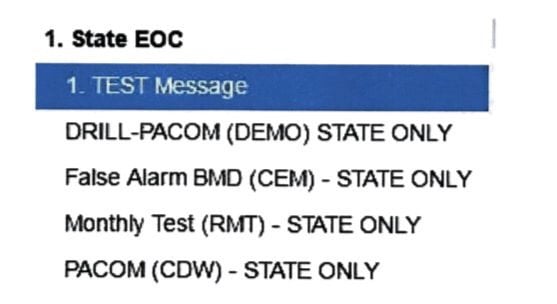
While this doesn’t look so much like a homepage from 1995, I would argue that fundamentally, the design (how it works, not how it looks) is unchanged. There are fewer options but the problematic similarity between options hiding vastly difference consequences remains. (via @andrewlong166)
Update: According to a federal investigation, the employee who sent out the alarm misheard a message played during a drill and thought it was the real thing. They have been fired.
This report, made public on Tuesday, said that the employee “has been a source of concern” to other staffers “for over 10 years.” The employee, who has been fired, has confused real world events and drills “on at least two separate occasions,” according to the report.
In addition to this person being fired last week, the head of the Hawaii Emergency Management Agency resigned Tuesday morning.
Regardless of the “cause”, the process for distinguishing between drills and real-world situations still seems problematic. And that UI is still bad.
Some people have been lucky enough to find themselves in paintings at art museums.
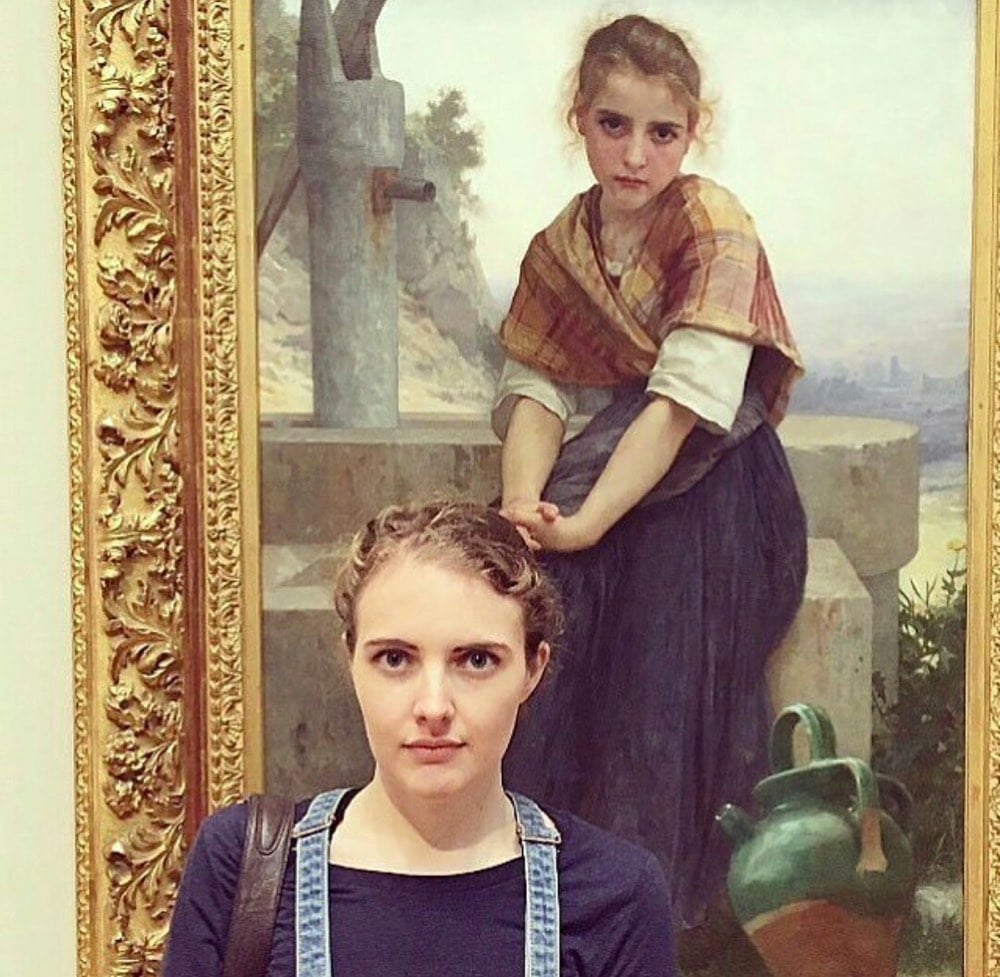
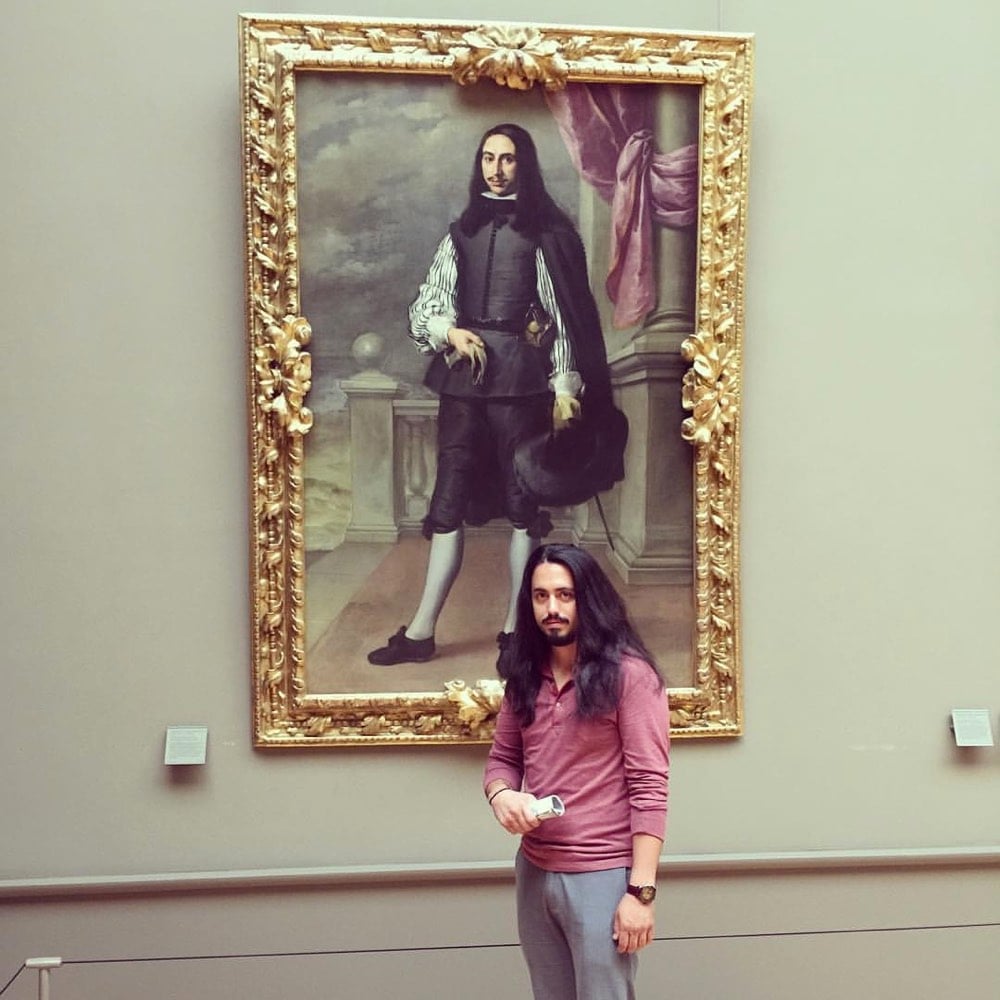
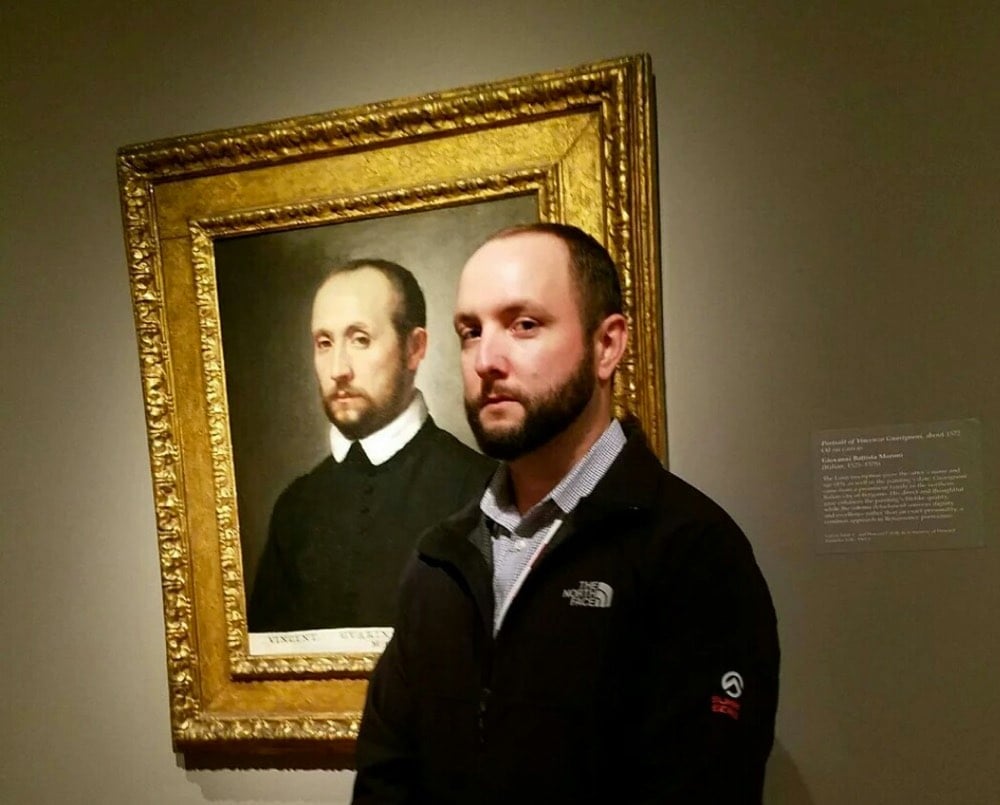
Now the Google Arts & Culture app lets you take a selfie and find your own art doppelganger. The results are kinds iffy — even when making my best Jesus-suffering-on-the-cross face, I couldn’t get it to match me with an actual Passion painting — but you can see some of the results here.
See also Stefan Draschan’s photos of people matching artworks.
Update: And the NY Times is on it!



What a marvelous little photo essay by Christopher Payne and Sam Anderson about General Pencil, one of the last remaining pencil factories in America.
Other parts of the factory are eruptions of color. Red pencils wait, in orderly grids, to be dipped into bright blue paint. A worker named Maria matches the color of her shirt and nail polish to the shade of the pastel cores being manufactured each week. One of the company’s signature products, white pastels, have to be made in a dedicated machine, separated from every other color. At the tipping machine, a whirlpool of pink erasers twists, supervised patiently by a woman wearing a bindi.
You can see many more of Payne’s photos of General Pencil on his website. Here’s Maria, her shirt and nails red to match the color of the pastel cores. There are also a couple of videos of the General Pencil factory:
And this older one that shows much more of the pencil-making process. Neither video includes a shot of the belt sander sharpening system…you can see that in action here.
See also I, Pencil, which details the construction of the humble pencil as a triumph of the free market, a history of pencil lead and how pencils are made, and how crayons are made, with videos from both Mister Rogers and Sesame Street. Oh, and you can buy some of General Pencil’s #2 Cedar Pointes right here.
The second edition of Noticing, a still-new and all-free kottke.org newsletter, went out this afternoon. Here’s a short excerpt of the third and fourth sections, “Time… Lapsed” and “Ask Dr. Time.” We hope you’ll subscribe.

Time… Lapsed
This was a good week for historical snapshots. I was fascinated by Cinefix’s list of the top movie remakes of all time, including maybe especially Michael Mann’s Heat, which (I didn’t know) is a remake of a failed TV pilot Mann produced in 1989. The deep dive into Herzog’s remake of Nosferatu is also great. But all of the featured films, whether remakes, sequels, or adaptations, show the effects of time and choice, and wow, yeah, I am deep into those two things lately. Like, without getting completely junior year of college on it–the metaphysical context for being, and the active, existential fact of being itself.
Consider Alan Taylor’s as-always-gorgeous photo remembrance of 1968, one of the most tumultuous years in world and American history. (There are going to be a lot of 50th anniversaries of things I am not ready for there to be 50th anniversaries for.) Or acts of misremembrance and mistaken choices, like how late 1990s and early 2000s nostalgia for World War 2 (and a commensurate forgetting of Vietnam and the Cold War) helped turn September 11, 2001 into a new kind of permanent war that shows no signs of ending.
Or for lighter fare, see this photo of the cast of The Crown with their real-life counterparts, or try out Permanent Redirect, digital art that moves to a new URL whenever someone views it. Watch an English five-pound note be reconstructed from shredded waste, or see this film of time-lapse thunderstorms and tornadoes in 8K high-definition. (That last one is pretty scary, actually. But beautiful.)
Ask Dr. Time
Speaking of time–you may have missed the introduction of Dr. Time, the world’s first metaphysical advice columnist, last Friday. Last week we looked at the changing relationship between orality and literacy (or, I should probably say, oralities and literacies) from prehistory through digital technology. I don’t have anything quite so sweeping for this week; only this round-up of longevity research compiled by Laura Deming (which I mostly understand), and this exciting new scientific paper on reversing the thermodynamic arrow of time using quantum correlations (which I barely understand).
So, this week, my advice regarding time would be (in this order):
- Try to restrict your caloric intake;
- Consider shifting some of your qubits into spin 1/2;
- Accept that we’re thrown into our circumstances, regardless of how shitty they may be, and greet whatever fate rises to meet you with resolute defiance.
Believe it or not, I used to be a mathematician. And stupidly, I didn’t apply myself to applied math, stuff that uses computers and makes money. I was interested in 1) formal logic 2) the history of mathematics 3) the foundations of geometry, all of which quickly routed me into philosophy, i.e., obscurity.
But it does mean that I remain stupidly interested in things like ruler-and-compass constructions, axioms for foldable geometries, and the difference between Euclidean and non-Euclidean spaces. Folding is especially interesting because it’s tactile, it doesn’t require tools, and it sort of requires you to mentally balance the idea of the paper as representative of the geometric plane AND paper as the tool you use to inscribe that plane… oh, forget it. Let me just show you this cool GIF:
I’m not sure how this fits into foldable geometries exactly since it imagines an infinite procedure, and geometric constructions are typically constrained to be finite. But still. It’s really cool to look at, play with, and think about.
At Wired, my old colleague David Pierce writes about a topic near and dear to my heart: Amazon’s Kindle, and its effects on how we buy and read books:
For a decade, Amazon’s relentlessly offered new ways for people to read books. But even as platforms change, books haven’t, and the incompatibility is beginning to show. Phones and tablets contain nothing of what makes a paperback wonderful. They’re full of distractions, eye-wrecking backlights, and batteries that die in a few hours. They also open up massive new opportunities. On a tablet, books don’t have to consist only of hundreds of pages set in a row. They can be easily navigable, endlessly searchable, and constantly updated. They can use images, video, even games to augment the experience….
The next phase for the digital book seems likely to not resemble print at all. Instead, the next step is for authors, publishers, and readers to take advantage of all the tools now at their disposal and figure out how to reinvent longform reading. Just as filmmakers like Steven Soderbergh are experimenting with what it means to make a “movie” that’s really an app on a totally interactive device with a smaller screen, Amazon and the book world are beginning to figure out what’s possible when you’re not dealing with paper anymore.
Except… not really.
Very few people have held out more hope for the digital transformation of the book than me. I used to run a website called Bookfuturism. I wrote, at length, in The Atlantic, at Wired, at The Verge, at any magazine or website that would have me, about the possibility of a new reading avant-garde. And it just never happened. For reasons.
For one thing, almost every kind of forward-looking reading technology can be put to more lucrative uses than making e-books. Facebook will buy your company. Google will buy your company. Some games publisher will buy your company. You will not be making books any more. You will be making something else. It might be cool! But it won’t be books.
Second, and more importantly, the main way that the Kindle and other digital devices have transformed books is to make them as liquid as possible. By liquid, I mean, they take the shape of their container, rather than dictating the container’s shape. You need a single book to read in much the same way on a Kindle as on an iPhone, a full-sized tablet, a PC, and on whatever device you’re using to read your audiobook. Plus, you know-printed books, which are still huge. And part of the value of the digital book is that it’s a reasonable facsimile of the printed book.
While all of these devices are more multimedia-capable than an analog printed book, the differences between their capabilities is vast, and designing around those differences is no easy task. So Amazon has done what I think any of us might do given those requirements, and basically de-formed the book, deemphasizing page design and anything else that might not cross over to devices with different screen sizes, media capabilities, and affordances.
Getting wild with digital design in 2018 means getting wild in 2018 with responsive design that’s agnostic to the kind of device you’re rocking. That’s doable, probably, but it’s really, really hard.
“If Amazon wanted to, it could with a single act bring a new form of book into being,” Pierce writes. It’s true that Amazon is probably the only company that could do so. But it has good reasons, not least the overall conservative nature of the book market writ large, to move exceedingly slowly.
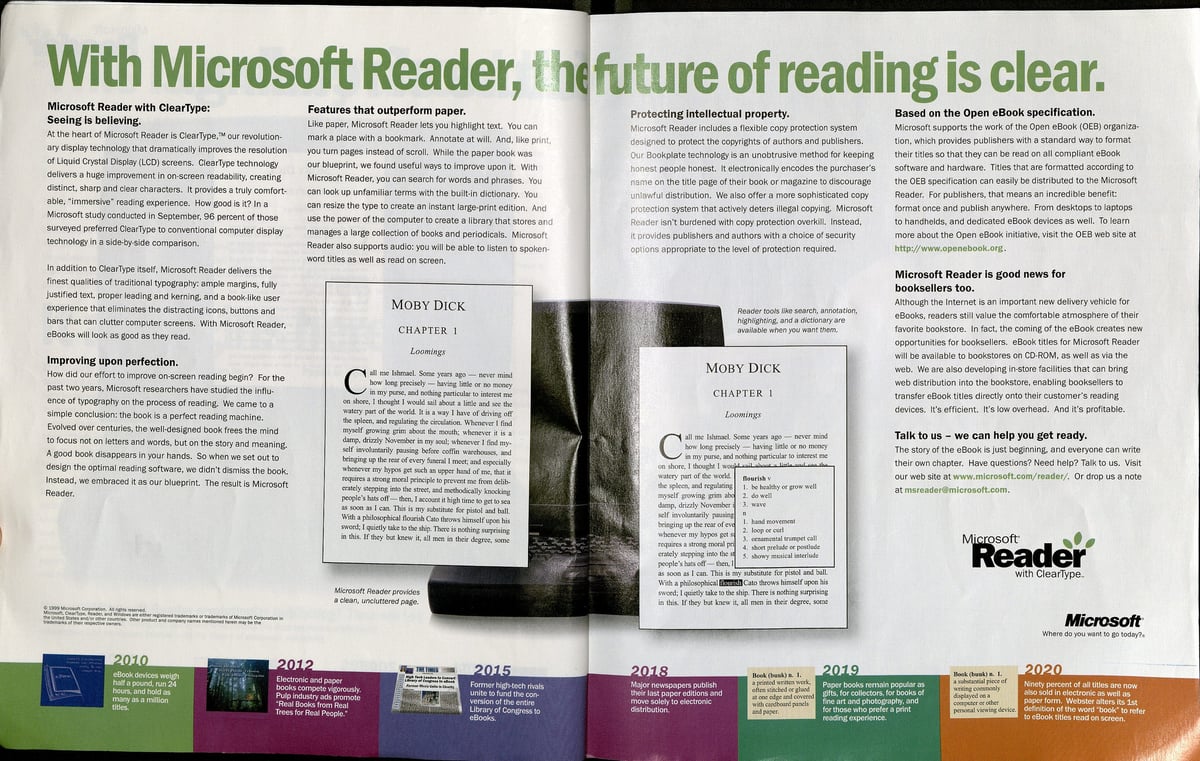
Every generation deserves to have its own dreams for the future of the book dashed against the wall. For reference, here is a timeline Microsoft-nice, safe, Word-and-Office Microsoft!-put forward back in 1999.
2003- eBook devices weigh less than a pound and run for eight hours on a charge. Costs run from $99 for a simple black and white device to about $899 for the most powerful, color magazine-sized machine.
2005- eBook title and ePeriodical sales top $1 billion. Many serial publications are given away free with advertising support that now also totals more than $1 billion. An estimated 250 million people regularly read books and newspapers on their PCs, laptops, and palm machines.
2006- eNewstands (kiosks) proliferate on street corners, airports, etc. As usual, airlines offer customers old magazines on the flight, but the magazines are now downloaded to eBook devices.
2009- Several top authors now publish directly to their audiences, many of whom subscribe to their favorite authors rather than buy book-by-book. Some authors join genre cooperatives, in which they hold an ownership stake, to cover the costs of marketing, handle group advertising sales and sell “ancillary” (that is, non-electronic) rights, including “paper rights.” Major publishing houses survive and prosper by offering authors editing and marketing services, rather than arranging for book printing. Printing firms diversify into eBook preparation and converting old paper titles to electronic formats.
2011- Advances in non-volatile chip storage, including Hitachi’s Single Electron terabit chip, allow eBooks to store 4 million books - more than many university libraries - or every newspaper ever printed in America.
2012- The pulp industry mounts its pro-paper “Real Books” ad campaign, featuring a friendly logger who urges consumers to “Buy the real thing - real books printed on real paper.”
2018- In common parlance, eBook titles are simply called “books.” The old kinds are increasingly called “paper books.”
2020- Ninety percent of all titles are now sold in electronic rather than paper form. Webster alters its First Definition of “book” to mean, “a substantial piece of writing commonly displayed on a computer or other personal viewing device.”.
The technology has never been the issue. The willingness of big players in the industry to move quickly has never been the issue. I never thought Kindles were going to be wildly experimental, but I thought they might start doing everything that text does, or that paper does. But people don’t really want to even do Sudoku on their Kindles. What they seem to want to do is read (and in some cases, listen to) books. Books, and the enormous and enormously complex interconnected nature of the book market and book readership, seem to be the issue. You just can’t make that barge turn on a hairpin.
(Thanks to John Overholt and Catablogger for a photo of the Microsoft ad.)
In case you missed it, the President of the United States called Haiti, El Salvador, and African countries “shitholes,” then pretended like he didn’t say it, but basically said it all over again.
This matters not just because it’s racist (the President is racist, in fact, he is professionally racist), because it’s vulgar (“shithole,” one of the all-time great swear words, is forever sullied by this), and because it’s catastrophically bad for foreign and domestic relations. It matters in part because of the history of Haiti, and the history of racist discourse about Haiti.
Ebony Elizabeth Thomas, a professor of education and scholar who’s closely studied these narratives, writes:
The reason why White nationalists like 45 always name Haiti because the Haitian nation & people are unique. Haiti defeated Napoleon, threw off the chains of slavery, and exposed the lie of White supremacy & European imperialism. So there’s no end to their hatred for Haiti.
Jonathan Katz, a journalist and former AP correspondent in Haiti who wrote The Big Truck That Went By about Haiti’s 2010 earthquake and the cholera epidemic that followed, has a longer thread spelling out how these narratives about Haiti were generated and how they work. Here’s a thick excerpt:
In order to do a victory lap around the GDP difference between, say, Norway and Haiti, you have to know nothing about the history of the world. That includes, especially, knowing nothing real about the history of the United States… You’d have to not know that the French colony that became Haiti provided the wealth that fueled the French Empire — and 2/3 of the sugar and 3/4 of the coffee that Europe consumed…
You’d have to not realize that Haiti was founded in a revolution against that system, and that European countries and the United States punished them for their temerity by refusing to recognize or trade with them for decades. You’d have to not know that Haiti got recognition by agreeing to pay 150 million gold francs to French landowners in compensation for their own freedom. You’d have to not know that Haiti paid it, and that it took them almost all of the 19th century to do so.
You’d then have to not know that Haiti was forced to borrow some money to pay back that ridiculous debt, some of it from banks in the United States. And you’d have to not know that in 1914 those banks got President Wilson to send the US Marines to empty the Haitian gold reserve… [You’d] have to not know about the rest of the 20th century either—the systematic theft and oppression, US support for dictators and coups, the US invasions of Haiti in 1994-95 and 2004…
In short, you’d have to know nothing about WHY Haiti is poor (or El Salvador in kind), and WHY the United States (and Norway) are wealthy. But far worse than that, you’d have to not even be interested in asking the question. And that’s where they really tell on themselves… Because what they are showing is that they ASSUME that Haiti is just naturally poor, that it’s an inherent state borne of the corruption of the people there, in all senses of the word.
And let’s just say out loud why that is: It’s because Haitians are black.
Racists have needed Haiti to be poor since it was founded. They pushed for its poverty. They have celebrated its poverty. They have tried to profit from its poverty. They wanted it to be a shithole. And they still do.
If Haiti is a shithole, then they can say that black freedom and sovereignty are bad. They can hold it up as proof that white countries—and what’s whiter than Norway—are better, because white people are better. They wanted that in 1804, and in 1915, and they want it now.
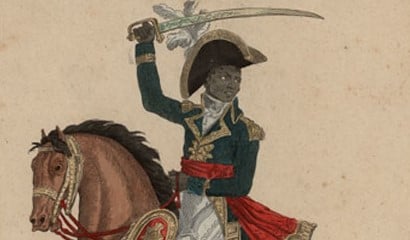
The history of Haiti is weird because it is absurdly well-documented, yet totally poorly known. It’s hard not to attribute that to ideology. We don’t teach the Haitian Revolution the way we teach the American, or the French, or the Mexican, because it’s a complicated story. Kids are more likely to hear variations of “Haiti formed a pact with the devil to defeat Napoleon” (this is real thing, I swear) than Toussaint Louverture’s or Jean-Jacques Dessalines’s names.
Also, while Haiti’s revolution was an early, signature event in world history-the first time a European power would be overthrown by an indigenous army (but not the last)-the causes of Haiti’s poverty are basically identical with those of almost every poor nation around the world: a history of exploitation, bad debt, bad geopolitics, and bad people profiting off of that poverty (almost all of them living elsewhere). And this is basically true about poverty in American cities as well (with all the same attendant racist myths).
Some recommended reading:
Sunday Magazine. “Every week, I post the most interesting articles from the New York Times Sunday Magazine from exactly 100 years ago, with a little bit of commentary or context.”
Researchers from Stanford have published a study showing that immunity might hinder the use of the CRISPR gene editing technique in humans. The Cas9 bacterial protein commonly used in CRISPR is found in and around human bodies, so many of those bodies have already built up an immunity to it. That means if you send Cas9 into a body to do some gene editing, that body’s immune system might attack and destroy it before it can do its work. Sarah Zhang wrote about the study for The Atlantic.
Porteus and his colleagues focused on two versions of Cas9, the bacterial protein mostly commonly used in CRISPR gene editing. One comes from Staphylococcus aureus, which often harmlessly lives on skin but can sometimes causes staph infections, and another from Streptococcus pyogenes, which causes strep throat but can also become “flesh-eating bacteria” when it spreads to other parts of the body. So yeah, you want your immune system to be on guard against these bacteria.
It sounds like this was something geneticists were well aware of but wasn’t common knowledge among non-technical CRISPR enthusiasts. As Chang notes, scientists are already employing strategies to route around the potential immunity roadblock:
Modify Cas9 or use a different CRISPR protein altogether: It may be possible to redesign Cas9 to hide it from the immune system or to find other bacterial proteins that can do the job of Cas9 without provoking the immune response. Many different bacteria have CRISPR systems. “We already have lots of Cas enzymes and could get many more,” George Church, a geneticist at Harvard and a founding scientific advisor of Editas, wrote in an email.

At In Focus, Alan Taylor celebrates his 50th birthday by sharing some photos of 1968 that remind us of the momentous events of that year, which is certainly one of the most noteworthy years in recent world history.
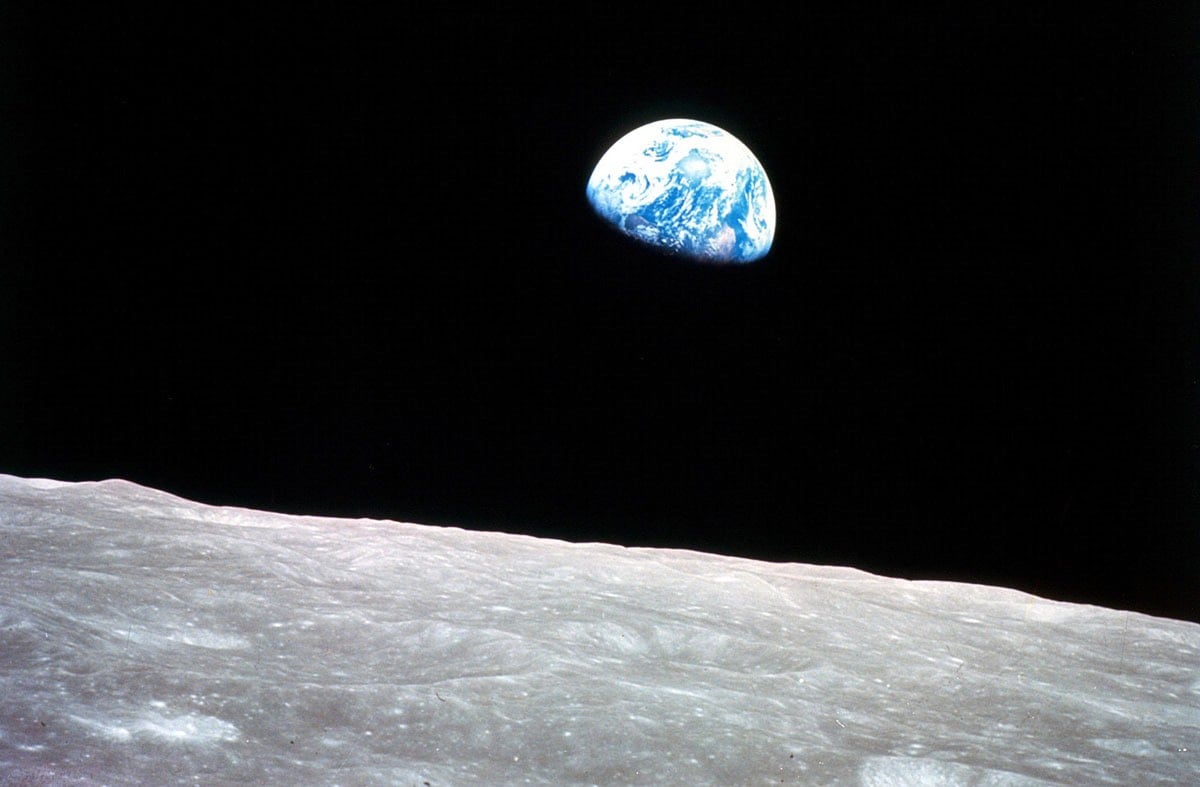
Protests erupted in France, Czechoslovakia. Germany, Mexico, Brazil, the United States, and many other places. Some of these protests ended peacefully; many were put down harshly. Two of the biggest catalysts for protest were the U.S. involvement in the Vietnam War and the ongoing lack of civil rights in the U.S. and elsewhere. Two of America’s most prominent leaders, Dr. Martin Luther King Jr. and Senator Robert F. Kennedy, were assassinated within months of each other. But some lessons were being learned and some progress was being made — this was also the year that NASA first sent astronauts around the moon and back, and the year President Lyndon Johnson signed the Civil Rights Act into law.
If nothing else, 1968 is a reminder that perhaps our current events aren’t so bad after all.
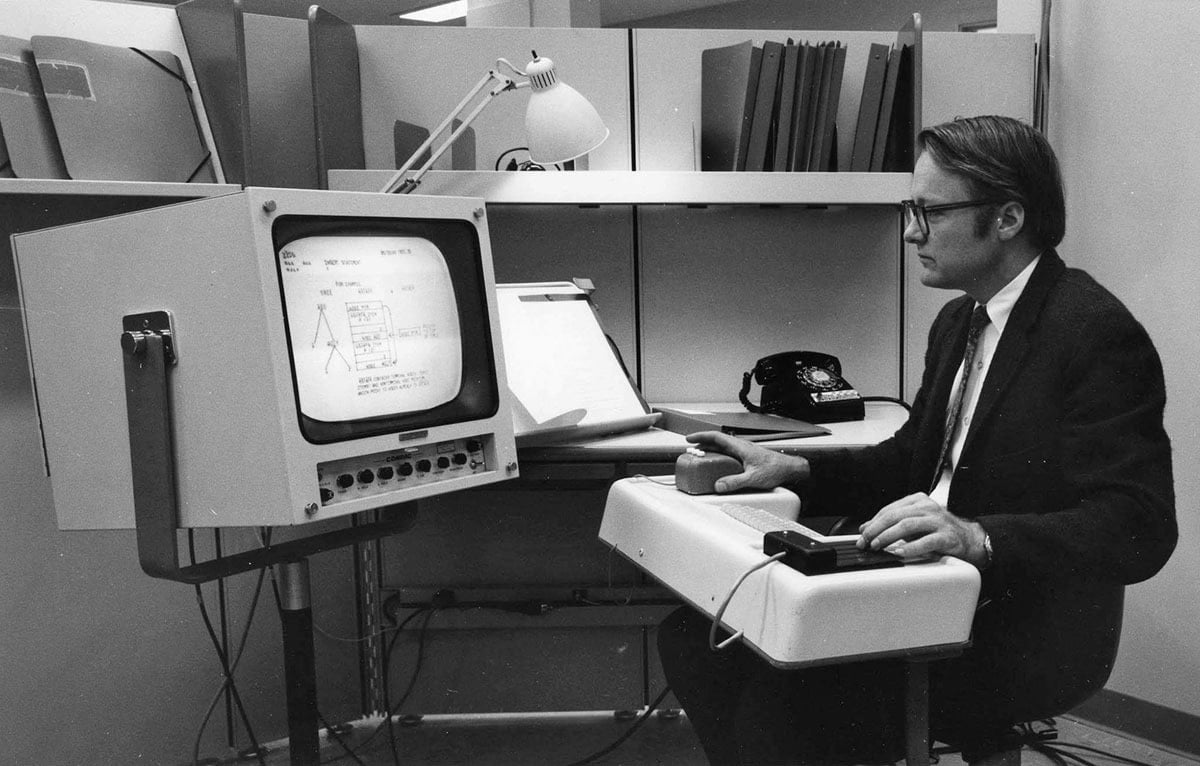
I love that Taylor includes an event not usually associated with 1968: The Mother of All Demos.
The demonstration is hailed as one of the most significant technological presentations in history, showcasing technologies that have become what we now know as modern computing. He gave the first public demonstration of a computer mouse, a graphical user interface, windowed computing, hypertext, word processing, video processing, and much more.
The influence of this demo has grown over time and rightly deserves consideration as one of that year’s most notable events.
Storm-chasing photographer Mike Olbinski is back with a new time lapse video and this one is in black & white and was shot in 8K resolution. (BTW, 8K is 7680×4320 or 4320p. That’s a lot of K!)
Breathe is made up solely of storm clips from 2017…either from the spring across the central plains or from the monsoon here in the southwest. Some are favorites, some are just ones I knew would be amazing in monochrome and others I used because they fit the music so well.
The video was unavailable in 8K to me on both YouTube and Vimeo — maybe you need to be a paying member? — but even at 4K, this thing is hypnotically stunning. I rewound and watched the part starting at 1:39 about five times. You can see more of my posts about Olbinski here. (via colossal)
The Good War is a comic (graphic novella?) by Mike Dawson and Chris Hayes that argues that 90s nostalgia for World War II — Saving Private Ryan, Band of Brothers, Tom Brokaw’s The Greatest Generation — led the US to wrongly associate 9/11 with Pearl Harbor and the “War on Terror” with WWII, leading to all kinds of disastrous consequences.
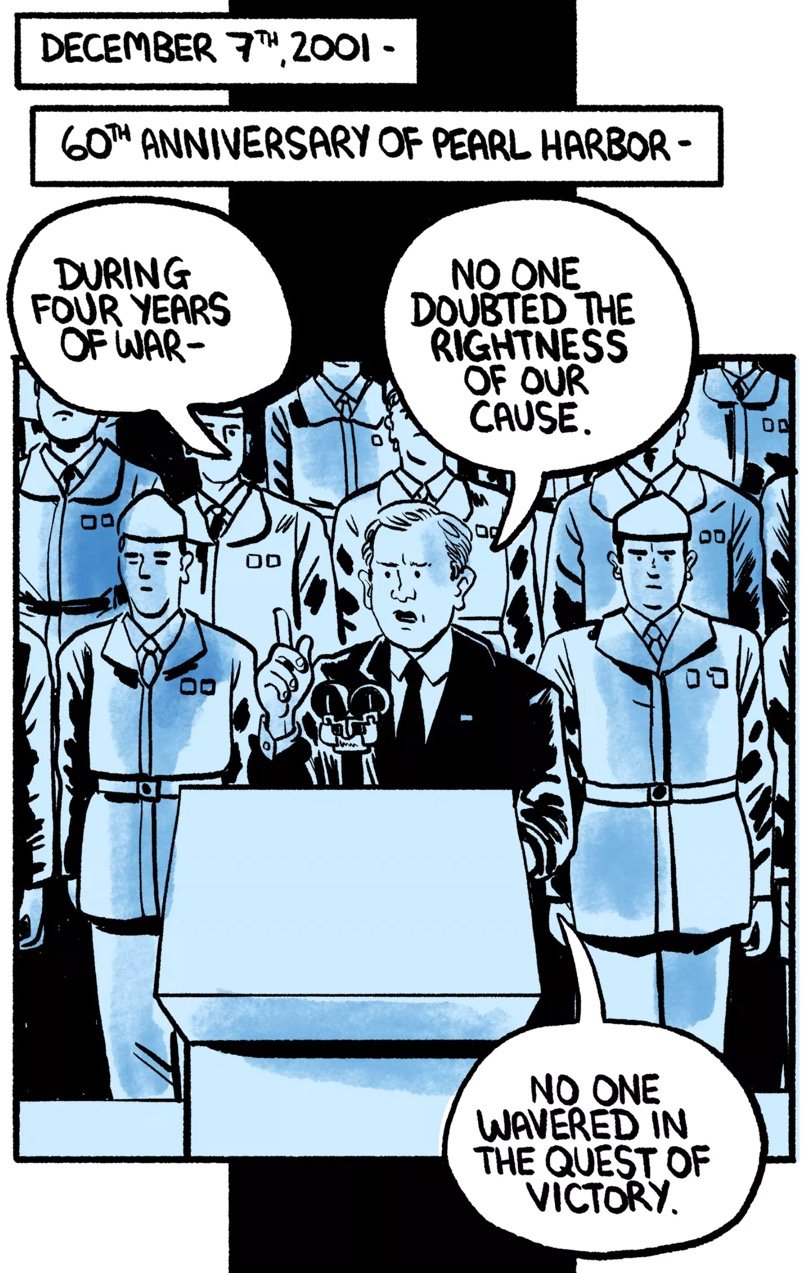
The comic is based on The Good War on Terror, a piece Hayes wrote in 2006.
On September 11, 2001, George W. Bush wrote the following impression in his diary: “The Pearl Harbor of the 21st century took place today.” He wasn’t alone in this assessment. In the days after the attacks, editorialists, pundits and citizens reached with impressive unanimity for this single historical precedent. The Sept. 12 New York Times alone contained 13 articles mentioning Pearl Harbor.
Five years after 9/11 we are still living with the legacy of this hastily drawn analogy. Whatever the natural similarities between December 7, 1941, and September 11, 2001, the association of the two has led us to convert—first in rhetoric, later in fact—a battle against a small band of clever, murderous fundamentalists into a worldwide war of epic scale.
As Hayes hints at in the essay, the Vietnam War might have been a better model for how Americas should have reacted to 9/11. (via daring fireball)
When the Bank of England misprints banknotes, they shred them into tiny little pieces. In this time lapse video, compressed from an entire work day into 11 minutes, a person with a tweezers attempts to reconstruct a five pound note from those tiny shredded pieces. For reference, here’s what the five pound note actually looks like.
Data from a dating app about what people love and hate. Younger people love Beyonce and “filling up on bread” while older folks love goat cheese and bloody marys.
Fantastic piece by Moira Donegan about the Shitty Media Men spreadsheet she started. “I thought that the focus would be on the behavior described in the document, rather than on the document itself.”
In a clip from a BBC nature documentary series on Patagonia, watch as a gaucho tames a wild horse he’s just caught. The entire process takes three hours, so this is just a tiny bit of it, but it’s interesting to watch people who are very good at what they do.
Each gaucho has his own style of taming. “What you have to do is catch the attention of the horse. I shoo it away a few times until it realizes that when it’s looking at me there will be calm, but if it looks somewhere else, I’ll scare it.”
(via digg)
Newer posts
Older posts





Socials & More