Entries for July 2024
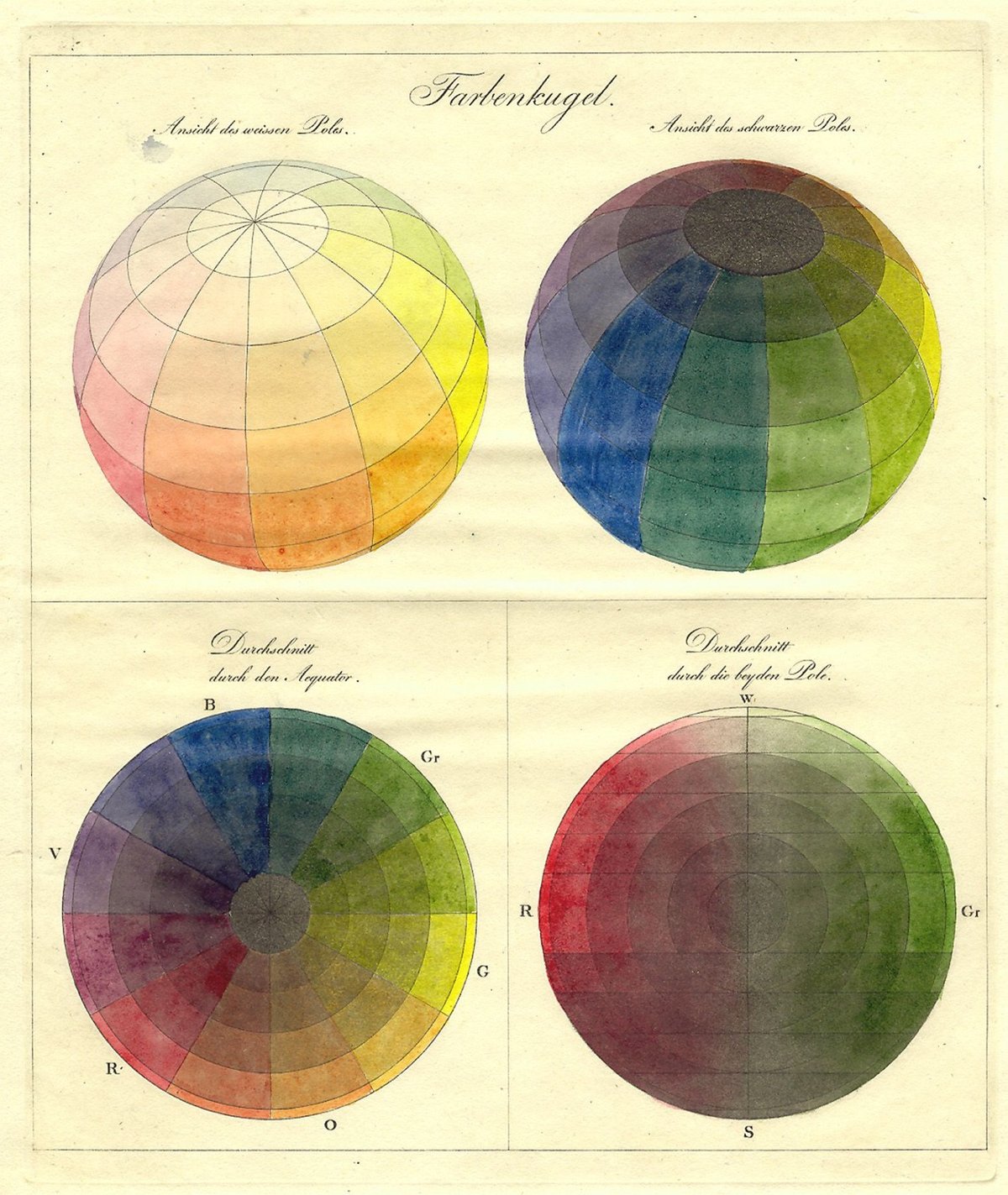
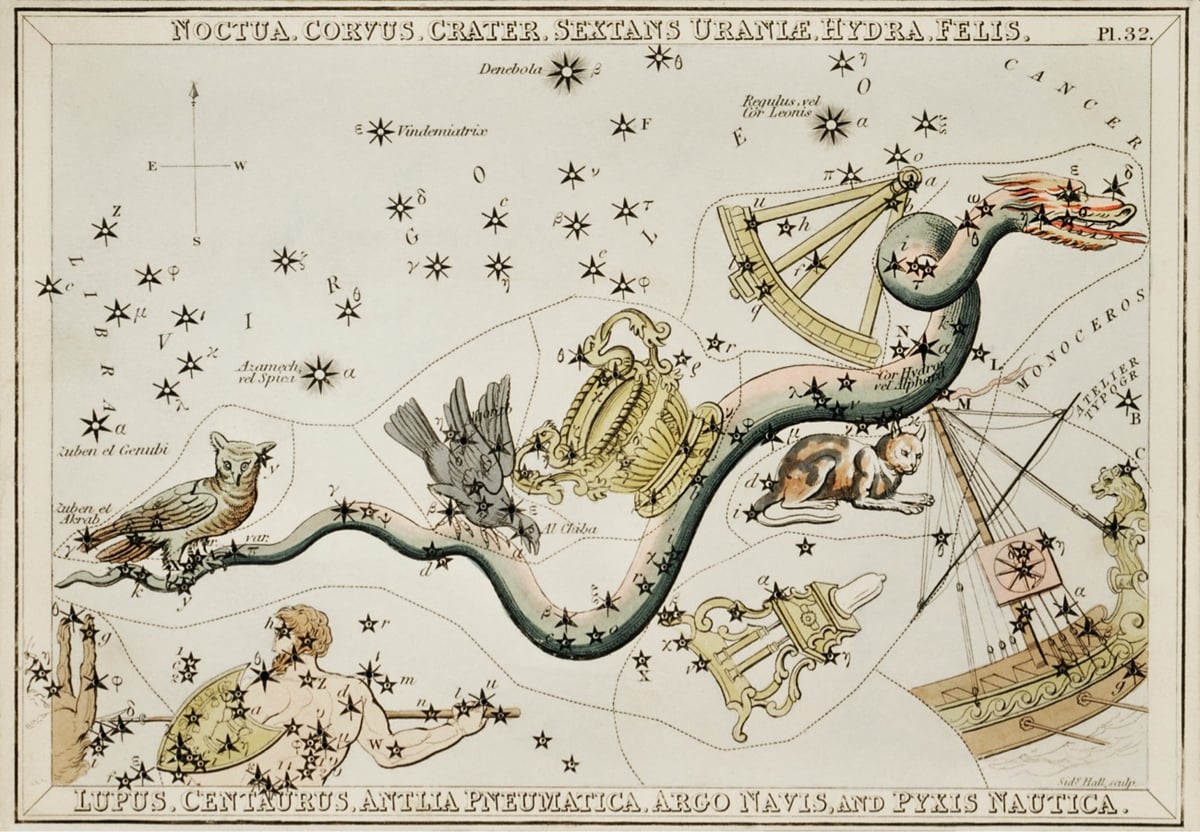
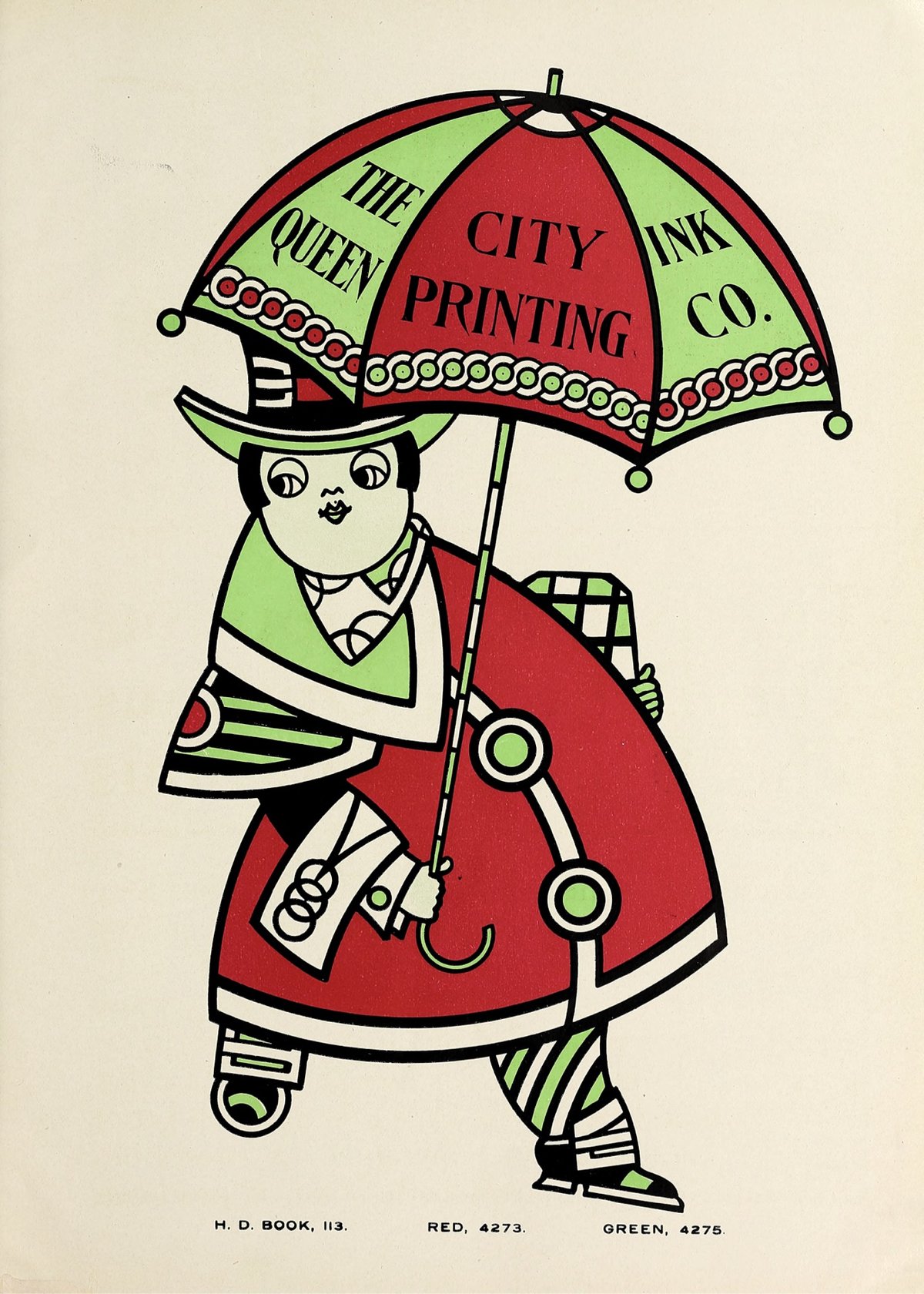
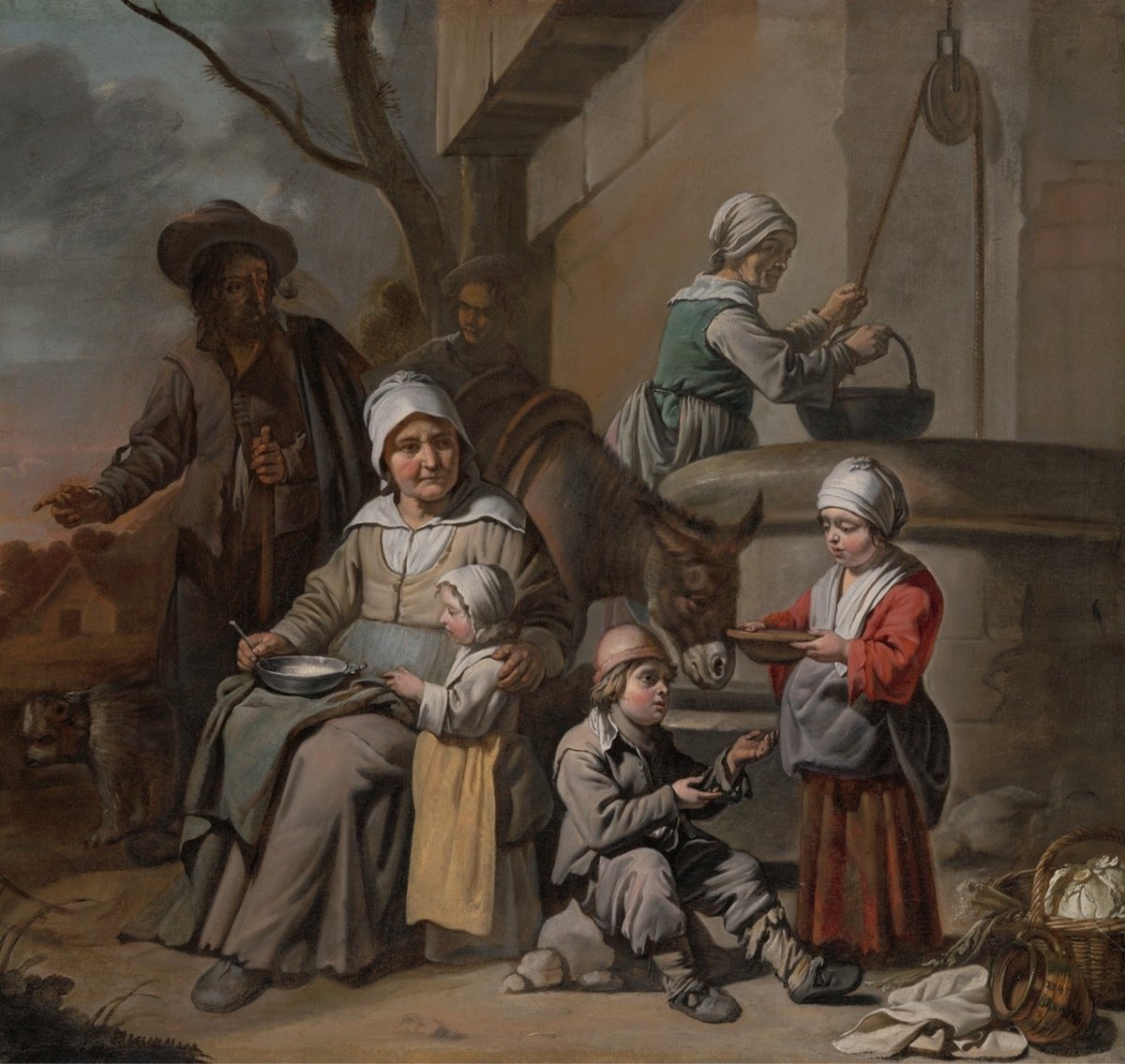
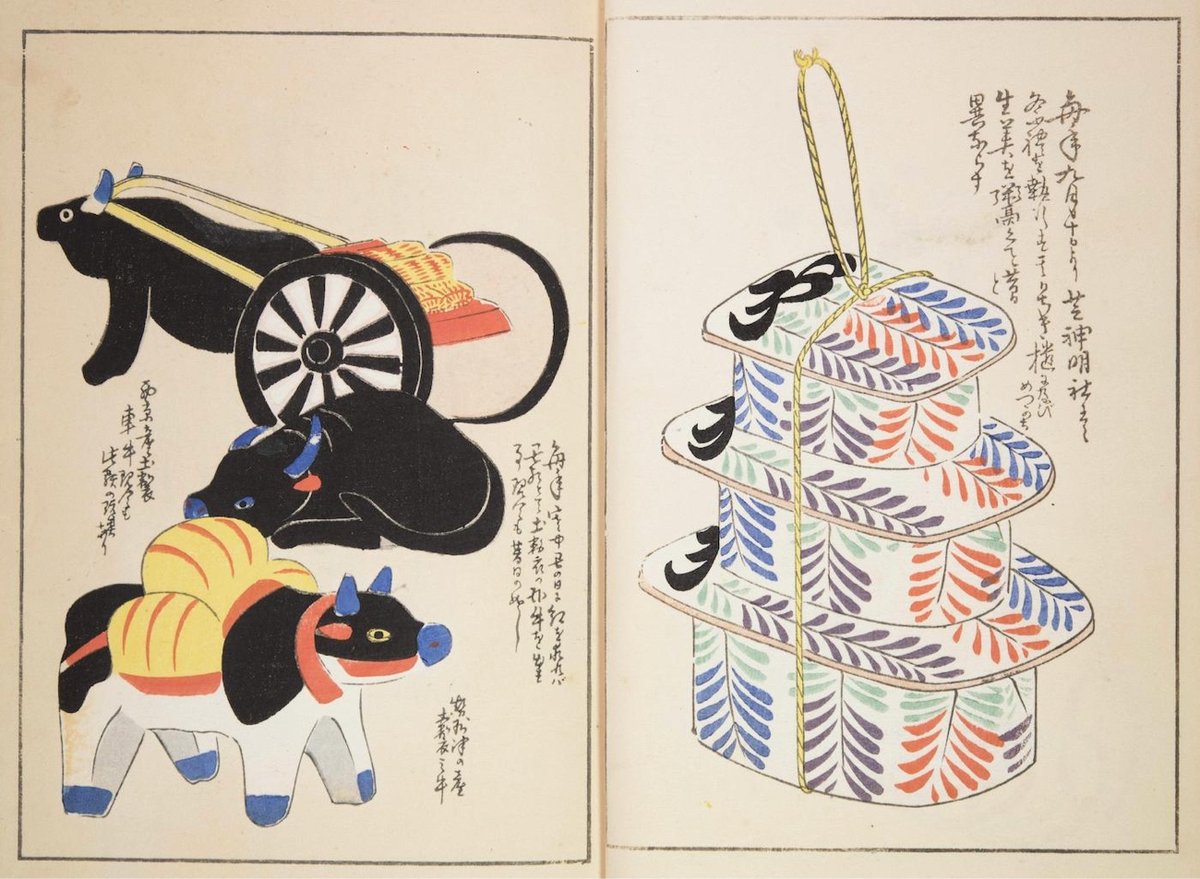
Public Work is an image search engine that boasts 100,000 “copyright-free” images from institutions like the NYPL, the Met, etc. It’s fast with a relatively simple interface and uses AI to auto-categorize and suggest possibly related images (both visually and content-wise). And it’s fun to just visually click around on related images. On the downside, their sourcing and attribution isn’t great — especially when compared to something like Flickr Commons.
I’d love it if an interface this quick and visual-first were adopted by museums though — let’s face it: the image search on museum, library, and institution websites is often terrible and slow. (via @jaygogh)
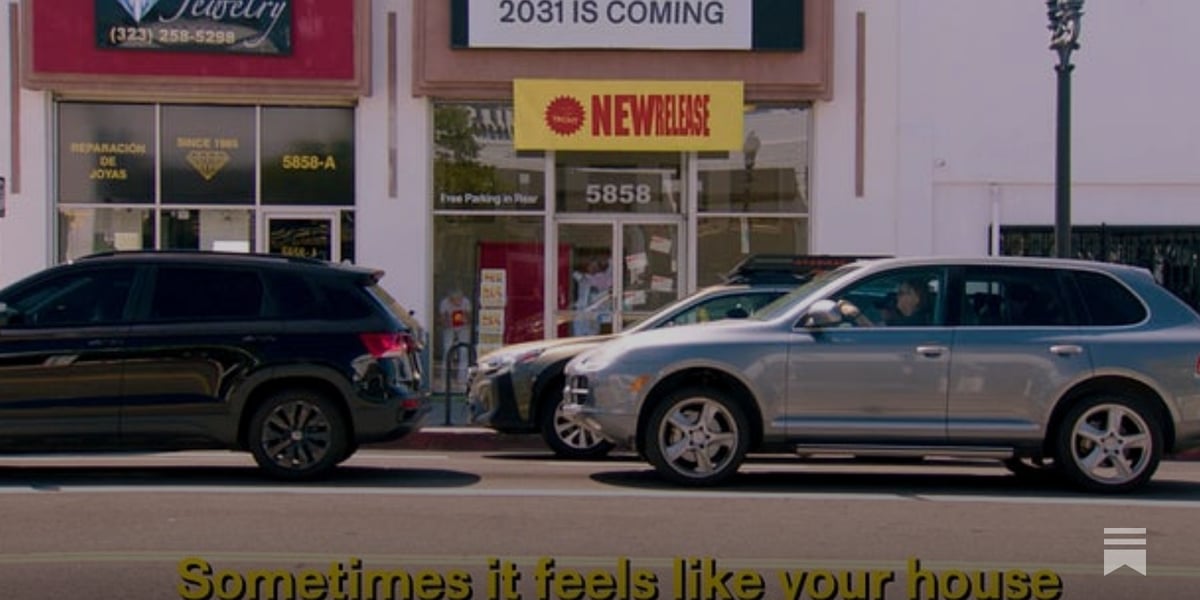
From XKCD, a public safety announcement about driving: random drivers can’t grant you the right of way as a gift.
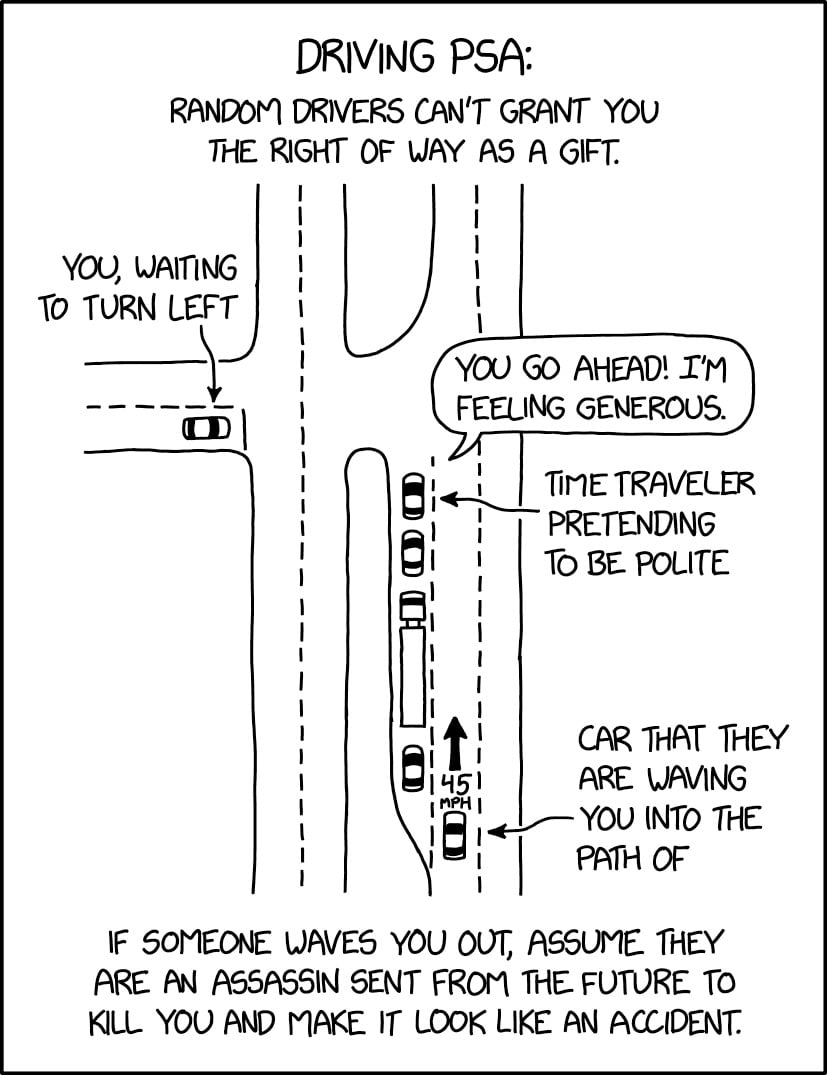
Yes, yes, yes, yes to the moon and back. I thought no one else noticed this! Vermont drivers are unusually “nice” in this regard and it drives me bonkers.
I was just explaining this to my son, a new driver, a couple of months ago. There’s a left turn at a one-way stop onto a busy road near my house that I do several times a week that is partially blind to oncoming traffic and you’ve really gotta commit when you do pull out because everyone’s doing 5-7+ mph over the limit coming around the curve. So, you end up sitting there for a bit and drivers coming from your right who are going to turn left in next to you will often see this and try to wave you through before they turn.
But you can’t grant right of way like that! I can’t trust that they’ve checked if oncoming traffic is ok and that no one is trying to sneak around them on the right into the lane I’m supposed to be turning into (something that happens frequently at this intersection, and at speed). (There are also bikes and pedestrians to keep track of.) All this presumably nice gesture does is make the situation more dangerous for me because I now feel socially obligated to accept their favor and time pressure to be quick about it. But instead I decline and insistently wave them through, the other driver possibly now offended at having their good deed refused and thinking I’m the asshole.
Just take the right of way when it’s yours and cede it when it’s not. That’s it — keep it predictable. That’s like 95% of driving right there.
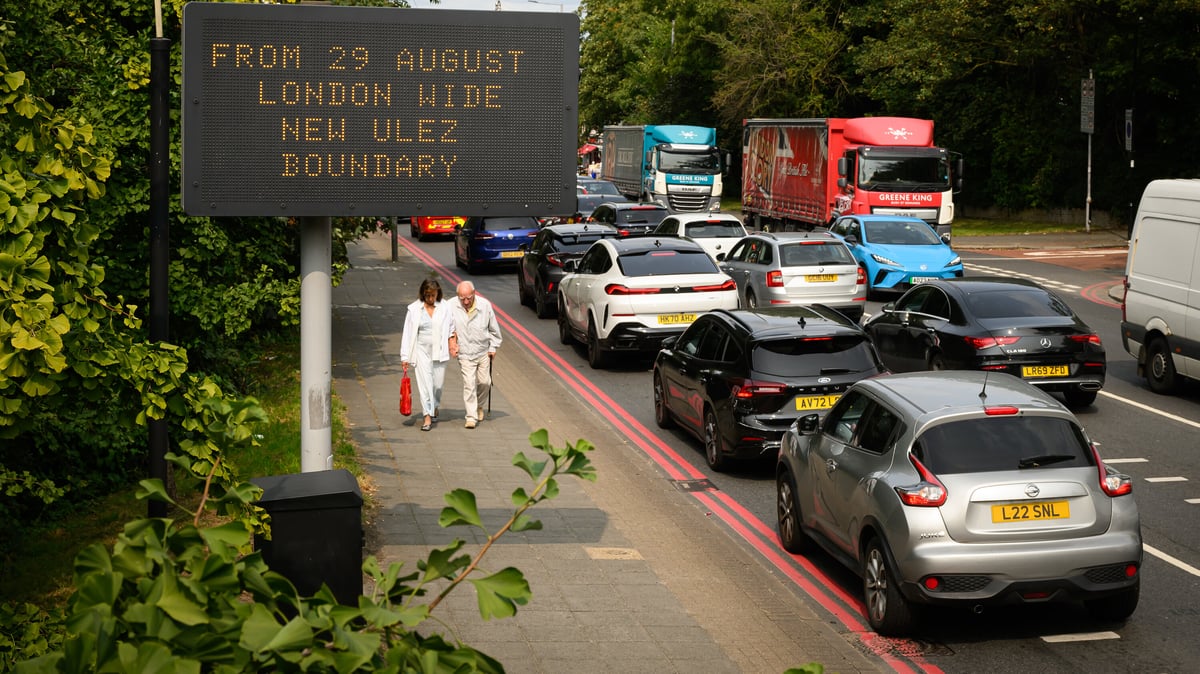
London expanded their Ultra Low Emission Zone (which polluting cars need to pay a fee to enter) and pollution levels decreased significantly in the first 6 months. Particulate matter (PM2.5) dropped 22% and NO2 fell 21%.
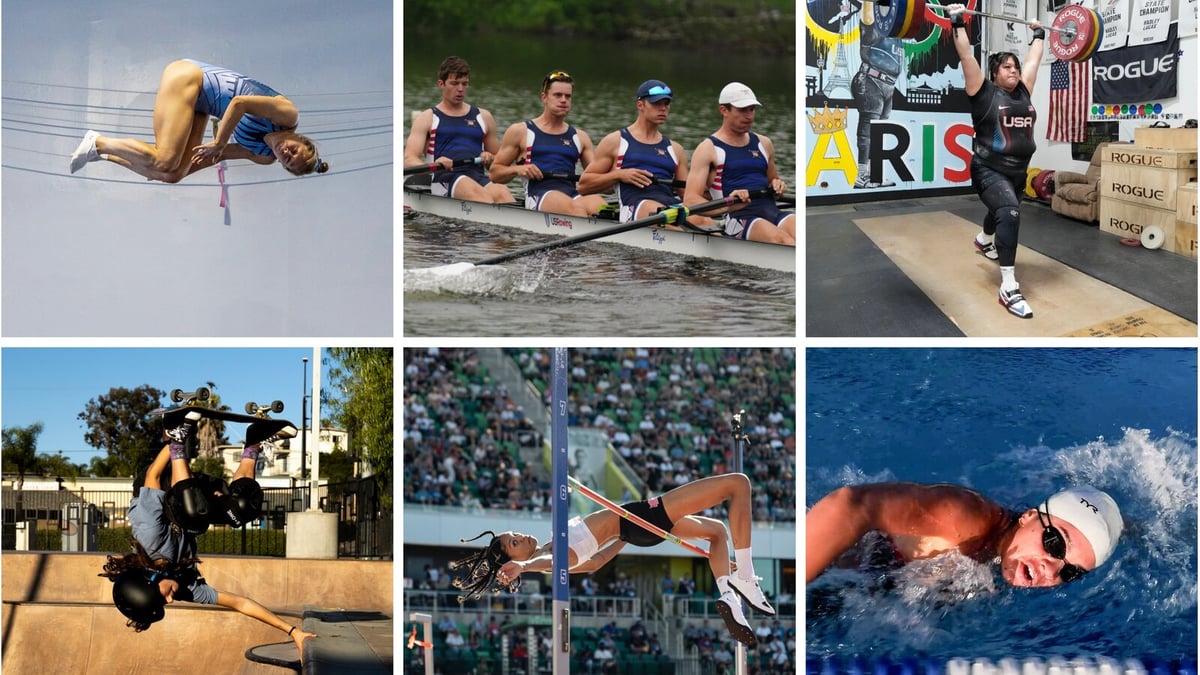
The science and mechanics of six Olympic events, explained. Skater Minna Stess: “If you think about a trick, sometimes it makes it harder. When I’m skating, the best thing is not to think at all.”
Brick Technology’s new video features increasingly powerful Lego machines designed to topple ever stronger towers. I love their iterative engineering videos (and those from Brick Experiment Channel). As I’ve written about these videos before:
They’re not even really about Lego…that’s just the playful hook to get you through the door. They’re really about science and engineering — trial and error, repeated failure, iteration, small gains, switching tactics when confronted with dead ends, how innovation can result in significant advantages. Of course, none of this is unique to engineering; these are all factors in any creative endeavor — painting, sports, photography, writing, programming. But the real magic here is seeing it all happen in just a few minutes.
I am uncomfortably close to buying some Technic and Mindstorms to dork around with my own little machines. (via waxy)
Mocking fascists is good, necessary, and effective. “Good thrusting mockery cuts right through that. Yes, they’re dangerous. But they’re also insecure, stunted degenerates. They’re weird. Normal people don’t want to be around them.”
In this video, Evan Puschak takes a close look at the iconic chase scene in Point Break to see how director Kathryn Bigelow uses POV shots to help put the viewer right into the action in a way that is incredibly immersive. Oh, and there a surprise appearance by Disneyland’s Mr. Toad’s Wild Ride.
Confession: I have never seen Point Break. Guess I should watch it now?
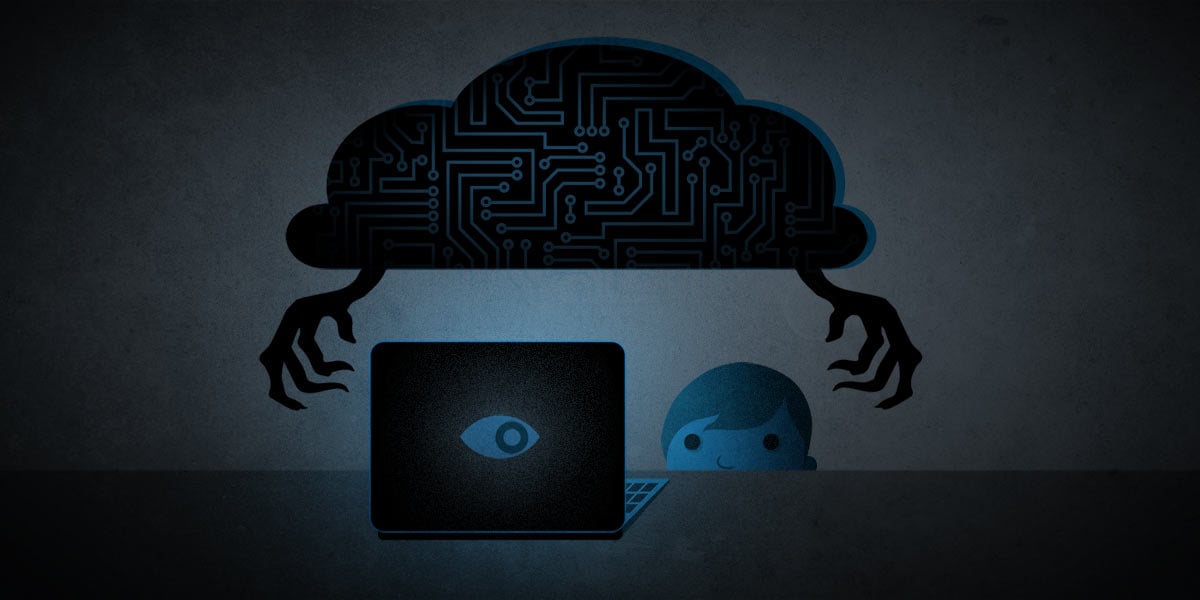
The EFF on the harmful KOSA bill working its way through Congress. “The Senate just passed a bill that will let the federal and state governments investigate and sue websites that they claim cause kids mental distress.”
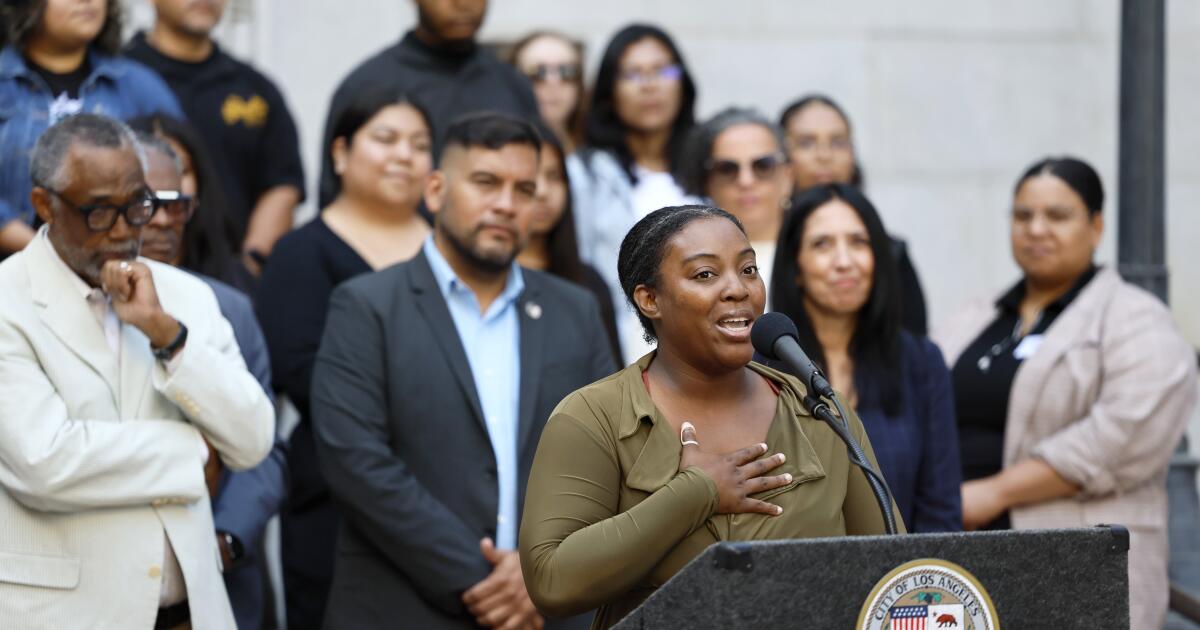
Results of LA’s 3-year basic income experiment were “transformative”. It gave people “time and space” to improve their lives by “landing better jobs, leaving unsafe living conditions and escaping abusive relationships”.
An extensive history of Birdo’s gender (according to her Nintendo appearances). “If you do consider Birdo to be trans, then she’s the first-ever trans character in a video game.”
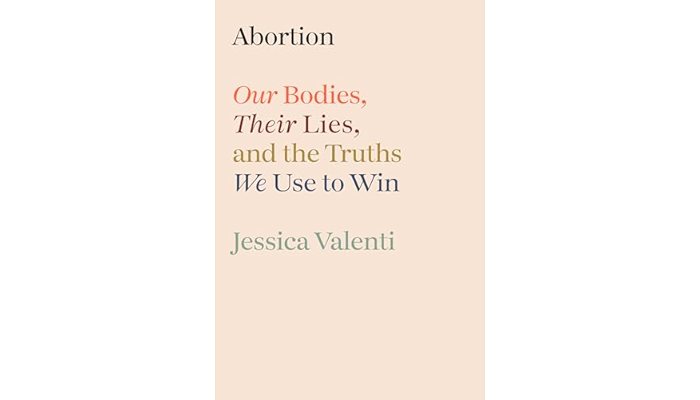
Abortion: Our Bodies, Their Lies, and the Truths We Use to Win is a forthcoming book by Jessica Valenti (who writes the Abortion, Every Day newsletter) that will be out on Oct 1, just before the election.
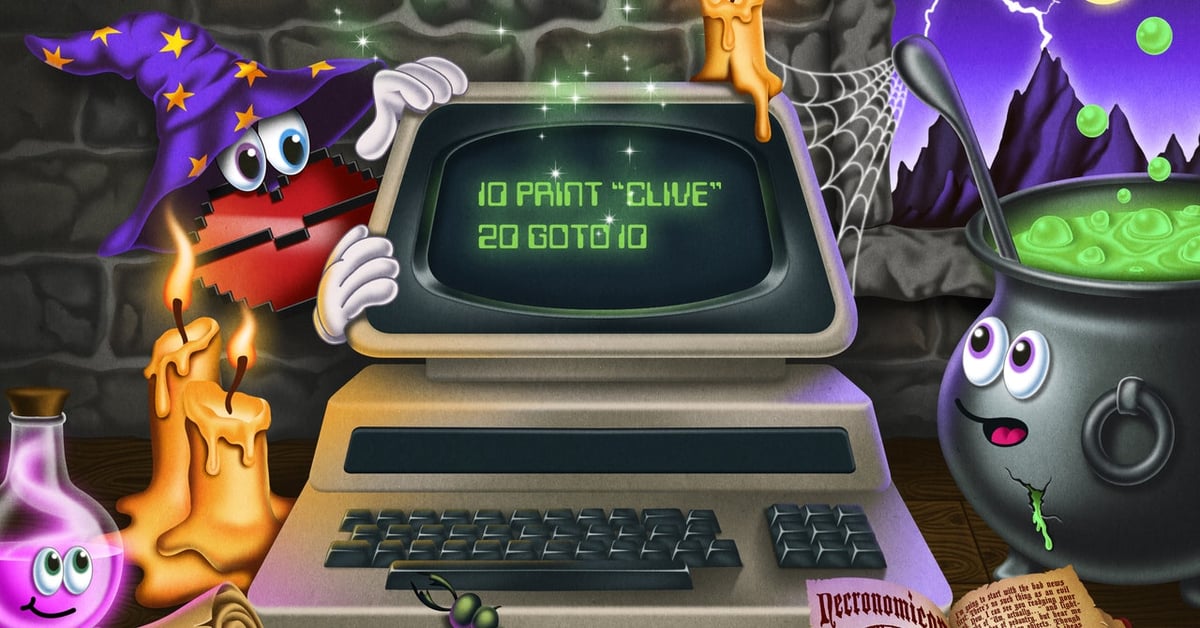
Clive Thompson writes about the influence of BASIC (“the most consequential language in the history of computing”) and the giddy adolescent thrill of using it for the first time. “I felt like I’d just stolen fire from Zeus himself.”
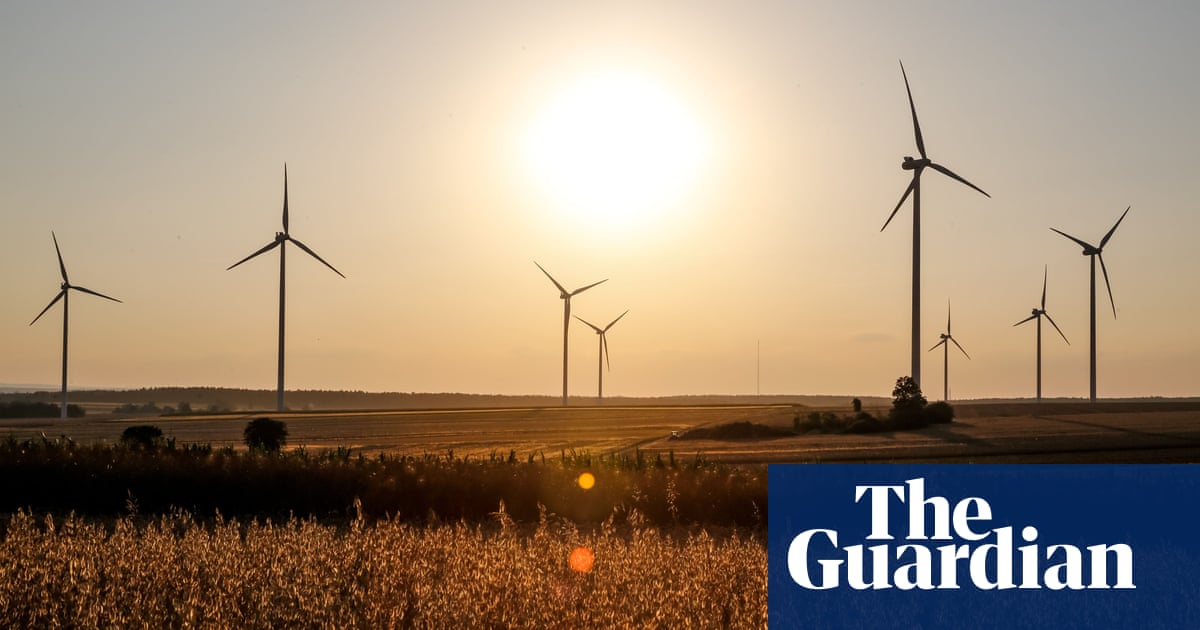
For the first time, wind & solar generated more of the EU’s electricity in the first 6 months of 2024 than fossil fuels. “We are witnessing a historic shift in the power sector, and it is happening rapidly.”
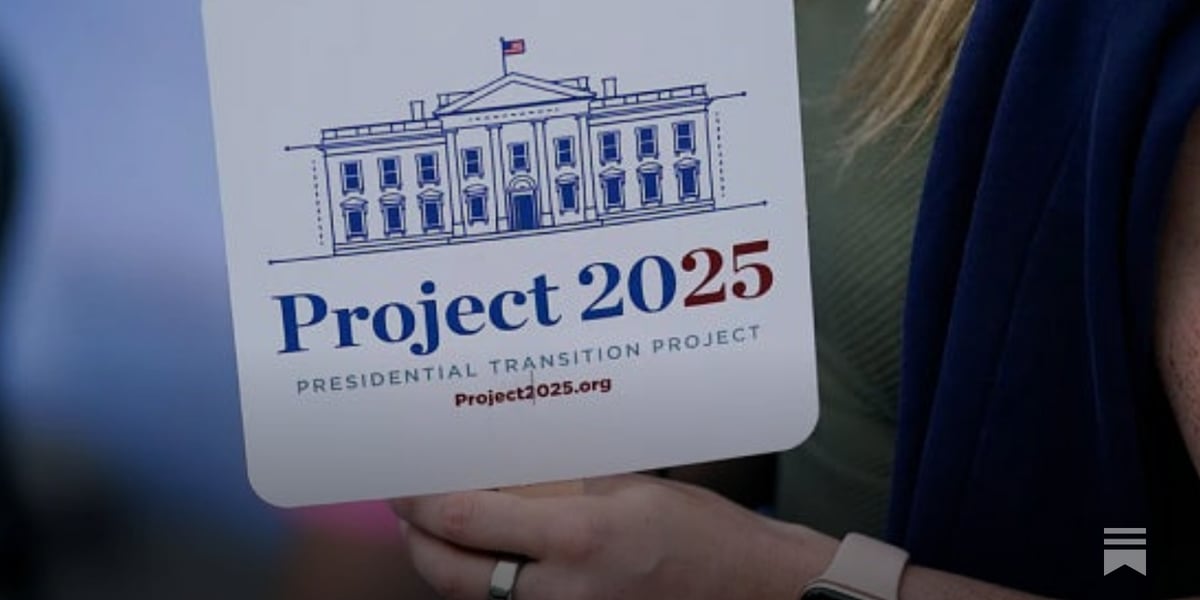
An explainer of the conservatives’ plan for women in America. “If enacted, Project 2025 wouldn’t just ban abortion. It’s a step-by-step plan on how the government can force American women out of public life and back into the home.”
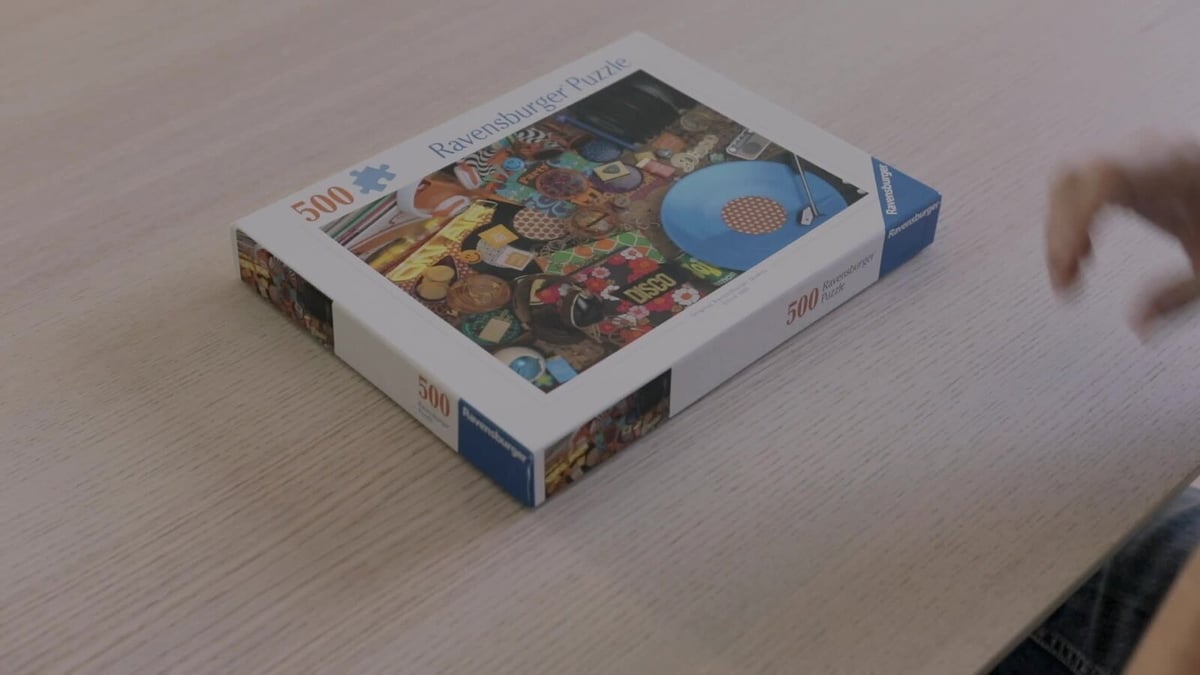
Speed jigsaw-puzzle competitions are a thing…and the mindet required seems the same as any other sport: “What differentiates a true champion is the ability to self-control, to ensure that the pressure does not affect them or they hardly notice it.”
I was among the minority of viewers who enjoyed the first season of Amazon’s Lord of the Rings series The Rings of Power, so I was excited to watch this extended trailer for the show’s second season. It seems to give away a little too much of the story for my taste (even though we all knew where it was going), but I am definitely pumped for season two.
Sauron has returned. Cast out by Galadriel, without army or ally, the rising Dark Lord must now rely on his own cunning to rebuild his strength and oversee the creation of the Rings of Power, which will allow him to bind all the peoples of Middle-earth to his sinister will.
Season two starts streaming on Amazon Prime on August 29.
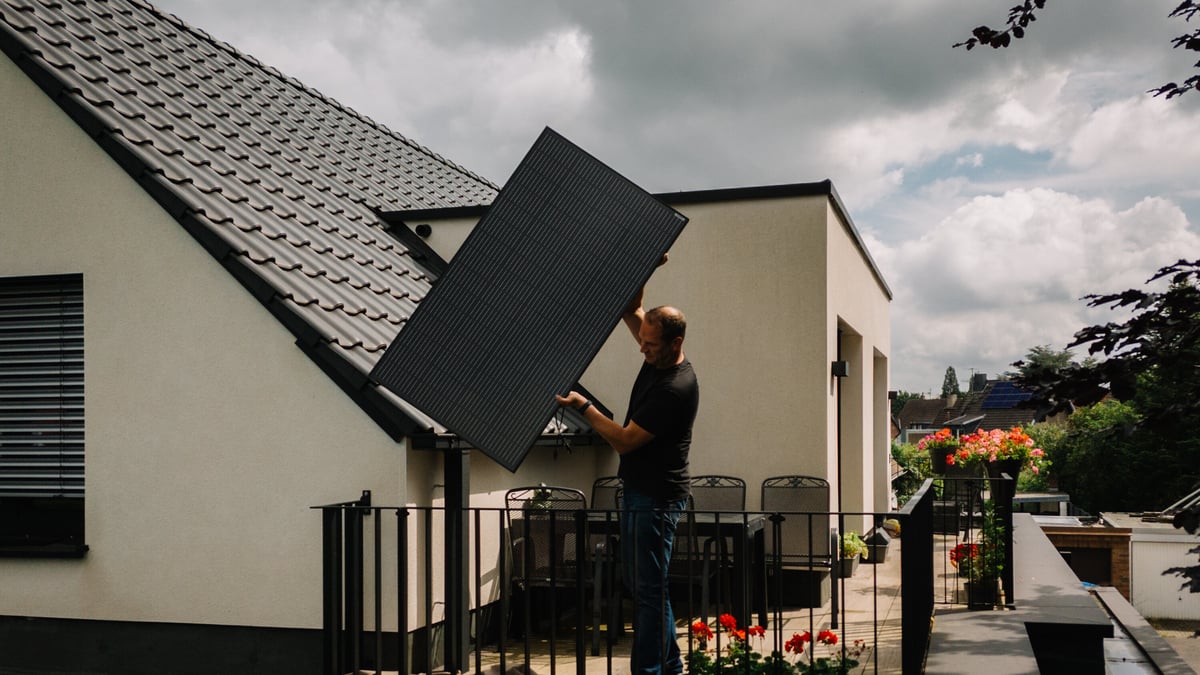
Germans are installing “plug-and-play” solar panels to decrease their electric bills. “You don’t need to drill or hammer anything. You just hang them from the balcony like wet laundry.” Collectively, they are contributing significantly to solar capacity.
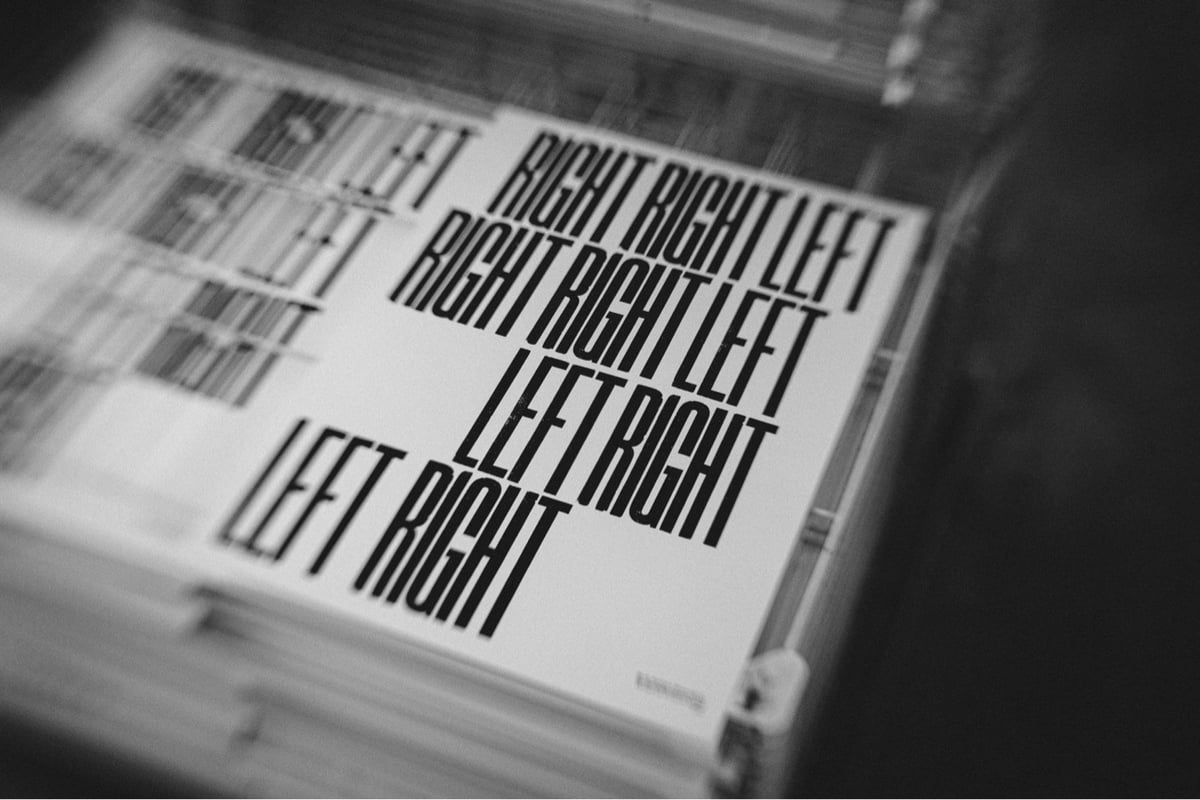
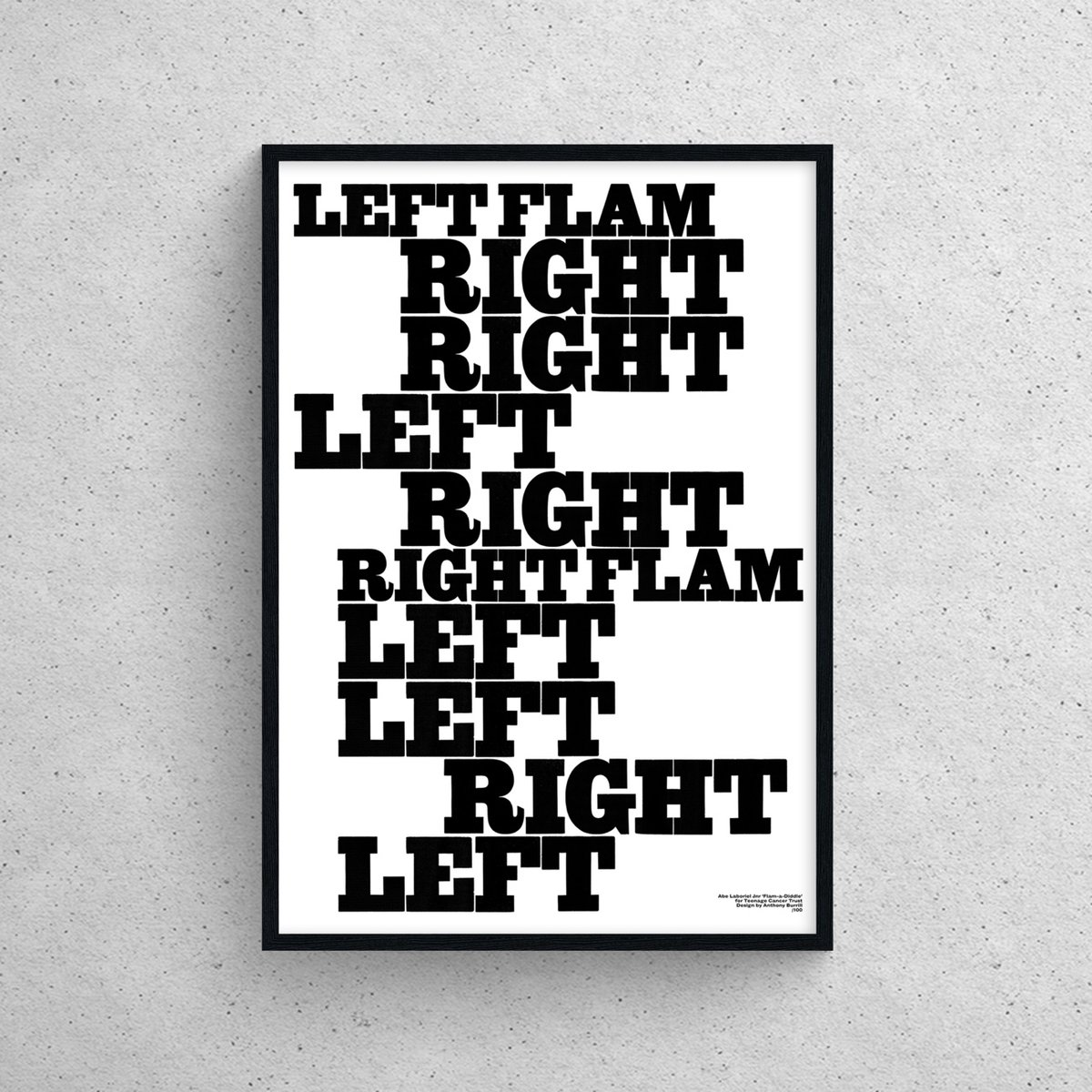
Graphic artist Anthony Burrill has applied his unique typographic style to design posters and t-shirts of iconic drumming patterns for the Teenage Cancer Trust.
The designer, known for his powerful and positive messaging, has created exclusive artworks in partnership with drumming legends, including Paul McCartney’s drummer Abe Laboriel Jnr, Arctic Monkeys’ Matt Helders, Simple Minds’ Cherisse Osei, Slayer’s Dave Lombardo, and Porcupine Tree’s Gavin Harrison.
It would be fun to see a working visualizer that used Burrill’s style to visualize any song’s drum beats. (via daniel benneworth–gray)
Ran across this hilariously nonsensical gymnastics commentary by Joe Tracini this morning and it definitely filled up the ol’ joy meter. “Winding up for a spooky bassoon…”
I am reading All Fours by Miranda July right now and it hooked me right out of the gate. Granta published a excerpt of the book back in April – you can use it as a barometer for whether you’d like to try the whole thing.
I came into the house my usual way, like a thief. I turned the lock slowly and shut the door with the handle all the way to the left to avoid the click of the lock. Took off my shoes. Rolled my feet from heel to toe, which is how ninjas walk so silently. I was often two or three hours late because I had trouble admitting that I was planning to talk to Jordi for five hours. But how could it be any shorter, given that it was my one chance a week to be myself? My heart was pounding as I tiptoed through the living room. I know the quietest way to wash up, too: picking up and putting down the cup and face wash with this technique where you pretend each thing is heavier than it is. Imagine the cup is made of brick, so that as you put it down you’re also lifting it up, resisting its weight — the opposite of this would be just dropping it, letting gravity put it down. When I walk past Harris’s bedroom I think glide, glide, glide.
See also Edith’s diary comics: Reading Miranda July’s All Fours.
Today’s piece by Heather Cox Richardson takes the form of a hopeful history lesson on how sometimes democracy happens in fits and starts.
At this country’s most important revolutionary moments, it has seemed as if the country turned on a dime.
In 1763, just after the end of the French and Indian War, American colonists loved that they were part of the British empire. And yet, by 1776, just a little more than a decade later, they had declared independence from that empire and set down the principles that everyone has a right to be treated equally before the law and to have a say in their government.
The change was just as quick in the 1850s. In 1853 it sure looked as if the elite southern enslavers had taken over the country. They controlled the Senate, the White House, and the Supreme Court. They explicitly rejected the Declaration of Independence and declared that they had the right to rule over the country’s majority. They planned to take over the United States and then to take over the world, creating a global economy based on human enslavement.
And yet, just seven years later, voters put Abraham Lincoln in the White House with a promise to stand against the Slave Power and to protect a government “of the people, by the people, and for the people.” He ushered in “a new birth of freedom” in what historians call the second American revolution.
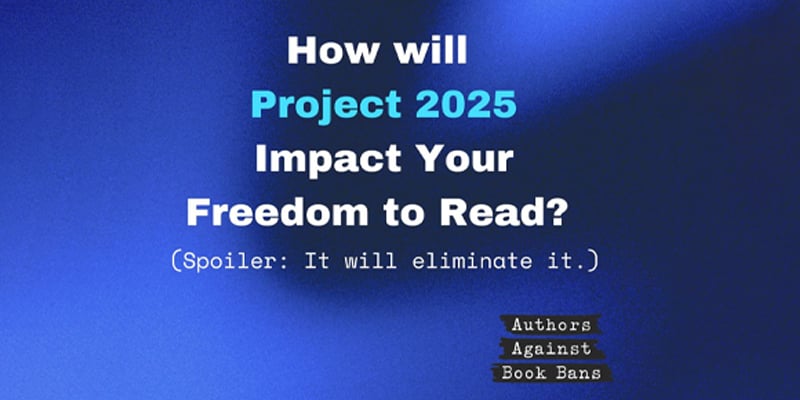
Lithub: The Republicans’ Project 2025 is disastrous for books. “Project 2025 is the single most expansive, extreme attack on our freedom to read that we’ve seen with ambition for federal government implementation.”
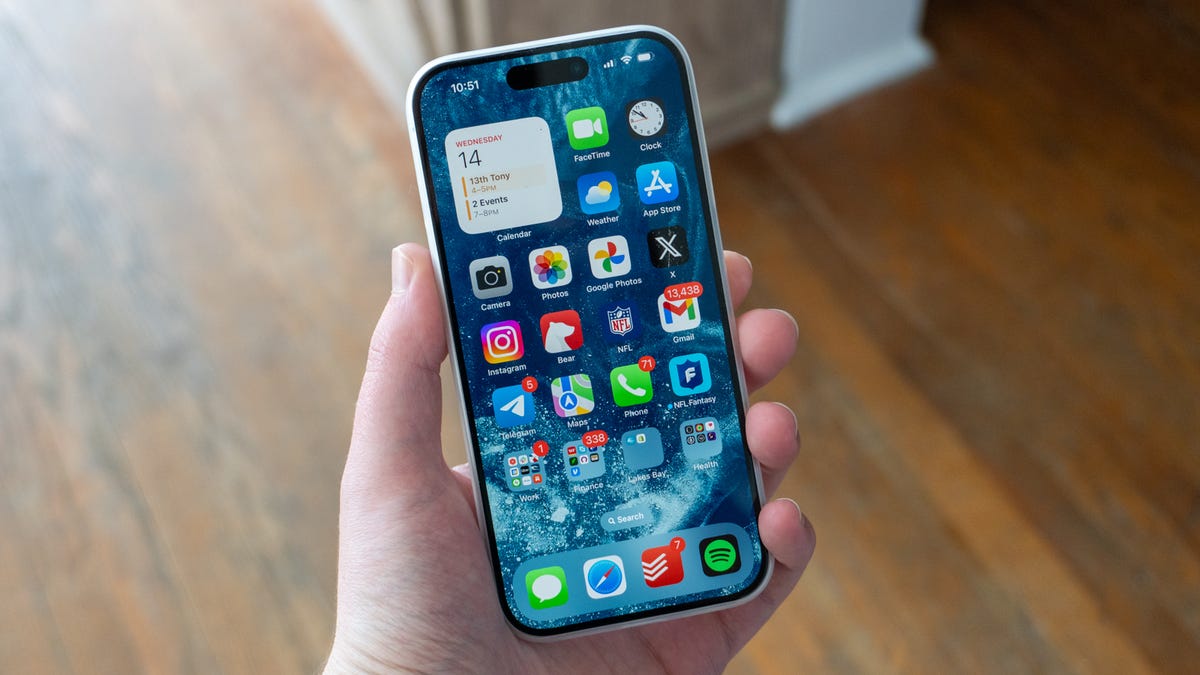
10 settings to tweak to increase iPhone battery life, including turning off the always-on display and reducing your screen refresh rate. Also, stop quitting your apps…it doesn’t help!
Margaret Sullivan: “I urge news decision-makers to take Trump’s authoritarian desires very seriously.” Like when he tell evangelicals: “You won’t have to [vote] anymore, four years, it will be fixed. It will be fine. You don’t have to vote anymore.”
“None of us knows if we can do this. And we are about to do it anyway.” Rebecca Traister writes about “the thrill of taking a huge risk on Kamala Harris”. (I’m not quite there yet…being thrilled instead of anxious.)
Behind the scenes shots of iconic album covers, including those from Björk, Lady Gaga, The Beatles, Nirvana, Childish Gambino, and Taylor Swift.
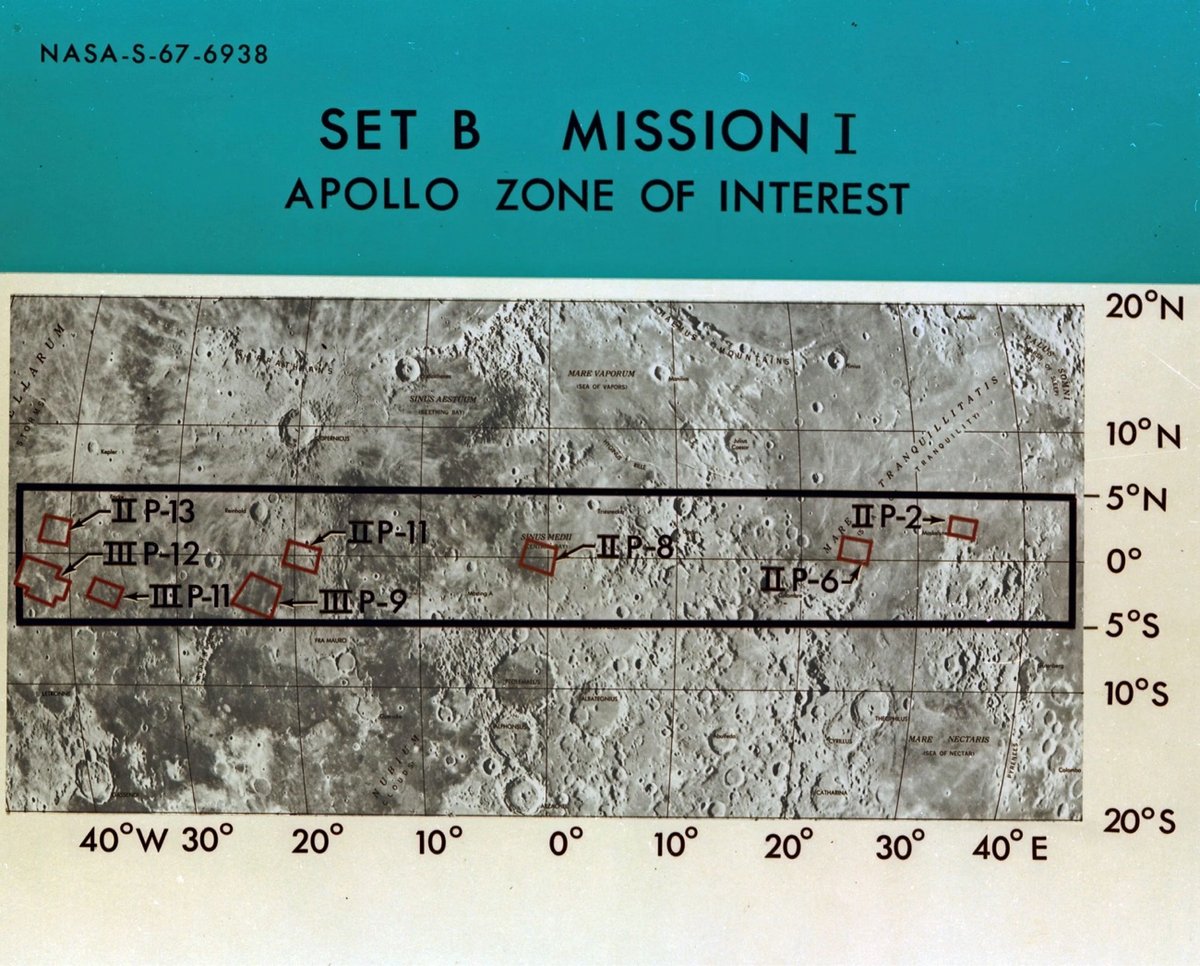
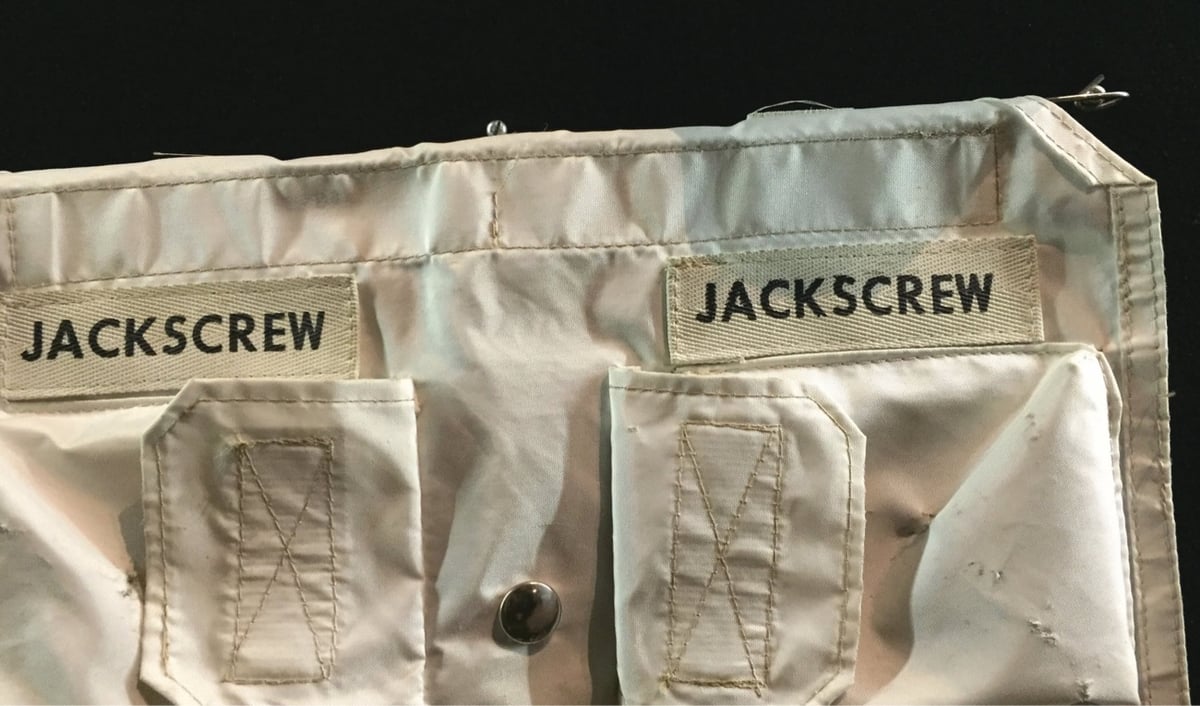
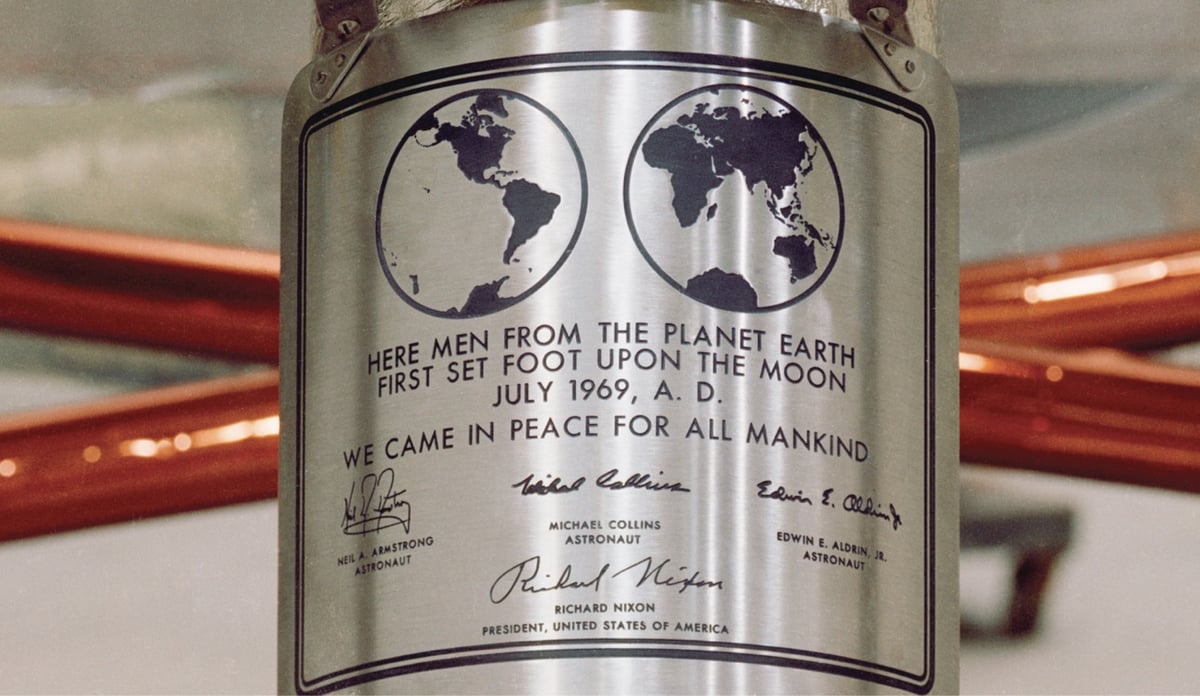
Futura, the typeface favored by the likes of filmmakers Stanley Kubrick and Wes Anderson was also used extensively for NASA’s Apollo 11 mission (along with an American knock-off of Futura called Spartan).
Hey, public voting is open for the Tiny Awards! I was on the judging committee so I can’t tell you my favorites, but there are lots of lovingly crafted, goofy, creative sites to choose from. Go vote!
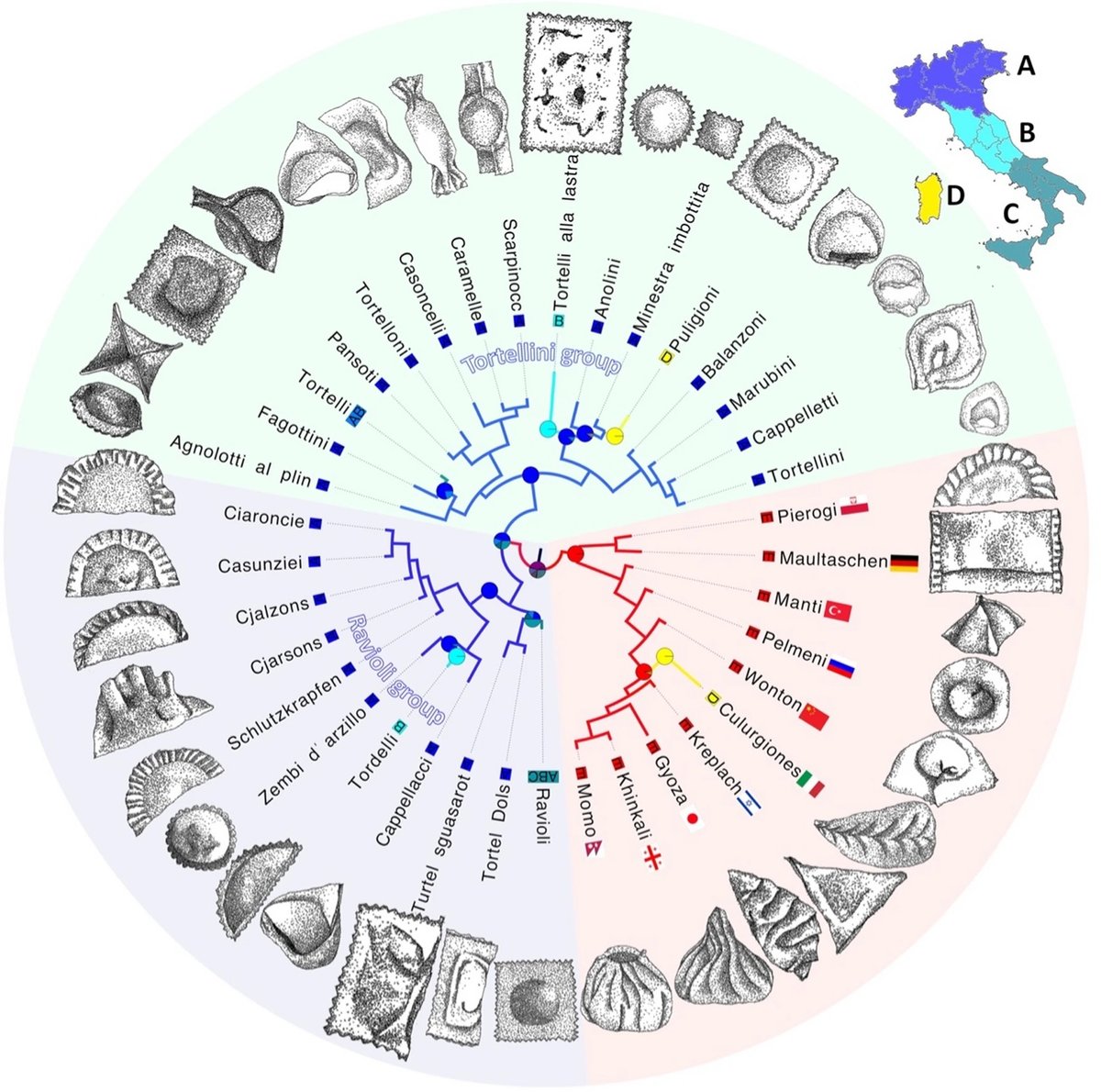
Using methods generally employed to track the evolution and spread of plants and animals over time and across geography, this paper aims to provide a scientific classification of Italian stuffed pasta shapes (pasta ripiena) and how they spread and evolved across what is now Italy. From the abstract of ‘Evolution of the Italian pasta ripiena: the first steps toward a scientific classification’:
Our results showed that, with the exception of the Sardinian Culurgiones, all the other pasta ripiena from Italy likely had a single origin in the northern parts of the country. Based on the proposed evolutionary hypothesis, the Italian pasta are divided into two main clades: a ravioli clade mainly characterized by a more or less flat shape, and a tortellini clade mainly characterized by a three-dimensional shape.
The introduction provides a short history lesson in stuffed foods:
The Italian pasta ripiena are part of a large family of Eurasian stuffed dumplings that similarly come in a wide array of shapes and forms and are known by many different names, for example, the Turkish manti, German maultaschen, Polish pierogi, Jewish kreplach, Russian pelmeni, Georgian khinkali, Tibetan momo, Chinese wonton, Japanese gyoza, and many others. It is unclear whether all dumplings had a singular origin or evolved independently, or how the remarkable diversity observed in Italy is related to the greater variation present in Eurasia. Based on linguistic similarities, it has been speculated that stuffed dumplings were probably first invented in the Middle East and subsequently spread across Eurasia by Turkic and Iranian peoples. Dumplings were known in China during the Han Empire (206 BC-220 AD), where archaeological remnants of noodles from this period were also discovered; however, in the same era, pasta had not yet made its appearance in Europe. The Italian ravioli have also been suggested to be a descendent of the Greek manti.
And then moves on to stuffed pastas native to Italy:
In Italy, ravioli are probably the oldest historically documented filled pasta, even though the early iterations of this dish evidently did not include the enclosing pasta casing. Between the 12 and 13 centuries, a settler from Savona agreed to provide his master with a lunch for three people made of bread, wine, meat and ravioli, during the grape harvest. Tortelli and agnolotti first appeared in literature much later. However, the origins of the iconic tortellini are controversial. The long-standing historical feud between the cities of Bologna and Modena over who invented the tortellini was symbolically settled at the end of the 19 century by Bolognese poet and satirist Giuseppe Ceri, who, in his poem “L’ombelico di Venere” (the navel of Venus), declared Castelfranco Emilia, a town halfway between the two cities, to be the birthplace of tortellini. According to this legend, one day, while Venus, Mars and Bacchus were visiting a tavern in Castelfranco Emilia, the innkeeper inadvertently caught Venus in a state of undress and was so astonished at the sight of the goddess’ navel that he ran into the kitchen and created tortellini in her honor. Clearly, a product as perfect as tortellini could be inspired only by Venus, the goddess of beauty.
See also How to Make 29 Different Shapes of Pasta by Hand, 150 Different Pasta Shapes, Flat-Packed Pastas That Pop Open When Cooked, and The Invention of a New Pasta Shape. (via @jenlucpiquant.bsky.social)
Susannah Breslin discovers that you can post nudity on YouTube if it’s artistic (or advertising?) “[YouTube’s policy] did not seem to allow for viewer interpretation.”
An interview with YACHT’s Claire Evans & Jona Bechtolt on that indie life. “We’re not a brand. We’re not a company. We’re human beings. Of course it’s going to change every 30 seconds. We’re following our lives.”
Ok, I did not know this, and it’s blowing my mind: we have been imaging exoplanets for such a long time that scientists have made time lapse movies of their motion around their stars. This one is a 12-year time lapse of four planets orbiting a star called HR 8799 (images from 2009-2021):
And this one of Beta Pictoris b covers a time period of 17 years (2003-2020):
HR 8799 is 133.3 light-years away from Earth and Beta Pictoris is 63.4 light-years away. That’s amazing! (via @philplait.bsky.social)
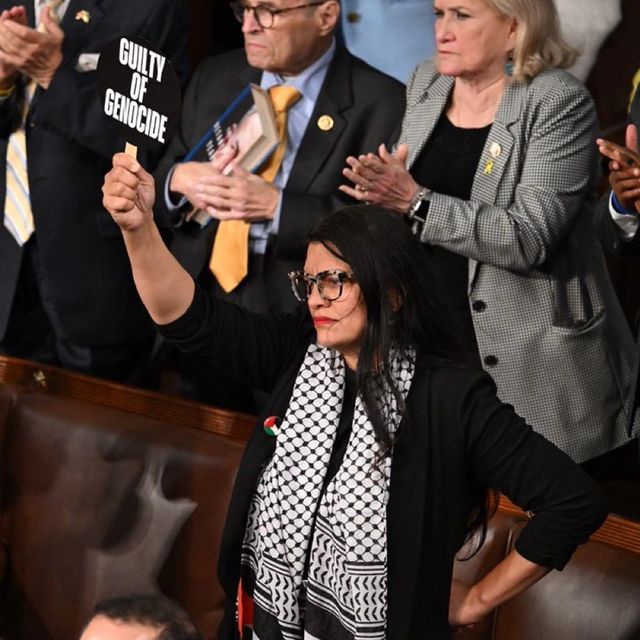
On her birthday, US Rep. Rashida Tlaib, who is Palestinian-American, wore a keffiyeh & held up a “Guilty of Genocide” sign during Netanyahu’s Congressional address. “It’s shameful that members of Congress would give a standing ovation to genocide.”
Fun little browser game: What Beats Rock?
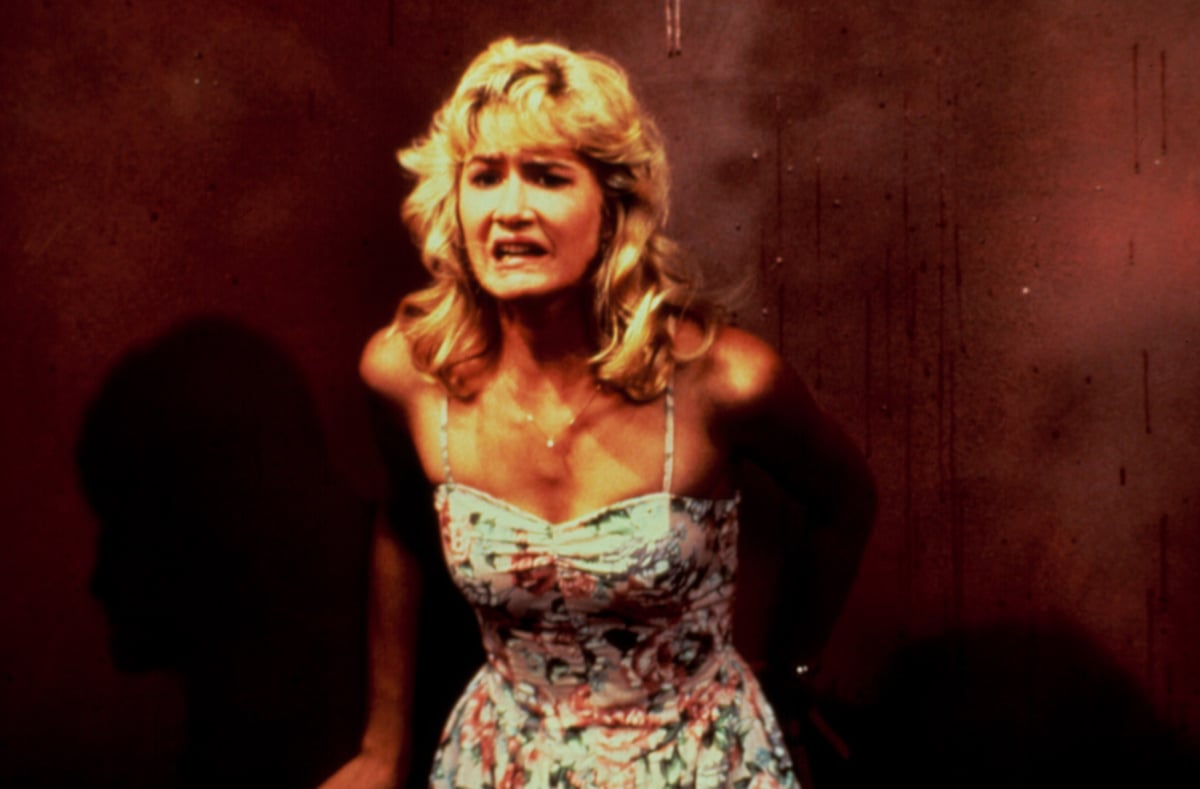
Laura Dern was forced to drop out of UCLA’s film school to star in Blue Velvet and the head of dept. called her “insane” for doing so. Now, the film is a requirement at the school. Dern: “Pisses me off.”
Vice President Kamala Harris has debuted her first ad for her presidential run and it’s a good one. First of all: Beyoncé. But also: “freedom” is a great theme for Harris. For too long Republicans have defined what that word means in America and now’s the time for Democrats to assert their vision. From the ad:
The freedom not just to get by but get ahead. The freedom to be safe from gun violence. The freedom to make decisions about your own body. We choose a future where no child lives in poverty, where we can all afford health care, where no one is above the law.
I think a lot about this 2018 Rolling Stone interview with Pete Buttigieg (when he was still mayor of South Bend, Indiana) in which he offers his thoughts on recasting “concepts that conservatives have traditionally ‘owned’ — like freedom, family, and patriotism — in more progressive terms”.
You’ll hear me talk all the time about freedom. Because I think there is a failure on our side if we allow conservatives to monopolize the idea of freedom - especially now that they’ve produced an authoritarian president. But what actually gives people freedom in their lives? The most profound freedoms of my everyday existence have been safeguarded by progressive policies, mostly. The freedom to marry who I choose, for one, but also the freedom that comes with paved roads and stop lights. Freedom from some obscure regulation is so much more abstract. But that’s the freedom that conservatism has now come down to.
Or think about the idea of family, in the context of everyday life. It’s one thing to talk about family values as a theme, or a wedge — but what’s it actually like to have a family? Your family does better if you get a fair wage, if there’s good public education, if there’s good health care when you need it. These things intuitively make sense, but we’re out of practice talking about them.
I also think we need to talk about a different kind of patriotism: a fidelity to American greatness in its truest sense. You think about this as a local official, of course, but a truly great country is made of great communities. What makes a country great isn’t chauvinism. It’s the kinds of lives you enable people to lead. I think about wastewater management as freedom. If a resident of our city doesn’t have to give it a second thought, she’s freer.
To which I added:
Clean drinking water is freedom. Good public education is freedom. Universal healthcare is freedom. Fair wages are freedom. Policing by consent is freedom. Gun control is freedom. Fighting climate change is freedom. A non-punitive criminal justice system is freedom. Affirmative action is freedom. Decriminalizing poverty is freedom. Easy & secure voting is freedom. This is an idea of freedom I can get behind.
Compare that to the “freedoms” that Republicans are pushing for in Project 2025 — and have been pressing on Americans even before that:
There is the freedom to control — to restrict the bodily autonomy of women and repress the existence of anyone who does not conform to traditional gender roles.
There is the freedom to exploit — to allow the owners of business and capital to weaken labor and take advantage of workers as they see fit.
There is the freedom to censor — to suppress ideas that challenge and threaten the ideologies of the ruling class.
And there is the freedom to menace — to carry weapons wherever you please, to brandish them in public, to turn the right of self-defense into a right to threaten other people.
The Declaration of Independence stated our fledgling nation’s assertion that people are endowed “with certain unalienable Rights, that among these are Life, Liberty and the pursuit of Happiness”. It’s pretty clear which of the two parties’ interpretations of freedom hews closer to that assertion.
“In supposedly affluent Western nations, the dire state or absence of public toilets has become a universal nightmare, impacting the health and quality of life of all of us, but particularly for marginalised groups.”
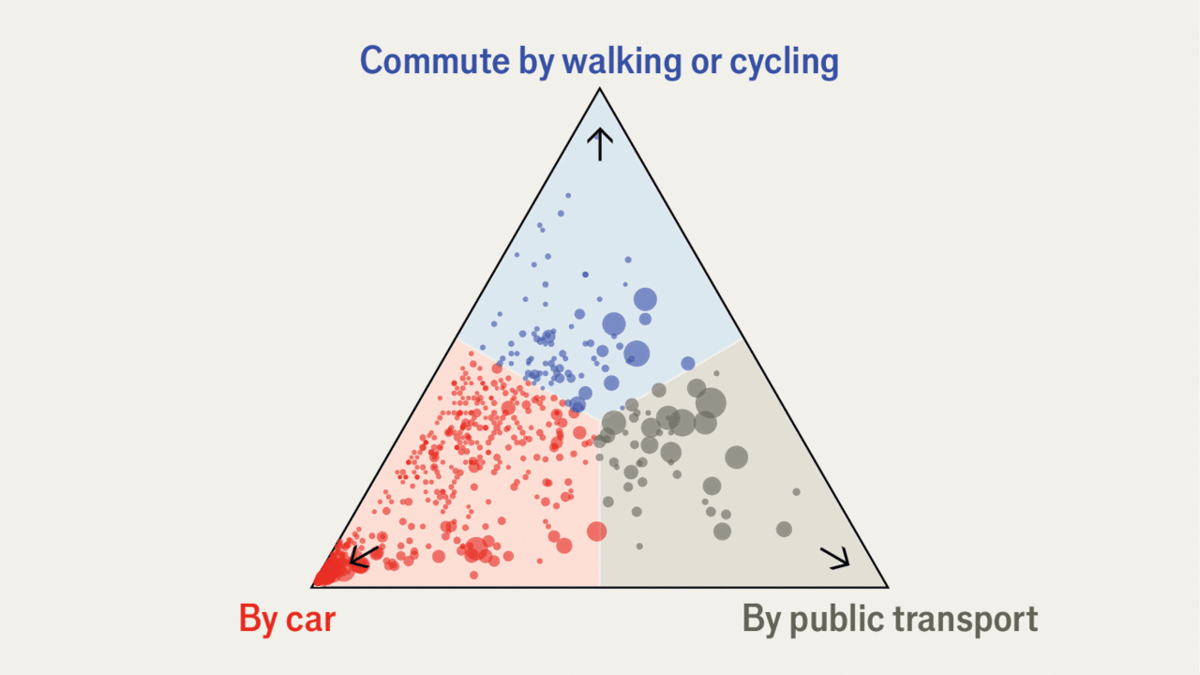
A study of the world’s most, and least, walkable cities (and those that rely most on public transport). Shocking but not shocking: “The 100 least active cities in the study are all found in North America.”
Some good climate news: the pace of decarbonization in the US is increasing (due in part to Biden policies); we’re on track to “reduce GHG emissions by 38-56% below 2005 levels in 2035”, which is 2-4X the pace from 2005 to 2023.
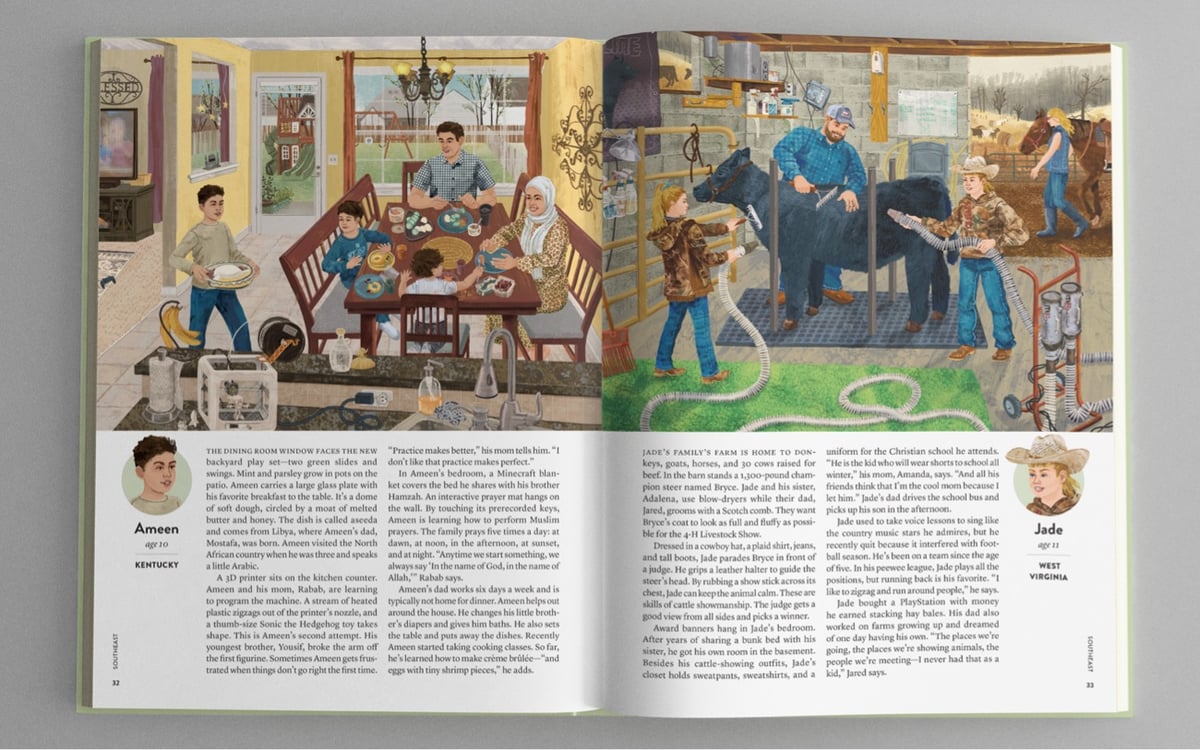
Matt Lamothe and Jenny Volvovski wrote an illustrated a new book called All About U.S. (Bookshop), which features a look into the lives of 50 kids from the US, one from each state. From the website:
All About U.S. is a non-fiction children’s book, featuring 50 real kids from each state in the United States. The goal of this book is to create an authentic portrait of the country, showcasing the diversity of its people and the vastness of its natural landscapes.
We conducted over 100 hours of interviews, received 20 hours of home tour footage and hundreds of photographs, to create the illustrations and short stories about each family.
It sounds like they worked hard at finding kids from all kinds of different backgrounds (especially with just 50 slots to fill):
- Families who live in a variety of dwellings, from houseboats and yurts to farms, Native reservations, and Air Force bases
- Children with adoptive families, stepfamilies, single-parent families, two moms or dads, and those who live with their grandparents
- Children living with health conditions such as leukemia and muscular dystrophy
- Families from a range of social, religious, and economic backgrounds
This looks like a fantastic book — you can read more about it on the website or pre-order from Amazon or Bookshop.
The Gods of Logic: Benjamín Labatut (When We Cease to Understand the World) on artificial intelligence. “It is never safe to call on the gods, or even come close to them.”
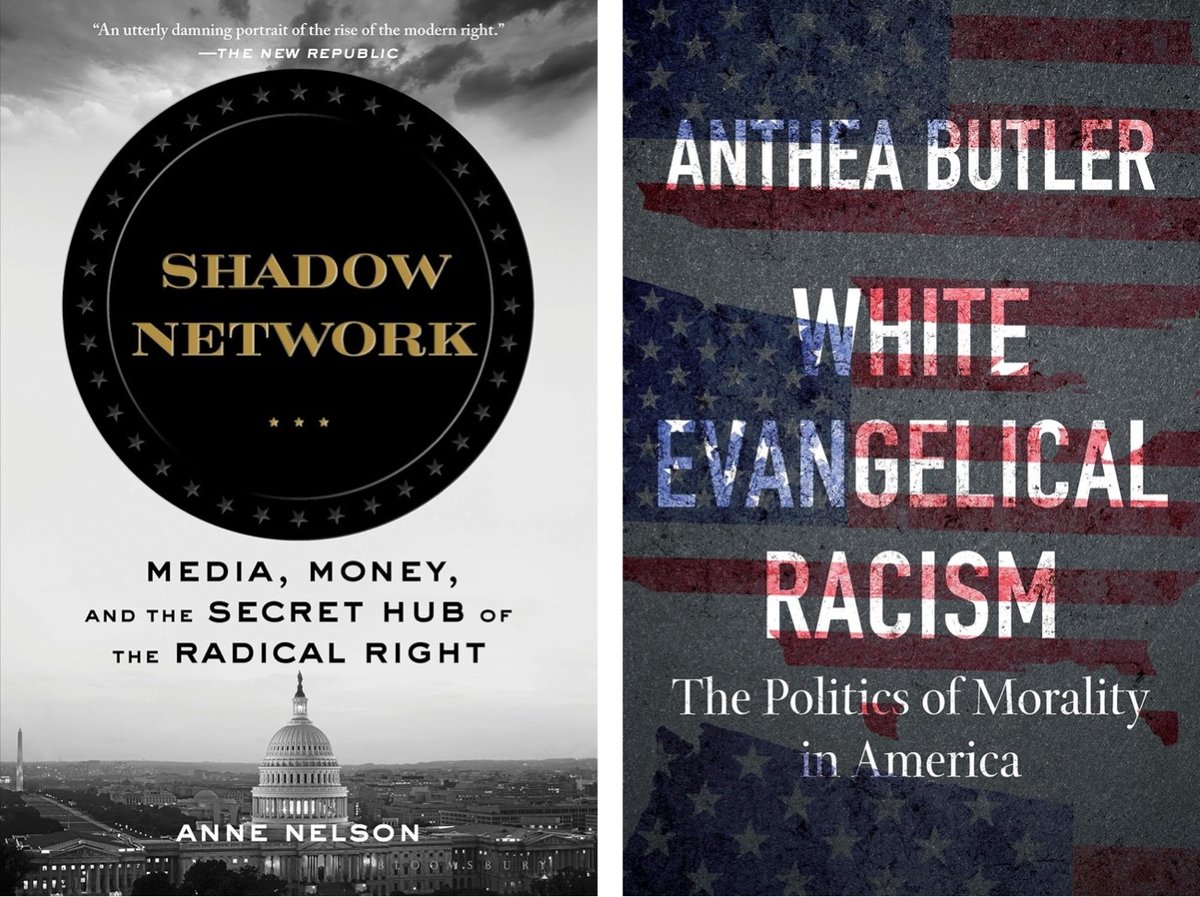
Dr. Mara Einstein is an author and media studies professor with a special interest in religion & cults and she recently shared a list of books to read and movies to watch “in order to get up to speed on Project2025 and where it came from” (specifically the evangelical aspects). Her first two book picks:
Shadow Network is the best book I’ve read that explains the Republicans’ strategy over the last 50 years. You will come to hate Paul Weyrich, and rightfully so.
Anthea Butler is the chair of religion at University of Pennsylvania. [White Evangelical Racism] ties together the connection among Rs, evangelicals and the racism it tries to hide.
And her top documentary pick:
[Bad Faith] is *the* best documentary on the topic and if you don’t do anything else, watch this. It’s free on Tubi and 99 cents on other outlets.
In the latest data release, the UN’s global population peak projection was revised downward to 10.3 billion people in 2084. “The global fertility rate has more than halved since the 1960s, from over 5 children per woman to 2.3.”
Martin Pollack writes about his Gestapo father and his family, who remained Nazis in spirit after the war. “My father did terrible things during the second world war, and my other relatives were equally unrepentant.”
I don’t think I’ve ever seen anything that encapsulates the feeling of America in the 1970s more than this local news report about 13-year-old Terry “Evel Knievel” Bolinger and his attempt to jump over 10 trash cans on his bike “made from the parts of several other bikes”.
At the beginning of the segment, the reporter on the scene says of Bolinger, “There are some youngsters that know what they want to do in life from the time they can talk and walk.” And so it appears that his daredevil ways never left him:
Terry Michael “Spike” Bolinger 42, of Indianapolis, lived, loved and died riding his Harley. “Spike” passed away Tuesday, September 6, 2005 in Wishard Hospital. He was born October 7, 1962 in Indianapolis, IN.
(via the dice)
Older posts













Socials & More