kottke.org posts about video
Director Rian Johnson has posted a short clip of the legendary John Williams conducting the opening fanfare (aka the Star Wars theme) for The Last Jedi. It is difficult to think of the Star Wars films without Williams’ music.
A documentary film about pro wrestler Andre the Giant is going to air on HBO starting on April 10.
André René Roussimoff was born in 1946 in Grenoble, France. In his early teens, he exhibited signs of gigantism though he was not diagnosed with acromegaly until his twenties. He began his training in Paris at 17 and eventually became known in wrestling circuits around the world. In 1973, Andre joined the organization now known as World Wrestling Entertainment, where he became a superstar and rival of WWE legend Hulk Hogan.
I loved watching pro wrestling when I was a kid and Andre was always a favorite.
The waves off the coast of Portugal near Nazaré are some of the biggest in the world. Nearly two weeks ago, a German pro surfer named Sebastian Steudtner rode a wave estimated at 115 feet high and didn’t crash or kill himself. If you watch the video, even at a larger size, it’s difficult to pick Steudtner out from the wall of the cartoonishly massive wave.
Curiously, the current world record for the largest wave ever ridden (also set at Nazaré) is 78 feet. And if you look at the video and compare, Steudtner’s wave is definitely much bigger.
Glide along with this snowboarder as he surfs his way through a powdery forest to the strains of Claude Debussy’s Clair de Lune. I’ve watched this twice now; it’s super relaxing. A fine antidote to the typical extreme sports video. (via the kid should see this)
Animator and sculptor Guldies has combined his passions and made this short stop motion animated film out of 2500 still photos. The result is remarkably fluid, particularly in the scenes with the human hand.
After months of hard work GOING FISHING is finally here. I have never worked so hard. The animation is filled to the brim with new stuff I’ve never tried before. I animated with branches and leaves, paper, clay, fabric, fishing lures, forks and stones and moss and EVERYTHING I could think of.
It’s a joy to experience things made with such evident love of craft.
Using a scene from Steven Spielberg’s Munich that features very little dialogue, Evan Puschak shows how much sound design contributes to the feeling and tension of a film. I love the two head fakes Puschak does with the sound at the beginning of the video. It’s like, oh wait, he fooled me a bit there, so I need to pay more attention.
If you were to name a pair of songs that would absolutely not sound good mixed together, Pearl Jam’s Jeremy and Footloose by Kenny Loggins would be a good place to start. But as DJ Cummerbund’s mashup Jereloose, the two songs actually go surprisingly well together.
But what’s actually blowing my mind is that Footloose and Jeremy were released only 7 years apart. Maybe it’s because I went from 5th grade to my first year of college in that span, but the cultural distance between the two seems much greater than just 7 years.
In this video from the New Yorker, chess granmaster Garry Kasparov talks through his four most memorable chess games: two against Anatoly Karpov, one against Viswanathan Anand, and the final game in his rematch against Deep Blue, in which he gets wrong-footed by a move that the computer didn’t know how to make. Even if you’re not a huge fan of chess, it’s instructive to hear Kasparov talk about the importance of what’s happening not on the board — things like body language and confidence.
See also Scrabble pros recount their best and worst plays.
Using high speed cameras, it’s possible to record the vibrations of everyday objects caused by nearby sounds and reverse engineer the sounds…essentially turning anything that vibrates into a speaker. For instance, if you want to know what a person is saying but can’t hear them directly, you can take a video of the house plant next to them and recover the sound from the micro-vibrations of the leaves. In one example, they filmed a pair of Apple earbuds playing a song and the recovered audio was accurate enough for the Shazam app to identify the song.
The group tested an eclectic selection of materials, including a bag of chips (excellent), a soda can (surprisingly mediocre), and a potted plant (average). They were even able to recreate music playing using footage of the vibrating ear buds. The best material of all was the thin foil wrapper on a Lindt chocolate bar Davis had been snacking on.
The worst was a brick, which they intended to use for measuring experimental error. Even that “did better than we expected it to do,” says Davis.
The last demo is especially clever…they use the rolling shutter effect to essentially overclock the frame rate of regular 60fps video to recover nearby sounds. Wow.
Tango is an experimental animated film made by Zbigniew Rybczyński in 1980. It takes place entirely in one room with an increasing number of characters cycling through it repeatedly. It’s the kind of thing you can’t stop watching once you start. (It’s also mildly NSFW.) Tango won The Academy Award for Best Animated Short Film in 1983. (via @neilcic)
A documentary about Fred Rogers just premiered at Sundance and will be out in theaters this summer on June 8; you can watch a short clip here. But in 2004, Michael Keaton hosted a documentary called Fred Rogers: America’s Favorite Neighbor. It’s somewhat hard to come by these days — the single remaining copy on Amazon is $79 — but there are a couple lengthy clips up on YouTube:
Why Michael Keaton? When he was young, Keaton worked for WQED, the television station that produced Mister Rogers’ Neighborhood, as a member of the crew. He was even on the show a few times (see the first clip above). (via austin kleon)
In a video for Audi, Candide Thovex skis in locations around the world without any snow. He skis in the jungle, on water, on volcanic ash, down sand dunes, and across the Great Wall of China. The sand dunes in particular look incredibly fun. I wonder how many pairs of skis he ripped up making this?
See also Thovex’s past videos: a fun run down the mountain, more creative freeskiing hijinks from Candide Thovex, and his previous commercial for Audi (love the ending).
Researchers at Harvard have developed a milliDelta robot that is very precise and moves very quickly. The video shows the robot moving so quickly (making circles up to 75 times per second) that the motion blurs, like Neo at the end of the first Matrix movie. From the description of a second video showing the milliDelta bot:
Our design is powered by three independently controlled piezoelectric bending actuators. At 15mm x 15mm x 20mm, it has a payload capacity of ~3x its mass. It can operate with precision down to ~5um, at frequencies up to 75Hz, and experience accelerations of ~22g.
This robot would kill at Track & Field on the NES.
Blade Runner 2049 takes place in the same location 30 years after the events in the original Blade Runner film, so it’s natural that the two movies share a visual style. But director Denis Villeneuve and director of photography Roger Deakins also sprinkled their film with direct but subtle references to scenes in the old movie, as seen in this side-by-side video. In this discussion with Rian Johnson, Villeneuve talked about his approach:
This is the first time I was making a movie inspired by another movie and I didn’t try to stay away from it. I just kept it as a bible, as a reference, as music that was very close to me that I was always referring to every time I was directing, thinking about the spirit of the first movie.
The effect is not enough to be distracting, but there’s definitely some visual rhyming going on.
See also the visual effects breakdown for how they created the digital double for Rachael in Blade Runner 2049.
Blue Planet II, the latest BBC nature documentary narrated by David Attenborough, is finally set to air in the US this Saturday on BBC America, AMC, and other networks. Here’s a five-minute preview…if this doesn’t pique your interest, you might actually be dead:
In a review of the program at The Atlantic, Ed Yong makes a bold declaration:
Blue Planet II is the greatest nature series that the BBC has ever produced.
Coming on the heels of Planet Earth II, which I thought was the best thing I watched last year, that’s really saying something. Here’s Yong on the difference between the two:
Who can forget the marine iguanas of Planet Earth II, escaping from the jaws of hungry racer snakes? But in chasing drama, some of the shows became thinner and messier. Many episodes of Planet Earth II felt like glorious visual listicles — selections of (admittedly awesome) set pieces woven together by the flimsiest of narrative gossamer.
By contrast, the threads that hold Blue Planet II together are thick and tightly woven. Each episode flows. For example, the second episode, on the deep ocean, achieves narrative depth through actual depth, sinking deeper and deeper so that each new spectacle is anchored in space. Where previous series felt like they sacrificed the storytelling craft and educational density for technical wizardry and emotional punch, Blue Planet II finally marries all of that together.
Blue Planet II was watched by more people in the UK than Planet Earth II and has seemingly influenced the UK government’s stance on pollution:
Cutting plastic pollution is the focus of a series of proposals being considered by the UK environment secretary, Michael Gove, who has said he was “haunted” by images of the damage done to the world’s oceans shown in David Attenborough’s Blue Planet II TV series.
The government is due to announce a 25-year plan to improve the UK’s environmental record in the new year. Gove is understood to be planning to introduce refundable deposits on plastic drinks bottles, alongside other measures.
I got a sneak peek at the first few episodes of Blue Planet II, and it certainly is a great program. I watched it with my kids and they were riveted the entire time. After the fourth or fifth episode, my son said, “I think I like this better than Planet Earth II.” I’m not quite sure it’s peak Attenborough — I’m still partial to Planet Earth II — but it’s still a must-see and I’m certainly not going to argue with Ed Yong and my son about it.
Won’t You Be My Neighbor?, a documentary film about Mister Rogers, is premiering at the Sundance film festival tomorrow. This short clip is the first look we’ve gotten at the movie:
Love is at the root of everything — all learning, all parenting, all relationships — love or the lack of it. And what we see and hear on the screen is part of who we become.
Love is the root of all learning. That has been a real theme around here lately. In my introduction to Noticing, I noted this recap by A.O. Scott of a favorite scene in Lady Bird:
Sister Sarah Joan (Lois Smith), the principal, has read Lady Bird’s college application essay. “It’s clear how much you love Sacramento,” Sister Sarah remarks. This comes as a surprise, both to Lady Bird and the viewer, who is by now aware of Lady Bird’s frustration with her hometown.
“I guess I pay attention,” she says, not wanting to be contrary.
“Don’t you think they’re the same thing?” the wise sister asks.
The idea that attention is a form of love (and vice versa) is a beautiful insight.
Oh, I can’t wait for this movie! (thx, katharine)
In the past few weeks, a old video of a penguin falling down and its pals hooting sympathetically has been making the rounds on social media again: “Penguin falls down resulting in best sound ever”.
It’s funny, right? The sounds are also probably fake, added in the editing phase of whatever nature documentary this came from. Foley is the process used by filmmakers to add and enhance sounds in the editing phase…almost every movie and TV show uses them, including nature documentaries.
Whilst I’m no wildlife expert, it’s fairly straightforward to conclude that such an unpredictable and uncontrollable subject as wildlife would have prompted the need to often shoot on long lenses, thus making it almost physically impossible for a sound recordist to obtain ‘realistic’ recordings that would match the treatment and emotive style of the programme. Combine this with the shooting climate, as well as the need for frequent communication between crew just to capture the necessary shots that will cut well in the edit suite and you have a recipe for failure in regards to obtaining useable sound. Therefore, it’s not only impractical but virtually impossible to capture the ‘real’ sound that some of these disgruntled viewers may be protesting for.
I mean, just listen to the footsteps of the penguins in that video. There’s no way that was recorded on a mic while shooting that scene from that distance. The noise of the penguin falling? Probably a foley artist punching the innards of a watermelon. Now, maybe the penguins really did make noises that sounded like that and they recreated them in the studio, but maybe they also juiced them a little to seem more anthropomorphic. It’s impossible to know.
Perhaps this is a case of “even if it’s fake it’s real”, the idea that there’s genuine meaning in that video even if those penguins were completely silent in real life. You can imagine some group of penguins somewhere doing exactly that so it’s funny & life-affirming. But you know what…I don’t like the direction “even if it’s fake it’s real” has taken in our culture lately. I’m ready for “if it’s fake, call it out and look for the truth” or something like that, even if it makes penguins a little less cute.
Nintendo has introduced a new product category that harkens all the way back to Duck Hunt, Robbie the Robot, and papercraft models the company produced in the 70s. Labo is a suite of cardboard peripherals for the Switch that you construct yourself and then play using the Switch console screen and controllers. Pianos, fishing rods, car accelerator pedals. Just watch the video…this really blew my mind.
Caine’s Arcade anyone? I love that Nintendo is making DIY cardboard toys. Love it. I think I may have to get a Switch now. You can preorder the Labo Robot Kit (a wearable robot suit) and the Labo Variety Kit (cars, bike, house, piano, fishing rod) on Amazon…they come out on April 20.
The great Ronaldinho has officially retired from world football at age 37. When you talk about the best football players ever, Ronaldinho has to be part of the conversation. He was awarded three player of the year awards, won the World Cup with Brazil, and won the Champions League with Barcelona. He was also only one of two Barcelona players ever to receive a standing ovation from Real Madrid supporters at their home stadium. More than many other players, he consistently did things with a ball that left you, mouth agape, thanking whatever higher power you believe in that you just witnessed a minor miracle. He was dazzlingly talented and I just loved watching the guy play.
But. Because of issues with fitness, injury, and lifestyle, Ronaldinho didn’t live up to his full potential. He managed only ten seasons of play in the top European leagues and only a handful of those were full seasons at his best. In his final full season at AC Milan, he played well and showed flashes of his best self but ended up leaving halfway though the next season. He was only 31. For reference, Lionel Messi will turn 31 this summer and has played 14 seasons for Barcelona with no signs of slowing; Cristiano Ronaldo will be 33 next month, has played 15 seasons for Manchester United & Real Madrid, and won the Ballon d’Or in 2017 for a record-tying fifth time; and Zlatan Ibrahimovic has played 19 seasons for 7 different top European clubs and scored 50 goals in a season at 34 years of age. If Ronaldinho had been able to combine his talent with fitness and a better mindset for training & competing, perhaps instead of placing him somewhere on the list of the best 100 players of all time, we’d be talking about the top 5 or 10.
There are a ton of videos on YouTube that show Ronaldinho’s skill and best goals. But my two favorite Ronaldinho moments are decidedly less dramatic. The first is when he scored a goal by shooting it under the wall on a free kick:
Many other players have scored similar goals (Ronaldinho himself did it more than once) but he does it in such a casual yet precise way.
Speaking of casual, my all-time favorite Ronaldinho moment didn’t even happen in a game. A fan recorded him warming up before a game, lazily juggling the ball. He boots the ball high in the air and settles it dead on the pitch with such indifference that you can almost hear him yawn. Then he playfully nutmegs a teammate:
I’ve watched this video dozens and maybe even hundreds of times and it never gets old.
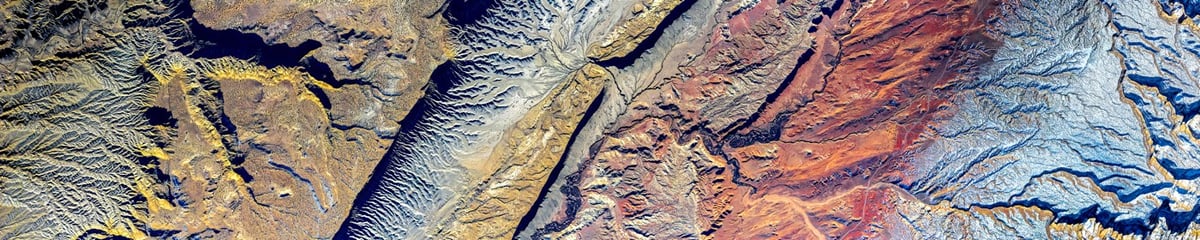
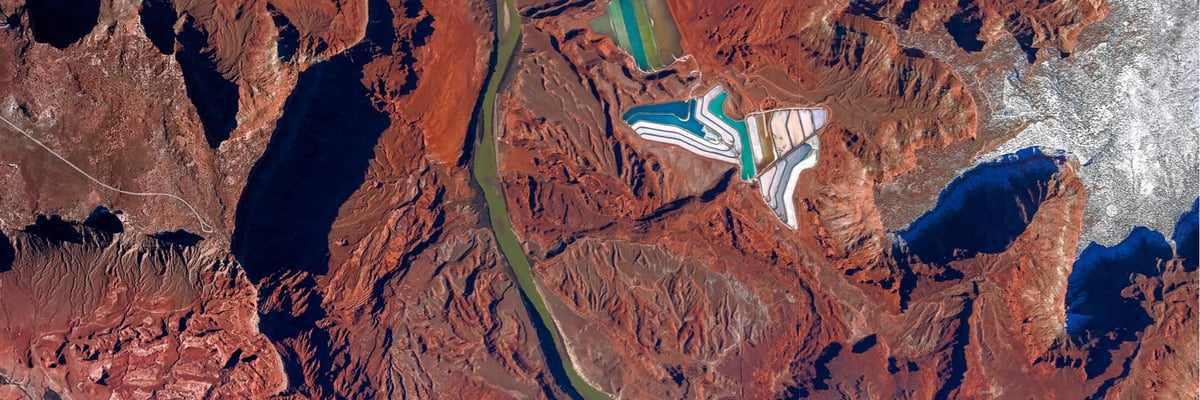
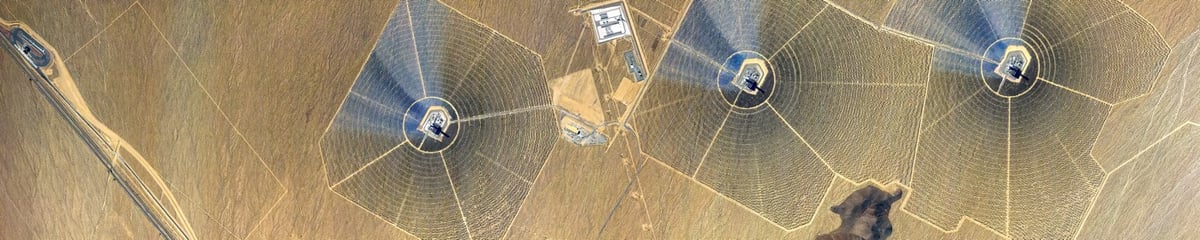
Over on his Instagram account, photographer Vincent Laforet is sharing some 50-megapixel panoramic photos he shot for Apple. He strapped an iPhone 7 to the bottom of a Learjet, set it on Pano mode, and flew it over various landscapes at a height of 20,000 feet. Here’s the first one.
For 7 consecutive days I will be posting a series of 50+ Megapixel Panoramic Photographs shot on an @apple iPhone 7, from the belly of a LearJet from 20,000 feet above the earth.
We set the standard Camera App to “Pano” Mode and flew for 2-7 minutes at 220+ Knots on a perfectly straight line and we witnessed the iPhone effectively paint the landscape like a roller brush. It produced a stunningly high quality image that I’d never before seen before from any smartphone!
Laforet also shot a video from some of those same flights using a RED camera in 8K resolution.
Watch this on as big a screen as you can in 4K. Wonderful.
This is silly and I loved it: someone took the clip from Aladdin when he and Jasmine sing A Whole New World while riding the magic carpet and dubbed realistic audio over it. I laughed embarrassingly hard at this. (via @JossFong)
Over the course of several month, Shawn James built a log cabin all by himself in the wilderness of Canada.
Once on site, I spent a month reassembling the cabin on a foundation of sand and gravel. Once the log walls were up, I again used hand tools to shape every log, board and timber to erect the gable ends, the wood roof, the porch, the outhouse and a seemingly endless number of woodworking projects.
For the roof, I used an ancient primitive technology to waterproof and preserve the wood - shou sugi ban, a fire hardening wood preservation technique unique to Japan and other areas in northern climates.
See also the Primitive Technology guy, who recently bought a new property and is starting from scratch building on it.
For many, the standout episode of the newest season of Black Mirror is USS Callister. In a recent video (w/ spoilers galore), ScreenPrism breaks down how the episode veers from the Star Trek-inspired opening into a parable about toxic fanboyism, sexism, and online behavior.
Daly is clearly driven by the lack of respect he gets, but Nanette didn’t disrespect him. She’s shown him huge respect and admiration; it’s just for his work rather than expressed as wanting to sleep with him. There’s a weird cultural assumption we tend to make that if a woman thinks highly of a man, she must want to sleep with him. And then if she doesn’t, it’s somehow an insult to him, and that’s exactly what we see going on in this episode.
When I finished watching the episode, it struck me as a timely repudiation of Gamergate, meninists on Reddit & Twitter, and those who want to roll back the clock to a time when a woman’s place was wherever a man told her to be. Great episode, one of my favorites of the entire series.
Oooh, the trailer for season two of The Handmaid’s Tale. The first season was one of the best things I watched last year. Season two premieres on Hulu on April 25th. Season one episodes are available on Amazon and elsewhere, but if you’re going to binge it, it’s cheaper to just sign up to Hulu (30 days free then $8/mo).
Update: The second trailer shows a bit more of what to expect in the second season:
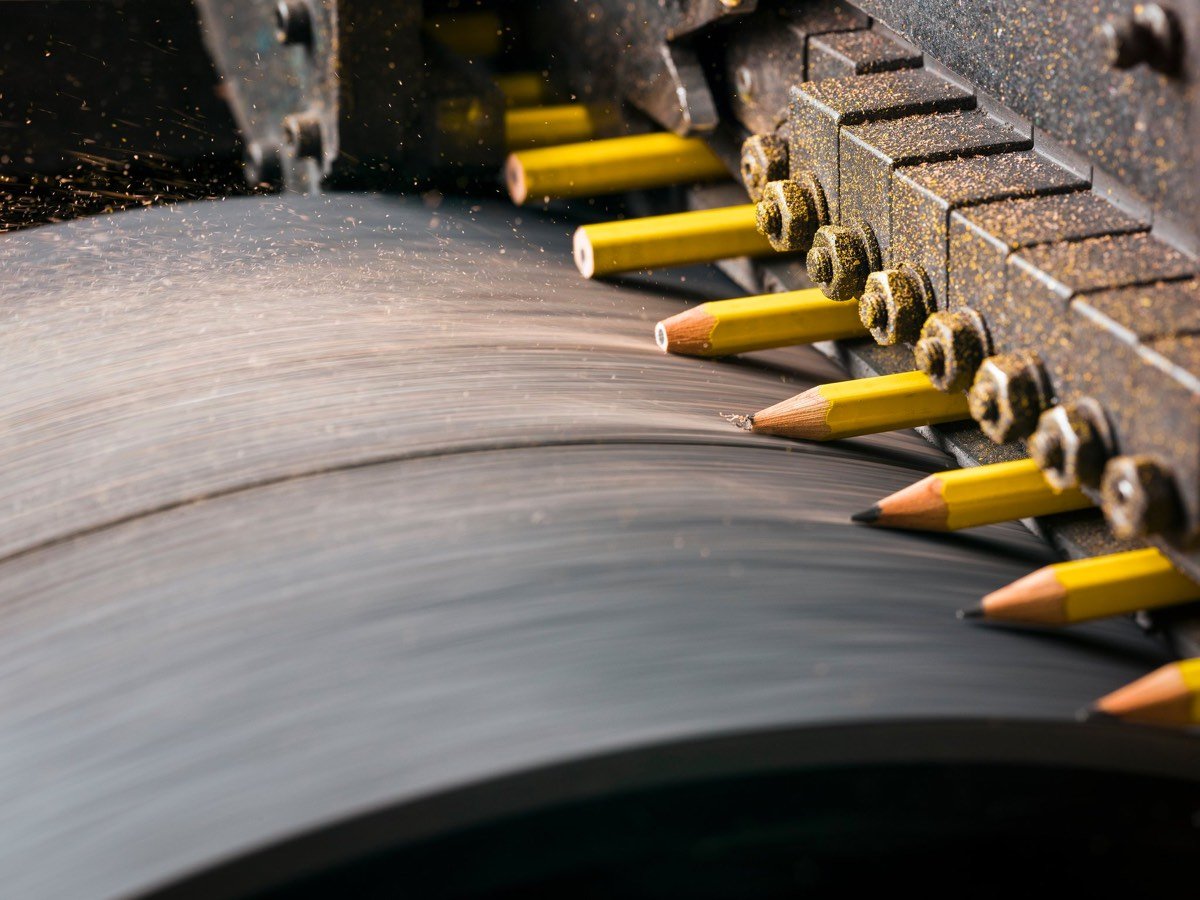
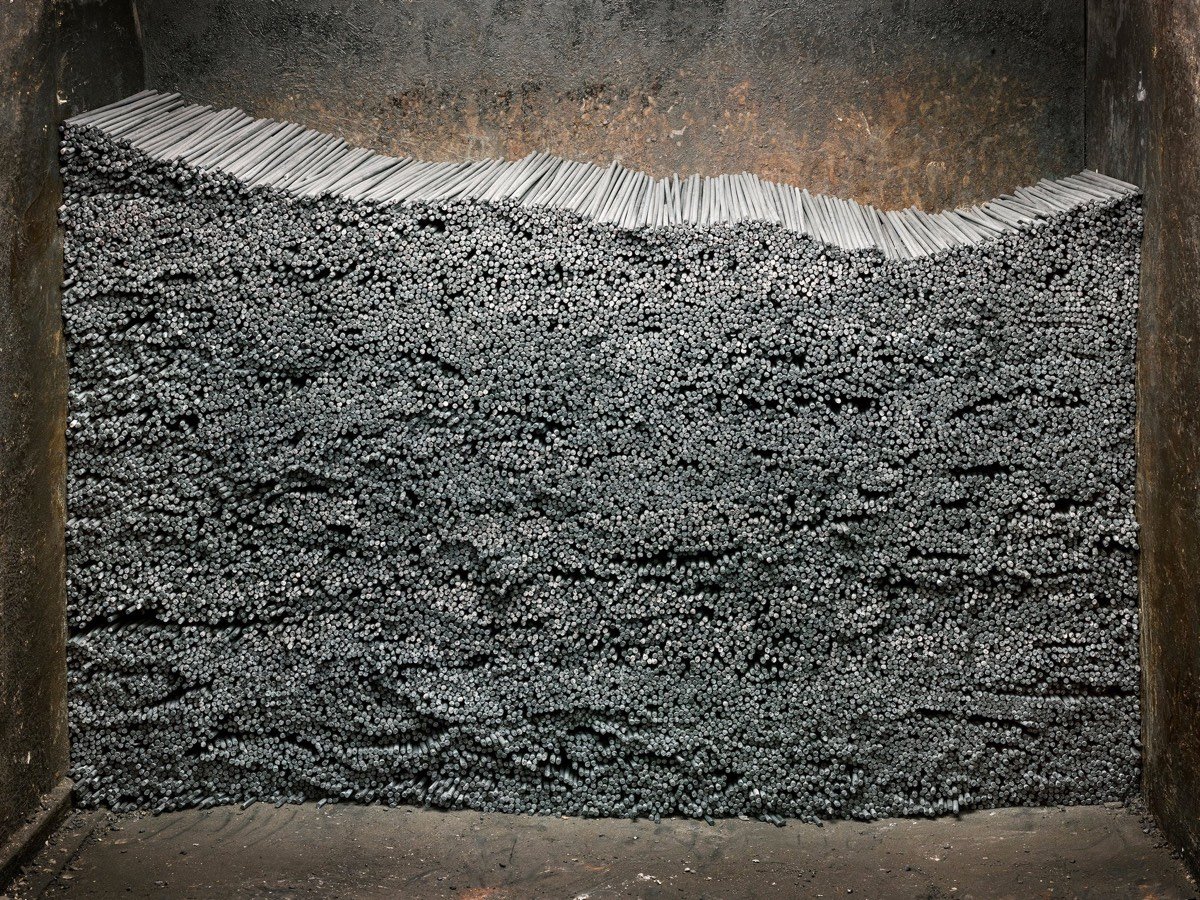
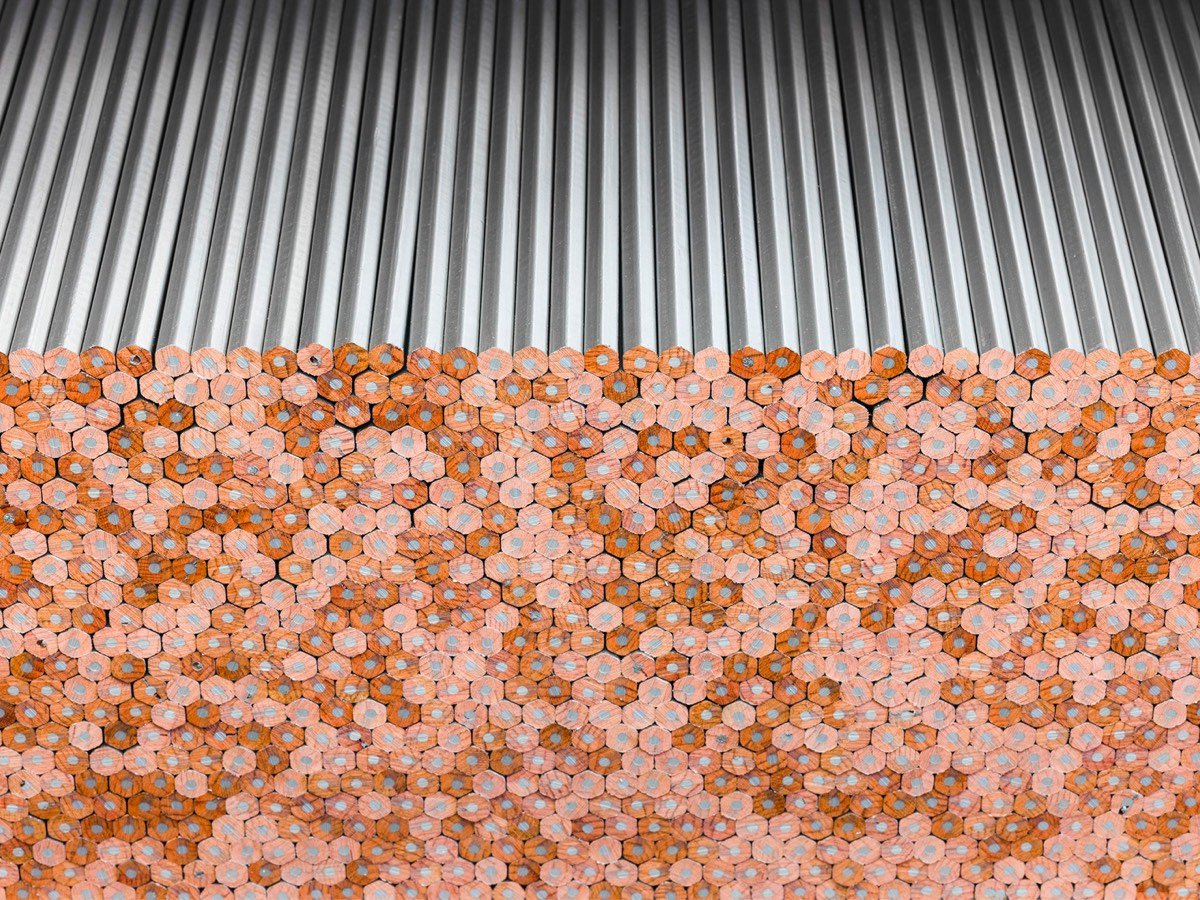
What a marvelous little photo essay by Christopher Payne and Sam Anderson about General Pencil, one of the last remaining pencil factories in America.
Other parts of the factory are eruptions of color. Red pencils wait, in orderly grids, to be dipped into bright blue paint. A worker named Maria matches the color of her shirt and nail polish to the shade of the pastel cores being manufactured each week. One of the company’s signature products, white pastels, have to be made in a dedicated machine, separated from every other color. At the tipping machine, a whirlpool of pink erasers twists, supervised patiently by a woman wearing a bindi.
You can see many more of Payne’s photos of General Pencil on his website. Here’s Maria, her shirt and nails red to match the color of the pastel cores. There are also a couple of videos of the General Pencil factory:
And this older one that shows much more of the pencil-making process. Neither video includes a shot of the belt sander sharpening system…you can see that in action here.
See also I, Pencil, which details the construction of the humble pencil as a triumph of the free market, a history of pencil lead and how pencils are made, and how crayons are made, with videos from both Mister Rogers and Sesame Street. Oh, and you can buy some of General Pencil’s #2 Cedar Pointes right here.
Storm-chasing photographer Mike Olbinski is back with a new time lapse video and this one is in black & white and was shot in 8K resolution. (BTW, 8K is 7680×4320 or 4320p. That’s a lot of K!)
Breathe is made up solely of storm clips from 2017…either from the spring across the central plains or from the monsoon here in the southwest. Some are favorites, some are just ones I knew would be amazing in monochrome and others I used because they fit the music so well.
The video was unavailable in 8K to me on both YouTube and Vimeo — maybe you need to be a paying member? — but even at 4K, this thing is hypnotically stunning. I rewound and watched the part starting at 1:39 about five times. You can see more of my posts about Olbinski here. (via colossal)
When the Bank of England misprints banknotes, they shred them into tiny little pieces. In this time lapse video, compressed from an entire work day into 11 minutes, a person with a tweezers attempts to reconstruct a five pound note from those tiny shredded pieces. For reference, here’s what the five pound note actually looks like.
In a clip from a BBC nature documentary series on Patagonia, watch as a gaucho tames a wild horse he’s just caught. The entire process takes three hours, so this is just a tiny bit of it, but it’s interesting to watch people who are very good at what they do.
Each gaucho has his own style of taming. “What you have to do is catch the attention of the horse. I shoo it away a few times until it realizes that when it’s looking at me there will be calm, but if it looks somewhere else, I’ll scare it.”
(via digg)
Lately, Cinefix has been examining movies based on their sources. First they chose the top five remakes of all time, including the expansion of La Jetée into 12 Monkeys:
They looked at sequels, including The Godfather Part 2, Logan, and Creed:
Then they chose their favorite adaptations, including Adaptation (from The Orchid Thief), Apocalypse Now (from Heart of Darkness), and O Brother Where Art Thou (from The Odyssey):
And finally, their top five most original movies of all time, including Holy Motors and Enter the Void:
I love watching these Cinefix videos. They don’t always pick the most obvious choices for these lists and I’m always so jazzed to watch more films afterwards.
Warren Buffett’s net worth is right around $84 billion. Each morning before he drives himself to work, he tells his wife how much his McDonald’s breakfast is going to cost — $2.61, $2.95, or $3.17 — and she puts the exact change in the cup holder for him to pay with. No, really:
That’s a clip from the HBO documentary, Becoming Warren Buffett. The full documentary is here.
On Medium, Daniel Bourke shared some things he learned from watching Becoming Warren Buffett.
Bill Gates and Warren Buffett are two of the richest men in the world.
One time Warren was at Bill’s house for dinner and Bills dad asked them to write down on a piece of paper what was one word to describe their success.
Focus.
They both wrote down the exact same word.
(via gruber)
Newer posts
Older posts

Socials & More