kottke.org posts about Paris
The Shape of Paris is a balletic short film of skateboarder Andy Anderson zooming, grinding, spinning, and floating around Paris in the summertime. It is also beautifully shot by Brett Novak; Paris has never looked better. As a YT commenter put it: “bro wtf this is the cleanest footage I’ve ever seen. The cinematography and color grading is insane.”
Also, this is the first skate video I’ve seen with “trick acknowledgements” in the credits. Great touch. (via craig mod)
This is an animated 3D visualization of the growth of Paris from 300 BCE to the present day. It was made with Blender (no AI) by Christian Ivan, who notes that it’s a “simplification” and so might not be 100% accurate. To my eye, the broad strokes are all there. The subtle sound design helps with the overall effect as well.


In 2020, Stéphanie Colaux discovered an album of photos of Nazi-occupied Paris at a French flea market.
“As I flipped through the pages I realized, my God, it’s all scenes of [Nazi] occupied Paris. And I knew I’d found a treasure,” she says. “And then I read the little note in the front. ‘If you find this album,’ it said, ‘take care of it and have the courage to look at it.’ I thought, someone sent a message in a bottle and I just found it.”
The discovery set off a hunt for the unknown photographer, who took the photos at the risk of their own life — the unauthorized taking of such photos was “punishable by imprisonment or death”. The story of the search is very much worth reading.
Adding to the intrigue were the captions on the back of the photos, written in block letters as if someone were trying to mask their handwriting. Not only was the location, date and exact time of day noted, but there was also often a snarky caption about the German soldiers, whom the photographer referred to, pejoratively, as “Fritzes.”
One read: “After 10 months of Occupation, the Fritzes still can’t find their way around Paris.”
“The words are very sarcastic,” Broussard says. “There is a kind of irony. For example, he says ‘our protectors.’”
I haven’t watched too much of the Olympics this summer so maybe the announcers explain this every single time they show a medals ceremony, but in case you didn’t know, the long, thin boxes given to the medalists along with their medals contain the official poster of the Games (and a plushie).
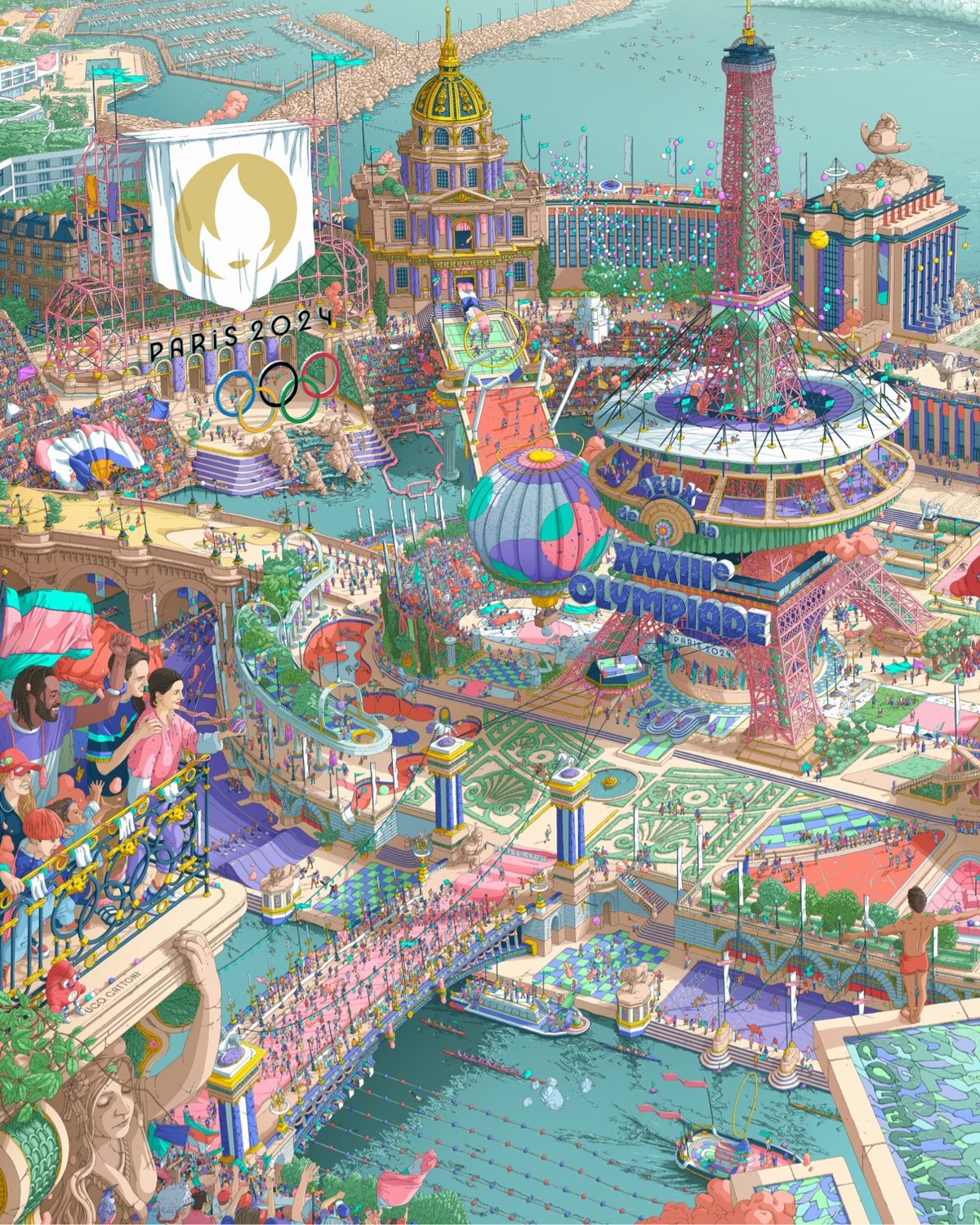
The poster was created by illustrator Ugo Gattoni and is a sort of Where’s Waldo / Busy Busy Town representation of the Games and its venues.
The designer had total creative freedom. While working to a brief and respecting the look of the Games, he still managed to maintain his own playful and joyful style.
This is why eight mascots are hidden within the posters. In fact, whatever age you are, there is something within the artwork that you will be able to enjoy.
The biggest images of the poster I can find are here if you want to zoom in to see the details. There are also zoomed-in images and videos on Gattoni’s Instagram.
The Olympic poster is the twin of the poster for the Paralympic Games, also created by Gattoni:
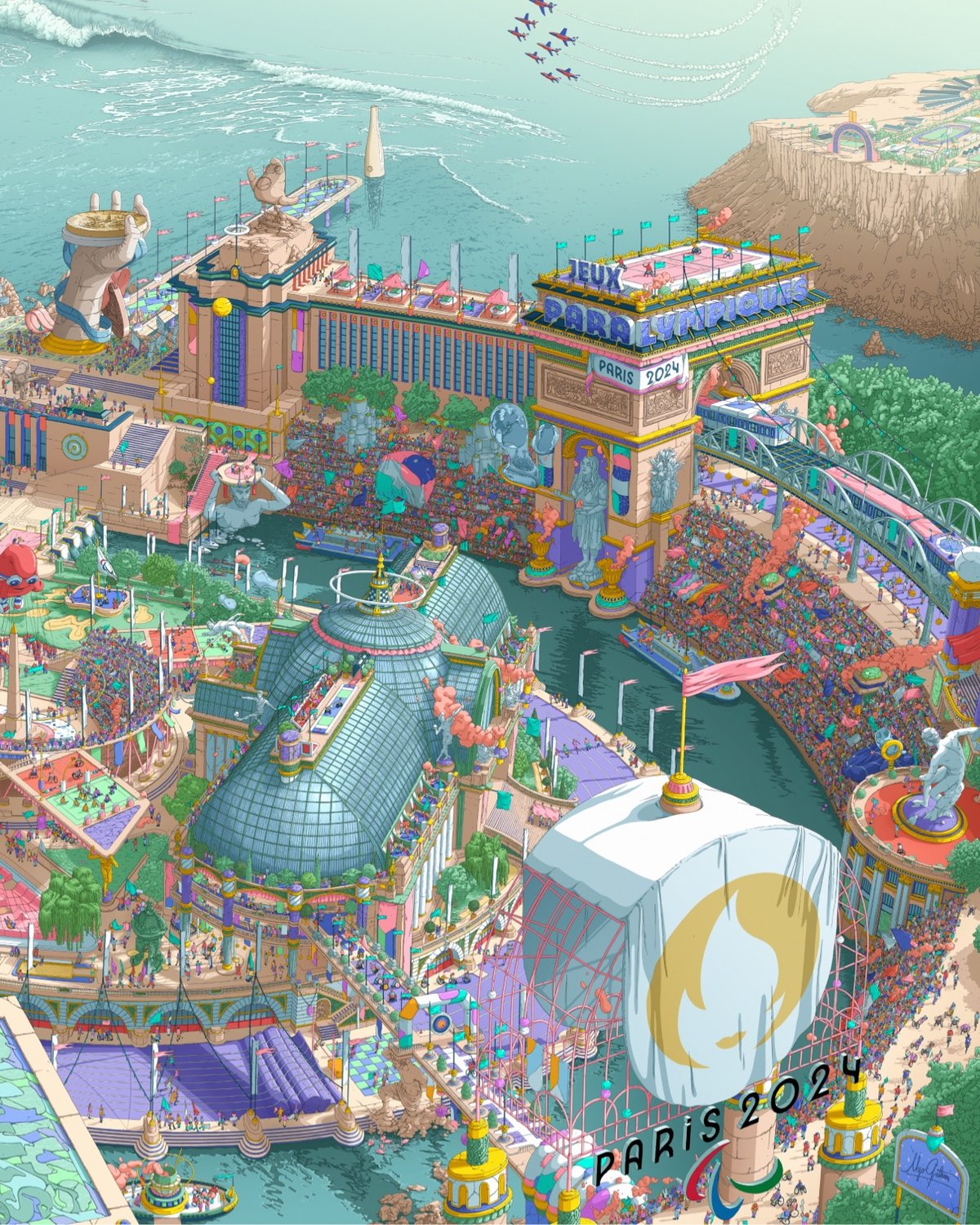
Together, they create one unified view of the 2024 Summer Games.
If you’d like to buy your own version of the poster, check out the official Olympics store.
Great Art Explained is one of my recent favorite YouTube channels (see The Mona Lisa, Hokusai’s The Great Wave Off Kanagawa, Michelangelo’s David, and Starry Night, all fascinating) and host James Payne, along with Joanne Shurvell, are now doing a related series on Great Art Cities Explained. They tackled London first and have moved onto Paris, where they feature three of the city’s lesser known museums that were originally art studios: those of Eugène Delacroix, Suzanne Valadon, and Constantin Brancusi.
In this excellent piece for the NY Times, African American historian Martha S. Jones travels to Paris to search for the signs of someone who came to France as part of a delegation to broker a peace to end the Revolutionary War, an enslaved woman named Abigail who was owned by Founding Father John Jay.
I’ve searched for Abigail a long time now, nearly 10 years. I first puzzled over her life and death as a newcomer to Paris when I stumbled upon the city’s many tributes to American founders. Exiting the Musée d’Orsay and heading to the Right Bank across the Passerelle Léopold-Sédar-Senghor, with the bateaux-mouches tourist boats passing below, I met up with a 10-foot-tall bronze likeness of Thomas Jefferson, another U.S. founder, plans for his Virginia estate, Monticello, in hand.
Hiking along the 16th arrondissement’s rue Benjamin-Franklin, I ventured to the tiny Square de Yorktown to discover that the figure seated high atop a stone plinth was Franklin himself. Fresh from people-watching from a sidewalk table at cafe Les Deux Magots, once the haunt of the 20th-century luminaries James Baldwin and Richard Wright, I made my way around the corner on rue Jacob. Pausing at number 56, I read the pink marble plaque that marks the site of the Hôtel d’York, where three of the men who shaped America’s independence — U.S. Peace Commissioners Benjamin Franklin, John Adams and John Jay — finalized the Treaty of Paris.
These fabled places are, I recognized, whitewashed. There is no mention of the enslaved people, like Abigail, who were bound to labor in the founders’ Parisian households. No site explains that during John Jay’s time in the French capital, while he brokered the new nation’s freedom, he also dealt in the unfreedom of others.
(thx, meg)
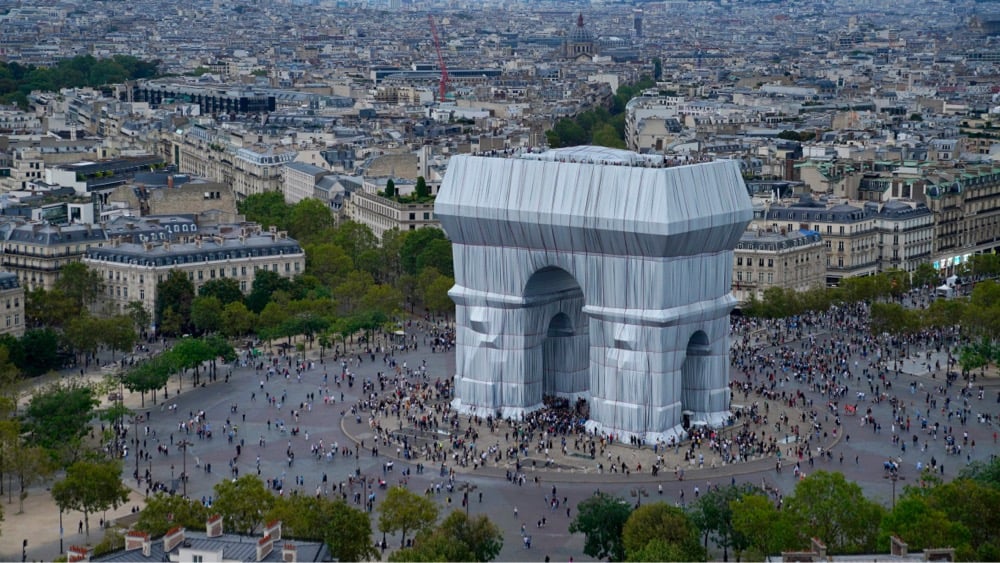
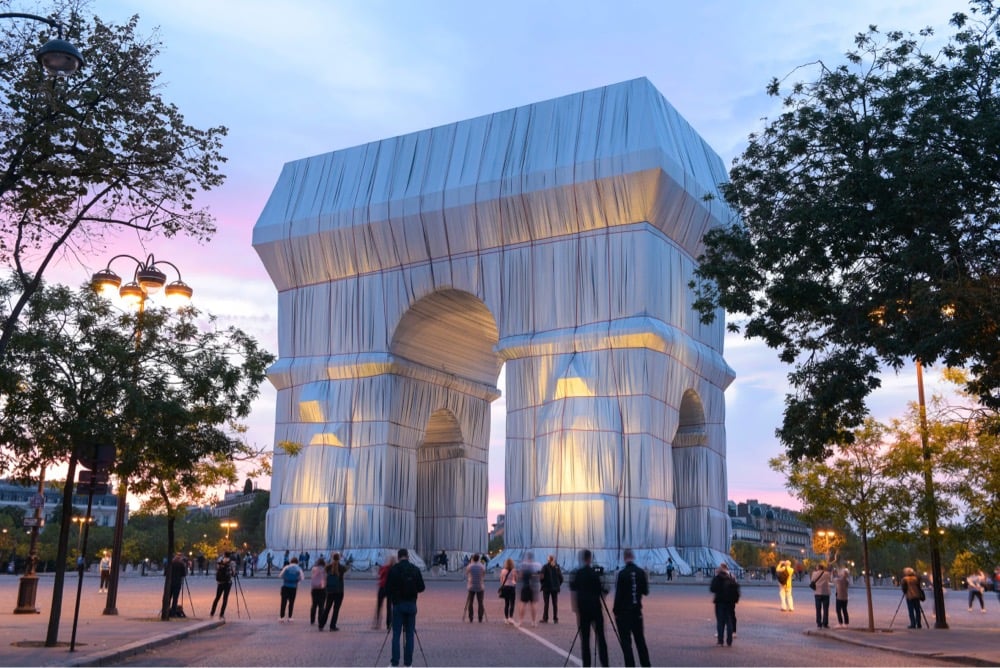
For the next two weeks, L’Arc de Triomphe in Paris will be wrapped, an installation that realizes a project begun by the late husband and wife team Christo and Jeanne-Claude in 1961.
L’Arc de Triomphe, Wrapped, a temporary artwork for Paris, is on view for 16 days from Saturday, September 18 to Sunday, October 3, 2021. The project has been realized in partnership with the Centre des Monuments Nationaux and in coordination with the City of Paris. It also receives the support of the Centre Pompidou. The Arc de Triomphe is wrapped in 25,000 square meters of recyclable polypropylene fabric in silvery blue, and with 3,000 meters of red rope.
In 1961, three years after they met in Paris, Christo and Jeanne-Claude began creating works of art in public spaces. One of their projects was to wrap a public building. When he arrived in Paris, Christo rented a small room near the Arc de Triomphe and had been attracted by the monument ever since. In 1962, he made a photomontage of the Arc de Triomphe wrapped, seen from the Avenue Foch and, in 1988, a collage. 60 years later, the project will finally be concretized.
Jeanne-Claude died in 2009 and Christo followed in 2020, so the project was completed by their team according to their wishes. I would have liked to have seen this in person…The Gates in NYC were wonderful.
Walking, cities, Paris, and YouTube are four of my favorite things, so this 5.5-hour, 12-mile video walking tour of Paris is right up my alley. Along the way, they visit the Notre Dame, the Arc de Triomphe, the market on Rue Mouffetard, the Jardins du Luxembourg, the Louvre, the Eiffel Tower, and lots more. If you turn the closed captions on, you can read about the histories of the places as the walk progresses. Hopefully this will tide me over until I can visit again. (via open culture)
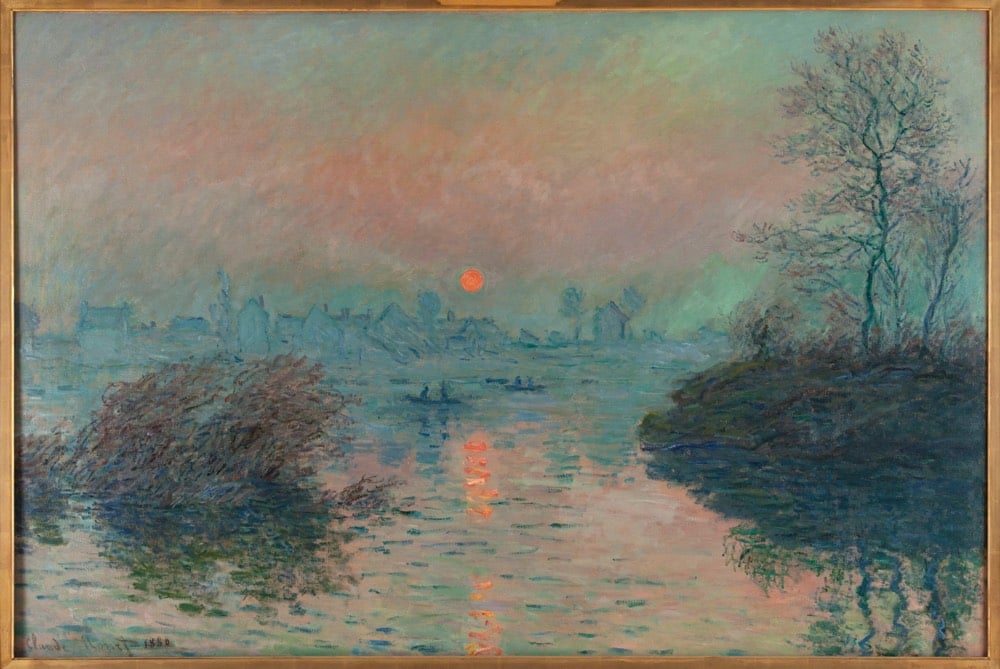
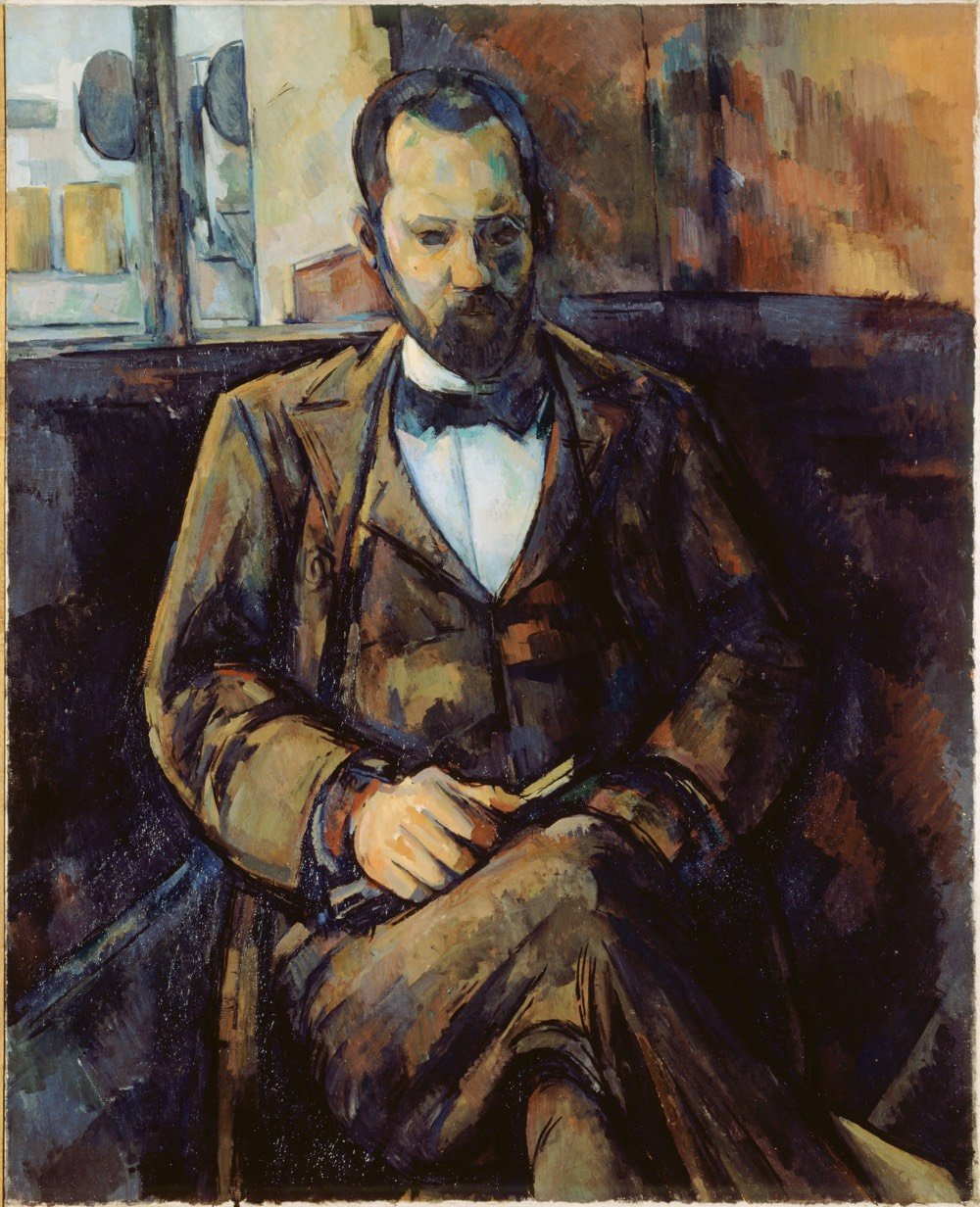
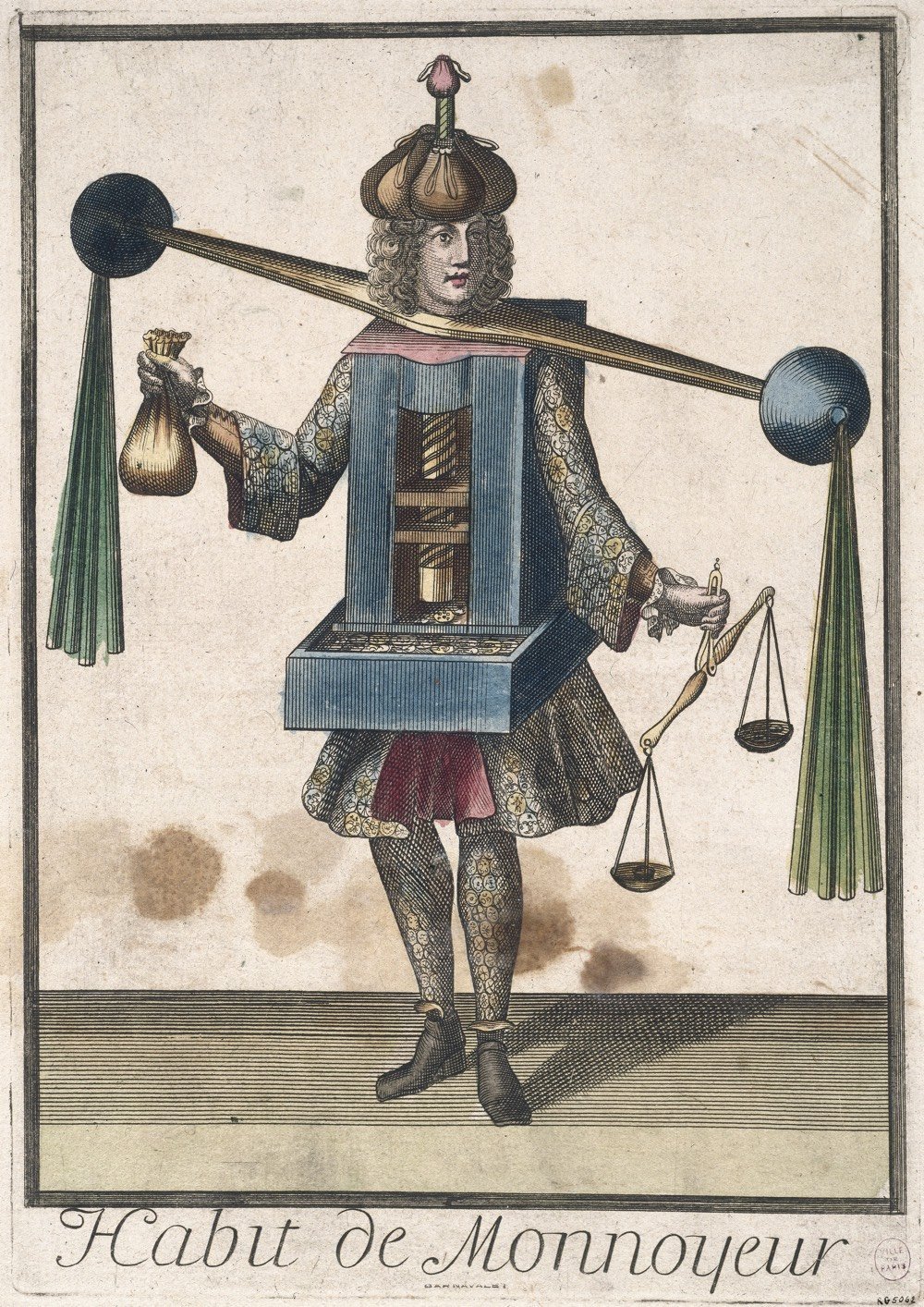
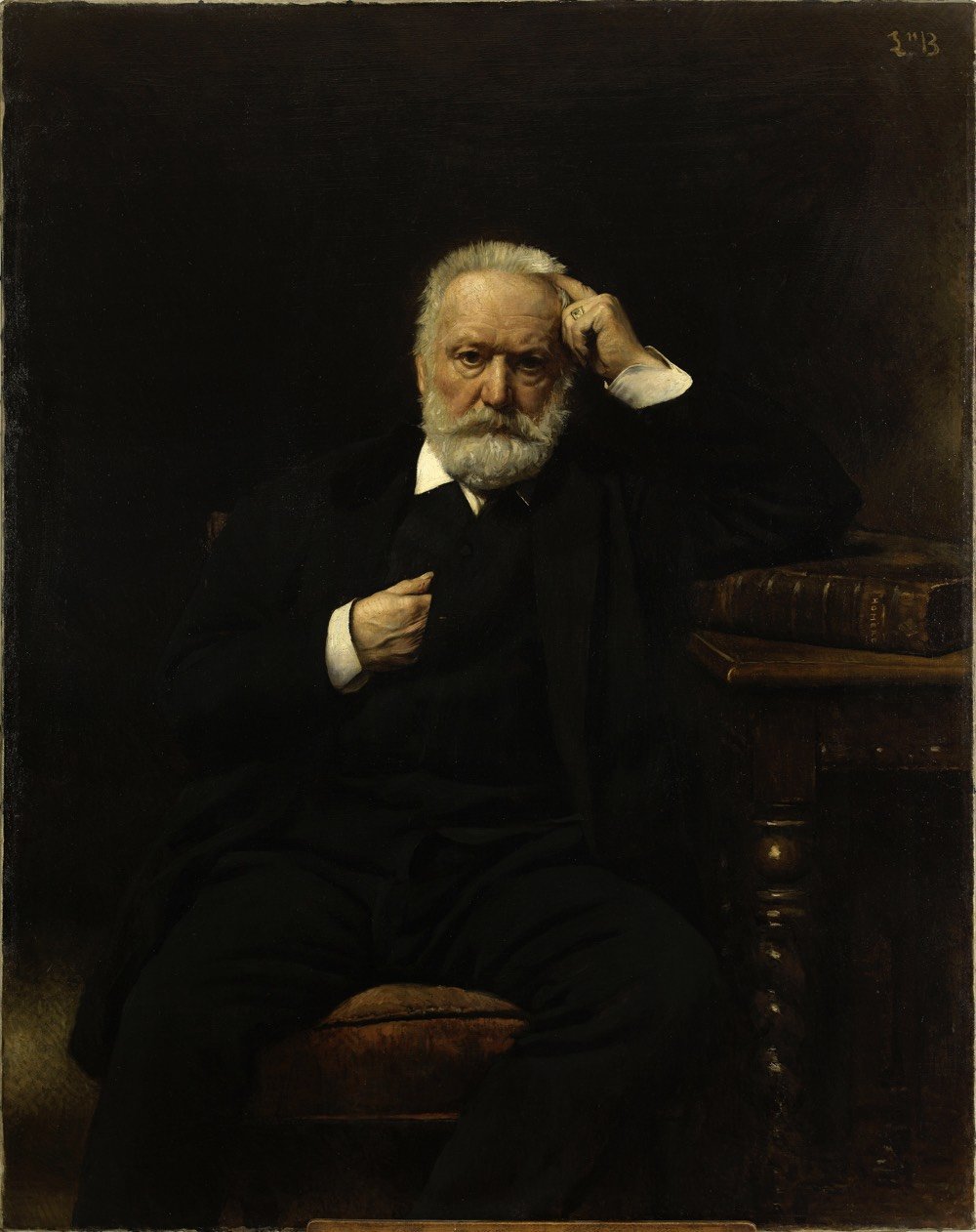
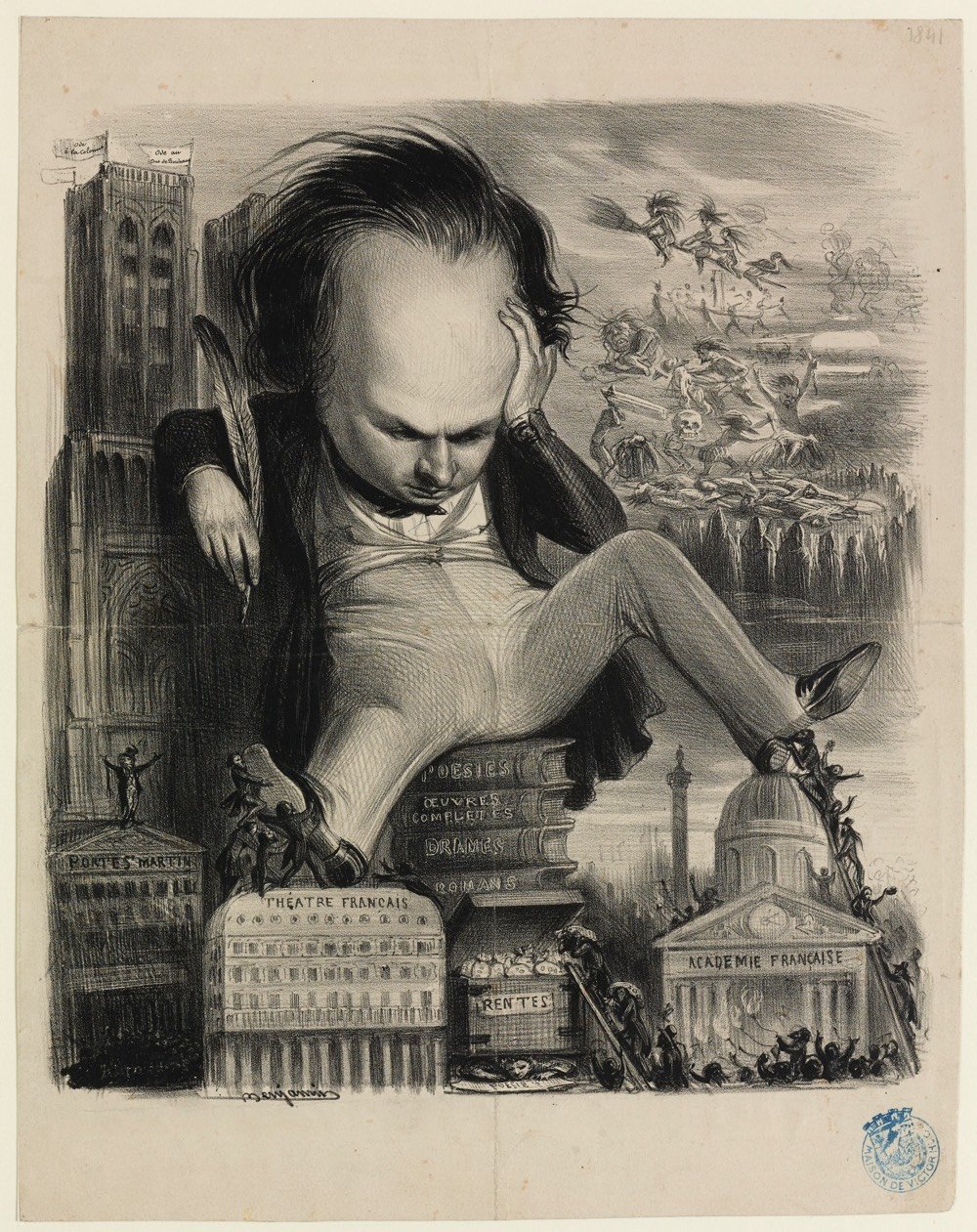
Paris Musées, a collection of 14 museums in Paris have recently made high-res digital copies of 100,000 artworks freely available to the public on their collections website. Artists with works in the archive include Rembrandt, Monet, Picasso, Cézanne, and thousands of others. From Hyperallergic:
Paris Musées is a public entity that oversees the 14 municipal museums of Paris, including the Musée d’Art Moderne de la Ville de Paris, Petit Palais, and the Catacombs. Users can download a file that contains a high definition (300 DPI) image, a document with details about the selected work, and a guide of best practices for using and citing the sources of the image.
“Making this data available guarantees that our digital files can be freely accessed and reused by anyone or everyone, without any technical, legal or financial restraints, whether for commercial use or not,” reads a press release shared by Paris Musées.
What a treasure trove this is. I was particularly happy to see a bunch of work in here from Eugène Atget, chronicler of Parisian streets, architecture, and residents and one of my favorite photographers.
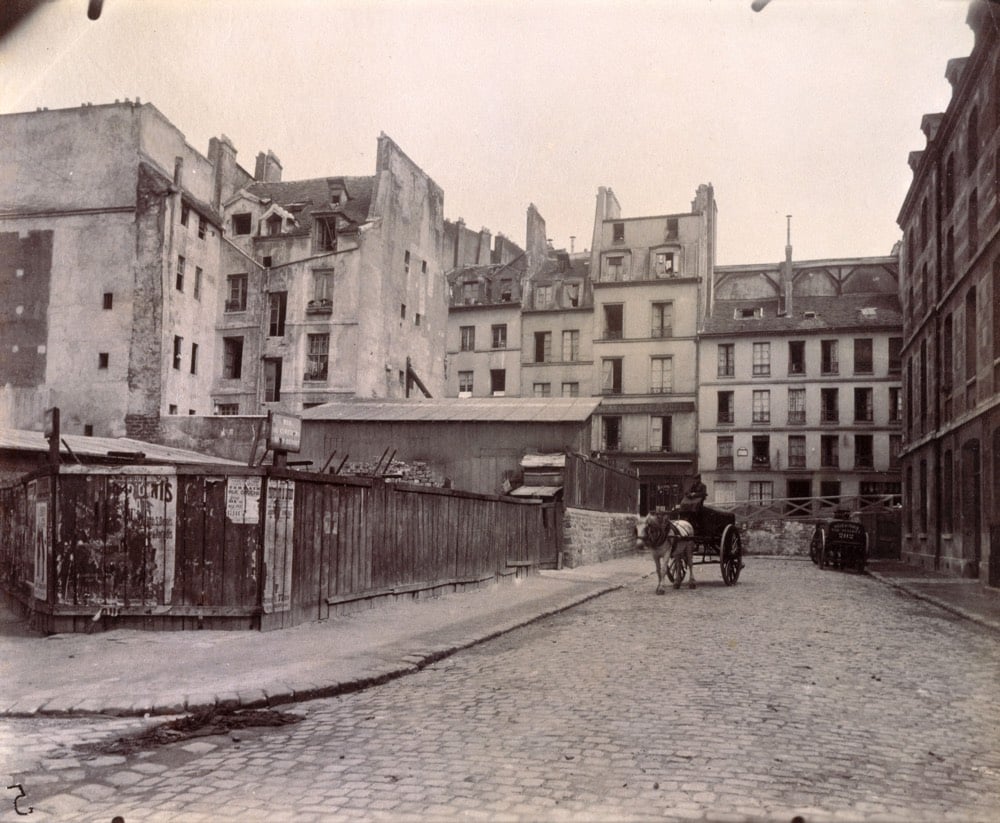
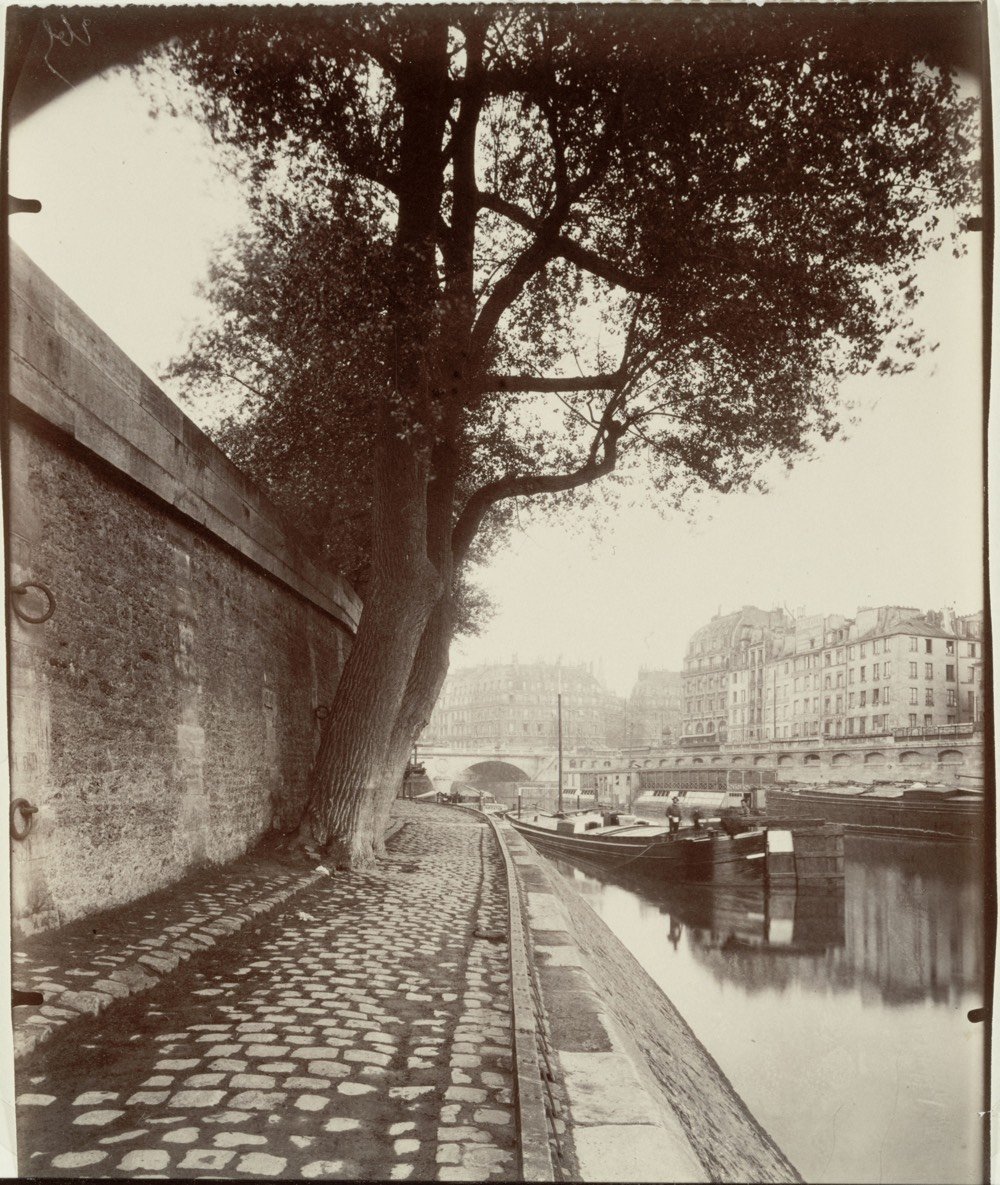
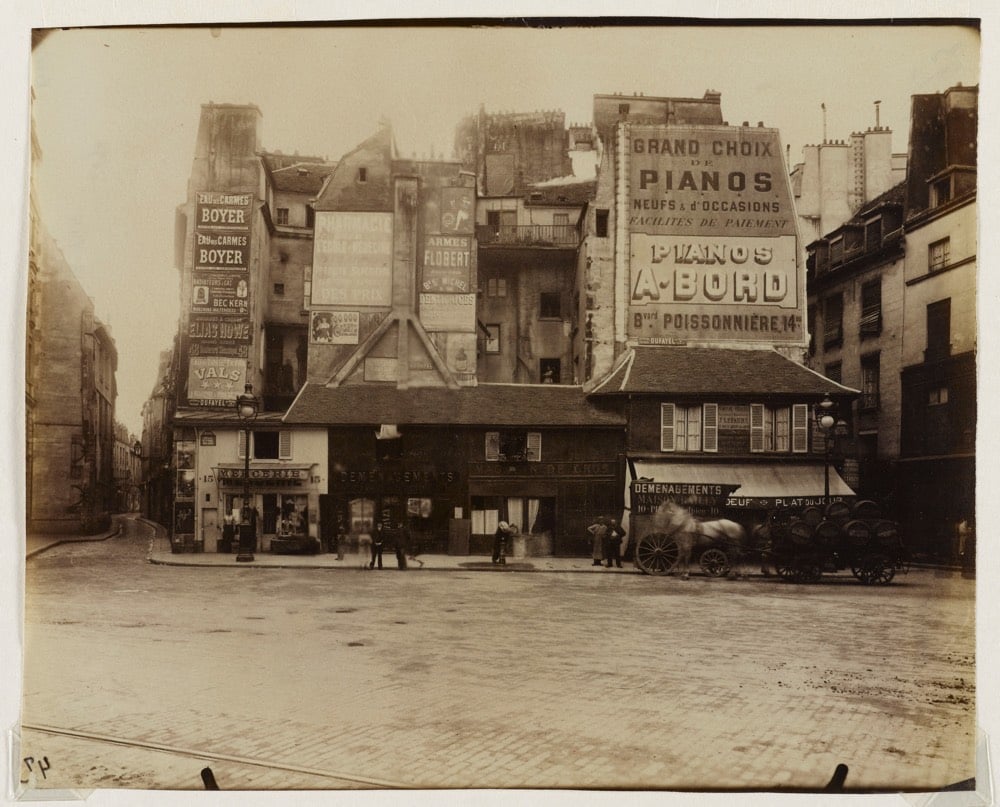
(via @john_overholt)
Ok, this post doesn’t have anything to do with boy detective Encyclopedia Brown…I just needed him for the title. In the NY Times, art critic Jason Farago argues that in order to improve the visitor experience at the Louvre, the Mona Lisa and her smile have got to go.
Yet the Louvre is being held hostage by the Kim Kardashian of 16th-century Italian portraiture: the handsome but only moderately interesting Lisa Gherardini, better known (after her husband) as La Gioconda, whose renown so eclipses her importance that no one can even remember how she got famous in the first place.
Some 80 percent of visitors, according to the Louvre’s research, are here for the Mona Lisa — and most of them leave unhappy. Content in the 20th century to be merely famous, she has become, in this age of mass tourism and digital narcissism, a black hole of anti-art who has turned the museum inside out.
Enough!
I visited the Louvre back in 2017 and the Mona-driven crowds were very distracting. I wrote a short review for my media diet:
The best-known works are underwhelming and the rest of this massive museum is overwhelming. The massive crowds, constant photo-taking, and selfies make it difficult to actually look at the art. Should have skipped it.
The Louvre is actually not a good place to look at art and if moving the Mona Lisa to a dedicated gallery elsewhere can help solve that problem, they should do it. (via @fimoculous)
In 2012, a company called Dassault Systèmes launched an interactive application that allowed you to move about in a 3D historical reconstruction of Paris at different points in its history. The application seems to have fallen into disrepair so that you can’t actually use it, but the 13-minute video above offers a tour through several time periods, including:
- 52 BCE. The area was home to a Celtic group called the Parisii, just before the Romans conquered the settlement.
- 2nd century CE. The Romans ruled here until 486 CE; they called the city Lutetia.
- 1165-1350. The medieval period. Paris was one of the largest cities in Europe.
- 1789. A look at the Bastille during the French Revolution.
- 1887-1889. The construction of the Eiffel Tower for the 1889 World’s Fair. It was the tallest man-made structure in the world for more than 40 years (eclipsed by the Chrysler Building).
According to an expert, France doesn’t have any of the large, old trees necessary to replace the burned wooden beams in the roof of the Notre Dame.
Bertrand de Feydeau, vice-president of preservation group Fondation du Patrimoine, told France Info radio that the wooden roof that went up in flames was built with beams more than 800 years ago from primal forests.
He says the cathedral’s roof cannot be rebuilt exactly as it was before the fire because “we don’t, at the moment, have trees on our territory of the size that were cut in the 13th century.”
This reminds me of one of my favorite stories about future planning (possibly apocryphal). As told by Stewart Brand in How Buildings Learn, the story goes:
New College, Oxford, is of rather late foundation, hence the name. It was founded around the late 14th century. It has, like other colleges, a great dining hall with big oak beams across the top. These might be two feet square and forty-five feet long.
A century ago, so I am told, some busy entomologist went up into the roof of the dining hall with a penknife and poked at the beams and found that they were full of beetles. This was reported to the College Council, who met in some dismay, because they had no idea where they would get beams of that calibre nowadays.
One of the Junior Fellows stuck his neck out and suggested that there might be some oak on College lands. These colleges are endowed with pieces of land scattered across the country. So they called in the College Forester, who of course had not been near the college itself for some years, and asked about oaks. And he pulled his forelock and said, “Well sirs, we was wonderin’ when you’d be askin’.”
Upon further inquiry it was discovered that when the College was founded, a grove of oaks has been planted to replace the beams in the dining hall when they became beetly, because oak beams always become beetly in the end. This plan had been passed down from one Forester to the next for five hundred years. “You don’t cut them oaks. Them’s for the College Hall.”
Hopefully the trees needed for rebuilding Notre Dame can be sourced elsewhere. Just as important, a more modern form of future planning was recently undertaken that should help greatly with the rebuild. In 2010, two men photographed and laser-scanned every inch of the Notre Dame, creating an incredibly detailed 3-D map of the building.
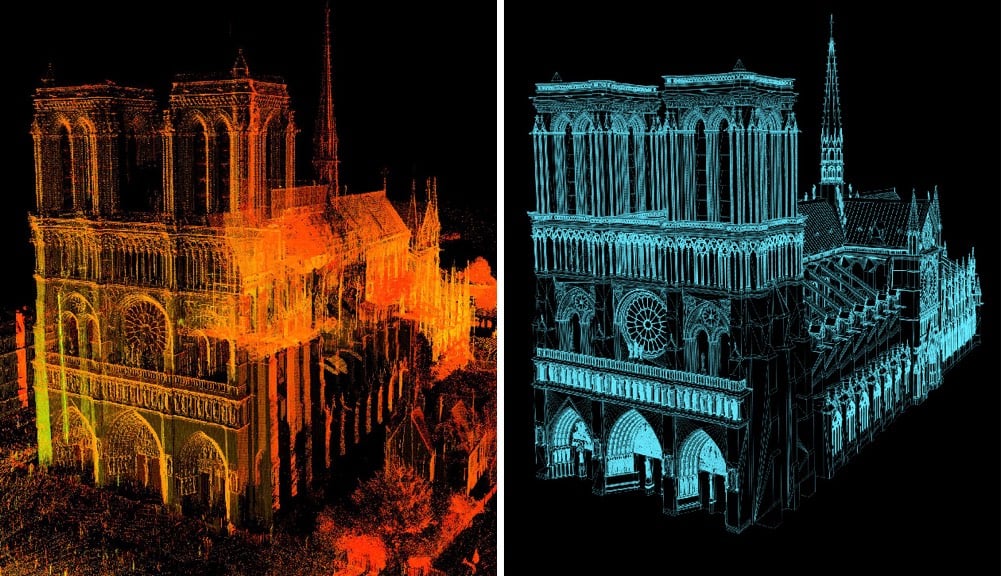
Now, with the building having sustained untold but very substantial damage, the data that Tallon and Blaer created could be an invaluable aid to whoever is charged with rebuilding the structure. Ochsendorf described the data as “essential for capturing [the structure] as built geometry.” (He added, however, that the cathedral, no matter what happens now, “is irreplaceable, of course.”)
Tallon and Blaer’s laser data consist of 1 billion data points, structured as “point clouds,” which software can render into images of the three-dimensional space. Stitch them together, inside and out, map the photographs onto the precise 3-D models, and you have a full digital re-creation of incredible detail and resolution.
“I saw this happening, and I had two thoughts,” Blaer told me of watching the cathedral engulfed in flames. “One thought was that I was kind of relieved that he didn’t actually have to see this happen. But on the other hand, he knew it so well and had so much information about how it’s constructed, he would have been so helpful in terms of rebuilding it.”
(thx, meg)
Update: According to this piece in Le Monde (as best as I can discern in Google Translate), French forests have both the quality and quantity of wood available to provide new beams for Notre Dame. (via @ramdyne)
In the aftermath of the fire that ravaged the Notre Dame Cathedral in Paris, two French billionaires stepped in to pledge €300 million for the restoration of the historic building. Carl Kinsella writes that the reaction of the rich to the Notre Dame fire teaches us a lot about the world we live in.
It would be incredibly cheap to suggest that it is in some way wrong to give money for the restoration. There is a value that transcends simple economics in restoring testaments to civilisation. Better that Notre Dame remains a symbol of European history than €300 million rests in a billionaire’s bank account.
But the immediacy and magnitude of their response tells us something very important about the society we live in.
If two men in a world of more than 7 billion people can provide €300 million to restore Notre Dame, within six hours, then there is enough money in the world to feed every mouth, shelter every family and educate every child. The failure to do so is a matter of will, and a matter of system.
The failure to do so comes from our failure to recognise the mundane emergencies that claims lives all around us every single day. Works of art and architectural history and beauty rely on the ingenuity of people, and it is people who must be protected above all else.
Executive director of the World Peace Foundation Alex de Waal says that almost all the famines that occur today are political decisions, a “matter of system” as Kinsella puts it. In the modern world, hunger, homelessness, lack of proper healthcare, and lack of access to education are all political decisions as well. The simple truth is that we can take care of everyone on Earth, but we choose not to.
The Lumière brothers were among the first filmmakers in history and from 1896 to 1900, they shot several scenes around Paris. Guy Jones remastered the Lumière’s Paris footage, stabilized it, slowed it down to a natural rate, and added some Foley sound effects. As Paris today looks very similar to how it did then, it’s easy to pick out many of the locations seen in this short compilation: the Tuileries, the Notre-Dame, Place de la Concorde, and of course the Eiffel Tower, which was completed only 8 years before filming. Here’s the full location listing:
0:08 - Notre-Dame Cathedral (1896)
0:58 - Alma Bridge (1900)
1:37 - Avenue des Champs-Élysées (1899)
2:33 - Place de la Concorde (1897)
3:24 - Passing of a fire brigade (1897)
3:58 - Tuileries Garden (1896)
4:48 - Moving walkway at the Paris Exposition (1900)
5:24 - The Eiffel Tower from the Rives de la Seine à Paris (1897)
See also A Bunch of Early Color Photos of Paris, Peter Jackson’s documentary film featuring remastered film footage from World War I, and lots more film that Jones has remastered and uploaded. (via open culture)
Update: Just as he did with the NYC footage from 1911, Denis Shiryaev has used machine learning algorithms to restore the Lumières film of Paris — it’s been upsampled to 4K & 60 fps, sharpened, and colorized.
Again, there are some obvious artifacts and the colorization is distracting, but the result is impressive for push-button. (via open culture)
As part of a larger anthology film called Paris Je T’aime, the Coen brothers directed a short film about a character played by Steve Buscemi waiting for a train in the Tuileries Metro station. Buscemi makes the mistake of making eye contact with another person.
The entire movie sounds really interesting…I just put it on my watch list. 20 directors were chosen to direct short films, one each about the 20 Parisian arrondissements, among them the Coens, Alfonso Cuarón, Alexander Payne, Tom Tykwer, and Olivier Assayas. And in addition to Buscemi, the film features appearances by Juliette Binoche, Willem Dafoe, Nick Nolte, Maggie Gyllenhaal, Elijah Wood, and Natalie Portman. (via open culture)
Older posts




Socials & More