Entries for February 2022
Sal Piacente is an expert in casino game protection (aka he thwarts cheaters & people who are beating the house) and in this video, he shows us some literal tricks of the trade while reviewing card & dice gambling from movies like Rain Man, Rounders, The Sting, Austin Powers, and Casino. Fascinating. My eyes widened when he started talking about juiced cards — check out this video for more about them. Genius.
See also Casino Boss Breaks Down Gambling Scenes from Movies (Casino Royale, The Hangover, Ocean’s 13, Casino, etc.)
Along with the transporters and communicators, one of the marquee bits of technology in the Star Trek universe is the warp engine. From Star Trek: The Movie to DS9 & Voyager to Picard and Lower Decks, this video takes a look at how the warp jump special effect has changed over the years. Surprising thing I did not know: there was no warp jump special effect in the Original Series.
See also Star Trek Transporters Through the Years and In a Race to the Edge of the Solar System, Which Star Trek Ship Would Win?
It’s always fun1 to observe robots moving in surprisingly human ways, and this slack-linin’, skateboardin’ drone robot named Leo hopping off a ledge like a slow-mo Trinity in the Matrix certainly qualifies. And it walks all jaunty and sexy, like John Travolta in Saturday Night Fever?
If you’re a skateboarder from Southern California, you have probably dreamed of a Los Angeles landscape full of empty concrete and devoid of cars, buses, bikes, and people. This video delivers exactly that — skating around a big, empty LA with everything else automagically removed. (via the morning news)
Well, this article about the importance and difficulty of friendships as you grow older by Jennifer Senior just hit me squarely in the feels.
When you’re in middle age, which I am (mid-middle age, to be precise — I’m now 52), you start to realize how very much you need your friends. They’re the flora and fauna in a life that hasn’t had much diversity, because you’ve been so busy — so relentlessly, stupidly busy — with middle-age things: kids, house, spouse, or some modern-day version of Zorba’s full catastrophe. Then one day you look up and discover that the ambition monkey has fallen off your back; the children into whom you’ve pumped thousands of kilowatt-hours are no longer partial to your company; your partner may or may not still be by your side. And what, then, remains?
I’m 48 years old, divorced, introverted, with two kids in their tweens/teens. I haven’t had coworkers in more than 15 years (and have worked from home for the past 7 years) and moved away from many of my friends to a place where I didn’t know anyone almost 6 years ago. I feel, acutely, the desire for and the falling away of friendships in this weirdo phase of life, which is happening during the most societally destabilizing event many of us have ever lived through.1
Were friendships always so fragile? I suspect not. But we now live in an era of radical individual freedoms. All of us may begin at the same starting line as young adults, but as soon as the gun goes off, we’re all running in different directions; there’s little synchrony to our lives. We have kids at different rates (or not at all); we pair off at different rates (or not at all); we move for love, for work, for opportunity and adventure and more affordable real estate and healthier lifestyles and better weather.
Yet it’s precisely because of the atomized, customized nature of our lives that we rely on our friends so very much. We are recruiting them into the roles of people who once simply coexisted with us — parents, aunts and uncles, cousins, fellow parishioners, fellow union members, fellow Rotarians.
It’s not wholly natural, this business of making our own tribes. And it hardly seems conducive to human thriving. The percentage of Americans who say they don’t have a single close friend has quadrupled since 1990, according to the Survey Center on American Life.
One of those articles where I wanted to quote the whole thing…so just go read it.
In major US metropolitan areas like Boston and Chicago that see significant winter snowfall, there’s a tradition of saving one’s shoveled-out street parking space with an object or objects that indicate to others that they should park elsewhere. After a big January storm, the Chicago Tribune posted a collection of photos of the best “parking dibs” in the city.

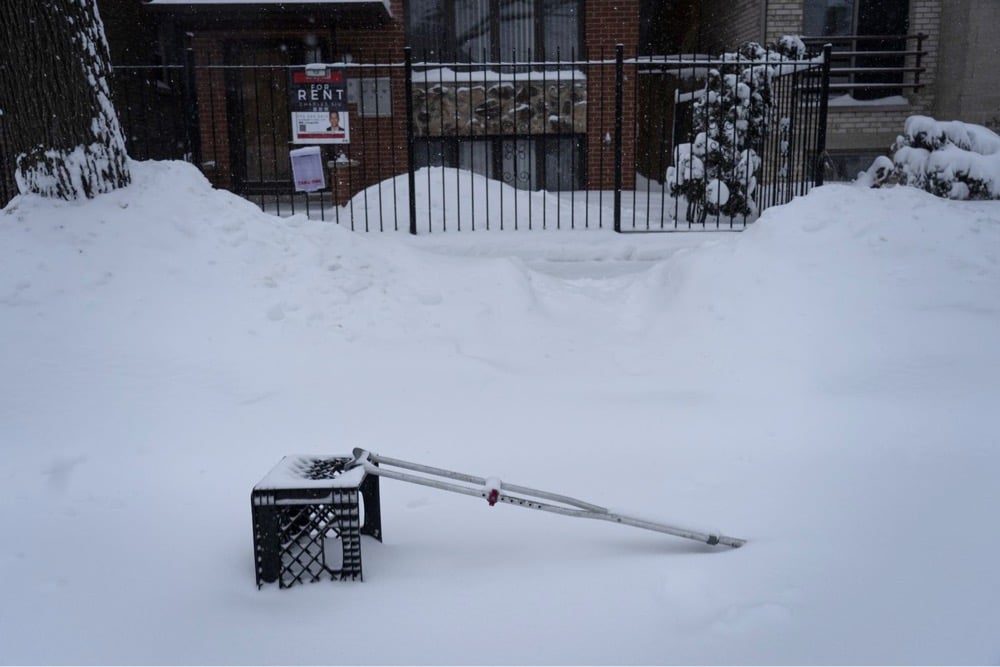
See also The Pittsburgh Parking Chair.
Godspeed You! Black Emperor’s debut album, of which only 33 cassette copies were released in 1994, has possibly been leaked online in its entirety.
From Veritasium, a video about an experiment in evolution that’s been running continuously for more than 33 years.1 The LTEE (the E. coli long-term evolution experiment) was started with 12 identical bacterial populations in 1988 and as of early 2020, they have reached 73,500 generations (the equivalent of 1.5 to 2 million years in human generational terms). When you can fast-forward evolution while also preserving past generations (the bacteria can be easily frozen and reanimated), you can discover some surprising things about it.
No doubt motivated by this month’s release of Moonfall, the latest movie from disaster shlockmeister Roland Emmerich, Kurzgesagt has made a video that shows what would happen to civilization should the Moon somehow get knocked from its orbit and head straight for the Earth. Spoiler: the Moon doesn’t even need to reach us to kill almost all life on the planet.
See also A Scientific Simulation of Seveneves’ Moon Disaster.
Michael Hobbes, late of You’re Wrong About, has made a video essay arguing that “cancel culture” is a moral panic and not some huge new problem in our society. He says you can tell it’s a moral panic because of the shifting definitions of the term, the stories are often exaggerated or untrue, the stakes are often low, and it’s fueling a reactionary backlash.
Even if you think that cancel culture really is a nationwide problem, I don’t see why we should focus on random college students and salty Twitter users rather than elected officials and actual legislation. Look, I’m not gonna sit here and pretend there haven’t been genuinely ugly internet pile-ons. Social media makes it easy to gang up on random people and ruin their lives over dumb jokes and honest mistakes.
But for two years now, right-wing grifters and the liberal rubes who launder them into the mainstream have cast cancel culture as a problem for the American left and a sign of creeping authoritarianism. They’re wrong. Internet mobs are not a left-wing phenomenon and historically speaking, the threat of authoritarianism usually comes from political parties that try to overturn elections, make it harder to vote, and censor ideas they don’t like. All of this is obvious, but that’s what moral panics do: they distract you from an obvious truth and make you believe in a stupid lie.
Back in October, Hobbes wrote a piece on The Methods of Moral Panic Journalism that pairs well with this video.
The Hill House in Helensburgh, Scotland is considered an architectural masterpiece, but it’s falling apart in the wet Scottish weather.
Mackintosh was a revolutionary designer, but the materials and techniques at the cutting edge of architectural design in 1900 haven’t withstood a century of the west of Scotland’s harsh, wet weather conditions.
The external render of the property has not proved watertight and the walls have gradually become saturated and are crumbling, with water now threatening the interiors.
If we don’t act soon, the house will be irreparably damaged and we’ll lose its iconic architecture and unique interiors forever.
So what they’ve done is put a giant structure built mostly from chainmail around the house to dry it out. And cleverly, they built a system of observation platforms within the box so that visitors can see the exterior of the historic house like never before. (via waxy)
Abstract New York. “Can you identify the familiar New York City sights depicted in these closeup photographs?”
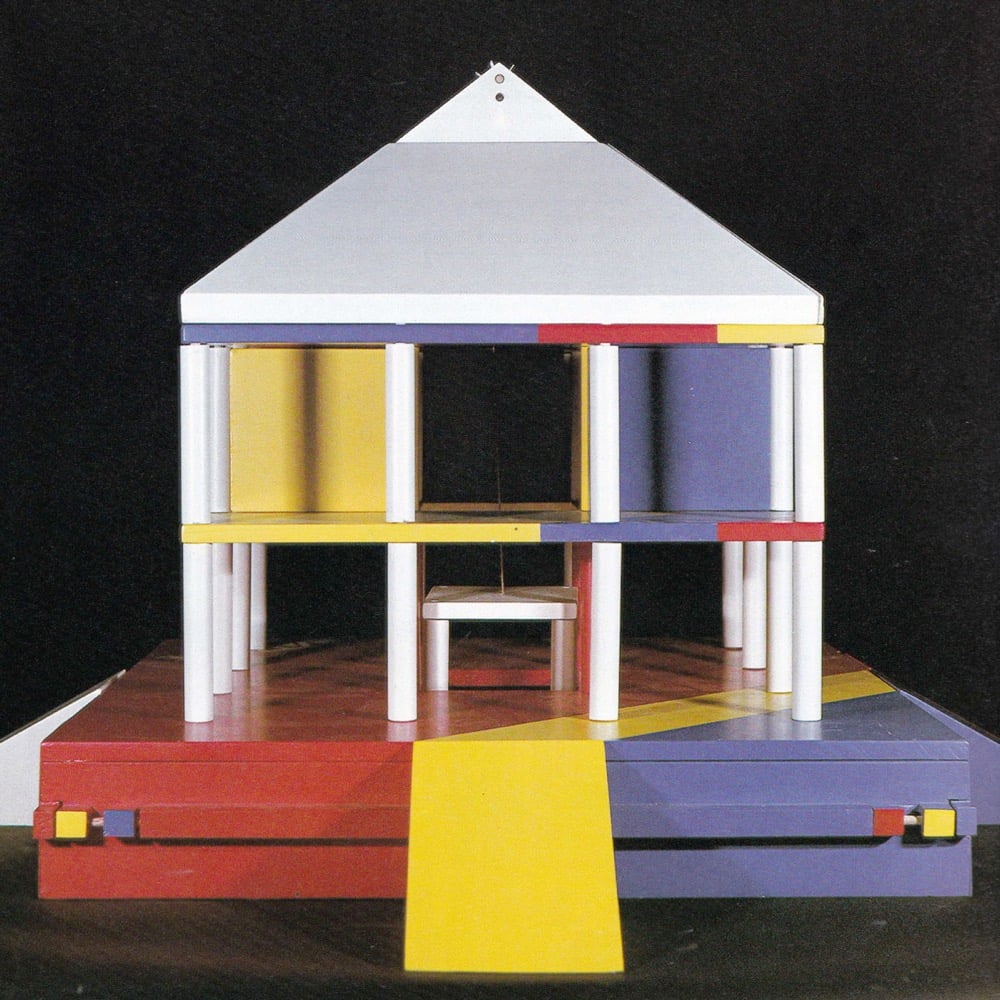


From a 1983 Architectural Design Magazine contest, a collection of dollhouses designed by architects, courtesy of Present and Correct.
The Internet Is Just Investment Banking Now. “The natural endpoint of blockchains and NFTs — the golden promise of Web3 — is that every aspect of human life, as recorded by computers, will be collateralized.”
The James Webb Space Telescope is designed to be positioned near one of the five Lagrange Points in the Sun/Earth system, special areas of gravitational equilibrium that keep objects stationary relative to both the Earth and the Sun. Here’s how Lagrange Points work and why they are so useful for spacecraft like the Webb.
See also What Makes Lagrange Points Special Locations In Space.
A data analysis of the words used in news headlines about women. Popular themes include crime & violence and gendered language. Headlines about women also tend to be more sensational.
“Ethan Coen” reviews Joel Coen’s The Tragedy of Macbeth. “In a move that would get you kicked out [of] the DeVry Institute of Mediocrity, Coen renders the Bard’s tale in B&W using a 4:3 aspect ratio, as if that makes you Akira fucking Kurosawa.”
Car builder Jay Ohrberg has constructed many familiar vehicles for TV and movies, including the DeLorean from Back to the Future, KITT for the Knight Rider movie,1 several Batmobiles, and the Duke boys’ General Lee. But the Ohrberg ride I really like is his robin’s egg blue double-wide Cadillac.

My god, the ingenious outlandishness of that car. The other cars in the photo are equally preposterous, but there is something about the squarish proportions of that Caddy that is really satisfying. And it somehow looks massive and miniature at the same time?
40 animators from around the world collaborated on a 2-minute video called Pass the Ball: each person had three seconds to animate a ball and “pass” it to the next person. Reminds me of the old Layer Tennis matches. (via colossal)
Starbucks sells coffee. But you can also think of Starbucks as a bank — and an unregulated one at that. As part of their rewards program, millions of Starbucks customers have preloaded money onto Starbucks cards, essentially loaning the company more than $1 billion at 0% interest.
Starbucks has around $1.6 billion in stored value card liabilities outstanding. This represents the sum of all physical gift cards held in customer’s wallets as well as the digital value of electronic balances held in the Starbucks Mobile App.* It amounts to ~6% of all of the company’s liabilities.
This is a pretty incredible number. Stored value card liabilities are the money that you, oh loyal Starbucks customer, use to buy coffee. What you might not realize is that these balances simultaneously function as a loan to Starbucks. Starbucks doesn’t pay any interest on balances held in the Starbucks app or gift cards. You, the loyal customer, are providing the company with free debt.
See also McDonald’s is a real estate company.
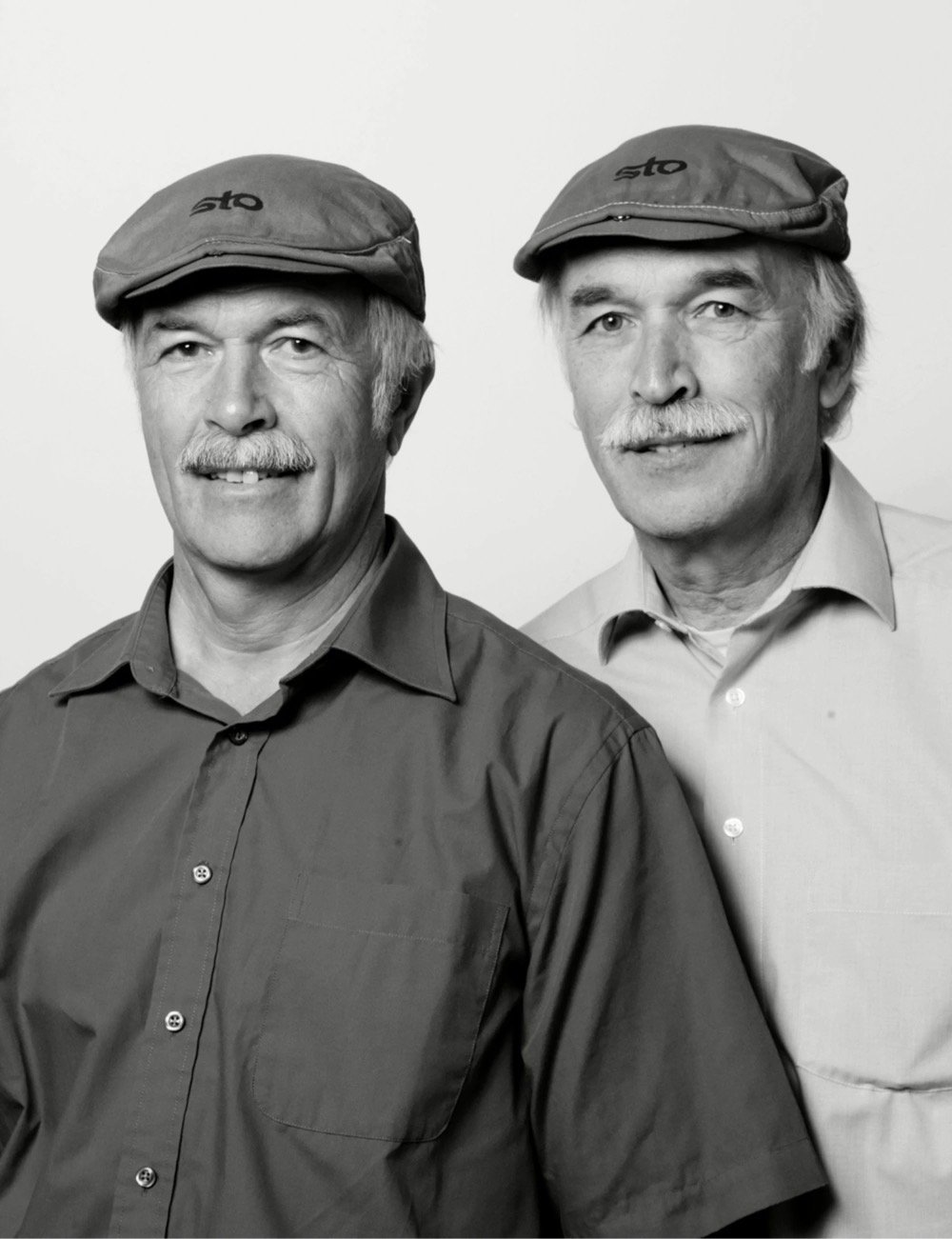




For his project “I’m not a look-alike!”, François Brunelle finds and photographs pairs of people who are unrelated but who look like twins.
See also Find Your Museum Doppelganger and Identical Strangers. (via life is so beautiful)
Seinfeld2000 and kottke.org favorites The Hood Internet teamed up to make this video of the Seinfeld theme song mixed with a song from every year the show was on the air. So: Free Fallin’ by Tom Petty, Poison by Bell Biv DeVoe, Smells Like Teen Spirit by Nirvana, Bulls on Parade by Rage Against the Machine, and Around the World by Daft Punk. Genius. I could not love this anymore than I do.
See also Darth Costanza and How the Seinfeld Theme Song Was Made. (via waxy)
For Black History Month, Masterclass is offering an entire class on Black History, Black Freedom, and Black Love for free.
From critical race theory to the 1619 Project, Black intellectuals are reshaping conversations on race in America. Now seven of those preeminent voices share their insight on the reckoning with race in America in three parts: past, present, and future. Gain a foundational understanding of the history of white supremacy and discover a path forward through the limitless capacity and resilience of Black love.
The class includes several hours of videos about “the history you weren’t taught in school” from an absolutely incredible lineup of instructors: Angela Davis, Kimberlé Williams Crenshaw, Nikole Hannah-Jones, Jelani Cobb, Sherrilyn Ifill, John McWhorter, and Cornel West. This is a fantastic resource. (thx, neil)
Bonsai is an art that rewards patience. You make moves, often small, and then wait years for the results to show themselves. Trees can take decades to shape into their “finished” form and even then they aren’t ever done. Instead of all that waiting, AbdarRahman Eatwell of Bonsai Releaf took an off-the-shelf juniper and through clever pruning quickly turned it into a bonsai tree that mimics the look of a much older tree that has been struck by lightning.
An ‘instant’ bonsai seems to be somewhat of an oxymoron, but bonsai from untrained material can be created in a very short space of time. As rewarding as it is to invest years into a tree, there is still an undeniable satisfaction gleaned from an occasional faster transformation, but that is always just the beginning of the journey!
I am interested in practicing bonsai someday, but my discomfort at his bold clipping of those branches (you can’t put them back!) makes me think I am not ready yet.
I know three things about Monopoly:
1. I do not like playing it.
2. No one plays by the actual rules.
3. A good strategy for Monopoly will anger the other players.
In the video above, a bunch of game-playing AI bots are pitted against each other in an attempt to find the best strategy for the game. No word on whether the bots had any fun playing the game.

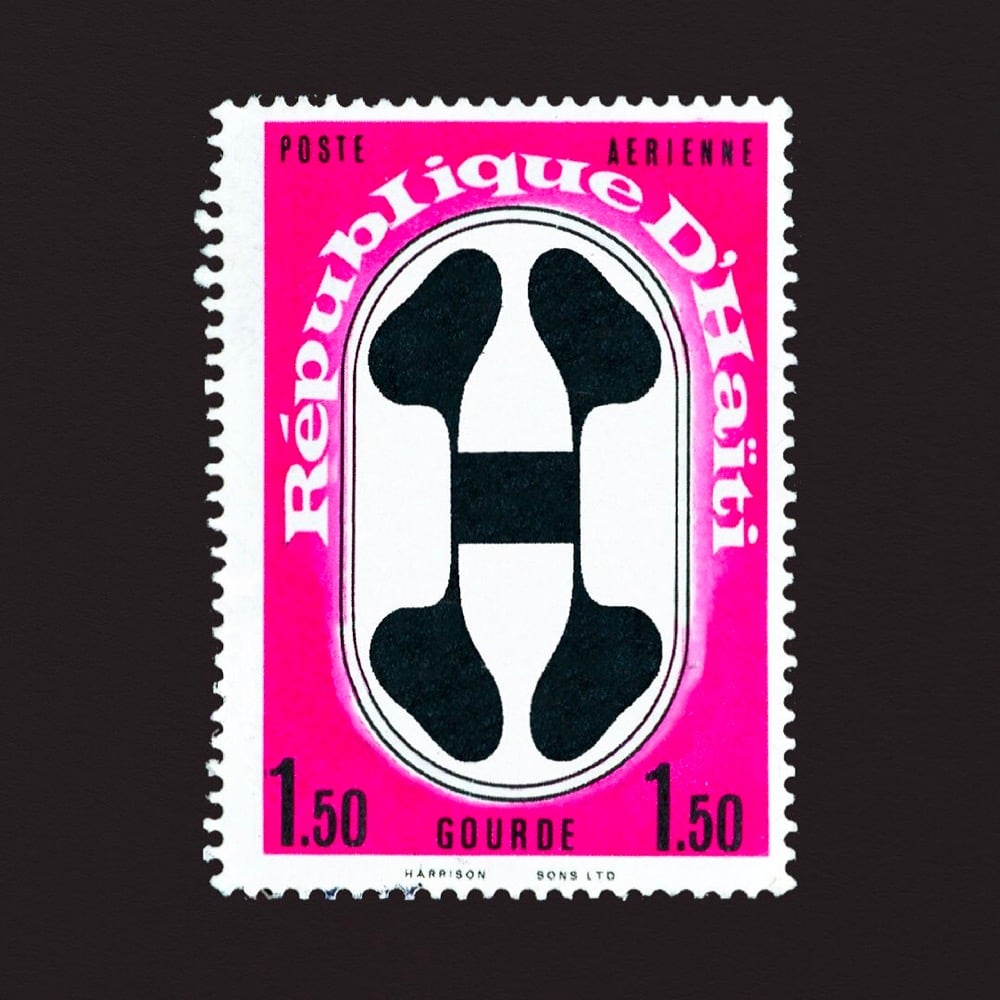
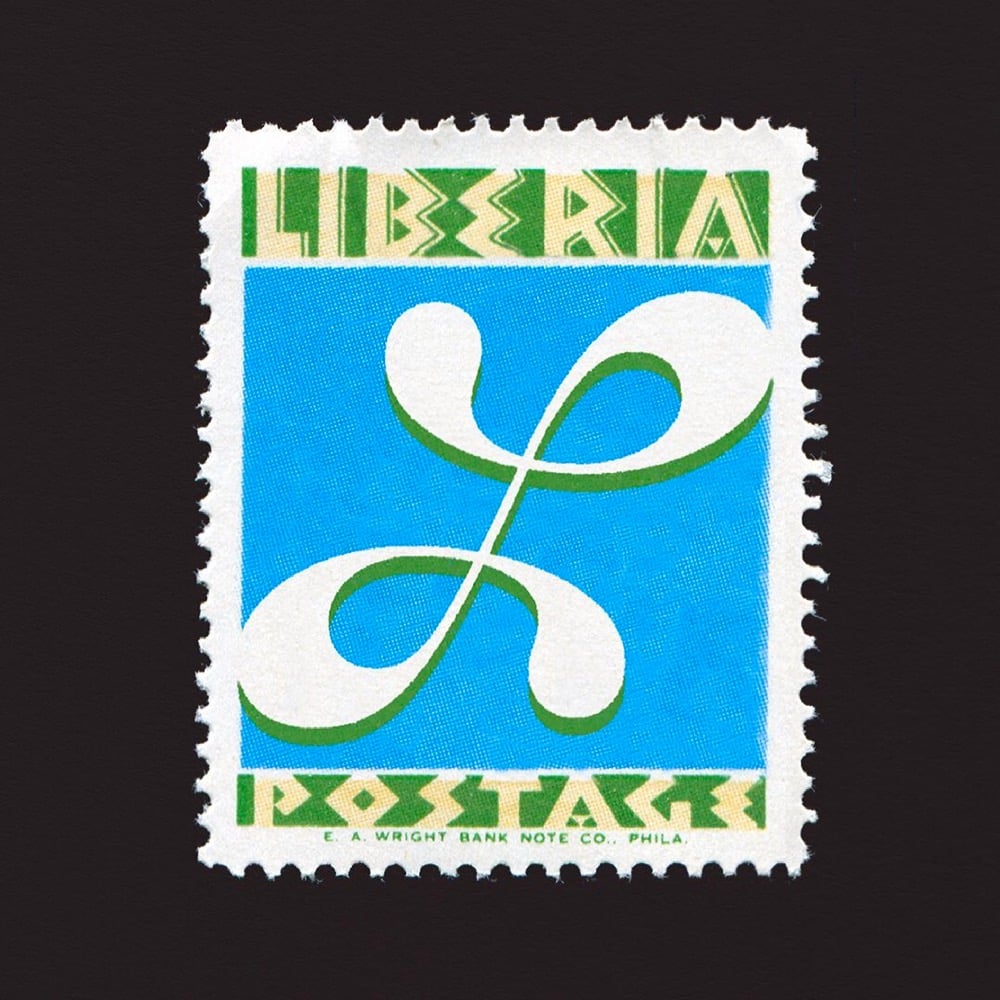


For last year’s 36 Days of Type challenge, artist and type designer Marie Boulanger selected 26 postage stamps from around the world with letters on them (C for Cuba, F for France, K for Kenya, etc.) and 10 stamps with the numerals 0-9 on them. What an amazing array of designs and lettering styles. I’ve included a few of my favorites above — you can see the rest on her Instagram or collected here in miniature.
A recent study estimates that indigenous people in the US “have lost nearly 99% of the land they historically occupied”.
The data set — the first to quantify land dispossession and forced migration in the United States — also reveals that tribes with land today were systematically forced into less-valuable areas, which excluded them from key sectors of the U.S. economy, including the energy market. The negative effects continue to this day: Modern Indigenous lands are at increased risk from climate change hazards, especially extreme heat and decreased precipitation.
What’s different about this study, says Deondre Smiles, a geographer and citizen of the Leech Lake Band of Ojibwe, is the quantification of the land dispossession:
Indigenous people have always understood the devastating effects of these policies, Smiles says. But most of their stories existed only in qualitative historical records, including hundreds of treaties, or oral histories. “The pushback you get in academia is that qualitative narratives are not robust. [Scientists often ask,] ‘Where’s the data? Where’s the hard science?’” Smiles says. “It’s right here, in this article.”
See also A New Online Archive of 374 Treaties Between Indigenous Peoples and the United States and these Native Land maps. (thx, meg)
A brief history of the ampersand. “It is actually a ligature, a Latin combination of two letters: [e] and [t], or [et], which in English means [and].”
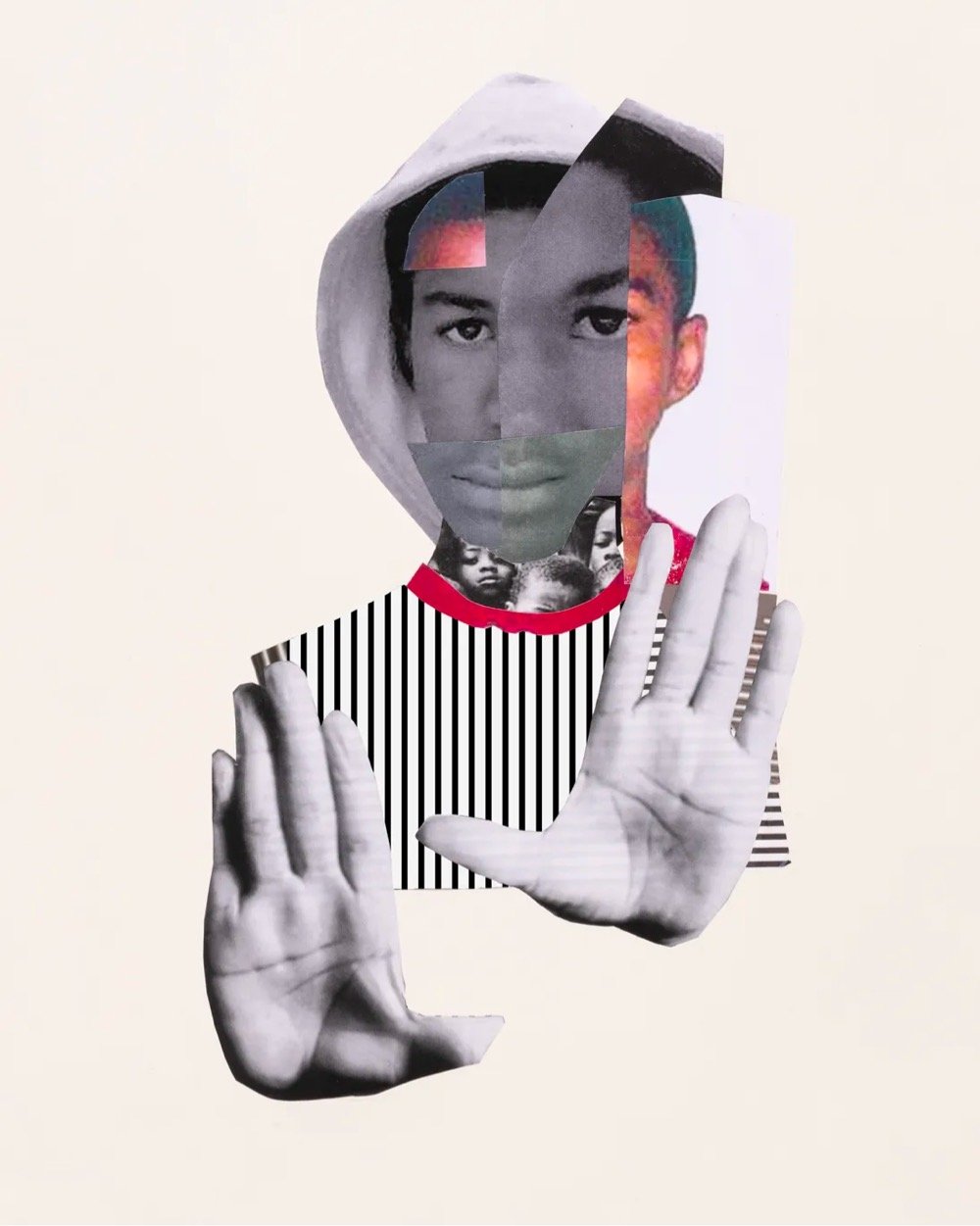
A special issue of New York magazine tells the story of the first decade of the Black Lives Matter movement: Ten Years Since Trayvon. Zimmerman getting away with murdering Martin (and becoming a right-wing celebrity for it!) is still infuriating almost a decade later. Michael Arceneaux on The Day I Quit Believing:
The day George Zimmerman was acquitted was the end of a very brief moment in which I gave America the benefit of the doubt. Six days later, Barack Obama, the man responsible for that temporary suspension of disbelief, gave a speech that drove home for me how foolish I had been.
The president acknowledged the pain many of us felt, but, ever the peddler of hope, he stressed that “as difficult and challenging as this whole episode has been for a lot of people, I don’t want us to lose sight that things are getting better.”
I didn’t believe it when he said it, and it sounds even sillier to me now so many years later.
The whole timeline and package of stories are essential reading.
I love these medieval versions of familiar logos by Ilya Stallone, available on his Instagram account.
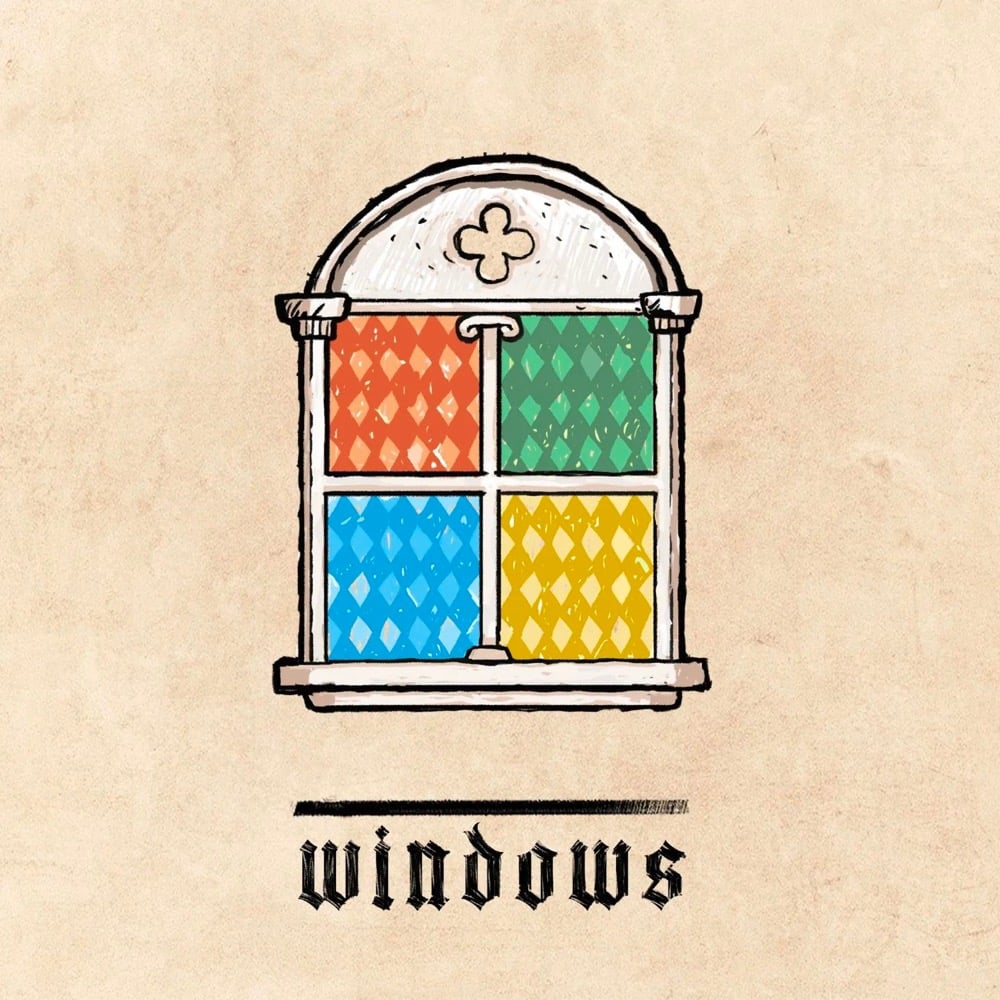
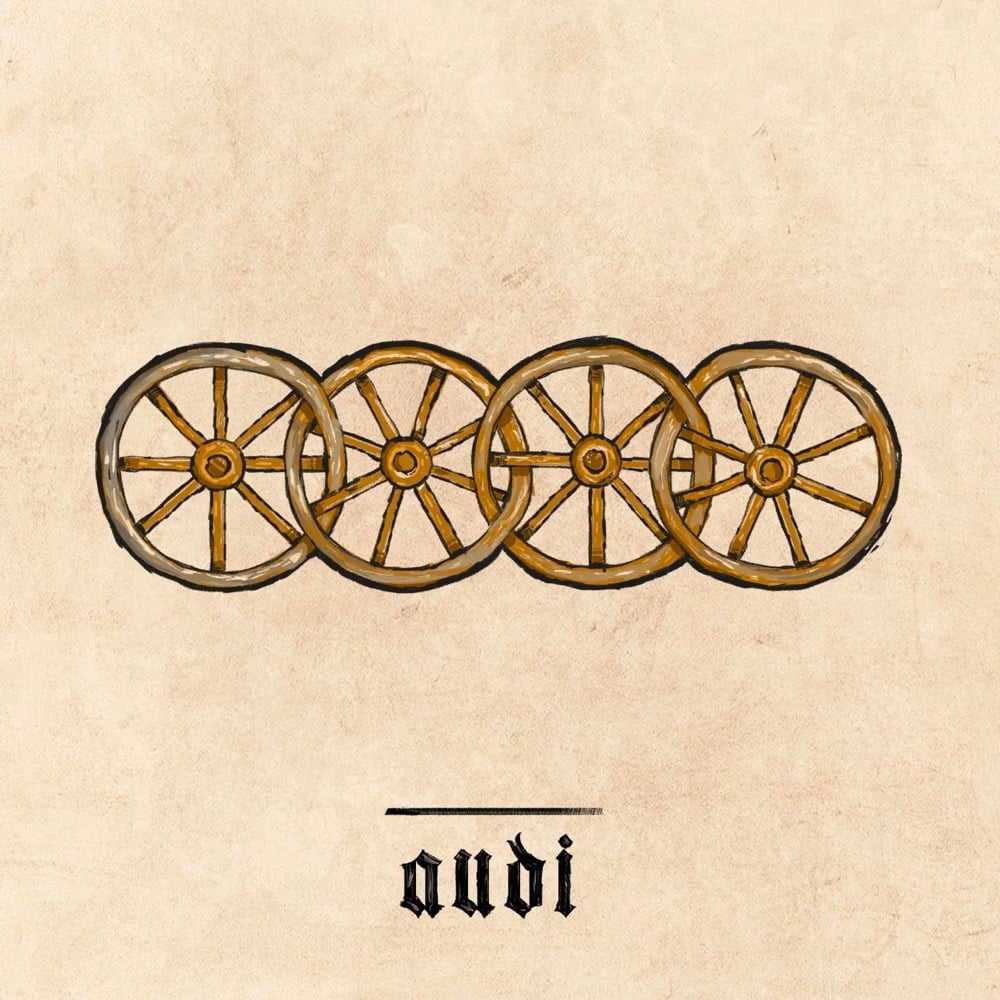
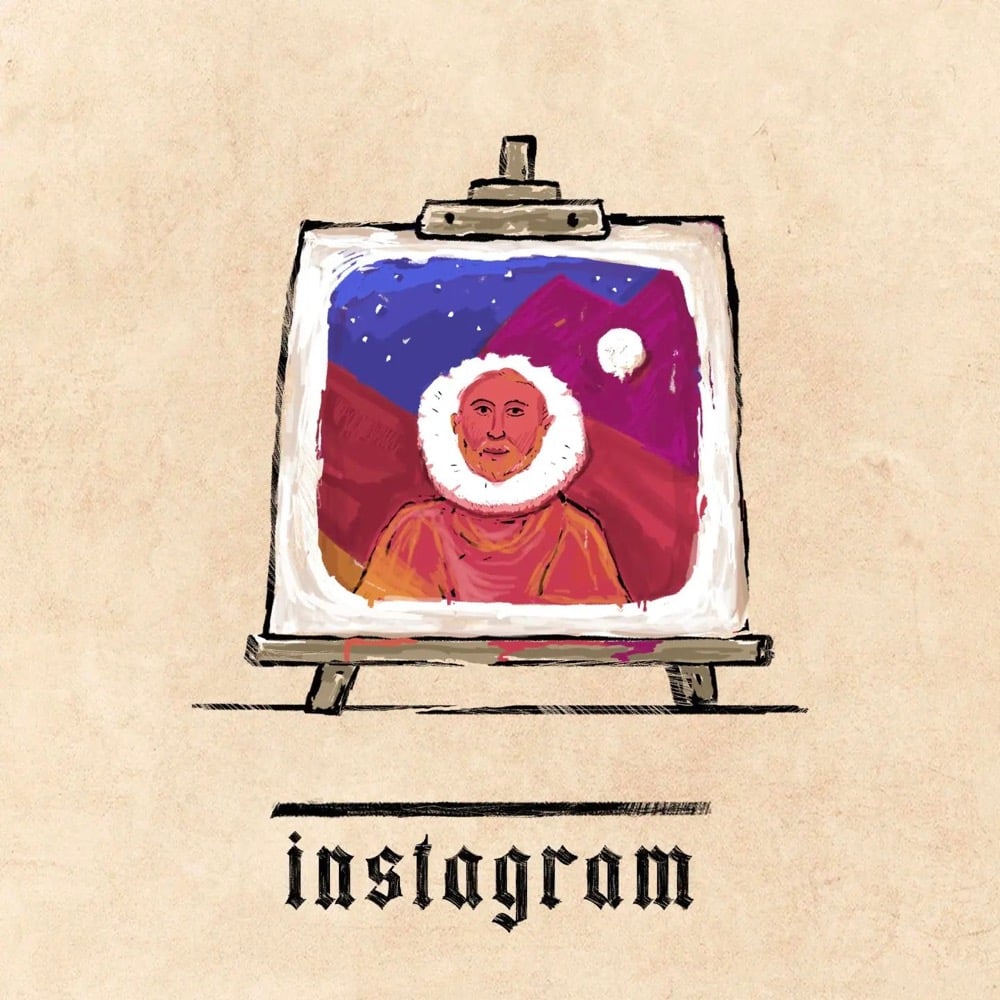
The best ones cleverly translate the central element in the logo into something more temporally appropriate — e.g. the figurative MS windows into actual stained glass, Instagram’s camera into a colorful painting, Audi’s rings into wagon wheels. (via sidebar)
What the…?!! A lightning bolt almost 500 miles long flashed across US three states in April 2020. Another flash, in Uruguay & Argentina, lasted for 17 seconds.
On the practice of using a “soup mother” for a perpetual stew. “I’m always pursuing the idea that one meal can flow into the next and the next, building flavor but also feelings and memories…”
In a series of video meditations on what he calls “Practices of Viewing”, Johannes Binotto explores techniques that filmmakers have used since the invention of film but are now within the control of home viewers: fast forward, mute, pause, screenshotting, and masking. Great stuff; this series was the most-mentioned in the recent Sight & Sound poll of the best video essays of 2021. Communications professor Katie Bird wrote of Practices of Viewing:
Beyond inspirational, and field changing, nothing made me want to throw in the towel on making more than seeing Binotto’s playful, critical, and incisive video series Practices of Viewing. Each one challenged our ways of ‘seeing’ and making, each one carefully bringing in new techniques to test the boundaries and possibilities of videographic form. But whatever trepidation I felt, was always overshadowed by the openness and curiosity that grounded each of Binotto’s experiments and his welcomeness as a videographic maker joyfully throwing out these gambits for the rest of us to up our games.
They’re so good and succinct, but somehow only one of them has over 500 views (and even that one hasn’t broken 1000 views). If you’re even a casual student or fan of film, take a few minutes to watch the first one and you’ll get sucked into the rest.
Yesterday, Josh Wardle announced that he had sold Wordle to the NY Times.
It has been incredible to watch a game bring so much joy to so many, and I feel so grateful for the personal stories some of you have shared with me — from Wordle uniting distant family members, to provoking friendly rivalries, to supporting medical recoveries.
On the flip side, I’d be lying if I said this hasn’t been a little overwhelming. After all, I am just one person, and it is important to me that, as Wordle grows, it continues to provide a great experience to everyone.
Given this, I am incredibly pleased to announce that I’ve reached an agreement with The New York Times for them to take over running Wordle going forward. If you’ve followed along with the story of Wordle, you’ll know that NYT games play a big part in its origins and so this step feels very natural to me.
And then a lot of people freaked out. “RIP Wordle” started trending on Twitter. Hands wrung and voices cried out that the game would no longer be free (even though both Wardle and the Times said that it would remain so). Some protested that the game is cheap to run, so what’s the problem? The general consensus seemed to be that Wardle was a greedy sellout who had deprived the public of a beloved game.
I’m so irritated at this reaction on behalf of Wardle. Lydia Polgreen gets it exactly right here:
Creator of Wordle: I can’t keep running this thing; I love the NYT puzzle peeps, they inspired me to make this thing you love, so I sold it to them! Twitter: How dare you give this thing we love a sustaining home!
Honestly, people. The choice isn’t between Wordle as it exists today and NYT Wordle. It is between no Wordle and NYT Wordle, or even worse, a much crummier acquirer.
Wardle made a free thing for his partner, it got out of hand, and it became overwhelming. I’m not sure if you’ve noticed, but people feel VERY INTENSELY about this game. It doesn’t matter if it only costs Wardle a few bucks a day to host…the psychological weight of it all must be immense. I’ve been running kottke.org for more than 23 years and let me tell you, the financial cost is not what keeps me up at night. (And yes, the site does keep me up at night sometimes.) And I built a site another site, Stellar, that folks loved pretty intensely, and while it never blew up like Wordle did, the strain of keeping it going became too much, I couldn’t see a way out of it, and I had to shut it down.1 That weight is real, folks, and shutting websites down, even when they are beloved, even when you would desperately love to keep them going, is sometimes the easiest option. All good things, etc. etc.
Sometimes, no amount of money or support or introduction of clever business model will help in a situation like this because the responsibility still remains — the millions of intense fans showing up every day, demanding their two minutes with five letters. Some people love that feeling, that pressure — they’ll lean right into that shit, bring it on — but clearly Wardle did not. So instead of shutting Wordle down, Wardle sold it to a really good steward that has clearly invested a lot of time and energy into building a strong puzzling presence and community. He secured an arrangement to keep the game free. And because this is capitalism, you can’t just sell something to the Times for a dollar — the Times is getting something of real value to their business and they should pay an appropriate price for it.
If people really care about this gift freely given and the person who made it (instead of focusing on what they get from it personally), they should recognize this as a good outcome. Will Wordle change? Will it someday not be free to play? Perhaps. Perhaps. But as Polgreen said, the choice here was “between no Wordle and NYT Wordle” and for right now, and into the foreseeable future, Wordle is alive and available for everyone to play. Let’s appreciate that.
Update: Bess Kalb:
Why are people mad the Wordle guy got paid? Pay the sweet Wordle man! Give him jewels and gold for his glorious letter squares! He got less than half what it could have been worth in a bidding war and he kept it a free game. Shower him with champagne and furs!
Caissie St. Onge:
I’m happy for Mr. Wordle. He made a game for his partner because she loved word games, then he shared it with all of us for nothing. Now he gets a million unexpected dollars. Because he loved someone!
Cyd Harrell:
proposing a term for NYT/Wordle: egg cream swan
we didn’t discover that the proprietor’s a bad guy, we’re happy for him; but the reality that supporting a small scale thing of beauty at large scale is beyond one person (now) & reasonable options are compromised…is bittersweet
Boom, nailed it. There’s an element of the players killing the thing they loved here — if the game hadn’t become so popular, a transfer of ownership would not have been necessary.
Newer posts




Socials & More