kottke.org posts about movies
I enjoyed this interview with actor Mads Mikkelsen.
Q: Is there a life philosophy that you feel has carried you through your career?
A: My approach to what I do in my job — and it might even be the approach to my life — is that everything I do is the most important thing I do. Whether it’s a play or the next film. It is the most important thing. I know it’s not going to be the most important thing, and it might not be close to being the best, but I have to make it the most important thing. That means I will be ambitious with my job and not with my career. That’s a very big difference, because if I’m ambitious with my career, everything I do now is just stepping-stones leading to something — a goal I might never reach, and so everything will be disappointing. But if I make everything important, then eventually it will become a career. Big or small, we don’t know. But at least everything was important.
“All his life has he looked away, to the future, to the horizon. Never his mind on where he was, what he was doing.” —Yoda, Empire Strikes Back. See also “I’ve Never Had a Goal”. (via @tadfriend)
One of the fun things about having a website that’s been running continuously for more than 23 years is that you get to watch the people you featured early in their careers grow and change and do bigger and better things. I’ve been posting filmmaker Casimir Nozkowski’s work on kottke.org since 2009 and now, his first feature-length film, The Outside Story, is set to debut at the end of this month. A short synopsis:
After locking himself out of his apartment, an introverted, heartbroken editor finds himself on an epic journey up, down and around his block with life-altering ramifications.
From the looks of the trailer (embedded above), The Outside Story has the same energy, playfulness, and keen lens into the interplay between humans & their environments as Nozkowski’s shorter work, which is not surprising given how it was filmed and where the inspiration came from. He told me, via email:
This is an indie film in the truest sense. Shot in 16 days on the streets of Brooklyn. It’s the biggest thing I’ve ever done and I’m just trying to get the word out any way I can. It’s loosely inspired by my short doc, 70 Hester Street where I examined my own building and block after years of taking it for granted.
You can watch 70 Hester Street here and The Outside Story will be available for purchase on all the usual streaming services on April 30.
Before her appearance in Star Wars, Carrie Fisher had only appeared in one film (Hal Ashby’s Shampoo) and for the role of Leia, she was going up against several other great actresses, including Karen Allen and Jodie Foster. In this footage of Fisher’s screen test from late 1975/early 1976, where she’s reading a scene with Harrison Ford about the Death Star plans, you get a tantalizing glimpse of why she ended up winning the part.
See also Mark Hamill’s screen test and several other Star Wars screen tests, including this one of Kurt Russell, who auditioned for the roles of Han and Luke.
A24 and David Lowery have adapted the Middle English poem Sir Gawain and the Green Knight for the screen. The film was scheduled to be released early last year, but the pandemic intervened; it’s now due out at the end of July.
An epic fantasy adventure based on the timeless Arthurian legend, The Green Knight tells the story of Sir Gawain (Dev Patel), King Arthur’s reckless and headstrong nephew, who embarks on a daring quest to confront the eponymous Green Knight, a gigantic emerald-skinned stranger and tester of men. Gawain contends with ghosts, giants, thieves, and schemers in what becomes a deeper journey to define his character and prove his worth in the eyes of his family and kingdom by facing the ultimate challenger. From visionary filmmaker David Lowery comes a fresh and bold spin on a classic tale from the knights of the round table.
I read this story (Simon Armitage’s translation) to my kids a year or two back and it wasn’t our absolute favorite (it paled in comparison to our previous read, Emily Wilson’s The Odyssey), so I’m curious to see how it works as a film.
Love it or hate it, we all know what Wes Anderson movies look like by now — the vibrant color palette, use of symmetry, lateral tracking shots, slow motion, etc. etc. In this video, Thomas Flight explores why Anderson uses these stylistic elements to tell affective and entertaining stories.
But what is at the core of those individual stylistic decisions? Why does Anderson choose those things? Why do all those things seem to form a very specific unified whole? And what function, if any, do they serve in telling the kinds of stories Wes wants to tell?
The sources for the video are listed in the description; one I particularly enjoyed was David Bordwell writing about planimetric composition. (via open culture)
In 2018, Tim Wardle’s fantastic documentary Three Identical Strangers introduced us to a set of identical triplets who were separated at birth. The film goes deeper into the story (and into nature vs nurture) and I don’t want to spoil it too much, but after it was released, some people began to suspect that they might have identical siblings out there themselves. One of those people was Michele Mordkoff, who found she had a twin sister and got in touch with Wardle, who was there at their reunion and made this short film about it (major TIS spoilers in that first paragraph).
“She is a stranger to me, but she’s also a part of me-I mean, we shared a womb,” says Michele in the film after she meets her twin for the first time.
“I’ve been struck by how instinctive, magical, and moving genetic reunions can be,” Wardle told The Atlantic in a recent interview. “This isn’t to denigrate non-genetic/adoptive relationships, which can also be wonderful, but there’s something extraordinary and almost transcendent about observing the interaction between two people who have never met before but share the same DNA. It defies rational explanation.”
If you can’t get enough of twin reunions, here are a few more to watch.
If you’ve seen Ocean’s Eleven more than once, you probably noticed that Brad Pitt’s character Rusty Ryan is eating or drinking something in almost every scene he’s in. cinemATTIC made a supercut of all of those food and beverage moments from the movie. And if you’re wondering why Rusty was always eating, according to Rolling Stone:
Pitt figured that since the Ocean gang was on such a tight schedule, his character would have to grab fast-food whenever he could. The constant snacking ended up showing Rusty’s unflappability.
Someday someone will release an action or heist movie with a relevant & entertaining 15-minute sequence where the protagonists have to find a bathroom. During a recent Avengers: Endgame viewing, my son asked, “Doesn’t anyone ever have to go to the bathroom in these movies?” Then we talked about how they hardly ever eat either, aside from the occasional shawarma. But now that I’m thinking about it, there’s quite a bit of eating and drinking in Endgame: Black Widow’s peanut butter sandwich, Hulk-delivered tacos, the diner scene, Thor’s drinking, and many more.1 Ocean’s reference or nah? (via @Remember_Sarah)
Update: These folks did a Snackalong of eating everything that Rusty ate while watching the movie.
Can’t Get You Out of My Head: An Emotional History of the Modern World is the latest world-explaining documentary series from television journalist Adam Curtis. It’s available in the UK on BBC’s iPlayer and, unofficially as a fan upload, on YouTube; I’ve embedded the trailer and the first part above.
But what exactly is it about you might wonder, even after watching the trailer. Reading Sam Knight’s January 2021 profile of Curtis in the New Yorker might help you there:
For more than thirty years, Curtis has made hallucinatory, daring attempts to explain modern mass predicaments, such as the origins of postwar individualism, wars in the Middle East, and our relationship to reality itself. He describes his films as a combination of two sometimes contradictory elements: a stream of unusual, evocative images from the past, richly scored with pop music, that are overlaid with his own, plainly delivered, often unverifiable analysis. He seeks to summon “the complexity of the world.”
Lucy Mangan’s review for The Guardian was overwhelmingly positive:
The power dynamic, how it shifts, how it hides and how it is used to shape our world — the world in which we ordinary people must live — is Curtis’s great interest. He ranges from the literal rewriting of history by Chairman Mao’s formidable fourth wife, Jiang Qing, during the Cultural Revolution to the psychologists plumbing the depths of “the self” and trying to impose behaviours on drugged and electro-shocked subjects. He moves from the infiltration of the Black Panthers by undercover officers inciting and facilitating more violence than the movement had ever planned or been able to carry out alone, to the death of paternalism in industry and its replacement by official legislation drafted by those with hidden and vested interests. The idea that we are indeed living, as posited by various figures in the author’s landscape and (we infer from the whole) the author himself, in a world made up of strata of artifice laid down by those more or less malevolently in charge becomes increasingly persuasive.
Other reviews, particularly from those on the right, call his work incoherent and Curtis himself something of a propagandist. Admission: I haven’t seen any of Curtis’s work, save for the occasional clip here and there. I know some of you out there are big fans — should I start with this one, HyperNormalisation, Century of the Self, or….?
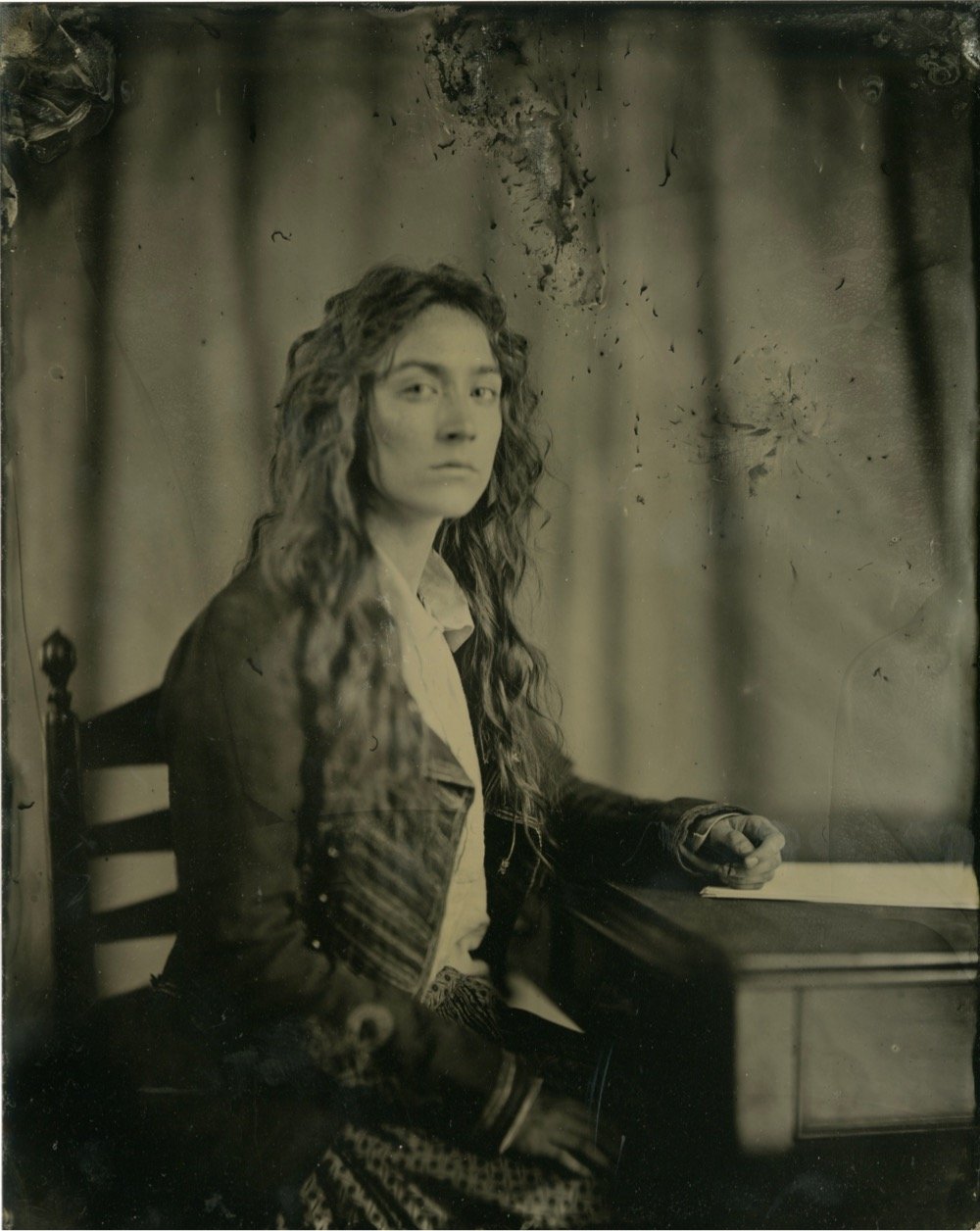
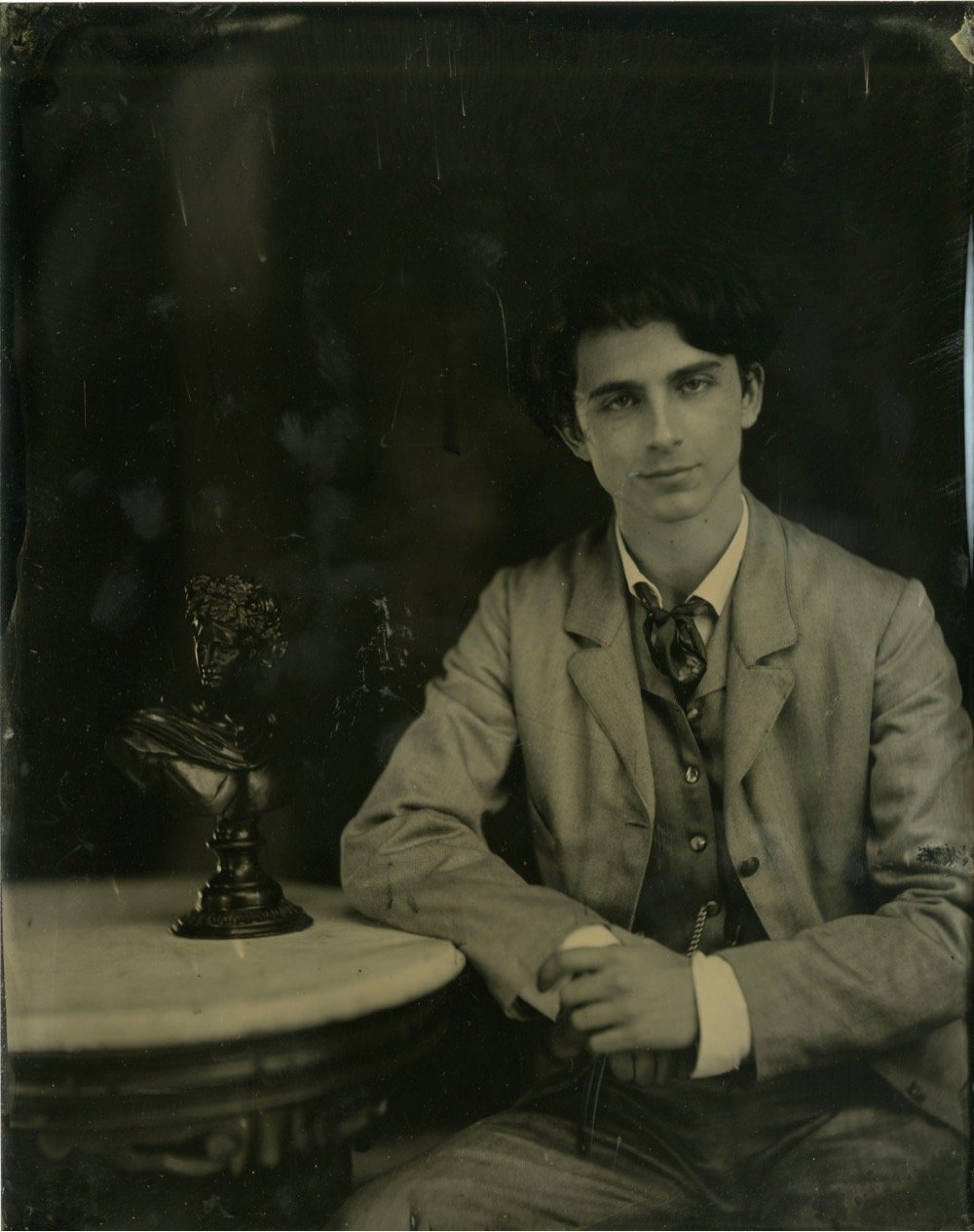
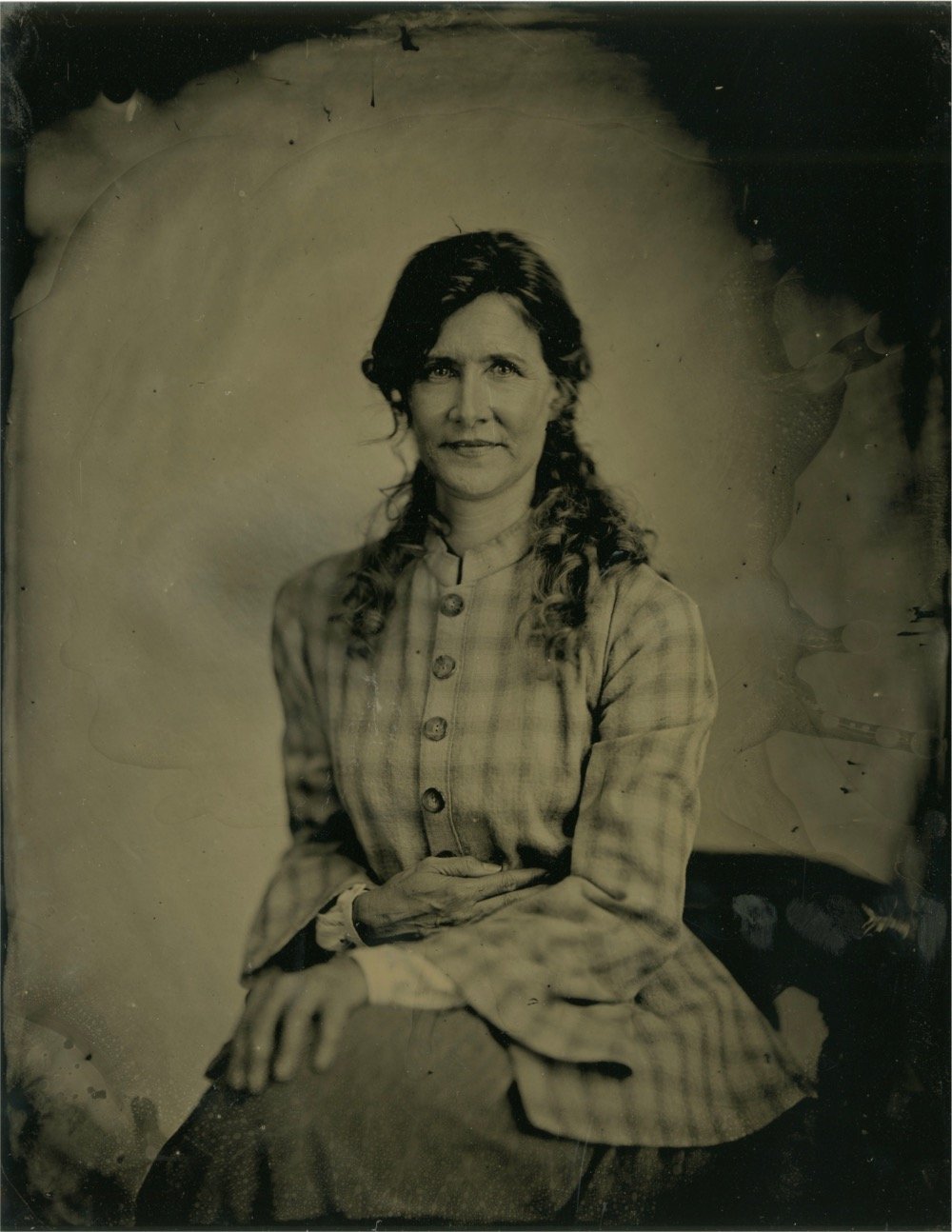
Photographer Wilson Webb made these great tintype portraits of the cast of Little Women. Invented in 1851, the collodion process would have been in use during the time the movie takes place. You can read about Webb’s process at PetaPixel.
To capture the actual portraits, Webb got his hands on a 130-year-old Dallmeyer lens that he strapped to a modern large format camera, and set up 25,000 Watt-seconds worth of flash to ensure he had enough light. That’s… a lot of light. So much that Webb says his subjects “can feel a wave of heat and they can also smell the ozone that’s created when the picture’s taken.”
But despite all of this light — which allowed him to capture a much faster “shutter speed” than traditional wet plates — he still had the cast pose in a traditional fashion: facing the camera, stoic expression, sitting still for 30 seconds at a time to capture each individual frame.
You can check out the whole series of portraits at My Modern Met.
In order to promote the classic films available on the streaming service, HBO Max has created a selection of modern-style movie trailers for them. The re-trailered flicks include Dog Day Afternoon, Boogie Nights, Alien, Casablanca, and The Exorcist.
BTW, because of its Turner Classic Movies section, HBO Max seems like the best big streaming service for watching good, classic movies. It’s become nearly impossible to find anything on Netflix made before 2000, but on HBO Max right now you can watch Rocky, A Clockwork Orange, The 400 Blows, Seven Samurai, THX 1138, Malcolm X, 8 1/2, Solaris, Citizen Kane, Grey Gardens, North By Northwest, Rashomon, Tokyo Story, and dozens of others. (via open culture)
Tina is an upcoming documentary film about music legend Tina Turner, featuring interviews with Angela Bassett, Oprah, Kurt Loder (who co-wrote the 1986 autobiography on which the movie is based), and Turner herself.
With a wealth of never-before-seen footage, audio tapes, personal photos, and new interviews, including with the singer herself, TINA presents an unvarnished and dynamic account of the life and career of music icon Tina Turner.
Everything changed when Tina began telling her story, a story of trauma and survival, that gave way to a rebirth as the record-breaking queen of rock ‘n’ roll. But behind closed doors, the singer struggled with the survivor narrative that meant her past was never fully behind her.
Tina will begin airing on HBO on March 27. A companion playlist of Turner’s music is available at Spotify.
Update: Cassie Da Costa reviewed Tina for Vanity Fair:
Her new interview in the film allows her to speak authoritatively on her own celebrity and personal life without having to revisit the sordid details of the abuse she experienced at the hands of Ike. And though it doesn’t shy away from the darkness held within her biography, Tina turns decidedly toward the light. The result is a film that shines, both in its passion for Turner’s talent and the depth and complexity of her character.
Netflix was founded in 1997 as a DVD rental service. At the time, Blockbuster Video was a multi-billion dollar video rental behemoth, growing to over 9000 stores as recently as 2004. In 2000, Netflix offered to sell to Blockbuster for $50 million — Blockbuster declined. By 2011, Blockbuster was bankrupt and down to 2400 stores while Netflix had gone public and their streaming business was exploding. Today, Netflix has a market cap of $223 billion, is a member of the S&P 100, and will soon start showing The Last Blockbuster, a documentary about the very last Blockbuster video rental store in the world. Absolutely savage victory lap.
This is the trailer for Nobody, an action film that’s a cross between John Wick, Breaking Bad, and a tiny bit of Force Majeure (although maybe I’m alone in making this connection). The film stars Bob Odenkirk as an unassuming dad who decides he wants to be assuming again — violent hijinks ensue. Looks like it’s coming out in late March, which is still a bit too early for me to want to see a movie in a theater again.
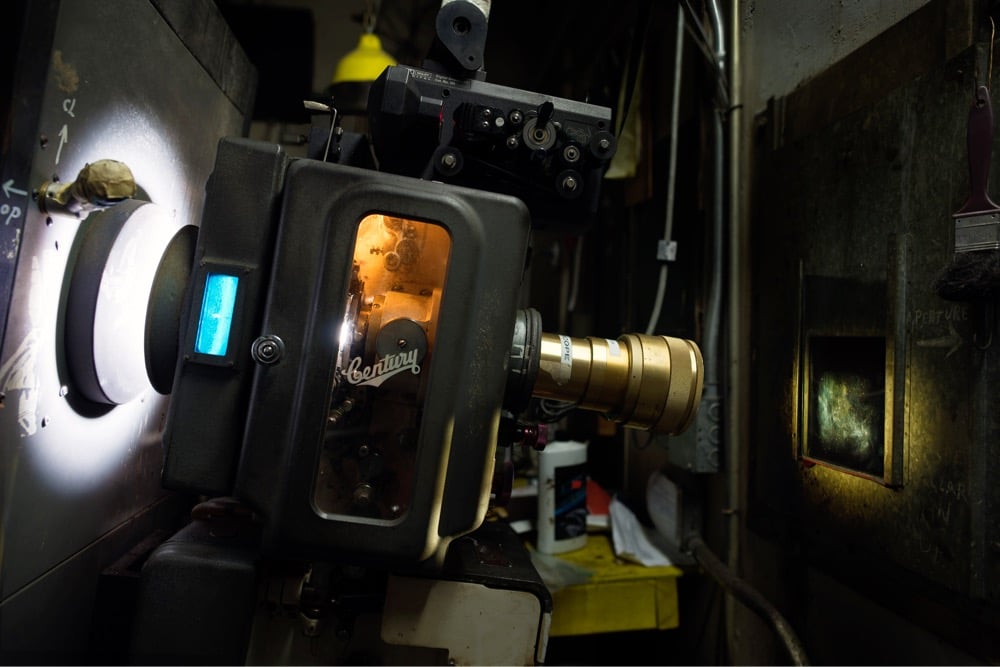
Projection is a short film by Joseph Holmes of clips from 50 different films that take place in movie theater projection rooms. This supercut was made to accompany Holmes’ series The Booth, a collection of photos from 2012 that document the disappearing/changing movie theater projection rooms.
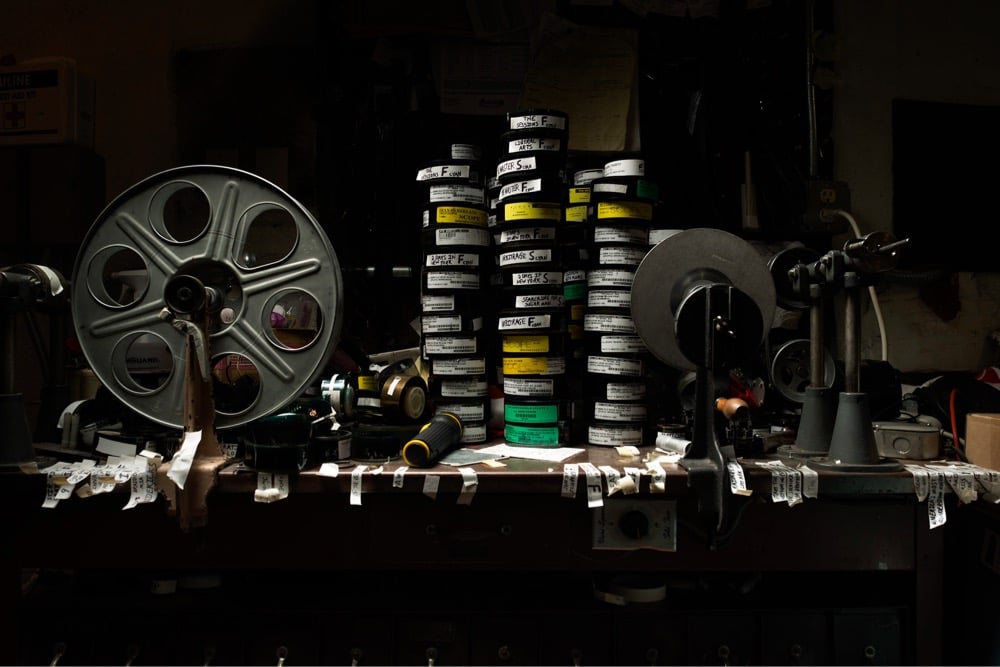
A few days ago, I featured Ariel Avissar’s compilation of giant moons from movies and over the weekend, he sent me his most recent supercut: The Typewriter. This brisk & artfully concocted 2-minute video features dozens of typewriters being used in TV & movies, including The Shining, Mad Men, Adaptation, Barton Fink, Citizen Kane, All the President’s Men, and even Stephen J. Cannell (80s kids know).
Flim is a movie search engine currently in beta that returns screenshots from movies based on keywords like “clock” or “tree”. Like so:
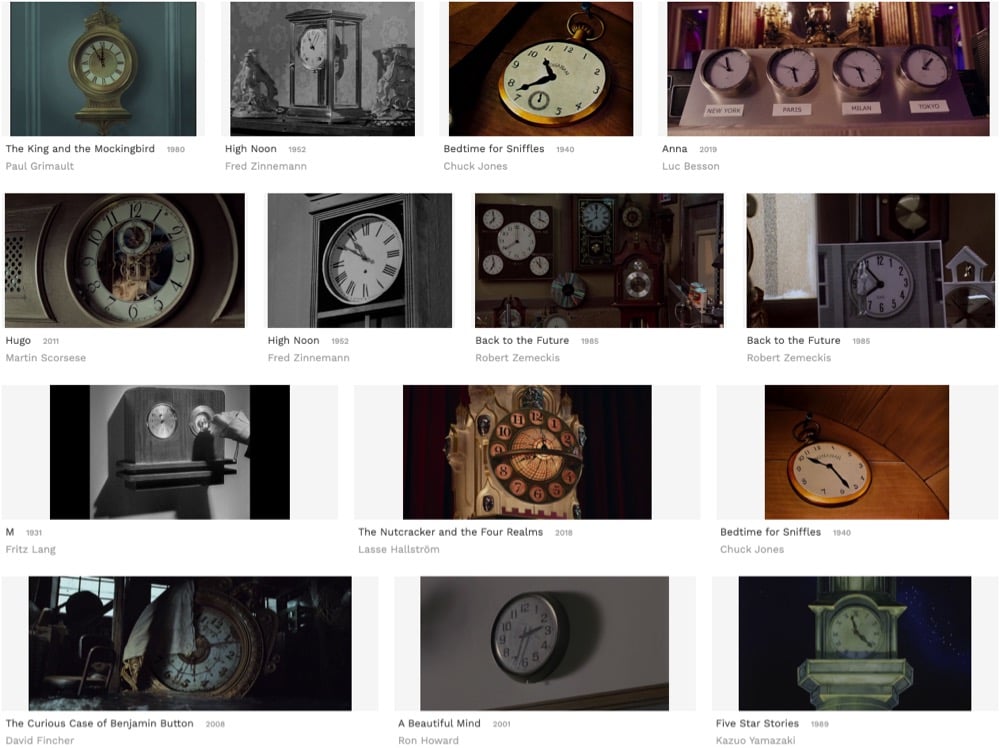
You can filter results by things like genre, year, and film ratio. You can search by color and within movies, e.g. “tuxedo” in Titanic:
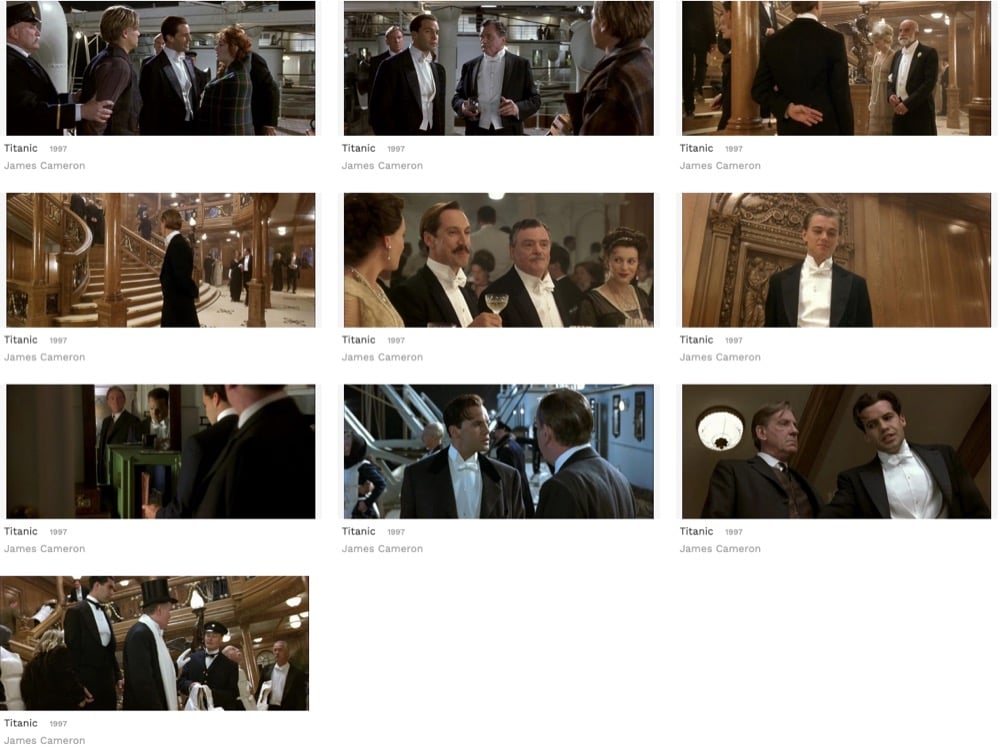
I would love for the screenshot detail pages to include timecodes — it would make this an amazing tool for creating supercuts, film analysis videos, and other sorts of media. Imagine how much easier Christian Marclay’s job would have been with “clock” and “watch” searches on Flim. (via waxy)
This. This is the stuff. Lapping water, wind through the tall grass, patient trains, birds, rolling countryside, mountains, sleeping, castles in motion, and more calm scenes compiled from Studio Ghibli movies.
See also hundreds of Studio Ghibli backgrounds for your Zoom calls and 10 Hours of Extremely Relaxing Ocean Scenes & 40 Hours of Relaxing Planet Earth II Sounds, both from BBC Earth. (via laura olin)
Ariel Avissar made this 2.5-minute supercut of giant moons from movies — like E.T., The Nightmare Before Christmas, Spider-Man, The Lion King, Black Swan, Despicable Me — accompanied by Frank Sinatra’s rendition of Fly Me to the Moon.
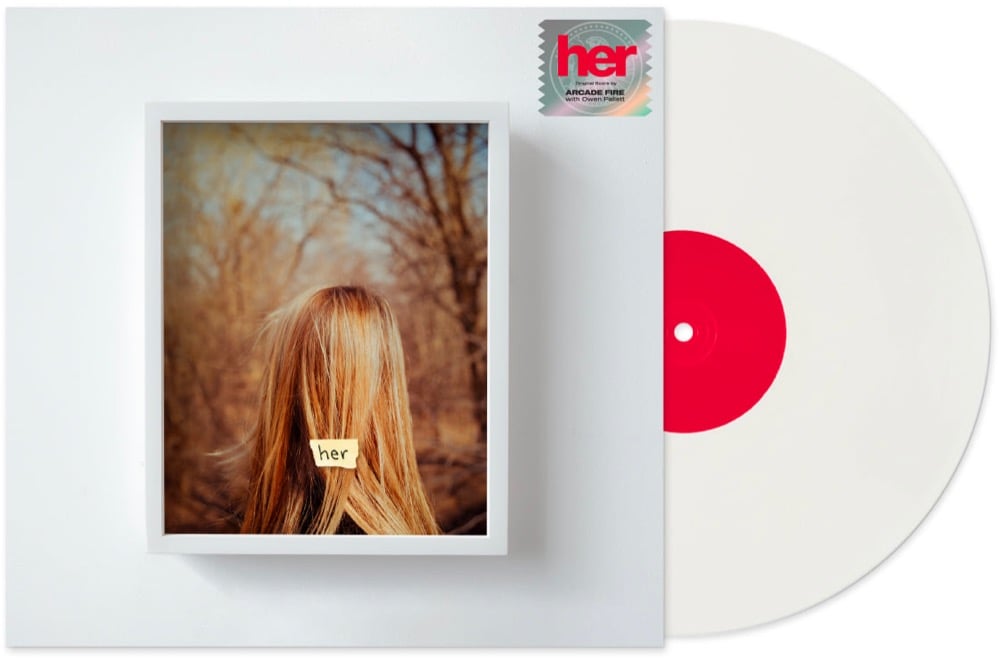
The original score for Spike Jonze’s 2013 movie Her, composed by Arcade Fire & Owen Pallett, will finally see a proper release next month. You can preorder on vinyl, cassette, or MP3. I’m assuming it will also be out on streaming services on its release date of March 19. I’ve been waiting years for this (even though it’s been available as a bootleg online this whole time).
Update: Here’s a list of several streaming/purchase options for the album.
This is a treat: a 30-minute video that celebrates the animations & animators that changed cinema, e.g. Yuri Norstein, Miyazaki, Fantasia, The Iron Giant, Persepolis, etc. — a full list of the filmography is available in the description. Absolutely stunning visuals on some of these. See also The 100 Sequences That Shaped Animation. (via open culture)
In 2008, composer Joe Hisaishi conducted a 2-hour performance of music from the scores he created for Studio Ghibli’s animated films, accompanied by an orchestra, several choirs, a marching band, and scenes from the films themselves. Hisaishi and director Hayao Miyazaki have been collaborating on film scores since 1984’s Nausicaä of the Valley of the Wind. In addition to Nausicaä, the performance includes songs from Princess Mononoke, Ponyo, Kiki’s Delivery Service, Howl’s Moving Castle, Spirited Away, My Neighbor Totoro, and a few others. (via open culture)
Insider takes a look at how big Hollywood blockbusters (Marvel movies, in this case) are increasingly made, with an extensive digital previsualization stage that happens before any of the shooting starts. Think of it as supercharged storyboarding — the digital version of what Bong Joon-ho created for Parasite for instance. This is how digitally animated movies have been made for decades now — studios like Pixar always create roughly animated cuts of their movies before moving along to the expensive and time-consuming visual effects step. Big blockbusters like the Avengers movies are essentially animated films now, with live actors seamlessly inserted into the mix, like Bob Hoskins in Who Framed Roger Rabbit?
The “techvis” layer of the process is super interesting. Based on the previsualization, the system can output camera angles, movements, and settings that directors & camera operators can use on set to get the shots they want, speeding up production. This is the reverse of a technique that Pixar uses, in which real-world motion is captured and then programmed into virtual cameras:
To get the motion just right for the baby carriage scene in the antique store for TS4, they took an actual baby carriage, strapped a camera to it, plopped a Woody doll in it, and took it for a spin around campus. They took the video from that, motion-captured the bounce and sway of the carriage, and made it available as a setting in the software that they could apply to the virtual camera.
The flip-flop they’re doing in filmmaking right now is fascinating to watch.
Holy shit, do I miss going to the movies. Oh, and going everywhere else. Anyway, every few months for the past couple of years, I’ve shared the movies, books, music, TV, and podcasts I’ve enjoyed (or not) recently. Here’s everything I’ve “consumed” since the beginning of the year. (Don’t sweat the letter grades — they’re so subjective that I don’t even agree with them sometimes.)
Mank. Wanted to hate this, for secret reasons. Didn’t. (B+)
The Royal Tenenbaums. I have seen this movie a half dozen times and it’s still so fresh every time. (A+)
The Painter and the Thief. Best movie I’ve seen in months. (A+)
In & Of Itself. Everyone was raving about this and so I watched it and…I don’t know. It’s a magic show. I can see why people find it interesting, but watching it the night after The Painter and the Thief, it paled in comparison. (B+)
Ava. Jessica Chastain is good in this movie that is otherwise pretty bleh. (C+)
I’m Your Woman. Loved the 70s vibe of this one — not only the in-film setting but it had the feel of a movie made in the 70s as well. (B+)
Idiocracy. Fascinating documentary of the Trump presidency. (A-)
Star Wars: The Empire Strikes Back. Sure, Star Wars was the biggest movie in the world but without such a strong sequel, maybe we’re not still talking about these movies more than 40 years later. (A)
Blood Simple. First Coen brothers movie and Frances McDormand’s debut. (A-)
L.L. Bean fleece-lined hoodie. The most comfortable piece of clothing I’ve ever owned. (A+)
Wonder Woman 1984. This wasn’t nearly as bad as everyone said it was, but they should have worked a little harder on making an entertaining movie and less on hitting the audience over the head with a moral lesson. (B+)
Song Exploder (season two). The Dua Lipa and Trent Reznor episodes were the standouts here. (B+)
Ammonite. Great individual performances by Ronan and Winslet. (B+)
The Mandalorian (season two). Enjoyed this way more than season one. The final scene in the last episode… (A-)
MacBook Air M1. A couple of years ago, I bought an iPad Pro intending to use it for work on the go. For folks whose work is mostly email and web browsing, the device seems to work fine but after a solid year of trying to make it work for me, I gave up. Last month, I bought a MacBook Air M1 to replace my 6-year-old iMac, my 9-year-old Air, and the iPad. It’s a remarkable machine — lightning fast with a long-lasting battery. I’ll be much happier traveling with this, whenever it is that we get to travel again. (A)
The Crown (season four). The show has never reached the giddy heights of the first two seasons, but Gillian Anderson’s Margaret Thatcher was a fantastic addition to the show. As someone on Twitter said, Anderson played Thatcher perfectly: as a sociopath. (A-)
Sunshine. Rewatch. Afterwards, as one does, I looked the film up on Wikipedia and of course Alex Garland (Ex Machina, Devs) had written it. (A-)
Florida by Lauren Groff. Excellent and eclectic collection of short stories. (B+)
Phantom Thread. Undoubtably a masterpiece but also something that I personally find it hard to get fully into. (B+)
Emma.. Super-fun period piece starring Anya Taylor-Joy. (A-)
In Our Time, Eclipses. I love any opportunity to hear about eclipses. (A)
Hang Up and Listen: The Last Last Dance. This picks up where The Last Dance left off with the story of Michael Jordan’s second (and much less successful) comeback with the Washington Wizards. (B+)
Soul. A sequel of sorts to Inside Out. The underworld score by Trent Reznor & Atticus Ross is fantastic. (A)
Ready Player One. Almost in spite of myself, I like this movie. (B+)
The Hobbit film series. Not as good as the Lord of the Rings movies, but not as bad as commonly thought. (B)
Locked Down. This took a while to get going, but Hathaway and Ejiofor are both really good in this. I’ll tell you though, I really had to be in a certain mood to watch a movie about the first weeks of pandemic lockdown. It will be really interesting to see how much appetite people will have for pandemic-themed movies, TV, books, art, etc. (B+)
Young Frankenstein. Madeline Kahn is only in this movie for like 5 minutes but she so dominates the screen that it feels like much longer. (A-)
Batman Begins. I don’t know why Christopher Nolan wanted to direct a series of superhero movies, but I’m glad he did. (A-)
This American Life, The Empty Chair. There are so many more podcasts now than there were 10 years ago, but This American Life is still consistently among the best and they don’t get enough credit for that. (A-)
Criminal, The Editor. I will listen to anything about people who love encyclopedias. (B+)
The Midnight Sky. I feel like I’ve seen this movie — or a movie very much like it — several times before. (B)
Ocean’s 8. Good fun. And Awkwafina! (B+)
Past installments of my media diet are available here.
Next week, a documentary film directed by Sam Pollard will premiere on HBO: Black Art: In the Absence of Light.
Inspired by the late David Driskell’s landmark 1976 exhibition, “Two Centuries of Black American Art,” the documentary Black Art: In the Absence of Light offers an illuminating introduction to the work of some of the foremost Black visual artists working today.
Directed by Sam Pollard (Atlanta’s Missing and Murdered: The Lost Children) the film shines a light on the extraordinary impact of Driskell’s exhibit on generations of Black artists who have staked a claim on their rightful place within the 21st-Century art world. Interweaving insights and context from scholars and historians, along with interviews from a new generation of working African American curators and artists including Theaster Gates, Kerry James Marshall, Faith Ringgold, Amy Sherald and Carrie Mae Weems, the documentary is a look at the Contributions of Black American artists in today’s contemporary art world.
Just added this to my HBO Max queue — it looks great.
In June and July of 2020, Jason Reitman directed an at-home reenactment of the entirety of The Princess Bride featuring too many notable actors to list here. It ran in 10 installments on doomed streaming platform Quibi — which is why you probably haven’t heard of it — but it is fantastic. Mixed media, multiple actors playing all the roles, Fred Savage and Cary Elwes reprising their roles from the original, the star power & talent, the fact that they got permission to do it — it’s just so weird and good. You can watch the whole thing embedded above.
Ok, ok, here’s just a few of the actors who appear: Adam Sandler (as The Grandfather), Jon Hamm (Westley), Zoe Saldana (Buttercup), Penelope Cruz (Prince Humperdinck), Pedro Pascal (Inigo Montoya), Shaquille O’Neal (Fezzik), Charlize Theron (Fezzik), Andy Serkis (Count Rugen). And Carl Reiner as The Grandfather in his final onscreen role — he died just three days after recording his part.
I know you’re perhaps over the whole quarantine production thing, but this is worth checking out. This movie was done to raise money for José Andrés’ World Central Kitchen, so if you enjoyed it, join me in sending them some money to enable their essential work. (via @mathowie)
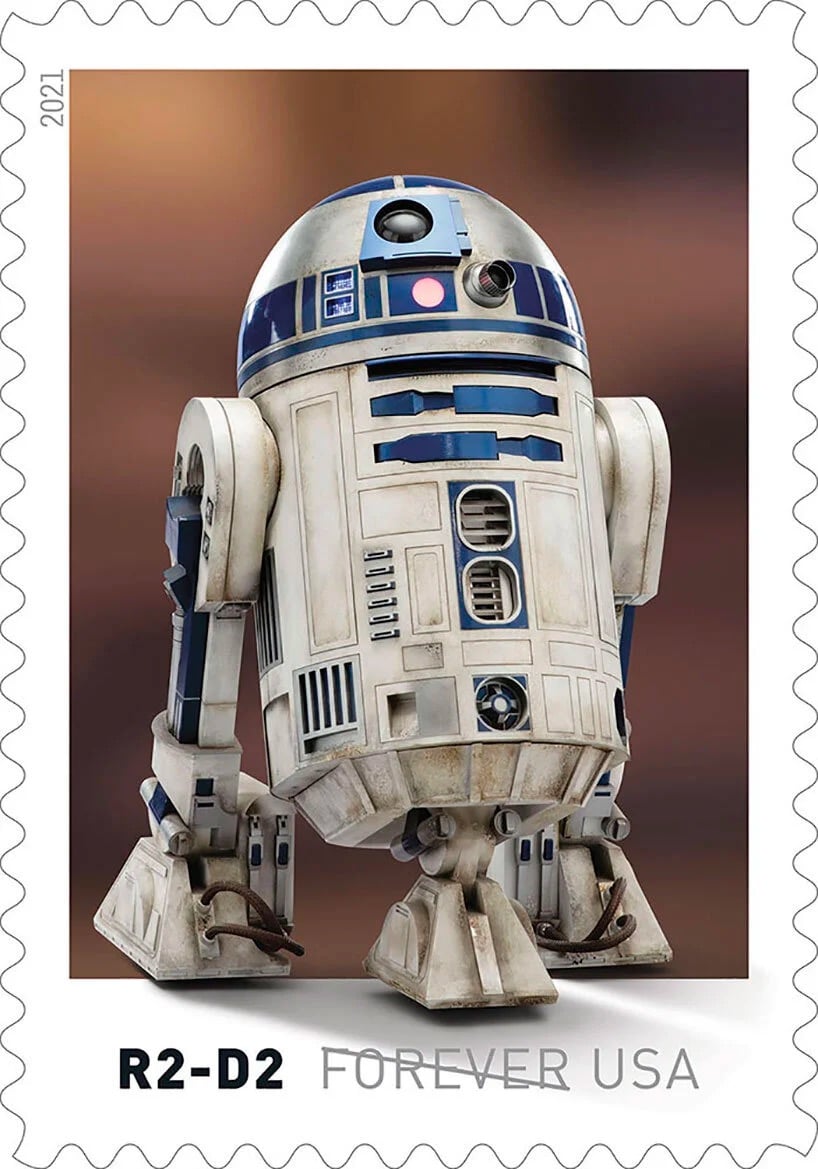

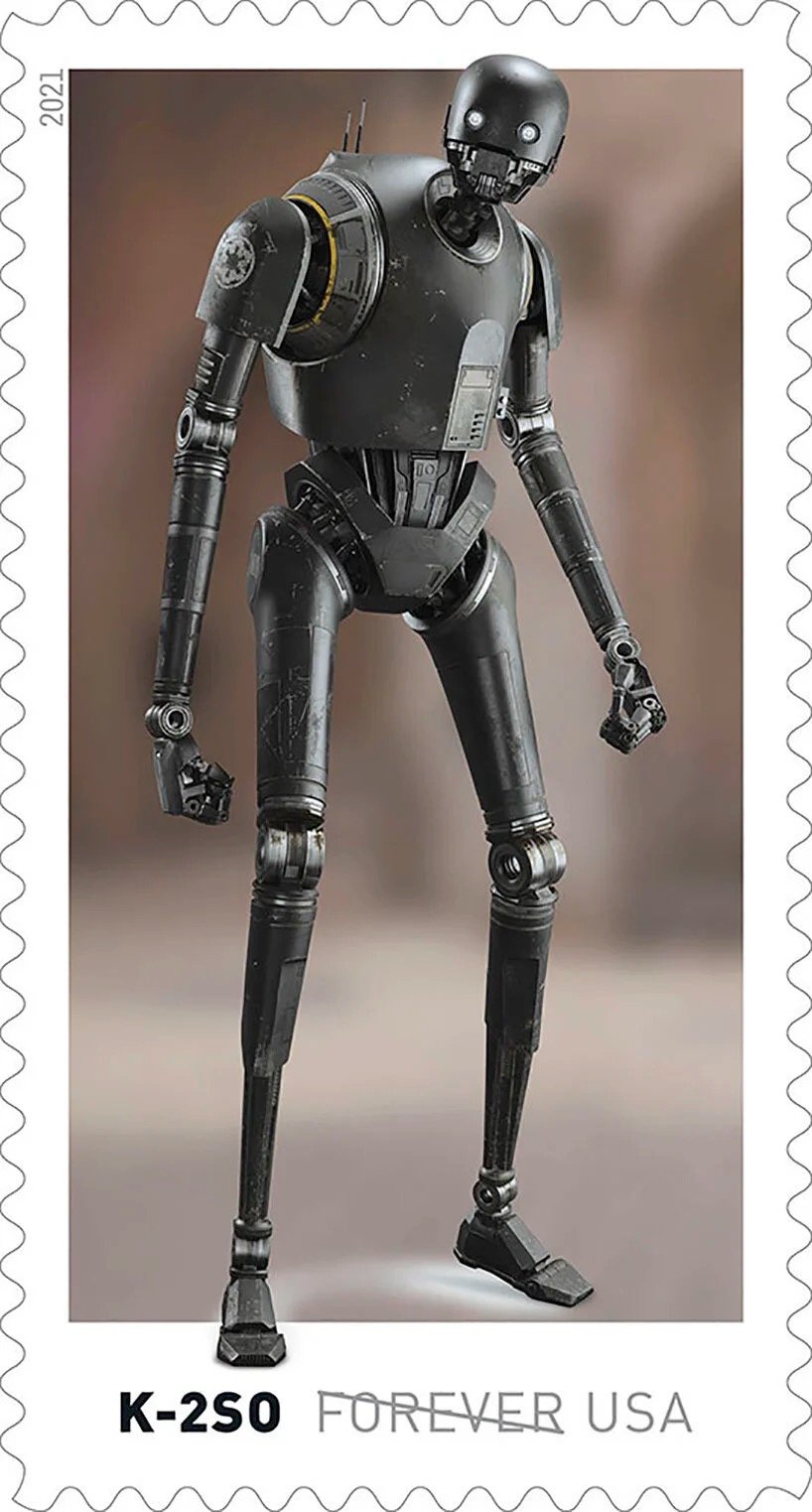
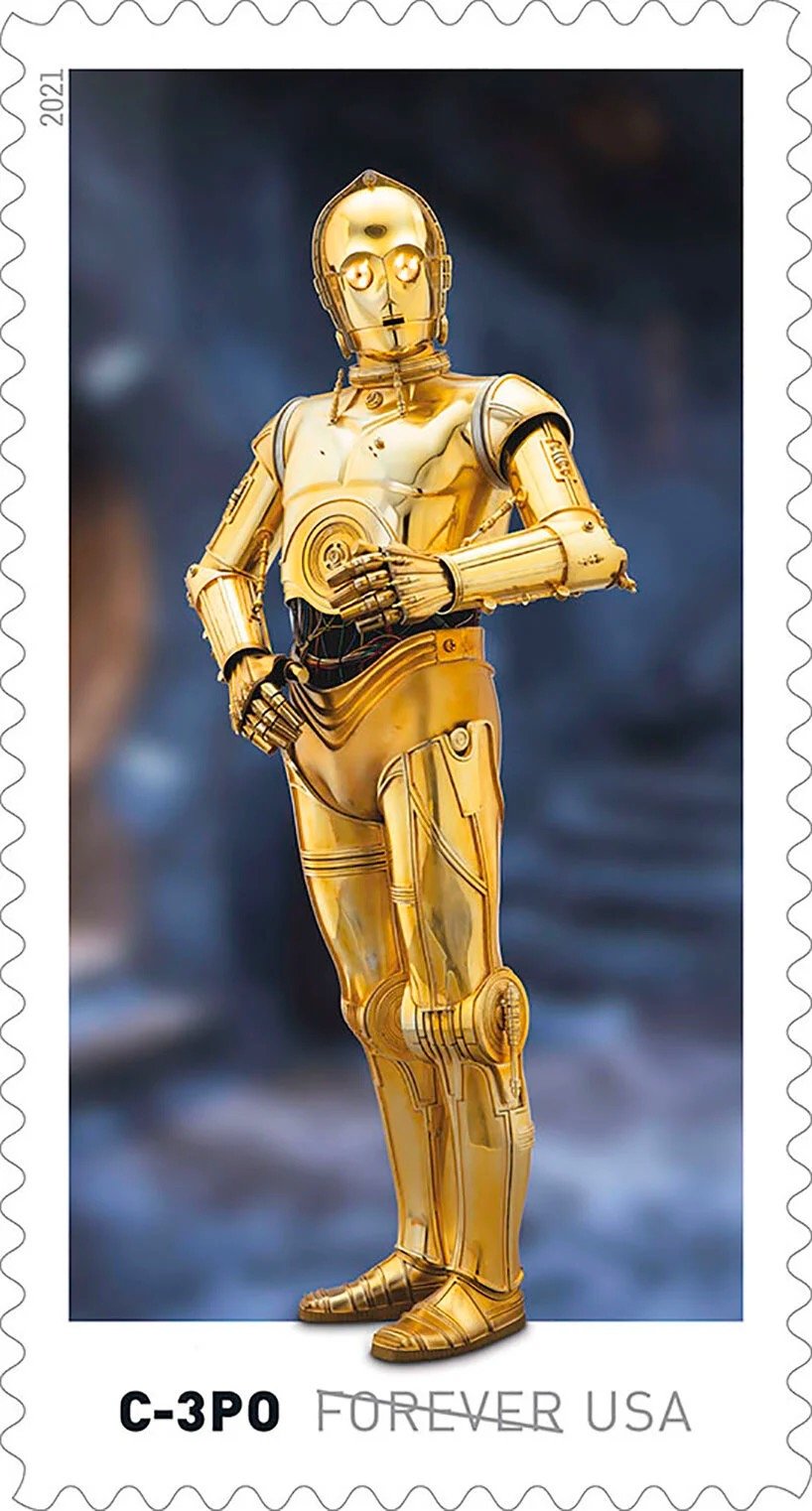
The spring, the USPS will be releasing a set of 10 stamps featuring droids from Star Wars movies and series. (These are the droids you’re looking for lolololol.)
Representing more than four decades of innovation and storytelling, the droids featured in this pane of 20 stamps are IG-11, R2-D2, K-2SO, D-O, L3-37, BB-8, C-3PO, a GNK (or Gonk) power droid, 2-1B surgical droid and C1-10P, commonly known as “Chopper.”
The characters are shown against backgrounds representing settings of memorable adventures. The selvage features a passageway from the floating Cloud City above the planet Bespin, introduced in “Star Wars: The Empire Strikes Back.”
(thx, caroline)
Because the pandemic (mostly) shuttered US movie theaters for the duration of 2020 and studios reduced or redirected their output accordingly, you might be excused for thinking that it was a bad year for film. As David Ehrlich’s masterful video countdown of the 25 best films of 2020 demonstrates, there was plenty of good stuff out there if you knew where to look.
I didn’t end up seeing many of the films on Ehrlich’s list — I’ve been stuck rewatching old favorites and meaningless garbage during the pandemic — but I’m going to make some time for several of these soon. Two documentaries that I was surprised to see omitted: My Octopus Teacher and The Painter and the Thief. The latter is one of the best movies I’ve seen in ages — I can’t imagine that Ms. Americana (for instance) was better. And I’m Thinking of Ending Things? Did not do it for me at all. *shrug* (thx, brandt)
Just as the original Star Wars movie was inspired by Flash Gordon and Kurosawa,1 The Mandalorian is modelled on the western — a lone gunfighter makes his way through the wilderness to protect the innocent. As Mando star Pedro Pascal put it: “I think that George Lucas played with the Western undertones with the first movie, ‘Episode IV,’ and now they’re taking the suggestions of that tone and infusing it with steroids.” So naturally, it’s a great idea to make a trailer for The Mandalorian in the style of a Sergio Leone spaghetti western, complete with music by Ennio Morricone. Il Mandaloriano!
Sisters with Transistors (great title!) is a documentary film by Lisa Rovner about the overlooked female pioneers of electronic music.
The history of women has been a history of silence.
As one of the film’s subjects, Laurie Spiegel explains: “We women were especially drawn to electronic music when the possibility of a woman composing was in itself controversial. Electronics let us make music that could be heard by others without having to be taken seriously by the male dominated Establishment.”
The film’s subjects, which you can read about here, include Clara Rockmore, Daphne Oram, Bebe Barron, Pauline Oliveros, Delia Derbyshire, Maryanne Amacher, Eliane Radigue, Suzanne Ciani, and Laurie Spiegel. Oram, for example, was one of the founding members of BBC’s Radiophonic Workshop:
With many of her country’s men serving in the second World War, she began her career in radio broadcasting in the early ’40s. Galvanized by the ongoing developments in audio technology, she devoted much of her free time to exploring new ways to make sounds with electronics. One of the founding figures of the BBC’s Radiophonic Workshop, she was one of the earliest British composers to produce electronic sounds and compose from field recordings — Musique Concrete, the ancestry of today’s electronic music.
Sisters with Transistors has been playing at some online festivals but I couldn’t find any info about release dates or screenings in the US. Hopefully it will be out there soon? (via open culture)

For the past few years, I’ve been keeping track of everything I read, watch, listen to, and experience in my media diet posts. As a media diet wrap-up, here’s the most compelling content & experiences from 2020, stuff that helped stimulate and sustain me in a year of isolation and pandemic.
Portrait of a Lady on Fire. This was the final movie I saw in a theater before the pandemic hit; I chose well. Not a week has gone by this year that I didn’t think about some aspect or another of this film.
You’re Wrong About. By far my favorite episodic podcast. The joy with which the hosts delight each other with insights and humorous asides is the engine that drives the show. Literally my only complaint: I wish they hadn’t changed the theme music.
The Queen’s Gambit. Seems like everyone watched this miniseries this fall and I loved it just as much as anyone.
The Rain Vortex at Singapore’s Changi Airport. An enchanting oasis in the middle of an airport indicative of Singapore’s incorporation of natural elements into urban spaces.
MASS MoCA. For my birthday, I treated myself with a road trip to this superb museum. The Sol LeWitt, James Turrell, and Jenny Holzer exhibitions alone were worth the trip. I sorely miss museums.
Ted Lasso. Mister Rogers’ Neighborhood + Major League. Who knew you could make radical empathy funny? Everyone I’ve recommended this show to has loved it.
The Land That Never Has Been Yet from Scene on Radio. An essential series on American democracy. Like, do we even have one? It’s hard to choose, but the episode on how the libertarianism of the contemporary Republican Party was the result of a deliberate campaign by just a few people that increasingly came to dominate American politics is my favorite.
Carol. I remember liking this back when it came out, but my rewatch a couple of months ago was a revelation. A remarkable, sparkling film.
Caste by Isabel Wilkerson. Wilkerson has a gift for finding new ways for her readers to think about entrenched systems and behaviors.
Devs. This show got neglected a little in the end-of-year lists because of an early-in-the-pandemic release, but it was one of my top 2-3 shows this year.
The Great. I really enjoyed this Hulu show as I watched it and it’s grown in my esteem in the months since. It’s one of the first shows I recommend when friends ask what I’ve been watching lately. Huzzah!
Nintendo Switch. To distract themselves from the pandemic, did America spend more hours playing video games or watching TV? I did both. Mario Kart 8, Super Mario 35, Rocket League, Fortnite, Minecraft, Among Us, and all the old NES games were popular in our household this year.
Conversations with Friends by Sally Rooney. I found reading difficult for most of the year — I only finished three books in the past 10 months. But this one I couldn’t put down; finished it in two days.
Exhalation by Ted Chiang. Perfect little stories expertly told. Don’t miss the endnotes, where Chiang reveals where the ideas for each of his stories came from.
AirPods Pro. The best augmented reality device yet devised — the music feels like it’s actually in your head more seamlessly than ever before.
Little Women. Fantastic casting, performances, and direction. Waiting patiently for whatever Gerwig does next.
My Brilliant Friend (season 2) & Normal People. I didn’t think anyone could effectively adapt either of these authors, but somehow the shows nearly equalled the books.
The Splendid and the Vile by Erik Larson. Everything from Larson is great and this book about the Battle of Britain and the triumph of leadership resonated throughout this pandemic year.
Future Nostalgia. I listened to this more than anything else in 2020. Also notable because IMO there are no skippable songs on this album.
Tomidaya shoyu ramen. This tiny ramen shop in the Little Tokyo section of Saigon is supposed to closely resemble Japan shops. One of the best bowls I’ve ever had.
The Mandalorian. I was lukewarm on season one but loved season two. Of all the recent Star Wars things, this show best channels the sometimes goofy/campy magic that made the original movie so compelling.
The image above is an overhead view of my home office, where all the kottke.org magic happens.
Newer posts
Older posts



Socials & More