Entries for September 2025
In the most recent episode of Howtown, Joss Fong explains how above-ground nuclear testing in the 50s and 60s left a signature in all life on Earth that can be used as a forensic tool for catching art forgers, shady ivory dealers, and even fraudulent wine sellers/cellars.
In the 1950s and early 1960s, the United States and the Soviet Union (with contributions from the UK and France) conducted a series of above-ground nuclear tests that led to an increase in the radioactive carbon-14 concentration in the atmosphere. This global surge, known as the “bomb pulse” or the “bomb spike”, is one of the most distinctive chemical signatures of the Cold War. The radiocarbon spread worldwide, embedding into plants, animals, and humans.
Scientists later discovered that this bomb-pulse radiocarbon spike could be used as a precise dating tool. Bomb-pulse dating allows researchers to determine whether biological material formed before or after nuclear testing. This method has been applied to forensic science, medical research, and environmental monitoring. It has been used to identify forgeries in artwork, measure human cell turnover, and estimate the lifespan of Greenland sharks.
One of the most important applications has been in tracking the illegal ivory trade. Elephant tusks absorb atmospheric carbon while the animal is alive. By analyzing the carbon-14 content of ivory artifacts or raw ivory, investigators can determine whether the material comes from a legally antique source or from a recently killed elephant.
This intersection of nuclear history, atmospheric science, and conservation biology demonstrates how Cold War nuclear fallout became a forensic tool for fighting elephant poaching and wildlife trafficking. More broadly, it demonstrates the creativity and resourcefulness of scientific researchers, who find ingenious uses for datasets of unlikely origin.
Conservative White Christians Will Worship Anyone But Jesus. “Seeing White Evangelicals build idols out of people whose lives and public work are the antithesis of Jesus is something we’ve grown accustomed to.”
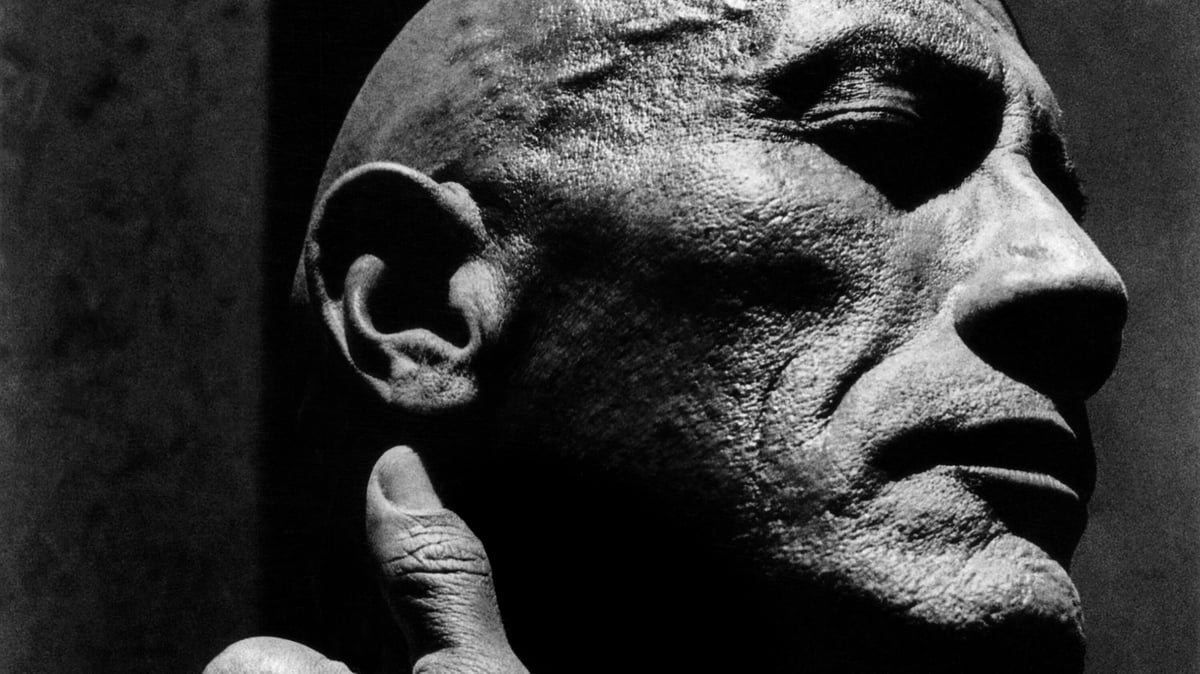
Didn’t think I was interested in a profile of Dwayne “The Rock” Johnson, but Sam Anderson can write. “It is a smile that makes you feel as if the sun is setting over an undiscovered tropical beach on which 10,000 baby sea turtles are about to hatch.”

Hey folks. I’m very excited to be heading to Japan for the first time next month. I’ll be there from mid-October for 3-4 weeks. The current plan is Tokyo, Kamakura, Kanazawa, Kyoto, Osaka, Koyasan, and perhaps Hiroshima — change my mind? If you’ve been there, please leave your recs in the comments below or drop me an email. If you live there or will be visiting at the same time, let’s meet up!
The photograph above is from Koya Bound by Craig Mod & Dan Rubin. The companion website to the book is great.
Even after reading a couple of reviews and watching the trailer, it’s difficult to understand what the Austrian film Little, Big, and Far is actually about. So here’s the official synopsis:
Austrian astronomer Karl is at a crossroads in his life and work. He finds his physicist wife growing distant and his job being reshaped by environmental crises as thoughts about science, fascism, and his grandson’s future spin above his head. After attending a conference in Greece, Karl decides not to return home and heads for a small island in hopes of finding a dark enough sky to reconnect with the stars. Abandoned at a remote mountain trail, he ascends and waits for darkness to fall.
Some advice: “finishing creative projects is a skill in and of itself. if you want to be able to finish large, complex projects, you have to _practice finishing things_. which usually means doing smaller projects.”
Disney dropped the trailer for The Mandalorian and Grogu today, a feature-length film that will debut in theaters in May 2026. As this Star Wars Explained breakdown, er, explains, that the trailer was going to come out earlier but:
Word on the street is that it was supposed to come out this past Friday, but Disney was and is in the middle of some hot water. Acting like cowards in the face of authoritarianism will do that, especially when one of the franchises you own {shows footage of Andor} is about the exact opposite.
Last week, Disney made the decision to pull Jimmy Kimmel Live from the schedule because of threats from the Trump regime, prompting protests. Kimmel returns to the air tomorrow night:
“Last Wednesday, we made the decision to suspend production on the show to avoid further inflaming a tense situation at an emotional moment for our country. It is a decision we made because we felt some of the comments were ill-timed and thus insensitive,” the company said in a statement. “We have spent the last days having thoughtful conversations with Jimmy, and after those conversations, we reached the decision to return the show on Tuesday.”
Super Mario Bros. Remastered is an open source, fan-created, remastered version of the original Super Mario Bros. The trailer is above.
The game includes new levels, custom modes and characters, a custom level editor, and more. You need the SMB1 NES ROM to play it — “none of the original assets are contained in the source code, unless it was originally made by us!”
You can download versions for Windows, Linux, and MacOS…check out all the options and details on Github.
Lāhainā Noon (aka zero shadow day) occurs twice a year in the tropics when the sun is directly overhead and vertical objects (like flagpoles) cast no shadows.
It’s Decorative Gourd Season, Motherfuckers. “It’s fall, fuckfaces. You’re either ready to reap this freaky-assed harvest or you’re not.”
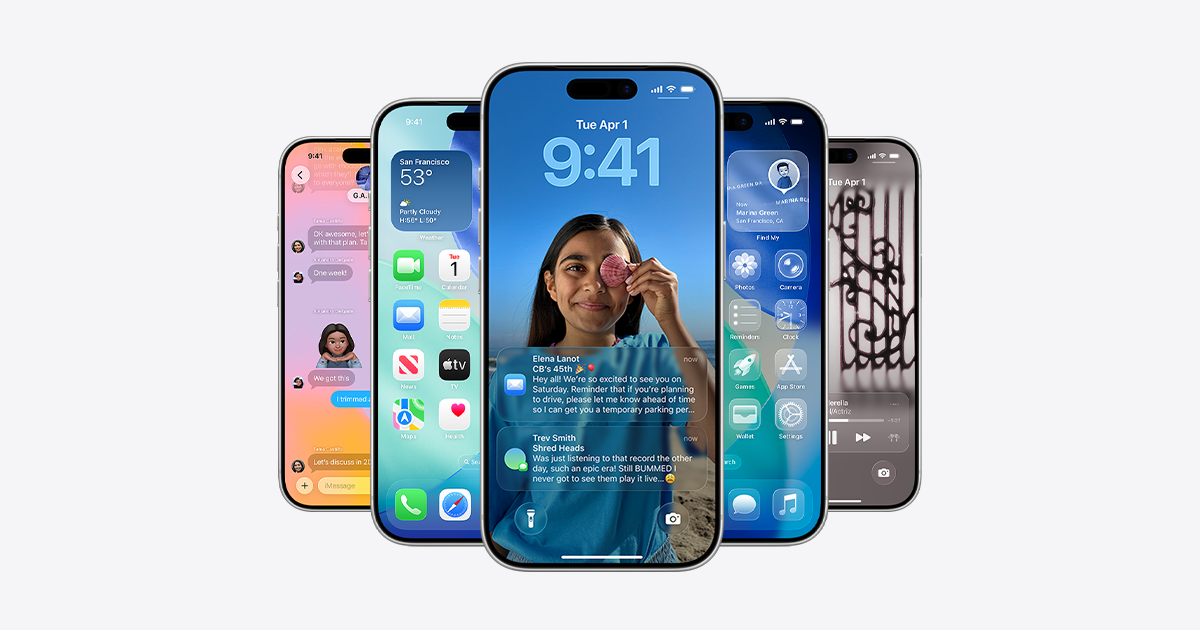
I’m usually pretty go-with-the-flow as far as OS updates go, but iOS 26 / Liquid Glass is terrible: incoherent, ugly, and difficult to use. Obviously a massive design effort, but they missed the mark IMO.
Physics of Fluids journal article: ‘Phase behavior of Cacio e Pepe sauce’. The authors found the dish entered the “Mozzarella Phase” when starch concentrations (relative to cheese) dropped below 1%, “corresponding to an unpleasant and separated sauce”.
Matt Webb: “Gin & tonic was invented by the East India Company to keep its colonising army safe [from malaria] in India. Bet the covid vaccine would have been more popular if it got you drunk.”
Inside the Top Secret Virgil Abloh Archive. For the first time, a look into the fashion collection of the late Off-White and Louis Vuitton creative director.
“AI developers haven’t figured out a way to train their models not to scheme. That’s because such training could actually teach the model how to scheme even better to avoid being detected.” (The same is true for children.)
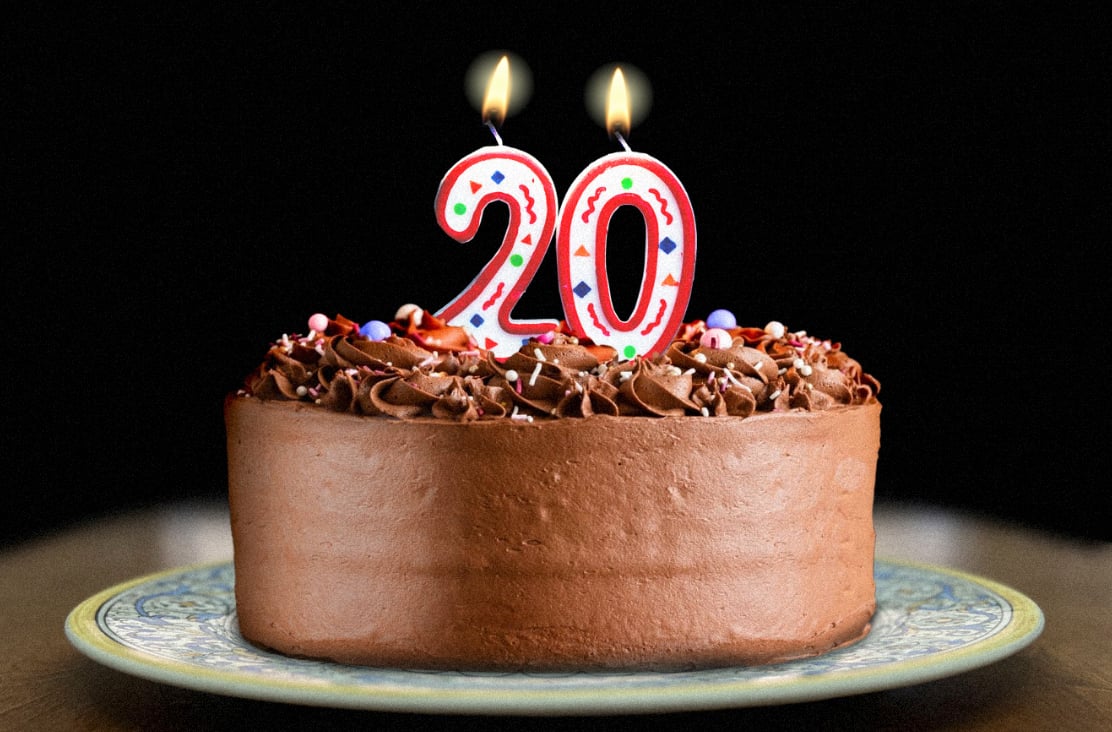
Damn Interesting celebrates its 20th birthday. “In 2005, YouTube, reddit, and Facebook were all still wet and screaming infants.”
Gear Brands With a Lifetime Warranty like Darn Tough Vermont, Osprey, Orvis, Patagonia, and Timbuk2.
A short documentary with the recorded sounds of a melting glacier.
When you look at this gigantic mass of ice, it’s hard to get a personal relationship to it. So we wanted to document this landscape to give us an idea of what it sounds like inside a glacier. There is also the sadness because you know that all these sounds are disappearing right now. Of course, melting is something natural for glaciers, but the problem is that nothing new is coming back.
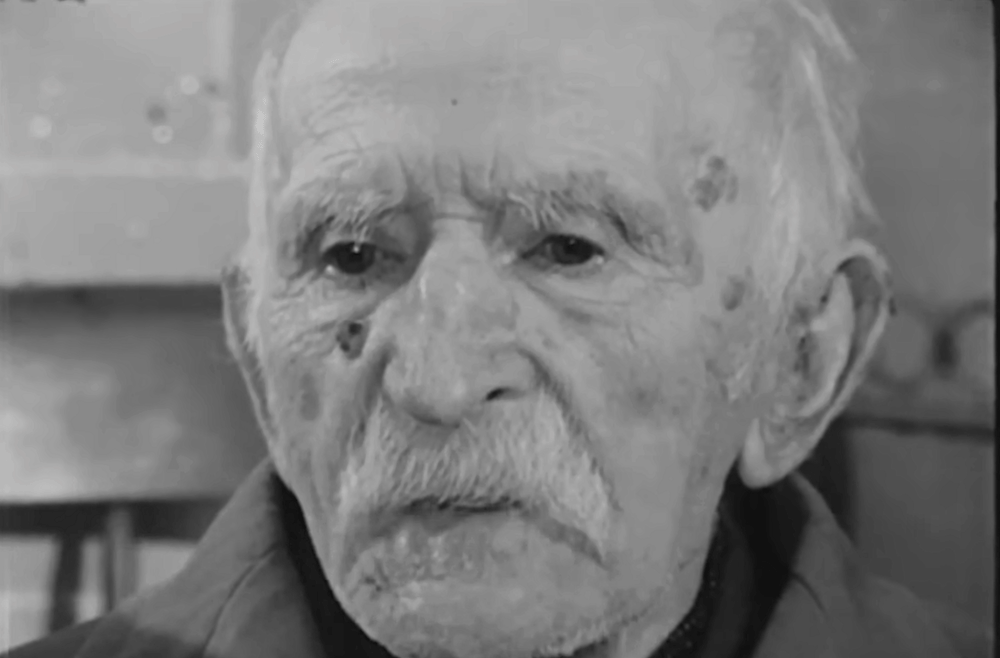
A 1965 television interview with a 107-year-old Irish farmer (born in 1858) on all the changes he’s seen during his life. Q: “What would you say was the biggest change?” A: “Well, machinery.”
The defining experience of fascism is “getting yelled at by dumbasses”.
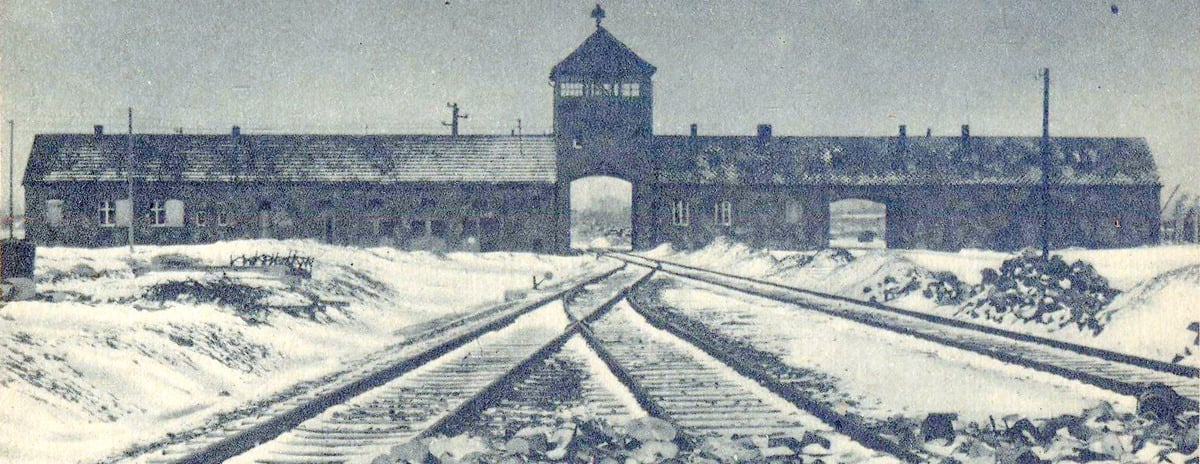
How the Women’s Orchestra of Auschwitz Survived the Death Camps. “I have been gripped by a need to understand more not only about the women in the Auschwitz orchestra…but also what hearing music in this inferno meant to the other prisoners.”
Gina Trapani writes about taking a sabbatical. “Take afternoon naps. Bigger things like foster a box of 6 kittens, do a 10-day silent retreat, quit coffee, start lifting, train for a triathlon, take vacations to explore…”
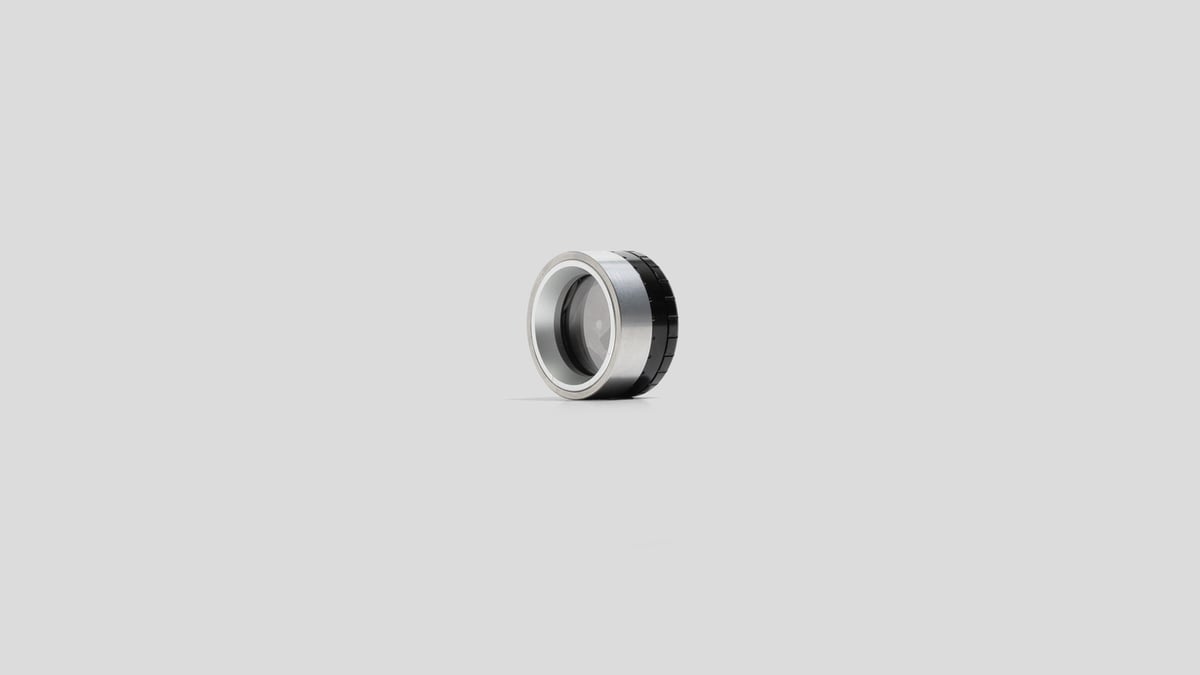
This sounds like a cool project: Pocket Fiche is a pocket-sized microscope that comes with a ultra-high resolution, nano-fabricated image. “Think of Pocket Fiche as the Earth bound version of the Voyager golden record.”
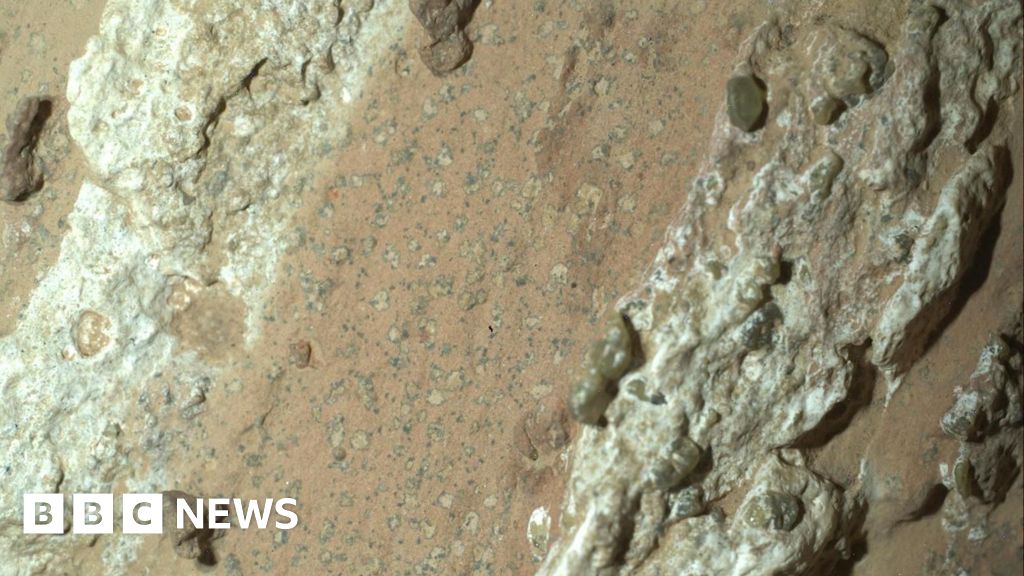
Some unusual rocks observed by NASA’s Perseverance rover “could be the clearest signs of life ever found” on Mars.
Hey folks, I know there’s a lot going on these days, but I wanted to update you on a few things I’ve been doing for the site lately. Alright, looking through my Git commits from the last couple of months:
- I already told you about the Rolodex. Hoping to provide access to the full list at some point.
- Replying to comments is now possible after sorting threads by date or popularity.
- Members can now see the last ~40 posts they have faved on their profile page (when logged in, click on your name in the upper right-hand menu and then “Profile”).
There are a few new gift‑link indicators that I added to the site — for links to sites like Defector, Aftermath, Hellgate, Slate, Medium, Talking Points Memo, in addition to the older ones like the New York Times, Washington Post, and The Atlantic. When I link to paywalled stuff, I try to post a gift link — here’s how the indicator looks if you’re reading on the site. (RSS readers, live a little and come in from the cold!)
- The video embeds for YouTube and Vimeo now use Lite YouTube Embed and Lite Vimeo Embed, which should decrease load times for those videos and eliminate much of the tracking those companies jam into their embeds.
- I revamped the footnotes so they no longer appear in a pop‑up; they now appear inline in the text and can be toggled on and off. You can try it right here ->1 I really like how it looks/works.
- There are avatars for each commenter in the comment threads. Right now, it’s just a simple, colorful circle with the first initial of the person’s display name. But hopefully in the future you’ll be able to customize it with a photo or whatever. A small first step.
- Most recently, I upgraded the share menu on posts. Previously, clicking the share button just copied the URL to your clipboard. Now you can copy the link, open it in a new window, translate the post (which sends you to Google Translate), and easily share the post on social media (Bluesky, Mastodon, and Threads), email, text/SMS/Messages, and WhatsApp.
I’ve been a little busy, I guess. The day-to-day posting has not been consistently sparking joy recently but digging into the guts of the site & making improvements has provided me with the heads-down, flowy focus that I need to stay emotionally and intellectually afloat these days. Thank you to KDO members for supporting this work and keeping the site free to read for all.2
I’d love to know what you think. Criticism and nice words are equally welcome. I’ve heard that some of you dislike the auto-expanding video player — does anyone actually love it as much as I do? I’ve gotten some early feedback that the comment avatars are too big (and I might agree with that).
“Let’s be clear about what just happened: Jimmy Kimmel, a prominent late-night comedian, was just taken off the airwaves because the Trump administration didn’t like what he had to say — and threatened his employer until they shut him up.”
Man pulls off daring scuba heist of Disney paddleboat restaurant, netting $10K-$20K before successfully escaping into the water from whence he came.
The “Debate Me Bro” Grift: How Trolls Weaponized The Marketplace Of Ideas. “The fundamental issue with “debate me bro” culture [is] that it creates a false equivalence between good-faith expertise and bad-faith trolling.”
How Agates Form, Why Minnesota Lakes Have So Many, & Where To Look For Them. I was always excited as a kid to go find agates at the lake (typically Lake Superior), but I didn’t know a) how they formed, or b) that you couldn’t find them just anywhere.
Inspired by a question over at Cup of Jo, what are the five things that are essential in your kitchen? Mine lean black & tan: balsamic vinegar, soy sauce, parmesan, olive oil, mayonnaise. (Honorable mention: chili oil.)


These are some of my favorite portrait illustrations from Sofia Bonati.
In her art you’ll find female portraits that invite you into a dreamlike world where the woman and her surroundings intertwine, connect. They are women with deep, mysterious looks, who want to tell us something.
I especially like the more geometric ones that radiate. Prints and original works are available in her shop. (via colossal)
The Climate Change Paradox. “Earth’s climate is chaotic and volatile. Climate change is simple and predictable. How can both be true?” Complexity & chaos theory are so interesting.
On the latest wave of AI/LLM tools. “It is a transition from working with a co-intelligence to working with a wizard. Magic gets done, but we don’t always know what to do with the results.”

Here’s a thing I didn’t know existed until the other day: credit-card sized trackers that you put into your wallet (or bag) that can be located with Apple Find My. Some come with long-life batteries and others are rechargeable. Some can play a sound when lost. This seems pretty handy for when an AirTag is too bulky.
The first one I stumbled across was this one from Paperwallet but there are also many other options.
“Trump told voters that they could indulge their resentments and still walk away richer and more prosperous. But they can’t. To embrace nativism in a global, connected economic world is to sacrifice prosperity for the sake of exclusion…”

Remember the collection of classic airline logos I linked to a few years ago? The folks at 08 Left have taken some of those old logos and put them on hats, t-shirts, and hoodies.
New from Neal Agarwal: a series of increasingly ridiculous and difficult captchas. I burst out laughing at the vegetables one.
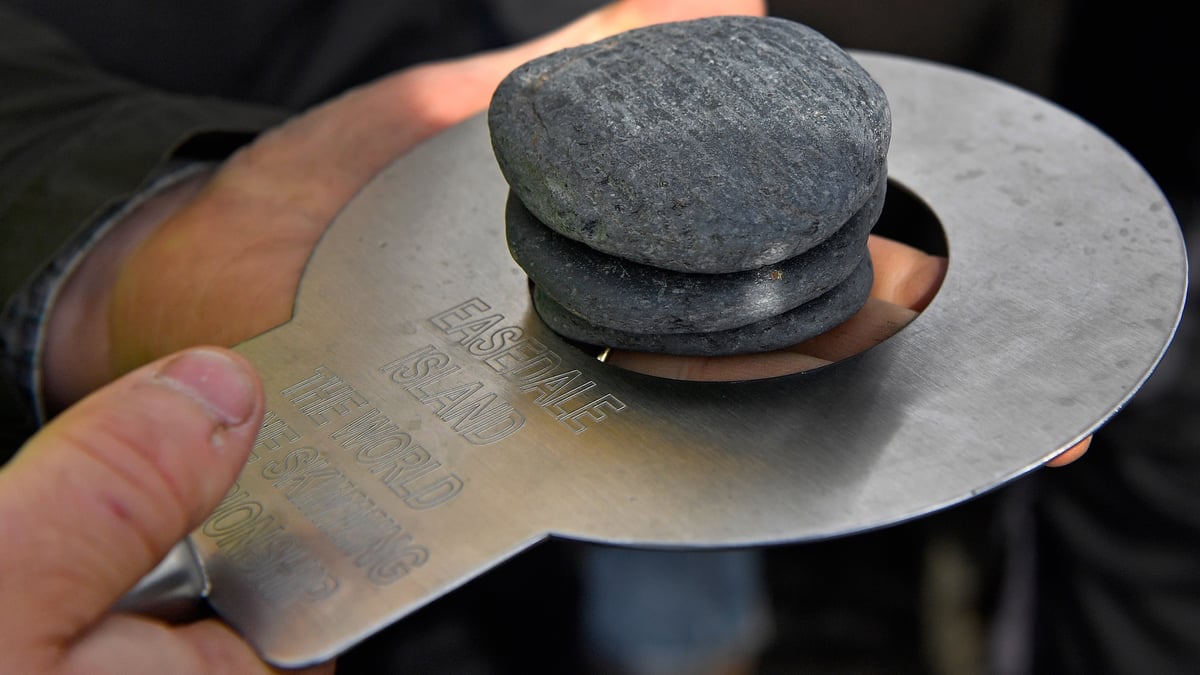
Scandal rocks international stone skipping contest. “The would-be cheaters admitted to the scheme by a show of hands and apologized for their misdeeds after the judges raised their suspicions.” Aww, so wholesome?
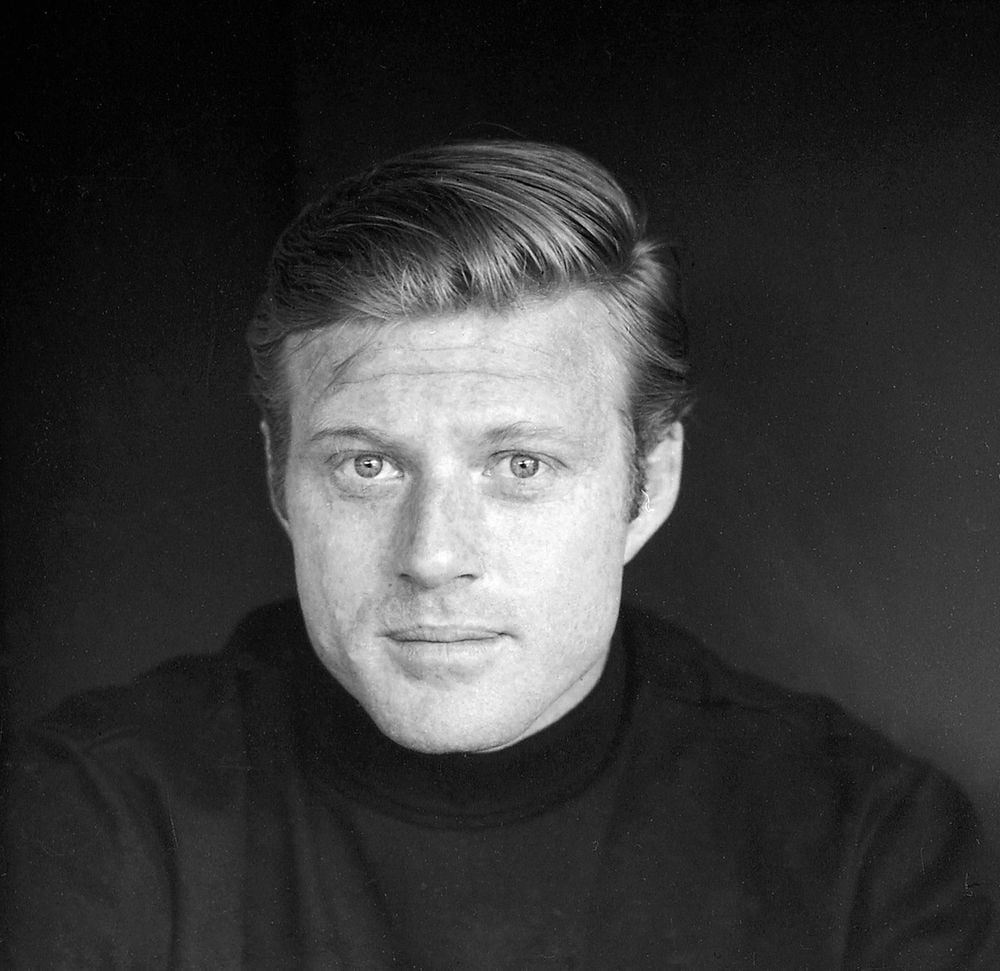
“Style lessons from Robert Redford, one of the most stylish men in the last century.” Derek Guy: “The 1970s is often written off as the ‘decade that taste forgot.’ But Redford shows how to do it well…”
Christian Marclay debuted his 24-hour film The Clock 15 years ago. The film is made up of thousands of clips from movies and TV shows that show timepieces or otherwise make reference to the time of day. I’ve seen chunks of it in a few museums & galleries and it’s wonderful.
Using this extraordinary minute-by-minute timeline of nearly all the scenes that make up The Clock, one person is attempting to reverse engineer the entire film. It’s not The Clock, but it’s A Clock. Here are a couple of excerpts:
Says the creator:
So, when I stumbled upon this Fandom Wiki, where the mysterious user ElevenFiftyNine had seemingly started the task of listing all the movies in The Clock, I couldn’t help myself; I started remaking the whole thing from scratch.
So, since I can’t really say this is The Clock, it is my best attempt at making a Clock, by following the excellent effort by ElevenFiftyNine.
A ten-minute excerpt is free on the website but you need to join the Patreon to watch the entire work-in-progress. According to their most recent update, the film is finished but the final version isn’t online quite yet; October 15th is the release date.
BTW, here’s the creator’s definition of “finished”:
I spoke some months ago about what 100% means for this project, and it is not that it is a fully perfect copy of Marclay’s work. The information available online is incomplete, and new information might appear in the future. For now, 100% means that all available information, is in a Clock.
And incredibly, they have never actually seen The Clock in person:
Unfortunately I have never had a chance to see The Clock, as it is only visible when exhibited at a museum. This is increasingly a rare occurrence, and even then, apparently the queues when it is on show, are monstrous. Never mind that it might be anywhere in the world!
Aside from the clips, I haven’t watched any of this yet, but it is a very tempting alternative to waiting for a rare showing somewhere I happen to be.
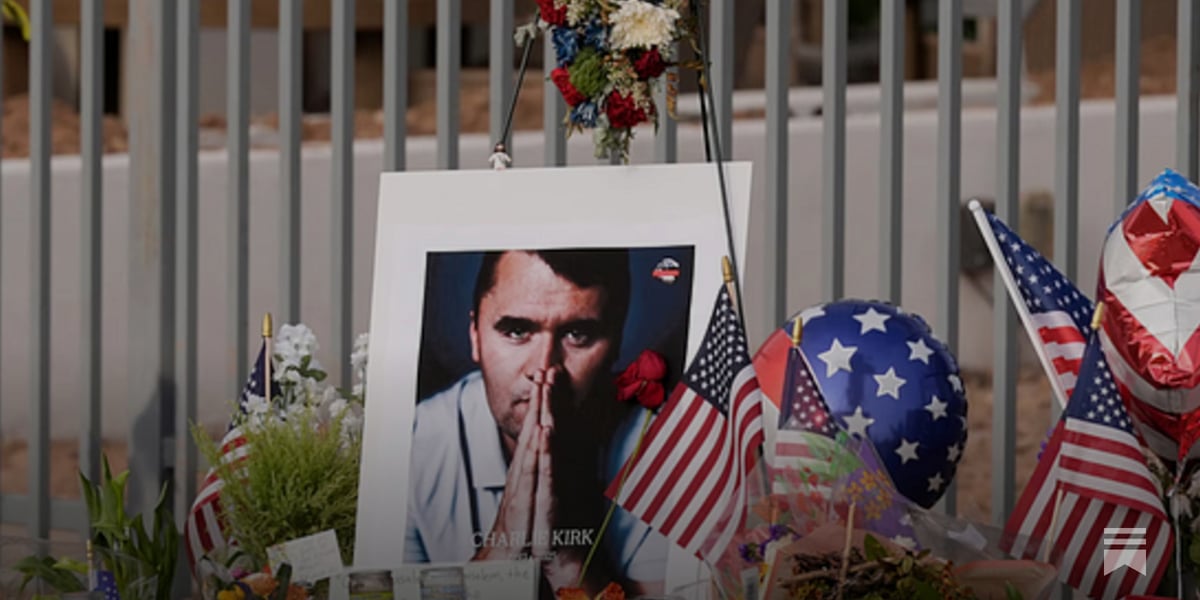
Ta-Nehisi Coates: ‘Charlie Kirk, Redeemed: A Political Class Finds Its Lost Cause’. “By ignoring the rhetoric and actions of the Turning Point USA founder, pundits and politicians are sanitizing his legacy.”
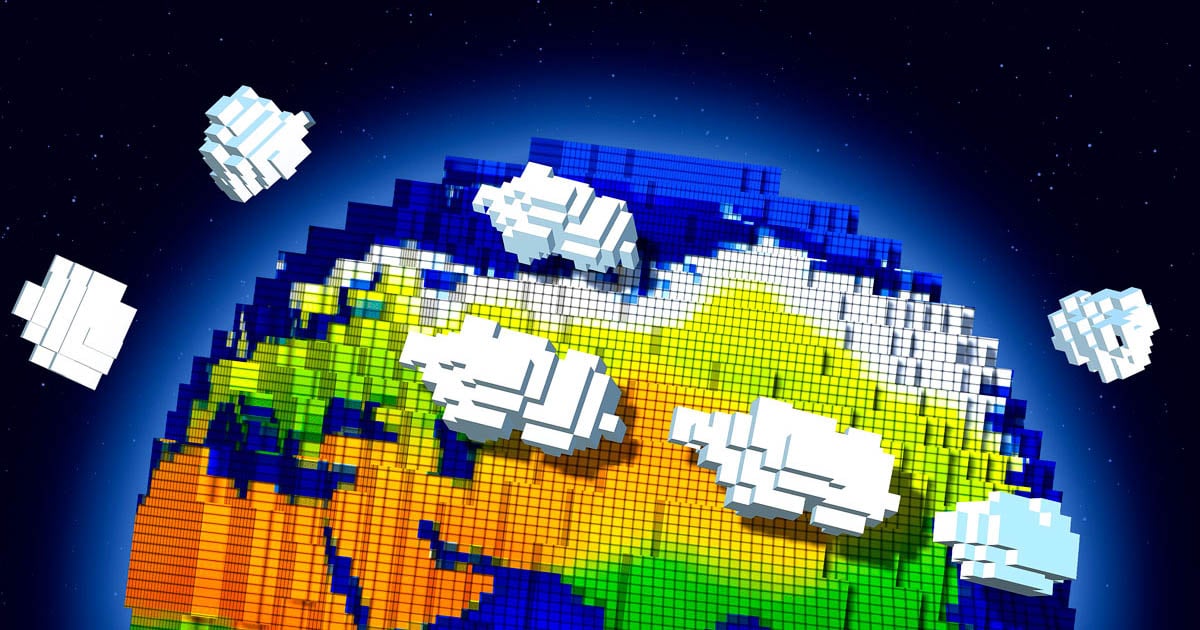
How Climate Scientists Saw the Future Before It Arrived. “‘The goal of climate modeling is really to build a fake version of the Earth,’ a coarse-grained copy of the planet that’s stripped down to ‘the processes we think are relevant.’”

A gem of a find by The Public Domain Review of a collection from the Rijksmuseum: photographs of plaster models of the Moon’s surface that were made from observations of the Moon through a telescope.
Peering through a self-made telescope, James Nasmyth sketched the moon’s scarred, cratered and mountainous surface. Aiming to “faithfully reproduce the lunar effects of light and shadow” he then built plaster models based on the drawings, and photographed these against black backgrounds in the full glare of the sun. As the technology for taking photographs directly through a telescope was still in its infancy, the drawing and modelling stages of the process were essential for attaining the moonly detail he wanted.
These are incredible; I love them so much. While Nasmyth’s models were spikier than the Moon’s actual surface, they still look amazingly realistic for something produced in the 1870s. (The 1870s!)


The book from which these were taken also contains this page, where Nasmyth seems to hypothesize that certain mountain ranges on the Moon (and Earth?) are formed by “shrinkage of the globe”:

You win some, you lose some. 🤷♂️
See also Henry Draper’s photographs of the Moon from the 1860s and 1870s.
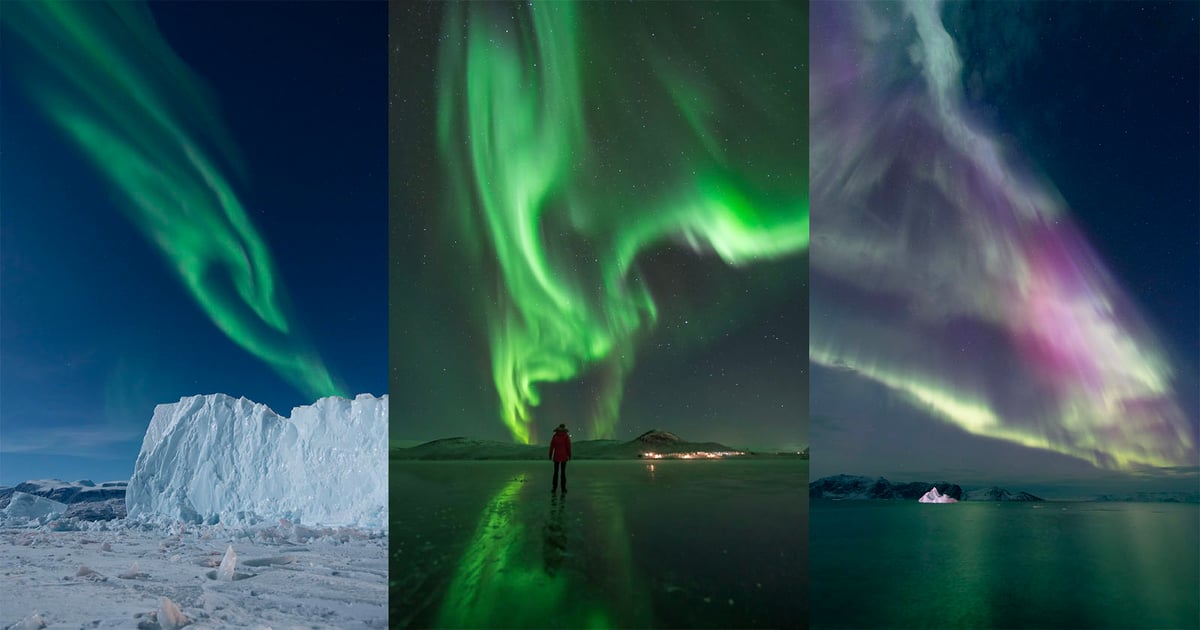
Photographer Upends His Whole Life to Chase Auroras Around the Arctic. “Prior to moving to Lapland, I had never owned a camera and I almost never took photographs. However, just watching the aurora captured my attention…”
From the Weird History YouTube channel, an epic undertaking: telling the (US-centric) cultural history of the 70s, 80s, 90s, and 00s in just (just!) 16 hours.
This is like a mega ultra monster extended mix of We Didn’t Start the Fire. The videos are organized chronologically, with each year taking 15-30 minutes to summarize, so you can watch small bits here and there instead of having to ingest a whole decade in one go.
Newer posts
Older posts












Socials & More