Entries for July 2023
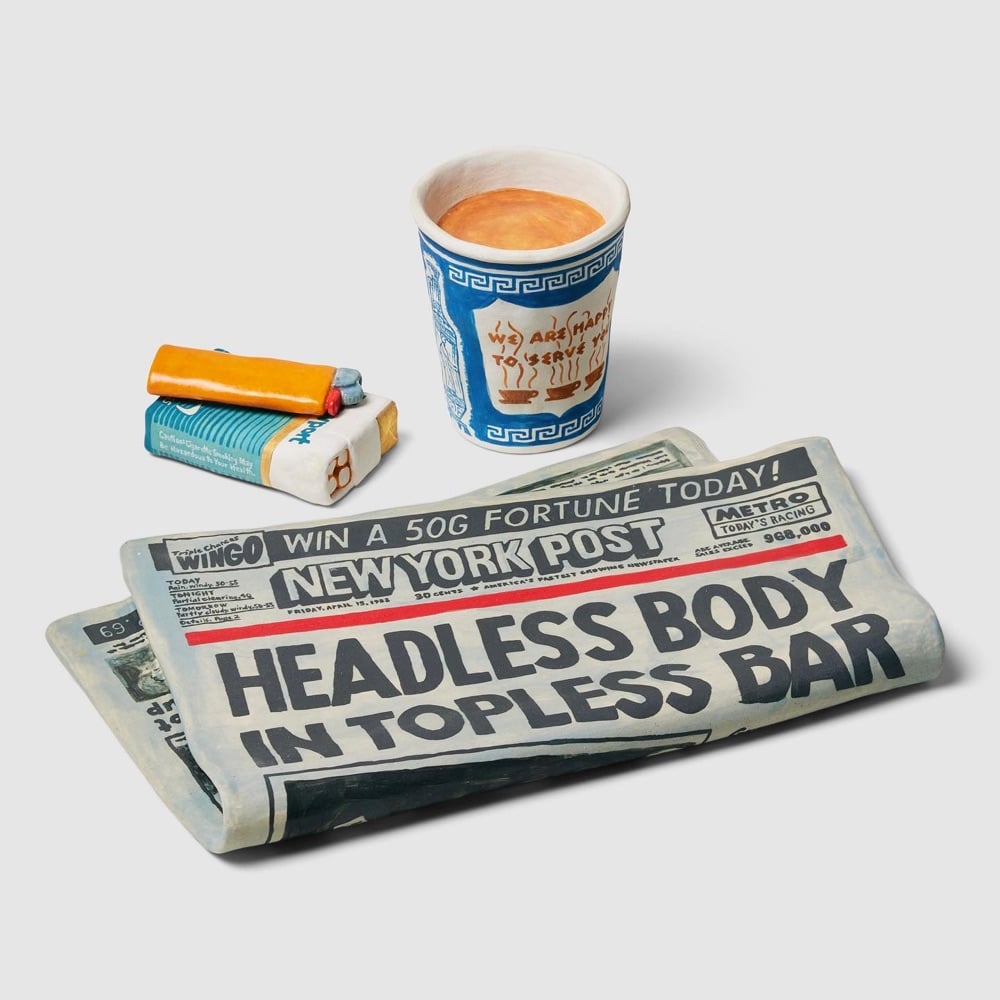
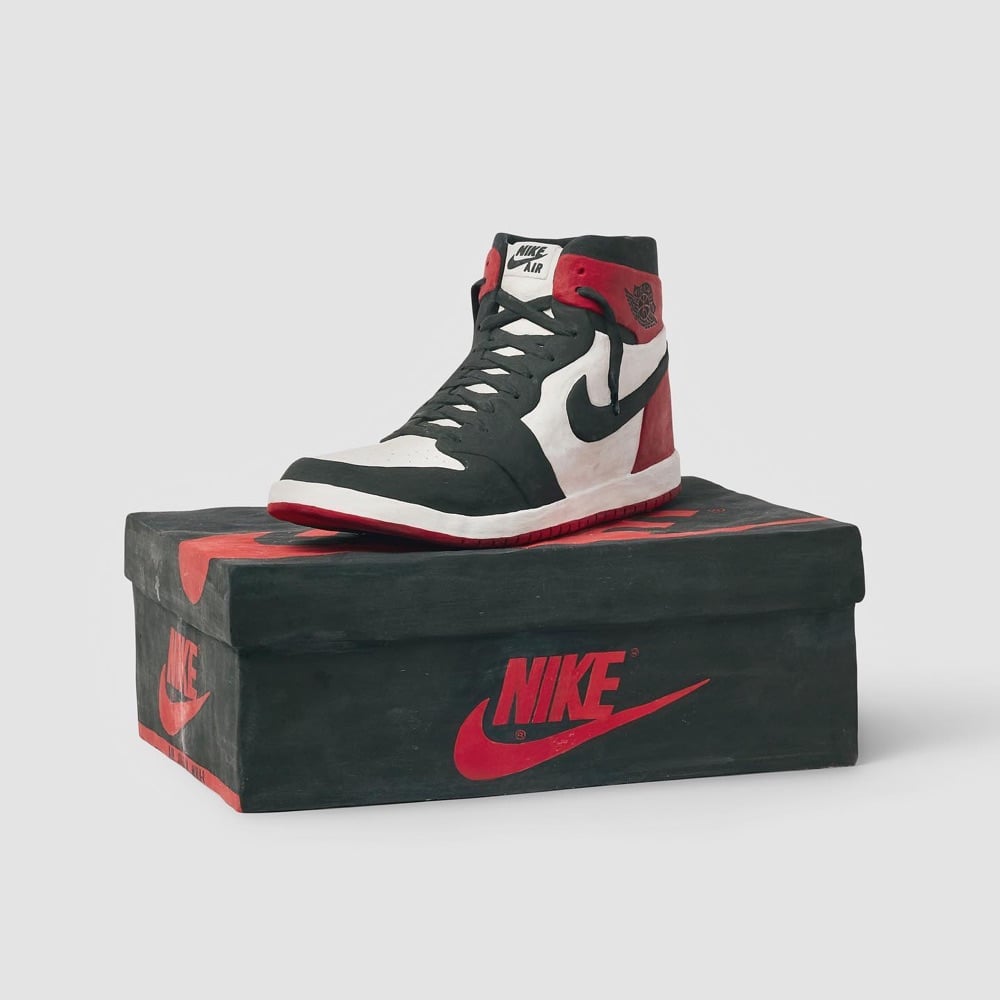

Stephanie Shih is a Brooklyn-based ceramic artist who makes painted sculptures of ordinary objects like food, shoes, hats, and signs. A recent exhibition focused on the overlap of immigrant communities of Asians and Jews on NYC’s Lower East Side and Chinatown.
A few yards from where the Bernstein-on-Essex sign hangs is a long table that displays Shih’s sculpted takes on other iconic food and drink, like a bilingual bottle of Soy Vay Veri Veri Teriyaki, roast pork on garlic bread, Golden Plum Chinkiang Vinegar, and a can of Dr. Brown’s Cel-Ray Soda.
“A lot of my solo shows are about this idea of authenticity,” says Shih, who has been working in ceramic full-time since 2015. “There are no cultures that are untouched by other cultures. These are two communities that grew up alongside each other. It was not always friendly, but simply from proximity and the fact that they were the two largest non-Christian immigrant groups, they had commonalities.” For example, she says, the tradition of Jews eating Chinese food on Christmas began right near Harkawik, on the Lower East Side.
You can find much more of her work on Instagram.
Messi in Miami Feels Bittersweet. “The greatest soccer player of all time has entered the farewell-tour phase of his career.”
A brief review of the emerging field of spatial biology, which is already driving medical discovery. “You can think of it as generating the Google Map for the entire healthy adult human body at the single-cell level.”
From natural rubber to hundreds of bands in a box, here’s how a Japanese manufacturing firm makes rubber bands.
Fun fact about me: I always have a rubber band or two on my wrist…I’ve been wearing them for no particular reason since I was 17. So this video is right up my alley. (via digg)
When you apply power with higher-than-normal voltage to electric kids toys, they tend to move faster. When you apply 30V instead of the usual 2.5V or 5V, they move really fast:
This reminds me of when I was in grade school. Does anyone remember Stompers? They were battery-operated cars and trucks that were bigger than HotWheels and, while not remote-controlled, were able to move around under their own power. But they weren’t that speedy…maybe they could do 1-2 mph.
Anyway, some kid at school figured out that you could remove the AA battery, connect wires to the battery terminals, and then connect those wires to as many C- and D-cell batteries as you could gang together in a series. So instead of the usual 1.5V, you could pump 4.5V, 6V, 7.5V, or even 9V into those tiny cars. And boy, did they go. We could barely keep up as we raced them against each other down the halls, running behind them holding our battery packs. But the thrills were short-lived — I think the school banned them and all that current burned the tiny Stomper motors out after awhile. Fun while it lasted though! (via waxy)
We Need to See More Parents Having Abortions in Film and Television. “Parents are the most common abortion patients yet storylines about the medical choice almost always revolve around single teens.”
The Earth is in uncharted climate territory. “I’m not aware of a similar period when all parts of the climate system were in record-breaking or abnormal territory.”
For the past 13 years, former Secretary of Labor Robert Reich has taught a class called Wealth & Poverty at UC Berkeley. He retired from teaching this year and has uploaded his lectures from the course to YouTube.
Welcome to my final UC Berkeley course on Wealth and Poverty. Drawing on my 40+ years in politics, including my time as secretary of labor, I offer a deeper look at why inequalities of income and wealth have widened significantly since the late 1970s in the United States, and why this poses dangerous risks to our society.
This course also offers insights into the political and public-policy debates that have arisen in light of this inequality, as well as possible means of reversing it.
Here’s the first lecture, What’s Happened to Income & Wealth:
Reich has also published an abbreviated syllabus for each of the classes; links can be found in his course introduction (here’s class #1).
“What happens when an editor who runs a breaking news team for The Times turns off his phone and takes a weeklong vow of silence at a meditation retreat?” One of these days, I should figure out a meditation practice.
Twitter begins the process of rebranding to X. Ha ha ha ha ha ha ha ha ha ha ha ha ha ha. What a colossal dope.
This is fun: Aqua’s pop hit Barbie Girl, redone in the style of six classical composers: Mozart, Beethoven, Schumann, Schubert, Chopin, and Ravel. (via @Erikmitk)
‘From home’ is a work of conceptual art by Peter Liversidge that consists of a 38-meter-long measuring tape that is uncoiled 3.8cm each year on July 20 to represent how much further we are from the moon. It will be fully unrolled in 2969.
Every Christopher Nolan movie, ranked by the AV Club. Oppenheimer is a surprise #1. My #1 would be Dunkirk or maybe Inception. But I’ve always preferred The Dark Knight Rises to The Dark Knight so grain of salt and all that.
To help celebrate 50 years of hip-hop, Cypress Hill visited NPR’s studios to perform a Tiny Desk Concert.
While the term “pioneer” is used loosely in pop culture today, few terms describe Cypress Hill’s impact over the past three decades more adequately. They are the first Latino hip-hop group to achieve platinum and multi-platinum status. B Real, Sen and producer DJ Muggs crafted a sound in the ’90s that stretched beyond regional boundaries. It was dark, psychedelic and at times directly addressed mental health before the topic was commonplace. Many dismissed the group as “stoner rappers,” yet the members were fervent advocates for the legalization of weed long before it came to fruition.
Really enjoyed this one…I’m not a particular fan of Cypress Hill but after this, maybe I am?
Dutch crows and magpies are building nests out of anti-bird spikes. “Even for me as a nest researcher, these are the craziest bird nests I’ve ever seen.”

It’s always fun to see what the former President is planning on reading over the summer. Here’s his full list:
I’ve read The Wager (so good!) and have been wanting to dig into Matthew Desmond’s book but most of the rest of these are new to me.
Right now, I’m reading Hugh Howey’s Wool (after inhaling the first season of Silo) and American Prometheus (after seeing Oppenheimer last night) — I’m sensing a pattern here…
I saw Oppenheimer last night (great!) and the first thing I did when I got home was to order the book on which it’s based, the Pulitzer-winning American Prometheus: The Triumph and Tragedy of J. Robert Oppenheimer.
Long-time readers will recall that I used to link to Flash games pretty regularly. They were typically easy to play and hard to put down — I collected them under the addictive Flash games tag. The collective time and energy spent by kottke.org readers playing these games over the years is, well, I don’t even want to take a guess. So, it is with regret for the rest of your workday that I pass along this site that contains playable versions of tens of thousands of Flash games, including many of the ones I’ve collected. Here are several that you might remember:
Good luck with all that…I only escaped after an hour of poking around. 😬 (via waxy)
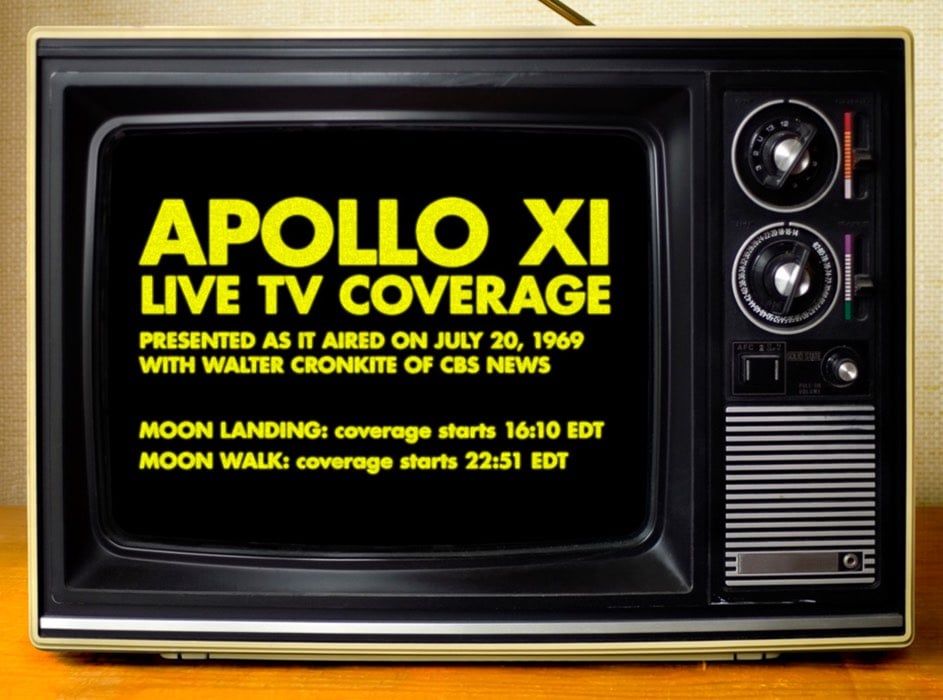
54 years ago today, on July 20, 1969, Neil Armstrong & Buzz Aldrin landed on the Moon and went for a little walk. For the 15th year in a row, you can watch the original CBS News coverage of Walter Cronkite reporting on the Moon landing and the first Moon walk on a small B&W television, synced to the present-day time. Just open this page in your browser today, July 20th, and the coverage will start playing at the proper time. Here’s the schedule (all times EDT):
4:10:30 pm: Moon landing broadcast starts
4:17:40 pm: Lunar module lands on the Moon
4:20:15 pm - 10:51:26 pm: Break in coverage
10:51:27 pm: Moon walk broadcast starts
10:56:15 pm: First step on Moon
11:51:30 pm: Nixon speaks to the Eagle crew
12:00:30 am: Broadcast end (on July 21)
Set an alarm on your phone or calendar! Also, this works best on an actual computer but I think it functions ok on phones and tablets if necessary.
Back in 2018, I wrote a bit about what to look out for when you’re watching the landing:
The radio voices you hear are mostly Mission Control in Houston (specifically Apollo astronaut Charlie Duke, who acted as the spacecraft communicator for this mission) and Buzz Aldrin, whose job during the landing was to keep an eye on the LM’s altitude and speed — you can hear him calling it out, “3 1/2 down, 220 feet, 13 forward.” Armstrong doesn’t say a whole lot…he’s busy flying and furiously searching for a suitable landing site. But it’s Armstrong that says after they land, “Houston, Tranquility Base here. The Eagle has landed.”. Note the change in call sign from “Eagle” to “Tranquility Base”. :)
Two things to listen for on the broadcast: the 1201/1202 program alarms I mentioned above and two quick callouts by Charlie Duke about the remaining fuel towards the end: “60 seconds” and “30 seconds”. Armstrong is taking all this information in through his earpiece — the 1202s, the altitude and speed from Aldrin, and the remaining fuel — and using it to figure out where to land.
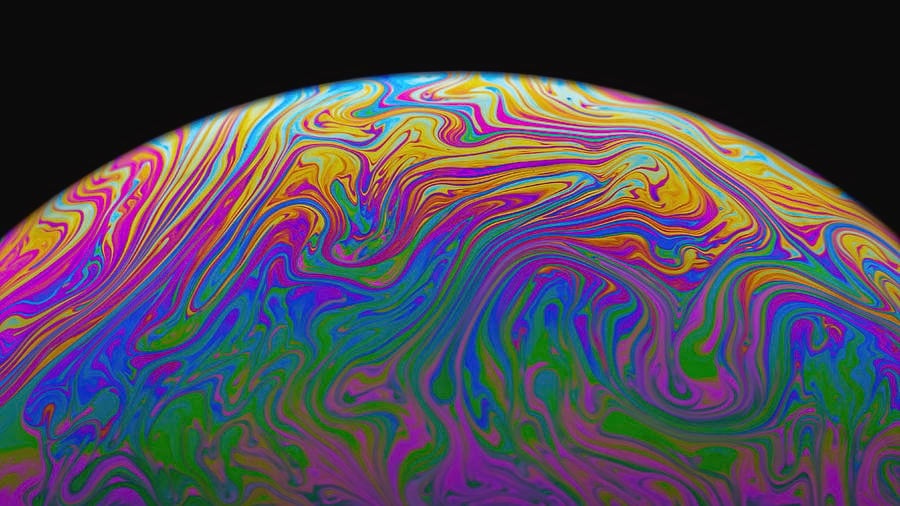
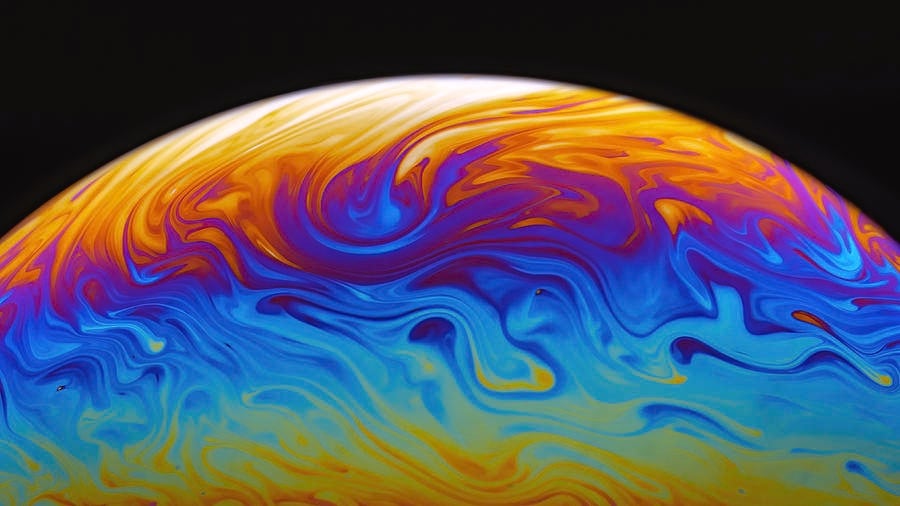
After my post about Soap Bubble Worlds yesterday, several people sent me this video of the rainbow colors that can be seen on the surface of and in the steam above a swirling cup of hot water. I was expecting a straight-forward visual display accompanied by some relaxing music (and that version does exist) but it also includes a fascinating explanation of where all these colors and swirls come from.
Scientific investigations into beautiful phenomena always makes me think of physicist Richard Feynman’s thoughts on beauty:
I have a friend who is an artist, and has sometimes taken a view which I don’t agree with very well. He’ll hold up a flower and say “Look how beautiful it is” and I’ll agree. And he says, “you see, as an artist I can see how beautiful this is, but you as a scientist take this all apart and it becomes a dull thing.” And I think that he’s kind of nutty.
First of all, the beauty that he sees is available to other people, and to me too, I believe - although I may not be quite as refined aesthetically as he is, but I can appreciate the beauty of a flower. At the same time, I see much more about the flower than he sees. I could imagine the cells in there, the complicated actions, which also have a beauty. I mean, it’s not just beauty at this dimension of one centimeter, there’s also beauty at smaller dimensions. The inner structure, also the processes, the fact that the colors and the flower are evolved in order to attract insects to pollinate it is interesting. It means that insects can see the color.
It adds a question: Is this aesthetic sense also exist in the lower forms that… why is it aesthetic… all kinds of interesting questions which the science, knowledge, only adds to the excitement, and mystery, and the awe of a flower. It only adds. I don’t understand how it subtracts.
(thx, everyone)
It’s Summer Vacation. Does the Media Know Where Clarence Thomas Is? “As corruption scandals ooze from the muck of the Supreme Court, it’s time for the media to up their reporting game.”
Big Ben is a collection of 86,400 word search puzzles, one for each second of the day.
“Art is for everyone — or is it? In New York City, ticket prices for some museums and institutions are raising eyebrows.” Single-day tickets at the Whitney and the Met are $30; and others like MoMA and the Guggenheim aren’t far behind.
The 2023 SCOTUS Awards. “As this court has repeatedly shown, there’s no limit to its ability to astonish the nation by going beyond our ordinary fears.”

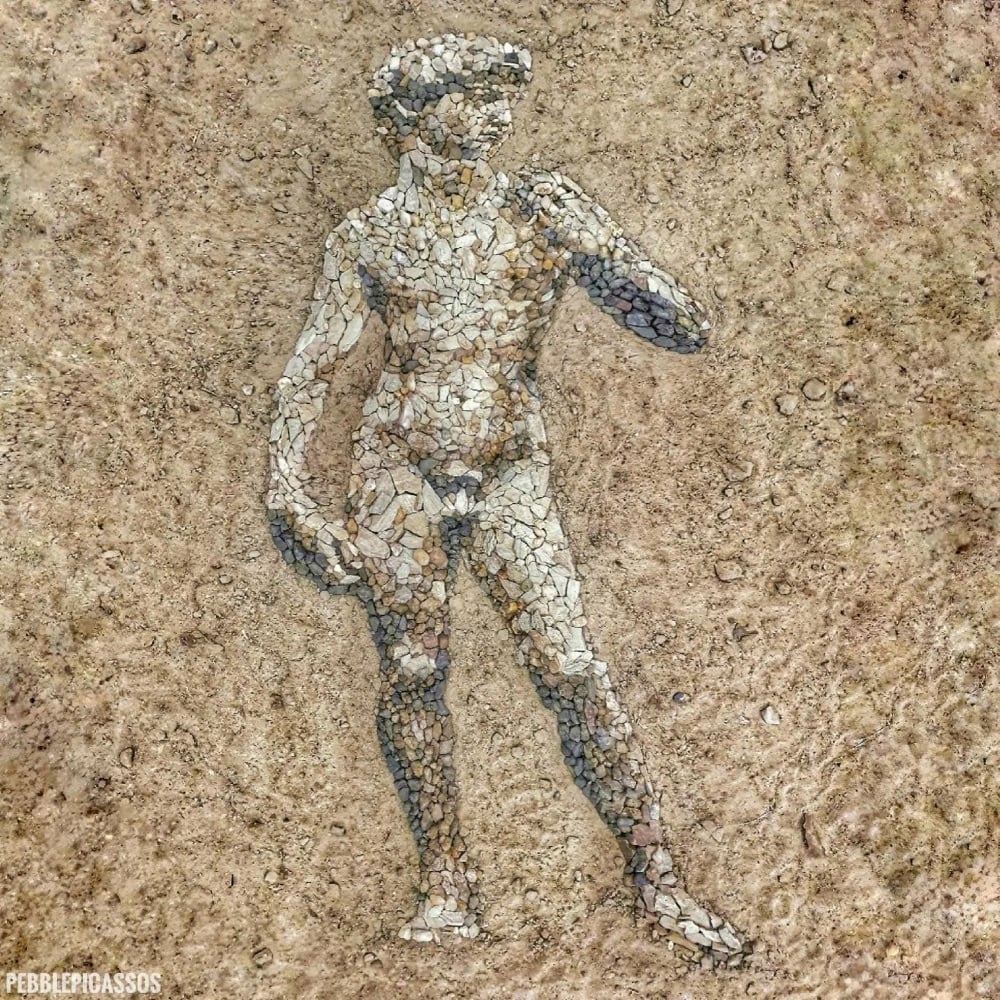
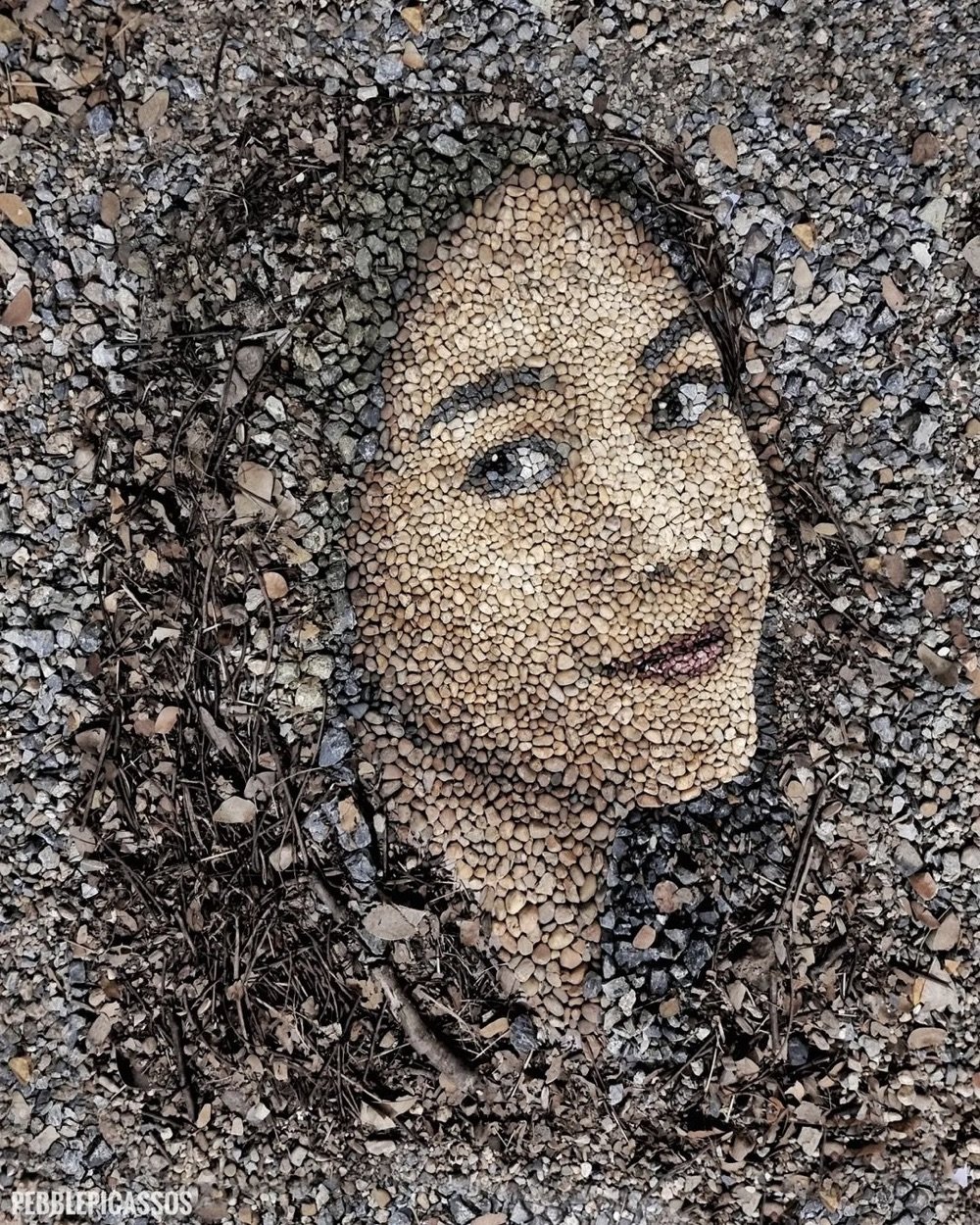
British land artist Justin Bateman makes these incredible portraits of people and objects using small stones and pebbles he finds in locations around his home in Chiang Mai, Thailand. Each portrait is documented and then left to atrophy, either by rain, wind, or human/animal intervention.
See also these stone alphabets by Clotilde Olyff. Prints are available. (via my modern met)
Sweden Sans is the national typeface of Sweden and is available to download (not sure about the usage rights tho).
From rapid cooling body bags to ‘prescriptions’ for AC, doctors prepare for a future of extreme heat. As extreme temperatures become more common, our health care systems need to treat it like the public health emergency it is.
Interesting analysis of why Facebook would want to support the ActivityPub with Threads: they can keep control over their users’ identities and data while allowing interaction with other instances.
A team-by-team preview of the 2023 Women’s World Cup, which starts tomorrow. Several teams, including USA, France, England, and Germany, all have realistic chances of winning it all.
This advertisement from Orange, the French telecom company, about the French national football team is one of the best commercials I’ve seen recently. I don’t want to tell you too much about it because the impact of it comes from watching it, so just watch it and you’ll see. And afterwards, you can read more about the ad here.
What I learned from taking a train across the US. “Will the United States ever catch up to the rest of the world when it comes to train travel, or are Americans stuck with an underfunded, inefficient rail network forever?”
This little app helps you construct a workout routine; you pick your equipment, what muscles you’d like to target, and it selects exercises for you from MuscleWiki. I wish it had an “all-body” setting.
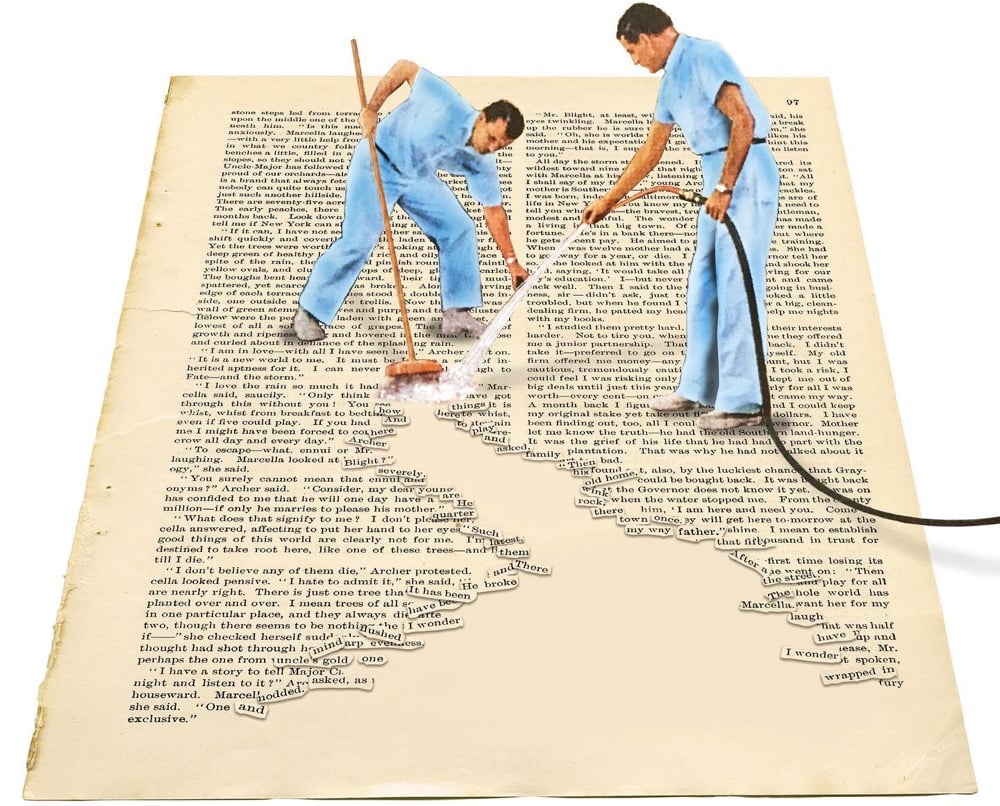
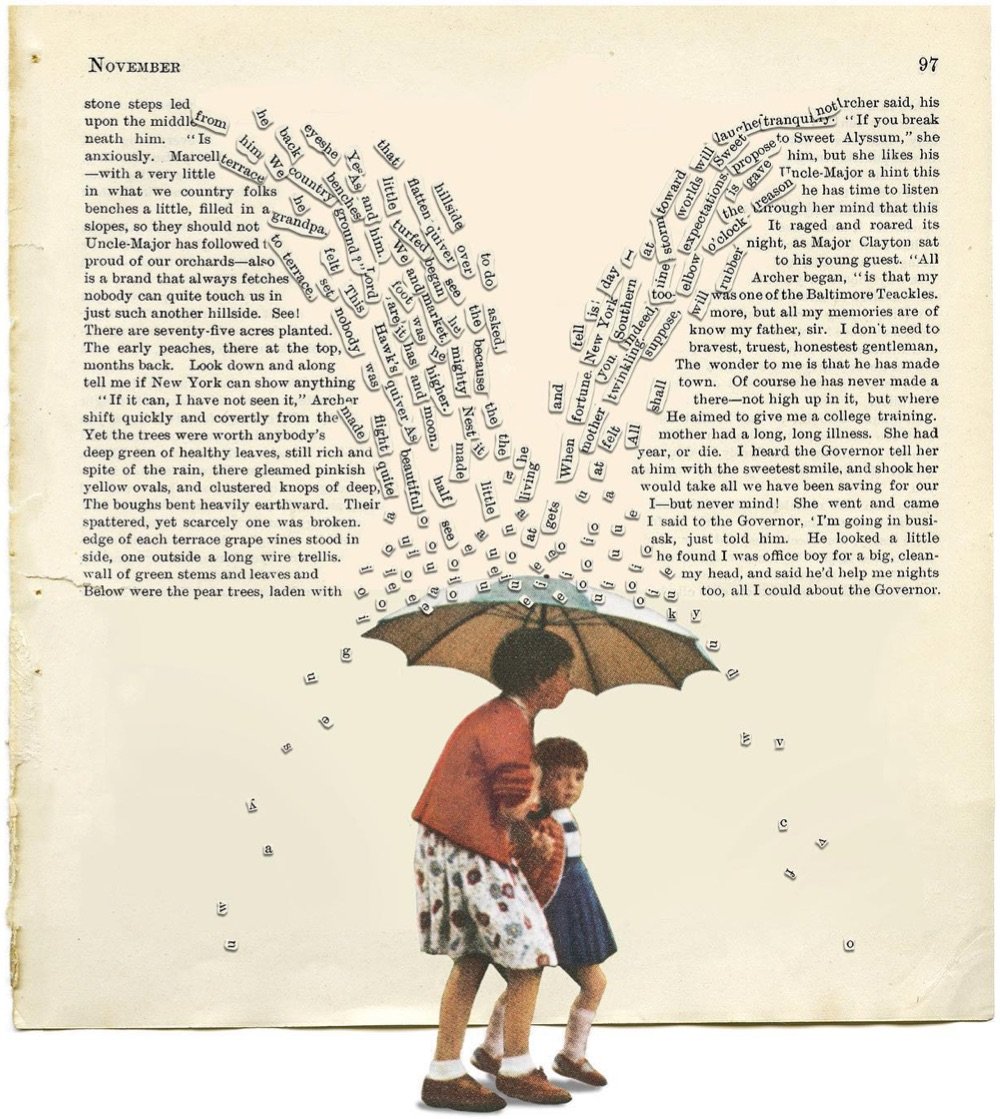
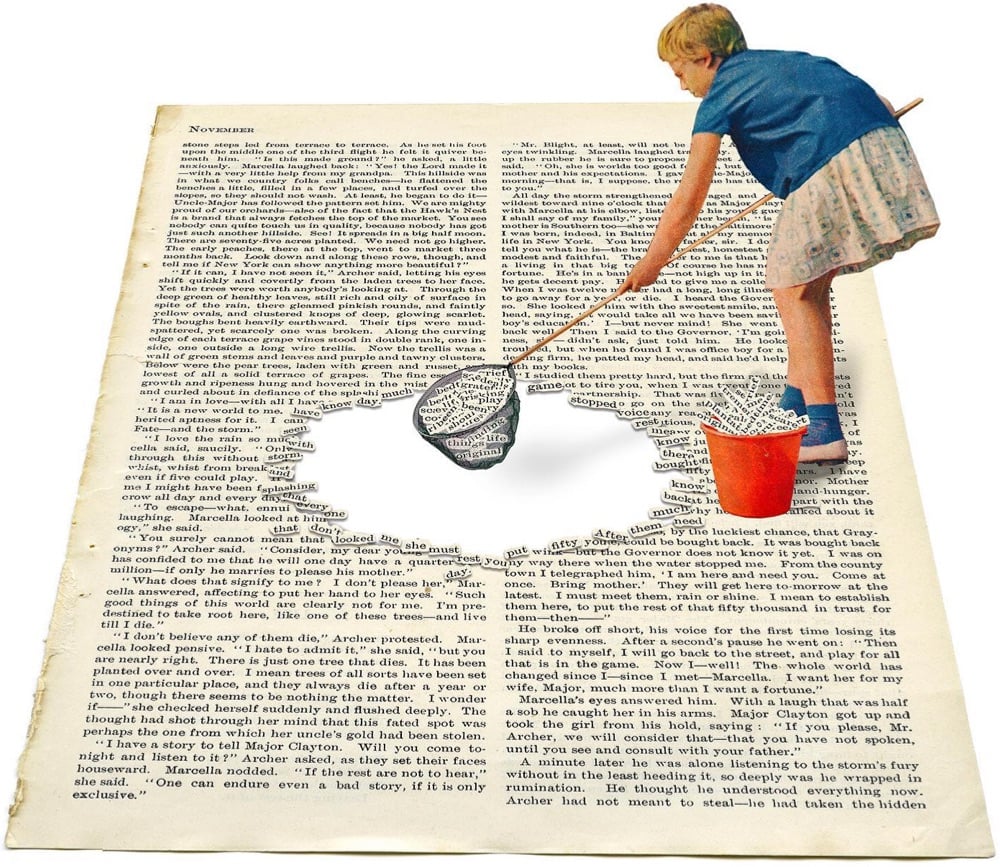
Among the many creative collages by Dutch art director Toon Joosen is this series of images of people interacting with the pages of books in fun ways. You can check them out on his Instagram or purchase some of them as prints on his Etsy shop.
When you think of directors that have influenced Wes Anderson, you typically think of Truffaut, Godard, Scorcese, and Ashby. But as you’ll see in this video of Anderson pulling out some recommended films from this Paris video store, his taste in movies is broad. There’s Drunken Angel (Kurosawa), A Streetcar Named Desire (Kazan), Vagabond (Varda), Birth (Glazer), Bridge of Spies (Spielberg), and Witness (Weir).
Of Spielberg, Anderson says:
If you make movies, if you direct movies, this is somebody who can help you. You looked at his movies for solutions. He usually found a way to do it right. He’s one of my favorites.
(via open culture)
The Businessmen Broke Hollywood. “Under pressure to deliver to Wall Street, too many CEOs have lost the plot of their own movie.”
Finding the restaurant with the highest number of brothers. “Maybe there is no upper limit to restaurant brothers. Maybe it’s infinite. Maybe we aren’t meant to know.”
20 ways to fancy up your food on a budget, including using parmesan rinds for extra umami, retain and use fats, lemon zest (acid!), and chili sauce (or chili oil). My addition (from Kenji): white miso paste for an umami punch.
Could an Industrial Civilization Have Predated Humans on Earth? “Geological processes such as tectonic plate subduction and glaciation could easily erase evidence of ancient urbanization.” But global carbon signatures on the other hand…
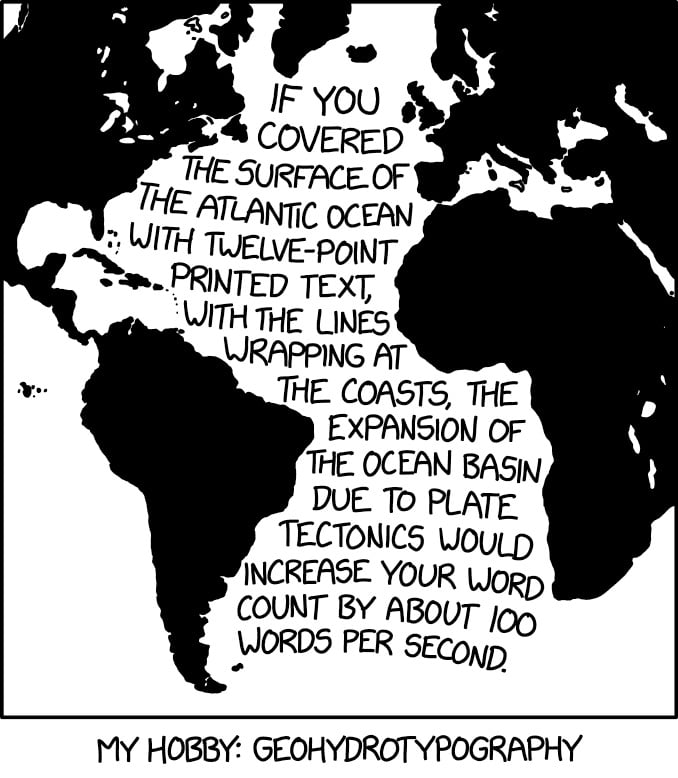
This, from XKCD, hits my science and design interests right in the sweet spot.
If you covered the surface of the Atlantic Ocean with twelve-point printed text, with the lines wrapping at the coasts, the expansion of the ocean basin due to tectonics would increase your word count by about 100 words per second.
This reminds me of Ben Terrett’s calculation of how many helveticas from here to the Moon and my subsequent calculations about the point size of the Earth and the Moon (50.2 billion and 13.7 billion, respectively).
Classic children’s books, rewritten for conservatives, including Blue Lives Matter for Sal, The Taking Tree, The Snowy Day Is a Clear Indicator that Climate Change Is a Hoax, and The Boxcar Children Are Ruining San Francisco.
This is a supercut of the final moments of the Titanic as represented in various films and TV shows, from 1912’s La Hantise to a 2012 British TV series written by Downton Abbey’s Julian Fellowes. It also doubles as a demonstration of the increasing capabilities and aspirations of filmmakers and their special effects teams throughout the years, although in terms of budget and effort, James Cameron’s effort in 1997 marks the high point.
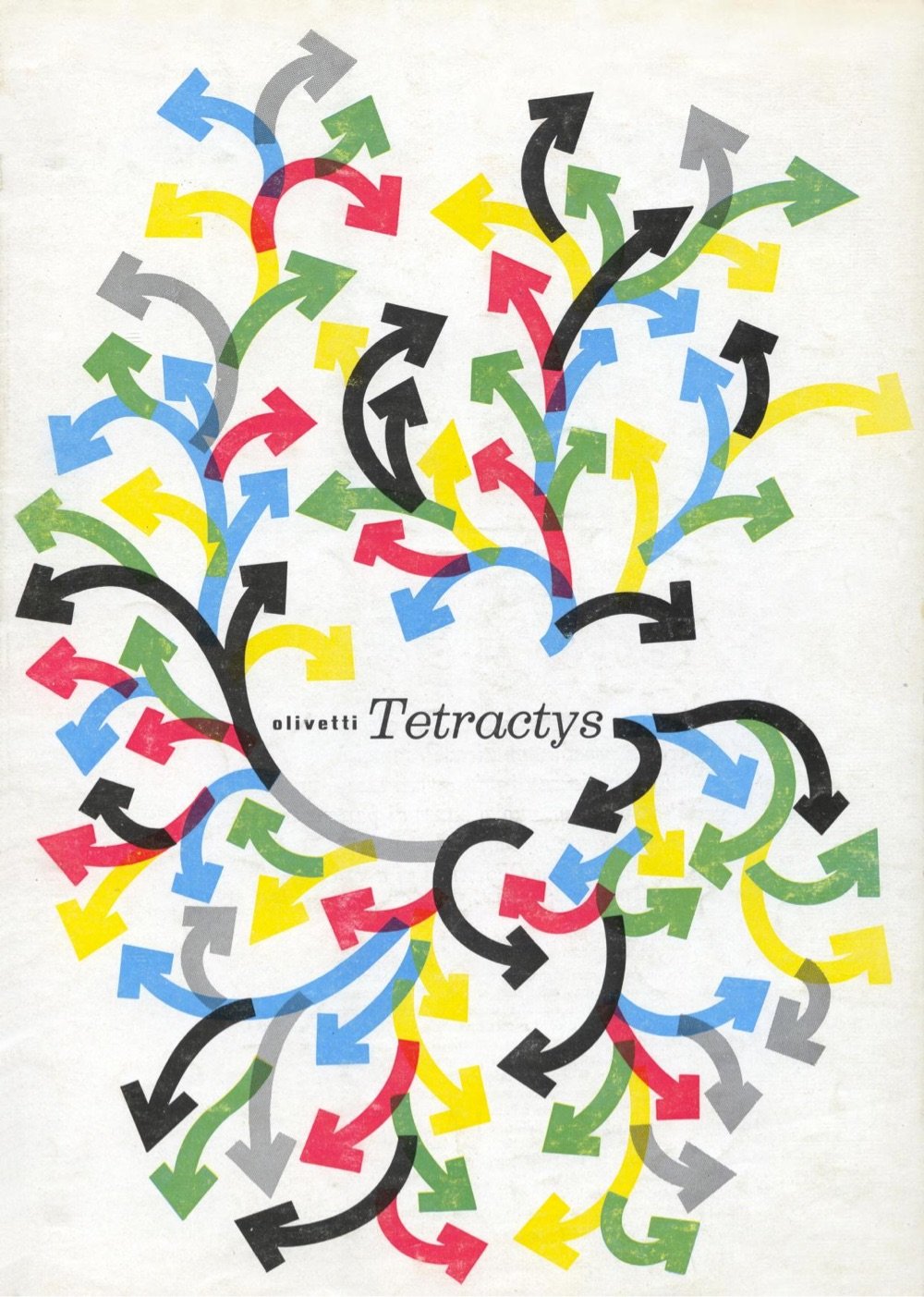
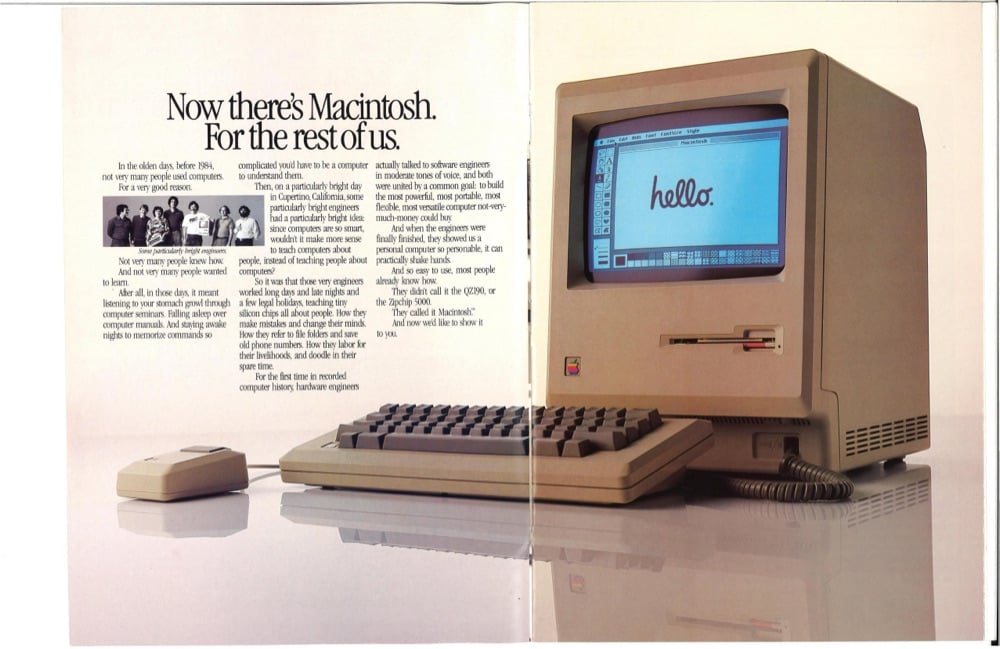
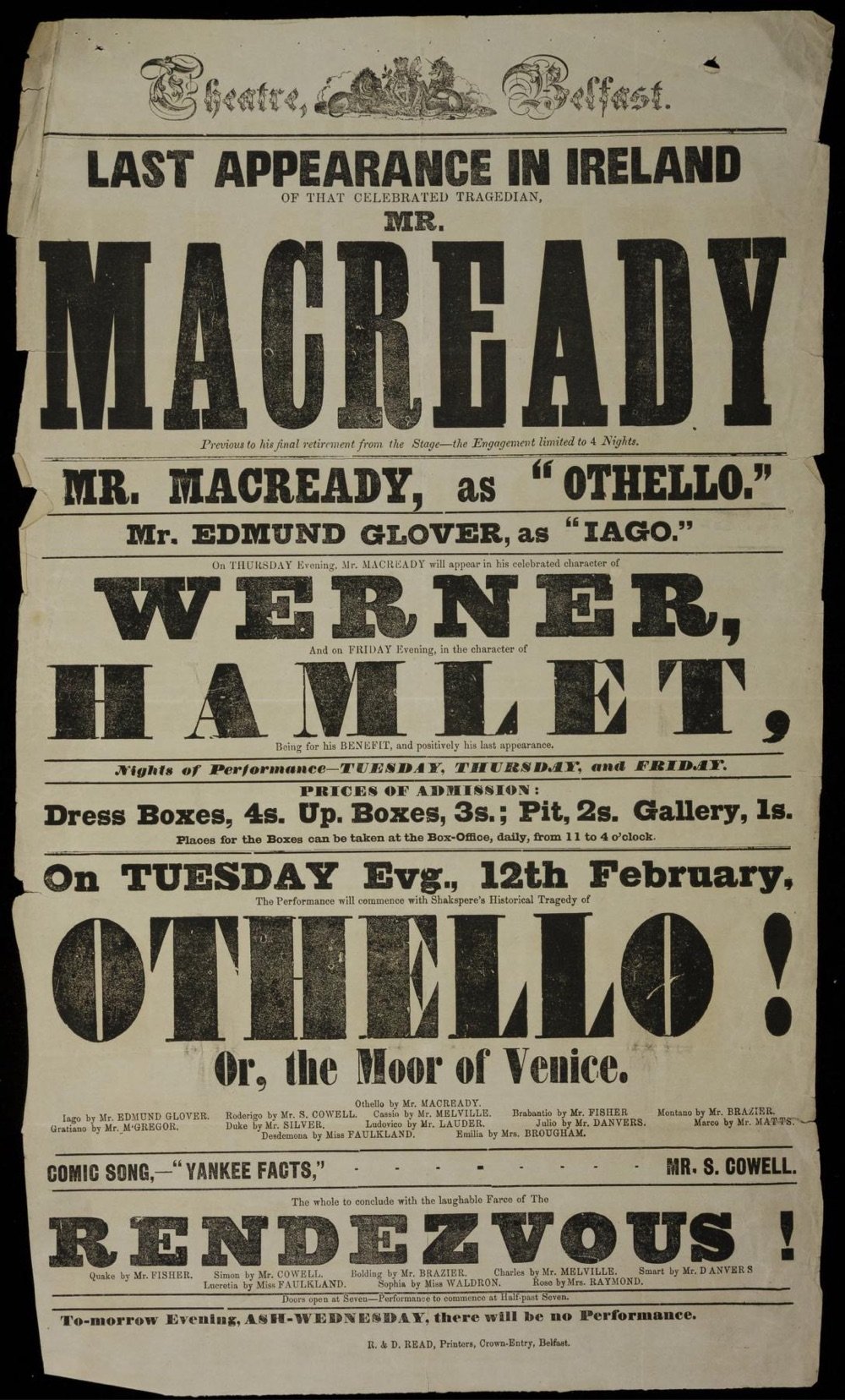
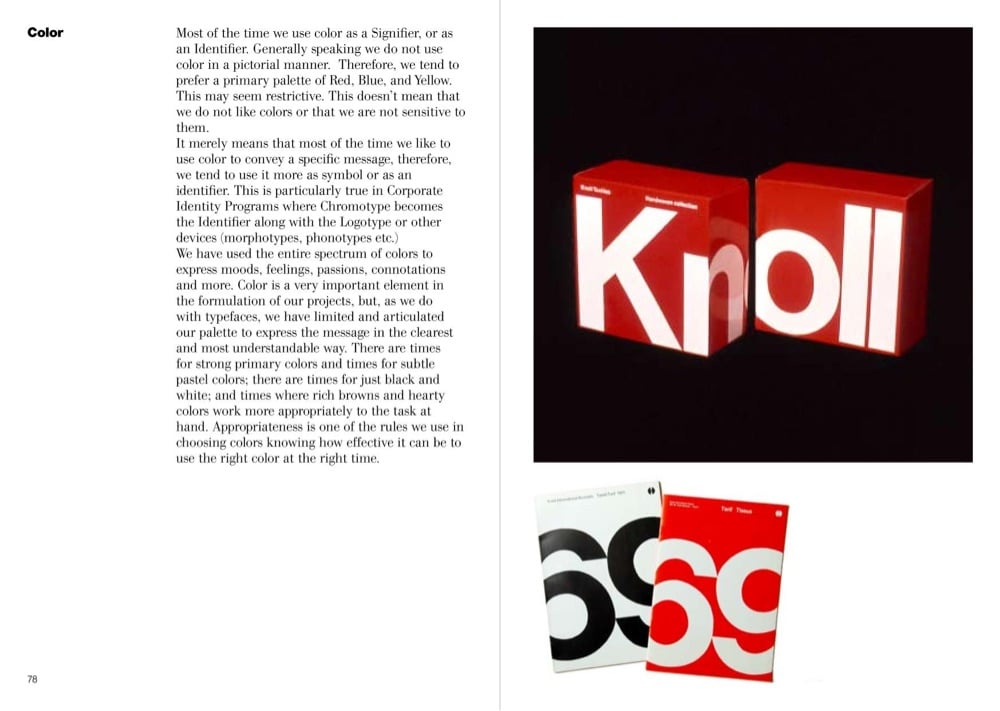
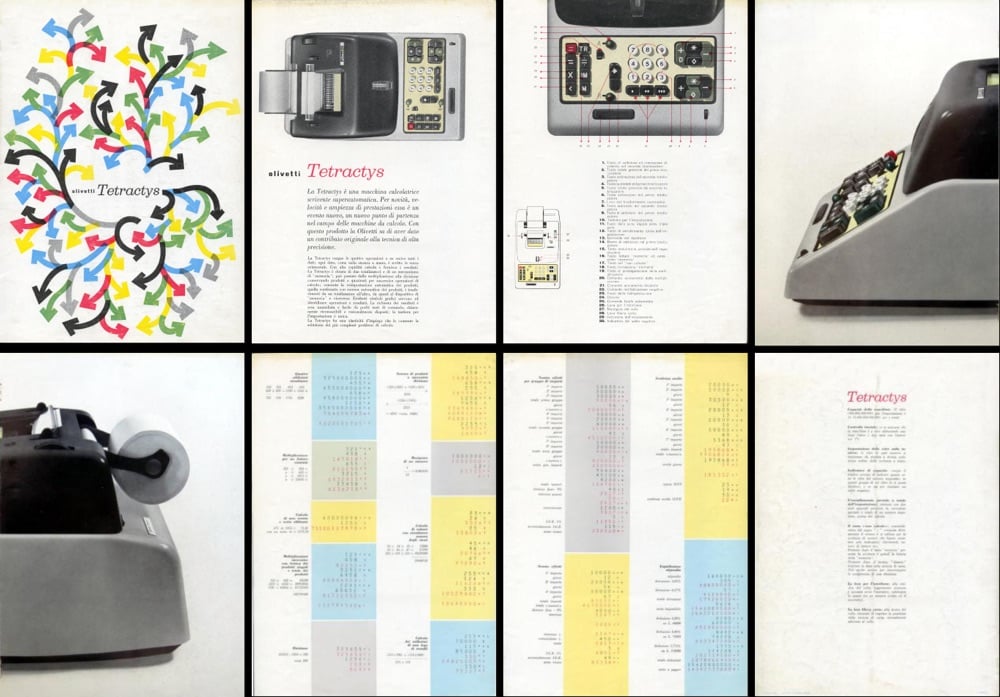
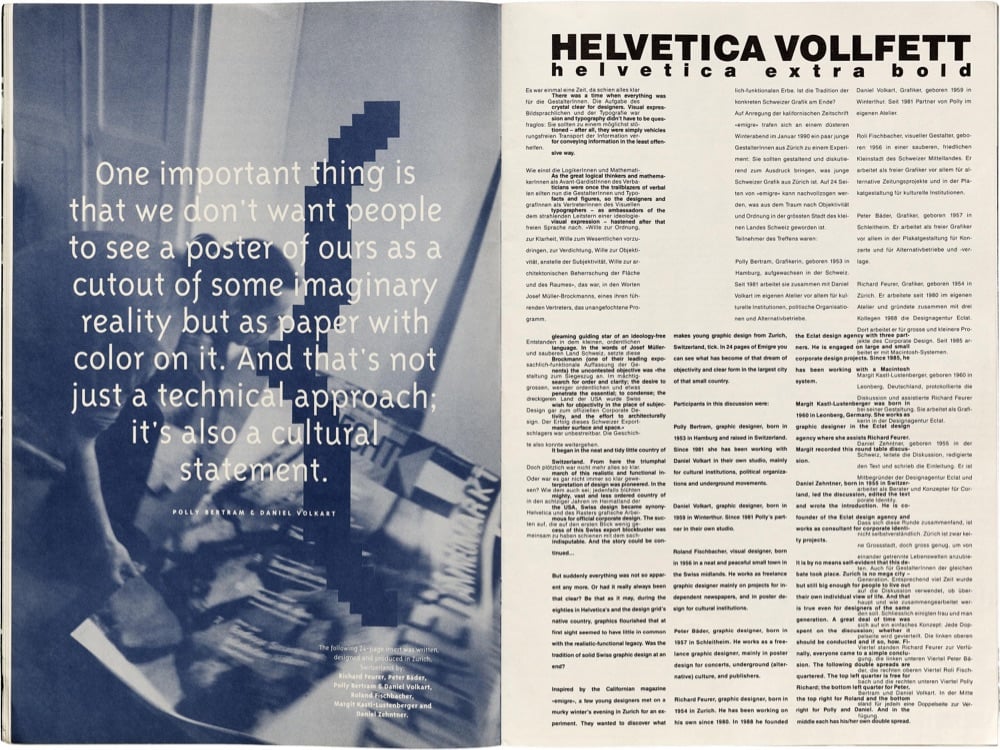
archives.design is a labor of love site run by Valery Marier where she collects graphic design related materials that are available to freely borrow, stream, or download from the Internet Archive. I’ve only scratched the surface in poking around, but so far I’ve found Olivetti brochures, a collection of theater programs from the 19th and early 20th centuries, several Apple things, The Vignelli Canon, a specimen book of wood type from the 1880s, and many issues of Emigre. What a resource!
Fudge is a Tetris-inspired game where you take pieces away from a stack instead of adding to one. My low score is 2.
Newer posts
Older posts




Socials & More