Entries for November 2021
These days, movies, TV shows, and even commercials all use something called the Dutch angle,1 a filmmaking technique where the camera is angled to produce a tilted scene, often to highlight that something is not quite right. The technique originated in Germany, inspired by Expressionist painters.
It was pioneered by German directors during World War I, when outside films were blocked from being shown in Germany. Unlike Hollywood, which was serving up largely glamorous, rollicking films, the German film industry took inspiration from the Expressionist movement in art and literature, which was focused on processing the insanity of world war. Its themes touched on betrayal, suicide, psychosis, and terror. And Expressionist films expressed that darkness not just through their plotlines, but their set designs, costumes… and unusual camera shots.
This got me thinking about my favorite shot from Black Panther, this camera roll in the scene where Killmonger takes the Wakandan throne:
It’s the Dutch angle but even more dynamic and it blew me away the first time I saw it. I poked around a little to see if this particular move had been done before (if director Ryan Coogler and cinematographer Rachel Morrison were referencing something specific) and I found Christopher Nolan (although I’d argue that he uses it in a slightly different way) and Stranger Things (in the scene starting at 1:33). Anywhere else?
“Covid cases are surging in Europe. America is in denial about what lies in store for it.” Reasons include insufficient vaccination (including of kids), waning of immunity, and abandonment of mitigation measures (masks, distancing, etc.)
A few weeks ago, I posted about David Fincher’s new project with Netflix. Unfortunately, it’s not a third season of Mindhunter. But, here’s what it is: a 6-episode series of visual essays about movies and filmmaking, not unlike the YouTube videos I post here all the time (many of which you can find under the film school tag).
VOIR is a series of visual essays celebrating Cinema and the personal connection we each have to the stories we see on the big screen. From intimate personal histories to insights on character and craft, each episode reminds us why Cinema holds a special place in our lives.
Tony Zhou and Taylor Ramos of the dearly missed Every Frame a Painting are contributing to at least one of these visual essays, so that right here is reason enough to rejoice. VOIR drops Dec 6 on Netflix.
I love this: the local recycling center in the town of Kamikatsu, Japan is itself made of recycled and upcycled materials. Most prominent of those materials are the hundreds of mismatched windows that form the building’s facade:

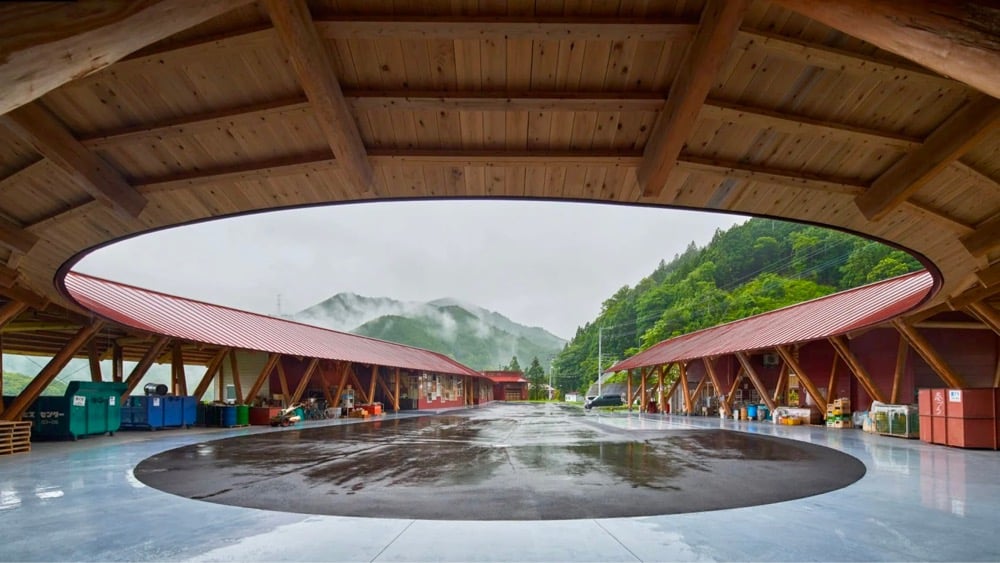
Brilliant. From Dezeen:
Kamikatsu’s main industry was once forestry, but all that remains of this today are neglected cedar forests. Nakamura’s studio worked with Yamada Noriaki Structural Design Office to design a structure using unprocessed cedar logs that reduce waste associated with squared-off lumber.
The logs are roughly sawn along their length to retain their inherent strength and natural appearance. The two sawn sections are bolted together to form supporting trusses that can be easily disassembled and reused if required.
The building’s facades are made using timber offcuts and approximately 700 windows donated by the community. The fixtures were measured, repaired and assigned a position using computer software, creating a seemingly random yet precise patchwork effect.
Recycled glass and pottery were used to create terrazzo flooring. Materials donated by companies, including bricks, tiles, wooden flooring and fabrics, were all repurposed within the building.
Unwanted objects were also sourced from various local buildings, including deserted houses, a former government building and a junior high school that had closed. Harvest containers from a shiitake mushroom factory are used as bookshelves in front of windows in the office.
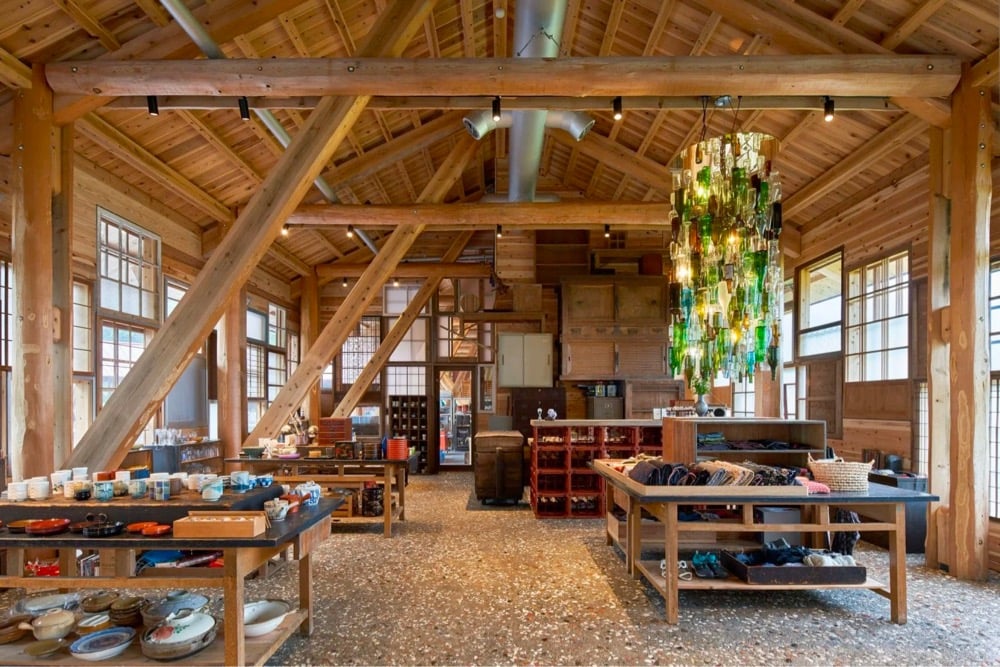
The recycling center also includes a “take it or leave it” shop where residents can exchange used goods and a small hotel. (via colossal)
An oral history of the Processing programming language. “We saw a potential for learning how to code in a more essential and foundational way — that was really the vision of Processing.”
Largest psilocybin trial finds the psychedelic is effective in treating serious depression. “29.1% of patients in the highest-dose group were in remission three weeks after treatment, compared to 7.6% of those in the control group.”
How to make a CPU. Step 1: Get a rock. Step 2: Smash the rock.
The ocean is deep, deeper in some places than Mount Everest is tall. In this 5-minute 3D animation, we take a trip from the shallows of the shoreline to the deepest parts of the ocean, with occasional comparisons to things like the height of the Statue of Liberty, Eiffel Tower, and Mount Everest along the way. See also The Deep Sea. (via open culture)
Robin Sloan, a self-proclaimed “full-fledged enemy of Web3”, writes about the proposed new version of the web. “So, here comes Web3 – and the basic emotional appeal of NEW OPTIONS cannot be overstated.” This is really good.
As part of an online course on fashion and design, MoMA visited the Savile Row tailors Anderson & Sheppard to learn how they go about making one of their bespoke suits.
Behind a drawn curtain, a master cutter takes an initial series of 27 measurements: 20 for the jacket, 7 for the trousers. From these measurements, the cutter fashions a pattern in heavy brown paper. At the cutter’s table, the cloth is cut in using heavy shears, and the many pieces of fabric are rolled for each garment into tiny packages, which await the tailors.
See also $399 Suit Vs $7900 Suit. And you can check out the rest of the MoMA’s online course Fashion as Design in this YouTube playlist.
The UK may be on the verge of completely eliminating cervical cancer in young women (through HPV vaccines). The US, of course, has been less successful. “I’m very, very disturbed that we can’t do better in this country.”
Adventurer Beau Miles has been focused recently on exploring near where he lives rather than in far-flung locales. He’s walked 56 miles to work a couple of times, adventuring and foraging along the way and recently posted a video of him commuting to work in a kayak. It took him four days. Miles explains:
I’m really fascinated by something as mundane as a commute to work. I think it can offer me a whole bunch of adventure. I’ve already walked to work — I stripped it right back and it was hard and challenging, and really insightful of me and humanity. Now to extend that idea, why don’t I try and paddle to work? I can get to work via the very water that falls on my roof. In doing so, I’m reinventing my idea of adventure. I no longer feel the need to go and paddle great distances down a continent shore, or go to the highest peaks. Your carbon footprint goes through the roof, just so you can go and find yourself, somewhere else. And so I really want to do these things in my backyard now, and why not my boyhood river that I want to reinvent with some adult ideas?
Update: Inspired by Miles’ journey, a high school senior did a kayak commute to school: The 54.5 Hour Commute.
Throughout the trip, Gralyn was offered help from friends and family — everything from transportation to Clif bars — but he accepted none of it. “That would be cheating,” Gralyn says, it would have completely changed the experience. He wanted to experience the full challenge, he wanted to be self-sufficient, and he wanted to know if it was even possible. “Water used to be so common for traveling everywhere and now we never use it. It’s the road less traveled now.”
Update: Back in 2007, Tom Chiarella walked to the mall in 2.5 days.
In the days before I left, everyone told me it was a stupid idea, pointless, fraught with risk. My brother called me an idiot. My golf partners cackled. Many people worried what would happen to me in the city. Another group of friends saw the isolation of the country as more threatening. My wife wanted to forbid it, thinking it incredibly stupid, a blatant invitation to dismemberment, a prelude to disappearance. I told her I’d be okay, that I wasn’t afraid. I was plenty brave enough to handle what came my way. “You think you’re brave,” she said. “You’ve always had a car. It’s easy to be brave when you have a car.”
(via @DavidNir)
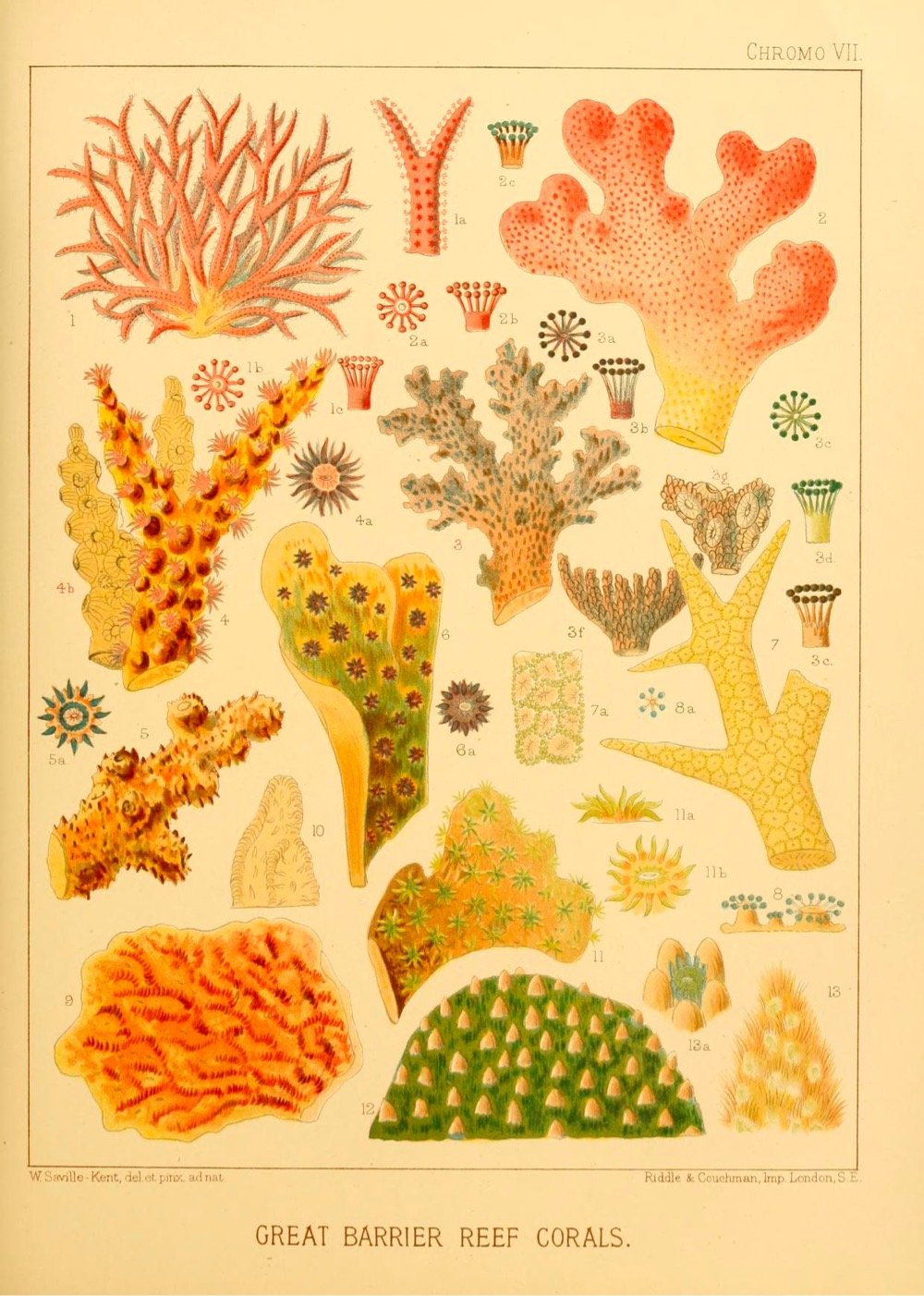
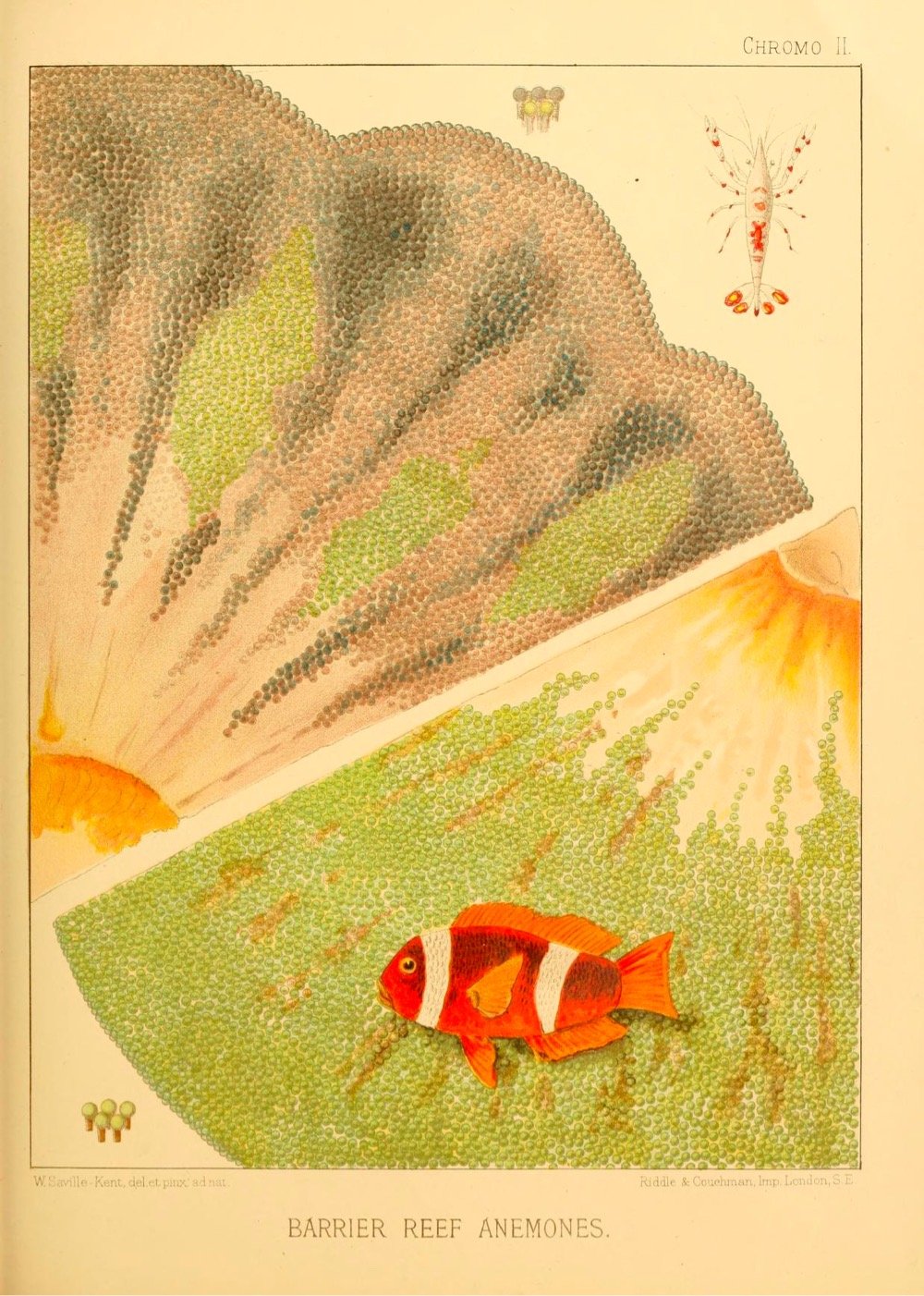
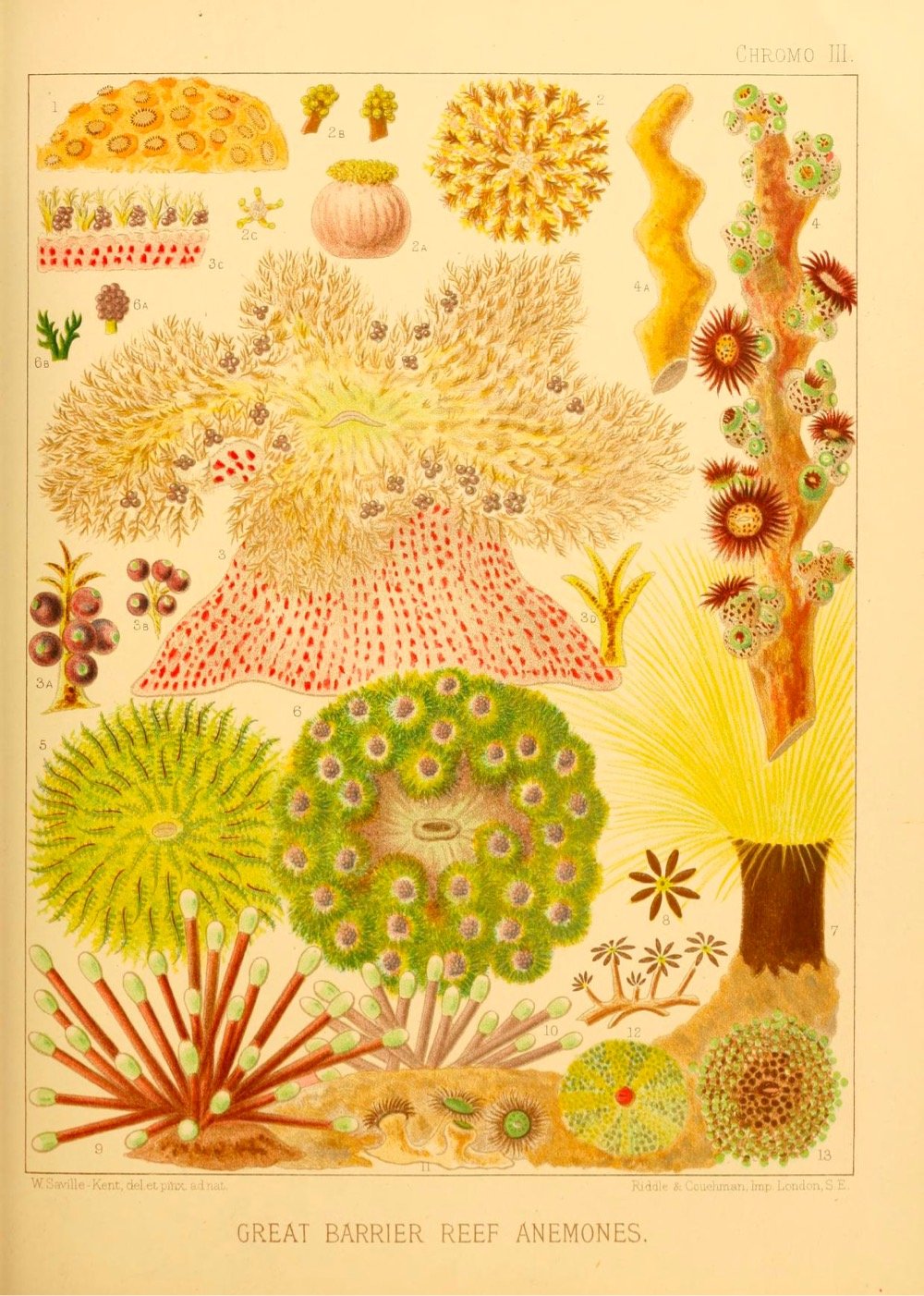
In 1893, English marine biologist William Saville-Kent published his 550-page book, The Great Barrier Reef of Australia: Its Products and Potentialities. Accompanying the text are more than a dozen full-color illustrations of the plants and animals of the reef, drawn from Saville-Kent’s watercolors painted on location. You can peruse the entire book at the Internet Archive or the Biodiversity Heritage Library or take a look at the illustrations at The Marginalian (where prints are also available).
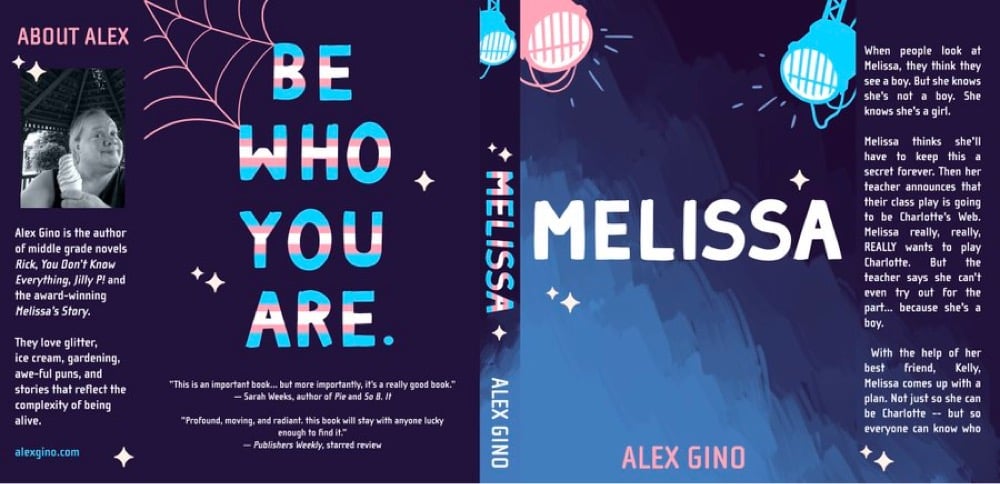
In 2015, Alex Gino published George, a children’s novel about a trans girl named Melissa — George was the character’s former name. Since its publication, many of the book’s fans have grown to dislike the title, saying that it elevated the deadname of the character instead of her actual name. Earlier this year, Gino and their publishing company announced that the title of the book is officially changing to Melissa.
No matter how many people have come to know it as George, we felt it was important to fix the title. What we call people matters and we all deserve to be referred to in ways that feel good to us. Calling the book Melissa is a way to respect her, as well as all transgender people. The text inside won’t change, so the name George will still appear to reflect the character’s growth within the novel, but Melissa will be the first name readers will know her by.
But even before that, readers began making their own modifications to the cover with Sharpies, crayons, colored pencils, and even entire dust jackets. On their blog, Gino explained why the book was called George in the first place and shared some of the amazing art that fans made to correct the title.
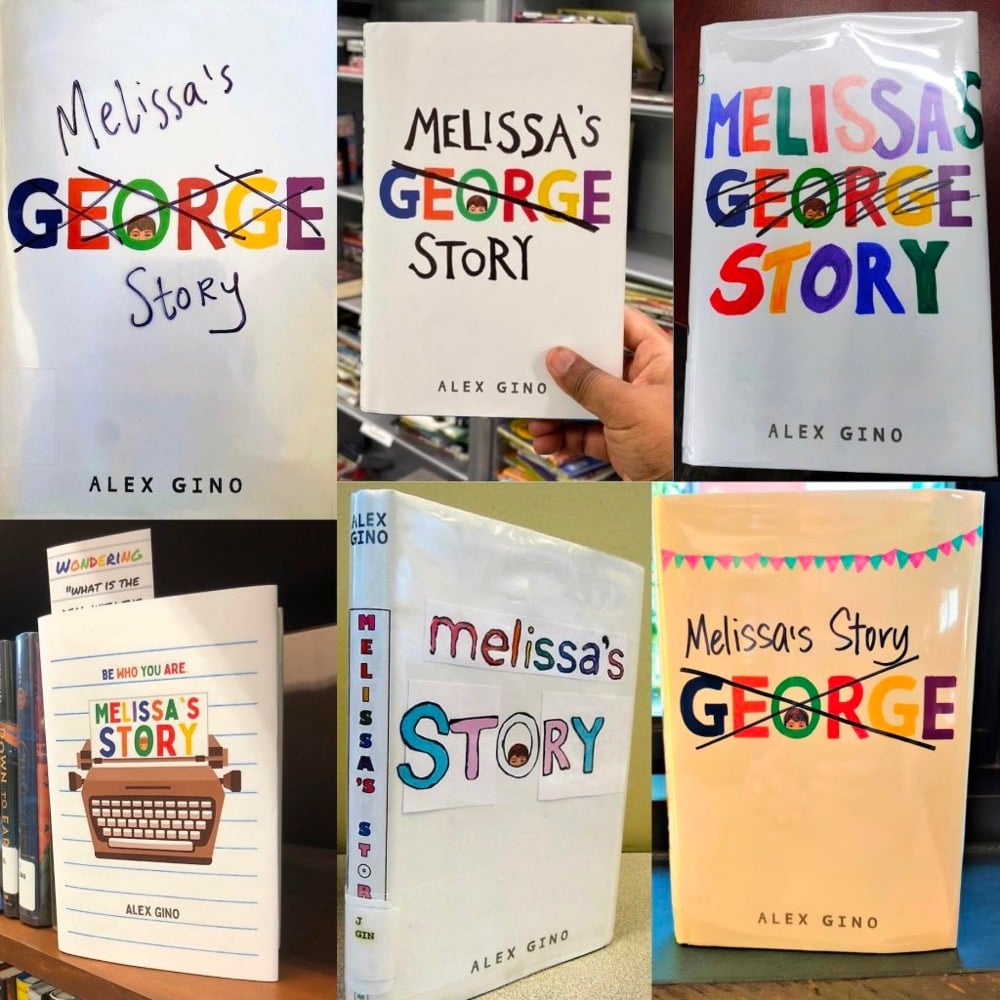
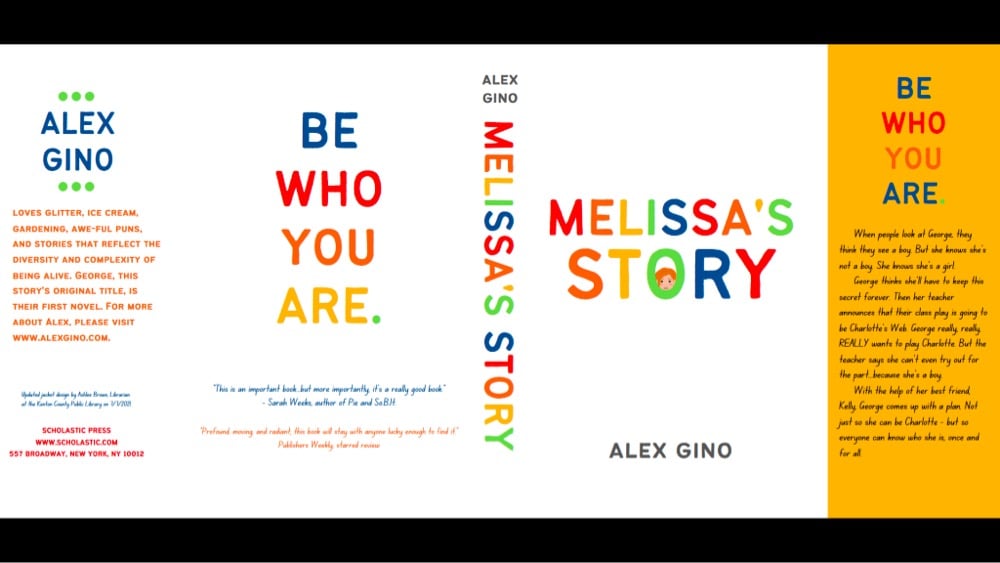
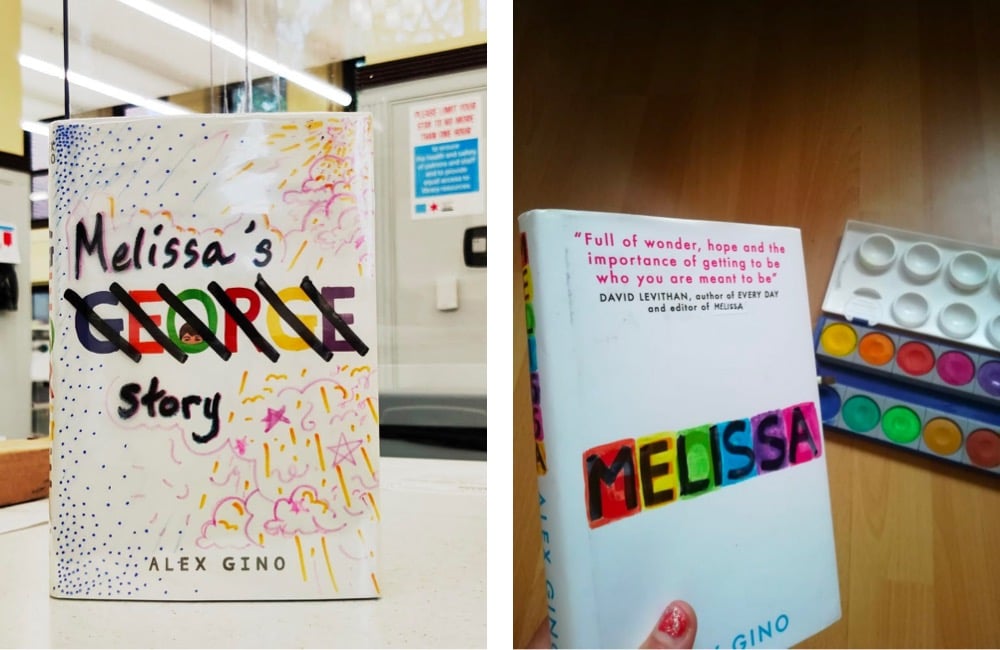
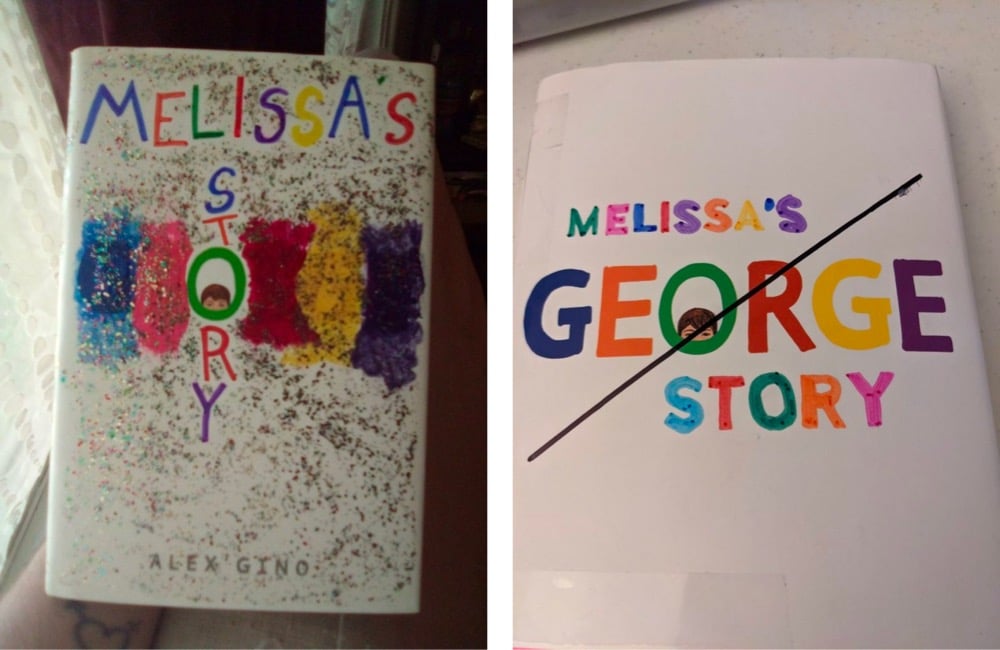
Melissa will be out in April and is available for preorder now. (thx, caroline)
8-Bit Christmas is a Christmas movie set in the 80s starring Neil Patrick Harris and centered around the Nintendo Entertainment System that seems to be hitting the Christmas Story, Doogie Howser, Stranger Things, Princess Bride, The Wizard, and Goonies nostalgia buttons all at the same time. As someone who was roughly the age of the movie’s child protagonist when the NES came out,1 this movie is directed squarely at me, I will probably watch it, and I cannot see how it can possibly be good. But…maybe?
When Nikola Tesla Claimed to Have Invented a “Death Ray,” Capable of Destroying Enemies 250 Miles Away & Making War Obsolete.
Using the sound visualizations of two tracks, one from Freddie Mercury and the other from Michael Bublé, Fil Henley shows us how to recognize the subtle auto-tuning that has applied to the vocals of some recordings (like Bublé’s in this instance). You can see quite easily that the precise hitting and holding of notes in the auto-tuned version is unnaturally superhuman. (via the morning news)
The Untold Story of Sushi in America. “They set out to build God’s kingdom – and somehow ended up selling America’s raw fish.”
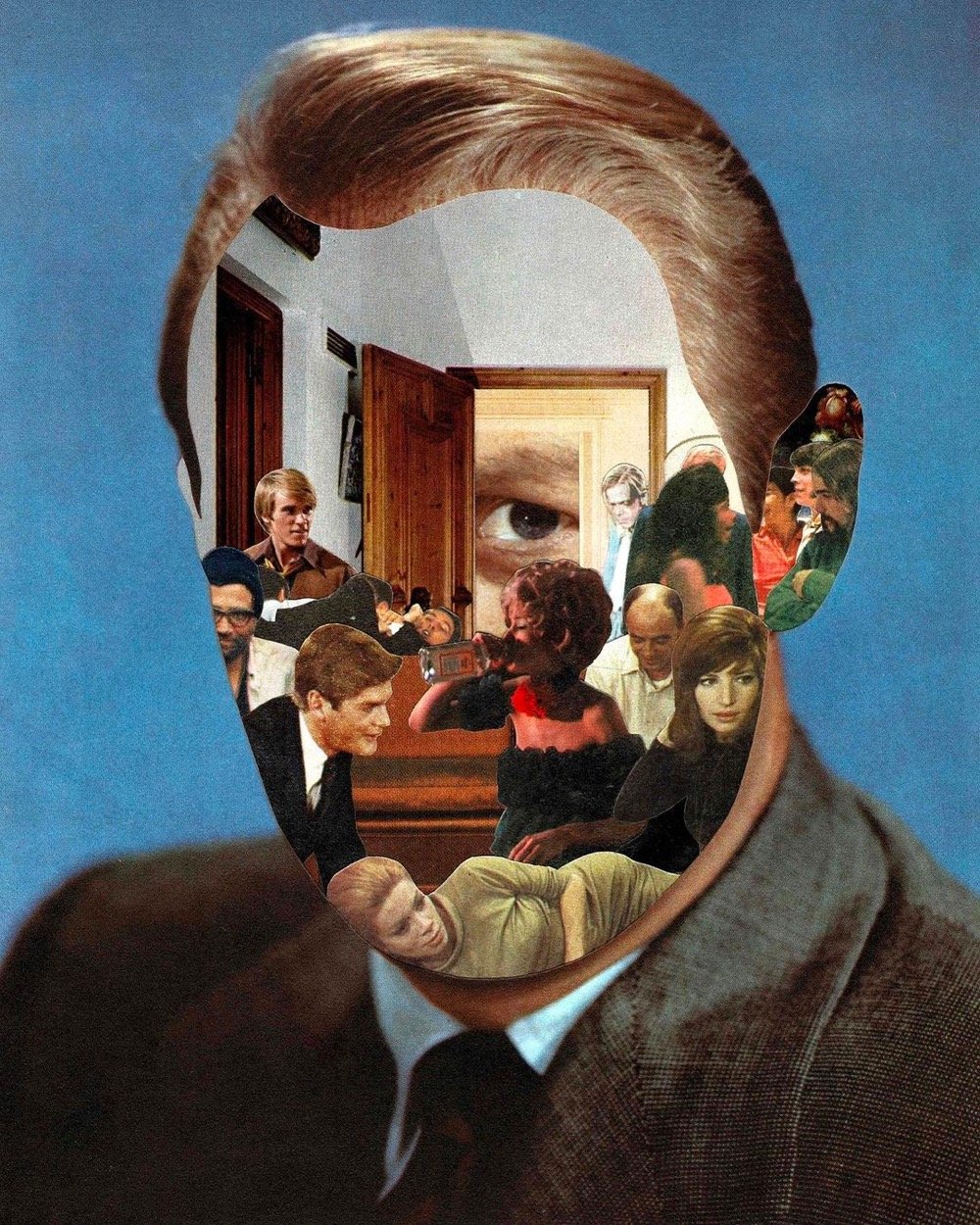

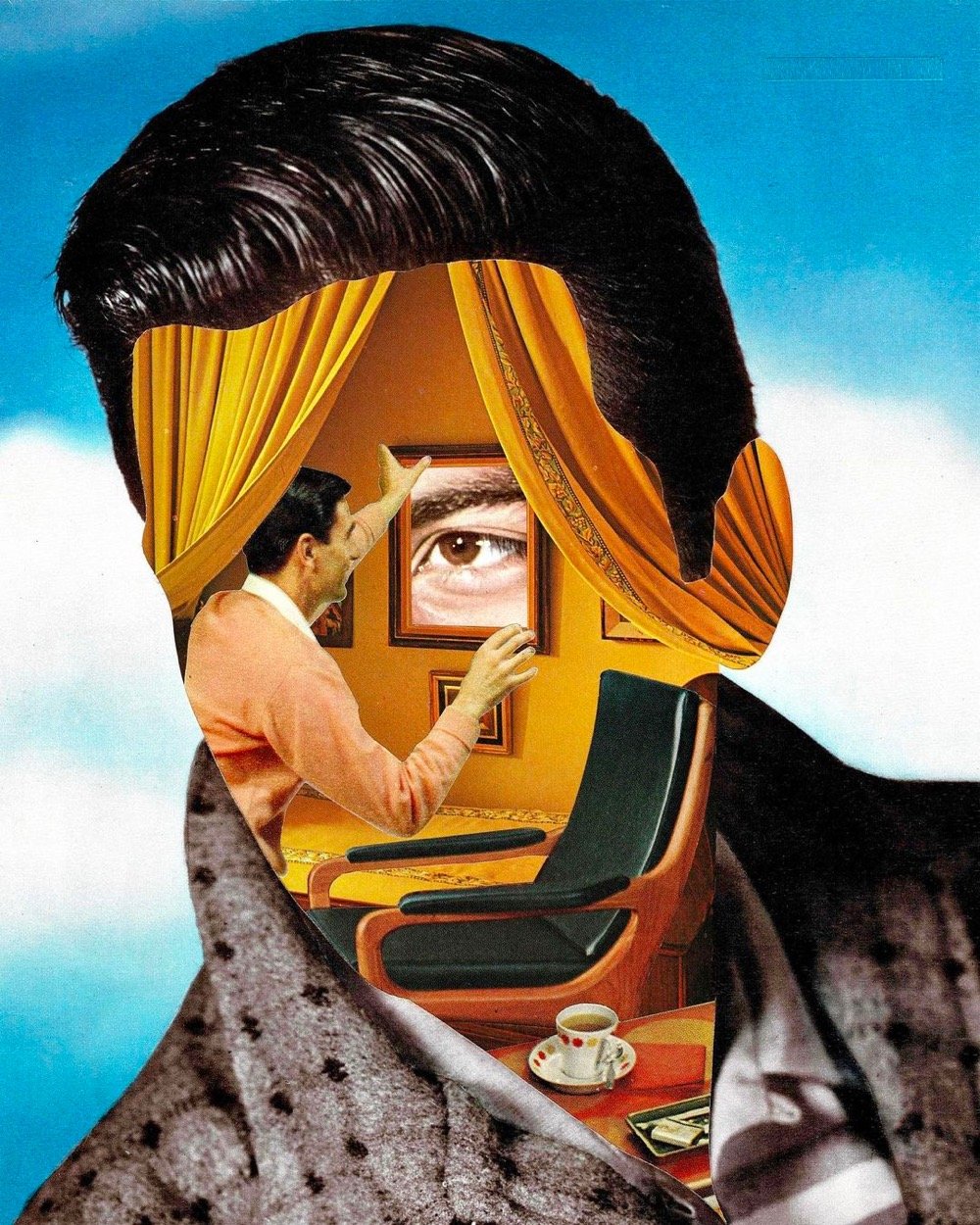

For the past year or so, UK artist Shane Wheatcroft has been making these hand-cut collages that replace people’s faces with various other scenes and objects. It’s hard to tell from these images, but (at least some of?) the collages are 3D. A number of Wheatcroft’s artworks are available for sale on Artfinder. (via jenni)
A graduate student from India shares his impressions after 2 months in the US. “The very first thing you notice when you land in the US is the, umm, ‘bigness’ of it all” and “Policemen are heavily, scarily equipped”.
An 8-Year-Old Explains the Metaverse. “One minute you get scammed, another minute you’re having the best time of your life, making billions of dollars.”
A parents’ guide to cutting children’s screen time. “Once you have attained mastery [of the martial arts] at the brown-belt level, you are ready to guard your phone or iPad from your children.”
U.S. Covid Deaths Get Even Redder. “In October, 25 out of every 100,000 residents of heavily Trump counties died from Covid, more than three times higher than the rate in heavily Biden counties (7.8 per 100,000).”
Does Having Kids Make You Happy? “A deep puzzle remains: Many people would have had happier lives and marriages had they chosen not to have kids – yet they still describe parenthood as the ‘best thing they’ve ever done.’”
In the most recent episode of the excellent YouTube series Great Art Explained, James Payne expands on an earlier, shorter video on the Mona Lisa with this double-length extended cut.
For Mona Lisa, Leonardo used a thin grain of poplar tree and applied an undercoat of lead white, rather than just a mix of chalk and pigment. He wanted a reflective base. Leonardo painted with semi-transparent glazes that had a very small amount of pigment mixed with the oil, so how dark you wanted your glaze to be depends on how much pigment you use. He used more like a “wash”, which he applied thin — layer by layer. Here you can see two colors of contrast — light and dark. When you apply thin glaze over both of them, you can see it starts to unify the contrast but also brings depth and luminosity. The lead white undercoat reflects the light back through the glazes, giving the picture more depth and in essence, lighting Mona Lisa from within.
This was fascinating, not a wasted moment in the whole thing. I’ve read, watched, and listened to a lot of analysis of the Mona Lisa over the years, but Payne’s detailed explanation both added to my knowledge and clarified what I already knew.
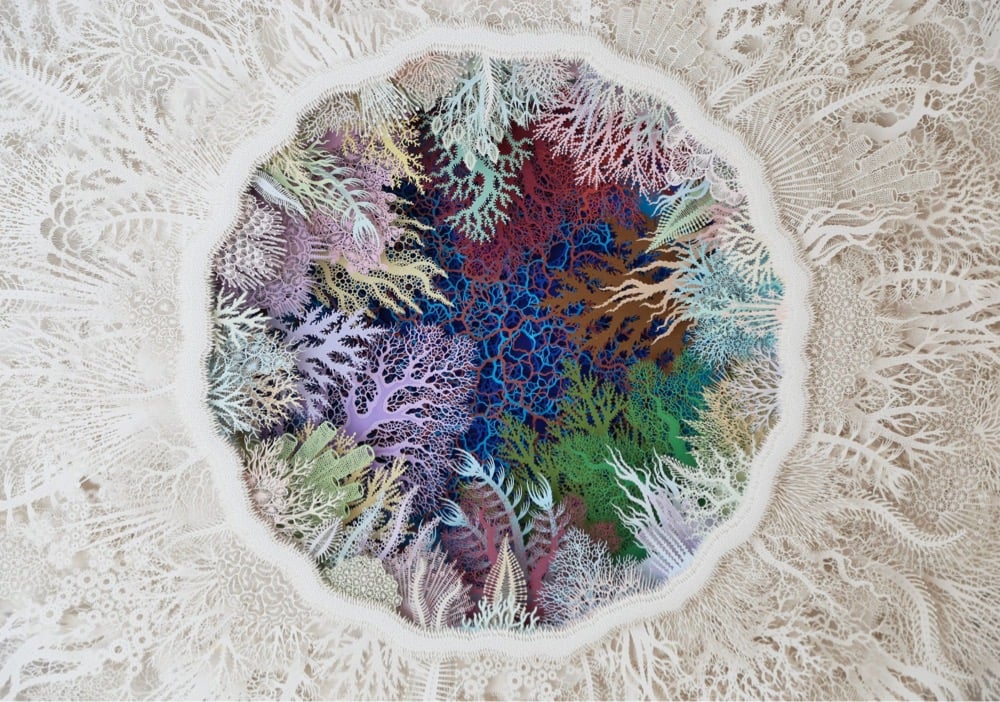
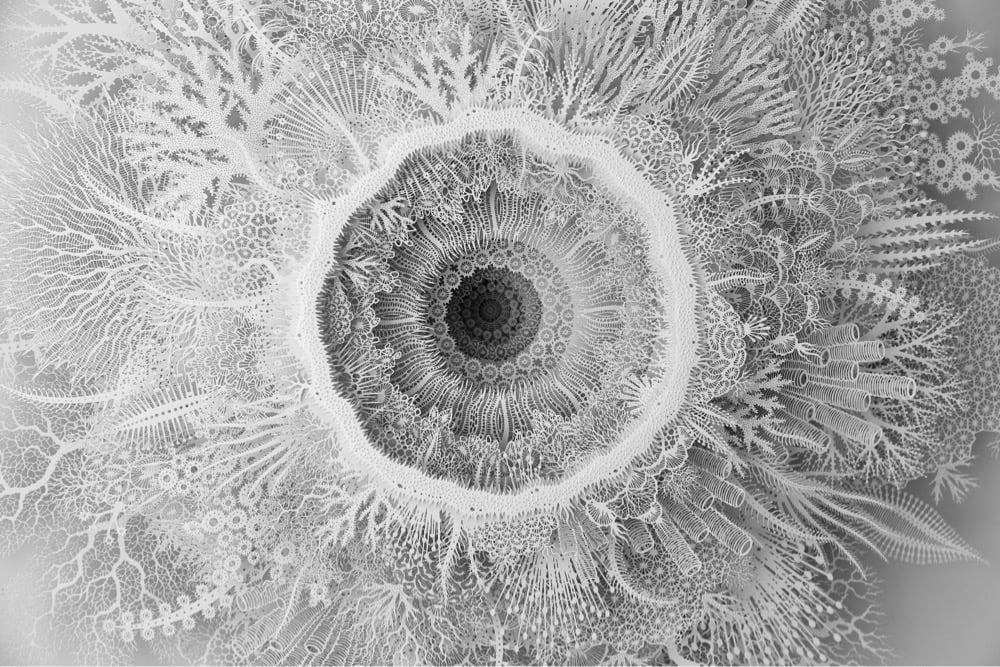
Artist Rogan Brown is highlighting what the climate crisis is doing to global coral populations with two recent delicate and intricate paper sculptures of bleached coral. Brown writes:
Here I try to capture the beauty, intricacy and fragility of the coral reef in layers of simple paper. The world’s coral reefs have become symbols of the devastating effects of global warming and man-made pollution. Mass bleaching events occur each year with increasing regularity and if the situation continues then it is inevitable that we will witness the demise of these magnificent biodiverse habitats. My hope is that by reminding us of how astonishing these ecosystems are we may unite to save them.
You can check out the rest of Brown’s intricate paper sculptures in his portfolio or on Instagram. (via colossal)
“Fastest time to remove 6 caps using an excavator” is possibly the world’s most pointless Guinness World Record, but watching record-holder Zhu Fei deftly & precisely operate his massive machine is really something. I bet he could delicately crack an egg without breaking the yolk, pet a kitten without waking it up, or expertly frost a cake with that thing.
See also Lao Pang’s excavator tricks, including slicing a cucumber that’s sitting on a top of a balloon without popping the balloon and this collection of excavator tricks.

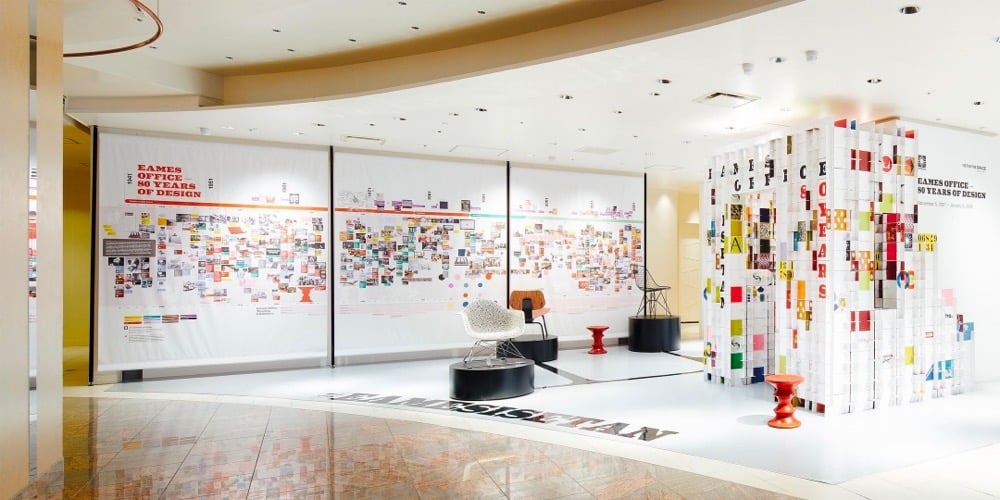
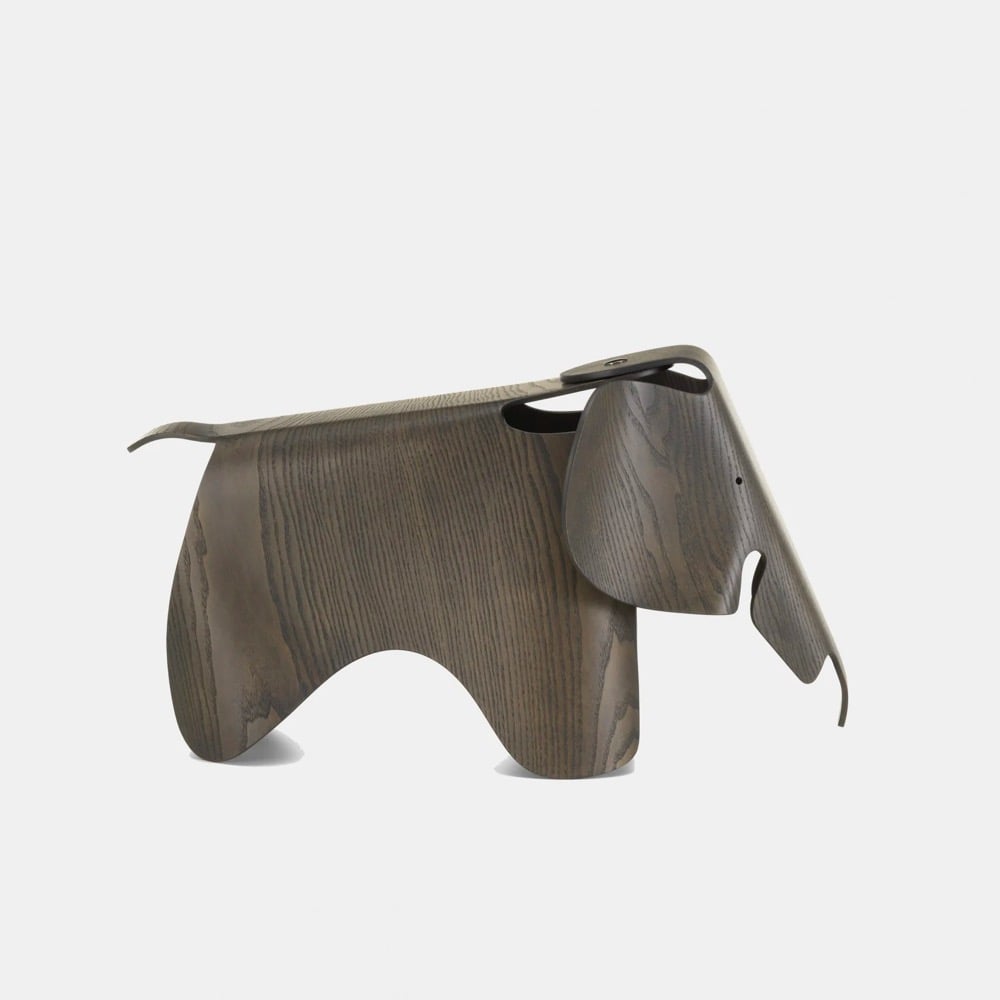
Eames Office is celebrating the 80th anniversary of its founding by legendary designers Charles & Ray Eames with an exhibition at the Istetan the Space gallery in Japan. Eames Demetrios, the grandson of Charles & Ray, shared a selection of personal highlights from the exhibition with Dezeen. (via moss & fog)
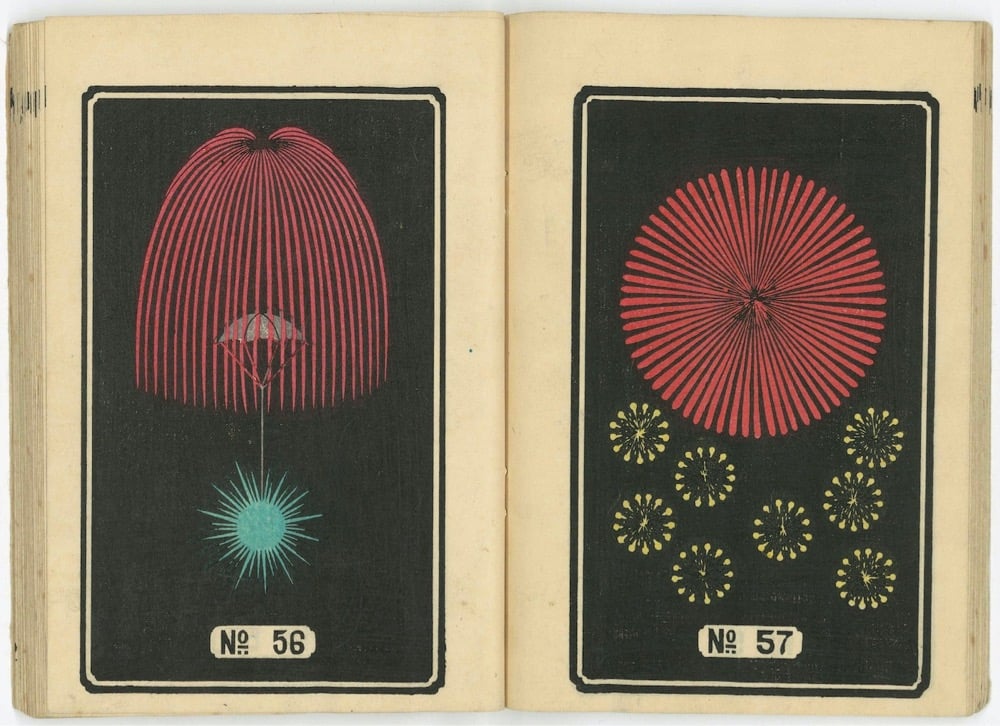
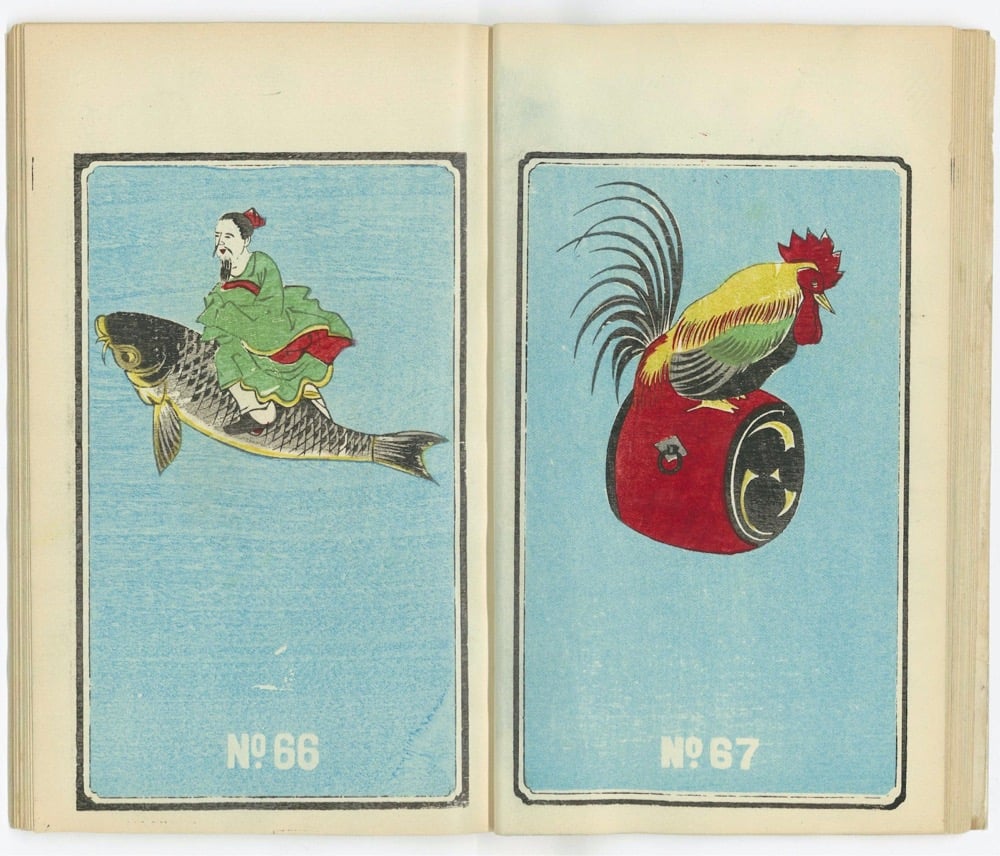
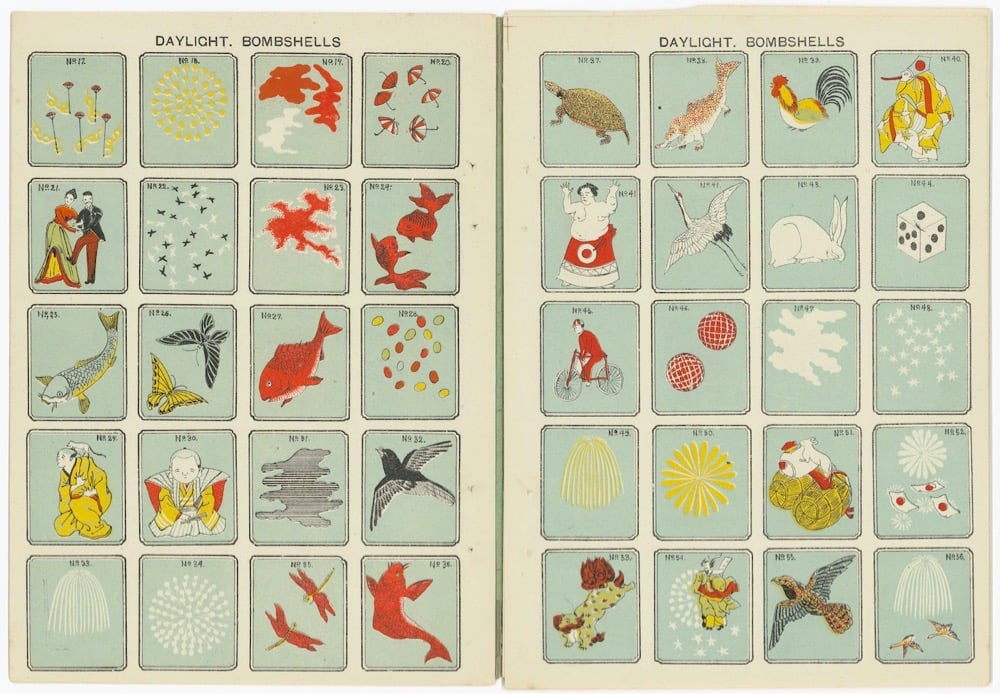
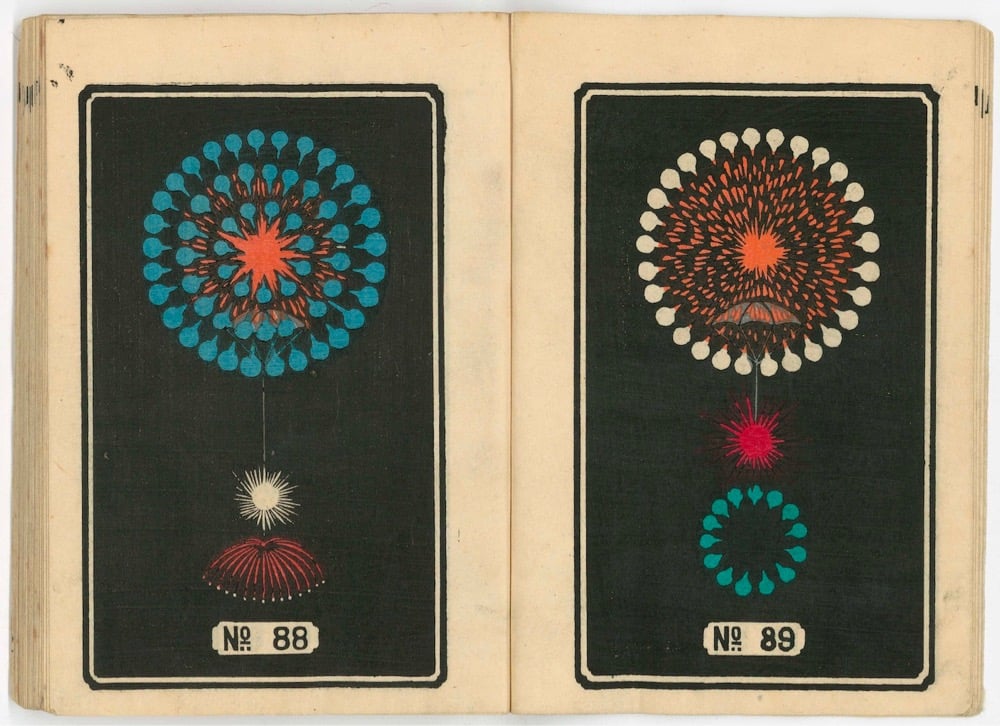
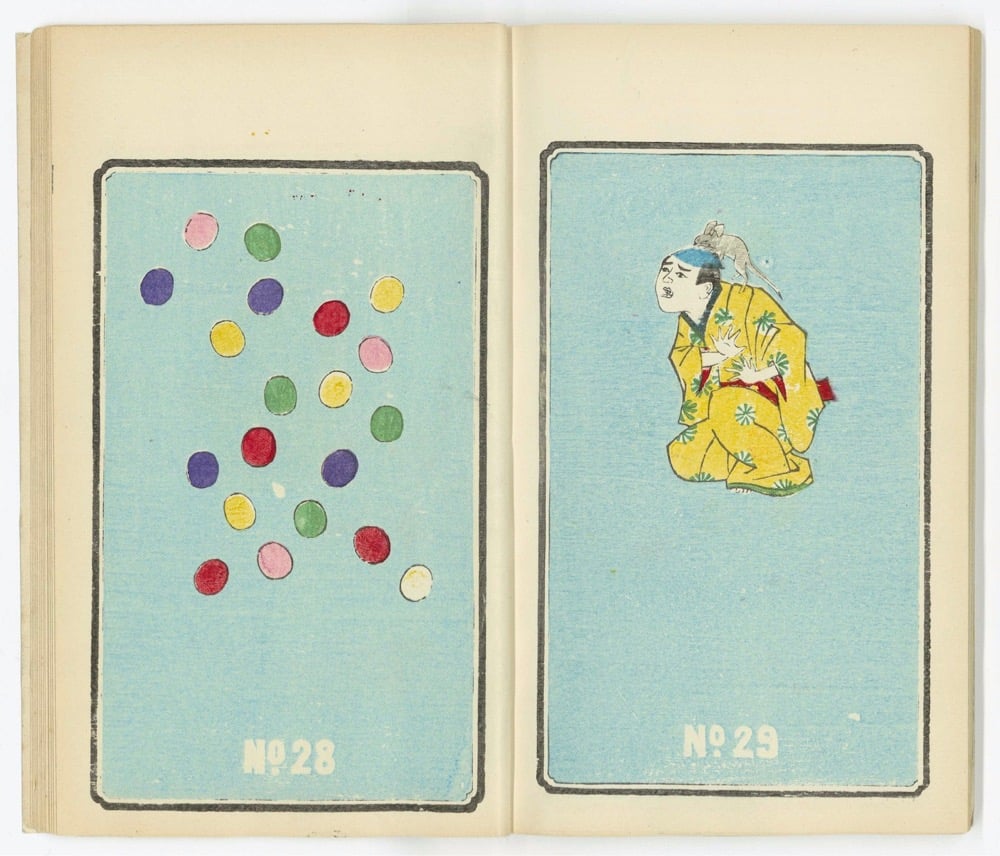
From the excellent Public Domain Review, a collection of illustrations from Japanese fireworks catalogs published in the 1880s.
The spinning saxon, flying pigeons, polka batteries, jumping jacks and firecrackers, squibs and salutes, Aztec Fountains, Bengal Lights, and Egyptian Circlets, bangers or bungers, cakes, crossettes, candles, and a Japanese design known as kamuro (boys haircut), which looks like a bobbed wig teased out across the stratosphere… the language of fireworks has a richness that hints at the explosive payload it references. And yet, anyone who has ever held their camera up to the blazing sky knows that a brilliant firework show can rarely be captured to any satisfying degree. Perhaps this is what makes a nineteenth-century series of catalogue advertisements for Japanese fireworks so mesmerizing: denied the expectations of photorealism, these images are free to evoke a unique sense of visual wonder.
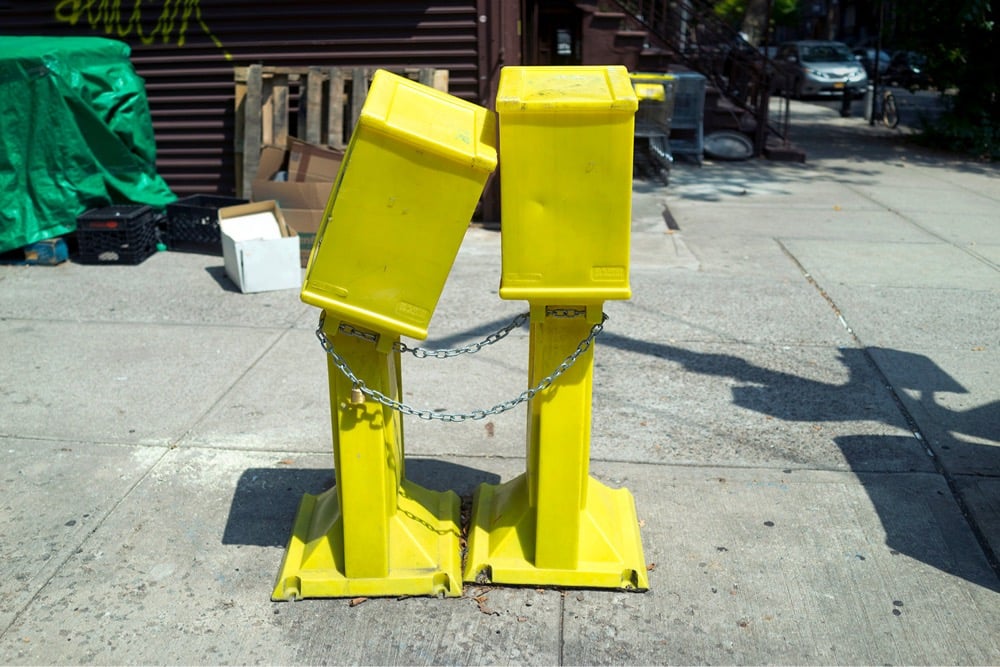
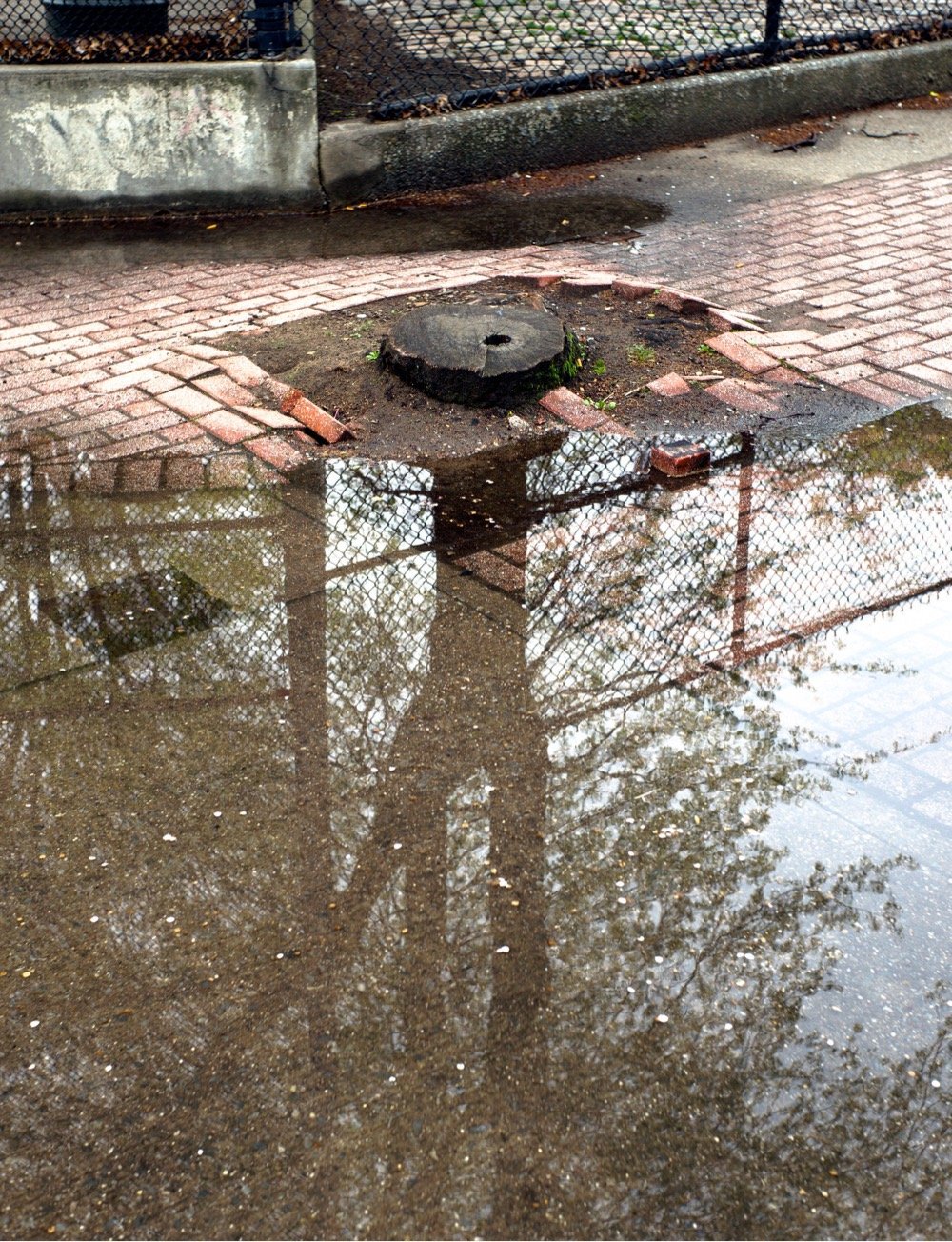
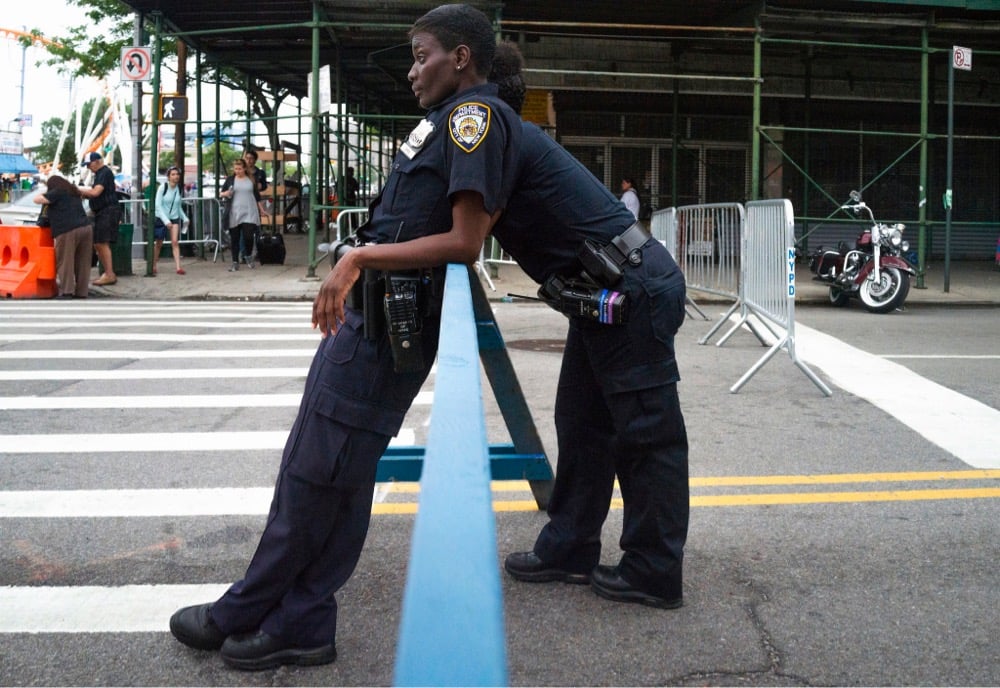
Eric Kogan’s photographs depict these lovely little serendipitous moments — creatures, people, places, and things captured in just the right place in just the right moment. Keep up with Kogan’s work on Instagram. (via the morning news)
Kottke.org had a little unscheduled downtime yesterday — a few naughty PHP scripts popped up where they shouldn’t have, a situation that’s now been locked down. Out of an abundance of caution (as they say), the folks at my wonderful host, Arcustech, rolled the site back to the most recent backup, with the side effect that many of the posts from last week went missing. I’ve restored those posts but the Quick Links are still missing from the site (you can find them on Twitter). For those of you reading via RSS, you’re probably seeing multiple entries coming through — that should be cleared up soon.
Obviously not a great situation and it was exacerbated and delayed by me having to simultaneously deal with some other urgent, irritating business in my life. (One crisis at a time, please, universe.) My apologies for the disruption.
Update: Ok, all the Quick Links should be back on the site now.
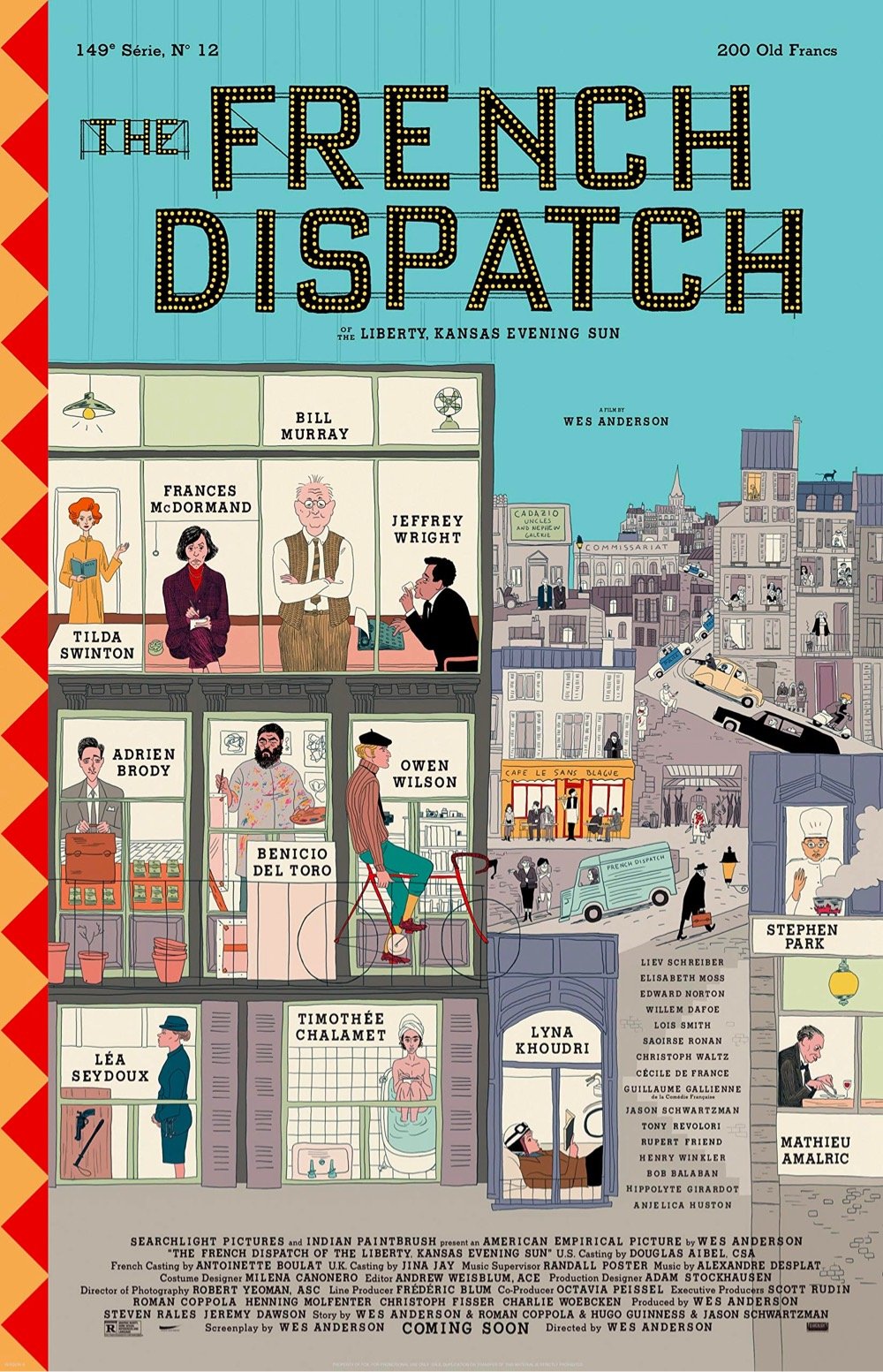
I saw The French Dispatch last night and really liked it. Then I read Cassie da Costa’s review/appreciation of the film and I think I like it even more now.
With all due respect to Ganz and other dissenting critics, who are well within their rights to dislike Dispatch or the general direction Anderson’s work is headed in, there is nothing childish or superficial about the film. The similarly maligned-for-her-tastes Sofia Coppola showed us in Marie Antoinette that teas, cakes, and even childhood (or teenagedom) are not frivolous subjects, not even when rendered with ostentatiously luxurious styling. Such exercises in not plainly depicting a set of ideas but entangling them in a detailed visual makeup are best done in films, and for good reason — a medium as prolonged as it is abridged, it ideally requires audience members’ sustained and close observation.
“Sustained and close observation” nails it. I wasn’t bored for a single second during The French Dispatch — more like rapt. I love films that reward paying attention — it’s a form of love, don’t you know.
Has anyone tried the 4-7-8 breathing technique to fall asleep? I have no problem going to sleep at night but if I wake after 2am, it’s almost impossible for me to get back to sleep.
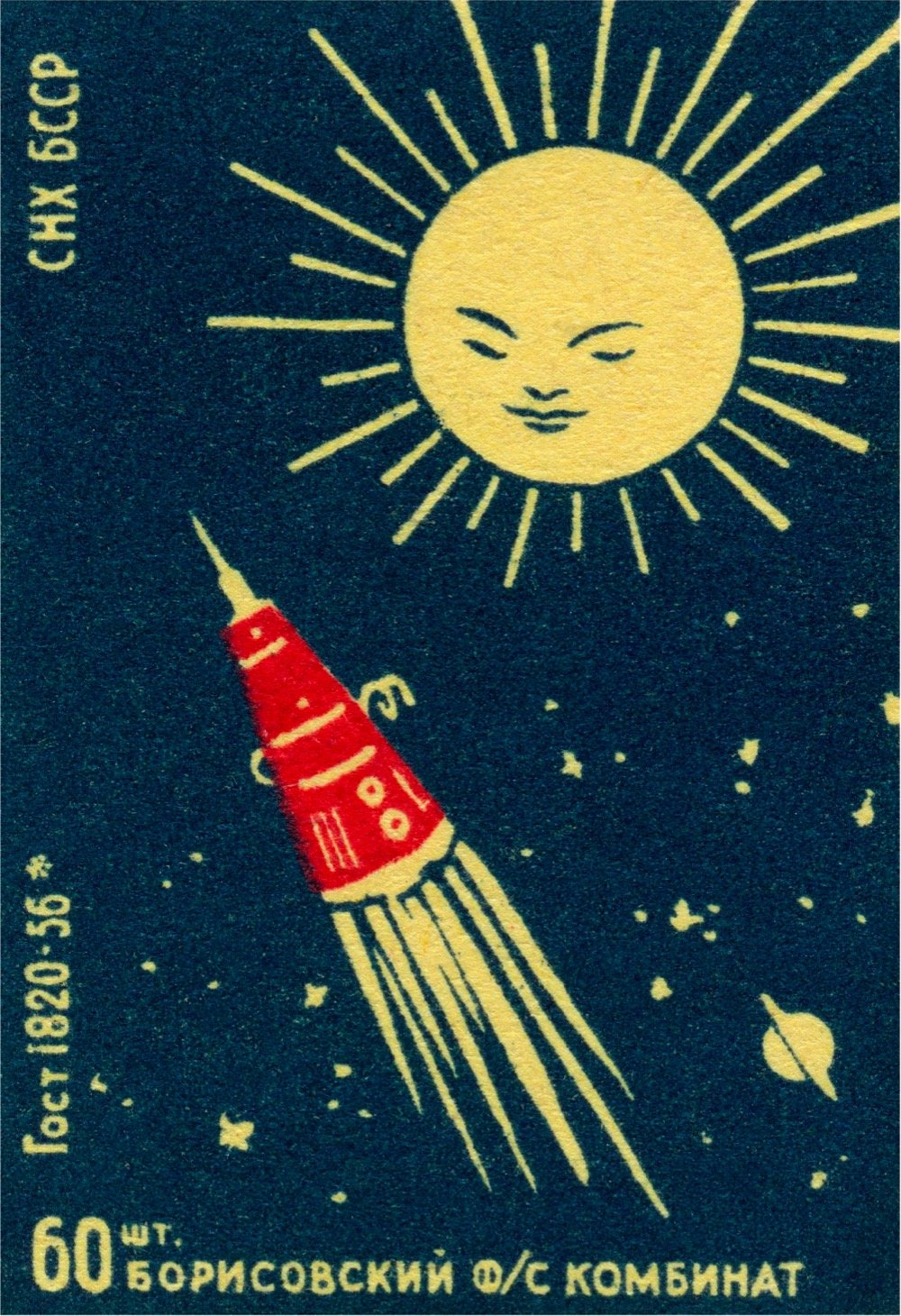



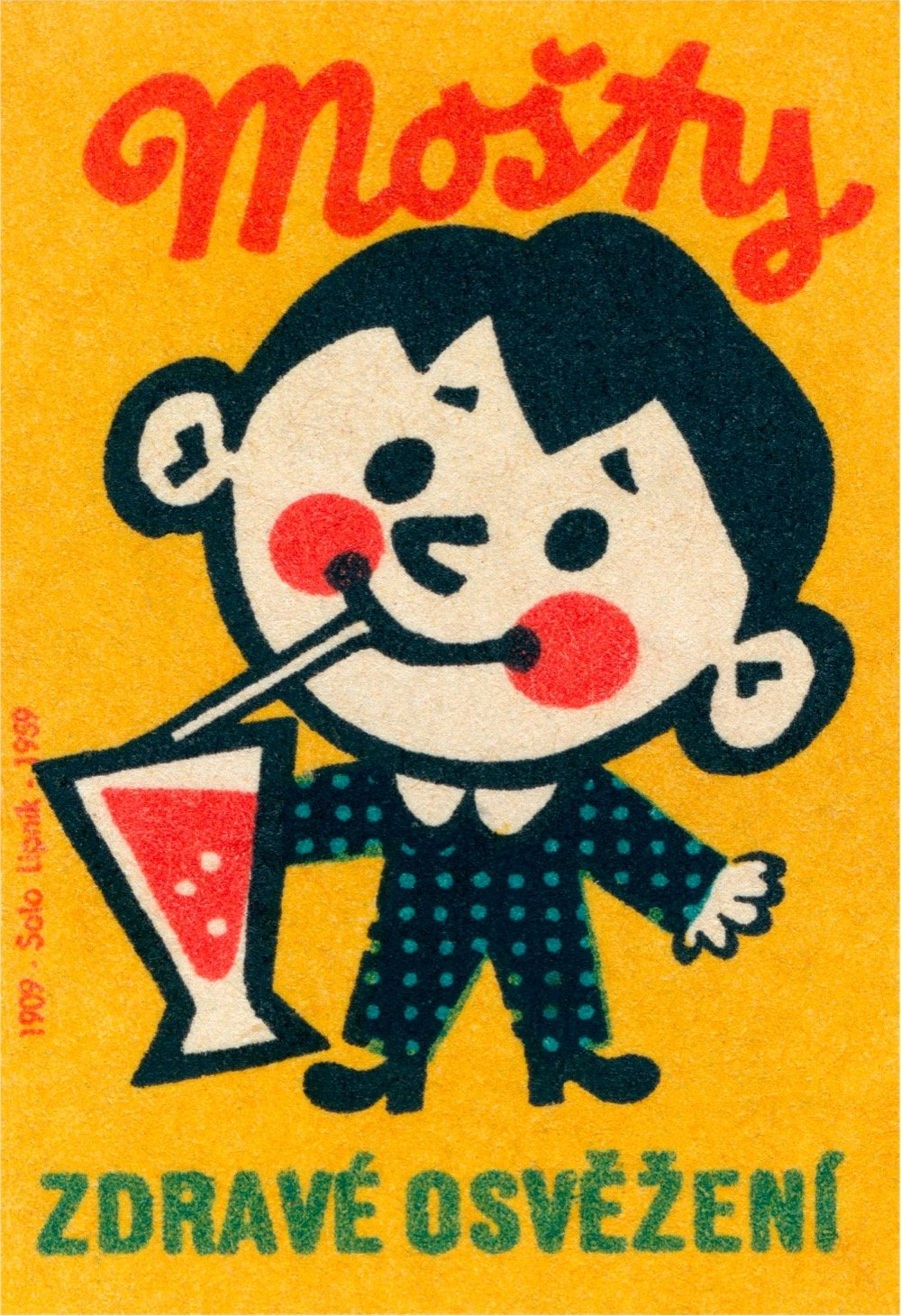
Look at how beautiful these mid-century matchbox labels are — they’re from Eastern Bloc countries (Poland, Czechoslovakia, Russia, etc.) from the 1950s to the 1980s. These are part of a collection by Jane McDevitt. Prints of some of these labels are available and there’s also a book.
In the early 60s in Liverpool, inspired by going to see The Beatles at the legendary Cavern Club, four teenaged girls formed the Liverbirds, one of the first all-female rock bands. They toured Britain and gained their greatest fame in Hamburg, Germany, where they followed the Beatles by playing at the Star-Club. During their six-year existence, the band played with Jimi Hendrix, the Rolling Stones, and the Kinks. In this installment of Almost Famous, the group’s two remaining members detail the history of the band. What a great story.
Pfizer halted the trials for its experimental antiviral pill for Covid-19 early because it was so effective. “Fewer than 1% of patients taking the drug needed to be hospitalized and no one died” vs 7% hosp. and 7 deaths in the comparison group.
Newer posts
Older posts

Socials & More