



“Once-In-A-Hundred Year” Sightings of Bamboo Blossoms Reported In Japan

Advertise here with Carbon Ads
This site is made possible by member support. 💞
Big thanks to Arcustech for hosting the site and offering amazing tech support.
When you buy through links on kottke.org, I may earn an affiliate commission. Thanks for supporting the site!
kottke.org. home of fine hypertext products since 1998.
Beloved by 86.47% of the web.
Entries for May 2019
WebGL Fluid Dynamics Simulator
Pavel Dobryakov has built a nifty little fluid dynamics simulator in WebGl that runs in any modern browser, including on mobile devices. You can drag around on the screen with your mouse or finger and produce colorful swirling patterns like these:

iOS and Android apps are also available. (via @EdwardDixon3)
Muslims came to America more than a century before Protestants, and in great numbers. How was their history forgotten?
TV & Movie Spy Scene Breakdowns from the Former CIA Chief of Disguise
For Wired’s series Technique Critique, former CIA Chief of Disguise Jonna Mendez looks at several TV shows and movies to rate how good their spy scenes are.
Mendez gives high marks to characters from Alias and The Americans for effective use of disguises and low marks to The Bourne Identity and Homeland. In relation to Philip’s disguises on The Americans, she discusses the concept of the little gray man, the CIA’s goal for its agents to look like harmless middle-aged men, something she also mentioned in this Washington Post piece:
Rhys makes the case, however, for disappearing under nothing more than a knit cap and a pair of glasses, a scruffy mustache and a messy wig. He becomes the consummate little gray man, invisible, the one nobody can remember was even on the elevator.
Mendez also talks about the three cover identities that CIA agents were not allowed to use: clergy, media figures, and Peace Corps volunteer. She previously did this video with Wired about how the CIA used disguises.
Researchers have found what they think is the oldest human footprint in the Americas, left 15,600 years ago in Chile. Evidence continues to mount that the peopling of the Americas happened earlier than commonly believed.
Branded Junkyard Creations
Artist and former advertising art director Alvaro Naddeo does these wonderful paintings of old iconic junk from our branded past repurposed into absurdist structures and vehicles, like Junkyard Wars through the lens of Warhol. It’s tough to explain, so just feast thine eyes on a couple of examples:
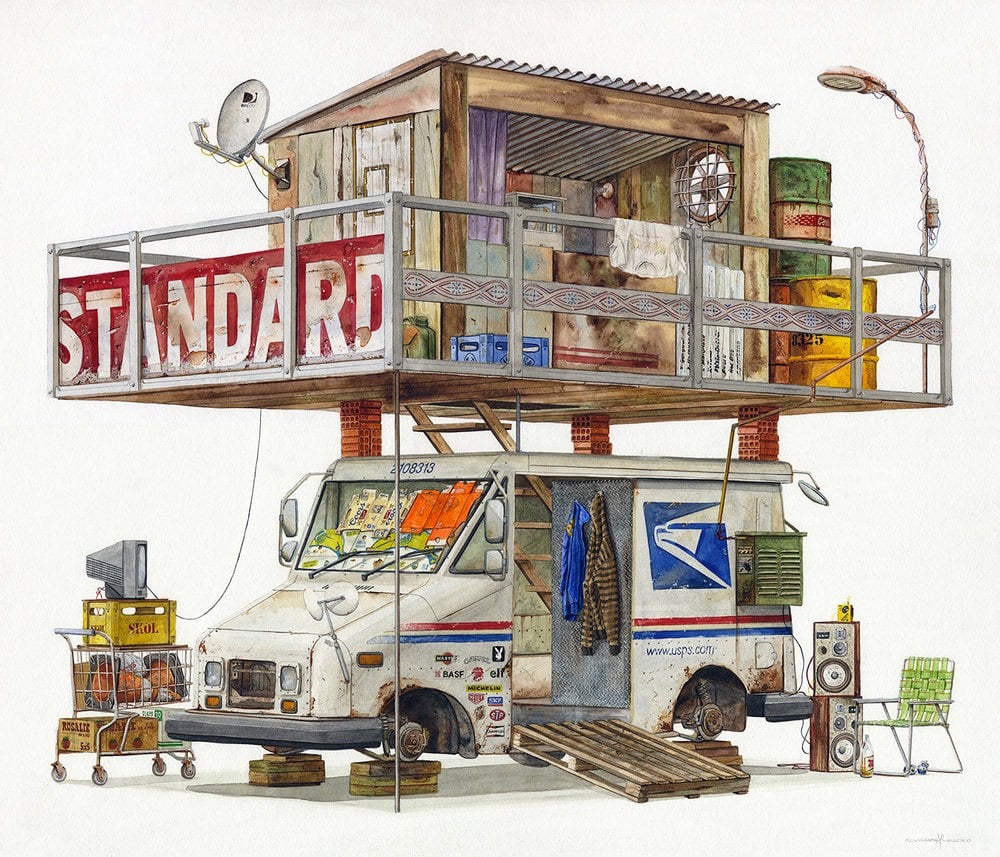
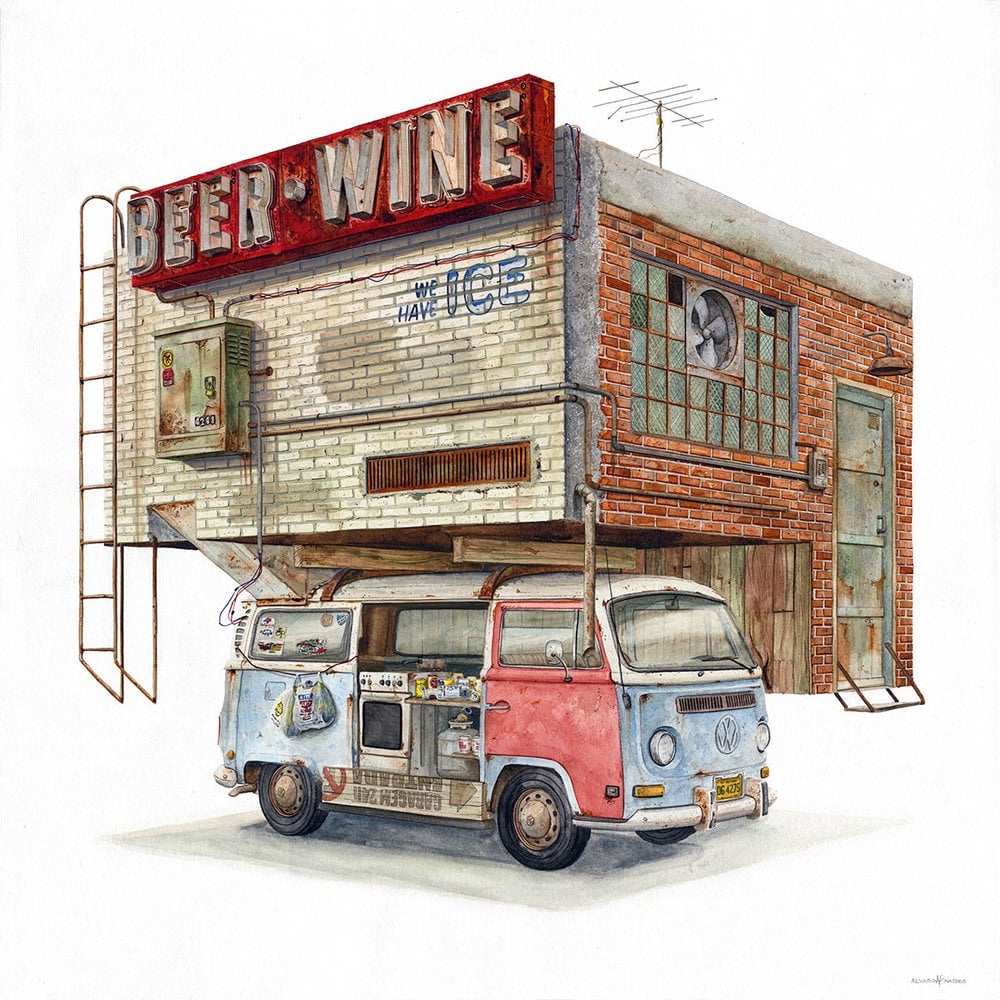
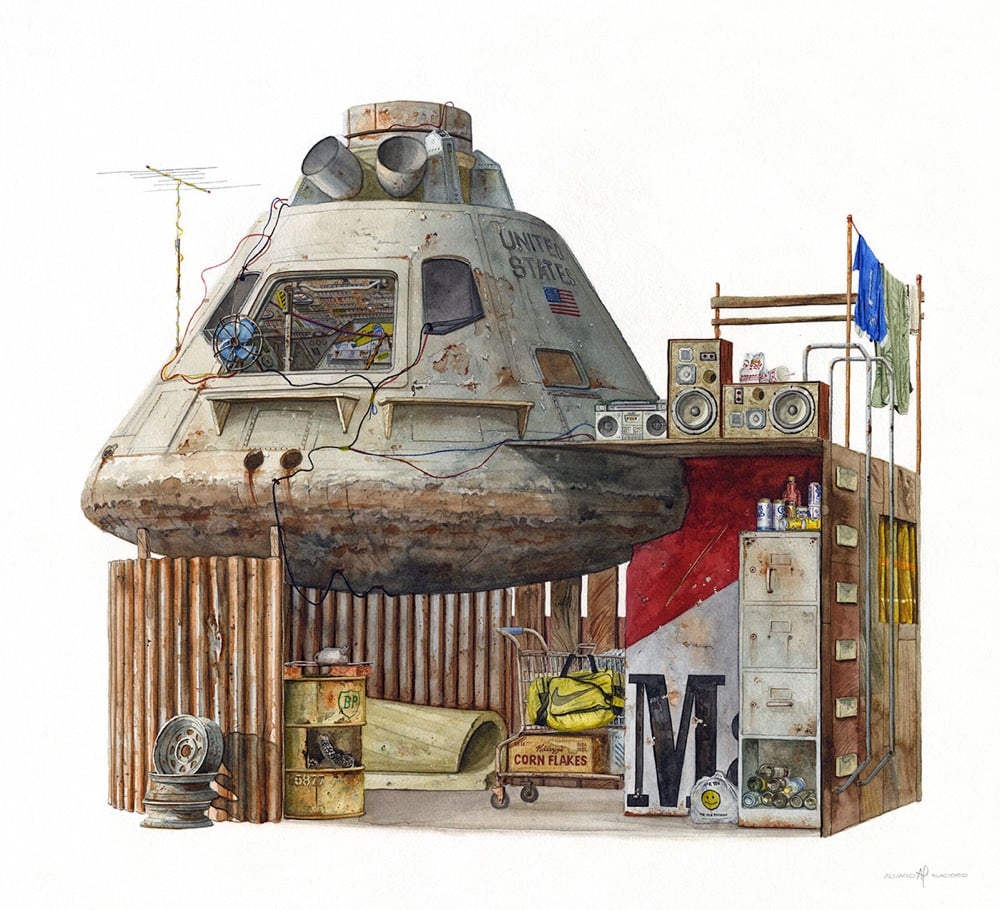
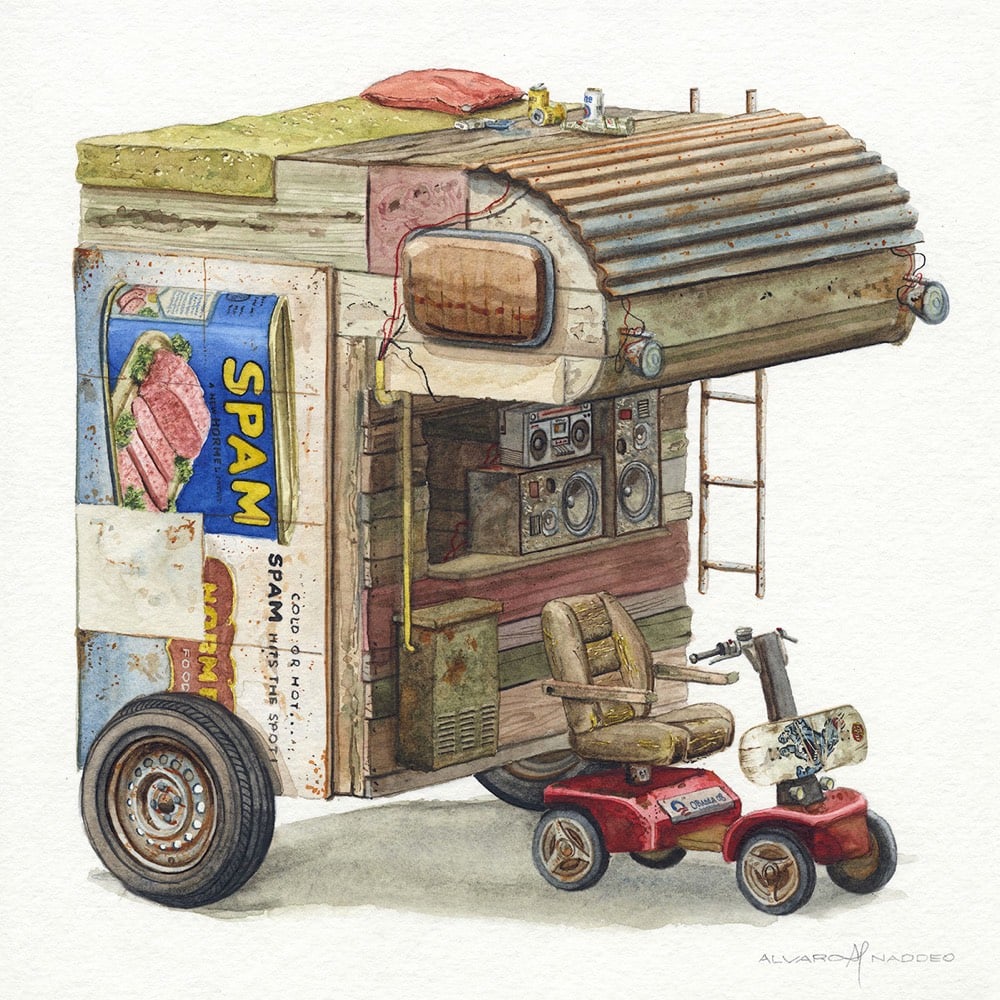
Ok, that was more than a couple. But there are so many more on his website and Instagram (including work-in-progress stuff)…check them out!
Naddeo recently shared his process for making these paintings with Colossal:
Naddeo tells Colossal that he starts with a loose sketch by hand. He then uses 3D software to help define a plausible shape for his imagined constructions, and creates a reference composition in Photoshop. After years of practice, Naddeo shares that he is able to recreate the texture, color, and shadows of various building materials like brick and concrete from memory. He uses reference photos to help flesh out small detail items, which are similarly rendered in watercolor.
A prime example of Robin Sloan’s concept of the flip-flop.
A new Terminator movie with Linda Hamilton & Arnold Schwarzenegger that takes place after Terminator 2 will be out in November. Not gonna lie…watching the trailer gave me goosebumps.
Introducing the Playdate Gaming System

Playdate is a new handheld gaming system from Panic, the makers of FTP software. Hold on, what?! From the press release:
Playdate is both very familiar, and totally new. It’s yellow, and fits perfectly in a pocket. It has a black-and-white screen with high reflectivity, a crystal-clear image, and no backlight. And of course, it has Wi-Fi, Bluetooth, USB-C, and a headphone jack. But it also has a crank. Yes, a crank: a cute, rotating analog controller that flips out from the side. It’s literally revolutionary.
The crank made me laugh out loud — in delight, mind you. Who puts a hand-crank on the side of a handheld video game console?! A very playful Nintendo-esque touch, designed in collaboration with Teenage Engineering. There’s more info, including photos of their first prototype, in this Twitter thread.
The old school tech blogging community1 is fired up about this thing in a way I’ve not seen for years. John Gruber writes on Daring Fireball:
The idea of a new upstart, a company the size of Panic — with only software experience at that — jumping into the hardware game with a brand new platform harkens back to the ’80s and ’90s. But even back then, a company like, say, General Magic or Palm, was VC-backed and aspired to be a titan. To be the next Atari or Commodore or Apple.
In today’s world all the new computing devices and platforms come from huge companies. Apple of course. All the well-known Android handset makers building off an OS provided by Google. Sony. Nintendo.
Panic is almost cheating in a way because they’re tiny. The Playdate platform isn’t competing with the state of the art. It’s not a retro platform, per se, but while it has an obviously nostalgic charm it is competing only on its own terms. Its only goal is to be fun.
And from Anil Dash, Putting the Soul in Console:
I’d been given a hint a while ago that something like this was coming, but the final execution is even more delightful than I’d imagined it might be. (That crank!) More importantly, it’s captured the imagination of so many, and seems like the kind of thing that could inspire a new generation of creative people to think, “Hey, maybe good tech is something we can make ourselves.” I’ve seen it happen on Glitch, and now I see it happening around Playdate after just a few hours.
That idea, that maybe things like our gaming devices or the websites we visit should be created by people we know and like, instead of giant faceless companies, seems more essential than ever. We would never settle for replacing all of our made-with-love, locally-grown, mom’s recipe home cooking with factory-farmed fast food, even if sometimes convenience demands we consume the latter. And we shouldn’t compromise any less on making sure that some of the time we spend playing games with each other, and delighting in the promise of technology, comes from people who’ve been diligently working for years to make well-sourced, organically grown, made-with-love technology.
Playdate starts shipping in early 2020. Supplies are probably going to be limited, so if you’re interested in getting one, you should hop on their mailing list.
I.e. the folks who write about technology (software, gadgets) because they love it, not the folks who write about technology (IPOs, funding rounds) because it makes them money and gives them power.↩
A former FBI agent reveals how to read body language. “You can have a poker face, but you can’t have a poker body.”
We Will Add Your Biological and Technological Distinctiveness to Our Own
Design firm Pentagram has brought in a new partner to their New York office, information designer Giorgia Lupi, who joins heavy hitters like Michael Bierut, Paula Scher, and Eddie Opera. I remain fascinated with how Pentagram operates:
Established in 1972, the firm has a collectivist attitude and adheres to a longstanding constitution, which exists in its original form with only small modifications. It spreads profits and decision-making power equally among its self-governed partners — all designers — irrespective of seniority or how much business they brought in during a given year. There’s no CEO. The partners do collaborate with one another, often across disciplines, but essentially operate their own studios, though the local offices meet on a weekly basis and the entire group convenes twice a year. These all-partner meetings, chaired by one of the partners on a rotating basis, are about sharing work with the group and discussing business dynamics, Pentagram’s publishing program, its website, and trends in the industry.
The process for bringing in a new partner can take years from start to finish and requires the unanimous consent of the rest of the partners:
“One vote against and it’s over, truly,” says Miller. “We’ve seen it happen.”
I’ve often thought about if a collective structure could work for independent content sites. I wouldn’t want to sell kottke.org to anyone, but the idea of sharing resources and infrastructure with a couple dozen similar sites is appealing. You could collect the sites into a membership bundle; hire dedicated staff for customer support, ad sales, & devops; do cross-promotion, syndicate the content via a meta-site, and generally help small indie sites punch above their weight. This is what The Deck could have evolved into, I suppose. Aw well.
Five Hundred and Seven Mechanical Movements
This wonderful site presents animations of 507 mechanical movements first published in a book by Henry T. Brown in 1868, the full title of which is:
Five Hundred and Seven Mechanical Movements: Embracing All Those Which Are Most Important in Dynamics, Hydraulics, Hydrostatics, Pneumatics, Steam Engines, Mill and Other Gearing, Presses, Horology, and Miscellaneous Machinery; and Including Many Movements Never Before Published and Several of Which Have Only Recently Come Into Use
The site is a work-in-progress…not all of the movements have been animated yet. This short video shows movement #123:
You can buy a paperback version of the original book or browse/download the entire thing at the Internet Archive.
See also this great explanation of differential gears and especially Ralph Steiner’s 1930 short film Mechanical Principles, in which we see many of the mechanisms from Brown’s book actually working:
Warning: if you start Steiner’s film, you’ll probably end up watching the whole thing…it’s mesmerizing, particularly when the gears come in around ~2:30.
The Bit Player
The Bit Player is a documentary film about Claude Shannon, the underrated “Father of Information Theory”, whose work, more than anyone else’s, laid the foundation for the information age in which we find ourselves currently immersed.
In a blockbuster paper in 1948, Claude Shannon introduced the notion of a “bit” and laid the foundation for the information age. His ideas ripple through nearly every aspect of modern life, influencing such diverse fields as communication, computing, cryptography, neuroscience, artificial intelligence, cosmology, linguistics, and genetics.
The film is directed by Mark Levinson, a former particle physicist, who also directed the excellent Particle Fever (about the search for the Higgs boson). The Bit Player premieres later this month at the World Science Festival in NYC and presumably will be out in theaters sometime after that.
Laugh track history. “Ancient Athenian performer Philemon routinely defeats his rival Menander at comedy competitions, not because he’s funnier, but because he hires audience members to laugh loudly at his jokes to sway the judges.”
The Dark Forest Theory of the Internet
I am here for any metaphor linking the internet and Liu Cixin’s Three-Body Problem trilogy. Kickstarter co-founder Yancey Strickler writes that netizens are retreating from the public square of the internet, resulting in many private & isolated worlds that don’t communicate with each other, a la the dark forest condition in Liu’s books.
Dark forests like newsletters and podcasts are growing areas of activity. As are other dark forests, like Slack channels, private Instagrams, invite-only message boards, text groups, Snapchat, WeChat, and on and on. This is where Facebook is pivoting with Groups (and trying to redefine what the word “privacy” means in the process).
These are all spaces where depressurized conversation is possible because of their non-indexed, non-optimized, and non-gamified environments. The cultures of those spaces have more in common with the physical world than the internet.
Clive Thompson writes that tech in SF is becoming a monoculture: “You go to dinner and tech is literally all people talk about: tech, tech, tech.” That’s exactly why I moved away from SF 17 years ago…tech was all anyone ever talked about.
Philip Glass on Soul Train
It turns out that the fourth track off of Philip Glass’ soundtrack for Koyaanisqatsi matches up pretty well to the dancers in this clip from Soul Train.
I don’t know whether to like this or hate it. Actually, I think I love it. See also Soul Train dancers backed by Daft Punk. (via @tedgioia)
The Atlas of Urban Expansion is a website dedicated to the study of how cities from around the globe expand. Wow, there is a ton of data here.
Explore Leonardo da Vinci’s Codex Atlanticus Online
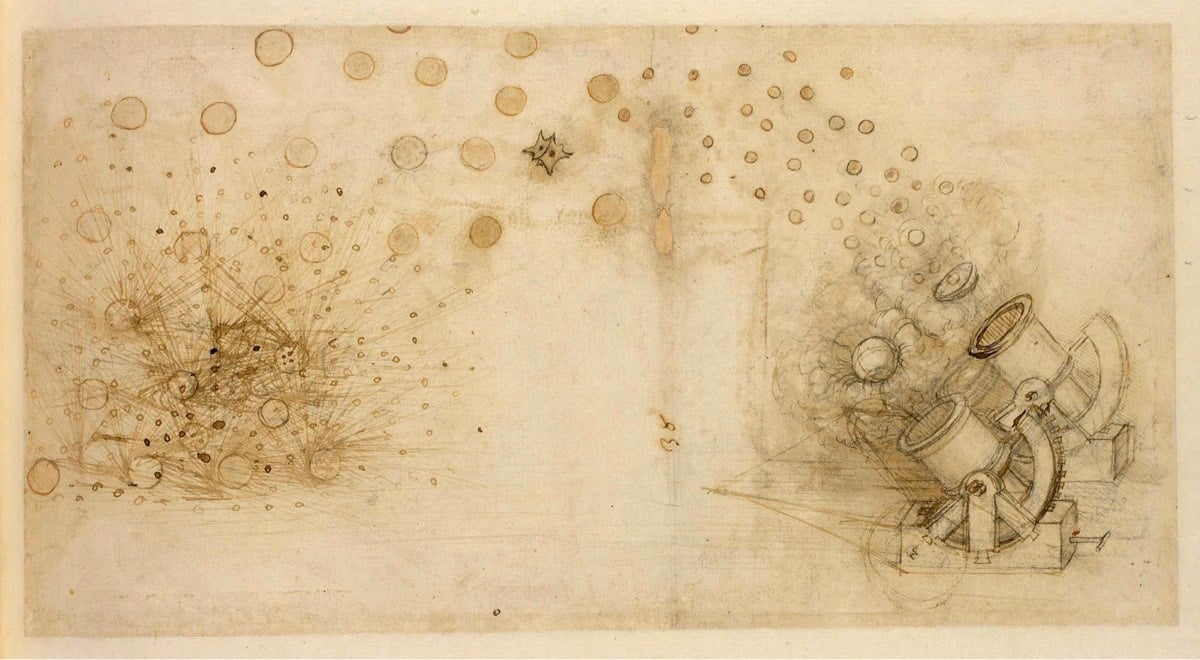
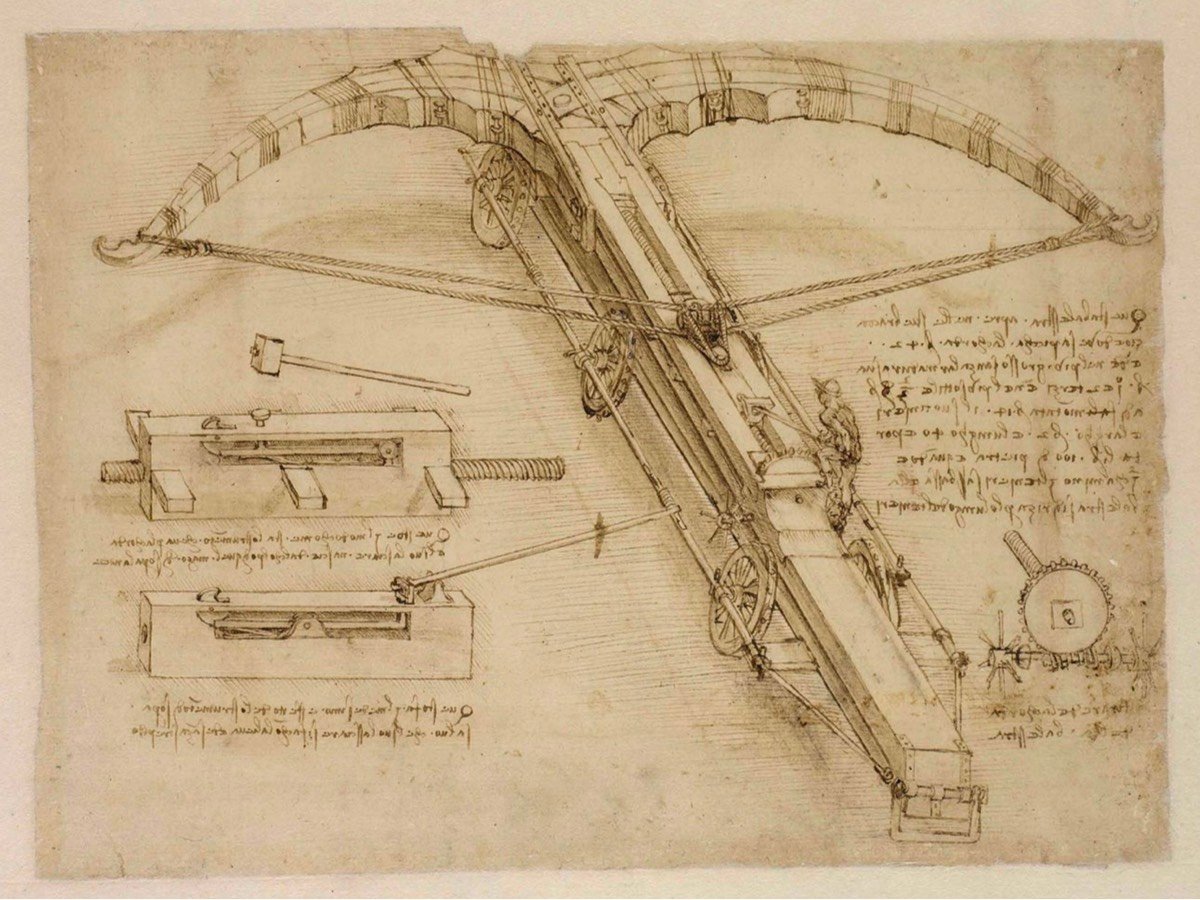
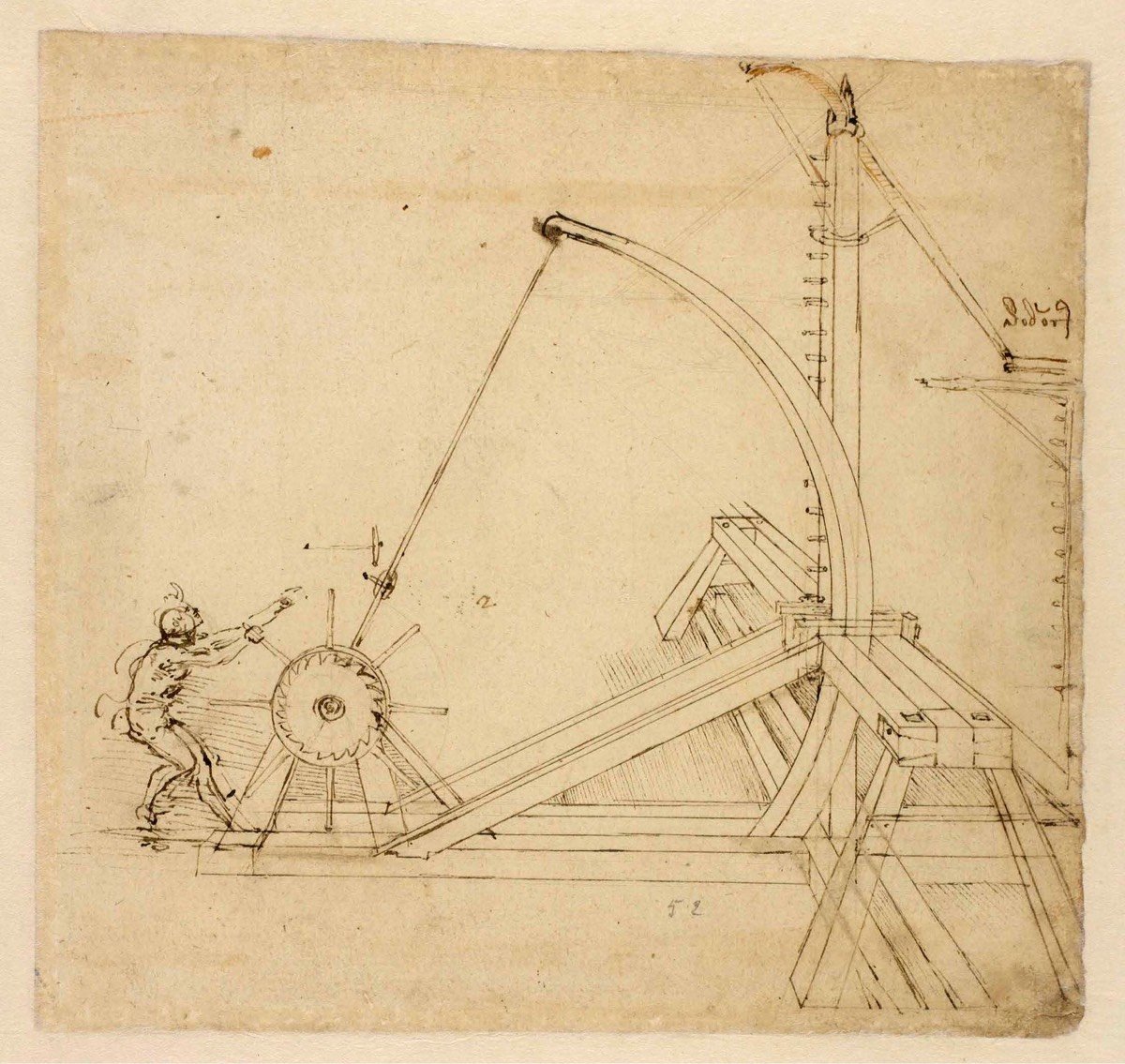
An 1119-page collection of papers known as the Codex Atlanticus has been completely digitized and put online to explore. The codex showcases Leonardo’s impressive range of interests and abilities, from flying machines to anatomy to weaponry to astronomy to engineering.
Several more of Leonardo’s notebooks have been put online as well…I’ve listed all of them in this post about the Codex Forster. (via open culture)
The World Building Bureaucracy of Sequels
An intriguing insight from Khoi Vinh in his short review of the third John Wick movie:
This is what usually happens: a film creates a compelling fantasy world and fans clamor for more. So sequels build that world out, they show more of its mechanics, its people, its history. But “John Wick: Chapter 3 — Parabellum” demonstrates one little acknowledged principle of escalated world building: the inevitable outcome is bureaucracy.
[…]
Things that were at first only suggested become explicit, mysteries are explained, and idiosyncrasies metastasize into red tape. Suddenly filmmakers find themselves in a position where building the world becomes its own motivation.
See also Why the Writing in Game of Thrones’ Season 8 Feels Off. (via @capndesign)
The Solitary Garden
In 1960, David Latimer put some compost, water, and plant seeds into a large glass jar and sealed it up. And it’s been growing like that ever since, save for when Latimer opened the bottle to water it in 1972.
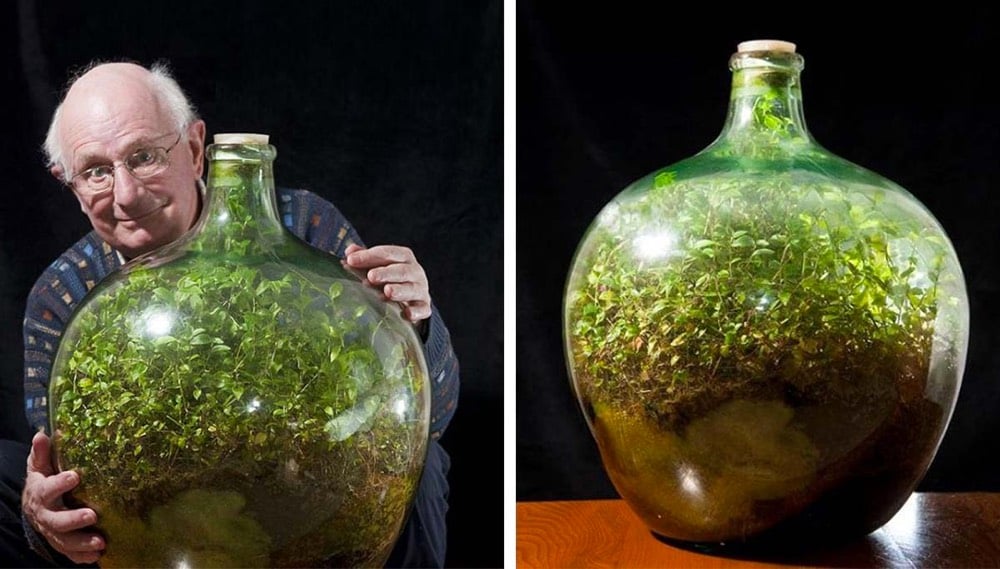
It’s easy to take nature and evolution for granted but think about how marvelous this is. Over billions of years, an ecosystem evolved on Earth that can sustain itself basically forever using light from the Sun.
The plant creates energy from the sunlight via photosynthesis, using up carbon dioxide and releasing oxygen into the bottle. When parts of the plant die, bacteria in the soil use the oxygen to break down these dead parts, releasing carbon dioxide and completing the circle. The water cycle is similarly self-refueling: whatever water the plant takes in through its roots ultimately transpires out of its leaves, condenses on the inside of the bottle, and drips back into the soil.
Why the writing in Game of Thrones’ season 8 feels off: the writing approach has changed. “Plotters create a detailed outline before they commit a word to the page. Pantsers prefer to discover the story as they write it.”
New Coke is back!! Is it weird to have nostalgia for 80s consumerism? It seems so quaint now…
The Trailer for the Downton Abbey Movie
The Downton Abbey movie is nearly upon us (it’s out in Sept) and the first full-length trailer is here. The action picks up a couple of years after the TV show ended and concerns the visit of King George V and Queen Mary to the estate. I’ve embedded the UK trailer above — it’s better than the American trailer even though it gives away a bit more of the plot. Plus, in the UK version you get to see the deployment of Carson in the Battle of the Head Butlers. Carson’s glance of disdained indifference toward the royal butler might be the most spine-tingling battle moment since Aragon uttered “for Frodo” and charged headlong into the hordes of Mordor.
Update: Some real talk from Robert Bennett about the escapist fantasy of Downton Abbey:
really the point of the entire show was to let middle american viewers dabble in the lavish lives and costumes of the edwardian .001% without feeling bad about what made that lifestyle possible
anything that threatened that “safari in the aristocracy” aspect — be it the realism of class warfare, or the actual, historical evolutions of the era that would have upended everything that happened — was quickly neutered and turned into quaint fluff.
Still excited for the movie though. Butler Battle 2019!!
Can indie social media save us? “The IndieWeb lacks the carefully engineered addictiveness that helped fuel the rise of services like Facebook, Twitter, and Instagram.”
Classic Airline Logos
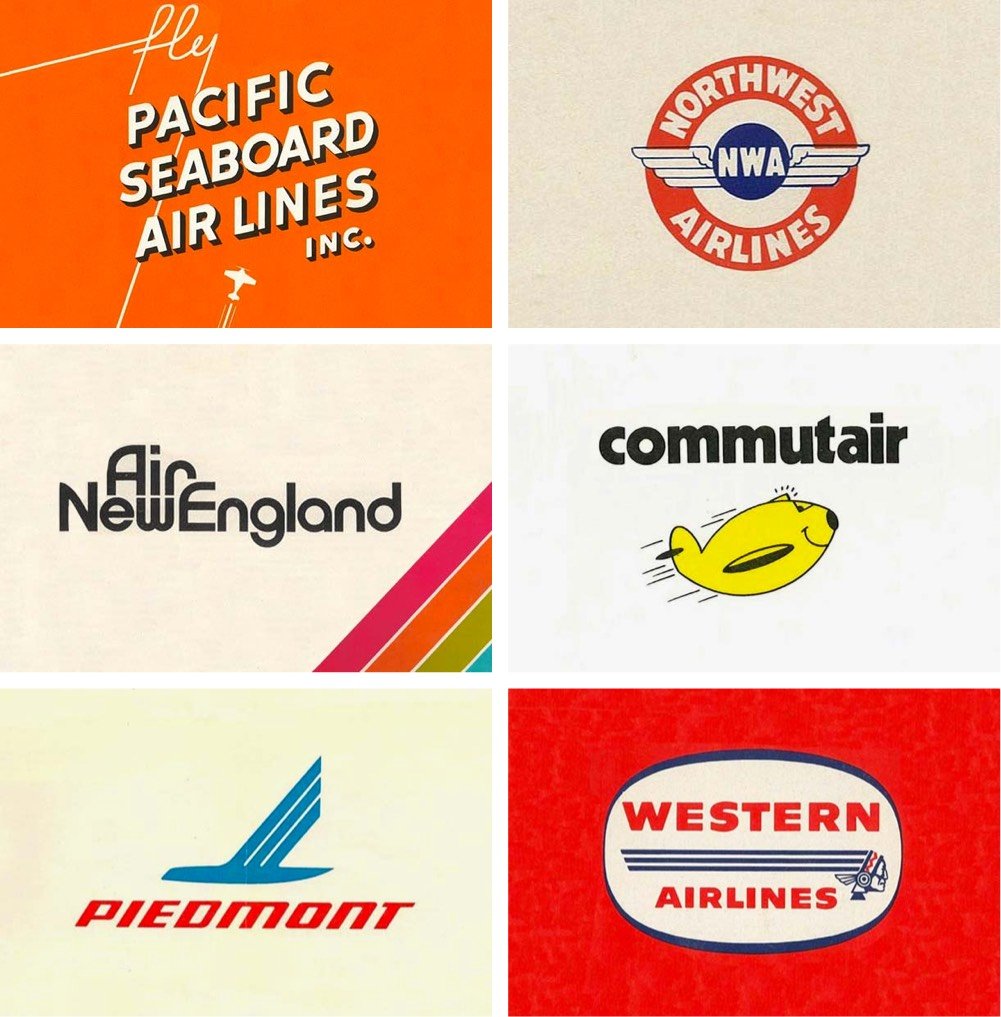
Reagan Ray has collected a bunch of classic logos from American airlines, from the big ones (Delta, United) to small regional airlines (Pennsylvania Central, Cardiff and Peacock) to those no longer with us (Pan Am, TWA, Northwest). I sent him the logo for my dad’s old airline, Blue Line Air Express…I hope it makes it in!
See also Reagan’s collections of record label logos, 80s action figure logos, American car logos, VHS distributor logos, and railway logos. Careful, you might spend all day on these… (via @mrgan)
Update: Ray was kind enough to add Blue Line into the mix! Thank you!
Extreme Babysitting from Danny MacAskill
Remember trials rider Danny MacAskill, who I’ve been covering on kottke.org for over ten years somehow?! In his newest video, he turns babysitting a friend’s young daughter into a death-defying cycling adventure…an oddly tender death-defying cycling adventure somehow.
Stay tuned after the main action for a short making-of feature (no children were harmed, etc. etc.) in which we see Daisy riding a bike of her own!
A Crumbling Abe Lincoln

Liberty Crumbling is sand sculptor Damon Langlois’ version of the statue of Abraham Lincoln at the Lincoln Memorial, which won first prize at 2019 Texas SandFest. (via colossal)
When comparing it to the actual footage, the helicopter crash on last week’s episode of Chernobyl was really realistic. It just seems to melt in the air.
My Dad, the Facebook Addict
Meet Vincent LeVine. He’s the subject of “My Dad, the Facebook Addict”, a short documentary by his son Dylan. He started off using Facebook normally, keeping up with the news and chatting with friends, but evolved into a fierce meme warrior stocked with a “nuclear arsenal” of memes at the ready to destroy anyone who wants to come at him.
I can have a meme war with anybody and destroy them. And I’ve done it! People actually bail at the end and go, “Who is this guy? He’s got like every meme ever produced on the internet! He can knock us out with his memes!” And I do, I have tons of memes, I just keep memeing them to death until they just surrender because they just can’t do it anymore. They don’t have the memes that I have.
Vincent is very entertaining and it was difficult to not just quote all of his lines in the video. You can check out his Facebook account for yourself or watch his technique for hygienically blowing out birthday cake candles.
How democratic is the EU? As an American who knows little about the EU, this was helpful in providing some context.
Hollywood Dream Machines: an Exhibition of Vehicles from Sci-Fi Movies




An exhibition called Hollywood Dream Machines: Vehicles of Science Fiction and Fantasy just opened at the Petersen Automotive Museum in LA. It features more than 50 vehicles from sci-fi and fantasy films like Blade Runner, Iron Man, Mad Max: Fury Road, Black Panther, Minority Report, Star Wars, Speed Racer, Back to the Future, and Tron: Legacy. The exhibition runs through March 2020.
A New Old Vermeer
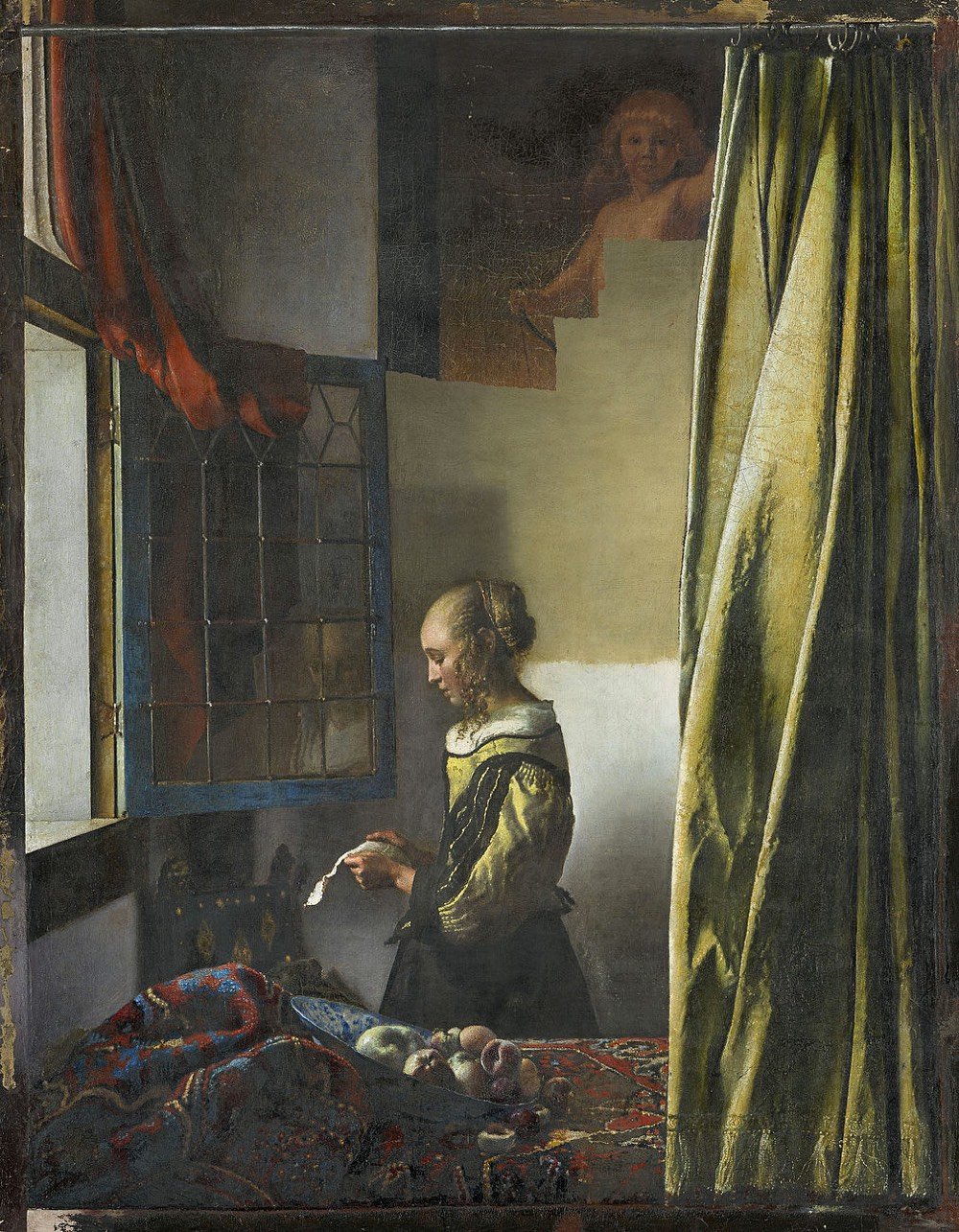
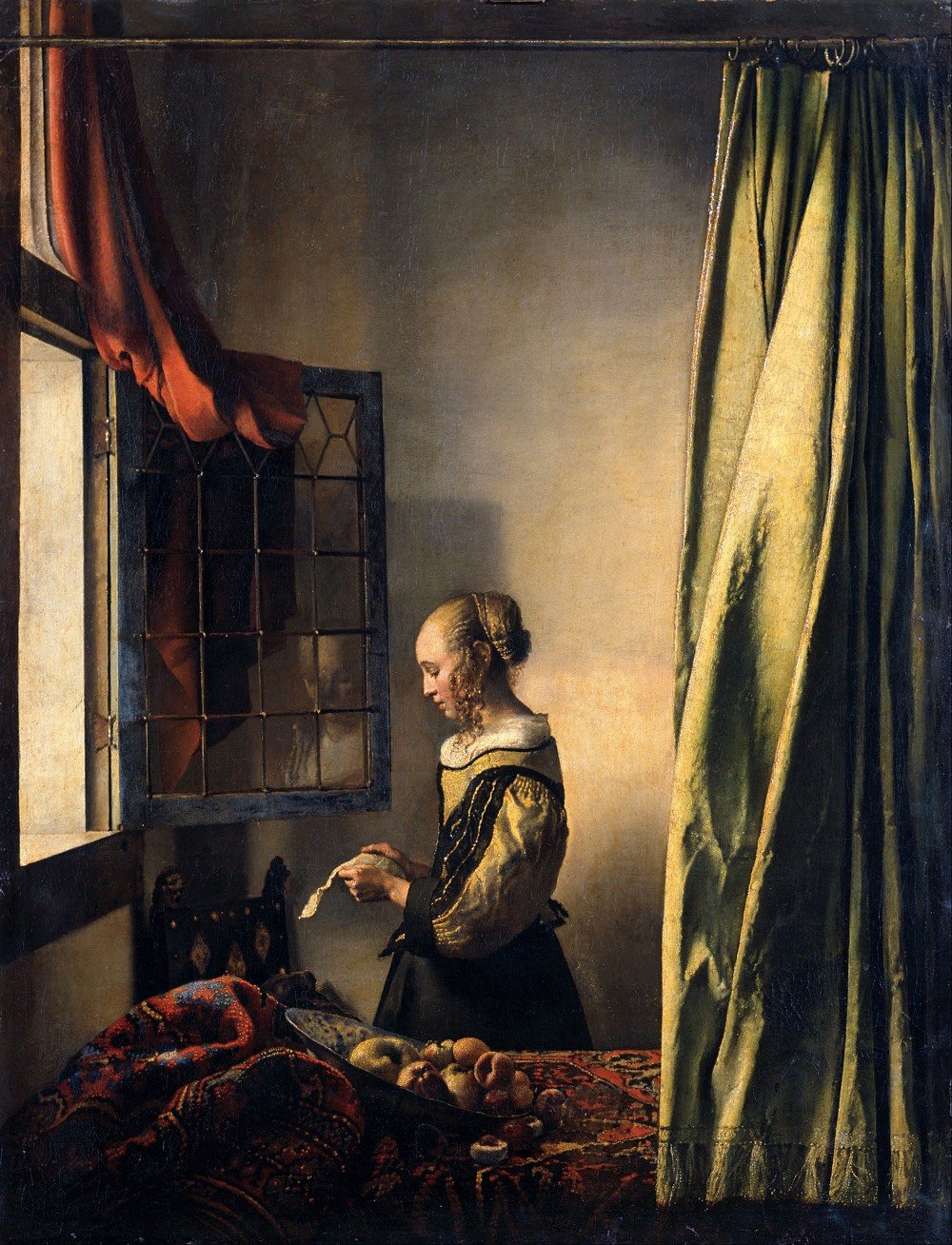
The Staatliche Kunstsammlungen Dresden is restoring a painting by Johannes Vermeer after it was “conclusively determined” that part of it was painted over after Vermeer died.
For more than 250 years now, the famous painting by Johannes Vermeer featuring a profile depiction of a girl intently reading a letter in front of a light-coloured empty wall has held a firm place among the masterpieces in the Dresden Gemäldegalerie. This picture, which dates to around 1657/59, is regarded as one of the earliest interior paintings by Vermeer with a solitary figure. Previous x-ray examinations indicated that a picture of a naked Cupid in the painting had been overpainted. Today, new laboratory tests have conclusively determined that the overpainting was not by Vermeer’s hand. On this basis, the Gemäldegalerie Alte Meister decided in the course of the current restoration of the work to remove the overpaint.
The restoration of Girl Reading a Letter at an Open Window is not totally complete, here’s what it looks like now:
And what it looked like before the restoration started:
The partially restored painting will be on display at the Gemäldegalerie Alte Meister in Dresden until June 16, after which they will take another year to complete the painstaking restoration.
Folding a Piece of Paper More than Seven Times
If you could somehow fold a piece of paper in half 103 times, the paper would be as thick as the observable universe.
Such is the power (*cough*) of exponential growth, but of course you’d never get anywhere close to that many folds. The theoretical limit for folding paper was long thought to be seven or eight folds. You can see why watching this hydraulic press attempt the 7th fold…the paper basically turns to dust.
But in 2002, high school student Britney Gallivan proved that you could fold a piece of paper 12 times. Here’s Gallivan explaining the math involved and where the limits come in when folding:
(thx, porter)
Abortion rights in the US are eroding. Elizabeth Warren has a plan for that: “Congress should pass new federal laws that protect access to reproductive care from right-wing ideologues in the states.”
Fire: The Next Sharp Stick? by @hodgman
Socials & More