Advertise here with Carbon Ads

This site is made possible by member support. 💞

Big thanks to Arcustech for hosting the site and offering amazing tech support.

When you buy through links on kottke.org, I may earn an affiliate commission. Thanks for supporting the site!

kottke.org. home of fine hypertext products since 1998.

Beloved by 86.47% of the web.

🍔  💀  📸  😭  🕳️  🤠  🎬  🥔

kottke.org posts about photography

Big Tuskers

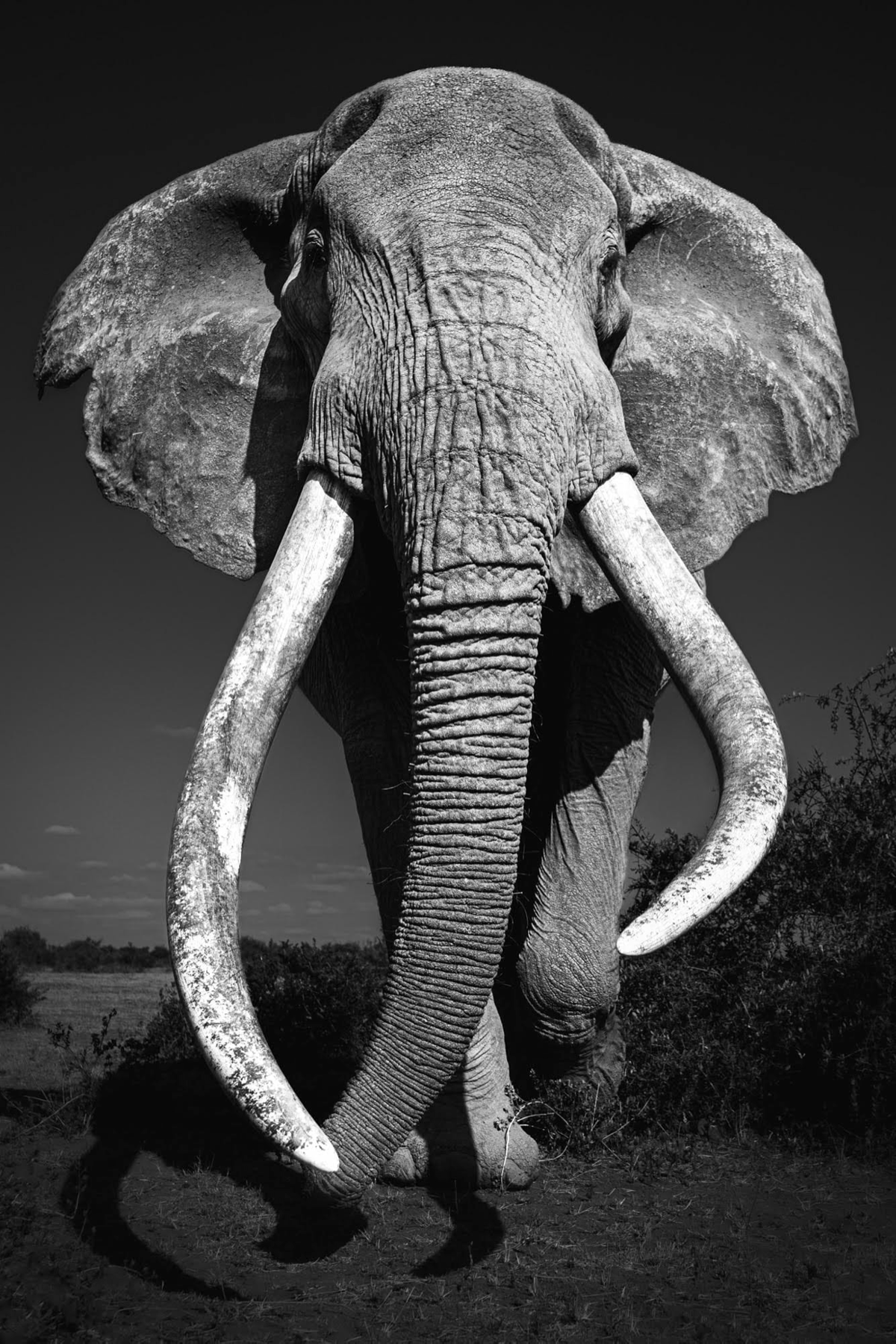
Oh wow, I love these photographs of “big tusker” elephants by Johan Siggesson.
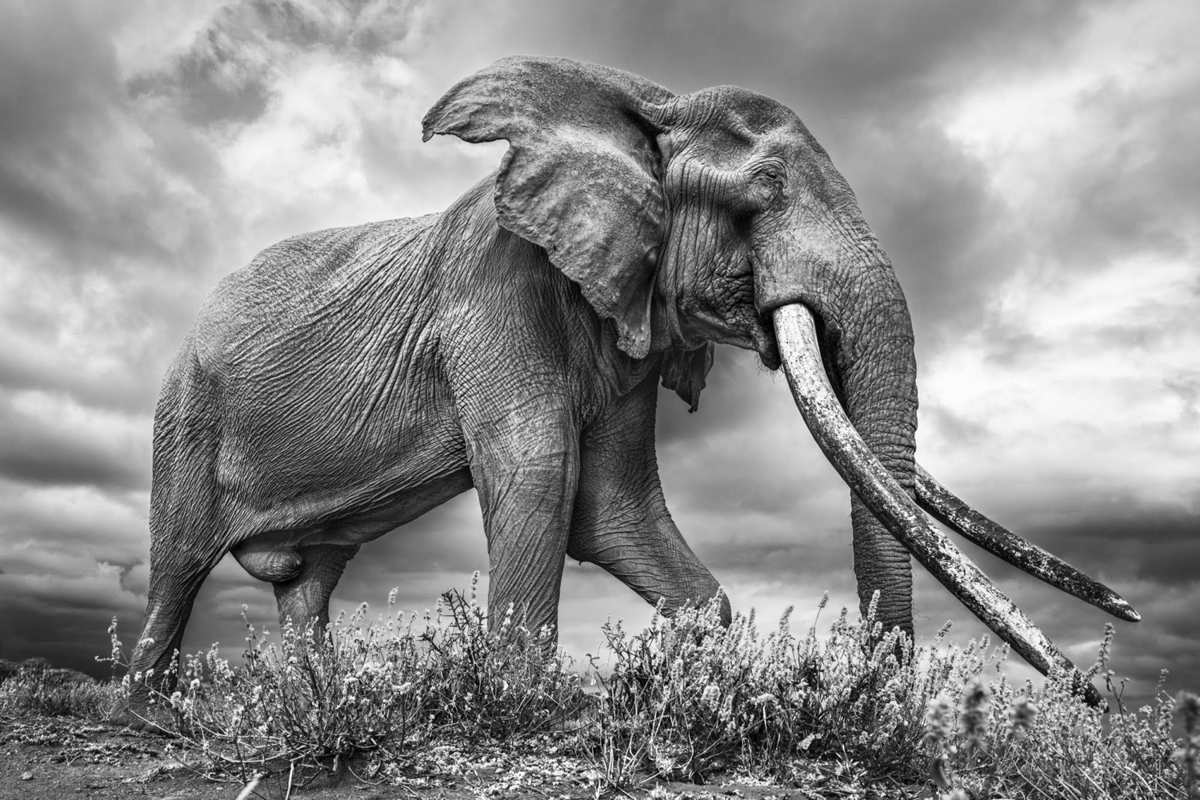
I didn’t even know big tuskers were a thing — and they may not be for much longer:

The term “Big Tusker” refers to an elephant with tusks so large they scrape the floor. Unfortunately, the opportunities for witnessing a big tusker in its natural habitat are slim. As of today, there are approximately 25 individuals left in the world, most of which reside in the Tsavo Conservation Area. It is vital that we make every effort to protect what is arguably the last viable gene pool of “Big Tuskers” remaining.

You can see just how large these elephants’ tusks are compared to those of other elephants in this photo. A great find via Colossal.

Siggesson’s Instagram is worth a look as well…the starkness of the stripes in this zebra photo!
Reply · 1

Color Photos of Rome (c. 1890s)

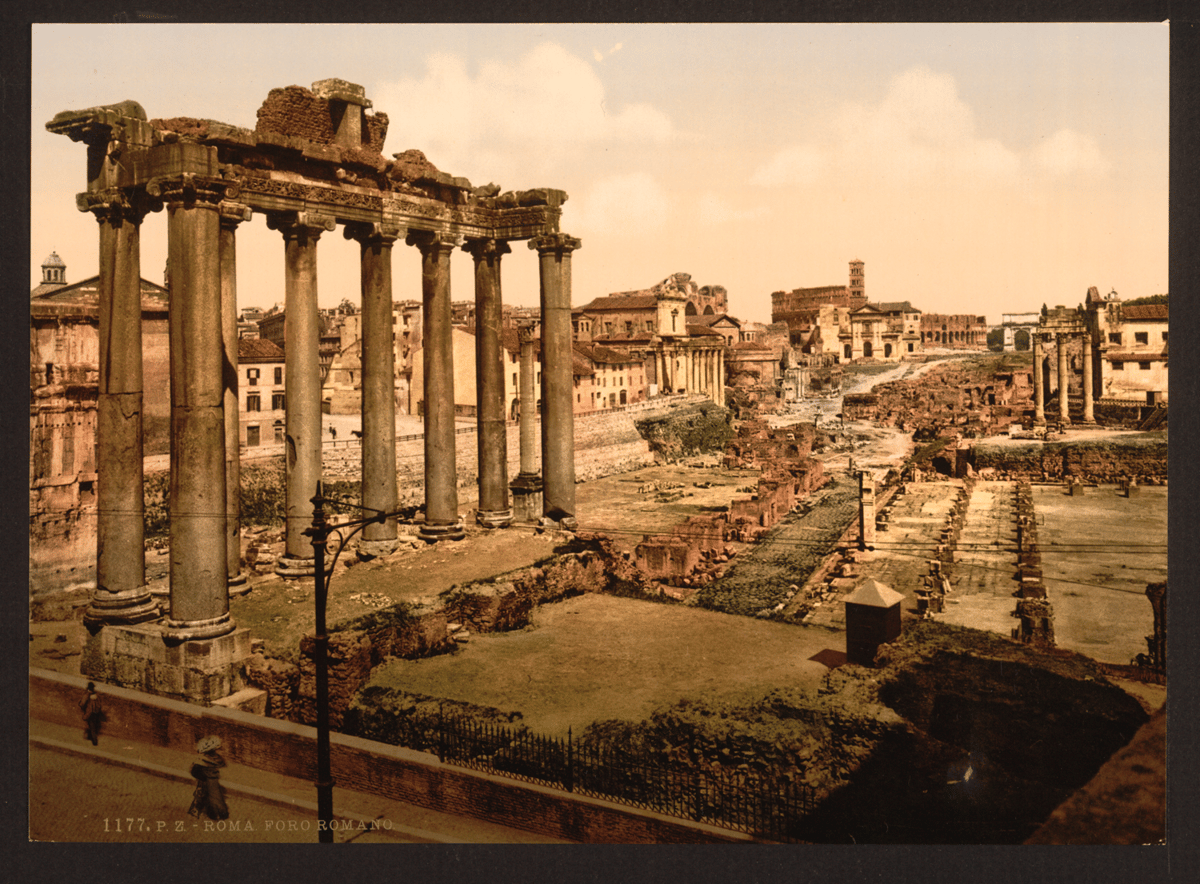
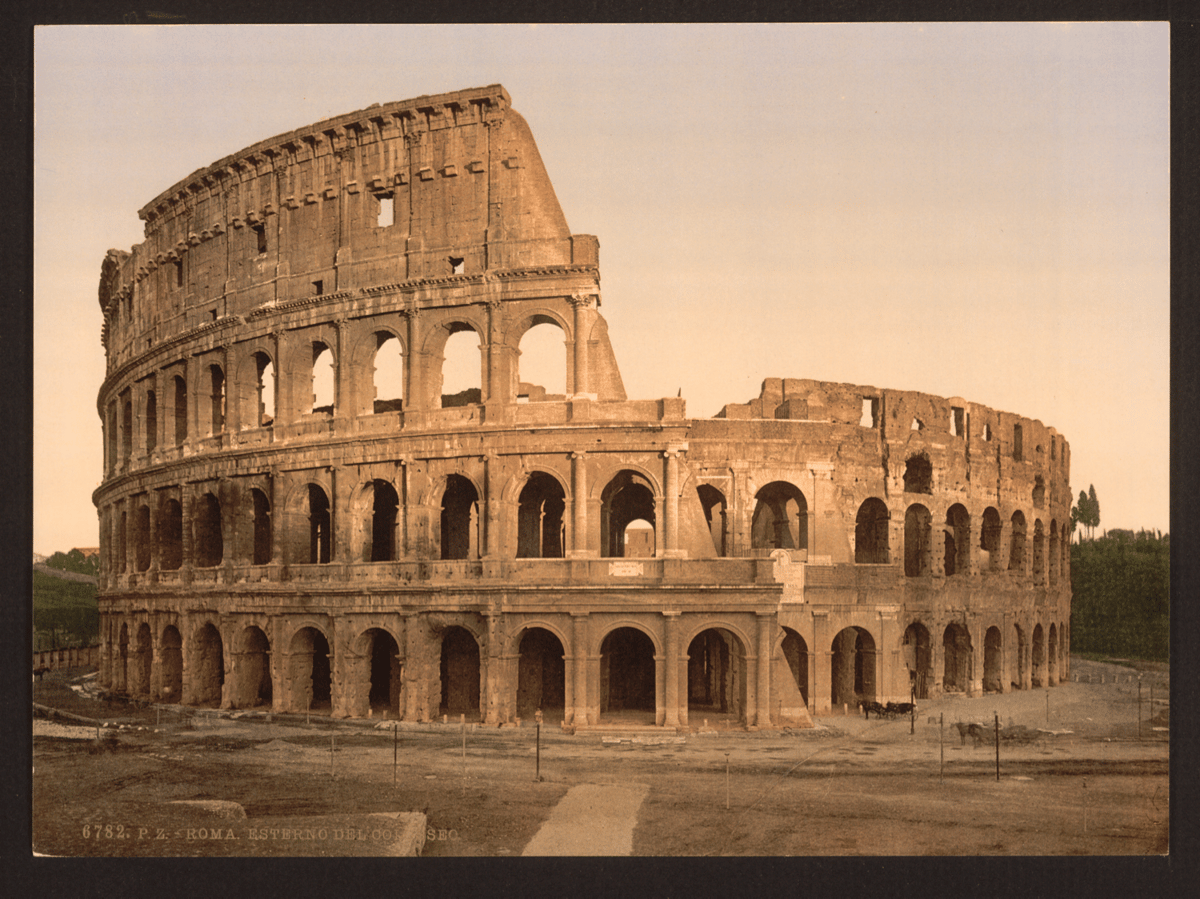
The Library of Congress houses an online collection of 48 color photographs of Rome taken in the 1890s. The prints were created using the photochrom process:

The prints look deceptively like color photographs. But when viewed with a magnifying glass the small dots that comprise the ink-based photomechanical image are visible. The photomechanical process permitted mass production of the vivid color prints. Each color in the final print required a separate asphalt-coated lithographic stone, usually a minimum of six stones and often more than ten stones.

If you look at the individual items from the collection (like the shot of the Colosseum), you’ll notice that the photographers were uncredited:

The names of individual photographers are rarely identified on the photochrom prints. Initials on the original negatives and entries in the Detroit Publishing Company ledgers at the Colorado Historical Society sometimes reveal the image creator.

(via open culture)
Reply · 1

Satellite’s Ring of Fire Solar Eclipse Photo Taken From Orbit

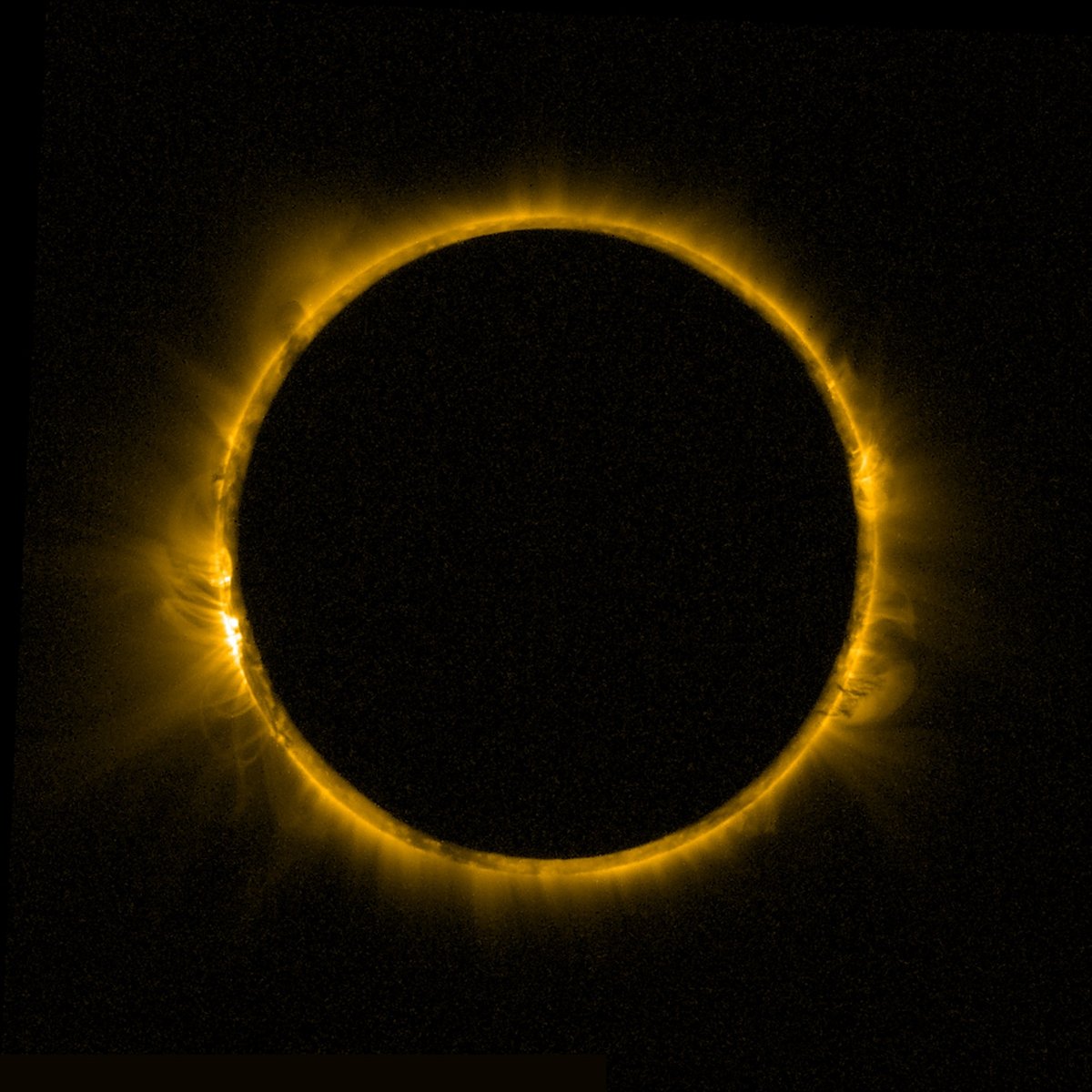
During the recent annular solar eclipse on February 17, the ESA’s PROBA-2 satellite captured this great shot of the Moon passing in front of the Sun. Cue up the Johnny Cash.

Reply · 1

Unusual Views of the Winter Olympics

Alan Taylor has shared a bunch of photos of the just-concluded Winter Olympics “featuring infrared imaging, vintage cameras, optical filters, digital composites, unusual angles, unexpected subjects, and more”. Two of my favorites:
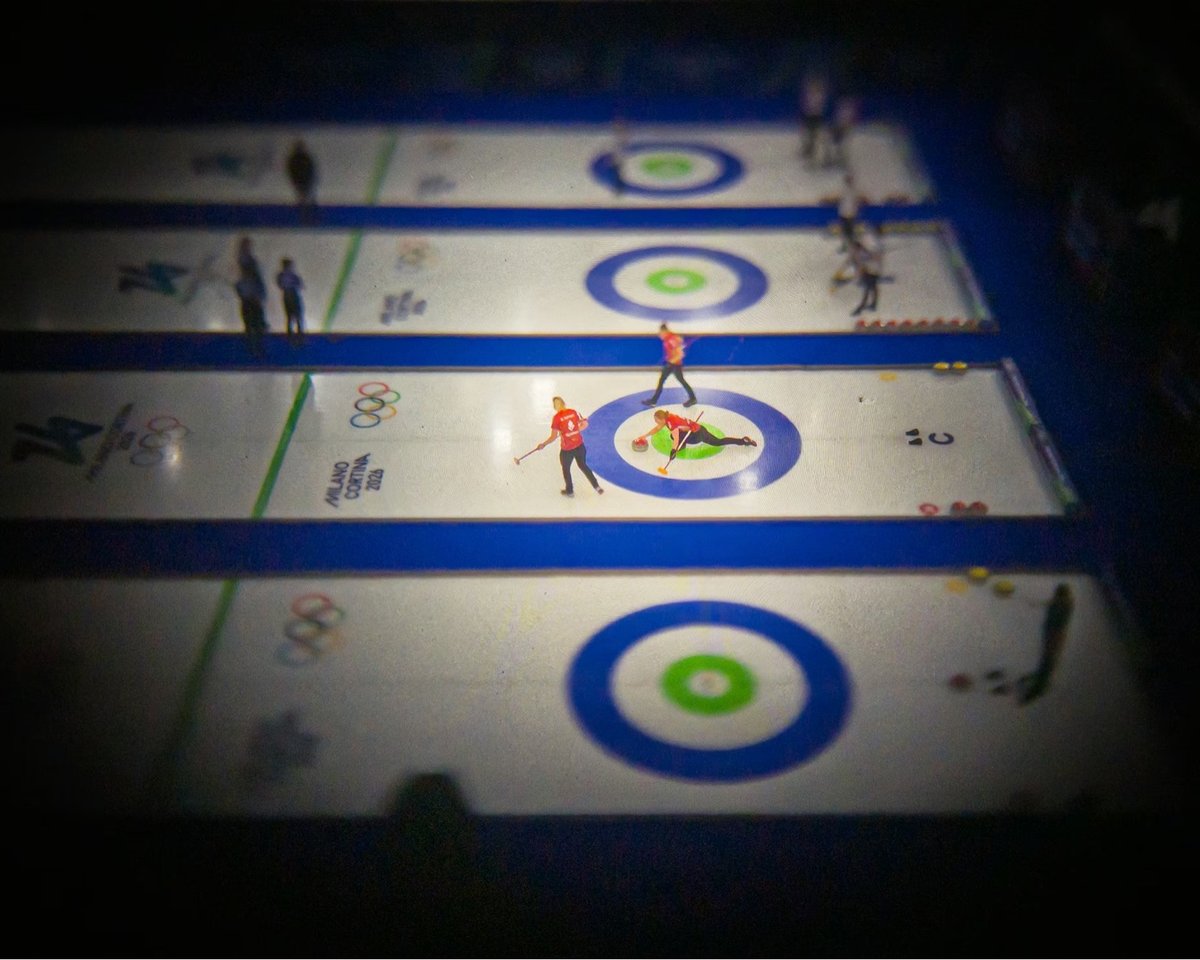
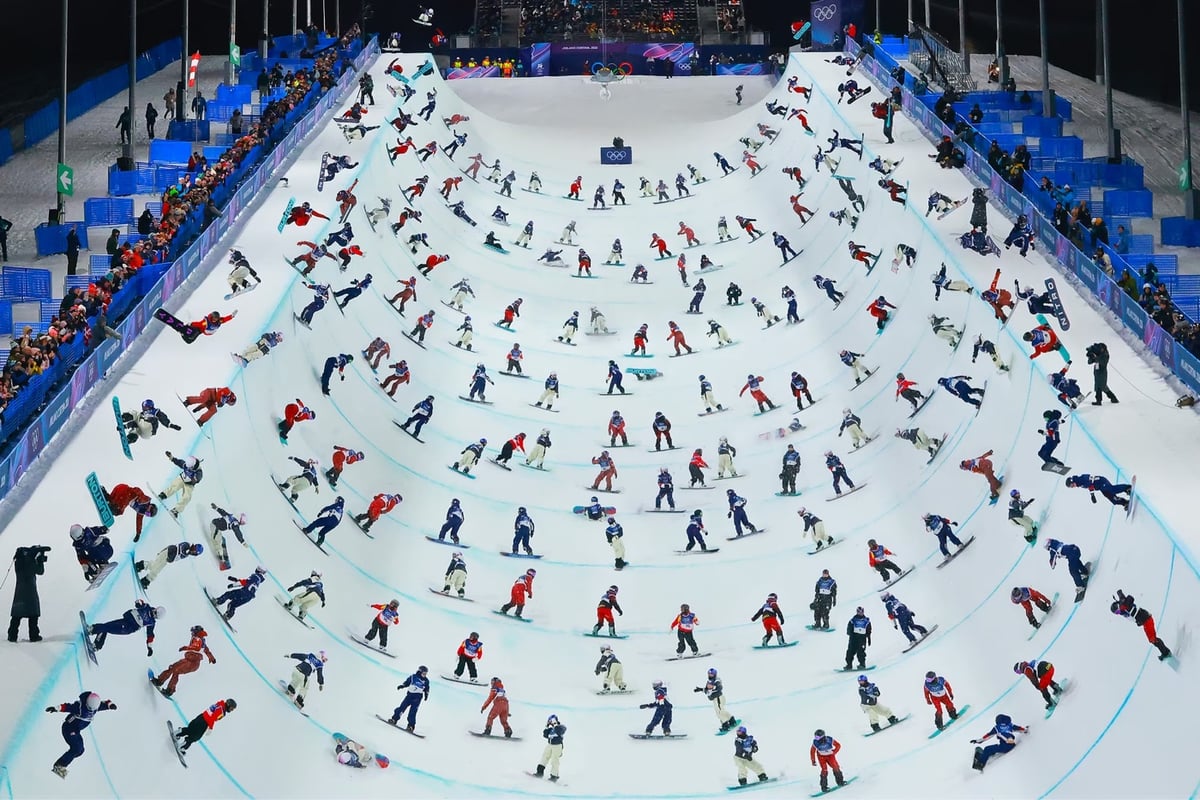
The first photo is of a curling match taken by Ryan Pierse with a vintage camera. Taylor:

Images in this series were captured using vintage Graflex cameras, paying tribute to the type of camera that would have been used 70 years ago when Cortina previously hosted the games in 1956. In a modern twist, these cameras have been adapted to record images on smartphones, enabling live transmission of the content captured.

The second is a composite image of the women’s snowboard halfpipe final by Hector Vivas, a technique popularized in recent years by Pelle Cass.

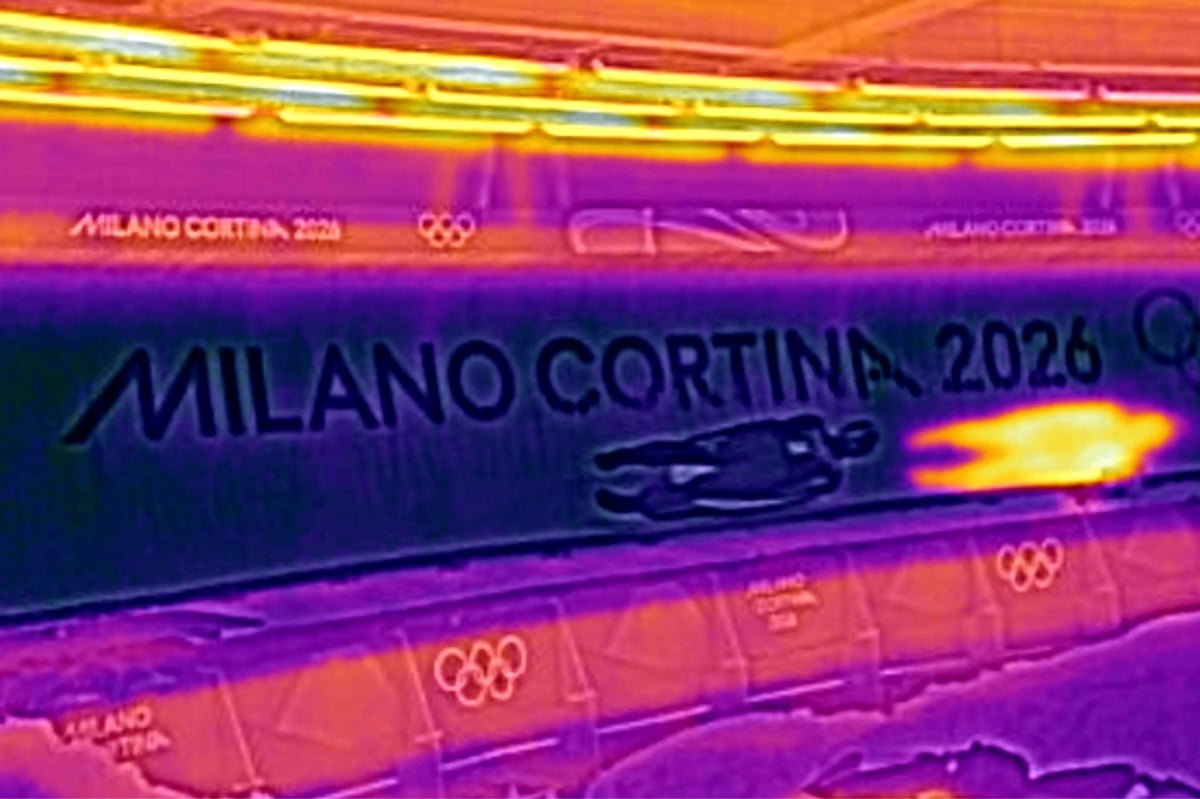
See also photos of the Winter Olympics using thermal imaging cameras.
Reply · 0

The United States of Beauty

During her time aboard the International Space Station, NASA astronaut Loral O’Hara took a series of photos of the Earth from directly overhead. Seán Doran has stitched those images together into a gorgeous 4K video of a journey across North America, from San Diego to cloud-covered Quebec.

The footage is a simulation, converting an image sequence into video footage using image processing and animation. In reality this journey from California to Quebec took 11 minutes to traverse. In order to better appreciate the view this film slows that speed by a factor of 4.

Along the way, we’re treated to views of Joshua Tree National Park, the Grand Canyon, and the Rocky Mountains. Even the clouds are mesmerizing.
Reply · 0

Reimagining the Origins of Winter Sports

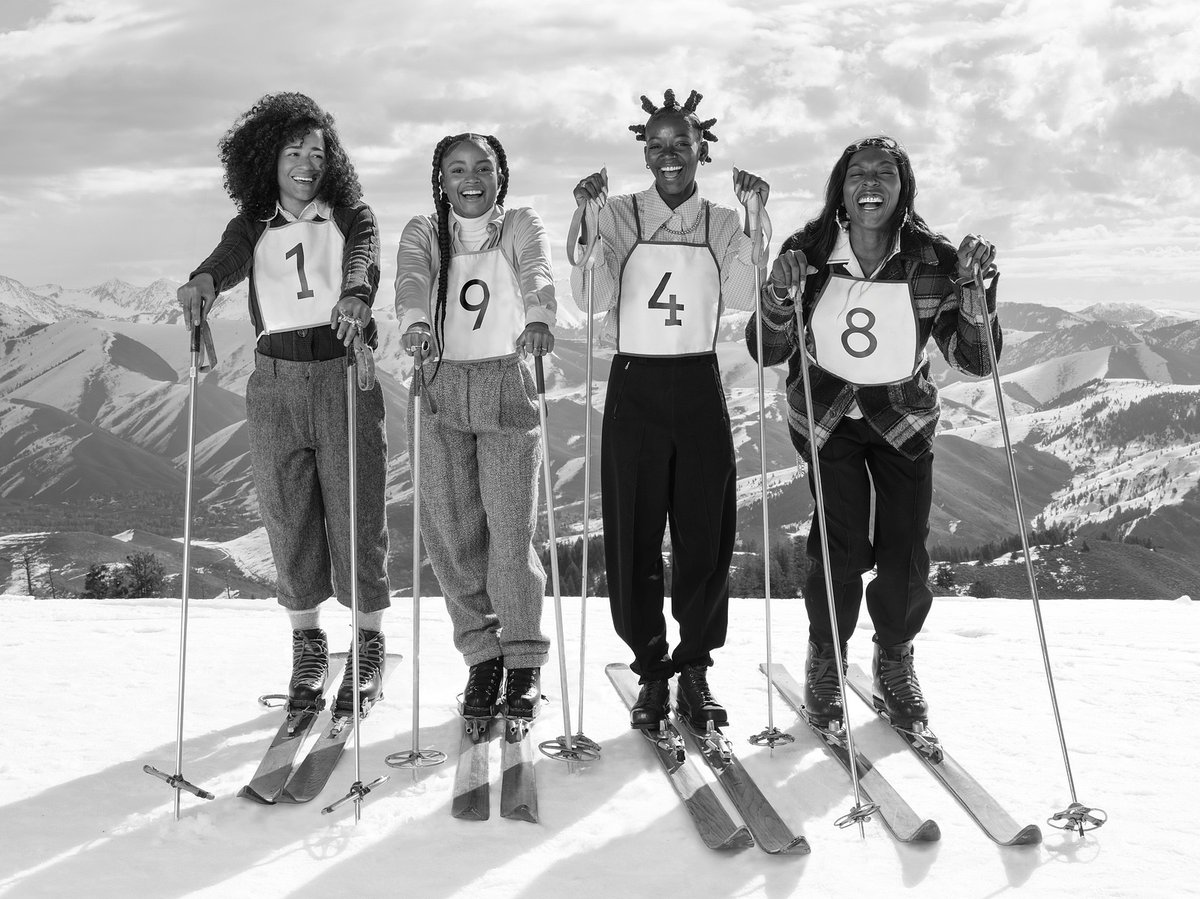
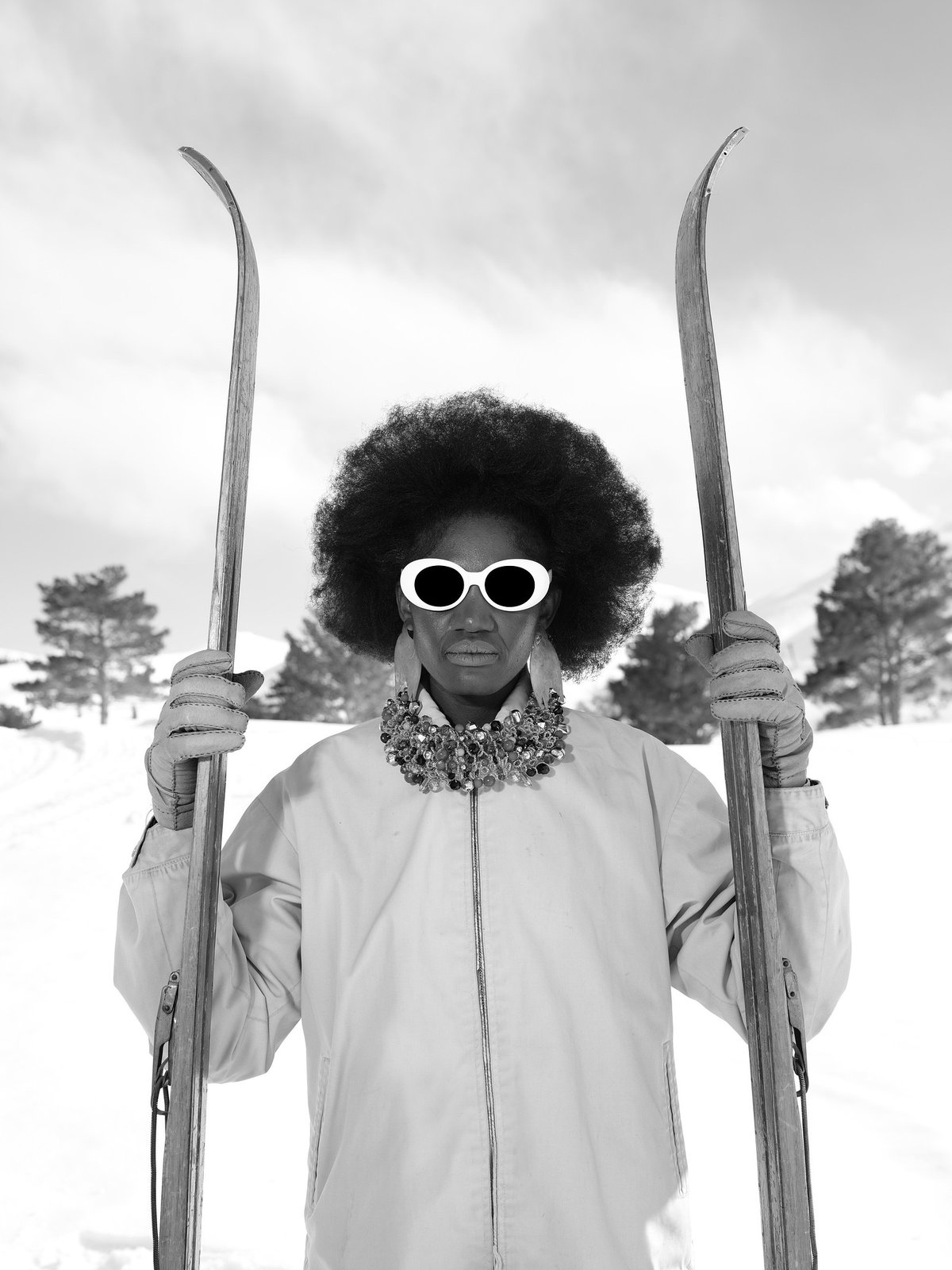
A New Winter is a project from Colombian-American photographer Sofia Jaramillo that seeks to

This project revisits the early depictions of skiing, which often portrayed Eurocentric ideals and a narrow vision of who belongs on the slopes. By reimagining the first images of skiing in the United States, A New Winter challenges the stereotypes and exclusive culture perpetuated by these initial depictions, inviting us to expand our understanding of winter sports and celebrate its evolving culture. It seeks to disrupt traditional narratives, challenge stereotypes and promote representation in winter sports by placing people of color at the center of these images.

Several of the images were featured in Outside magazine, where Jaramillo says, “I’m doing this for all the young Black and brown girls and boys out there who don’t see themselves when they walk into a ski resort.”
Reply · 2

People Photographed With Their Vehicles

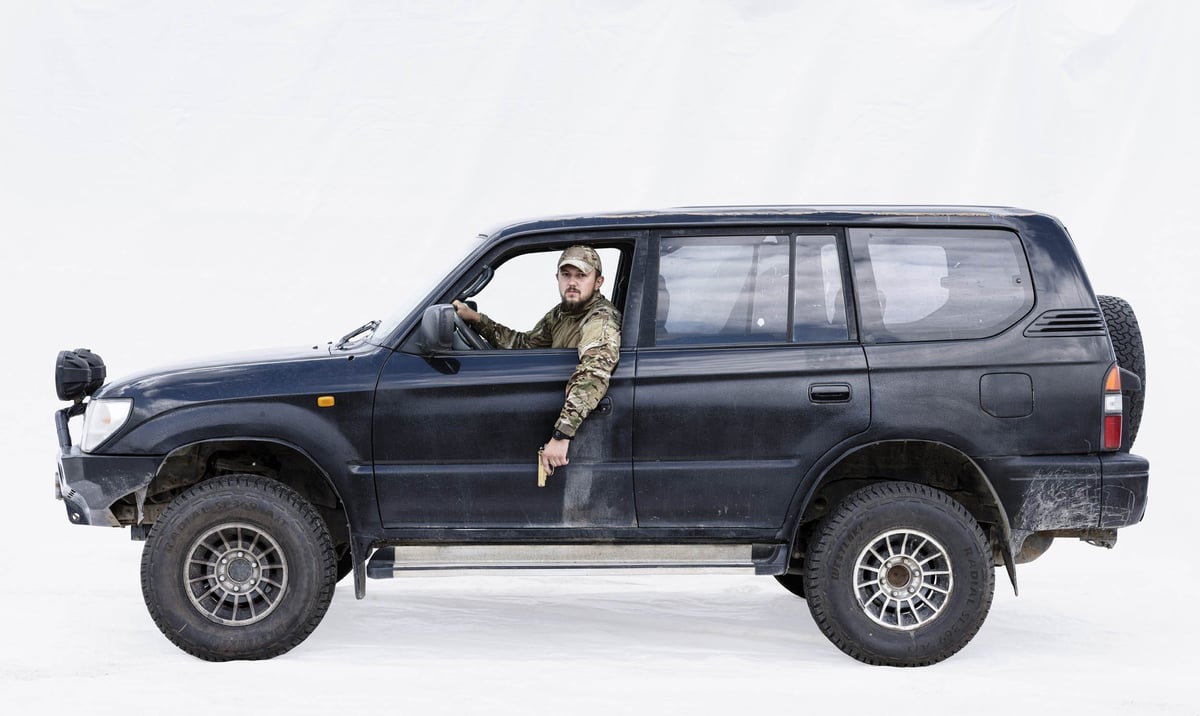
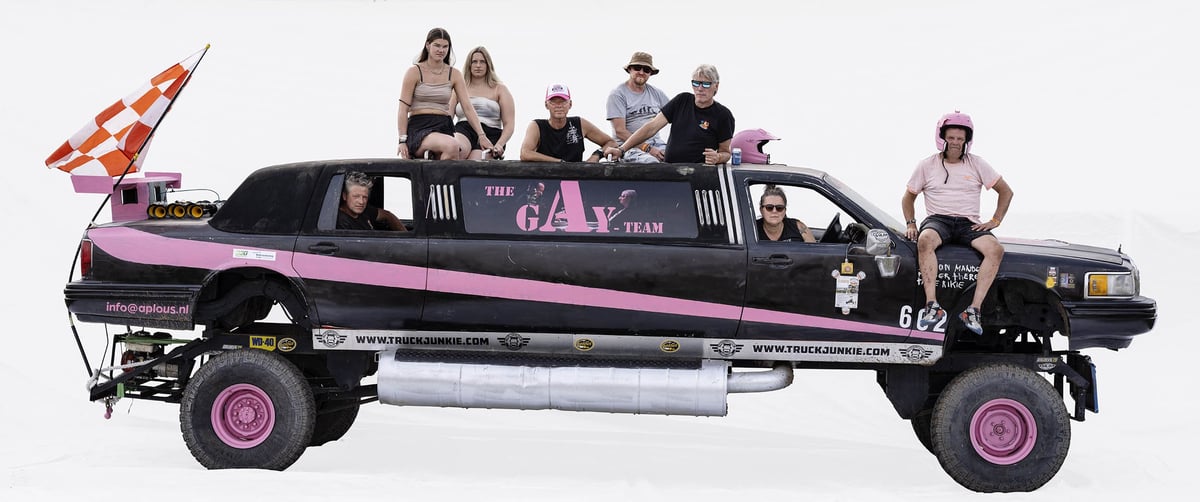
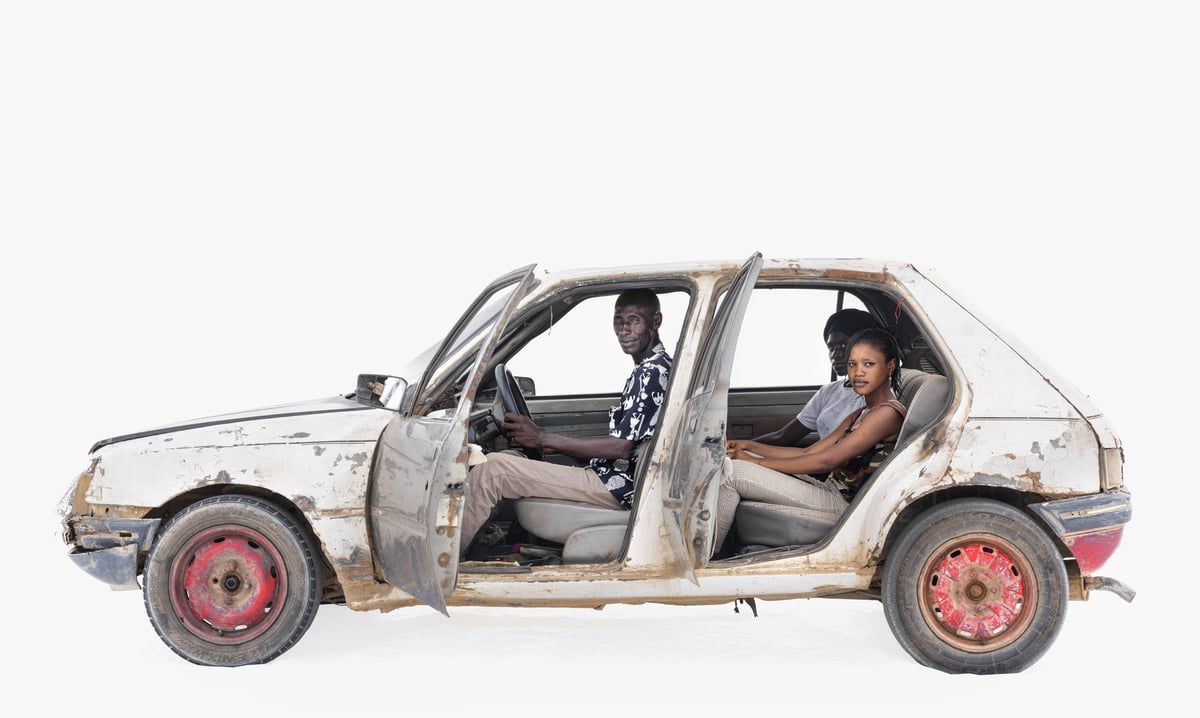
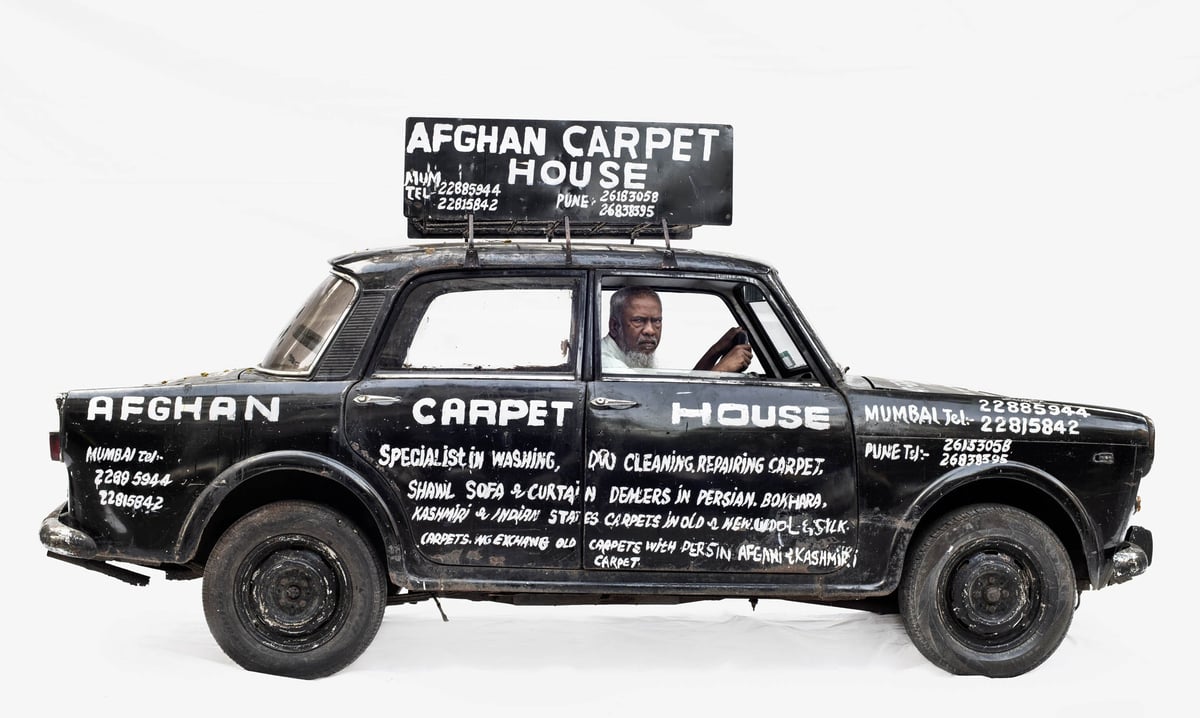
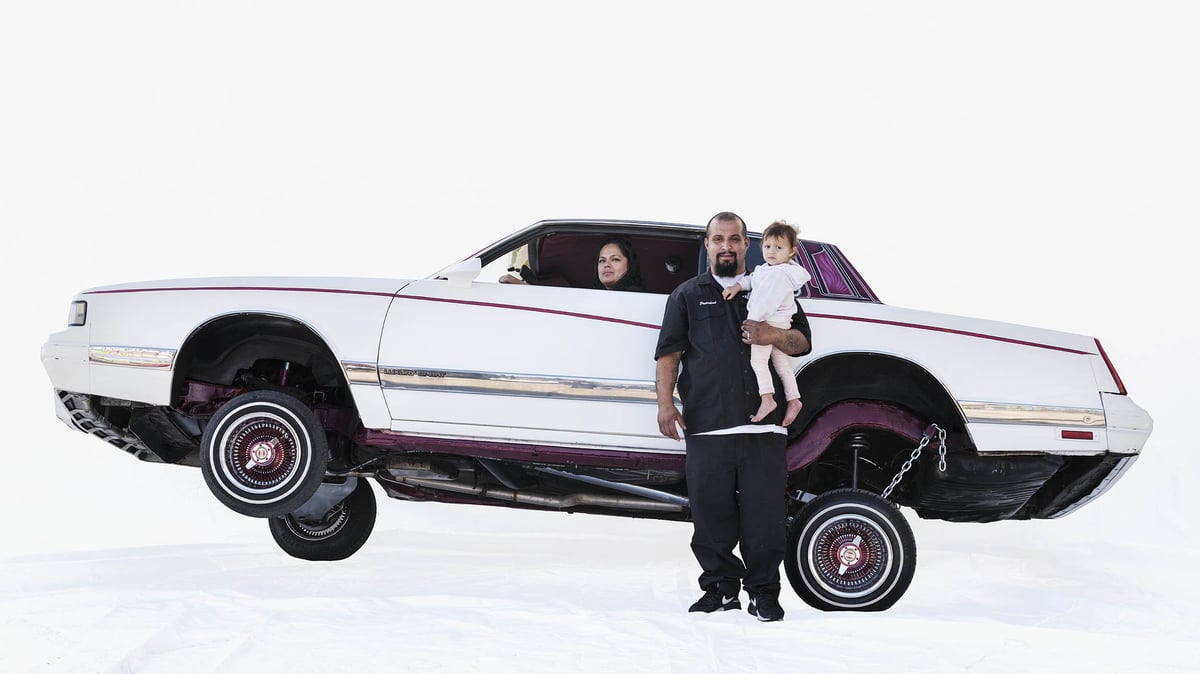
For his project called Homo Mobilis, Martin Roemers travelled the globe and photographed people with their cars, bikes, scooters, etc. You can see a selection of the photos on Roemers’ website, at The Guardian, or in his forthcoming book, Homo Mobilis (Amazon). (via @steveportigal.bsky.social)
Pilot Captures Amazing Aurora Photos During Flight

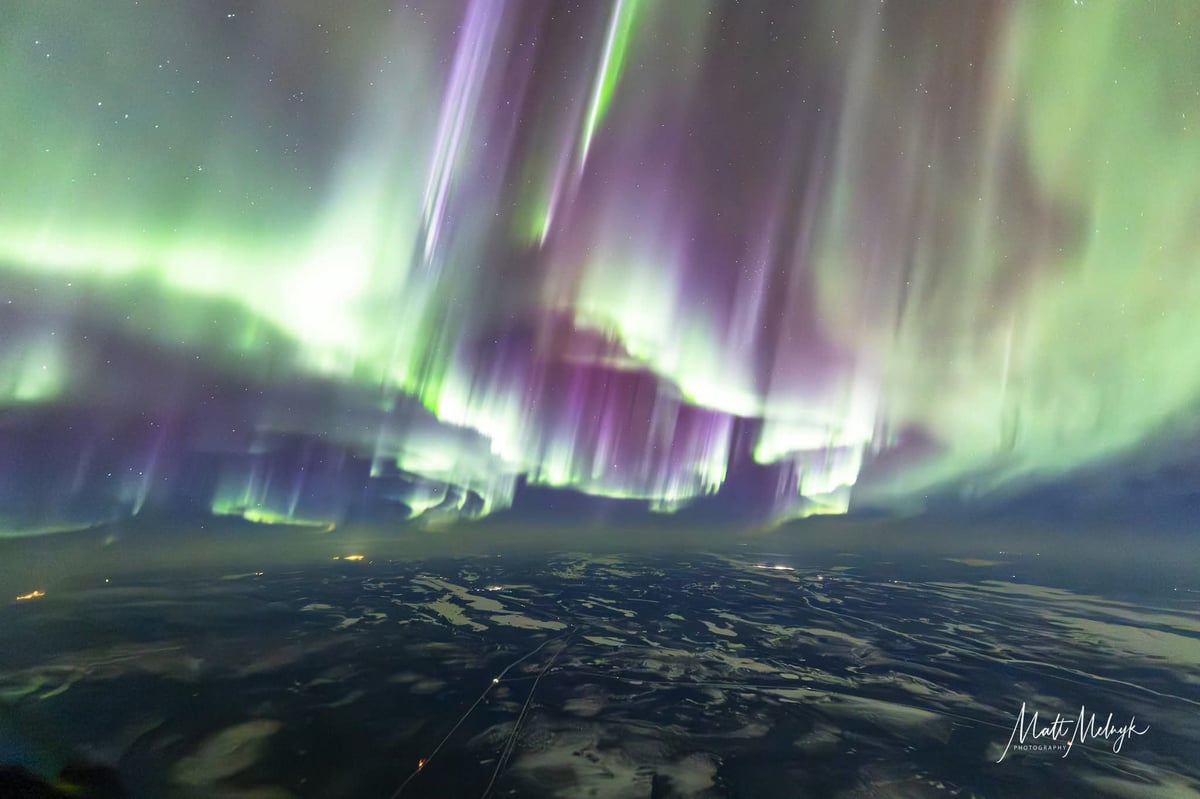
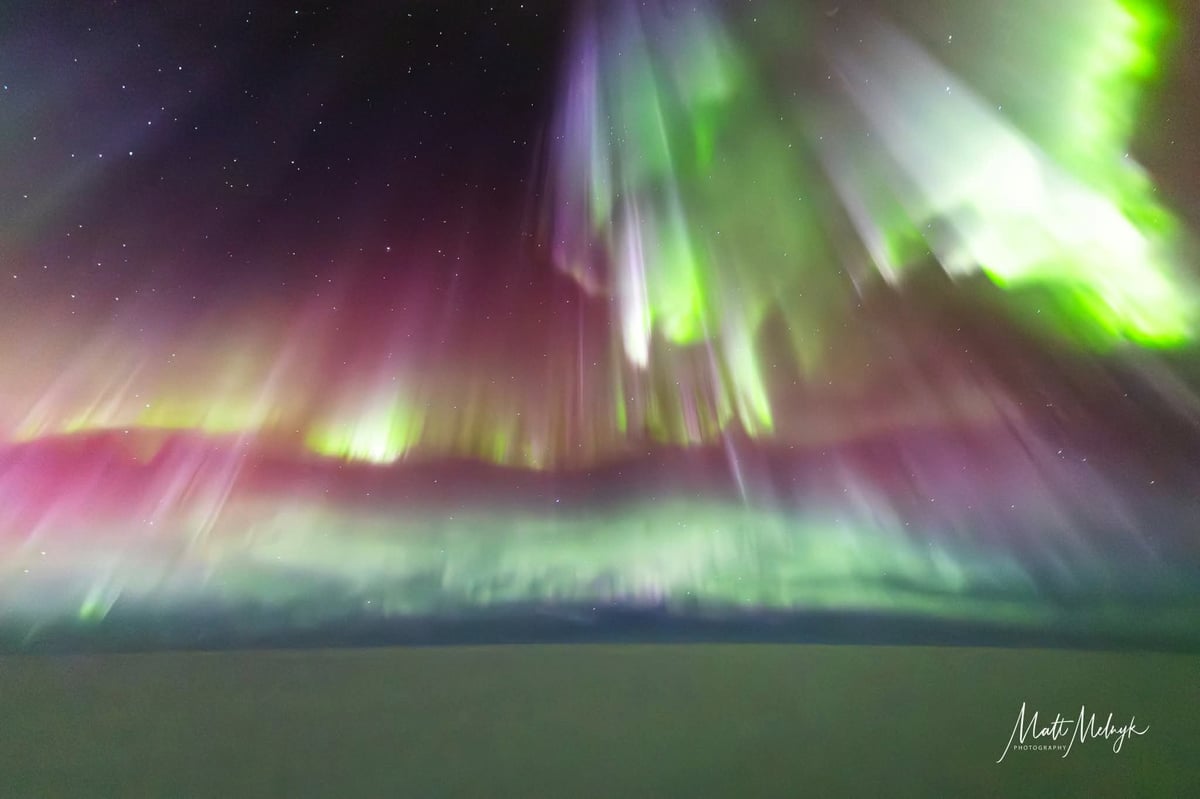
This week, the Earth was hit with one of the strongest geomagnetic storms in recent years, which made for some gobsmacking displays of the northern lights, even as far south as California. Cruising in a 787 at 37,000 feet on his route from Calgary to London (UK), airline pilot Matt Melnyk had perhaps the best view in the world of the aurora and captured some fantastic shots. He told space.com that “This was the most incredible display of aurora I’ve ever seen in my 20 years of flying!”


Photos of China’s Green Energy Transition

These photos by Chu Weimin show the mind-boggling scale of China’s green energy buildout.

Last year China installed more than half of all wind and solar added globally. In May alone, it added enough renewable energy to power Poland, installing solar panels at a rate of roughly 100 every second.

The massive buildout is happening across the country, from crowded eastern cities increasingly topped by rooftop solar panels to remote western deserts where colossal wind farms sprawl across the landscape.
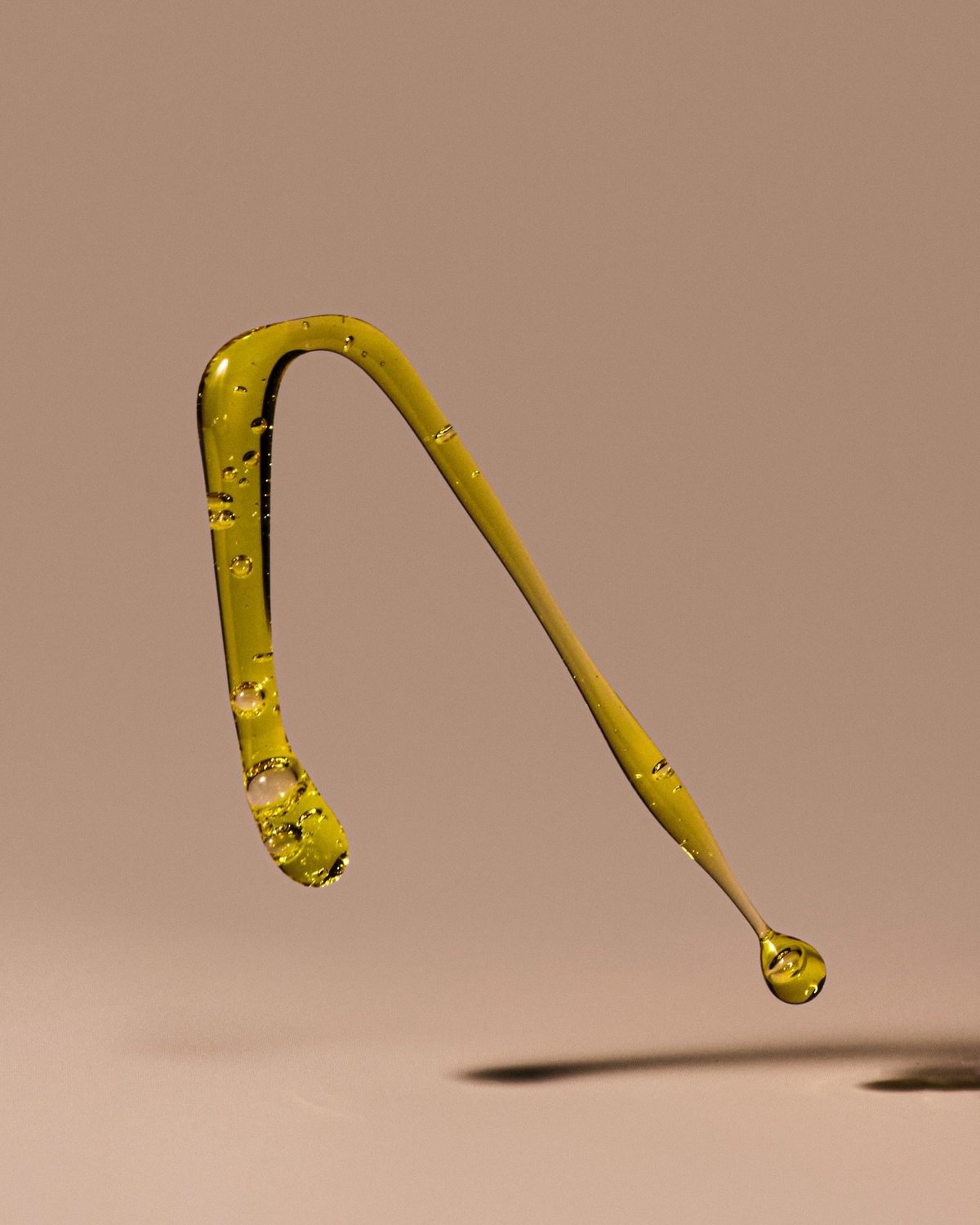
Olive Oil Sculptures

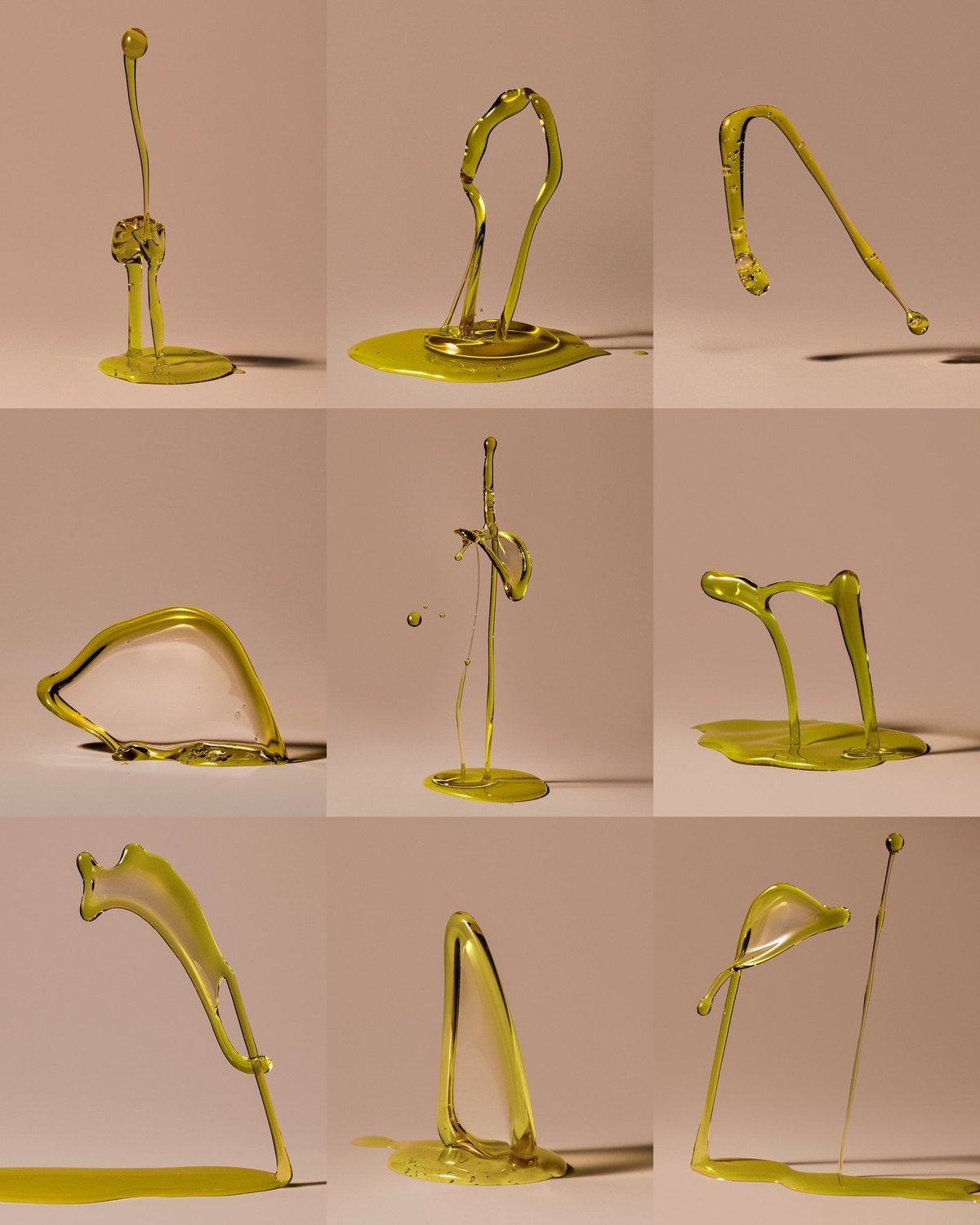
Suzanne Saroff makes unusual photographic sculptures, including these dynamic olive oil shapes.


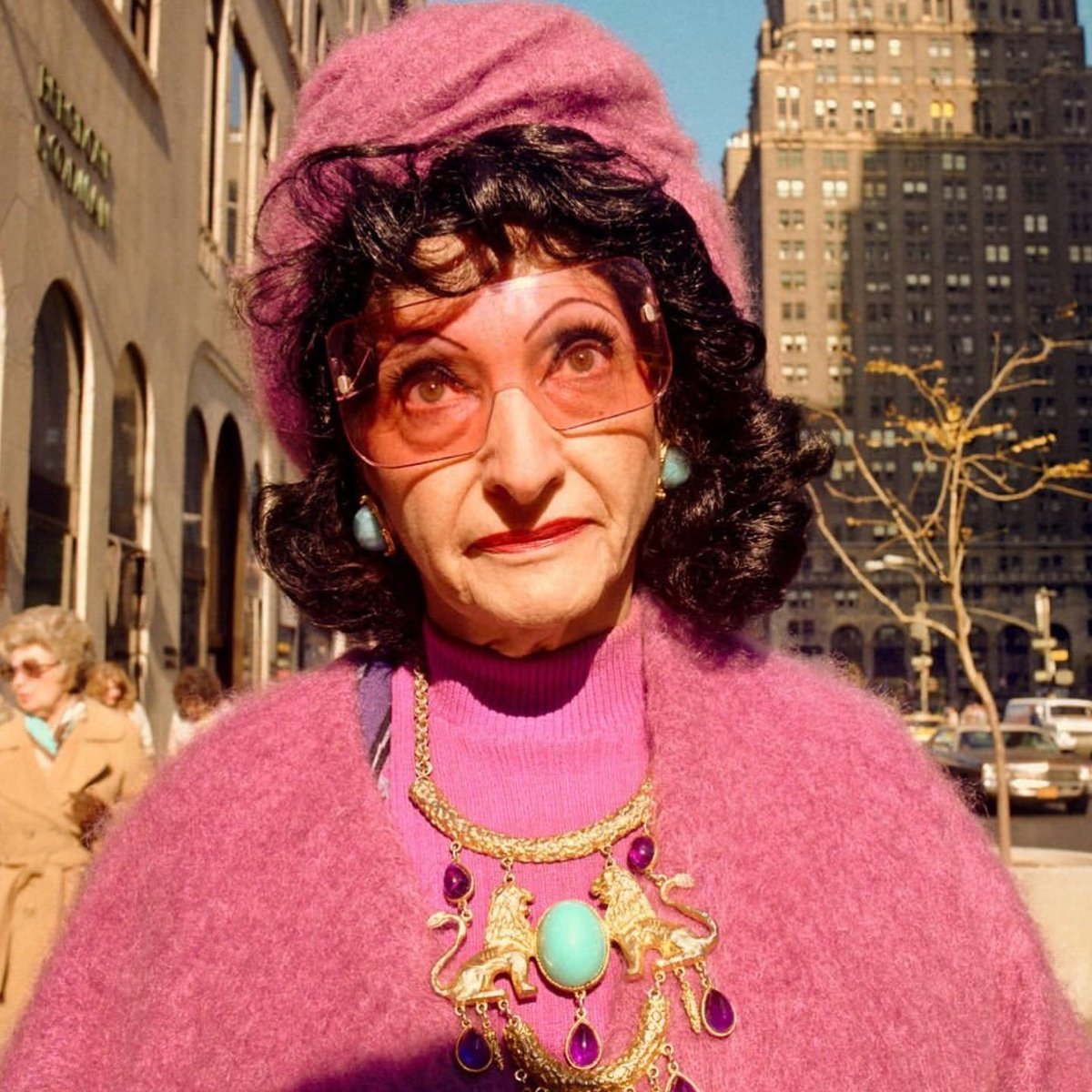
Lunchtime

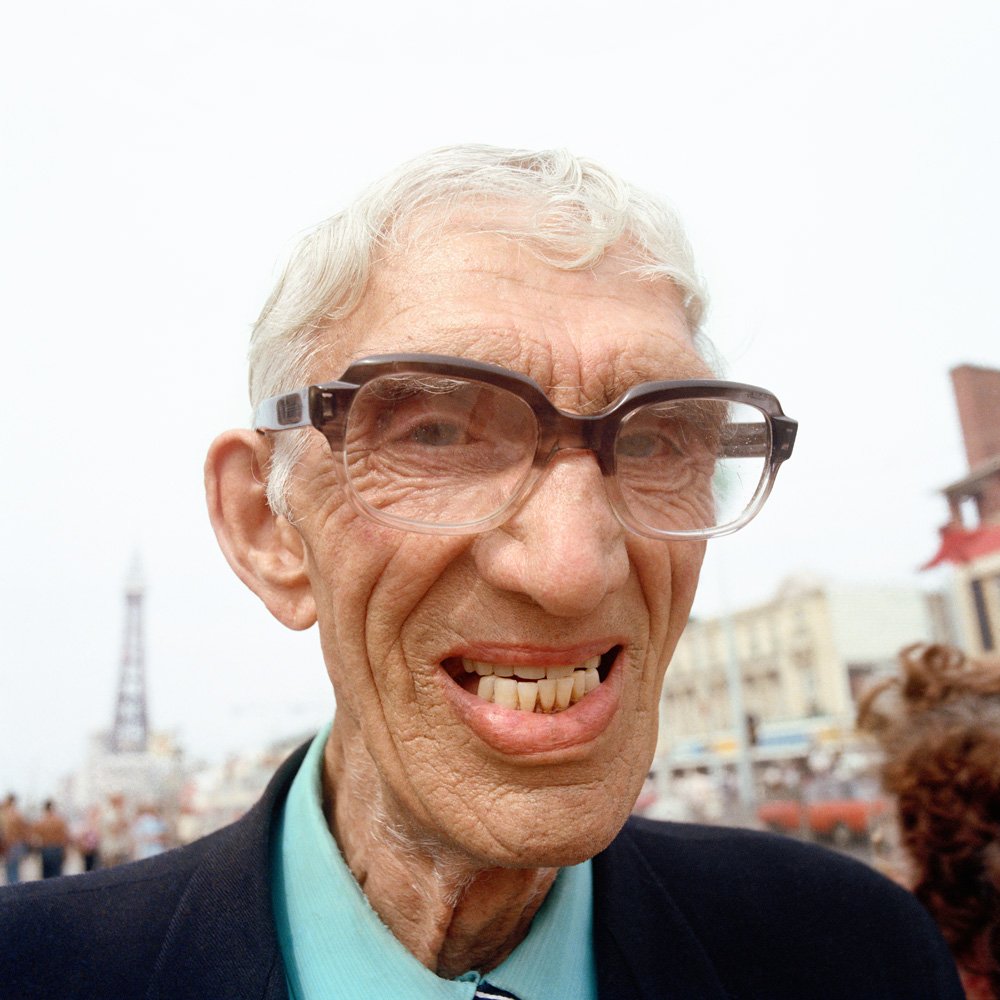
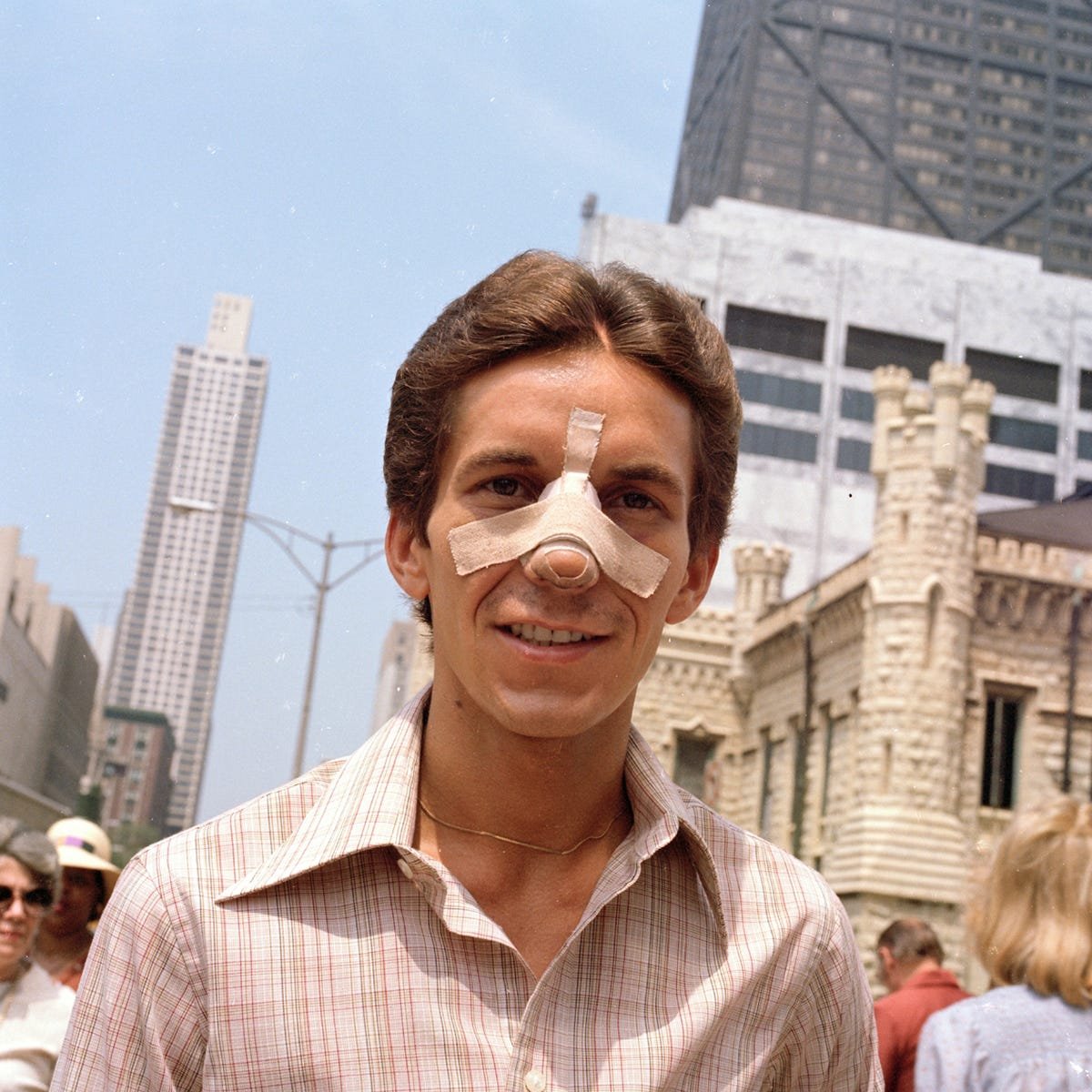
In the late 70s and early 80s, photographer Charles H. Traub roamed the streets of Chicago, New York, and Europe to take photos of people during the lunch hour.

Colorful and direct, animated and intimate, the portraits are shot close to the subjects, composed seemingly off-the-cuff, focusing on just their heads and shoulders. Each subject reveals something of himself or herself to the camera: the woman who takes the opportunity to pose in dignified profile or the one who purses her lips in an exaggerated pout, even the somewhat less-fortunate subjects caught adjusting their glasses or blinking.
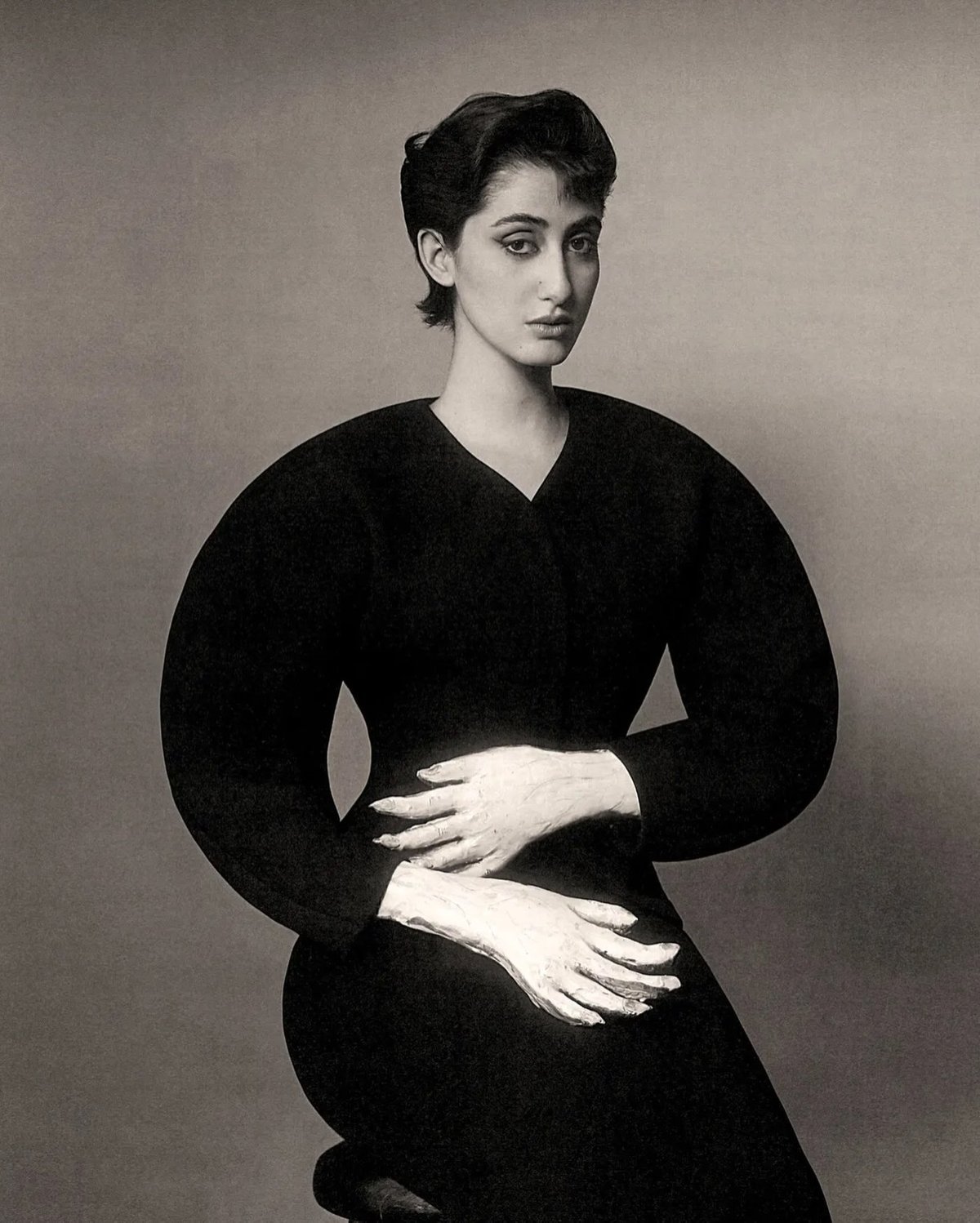

The Iconic First Lady of NYC

Rama Duwaji

Rama Duwaji

I love these photos of Rama Duwaji by Szilveszter Mako — a perfect combination of photographer and subject. Duwaji is an artist, illustrator, New Yorker, and second-generation Syrian-American. She is also married to Zohran Mamdani, who is the mayor-elect of NYC.

Reply · 1

Light Fantastic

Using thousands of photos taken by NASA astronauts Butch Wilmor and Don Pettit earlier this year from the International Space Station, Seán Doran made this incredible timelapse called Light Fantastic.

21,837 images across 18 time-lapse sequences photographed by NASA astronauts Don Pettit and Butch Wilmore on January 1st, 4th, 5th and February 1st of 2025 are repaired, remastered and retimed to create 3x real time video footage. A method called frame interpolation is used to calculate the extra video frames required to re-create the smooth motion of ISS orbiting Earth. A real-time version of the film would be 4 hours 9 minutes and 30 seconds long.

The video captures incredible auroras, moonsets, nighttime city views, sunrises, and even more auroras, all set to the music of Chris Zabriskie.

Reply · 1

On Kindness, Power, and Hypocrisy

three close-up portraits of Stephen Miller, Karoline Leavitt, and Marco Rubio

Earlier this week, Vanity Fair published a two-part story about the Trump regime’s “inner circle”, including extensive interviews with his chief of staff, who was openly critical of the people that she works with, from Trump on down. The story caused a stir and so did the photos that accompanied the piece, taken by Christopher Anderson.

The Washington Post interviewed Anderson about the photos. The interview is interesting throughout but Anderson’s answer to the final question is…I don’t even know how to describe it; read it for yourself:

Q: Were there moments that you missed? Anything that happened that’s on the cutting room floor?

A: I don’t think there’s anything I missed that I wish I’d gotten. I’ll give you a little anecdote: Stephen Miller was perhaps the most concerned about the portrait session. He asked me, “Should I smile or not smile?” and I said, “How would you want to be portrayed?” We agreed that we would do a bit of both. And then when we were finished, he comes up to me to shake my hand and say goodbye. And he says to me, “You know, you have a lot of power in the discretion you use to be kind to people.” And I looked at him and I said, “You know, you do, too.”

In some sort of bizarro version of our world, where people somehow aren’t themselves, Miller may have reflected on Anderson’s comment, may have thought about all the pain, anguish, and death caused by the exercise of his power, may have felt some regret, a chink in the armor that would grow over time, leading to a softening of his perspective and approach. But we live in the real world; Miller knows exactly what he’s doing and does not want to be kind. He wants to be unkind, to rip mother from child. I’m reminded of A.R. Moxon’s thoughts on hypocrisy:

It’s best to understand that fascists see hypocrisy as a virtue. It’s how they signal that the things they are doing to people were never meant to be equally applied.

It’s not an inconsistency. It’s very consistent to the only true fascist value, which is domination.

It’s very important to understand, fascists don’t just see hypocrisy as a necessary evil or an unintended side-effect.

It’s the purpose. The ability to enjoy yourself the thing you’re able to deny others, because you dominate, is the whole point.

Kindness for me and not for thee.

Reply · 1

Nature: The Best Science Images of 2025

Nature magazine has chosen its favorite science images of the year. I’ve featured a few of these on the site already — Skydiving the Sun, red sprites in the New Zealand sky — so I picked a couple of other favorites to share:

A pair of pleasingly circular clouds is illuminated by lava from the Villarrica volcano in Chile as night falls. The scene was captured by photographer Francisco Negroni, who takes regular trips to the volcano to monitor its activity.

It shows two male green frogs (Lithobates clamitans) fighting over territory. The picture was captured by Grayson Bell, a talented 13-year-old photographer who gave it the genius title ‘Baptism of the Unwilling Convert’.

The first was taken by Francisco Negroni of the Villarrica volcano in Chile (check out his site for more amazing photos of volcanos & lightning). The second is by 13-year-old Grayson Bell of two green frogs fighting; Bell named his photo “Baptism of the Unwilling Convert”.

Reply · 1

X-Ray Visions

I first posted about Nick Veasey’s work back in 2005 and thought it was worth another look. Veasey uses x-ray photography to get inside views of familiar objects, sometimes on a large scale.

And here’s a peek behind-the-scenes at his process, which includes, critically, a “bespoke concrete chamber” to keep the radiation at bay.

See also Bone Music: Forbidden Soviet Records Made From Used X-Ray Films.

Reply · 1

Photographing the Andromeda Galaxy for 10 Seconds vs 10 Hours

This video by Ian Lauer is an excellent accessible explanation of the basics of astrophotography as he runs through the process of how he captures a long-exposure image of the Andromeda galaxy.

This picture is still black and white — and no, the galaxy is not devoid of color. There’s actually color in there, and we’ll get to color in a second. But first, let’s look at what happens when I zoom in on this image.

You can see there’s some graininess in this image, which we call noise. And we hate it because it prevents you from seeing more detail in your image. To combat the noise, we can take multiple images of that same target — so, one after the other — and stack them together using software to average out all of that background noise.

Take a look at what happens when we do that. This image isn’t just a single 1-minute image but 10 1-minute images stacked on top of each other. Look how how much better, how much cleaner, it looks when compared to the single 1-minute image.

There are a bunch more videos on Lauer’s channel to check out, including Shooting the Milky Way from Every Light Pollution Level and The BEST Telescope for Beginners (he recommends the Seestar S50 Astronomical All-in-one Smart Telescope, which many other people recommended on social media instead of anything on this list). Oh, and I’m gonna watch this one about astrophotography with the iPhone 17 Pro right now. (via the kid should see this)


Beautiful Drone Videos of Iceland’s Black Sand Beaches

From photographer and videographer Jan Erik Waider, a trio of videos that features the black sand beaches of Iceland from a drone’s vantage point.

Captured on Iceland’s south coast where a glacial river meets the Atlantic Ocean. The camera observes the slow interplay of water, sand, and silt — an abstract rhythm shaped by tides and sediment flow. Amid these shifting textures, a few seals drift, rest, and return to the current, blending seamlessly into the landscape. A quiet study of movement and stillness, captured from above.

The colors are amazing: the rich yellow of the river’s waters & the turquoise of the ocean against the black sand. You can find many more of his videos on YouTube, including this one of mesmerizing lava flows. (via moss & fog)


Skydiving the Sun

a skydiver's silhouette on the whole sun

a closeup of a skydiver's silhouette on the sun

Skydiver & musician Gabriel Brown and astrophotographer Andrew McCarthy teamed up to capture these incredible photos of Brown transiting the Sun while skydiving. You can see a video of the jump and some behind the scenes calculations on Instagram.

We had to find the right location, time, aircraft, and distance for the clearest shot; while factoring in the aircraft’s power-off glideslope for the optimal sun angle and safe exit altitude. Then we had to align the shot using the opposition effect from the aircraft (shout out to the pilot @jimhamberlin) and coordinate the exact moment of the jump on 3-way coms!

As if that wasn’t hard enough, we had a myriad of malfunctions that almost led to the shot not being captured… But as you can see, against all odds, we got it on the sixth try!

That sounds….complicated. But the results speak for themselves. More coverage of this on Petapixel and Colossal.

As Petapixel notes, the photos are composite shots:

After he captured the shot of Brown, he then made the image “super high-res” by shooting the Sun on another telescope and “assembled a mosaic of the entire Sun”, which he later matched with the features in Brown’s photo.

(thx, alex)

Reply · 1

Every Tree Can Be a Buddha

misty & lush tree-covered hills recede into the distance

I began at the end. The Chōishi-michi pilgrimage route is an amazing 12-mile trail that winds its way up through the forest from the Jison-in temple in the town of Kudoyama in the valley to the Danjo Garan temple in the town of Kōyasan in the mountains. The origins of the trail date back to the founding of Kōyasan as a center for the esoteric Shingon school of Buddhism by Kūkai (aka Kōbō Daishi) in 819 CE. Legend has it that Kūkai used the trail to visit his mother; ever since, for some 1200 years, Buddhist faithful have been using the Chōishi-michi to worship in sacred Kōyasan. I was going to follow in their footsteps, for my own ends.

To climb up a mountain like a proper pilgrim, you need to start at the base. Seeing as my lodgings were already in Kōyasan, my journey began by a) catching the bus down a winding forest road; b) where I boarded a cable car for the ludicrously steep journey down to Gokurakubashi; c) where I got on an extremely local train; and d) finally disembarked at the Kudoyama train station and walked to the starting point. One hour and 30 minutes after I’d left my guesthouse, I stepped through the gate of the Jison-in temple. Now all I had to do was climb the entire 4100 feet of elevation back to where I’d started.

a stone marker standing in a forest

When establishing the Chōishi-michi some 1200 years ago, Kūkai marked the route with wooden guideposts, one every 109 meters. You don’t want your pilgrims getting lost — how are you going to find eternal salvation if you can’t even make it to the temple? The markers were replaced with more sturdy stone gorintō in the late 13th century. 180 of these stone markers are situated along the route from to Jison-in to Danjo Garan, along with another 36 markers from Danjo Garan to the Mausoleum of Kōbō Daishi in the Okunoin Cemetery. In the spirit of wayfinding, perhaps a map of my there-and-back-again route would be useful:

a map of the route I took down the mountain and then back up

———

I was thankful for the frequent stone markers as I’d gotten a little lost on my hike the previous day. I was traveling on — or I was supposed to be traveling on — the Nyonin-michi pilgrimage route (Women’s pilgrimage route) and doing pretty well when I took a wrong turn right near the end.

This particular trail, though popular, wasn’t on All Trails and markers were sparse, so I was doing a lot of pinching & zooming of Google Maps and a PDF I downloaded from the internet. The trail curved right and I stayed straight, wondering why this bit of the trail was a little less blazed than the rest of it had been, and I popped out into the backyard of a temple. Oh no, I thought, I’m not supposed to be back here; only monks are supposed to be back here. I’m offending so many ancestors right now.

two photos, one of a pair of Buddhas atop gracestones and the other a Buddha wearing a jaunty cap and bib

More pinching and zooming — ok, there’s a road off to the northwest. I set off and walked by what looked like some recent graves? The ancestors: so mad right now! What a disgrace of a pilgrim I am. I found myself crouching as I walked almost on tiptoe, trying to evade detection — even though the Buddha surely knew where I was and what I’d done. The road was just where the map said it would be; I slipped through a gap in the fence and followed it downhill for a quarter mile, not entirely sure I wasn’t still in a restricted area.

I came up on the other side of the temple and realized I’d stumbled into the backyard of Kōbō Daishi’s Mausoleum, where Shingon founder Kūkai entered into eternal meditation in 835 CE,1 aka one of the absolute holiest places in all of Japan, aka I am in deep, deep shit with the ancestors. Abandoning my plans for lunch, I entered Okunoin Cemetery through a proper entrance and made my way to the mausoleum. Wishing to make amends, I bowed at every bridge and threshold where everyone else was bowing and threw some coins into the saisen box.2 Many of the people around me were quite emotional about being there. The whole atmosphere just felt good, peaceful, numinous.

———

a path through a forest of tall trees, with a stone marker on the right side of the path

a path through the forest filled with tangled roots

Ok, back to the Chōishi-michi, the big 12-miler. The first few miles felt almost straight up and then the trail leveled off for a while. The weather was cool but humid, so I hiked in shorts sleeves, sweating. It rained intermittently. Fog crept up the mountainside. I hiked though persimmon orchards; they’re in season right now. Small stands sold oranges & persimmons on the honor system. The path was well marked, not only with the stone gorintō but with well-placed signs in Japanese and English pointing the way to Kōyasan.

a path through a forest of tall trees

a path through a forest of tall trees

Walking the narrow path between the forest’s tall evergreen trees felt like entering a European cathedral with a towering vaulted ceiling. A bamboo forest earlier on the hike had a similar feeling; spaces such as these make you look up and feel whatever power or force or presence you believe in. You feel small and big all at once. The forest: unbelievably beautiful.

a path through a forest of tall trees

I heard voices through the trees and then the crack of something — was that a golf ball? Am I hiking through a golf course? The trail came to a clearing and lo, the tee for the 13th hole. The path also passed by vending machines,3 crossed roads, and zagged through tiny towns. The modern world, built up around this ancient trail.

I stopped for lunch around the halfway point: a sandwich, apple & custard pastry, and a small can of consommé flavored Pringles procured the night before at FamilyMart. FamilyMart is one of the big three convenience stores (konbini) in Japan — the other two are Lawson and 7-Eleven. Before you come to Japan for the first time, everyone tells you how amazing the konbini are: “You’re not going to believe this, but…” And then you get here and damn, they were right. The consommé Pringles were delicious.

After lunch: one foot in front of the other. Pilgrim mode locked in. Maybe I should become a monk, I think. I’m pretty good at being a pilgrim, the hiking part of it, I mean. I’m fine being alone with my thoughts. The clothes look comfy. I could be a monk with the internet at the center of my practice. Hours spent doomscrolling is kind of like meditation, right? It’s certainly a flow state of sorts, like the blood gushing from the elevators in The Shining. I’m into aesthetics. And I— oh, it’s ascetic? Ah. Maybe I’ll just stick to my secular life then.

a stone marker standing in a forest

Another stone marker. Another 109 meters. Keep going. I pass one every 90-100 seconds or so. Early on, the markers flew by; I didn’t even notice some of them. Now I’m searching them out ahead, peering up the slope I know (via All Trails) steepens sharply right at the end. Is this is the last one? No. But keep going. It’s damp, the rocks are wet. An inch of moss covers everything save for the well-worn pilgrimage path. It feels like a rain forest. Another stone marker. Another 109 meters. Keep. Going.

I sense the top of the hill — something about the light changes. I see a guardrail ahead. Emerging on the side of the road, I cross it and make for the Daimon gate, the traditional entrance into town. On the threshold, I bow deeply. Stepping over, I pump my fist in the air — I’ve made it back to Kōyasan.

———

A weary pilgrim deserves a hot bath. My guesthouse is a further few hundred feet. The woman who runs it is very nice and a little kooky; I like her. After the sacred backyard debacle the other day, I told her about all the ancestors I’d offended. She chuckled and told me, the ancestors, they don’t mind so much. She cooked me breakfast (delicious, nutritious) every morning — you don’t look like a tofu person, she said, eyeing me. Correct.

On my last morning, I asked her about a bunch of boxes stacked on a table. I have an interest in incense, she said. Apparently it’s quite involved and the most skilled practitioners are equal in expertise to those who do the chadō tea ceremony. She opened one of the boxes and showed me a very expensive twig of charcoal, which is so special that they sell it by the stick. When the charcoal burns, it does so purely, without giving off any gases or sparking or spitting. Afraid she’s trapped me into politely listening to her going on about her hobby, she checks in: are you actually interested in this? My turn to chuckle; personally & professionally, I’m interested in all sorts of things, even fancy charcoal.

The guesthouse has a kick-ass bathtub, deep and quick-to-fill. My host keeps a selection of bath salts and I select a yuzu one. Tired but happy and fulfilled, I soak a long while, easing the pain in my aching feet & back, the yuzu scent filling my pores.

———

After bathing, I set out to finish my journey. I’d previously walked the length of town to the Okunoin Cemetery and back a couple of times, but I wanted to do the whole thing in one day: from Jison-in temple to Kōbō Daishi’s Mausoleum at the far end of the cemetery, a proper pilgrimage. Well, not quite proper…because I was tired from my hike, I caught the bus instead of walking. The quest is the quest, whatever it takes.

a stone path through a cemetery with very big, tall trees

Okunoin Cemetery is one of the most breathtaking and magical places I’ve ever been. Imagine a redwood forest like Muir Woods with Buddhist temples and a 1200-year-old cemetery with tens of thousands of faithful buried in it. The soaring trees create that cathedral effect and even an atheist like me can’t help but feel holy in the presence of so many souls, including Kūkai/Kōbō Daishi himself.

I hopped off the bus and started into the cemetery. Night had fallen and it was quite dark; should I have brought my headlamp? Ah, no need…the way is lit by hundreds of lanterns lining the path at about shoulder height. There are also some brighter, taller lights, a concession to safety I suspect. They’re the wrong temperature though, a rare misstep in a country with an unrivaled collective attention to detail. Whereas the lanterns glow with a pleasant amber light, these safety lights are a cold, garish blue, a color as harsh to the eye as the word “garish” (or “harsh” for that matter).

a black and white photo of a cemetery path at night. at the far end, a person's silouette is seen against some stairs

Aside from a few other people, I’m the only one here at this hour. Why are my shoes. So! LOUD!!? Each footfall echoes about the whole place and the crunch of the sand on the wet pavement under my soles is deafening. Once again, I am disturbing the ancestors. I try to walk quieter but somehow that’s even louder? How is anyone supposed to be eternally meditating with all this racket going on? Definitely not monk material, neither me nor my cacophonous shoes.

What’s that noise?! Some kind of animal? Ok, I can still hear the faint sound of traffic on the nearby road and anywhere with automobile noise isn’t scary — dangerous perhaps, but not scary. I hear another noise, one that I can only describe as “probably bird but what if monkey?” Or maybe Ghibli monster? I gotta say, in case you didn’t know, Hayao Miyazaki sure nailed Japan. Hit it out of the park. Everywhere I go, I am reminded of his work: small food stalls, beautiful parks, tiny trucks, cute little train stations, forest paths — the just-so touches of Japan reflected and amplified by the meticulous and rich detail of Studio Ghibli’s work.

a hatted and bibbed Buddha through a pair of trees in a cemetery

The cemetery oozes Ghibli energy; it is not difficult to imagine thousands of Miyazaki’s weird little guys hanging from every tree and lurking behind every gravestone. Buoyed by their benevolent presence, I make a full loop of the cemetery in the dark, all the way to Kōbō Daishi’s Mausoleum and back to the entrance again.

And then, not wanting to wait 25 minutes for the bus, I walked all the way back to my guesthouse again, stopping at a sushi place for dinner. When I poked my head through the door, there was one other customer, an old guy smoking a cigarette who gestured for me to join him at the communal table. A menu was produced; I ordered so much sushi. Baseball was on the TV in the corner — game 1 of the Japanese equivalent of the World Series. The old couple running the place brought me sake, six massive fatty tuna rolls, six even larger salmon nigiri, and a much larger bowl of miso soup than I was expecting. As the three of them chatted, we all watched the baseball and I finished everything they brought me. I’d walked a total of 17.5 miles and needed to replenish.

I rolled out of there around the 4th inning of the game, arigato gozaimasus all around, and limped the rest of the way back to the guesthouse with a full belly, full heart, and teeming mind — back to where I began, at the end, completely satisfied by one of the best, most fulfilling days I’ve had in a long time.

  1. Adherents believe Kūkai didn’t die but merely entered into a deep meditative trance to await the future Buddha.
  1. A busy Buddhist temple sounds not unlike the slot floor of a Vegas casino, except it’s the patrons, and not the house, paying out before praying.
  1. Everyone tells you “there are vending machines everywhere in Japan” and you’re like haha ok, and then you realize within a few hours of arrival that they’re right. Japan is lousy with vending machines.
Reply · 15

Real Photos That Look Fake

trees, road, sky, and water all meet perfectly in the center of this impossibly geometric photo

two guys standing on a front loader raised in the air; it looks like they are giants compared to all around them

a bank of clouds over the road looks like a rising ocean tide

I’ve seen a bunch of these before, but it’s cool to scroll and get your tiny mind blown over and over again. Human cognition and perception is such a trip. (via neatorama)

Reply · 3

Bird Photographer of the Year for 2025

a huge school of small silvery fish swirl around a diving bird

a golden eagle feeding on the carcass of a deer

drone photo of a flock of geese flying over a stark brown and white abstract landscape

the blurred shape of a swan coming in to land against an abstract background of blurred swans

The organizers of the Bird Photographer of the Year competition received more than 33,000 images for 2025’s contest; here are the winners and runners-up. Photos above by Franco Banfi, Francesco Guffanti, Tibor Litauszki, and Andreas Hemb.

If you have no idea what you’re seeing in that third photo by Tibor Litauszki, you’re not alone — even after reading the photographer’s description (courtesy of In Focus), I can’t figure it out:

It was January and nature had created some very interesting shapes in the saline lakes near Akasztó in Hungary. I sent up my drone and was looking for the right composition when a dozen geese suddenly flew into view. I immediately started taking photos and luckily everything fell into place — the composition as well as the geese.

And eagles? Huge monsters. Dinosaurs never went extinct. (via in focus)

Reply · 1

Incredibly Realistic 3D Models of the Moon’s Surface (From 1874!)

gray moonscape with craters

A gem of a find by The Public Domain Review of a collection from the Rijksmuseum: photographs of plaster models of the Moon’s surface that were made from observations of the Moon through a telescope.

Peering through a self-made telescope, James Nasmyth sketched the moon’s scarred, cratered and mountainous surface. Aiming to “faithfully reproduce the lunar effects of light and shadow” he then built plaster models based on the drawings, and photographed these against black backgrounds in the full glare of the sun. As the technology for taking photographs directly through a telescope was still in its infancy, the drawing and modelling stages of the process were essential for attaining the moonly detail he wanted.

These are incredible; I love them so much. While Nasmyth’s models were spikier than the Moon’s actual surface, they still look amazingly realistic for something produced in the 1870s. (The 1870s!)

gray moonscape with craters

gray moonscape with craters

gray moonscape with craters

The book from which these were taken also contains this page, where Nasmyth seems to hypothesize that certain mountain ranges on the Moon (and Earth?) are formed by “shrinkage of the globe”:

a photograph of the back of a wrinkled hand and a photograph of a shriveled apple

You win some, you lose some. 🤷‍♂️

See also Henry Draper’s photographs of the Moon from the 1860s and 1870s.


Colorful Surf

photo of surfers in waves, with a reddish hue

photo of the sun glinting off of the ocean, with a red stripe at the top

surfer riding a wave, with several bands of different colors overlaid on the image

Todd Weaver uses analog & in-camera experimental techniques to achieve subtly geometric and colorful surfing photographs. Of one of his photos, Weaver says:

This one was taken on my half-frame camera at my favourite place to surf, First Point in Malibu. The colour is a one of a kind. I don’t think I could repeat it in a thousand tries. The stripe is an artefact of my pre-exposing process.

You can find more of Weaver’s work on his website and Instagram. If you like these surf photos, you might be interested in getting a copy of Dream Weaver Journal Volume 2.

Reply · 2

The Baseball Photographer Trading Cards, 1975

the front and back of a black and white trading card featuring Ansel Adams dressed as a baseball player

the front and back of a black and white trading card featuring Imogen Cunningham dressed as a baseball player

the front and back of a black and white trading card featuring Bill Eggleston dressed as a baseball player

the front and back of a black and white trading card featuring Joyce Neimanas dressed as a baseball player

In the mid-70s, Mike Mandel traveled around the United States photographing photographers as if they were baseball players, capturing the likes of Imogen Cunningham, Ed Ruscha, William Eggleston, and Ansel Adams.

I photographed photographers as if they were baseball players and produced a set of cards that were packaged in random groups of ten, with bubble gum, so that the only way of collecting a complete set was to make a trade. I travelled around the United States visiting about 150 photographic “personalities” and had them pose for me. I carried baseball paraphernalia: caps, gloves, balls, a mask and chest protector, a bat, as well as photographic equipment, and made a 14,000 mile odyssey. Out of this experience came 134 Baseball-Photographer images. I designed a reverse side for the card which would allow for each photographer to fill in their own personal data that in a way referred to the information usually included on real baseball cards: Favorite camera, favorite developer, favorite film, height, weight, etc. I used whatever information each photographer provided me.

You can hear Mandel talking about the project in this SFMOMA video — the gum he included in the packages of cards was donated by Topps:

You can find some of the cards on eBay for around $10-50 apiece and a complete set, signed by Mandel & Imogen Cunningham, can be had for $3,650. (thx, duncan)

Reply · 1

We’re All in the Network of Time

The Network of Time is a project that links people together, in the style of six degrees of separation, by appearance together in photographs.

Every photo you take with someone else links you into the vast network of people caught together in images.

It’s a collage millions of pictures deep – every actor you’ve seen on screen, every politician you’ve seen in the news, almost everyone you’ve seen in a history textbook.

Network Of Time is the world’s first interactive snapshot of this network.

For instance, LeBron James can be linked to Joseph Stalin in just five photographs.

Network Time, Lebron to Stalin

James appears in a photo with Canadian broadcaster George Stroumboulopoulos, who was photographed with former Canadian PM Jean Chrétien. Chrétien was in a photo with Queen Elizabeth II, who appeared in a photo with Winston Churchill, and Churchill was photographed with Stalin.

The Network of Time is conceptually adjacent to the Great Span.

Reply · 5

The Hand-Painted Storefront Signs of Detroit by Ron Miller

a number of storefront signs

Ron Miller is one of the most prolific sign painters in Detroit. Photographer Andrew Anderson has collected dozens of images of Miller’s signs from Google Street View.

Ron Miller has been painting signs since 1978. He loves adding color to the neighborhood with his work. He has no website, no email and works all by word of mouth in Detroit.

Anderson also made a map of the locations of Miller’s signs. And here’s the man himself:

a photo of a man standing in front of a truck, covered in many different colors of paint

(thx, jordan)

Reply · 4

Weird & Wonderful Historical Photos From the 20th Century

a black & white photo of a bunch of men sitting on a train wearing gas masks

a black & white photo of a man driving a motorcycle with a sidecar shaped like a giant telephone

From Alan Taylor at The Atlantic, whose curatorial eye I’ve always admired, “a grab bag of curious and interesting historical images from the 20th century”, including photos of the world’s largest banjo, diving archery, death-defying photography, and underwater alligator racing.


When the Icebergs Came to Town

two icebergs just off the coast of a small village

drone footage of two icebergs just off the coast of a small village

A few weeks ago, a pair of icebergs drifted close to Innaarsuit, Greenland. Photographer Dennis Lehtonen captured the visit — you can see the photos on Instagram or in the Arctic gallery on his website. From Colossal:

A couple of weeks ago, Lehtonen and locals spotted an iceberg floating a few miles away, and even from the distance, he could tell it was large. Days later, it — actually a pair — slid into Innaarsuit, dwarfing the fishing village’s modest wooden houses.

The municipality was warned to be careful when on the coast and not to travel in large groups. Fragments occasionally broke off as the iceberg moved, creating a reverberating sound akin to thunder. Many locals also documented the phenomenon, despite being more accustomed to icebergs. “They would also tell me that this is the highest they have ever seen an iceberg rise above the houses,” Lehtonen says. “So it was definitely a special event.”

The images, especially the first one with the icebergs in the fog, reminded me of an alien visitation, like in Independence Day or, especially, Arrival. Cue the Jóhann Jóhannsson. (via colossal)


The Surreality of Japanese Playgrounds at Night

For years now, photographer Fujio Kito has been documenting cement playground equipment in Japan, often capturing them at night, lit up in captivating ways.

playground equipment shaped like a robot

playground equipment shaped like a grasshopper

playground equipment shaped like some animals

playground equipment shaped like a dinosaur

playground equipment shaped like a fish skeleton

playground equipment shaped like a telephone

playground equipment shaped like a panda

playground equipment shaped like a dragon

(via laura olin and present & correct)