

Ghost Elephants
Ghost Elephants is a new documentary film directed by Werner Herzog for National Geographic. Here’s the trailer.
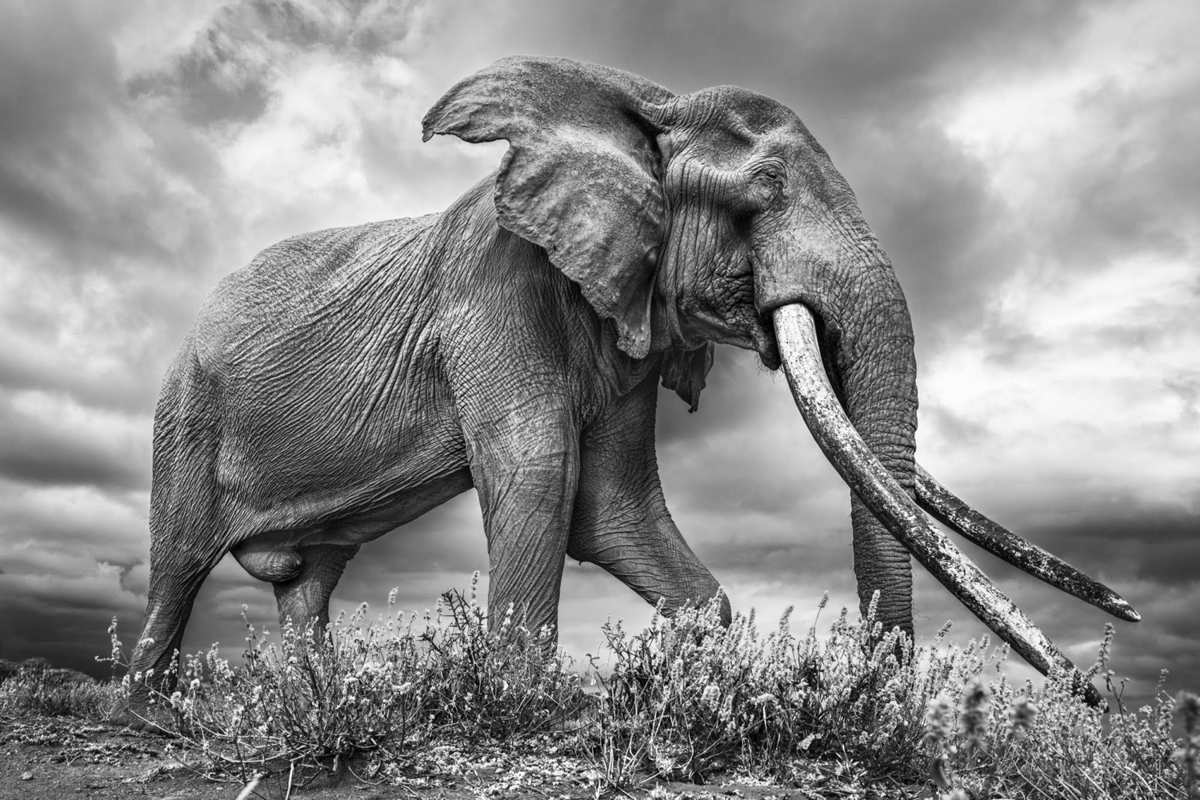
For over a decade, Dr. Steve Boyes, conservation biologist and National Geographic Explorer, has been in search of a mysterious, elusive herd of Ghost Elephants in the highlands of Angola, deep within its forests. From acclaimed director Werner Herzog (“Grizzly Man”), GHOST ELEPHANTS follows Boyes on an epic journey as he sets out with some of the best master trackers in the world, in pursuit of an animal long believed to be a myth.
From Peter Sobczynski’s rave review of the film:
The subject of Herzog’s fascination this time around is South African naturalist Dr. Steve Boyes, and while he seems perfectly staid and affable at first sight, he has an obsession within him that has consumed his life to such an extent that if he didn’t actually exist, Herzog might have had to invent him. The focus of his fascination is a species of giant elephant residing in the highlands of Angola, known as “ghost elephants” for their apparent ability to avoid detection. Indeed, not only has Boyes never actually seen one of these creatures with his own eyes, but he is not even certain that such creatures exist—the closest he has come is a massive elephant shot near that area in Angola in 1955, now on display at the Smithsonian.
Herzog, National Geographic, elephants, quixotic quest — who says no? Ghost Elephants is available to stream on Disney+ and Hulu.
Socials & More