kottke.org posts about photography
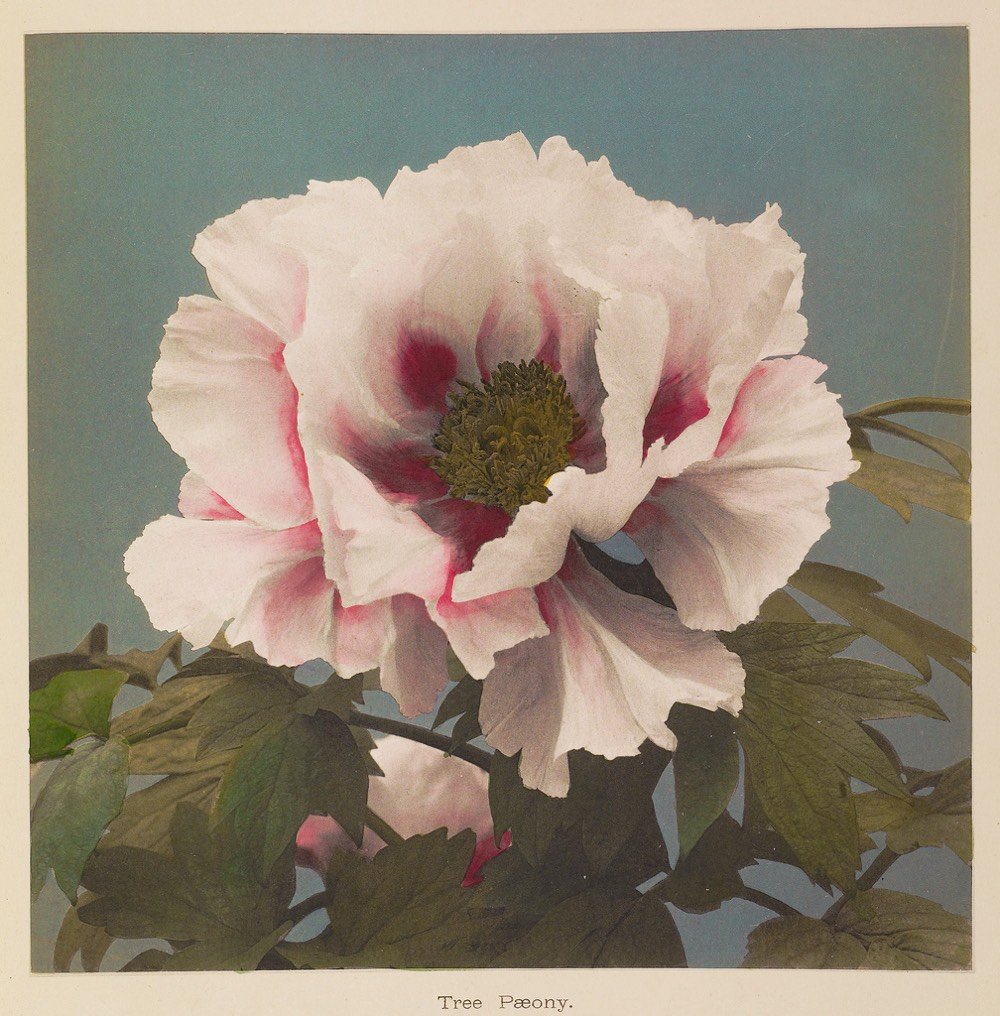
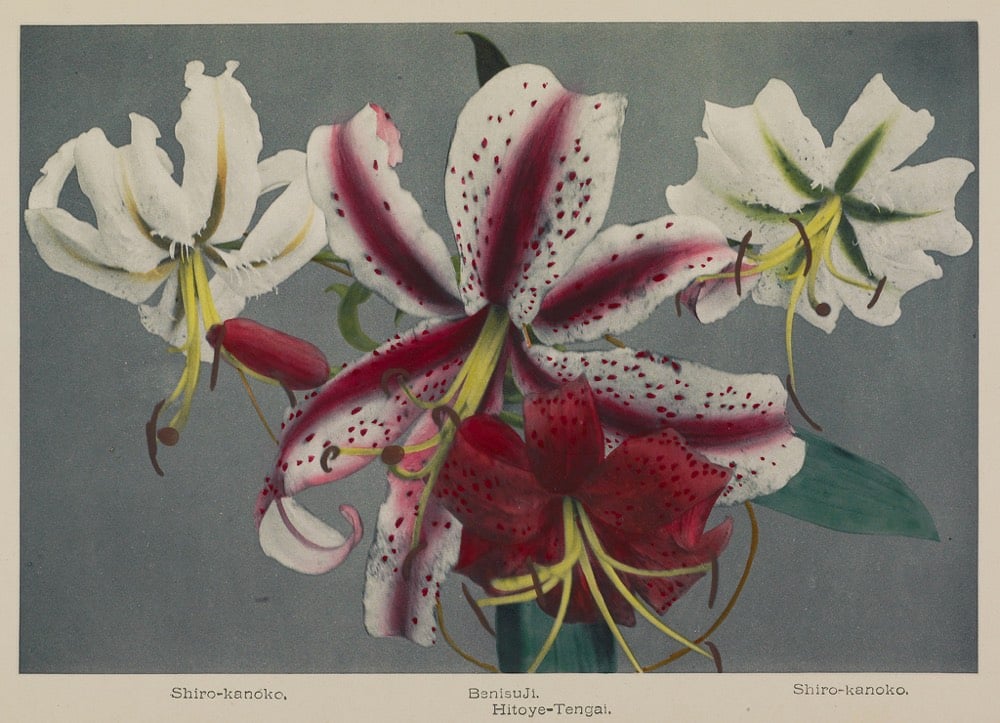
From The Public Domain Review, Ogawa Kazumasa’s Hand-Coloured Photographs of Flowers.
The stunning floral images featured here are the work of Ogawa Kazumasa, a Japanese photographer, printer, and publisher known for his pioneering work in photomechanical printing and photography in the Meiji era.
A reprinted book containing these images by Kazumasa is available as are prints. (via @john_overholt)
This is a photo taken in Germany in 1914 by August Sander:
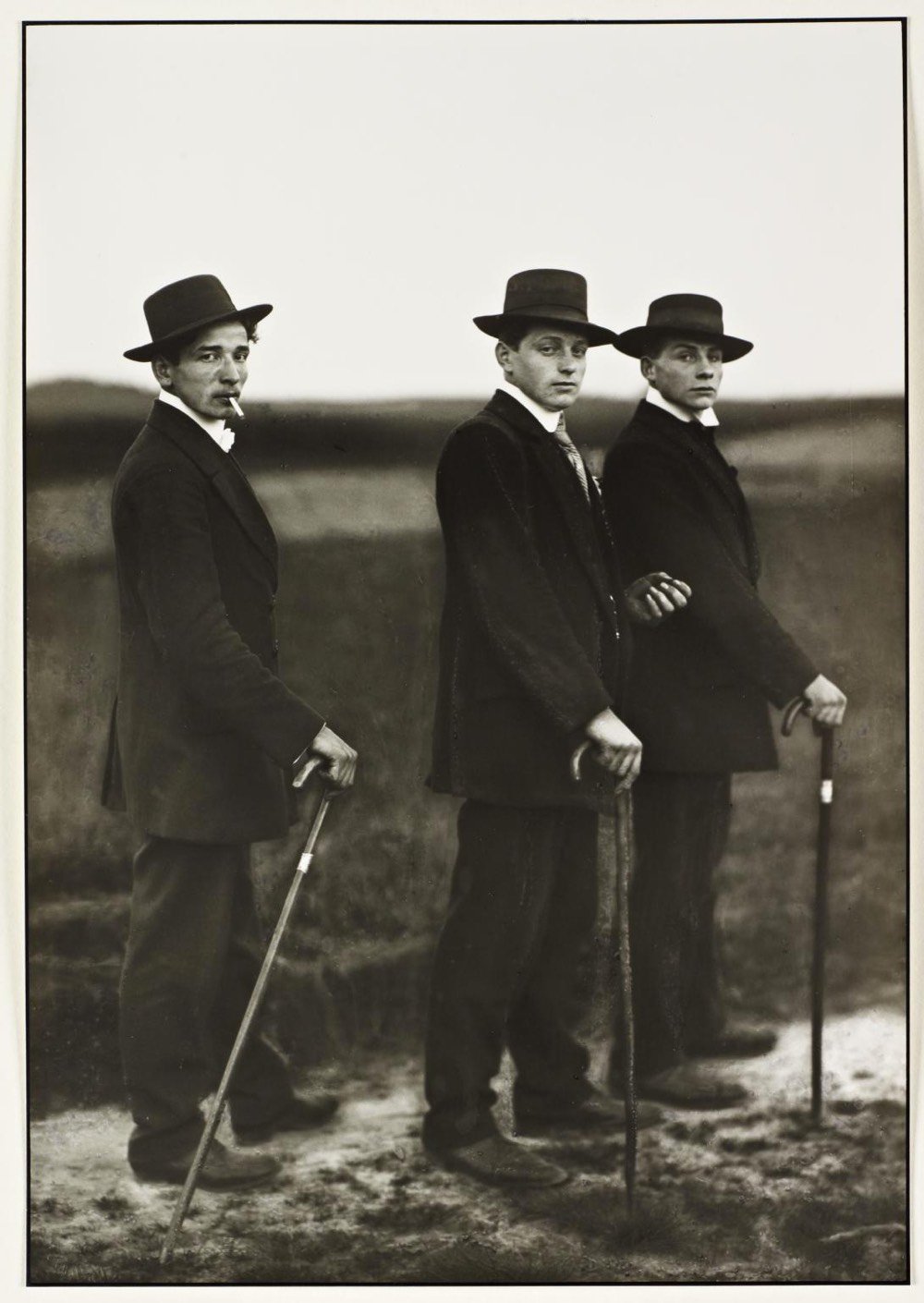
It’s called Young Farmers and it depicts three young men on their way to a dance in rural Germany. But as John Green explains in this video, there is so much more going on with this photo.
From The Tate, which has a print of Young Farmers in its collection:
The Marxist art critic John Berger famously analysed the photograph in his influential essay ‘The Suit and the Photograph’ (1980) writing: ‘The date is 1914. The three young men belong, at the very most, to the second generation who ever wore such suits in the European countryside. Twenty or 30 years earlier, such clothes did not exist at a price which peasants could afford.’ (Berger 1980, p.30.) Berger suggests that these mass market suits, emulating the higher quality attire of the bourgeois urban class, draws attention to, rather than disguises, their ‘social caste’, and not in a particularly flattering sense. In his essay, Berger considers that the three young men are of a social group not beyond the reach of aspirational advertising campaigns and travelling salesmen, and in a state of awkward transition, succumbing to a new ‘cultural hegemony’. The posturing of these three rural ‘lads’, perhaps on their way to a dance, confounds and subverts expectations of the peasant ‘type’, especially in that they smoke cigarettes. Peasants were traditionally depicted smoking a pipe handcrafted from wood, and which like the wooden canes that appear frequently in Sander’s volume of photographs devoted to peasants and farmers, including this one, connoted an organic connection to the native soil as well as a certain time-honoured wisdom. By contrast, the mass-manufactured cigarette was often seen at the time as an urban symbol of social dissolution.
However, Green also cautions that there’s only so much you can infer about people from a photograph (given, for example, that the three men weren’t actually farmers).
This video is from a new-to-me channel called The Art Assignment, which is about art and art history. Subscribed!
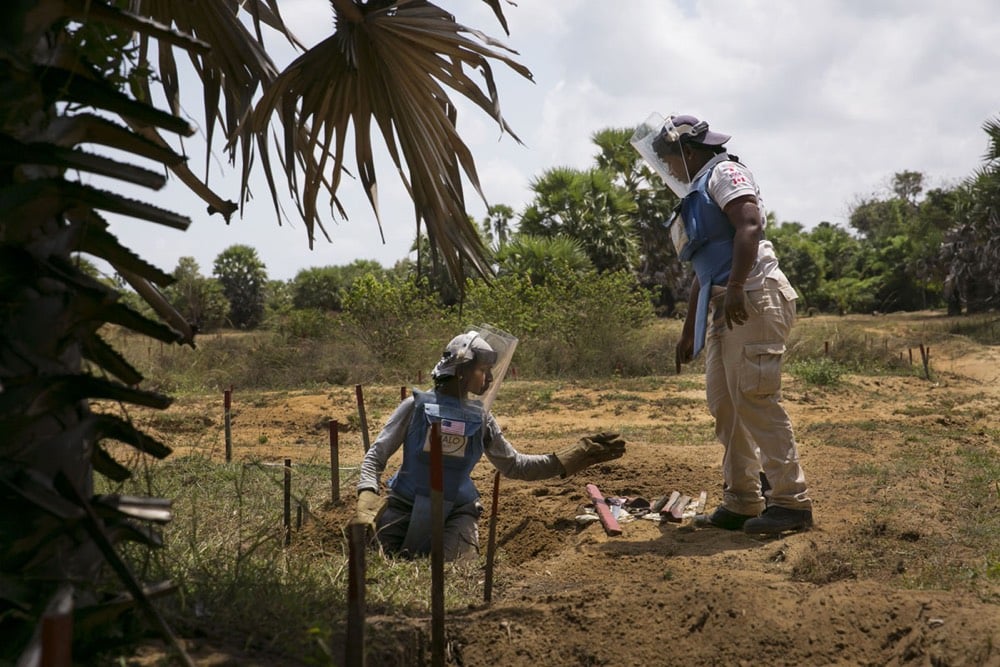
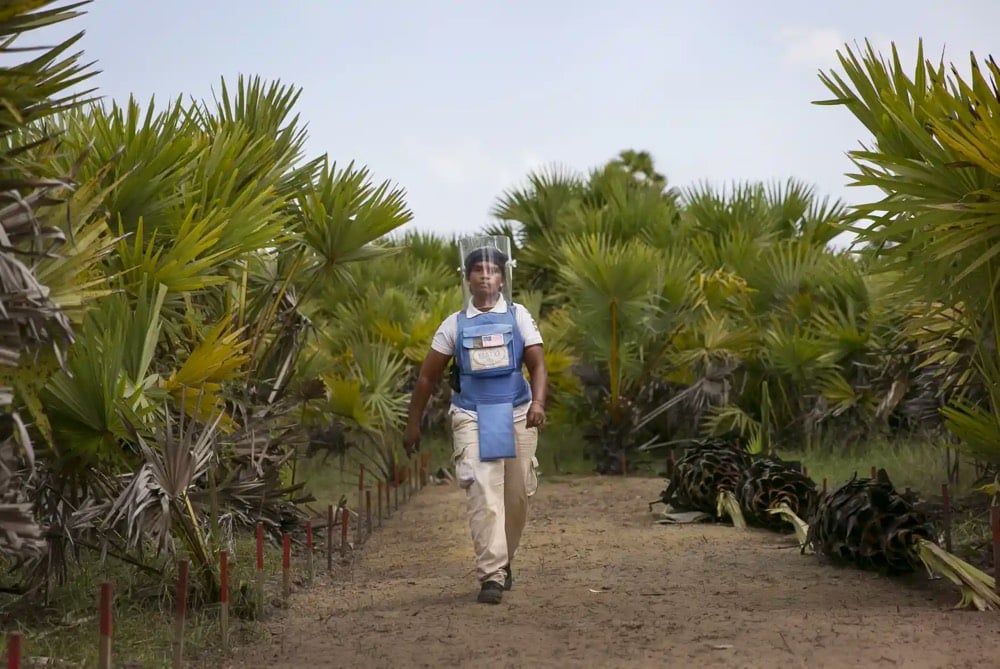
Photographer Allison Joyce has been in Sri Lanka photographing the women clearing one of the biggest minefields in the world. The mines were left over from the Sri Lankan civil war and the women are employed by NGO HALO Trust.
Landmines were used in vast quantities by both sides at different stages of the fighting in the north. From 2010 to 2012, HALO deminers removed over 30,000 mines a year. By 2014 the total had fallen to 16,000 annually, but those remaining threaten the most economically vulnerable people in the country. Mines present an obstacle to the safe return of internally displaced people (IDPs) and prevent access to paddy fields, fishing jetties and grazing land affecting the lives and livelihoods of thousands of people.
HALO remains the largest international mine action operator in the country. Our 830 staff, including a large proportion of former IDPs, work in the Jaffna, Kilinochchi and Mullaitivu districts. Fifty percent of our deminers are women, many of them war widows with children to support.
In Focus and The Guardian have photo essays about the women and their work.
Larry Luckham was a manager at a Bell Labs data center in Oakland in the late 60s and early 70s. One day, he captured daily life at the company with his camera.
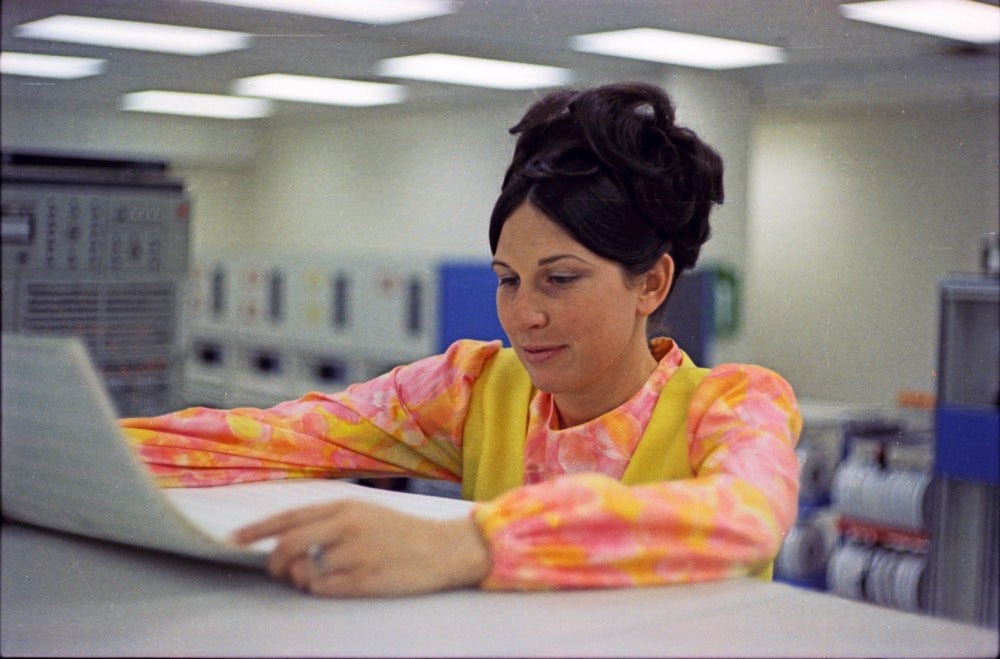
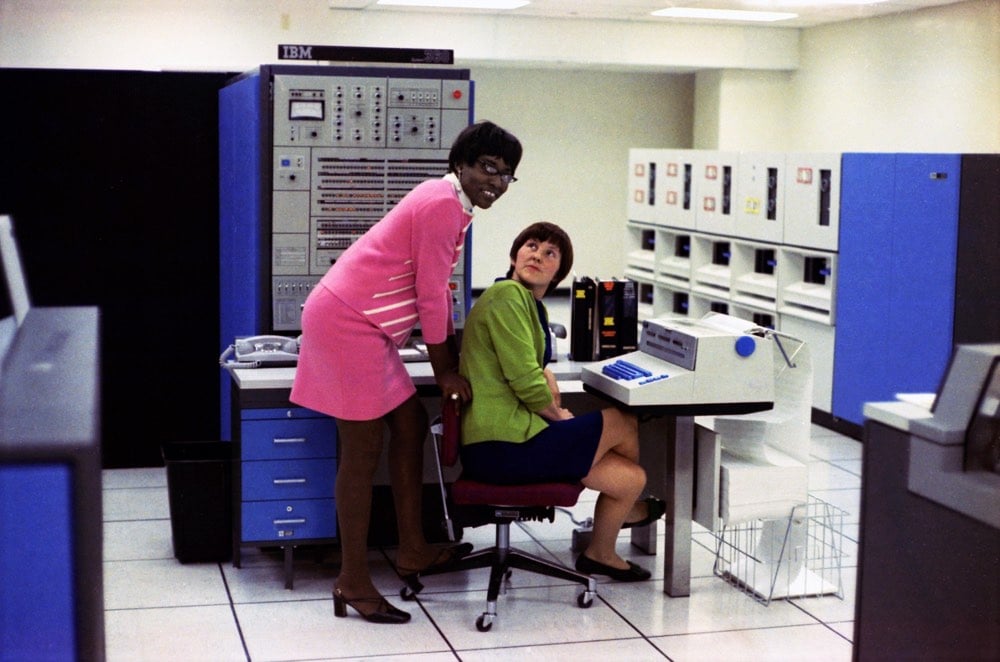
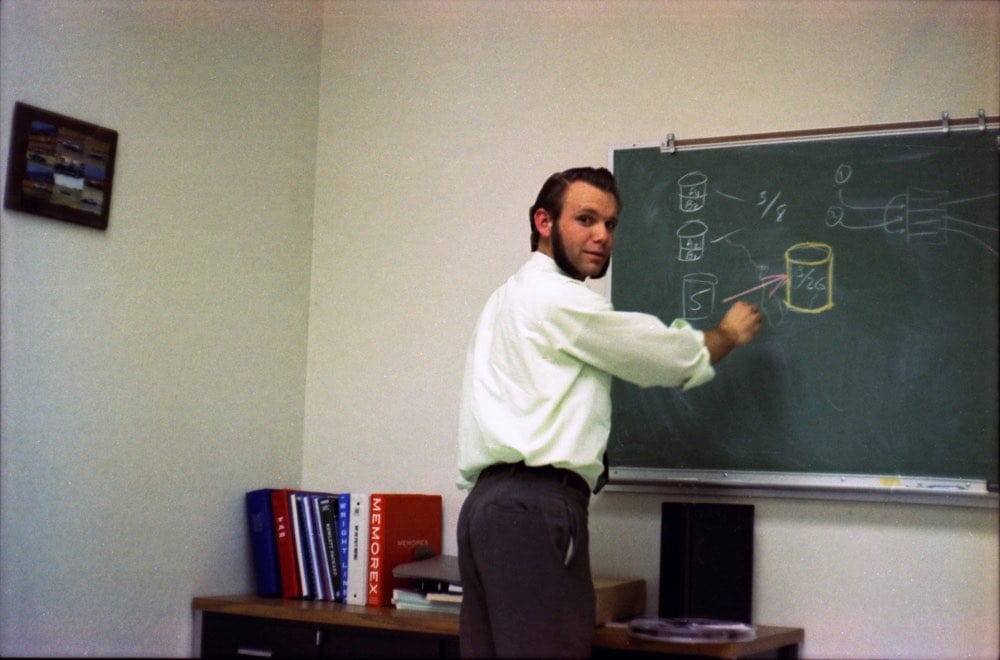
Note how many of his coworkers were women, including women of color. From The Secret History of Women in Coding:
A good programmer was concise and elegant and never wasted a word. They were poets of bits. “It was like working logic puzzles — big, complicated logic puzzles,” Wilkes says. “I still have a very picky, precise mind, to a fault. I notice pictures that are crooked on the wall.”
What sort of person possesses that kind of mentality? Back then, it was assumed to be women. They had already played a foundational role in the prehistory of computing: During World War II, women operated some of the first computational machines used for code-breaking at Bletchley Park in Britain. In the United States, by 1960, according to government statistics, more than one in four programmers were women. At M.I.T.’s Lincoln Labs in the 1960s, where Wilkes worked, she recalls that most of those the government categorized as “career programmers” were female. It wasn’t high-status work — yet.
Mathieu Stern had an idea. He thought that if you could sculpt a piece of ultra-clear ice into the correct shape, it would function as a camera lens. To find that quality of ice, he traveled to Iceland to scavenge a chunk of an iceberg washed ashore on a black sandy beach. After some trial and error, he succeeded in making his iceberg lens and using it to shoot some photos and video. The lens lasted for about a minute before melting.
Here are some of the photos he took:
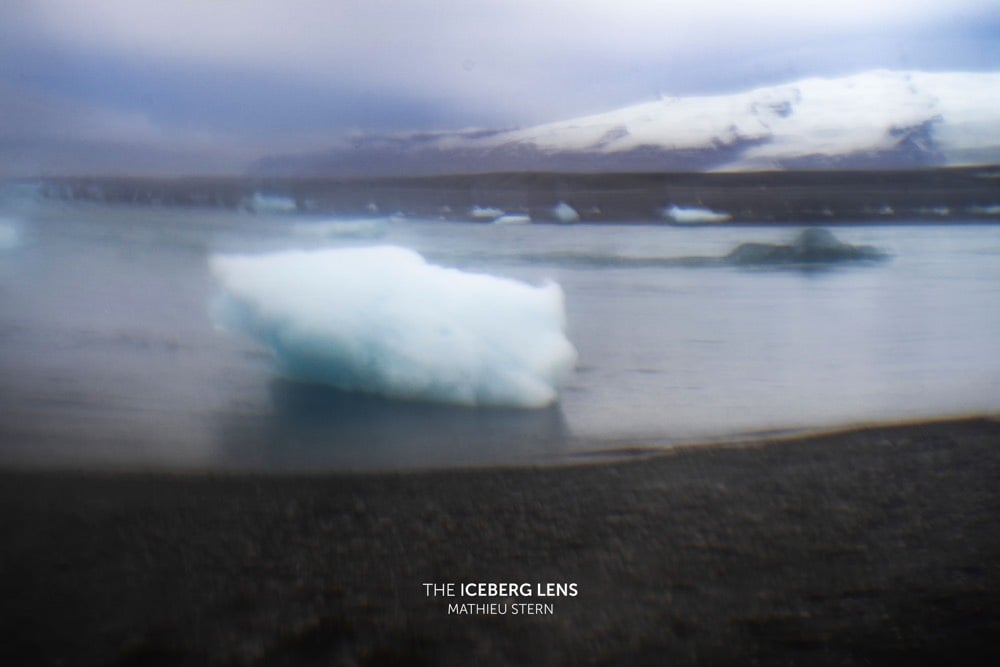
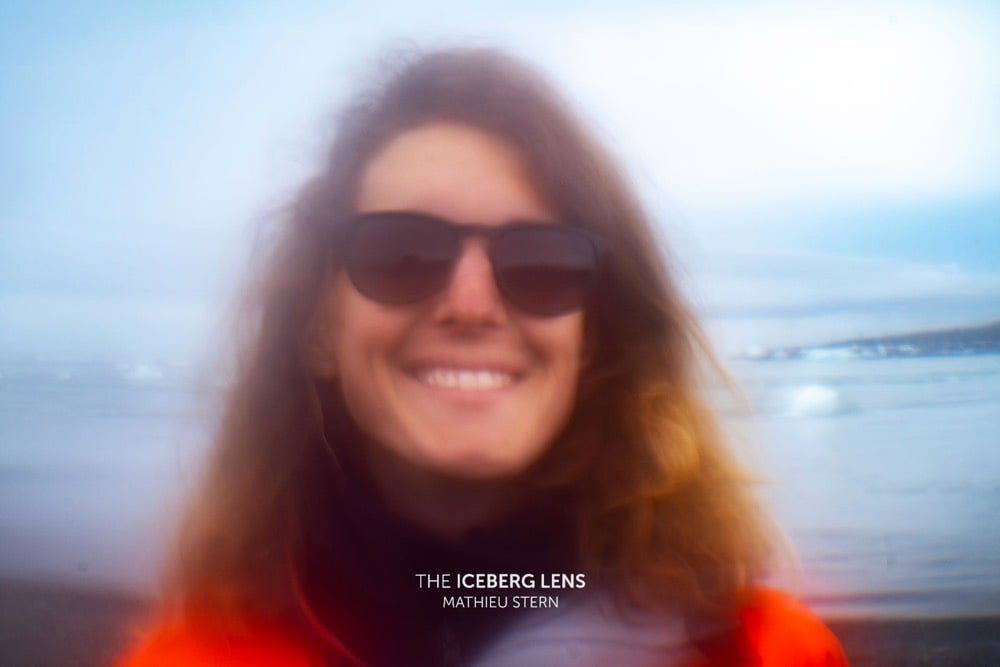
It’s a little impractical to go all the way to Iceland for iceberg ice when you can make your own clear ice at home, but Stern had this to say:
Now if people asks me “Are you happy with the result? it’s a bunch of blurry photos!?”, my response would be: “this project is a scientific, artistic and poetic project, I never imagined the result would look like the photos that comes from an ultra modern lens, but I was amazed by the strange beauty of the images I made with the first ever 10 000 year old lens.”
This is not a project for everyday photography, it was an adventure and a bet that when you have a crazy hypothesis, you should do everything to experiment it in the field.
I also wondered whether iceberg ice was actually more clear or pure than ice you could make at home. I didn’t find anything definitive but I did read this piece by Michelle Iwen about drinking single-malt scotch cooled by iceberg ice.
Our expedition leader, an Irish biologist studying southern birds, fished small chunks of clear-bubbled ice directly from the water as he worked to dislodge a sharp edged growler from beneath the propeller. He encouraged us to taste the ice, licking off the overlying salt water to find the pure, flavorless cold underneath.
“If you hold it in your bare hand long enough to speed the melting, you’ll hear it fizzle,” he told us. The fizzy pop of bergy seltzer is a familiar, yet unexpected sound. It sounds like a freshly opened can of soda, as the bubbles newly freed from the ice travel up toward the surface of the water. Yet the mundane sound of bergy seltzer belies the sinister power of melt against the bottom of the iceberg. Each bubble released scores the surface of the ice, compromising its structural integrity. We held the ice shards in our hands to make it fizz, let our skin burn against the freeze, as our expedition guide hoisted the free-floating remnants of a tiny growler into the zodiac to be chipped apart and consumed in cocktails that evening.
(via @peteashton)
Street photographer Patrick Barr has been out photographing NYC since the 1990s. Barr also goes by the name of Tiger Hood (or Nappy Gilmore) and when he’s out on the street selling prints of his photographs, he passes the time playing a street golf game of his own invention.
It’s a game that requires only three items: a golf club, a newspaper-stuffed milk carton, and a crate. What was initially just a way for Barr to pass time has gained traction from major news outlets and celebrities on a global scale. However, street golf seems to overshadow his true passion… photography. Barr’s archive consists of thousands of mind blowing film photographs of NYC from the 1990’s to 2000’s. His goal was to preserve a time and place that he predicted would dissolve in the coming years. With his archive as evidence, he predicted correctly.
You can find some of Barr’s photos on Flickr and Instagram but if you want to buy a print, you’ll have to catch him on the streets of lower Manhattan.
1969 was quite a year that saw the founding of Sesame Street, PBS, Monty Python, and the Internet as well as Woodstock and my favorite, the crew of Apollo 11 landing on the Moon.
At In Focus, Alan Taylor has collected 50 photos from 1969, a visual record of that iconic year.
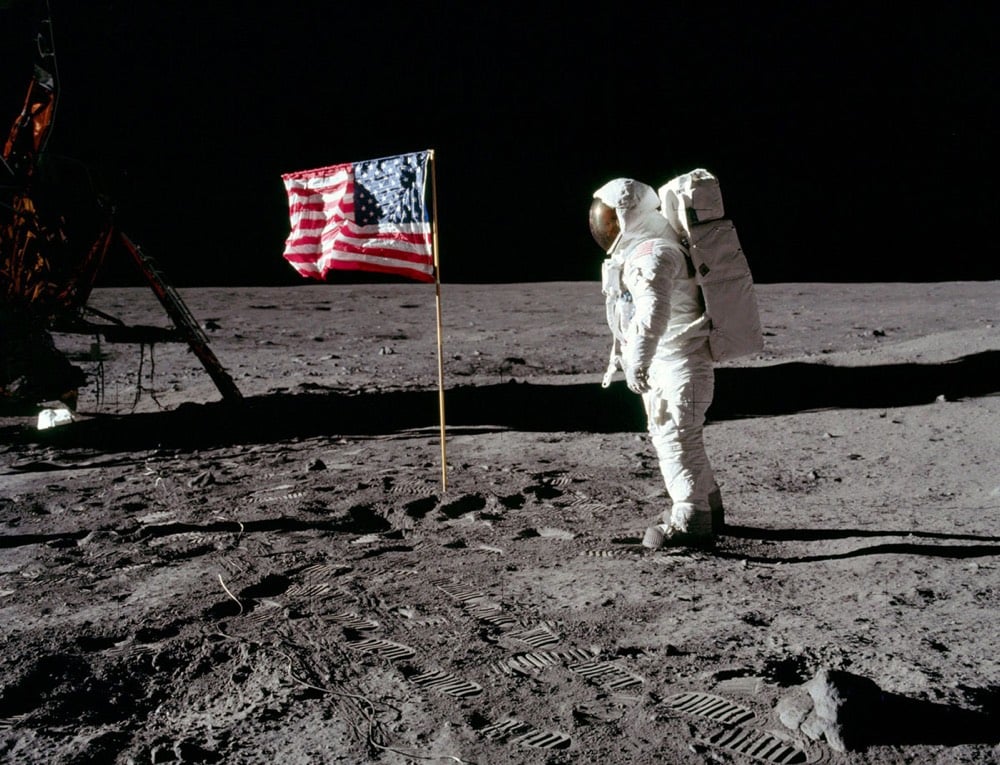
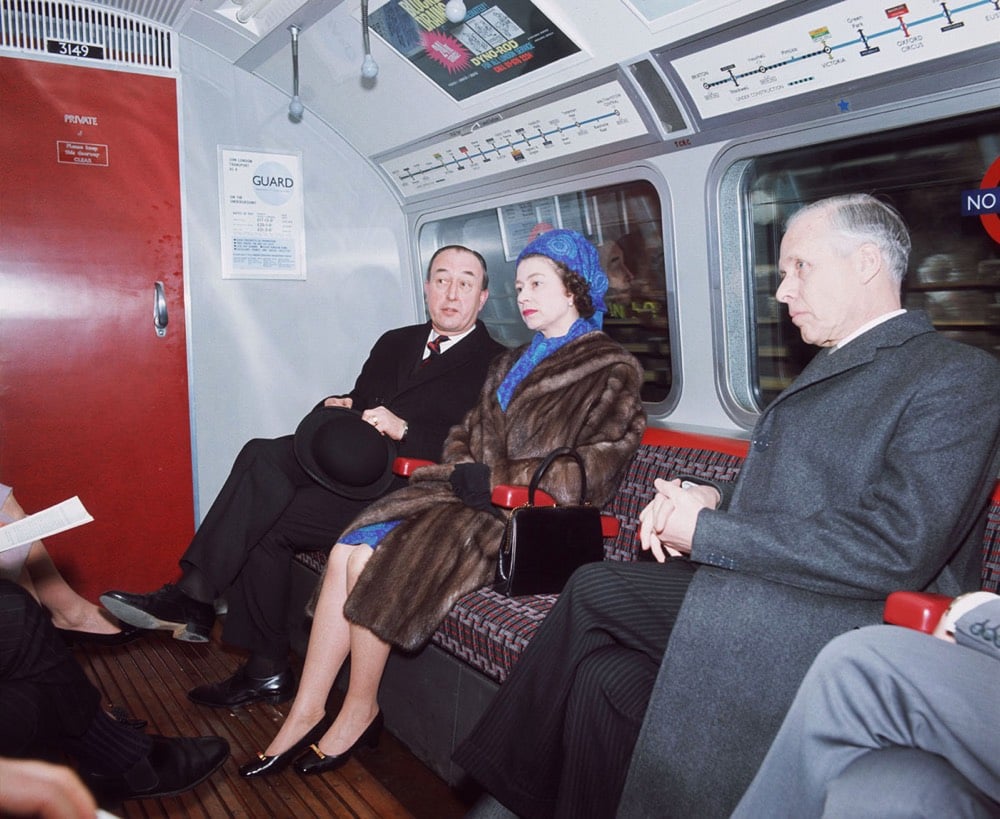

From top to bottom, Buzz Aldrin on the Moon, Queen Elizabeth riding on the Tube in London, and a billboard in Times Square featuring John Lennon & Yoko Ono’s message of peace.
As part of his The World in Faces project, Alexander Khimushin has been making portraits of the indigenous people of Siberia wearing native dress.
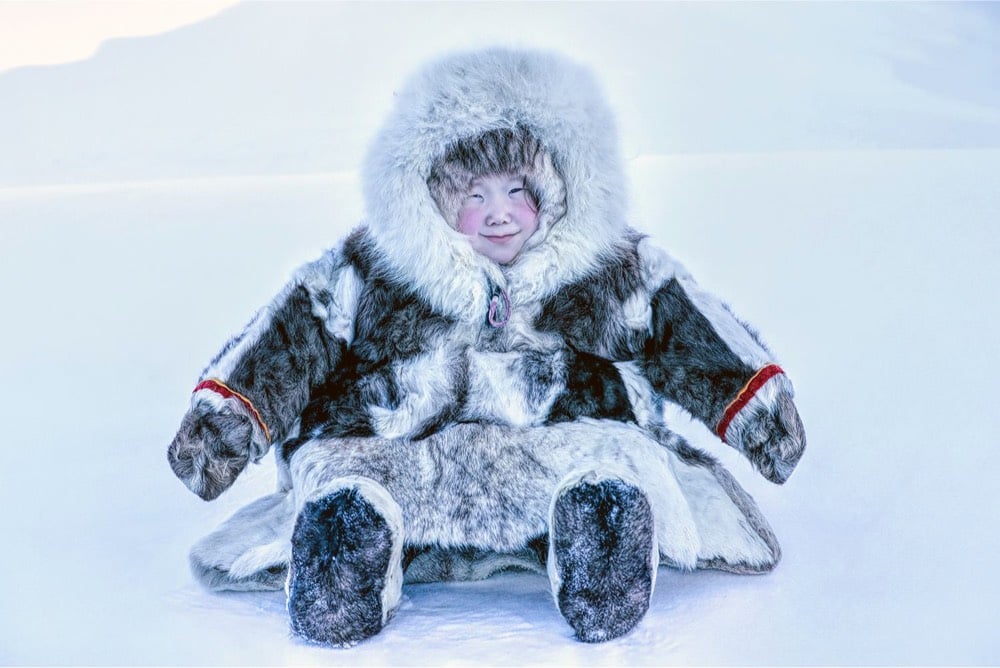
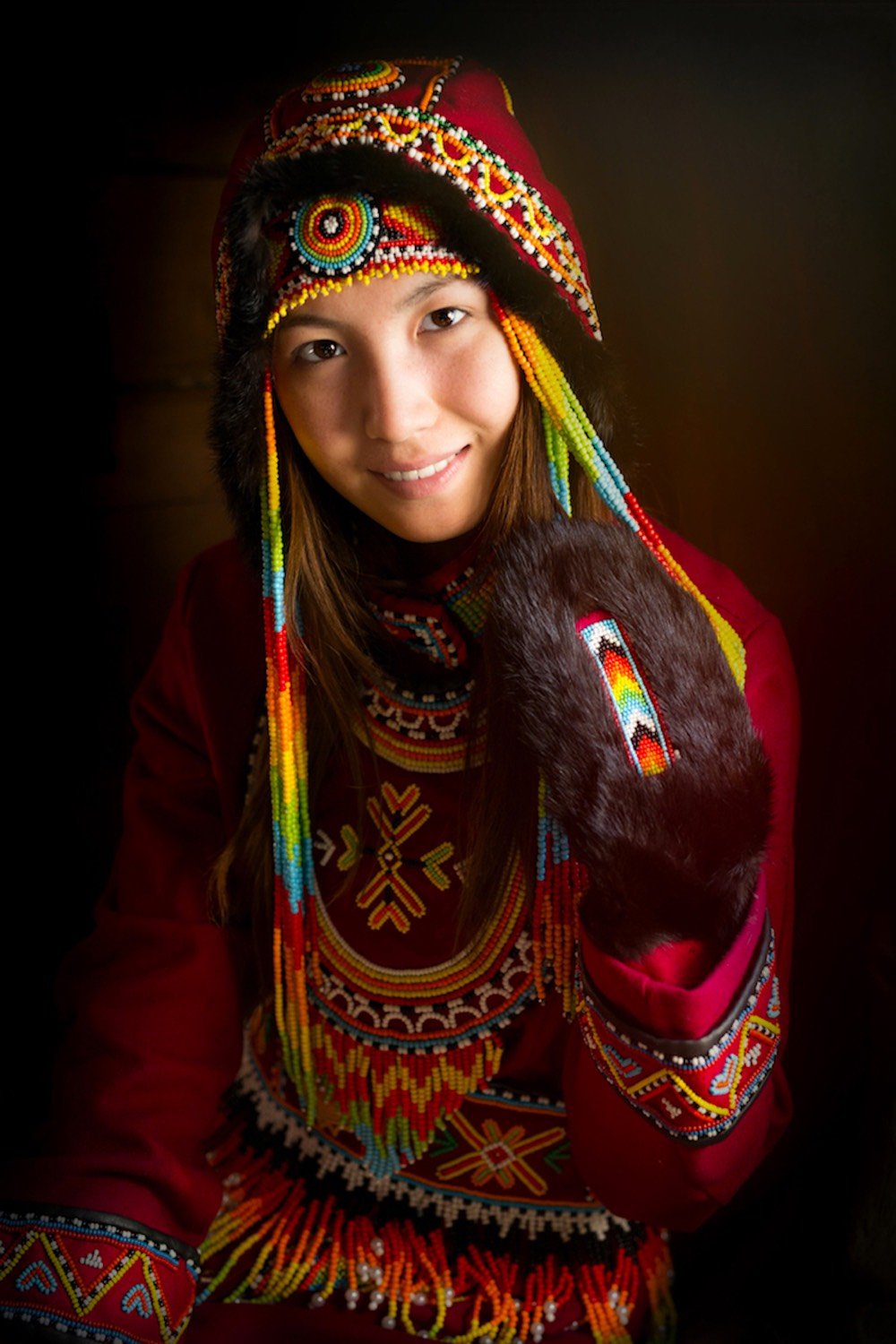
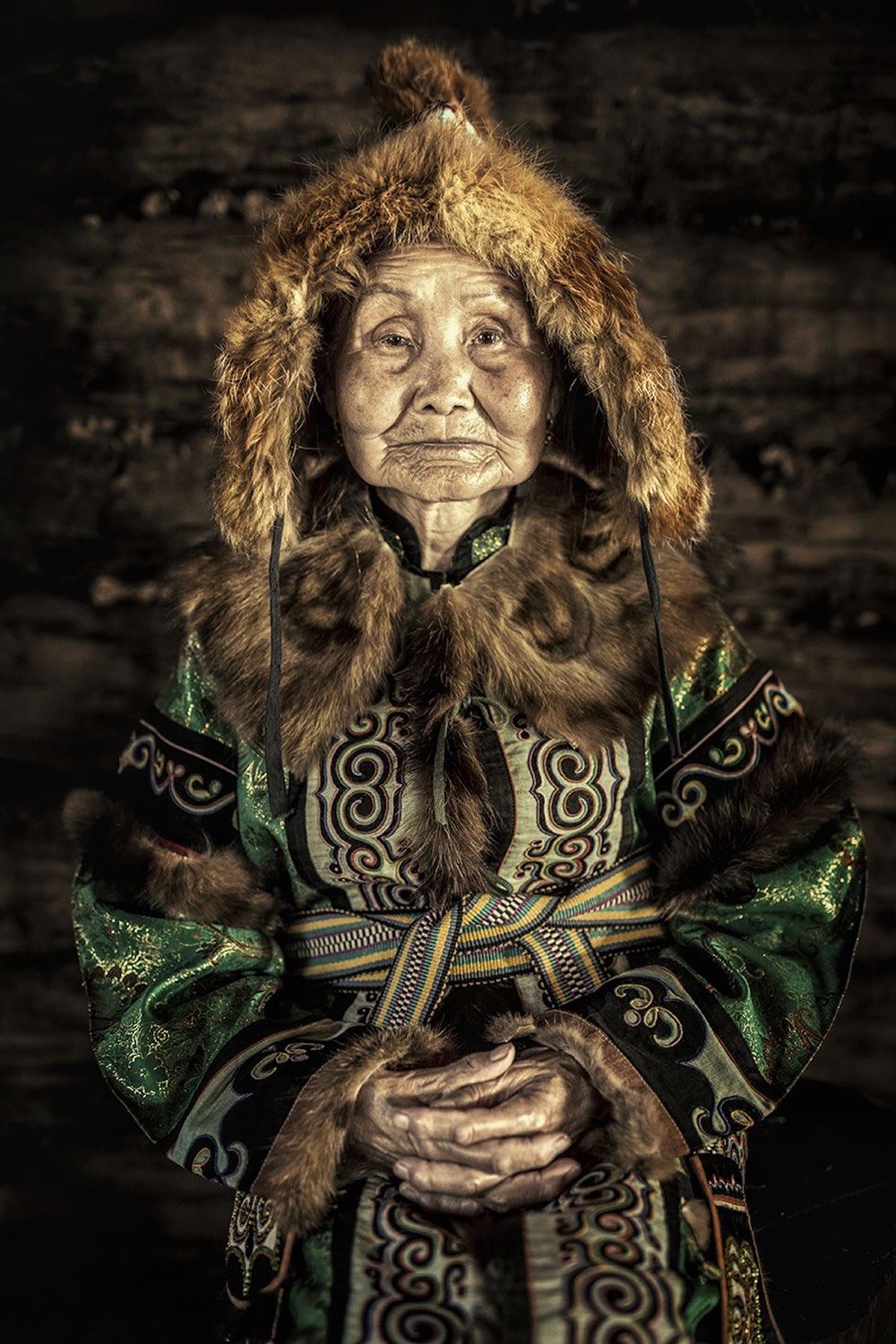
The photo at the top is of three-year-old Gulnara Kayarina wearing her everyday outfit:
She lives in a portable little 2x3 meter house on skis, wrapped in the reindeer skins, at the endless tundra, about 50 km away from the nearest settlement of Tukhard (pronounced Too-Hard) — one the the remotest and coldest places of Krasnoyarsk Krai. Located at the Taymyr Peninsula (Arctic part of Siberia and the Northernmost region of Eurasia) Tukhard is accessible by helicopter only. Gulnara is one of two daughters in the family of reindeer herders Prokopy and Maya Kayarin. Her sister Rimma is a bit older, she is 5. Both girls live nomadic life with their parents and their reindeer in the vast snowy expanse of the tundra, extended as far as the edge on the Arctic Ocean. Nenets People are one of five ethnic group on Indigenous People of Taymyr Peninsula. Most of Nenets People still live traditional lifestyle in this extremely remote and coldest region of the world. Right now the region experiencing a so-called polar night — 45 days long period of total darkness. Winter temperature regularly drops below -40C/-40F. With a combination of strong winds with a speed as high as 35 meters/sec the climate of Taymyr is certainly one of the most extreme ones of the world.
You can follow this project on Facebook and Instagram.
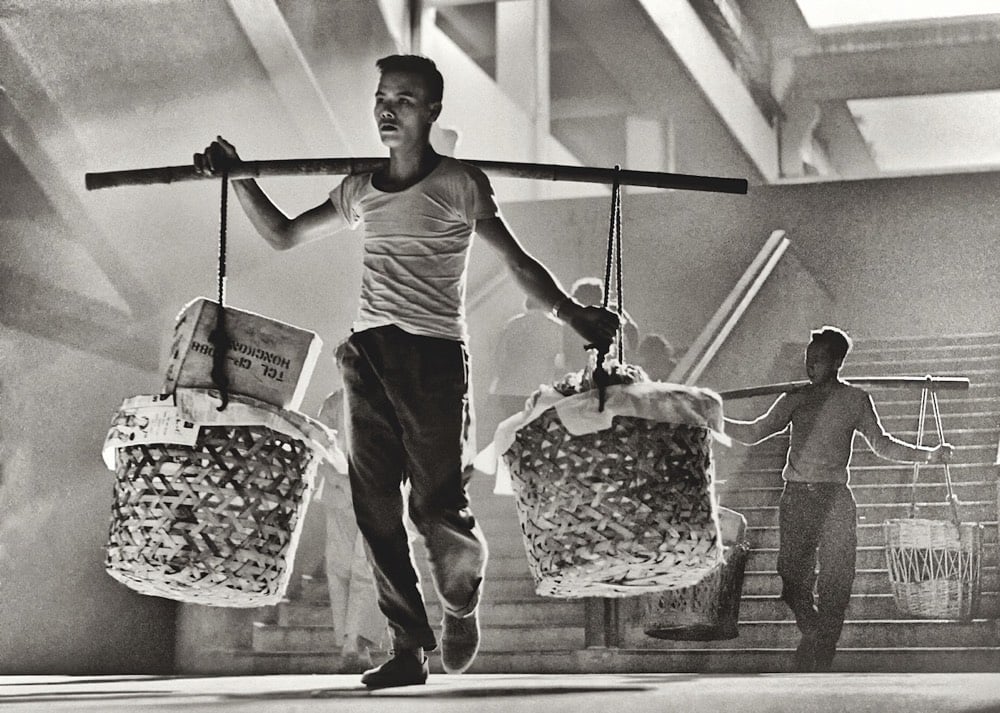
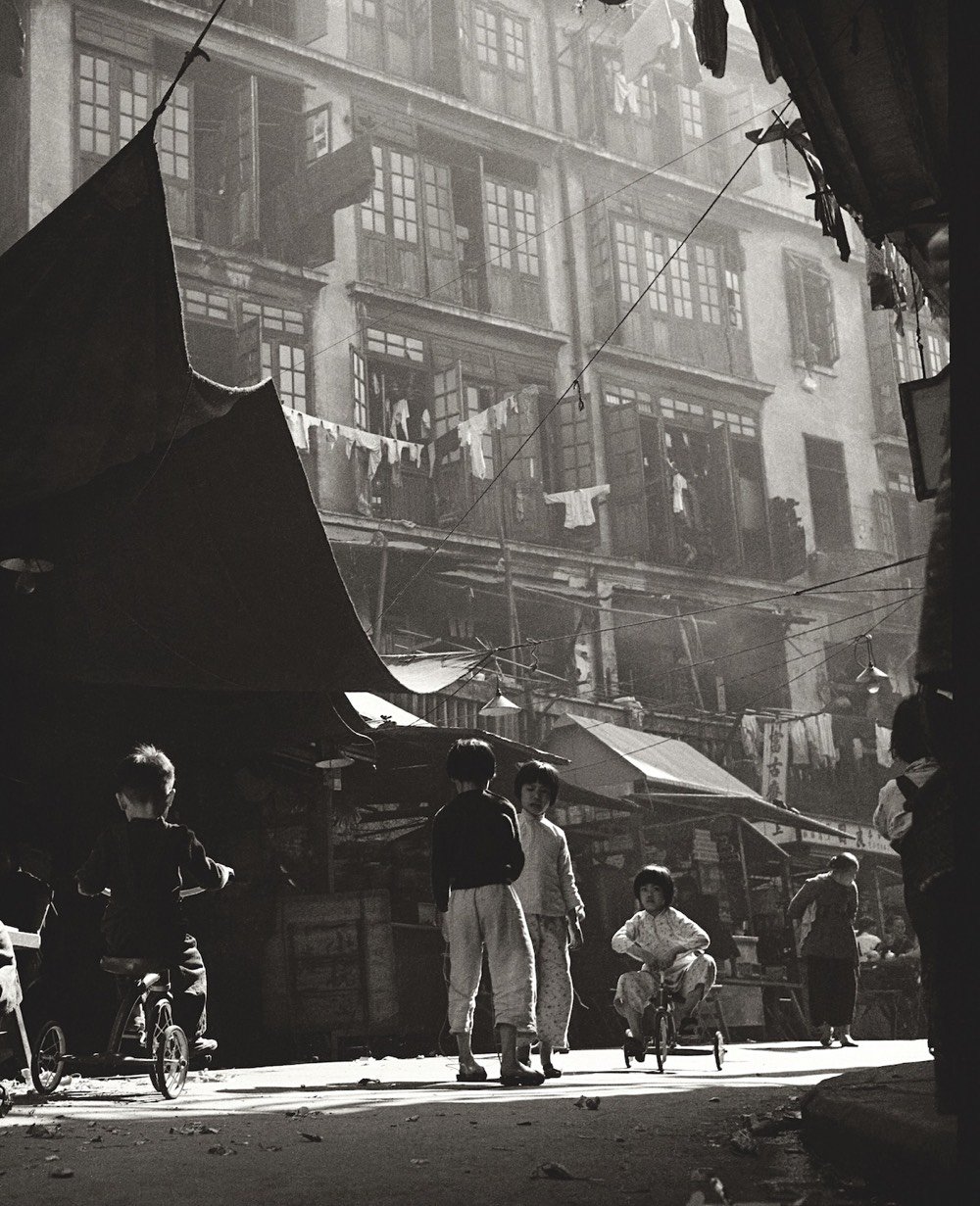
When he was a teenager, Fan Ho grabbed his father’s camera and started documenting street scenes in Hong Kong. From there, he built up a documentary body of work that puts him among the great practitioners of street photography.
Dubbed the “Cartier-Bresson of the East”, Fan Ho patiently waited for ‘the decisive moment’; very often a collision of the unexpected, framed against a very clever composed background of geometrical construction, patterns and texture. He often created drama and atmosphere with backlit effects or through the combination of smoke and light. His favorite locations were the streets, alleys and markets around dusk or life on the sea.
What made his work so intensely human is his love for the common Hong Kong people: Coolies, vendors, hawkers selling fruits and vegetables, kids playing in the street or doing their homework, people crossing the street… He never intended to create a historic record of the city’s buildings and monuments; rather he aimed to capture the soul of Hong Kong, the hardship and resilience of its citizens.
Before his death a few years ago, Ho selected some images from his archives that have become the basis of a new show at the Blue Lotus Gallery.
The photographic selection expressed in this new body of work feels more natural, indeed closer to documentary and pure street photography compared to his previously highly stylised approach. In his own manifesto ‘Thoughts on Street Photography’ which he wrote at the age of 28, and of which carefully selected quotes can be found throughout the book, he explains, “my realistic street photos are rarely selected. Pictorial aesthetics and images with a sense of humour are still the key for salon photos but I expect changes to happen soon. In the meantime, I will just keep trying.”
(via moss & fog)

For the past few years, visual artist Threadstories has been making these amazing masks and posting selfies of her wearing them on Instagram. She starts each mask with a crocheted balaclava:

And ends up at many different endpoints:
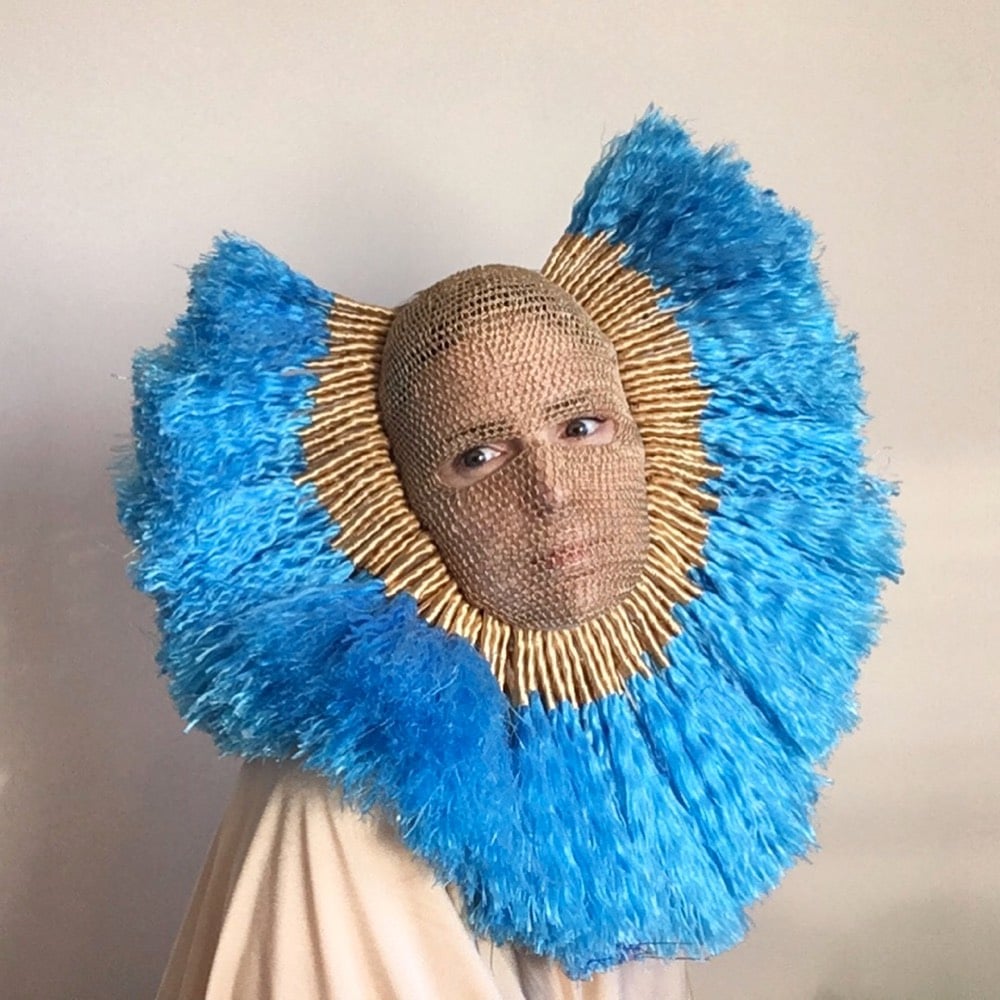

You can see the masks in motion in this video and read more about the project in this RedMilk interview.
I don’t have any one line of enquiry or source of inspiration. Everything from traditional basket making to Francis Bacons portraits to the sight of someone with really crooked teeth or an episode of Blue Planet might inspire a mask. Thematically I am questioning how the erosion of personal privacy online effects how we view and portray ourselves. I am constructing facades — masks in response to these questions. We are all so over exposed and to what end? Privacy is precious.
(via swissmiss)
At the end of a long day in March 1936, Dorothea Lange stopped in a migrant workers camp in California for just 10 minutes and took six photos of a woman and her children. The final photo, known as Migrant Mother, became one of the most iconic photographs of the Great Depression.
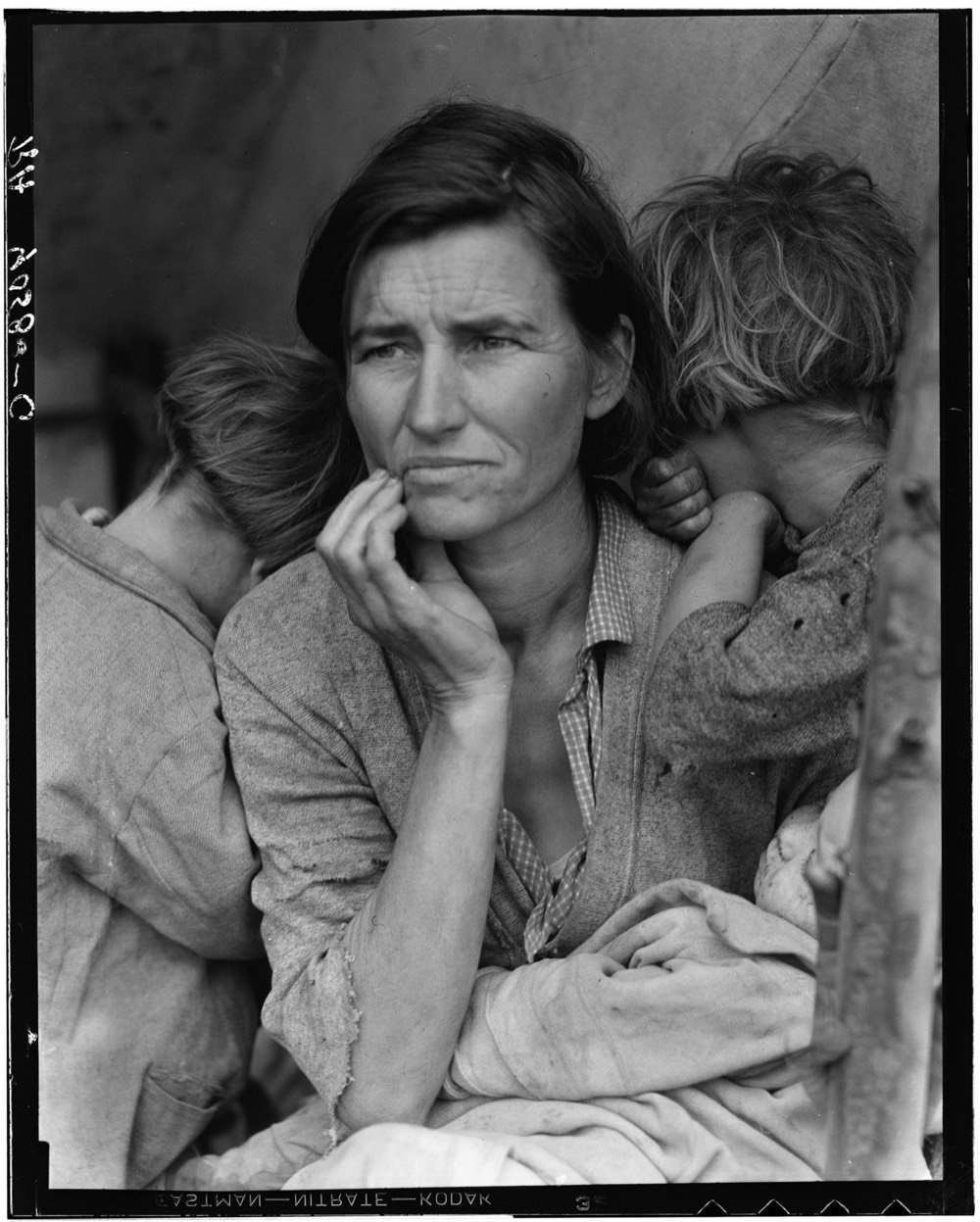
In this video, Evan Puschak details not only the context the photo was created under (FDR’s administration wanted photos that would shift public support towards providing government aid) but also how Lange stage-managed the scene to get the shot she wanted.
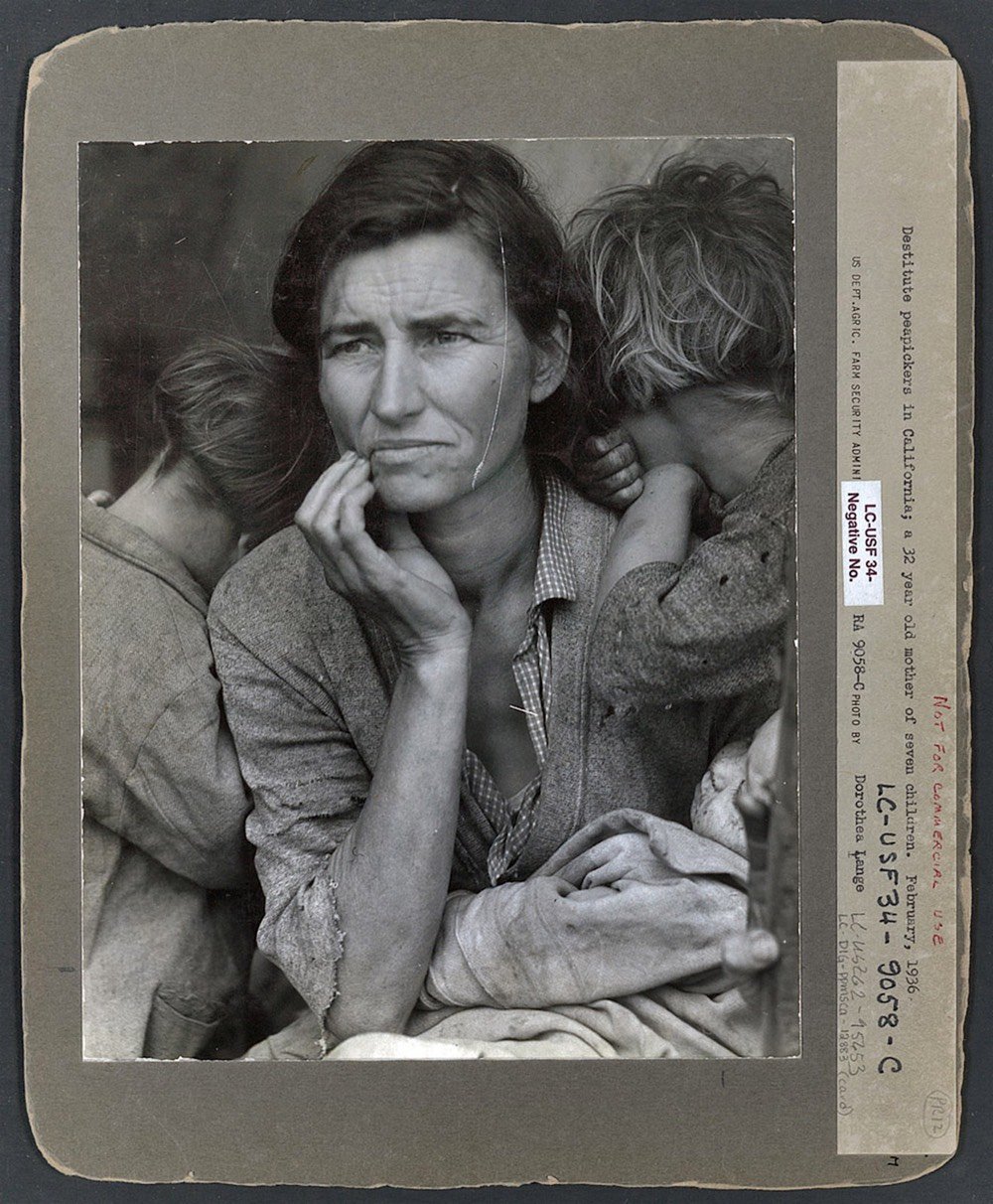
As Puschak notes, the photo we are all familiar with was retouched three years after its initial publication to remove what Lange saw as a detriment to the balance of the scene: the thumb of the woman’s hand holding the tent post in the lower right-hand corner.
It is easy to tell whether a print of “Migrant Mother” was made before 1939, because that year Ms. Lange had an assistant retouch the negative and remove Ms. Thompson’s thumb from the bottom right corner, much to the chagrin of Roy Stryker, her boss at the Farm Security Administration. While that was a fairly common practice at the time, Mr. Stryker thought it compromised the authenticity not just of the photo but also of his whole F.S.A. documentary project, Ms. Meister said. But Ms. Lange considered the thumb to be such a glaring defect that she apparently didn’t have a second thought about removing it.
Here’s what it looked like before the alteration:
There are some other things about the photo that may prompt us to think about the objectivity of documentary photography. The cultural story of Migrant Mother is that this is a white woman who came west during the Great Depression for migrant work. The real story is more complicated. The woman was identified in the late 1970s as Florence Owens Thompson, and as she told her story, we learned some things that Lange didn’t have time to discover during her fleeting time at the camp:
1. Thompson was a full-blooded Cherokee born in Indian Territory (which later became the state of Oklahoma). As this NY Times review of Sarah Meister’s book on the photograph says, if people had known the woman wasn’t white, the photo may not have had the impact it did.
“We have never been a race-blind country, frankly,” Ms. Meister said. “I wish that I could say that the response would have been the same if everyone had been aware that she was Cherokee, but I don’t think that you can.”
2. The family were not recent migrants to California and had actually moved from Oklahoma in 1926, well before the Depression started. The family briefly moved back to Oklahoma because Thompson was pregnant and afraid the father’s family would take the baby from her, but returned to California in 1934.
3. Thompson’s first husband died in 1931 of tuberculosis while she was pregnant with her sixth child. A seventh child resulted from a brief relationship with the father mentioned above. An eighth child followed by a new husband in 1935. But it was Thompson who provided for the family while taking care of 8 kids:
By all accounts, Jim Hill was a nice guy from a respectable family who never could seem to get his act together. “I loved my dad dearly,” Norma Rydlewski said, “but he had little ambition. He was never was able to hold down a job.” The burden of supporting the family, and of keeping it together, fell on Florence.
4. The ultimate goal of Lange taking Thompson’s photo for the FSA was to stimulate public support for government aid to people who were out of work because of the Depression. But Thompson herself didn’t want any aid:
“Her biggest fear,” recalled son Troy Owens, “was that if she were to ask for help [from the government], then they would have reason to take her children away from her. That was her biggest fear all through her entire life.”
5. Thompson and her family weren’t actually living at the pea pickers camp when Lange photographed them there. They had just stopped temporarily to fix their car and were only there for a day or two.
In the field notes that she filed with her Nipomo photographs, Lange included the following description: “Seven hungry children. Father is native Californian. Destitute in pea pickers’ camp … because of failure of the early pea crop. These people had just sold their tires to buy food.”
Owens scoffed at the description. “There’s no way we sold our tires, because we didn’t have any to sell,” he told this writer. “The only ones we had were on the Hudson and we drove off in them. I don’t believe Dorothea Lange was lying, I just think she had one story mixed up with another. Or she was borrowing to fill in what she didn’t have.”
“Mother always said that Lange never asked her name or any questions, so what she [Lange] wrote she must have got from the older kids or other people in the camp,” speculates daughter Katherine McIntosh, who appears in the Migrant Mother photo with her head turned away behind her mother’s right shoulder. “She also told mother the negatives would never be published — that she was only going to use the photos to help out the people in the camp.”
So what are we to make of what we thought we knew about this photograph and what we know now? In 2009, Errol Morris wrote of the FSA photos:
Rothstein, Lange and Evans have been accused of posing their photographs, in short, of manipulating them to some end. And yet all photographs are posed. There is no such thing as pure documentary photography. The problem is not in what any of them have done, but in our misunderstanding of photography. No crimes were committed by the F.S.A. photographers. They labored as employees of an organization dedicated to providing propaganda for the Roosevelt administration. And they created some of the greatest photographs in American history. Photographs can be works of art, bearers of evidence, and a connection with the past for individuals, families and society as a whole. It should not be lost on any of us that these controversies are still with us. The Photoshop alteration of a photograph “documenting” the launching of Iranian missiles, the cropping of a Christmas get-together at the Cheney ranch. These are just the latest iterations. In 1936, Roosevelt was reelected in a contentious election. Photography played a controversial role, reminding us that wherever there are intense disagreements, particularly political disagreements, there will be disagreements about photography, as well.
The stories we tell about photographs change as we change and as our culture changes. Yes, Migrant Mother is a symbol of the hardship endured by many during the Great Depression. But Migrant Mother is also the portrait of a fiercely independent Native American single mother who fought to provide for her family and keep them together during the most difficult time in our nation. That’s a story worth hearing today.
Both prints above are courtesy of the Library of Congress, Prints & Photographs Division: with thumb and without. You can also explore the rest of the LOC’s FSA collection.


These are photographs by Edward Burtynsky from The Anthropocene Project, a multimedia undertaking that showcases the effect humans have had on our planet. Top: a palm oil plantation in Malaysia. Bottom: a coal mine in Germany.
In addition to the photographs, there’s also a book and a film among other things.
I’ve been a fan of Burtynsky’s photography for years and I’m hoping to see both the film and the photos somewhere soon.
In what she calls a “time-tunnel artwork”, photographer Annie Wang has been taking a periodic photo of herself and her son over the past 18 years, each time with the previous photo in the background.
Different layers of my son and I emerge on the same surface after a lengthy accumulation of detail and texture. Different stages of my son and I are overlaid; and from the different pictures we have created dialogue with each other in this dimension upon compressed dimension. From within these dimensions will emerge a new depiction/visualization of Motherhood.
Here are two consecutive photos in the series from when her son was young.
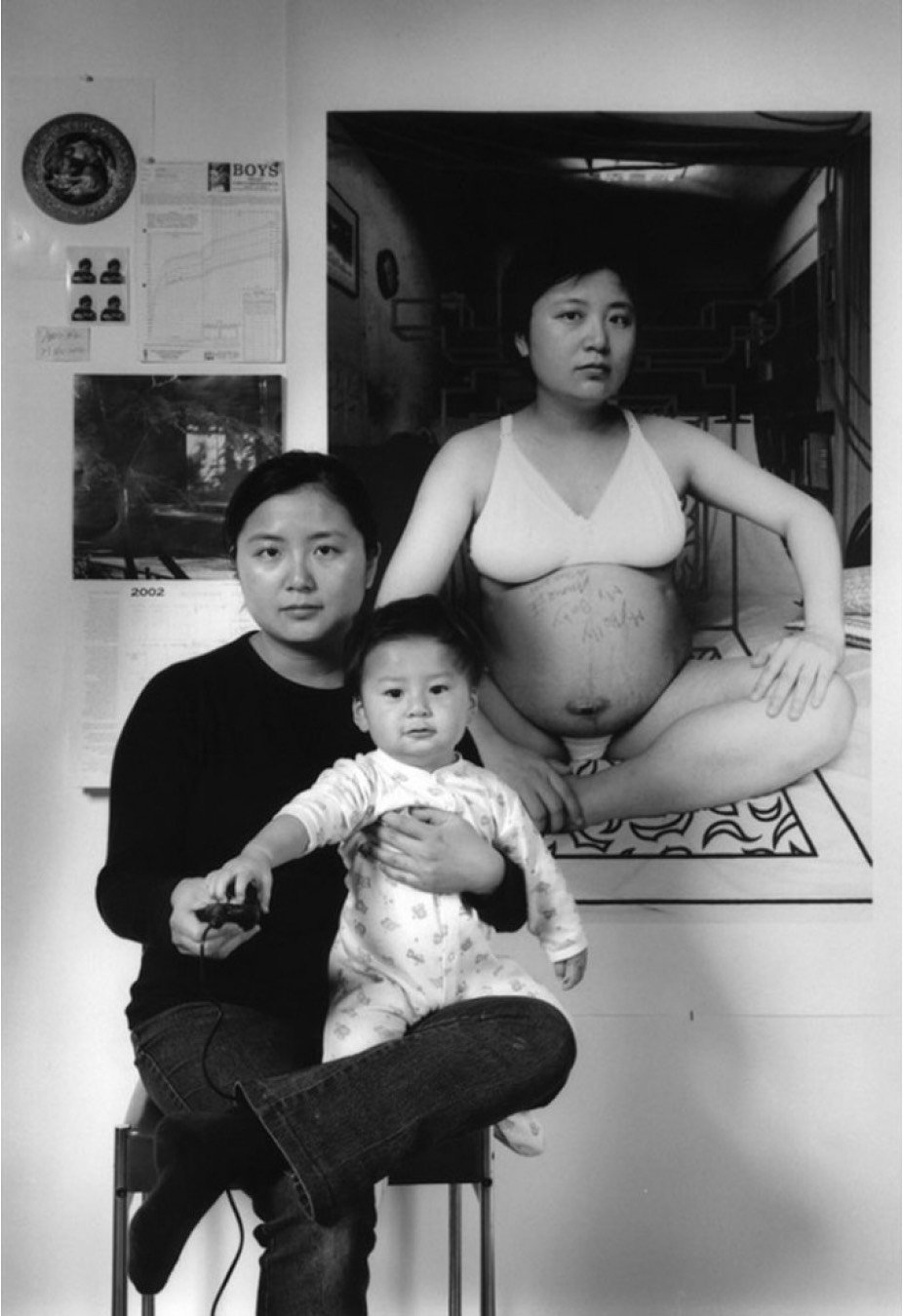
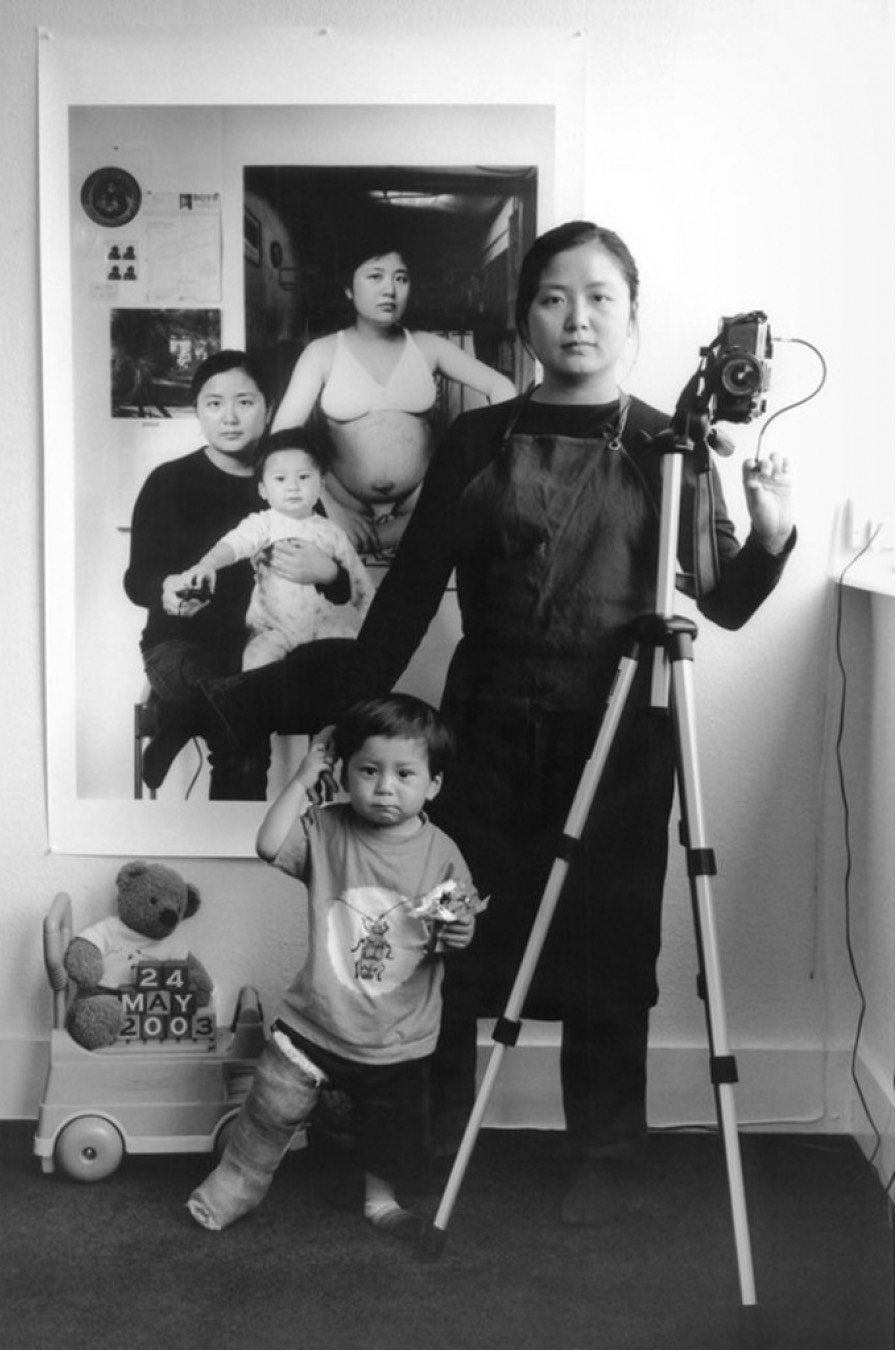
(via swissmiss)
About 30 years ago, the Menendez brothers of Beverly Hills murdered their parents, collected a hefty life insurance policy, and then went on an 8 month spending spree. The brothers bought cars, watches, opulent vacations, restaurants (what?!), and… courtside tickets to see the Knicks play. Incidentally, a photo of Mark Jackson from that game was used as his 1990 basketball card, and you’ll never guess who was in the background…

The guy who found it, Stephen Zerance, isn’t an NBA fan but a fan of true-crime. He’d read in court documents the brothers had bought the tickets and went looking for proof. When archival photo and video searches were fruitless, he thought about basketball cards. After looking on eBay, Zerance found his match and announced it this past August, 29 years after the murders. It’s some sort of real-life Time Travelers in Historic Photos bananas coincidence.
As an aside, I learned while writing this post the Menendez brothers weren’t initially considered suspects and got caught after one of the brothers admitted the murders to his psychologist, who told his mistress (the psychologist’s, not the brother’s), who told the cops. Eventually, the affair between the mistress and the psychologist ended, perhaps on account of the stress related to being an ancillary part of a high profile murder case, and likely badly as evidenced by the fact the mistress attended the Menendez trial as a witness for the defense with the intention of impugning the character of the psychologist. What a ride.


From top to bottom: Christine Blasey Ford by Win McNamee, Emma Gonzalez by Jonathan Ernst, White House rally by Carolyn Kaster, Indian LGBT activist by Abhishek Chinnappa, Nakosha Smith of the Caramel Curves motorcycle club by Akasha Rabut, and a young churchgoer at Orthodox Easter service by Mikhail Svetlov.
That’s just a tiny slice of 2018…check out these sites for many more photos from the year that was:
2018 in Photos (part 2, part 3), Top 25 News Photos of 2018, The Most 2018 Photos Ever, and Hopeful Images From 2018, all from The Atlantic.
Best photos of 2018 from National Geographic.
Pictures of the year 2018 from Reuters.
These Are The Most Powerful Photos From 2018 from Buzzfeed.
Year in Pictures 2018 from Bloomberg.
The Year in Pictures 2018 from the NY Times.
2018 Year in Photos from Associated Press.
2018: The year in pictures from CNN.
Top 100 Photos of 2018 from Time.
Newer posts
Older posts




Socials & More