kottke.org posts about photography
Tobias Friedrich uses a specialized kit to make these great split shots — half underwater and half over — no need for stitching composites together in a digital darkroom.
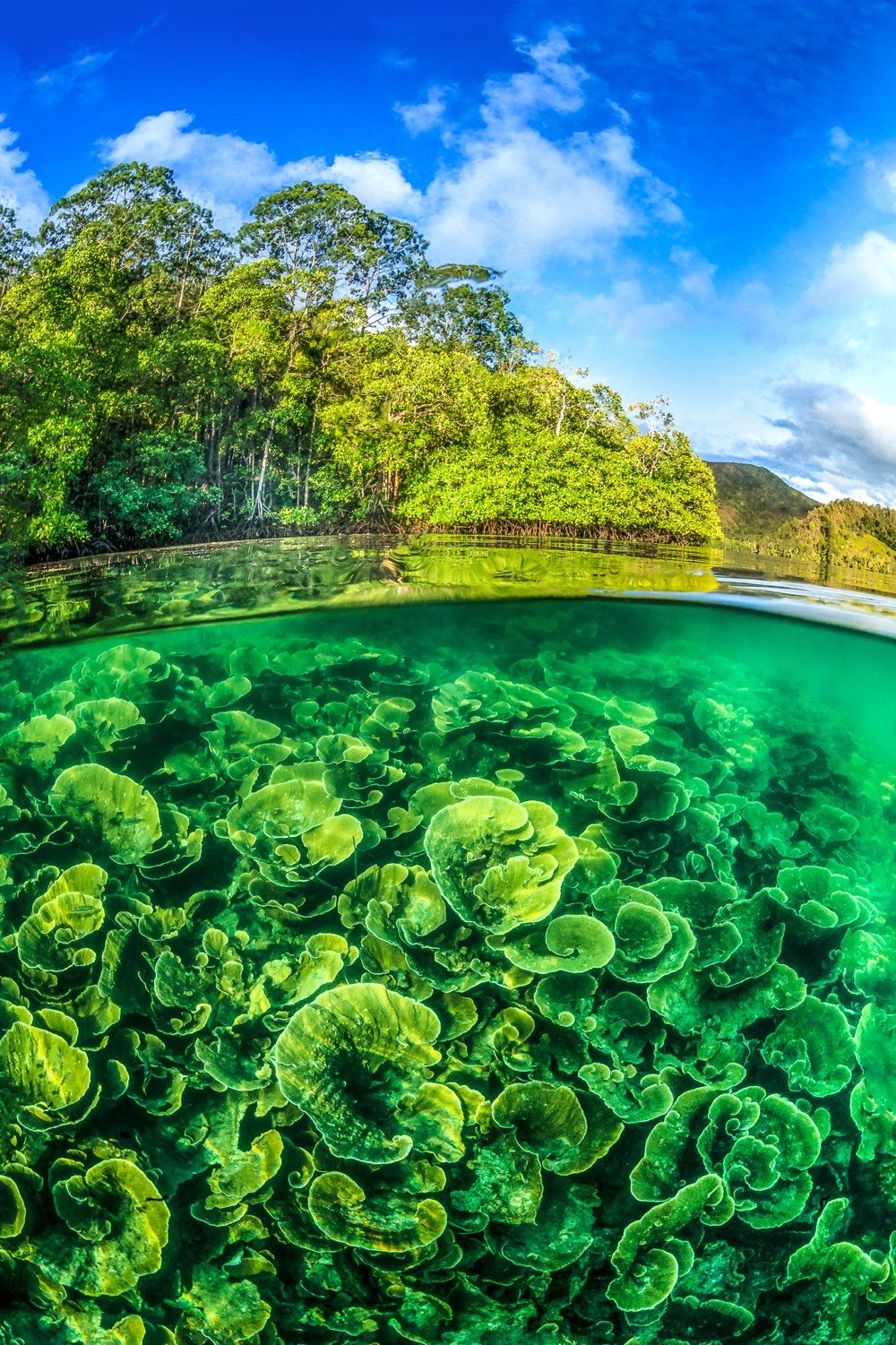
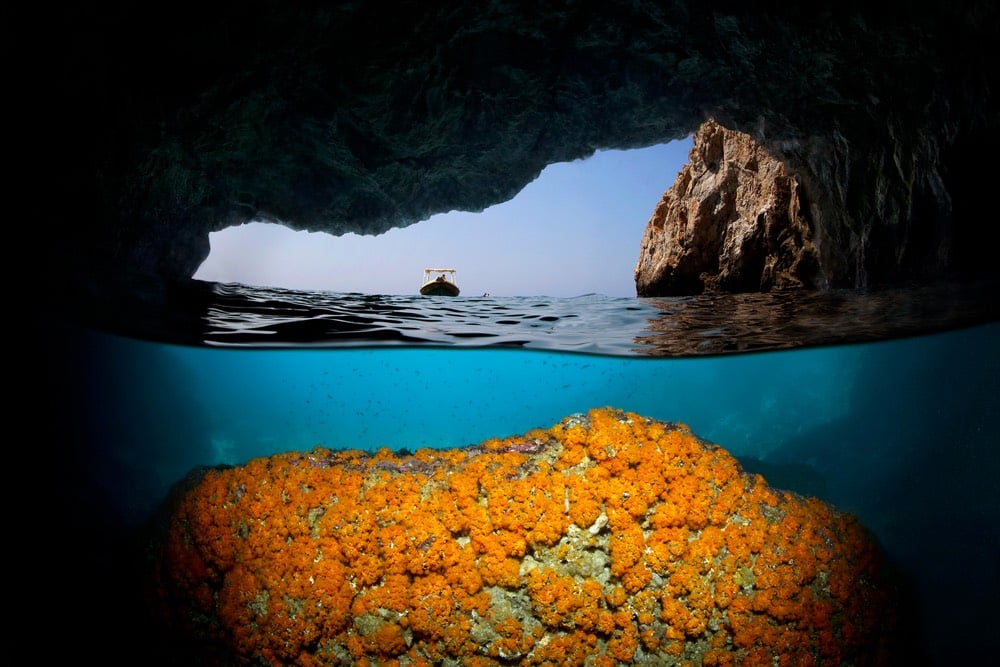
Here’s some more info on split photography and the gear you’d need for giving it a shot. (via tmn)
Gothamist recently posted some vintage photos of NYC’s High Line taken by Jake Dobkin back when it was still an abandoned rail line and not an immaculately designed space surrounded by luxury condos. Meg & I snuck up there in Feb 2004 and walked all the way down from 33rd St to the Meatpacking and back again. Here are a few photos I snapped that day:
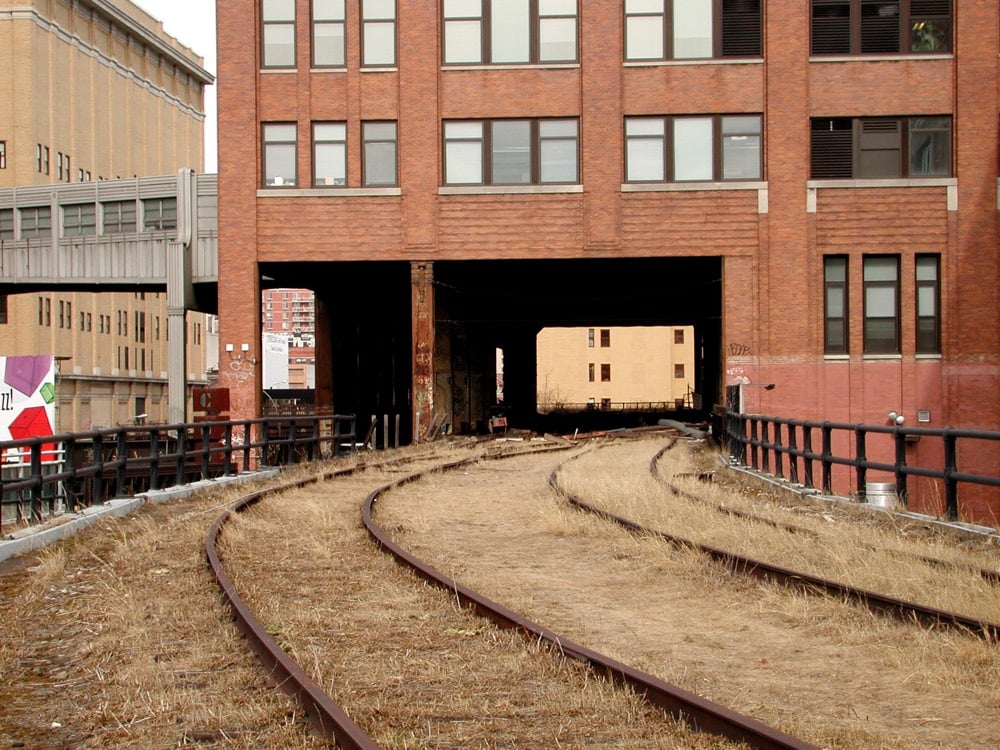
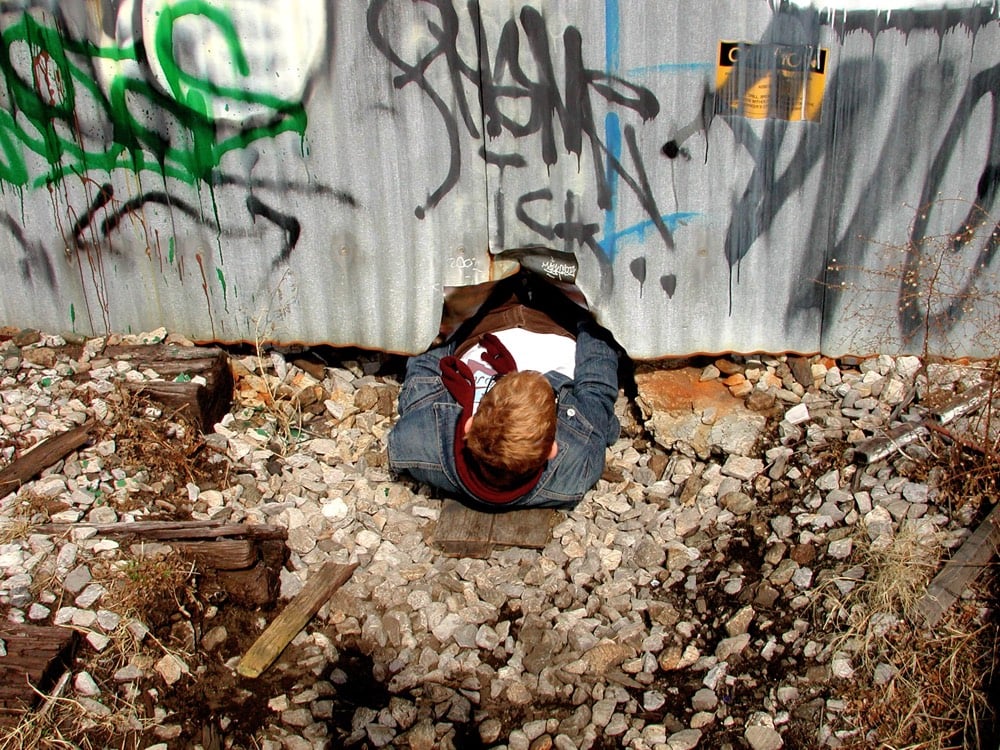
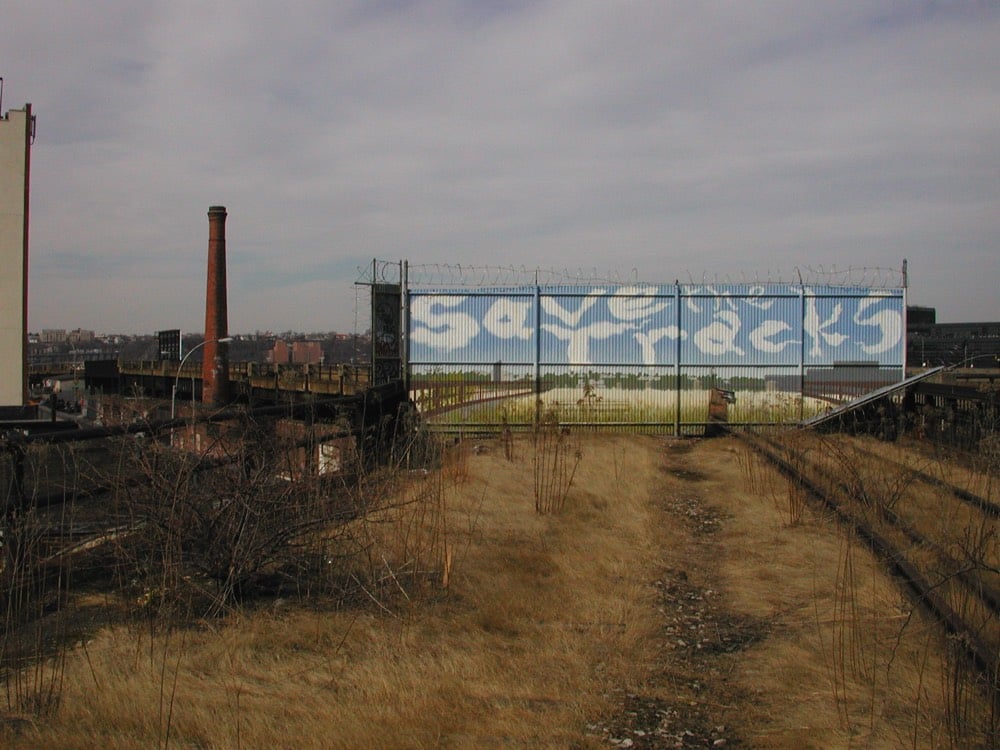
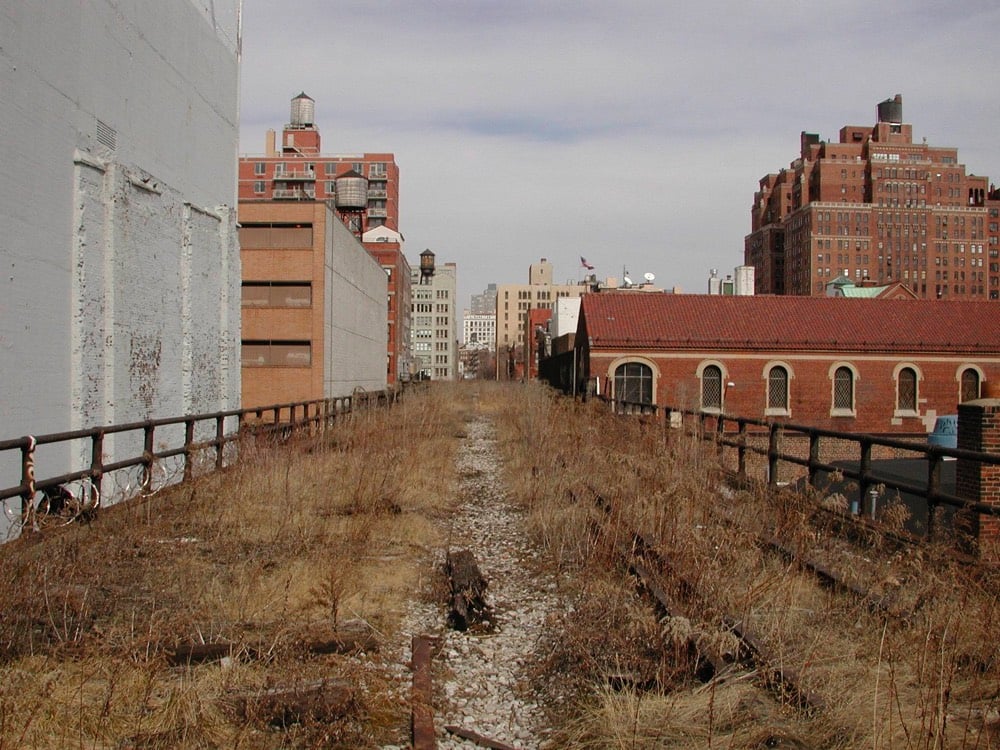
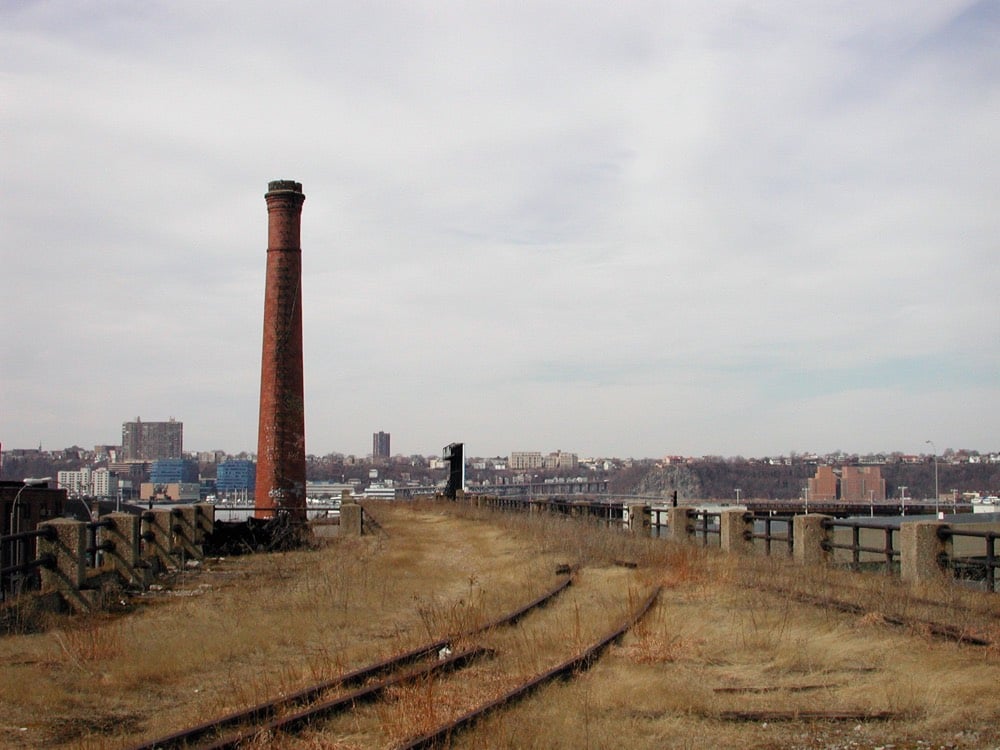
A couple of these were kindly included in Phaidon’s book about the making-of the High Line park.
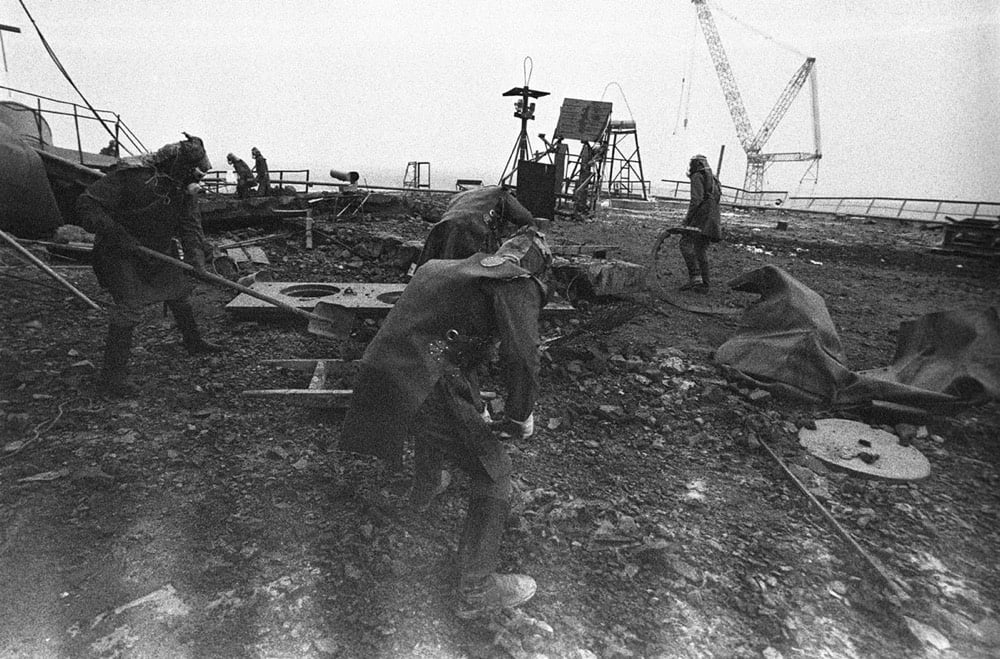
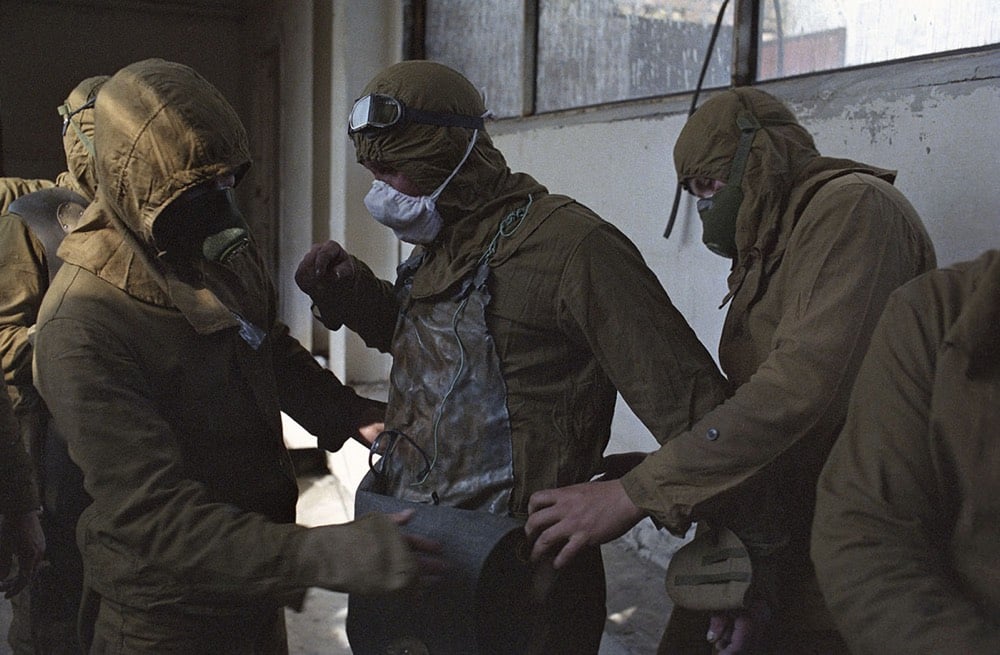
Alan Taylor has put together a selection of photos taken in the aftermath of the Chernobyl disaster in the Soviet Union in 1986. You may have seen some of these scenes recreated in HBO’s Chernobyl miniseries.
Liquidators clean the roof of the No. 3 reactor. At first, workers tried clearing the radioactive debris from the roof using West German, Japanese, and Russian robots, but the machines could not cope with the extreme radiation levels so authorities decided to use humans. In some areas, workers could not stay any longer than 40 seconds before the radiation they received reached the maximum authorized dose a human being should receive in his entire life.
See also more recent photos of Chernobyl and the exclusion zone and Masha Gessen’s take on what HBO’s series got wrong.
Photographer Jun Yamamoto (a.k.a. jungraphy) takes these subdued (but somehow also vibrant) photos of Japanese cities at night. This one in particular caught my eye:
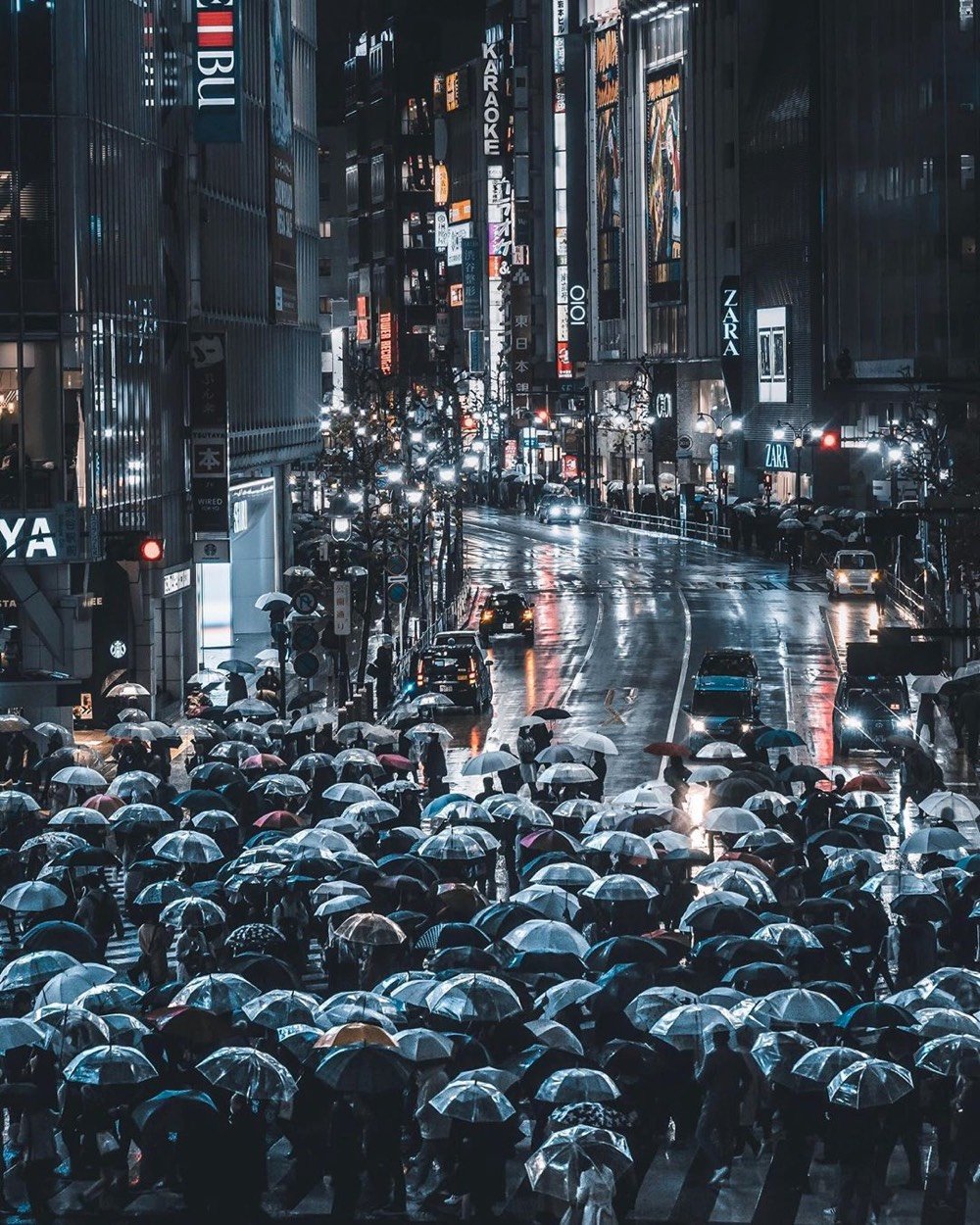
I’m assuming the photos are processed to get that moody red/blue/black color palette.
This video is so far up my alley that I’m now charging it rent. (For parking in the alley. Yeah, I don’t know how metaphors work.) Anyway, this 20-minute film is a collection of photography of street scenes, from the very first photo ever taken of a person in 1838 (by Louis Daguerre) to a crowded market in Glasgow in 1869 to a ghostly Norwegian street scene in 1882 to NYC’s Mulberry St in 1900 to a newsie selling newspapers about the Titanic disaster in 1912 to more modern scenes, presented chronologically one photo per year. Along the way, you see the development of history, fashion, and technology — the people in the photos get crisper and clearer as shutters quicken and film improves.
My only complaint is that many of the photos after 1900 and into the 40s & 50s have been artificially colored…and distractingly so. Why not just feature the original B&W versions? Believe me, I understand the appeal & impact of seeing the past in color, but these colorized versions greatly detract from the historical value of this video. (via aeon)
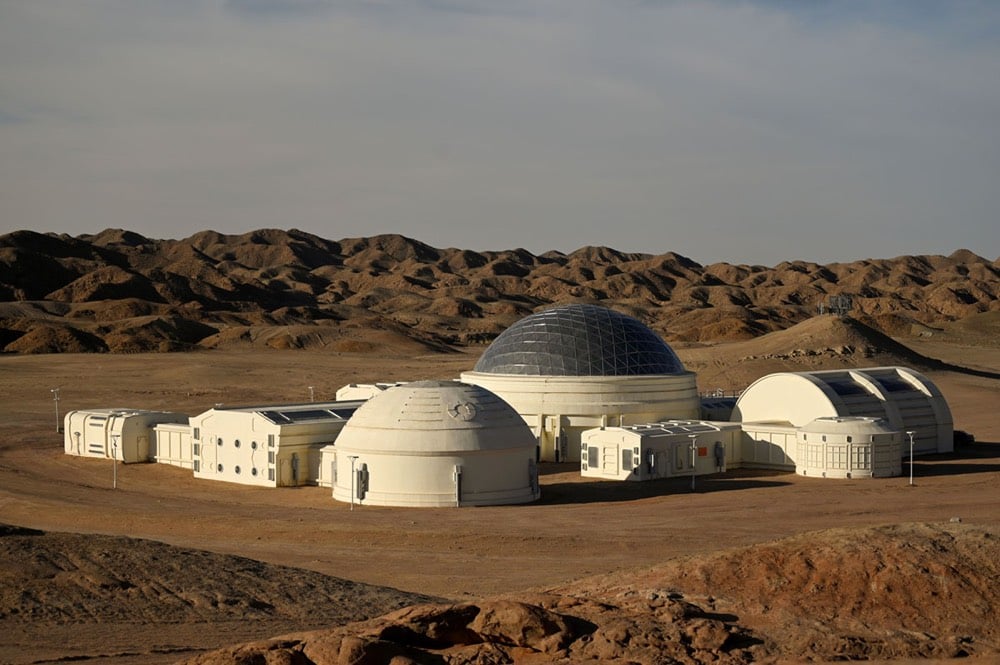
A Chinese company called C-Space has built a simulation of a Mars base in the Gobi desert. Currently used for educational purposes, the company plans to open “Mars Base 1” up for tourism to give visitors a glimpse of what living on Mars would be like.
The facility’s unveiling comes as China is making progress in its efforts to catch up to the United States and become a space power, with ambitions of sending humans to the moon someday.
The white-coloured base has a silver dome and nine modules, including living quarters, a control room, a greenhouse and an airlock.
Alan Taylor featured some photos of Mars Base 1 recently.

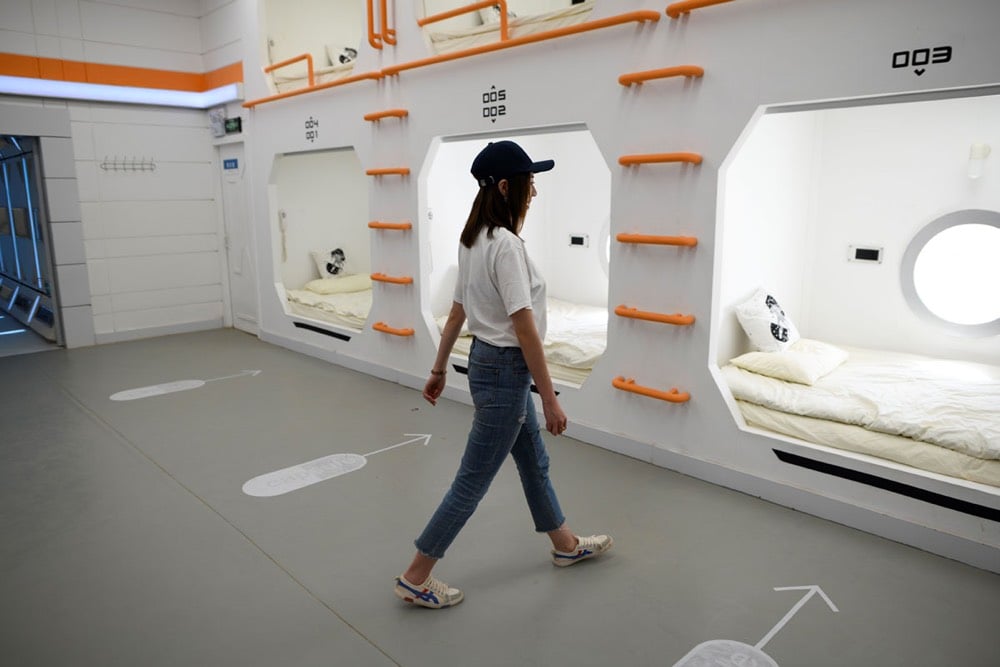
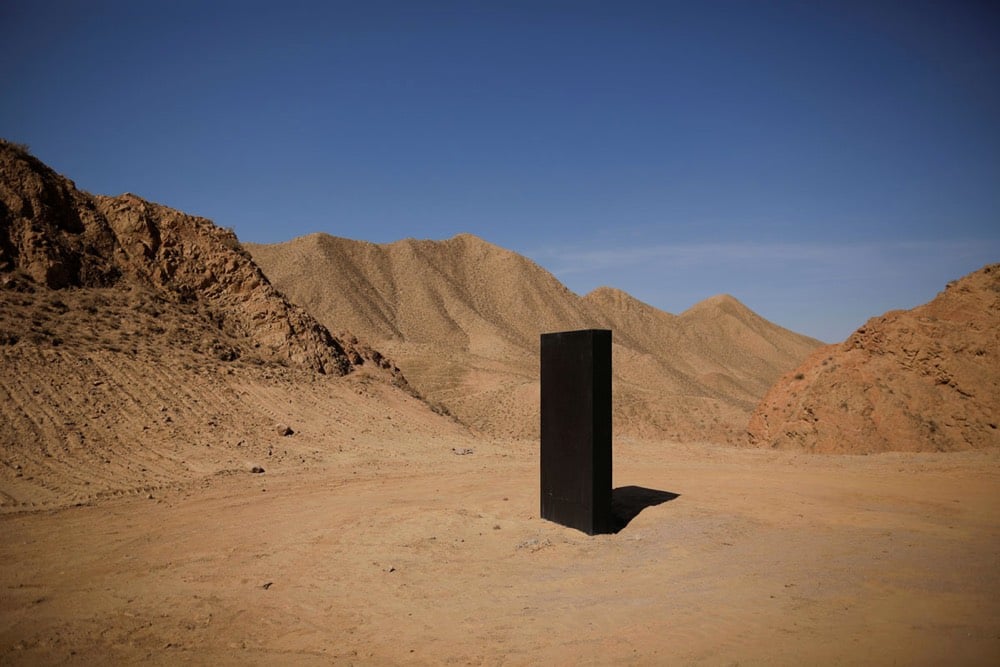
It’s all a little surreal, even before you get to the 2001 monolith:
For his photo series The Pillar (which is also a book), Stephen Gill set up a camera next to a post near his home in Sweden and set the shutter to fire when a motion sensor was triggered. “I decided to try to pull the birds from the sky,” he said.
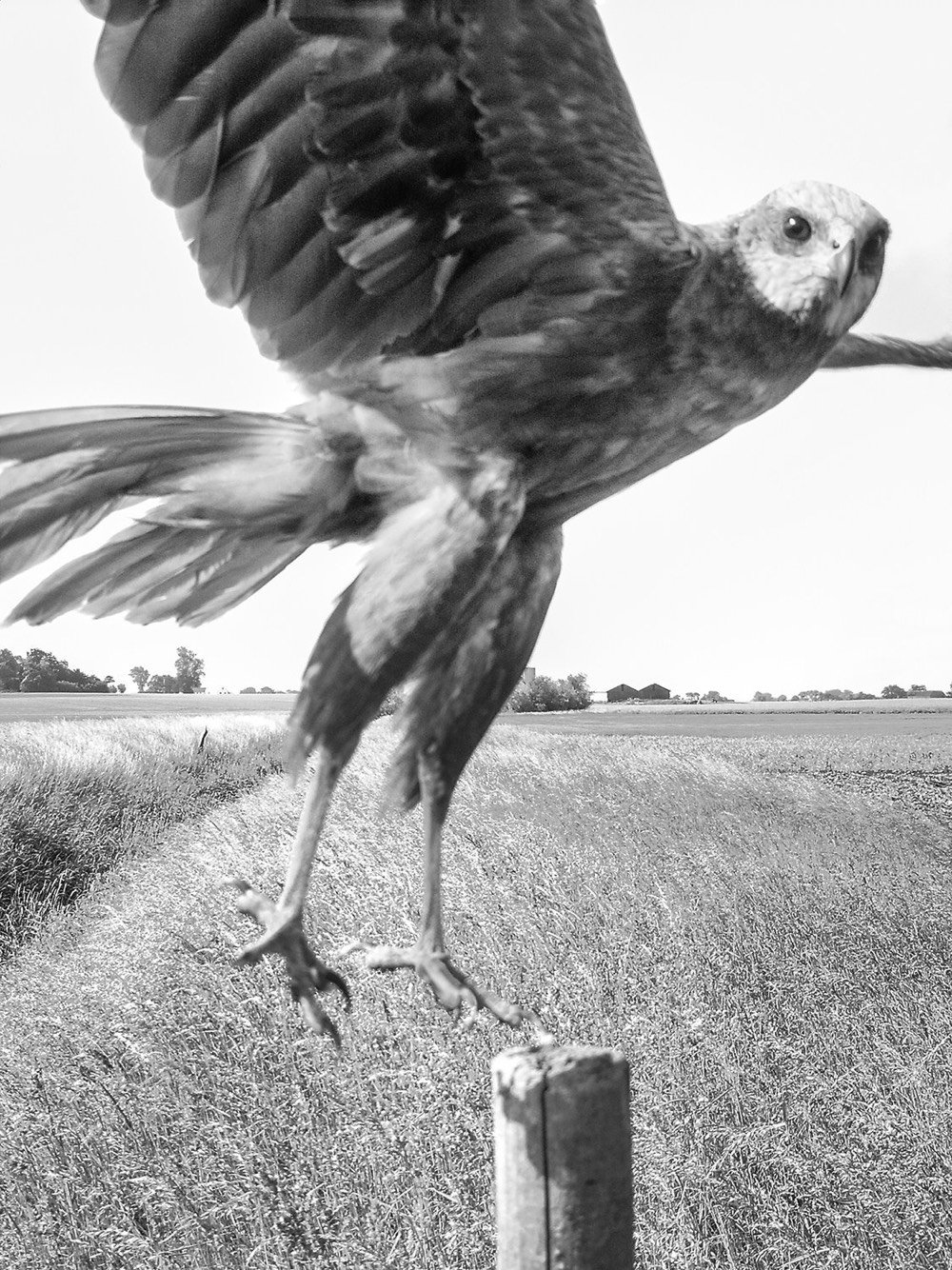
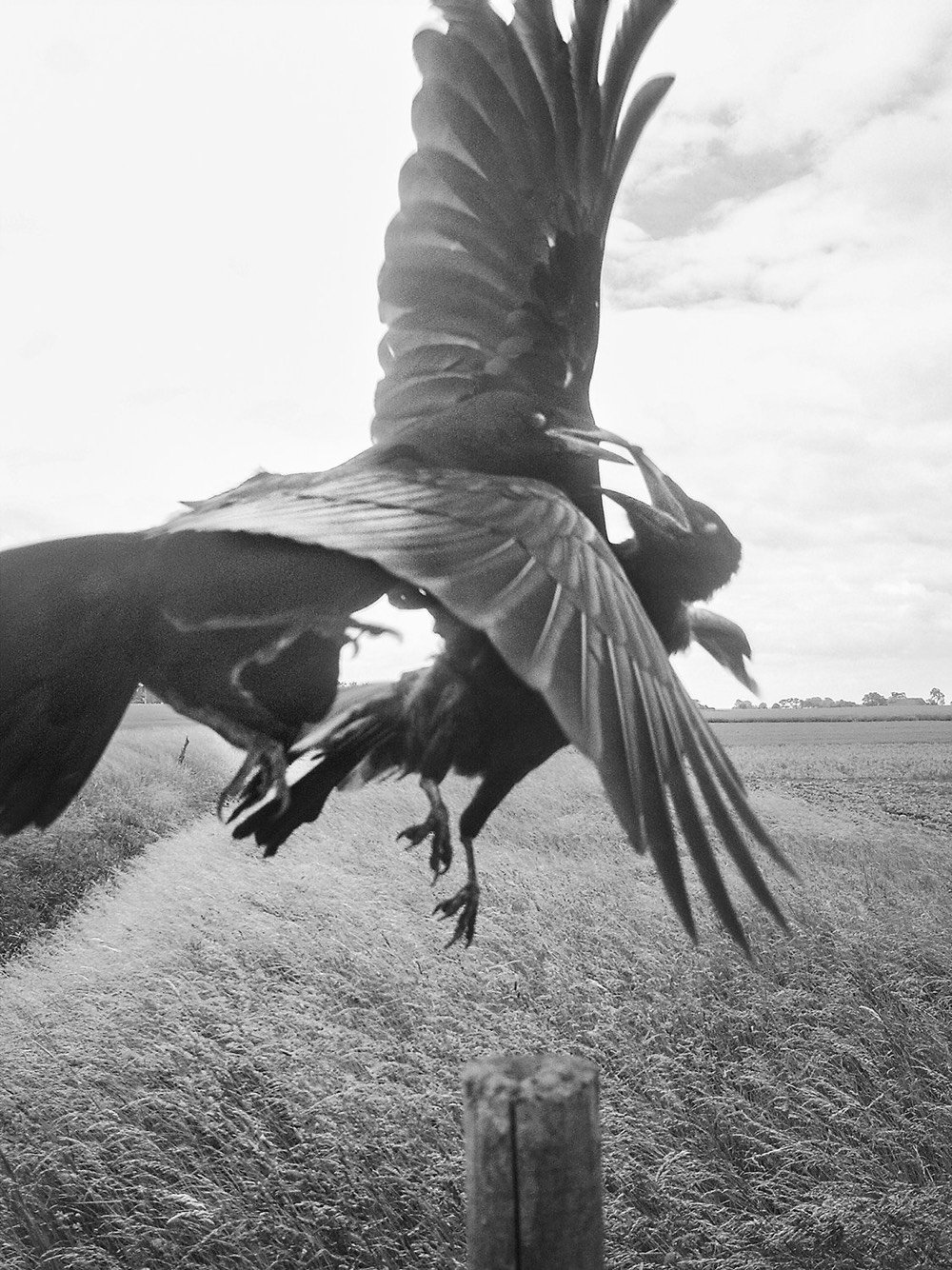
A selection of Gill’s photographs were published by the New Yorker, accompanied by a wonderful short essay by Karl Ove Knausgaard.
A pillar knocked into the ground next to a stream in a flat, open landscape, trees and houses visible in the distance, beneath a vast sky. That is the backdrop to all the photographs in Stephen Gill’s book “The Pillar.” We see the same landscape in spring and summer, in autumn and winter, we see it in sunshine and rain, in snow and wind. Yet there is not the slightest bit of monotony about these pictures, for in almost every one there is a bird, and each of these birds opens up a unique moment in time. We see something that has never happened before and will never happen again. The first time I looked at the photographs, I was shaken. I’d never seen birds in this way before, as if on their own terms, as independent creatures with independent lives.
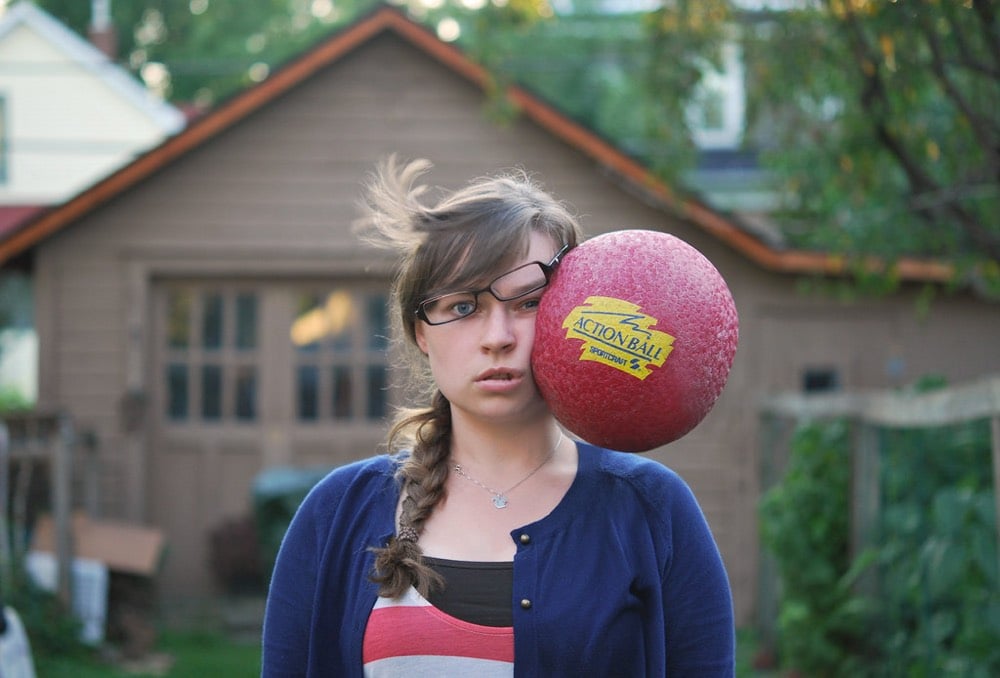
Kaija Straumanis took a series of portraits of herself being hit in the face with all sorts of different objects, from a dodgeball to a book to an old boot.
(via moss & fog)
German photographer Michael Wolf, who documented life in our densest cities, has died at the age of 64.
Though seldom commented on by art critics, there was a political undertone to Wolf’s work. In several of his best-known series, even the ones where people were an invisible presence, his striking images point to the human cost and extraordinary resilience of contemporary city dwellers caught up in the Darwinian thrust of global capitalism. For every epic project like Architecture of Density, there were intimately observed series’ created during his various trawls through Hong Kong’s back alleys. There, he caught telling glimpses of the city’s makeshift character: customised chairs, surreal arrangements of kitchen mops and wire coat hangers, twisting gas and water pipes, all the mundane everyday objects that speak of the relentless resourcefulness of its residents, and of Wolf’s eye for accidental sculptural beauty amid the seemingly mundane. A detached gaze, yes, but an expressively tender one all the same. It will be missed.
Wolf’s most well-known project was Architecture of Density, a series of photos taken of the buildings of Hong Kong.
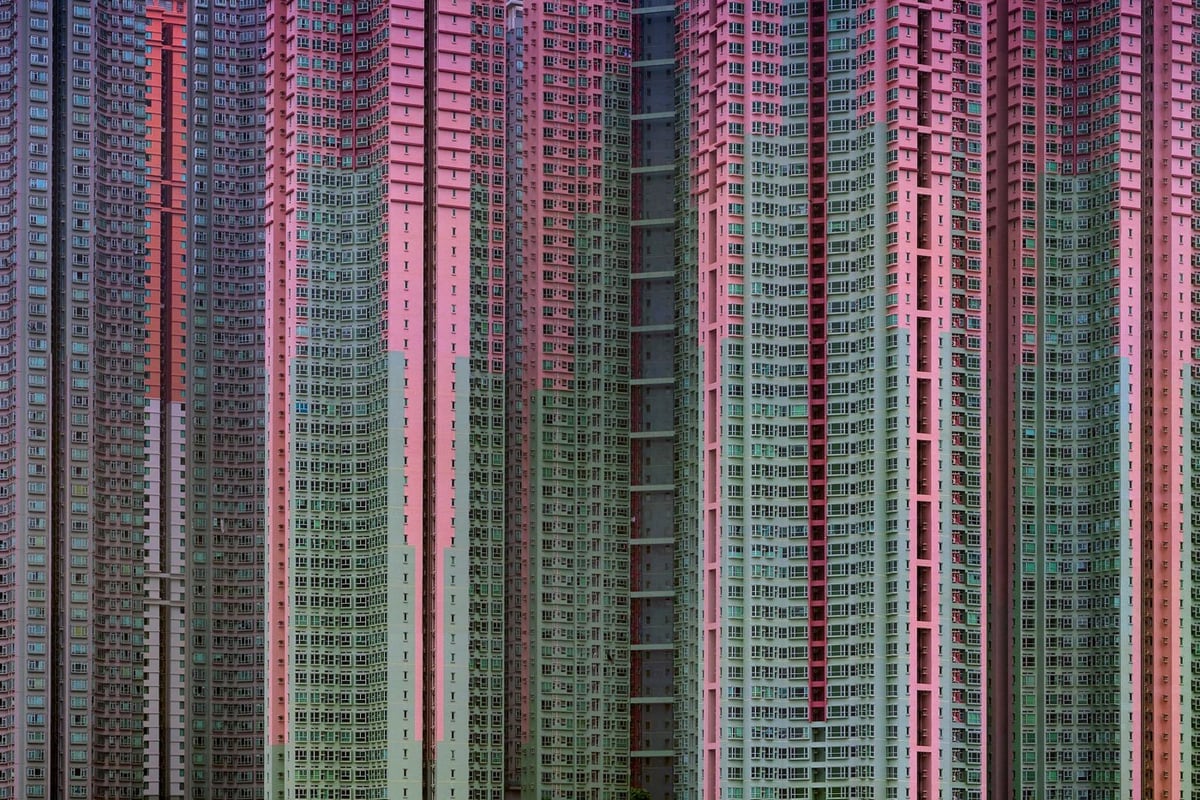
Another Hong Kong project was 100x100, in which he documented 100 apartments of the now-demolished Shek Kip Mei Estate that were each about 100 square feet in size.

Tokyo Compression catches Japanese commuters pressed up against the windows of their train cars.
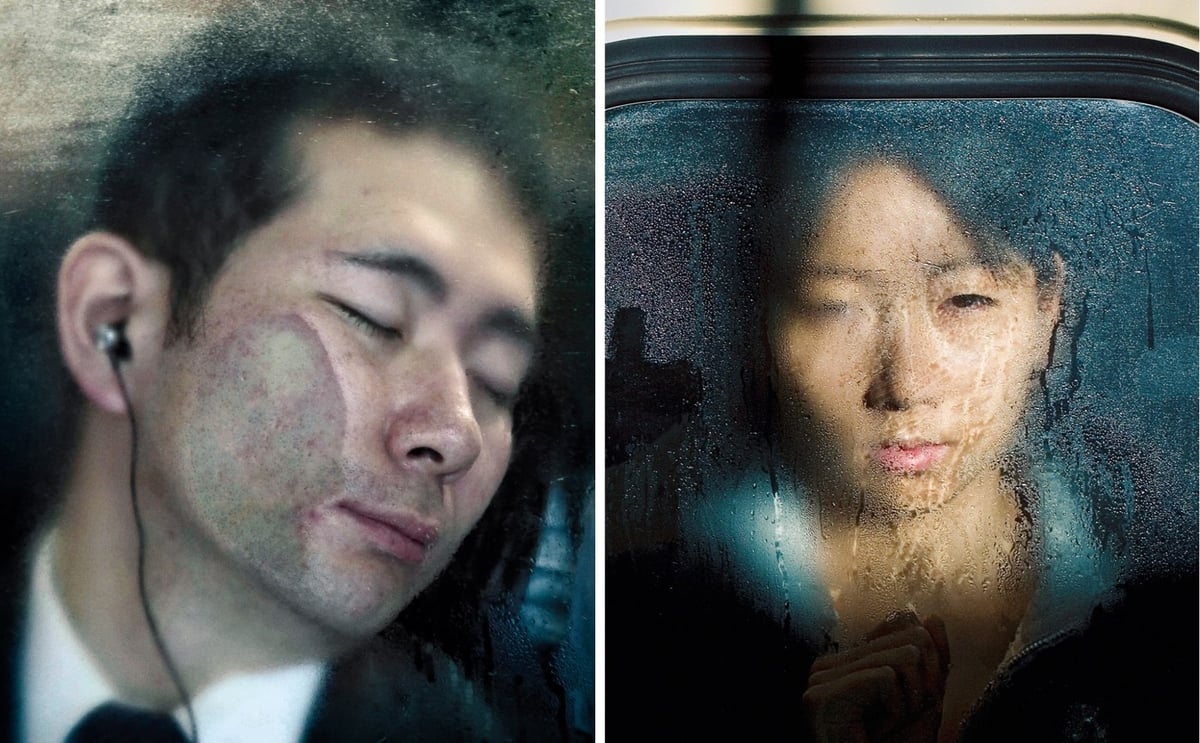
Bastard Chairs catalogues dozens of improvised devices for seating.
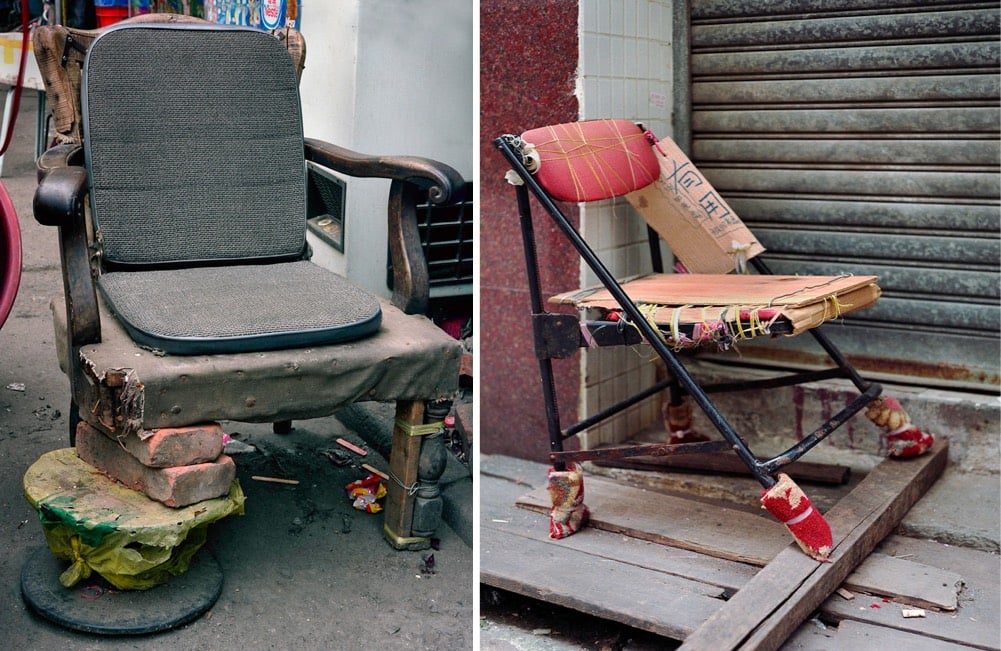
Wolf talked about his work in this short video profile:
You can view Wolf’s complete catalog of work on his website.
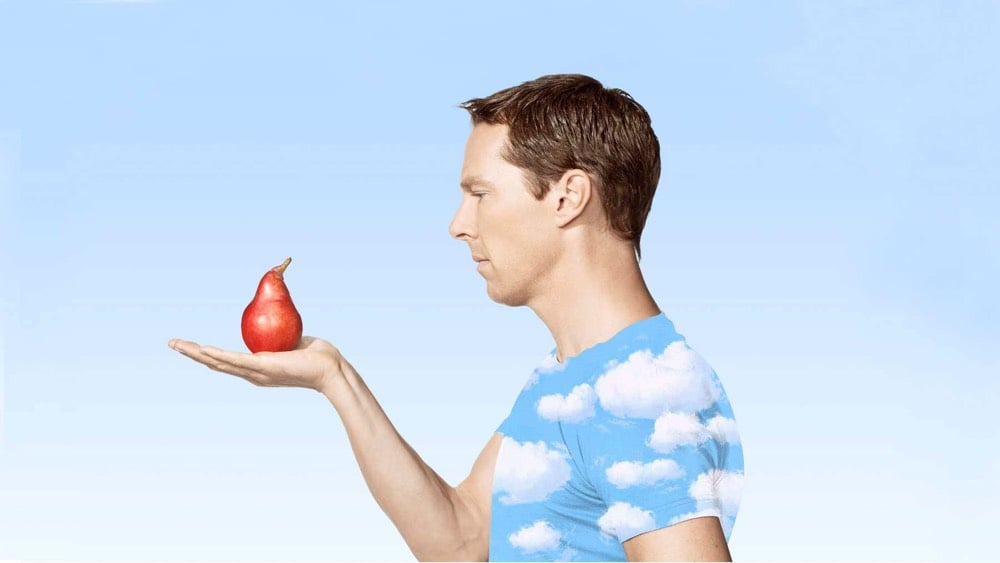
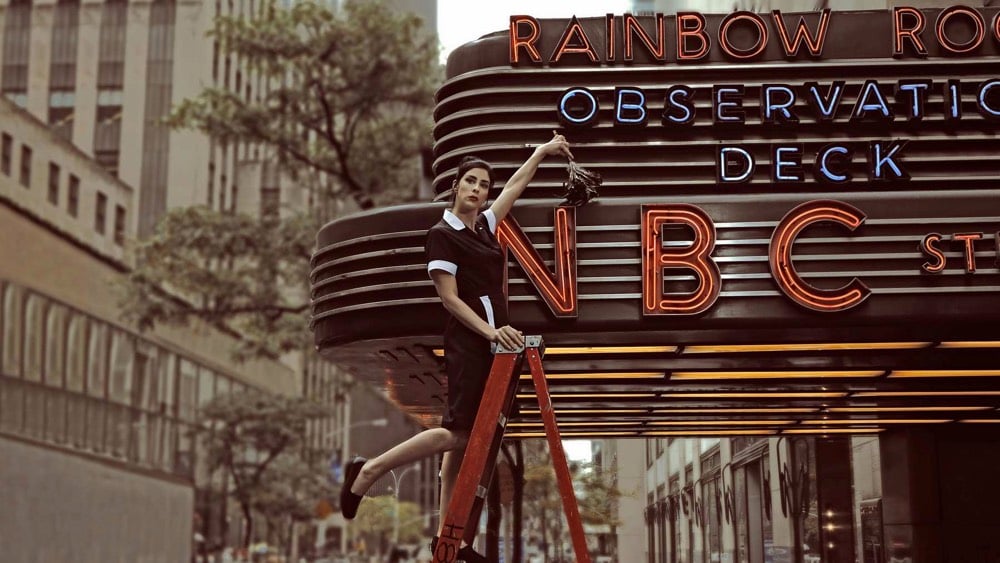
Since 1999, Mary Ellen Matthews has been the official photographer of SNL. For each show, Matthews captures a stylized portrait of the host, which is then used for “bumpers” between commercials and the live program.
“I kind of think of them as billboards. They pop off the screen,” Matthews, a self-described “one-woman circus,” told Vulture in a recent interview. “I like to make it as easy as possible for everyone. I don’t want them overthinking this part of the show. It should be super fun and super easy. It’s an open invitation to get kooky.”
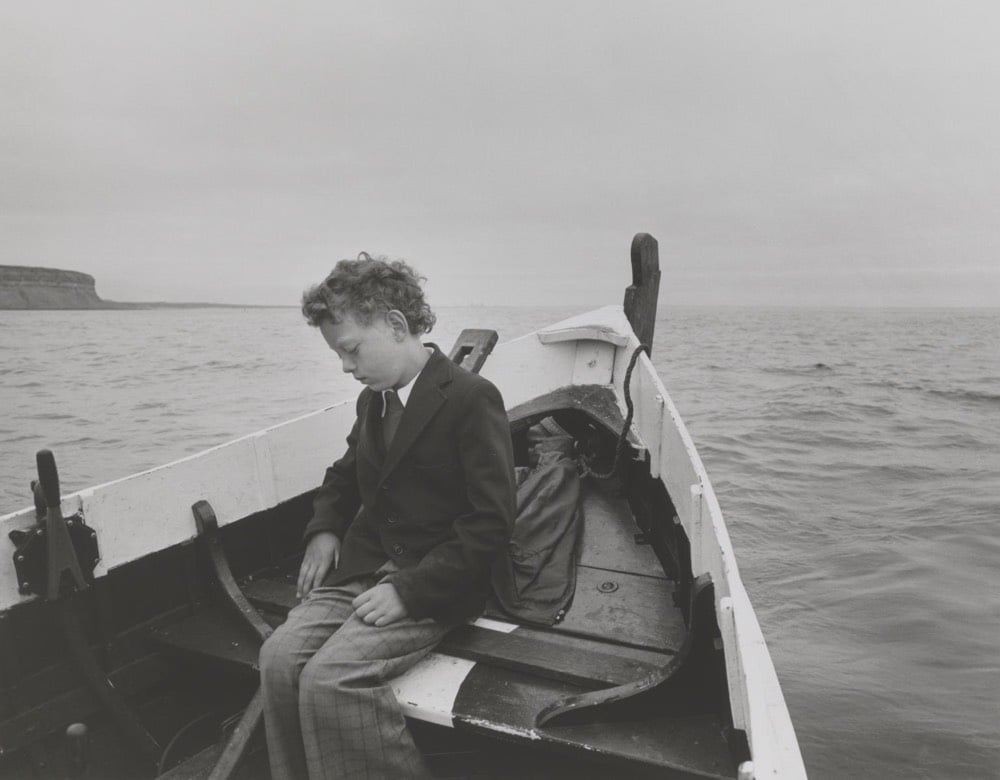
This photograph was taken by Chris Killip in 1983 in the British coastal village of Skinningrove. According to Killip, it shows a difficult but necessary moment in a young man’s life, rebuilding his trust in the life-giving sea.
It was a fishing village and it was very difficult to gain access to photograph there. Simon’s father had drowned in an incident at sea. They had this ritual where they came out and took Simon out to sea so that he wouldn’t become fearful of it. It’s very formal. He’s dressed very formally. I was on the boat and nobody spoke.
What an intimate moment. You can read more about Killip and his process here. In this short film by Michael Almereyda, Killip talks about the time he spent photographing in Skinningrove:
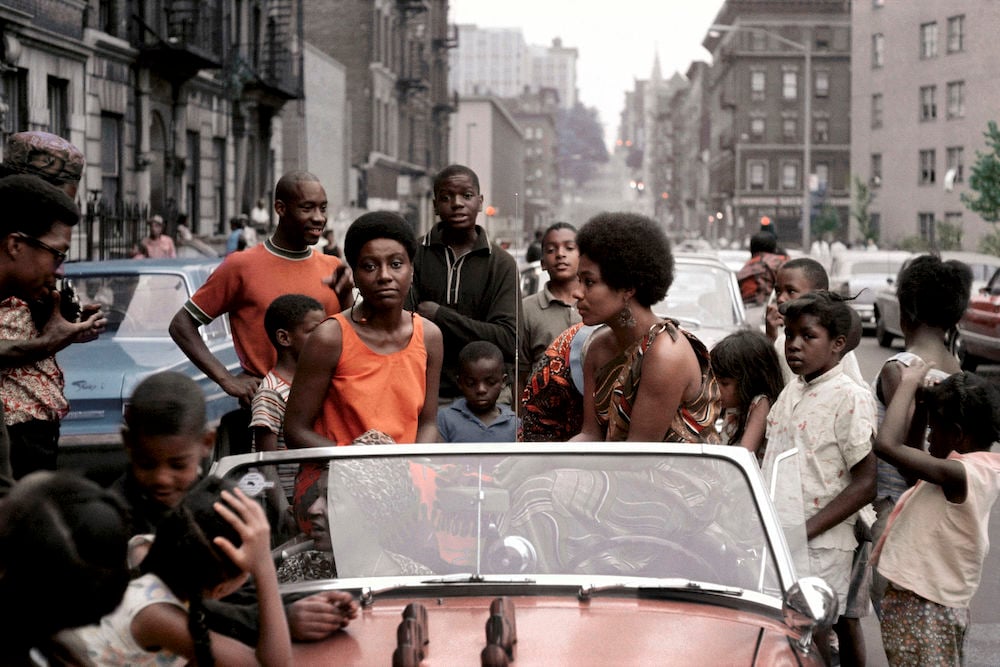
Photographer Kwame Brathwaite is best known for his images of black superstars in the 1970s (Muhammad Ali training for the Rumble in the Jungle, the Jackson 5 on their first tour in Africa, Bob Marley at home in Kingston). A new exhibition highlights earlier work from his archives and positions him as an influential figure in a burgeoning movement. The now 81-year-old has his first book coming out in May after a six decade career: Kwame Brathwaite: Black is Beautiful.
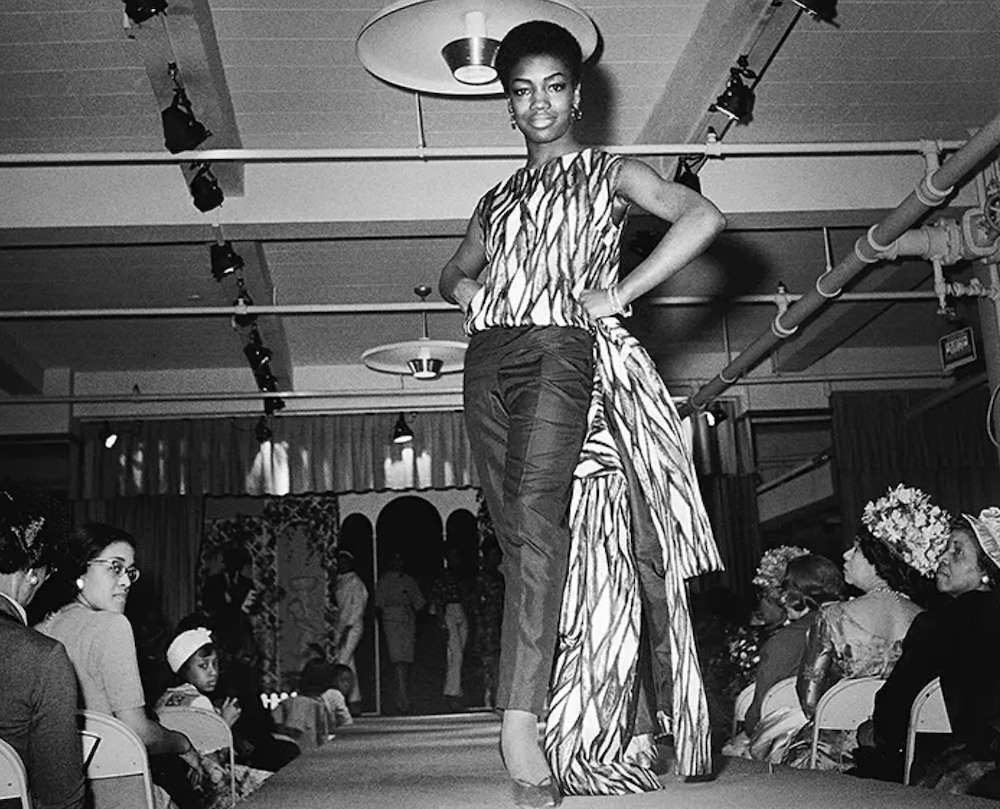
Brathwaite co-organized a fashion show in Harlem that became iconic. Naturally ‘62: The Original African Coiffure and Fashion Extravaganza Designed to Restore Our Racial Pride and Standards used the slogan “Black is Beautiful,” later to be a major part of history. His imagery and ideals elevated the slogan to part of the zeitgeist. Artsy has a beautiful slideshow of the Grandassa models and this:
The participants, known as the Grandassa models, were not professionals in the fashion world, which reinforced Brathwaite’s political and artistic vision. They were dark-skinned and their hair was unprocessed; they wore African-inspired garments full of lush colors, waxed cotton prints, and elaborate patterns.
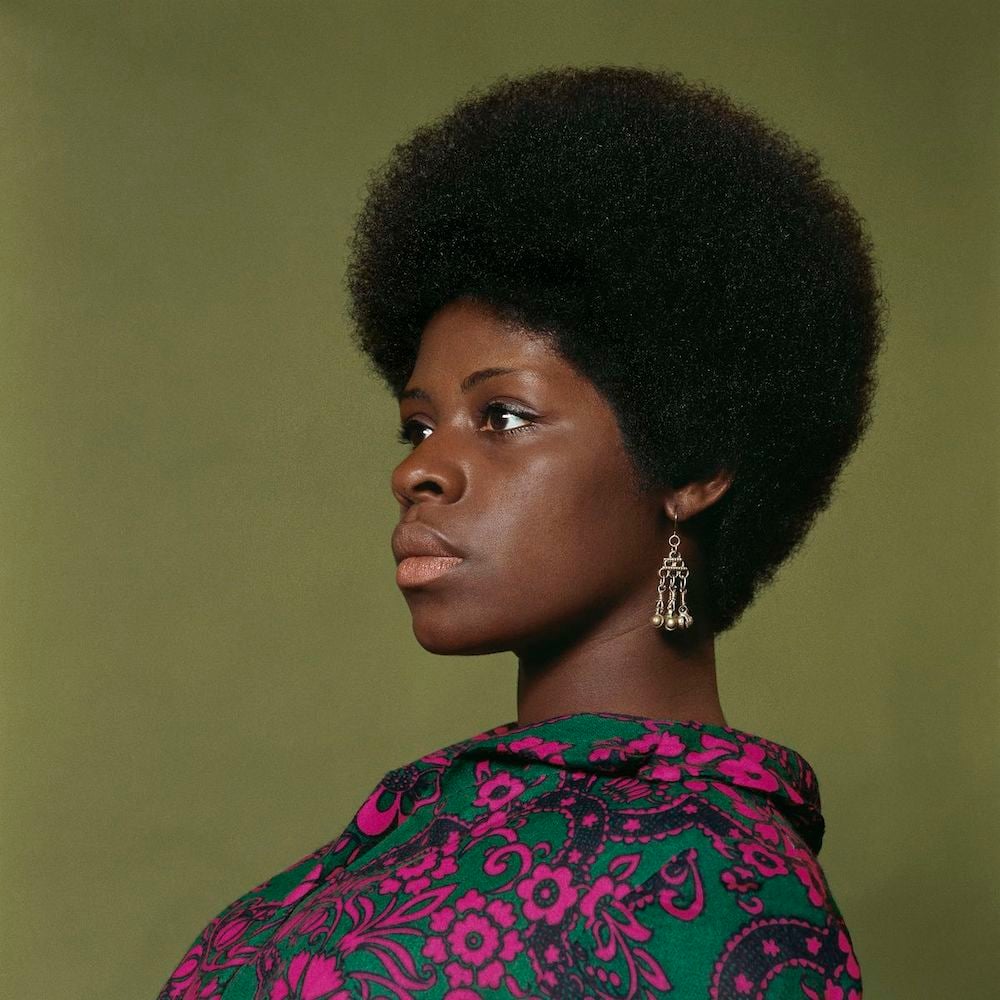
The FT has a great piece with more context on Kwame’s history and work.
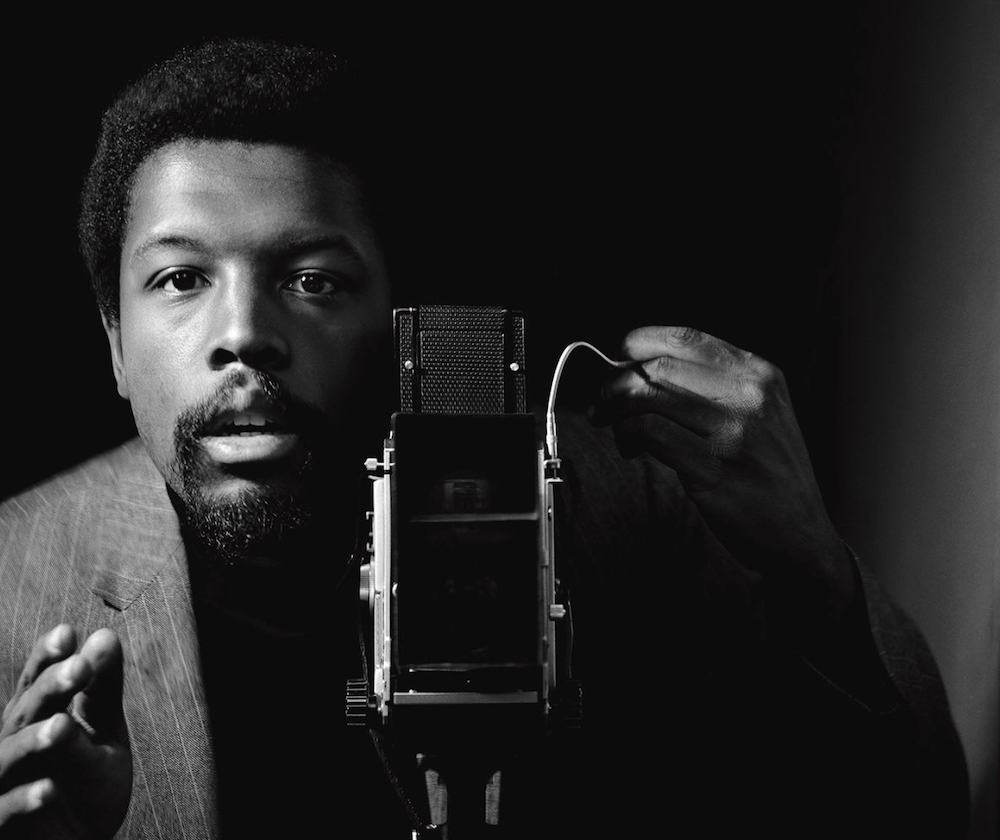
Black is Beautiful: The Photography of Kwame Brathwaite opens April 11 at the Skirball Center in Los Angeles.
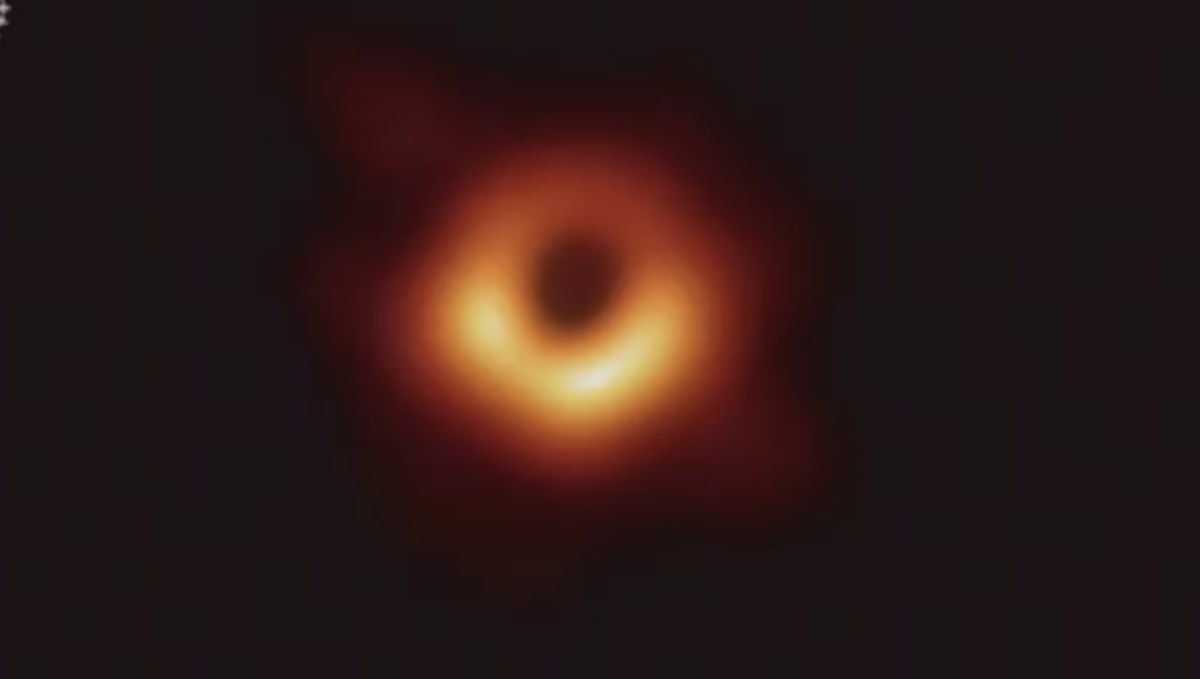
Ok, this is pretty cool. We have the first photo of a supermassive black hole, from imagery taken two years ago of the elliptical galaxy M87 (in the constellation Virgo) by the Event Horizon Telescope project. The EHT team is a group of 200 scientist that has been working on this project for two decades. The image was created using data captured from radio telescopes from Hawaii to the South Pole and beyond using very long baseline interferometry.
The image, of a lopsided ring of light surrounding a dark circle deep in the heart of the galaxy known as Messier 87, some 55 million light-years away from here, resembled the Eye of Sauron, a reminder yet again of the power and malevolence of nature. It is a smoke ring framing a one-way portal to eternity.
Now is a good time to (re)read Jonathan Lethem’s early novel, the absurdist physics love story As She Climbed Across the Table.
Update: Vox’s Joss Fong has a good 6-minute video that explains how the photo was taken:
And this video by Veritasium is even more meaty (and this one too):
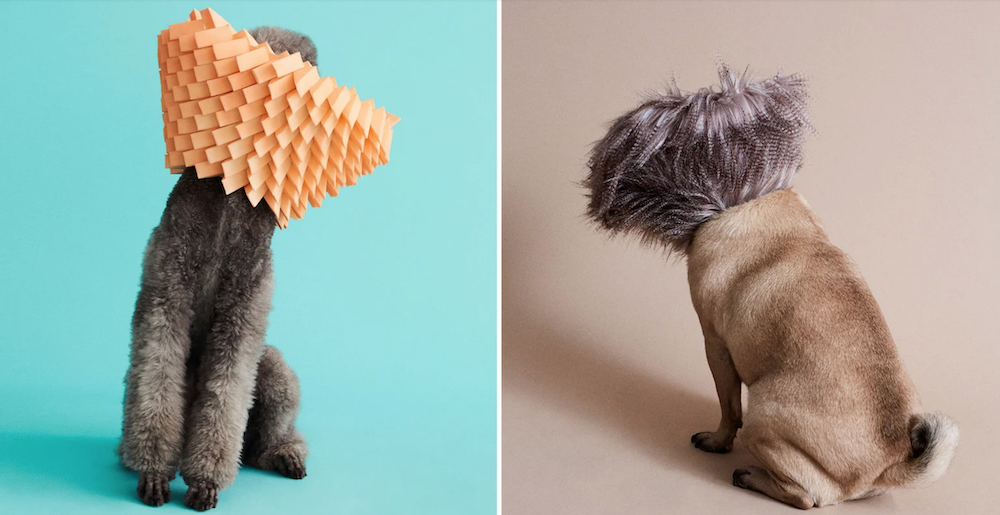
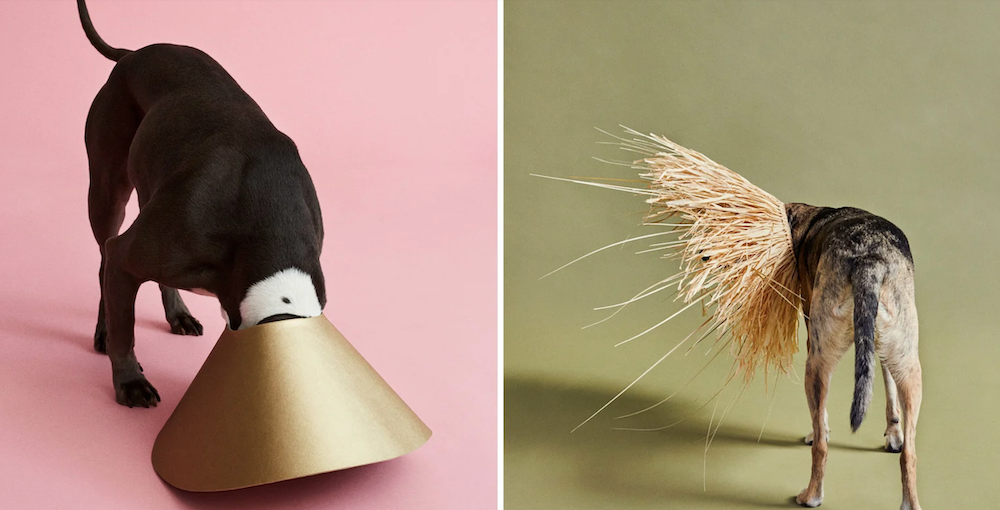
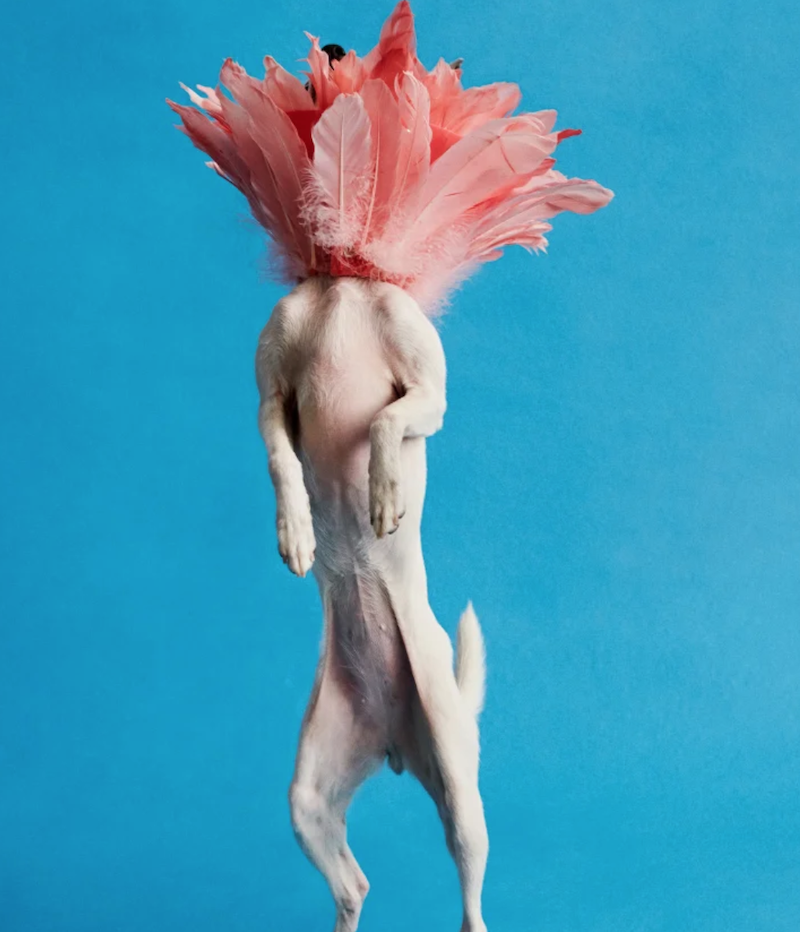
Photographer Winnie Au spoke with Buzzfeed about her ongoing Cone of Shame project, which looks to dispel the shame of the cones dogs must wear after medical procedures. Partially inspired by her late corgi Tartine, whose medical treatment would have cost tens of thousands of dollars without insurance, Winnie is using the project to fundraise for Animal Haven Shelter in New York. She’s an advocate for adopting pets.
A lot of people I know have bought their dogs verses adopting because they wanted a very specific breed, what most don’t realize there are rescues dedicated to specific breeds. So if you are obsessed with bernedoodles, you can adopt one. Of course, I love mutts too, and you can rescue an adorable mutt also. The most important thing to me is that your dog and its age, energy, and vibe fit your lifestyle.
There are so many great rescues out there who can help you find the best pet for you. In America alone, there are 1.6 million dogs waiting to be rescued every year. If those dogs don’t get rescued, a lot of them end up euthanized. I just want to stress to people to adopt when you get your next pet as there are so many great dogs out there ready for a new home.
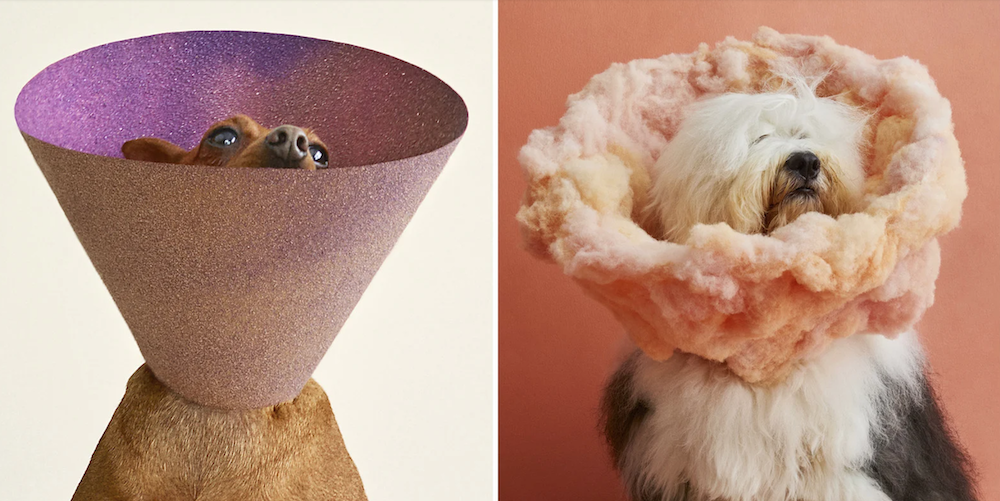
Winnie collaborated with costume designer and stylist Marie-Yan Morvan, whose work helped the project coalesce. I can’t wait to see more of this project. If you want to support the work and Animal Haven, you can buy a print or a tote via the Cone of Shame shop.



On her Instagram account, Marin Mushrooms, nature photographer Alison Pollack captures the otherworldly beauty of fungi and slime molds in northern California forests. (via laura olin)
Newer posts
Older posts




Socials & More