Entries for June 2019
Tobias Friedrich uses a specialized kit to make these great split shots — half underwater and half over — no need for stitching composites together in a digital darkroom.


Here’s some more info on split photography and the gear you’d need for giving it a shot. (via tmn)
Farhad Manjoo wants to live in Elizabeth Warren’s America. “The Massachusetts senator is proposing something radical: a country in which adults discuss serious ideas seriously.”
This is an ad for Volkswagen’s I.D. Buzz, a concept car that is slated to enter production in 2022 as the long-awaited new version of the VW Microbus:

This ad references a couple of different things. First, VW is being very aggressive in pushing their electric vehicles in the wake of their 2015 emissions scandal, in which the company intentionally programmed their diesel cars to run clean in test mode in order to meet US emissions standards. The second reference is to their iconic ad from the 60s:
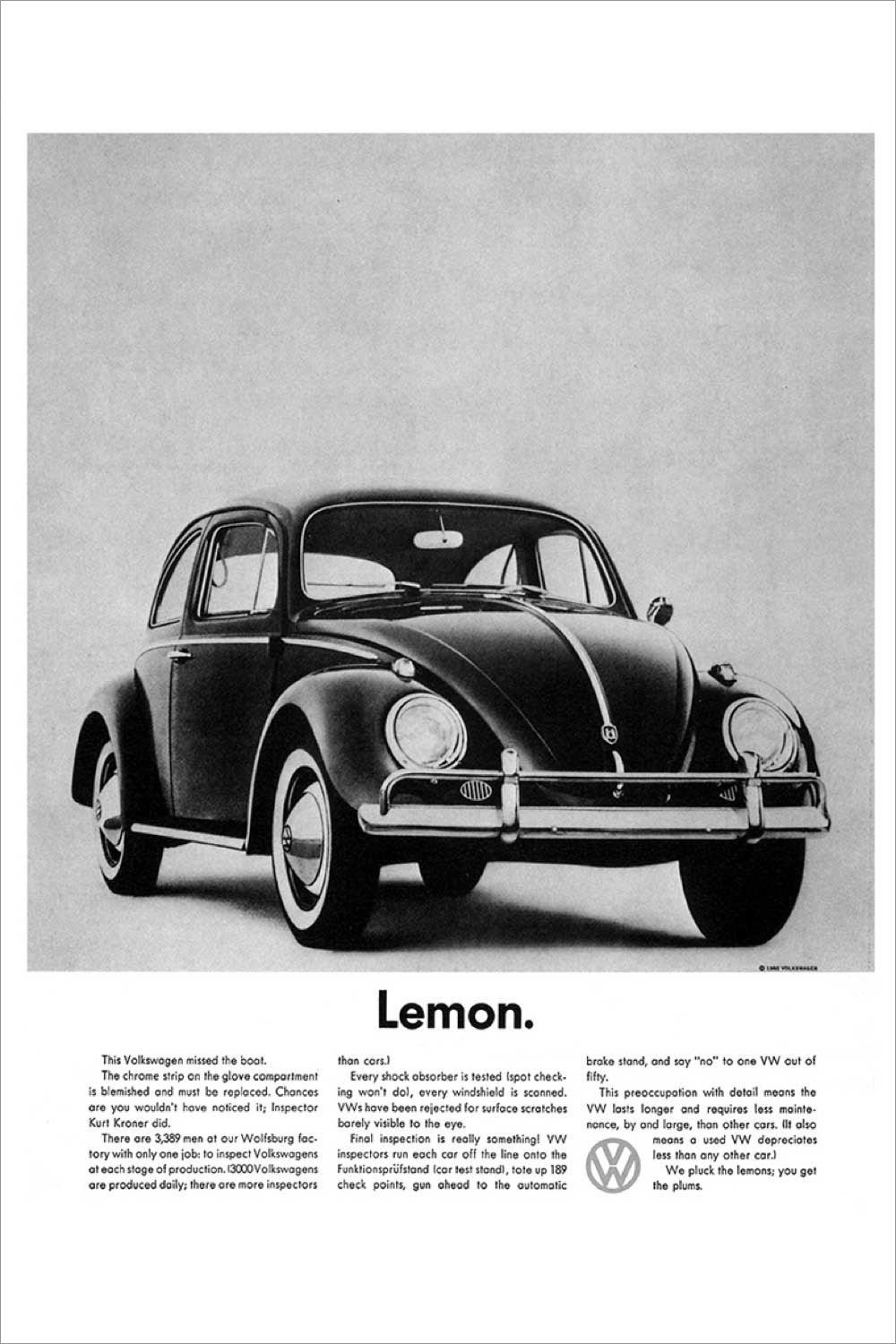
Whether or not the company will be successful in rehabilitating their reputation is one thing, but that ad is super clever.
VW has a history of referencing bad news about their brand in their advertising: How VW Turned Beastie Boys-Inspired Theft of Car Parts into a Clever 80s Ad.
Many years ago, Christen O’Brien had a massive pulmonary embolism and it almost killed her. In a Medium post from January, she shared her personal experience about what it felt like to almost die.
Realizing that I was dying was like being pushed into a pool. You have no thought but to hold your breath and start swimming. It was the most out of control I’d ever been in my life, yet the only option was to succumb peacefully. I could hear the percussion of my heart beating wildly, recklessly. My breath only reached my trachea now, its pathway closing in rapidly. My palms spread open to the sky, just as my dog moved to stand over me. I am here with you, I am here to protect you.
She is an angel, I thought with that same clear certainty.
She moved her body next to me, and I looked up to the sky in what I thought would be my final moments.
The clouds.
The clouds.
The clouds.
Recently, she wrote a follow-up called How It Felt to Come Back to Life.
Coming back from death showed me that the journey of life is not what we often believe. On the surface, it appears as a journey outward — toward things, people, organizations, achievements. But in truth, it is a journey inward — toward the soul. Toward becoming who you actually are, no matter how far outward you may have to travel in order to discover that all the answers are within you, where you belong.
It would be easy to misread this post as a celebration of near-death, but that’s not O’Brien’s intent. Don’t get it twisted: almost dying is not a stable way of experiencing bliss or contentment or soul-closeness (and YMMV anyway). Her point is more that in this modern world we do not know ourselves well enough to live fully and completely. But as she says, “coming back to life is not something that requires a close brush with death” — it’s something we can all do.
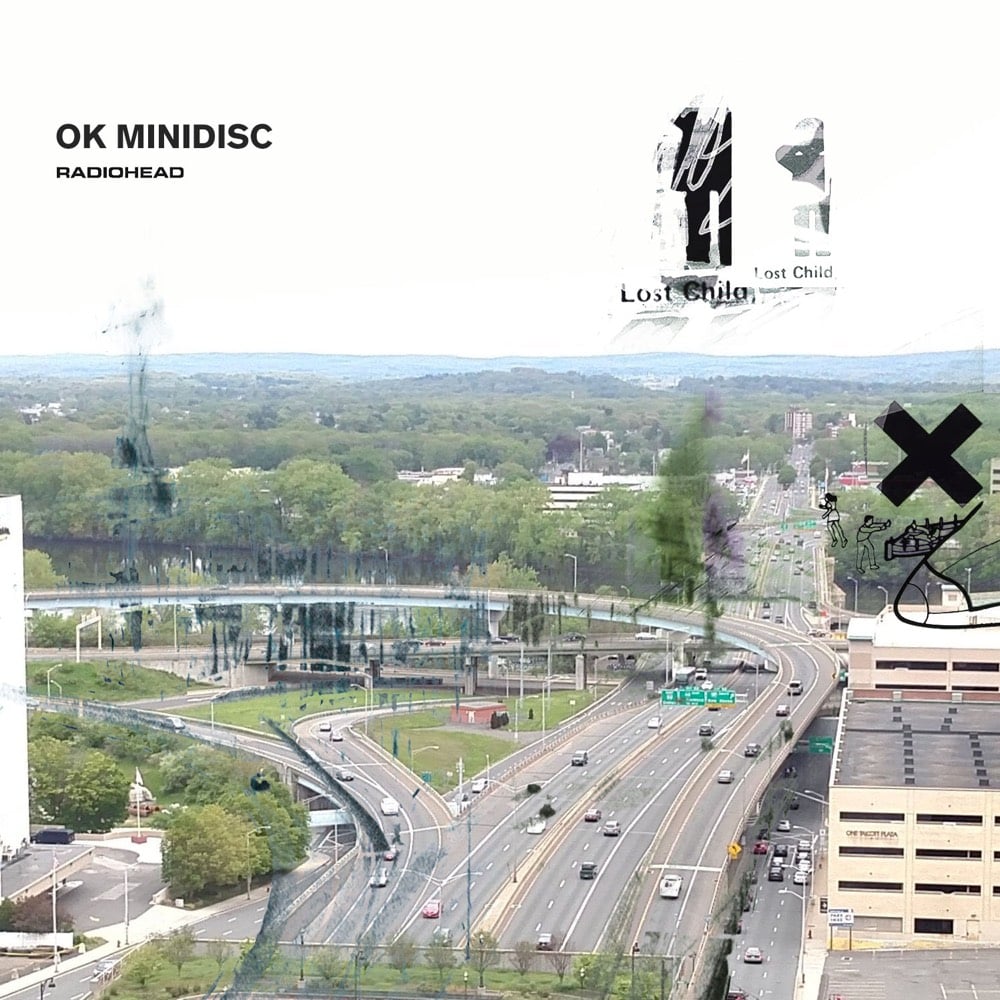
According to Jonny Greenwood, someone stole Thom Yorke’s “minidisk archive” recorded around the time of OK Computer, the album that propelled Radiohead into the stratosphere. The thieves demanded a ransom of $150K, the band didn’t pay up, and the audio leaked onto the web. Instead of fighting the pirates and leakers, the band put all 18 hours of the archive up for sale on Bandcamp with the proceeds going to Extinction Rebellion.
as it’s out there
it may as well be out there
until we all get bored
and move on
Here is a detailed FAQ and timestamps for all the songs & snippets in the archive — “holy grail” tracks are marked with a star. On Bandcamp, Tanner Gallella describes the release:
Rarely is the artist’s process presented in such an unfiltered, uncompromising way — especially at this strata of musicianship. Polished mixes are juxtaposed against takes recorded in bathrooms; landmark tracks against distorted noise. A unique and delightful insight into a band in the middle of writing their masterwork.
My Radiohead fandom stops just short of listening to 18 hours of Thom Yorke recording music in bathrooms, but this is certainly a trove for superfans and those interested in the musical process of one of the world’s biggest bands.
NYT promotes questionable study on Google and the media. Is Google making $4.7 billion/year from the news industry? Perhaps not…
Yesterday I wrote about a Vancouver store offering plastic bags with embarrassing messages on them to encourage customers to use their own bags for their groceries. Under new laws that took effect on June 1, stores in the city must stop offering paper/plastic bags or charge for them.
NPR’s Planet Money team pulled some research together that suggests that banning plastic bags might do more harm than good (at least in the short term).
Taylor found these bag bans did what they were supposed to: People in the cities with the bans used fewer plastic bags, which led to about 40 million fewer pounds of plastic trash per year. But people who used to reuse their shopping bags for other purposes, like picking up dog poop or lining trash bins, still needed bags. “What I found was that sales of garbage bags actually skyrocketed after plastic grocery bags were banned,” she says. This was particularly the case for small, 4-gallon bags, which saw a 120 percent increase in sales after bans went into effect.
Trash bags are thick and use more plastic than typical shopping bags. “So about 30 percent of the plastic that was eliminated by the ban comes back in the form of thicker garbage bags,” Taylor says. On top of that, cities that banned plastic bags saw a surge in the use of paper bags, which she estimates resulted in about 80 million pounds of extra paper trash per year.
The waste issue is better, but paper bag production increases carbon emissions. And tote bags, particularly those made from cotton, aren’t great either.
The Danish government recently did a study that took into account environmental impacts beyond simply greenhouse gas emissions, including water use, damage to ecosystems and air pollution. These factors make cloth bags even worse. They estimate you would have to use an organic cotton bag 20,000 times more than a plastic grocery bag to make using it better for the environment.
French artist and designer Paul Chadeisson has created a series of images of the megacities from Blade Runner, abandoned in some far future.
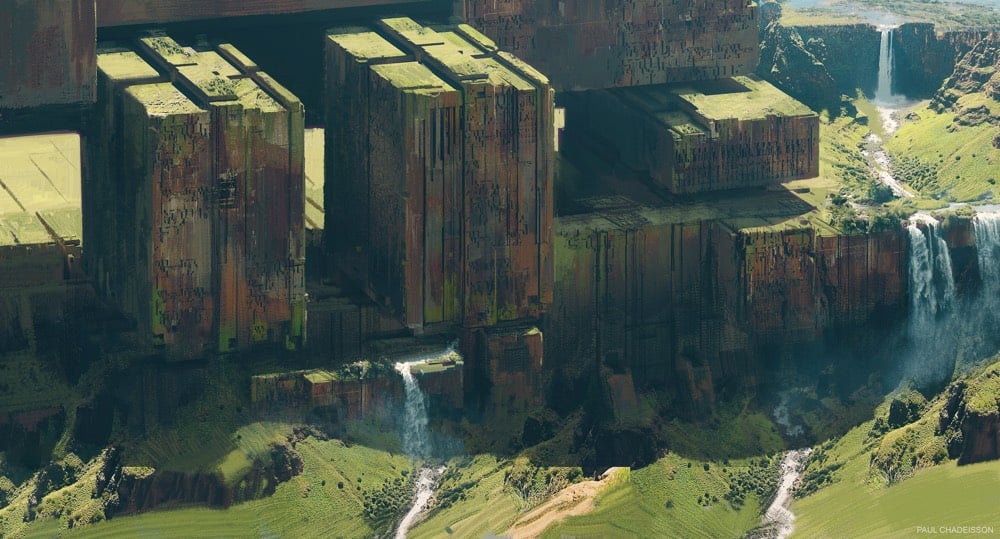

You can see more of Chadeisson’s work on Behance and Instagram.
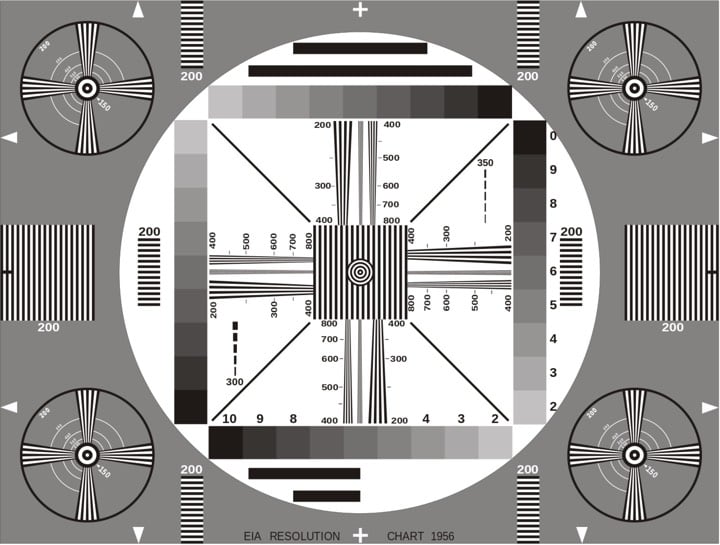
It’s hard to believe now, but television didn’t used to be a 24/7/365 affair. TV stations stopped broadcasting late at night and when they were off the air, they would commonly display a test pattern until programming resumed in the morning.
Used since the earliest TV broadcasts, test cards were originally physical cards at which a television camera was pointed, and such cards are still often used for calibration, alignment, and matching of cameras and camcorders.
From Wikimedia Commons and Present & Correct, here are some vintage test patterns:
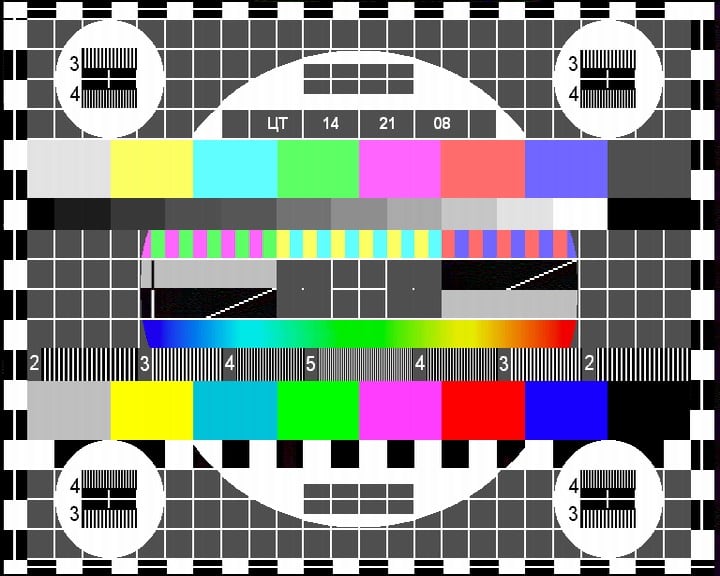
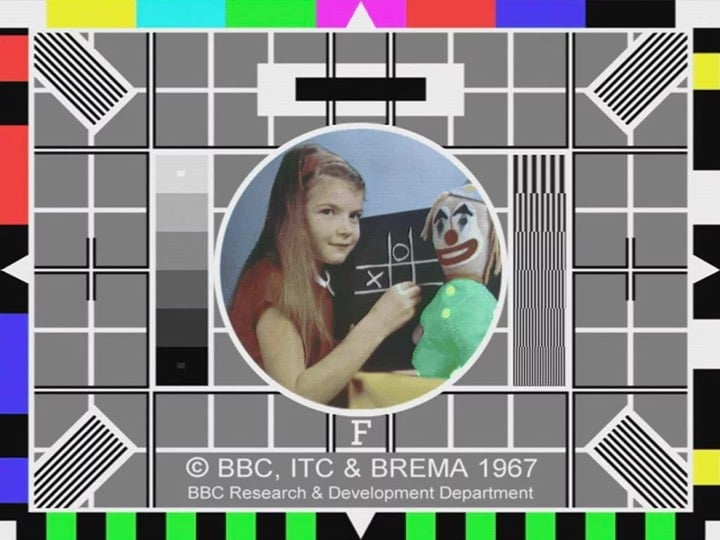
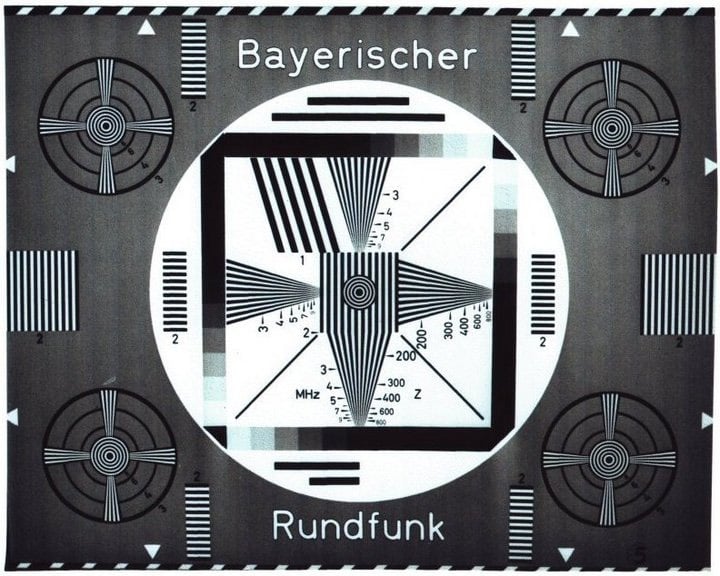
As you might expect, the BBC test card with the girl and clown has both a backstory and a cult following.
One of the most-used test images was RCA’s “Indian-head” test pattern:
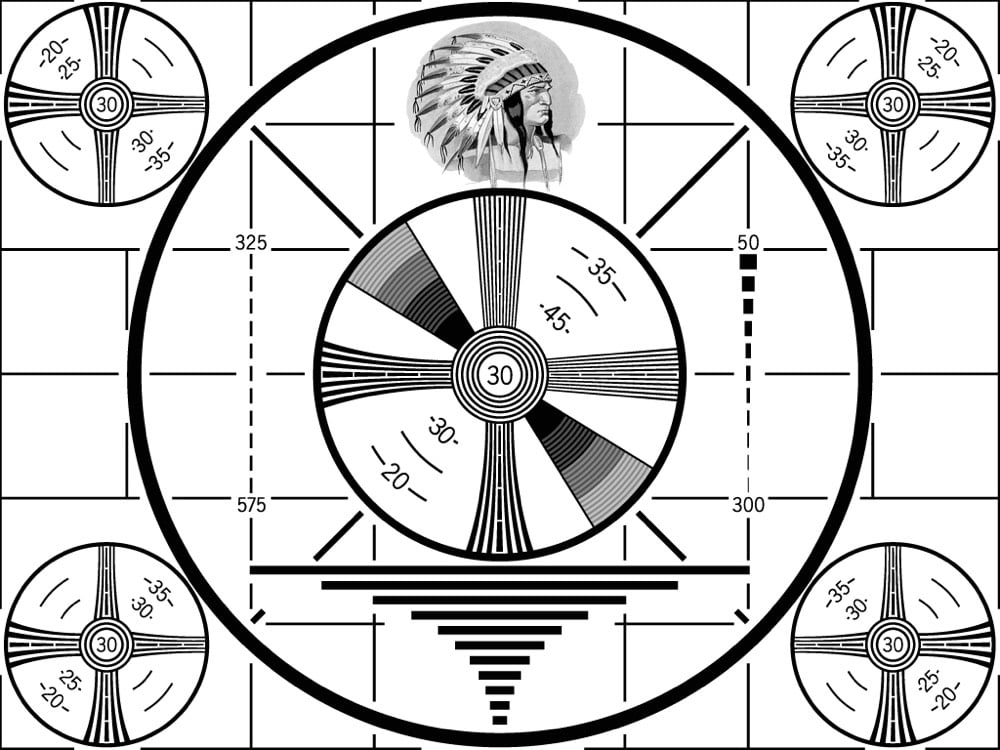
As this annotated version shows, each of the card’s elements had a specific testing purpose:
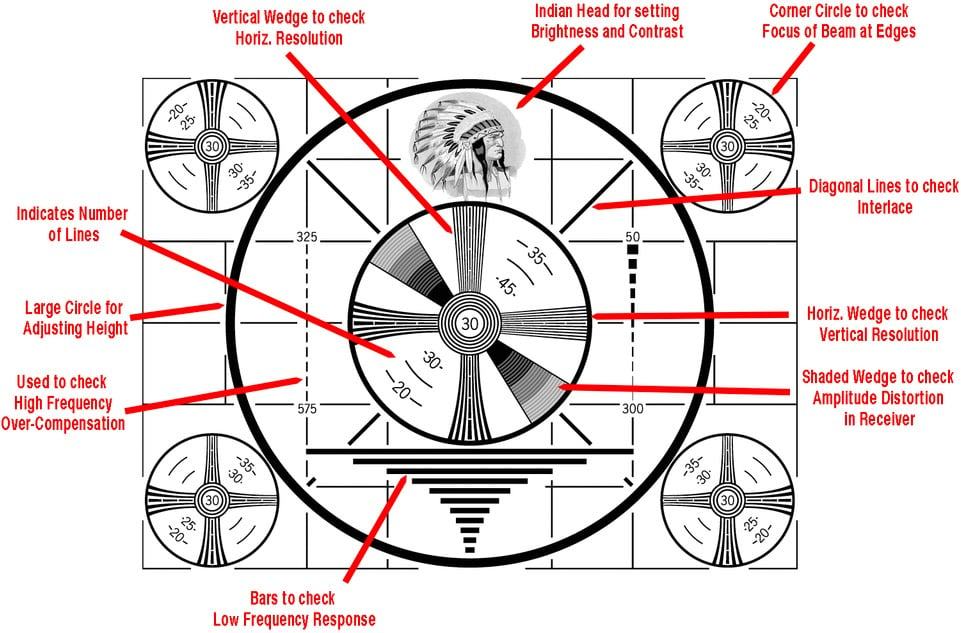
If you’re feeling extra nostalgic, here’s 36 minutes of vintage test patterns from all around the world:
The National Oceanic and Atmospheric Administration (NOAA) and Google have teamed up on a project to identify the songs of humpback whales from thousands of hours of audio using AI. The AI proved to be quite good at detecting whale sounds and the team has put the files online for people to listen to at Pattern Radio: Whale Songs. Here’s a video about the project:
You can literally browse through more than a year’s worth of underwater recordings as fast as you can swipe and scroll. You can zoom all the way in to see individual sounds — not only humpback calls, but ships, fish and even unknown noises. And you can zoom all the way out to see months of sound at a time. An AI heat map guides you to where the whale calls most likely are, while highlight bars help you see repetitions and patterns of the sounds within the songs.
The audio interface is cool — you can zoom in and out of the audio wave patterns to see the different rhythms of communication. I’ve had the audio playing in the background for the past hour while I’ve been working…very relaxing.
Google Made $4.7 Billion From the News Industry in 2018. “That $4.7 billion is nearly as much as the $5.1 billion brought in by the United States news industry as a whole from digital advertising last year.”
A Vancouver market is handing out “embarrassing” plastic bags to customers to encourage them to remember to use reusable bags instead.


Currently, East West charges customers five cents per embarrassing plastic bag that they take. They plan to continue handing out the specialty bags for the foreseeable future, but note that they’d rather no one take them. Instead, they hope to start a conversation about single-use plastic bags, as well as influence shoppers to bring their own bags — whether they are shopping at East West or somewhere else.
It’s a fun idea but as several people on Twitter remarked, the idea that people should be embarrassed about watching porn or seeking medical treatment is anachronistic. Besides, these bags might become a cool thing to have and use — an ironic fashion statement of sorts — defeating the original purpose in the process.
About two weeks ago, I had my right shoulder replaced. This was the second time I’ve had surgery on that shoulder, after multiple knee surgeries and arm surgeries, and abscesses and god knows what else. This surgery took place in the middle of what’s now, to me, a very familiar, and very tedious dance with my doctors around pain, pain management, and painkillers.
The way it works is this. Everyone knows that surgery, and the injuries that lead to surgery, are painful. Everyone also knows that the best way to treat pain of this kind is through the regular administration of opiates. However, because these drugs are addictive, everyone has to act as if they don’t know anything of the kind.
So instead of just prescribing the drugs, and preventing the pain, the doctors and nurses will wait until the patient asks for the pain medication. Or they’ll prescribe pain pills, but not enough to get the patient through to the next meeting with the doctor. They put the onus on the patient to beg for relief of his/her pain. Ideally with a buffer in between, like a nurse or a pain management specialist, so that the decision never comes directly from the person you’re interacting with, but an intercessor. This is why some patients end up medicated up to the gills, and others are left to grind their teeth and just get through it.
It’s really stupid. I suspect it heightens rather than lessening patients’ feelings of dependence on these drugs, which can do so much to reduce their acute pain and chronic discomfort. Instead, they’re doled out in a semi-arbitrary fashion, generally carefully rationed but sometimes overprescribed, based on your willingness to perform pain for someone else and that person’s level of compassion or complicity with your suffering.
This is all to say: no, I’m not on pain medication. Yes, I’m terribly uncomfortable. No, I’m not uncomfortable enough to jump through hoops and beg for more drugs. (Maybe if I were, things would be different.) And at the times I was most uncomfortable, those were the times when medicine was the least available to me, by design.
We’ve got to get over our weird Puritanical crap about pain and pain medication, and accept the fact that in certain contexts, we need the drugs. And by “we,” I mean myself, the medical system; everybody. We can’t be responsible for the entire opioid epidemic every second of every day. Sometimes we just need to be able to go to sleep.
When word came out shortly after Prince’s death that his estate was looking for an archivist, I briefly imagined the position to be like a Prince librarian: documenting papers, facilitating research, etc. Now, maybe some of that stuff is also happening, but the main job of Prince’s archivist Michael Howe so far seems to be facilitating new musical releases from the huge amount of recorded material from over four decades that Prince left at the time of his death. Which is understandable, if less exciting to a nerd like me.
Schkopi.com has an interview with Howe, discussing the forthcoming release of “Originals,” an album of demo material and other recordings of Prince’s original songs which were first officially released as covers by other artists. It’s in French, but there’s some good stuff in there about the process of selecting songs for release, narrowing the album’s focus to concentrate on the 1980s, and dealing with the fact that these songs have been circulating as bootlegs among Prince superfans for years.
Here’s a short section, translated pretty capably by Google Chrome:
We decided to release this record because we think it is of quality and that Prince would have been proud of it. Our primary goal is to release albums that honor his work, and complete his official discography. We want to come out with the values of respect we owe him and the integrity that was his. Open all valves would not be a responsible act and would not meet these requirements. And even if we wanted to do it, there are so many contractual, legal and legal restrictions with the different labels that would condition what could come out, how and when. It is not that simple. We can not say “oh yes, here’s a good idea, let’s do it”.
We know that Prince was very prolific in the 80s and that many songs of this era are in the trunk. The number of unpublished songs found on the net for the following years is gradually decreasing. Was he just as prolific in the studio in the second half of the 90s and the 2000s?
He did not stop working throughout his career and he was extremely prolific during those 40 years. Even during the last third of his life, and if it was not with the same frequency, he was in the same state of mind as in the 80s and 90s.
Hence the likelihood of more archival releases to come.
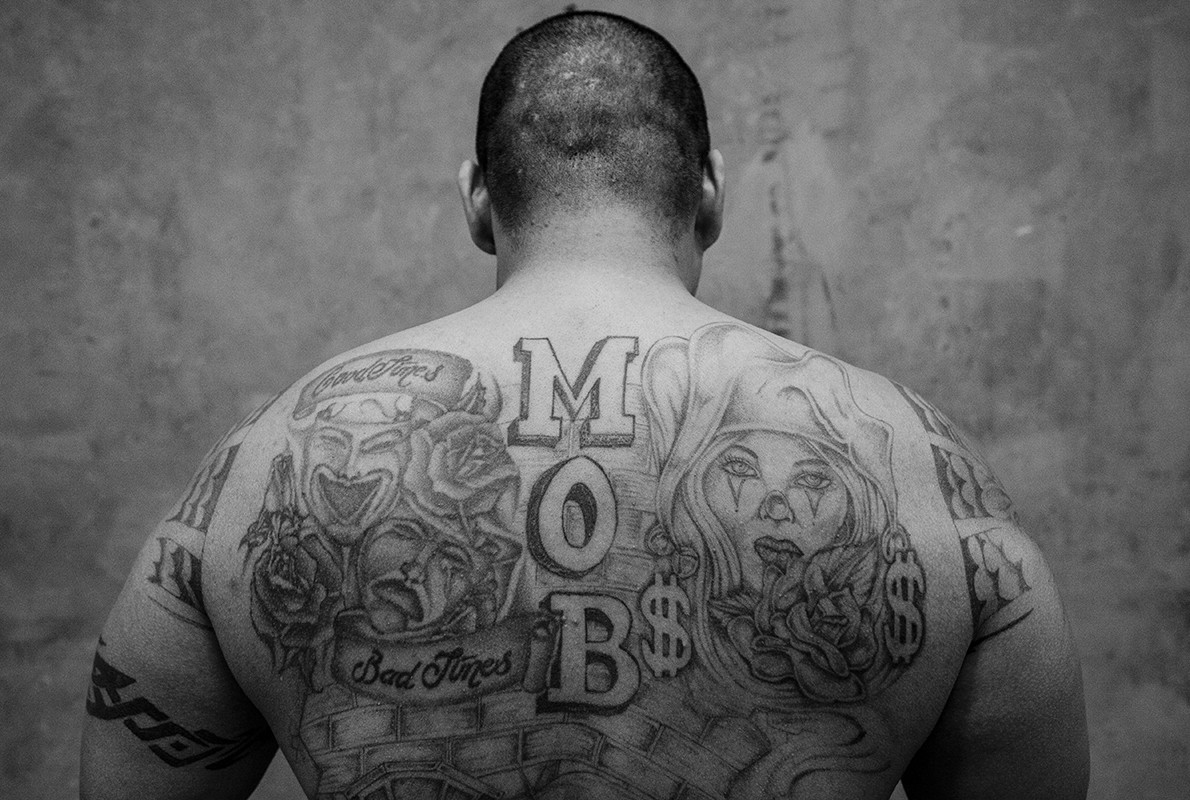
People are fascinated by prison tattoos. (I include myself in “people.”) This post at Mental Floss tries to spell out their meanings. The Economist’s Wade Zhou has crunched their numbers. And for The Marshall Project, Joseph Darius Jaafari digs into their technologies and economies: how they are made and how they circulate.
In Reddit threads and YouTube videos, former inmates describe the painstaking task of making tattoo machines and colored ink. Prisoners take apart beard trimmers or CD players to get at the tiny motor, which they can adapt to make the tattoo needle go up and down quickly enough. (Tattoo artists who use beard trimmers can quickly put the shaver back on and trick guards searching for contraband.)
The needle itself is often made from a metal guitar string split in two by holding it over an open flame until it snaps in half, creating a fine point. The springs inside gel pens can also flatten into needles.
One former prisoner who now runs a tattoo shop said he used to make black ink by trapping soot in a milk carton placed over a burning pile of plastic razors or Bible pages. He would mix the leftover ash and soot with a bit of alcohol (for hygienic purposes). To get color, some inmates use liquid India ink that family members buy from arts and crafts stores.
Why Bible pages, I wonder? Is it an availability thing or a ritual thing? Or both?
Gothamist recently posted some vintage photos of NYC’s High Line taken by Jake Dobkin back when it was still an abandoned rail line and not an immaculately designed space surrounded by luxury condos. Meg & I snuck up there in Feb 2004 and walked all the way down from 33rd St to the Meatpacking and back again. Here are a few photos I snapped that day:

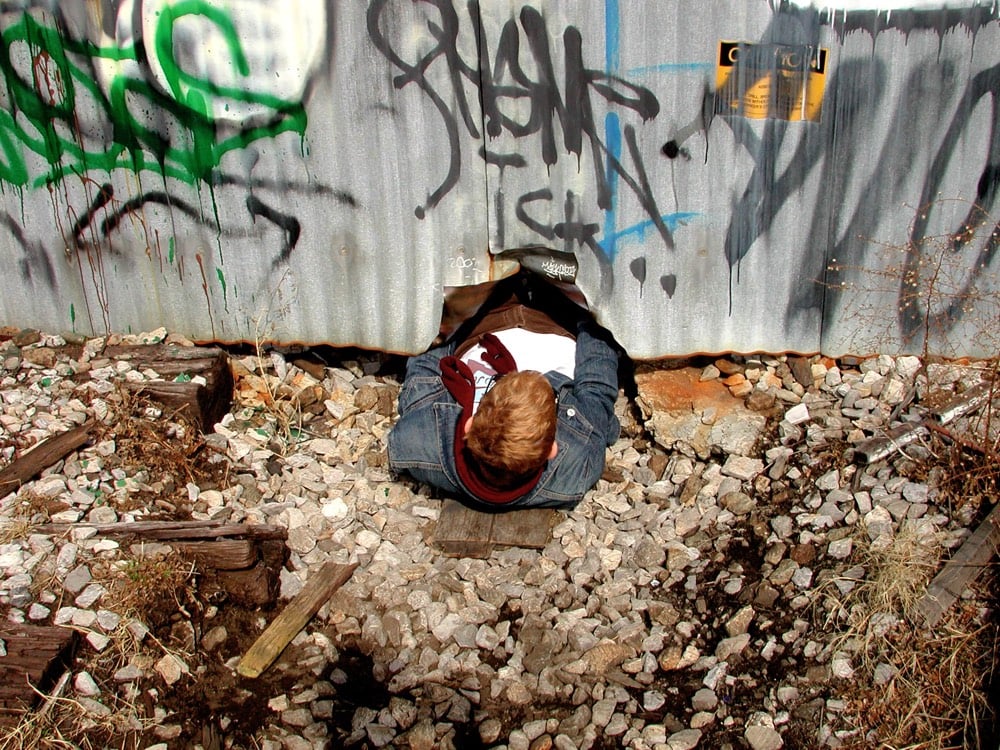
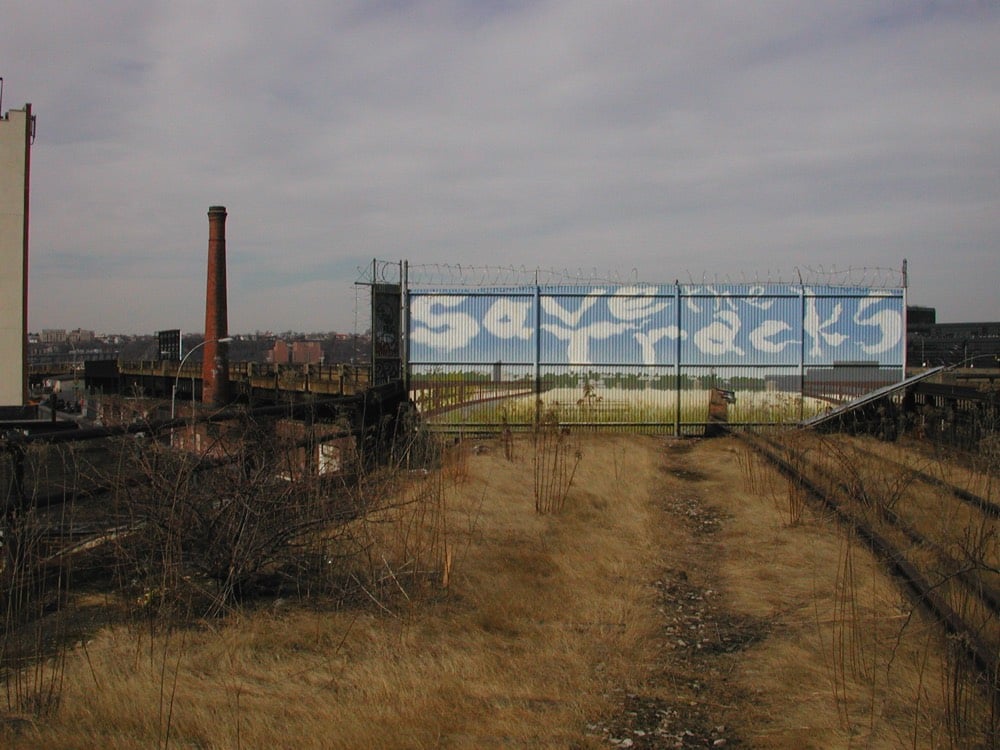

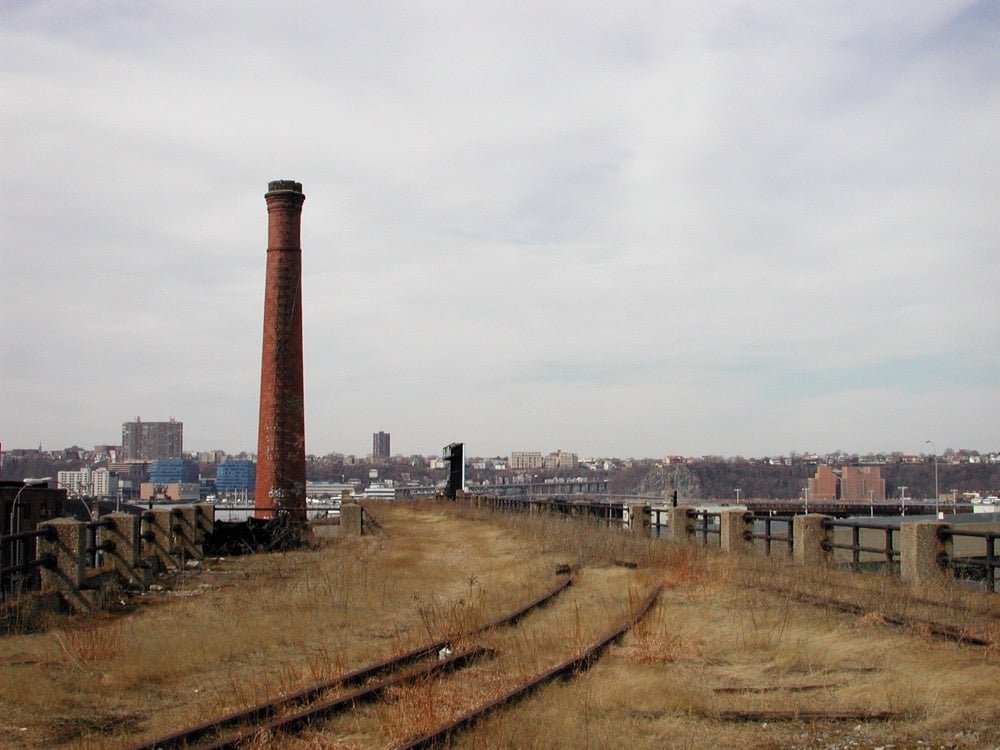
A couple of these were kindly included in Phaidon’s book about the making-of the High Line park.
These YouTube goofballs built a xylophone that’s playable with die-cast cars.
Let’s play musical cars, shall we? A total of 374 black-and-white ‘65 Ford Mustangs hit some black-and-white xylophone keys to play the world’s first die-cast song.
Hot Wheels Xylophone would be a great band name too. (via bb)
In this video, you can watch a simple neural network learn how to navigate a video game race track. The program doesn’t know how to turn at first, but the car that got the furthest in the first race (out of 650 competitors) is then used as the seed for the next generation. The winning cars from each generation are used to seed the next race until a few of them make it all the way around the track in just the 4th generation.
I think one of the reason I find neural network training so fascinating is that you can observe, in a very simple and understandable way, the basic method by which all life on Earth evolved the ability to do things like move, see, swim, digest food, echolocate, grasp objects, and use tools. (via dunstan)
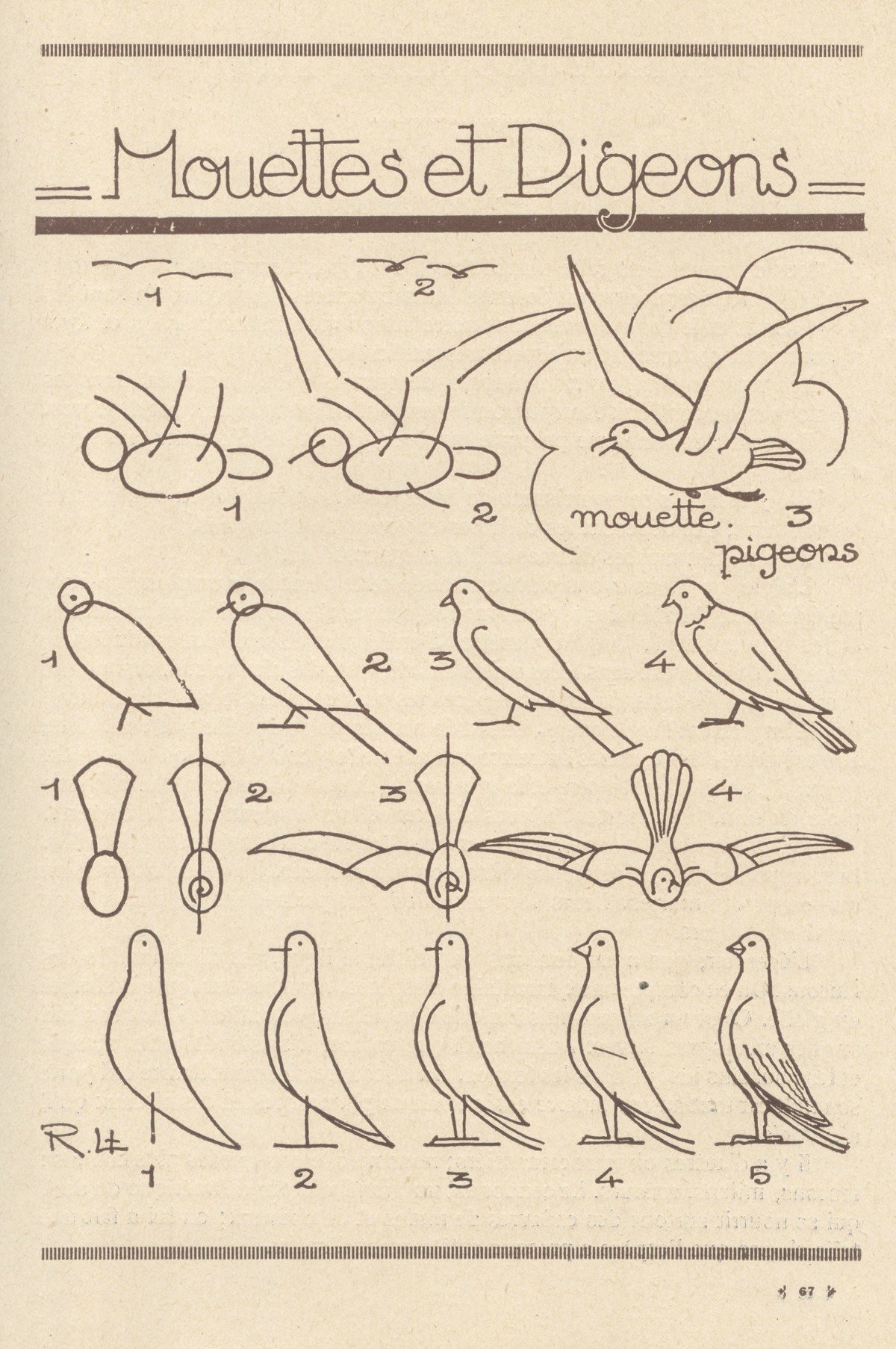
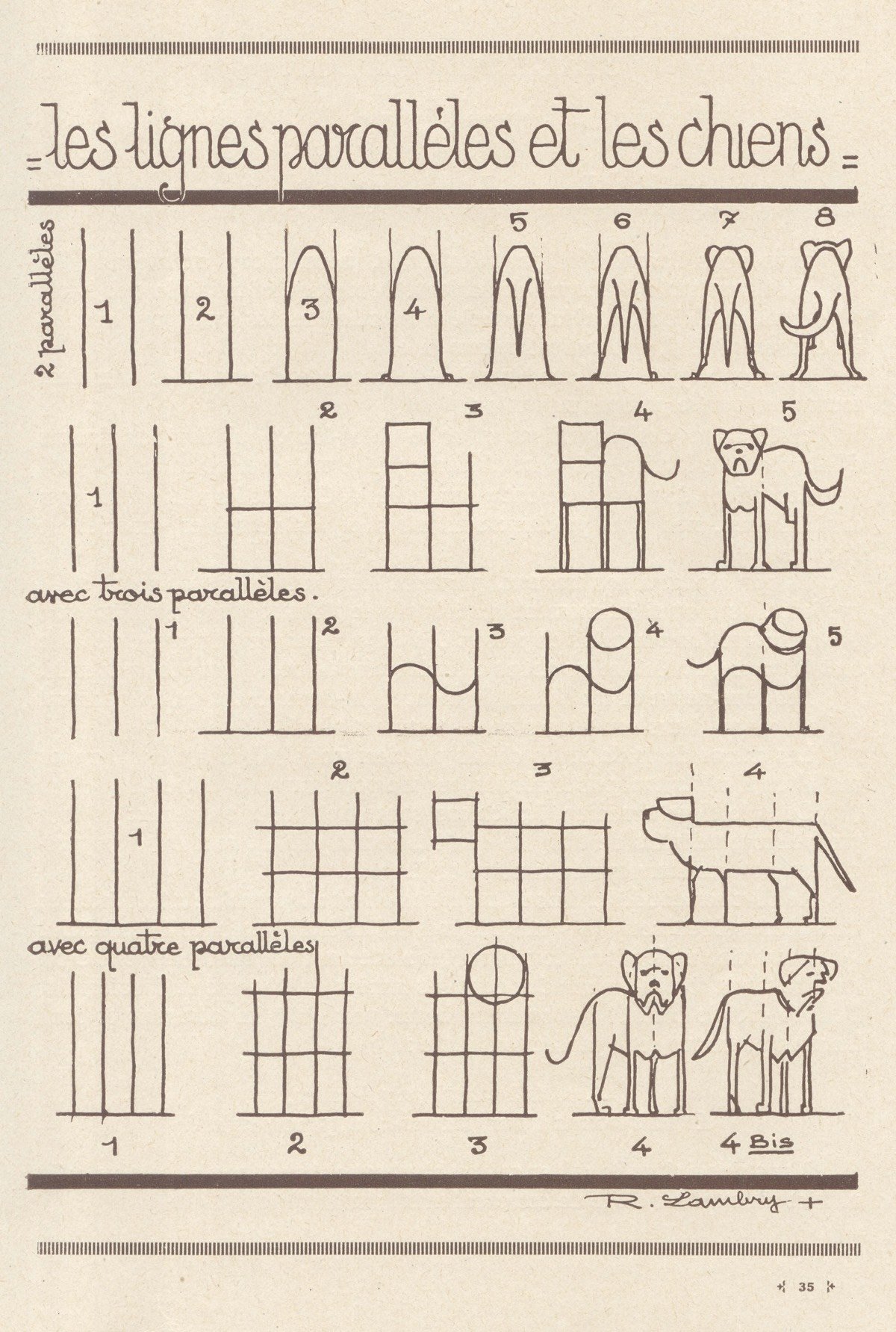
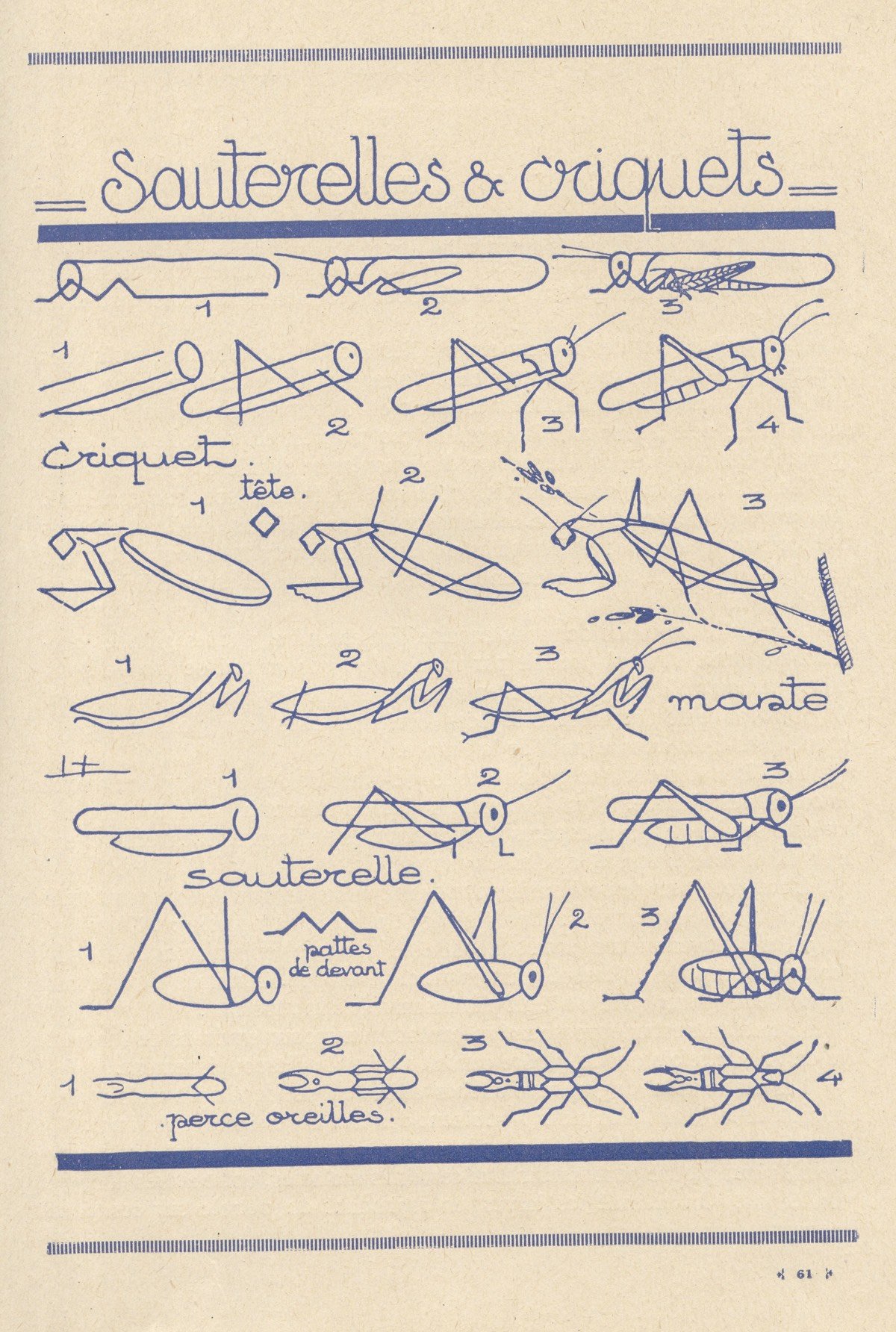
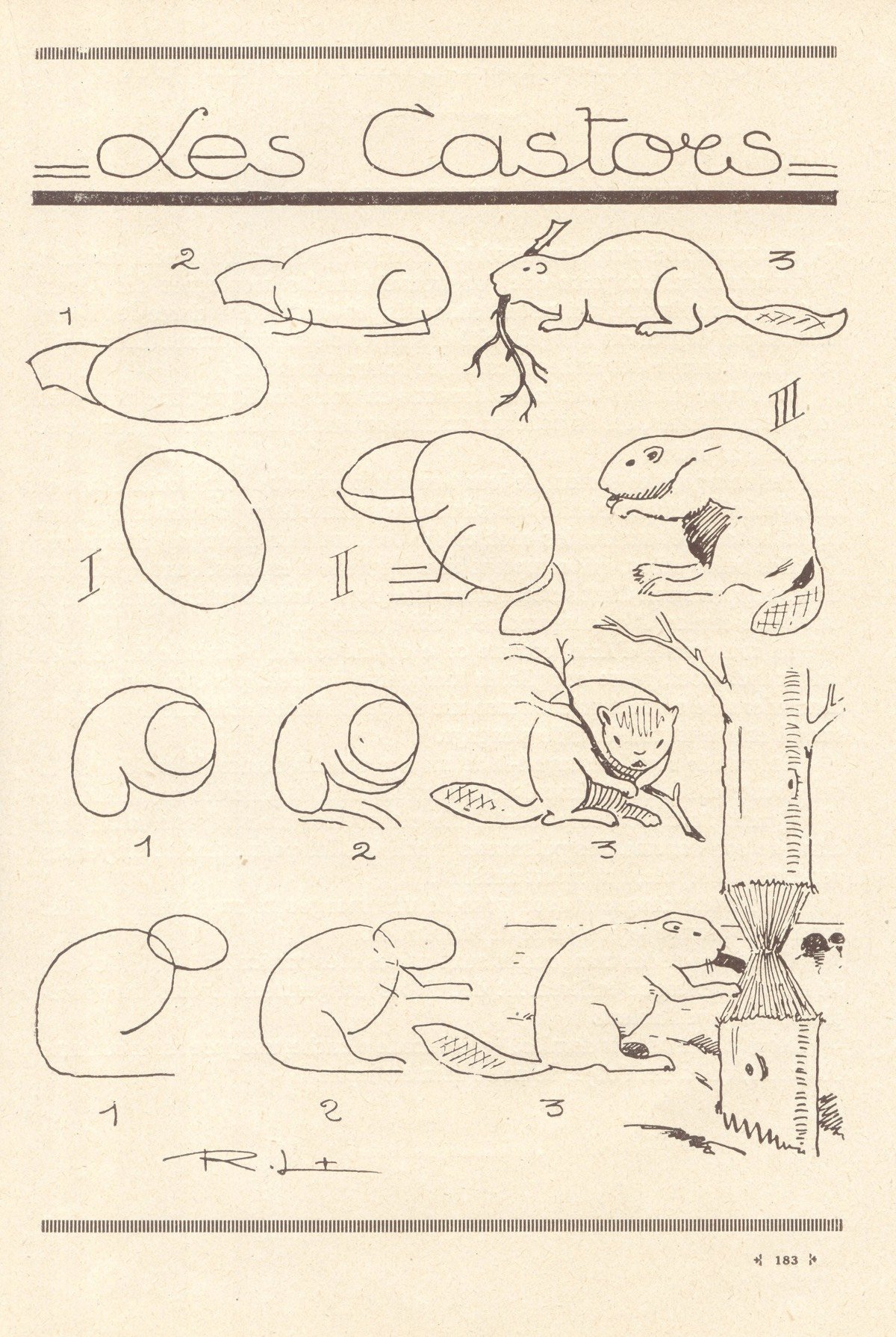
Les Animaux Tels Qu’ils Sont is a 1930s book by Robert Lambry that contain instructions for drawing all kinds of animals, from elephants and snakes to birds and horses. Each drawing starts with basic forms — circles, rectangles, etc. — which Lambry builds into simple line drawings of each animal. I love the dogs drawn with parallel lines.
Update: A new English edition of Lambry’s book is being released this fall as The Draw Any Animal Book. (thx, matt)
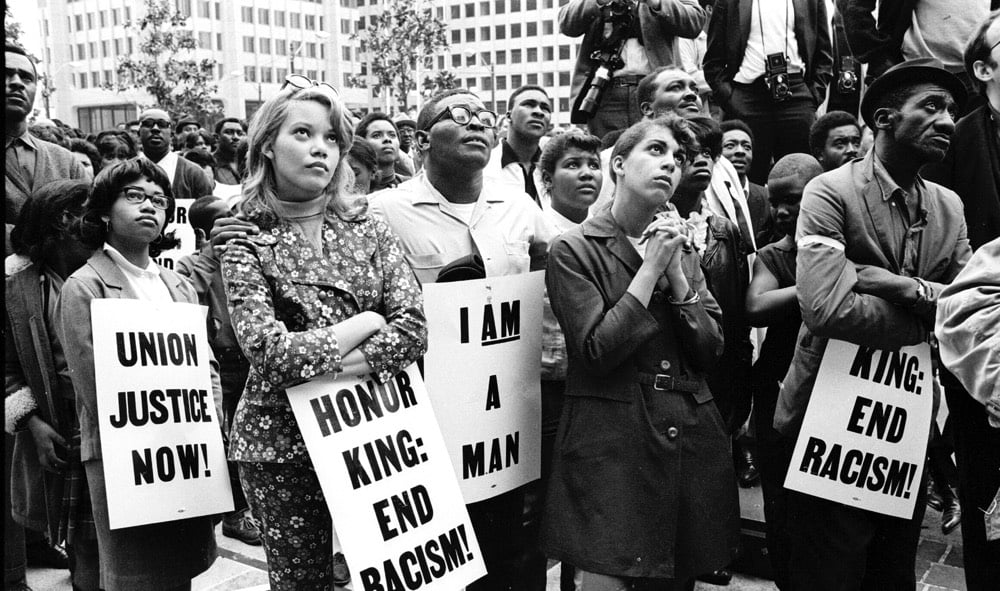
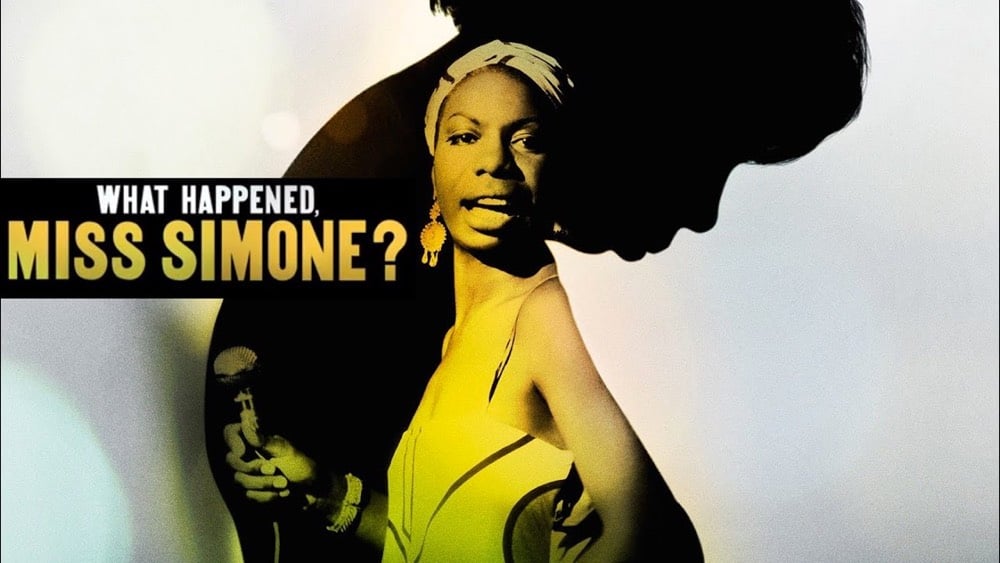
Vocal is a type foundry that makes typefaces that highlight the history of underrepresented people “from the Women’s Suffrage Movement in Argentina to the Civil Rights Movement in America”. For example, the Martin typeface is based on signs carried by marchers in the streets of Memphis after the assassination of Martin Luther King Jr.
Netflix used Martin for What Happened Miss Simone?, Liz Garbus’ Nina Simone documentary:
(via @c_wolbrecht)
Oh just some flowers & plants casually strolling into my life every spring to brighten up my life after a long winter:
Watching that video almost makes me sneeze though too. From Universal Everything’s Superconsumers project…many more videos of walking things here and at Vimeo and Instagram.
A cache of photos by Weegee was recently discovered in a kitchen cabinet. “It’s like discovering 73 unknown poems by Walt Whitman or unearthing a novella by Melville.”
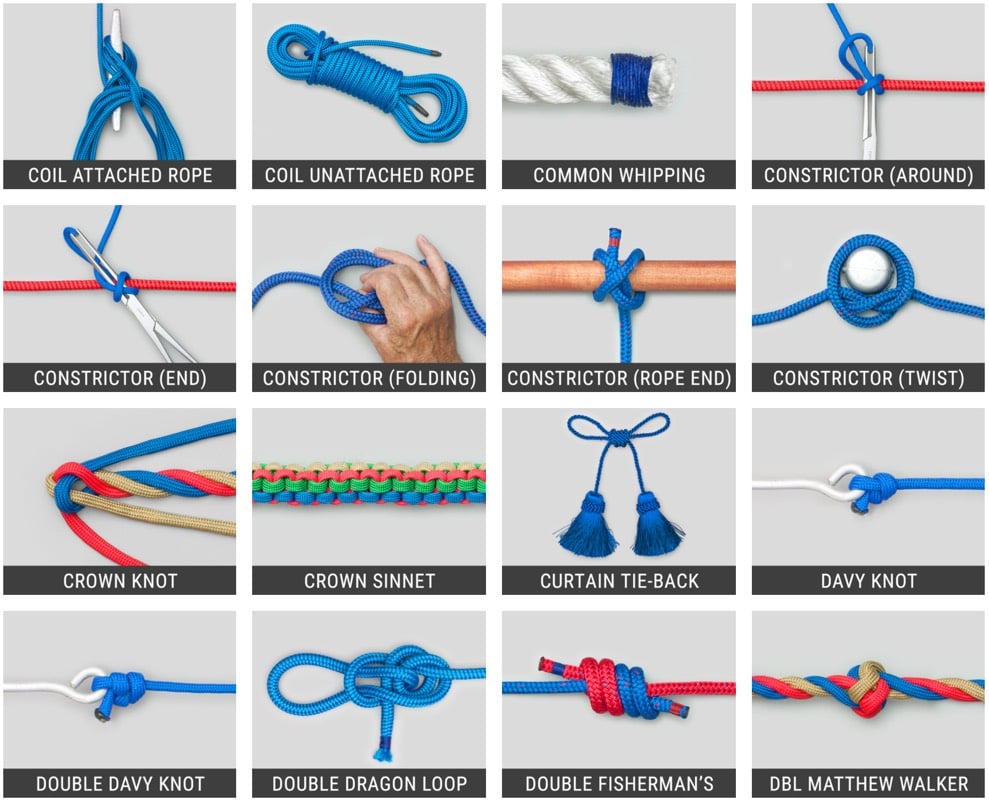
Animated Knots is a collection of animated tutorials on how to tie almost 200 different knots. The knots are broken down by activity (fishing, surgical, climbing, decorative) and by type (splicing, bends, quick release). You might want to start with the basic knots or the terminology page. (via dense discovery)
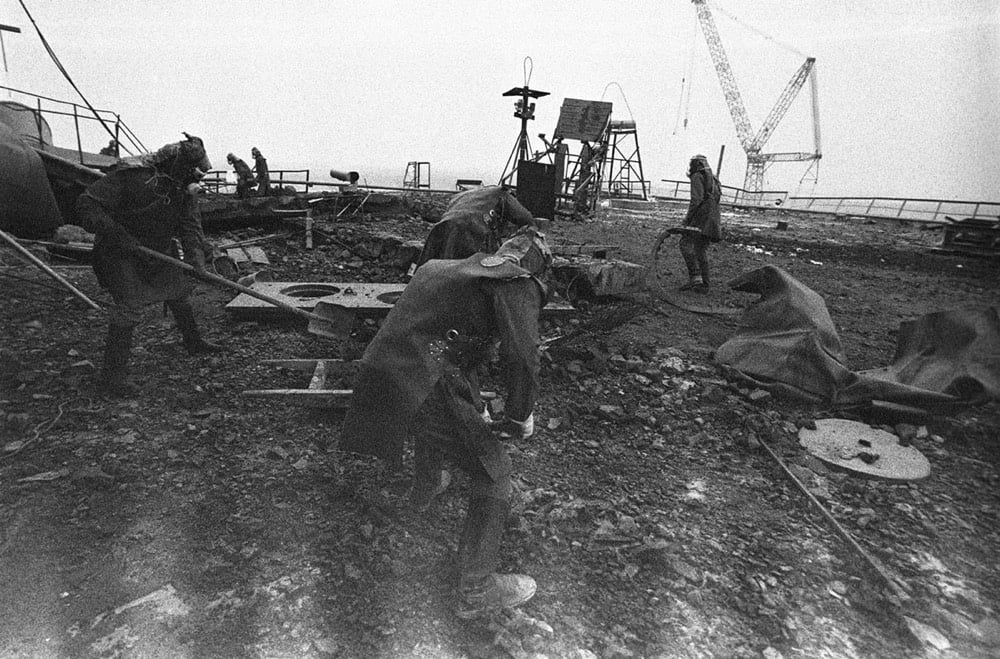
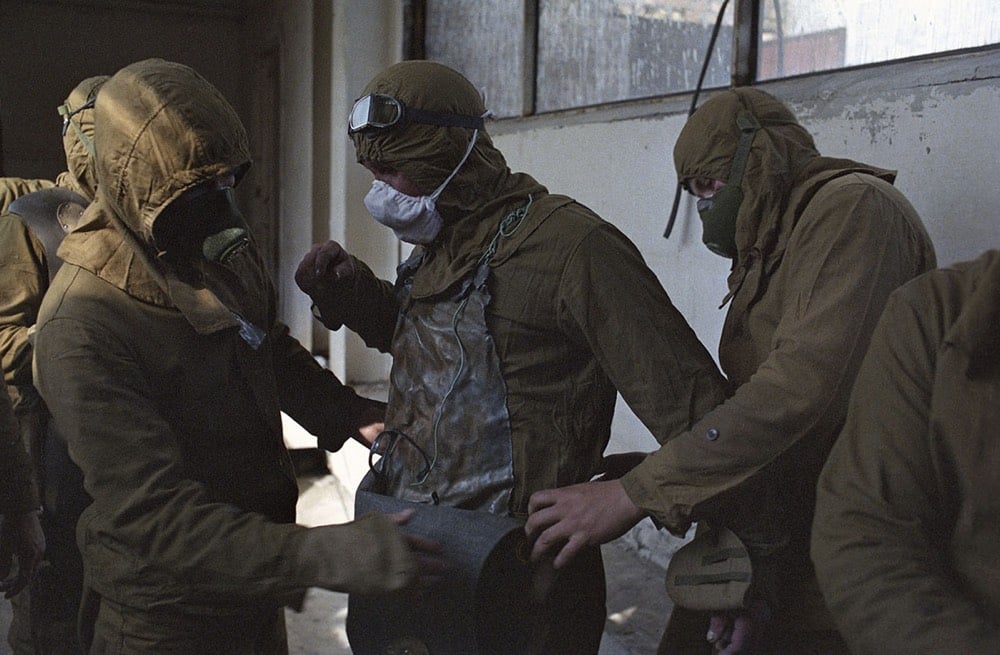
Alan Taylor has put together a selection of photos taken in the aftermath of the Chernobyl disaster in the Soviet Union in 1986. You may have seen some of these scenes recreated in HBO’s Chernobyl miniseries.
Liquidators clean the roof of the No. 3 reactor. At first, workers tried clearing the radioactive debris from the roof using West German, Japanese, and Russian robots, but the machines could not cope with the extreme radiation levels so authorities decided to use humans. In some areas, workers could not stay any longer than 40 seconds before the radiation they received reached the maximum authorized dose a human being should receive in his entire life.
See also more recent photos of Chernobyl and the exclusion zone and Masha Gessen’s take on what HBO’s series got wrong.
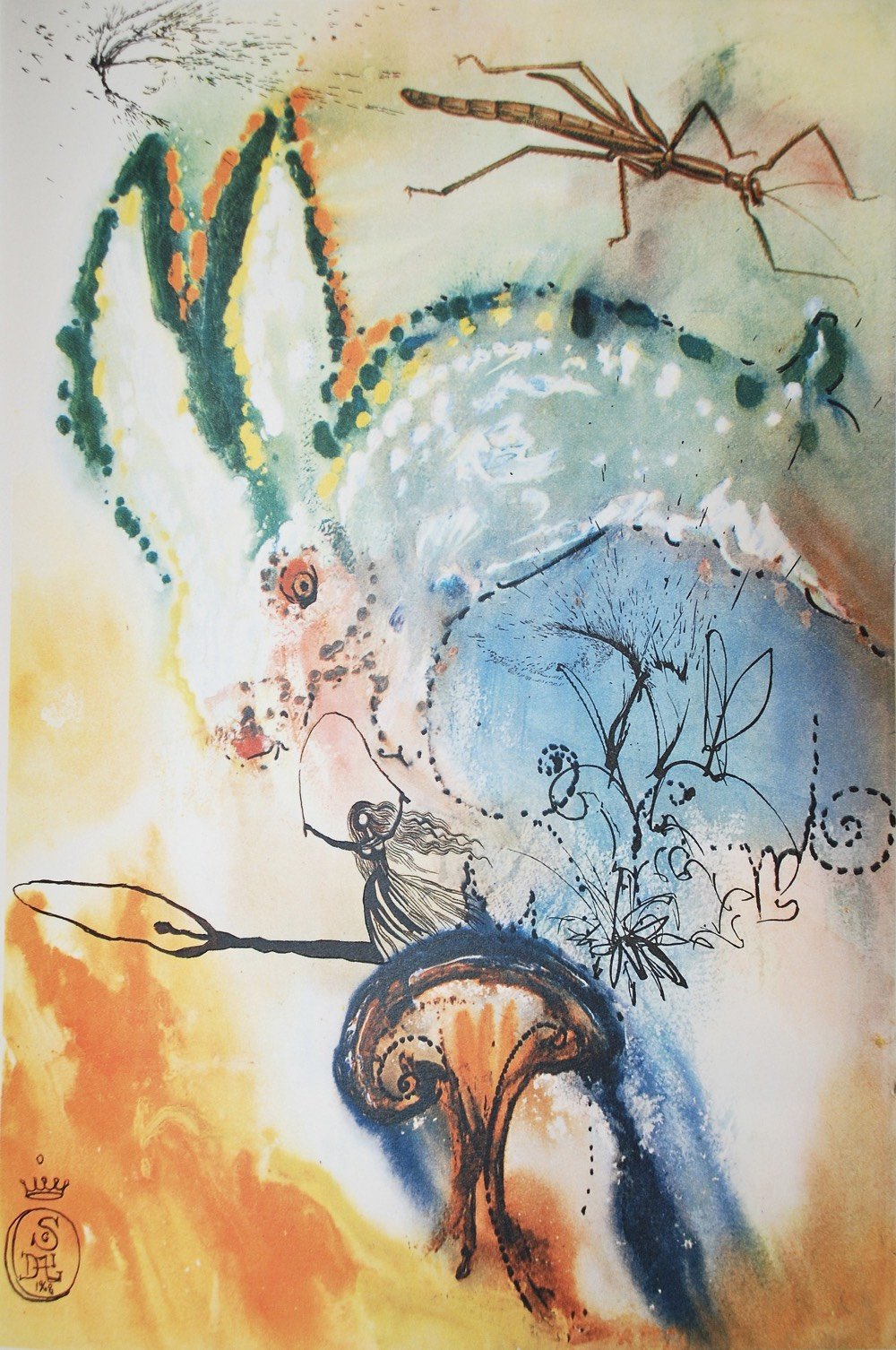
In 1969, surrealist Salvador Dali provided a set of 12 illustrations for an edition of Alice in Wonderland, a seemingly perfect match of artist to subject matter. It was released in a limited edition and copies are now a coveted collector’s item — here’s a signed copy on eBay for $10,000. Luckily, Princeton Architectural Press put out a 150th anniversary edition a few years ago that’s more manageable (Amazon).
See also a couple of Dali’s other books: a wine guide and a cookbook.
Photographer Jun Yamamoto (a.k.a. jungraphy) takes these subdued (but somehow also vibrant) photos of Japanese cities at night. This one in particular caught my eye:
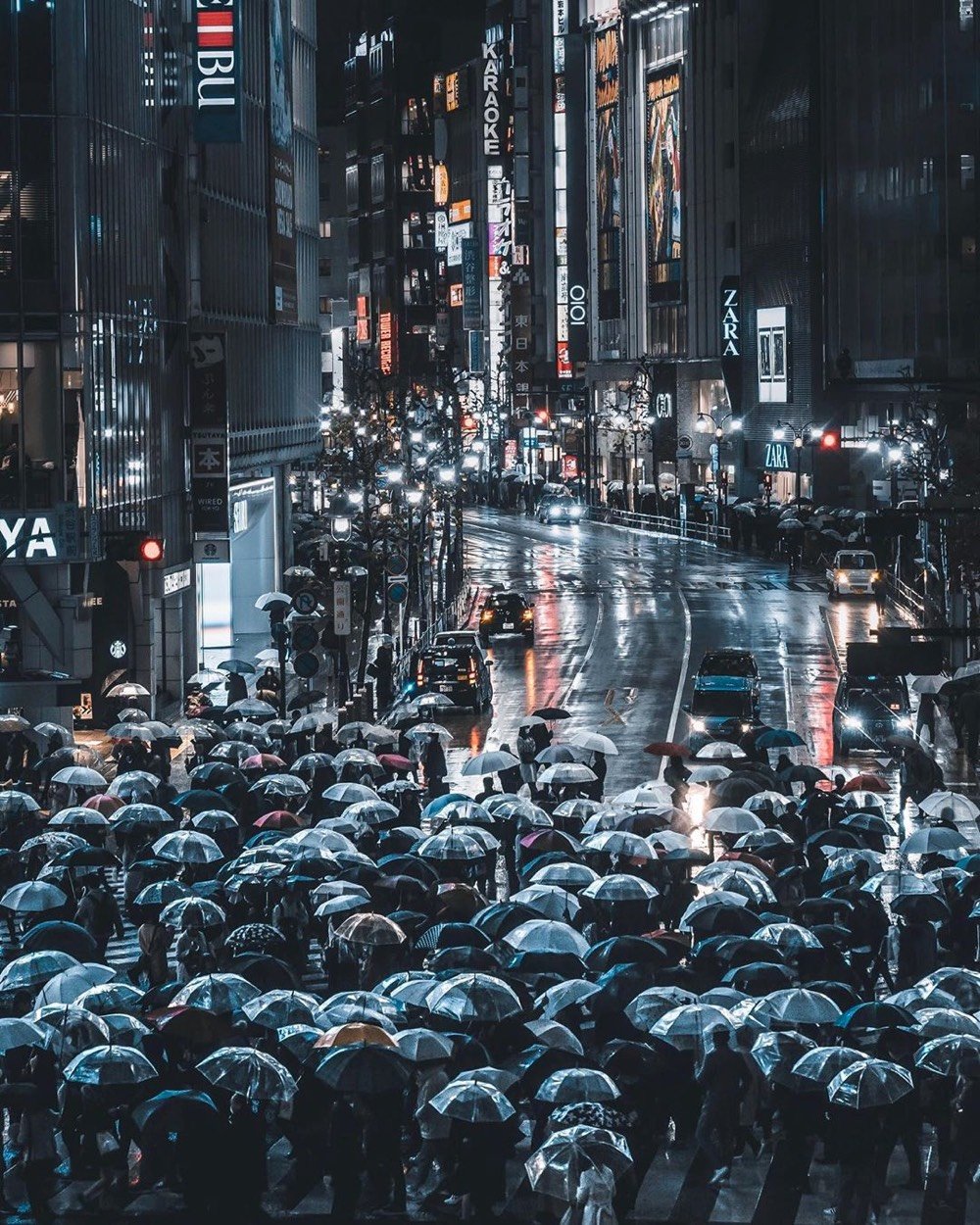
I’m assuming the photos are processed to get that moody red/blue/black color palette.
An iOS shortcut called Pulled Over By Police. You activate it during police stops via Siri and it starts recording video. There are options to alert friends and send the video to them or to iCloud/Dropbox.
Hey it’s been a little while since we checked in on Primitive Technology, so let’s see what everyone’s favorite jacked low-tech Aussie has been up to. For the past four years, this guy has been making huts, tools, weapons, furnaces, and other things in the jungle using only Stone Age tools and techniques. In his most recent video, he made some Polynesian arrowroot flour:
He’s also made some cement out of wood ash and terracotta:
And as part of his “ongoing quest to reach the iron age”, he used charcoal and iron bacteria to make small iron pellets:
You can check out his other projects on his YouTube channel.
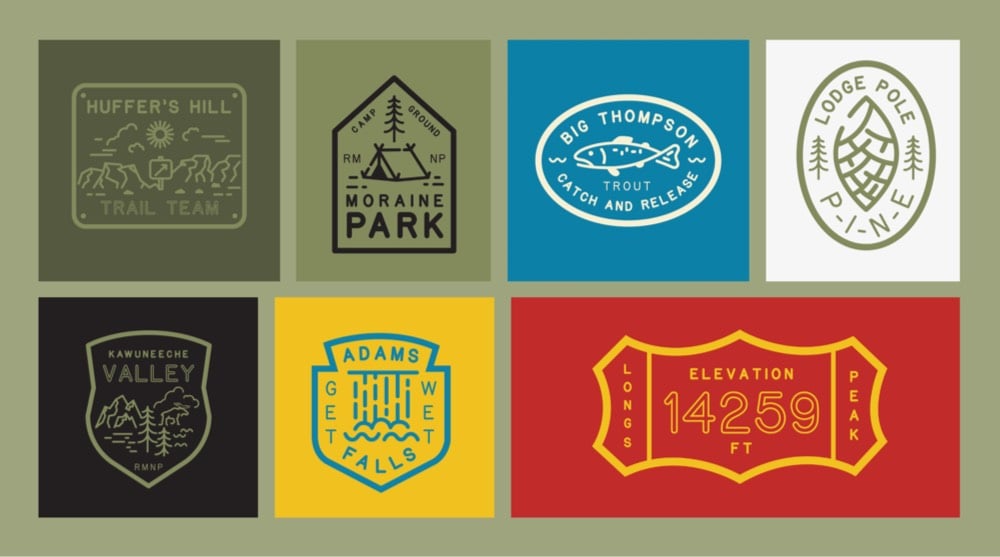
National Park is a typeface designed “to mimic the National Park Service signs that are carved using a router bit”.
I saw those familiar words. Set “National Park Service, United States Department of the Interior” — style. I wondered if it actually was a typeface or “font” that anyone could download and use? Do park rangers have this as a typeface on their computers to set in their word docs, pdfs and power point slides?
I had a sketchbook with me and took some rubbings of the letterforms and asked my friend Miles Barger, the Visual Information Specialist for Rocky, if he had the typeface. He asked the sign shop. No one has it? Turns out it isn’t a typeface at all but a system of paths, points and curves that a router follows.
The typeface comes in four weights and is available as a free download.
Newer posts
Older posts





Socials & More