
This site is made possible by member support. 💞
Big thanks to Arcustech for hosting the site and offering amazing tech support.
When you buy through links on kottke.org, I may earn an affiliate commission. Thanks for supporting the site!
kottke.org. home of fine hypertext products since 1998.
Beloved by 86.47% of the web.
Entries for August 2017
A day at the office, in miniature
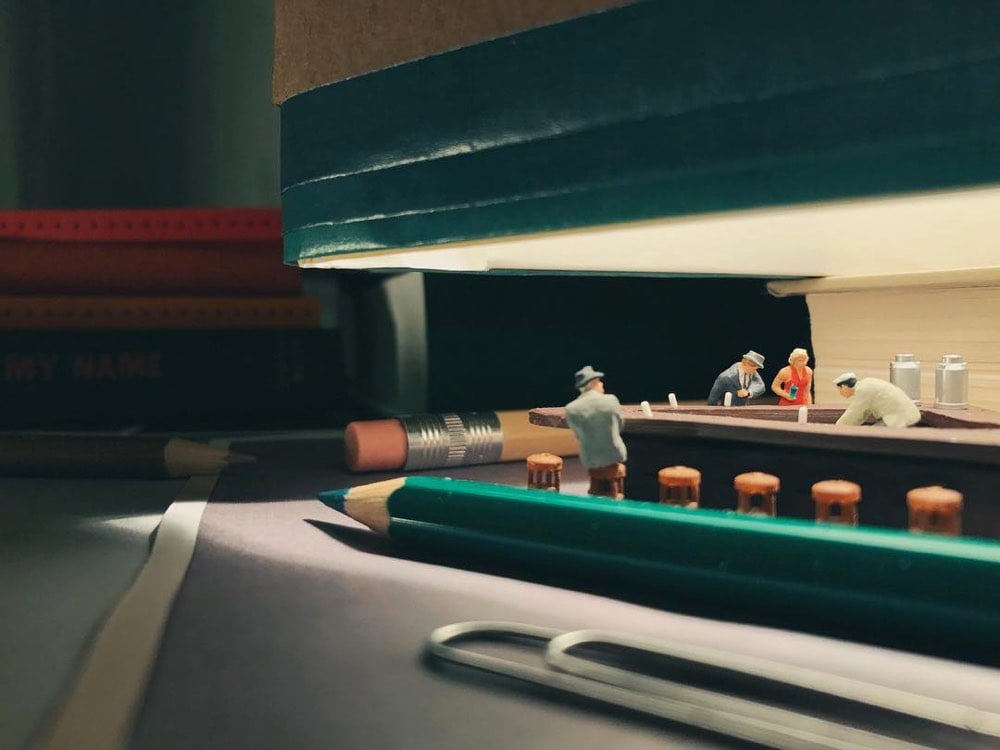
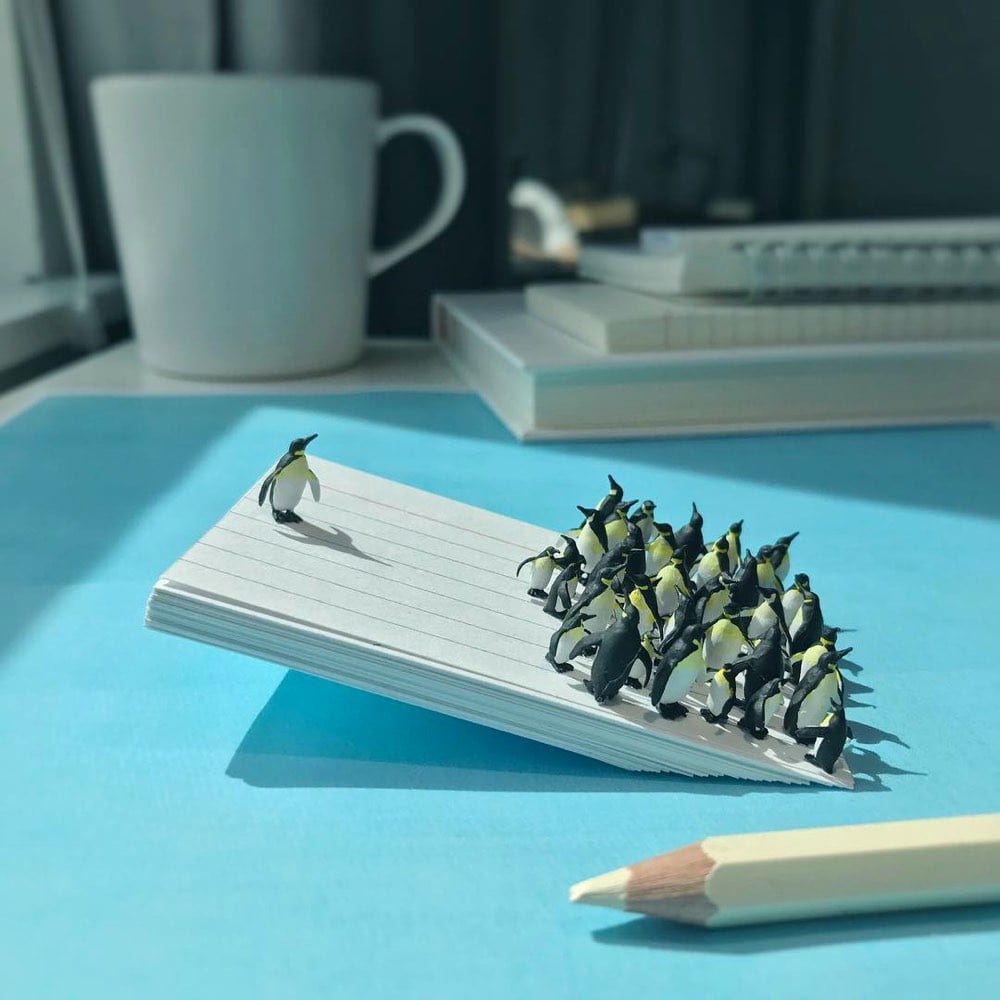

Using his iPhone 7, Derrick Lin pairs office supplies with tiny figurines to create these cool little scenes that he posts to Instagram. The book version of his photographic collection, Work, Figuratively Speaking, will be out in October. (via colossal)
Faces projected onto fabric tossed in the air
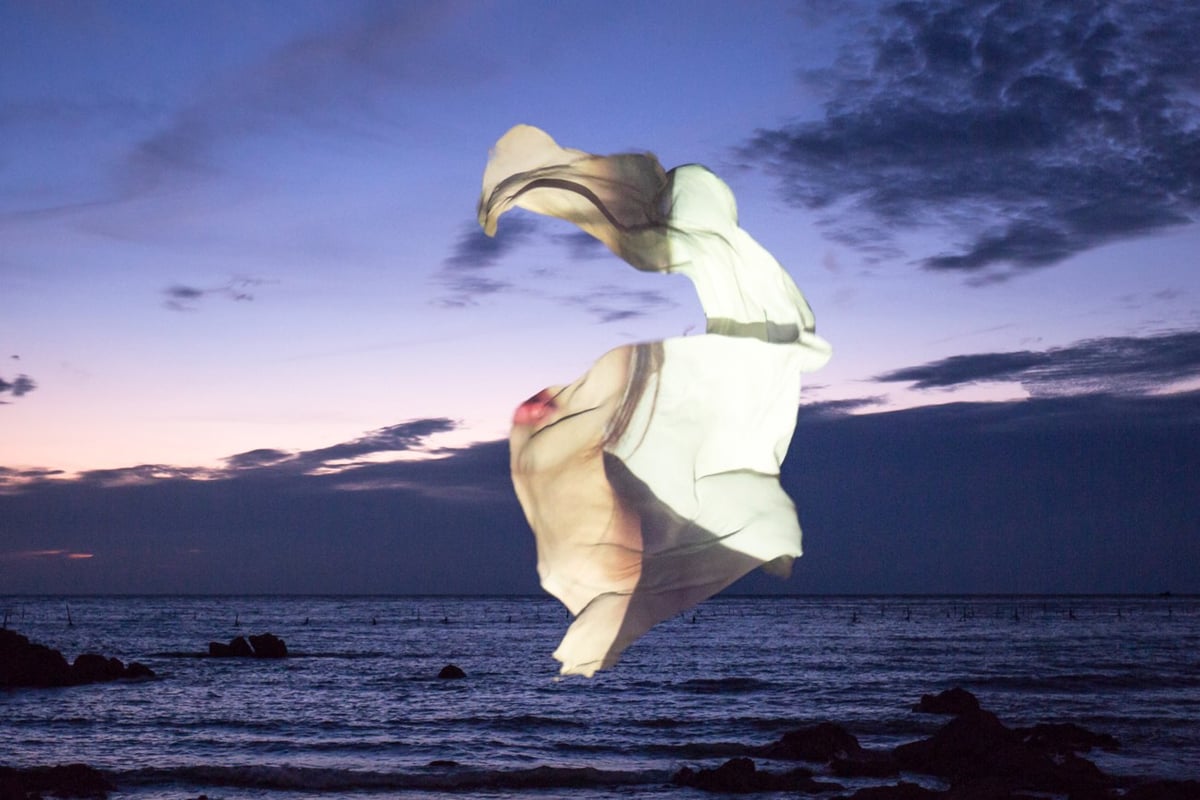
For his projected entitled Conversation, Wonjun Jeong tossed fabric into the air and projected images of faces on them.
The Vietnam War documentary series by Ken Burns
Together with Lynn Novick, filmmaker Ken Burns, who has previously made long documentary films on The Civil War and World War II, has made a film about perhaps the most controversial and contentious event in American history, The Vietnam War. The film runs for 18 hours across 10 installments and begins on September 17 on PBS.
David Kamp interviewed Novick and Burns for Vanity Fair and proclaims the film a triumph:
I watched the whole series in a marathon viewing session a few days before meeting with the filmmakers — a knock-you-sideways experience that was as enlightening as it was emotionally taxing. For all their unguarded anxiety about doing the war justice, Burns and Novick have pulled off a monumental achievement. Audiovisually, the documentary is like no other Burns-branded undertaking. Instead of folksy sepia and black-and-white, there are vivid jade-green jungles and horrific blooms of napalm that explode into orange and then gradually turn smoky black. The Vietnam War was the first and last American conflict to be filmed by news organizations with minimal governmental interference, and the filmmakers have drawn from more than 130 sources for motion-picture footage, including the U.S. networks, private home-movie collections, and several archives administered by the Socialist Republic of Vietnam. The series’s depiction of the Tet offensive, in which the North Vietnamese launched coordinated attacks on the South’s urban centers, is particularly and brutally immersive, approaching a 360-degree experience in its deft stitching together of footage from various sources.
The sound and music promises to thrill as well. Trent Reznor and Atticus Ross (who did the scores for The Social Network, Gone Girl, and The Girl with the Dragon Tattoo) provided original music to supplement popular music contemporary to the time. They even got The Beatles.
Then there’s all that popular music from the 60s and 70s: more than 120 songs by the artists who actually soundtracked the times, such as Bob Dylan, Joan Baez, the Animals, Janis Joplin, Wilson Pickett, Buffalo Springfield, the Byrds, the Rolling Stones, and even the ordinarily permissions-averse and budget-breaking Beatles. Of the Beatles, Novick noted, “They basically said, We think this is an important part of history, we want to be part of what you’re doing, and we will take the same deal everybody else gets. That’s kind of unprecedented.”
I’m very much looking forward to this.
Two hot dogs in a bun
This week-long food diary by author Alissa Nutting (Made for Love) is amazing. Nutting appears to subsist on little more than Red Bull and Cheeto dust. This four-paragraph stretch doesn’t even scratch the surface:
We’re staying in a remote cabin for a few days, getting some R&R between readings for my new novel and work events, so dinner is hot dogs. Two dogs per bun is my preferred meat-to-bun ratio. I was vegetarian and vegan for over 15 years, until a Nathan’s hot dog in Las Vegas sent me into a fatal processed-meat-love spiral that I don’t ever predict recovering from. I love processed meats and prefer hot dogs to steak.
I have a lot of calls to do this morning, so I pour a cold sugar-free Red Bull into a hot large coffee and gulp it. It tastes like lawn fertilizer, but its effectiveness is undeniable.
Breakfast and lunch are snacks between calls, classic red-bag Doritos and Cheetos and (for my health!) Oven-Baked Cheddar & Sour Cream Ruffles. I will eat almost anything coated in orange dust. I feel bad for my internal organs, but also really curious about what they must look like. I’ll donate my body to science when I die; I’m kind of obligated to. How many people get 92 percent of their food from vending machines?
Cheap beer is probably my favorite food, so when I finish my work, I devote the rest of the evening to all the delicious lowbrow northern beers that are hard to find near our home base in Iowa. There’s Grain Belt, which seriously has a blueberry-ghost-syrup aftertaste, and not for craft-brew reasons. I think it just has so much grain that it makes my pancreas hallucinate in a synesthetic way. When insulin dies, my body’s grief is apparently very fruit-flavored. There’s Labatt Blue and Labatt Blue Light (different pleasures), Molson Canadian Lager, Moosehead, and Miller Golden Light, which I purchase in 16-ounce-aluminum-bottle form because it feels the most recreational. For dinner, I pilfer calories each time I go to the fridge for a new cold one: cold cuts, pepperoni, Kraft American-cheese slices with mayo and mustard, and lots of peanuts.
I am genuinely intrigued by the two dogs in a bun thing but American singles with mayo and mustard? Yoloooooo.
Huge trove of digitized 78rpm records
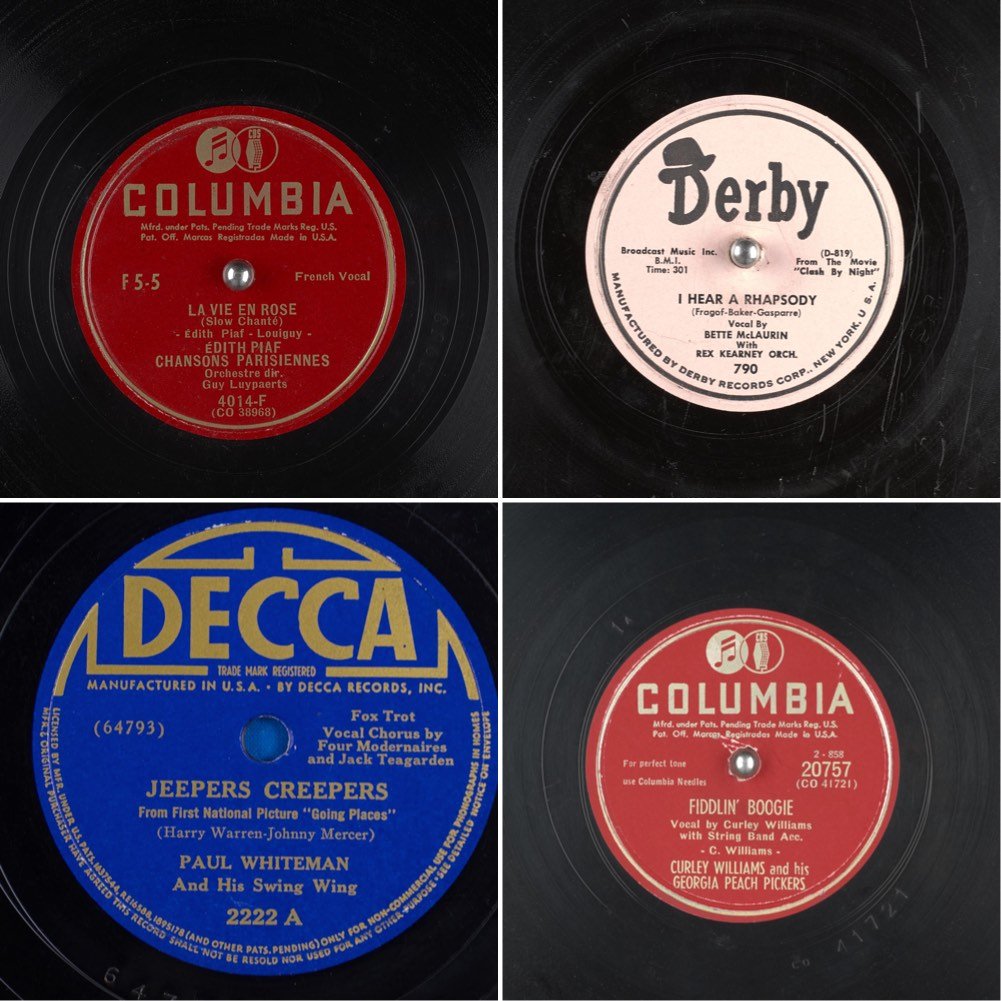
Through the Great 78 Project, the Internet Archive has been digitizing the audio from 78rpm records produced from 1898 to the 1950s. Over 25,000 high-quality recordings are currently available from artists like Edith Piaf, Irving Berlin, Lena Horne, and Duke Ellington. This preservation is important because the discs are fragile:
78s were mostly made from shellac, i.e., beetle resin, and were the brittle predecessors to the LP (microgroove) era. The format is obsolete, and just picking them up can cause them to break apart in your hands. There’s no way to predict if the digital versions of these 78s will outlast the physical items, so we are preserving both to ensure the survival of these cultural materials for future generations to study and enjoy.
From 1939, here’s Judy Garland singing Over the Rainbow. And this undated recording of Edith Piaf singing La Vie En Rose. I could listen to these all afternoon.
Hilarious robot-generated Pepsi logo t-shirts

Oh, I love these algorithmically generated Pepsi logo t-shirts. I think TURNIPS is the least refreshing tasting cola beverage possible (ok, maybe SHRIMP FRIED RICE) but I ordered a LETTUCE shirt for myself just for the hell of it. Eager to see if it actually arrives as pictured. (via @cabel)
Yes, barbed wire fenced cows but also provided telecommunications
Barbed wire is one of the most important inventions of the past 150 years. It tamed the Wild West and solidified the concept of land ownership in America. Tim Harford, author of Fifty Inventions That Shaped the Modern Economy, writes:
After Europeans arrived and pushed west, the cowboys roamed free, herding cattle over the boundless plains.
But settlers needed fences, not least to keep those free-roaming cattle from trampling their crops. And there wasn’t a lot of wood — certainly none to spare for fencing in mile after mile of what was often called “The American Desert”.
Farmers tried growing thorn-bush hedges, but they were slow-growing and inflexible. Smooth wire fences didn’t work either — the cattle simply pushed through them.
Barbed wire changed what the Homestead Act could not.
Until it was developed, the prairie was an unbounded space, more like an ocean than a stretch of arable land.
Private ownership of land wasn’t common because it wasn’t feasible.
With demand came fierce competition; there were dozens of different types of barbed wire:
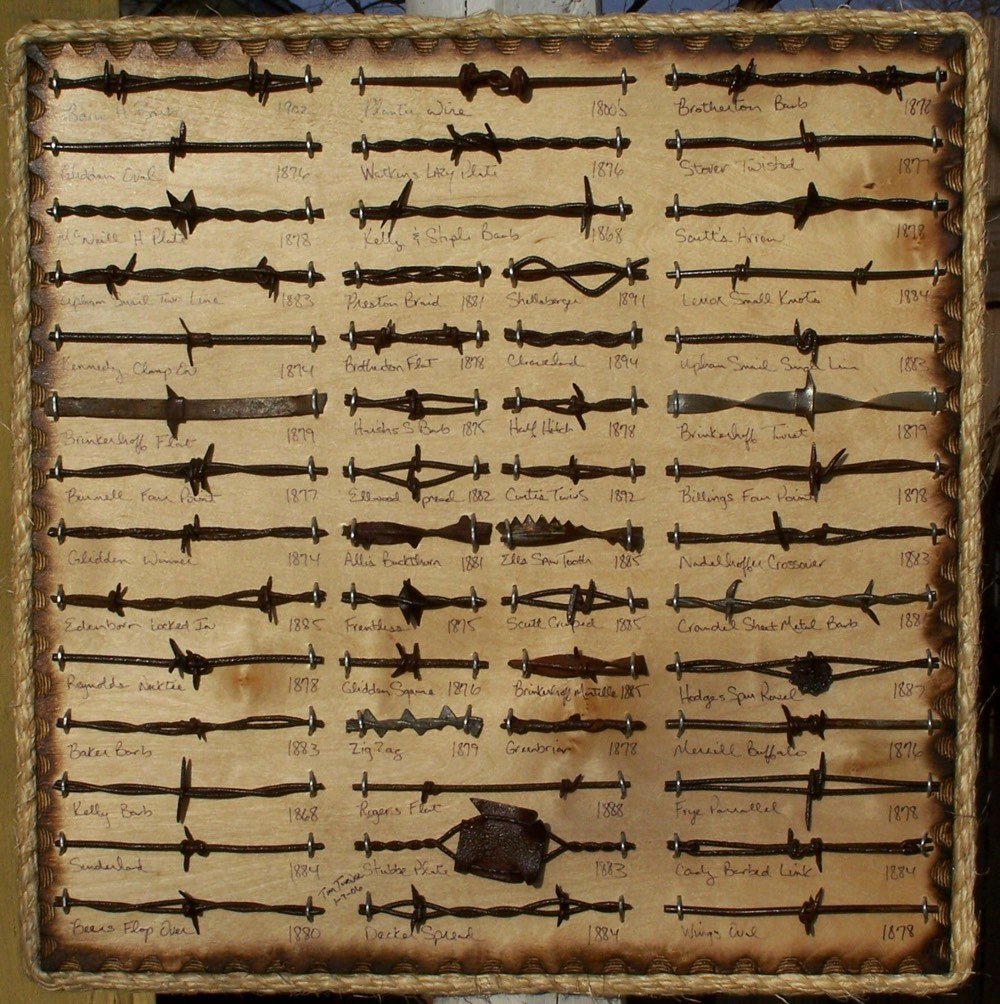
Just two years after Joseph Glidden patented his design for barbed wire in 1874, another of the 19th century’s great inventions burst onto the scene in the form of Alexander Graham Bell’s telephone. The two world-changing technologies would combine in a surprising way in the western United States. Because of the expense of running dedicated telephone services over long distances, some farmers opted to run their telecommunications over the hundreds of thousands of miles of barbed wire criss-crossing the land.
It was in building the network connecting homestead to homestead that the farmers’ ingenuity came to the fore. Instead of erecting new poles and wires, many either ran phone wires along the top of wooden fence posts or used the barbed wire itself to carry signals. The latter hardly worked as well as insulated copper wire, but with the lines already in place, installation and operating costs could be kept to a minimum. By one estimate, service ran a mere $3 to $18 a year, far less than the regional phone companies charged, and labor for maintaining the network was supplied by volunteers.
So cool. I’m reading A Mind at Play right now. It’s a biography of Claude Shannon, “the architect of the information age”. As a boy, Shannon wired the half-mile stretch of barbed wire fence between his family’s farm and a friend’s house:
He charged it himself: he hooked up dry-cell batteries at each end, and spliced spare wire into any gaps to run the current unbroken. Insulation was anything at hand: leather straps, glass bottlenecks, corncobs, inner-tube pieces. Keypads at each end — one at his house on North Center Street, the other at his friend’s house half a mile away — made it a private barbed-wire telegraph. Even insulated, it is apt to be silenced for months in the ice and snow that accumulate on it, at the knuckle of Michigan middle finger. But when the fence thaws and Claude patches the wire, and the current runs again from house to house, he can speak again at lightspeed and, best of all, in code.
In the 1920s, when Claude was a boy, some three million farmers talked through networks like these, wherever the phone company found it unprofitable to build. It was America’s folk grid. Better networks than Claude’s carried voices along the fences, and kitchens and general stores doubled at switchboards.
(via mr)
Update: See also the Devil’s Rope episode of 99% Invisible. (thx, dave)
People are awesome, even in 2017
Big flips, fast bikes, flipping sticks, leaping gaps, elephant tricks, big airs, quick climbs, trick shots, Superman on a bike, and a guy who looks a lot like Fred Rogers waterskiing on his back. I think we all need a reminder these days of how amazing people can be when they put their minds and hearts into it. Give this video 10 seconds of your time and I guarantee you’ll end up watching the whole thing with a goofy grin on your face.
X-ray maps of NYC subway stations


The subway and the street level of NYC are two very different worlds and even long-term residents have a difficult time understanding how they fit together. Architect Candy Chan has drawn a series of x-ray maps of NYC subway stations that show their layouts and orientation compared to the geography of the streets above. (Tip: you can zoom the maps for more detail.)
The series is an extension of her station layouts series. Prints are available in Chan’s shop.
Obama, An Intimate Portrait by White House photographer Pete Souza
For all eight years of Barack Obama’s Presidency, Pete Souza was Chief Official White House Photographer and took over 2 million photos of the President and his activities in office. Souza has collected some of those photos into a book: Obama: An Intimate Portrait, out in November.
Obama: An Intimate Portrait reproduces Souza’s most iconic photographs in exquisite detail, more than three hundred in all. Some have never been published. These photographs document the most consequential hours of the Presidency — including the historic image of President Obama and his advisors in the Situation Room during the bin Laden mission — alongside unguarded moments with the President’s family, his encounters with children, interactions with world leaders and cultural figures, and more.
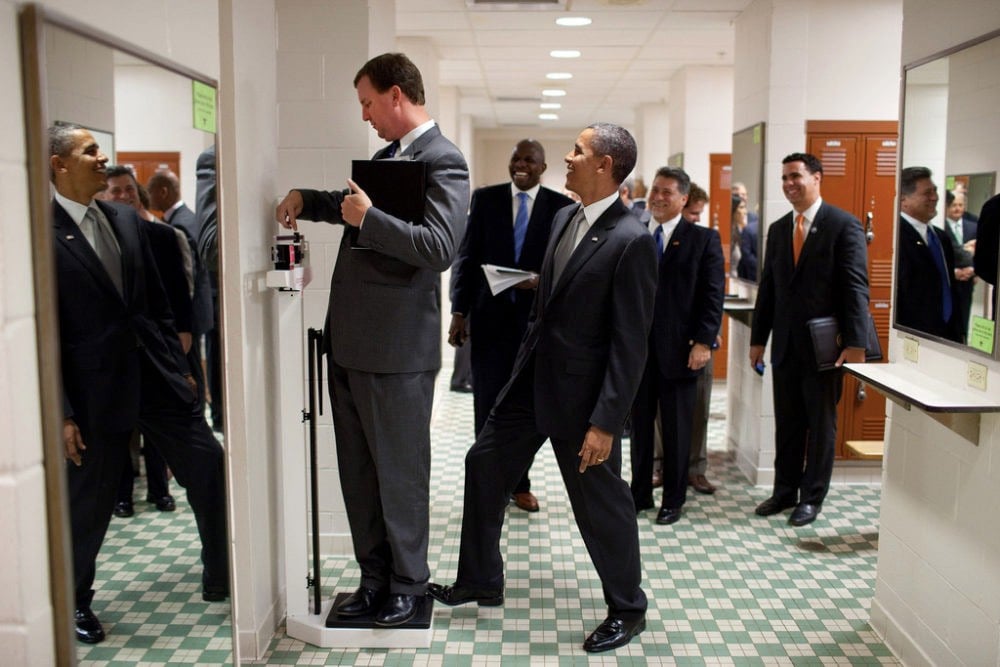
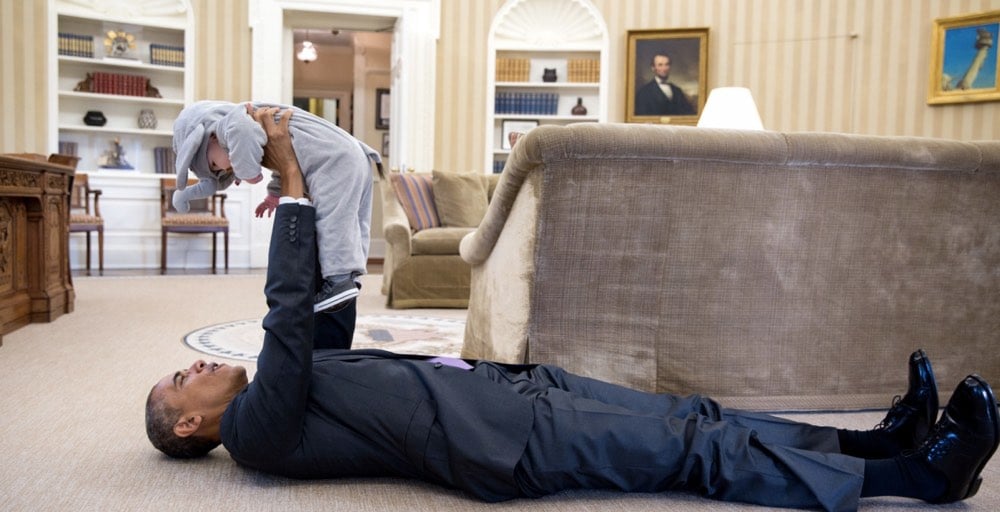
It’s impossible to pick a favorite photo of Souza’s, but these two are right near the top:
What’s Souza up to these days? Trolling the current inhabitant of the White House on Instagram, as you do.
A graph of global temperature anomalies from 1900-2016
Using NASA’s GISTEMP data (a measure of the surface air temperature around the world), climate researcher Antti Lipponen put together this data visualization of global temperature anomalies from 1900-2016. Until about the mid-90s, the lines in different parts of the world pulse blue (cooler) or yellow/red (warmer) each year as regional climate varies…but it slowly turns less blue and more yellow. From 1997 on, the thing is basically an angry red porcupine.
New work from Cindy Sherman (on Instagram?!)

Artist Cindy Sherman has had a private Instagram account for some time but suddenly made it public the other day. Scrolling back through the archives, it becomes apparent that Sherman has been playing around with new techniques for altering her appearance, constructing an online exhibition of sorts in the process.
For an artist whose practice is based almost entirely on how she presents herself, Sherman has managed to remain camera-shy in her life outside of the studio. Yet, in a surprising move, the photographer has recently taken to Instagram to share images of herself that echo photographs typically reserved for gallery walls. Not only does this provide a generous look into her process for her fans, it also raises the question: Is Cindy Sherman using Instagram to make new work?
The Hidden Rhythm in Radiohead’s “Videotape”
In her first installment for a new Vox series called Earworm, Estelle Caswell takes a look at some weird musical stuff happening with Videotape, a song off of Radiohead’s In Rainbows. According to a longer video by Warren Lain referenced by Caswell, Radiohead has hidden a syncopated rhythm in the song that even the band members have trouble keeping straight when they’re trying to play it. Videotape is my favorite song on that album…maybe this is a reason why?
Also, don’t miss the short explanation of how “rhythmic sound synchronizes the brain waves of groups of people”. !!!
The art of making classic/pop music mashups
I’ve mentioned Steve Hackman here before; he’s a composer who arranges and conducts mashups of music from classical and contemporary musicians. He’s done performances of Beethoven vs Coldplay, Brahms vs Radiohead, and several others. I’ve been eagerly awaiting the video for the full performance of Drake vs Tchaikovsky…but no dice yet.
Hannah Yi from Quartz recently talked to Hackman about how he goes about creating these mashups by looking for similarities in meter, chords, and emotion between two pieces of music.
From age 15 to 90, the evolution of Picasso’s style through 14 self-portraits
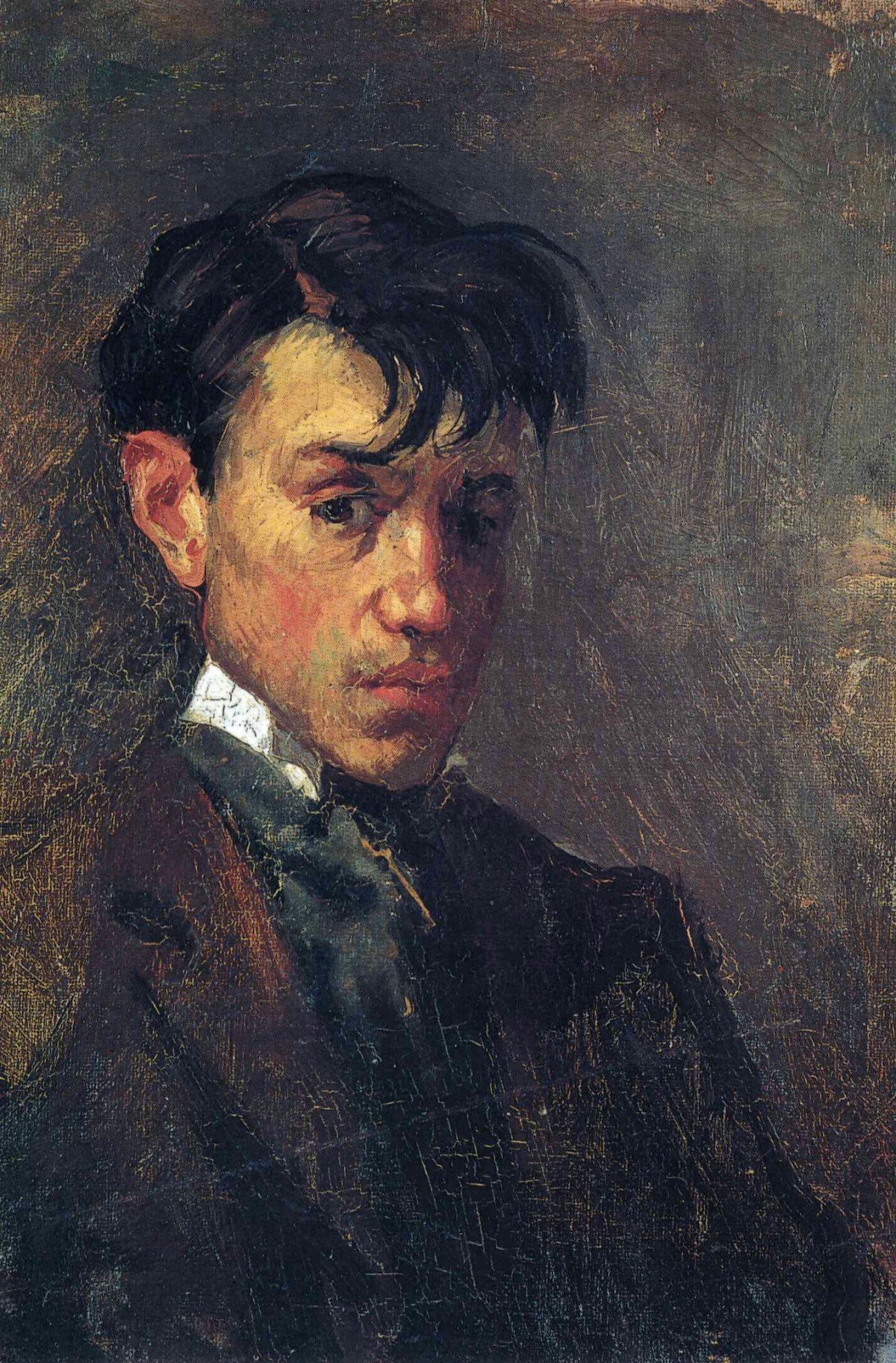
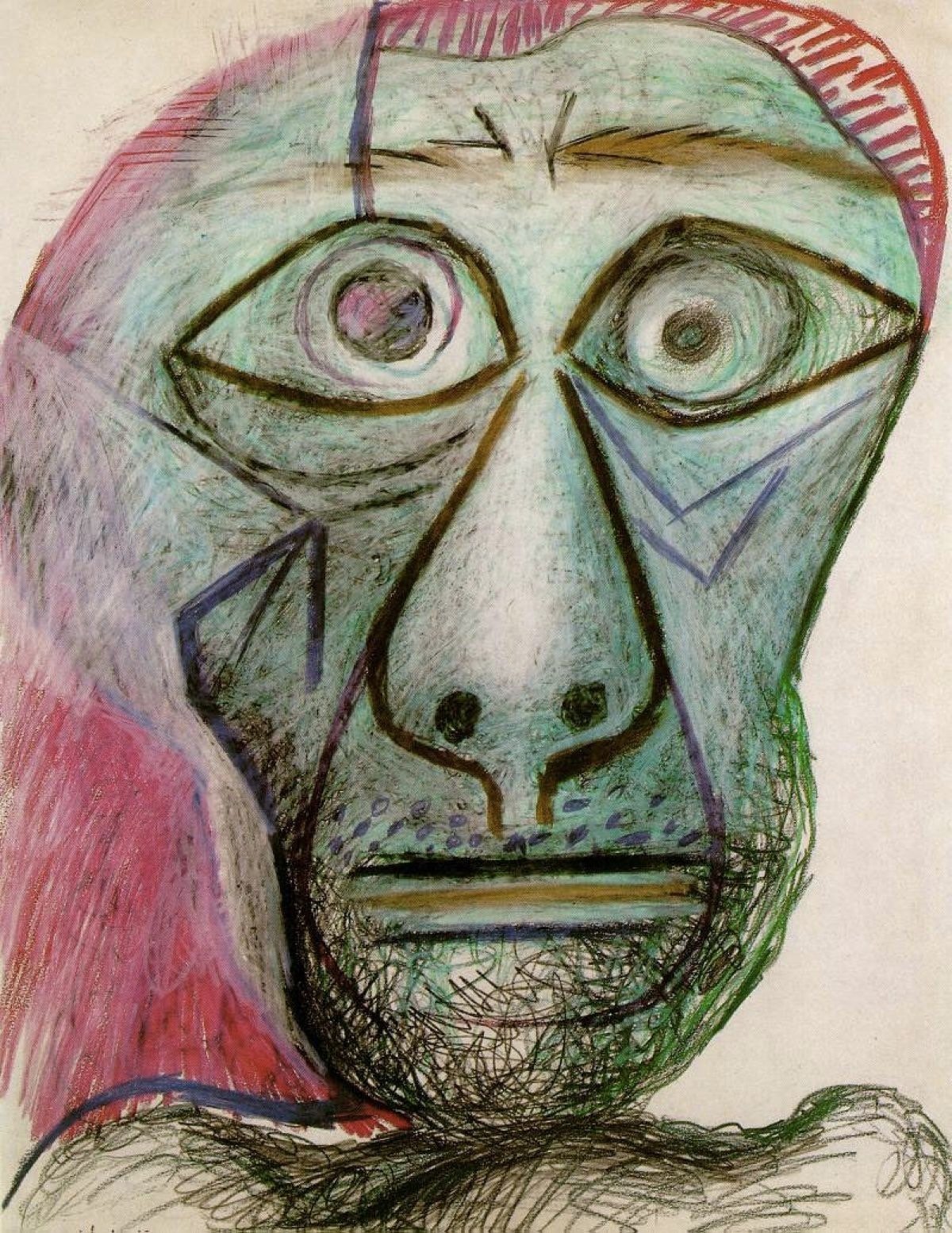
Pablo Picasso painted his first self-portrait in 1896 (top), when he was 15 years old. Many styles, years, and artistic innovations later, he made one of his last in 1972 at the age of 90 (bottom)…it was called Self-Portrait Facing Death. Open Culture has a look at how Picasso’s portrayal of himself changed over his long and productive life.
The severe youth of 15, further up, brooding, world-weary, and already an accomplished draughtsman and painter; the grimly serious romantic at 18, above — these Picassos give way to the wide-eyed maturity of the artist at 56 in 1938, at 83, 89, and 90, in 1972, the year before his death. That year he produced an intriguing series of eclectic self-portraits unlike anything he had done before.
10 hidden clues you never noticed in classic movies
Directors sometimes like to hide clues about a movie’s plot (or even ending) in the background of earlier scenes, a practice that rewards repeat viewing. Some examples cited in this video are from The Shining, Reservoir Dogs, Psycho, and The Usual Suspects. I’ve seen The Shawshank Redemption several times, and I never picked up on the hidden meaning of Red’s admonishment of Andy’s plan as “shitty pipe dreams”. (via film school rejects)
In a Heartbeat
In this short animated film, a boy’s heart brings him closer to the boy he has a crush on. What a lovely little video. It was made by Ringling College of Art and Design students Beth David and Esteban Bravo as their computer animation thesis and funded via Kickstarter.
Trailer for Narcos season three
With Pablo Escobar out of the picture, the third season of Narcos focuses on the activities of the Cali drug cartel. It’ll be interesting to see if the show holds up as well without Wagner Moura, who was fantastic as Escobar. And was that Halt and Catch Fire’s Kerry Bishé I saw briefly in the trailer? (Narrator: It was.) The new episodes will be available on Netflix September 1st.
The Bulwer-Lytton Fiction Contest winners for 2017
Each year, in honor of English novelist Edward Bulwer-Lytton, who once began a novel “It was a dark and stormy night”, the Bulwer-Lytton Fiction Contest attracts hundreds of entrants who attempt to craft the worst opening sentence to an imaginary novel. Kat Russo won the 2017 contest with this line:
The elven city of Losstii faced towering sea cliffs and abutted rolling hills that in the summer were covered with blankets of flowers and in the winter were covered with blankets, because the elves wanted to keep the flowers warm and didn’t know much at all about gardening.
I was also fond of this one, by Anna MacDougald:
There’d been six of us at the outset, but after Smythe took a poisoned dart to the chest, Buddlestone fell from the top of a cliff, Stevens and Mayhew were swallowed by quicksand, and Tait-Harris was eaten by ants, only I remained to bring you our amazing tale.
See also Charles Morris’ 10 Winning Intros to Solve That Boring Cover Letter:
1. “The Confederacy’s biggest problem was messaging.”
9. “A train is traveling at 100 mph. A child is tied to the track. I have a switch in front of me. If I pull it, the train will switch to another track, and instead of hitting the child it will hit ten convicted felons. What do I do? Trick question: I’m not even there. I’m at your company helping you make record profits.”
On/Off
With each beat of the metronome in this visually striking and inventive video of a skateboarder, the scene switches from day to night and back again. It’s not a complicated effect but combined with the simple electronic beat, it is mesmerizing.
The winners of the 2017 National Geographic Travel Photographer of the Year contest
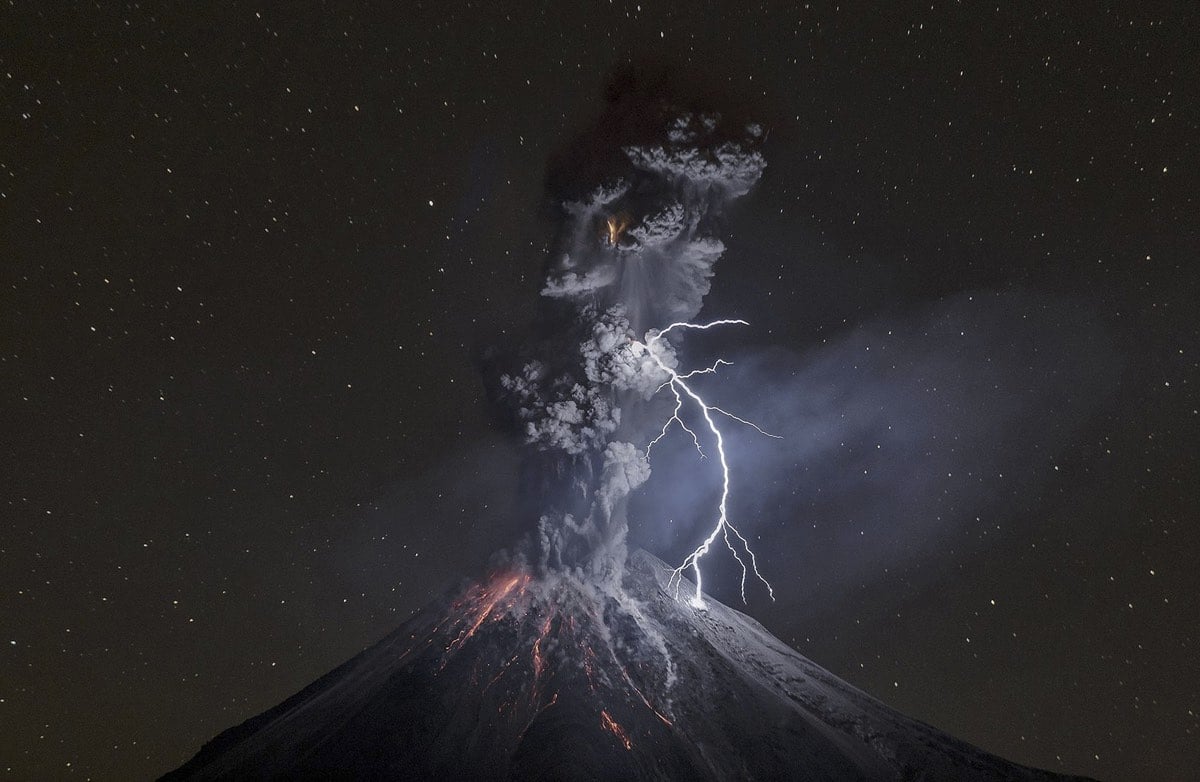

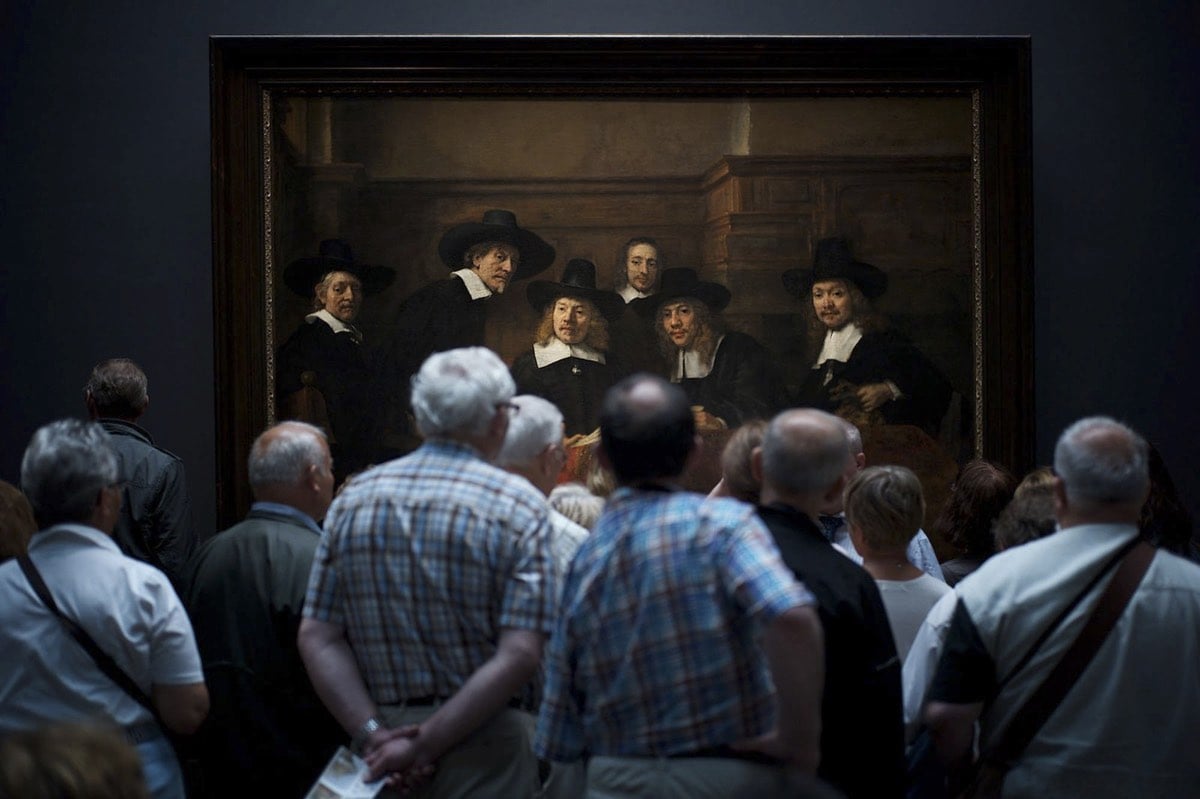
In Focus is sharing some of the photographs taken by the winners of the 2017 National Geographic Travel Photographer of the Year contest. The winning photo, of Mt. Doom the Colima volcano in Mexico, was taken by Sergio Tapiro Velasco, who will receive a 10-day trip for 2 to the Galapagos islands for his efforts. The second photo above was taken by Andrzej Bochenski and the third by Julius Y.
Voronoi diagram of people enjoying a park
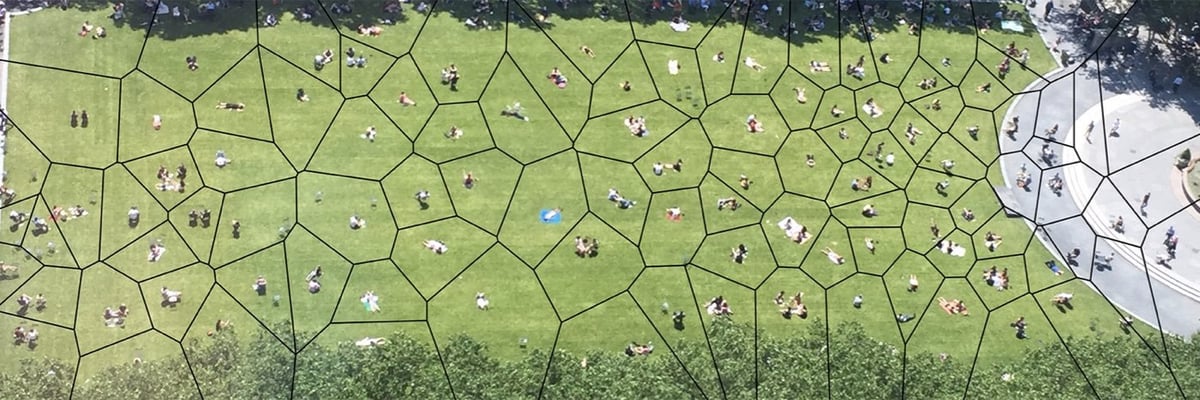
Starting with an overhead shot of people sitting out in the sun in NYC’s Bryant Park, Rod Bogart laid what’s called a Voronoi diagram on top of it. A Voronoi diagram is a way of mapping out areas where any point in a given area is closer to a seed point than it is to any other seed point. You can think of it as a sphere of influence…and in this case, you can see how the park-goers have organized themselves into having their own personal space. As Bogart says:
It’s fascinating to see the real world optimization problem of wanting to get a nice large patch of grass.
I often think about Voronoi diagrams when I get into an elevator.
I stand alone in the elevator, right in the middle, equidistant from the four walls. Before the doors close, a woman enters. Unconsciously, I move over to make room for her. We stand side by side with equal amounts of space between the two of us and between each of us and the walls of the elevator. On the 12th floor, a man gets on and the woman and I slide slightly to the side and to the back, maximizing the space that each of us occupies in the elevator. At the 14th floor, another man gets on. The man in front steps to the back center and the woman and I move slightly toward the front, forming a diamond shape that again maximizes each person’s distance from the elevator walls and the people next to them.
See also “the human ellipse”.
Landing the hardest trick after 2 years of trying
Over a period of two years, skateboarder Christian Flores fell down thousands of times, broke boards, went to the hospital twice, and cracked a rib trying to do a laser flip down a triple set of stairs.
Even if you don’t care about skateboarding, watching Flores try and fail over and over and over and over (and over) again should be familiar to anyone who has ever attempted to master something difficult.
mother!
Darren Aronofsky (Requiem for a Dream, The Wrestler) is coming out with a new film in September called mother! It’s a “psychological horror-thriller” starring Jennifer Lawrence and Javier Bardem. The score is by Jóhann Jóhannsson, who did the excellent score for Arrival, and not by Clint Mansell, Aronofsky’s long-time collaborator.
Browse the British Library’s online copy of Leonardo da Vinci’s 570-page notebook
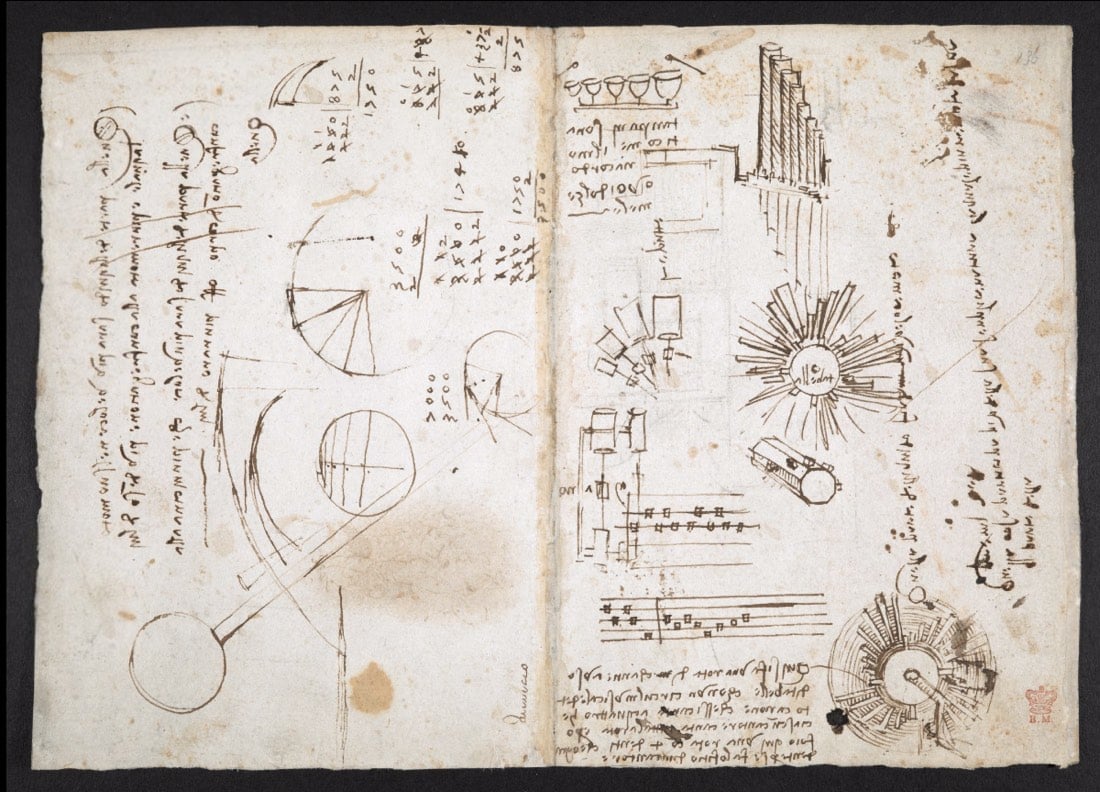
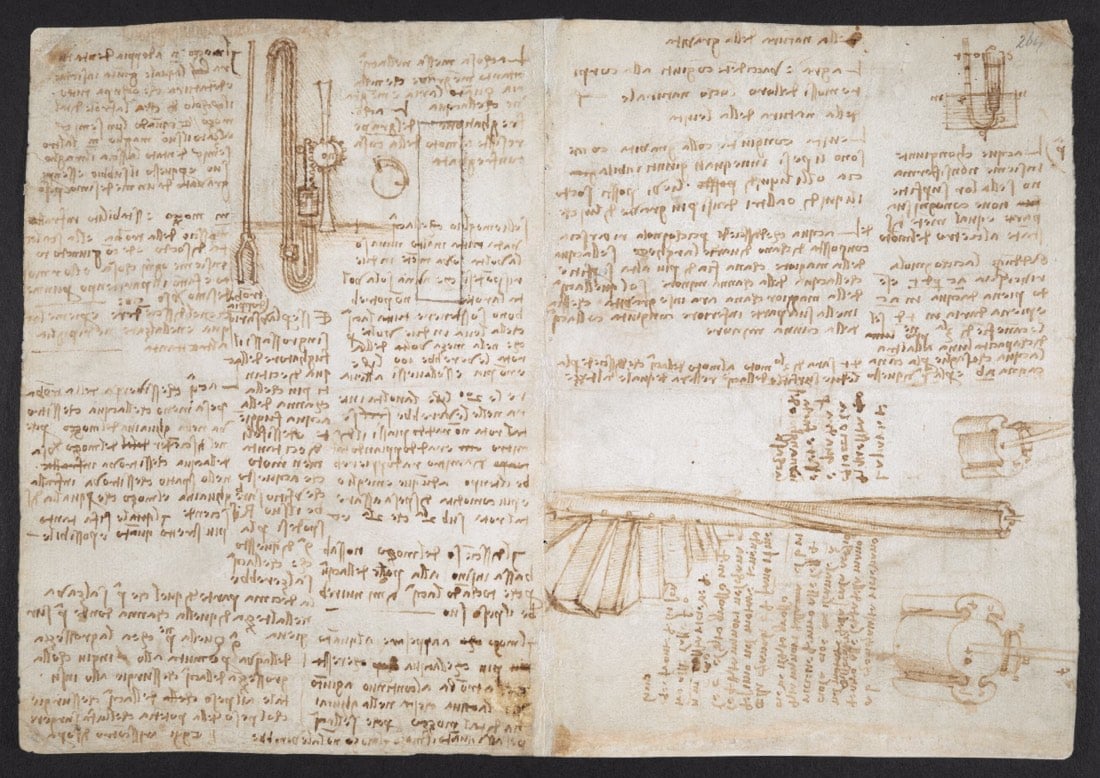
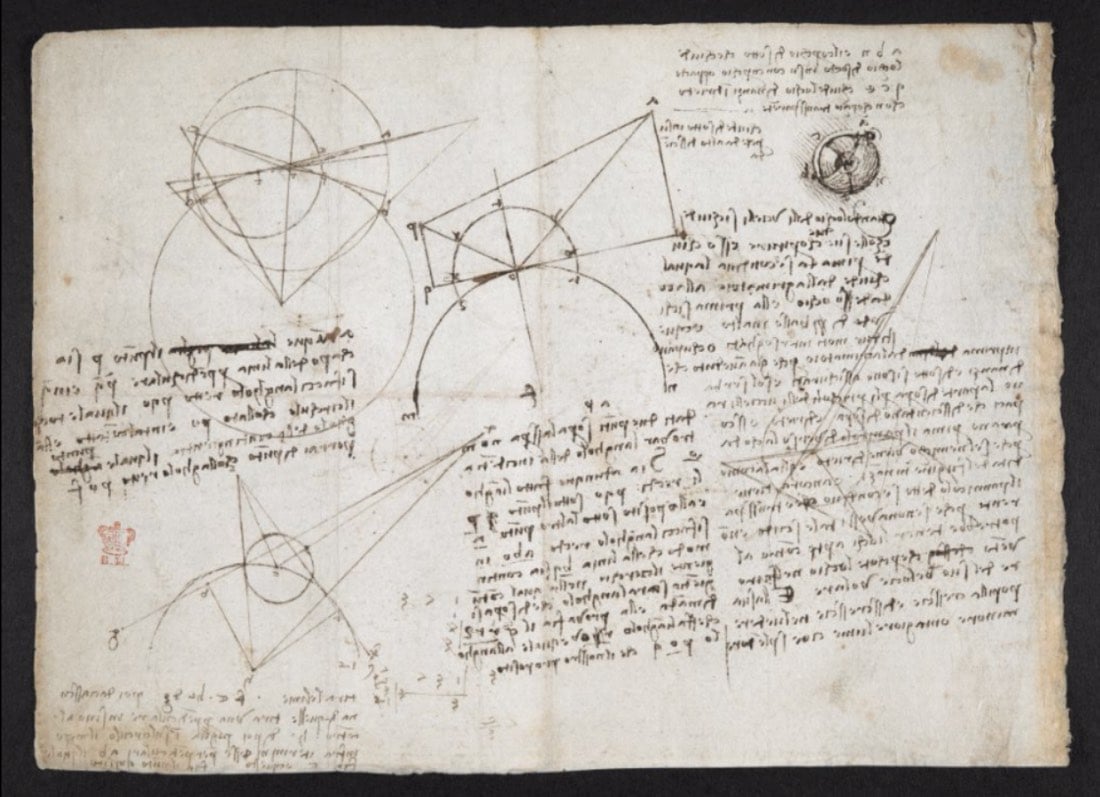
Leonardo da Vinci was an avid taker of notes. Over the course of his working life, he filled thousands of pages with drawings, sketches, equations, and his distinctive mirrored handwriting. The British Library has one of Leonardo’s notebooks and has digitized and put all 570 pages of it online. It’s interesting to see all of the spare geometric line drawings and then every once in awhile there’s this wonderfully rendered 3D-shaded tiny masterpiece in the margin when more detail was required. (via open culture)
Buildings photographed to look like spaceships


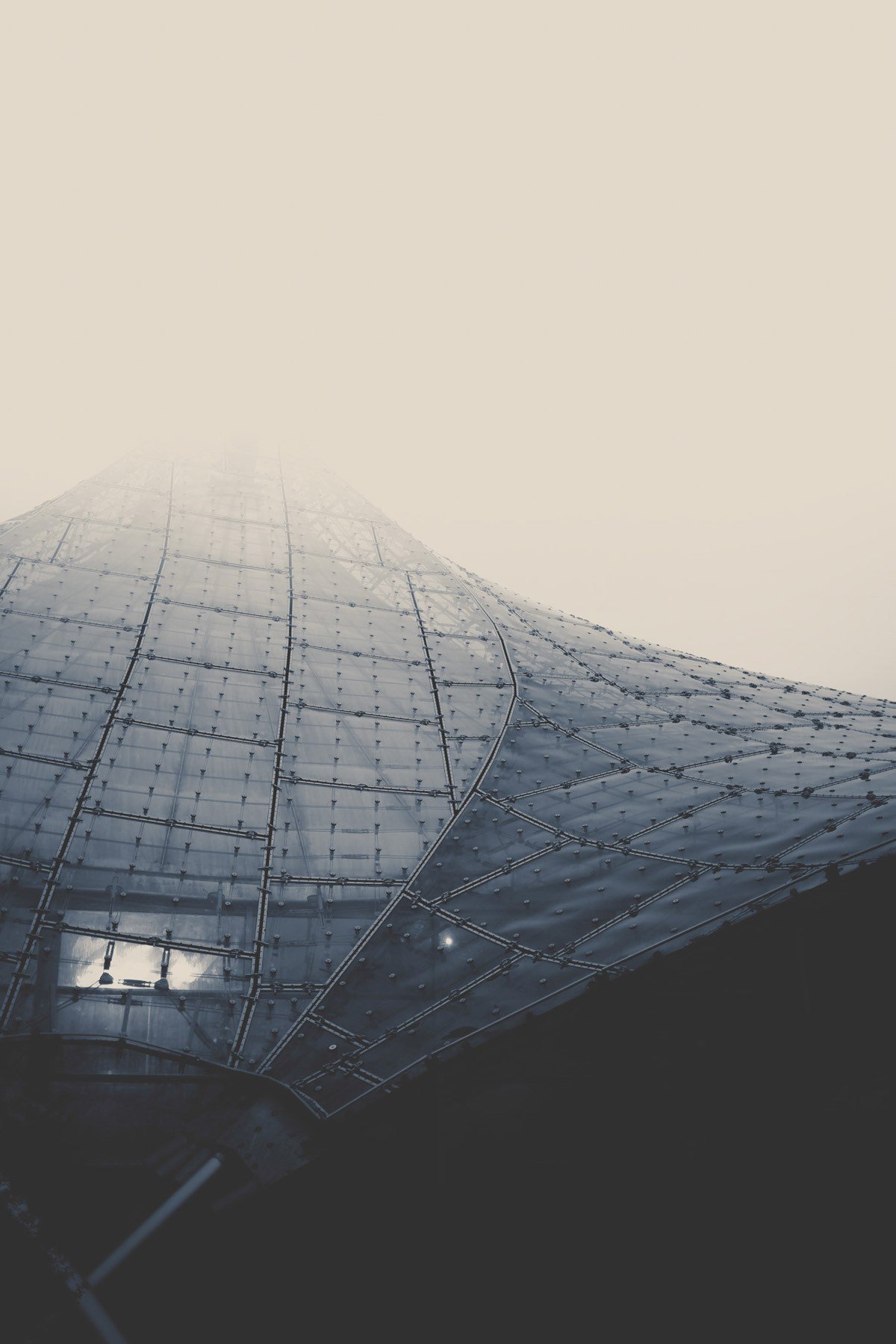
For his series entitled Spaceships, photographer Lars Stieger took photos of architectural structures that look like futuristic spaceships. (via colossal)
The world’s first fidget spinner, circa 2000 BCE
Arielle Pardes posted this image of a baked clay sculpture/figurine that is the spitting image of a fidget spinner.

“Spinning Toy with Animal Heads” is from Tell Asmar in Iraq, former site of the ancient Sumerian city of Eshnunna, dates from 2000-1800 BCE, and is currently housed at the Oriental Institute of the University of Chicago.
A lovely and poignant story of two friends, documented through photos, journal entries, and drawings
Trailer for Transparent season four
Transparent, aka my favorite TV show of the last few years, is back for a fourth season on September 22.
The Pfeffermans take off on a spiritual and political journey as they dig deep into their family’s history. Maura heads to Israel to speak at a conference and makes a startling discovery. Adrift in the desert, Maura, Ali, Sarah, Josh and Shelly set off on their own paths to find acceptance, love, and truth.
Socials & More