
The Not Yorker
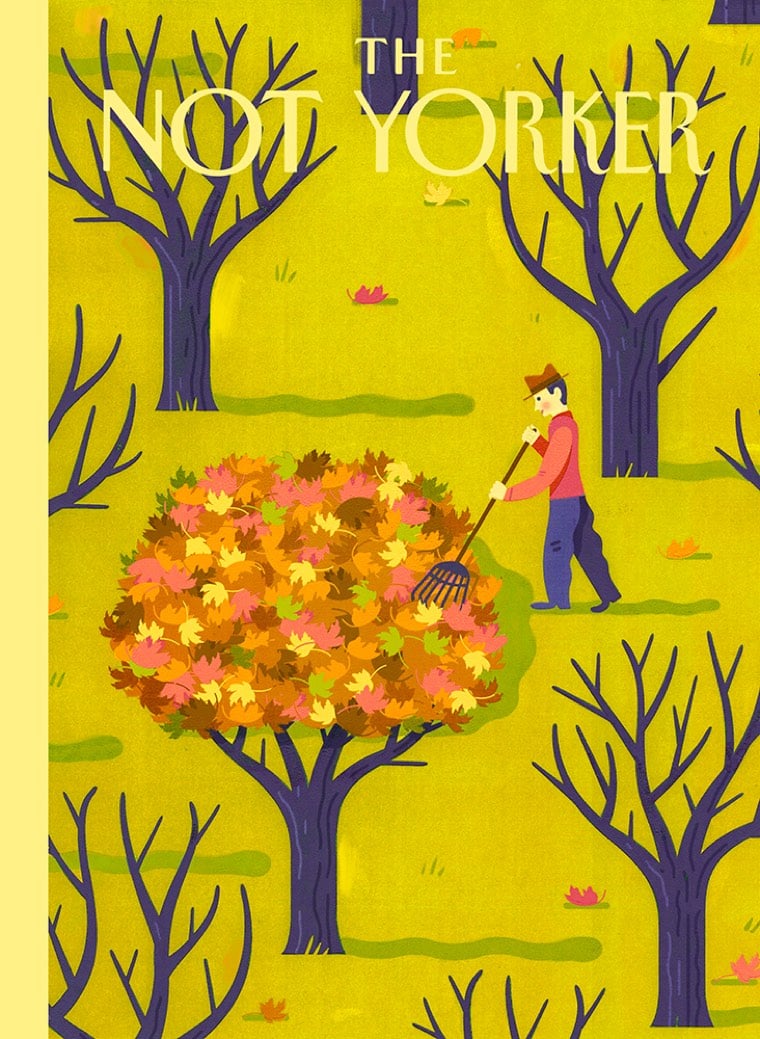
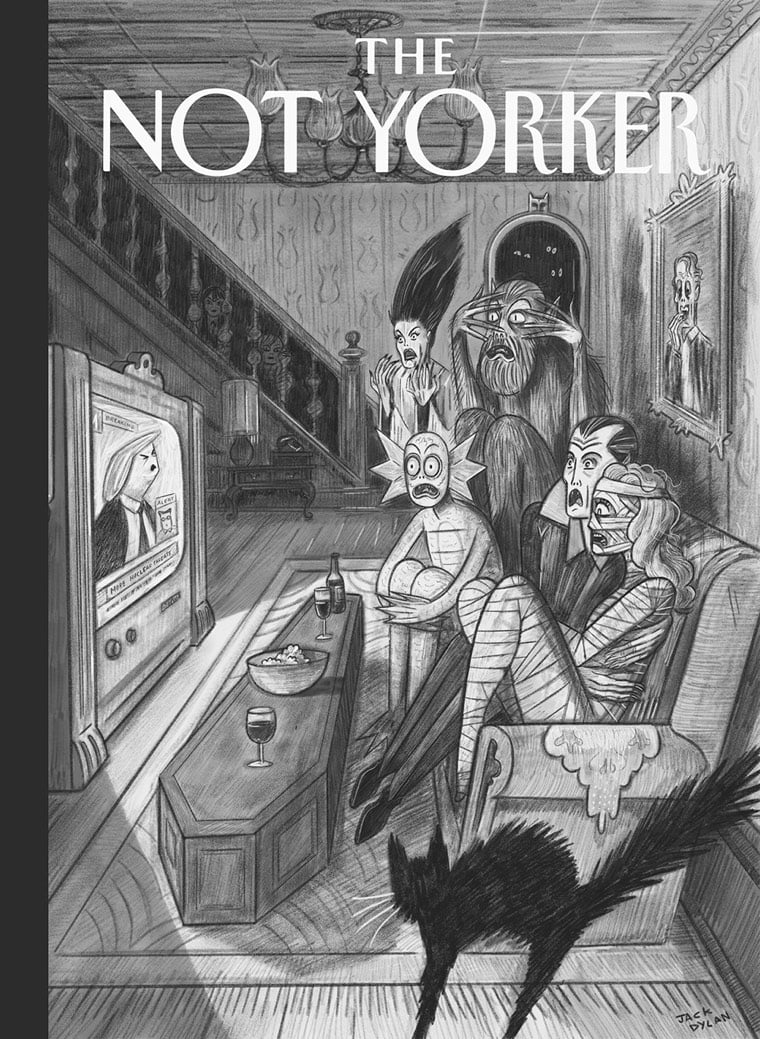
The Not Yorker is a blog collecting cover art rejected by the New Yorker. If you’re an illustrator who’s had a cover rejected, they’re soliciting submissions. (via the morning news)

This site is made possible by member support. 💞
Big thanks to Arcustech for hosting the site and offering amazing tech support.
When you buy through links on kottke.org, I may earn an affiliate commission. Thanks for supporting the site!
kottke.org. home of fine hypertext products since 1998.
Beloved by 86.47% of the web.
The Not Yorker is a blog collecting cover art rejected by the New Yorker. If you’re an illustrator who’s had a cover rejected, they’re soliciting submissions. (via the morning news)
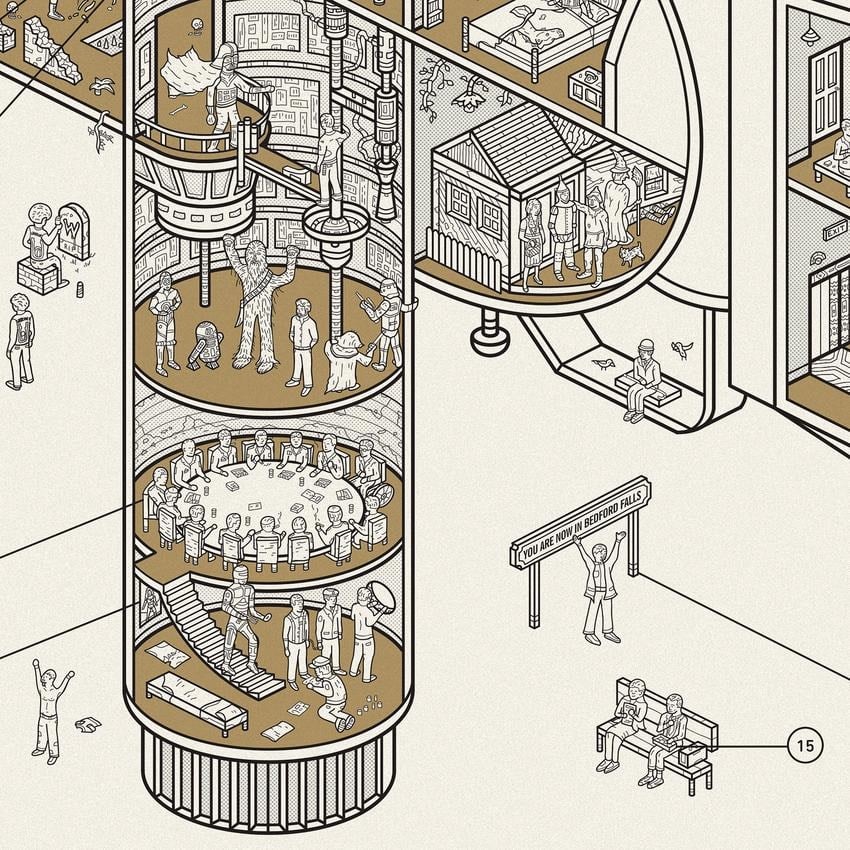
This might be Dorothy’s best print yet: a cutaway view of the Arriflex 35 IIC camera used extensively by directors like Stanley Kubrick but the guts of the camera has been replaced with some of the most iconic movies scenes of all time. The full print contains 60 scenes, but even in the small excerpt above, you can see The Wizard of Oz, Dr. Strangelove, The Empire Strikes Back, Forrest Gump, and The Godfather.

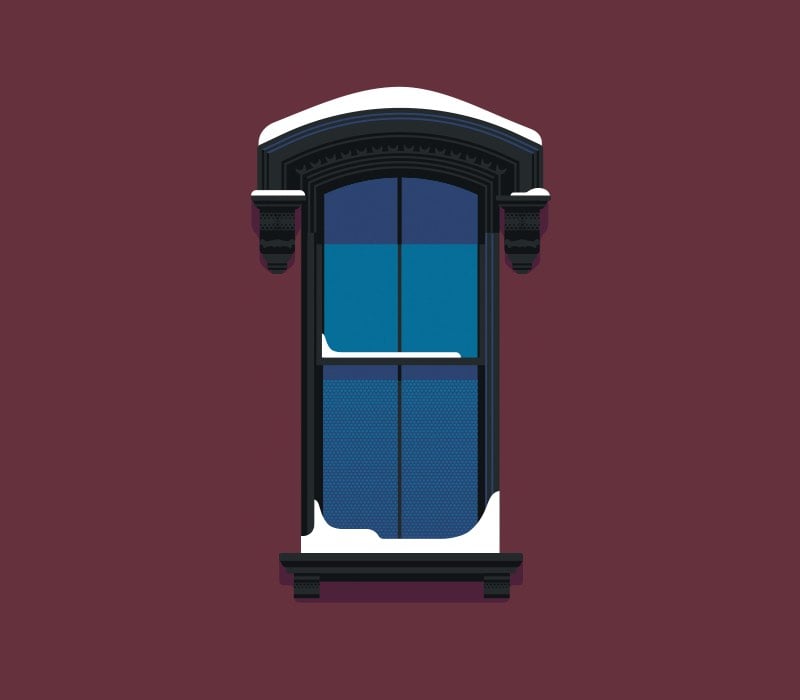
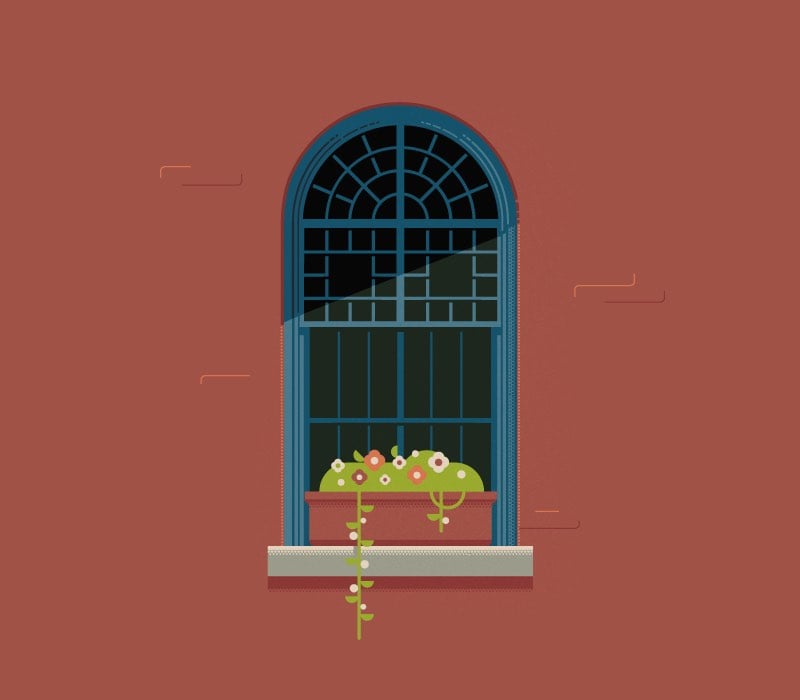
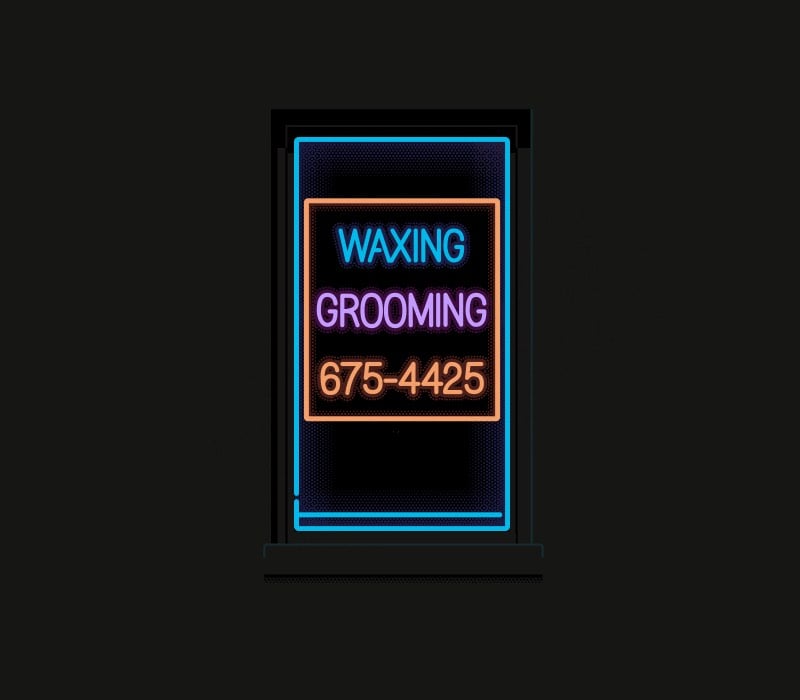
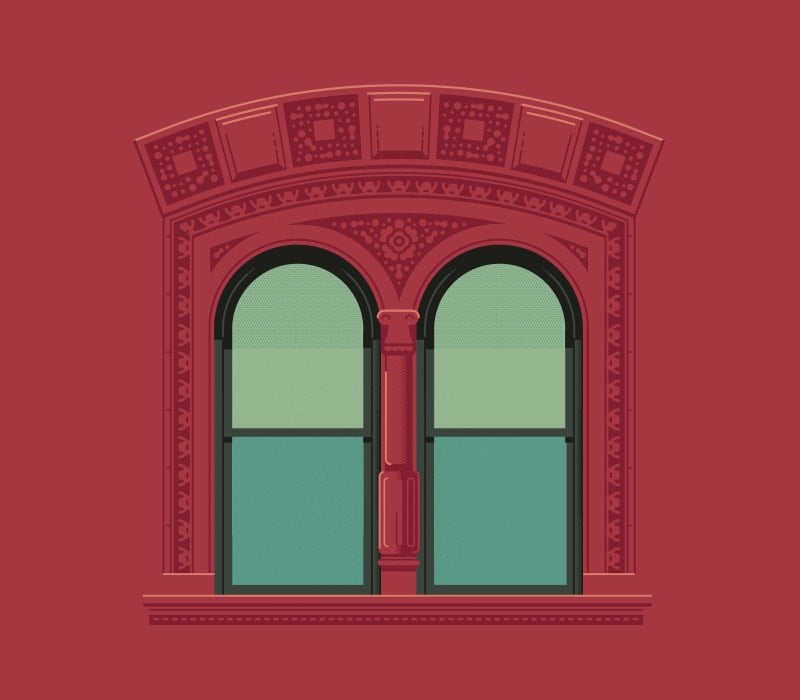
José Guizar is a Mexican designer living in NYC with an obsession for the city’s windows. For his Windows of New York project, he’s done dozens of illustrations of all styles of window from around the city (mostly lower Manhattan).
The Windows of New York project is a illustrated fix for an obsession that has increasingly grown in me since I first moved to this city. A product of countless steps of journey through the city streets, this is a collection of windows that somehow have caught my restless eye out from the never-ending buzz of the streets. This project is part an ode to architecture and part a self-challenge to never stop looking up.
(via @ladyslippers)
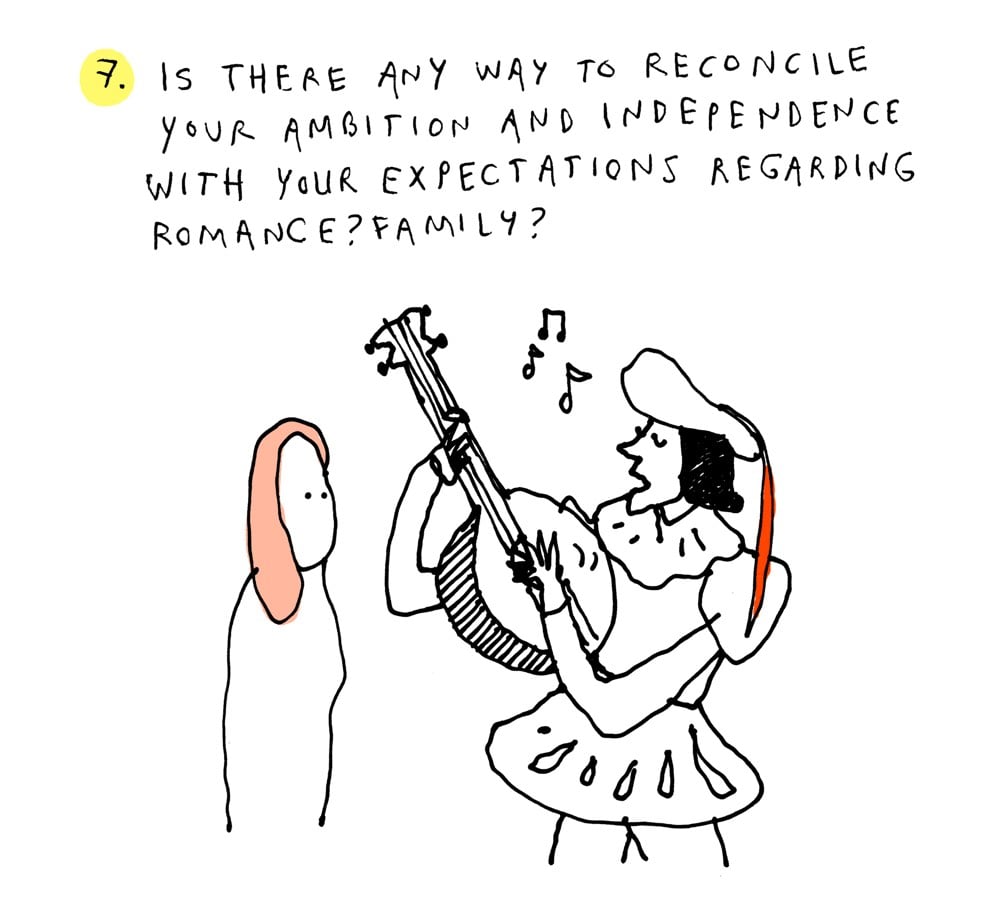
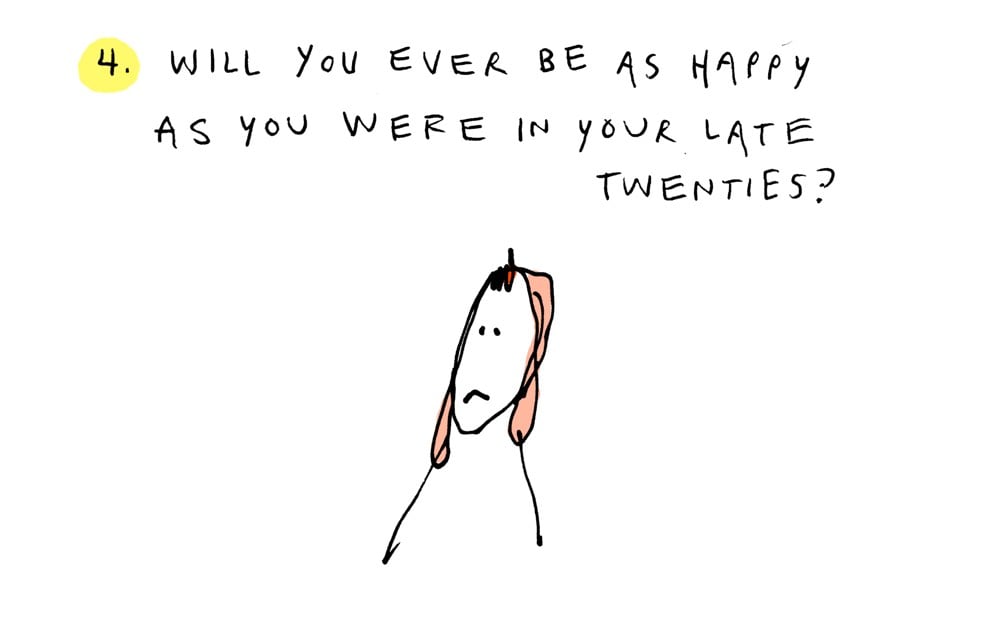
Liana Finck came up with a list of password recovery questions that will remind you of your insecurities. Check out Finck’s Instagram for more of her acerbic and anxious drawings.
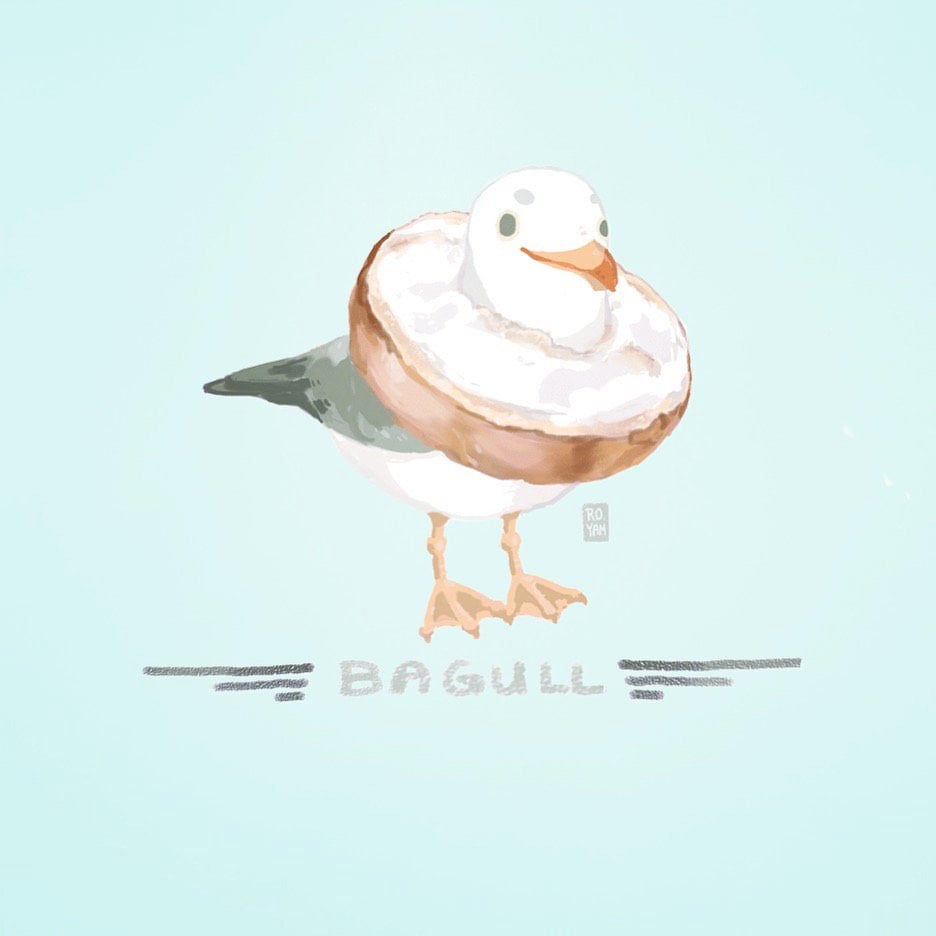
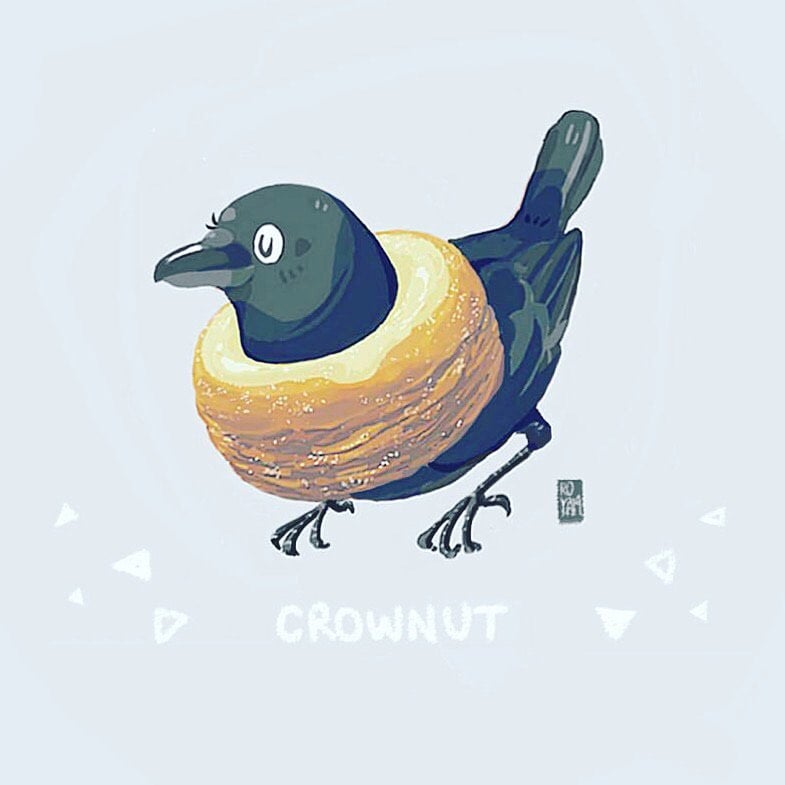
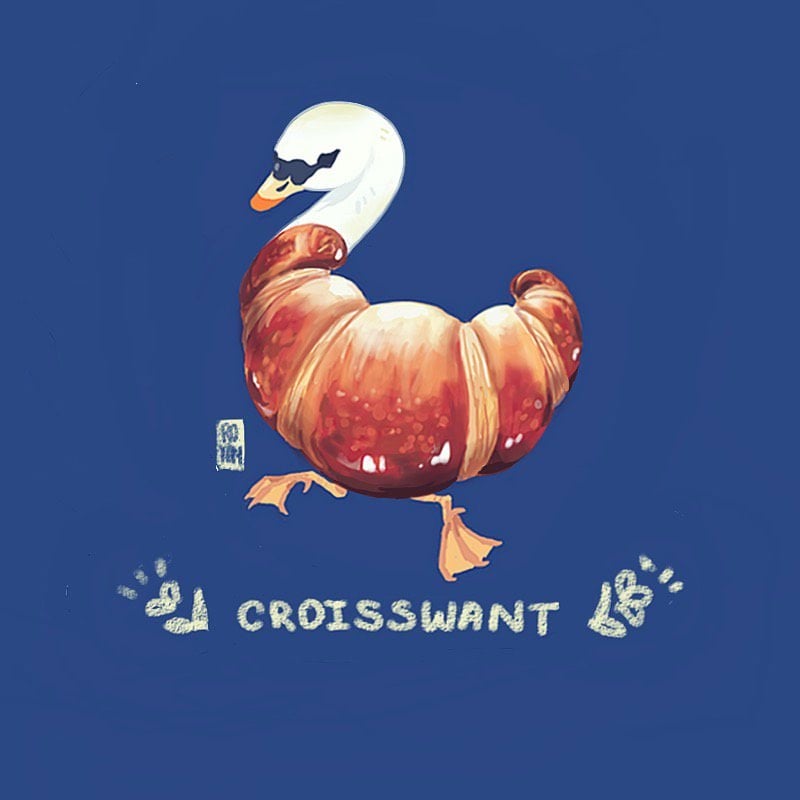
Twitter user @fuguhitman has recently done a series of bread birds with portmanteau names like Croisswant, Breadolark, Pidgingerbread, Bagull, and Crownut. Now I’m hungry and I want to go sit in a quiet forest with binoculars.
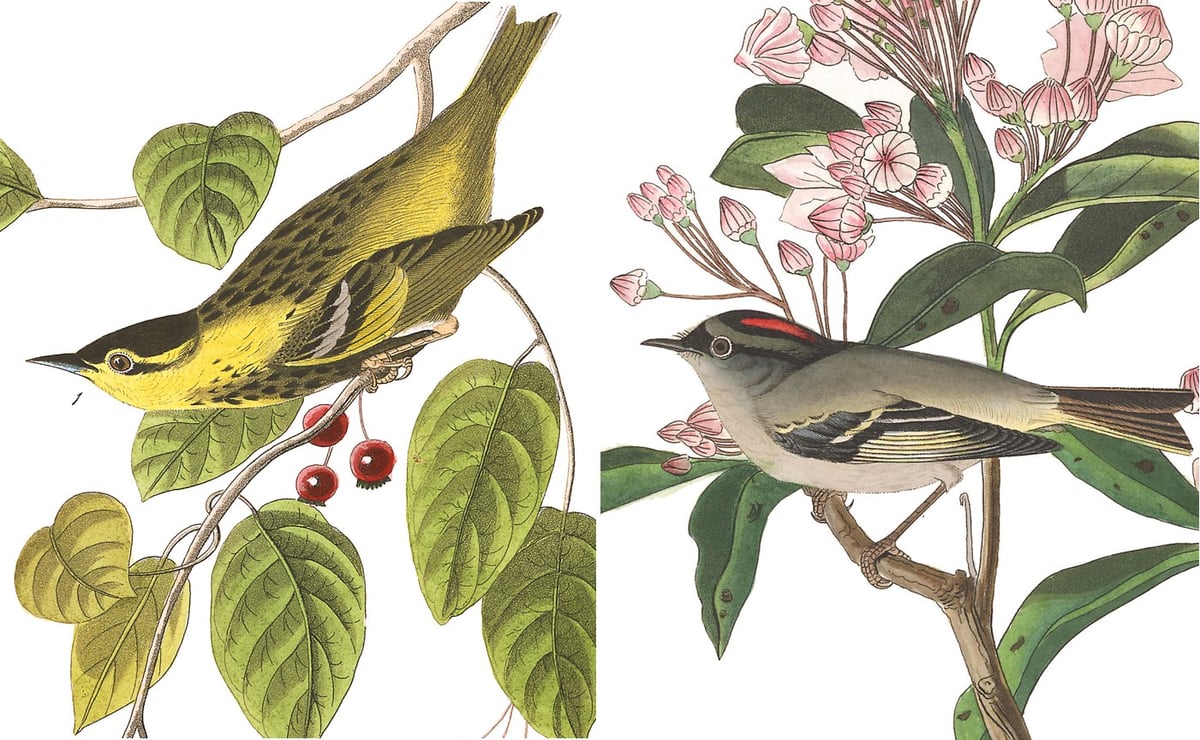
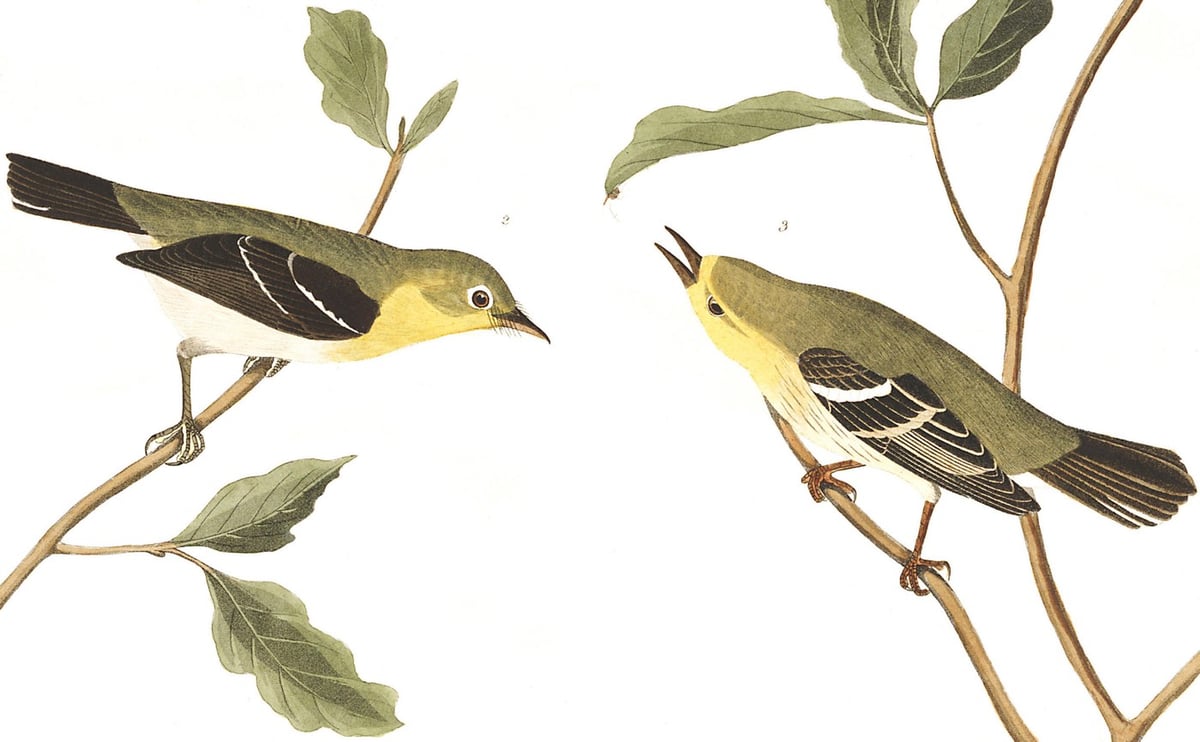
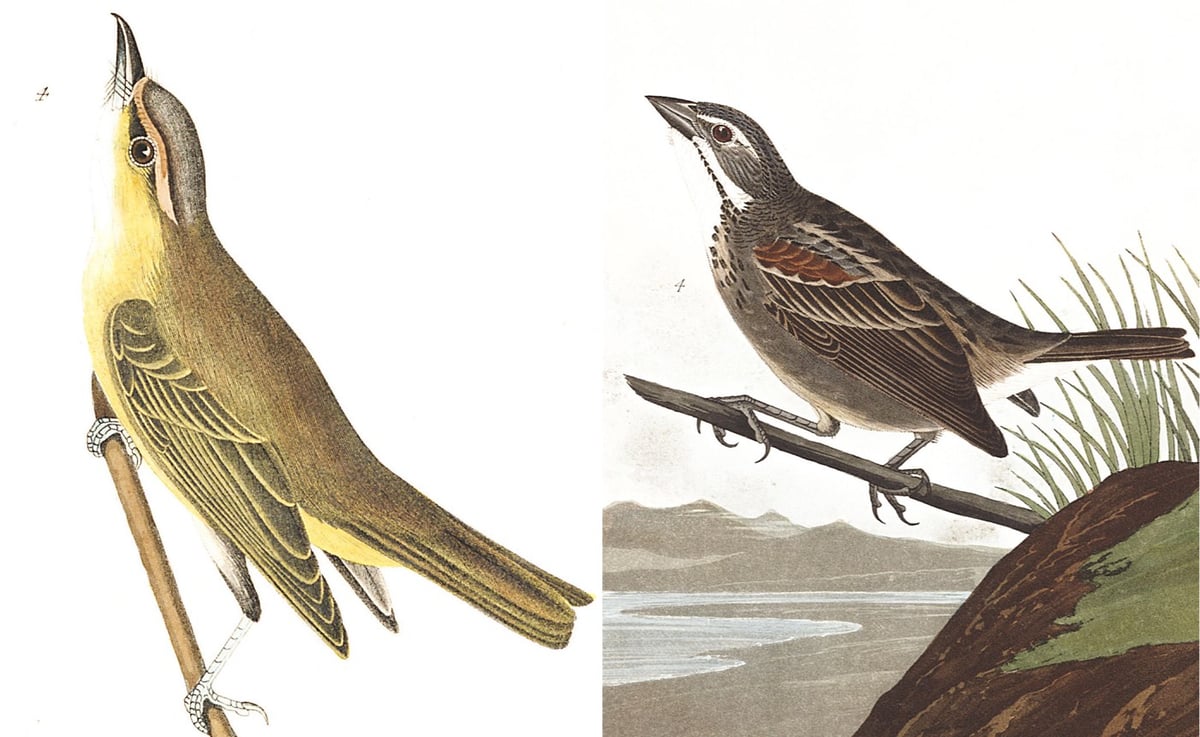
Over a period of thirteen years beginning in the 1820s, John James Audubon painted 435 different species of American birds.1 When he was finished, the illustrations were compiled into The Birds of America, one of the most celebrated books in American naturalism. Curiously however, five of the birds Audubon painted have never been identified: Townsend’s Finch, Cuvier’s Kinglet, Carbonated Swamp Warbler, Small-headed Flycatcher and Blue Mountain Warbler.
These birds have never been positively identified, and no identical specimens have been confirmed since Audubon painted them. Ornithologists have suggested that they might be color mutations, surviving members of species that soon became extinct, or interspecies hybrids that occurred only once.
The specimen that Audubon used to paint Townsend’s Bunting is now in the Smithsonian Museum of Natural History, identified as Townsend’s Dickcissel, but no bird exactly like it has been reported, Dr. Olson, an authority on Audubon’s work, noted in an email. Ornithologists suggest that it is either a mutation of the Dickcissel or a hybrid of Dickcissel and Blue Grosbeak, she said.
And that’s not counting the ones he got wrong for other reasons:
And indeed, there are several birds painted and explained in Birds of America that are not, in fact, actual species. Some are immature birds mistaken for adults of a new species (the mighty “Washington’s Eagle” was, in all likelihood, an immature Bald Eagle). Some were female birds that didn’t look anything like their male partners (“Selby’s Flycatcher” was a female Hooded Warbler).
Audubon also painted six species of bird that have since become extinct: Carolina parakeet, passenger pigeon, Labrador duck, great auk, Eskimo curlew, and pinnated grouse. Here’s his portrait of the passenger pigeon:
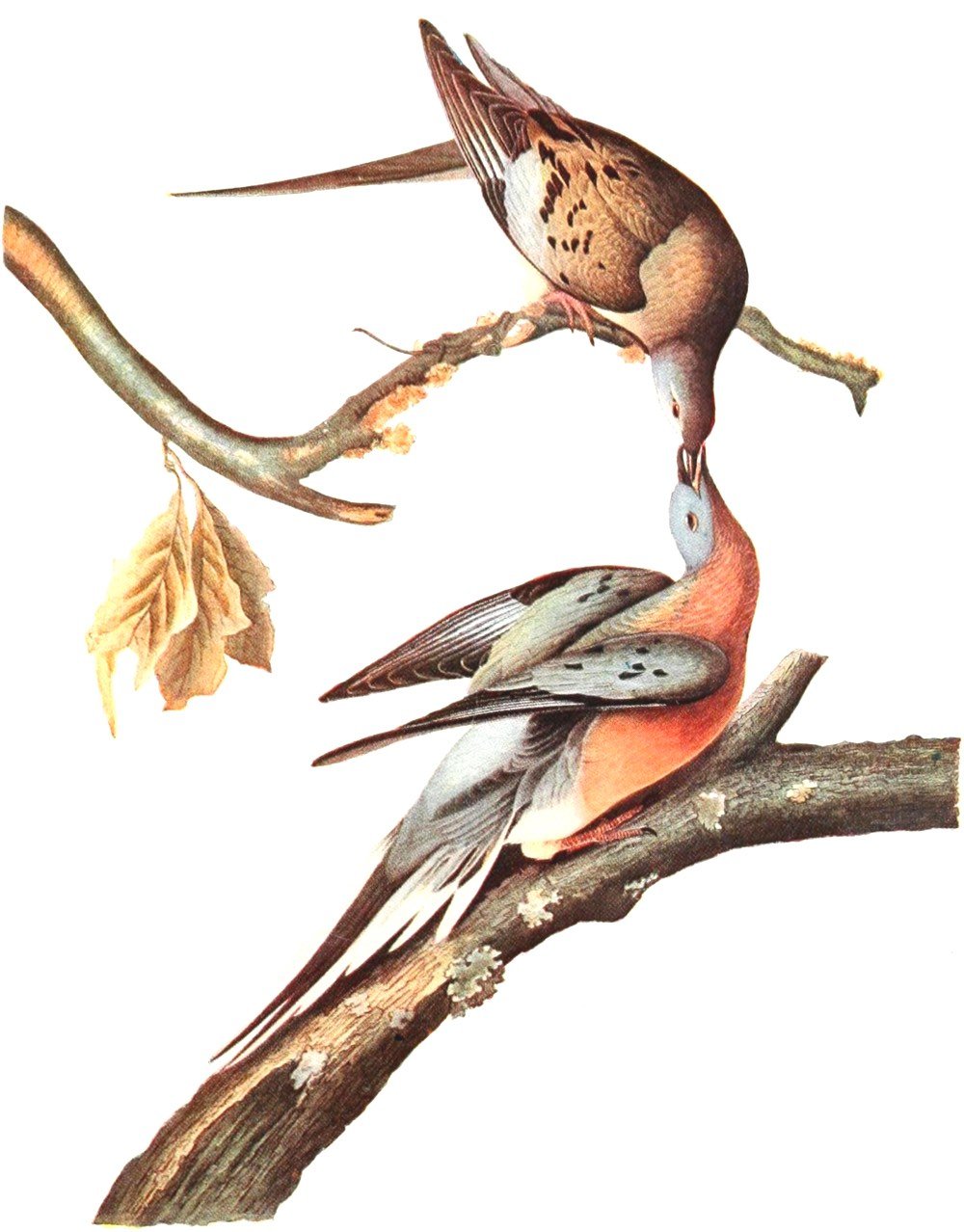
There were an estimated 3 billion passenger pigeons in the world in the early 1800s — about one in every three birds in North America was a passenger pigeon at the time. Their flocks were so large, it took hours and even days for them to pass. Audubon himself observed in 1813:
I dismounted, seated myself on an eminence, and began to mark with my pencil, making a dot for every flock that passed. In a short time finding the task which I had undertaken impracticable, as the birds poured in in countless multitudes, I rose and, counting the dots then put down, found that 163 had been made in twenty-one minutes. I traveled on, and still met more the farther I proceeded. The air was literally filled with Pigeons; the light of noon-day was obscured as by an eclipse; the dung fell in spots, not unlike melting flakes of snow, and the continued buzz of wings had a tendency to lull my senses to repose… I cannot describe to you the extreme beauty of their aerial evolutions, when a hawk chanced to press upon the rear of the flock. At once, like a torrent, and with a noise like thunder, they rushed into a compact mass, pressing upon each other towards the center. In these almost solid masses, they darted forward in undulating and angular lines, descended and swept close over the earth with inconceivable velocity, mounted perpendicularly so as to resemble a vast column, and, when high, were seen wheeling and twisting within their continued lines, which then resembled the coils of a gigantic serpent… Before sunset I reached Louisville, distant from Hardensburgh fifty-five miles. The Pigeons were still passing in undiminished numbers and continued to do so for three days in succession.
100 years later, they were all dead. Which may have had at least one interesting consequence:
But the sad echo of the loss of passenger pigeons still reverberates today because its extinction probably exacerbated the proliferation of Lyme disease. When the passenger pigeons existed in large numbers, they subsisted primarily on acorns. However, since there are no pigeons to eat acorns, the populations of Eastern deer mice — the main reservoir of Lyme disease — exploded far beyond historic levels as they exploited this unexpected food bonanza.
Interesting note: Audubon financed this project through a subscription plan. Each month or two, each subscriber would receive a set of five prints and the proceeds covered the costly printing process and Audubon’s nature travels.↩
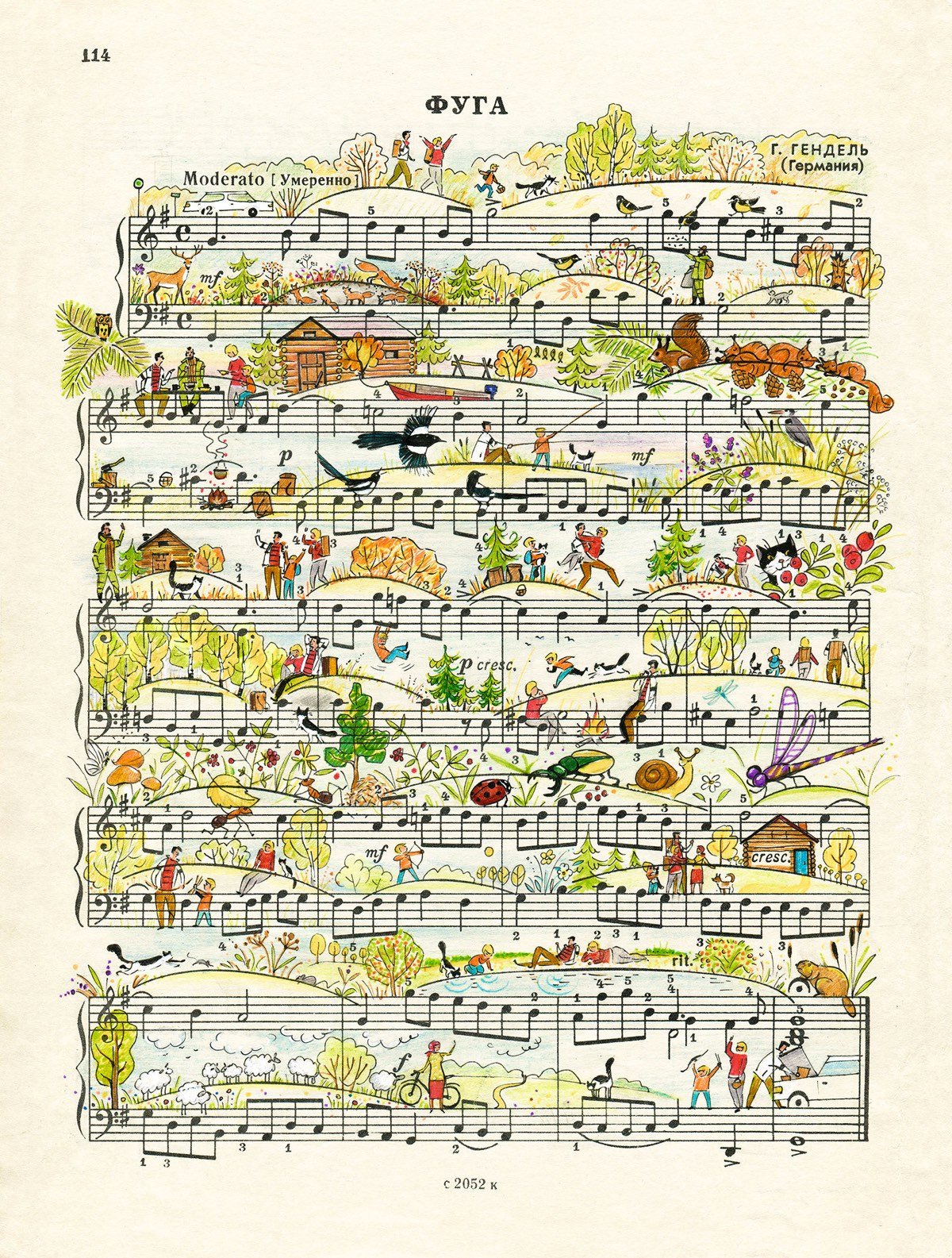
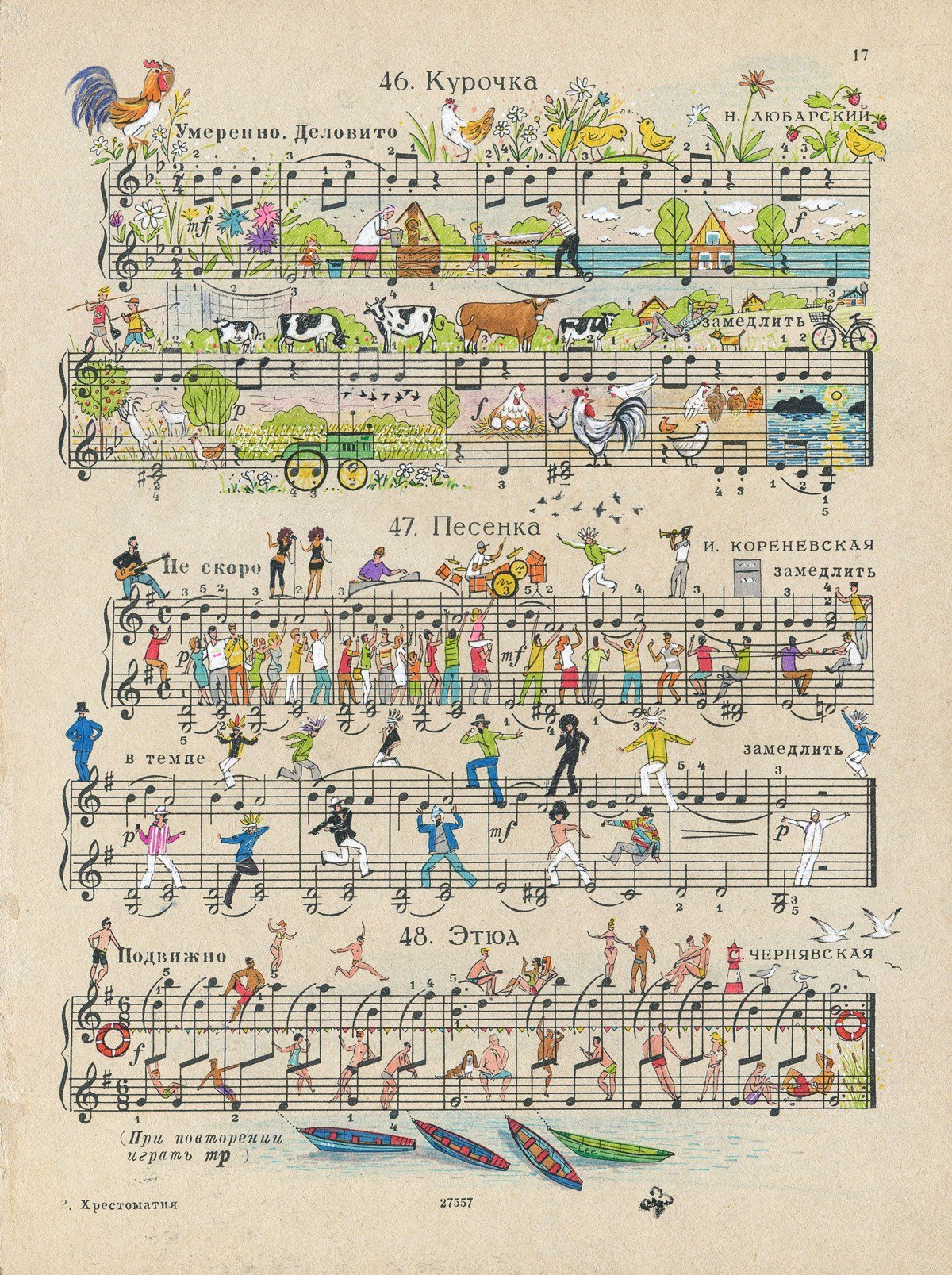
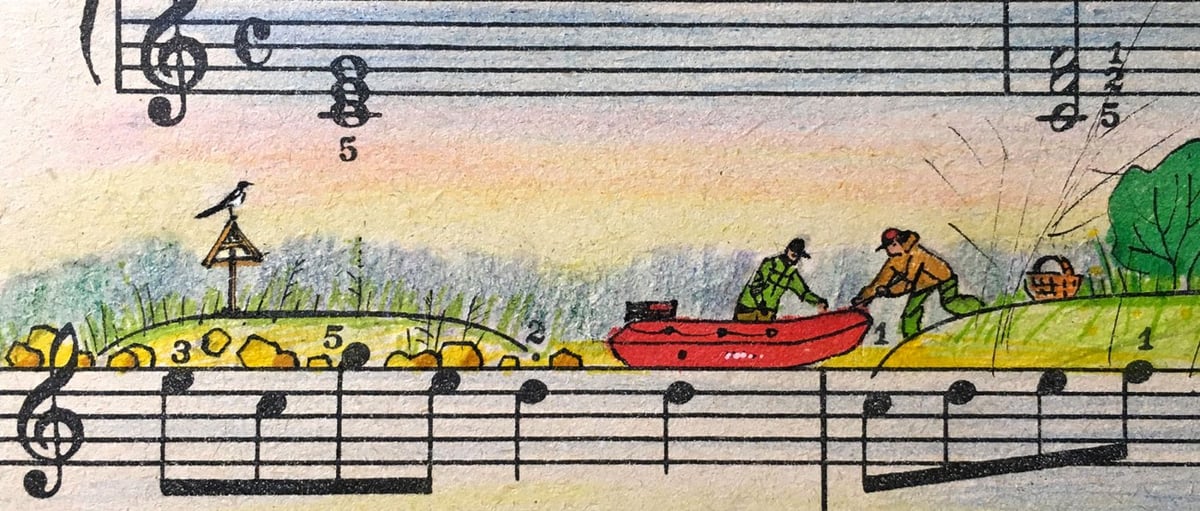
Russian illustrators Alexei Lyapunov and Lena Ehrlich use the notes, staffs, and other musical notation marks on vintage sheet music as a framework to create these inventive illustrations of everyday life and nature. Prints are available. (via colossal)
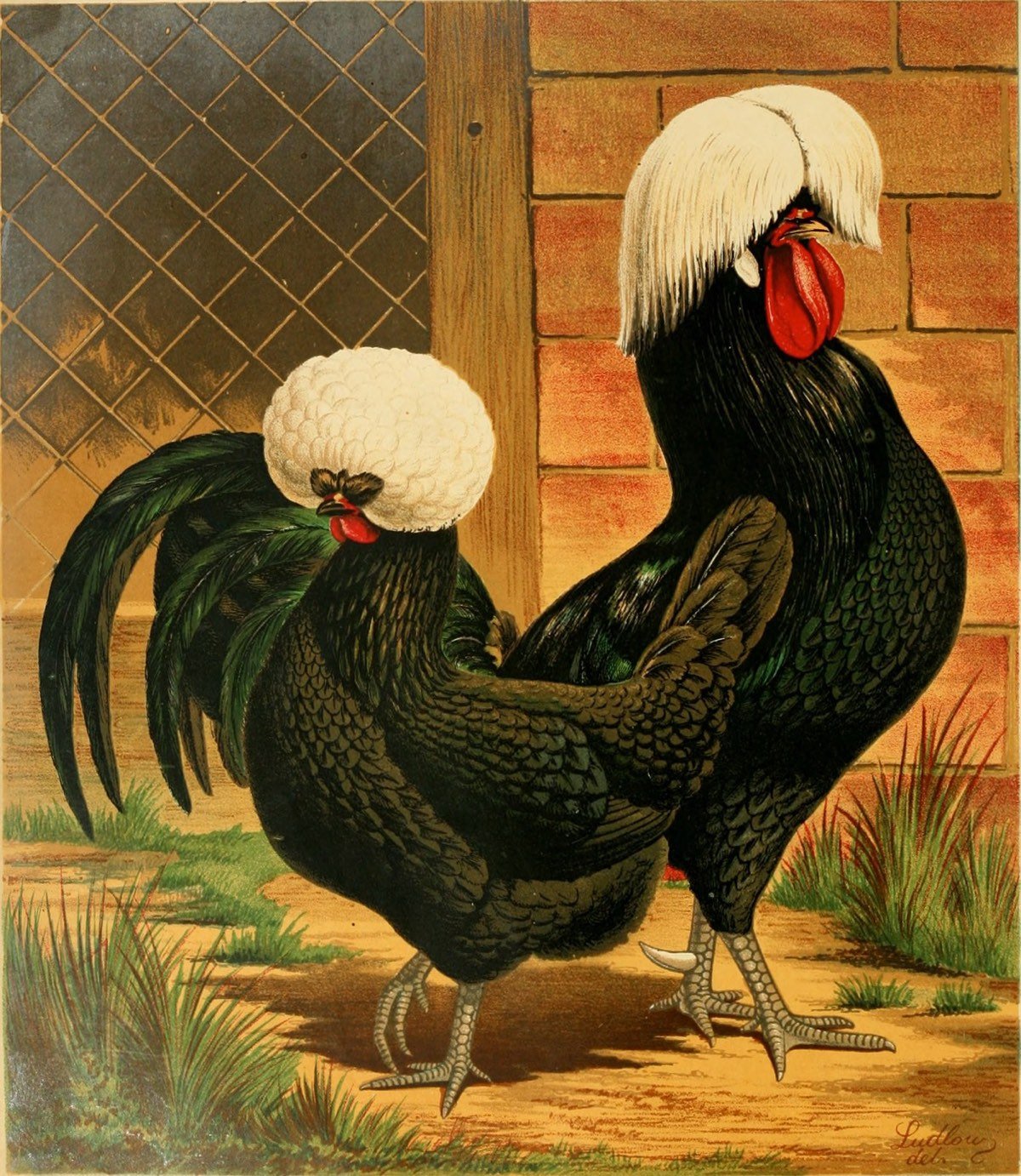
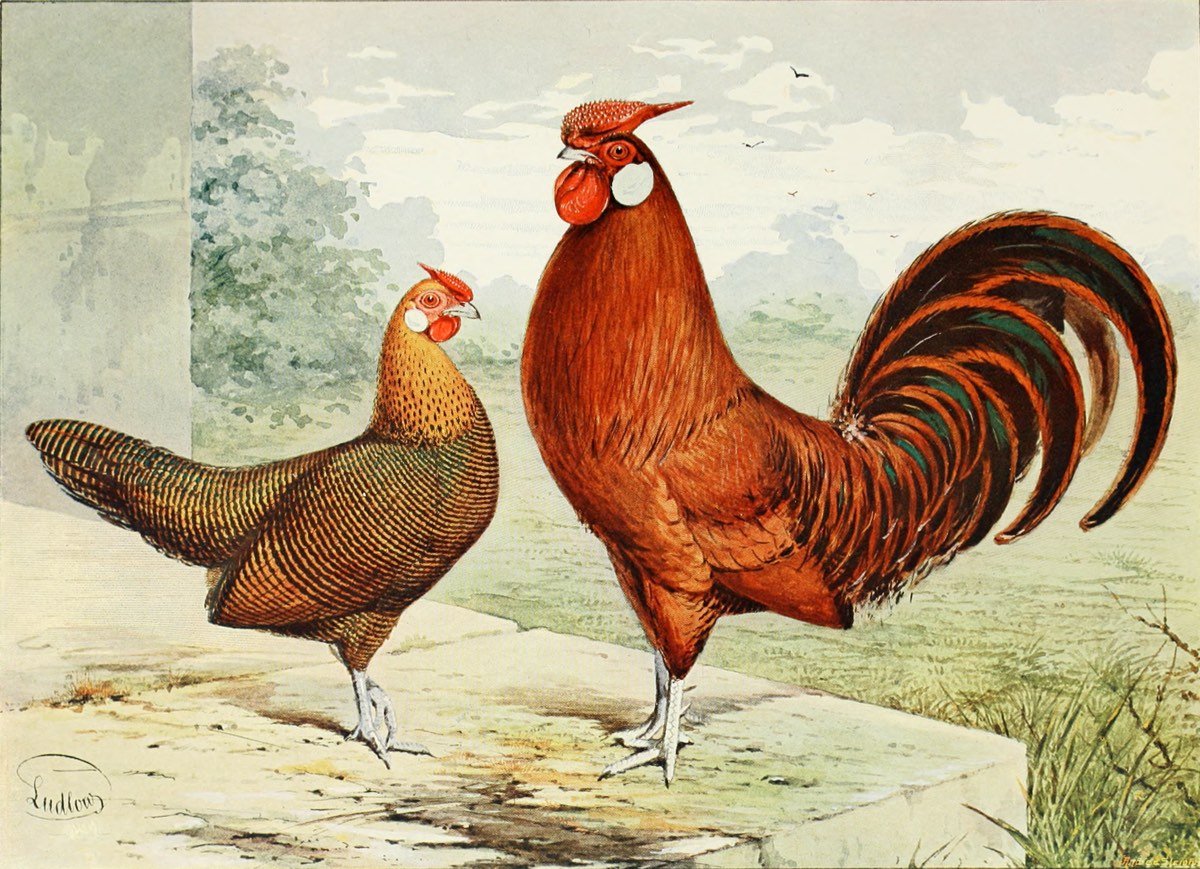
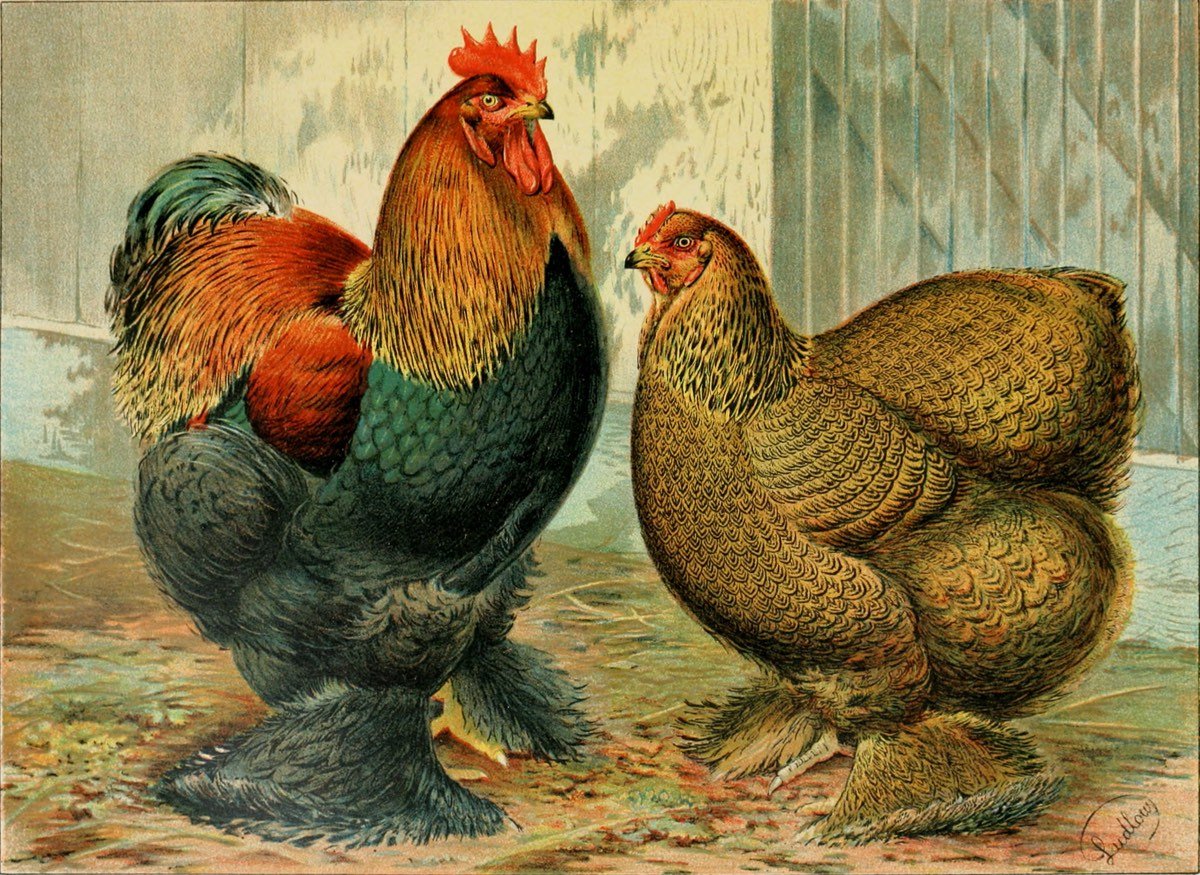
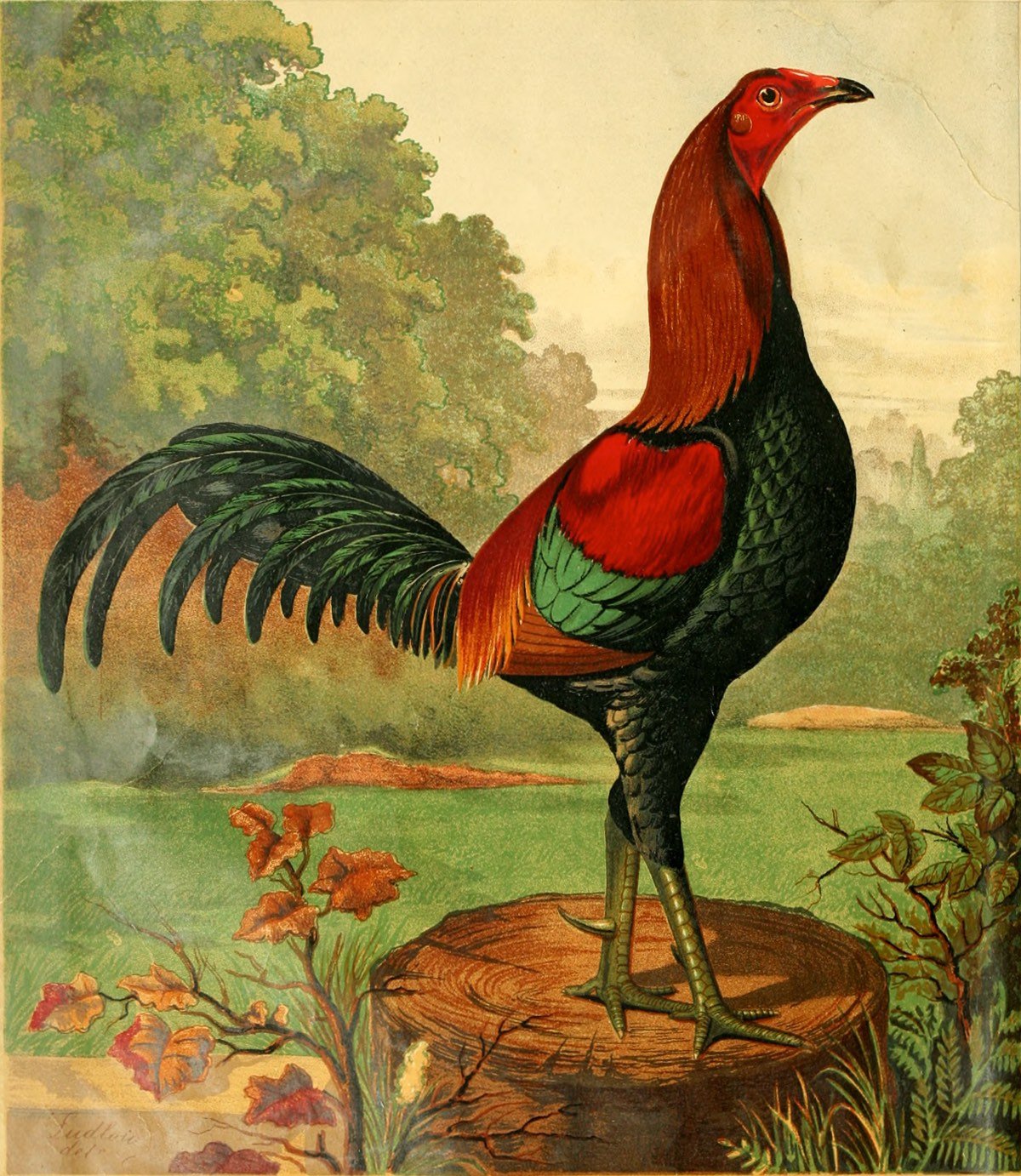
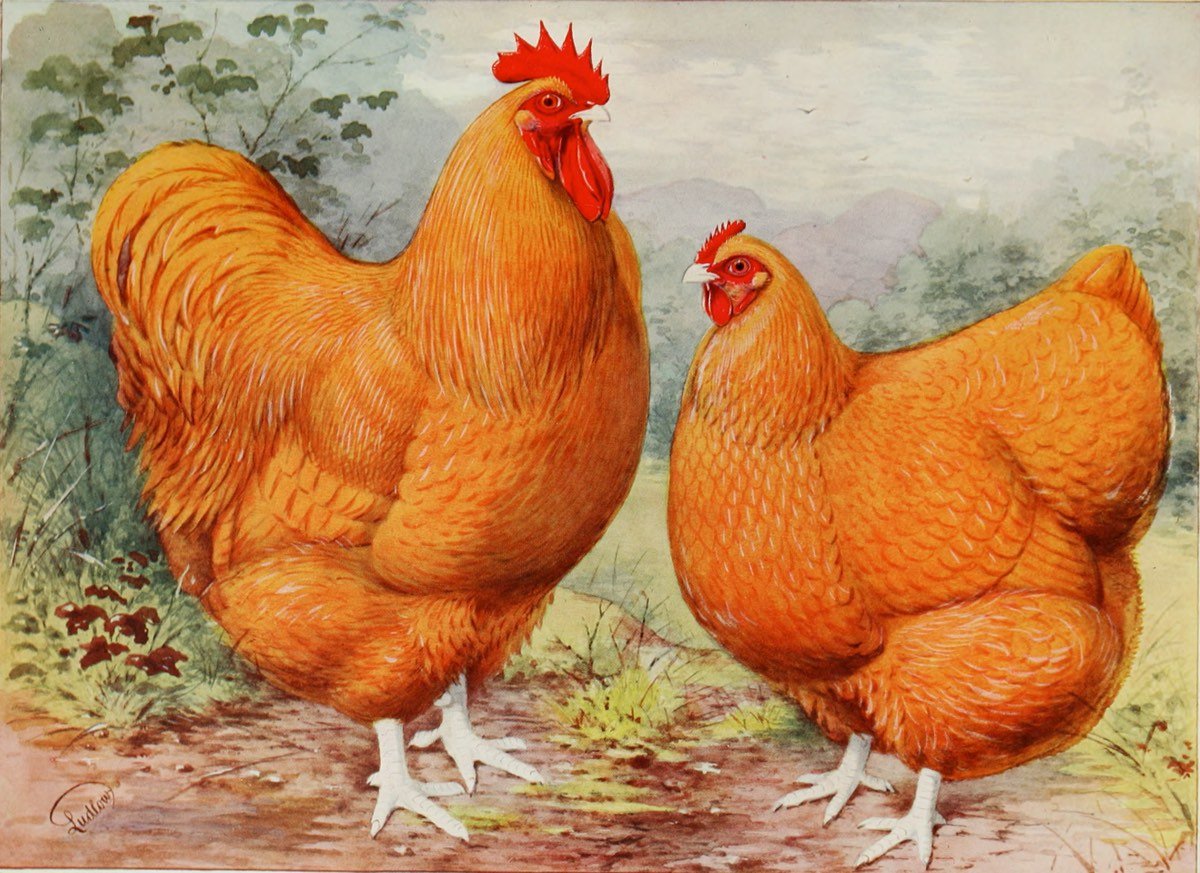
The Illustrated Book of Poultry by Lewis Wright, first published in 1870 and revised several times in the decades following, was “regarded as the most desirable of the English poultry books”. Poultry was very popular in Victorian England and the book housed a tremendous amount of practical poultry knowledge. From a Harvard Library blog post:
“Hen Fever”, as it became known during the Victorian Age, was an unprecedented obsession with owning, breeding, and showing the finest chickens in the world. The genesis of the poultry fancier owes much to Queen Victoria and her royal menagerie. In 1842, she acquired exotic chickens from China, and whatever the Queen did, the public would soon try to imitate and incorporate at home. The Illustrated London News reported “Her Majesty’s collection of fowls is very considerable, occupying half-a-dozen very extensive yards, several small fields, and numerous feeding-houses, laying-sheds, hospitals, winter courts, &c.”. From this point forward, poultry was no longer viewed as common farmyard critters, but valued and appreciated throughout the classes of Victorian Britain. The import and breeding of poultry was not just a leisurely hobby, but a profitable endeavor with sky rocketing price tags for the finest examples.
But the books also contained many wonderful illustrations of the finest examples of chickens and other poultry in the style of Audubon. The different breeds have amazing names like Buff Orpingtons, Plymouth Rocks, Dark Dorkingtons, and Gold Pencilled Hamburghs.
I pulled the images above from a 1911 edition of the book. (via @john_overholt)
Update: I removed a link to a reproduction of the book on Amazon because a reader reported that the quality was not great. (thx, alex)
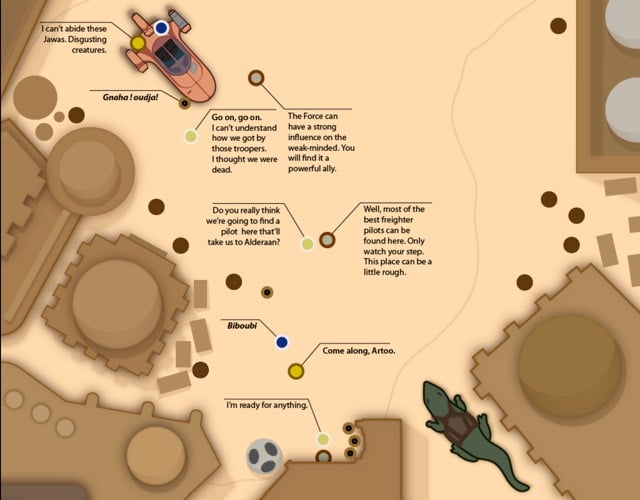
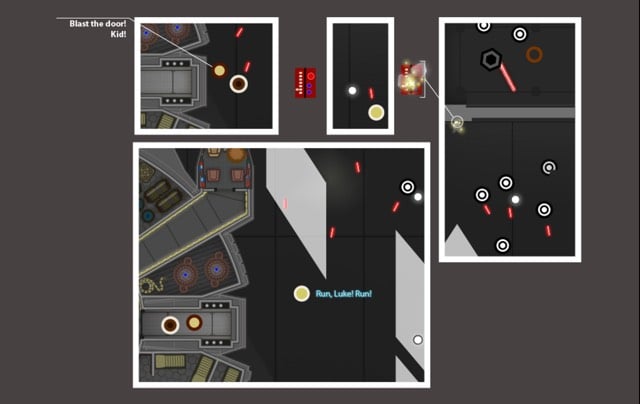

Swiss illustrator Martin Panchaud created a massive infographic that tells the entire story of the first Star Wars movie. How massive? It’s 465152 pixels long.
This long ribbon reminds the ancient Chinese script rolls that had to be rolled in and rolled out simultaneously in order to be read. I like this stretch between ages, cultures, and technologies.
So cool. The style reminds me a bit of Chris Ware in places.


Brooklyn-based illustrator and design Mark Dingo made these postcards based on Wes Anderson’s films, one for each movie. (via @timothy_schuler)
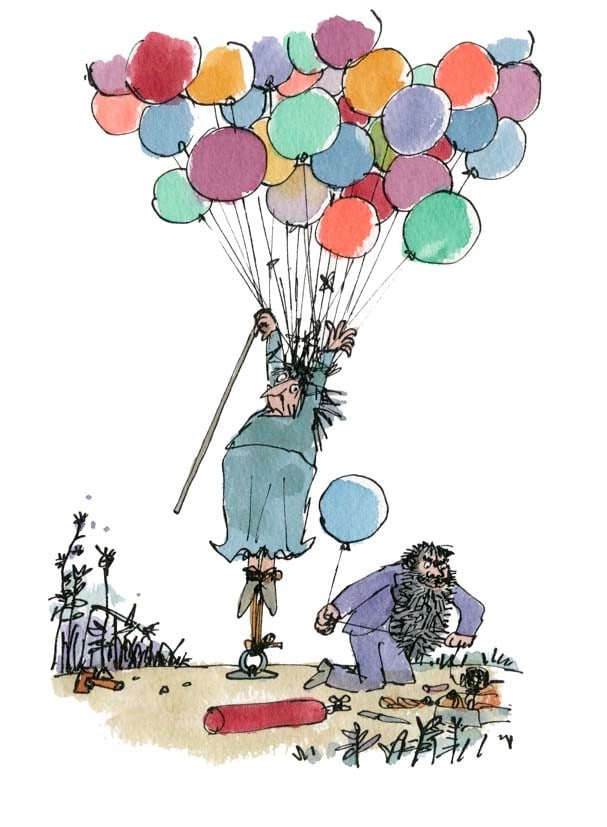
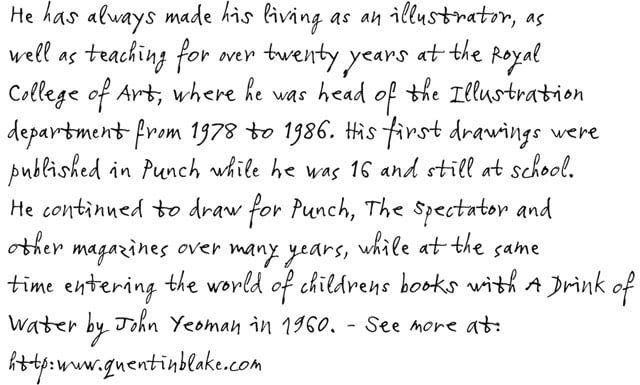
If you’ve read a book like Danny the Champion of the World or Charlie and the Chocolate Factory, you have seen the work of illustrator Quentin Blake.
Type foundry Monotype have created a typeface from Blake’s distinctive handwriting. Each letter has four variants so the text looks more random, like actual handwriting:
From illustrator @takumitoxin, a wonderful rendering of the events of Mad Max: Fury Road in the style of an ancient Egyptian painting.
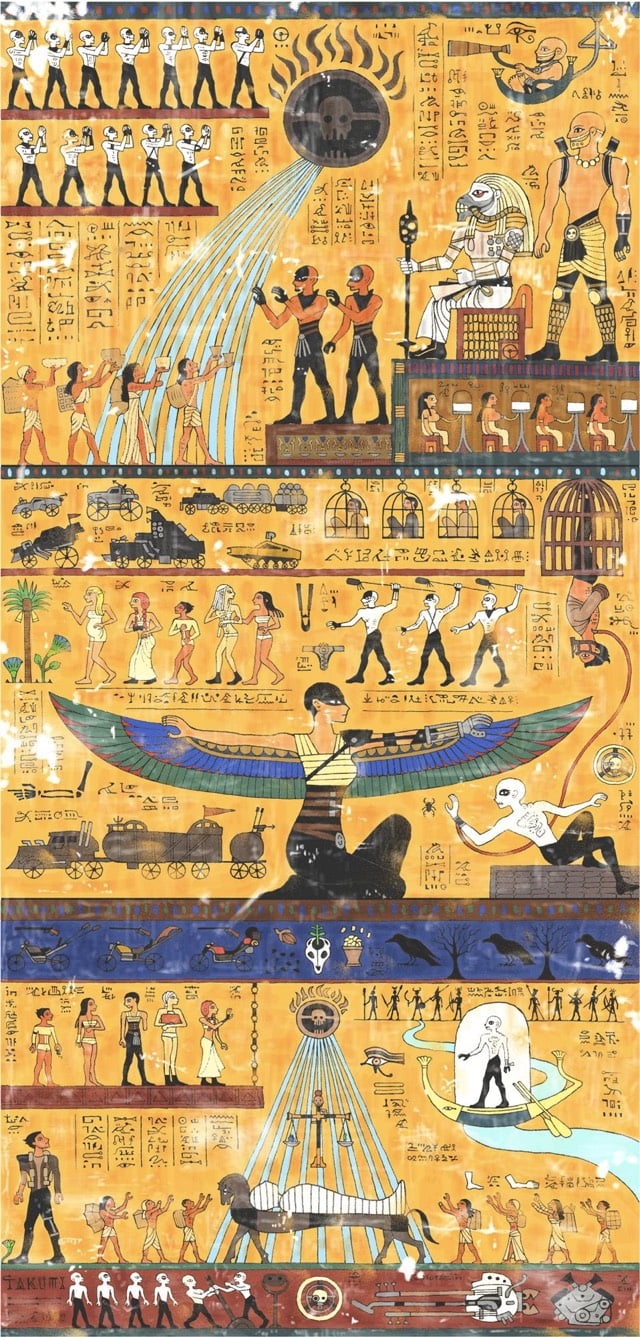
Fury Road is out on Blu-ray today (and streaming). This movie was the perfect summer entertainment.
In celebration of English footballer David Beckham’s 40th birthday, ESPN commissioned Helen Green to take us on an animated voyage through Beck’s many hairstyles.

See also every David Bowie hairstyle (also by Green), every Prince hairstyle, and David, a piece of video art by Sam Taylor-Wood of Beckham sleeping for an hour and seven minutes.

Hannah Choi is making illustrations of all the women Don Draper has slept with on Mad Men in chronological order.
I love Guillaume Cornet’s fanciful and intricate drawings. He’s done Paris, New York, and a London apartment building, among others.
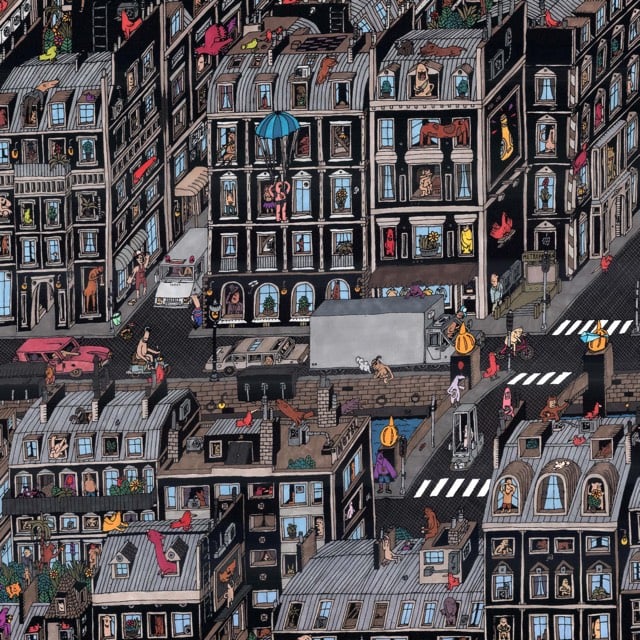
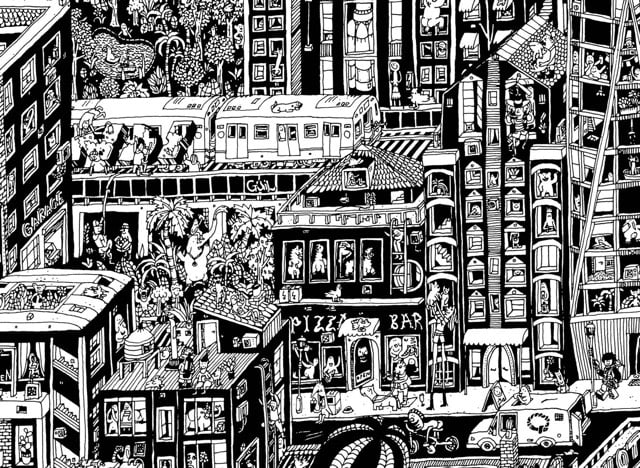
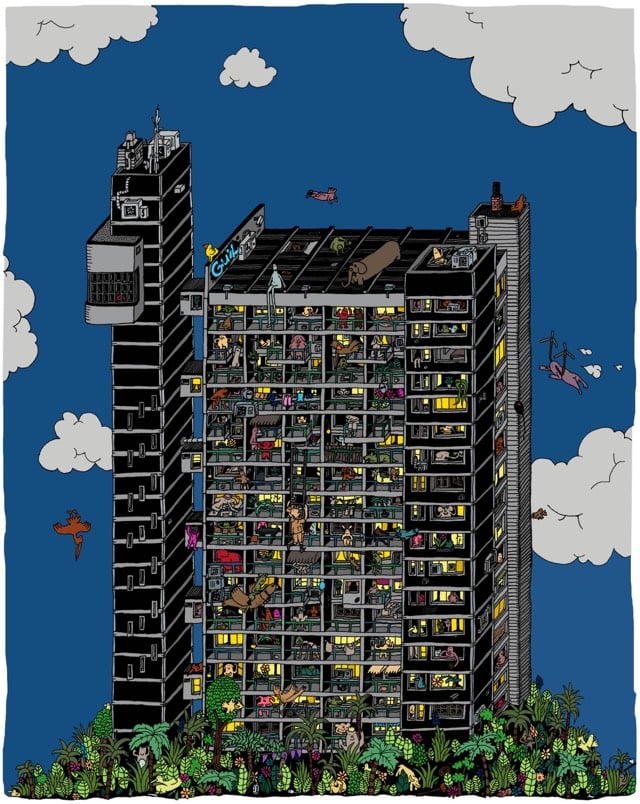
Society6 recently put a camera on Cornet while he did his Paris drawing, condensing 75 hours of painstaking work into a 2-minute time lapse.
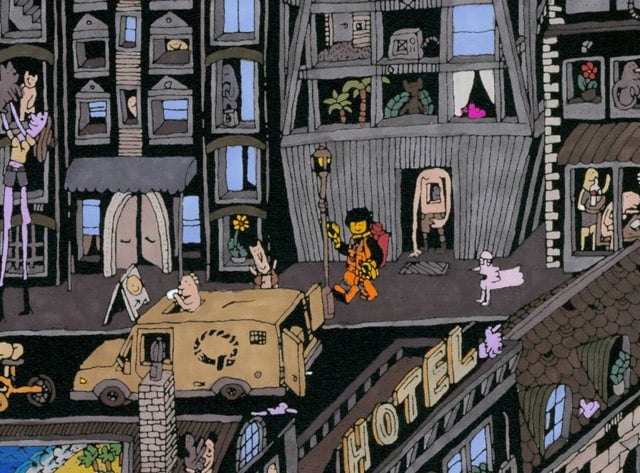
My favorite little detail highlighted by Society6 is the appearance of the Emmet minifig in the NYC illustration, complete with the Piece of Resistance.
Socials & More