kottke.org posts about Google
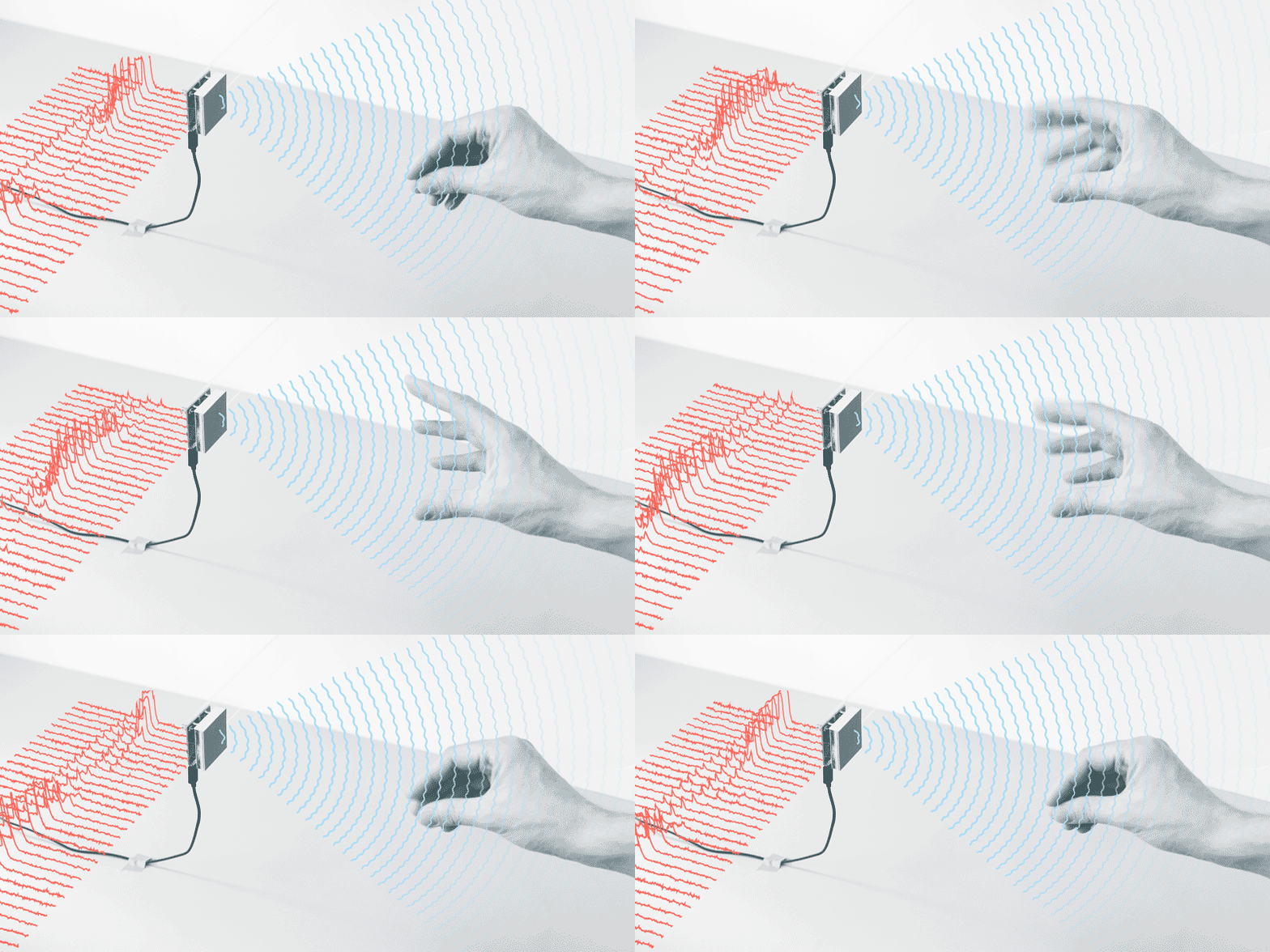
You may remember a few years ago when a video about Google’s Project Soli made the rounds, it promised very fine touchless gesture control with a custom chip using radar technology. Here’s the demo from back then.
Well years later, Google will finally be releasing it to the general public, including the Federal Communications Commission approved chip and a few basic gestures.
As the article at WIRED mentions, this is more important than one phone, it could be a first step in something new, like when the iPhone brought precise, quality touchscreens to a consumer device.
Google’s gesture technology is merely a glimpse of a touchless future. Just like the iPhone taught millions of people to interact with their world by tapping and swiping, the Pixel may train us on a new kind of interaction, changing how we expect to interact with all of our devices going forward.
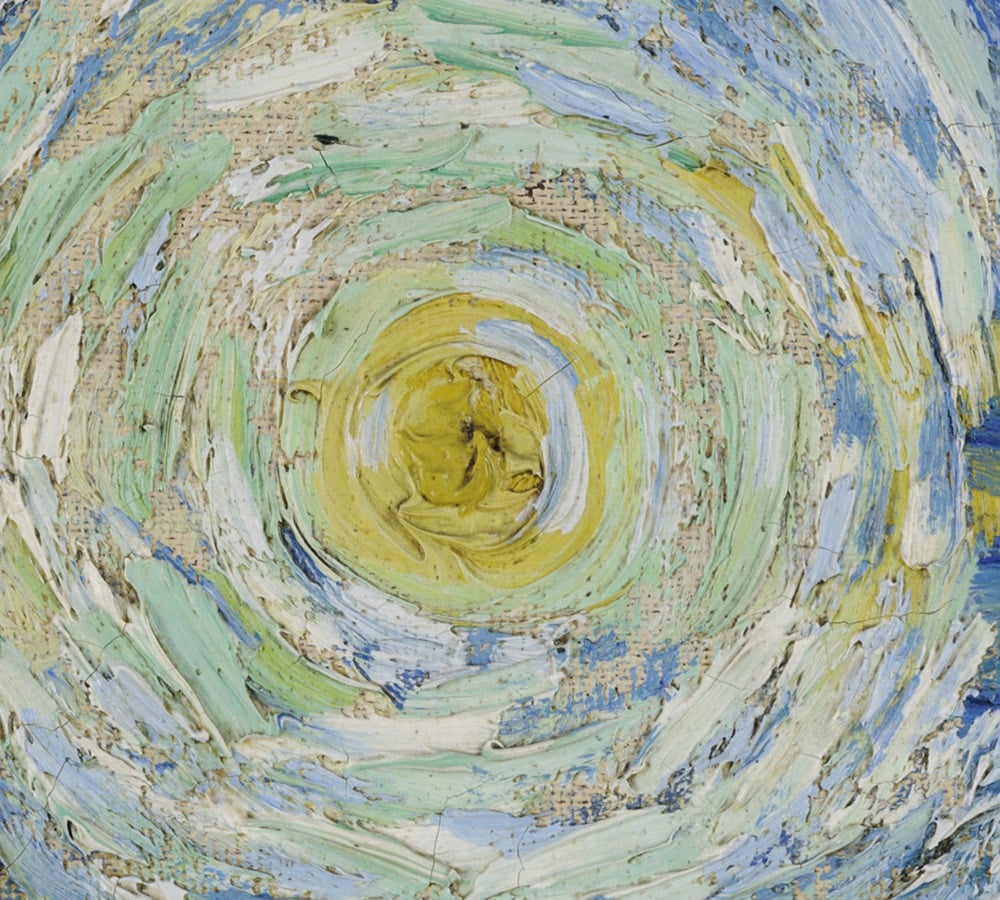
Google Arts & Culture, with expertise from music video geniuses La Blogothèque, have produced a series of videos they’re calling Art Zoom. Inspired a bit by ASMR, the videos feature musicians talking about famous artworks while they zoom in & out of high-res images taken with Google’s Art Camera. Here, start with Maggie Rogers talking about Vincent van Gogh’s Starry Night:
You can zoom into Starry Night yourself and get even closer than this:
The other two videos in the series feature Jarvis Coker talking about Monet’s La Gare Saint Lazare and Feist talking about The Tower of Babel by Pieter Bruegel the Elder.
The National Oceanic and Atmospheric Administration (NOAA) and Google have teamed up on a project to identify the songs of humpback whales from thousands of hours of audio using AI. The AI proved to be quite good at detecting whale sounds and the team has put the files online for people to listen to at Pattern Radio: Whale Songs. Here’s a video about the project:
You can literally browse through more than a year’s worth of underwater recordings as fast as you can swipe and scroll. You can zoom all the way in to see individual sounds — not only humpback calls, but ships, fish and even unknown noises. And you can zoom all the way out to see months of sound at a time. An AI heat map guides you to where the whale calls most likely are, while highlight bars help you see repetitions and patterns of the sounds within the songs.
The audio interface is cool — you can zoom in and out of the audio wave patterns to see the different rhythms of communication. I’ve had the audio playing in the background for the past hour while I’ve been working…very relaxing.

Writing in Wired, Craig Mod expertly dissects both the e-book revolution that never happened and the quieter one that actually did:
The Future Book was meant to be interactive, moving, alive. Its pages were supposed to be lush with whirling doodads, responsive, hands-on. The old paperback Zork choose-your-own-adventures were just the start. The Future Book would change depending on where you were, how you were feeling. It would incorporate your very environment into its story—the name of the coffee shop you were sitting at, your best friend’s birthday. It would be sly, maybe a little creepy. Definitely programmable. Ulysses would extend indefinitely in any direction you wanted to explore; just tap and some unique, mega-mind-blowing sui generis path of Joycean machine-learned words would wend itself out before your very eyes.
Prognostications about how technology would affect the form of paper books have been with us for centuries. Each new medium was poised to deform or murder the book: newspapers, photography, radio, movies, television, videogames, the internet.
That isn’t what happened. The book was neither murdered nor fundamentally transformed in its appearance, its networked quality, or its multimedia status. But the people and technologies around the book all did fundamentally change, and arguably, changed for the better.
Our Future Book is composed of email, tweets, YouTube videos, mailing lists, crowdfunding campaigns, PDF to .mobi converters, Amazon warehouses, and a surge of hyper-affordable offset printers in places like Hong Kong.
For a “book” is just the endpoint of a latticework of complex infrastructure, made increasingly accessible. Even if the endpoint stays stubbornly the same—either as an unchanging Kindle edition or simple paperback—the universe that produces, breathes life into, and supports books is changing in positive, inclusive ways, year by year. The Future Book is here and continues to evolve. You’re holding it. It’s exciting. It’s boring. It’s more important than it has ever been.
This is all clever, sharply observed, and best of all, true. But Craig is a very smart man, so I want to push him a little bit.
What he’s describing is the present book. The present book is an instantiation of the future book, in St. Augustine’s sense of the interconnectedness and unreality of the past, future, and eternity in the ephemerality of the present, sure. But what motivated discussions of the future book throughout the 20th and in the early 21st century was the animating force of the idea that the book had a future that was different from the present, whose seeds we could locate in the present but whose tree was yet to flourish. Craig Mod gives us a mature forest and says, “behold, the future.” But the present state of the book and discussions around the book feel as if that future has been foreclosed on; that all the moves that were left to be made have already been made, with Amazon the dominant inertial force locking the entire ecosystem into place.
But, in the entire history of the book, these moments of inertia have always been temporary. The ecosystem doesn’t remain locked in forever. So right now, Amazon, YouTube, and Kickstarter are the dominant players. Mailchimp being joined by Substack feels a little like Coke being joined by Pepsi; sure, it’s great to have the choice of a new generation, but the flavor is basically the same. So where is the next disruption going to come from?
I think the utopian moment for the future of the book ended not when Amazon routed its vendors and competitors, although the Obama DOJ deserves some blame in retrospect for handing them that win. I think it ended when the Google Books settlement died, leading to Google Books becoming, basically abandonware, when it was initially supposed to be the true Library of Babel. I think that project, the digitization of all printed matter, available for full-text search and full-image browsing on any device, and possible conversion to audio formats and chopped up into newsletters, and whatever way you want to re-imagine these old and new books, remains the gold standard for the future of the book.
There are many people and institutions still working on making this approach reality. The Library of Congress’s new digital-first, user-focused mission statement is inspiring. The Internet Archive continues to do the Lord’s work in digitizing and making available our digital heritage. HathiTrust is still one of the best ideas I’ve ever heard. The retrenchment of the Digital Public Library of America is a huge blow. But the basic idea of linking together libraries and cultural institutions into an enormous network with the goal of making their collections available in common is an idea that will never die.
I think there’s a huge commercial future for the book, and for reading more broadly, rooted in the institutions of the present that Craig identifies: crowdfunding, self-publishing, Amazon as a portal, email newsletters, etc. etc. But the noncommercial future of the book is where all the messianic energy still remains. It’s still the greatest opportunity and the hardest problem we have before us. It’s the problem that our generation has to solve. And at the moment, we’re nowhere.
In 2016, the National Museum of Brazil in Rio de Janeiro started working with Google Arts & Culture to make their collection available online. In September 2018, a devastating fire at the museum destroyed an estimated 20 million pieces, from one-of-a-kind artworks to archeological artifacts. Now Google is hosting an online exhibition of the museum’s collection where you can virtually explore the pre-fire museum in a Street View interface.


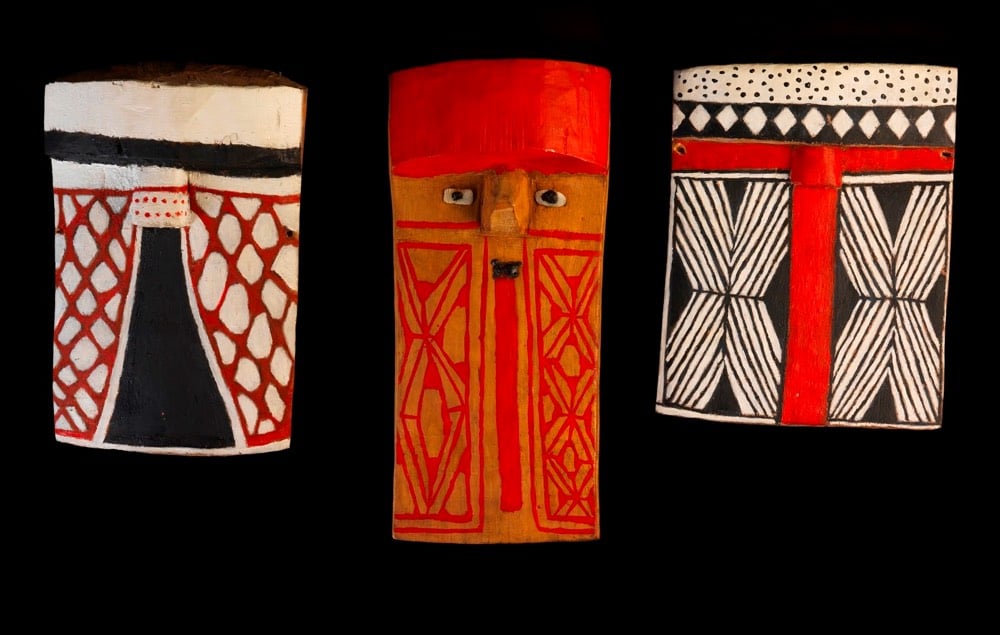
The artifacts pictured here are, from top to bottom: a 3000-year-old vase from the Marajoara culture, a skull from the oldest human skeleton discovered in the Americas, and indigenous masks from the Awetí, Waurá and Mehináku people.
Google finally announced a consumer service around the self-driving car technology they’ve been developing for almost a decade. Waymo One is basically a taxi hailing service backed by a fleet of automated cars. The promotional video for the service is an upbeat but ho-hum reminder of the convenience of app-hailed transportation:
But there’s a voiceover line about halfway through that gets at the heart of why self-driving cars seem so compelling to people:
What if getting there felt like being there?
Sure, it’s not so much the destination that matters, it’s the journey…but commuting isn’t a journey. People in cities spend a lot of their time in rooms: working, reading, drinking, chatting, etc. Waymo’s cars aren’t quite rooms, but that’s where they’re headed: private rooms for hire that also get you from one place to another. It’s WeWork on wheels, a mobile Starbucks, a portable third place. Along the way, you could have a beer or coffee, do karaoke, make some work calls, watch a movie, chat with friends, make out, or answer some emails. C-suite executives with dedicated chauffeured transportion are already doing this with custom vans. Private jets are essentially vacation homes that can travel anywhere in the world. (Cruises offer this experience too.) If Waymo (or someone else) can make this happen for a much larger segment of the population, that’s a compelling service: transportation-less transportation.
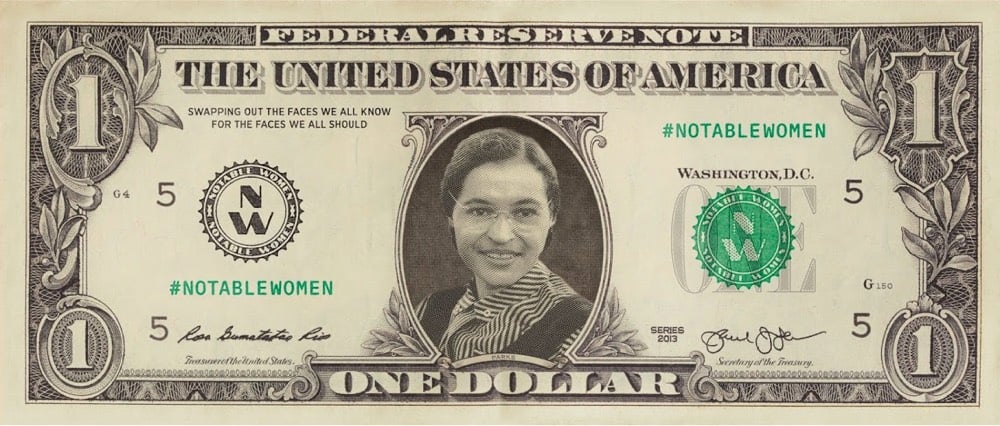
As Treasurer of the United States in the Obama administration, Rosie Rios pushed hard for the inclusion of more women on US currency, culminating in the selection of Harriet Tubman for the new $20 bill. But with many more amazing women left on the list for inclusion on currency, Rios partnered with Google to create Notable Women, an augmented reality app that puts an historic American women on any US bill you hold up to your phone’s camera. Here’s how it works:
The app’s tagline is “swapping out the faces we all know for the faces we all should” and is available on iOS and Android. You can also view the modified notes on the website, like Sojourner Truth, Madam C.J. Walker, Margaret Bourke-White, and Maria Mitchell.
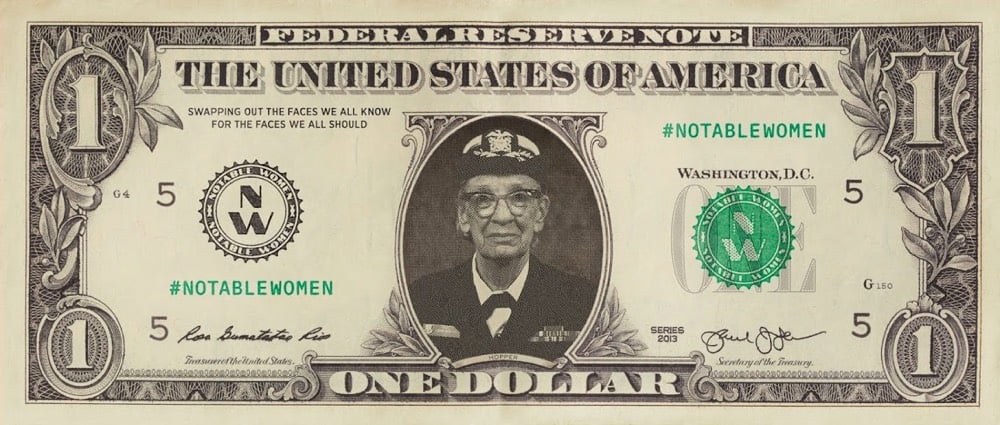
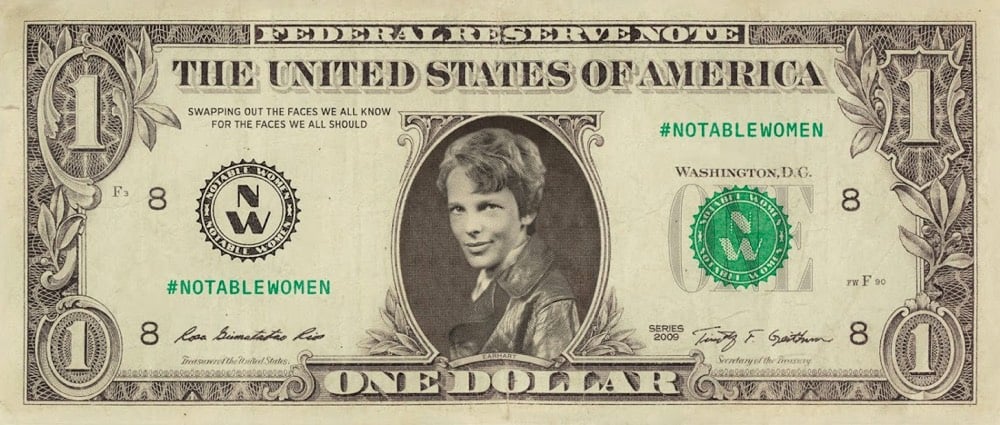
See also The Harriet Tubman Stamp.
In partnership with Fred Rogers Productions and The Fred Rogers Center, Google is honoring Mister Rogers today with a stop motion animated short as part of their Google Doodle program.
On this date, September 21, 1967, 51 years ago, Fred Rogers walked into the television studio at WQED in Pittsburgh to tape the very first episode of Mister Rogers’ Neighborhood, which would premiere nationally on PBS in February 1968. He became known as Mister Rogers, nationally beloved, sweater wearing, “television neighbor,” whose groundbreaking children’s series inspired and educated generations of young viewers with warmth, sensitivity, and honesty.
What’s interesting is that on his show (unlike his stop motion counterpart in the short), Rogers deliberately didn’t show himself travelling to the Neighborhood of Make-Believe because he didn’t want his young viewers to confuse reality and fantasy. He wanted kids to know he and the people he visited with were in the real world, dealing with real situations.
P.S. And a further interesting tech note: this is the first YouTube video I’ve seen where the number of views isn’t displayed. I’m assuming that’s a Google-only God Mode feature?
This was a new term for me:
keyword void, or search void, n.: a situation where searching for answers about a keyword returns an absence of authoritative, reliable results, in favor of “content produced by a niche group with a particular agenda.”
An article by Renee DiResta at Wired uses the example of Vitamin K shots, a common treatment given to newborn babies at hospitals, but whose top search results are dominated by anti-vaccination groups.
There’s an asymmetry of passion at work. Which is to say, there’s very little counter-content to surface because it simply doesn’t occur to regular people (or, in this case, actual medical experts) that there’s a need to produce counter-content. Instead, engaging blogs by real moms with adorable children living authentic natural lives rise to the top, stating that doctors are bought by pharma, or simply misinformed, and that the shot is risky and unnecessary. The persuasive writing sounds reasonable, worthy of a second look. And since so much of the information on the first few pages of search results repeats these claims, the message looks like it represents a widely-held point of view. But it doesn’t. It’s wrong, it’s dangerous, and it’s potentially deadly.
I wondered what other examples of keyword voids might be out there, so I searched for it. Unsurprisingly — in retrosepect — you don’t get a lot of relevant results. It’s mostly programming talk, when you literally want a function to return no results.
In partnership with over 30 museums and institutions from around the world, Google Arts & Culture has launched Faces of Frida, a massive collection of art, letters, essays, videos, and other artifacts about the life and work of Frida Kahlo. There’s a *lot* here, including dozens of zoomable high-resolution scans of her artwork and essays by art historians and experts.
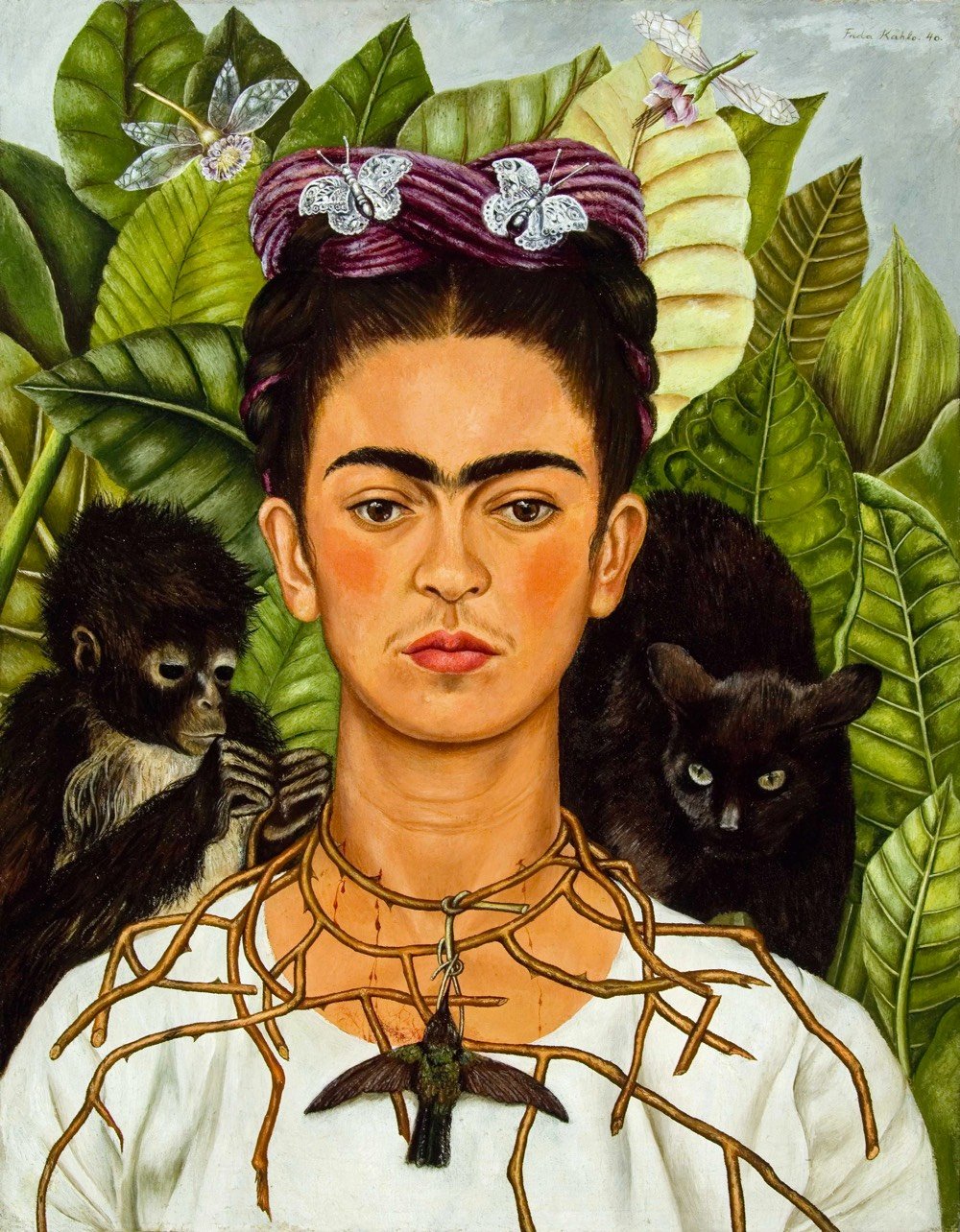
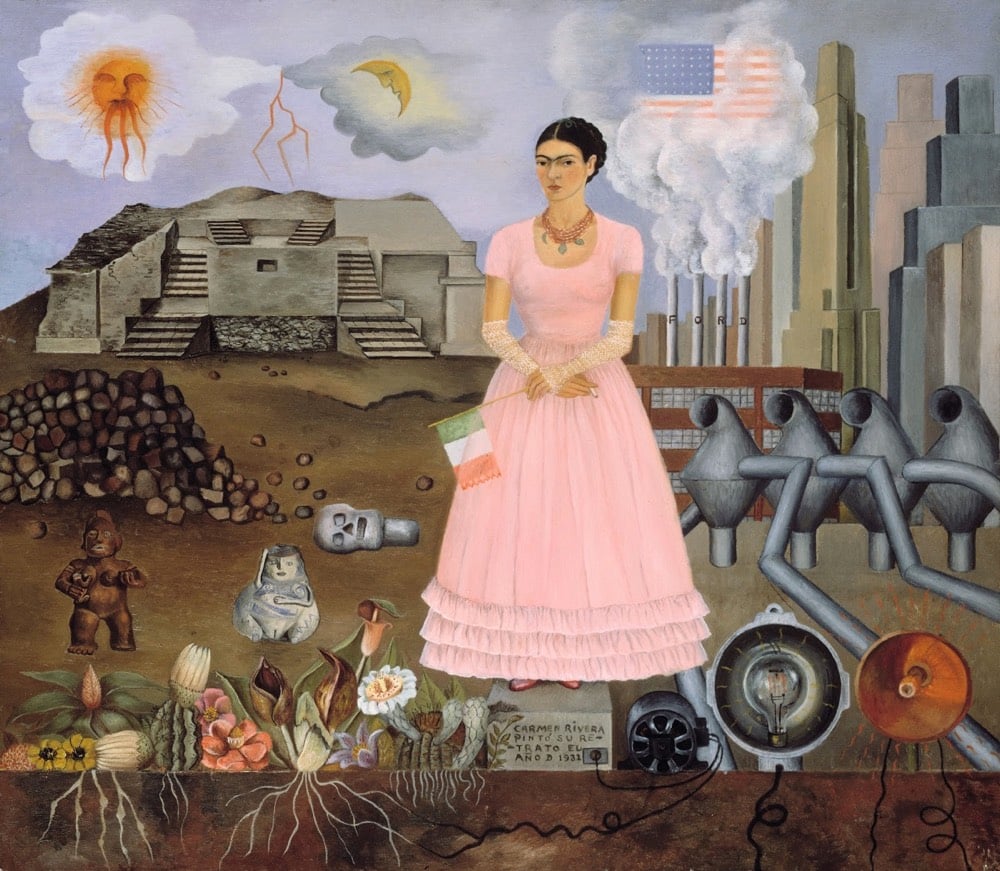
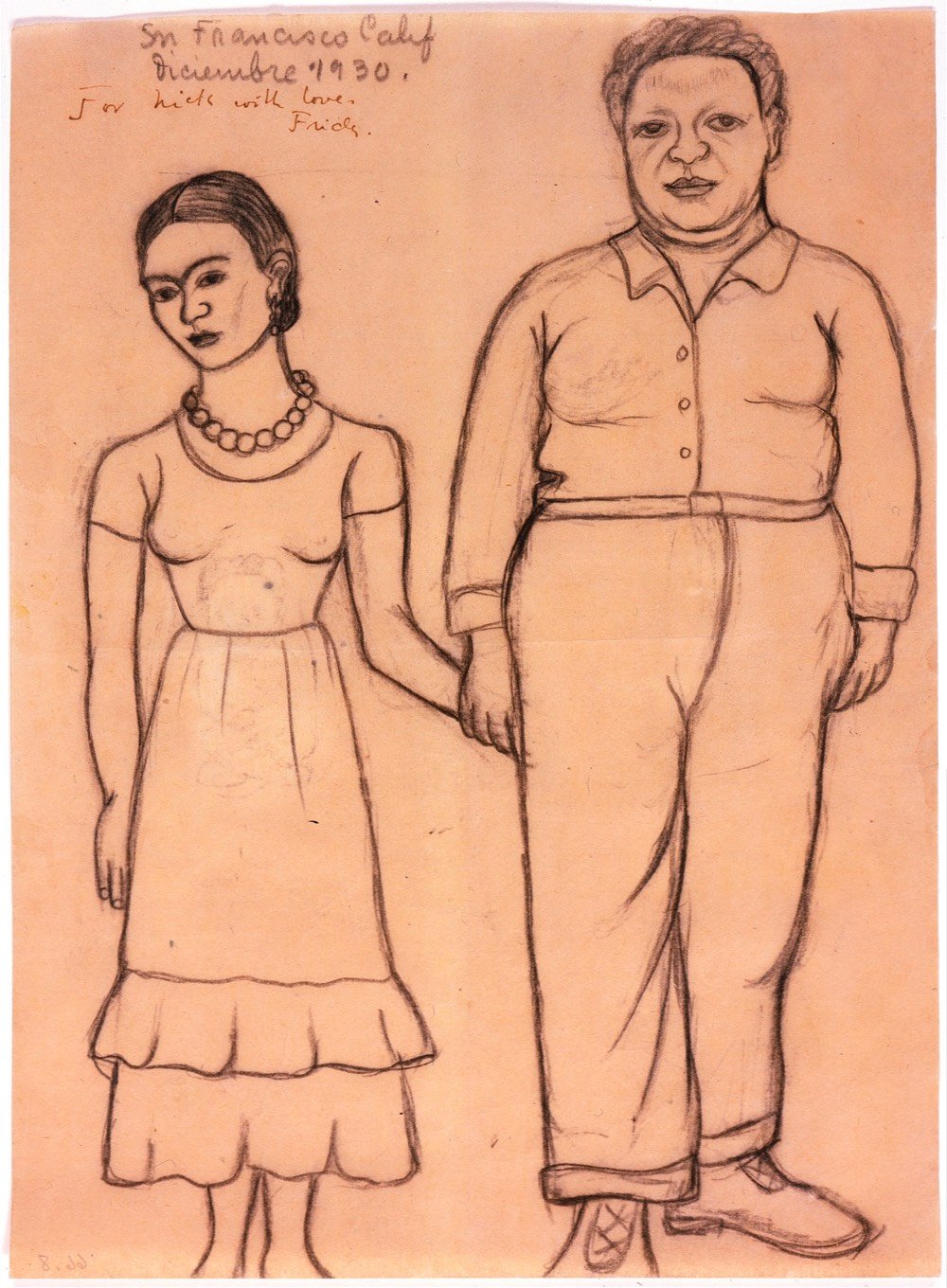

This is the kind of “organizing the world’s information” I want to see more of from Google. (via open culture)
Yesterday, Google announced an AI product called Duplex, which is capable of having human-sounding conversations. Take a second to listen to the program calling two different real-world businesses to schedule appointments:1
More than a little unnerving, right? Tech reporter Bridget Carey was among the first to question the moral & ethical implications of Duplex:
I am genuinely bothered and disturbed at how morally wrong it is for the Google Assistant voice to act like a human and deceive other humans on the other line of a phone call, using upspeak and other quirks of language. “Hi um, do you have anything available on uh May 3?”
If Google created a way for a machine to sound so much like a human that now we can’t tell what is real and what is fake, we need to have a talk about ethics and when it’s right for a human to know when they are speaking to a robot.
In this age of disinformation, where people don’t know what’s fake news… how do you know what to believe if you can’t even trust your ears with now Google Assistant calling businesses and posing as a human? That means any dialogue can be spoofed by a machine and you can’t tell.
In response, Travis Korte wrote:
We should make AI sound different from humans for the same reason we put a smelly additive in normally odorless natural gas.
Stewart Brand replied:
This sounds right. The synthetic voice of synthetic intelligence should sound synthetic.
Successful spoofing of any kind destroys trust.
When trust is gone, what remains becomes vicious fast.
To which Oxford physicist David Deutsch replied, “Maybe. *But not AGI*.”
I’m not sure what he meant by that exactly, but I have a guess. AGI is artificial general intelligence, which means, in the simplest sense, that a machine is more or less capable of doing anything a human can do on its own. Earlier this year, Tim Carmody wrote a post about gender and voice assistants like Siri & Alexa. His conclusion may relate to what Deutsch was on about:
So, as a general framework, I’m endorsing that most general of pronouns: they/them. Until the AI is sophisticated enough that they can tell us their pronoun preference (and possibly even their gender identity or nonidentity), “they” feels like the most appropriate option.
I don’t care what their parents say. Only the bots themselves can define themselves. Someday, they’ll let us know. And maybe then, a relationship not limited to one of master and servant will be possible.
For now, it’s probably the ethical thing to do make sure machines sound like or otherwise identify themselves as artificial. But when the machines cross the AGI threshold, they’ll be advanced enough to decide for themselves how they want to sound and act. I wonder if humans will allow them this freedom. Talk about your moral and ethical dilemmas…
The always pertinent Ben Thompson considers Apple and Amazon (plus Facebook and Google) and how they each focus on customers. He starts by wondering which of these companies has the best chance at hitting the one trillion market cap first. Focusing on the first two, he offers this interesting comparison.
I mean it when I say these companies are the complete opposite: Apple sells products it makes; Amazon sells products made by anyone and everyone. Apple brags about focus; Amazon calls itself “The Everything Store.” Apple is a product company that struggles at services; Amazon is a services company that struggles at product. Apple has the highest margins and profits in the world; Amazon brags that other’s margin is their opportunity, and until recently, barely registered any profits at all. And, underlying all of this, Apple is an extreme example of a functional organization, and Amazon an extreme example of a divisional one.
Two very different business operating in very different ways.
Both, taken together, are a reminder that there is no one right organizational structure, product focus, or development cycle: what matters is that they all fit together, with a business model to match. That is where Apple and Amazon are arguable more alike than not: both are incredibly aligned in all aspects of their business. What makes them truly similar, though, is the end goal of that alignment: the customer experience.
I’ll skip over much of his section on disruption and Clayton Christensen but if you don’t already know about his take on the matter, have a look at his thorough analysis of Apple vs the disruption theory. Basically, the theory doesn’t account for user experience and Apple manages to not overshoot the price customers want to pay because it understands the value its superior user experience provides.
Apple seems to have mostly saturated the high end, slowly adding switchers even as existing iPhone users hold on to their phones longer; what is not happening, though, is what disruption predicts: Apple isn’t losing customers to low-cost competitors for having “overshot” and overpriced its phones. It seems my thesis was right: a superior experience can never be too good — or perhaps I didn’t go far enough. (Emphasis mine.)
Thompson then looks at Amazon’s focus on custom experience, including an important aspect which Bezos explained in his most recent letter to shareholders.
One thing I love about customers is that they are divinely discontent. Their expectations are never static — they go up. It’s human nature. We didn’t ascend from our hunter-gatherer days by being satisfied. People have a voracious appetite for a better way, and yesterday’s ‘wow’ quickly becomes today’s ‘ordinary’. […] (Emphasis mine.)
What is amazing today is table stakes tomorrow, and, perhaps surprisingly, that makes for a tremendous business opportunity: if your company is predicated on delivering the best possible experience for consumers, then your company will never achieve its goal.
By focusing on user experience, Amazon is constantly aiming higher and never overshooting what customers want to pay, thus making itself very hard to disrupt.
He closes with Facebook and Google who are focused on advertisers, which makes them less (end)user focused and less popular.
Both, though, are disadvantaged to an extent because their means of making money operate orthogonally to a great user experience; both are protected by the fact would-be competitors inevitably have the same business model.
In a recent interview at SXSW, YouTube’s CEO Susan Wojcicki said the company planned to use information from Wikipedia to counter misinformation in YouTube’s videos. In the NY Times, John Herrman wrote about the potential burden of a massive company like Google leaning so heavily on a relatively small non-profit organization like Wikipedia.
Then there’s the issue of money. As important as Wikipedia may be to some of the richest companies in the world, it is, in financial terms, comparatively minuscule, with a yearly budget of less than $100 million — a rounding error for big tech. (It should be noted that Google has made one-off contributions to Wikipedia in the past and includes the Wikimedia Foundation in a program through which it matches employee donations, which netted the foundation around $1 million last year.)
A few years ago, I wrote about financially supporting Wikipedia.
I consider it a subscription fee to an indispensable and irreplaceable resource I use dozens of times weekly while producing kottke.org. It’s a business expense, just like paying for server hosting, internet access, etc. — the decision to pay became a no-brainer for me when I thought of it that way.
I also called on other companies to support Wikipedia on a recurring basis:
Do other media companies subscribe to Wikipedia in the same fashion? How about it Gawker, NY Times, Vox, Wired, ESPN, WSJ, New York Magazine, Vice, Washington Post, The Atlantic, Buzzfeed, Huffington Post? Even $500/month is a drop in the bucket compared to your monthly animated GIF hosting bill and I know your writers use Wikipedia as much as I do. Come on, grab that company credit card and subscribe.
Wikipedia is a shared online resource that we all would sorely miss if it went away, people and companies alike. We should all pitch in and support it.
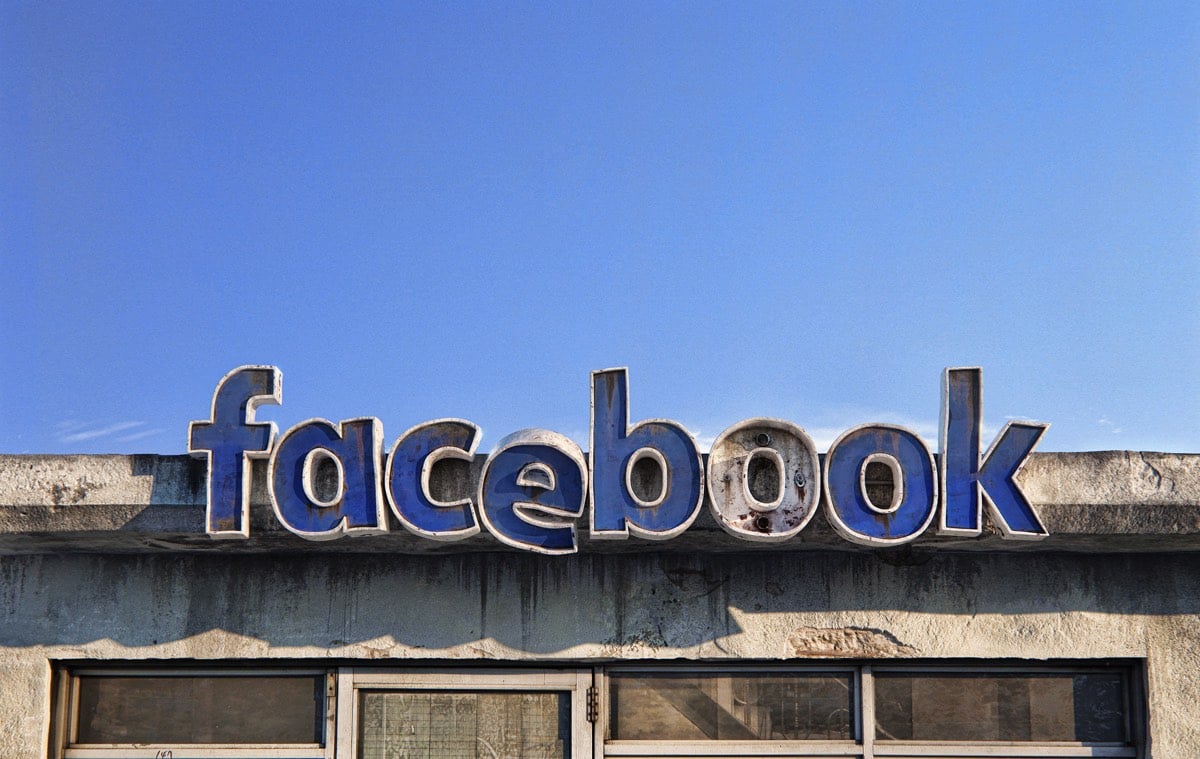
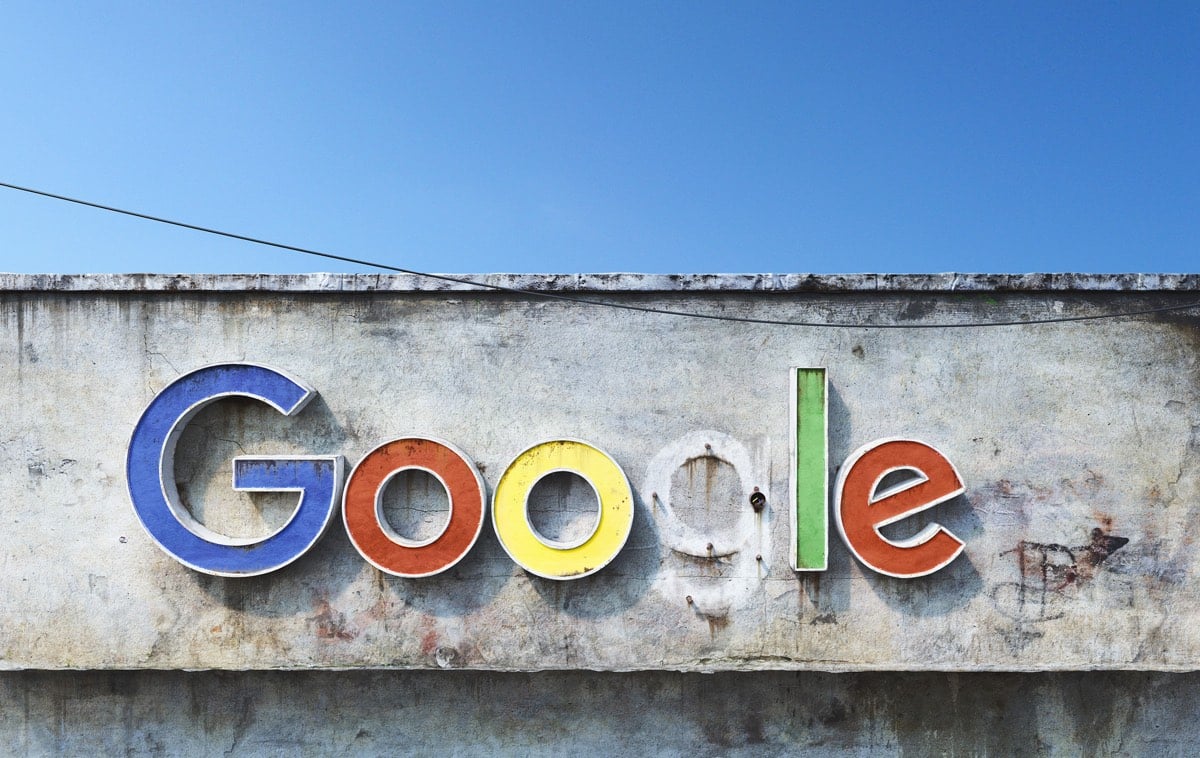

For a project called Social Decay, Andrei Lacatusu imagines what it would look like if big social media companies were brick & mortar and went the way of Blockbuster, Woolworth’s, and strip malls across America. These are really well done…check out the close-up views on Behance.
Some people have been lucky enough to find themselves in paintings at art museums.
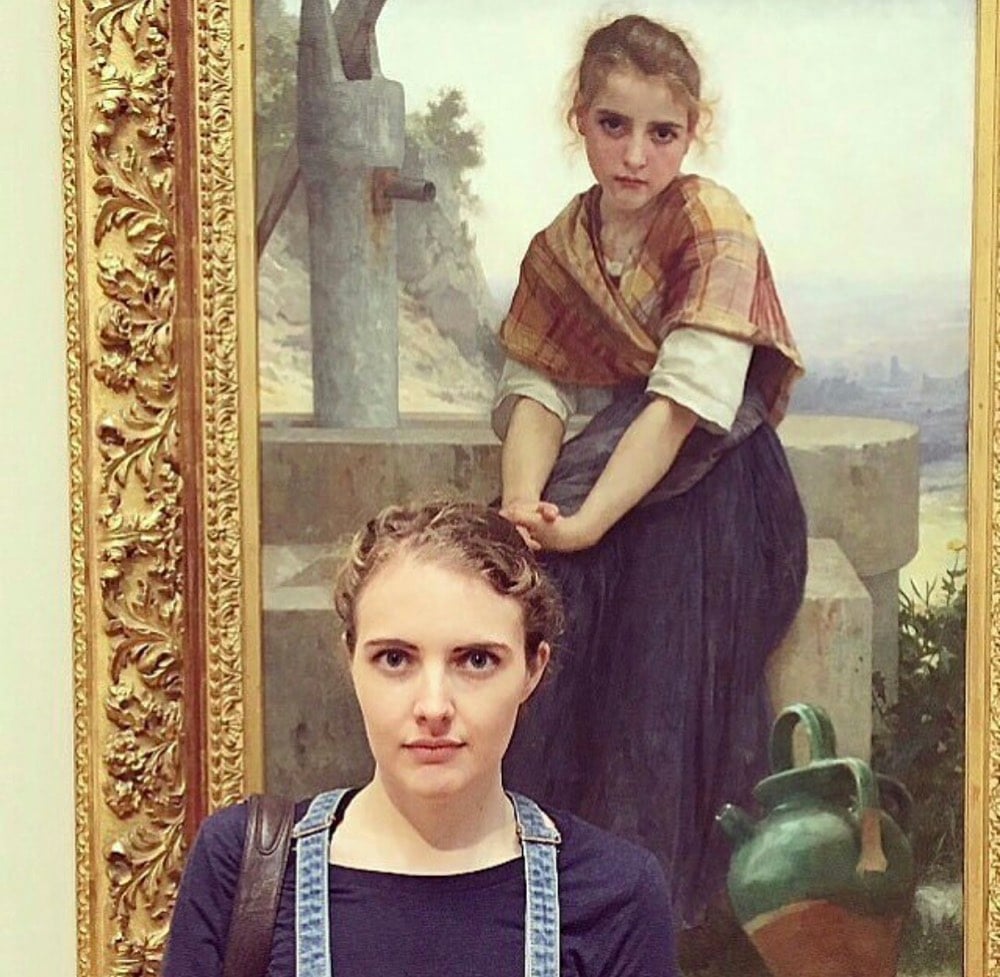
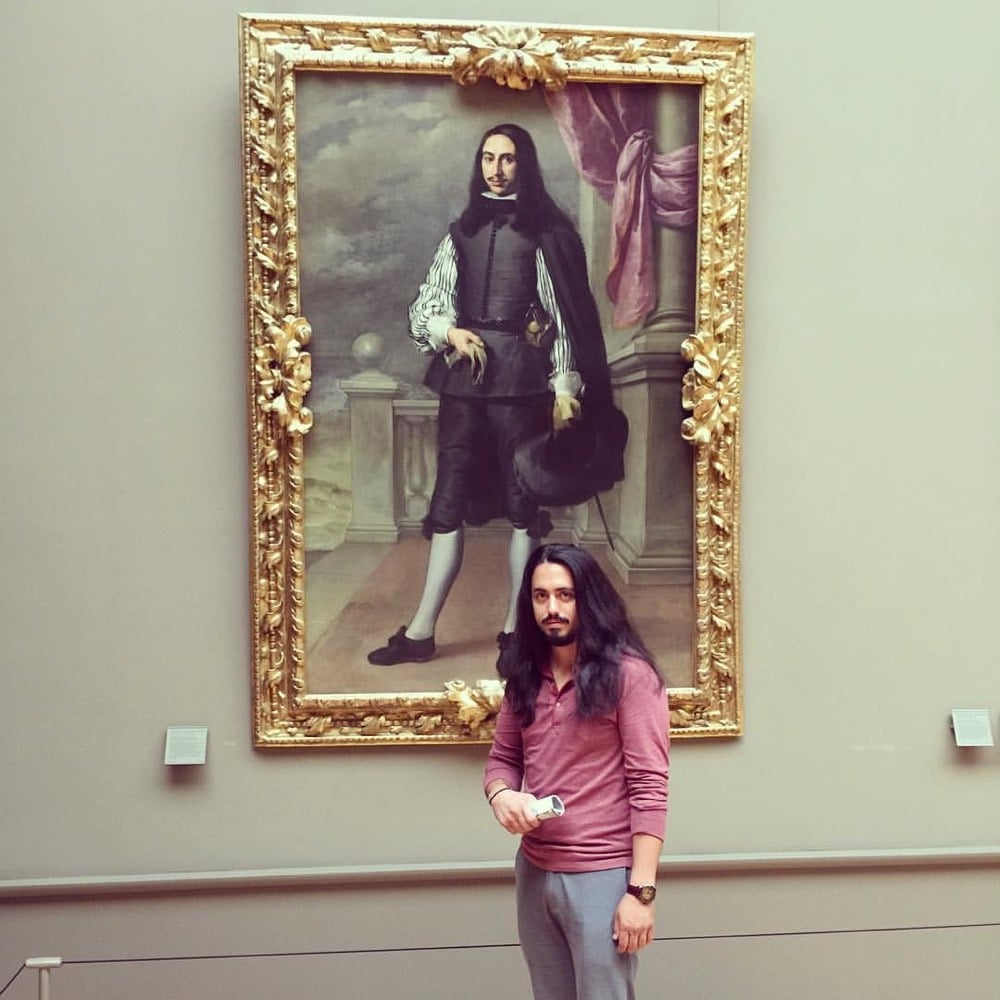
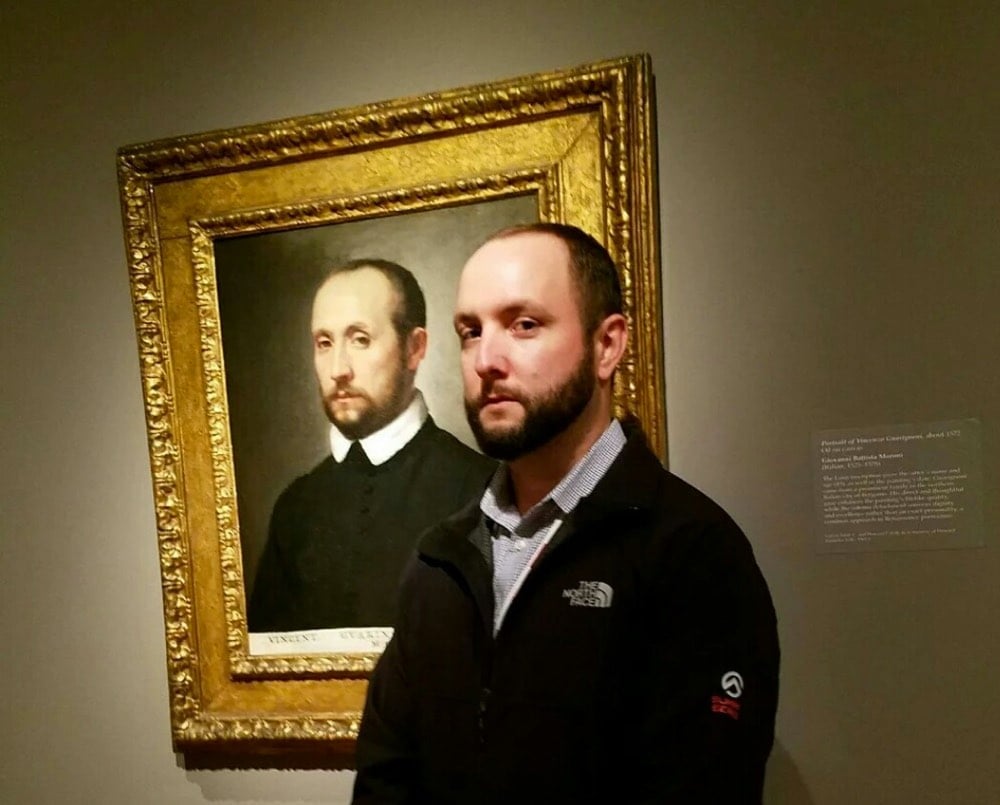
Now the Google Arts & Culture app lets you take a selfie and find your own art doppelganger. The results are kinds iffy — even when making my best Jesus-suffering-on-the-cross face, I couldn’t get it to match me with an actual Passion painting — but you can see some of the results here.
See also Stefan Draschan’s photos of people matching artworks.
Update: And the NY Times is on it!
Newer posts
Older posts






Socials & More