kottke.org posts about illustration
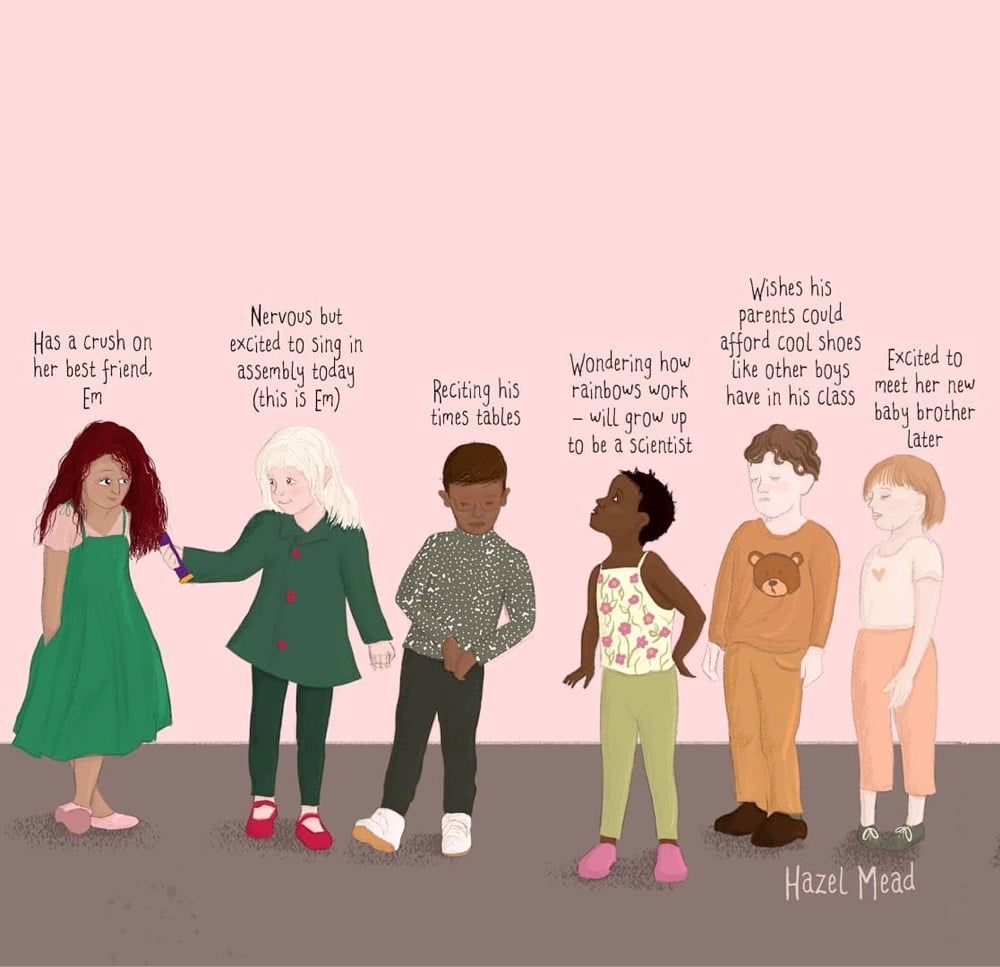
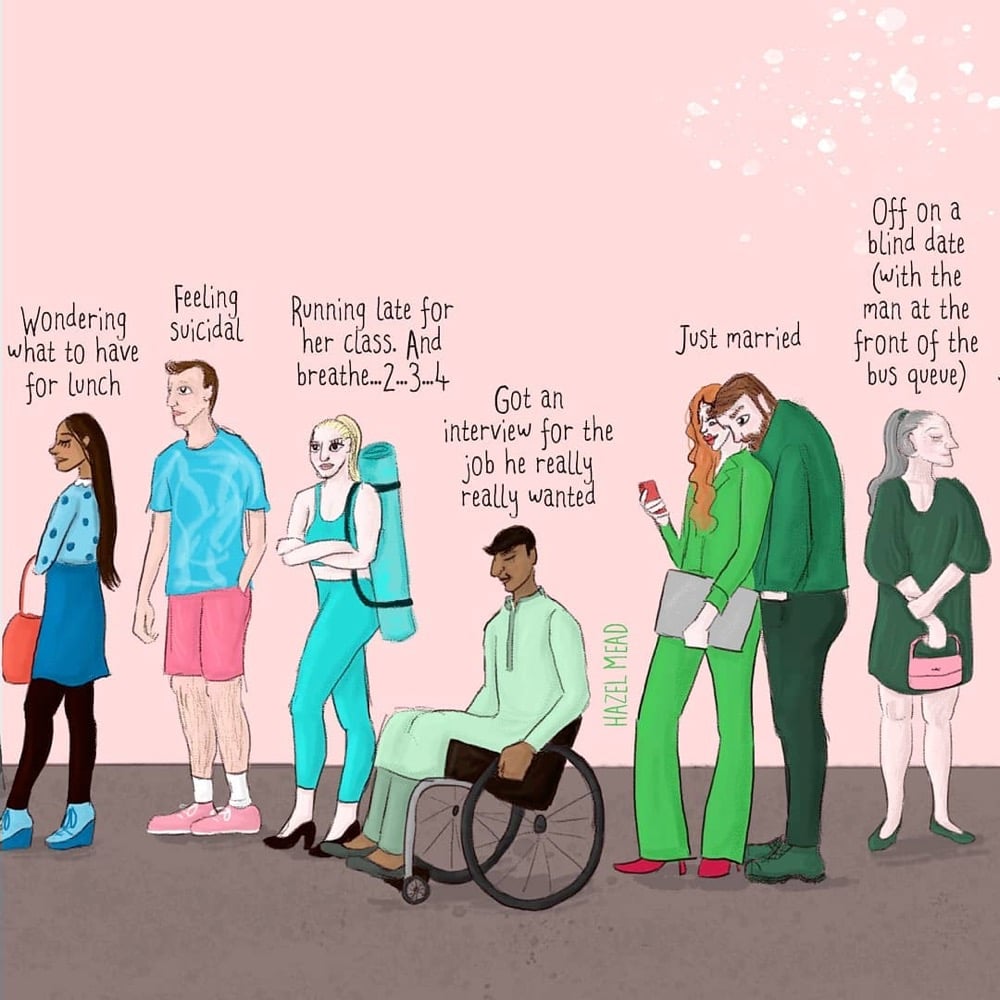
Illustrator Hazel Mead created a pair of pieces called You Don’t Know What’s Going On In People’s Lives: the original version and one featuring children. The images above are snippets from the larger images, both of which are available as prints in Mead’s shop. (via cup of jo)
Update: Several people sent me a link to this video from Cleveland Clinic that is very similar to Mead’s illustrations.
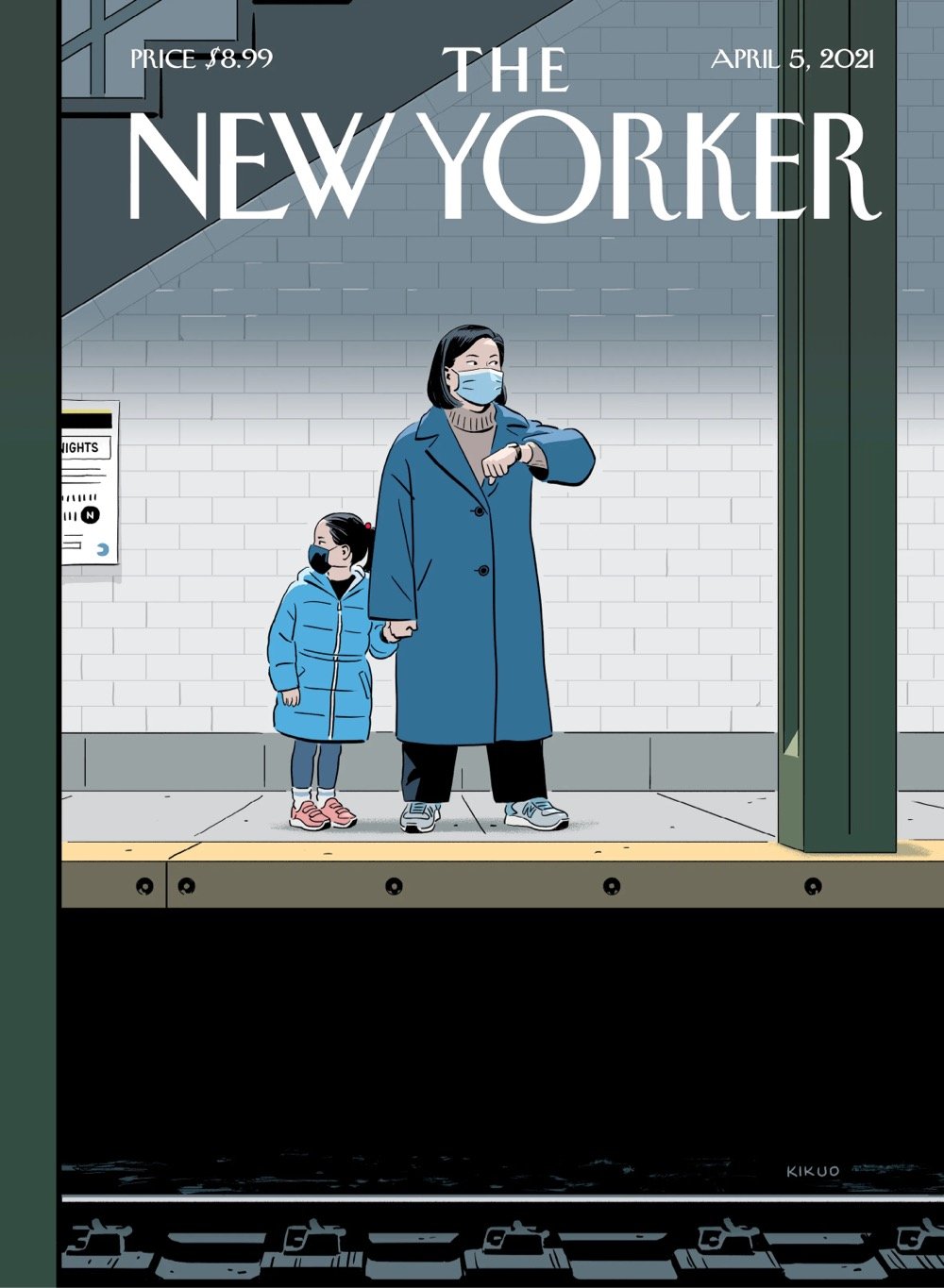
That’s the cover for the April 5, 2021 issue of the New Yorker illustrated by R. Kikuo Johnson.
I began preparing for this project by revisiting news coverage of anti-Asian hate crimes committed during the pandemic. As I absorbed one account after another, they became increasingly difficult to read. So many mothers and grandmothers have been targeted. I imagined my own mom in that situation. I thought about my grandma and my aunt, who have been among my greatest sources of support. The mother in the drawing is made up of all these women.
So simple, so powerful. The way the shoes, eyes, and faces are positioned and angled. On Twitter, Jiayang Fan commented:
I can’t stop staring at this cover. I can’t stop wondering who would come to this mother-daughter pair’s aid if someone attacked them. I can’t stop thinking I was once the daughter and how helpless I still feel to protect my mother.
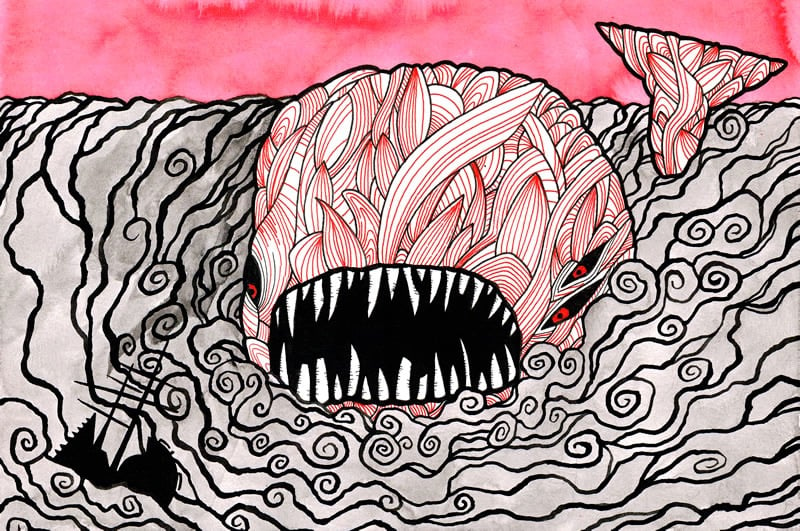
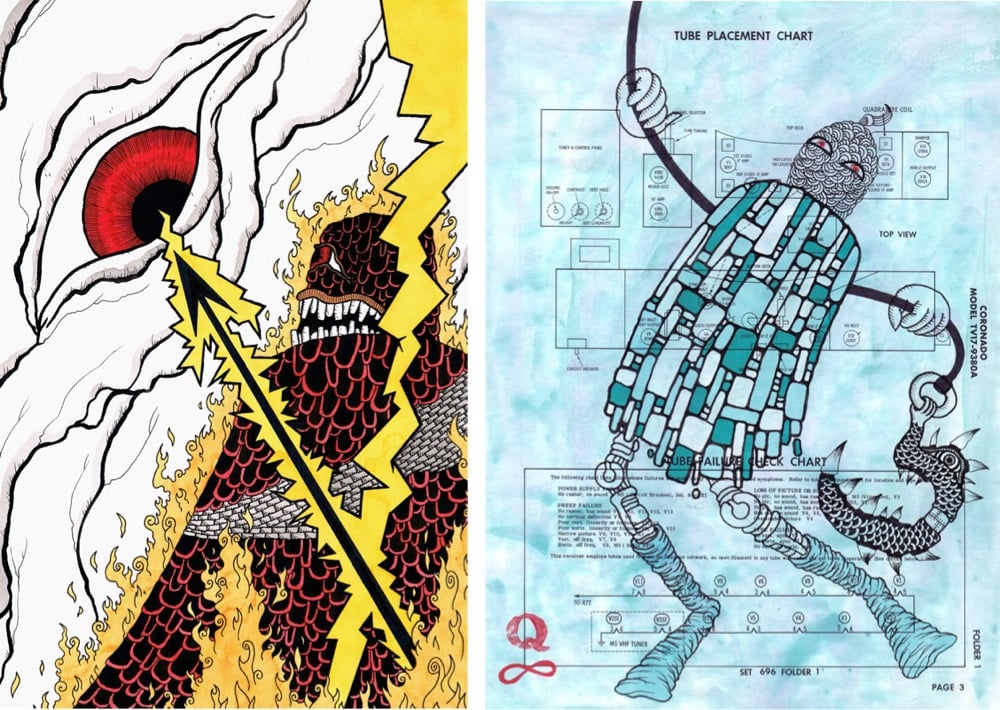
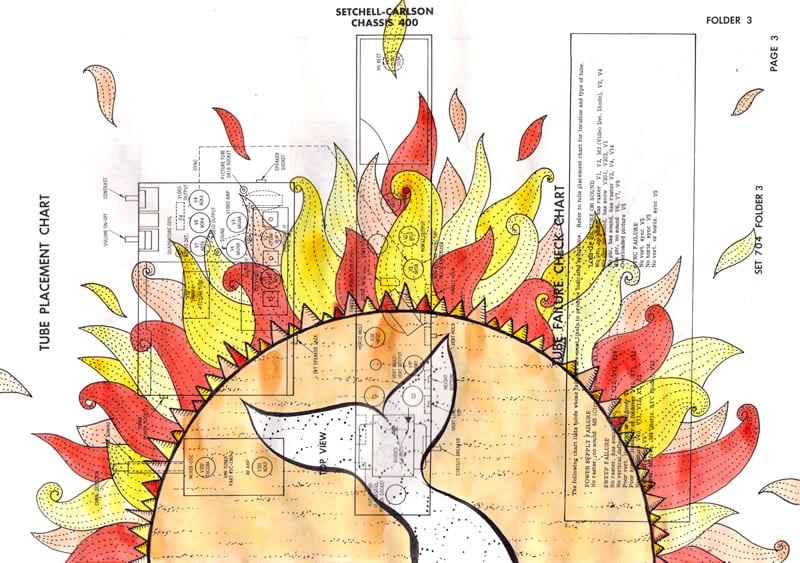
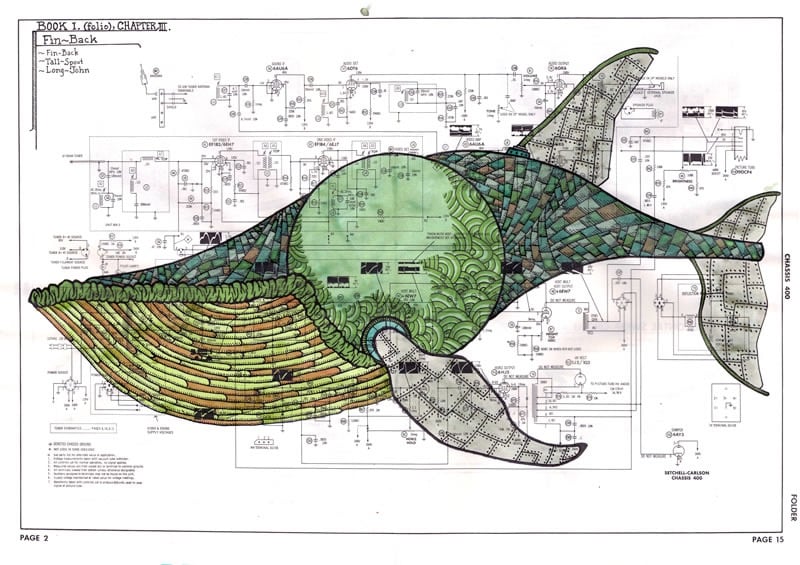
Over a period of a year and a half, Matt Kish created one illustration for each of the 552 pages in the Signet Classic paperback edition of Herman Melville’s novel, Moby-Dick. He then turned those illustrations into a book, Moby-Dick in Pictures: One Drawing for Every Page.
In retrospect, Kish says he feels as foolhardy as Ishmael, the novel’s narrator, and as obsessed as Captain Ahab in his quest for the great white whale. “I see now that the project was an attempt to fully understand this magnificent novel, to walk through every sun-drenched word, to lift up all the hatches and open all the barrels, to smell, taste, hear, and see every seabird, every shark, every sailor, every harpooner, and every whale,” he says. “It was a hard thing, a very painful thing, but the novel now lives inside me in a away it never could have before.”
All of the drawings are still available on Kish’s old Blogspot blog (first entry here) but the best way to see them is to get the book.
This guide to Covid-19 variants (SARS-CoV-2 viruses that have evolved changes to meaningfully alter their behavior) by Michaeleen Doucleff and Meredith Rizzo at NPR cleverly visualizes how mutations of the virus’s spike proteins help bind it more easily to ACE2 receptors on human cells. The key to the visualization is Meredith Miotke’s illustrations of the viruses using Lego pieces to represent the virus spikes and cell receptors. The usual SARS-CoV-2 has 1x1 Lego pieces that can bind with 1x2 pieces, like so:
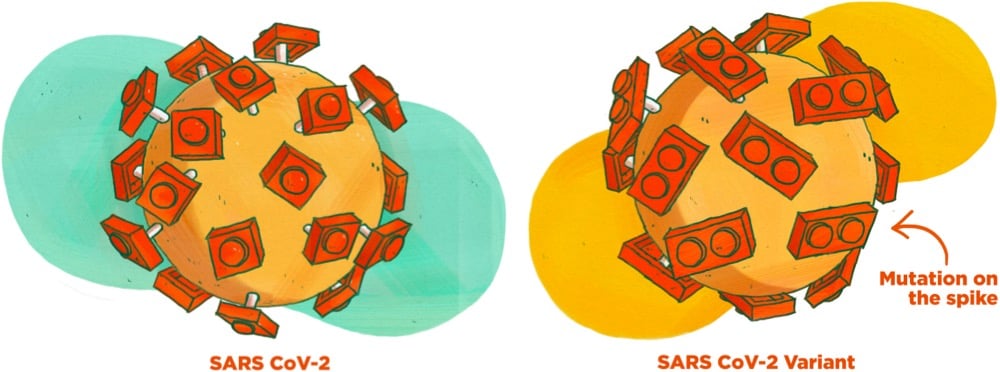
But, as everyone who has ever worked with a Lego set knows, a 1x1 piece stuck to a 1x2 piece is not super stable. So when a version of the virus with a 1x2 piece shows up, it’s able to form a better connection to the 1x2 receptor:
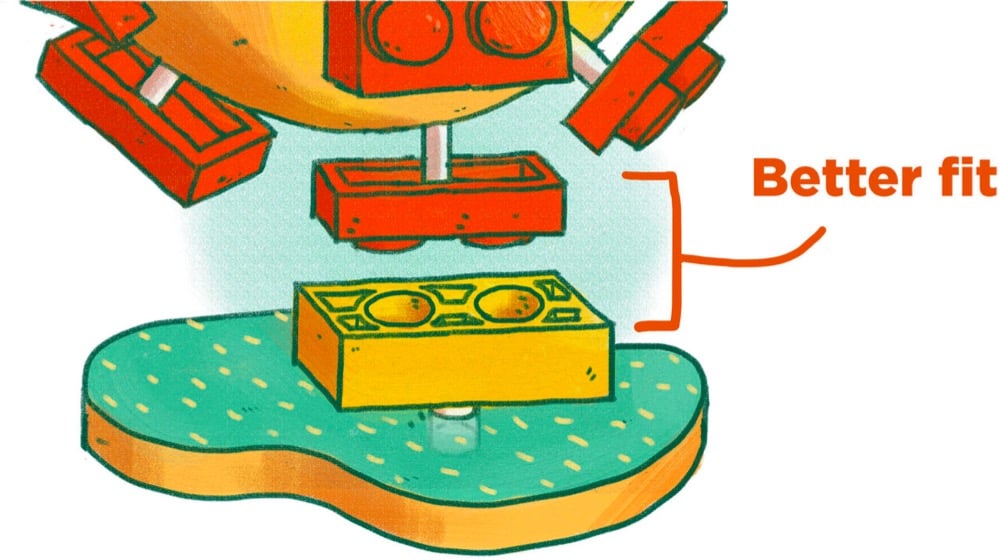
The analogy breaks down if you look too hard at it1 but for many people, it can be a quick way to get the gist of the mechanism at work here. (via @EricTopol)
The rhetorical highlight of the Biden/Harris inauguration was Amanda Gorman reciting her poem, The Hill We Climb — I thought it was fantastic. It begins:
When day comes we ask ourselves,
where can we find light in this never-ending shade?
The loss we carry,
a sea we must wade
We’ve braved the belly of the beast
We’ve learned that quiet isn’t always peace
And the norms and notions
of what just is
Isn’t always just-ice
And yet the dawn is ours
before we knew it
Somehow we do it
Somehow we’ve weathered and witnessed
a nation that isn’t broken
but simply unfinished
We the successors of a country and a time
Where a skinny Black girl
descended from slaves and raised by a single mother
can dream of becoming president
only to find herself reciting for one
Here’s a transcript courtesy of CNN. You can read about how Gorman composed the poem in the NY Times:
“I had this huge thing, probably one of the most important things I’ll ever do in my career,” she said in an interview. “It was like, if I try to climb this mountain all at once, I’m just going to pass out.”
Gorman managed to write a few lines a day and was about halfway through the poem on Jan. 6, when pro-Trump rioters stormed into the halls of Congress, some bearing weapons and Confederate flags. She stayed awake late into the night and finished the poem, adding verses about the apocalyptic scene that unfolded at the Capitol that day.
The Times also has a lesson for students about Gorman and her poem. And from NPR:
Gorman is no stranger to having to change her work midstream. Like Biden, who has spoken openly about having stuttered as a child, Gorman grew up with a childhood speech impediment of her own. She had difficulty saying certain letters of the alphabet — the letter R was especially tough — which caused her to have to constantly “self-edit and self-police.”
Her delivery was amazing — powerful and lyrical. Brava!
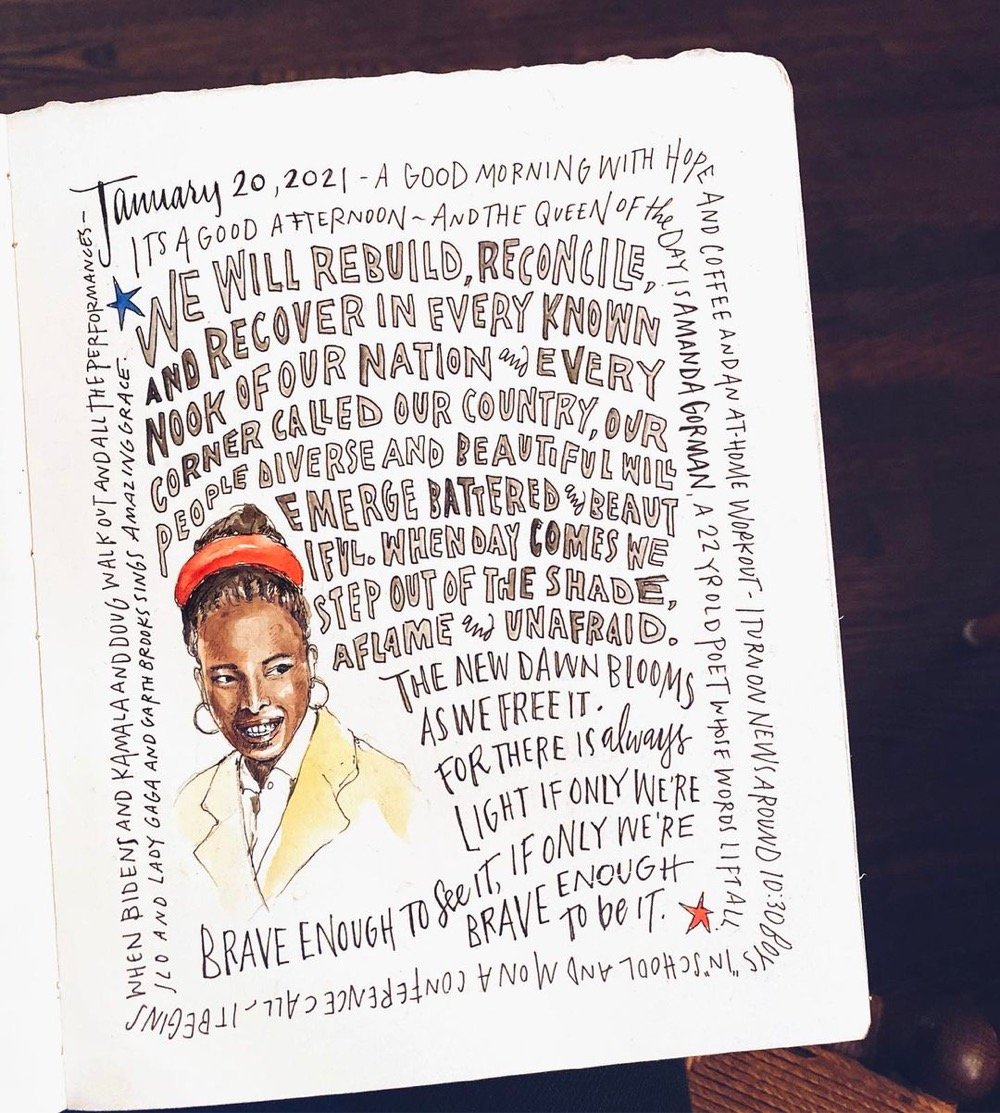
Update: I included a link to a transcript of the poem above. I also wanted to include this illustration by Samantha Dion Baker because art inspires art.
Update: A book version of Gorman’s inaugural poem will be out in April and is available for preorder.
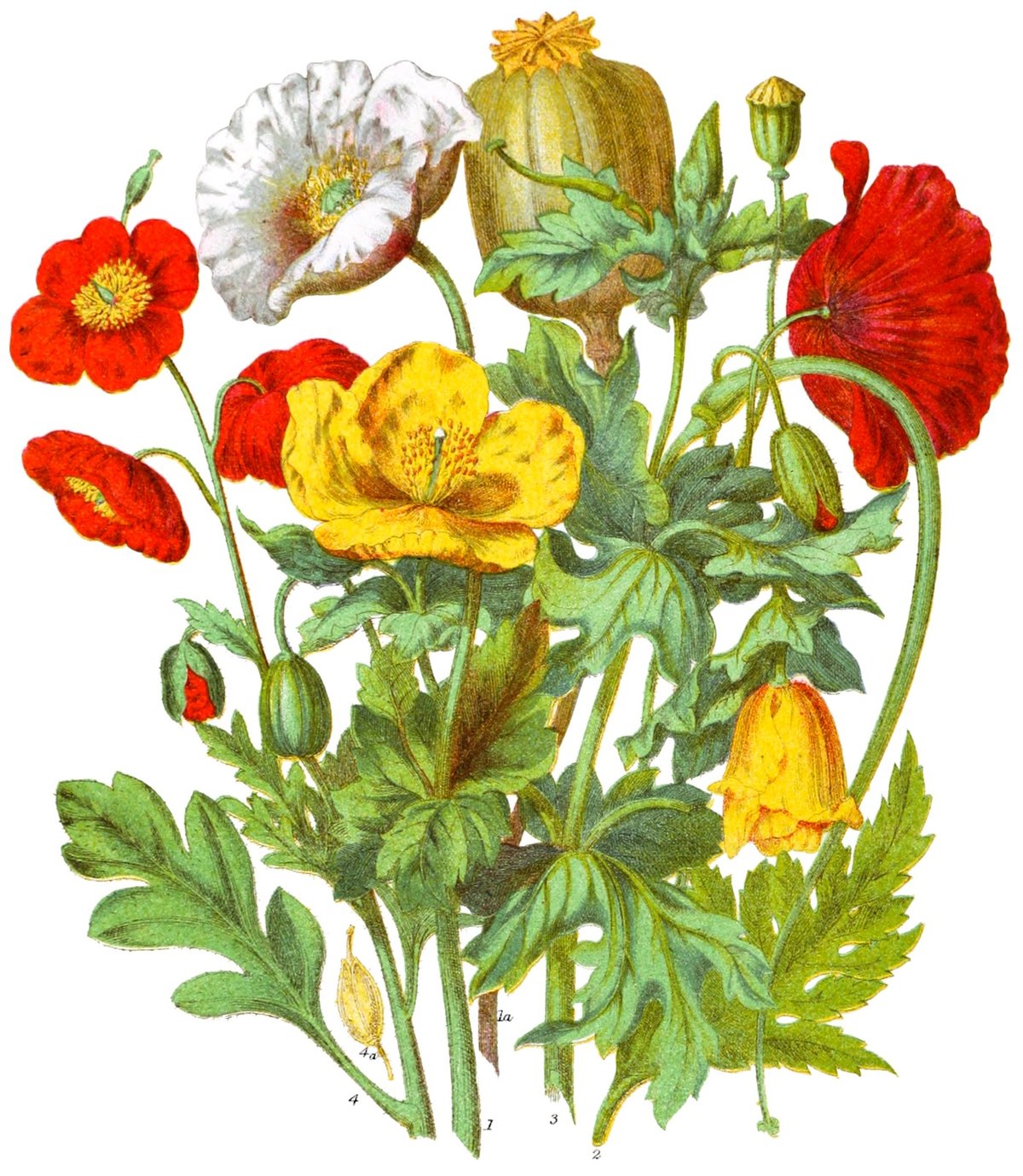
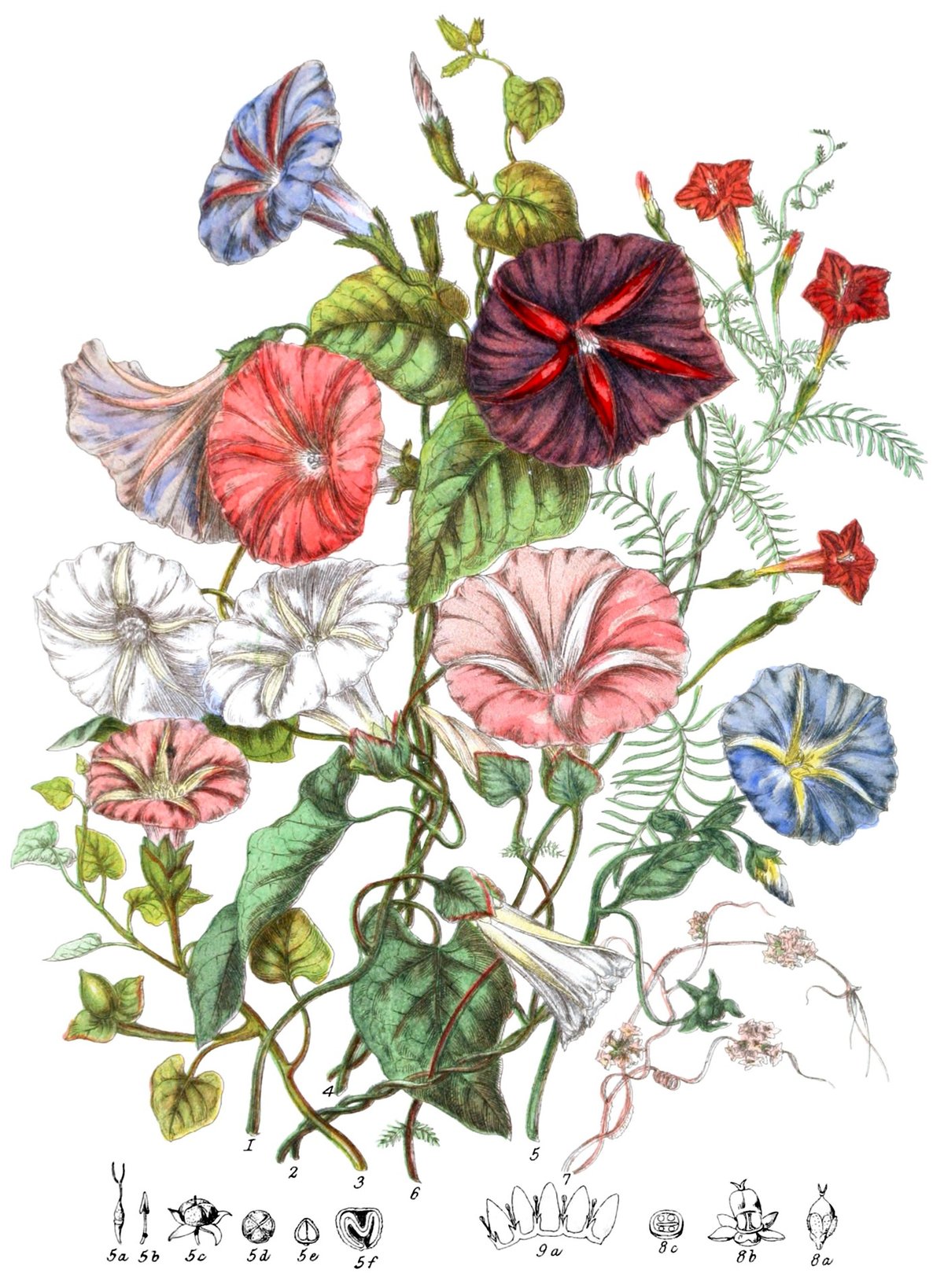
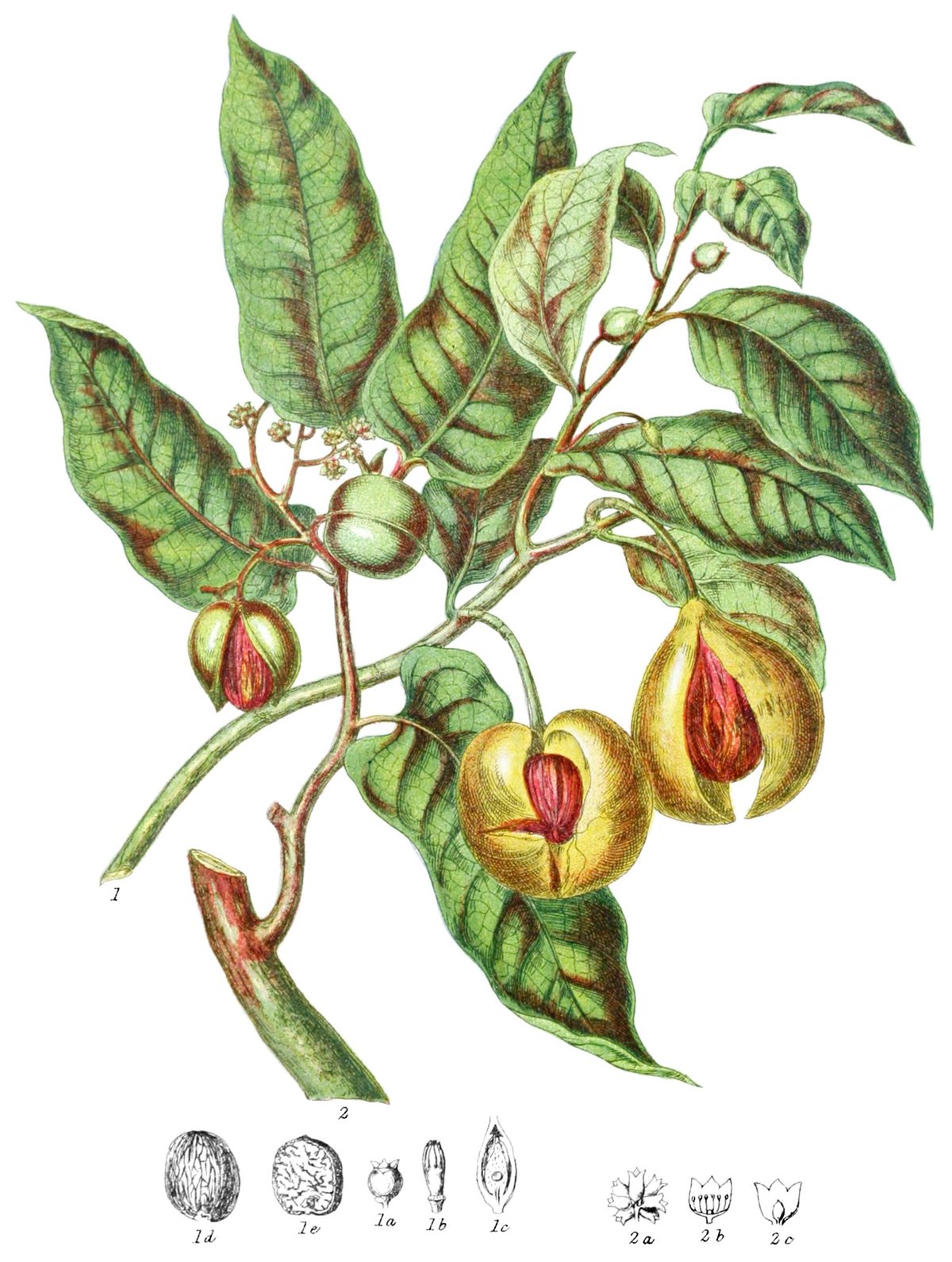
Nicholas Rougeux has beautifully reproduced & remastered botanical illustrator Elizabeth Twining’s catalog of plants and flowers from 1868, Illustrations of the Natural Orders of Plants. Each of the 160 illustrations is accompanied by explanatory text from the original book and an interactive version of the image (click on the highlighted plant for more info).
Posters based on the illustrations are available and, get this, so are puzzles!
Author and illustrator Edward Carey has been making a drawing a day since the beginning of the pandemic. He recently completed his 250th drawing, with “no end in sight, alas”. He’s posting each day’s drawing to Instagram; here are a few of my recent favorites:
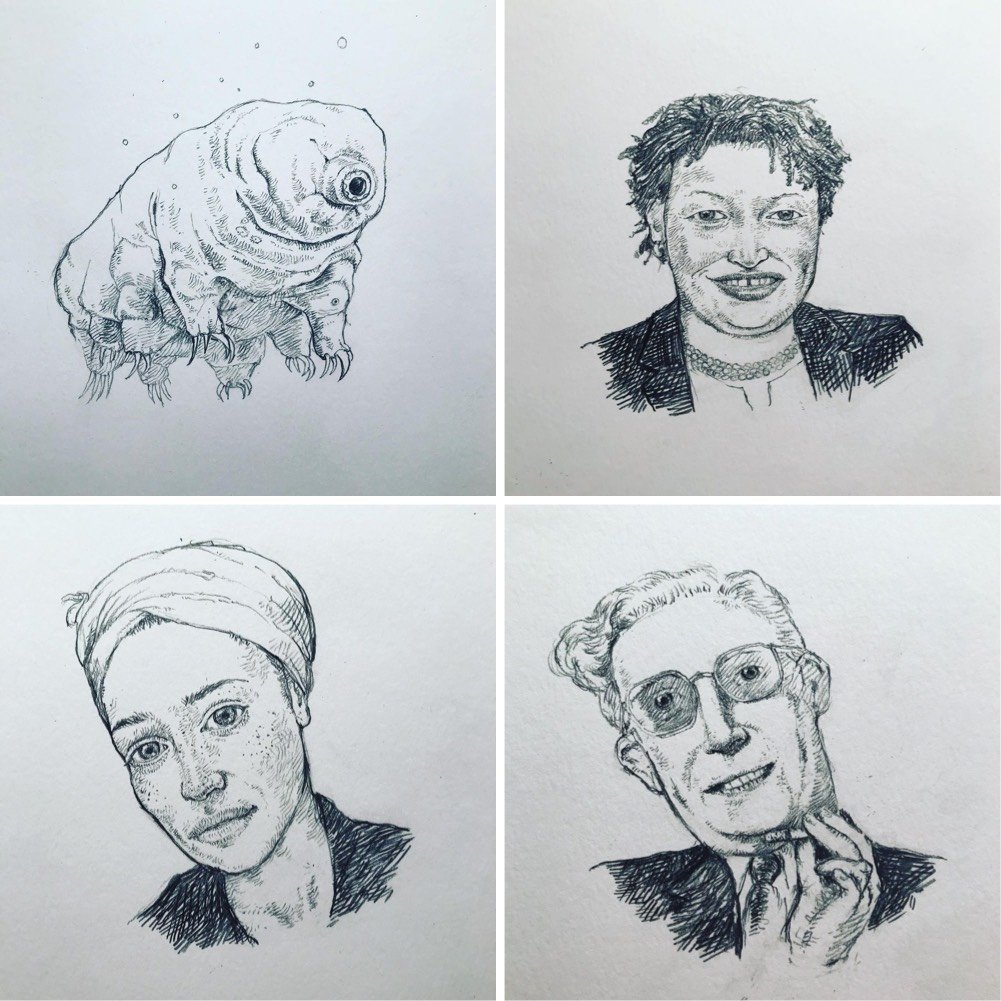
And the whole lot laid out on the floor:
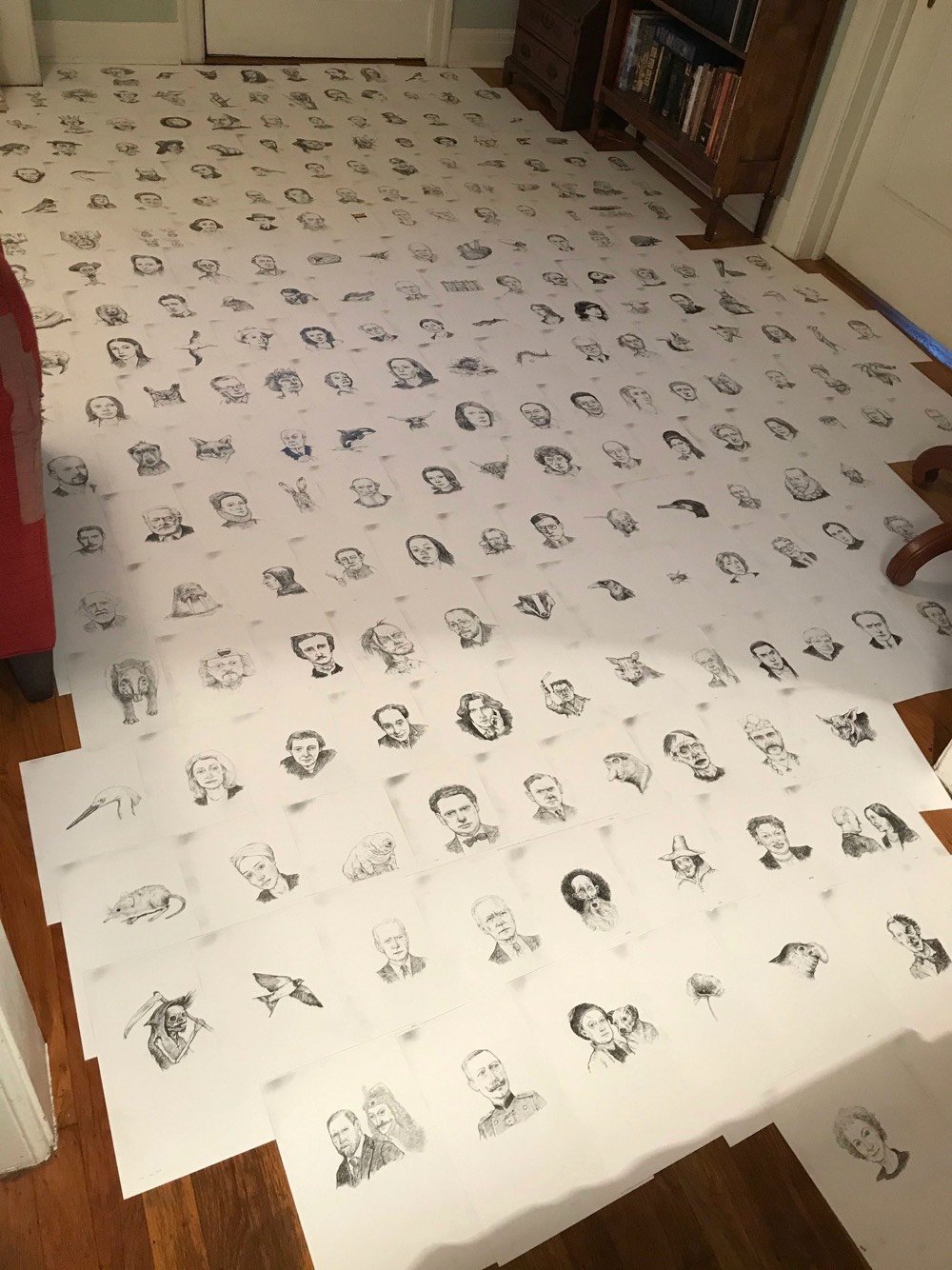
That’s so many days. (via austin kleon)
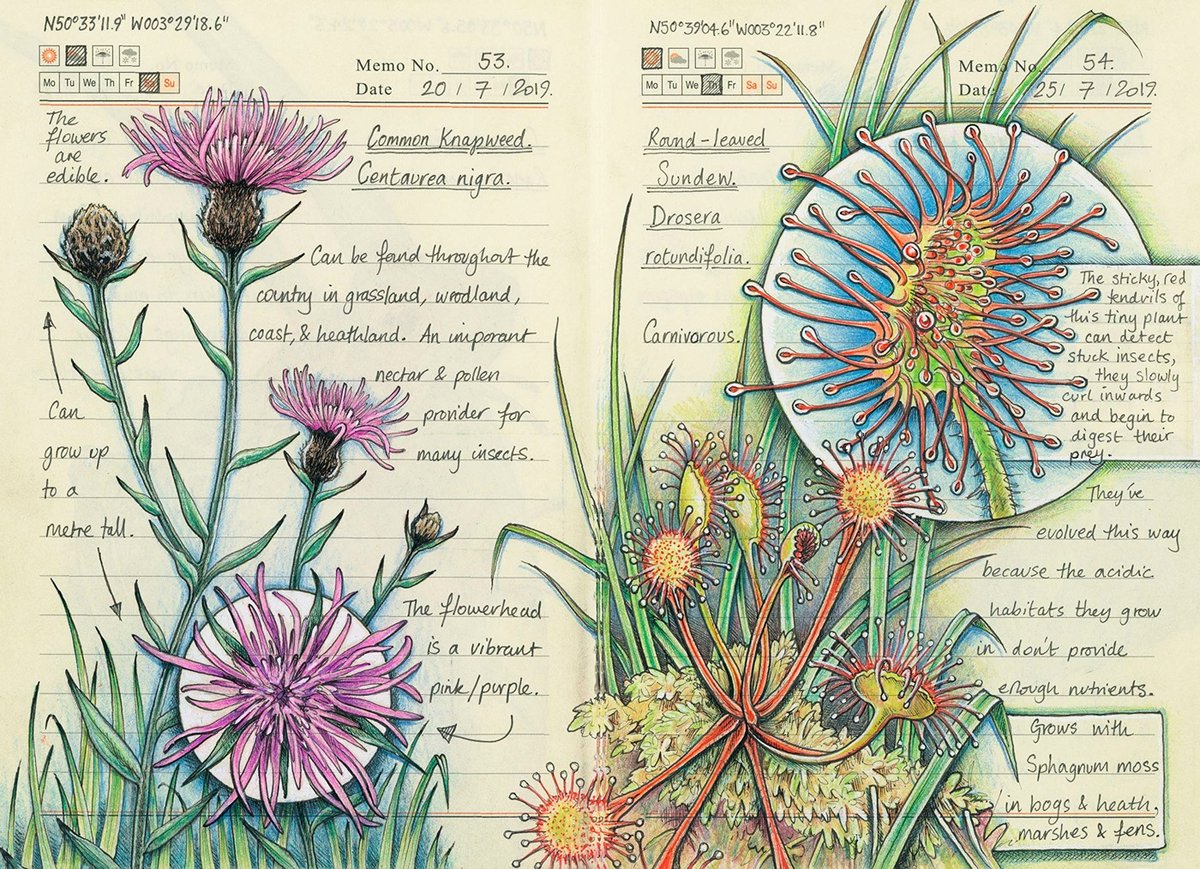
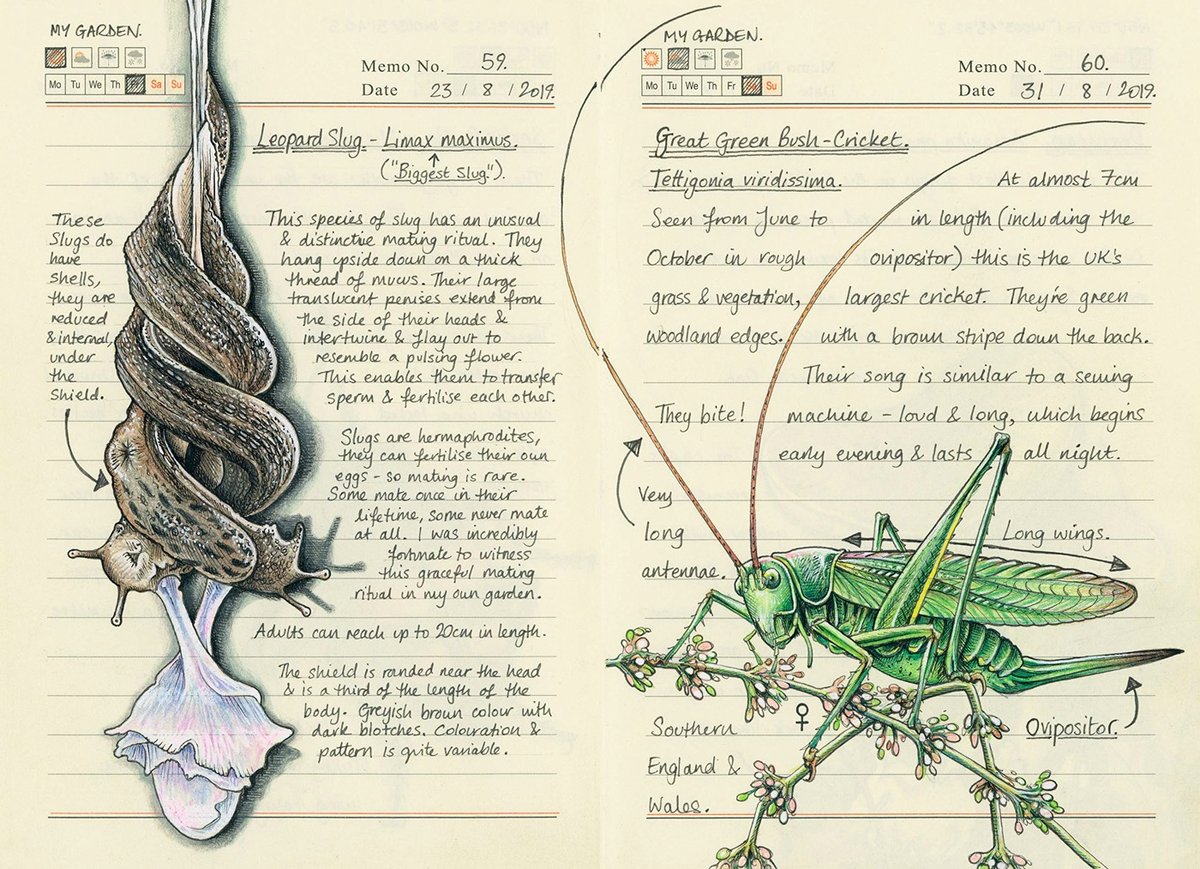
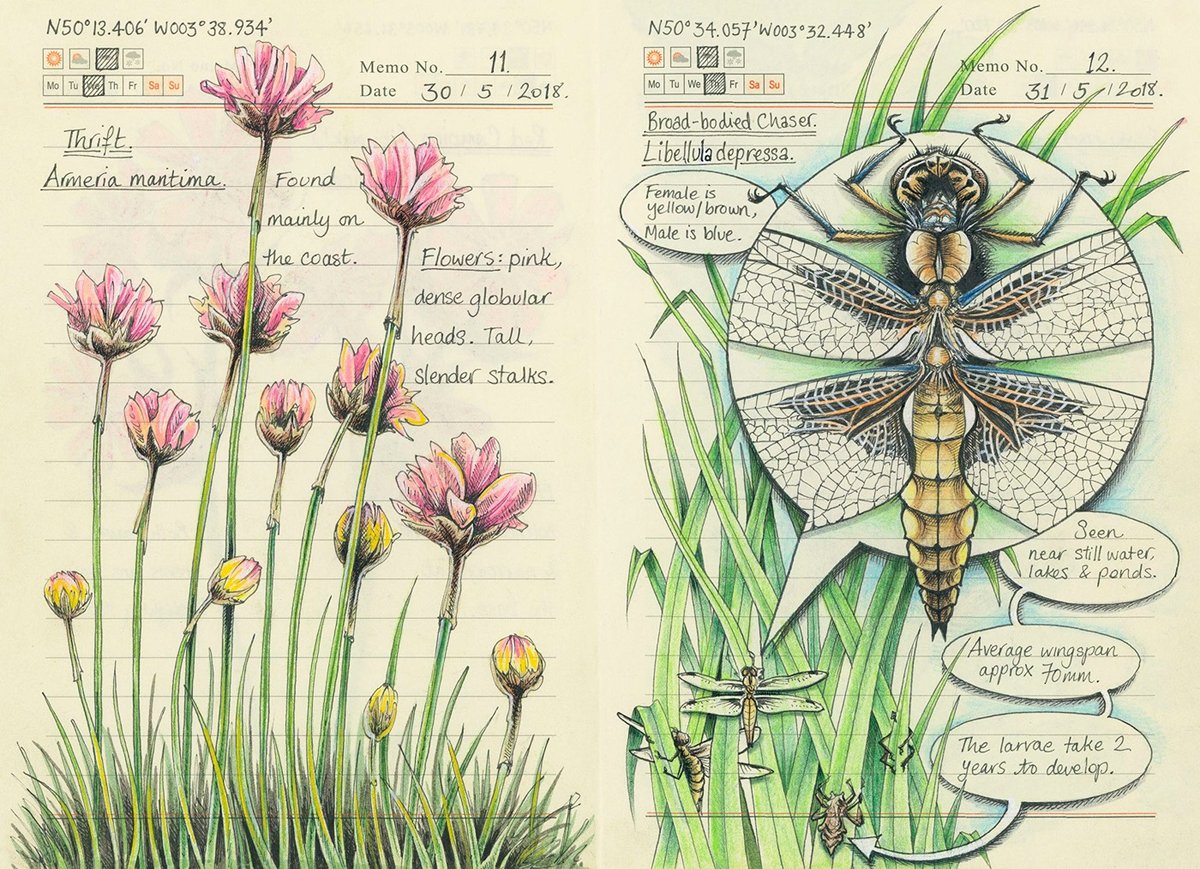
Just enjoying Jo Brown’s illustrations today. Using a Moleskine notebook, she sketches plants and wildlife near her home in Devon, England. A replica of that nature journal called Secrets of a Devon Wood has been recently published in the UK (US edition is out soon — Amazon is the only place I could find it). You can check out more of her artwork on Instagram. (via colossal)
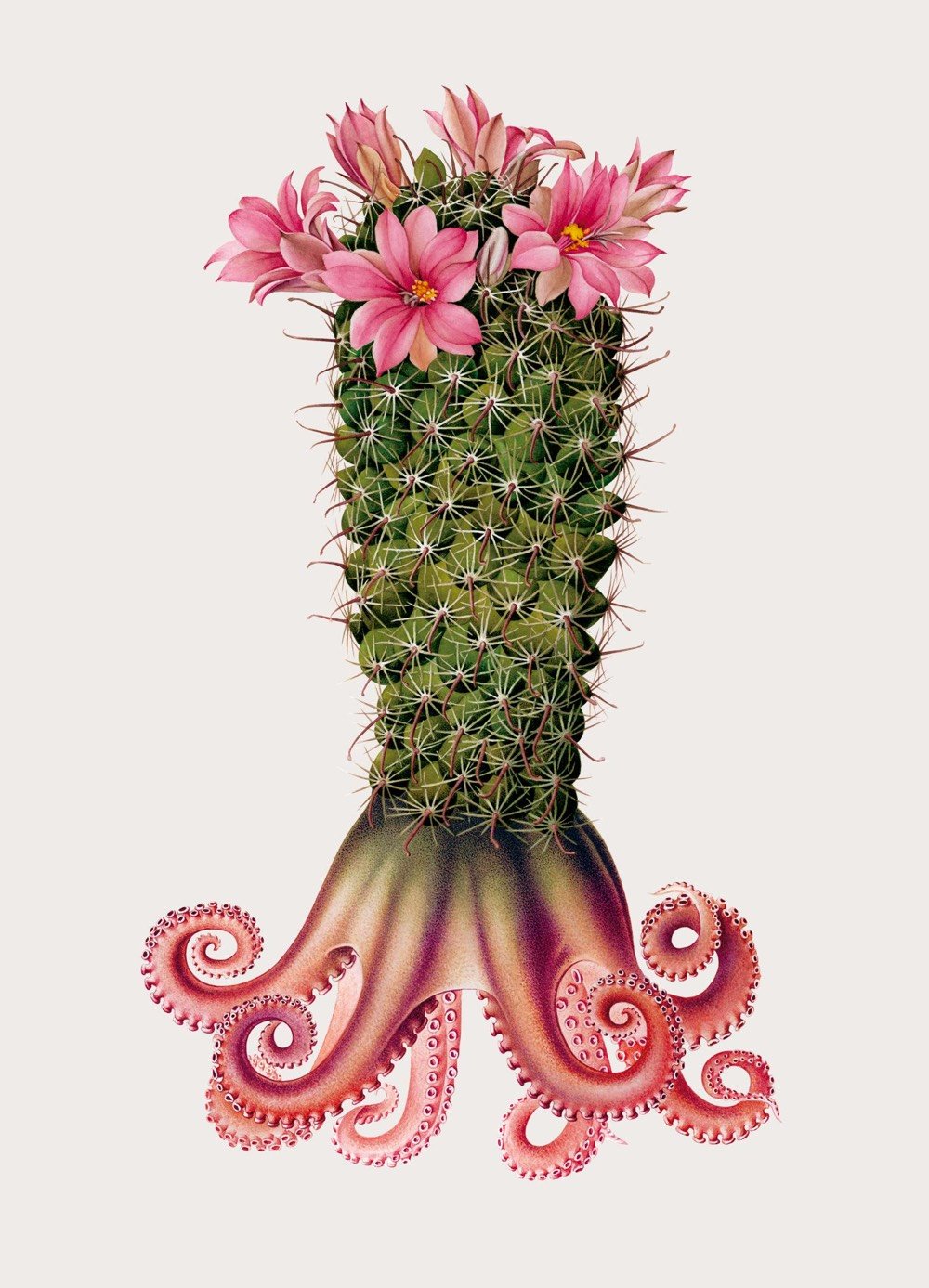
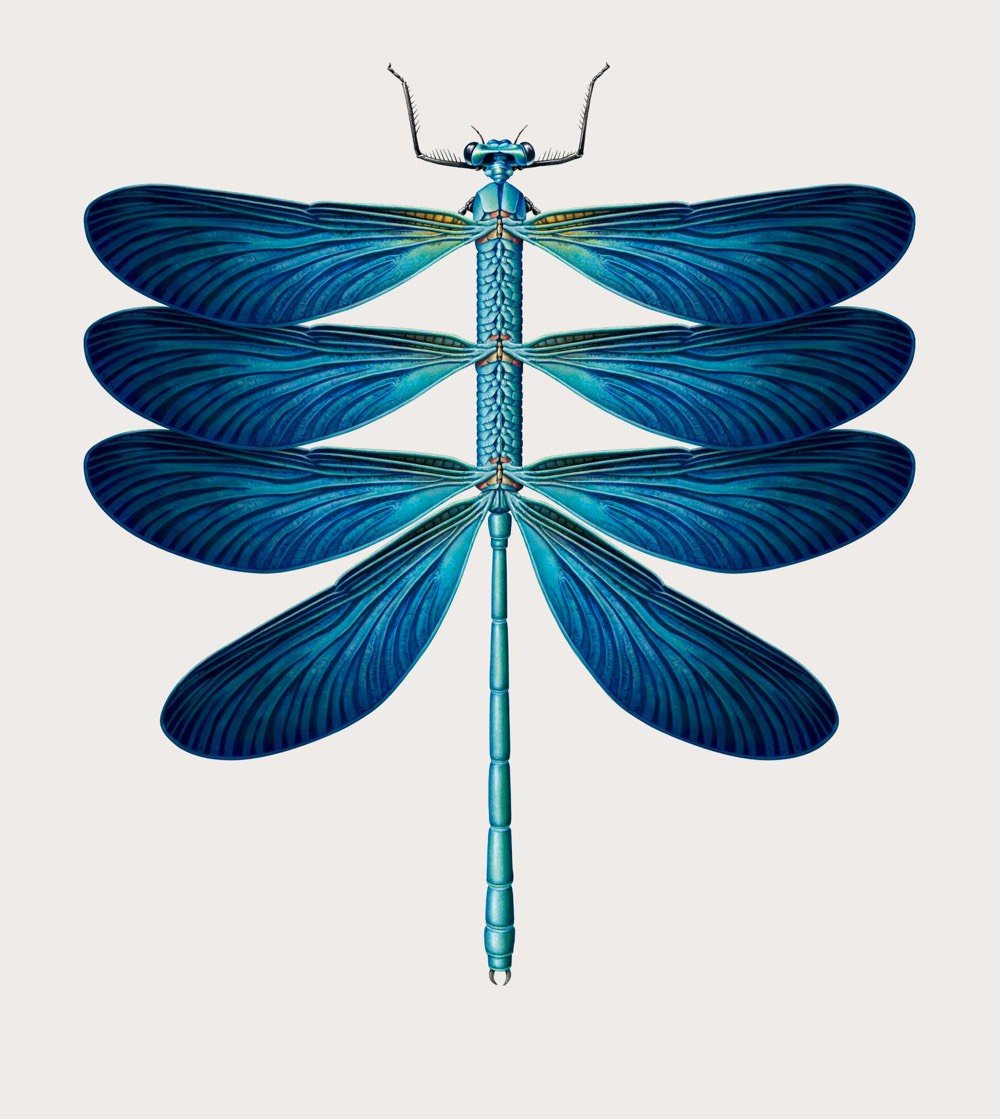
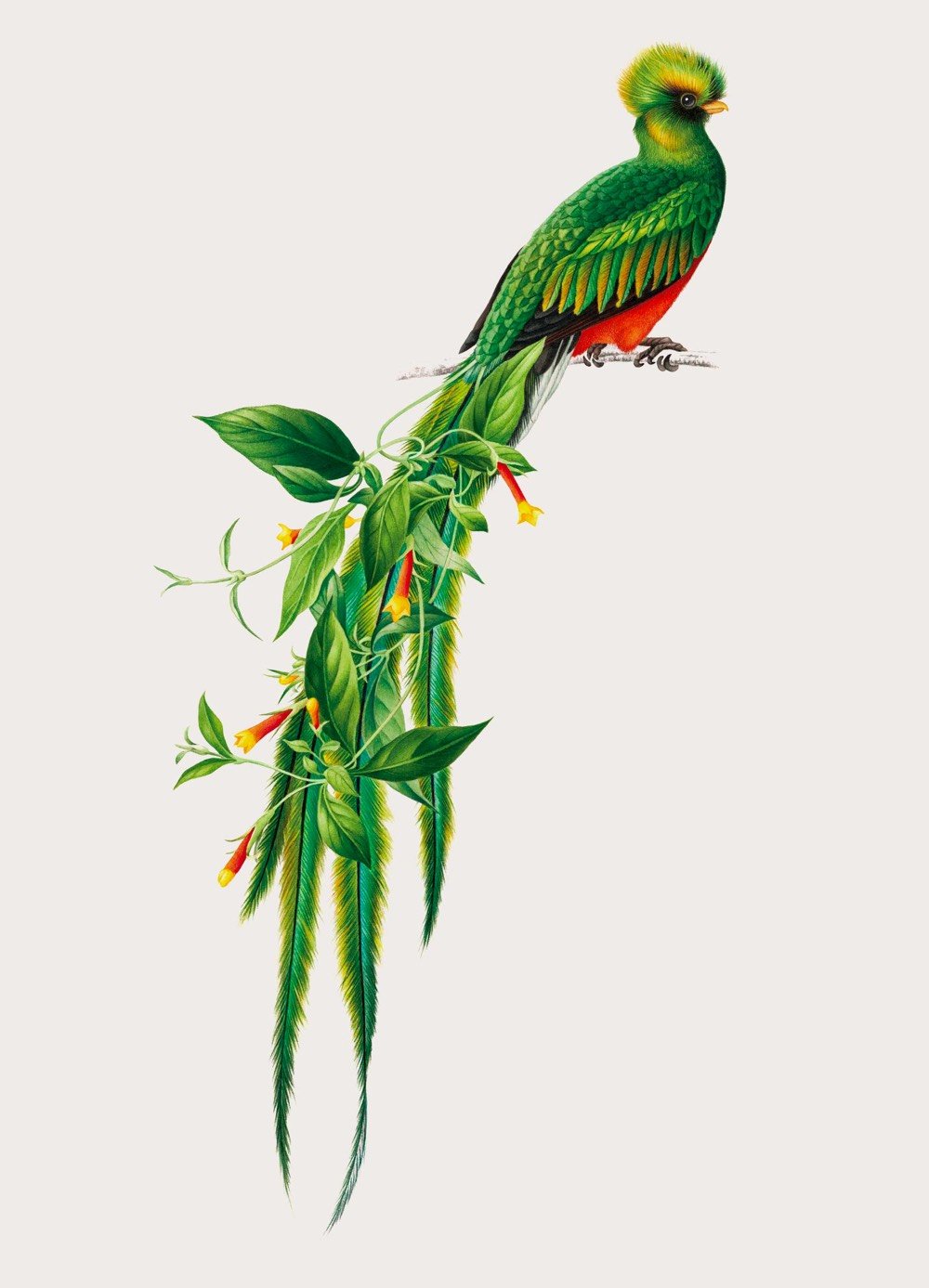
Study of the Creative Specimens is a collection of fantastical hybrid creatures created for Adobe’s 99U conference by Mark Brooks and illustration studio alademosca. Prints are available from Paper Chase Press. (via colossal)
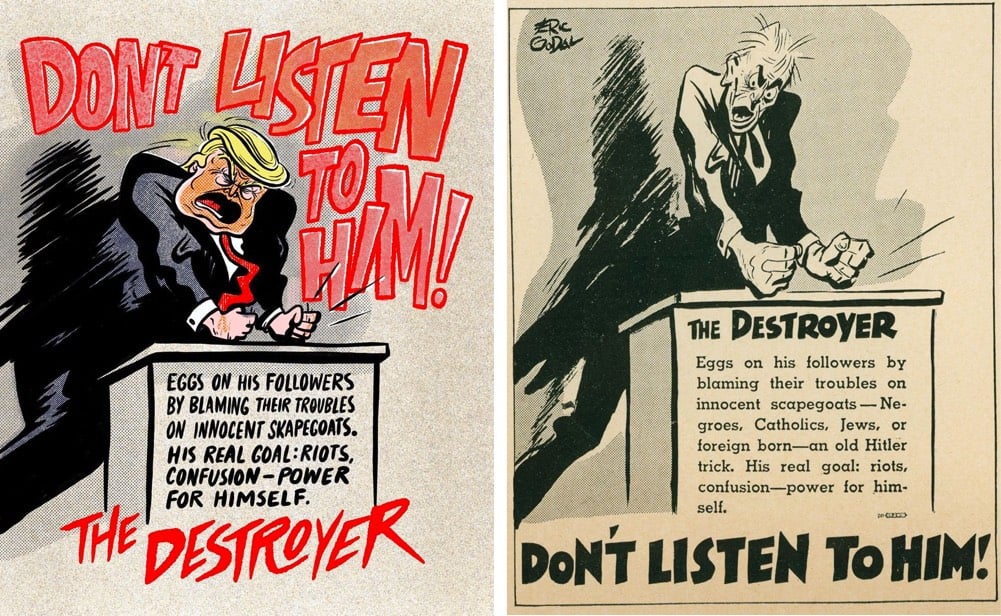
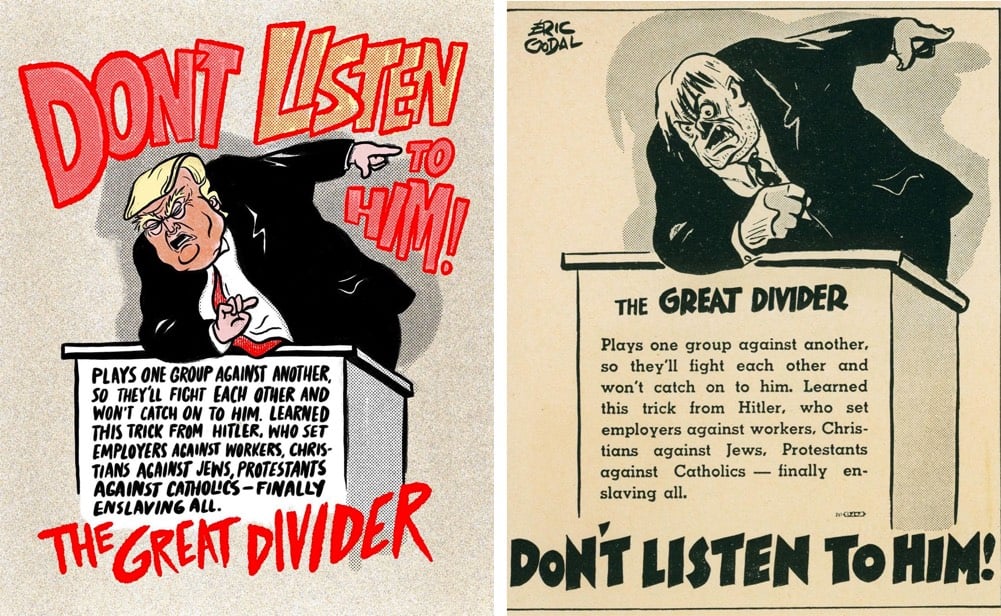
In the 1930s and 40s, artist Eric Godal drew some anti-fascist political cartoons that urged people not to listen to right-wing authoritarians who want to destroy and pillage society for their own ends. Godal, a German Jew, had escaped the clutches of Nazi Germany in the 30s and labored to warn America and the world about the fate of the Jews in Europe.1
Illustrator Chris Piascik has updated Godal’s drawings for 2020 to feature our own corrupt crackpot wannabe dictator. Calling Donald Trump a fascist is hardly controversial these days — he clearly is. What his supporters need to reckon with is: are they?
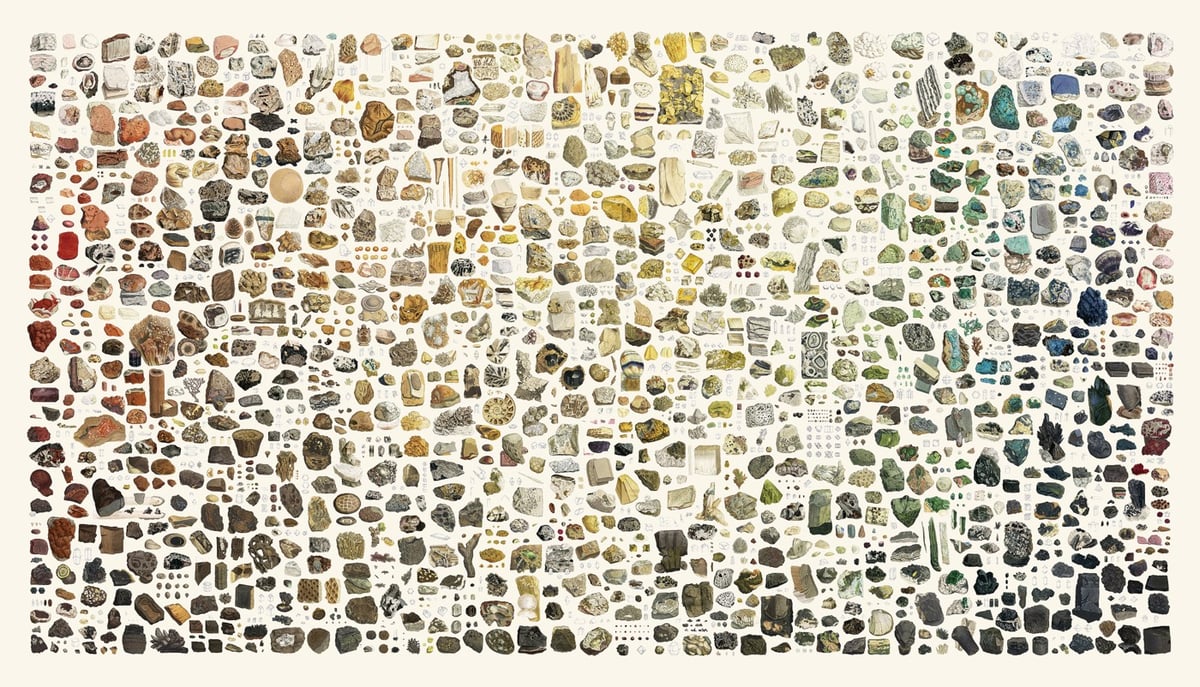
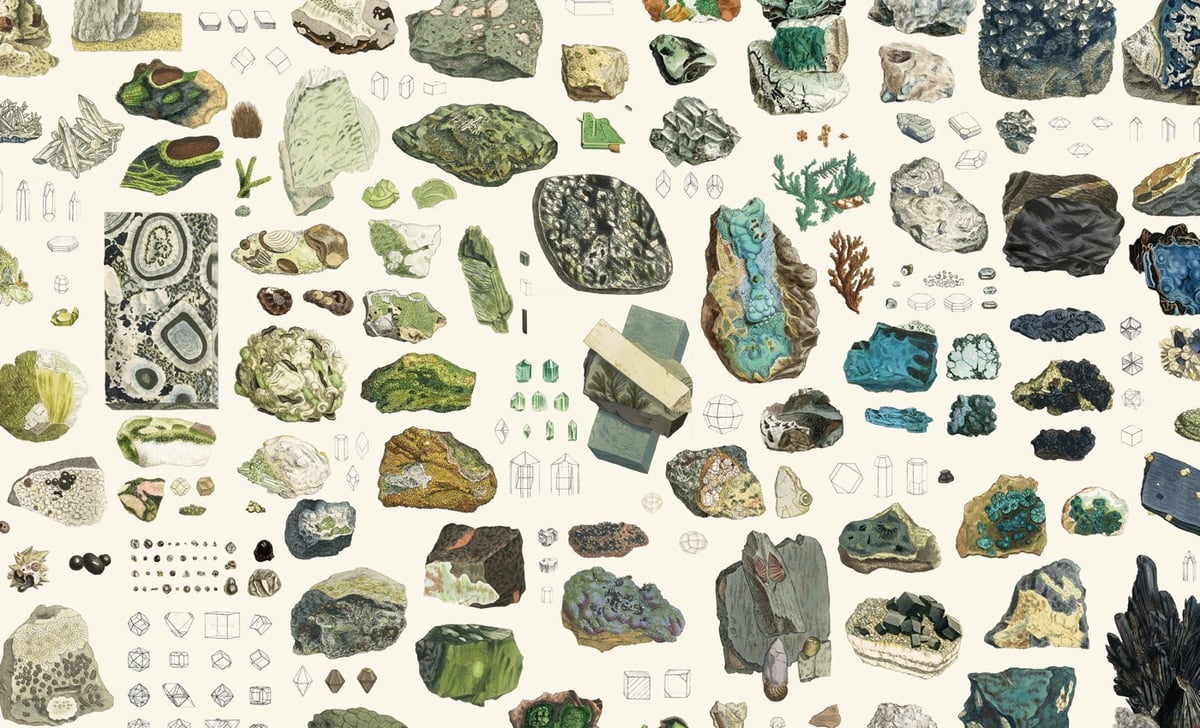
I love this zoomable interactive display of British & Exotic Mineralogy. To create it, Nicholas Rougeux collected 718 hand-drawn mineral illustrations by James Sowerby sourced from a pair of multi-volume books called British Mineralogy and Exotic Mineralogy, published between 1802 and 1817. Then he arranged them according to hue and brightness in a collage worthy of Knoll.
British Mineralogy and Exotic Mineralogy comprise 718 illustrations by James Sowerby in an effort to illustrate the topographical mineralogy of Great Britain and minerals not then known to it. Sowerby’s plates are some of the finest examples of hand-drawn mineral illustrations ever created. The detail and care with which these illustrations were created is incredible and worthy of close examination. See the samples below.
And, oh boy, he’s selling posters of it too.
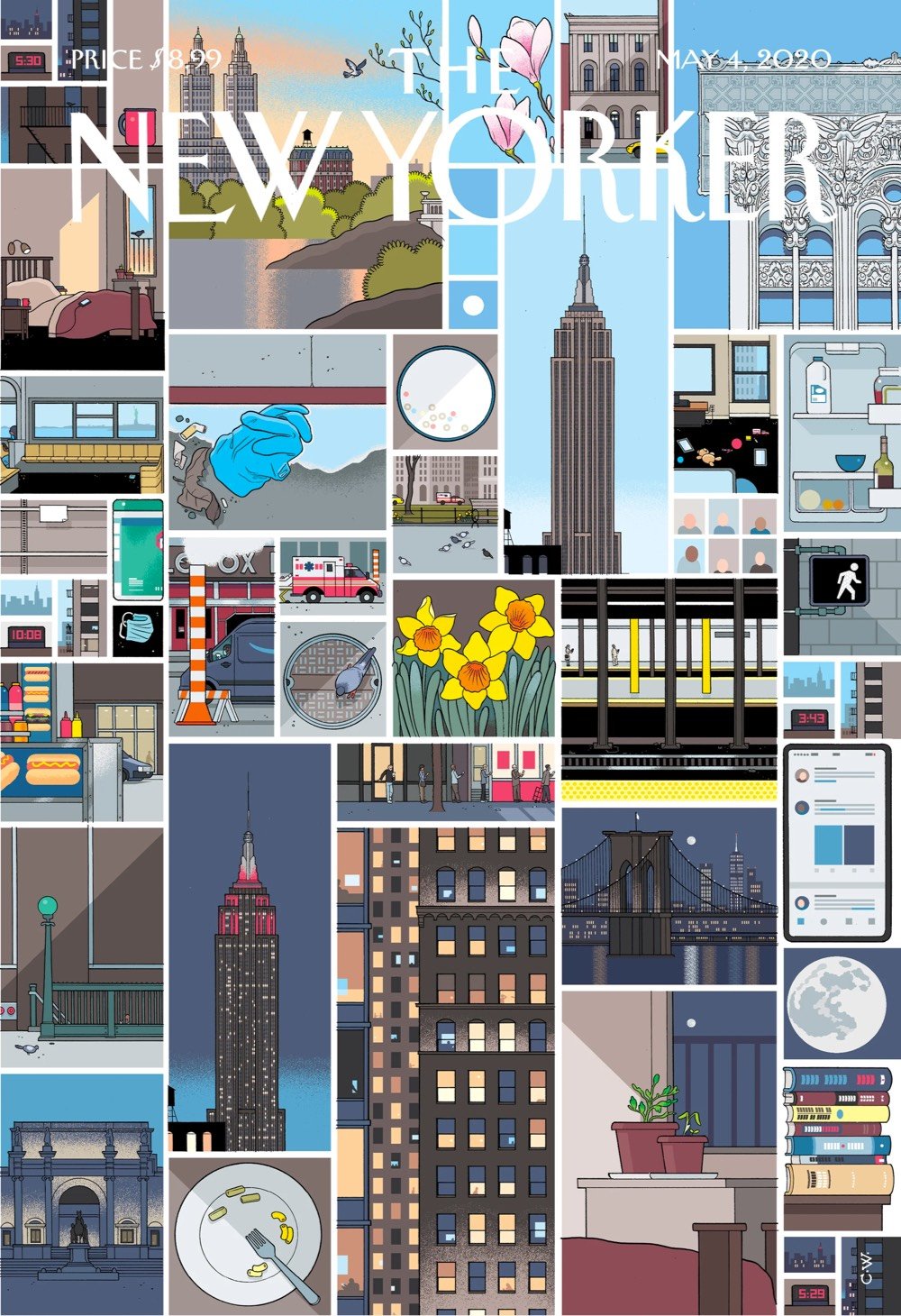
For the cover of this week’s New Yorker, Chris Ware drew several vignettes of NYC arranged in his trademark grid as a companion to this incredible piece about a single day of the Covid-19 crisis in the city. About the cover, Ware wrote:
Teeming with unpredictable people and unimaginable places and unforeseeable moments, life there is measured not in hours but in densely packed minutes that can fill up a day with a year’s worth of life. Lately, however, closed up in our homes against a worldwide terror, time everywhere has seemed to slur, to become almost Groundhog Day-ish, forced into a sort of present-perfect tense — or, as my fellow New Yorker contributor Masha Gessen more precisely put it, ‘loopy, dotted, and sometimes perpendicular to itself.’ But disaster can also have a recalibrating quality. It reminds us that the real things of life (breakfast, grass, spouse) can, in normal times, become clotted over by anxieties and nonsense. We’re at low tide, but, as my wife, a biology teacher, said to me this morning, “For a while, we get to just step back and look.” And really, when you do, it is pretty marvellous.
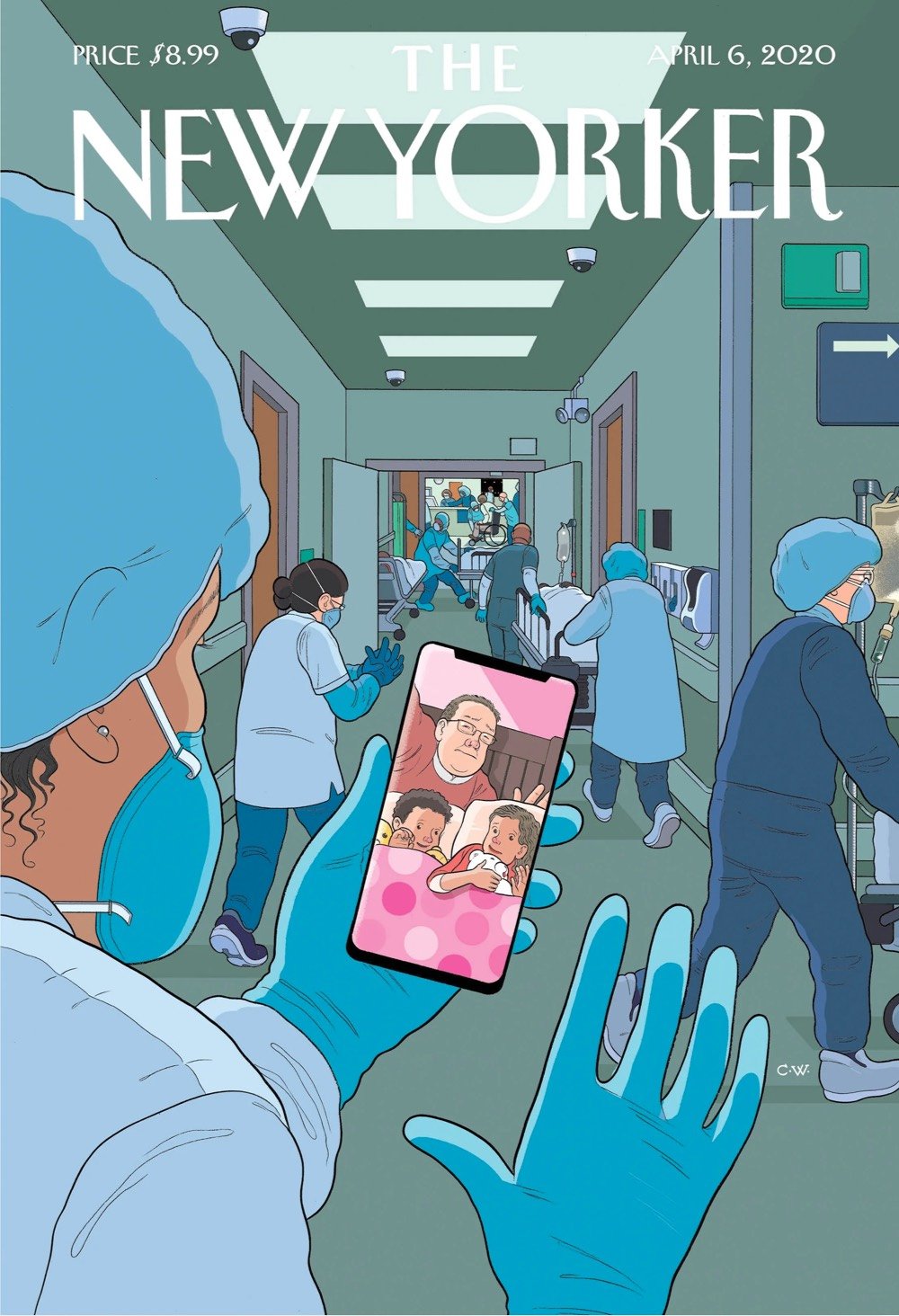
This is Chris Ware’s illustration for the cover of this week’s New Yorker, the magazine’s annual Health Issue. The pandemic had to be the topic for the cover, and Ware’s daughter suggested that the specific theme focus on the families of the healthcare workers on the front lines of the crisis.
“As a procrastination tactic, I sometimes ask my fifteen-year-old daughter what the comic strip or drawing I’m working on should be about — not only because it gets me away from my drawing table but because, like most kids of her generation, she pays attention to the world. So, while sketching the cover of this Health Issue, I asked her.
“‘Make sure it’s about how most doctors have children and families of their own,’ she said.
“Good idea. And a personal one: one of her friend’s parents are both doctors; that friend, now distilled into a rectangular puddle of light on my daughter’s nightstand, reported that her mom had temporarily stopped going to work, pending the results of a COVID-19 test.
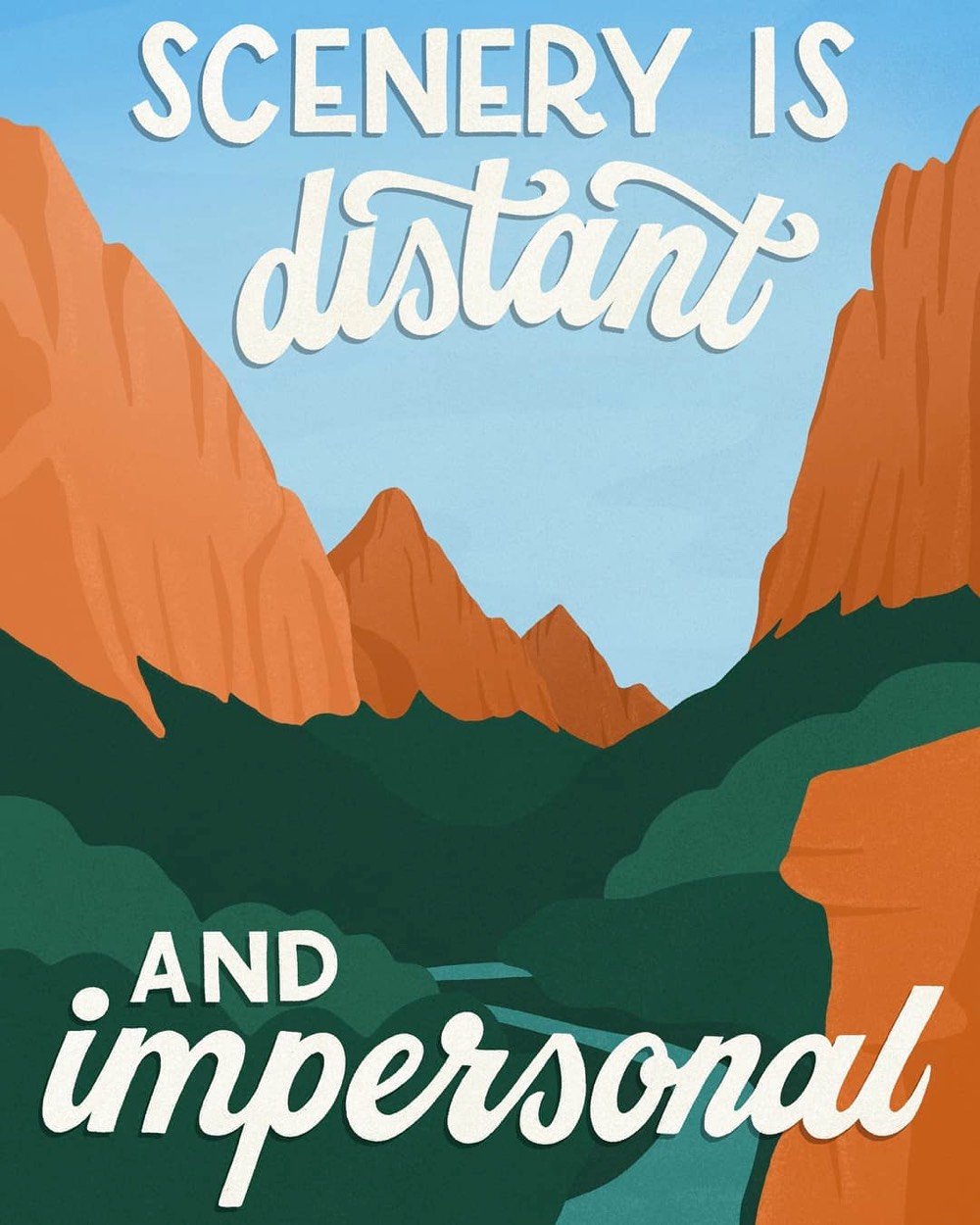
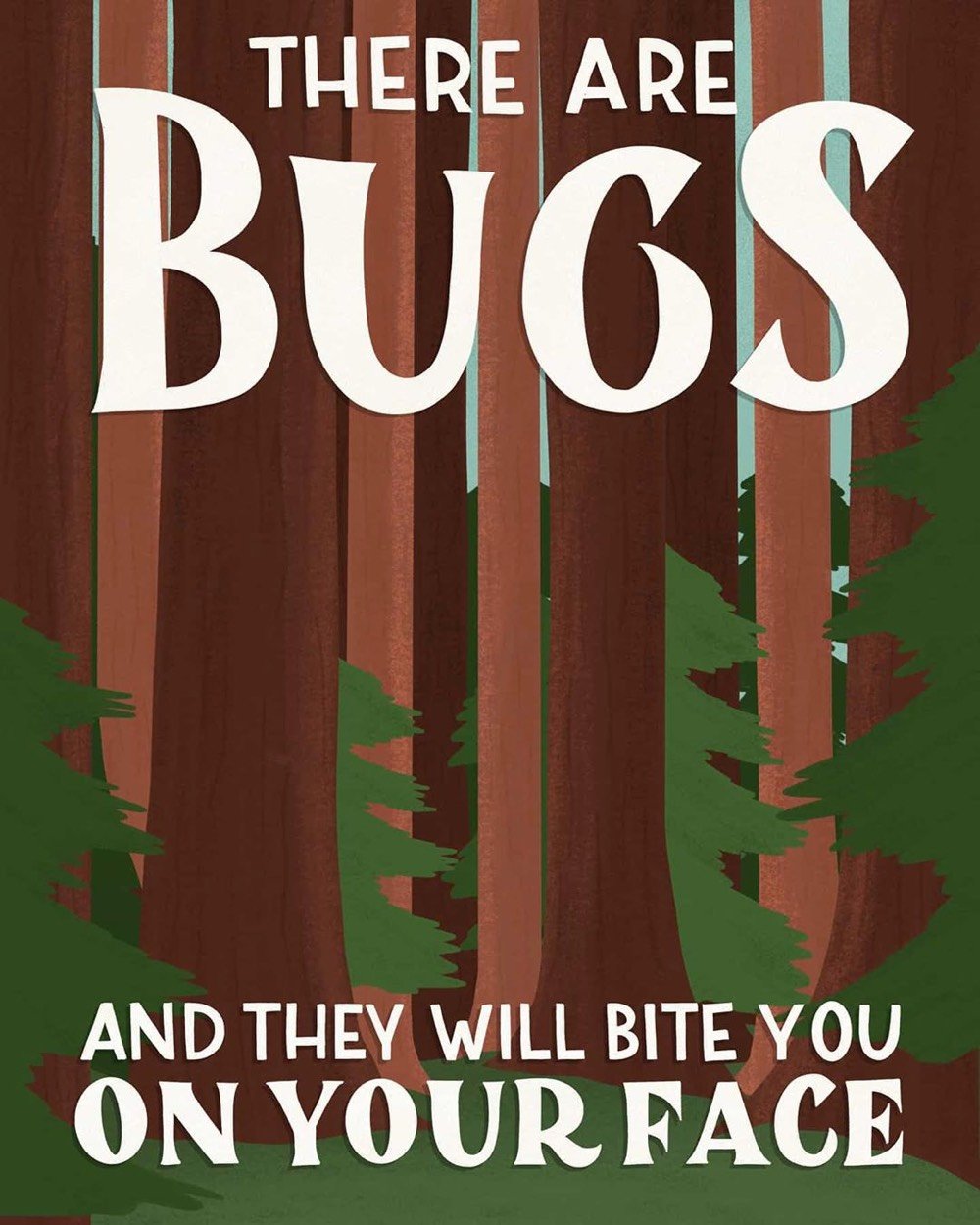
Amber Share of Subpar Parks is producing illustrations of real one-star reviews of America’s National Parks from apparently dissatisfied park visitors. Zion National Park is a bit standoffish:
Newsflash: Sequoia National Park is outdoors and has insects:
From a bored Joshua Tree guest:
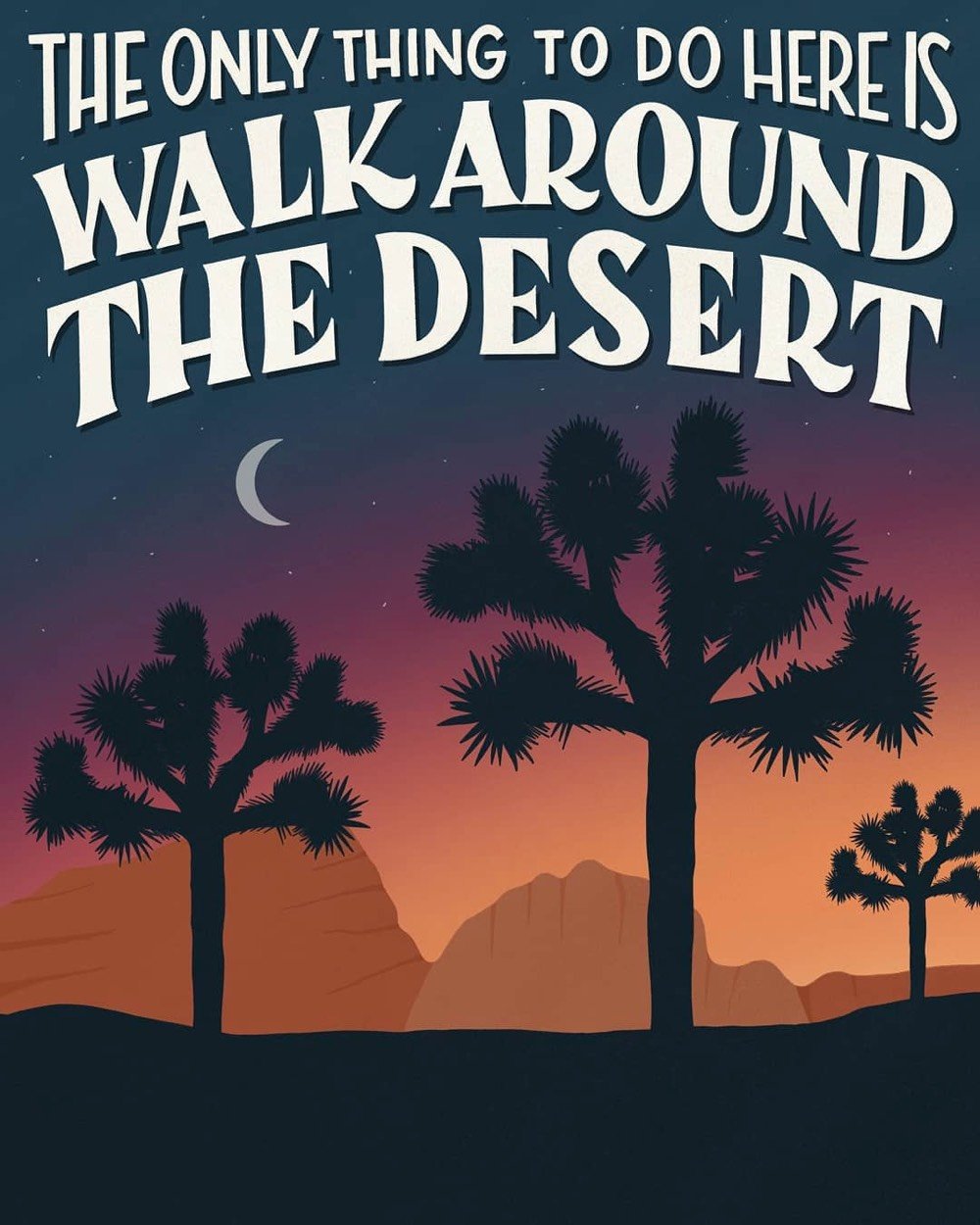
Follow along with the rest of these on Instagram — Share is doing one drawing for each National Park and she’s got many more still to go. Prints, postcards, stickers, and tshirts are available from her shop (or will be soon).
Update: See also beautiful photos paired with one-star reviews of the places in question and Snowbird’s creative ad campaign based on one-star reviews. (via @ebellm & @mattgist)
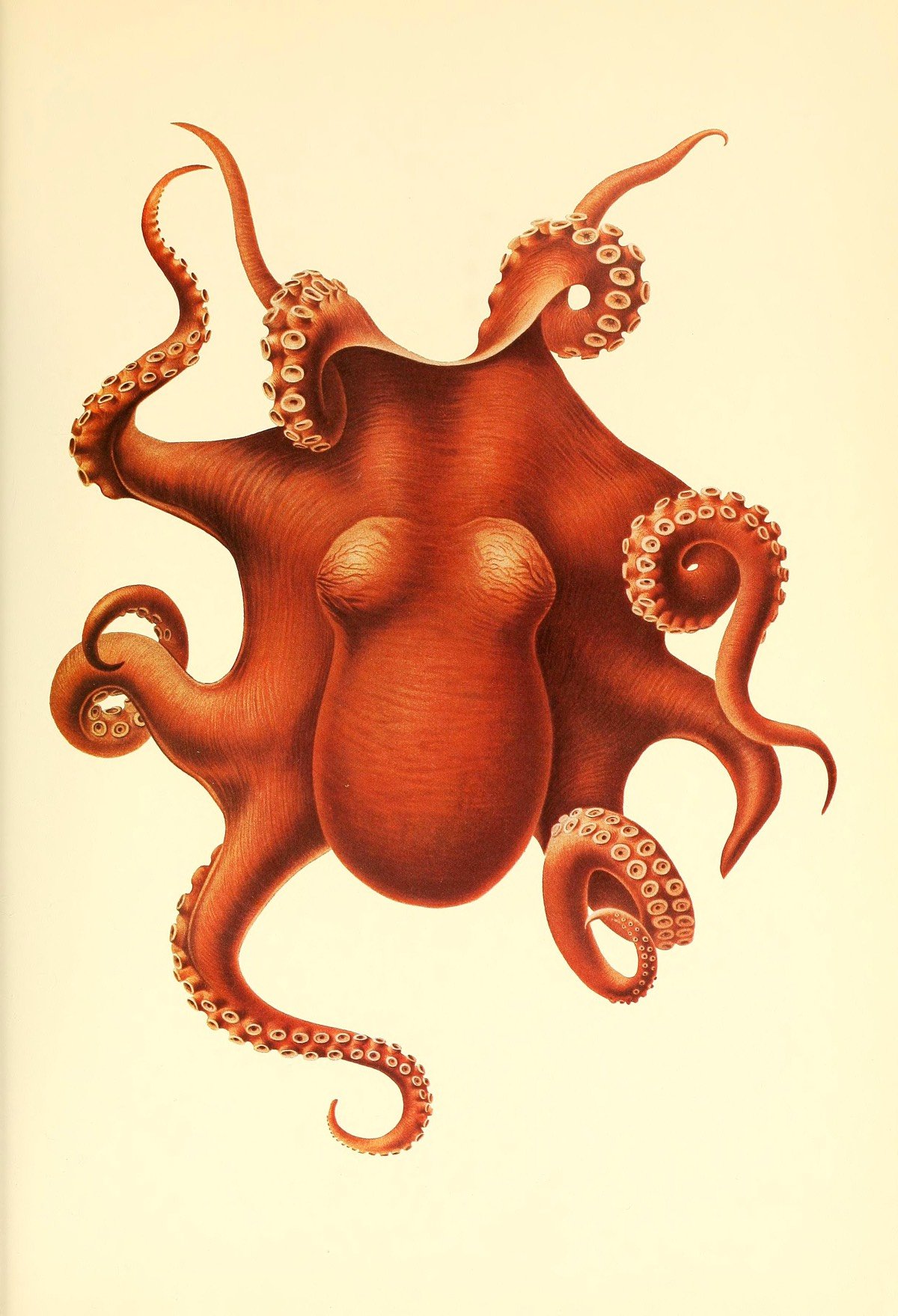
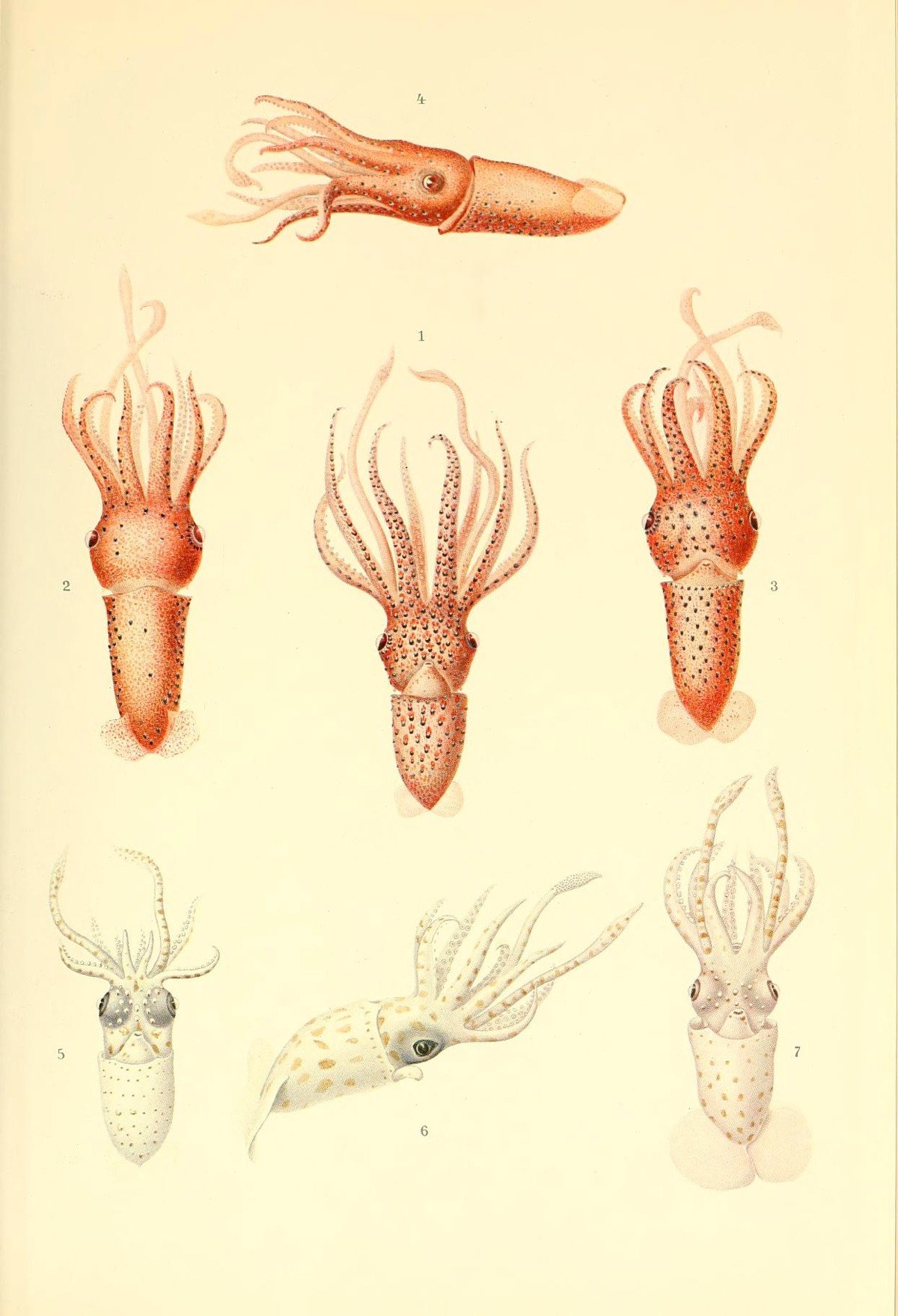
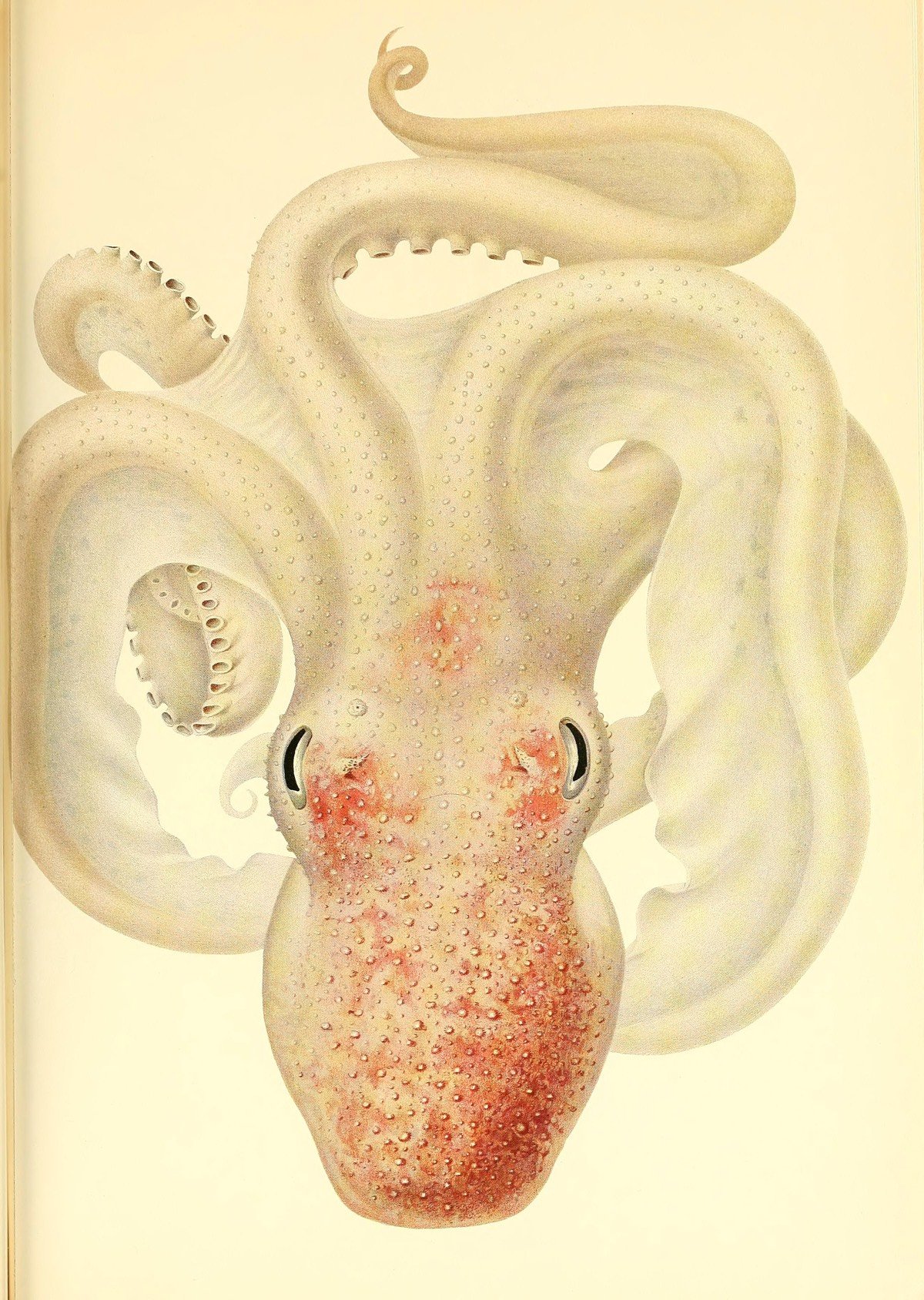
The Valdivia Expedition, led by German marine biologist Carl Chun in 1898-1899, was the first time humans had explored the ocean depths below 500 fathoms. What they found changed our conception of the oceans. The results, in the form of 24 volumes of text and illustrations, took decades to be published. Among the volumes was The Cephalopoda, published in 1910 and filled with colorful hand-illustrated drawings of octopuses and squid, courtesy of the Biodiversity Heritage Library.
I found this on Brain Pickings, which identifies the illustrator as Friedrich Wilhelm Winter, a credit I couldn’t find in the actual book itself. They’re also selling some of the illustrations as prints, like this one of the octopus featured above.
Newer posts
Older posts

Socials & More