


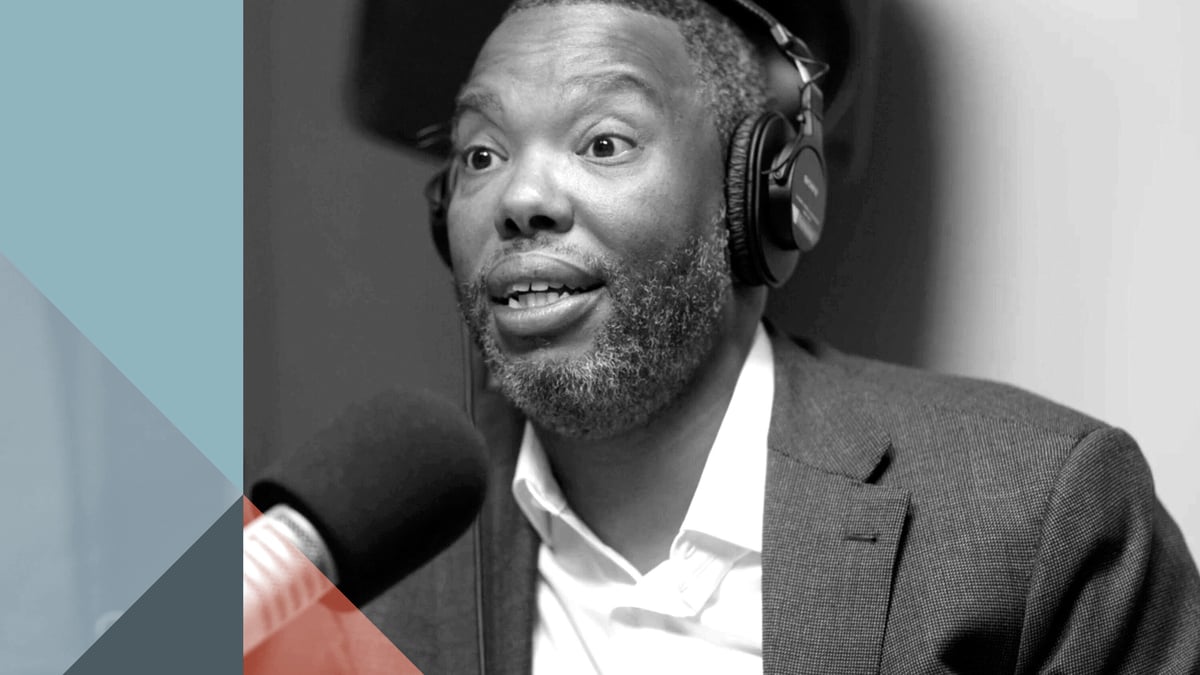
I really appreciated this thoughtful piece about Ta-Nehisi Coates & Ezra Klein. Andrea Pitzer says “lost” folks like Klein “don’t have a clear idea how this moment fits into history and what it is exactly that they’re doing”.

Advertise here with Carbon Ads
This site is made possible by member support. 💞
Big thanks to Arcustech for hosting the site and offering amazing tech support.
When you buy through links on kottke.org, I may earn an affiliate commission. Thanks for supporting the site!
kottke.org. home of fine hypertext products since 1998.
Beloved by 86.47% of the web.
Entries for September 2025
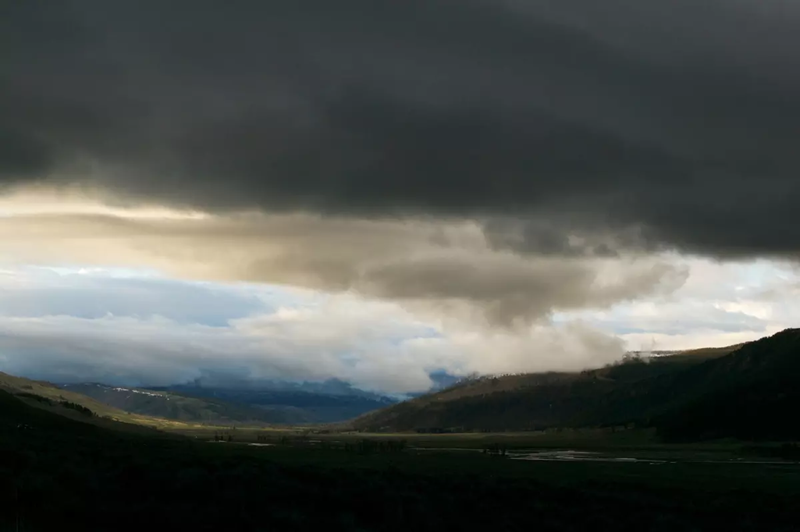
12 Booker Prize 2025 nominees share their writing spots. “There are kitchen tables, laptops open amongst the charming chaos of daily life, and desks appropriately equipped with the tools of the job, from laptop stands to ergonomic office chairs.”
This question from Ta-Nehisi Coates in his recent conversation with Ezra Klein re: Charlie Kirk’s death jumped out at me: “But was silence not an option?” Too much attention-seeking and not enough meaning-making by our media & punditry.
The Future Was Then: an Exhibition of Fascist Italian Posters

Speaking of Benito Mussolini and fascism, the excellent Poster House museum in NYC has a new exhibition on for the next few months: The Future Was Then: The Changing Face of Fascist Italy. It features “some of the best posters produced during the worst period in modern Italian history”.
In a fascist movement inspired by art, how does the fascist government influence the artists living in its grasp? This exhibition explores how Benito Mussolini’s government created a broad-reaching culture that grew with and into the Futurist movement to claw into advertising, propaganda, and the very heart of the nation he commanded.


That Lubrificanti Fiat poster is incredible. The Future Was Then is on view at Poster House until Feb 22, 2026.
How to actually live like a local. “The thing is, nobody ever actually wants to ‘live like a local’ when they are traveling. Instead, they want to live like a romanticized, idealized version of a local that they have in their head…”

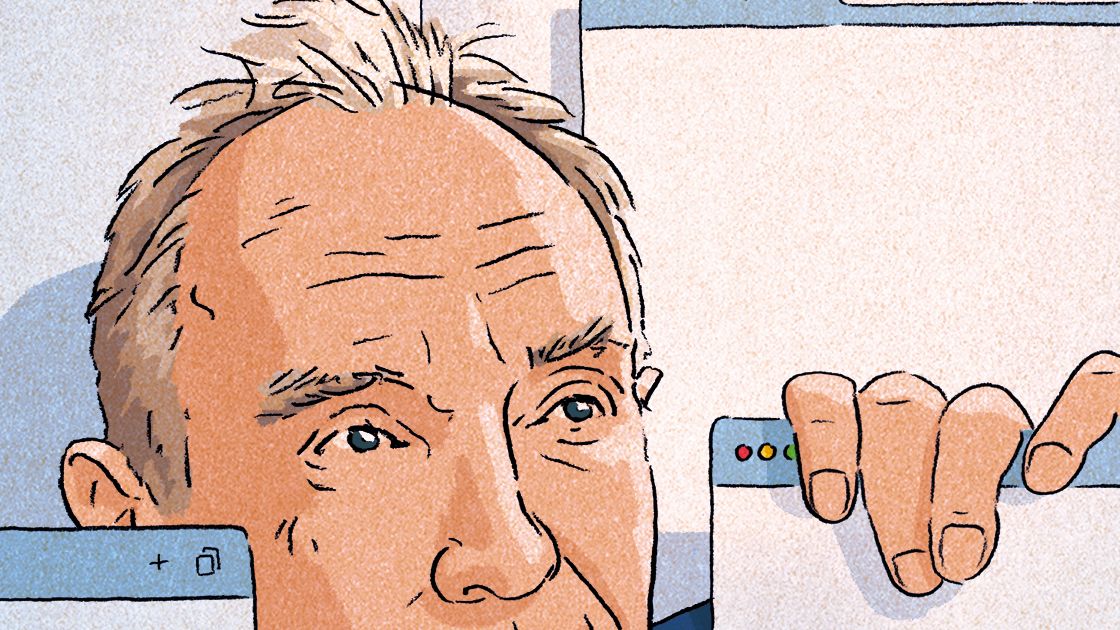
A long profile of Tim Berners-Lee, the inventor of the WWW. “Tim Berners-Lee may have the smallest fame-to-impact ratio of anyone living. Strangers hardly ever recognize his face; on “Jeopardy!,” his name usually goes for at least $1600.”
Mister Rogers Visits Sesame Street (1981)
On May 22, 1981, for the finale of the show’s 12th season, Mister Rogers visited Sesame Street. With apologies to the Avengers, this has to be the greatest crossover event in history.
In the episode, Rogers agrees to judge a race between Big Bird and Mr. Snuffleupagus, a character that no one on the show but Big Bird has seen. When BB tells his friends he met Mister Rogers, they don’t believe him, including Mr. Snuffleupagus! Later, BB & MR have a conversation about what’s real and what’s make-believe. Here’s more on the episode from the Neighborhood Archive and the Muppet Wiki.
Mr. Rogers comes to visit Big Bird at his nest. Big Bird wonders if Mr. Rogers is really here, because no one believed him before. Mr. Rogers observes that sometimes it’s hard to distinguish between fantasy and reality, and suggests that they both pretend some more. Big Bird imagines a teddy bear riding a race car, and realizes that he can’t touch him — except in his imagination. Mr. Rogers, on the other hand, is real. They both share a hug.
A couple of weeks later, Big Bird visited the Neighborhood of Make-Believe on Mister Rogers’ Neighborhood. There’s no good clip of this on YT, but you can see some of the footage here and the full episode on Mister Rogers’ official site.
Big Bird didn’t visit Mr. Rogers directly (in the real world) because of the two shows’ differing views on make-believe:
Caroll Spinney agreed to appear in the episode as Big Bird after some dialogue with Fred Rogers; when Spinney originally received the script for the show he saw it required him to remove the costume and discuss the inner-workings of the Big Bird puppet. Spinney protested, as he didn’t believe in ruining the illusion of Big Bird for the children. Rogers agreed, but only under the stipulation that Big Bird’s appearance was restricted to the fantasy segments of the “Neighborhood of Make-Believe,” as he didn’t believe in perpetuating the deceitful blur of real and pretend to children that occurred when presenting the character as real in the “real world.”
While Sesame Street Unpaved mentions that Rogers understood Spinney’s concern over showing the children how Big Bird works, Spinney said at some of his book signings (promoting his autobiography, The Wisdom of Big Bird) that he and Fred Rogers argued over the phone for roughly twenty minutes over whether or not to have him tell the kids how he performs Big Bird.
And then there’s this, included here because I ran across it on YouTube: Arsenio Hall gifts Fred Rogers a very fly jacket.
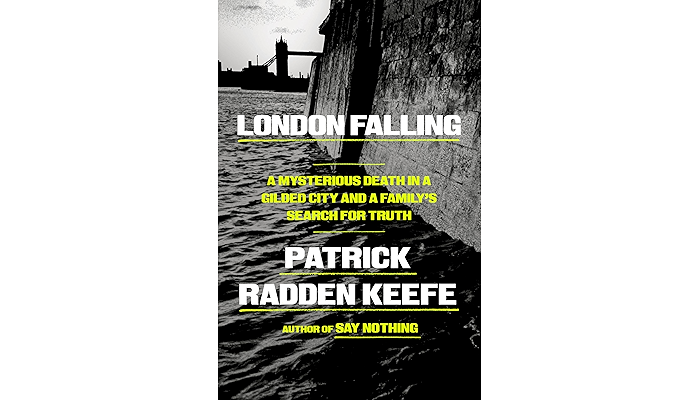
New book from Patrick Radden Keefe (Say Nothing, Empire of Pain): London Falling, “a portrait of a family trying to solve the riddle not just of how their son died, but of who he really was in life.”
Yes, this exactly: “The government is already shut down, and has been for several months, as the Trump administration initiated an assault on this system of government.”
Huh, the original version of the Goldilocks and the Three Bears fairy tale is a bit different: “An impudent old woman enters the forest home of three anthropomorphic bachelor bears…”
A Tour of the New David Bowie Archive
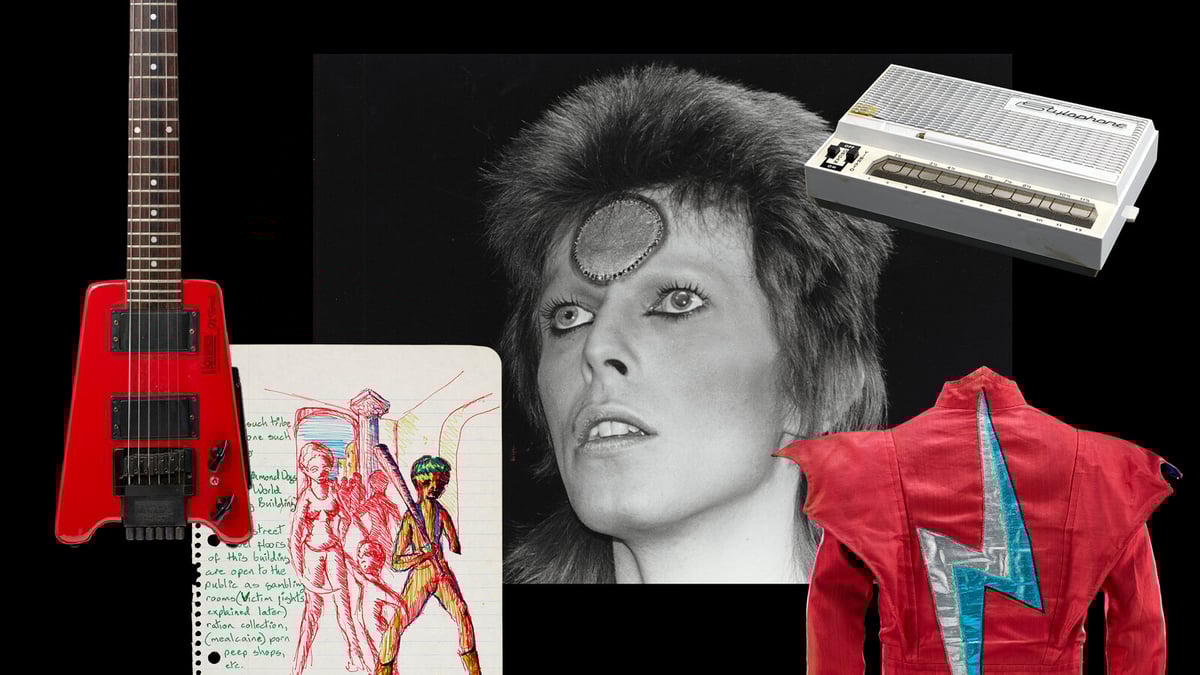
A few days ago, I linked to a NY Times piece about the V&A’s 90,000-piece archive of David Bowie stuff — costumes, photos, drawings, lyrics, etc.
The David Bowie Centre is a working archive with new reading and study rooms. The archive contains over 80,000 items, including 414 costumes and accessories, nearly 150 musical instruments and other sound equipment, designs, props and scenery for concerts, film and theatre. Bowie’s own desk is part of the archive, alongside notebooks, diaries, lyrics, correspondence, fan mail and over 70,000 photographic prints, negatives and transparencies.
The Centre is brought to life with a series of small, curated displays. Highlights include 1970s Ziggy Stardust and Aladdin Sane ensembles designed by Freddie Burretti and Kansai Yamamoto, a film showcasing performances from Bowie’s career, and an installation tracing his impact on popular culture.
Last week, Open Culture linked to this video tour of the Bowie collection by Jessica the Museum Guide:
I imagine it’s not quite like being there in person, but still. (via open culture)
Mussolini: Son Of The Century
Antonio Scurati’s 2018 “documentary novel” M: Son of the Century was a worldwide bestseller about the early political career of Benito Mussolini and the rise of fascism in post-WWI Italy. Director Joe Wright (Pride and Prejudice, Darkest Hour) has adapted the book into an 8-part TV series called Mussolini: Son Of The Century. Here are a pair of trailers:
One commenter on this YT video says “it’s Cabaret meets Clockwork Orange, meets Metropolis…” I stumbled across this via Carla Sinclair, who writes:
It is, unsurprisingly, violent and gritty, highlighting Benito Mussolini’s rise to power that began in the year 1919, when he founded the National Fascist Party in Italy. But it’s also beautifully shot, with military and fight scenes stunningly choreographed to electronic music by Tom Rowlands of the Chemical Brothers. At times it feels like an intense musical — without the song and dance.
If you’re in the US, you can stream Mussolini: Son Of The Century on Mubi — four of the episodes are available so far and the new ones debut on Wednesdays.
Natalia Newsome is a 5’11” sophomore volleyball player for SMU; she’s got a 40-inch vertical and can touch almost a foot above a regulation basketball hoop. It is bananas how high she rises when spiking the ball.

Bisa Butler, Hold Me Close
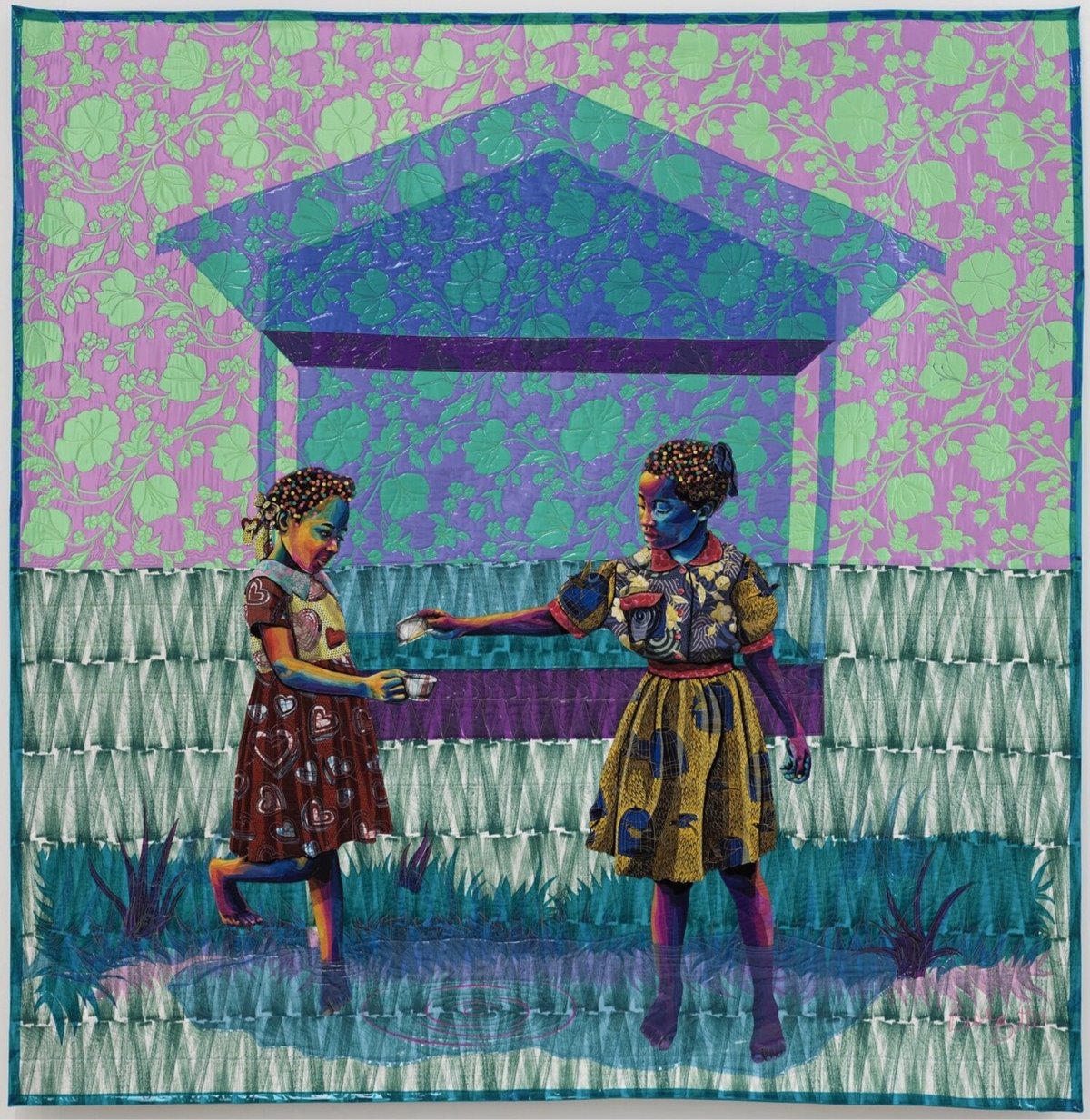
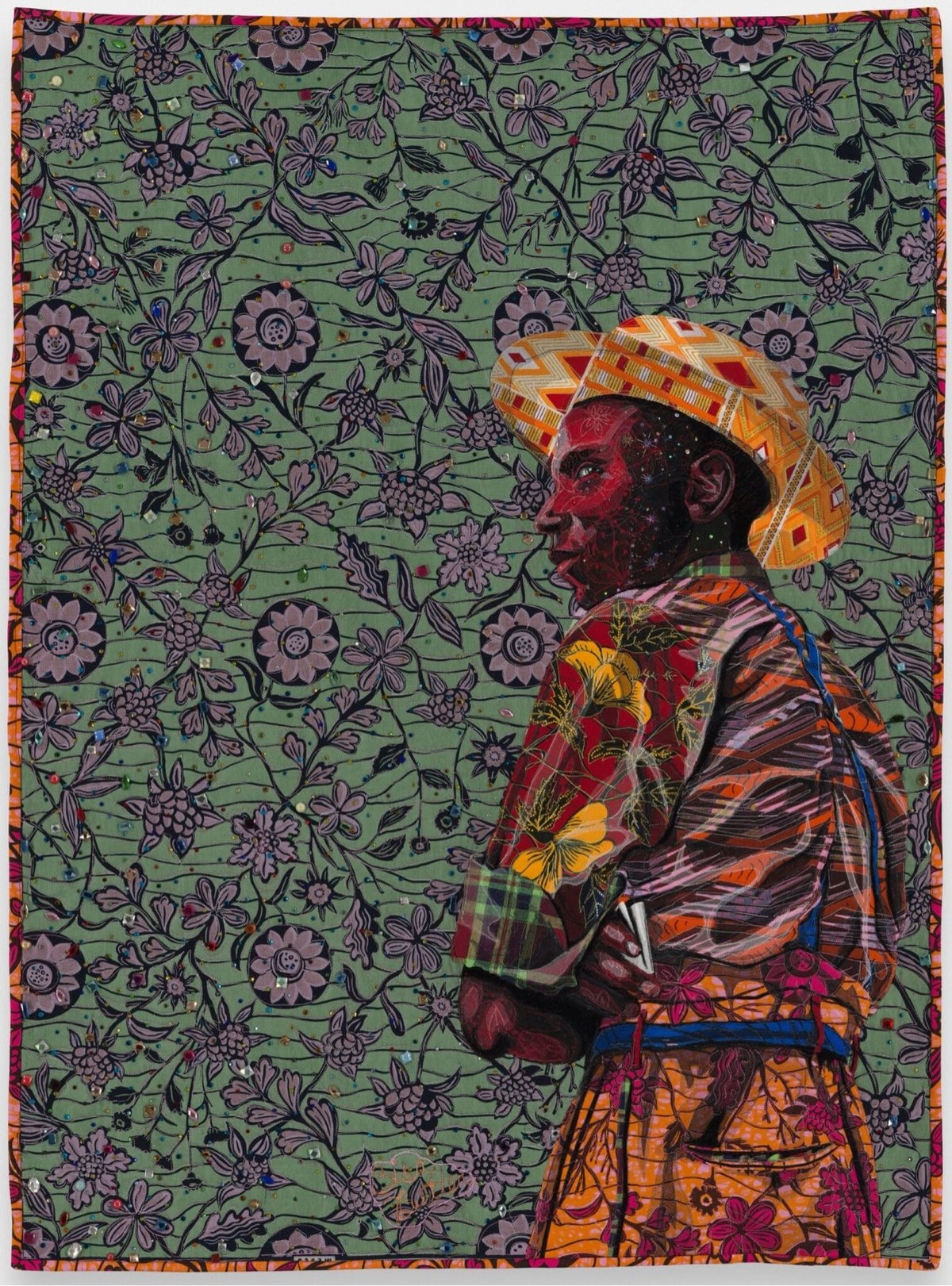
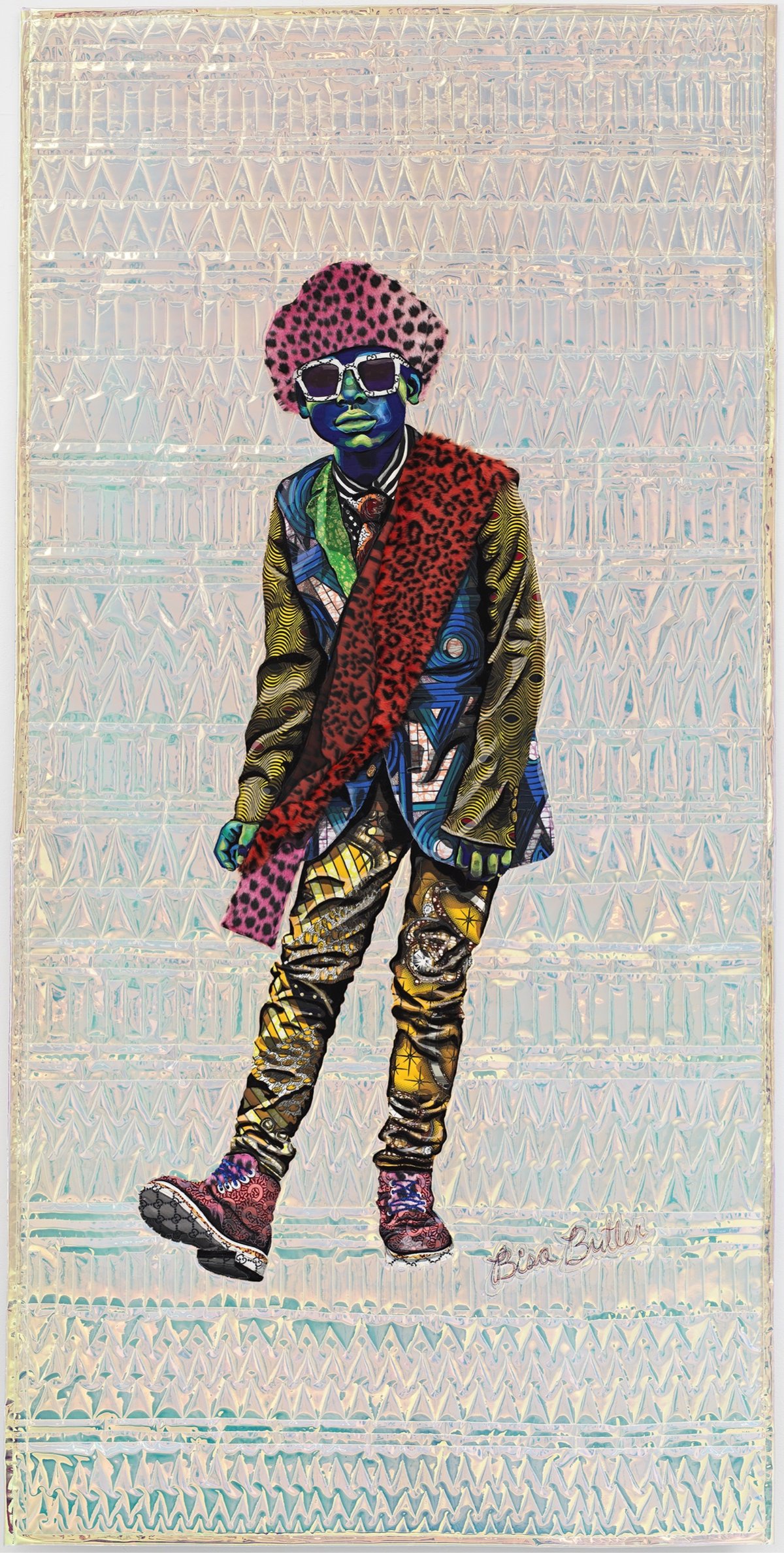
Bisa Butler makes quilted portraits and recently debuted a show with some of her newest work called Hold Me Close. From her artist’s statement:
This body of work is a visual response to how I am feeling as an African American woman living in 2025. We lived through COVID and witnessed the uprising of the Black Lives Matter movement, only to arrive at a time when many of the civil rights I grew up with are being challenged and reversed. Protections and programs for non-white Americans, women, queer people, poor people, and people with disabilities are under attack, and it has left me feeling destabilized. Watching immigrants being hunted, chased down, and kidnapped by masked men horrifies me. The thought of people being gunned down and starved for political agendas is the stuff of nightmares. I’ve been looking for solace and turned to my work like a visual diary.
Colossal has a good gallery of images from the show and Butler did a video tour where you can see how shiny & glittery some of the pieces are:
Hold Me Close is on view from September 13 to November 1, 2025 at Jeffrey Deitch in Los Angeles.
Ismail Ibrahim worked as a fact checker for an unnamed magazine (it was the New Yorker). “Friendly members of the editorial staff informed me that some of my older colleagues were calling me a terrorist sympathizer.”
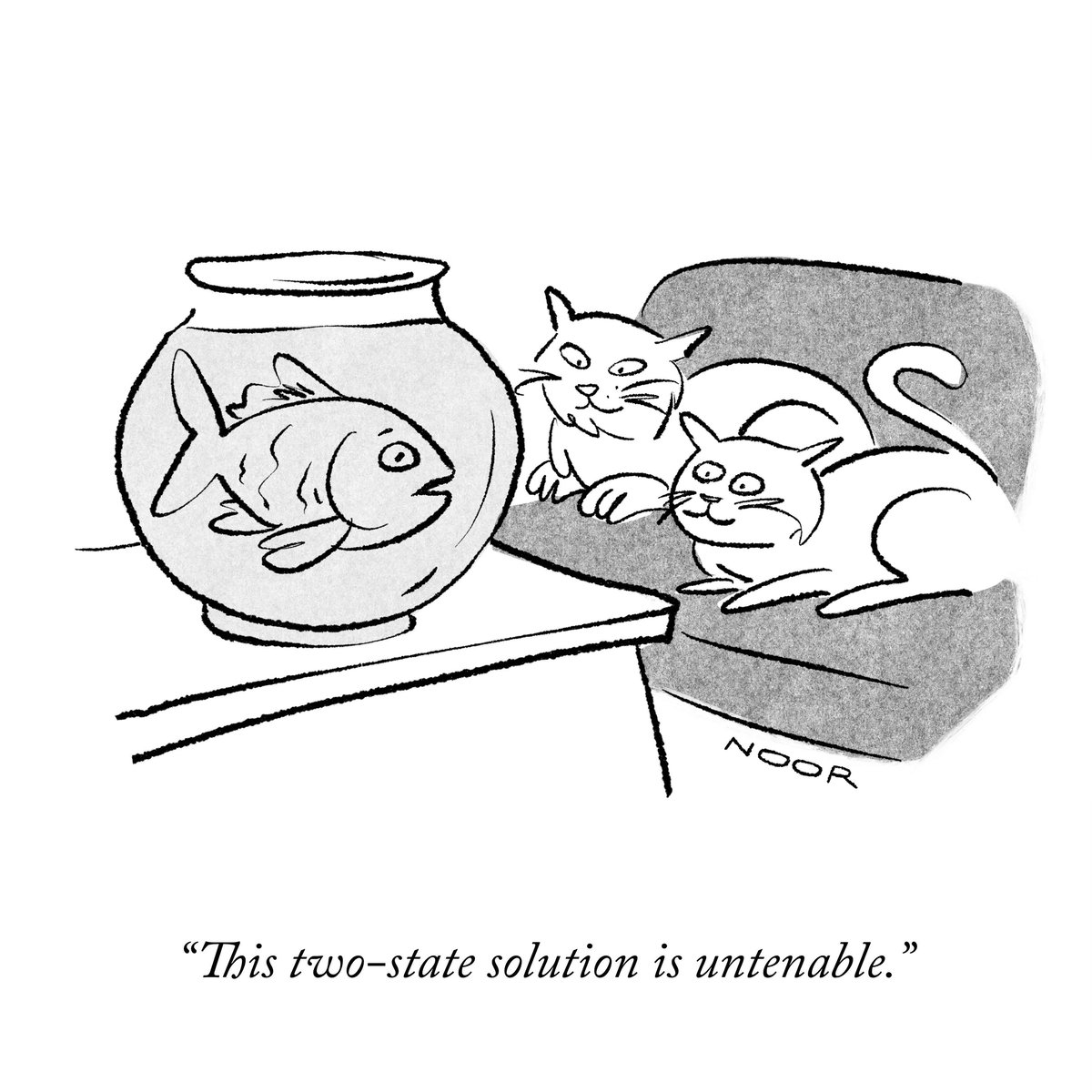
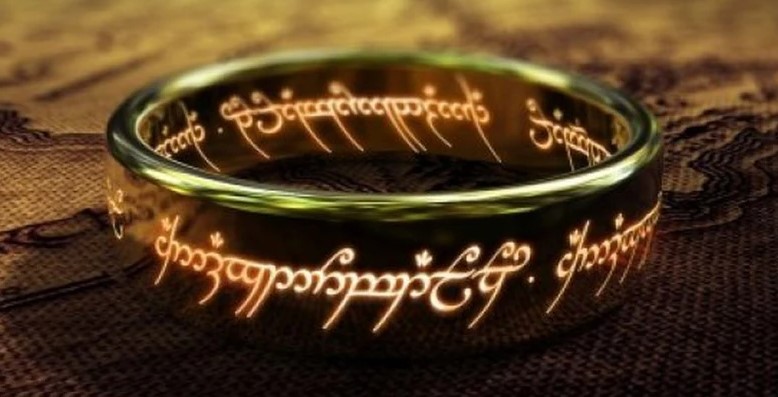
In post-Soviet Russia, Sauron is good actually? “It became a story about hobbits, elves, dwarves, and men oppressing the not-so-evil Sauron and his nation of Mordor.”
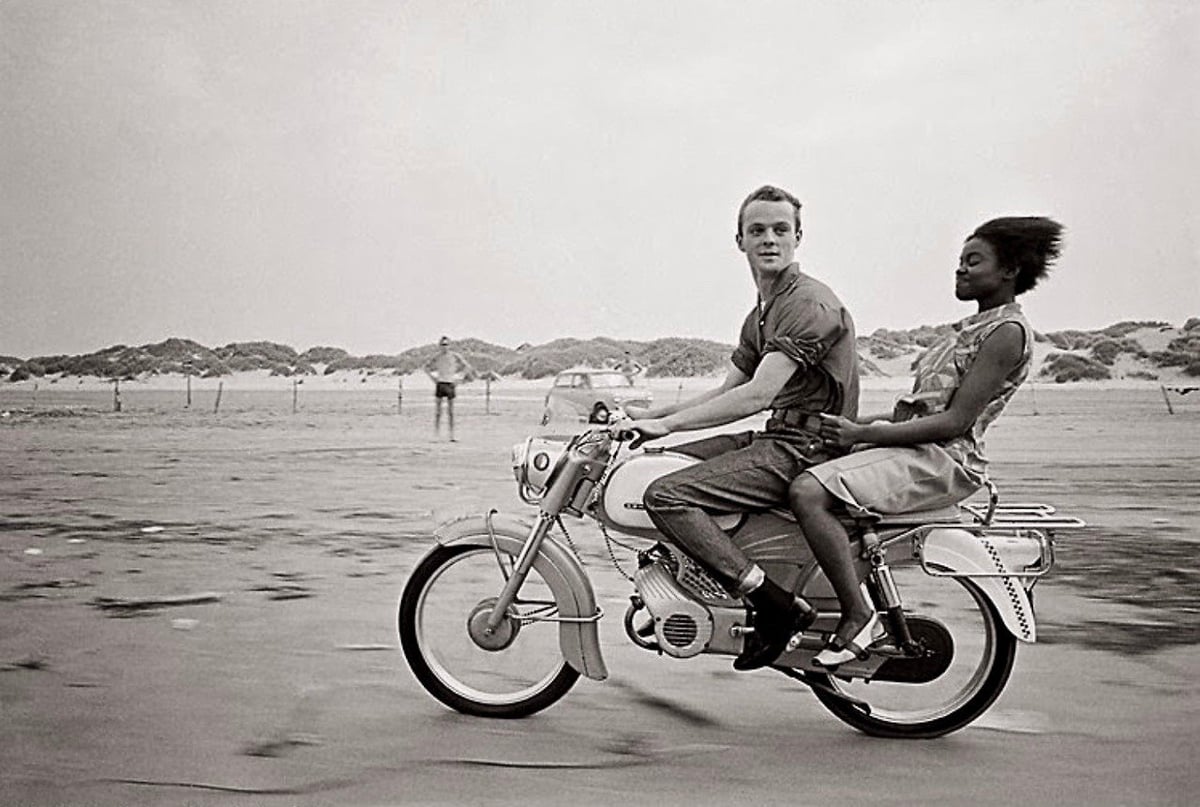
M. Gessen: This Is the Feeling of Losing a Country. I Know It Well. “When your country strips you of rights and protections, it tells you that it no longer recognizes you. Other times, you realize that you no longer recognize your country.”
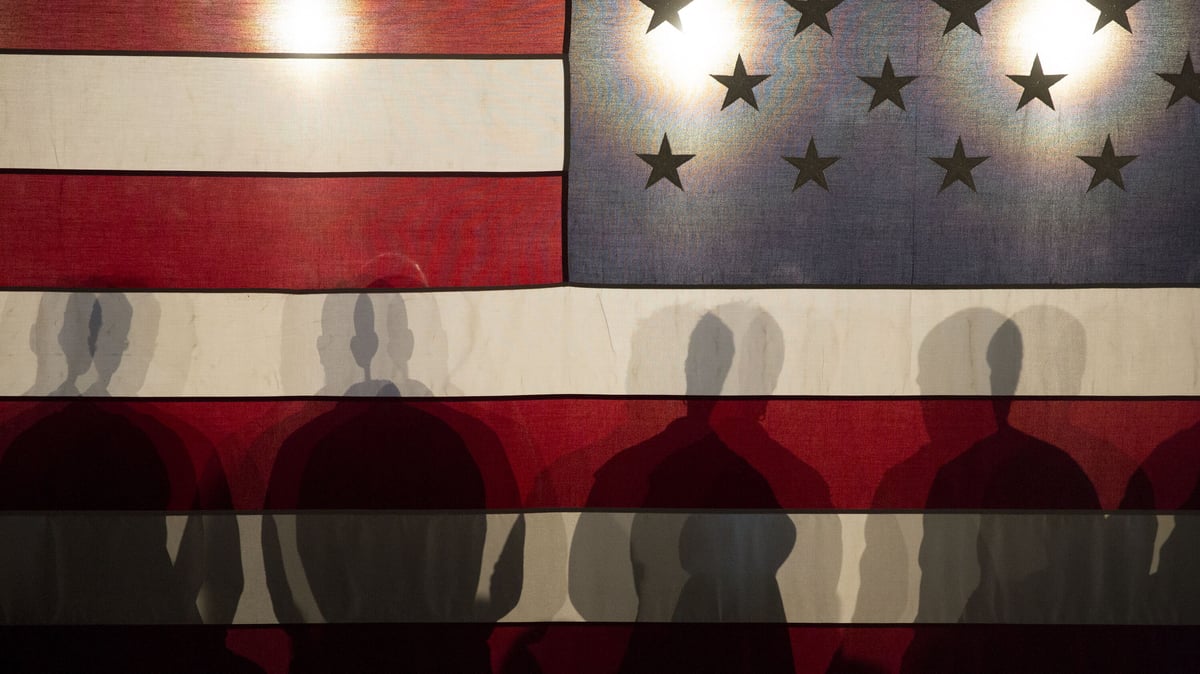
Nikole Hannah-Jones on the bipartisan tributes of Charlie Kirk & the mainstreaming of extremist, bigoted speech. “You know, the Good Book, the Bible, says you judge a man as he lived, not as he died.”

An asteroid discovered in 2024 has a small chance of hitting the moon in 2032. “Lunar ejecta could increase micrometeoroid debris flux in low Earth orbit up to 1000 times above background levels.” Scientists say we may be able to nuke it.

Taking the Day

Hello fronds and anemones. Tomorrow is my birthday so I am taking today off. I’ll see you back here on Monday.
But before I go: I pushed some changes to how videos work on the site (after a bunch of feedback). The default behavior is now: you click on a video and it plays. If you hold “b” (for lightbox) while clicking, the video will play in a widescreen lightbox. Also, the escape key will now close the video and the lightbox is better about resizing so that the bottom of the videos don’t get cut off (thanks to Christophe for the CSS fix).
I don’t think this is the forever solution (it doesn’t address folks who want to open the videos on YouTube or Vimeo in a new tab), but I wanted to get something out there while I figure out the rest.
For more than a century in the 18th & 19th centuries, an edited version of Romeo & Juliet, with “a 67-line final conversation between Romeo and Juliet”, was more popular than Shakespeare’s original.

A four-year-old mystery finally solved: who was the awkwardly tall stranger at our wedding? “Who was the tall man in a dark suit, distinguished by the look of quiet mortification on his face?” Love the reason he was there.

Engineering Lego Cars to Climb Increasingly Tall Walls
I haven’t gotten my Brick Technology fix in awhile, so here’s a video featuring a series of more and more capable Lego vehicles climbing over taller and taller walls. As I have written before, here’s what makes these videos so compelling:
They’re not even really about Lego…that’s just the playful hook to get you through the door. They’re really about science and engineering — trial and error, repeated failure, iteration, small gains, switching tactics when confronted with dead ends, how innovation can result in significant advantages. Of course, none of this is unique to engineering; these are all factors in any creative endeavor — painting, sports, photography, writing, programming. But the real magic here is seeing it all happen in just a few minutes.
See also their recent video about Lego cars crossing a treadmill bridge. (via the kid should see this)
From Eater, a list of the 38 most essential & influential US restaurants of the past 20 years. The list includes Momofuku Ssäm Bar, Via Carota, Husk, Alinea, Nong’s Khao Man Gai, Mission Chinese Food, and Gjelina.

How to Be a Good Literary Citizen (in Seven Easy Steps). “The most important rule of literary citizenship is to show up. Showing up can mean a number of things: attending events at your local bookstore or library, volunteering…”

The Black Hole That Could Rewrite Cosmology. Astronomers may have found a primordial black hole, perhaps formed by quantum fluctuations during post-Big Bang inflation “before any stars had yet appeared”.

Former NBA star Reggie Miller’s neighbors got him hooked on mountain biking. “I was still in basketball shape. And they destroyed me. Being out there on the mountain bike, I was like ‘oh my God this is so fun!’ And that’s what got me hooked.”

The Music of the Everyday
Artist and composer Matthew Wilcock looks for patterns in the everyday and creates music from them. It’s easier to quickly watch an example than to explain:
Instantly thought of the video for Star Guitar by The Chemical Brothers, directed by Michel Gondry. They also seem like the sort of videos you would have found on Mister Rodgers’ or Sesame Street back in the day.
In addition to traffic, Wilcock has made music with people on escalators:
Each escalator and path is assigned three notes and they alternate between those as the person’s head breaks the line. Lowest note closest to camera, highest furtherest away. I love the idea of involving all these people unknowingly in an artwork. Recorded in Liverpool St. station, London.
And a bird eating:
Bees:
You can find more of these video compositions on Wilcock’s YouTube channel and Instagram. He’s most active (and popular) on Insta; check out his Tour de France and swingset videos there. (thx, andy)
Zadie Smith: “In my experience, every kind of writing requires some kind of self-soothing Jedi mind trick, and, when it comes to essay composition, the rectangle is mine.”

The Hummingbird Bike

Gooood lord, just look at this exquisite handmade bike, a collaboration between British design collective Tomato1 and Shinichi Konno of Cherubim.
- Karl Hyde and Rick Smith of the electronic group Underworld are Tomato co-founders. I found my way to this bike after watching Underworld’s recent Boiler Room set.’↩
New issue of Laura Olin’s newsletter, full of good stuff. “I had forgotten that the Statue of Liberty was, upon installation, brown.”
Two Slice is a bitmappy font that’s only two pixels tall and “somewhat readable”.
Fantastic essay by Roxane Gay: Civility Is a Fantasy. “Calling for civility is about exerting power. It is a way of reminding the powerless that they exist at the will of those in power and should act accordingly. It is a demand for control.”

Steamed Hams but It’s a Critically Acclaimed Feature Film. The classic Simpsons bit but it’s live-action and a My Dinner with Andre parody. So many more where that came from.
Generative Design
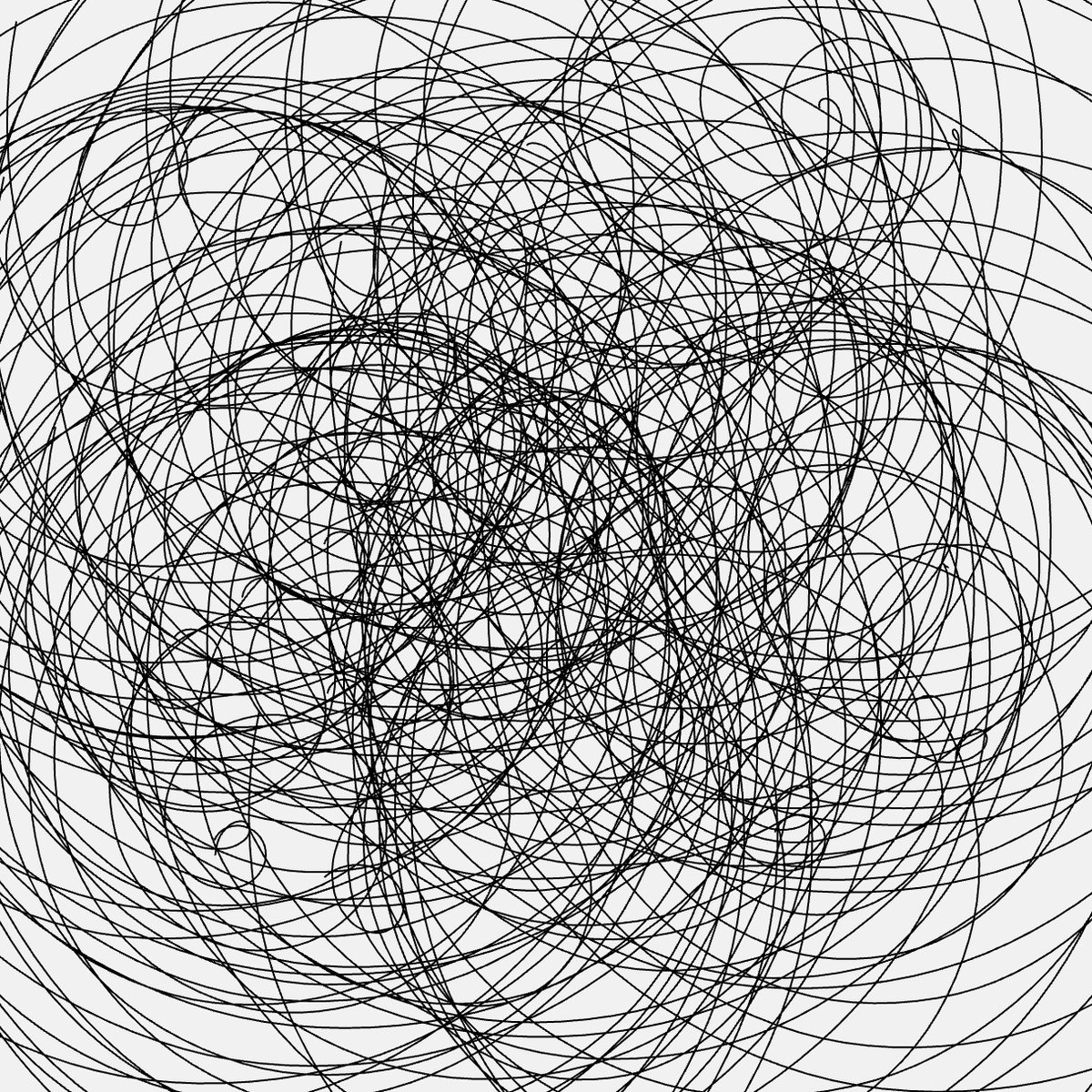
I had a lot of fun playing around with this collection of generative design tools, especially the textual ones. I wore out the “randomize” button on each of these. (via sidebar)
Why Do Wind Turbines Have Three Blades? Why not two? Or five? Or eight? Turns out that three is sort of a Goldilocks sweet spot for blade count due to physics, engineering, and aesthetic reasons.

Huntington’s disease successfully treated for first time. “An emotional research team became tearful as they described how data shows the disease was slowed by 75% in patients.”

Hybrid ASCII Art


Enigmatriz uses ASCII art to punch up and blow out public domain photos and illustrations — I love their style. From It’s Nice That:
Using the Image to ASCII tool available online, Enigmatriz found a new way to play with digital assets. “Everyday, I sit on my computer and browse through hundreds of images in the public domain to find things that catch my attention and feel are worth shining a new light on them,” says Enigmatriz. “When working with ASCII, what I like and find particularly interesting is the blend between hundred old paintings, photographs etc. and modern technologies.” Enigmatriz creates unique contrasts between images — historical paintings are overlaid with spatterings of text, ASCII renders are layered on top of playing cards or archival imagery.
You can find more of their work on Instagram.
Historian Thomas Zimmer has left academia, Substack, and the US; now he’s launching his new career as an indie writer with a newsletter about “the ongoing struggle over how much democracy, and for whom, there should be in America”. Recommended!

Using Cesium-137 testing to find counterfeit wine. “Cesium-137 did not exist on this planet until we exploded the first atomic bomb.” The technique was used to test the legitimacy of some wines said to belong to Thomas Jefferson.
Is the New York Times finally getting real about Trump? “In the last 10 days or so, several Times articles have been considerably more straightforward – and honest – about the way Trump lies and spreads division.”
Everyone Was Wrong About Maximum Siphon Height
Steve Mould is always informative and entertaining, so I started watching his video on building the world’s tallest siphon, nodding along to what I thought was the reasonable conclusion. And then the video kicked into another gear — because with science, the simple solution is not always the whole story when extreme conditions are in play. (via the kid should see this)
In Jimmy Kimmel’s words: What the late-night host said upon his return from suspension. “I was not happy when they pulled me off the air.”

McSweeney’s didn’t even need to lampoon Trump’s comments about vaccines, autism, & Tylenol…they just printed them verbatim and it reads like the most unhinged parody. “They pump so much stuff into those beautiful little babies. It’s a disgrace.”
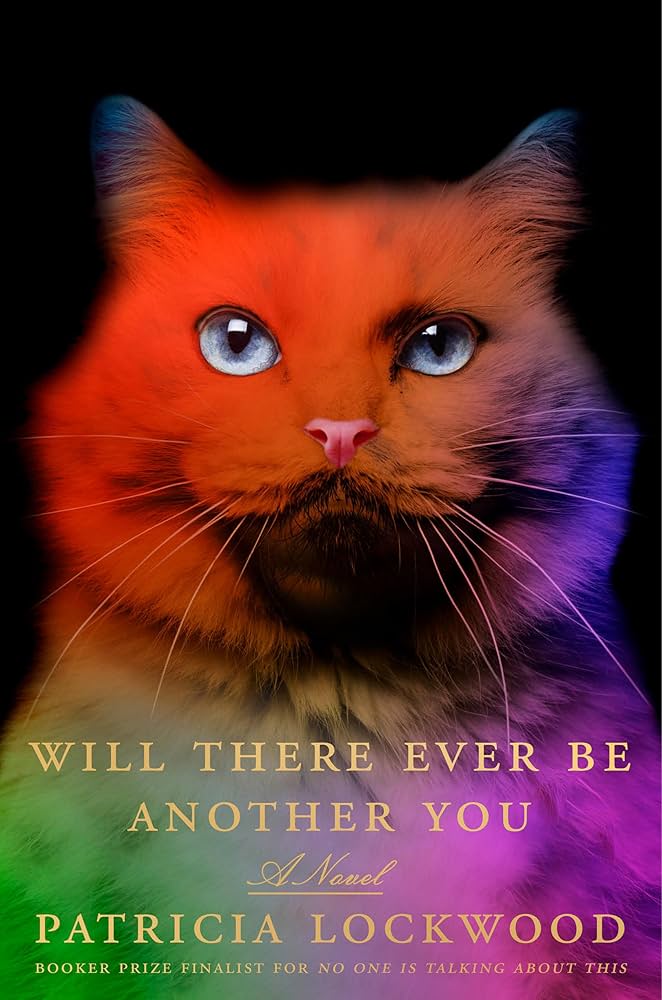
An excerpt from Patricia Lockwood’s new book Will There Ever Be Another You. “But the soul is a floor. It is there to bear us up and keep us standing, not merely to be clean.”
Wild Cats, Bored Cats, Sleepy Cats


The style of ShouXin’s drawings is a perfect match for their subject matter — cats are simultaneously wild and carefully composed. (via colossal)
Socials & More