




This site is made possible by member support. 💞
Big thanks to Arcustech for hosting the site and offering amazing tech support.
When you buy through links on kottke.org, I may earn an affiliate commission. Thanks for supporting the site!
kottke.org. home of fine hypertext products since 1998.
Beloved by 86.47% of the web.
Entries for December 2021
Designing a Lego Car to Cross Gaps
In the second video by Brick Experiment Channel I’ve posted here in the past week, a Lego car is repeatedly adapted to cross larger and larger gaps, until it can cross a massive gap just a little narrower than the length of the car. As I said before about their climbing car video, watching the iterative process of improving a simple car performing an increasingly difficult task using familiar design objects is such an accessible way to observe how the process of engineering works.
One of the things you get to witness is when a particular design tactic dead ends, i.e. when something that worked across a shorter gap is completely ineffective crossing a wider distance. No amount of tinkering with that same design will make it work…you have to find a whole new way to do it.
Extreme Macro Photography of Eyes
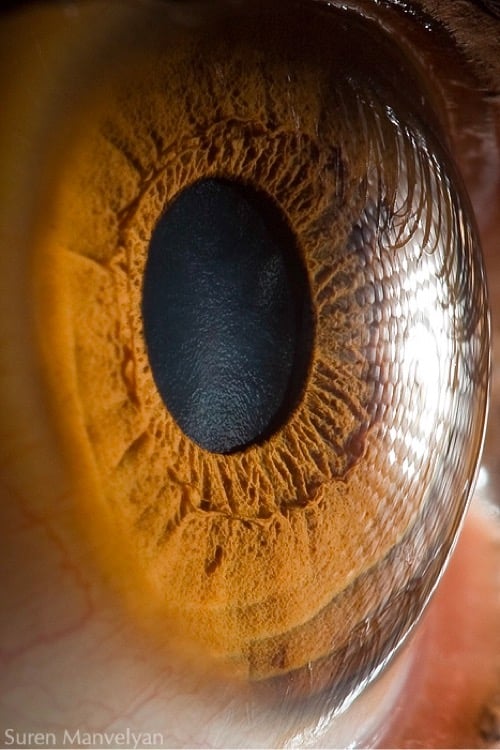
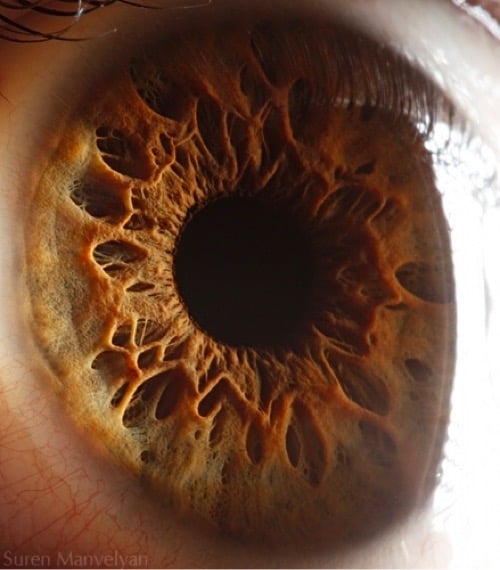
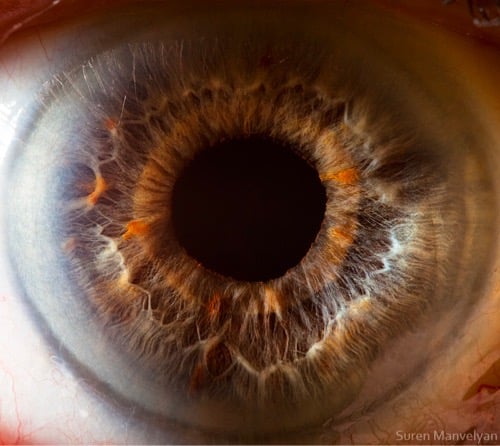
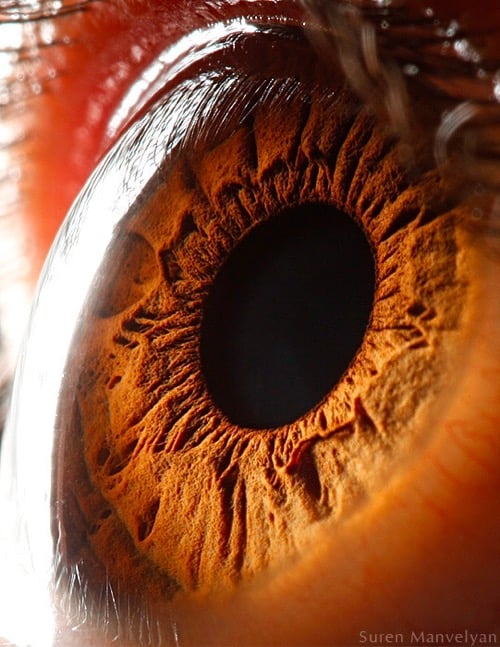
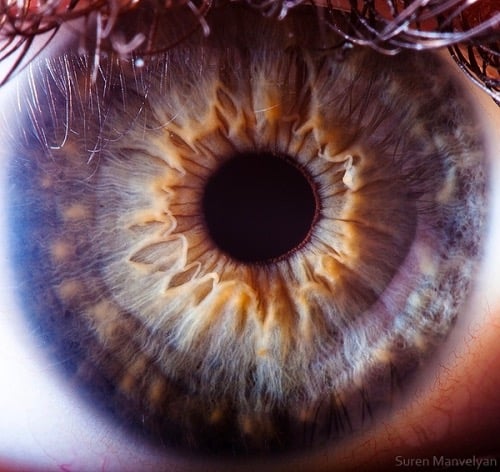
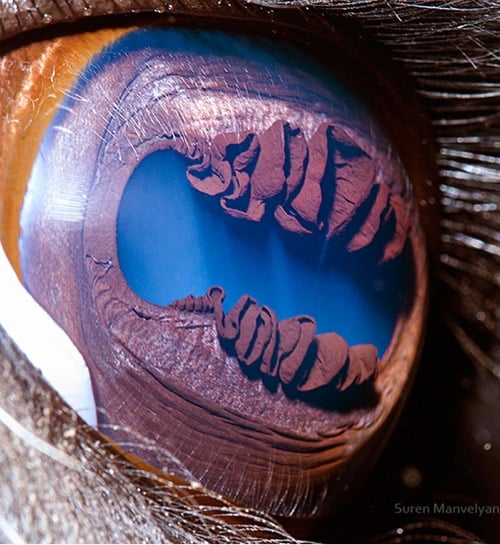
I have featured Suren Manvelyan’s ultra-macro photos of human eyes on the site before, but since I think about them all the time, here they are again. I just wish the images were bigger. Manvelyan has also shot a bunch of animal eyes at close range — this is a llama eye:
An analysis of the most frequently used emoji in 2021. “Tears of Joy accounts for over 5% of all emoji use.”
Vintage Photos of Venus & Serena Playing Tennis as Kids (1991)
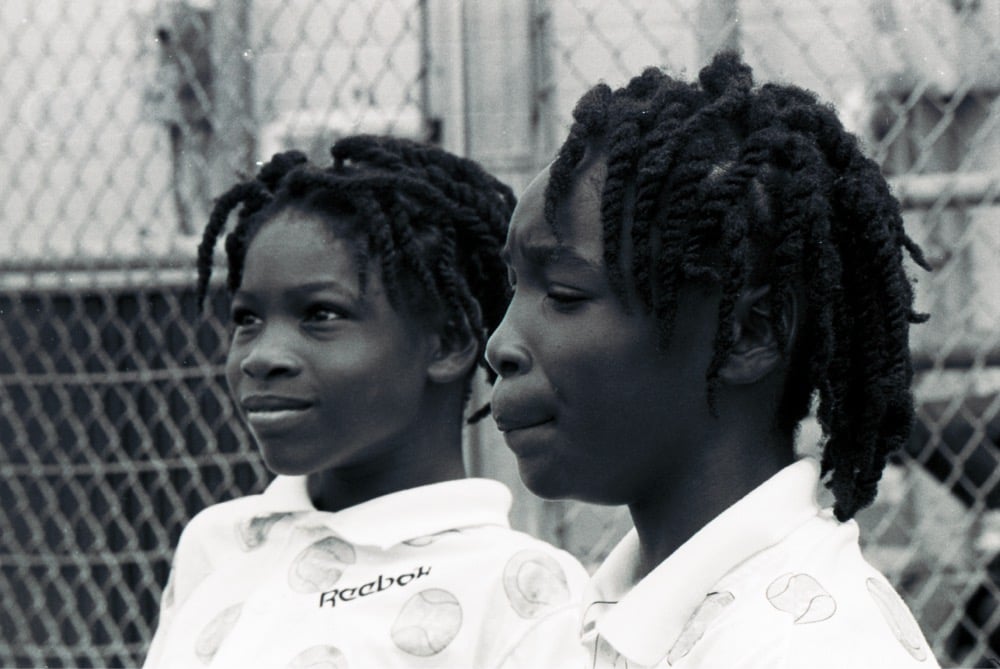
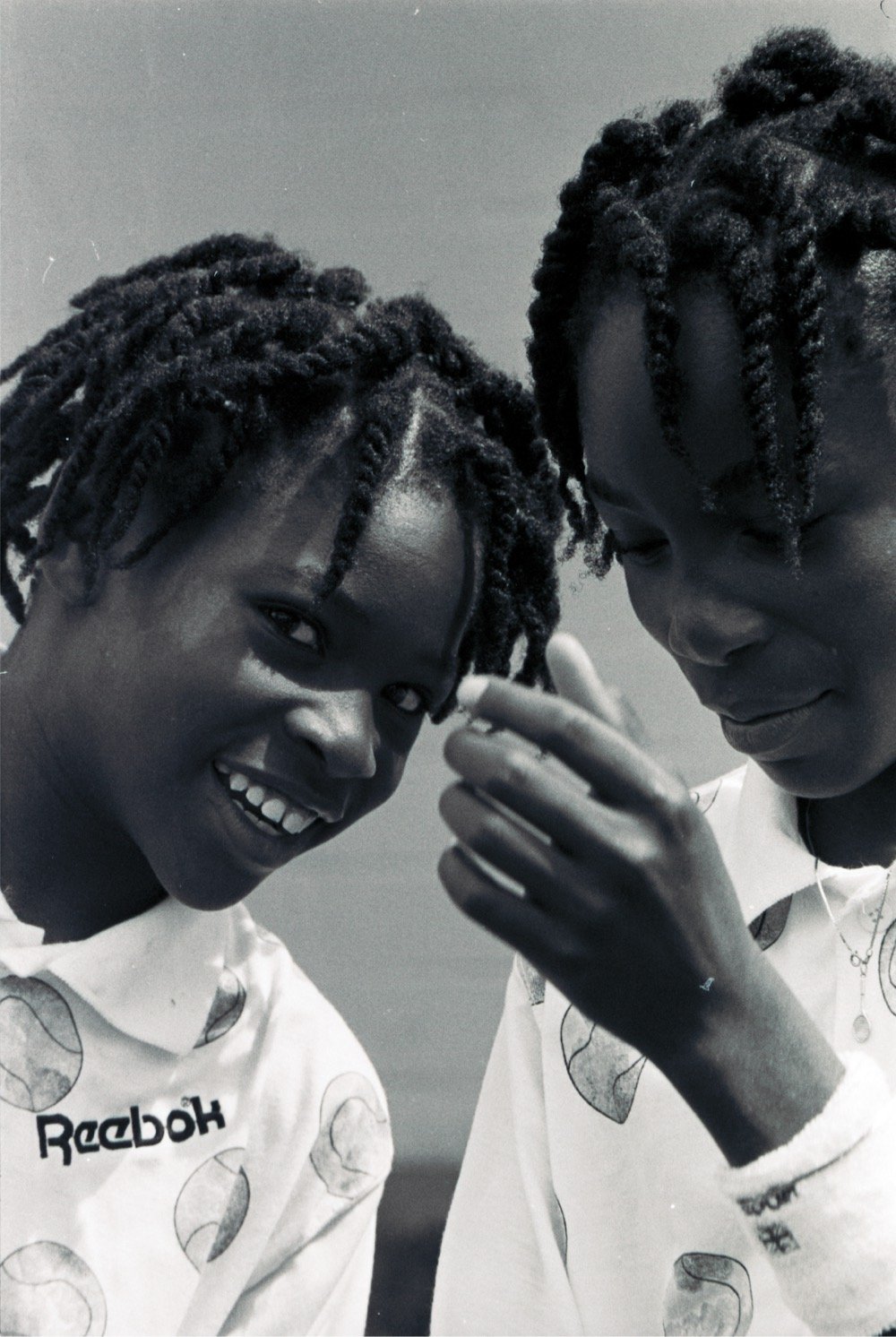
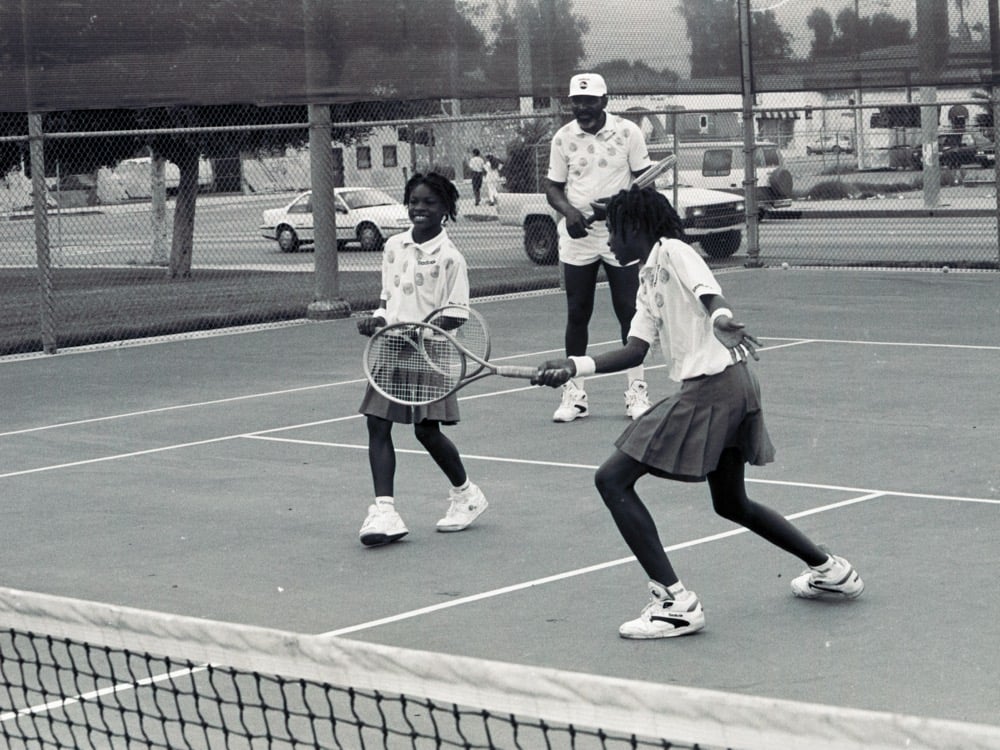
The Smithsonian’s National Museum of African American History and Culture is home to a collection of photographs taken by Rod Lyons in 1991 of Venus and Serena Williams practicing tennis at the ages of 12 and 10 on a tennis court near their home in Compton. Their father Richard is in the photos as well, coaching his daughters. Patrick Sauer talked to Lyons about the photos for Smithsonian Magazine:
“Where I was sent to shoot an up-and-coming tennis player was interesting because [the sport’s] ’70s [to] ’80s boom was over, so [tennis] wasn’t that popular overall, and you certainly didn’t see Black people in Compton out there playing. But other than that it was no big deal,” Lyons recalls. “I got there and started taking pictures of two young sisters named Venus and Serena, 12 and 10, taking lessons from their father, Richard. The practice session was disciplined and intense. Richard was really coaching ‘em up that day, but he wasn’t dictatorial, and [he] treated his daughters with kindness and respect.”
There’s another photo of the sisters from 1991 in this NPR piece, as well as some stories from locals about the Williams family:
Barbee was a 21-year-old limo driver and part-time tennis coach when Richard Williams invited him to train with his daughters.
“Tennis was a passion,” he says.
Barbee was a tennis prodigy himself, so when he faced Venus and Serena on the court, he had finally met his match.
“Man, it was unbelievable,” Barbee says. “Never seen nobody that good. It was something I’d never seen before in my life.”
Venus wasn’t even a teenager yet.
Training meant hitting hundreds of balls with enough force to break the strings on their racquets.
“Every other day, I was restringing my racquets,” he says. “My shoes, once a week. A hole right in my foot of my shoe. Used to tape them up.”
Here are still more photos from 1991 and you can find a photo of the sisters posing with Ronald and Nancy Reagan at Sports Illustrated.
King Richard, a biopic of Richard Williams produced by his daughters, takes place during this period of time, is now out in theaters and on HBO Max, and is getting great reviews.
Dogs That Look Like Celebrities
Compiled by Joaquim Campa, here are several dogs that look like celebrities. There’s Harrison Ford:

William H. Macy:

Snoop Dogg:

And from the comments on that post, Patrick Stewart:

Also from the comments, Martin Scorsese:

This is not my usual thing, but this caught me at the right moment and I needed to get my annual pet post in so…
A man shoplifting ~$200-950 in goods from Walgreens got much more media coverage than Walgreens stealing $12 million in wages from their employees. Shoplifting is mostly a moral panic but corporate wage theft is an actual problem.
What Movies Can Teach Us About Mozart’s Music
Typically, we think of music in movies in terms of what the music adds to the visuals. Music often tells us how to feel about what we’re seeing — it sets the mood and provides an emotional context. But, as Evan Puschak details in this video, you can also learn something about music (Mozart, in this case) from the way in which talented directors and music producers deploy it in movies, particularly when they use it unconventionally.
[These films and TV shows] teach us something about the Lacrimosa. They open up doors in the music that maybe even Mozart didn’t see. This is what’s so cool about movies — they bring art forms together and, in these collisions, it’s possible to see some really beautiful sparks.
In the Western US, forests are being replaced by brush and dense grasses. Wildfires are burning the trees down and warming temperatures driven by climate change are preventing new trees from growing.
The majority-conservative Supreme Court is open to overturning Roe v. Wade (either in part or as a whole). “Should Roe be overturned, at least 20 states will immediately or in short order make almost all abortions unlawful.” Fuck. This.
“52 Things I Learned in 2021”
Tom Whitwell’s list of 52 things he learned during the past year is always worth a read. Here are some of my favorites from the list:
4. 10% of US electricity is generated from old Russian nuclear warheads. [Geoff Brumfiel]
10. Short afternoon naps at the workplace lead to significant increases in productivity, psychological well-being and cognition. In contrast, an extra 30 minutes sleep at night shows no similar improvements. [Pedro Bessone]
21. Women’s relative earnings increase 4% when their manager becomes the father of a daughter, rather than a son. This daughter effect was found in 25 years of Danish small-business data. [Maddalena Ronchi]
35. Clean rooms used to make semiconductors have to be 1,000x cleaner than a surgical operating theatre, because a single transistor is now much smaller than a virus. [Ian King]
37. The notion of a personal ‘Carbon Footprint’ was invented by Ogilvy & Mather for BP in the early 2000s. [Mark Kaufman]
47. The entire global cosmetic Botox industry is supported by an annual production of just a few milligrams of botulism toxin. Pure toxin would cost ~$100 trillion per kilogram. [Anthony Warner]
Inspired by Whitwell, I have been sporadically compiling my own list throughout the year. I’m going to review it soon and see if there’s anything in there worth publishing. Of course, the 1300+ Quick Links I’ve posted in 2021 work as their own giant list of things I’ve learned this year.
Ibram X. Kendi: One of the basic mantras of white-supremacist ideology is that anti-racist = anti-white. “White supremacists are mobilizing against an anti-white army that isn’t mobilizing, that isn’t coming, that isn’t there.”
A Collection of Airline Seatback Safety Cards
Seatback Safety is home to a collection of dozens of seatback safety cards from airlines like Pan Am, United, Continental, Emirates, British Airways, JetBlue, and Air France.
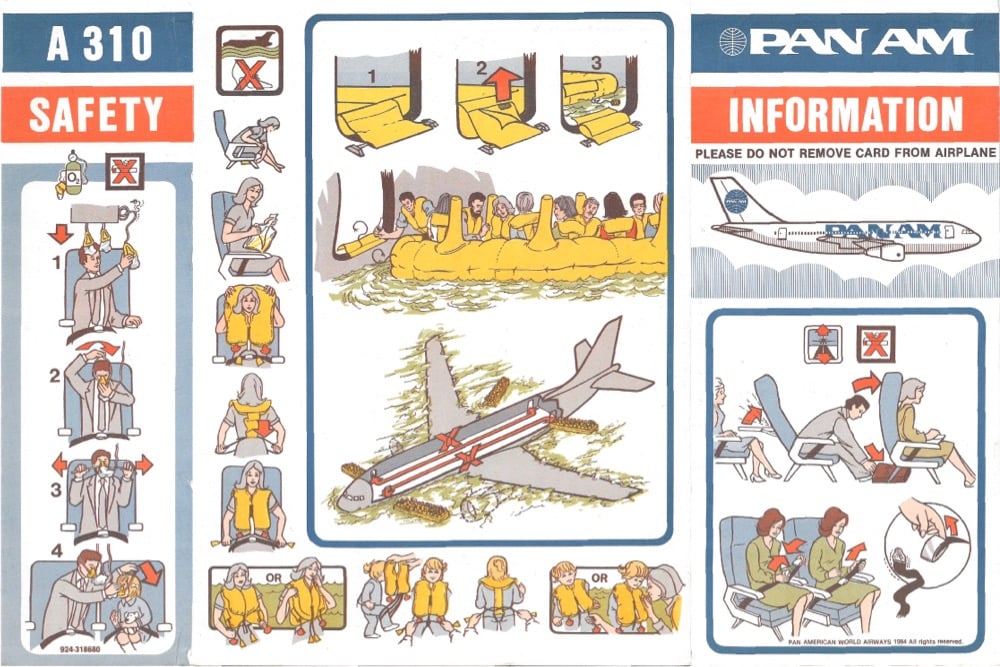
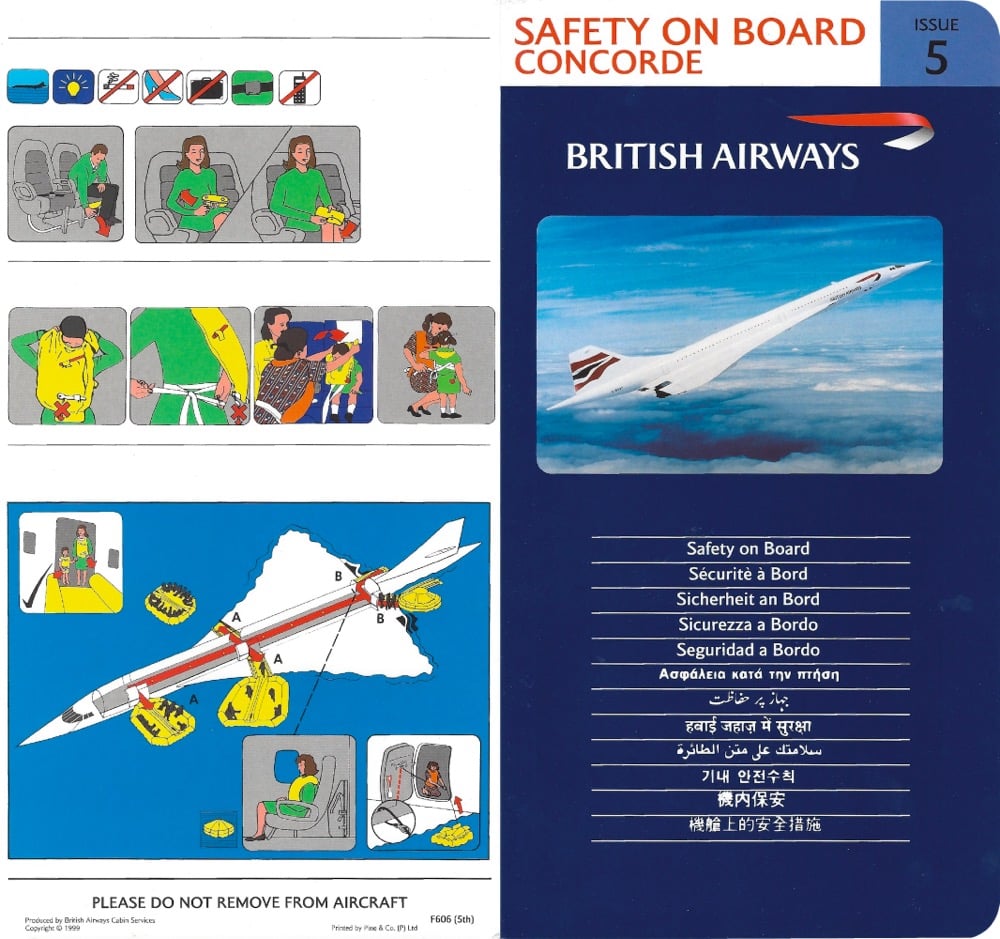
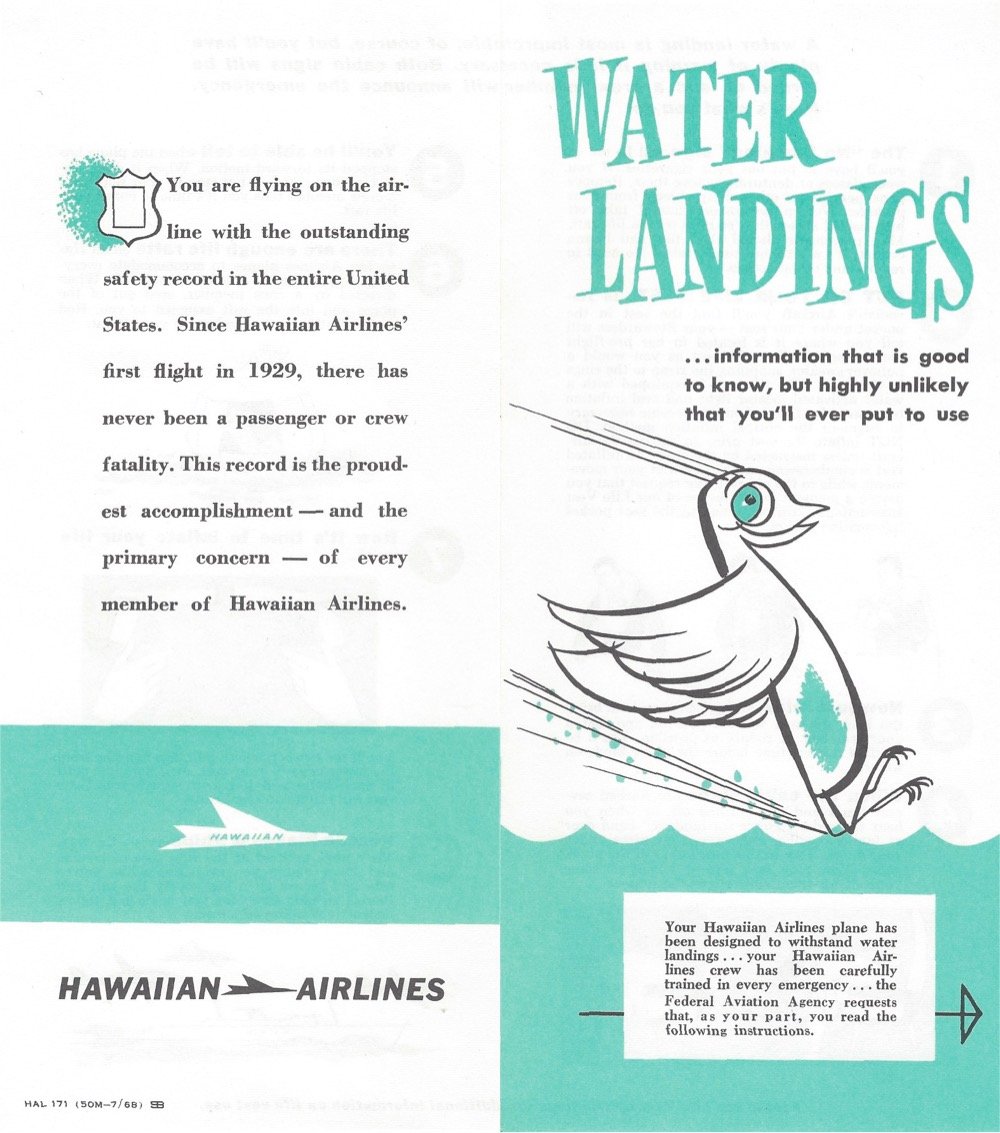
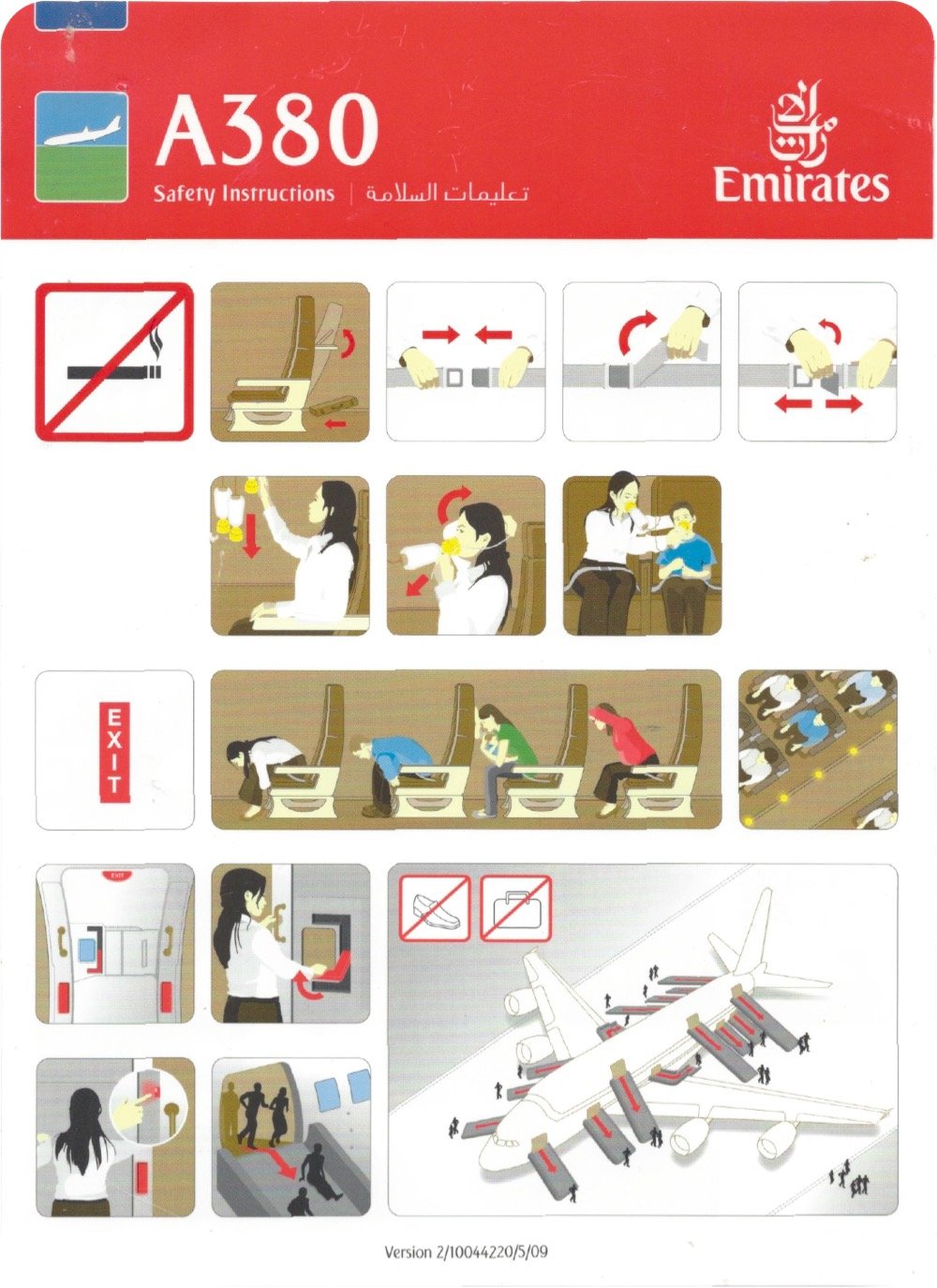
Here’s the rationale for the site:
As a professional designer, it can be valuable to contemplate how practitioners solved the same problem over time with different fashions and different tools.
Seatback Safety cards have been used since the dawn of commercial flight. While their pamphlet form has remained largely the same for a century, they have significantly evolved in ways that reflected broader social and technological trends.
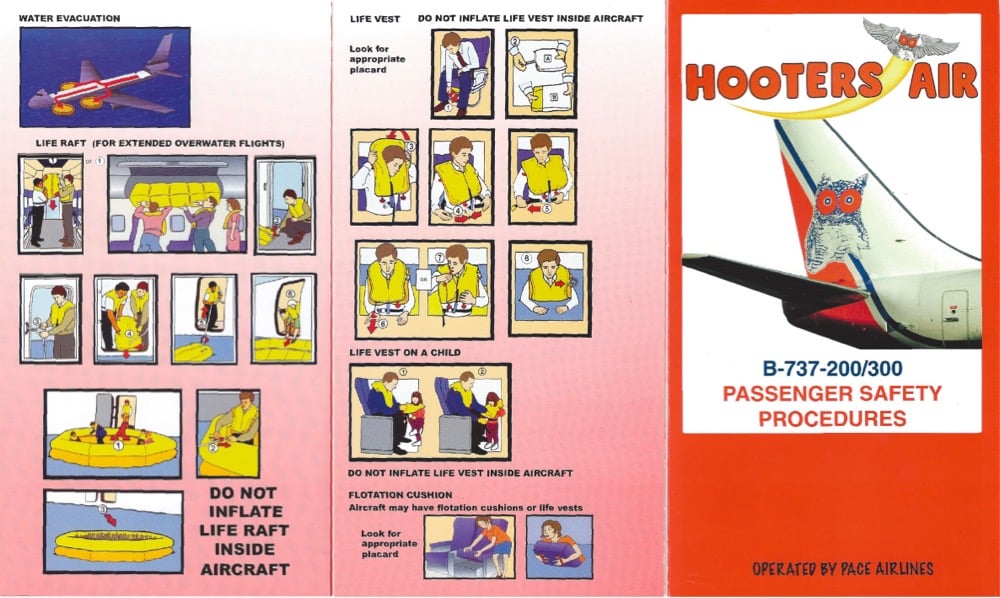
P.S. Did you remember that Hooters had an airline? (It only lasted three years.)
Socials & More