kottke.org posts about Moon

54 years ago today, on July 20, 1969, Neil Armstrong & Buzz Aldrin landed on the Moon and went for a little walk. For the 15th year in a row, you can watch the original CBS News coverage of Walter Cronkite reporting on the Moon landing and the first Moon walk on a small B&W television, synced to the present-day time. Just open this page in your browser today, July 20th, and the coverage will start playing at the proper time. Here’s the schedule (all times EDT):
4:10:30 pm: Moon landing broadcast starts
4:17:40 pm: Lunar module lands on the Moon
4:20:15 pm - 10:51:26 pm: Break in coverage
10:51:27 pm: Moon walk broadcast starts
10:56:15 pm: First step on Moon
11:51:30 pm: Nixon speaks to the Eagle crew
12:00:30 am: Broadcast end (on July 21)
Set an alarm on your phone or calendar! Also, this works best on an actual computer but I think it functions ok on phones and tablets if necessary.
Back in 2018, I wrote a bit about what to look out for when you’re watching the landing:
The radio voices you hear are mostly Mission Control in Houston (specifically Apollo astronaut Charlie Duke, who acted as the spacecraft communicator for this mission) and Buzz Aldrin, whose job during the landing was to keep an eye on the LM’s altitude and speed — you can hear him calling it out, “3 1/2 down, 220 feet, 13 forward.” Armstrong doesn’t say a whole lot…he’s busy flying and furiously searching for a suitable landing site. But it’s Armstrong that says after they land, “Houston, Tranquility Base here. The Eagle has landed.”. Note the change in call sign from “Eagle” to “Tranquility Base”. :)
Two things to listen for on the broadcast: the 1201/1202 program alarms I mentioned above and two quick callouts by Charlie Duke about the remaining fuel towards the end: “60 seconds” and “30 seconds”. Armstrong is taking all this information in through his earpiece — the 1202s, the altitude and speed from Aldrin, and the remaining fuel — and using it to figure out where to land.
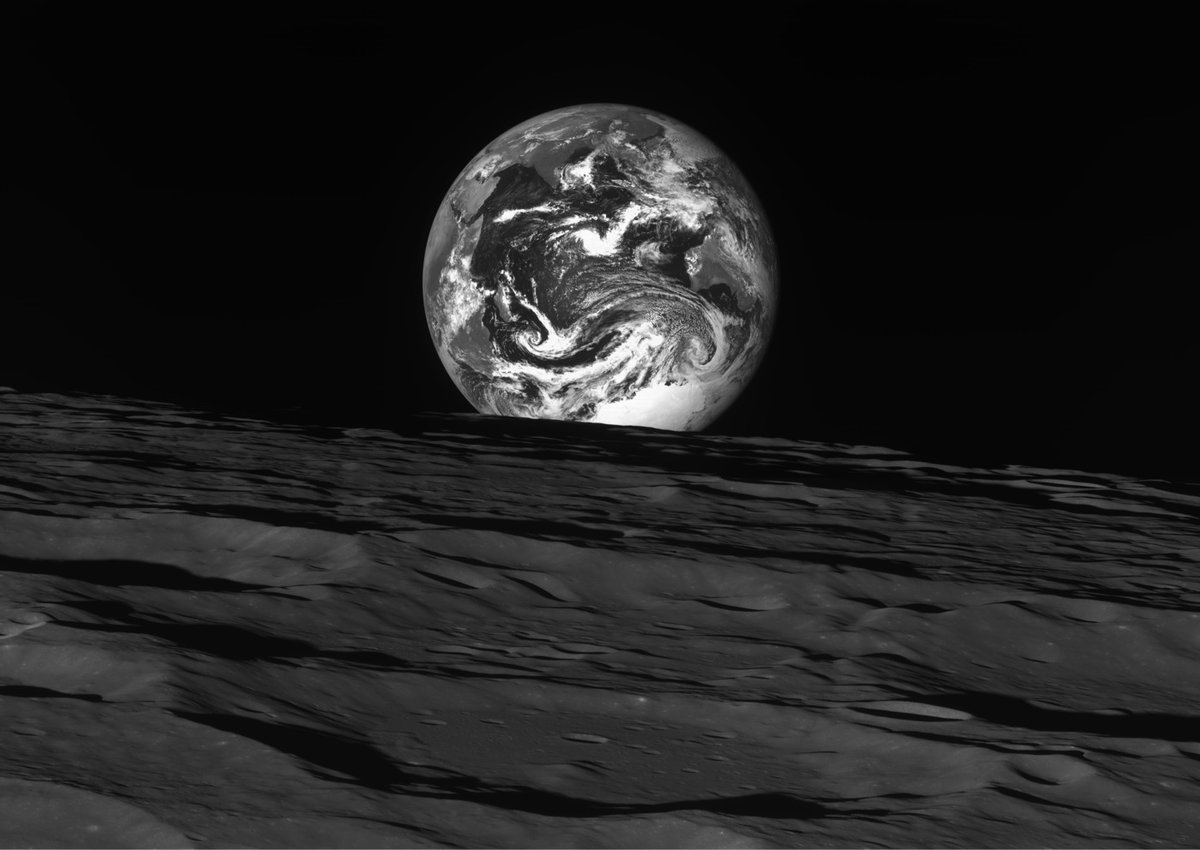
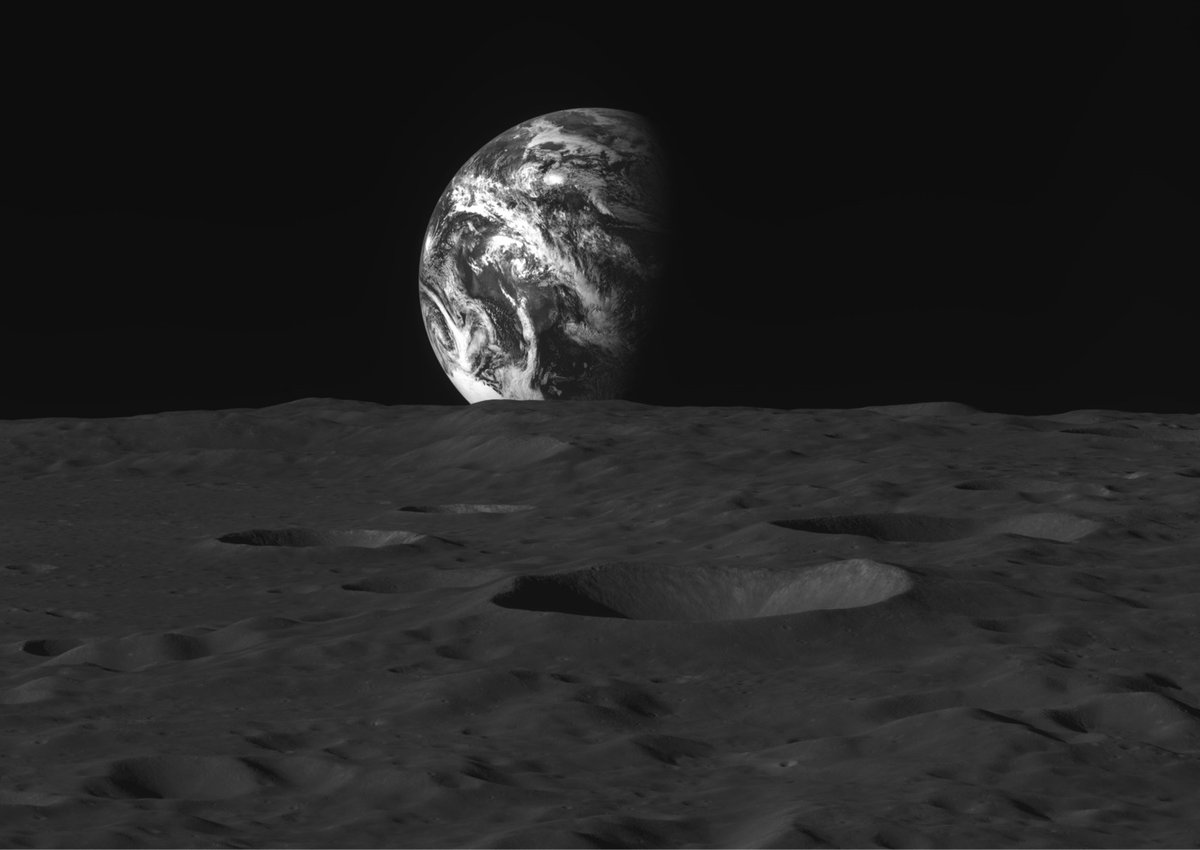
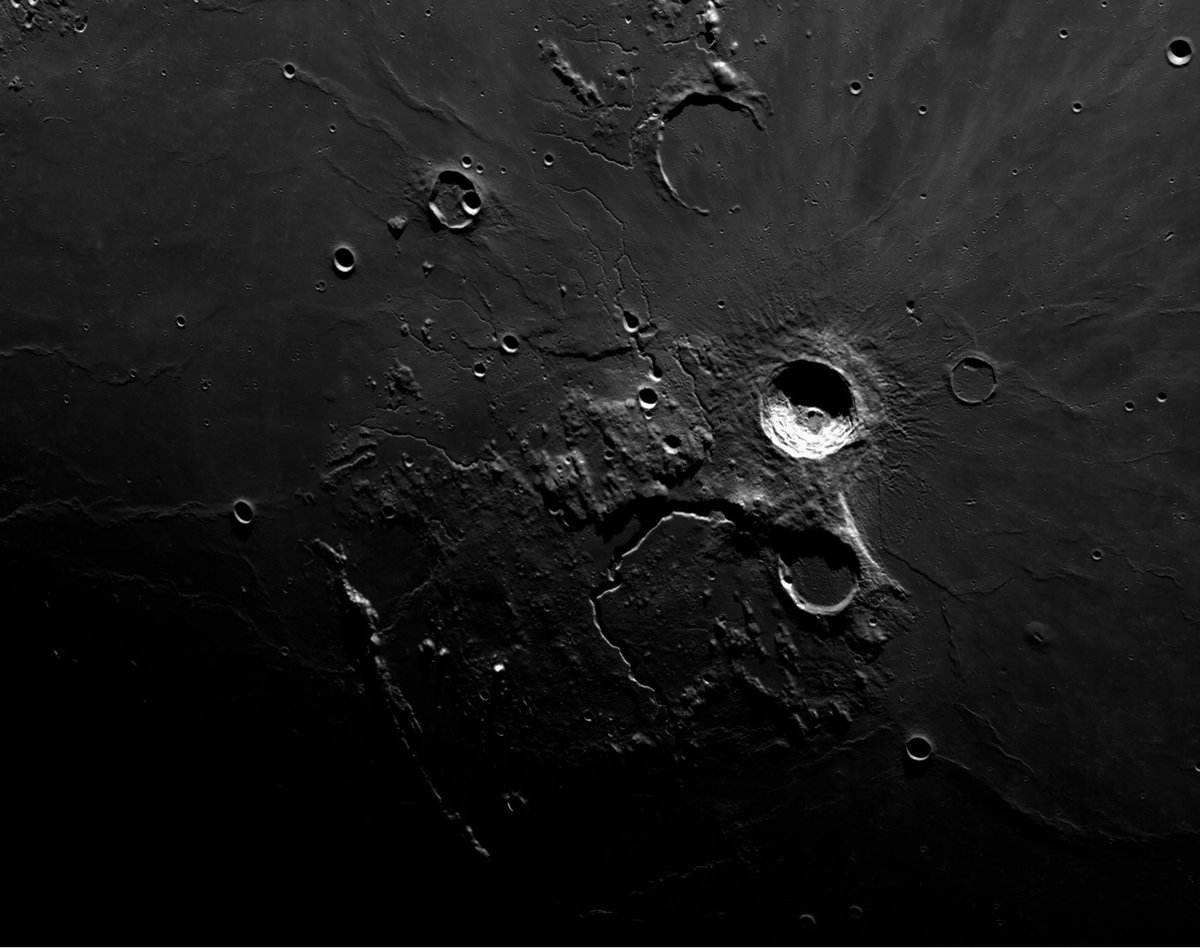
South Korea currently has a probe called Danuri orbiting the Moon at an altitude of about 62 miles above the surface. It’s just begun its mission but has already sent back some black & white photos of the Moon and the Earth, including the two above. Over at EarthSky, Dave Adalian says these shots “rival the work of legendary nature photographer Ansel Adams” and it’s difficult to disagree.
Also worth a look: Danuri’s shot of the Earth and Moon from a distance, hanging in the blackness of space like a pair of pearls. (via petapixel)
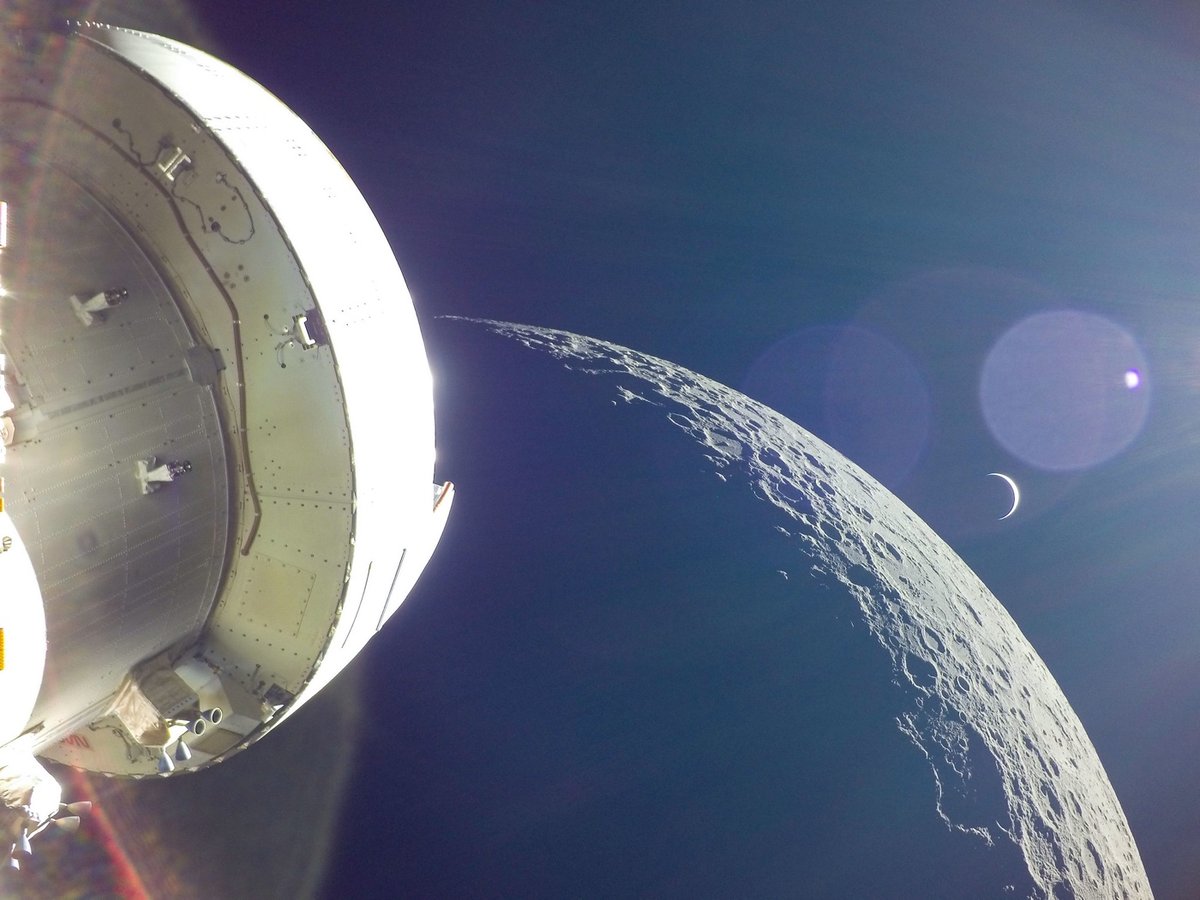
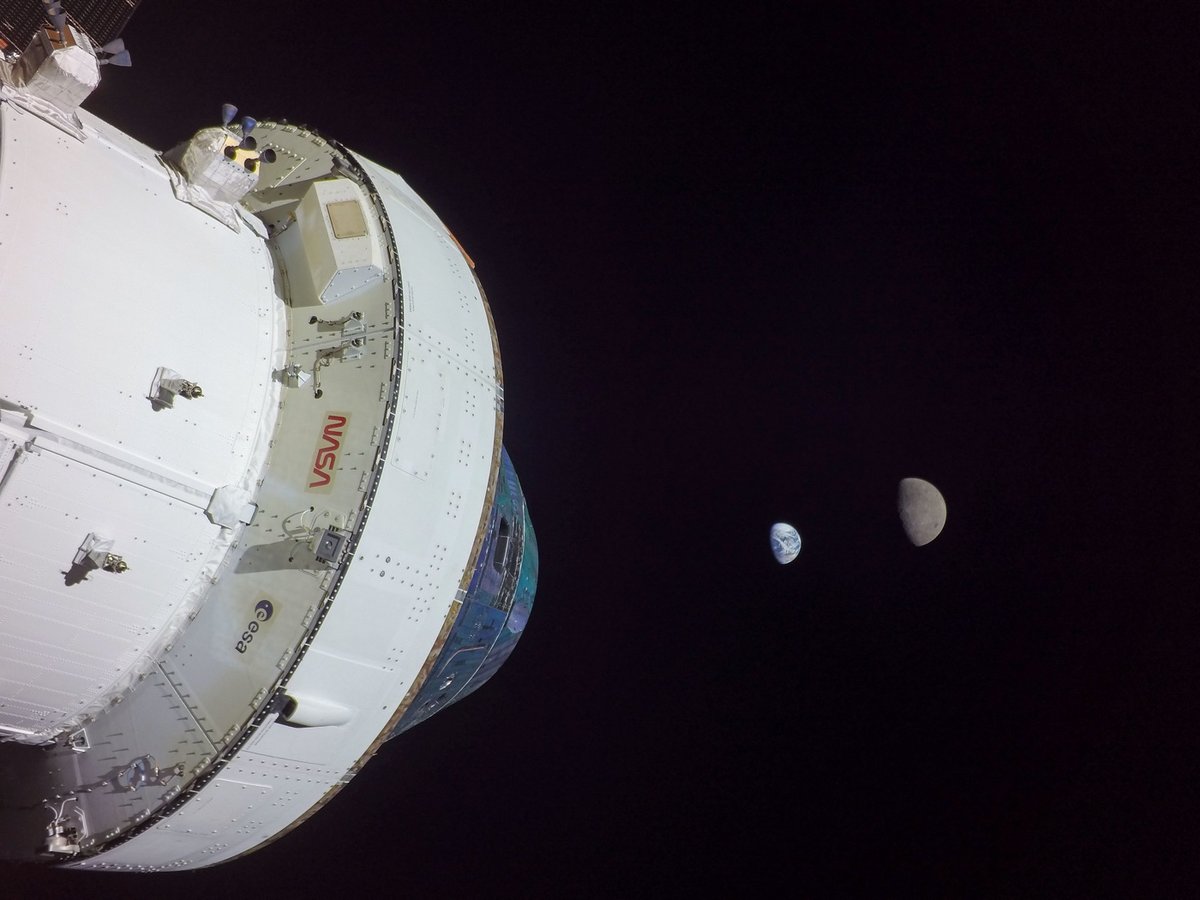
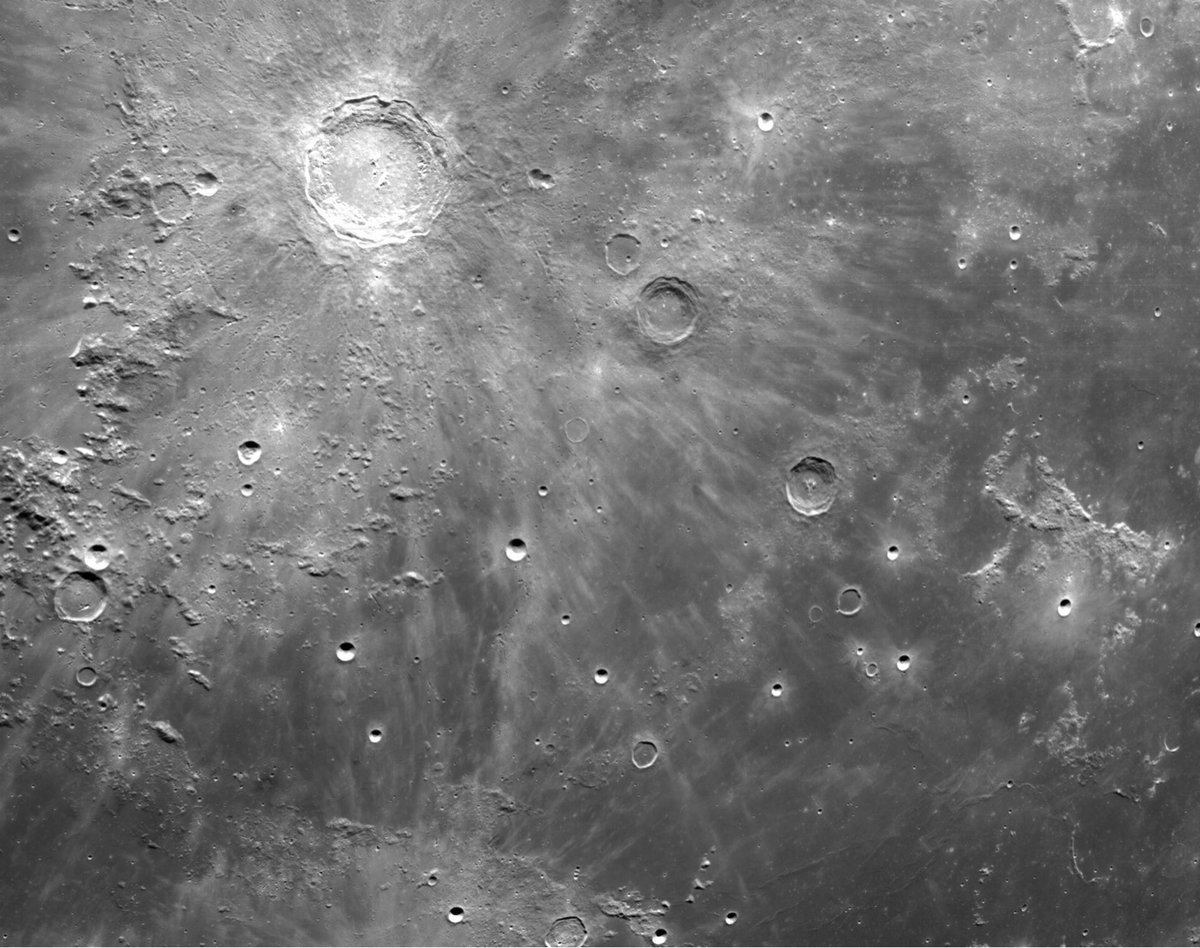
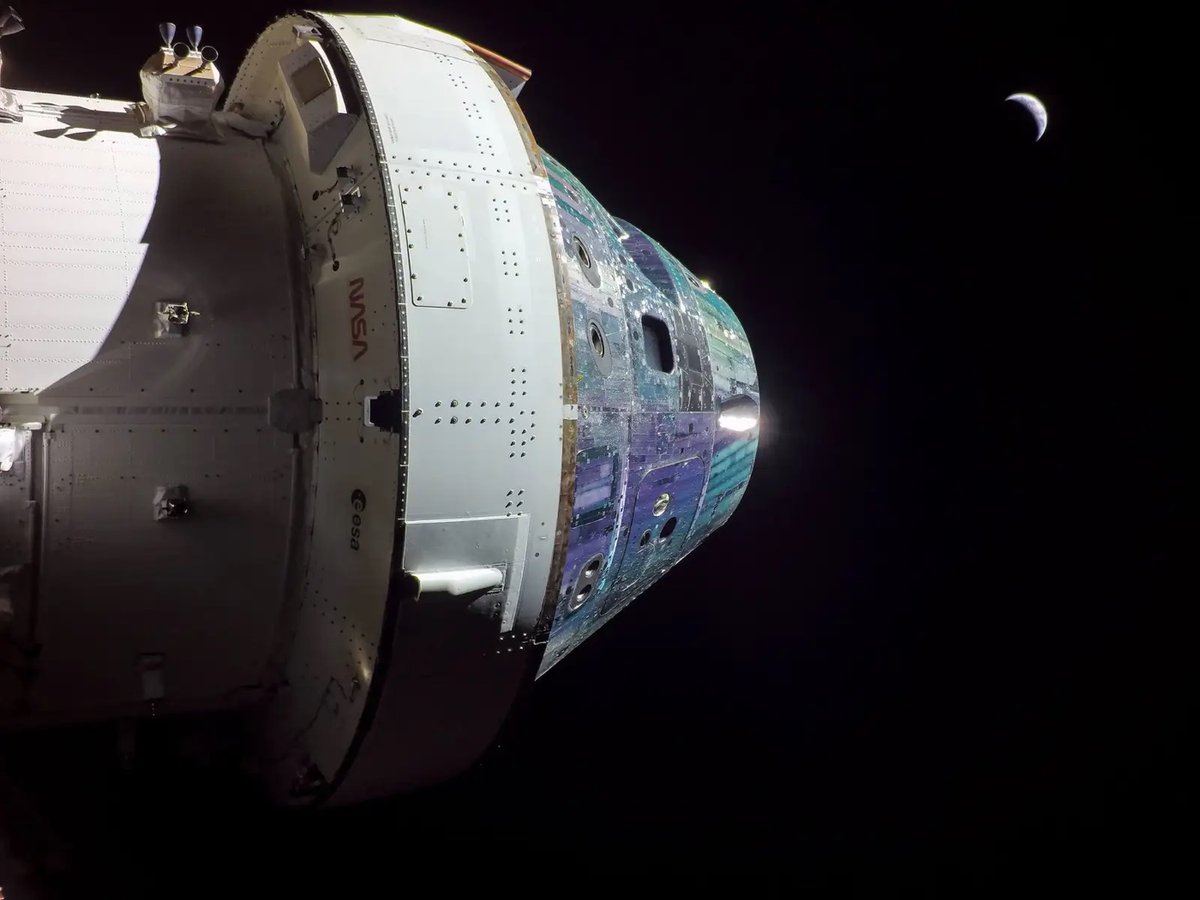
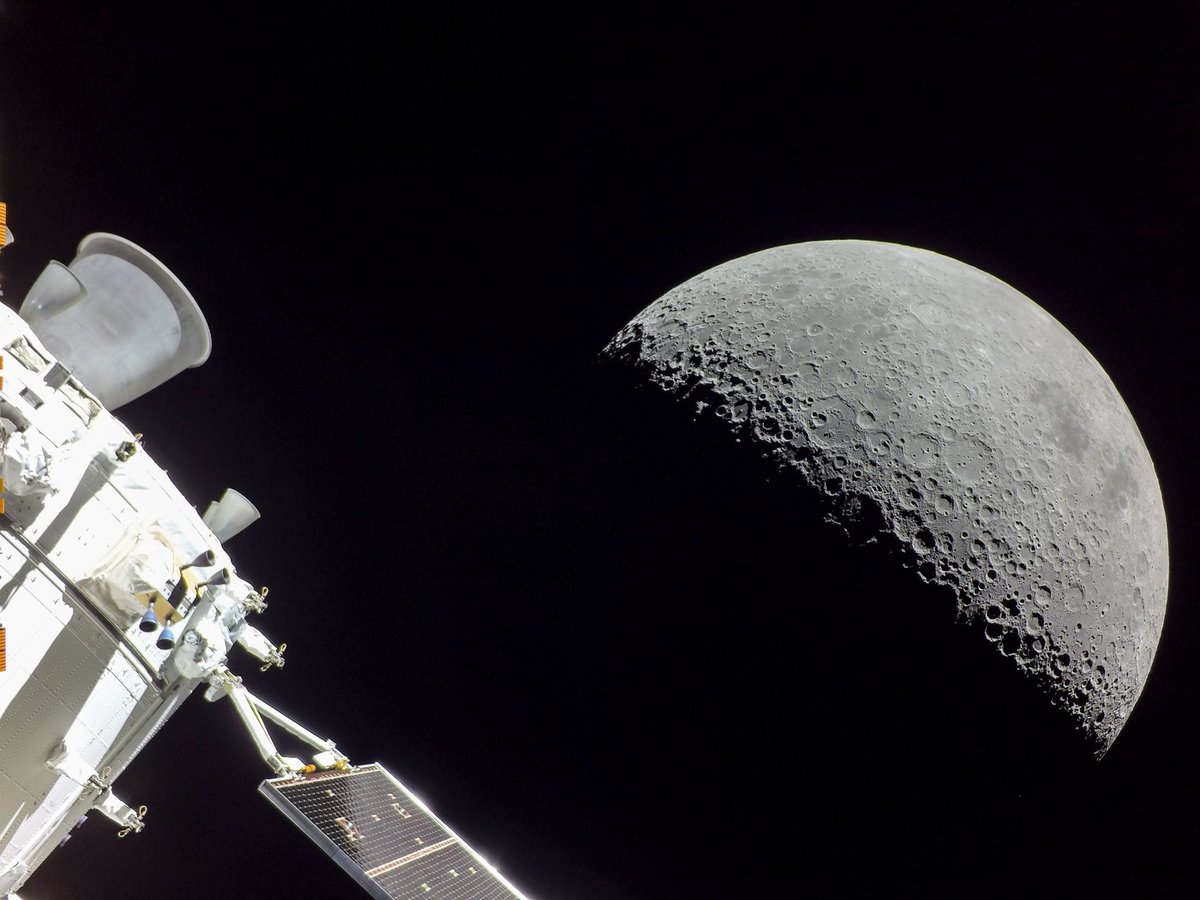
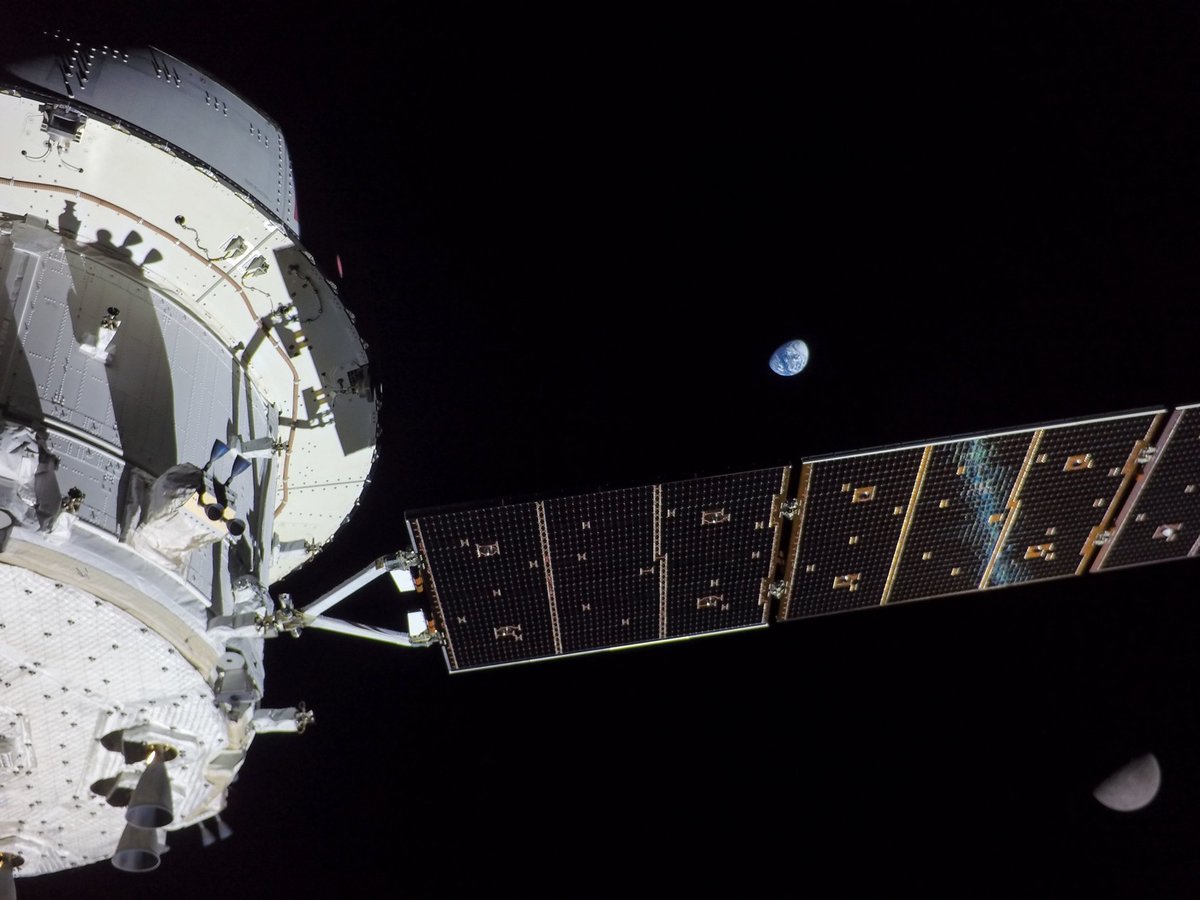
Over the weekend, NASA’s Artemis I mission returned from a 25-day trip to the Moon. The mission was a test-run of the rockets, systems, and spacecraft that will return humans to the surface of the Moon. Visual imaging has been an integral part of even the earliest space missions — strap a camera to a spacecraft, let the people see what space looks like, and they will be inspired. Well, the photographs returned by Artemis I’s Orion spacecraft have certainly been inspirational. Working from NASA’s archive of images (on Flickr too), I’ve selected some of the most interesting and dramatic photos from the mission. The one at the top, showing a crescent Earth rising over the Moon’s surface, might be one of my favorite space photos ever (and that’s really saying something) — you can see a bigger version of it here.
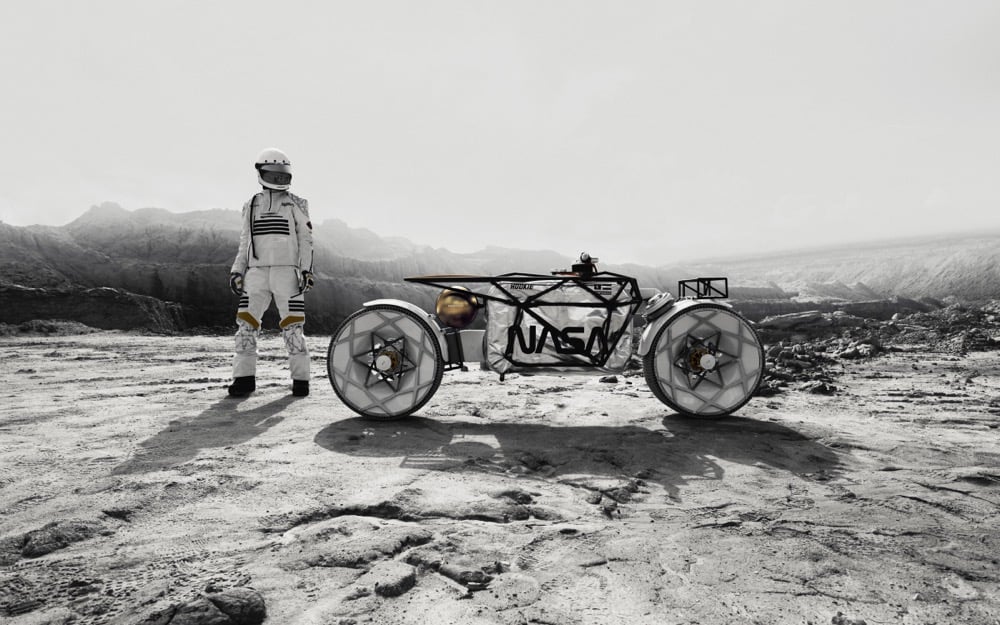

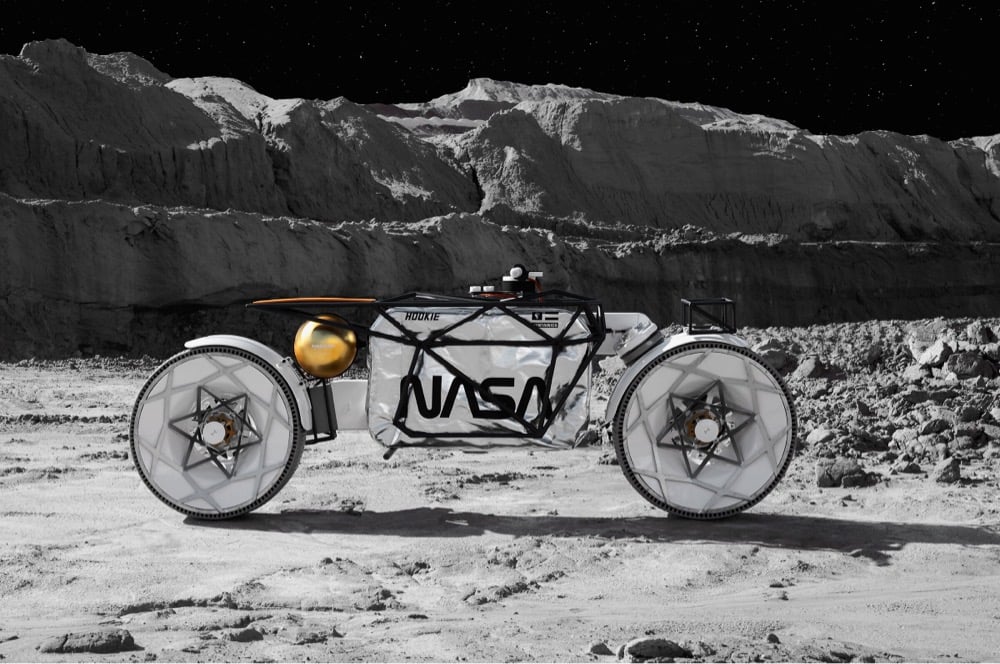
Based on a digital rendering by Andrew Fabishevskiy, motorcycle design company Hookie Co. built a real-life prototype of an electric motorcycle designed to be driven on the Moon. Named Tardigrade after the hearty micro-animal, the 2-wheeled rover weighs almost 300 pounds, is constructed out of aluminum, Kevlar, carbon fiber, and other materials, has a top speed of 9 mph, and a battery with a range of 62 miles. You can check out how it was built in this video. I want one! Electric motocross on the Moon does sound pretty fun:
Regarding flat track racing on the moon, I would prefer some big gaps and jumps more than turning left around an oval. With almost one-sixth of Earth’s gravity, I’d need only a small bump to jump 10 meters — that would be fun! Maybe the Tardigrade inspires space-addicted people and engineers for upcoming lunar missions, and I would be more than happy to be a tiny part of that.
No doubt motivated by this month’s release of Moonfall, the latest movie from disaster shlockmeister Roland Emmerich, Kurzgesagt has made a video that shows what would happen to civilization should the Moon somehow get knocked from its orbit and head straight for the Earth. Spoiler: the Moon doesn’t even need to reach us to kill almost all life on the planet.
See also A Scientific Simulation of Seveneves’ Moon Disaster.
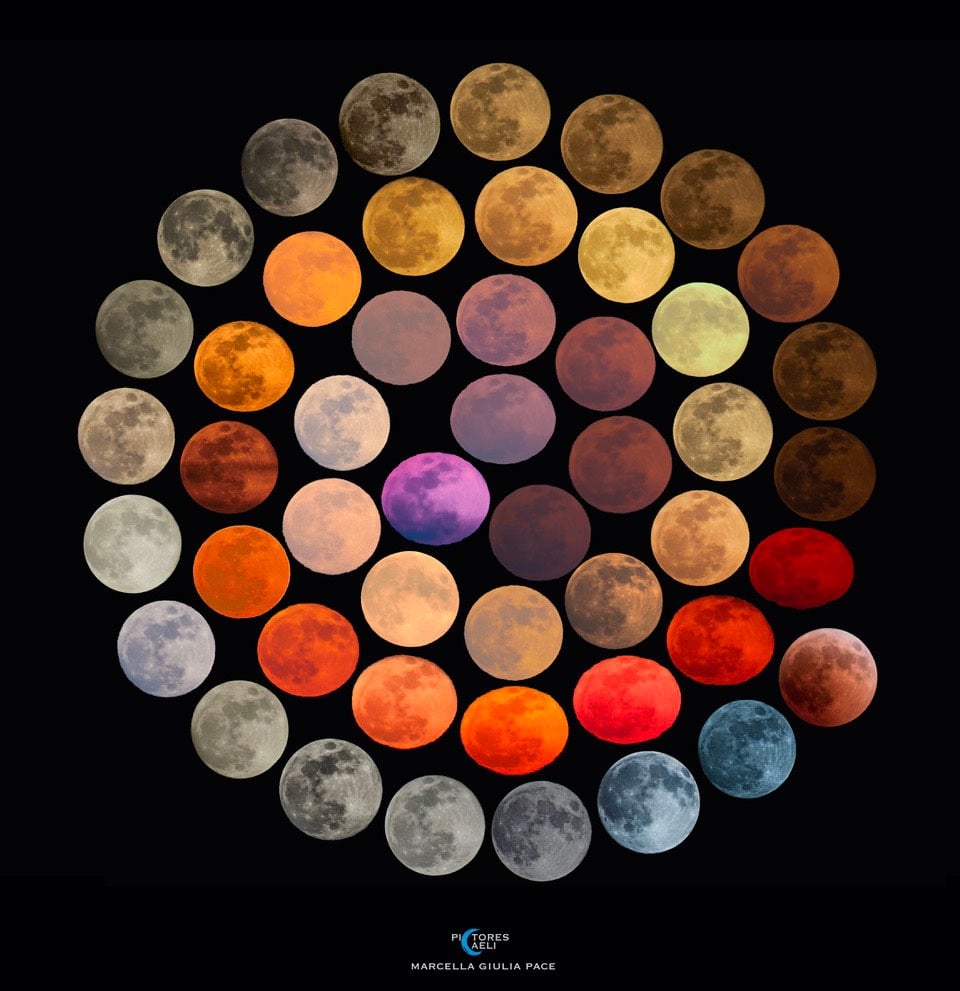
Marcella Giulia Pace photographed the Moon in 48 different hues and arranged them in a lovely spiral pattern.
I have collected some of my Full Moon shots taken over the past 10 years. I selected the shades of color with which the Moon was filmed in front of my lens and my eyes.
The atmosphere gives different colors to our satellite (scattering) based on its height with respect to the horizon, based on the presence of humidity or suspended dust. The shape of the Moon also changes: at the bottom of the horizon, refraction compresses the lunar disk at the poles and makes it look like an ellipse.
Prints of the image are available. (via @djacobs)
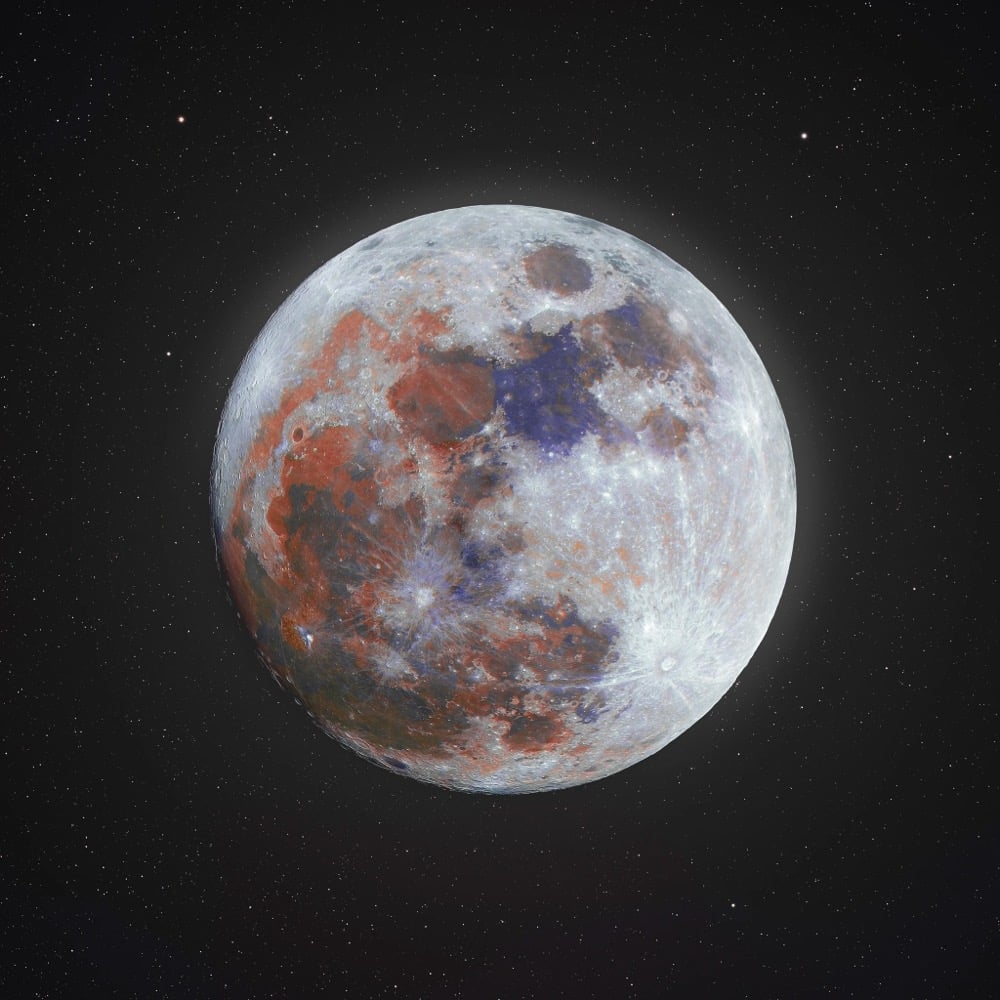
The full moon was wonderful last night and Andrew McCarthy captured this colorful image of our nearest celestial companion. McCarthy explained where all those colors come from:
Back to this image, this was captured through a telescope and involved capturing thousands of frames to reveal the details. But what about the colors? The moon is gray, of course, but not *perfectly* gray. Some areas have a subtle blue tint, and others have a more orange tint. By teasing out those subtle colors, I can reveal the mineral composition of the moon! Blues denote titanium presence, while orange shows iron and feldspar present in the regolith. You can also see how impacts paint the surface with fresh color in the ejecta as they churn up material.
A print is available, but only for a very limited time (~6 more hours as of pub time).
Last month I shared a video of the Earth rising over the surface of the Moon captured by Japan’s Kaguya orbiter. It’s a good clip but quite short and over-narrated. Seán Doran took several Earthrise & Earthset sequences filmed by Kaguya, remastered & upsampled them to 4K resolution, and stitched them together into this wonderful video, set to music by Jesse Gallagher. One of the sequences, which begins around the 5-minute mark, captures a solar eclipse of the Sun by the rising Earth. I hadn’t seen this footage before and had to pick my jaw up off the floor — absolutely spectacular.
Captured by the Kaguya lunar orbiter on April 5, 2008, this is an HD video of the Earth rising over the surface of the Moon. Watching stuff like this always puts me in a different frame of mind. (Turn off the sound if you don’t want to hear the super-cheesy narration.)
Ariel Avissar made this 2.5-minute supercut of giant moons from movies — like E.T., The Nightmare Before Christmas, Spider-Man, The Lion King, Black Swan, Despicable Me — accompanied by Frank Sinatra’s rendition of Fly Me to the Moon.
Using images from the Kaguya orbiter, Seán Doran has constructed a 4-hour realtime orbit of the Moon. Feel free to pair with your favorite piece of relaxing music for a meditative viewing experience.
See also another video by Doran: An Incredible Video of What It’s Like to Orbit the Earth for 90 Minutes.
Fifty-one years ago today, on July 20, 1969, Neil Armstrong & Buzz Aldrin landed on the Moon and went for a little walk. For the 12th year in a row, you can watch the original CBS News coverage of Walter Cronkite reporting on the Moon landing and the first Moon walk on a small B&W television, synced to the present-day time. Just open this page in your browser today, July 20th, and the coverage will start playing at the proper time. Here’s the schedule (all times EDT):
4:10:30 pm: Moon landing broadcast starts
4:17:40 pm: Lunar module lands on the Moon
4:20:15 pm - 10:51:26 pm: Break in coverage
10:51:27 pm: Moon walk broadcast starts
10:56:15 pm: First step on Moon
11:51:30 pm: Nixon speaks to the Eagle crew
12:00:30 am: Broadcast end (on July 21)
Set an alarm on your phone or calendar!
This is one of my favorite things I’ve ever done online…here’s what I wrote when I launched the project in 2009:
If you’ve never seen this coverage, I urge you to watch at least the landing segment (~10 min.) and the first 10-20 minutes of the Moon walk. I hope that with the old time TV display and poor YouTube quality, you get a small sense of how someone 40 years ago might have experienced it. I’ve watched the whole thing a couple of times while putting this together and I’m struck by two things: 1) how it’s almost more amazing that hundreds of millions of people watched the first Moon walk *live* on TV than it is that they got to the Moon in the first place, and 2) that pretty much the sole purpose of the Apollo 11 Moon walk was to photograph it and broadcast it live back to Earth.
In 2018, I wrote about what to watch for during the landing sequence.
The radio voices you hear are mostly Mission Control in Houston (specifically Apollo astronaut Charlie Duke, who acted as the spacecraft communicator for this mission) and Buzz Aldrin, whose job during the landing was to keep an eye on the LM’s altitude and speed - you can hear him calling it out, “3 1/2 down, 220 feet, 13 forward.” Armstrong doesn’t say a whole lot…he’s busy flying and furiously searching for a suitable landing site. But it’s Armstrong that says after they land, “Houston, Tranquility Base here. The Eagle has landed.”. Note the change in call sign from “Eagle” to “Tranquility Base”. :)
In a letter recently published in a new book, A Reluctant Icon: Letters to Neil Armstrong, a teacher wrote a letter to the first human to set foot on the Moon accusing him of making the whole thing up.
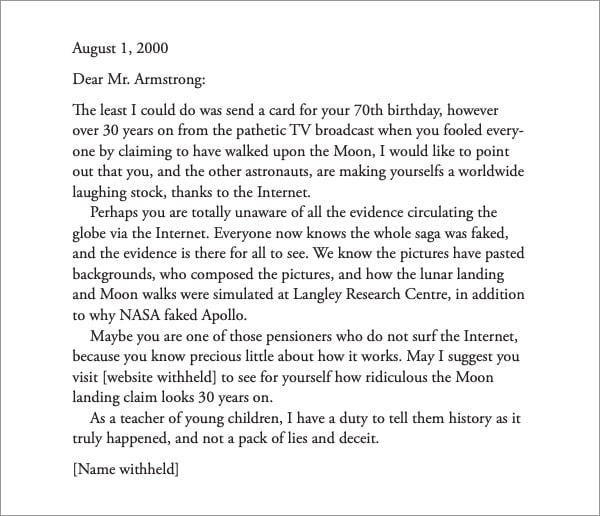
To which Armstrong replied:
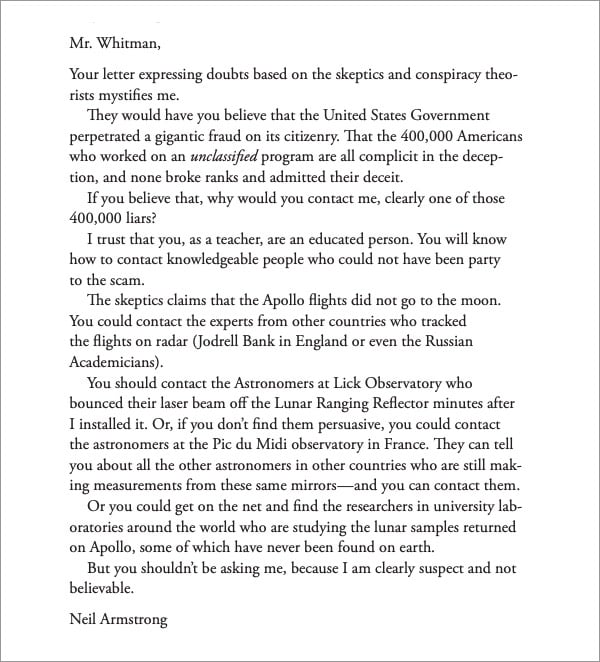
(via the excellent Letters of Note)
Using thousands of original photographs taken by astronauts during the Apollo missions, motion designer Christian Stangl and composer Wolfgang Stangl worked for 18 months to create this animated short film depicting a flight to the Moon, culminating in a landing and the exploration of the surface. (via moss & fog)

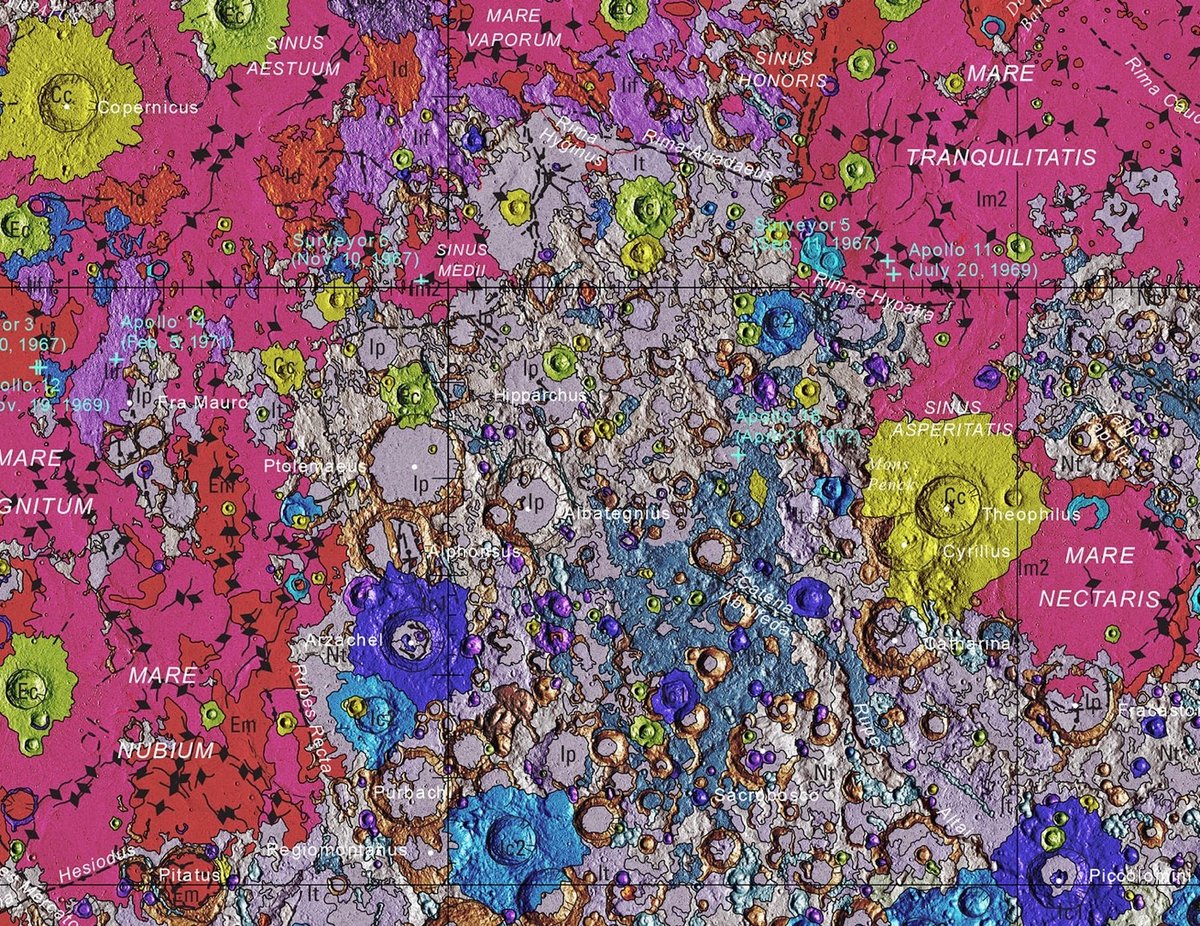
In collaboration with NASA and the Lunar and Planetary Institute, the USGS has released the first complete geological map of the Moon’s surface.
This new work represents a seamless, globally consistent, 1:5,000,000-scale geologic map derived from the six digitally renovated geologic maps (see Source Online Linkage below). The goal of this project was to create a digital resource for science research and analysis, future geologic mapping efforts, be it local-, regional-, or global-scale products, and as a resource for the educators and the public interested in lunar geology.
Strange Maps has more information on how the map came to be and what it shows.
The map was created by the U.S. Geological Service’s Astrogeology Science Center in Flagstaff, Arizona. In collaboration with NASA and the Lunar and Planetary Institute, it combined six ‘regional’ maps of the Moon made during the Apollo era (1961-1975) with input from more recent unmanned lunar missions.
This included data on the polar regions from NASA’s Lunar Orbiter Laser Altimeter (LOLA) and close-ups of the equatorial zone from the Japanese Space Agency’s recent SELENE mission.
The two images above show the entire map and a detailed view of a single area (which includes the landing sites of 3 Apollo missions) while the video shows a rotating globe version of the map.
Newer posts
Older posts





Socials & More