



This is not the last pandemic. “We’ve created almost a perfect storm here for the emergence of pandemics.”

Advertise here with Carbon Ads
This site is made possible by member support. 💞
Big thanks to Arcustech for hosting the site and offering amazing tech support.
When you buy through links on kottke.org, I may earn an affiliate commission. Thanks for supporting the site!
kottke.org. home of fine hypertext products since 1998.
Beloved by 86.47% of the web.
Entries for June 2020
Stolen: Unfinished Portraits of Black People Killed By Police Officers
Adrian Brandon’s Stolen is a series of portraits of Black people who have been killed by police officers. He colors each portrait in for as long as the person was alive: 1 minute of coloring for each year of their life. (From top to bottom: Breonna Taylor, Tamir Rice, and Michael Brown.)
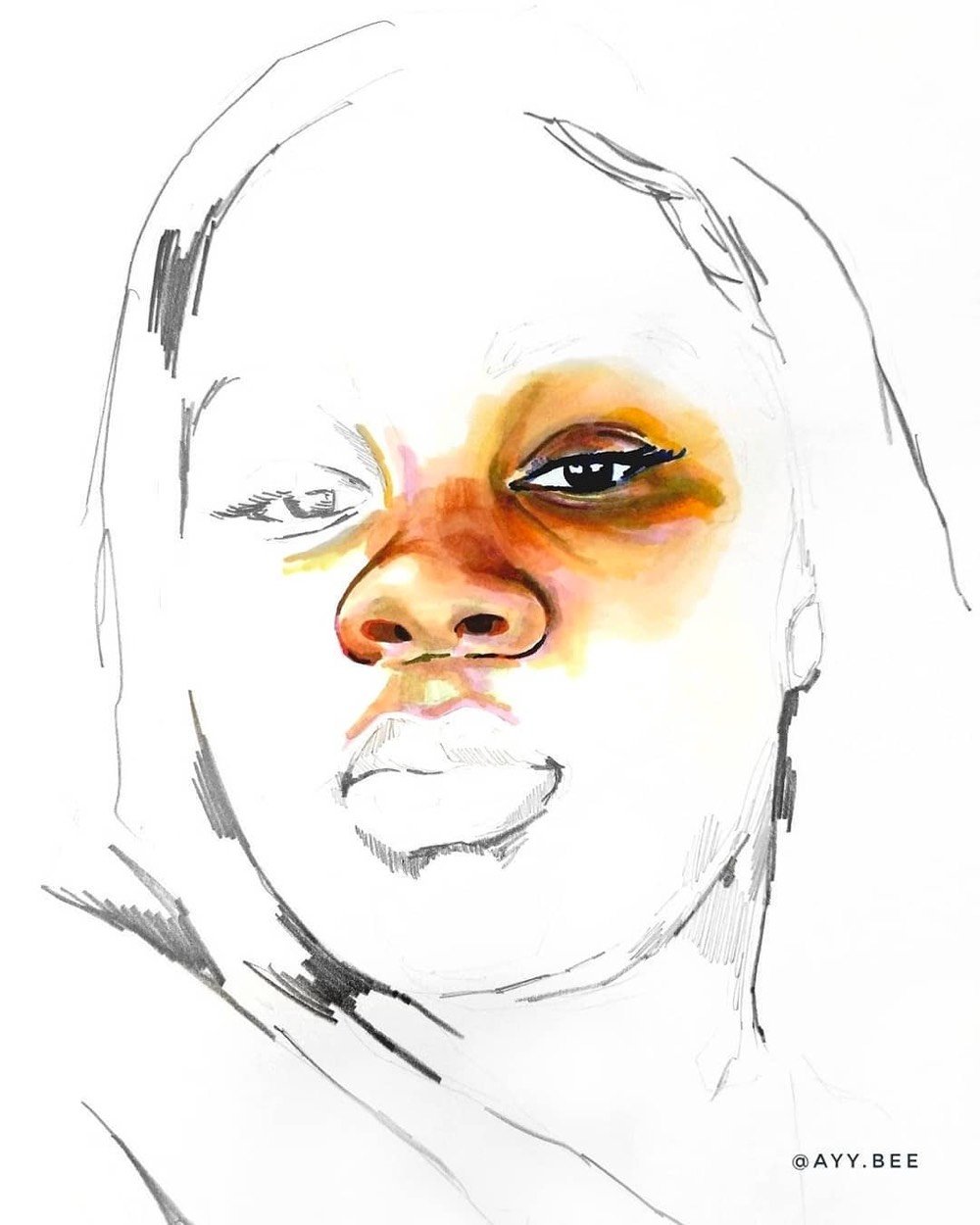
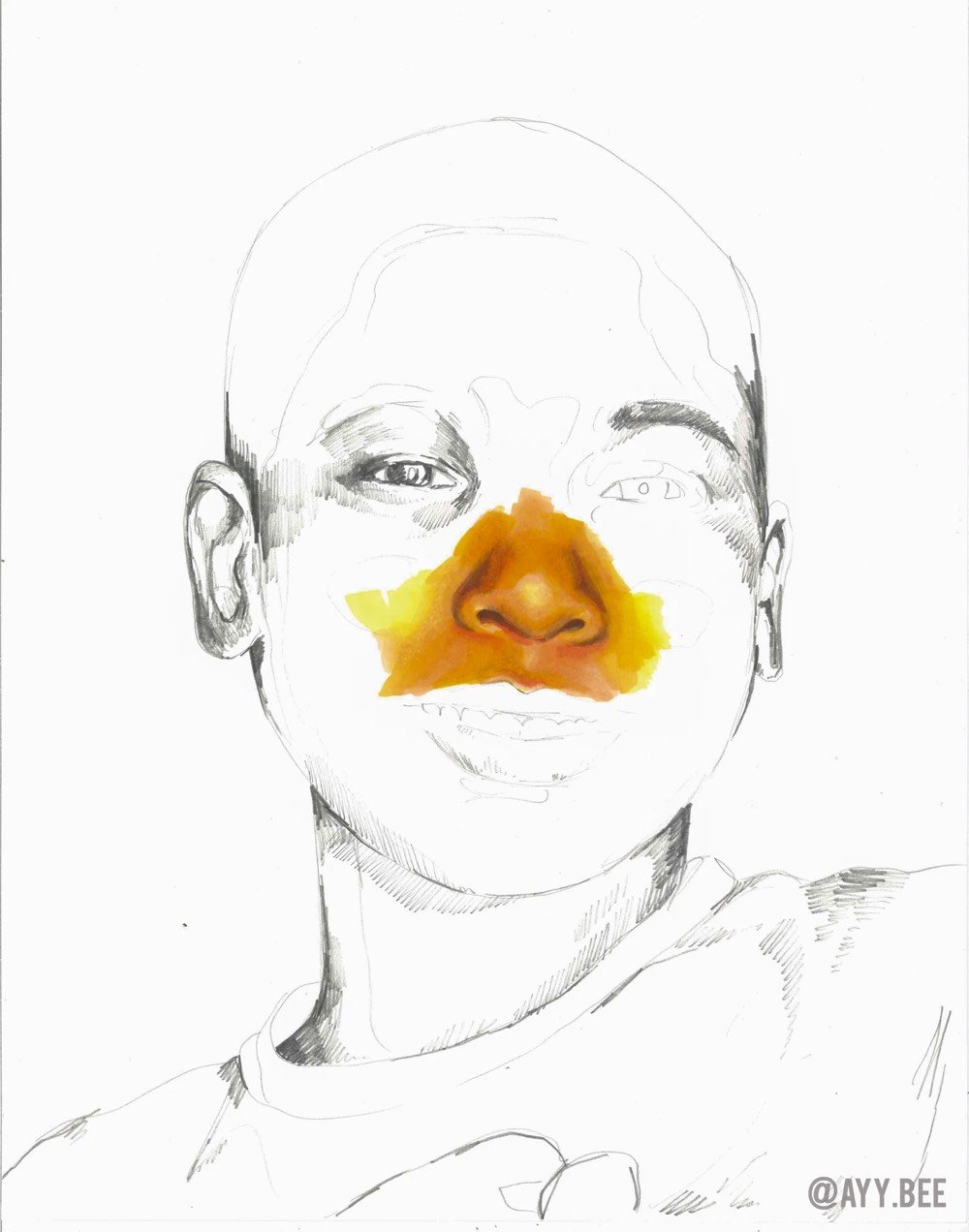
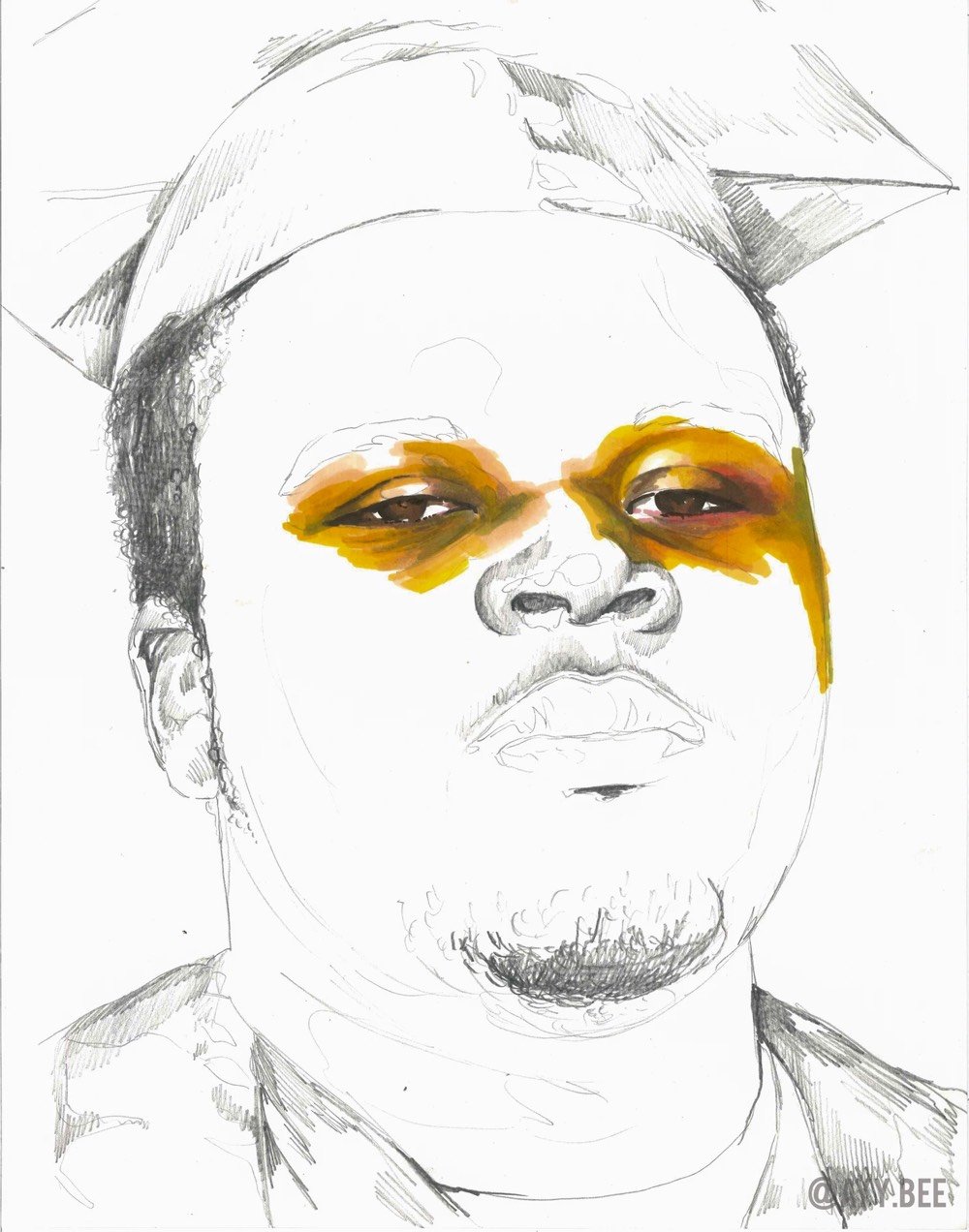
Tamir Rice was 12 when he was murdered, so I colored his portrait for 12 minutes. As a person of color, I know that my future can be stolen from me if I’m driving with a broken taillight, or playing my music too loud, or reaching for my phone at the wrong time. So for each of these portraits I played with the harsh relationship between time and death. I want the viewer to see how much empty space is left in these lives, stories that will never be told, space that can never be filled. This emptiness represents holes in their families and our community, who will be forever stuck with the question, “who were they becoming?”
Brandon is revisiting this series on Instagram with portraits of George Floyd, Breonna Taylor, and others. Here’s a time lapse video of the creation of Taylor’s portrait.
Ava DuVernay’s Selma and 13th Available to Watch Online for Free
Last month, Netflix posted a number of their educational programs on YouTube for free, including Ava DuVernay’s powerful documentary 13th on race, justice, and mass incarceration in America. Here’s the full-length film (discussion guide):
On Friday, Paramount Pictures started offering DuVernay’s Selma for free rental on a variety of platforms (Apple, Amazon, etc.). Selma is an historical drama about Martin Luther King Jr. and the 1965 voting rights marches from Selma to Montgomery, Alabama. If you haven’t seen it, it’s excellent — here’s a trailer:
As DuVernay said of the film on Twitter:
We’ve gotta understand where we’ve been to strategize where we’re going. History helps us create the blueprint.
In addition, legal drama Just Mercy starring Michael B. Jordan and Jaime Foxx is available online for free until the end of the month and The Criterion Channel is making movies that “focus on Black lives” available to non-subscribers. (via open culture)
A story about going on a ride-along with a police officer. “That was the night: a full shift devoted to manufacturing crime — desperately searching for reasons to pull people over and then harassing people until they snapped.”
Aerial Views of the Protests from Around the World
The NY Times has compiled aerial photos & videos of Saturday’s protests against racism & police violence from across the United States and around the world. This is Philadelphia:
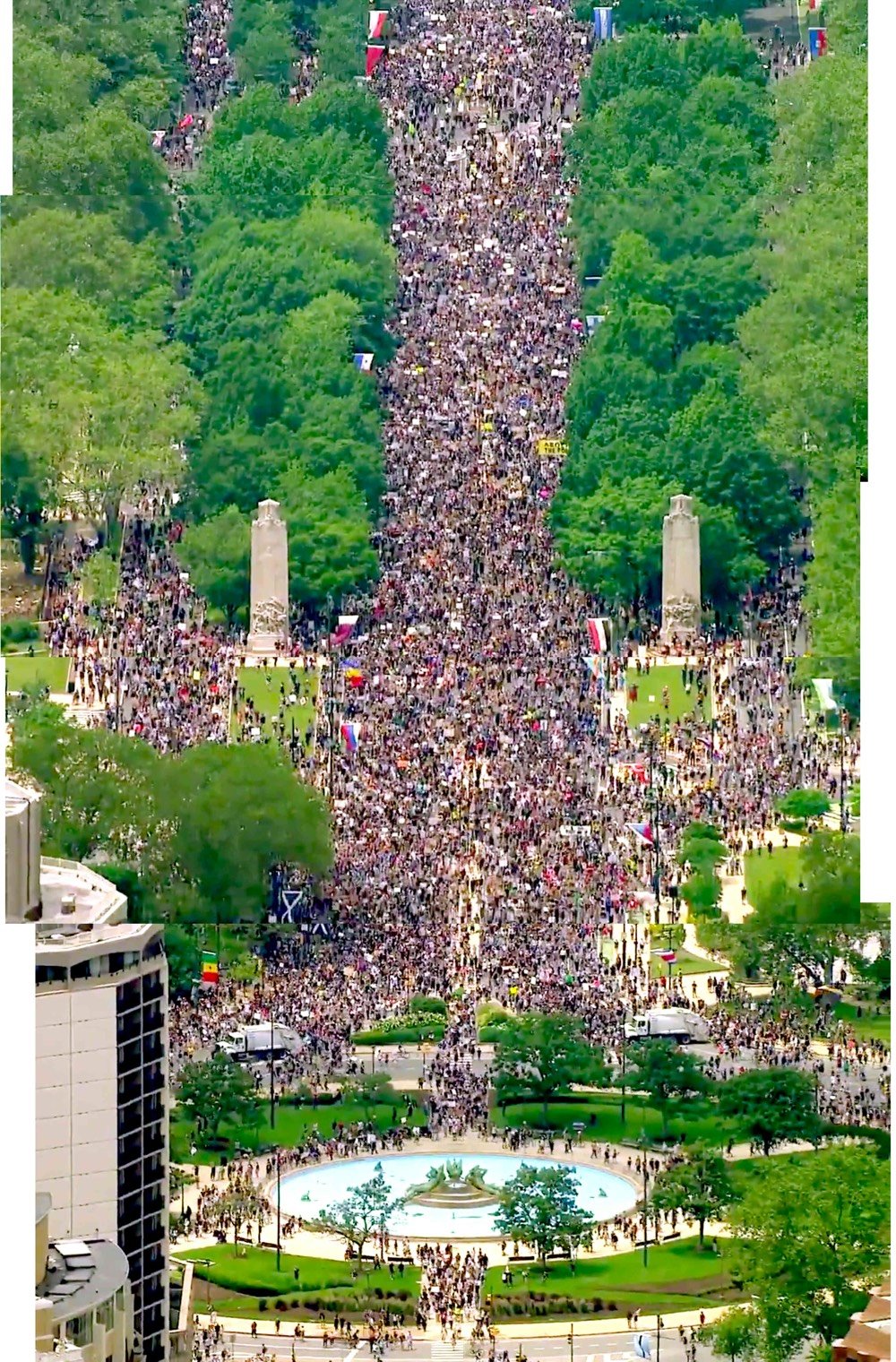
Some of the largest protests have been in Europe; here’s Berlin:
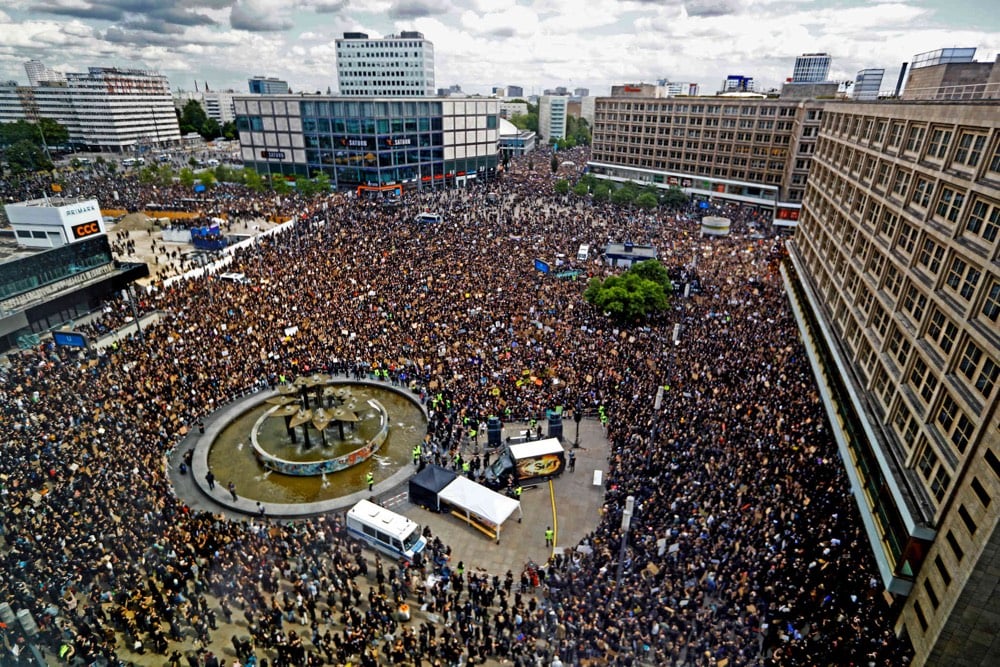
This wasn’t part of the Times’ package, but this drone’s eye view of Hollywood Blvd in Los Angeles on Sunday is absolutely breathtaking.
Anne Helen Petersen has been tracking protests in smaller cities and towns around the nation and wrote about their importance for BuzzFeed. To see photos from this weekend’s protests, you can dip into her thread here and just scroll.
Physicists are organizing a Strike for Black Lives on Wednesday. “All ordinary meetings of classes, research groups, and seminars should be cancelled or replaced with discussions with colleagues about anti-black bias in the world and in academia.”
“The Game Is Fixed” Against Black People in America
Do me a favor and take about 7 minutes to watch author Kimberly Jones’ off-the-cuff “rant” (her words) about how rioting and looting fit within the larger narrative of the economic oppression of Black people in America. I’ve never heard the long, shameful, and deadly history of white supremacy in America summed up any better or more succinctly than Jones does here. The Monopoly analogy in particular is fantastic.
When they say “Why do you burn down the community? Why do you burn down your own neighborhood?” It’s not ours! We don’t own anything! We don’t own anything! Trevor Noah said it so beautifully last night: There’s a social contract that we all have — that if you steal or if I steal, then the person who is the authority comes in and they fix the situation. But the person who fixes the situation is killing us! So the social contract is broken. And if the social contract is broken, why the fuck do I give a shit about burning the fucking Football Hall of Fame, about burning the fucking Target? You broke the contract when you killed us in the streets and didn’t give a fuck! You broke the contract when for 400 years we played your game and built your wealth!
Update: Jones has signed a deal with Henry Holt and Company to write two books, one of which will be called “How We Can Win” and will be based on the video above.
Update: How We Can Win will be out in November and is now available for preorder.
Minneapolis City Council Members Announce Intent To Disband The Police Department, Invest In Proven Community-Led Public Safety. An absolutely incredible decision, unthinkable just two weeks ago.
John Oliver on Policing in America
For the latest episode of Last Week Tonight, John Oliver dedicated his entire show to policing in America. It is worth watching as a summary of how we got here, what the obstacles to reform have been, and where we can go from here.
We’re actually not going to focus on Trump tonight nor are we — unlike some in cable news — going to dwell on the incidents of looting that occurred, except to say if you said the name “Macy’s” more than you’ve said the name “Breonna Taylor” this week you can very much fuck off.
Likewise if you asking why spontaneous decentralized protests can’t control every one of its participants more than you are asking the same about a taxpayer-funded heavily regimented paid workforce, you can also — in the words of this generation’s Robert Frost — suck my dick and choke on it.
Mamadou Tall: Is This the Last Straw? “Emmett Till should have been the last straw, Rodney King should have been the last straw, Amadou Diallo should have been the last straw…”
Washington DC mayor Muriel Bowser commissioned a massive mural that spans two city blocks spelling out “BLACK LIVES MATTER”. She also sent a letter to Trump requesting withdrawal of federal troops from the city.
A Powerful Lesson in Discrimination
Calling it one of their most requested videos, PBS’s Frontline has uploaded to YouTube their 1985 program on schoolteacher Jane Elliott’s powerful lesson in discrimination. The video shows how, in the wake of Martin Luther King Jr.’s assassination, Elliott divided her third-grade class into those with blue eyes and those with non-blue eyes and then instructed the non-blue-eyed group to treat the blue-eyed group as inferior. The resulting behavior is fascinating, upsetting, and illuminating.
Elliott went on to become a noted antiracism activist and has done blue eyes/brown eyes workshops with groups of adults and teens. And she goes hard at them — see this video and this video for instance.
I’m trying to get the people who participate in this exercise the opportunity to find out how it feels like to be something other than white in this society. ‘Alright people, I’m Jane Elliott and I’m your resident bitch for the day and make no mistake about that, that is exactly what this is about.’ I do this in a mean, nasty way because racism, sexism, ageism, homophobia, ethnocentrism are mean and nasty.
I would also highly recommend watching this brief clip of a talk by Elliott. In less than a minute, she deftly skewers the idea that racial discrimination doesn’t exist in America and calls out White Americans’ complicity in allowing it to persist.
I want every white person in this room who would be happy to be treated as this society in general treats our black citizens — if you as a white person would be happy to receive the same treatment that our black citizens do in this society, please stand.
[Nobody stands.]
You didn’t understand the directions. If you white folks want to be treated the way blacks are in this society, stand. Nobody’s standing here. That says very plainly that you know what’s happening, you know you don’t want it for you. I want to know why you’re so willing to accept it or to allow it to happen for others.
Freedom for some is not freedom.
Update: Alisha Haridasani Gupta recently interviewed Elliott for the NY Times. In it, she reveals that she doesn’t do her workshops anymore because people are increasingly close-minded.
I’ve been doing the exercise with adults for about 35 years. But in the last few years, I’ve only been doing speeches about it because we now live in a situation where people turn off immediately if they think they’re going to learn something counter to their beliefs, and I don’t want to be threatened with death anymore. I’m tired of receiving death threats.
Tiffani Ashley Bell: It’s Time We Dealt With White Supremacy in Tech. “Why do so many VC firms behave as if investing in Black entrepreneurs is a risk they can neither manage nor take?”
Last Person to Receive a Civil War Pension Dies
Irene Triplett died last week at the age of 90. She was the last person in America to collect a pension from the Civil War, $73.13 each month from the Department of Veterans Affairs right up until she passed away. Her father Mose Triplett was both a Confederate and US soldier (a North Carolinian, he defected from the Confederacy halfway through the war) and Irene was eligible to receive his pension after he died because of disability.
After Mary died in the 1920s, Mose married Elida Hall. He was 78. She was 27. Their 1924 marriage, according to the Journal, was rough. They lost three babies. Then Irene was born on Jan. 9, 1930, but had mental disabilities, according to the newspaper. She was 8 when her father died on July 18, 1938, at the age of 92. His headstone reads: “He was a Civil War soldier.”
This is a great example of the Great Span, the link across large periods of history by individual humans. But it’s also a reminder that, as William Faulkner wrote: “The past is never dead. It’s not even past.” Until this week, US taxpayers were literally and directly paying for the Civil War, a conflict whose origins stretch back to the earliest days of the American colonies and continues today on the streets of our cities and towns. (thx, m)
Huge thread of over 300 instances of police violence against protestors caught on video over the past week. The police are rioting on America’s streets – and getting paid for it! This is sickening, immoral stuff. (Content warning: police violence.)
The audiobook version of Ibram X. Kendi’s Stamped from the Beginning is available for free on Spotify. It won the National Book Award in 2016.
The oldest “nearly complete” HIV genome was recently found in a tissue sample from 1966. “Based on genetic sequencing of samples of the virus, scientists think that HIV first found a foothold in humans in Central Africa sometime in the early 1900s.”
New USPS Stamps Feature Prominent Voices of the Harlem Renaissance
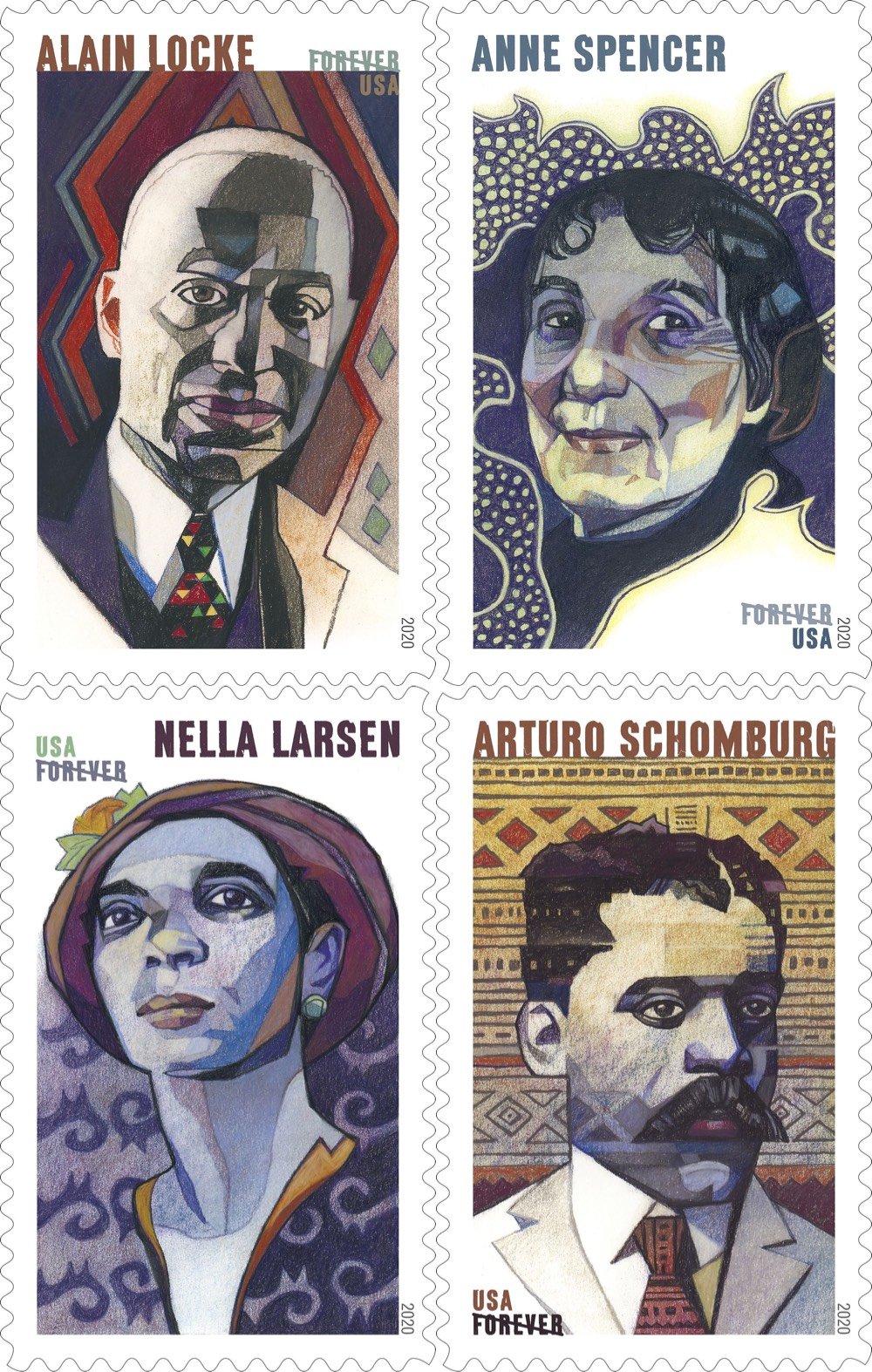
The USPS recently released a set of four stamps honoring prominent literary figures of the Harlem Renaissance. They are available for purchase on the USPS site.
The Harlem Renaissance of the 1920s was one of the great artistic and literary movements in American history. As African-American writers and artists pushed the boundaries of their identities and their art, they created a diverse body of work that explored their shared history and experience, embodied the spirit of the times, and let new and distinctive voices be heard.
The stamps feature Nella Larsen, Alain Locke, Arturo Alfonso Schomburg, and Anne Spencer. Larsen was the author of two novels: Quicksand and Passing. From Larsen’s “overlooked” obituary in the NY Times:
Larsen followed “Quicksand” the next year with “Passing,” which tells the story of Irene Redfield and Clare Kendry, two mixed-race women who grew up together and reunite at a Chicago hotel after years of separation. Clare, Irene discovers, has been living as a white woman married to a racist who is none the wiser about his wife’s background. The relationship between the two women flirts with the sensual as each becomes obsessed with the other’s chosen path.
Upon reading that, I immediately thought “that would make an amazing movie” — and indeed, Tessa Thompson and Ruth Negga are starring in an upcoming adaptation. You can read more about Larsen in Thadious M. Davis’ biography.
Alain Locke was the first African-American Rhodes Scholar and is acknowledged as the “dean” of the Harlem Renaissance due to the publication of The New Negro, an anthology of writing from authors like Langston Hughes and Zora Neale Hurston that would come to define the Harlem Renaissance. The seminal text on Locke is Jeffrey Stewart’s 2018 National Book Award-winning biography, The New Negro: The Life of Alain Locke.
In The New Negro: The Life of Alain Locke, Jeffrey C. Stewart offers the definitive biography of the father of the Harlem Renaissance, based on the extant primary sources of his life and on interviews with those who knew him personally. He narrates the education of Locke, including his becoming the first African American Rhodes Scholar and earning a PhD in philosophy at Harvard University, and his long career as a professor at Howard University. Locke also received a cosmopolitan, aesthetic education through his travels in continental Europe, where he came to appreciate the beauty of art and experienced a freedom unknown to him in the United States. And yet he became most closely associated with the flowering of Black culture in Jazz Age America and his promotion of the literary and artistic work of African Americans as the quintessential creations of American modernism.
Also of note: Locke’s father was the first Black civil-service employee of the USPS.
Originally from Puerto Rico, Arturo Alfonso Schomburg was a historian, writer, activist, and curator of Black art and literature. He co-founded the Negro Society for Historical Research and his collection eventually became part of the NYPL system as the Schomburg Center for Research in Black Culture. Schomburg’s 1925 essay The Negro Digs Up His Past was included in Alain Locke’s The New Negro.
Anne Spencer was a poet, activist, and librarian. The Anne Spencer House and Garden Museum has an extensive biography of Spencer.
In addition to her writing, Spencer helped to found the Lynchburg Chapter of the National Association for the Advancement of Colored People (NAACP). She was also the librarian at the all-black Dunbar High School, a position she held for 20 years. Here she supplemented the original three books by bringing others from her own collection at home, as well as those provided by her employer, the all-white Jones Memorial Library. She spent much of her time writing and serving on local committees to improve the legal, social, and economic aspects of African Americans’ lives.
I found several of her poems online (here and here) but a pair of anthologies are long out of print. One of her most influential poems, White Things, was published in 1923. It begins:
Most things are colorful things—the sky, earth, and sea.
Black men are most men; but the white are free! White things are rare things; so rare, so rare
They stole from out a silvered world—somewhere.
Notable Black American Women called the poem “the quintessential ‘protest’ poem”. (via colossal)
For Some, the Effects of Covid-19 Last for Months
The Atlantic’s Ed Yong interviewed several people who, like thousands of others around the world, have been experiencing symptoms of Covid-19 for months now, indicating that the disease is chronic for some. Thousands Who Got COVID-19 in March Are Still Sick:
I interviewed nine of them for this story, all of whom share commonalities. Most have never been admitted to an ICU or gone on a ventilator, so their cases technically count as “mild.” But their lives have nonetheless been flattened by relentless and rolling waves of symptoms that make it hard to concentrate, exercise, or perform simple physical tasks. Most are young. Most were previously fit and healthy. “It is mild relative to dying in a hospital, but this virus has ruined my life,” LeClerc said. “Even reading a book is challenging and exhausting. What small joys other people are experiencing in lockdown-yoga, bread baking-are beyond the realms of possibility for me.”
One of those who has been sick for months is Paul Garner, a professor of infectious diseases:
It “has been like nothing else on Earth,” said Paul Garner, who has previously endured dengue fever and malaria, and is currently on day 77 of COVID-19. Garner, an infectious-diseases professor at the Liverpool School of Tropical Medicine, leads a renowned organization that reviews scientific evidence on preventing and treating infections. He tested negative on day 63. He had waited to get a COVID-19 test partly to preserve them for health-care workers, and partly because, at one point, he thought he was going to die. “I knew I had the disease; it couldn’t have been anything else,” he told me. I asked him why he thought his symptoms had persisted. “I honestly don’t know,” he said. “I don’t understand what’s happening in my body.”
Garner wrote about his experience for BMJ.
The illness went on and on. The symptoms changed, it was like an advent calendar, every day there was a surprise, something new. A muggy head; acutely painful calf; upset stomach; tinnitus; pins and needles; aching all over; breathlessness; dizziness; arthritis in my hands; weird sensation in the skin with synthetic materials. Gentle exercise or walking made me worse — I would feel absolutely dreadful the next day. I started talking to others. I found a marathon runner who had tried 8 km in her second week, which caused her to collapse with rigors and sleep for 24 hours. I spoke to others experiencing weird symptoms, which were often discounted by those around them as anxiety, making them doubt themselves.
We still have no idea what the long-term effects of this disease are going to be. But it is definitely not the flu. And I remain unwilling to risk myself or my family getting it.
The Black Plague. “Public officials lament the way that the coronavirus is engulfing black communities. The question is, what are they prepared to do about it?”
The American Nightmare & The American Dream
In a powerful essay for The Atlantic, Ibram X. Kendi writes about The American Nightmare.
To be black and conscious of anti-black racism is to stare into the mirror of your own extinction. Ask the souls of the 10,000 black victims of COVID-19 who might still be living if they had been white. Ask the souls of those who were told the pandemic was the “great equalizer.” Ask the souls of those forced to choose between their low-wage jobs and their treasured life. Ask the souls of those blamed for their own death. Ask the souls of those who disproportionately lost their jobs and then their life as others disproportionately raged about losing their freedom to infect us all. Ask the souls of those ignored by the governors reopening their states.
The American nightmare has everything and nothing to do with the pandemic. Ask the souls of Breonna Taylor, Ahmaud Arbery, and George Floyd. Step into their souls.
Some reading for the tech community: Charlton McIlwain’s Black Software: The Internet & Racial Justice, from the Afronet to Black Lives Matter. “The story of racial justice movement organizing online is much longer and varied than most people know.”
How to Read a Scientific Paper
With the Covid-19 pandemic and the reams of research scientists are producing in trying to understand it, many people are reading scientific research papers for the first time. Long-time science writer Carl Zimmer, who estimates he’s read tens of thousands of them in his career, provides some useful guidance in how to read them.
When you read through a scientific paper, it’s important to maintain a healthy skepticism. The ongoing flood of papers that have yet to be peer-reviewed — known as preprints — includes a lot of weak research and misleading claims. Some are withdrawn by the authors. Many will never make it into a journal. But some of them are earning sensational headlines before burning out in obscurity.
In April, for example, a team of Stanford researchers published a preprint in which they asserted that the fatality rate of Covid-19 was far lower than other experts estimated. When Andrew Gelman, a Columbia University statistician, read their preprint, he was so angry he publicly demanded an apology.
“We wasted time and effort discussing this paper whose main selling point was some numbers that were essentially the product of a statistical error,” he wrote on his blog.
Developing research-reading skills can also be helpful for activists attempting to drive change using data about policing & racism in America. (Just be aware that recent scientific studies have shown the limitations of facts in changing human minds.)
“Be Bold By Being Simple” - The Art of Sungi Mlengeya
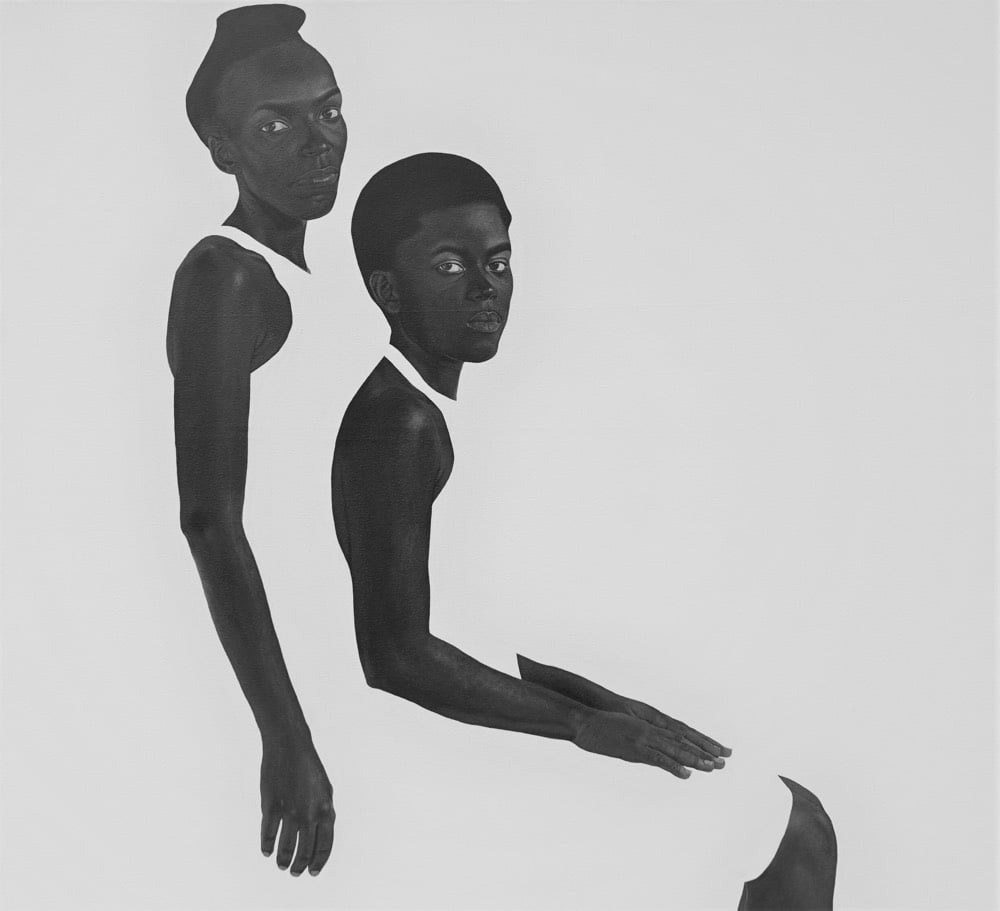

I love this work by self-taught Tanzanian artist Sungi Mlengeya. From an interview with the artist:
I stumbled into the minimalist space in one of the earliest paintings I made, and I remember how free I felt knowing that I could choose to paint or leave out anything I wanted, and that I could still be bold by being simple. Using negative space makes me focus more on my subjects, and the high contrast it creates makes it difficult not to pay attention to them.
You can follow Mlengeya’s work on Instagram and purchase her art through Afriart Gallery. (via claire salvo)
A guide to keeping yourself and others safe while photographing protests. “Some people are risking their jobs by showing up at protests. Even if they’re wearing a mask, employers can still identify them.”
Always Stand on the Side of the Egg
In 2009, novelist Haruki Murakami controversially accepted the Jerusalem prize for the Freedom of the Individual in Society in the aftermath of Israeli military action in Gaza. In his acceptance speech, he related a story about something he keeps in mind while writing:
“Between a high, solid wall and an egg that breaks against it, I will always stand on the side of the egg.”
Yes, no matter how right the wall may be and how wrong the egg, I will stand with the egg. Someone else will have to decide what is right and what is wrong; perhaps time or history will decide. If there were a novelist who, for whatever reason, wrote works standing with the wall, of what value would such works be?
What is the meaning of this metaphor? In some cases, it is all too simple and clear. Bombers and tanks and rockets and white phosphorus shells are that high, solid wall. The eggs are the unarmed civilians who are crushed and burned and shot by them. This is one meaning of the metaphor.
This is not all, though. It carries a deeper meaning. Think of it this way. Each of us is, more or less, an egg. Each of us is a unique, irreplaceable soul enclosed in a fragile shell. This is true of me, and it is true of each of you. And each of us, to a greater or lesser degree, is confronting a high, solid wall. The wall has a name: It is The System. The System is supposed to protect us, but sometimes it takes on a life of its own, and then it begins to kill us and cause us to kill others — coldly, efficiently, systematically.
You can read the whole speech here. (via @robinsloan)
A thread of stories about being stopped by police for driving and walking while black. “One time i got pulled over, the cop said i wasn’t speeding but ‘it looked like i was about to pick up speed.’”
Nixon Started the War on Drugs to Target Black People & the Antiwar Left
In 1971, Richard Nixon kicked off America’s “war on drugs”, focusing not on the societal problems that lead to drug abuse but on categorizing drug users as criminals.
In Nixon’s eyes, drug use was rampant in 1971 not because of grand social pressures that society had a duty to correct, but because drug users were law-breaking hedonists who deserved only discipline and punishment.
Over the next several decades, the US government (and particularly Ronald Reagan) took Nixon’s lead and imprisoned millions of people for drug offenses, including a disproportionate number of Black men. Michelle Alexander wrote about this in her 2010 book The New Jim Crow. From the about page:
Alexander shows that, by targeting black men through the War on Drugs and decimating communities of color, the U.S. criminal justice system functions as a contemporary system of racial control, even as it formally adheres to the principle of colorblindness.
In 1994, former Nixon aide and Watergate co-conspirator John Ehrlichman proudly told writer Dan Baum that racial control and discrimination was in fact the purpose of the war on drugs.
At the time, I was writing a book about the politics of drug prohibition. I started to ask Ehrlichman a series of earnest, wonky questions that he impatiently waved away. “You want to know what this was really all about?” he asked with the bluntness of a man who, after public disgrace and a stretch in federal prison, had little left to protect. “The Nixon campaign in 1968, and the Nixon White House after that, had two enemies: the antiwar left and black people. You understand what I’m saying? We knew we couldn’t make it illegal to be either against the war or black, but by getting the public to associate the hippies with marijuana and blacks with heroin, and then criminalizing both heavily, we could disrupt those communities. We could arrest their leaders, raid their homes, break up their meetings, and vilify them night after night on the evening news. Did we know we were lying about the drugs? Of course we did.”
An astonishing thing to admit but hardly a rare tactic for the cynical Republican Party. See also how they decided to champion abortion as an issue to attract the support of white evangelical Christians and shifted from indifference to scientific denialism on climate change in order to oppose the Obama administration and advance the interests of wealthy donors.
Thanks to Ibram X. Kendi’s How to Be an Antiracist for reminding me of Ehrlichman’s admission.
This Is What I Know About Art by Kimberly Drew
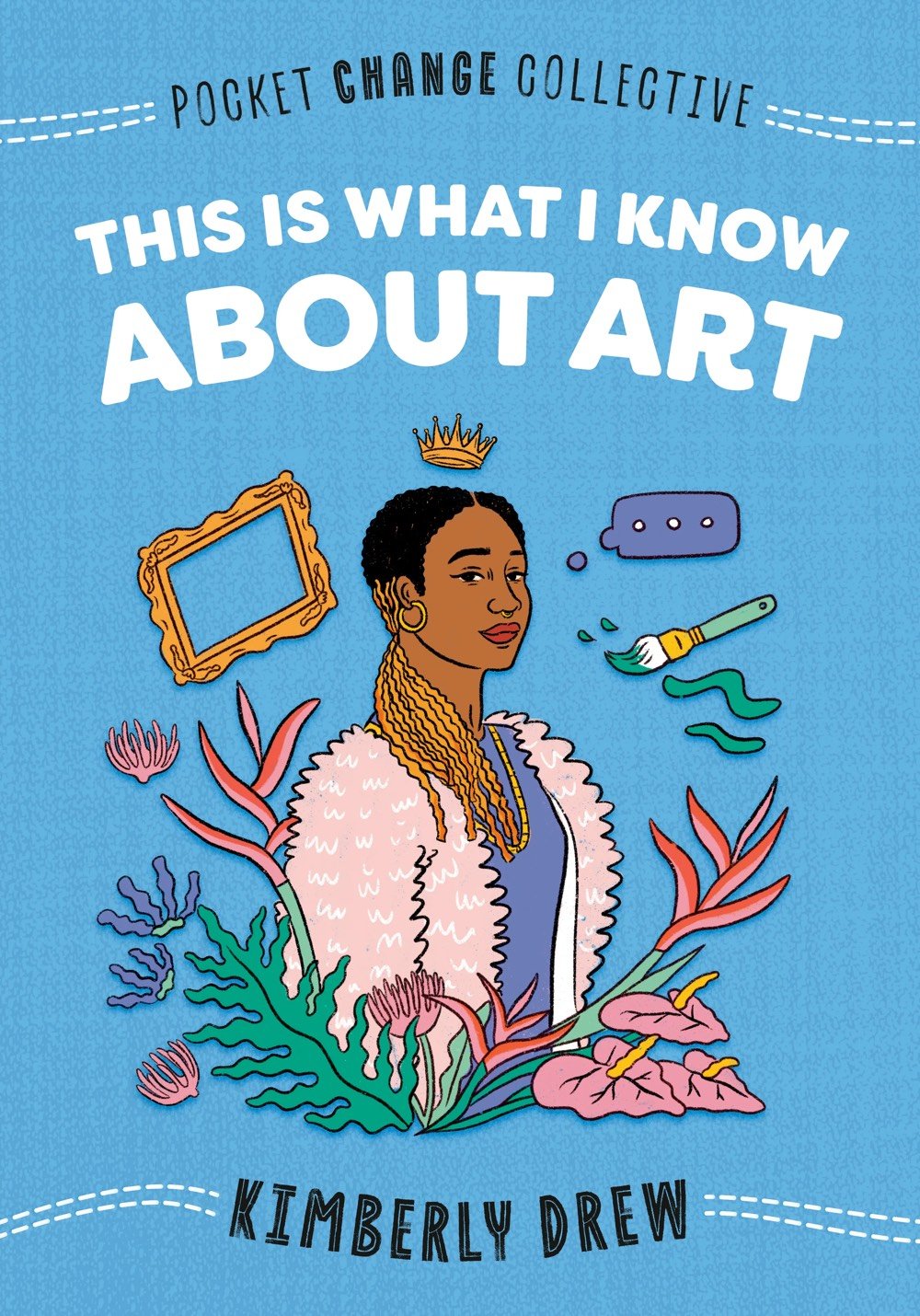
Author, curator, and activist Kimberly Drew has published This Is What I Know About Art, a book aimed at young adults about her experience studying art history in school and then working in the art world. In a piece for Teen Vogue, Drew outlined why she wrote the book.
For far too long, people across the globe have suffered due to the direct effects of colonialism, patriarchy, state violence, and so much more, but it is our art and creativity that have helped us to communicate our collective rage. Art has helped us build bridges intergenerational so that we do not feel alone — and so we can make sure that we do not forget our own history.
And from the introduction to the book:
I am not your typical art historian. I am not your typical activist. I am still learning what art and protest mean to me. And so, this book is more about my journey through art toward activism. This book is about discovery, confusion, and progress.
I love how she ties “discovery, confusion, and progress” together here — a powerfully messy combination for growth.
“Increasingly Rightwing” Police Unions Have Made Policing More Dangerous In America
BuzzFeed’s Melissa Segura writes that the political ideologies of police unions moved further to the right in response to calls for reform from the Obama administration and groups like Black Lives Matter, resulting in increasing violence and a lack of accountability & consequences for police.
Like in Minneapolis, police unions across the country have bucked reforms meant to promote transparency and racial equity in law enforcement. Many of these unions have pushed collective bargaining agreements that make it all but impossible for departments to punish, much less fire, officers. These agreements defang civilian review boards and police internal affairs departments, and they even prevent police chiefs from providing meaningful oversight, according to community activists and civil rights lawyers. Meanwhile, the unions have set up legal slush funds to defend officers sued for misconduct.
I mean, this stuff is just cartoonishly maddening:
More than a year before a Minneapolis police officer, Derek Chauvin, pinned George Floyd to the ground in a knee chokehold, Mayor Jacob Frey banned “warrior” training for the city’s police force.
Private trainers across the country host seminars, frequently at taxpayer expense, teaching “killology” and pushing the notion that if officers aren’t willing to “snuff out a life” then they should “consider another line of work.” Frey explained that this type of training — which has accompanied the increasing militarization of the police over the last few decades — undermined the community-based policing he wanted the city to adopt after a string of high-profile killings in the region.
But then the police union stepped in.
The Police Officers Federation of Minneapolis worked out a deal with a company to offer warrior training. For free. For as long as Frey was mayor.
See also James Surowiecki’s 2016 New Yorker piece, Why Are Police Unions Blocking Reform?
For the past fifty years, police unions have done their best to block policing reforms of all kinds. In the seventies, they opposed officers’ having to wear name tags. More recently, they’ve opposed the use of body cameras and have protested proposals to document racial profiling and to track excessive-force complaints. They have lobbied to keep disciplinary histories sealed. If a doctor commits malpractice, it’s a matter of public record, but, in much of the country, a police officer’s use of excessive force is not. Across the nation, unions have led the battle to limit the power of civilian-review boards, generally by arguing that civilians are in no position to judge the split-second decisions that police officers make. Earlier this year, Newark created a civilian-review board that was acclaimed as a model of oversight. The city’s police union immediately announced that it would sue to shut it down.
(via @torrHL)
Update: I forgot to include this thread from Minneapolis City Council member Steve Fletcher about how difficult it has been to enact policing reforms in the city.
I want to be clear: I am about as pro-union as a person can be. The Police Federation should not be thought of as a union. They do not affiliate with the AFL-CIO. They don’t walk picket lines in solidarity. How do I know? Because I do and I’ve never seen them on a line. Not once.
Instead, they distort hard-earned labor laws to defend indefensible behaviors. The City recently lost an arbitration after Chief Arradondo fired a cop for beating someone while in handcuffs. Kroll, on behalf of rank and file MPD, pressed the case and won that officer’s job back.
And then he calls the police department a “protection racket”:
Politicians who cross the MPD find slowdowns in their wards. After the first time I cut money from the proposed police budget, I had an uptick in calls taking forever to get a response, and MPD officers telling business owners to call their councilman about why it took so long.
We pay dearly for public safety: $195 million a year plus extensive, expensive legal settlements. That should buy us more than a protection racket that’ll take it out on our constituents if we try to create accountability.
(via @alopexfoxy)
Sweden’s once-lauded “herd immunity” approach to tackling Covid-19 has badly backfired. “Too many old people have died here.” <— That’s exactly what most public health experts predicted.
During the pandemic, black men are being targeted for wearing masks and also for not wearing masks. “Which death do they choose? Covid-19 or police shooting?”
Research on How to Stop Police Violence
From Samuel Sinyangwe, a thread about research-based solutions to stop police violence. Body cams & police training programs don’t reduce police violence, but demilitarization, stricter use-of-force policies, and better police union contracts do (among other things).
More restrictive state and local policies governing police use of force are associated with significantly lower rates of police shootings/killings by police. This is backed by 30+ years of research.
Demilitarization. Police depts that get more military weapons from the federal govt kill more people. You can stop that from happening through local and state policy. Montana (Red state) has gone the furthest on this.
Police Union Contracts. Every 4-6 years your police dept’s accountability system is re-negotiated. Purging misconduct records, reinstating fired officers, dept funding- it’s in the contract. Cities with worse contracts have higher police violence rates.
You can learn more about this research at Campaign Zero.
Run the Jewels’ Killer Mike Delivers an Emotional Plea
If you haven’t had a chance to watch this, it’s really worth your time. Rapper and activist Michael Render, aka Killer Mike of Run the Jewels, spoke at a press conference in Atlanta about the protests in the wake of George Floyd’s murder, the history of policing in the city, and his outrage, delivering a plea for the city’s residents to not “burn your own house down for anger with an enemy”.
I’m. Mad. As Hell. I woke up wanting to see the world burn down yesterday, because I’m tired of seeing black men die. He casually put his knee on a human being’s neck for nine minutes as he died, like a zebra in the clutch of a lion’s jaw. And we watch like murder porn, over and over again.
So that’s why children are burning it to the ground. They don’t know what else to do. And it is the responsibility of us to make this better — right now. We don’t want to see one officer charged, we want to see four officers prosecuted and sentenced. We don’t want to see Targets burning, we want to see the system that sets up for systemic racism burnt to the ground.
Update: Although Killer Mike’s remarks have been widely praised (including by prominent members of the Black community like Lebron James), others in the Black community have condemned them. See Devyn Springer’s article in the Independent:
This weekend, as I watched T.I. share a stage with fellow rapper and landlord, Killer Mike, and Atlanta Mayor Keisha Lance Bottoms, in an attempt to disparage the righteous Black rage in response to the police killing of George Floyd, I instantly knew we’ve entered a new era of Black sellouts that we must reckon with.
It’s interesting that the underlying message of Barack Obama’s recent post How to Make this Moment the Turning Point for Real Change is not substantially different than Killer Mike’s comments. That post was also widely shared and praised (though, conspicuously, not by many prominent Black activists), especially by White people. One of the reasons I shared the video of Killer Mike is that there is disagreement — real, non-cynical disagreement — within the Black community about how to best address and protest racism & oppression in the United States, and you can plainly hear that his feelings and motivations are complicated.
Letters for Black Lives is a collection of multilingual resources geared towards explaining the Black Lives Matter movement to members of immigrant communities. Basically: “Dear beloved elders, we want to explain BLM to you and why it’s important…”
Socials & More