kottke.org posts about clouds
Water World, created by Seán Doran from imagery captured by a NASA/NOAA weather satellite, is a gorgeous, swirling, painterly portrait of the Earth’s dynamic atmosphere. Doran calls it “a meditative slow gaze at Earth’s atmosphere, revealing the hidden depths of activity in the water-filled skies of planet Earth”. It’s 4K, so put it on the biggest screen you can find and just sit back and watch.
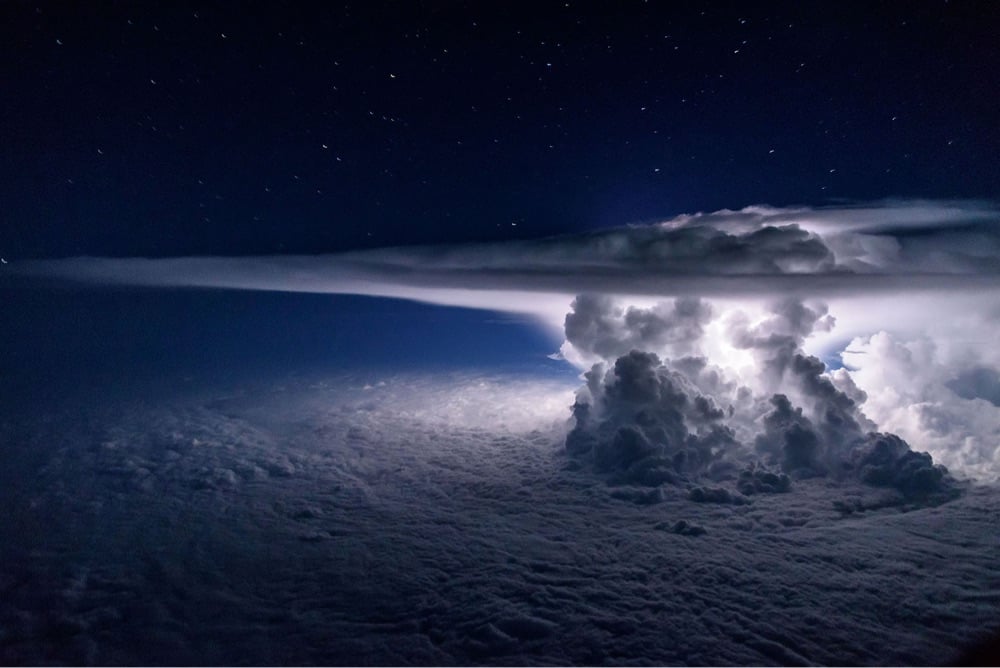
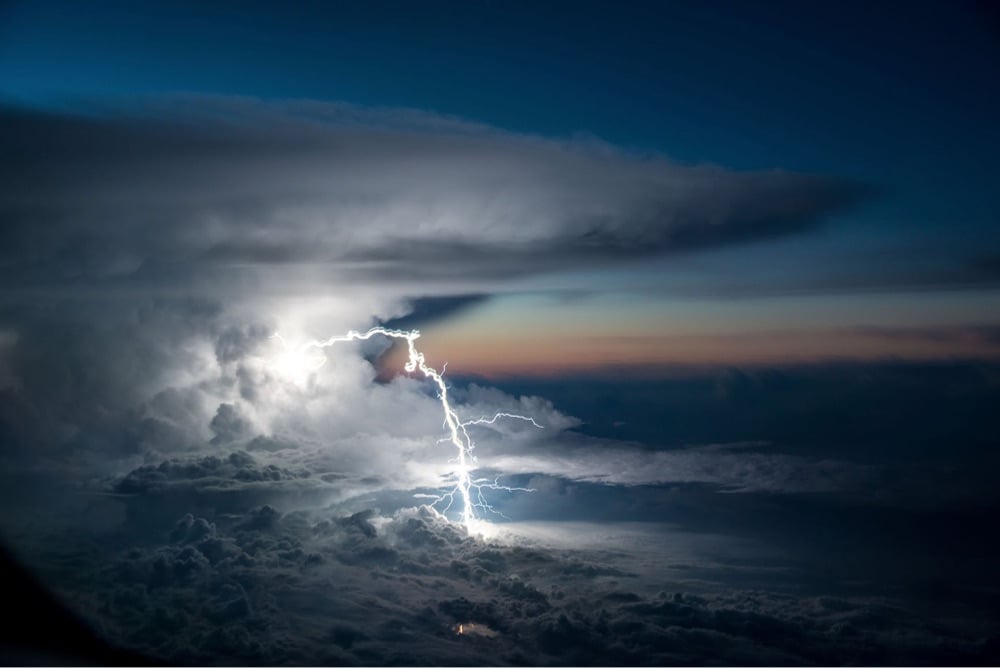
Santiago Borja is an airline pilot who takes stunning photos of storms and clouds from the flight deck of his 767. Definitely offers up a different perspective than the typical storm chaser photography. You can find his work on his website, on Instagram, and in book form.
I’ve featured storm chasing photographer Mike Olbinski’s work here on kottke.org pretty frequently. His latest video celebrates a decade of capturing haboobs (dust storms). Here’s a haboob primer:
Just how do haboobs form? When air is forced down and pushed forward by the front of a traveling thunderstorm cell, it drags with it dust and debris. Winds of speeds up to 60 mph can stir up dust and sand and create a blowing wall as high as 10,000 feet. Haboobs usually last only 10 to 30 minutes, but on rare occasions can last longer and create hazardous conditions for ground transportation systems, air traffic and motorists.
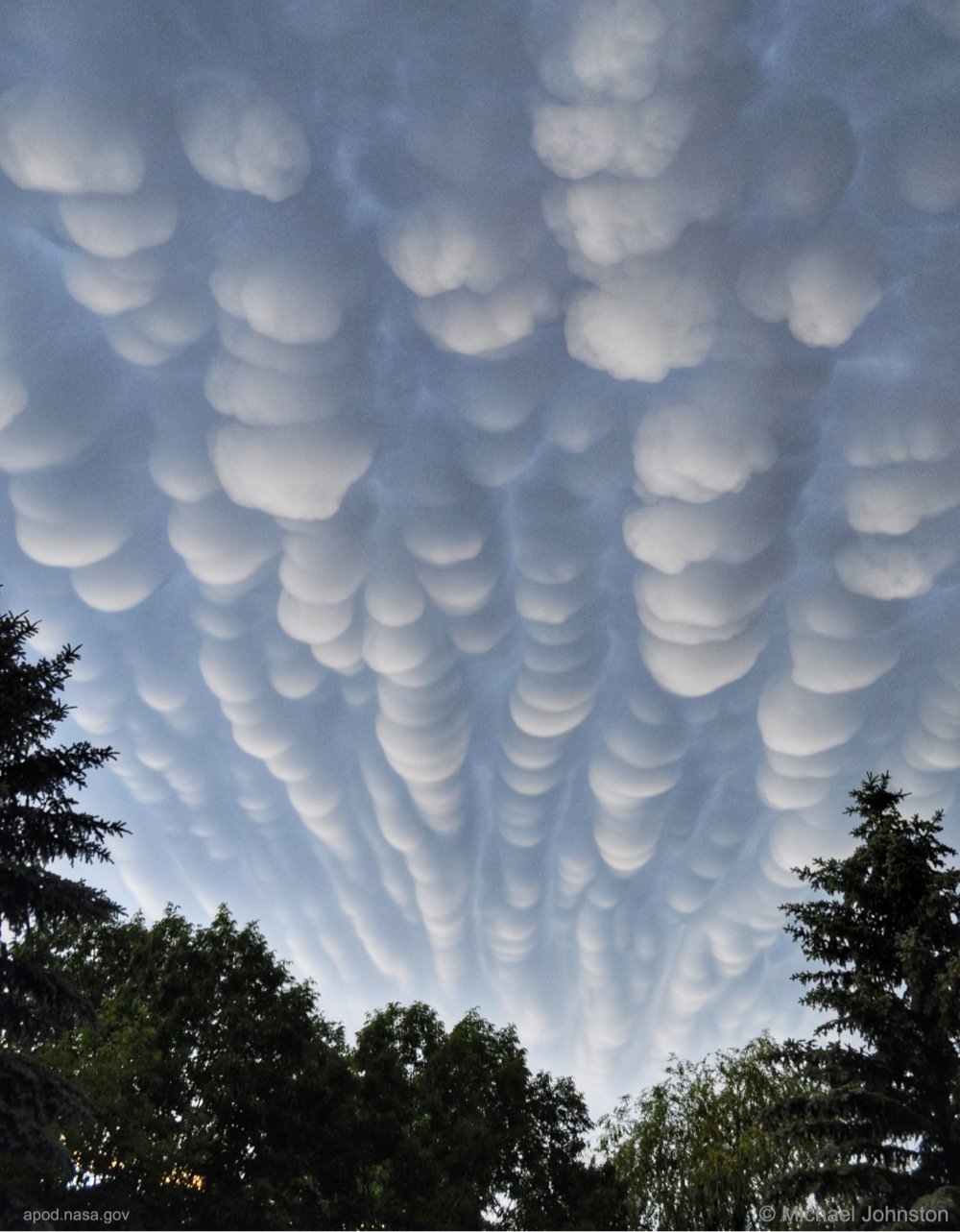
Back in 2012, Michael F. Johnston captured a particularly spectacular mammatus cloud over Regina, Saskatchewan. I don’t know how much of a cloud enthusiast Johnston is, but I got pretty excited when I captured these mammatus clouds at sunset a couple of years ago.
Always a treat to watch a new time lapse storm video from Mike Olbinski. It’s in 8K as well, so if you have the bandwidth and the screen resolution, this is going to look extra good. You can see more of Olbinski’s breathtaking videos here as well as plenty more cloud content. kottke.org: home of fine cloud products. (via colossal)
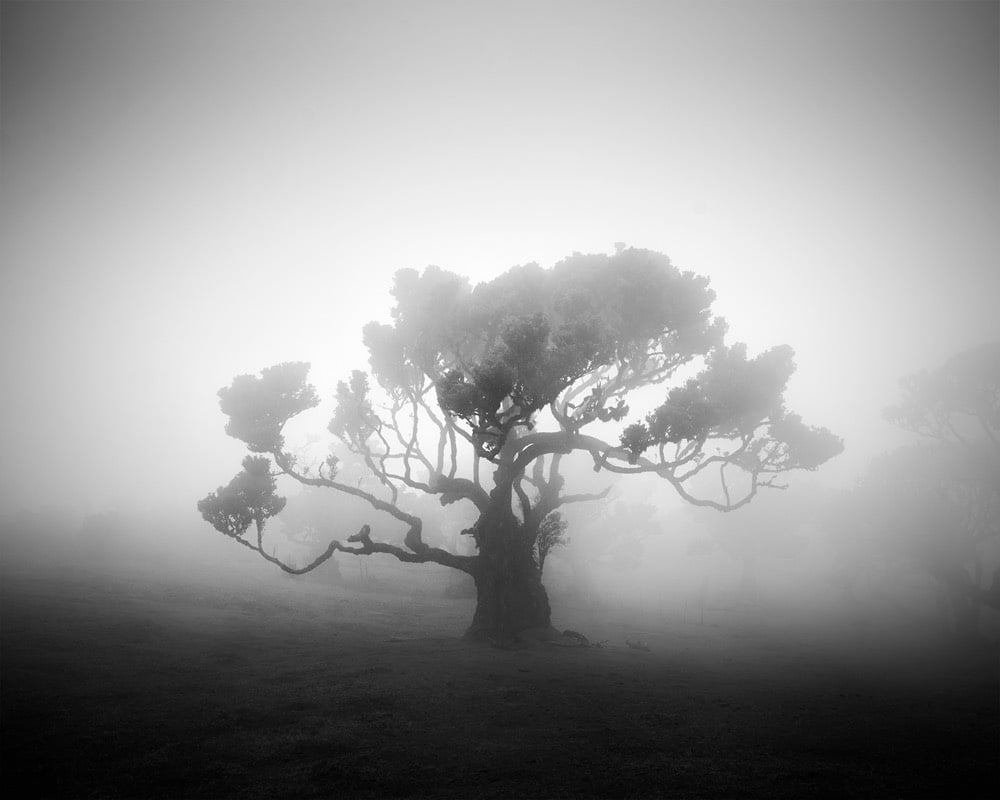
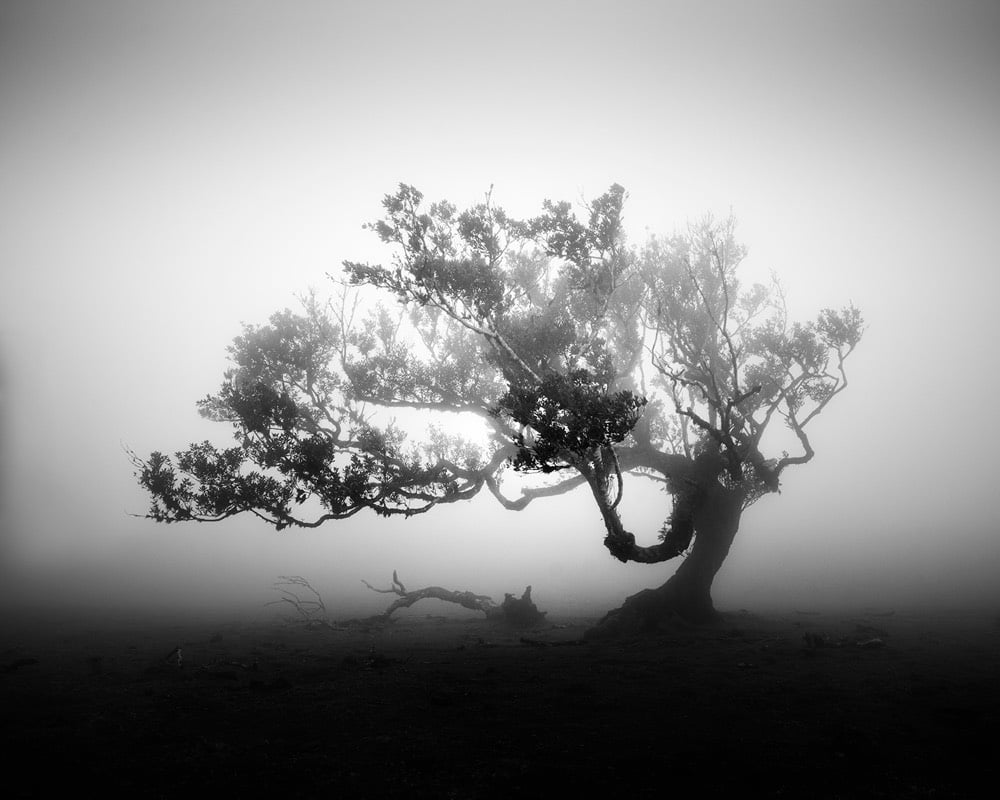
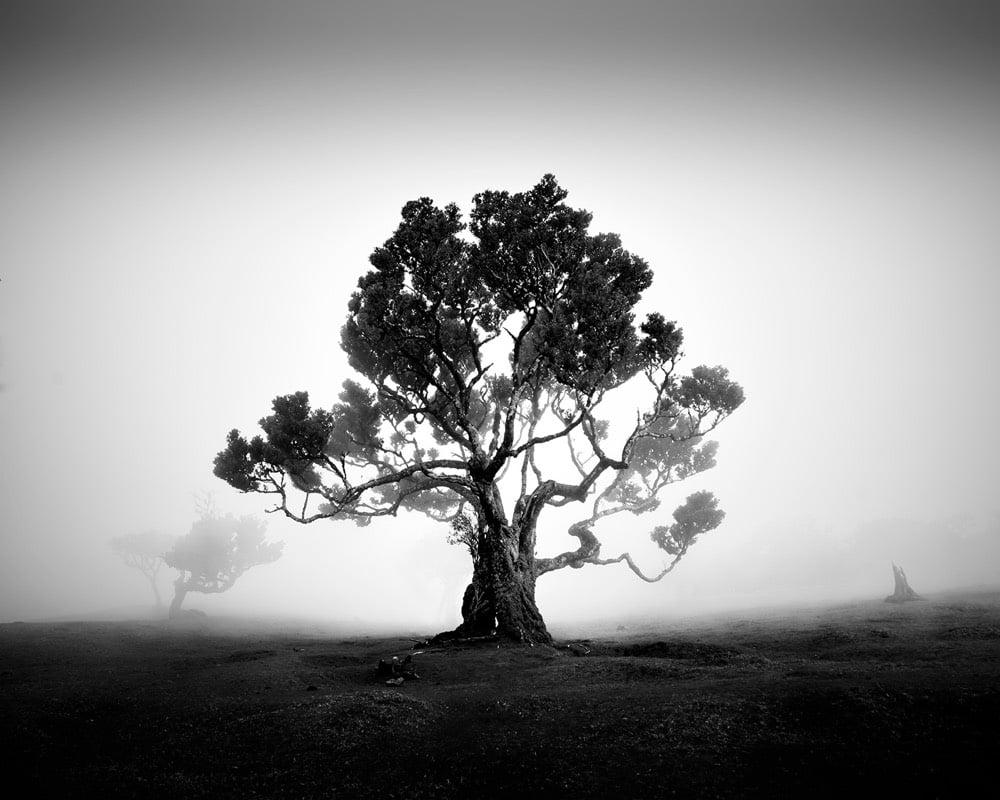
Michael Schlegel took these photographs of trees in the fog in the Fanal region on the Portuguese island of Madeira. I was going to describe these as “eerie” but they’re not really. More of a Entish Middle Earth bonsai vibe. I went for a hike in the fog a couple of years ago and it was remarkably peaceful, like a dream. (via moss & fog)
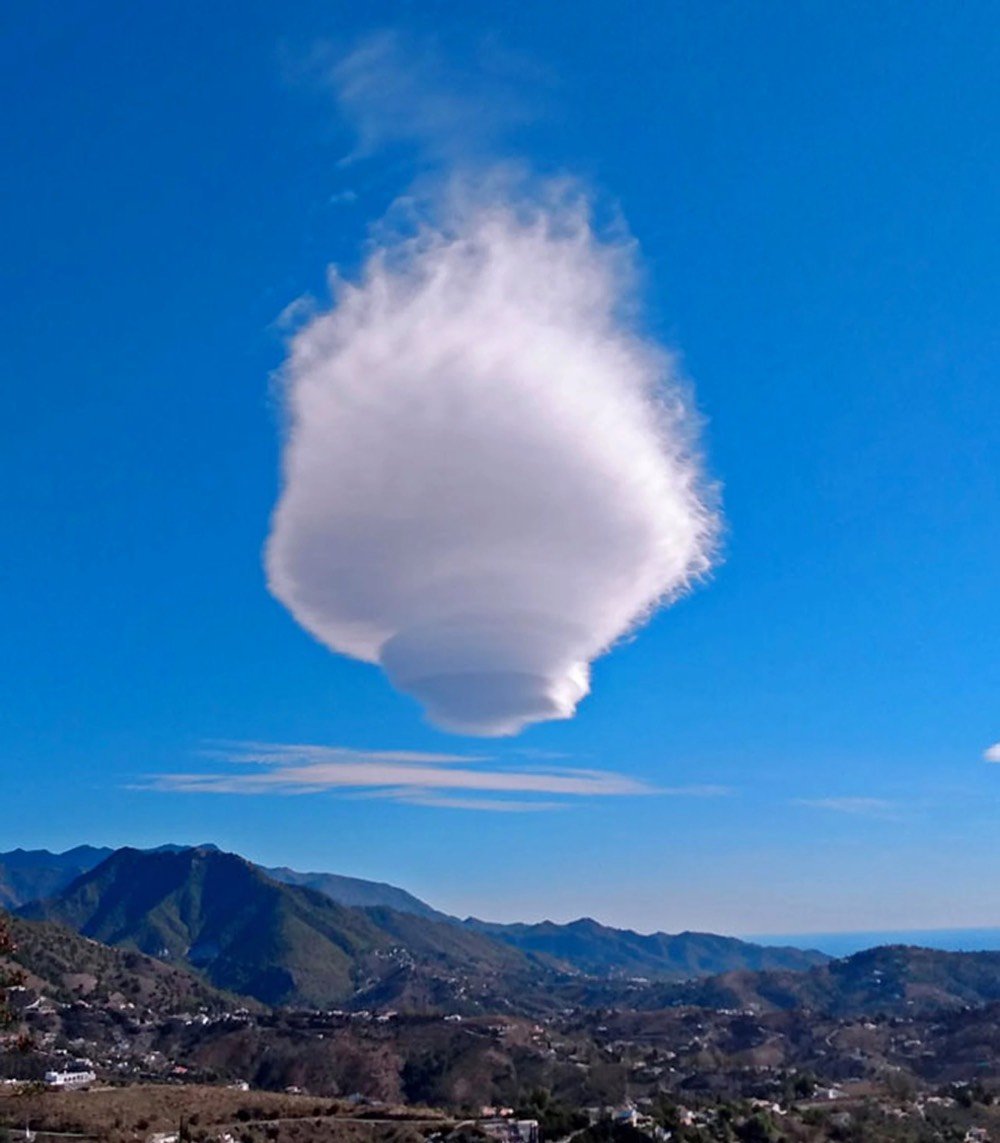
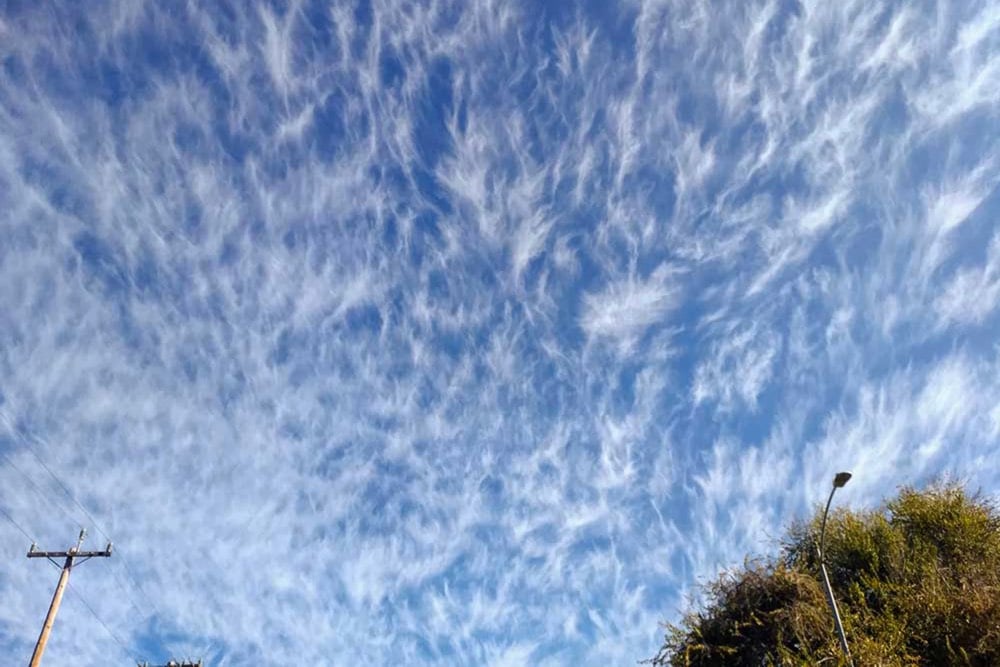
The NY Times shares a selection of cloud photos taken by members of the Cloud Appreciation Society. The photos above are by Rod Jones & Jeanette Brown.
Clouds, their manifesto says, are not signs of negativity and gloom, but rather “nature’s poetry” and “the most egalitarian of her displays.”
If you follow me on Instagram, you know that I’m a bit of a cloud nerd myself (e.g. see my Sun & Clouds Story). My favorite cloud pic I took last year (and perhaps even of all time) is this shot of some cumulonimbus mammatus clouds at sunset after a thunderstorm.
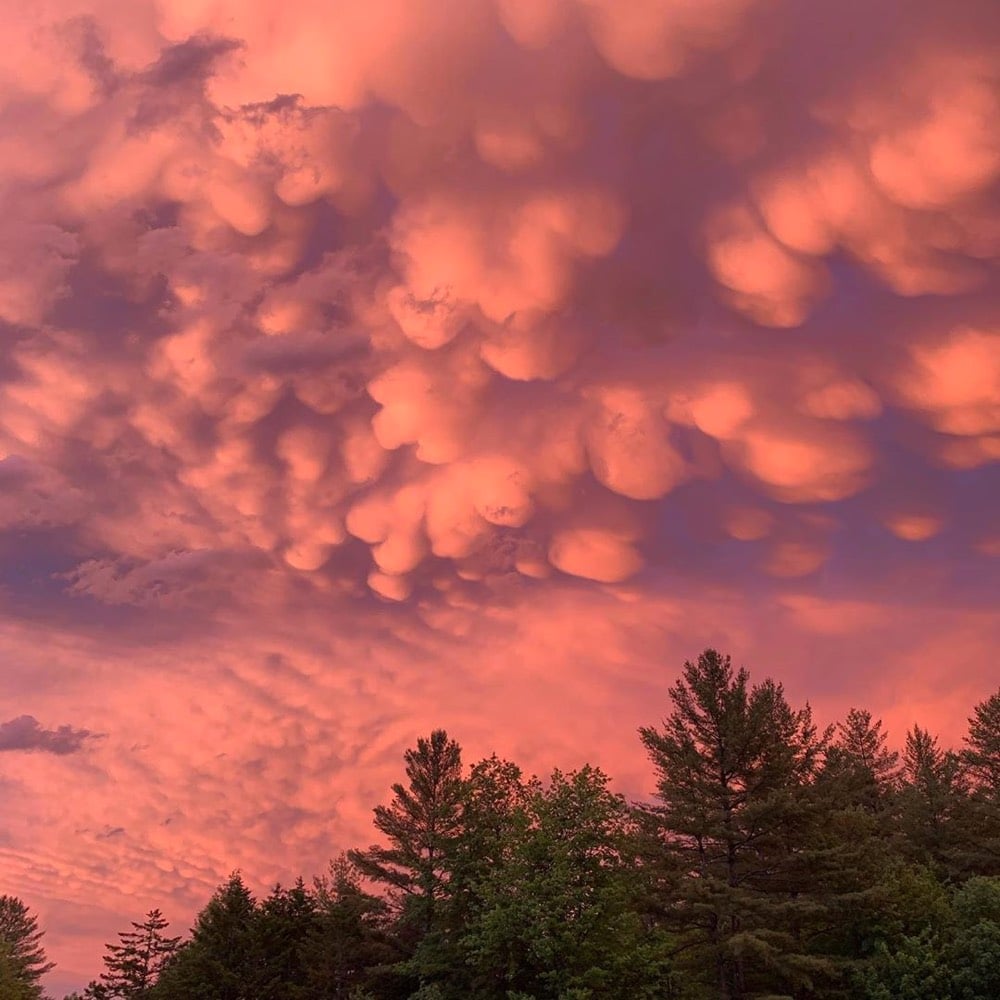
That was a surreally beautiful evening and I felt lucky to have witnessed it. (thx, michelle)
I keep track of every media thing I “consume”, so here are quick reviews of some things I’ve read, seen, heard, and experienced in the past month. I just started reading In the Garden of Beasts by Erik Larson; I loved his The Devil in the White City. On the TV front, I’m holding off on season 3 of The Handmaid’s Tale and season 2 of Big Little Lies for some reason…don’t want to get sucked into anything right now, I guess. Ditto for catching up on the Historical Cinematic Universe…just not feeling it at the moment. As always, don’t pay too much attention to the letter grades…they’re higher in the summer than in the cold, depressing winter.
Deadwood: The Movie. A fitting end to one of the best shows on TV. It was great to be able to spend a little more time with it. (A-)
Booksmart. I loved this movie. Great soundtrack too. (A)
Thermapen Mk4. Finally got tired of my anxiety about overcooking my meat. Been using it with the reverse sear to great effect. (B+)
Serial season 3. I couldn’t make it through more than two episodes of each of the previous two seasons, but I went the distance on this one. Is the American system of justice just? I doubt it. (A-)
Working by Robert Caro. The DVD extras for The Power Broker and the LBJ books. I don’t have time to read a 3000-page biography of Lyndon Johnson right now, but Working made me want to do it anyway. (A-)
Persuasion System. The latest album from Com Truise. Great for working to. (B+)
Isabella Stewart Gardner Museum. An idiosyncratic and deeply personal little museum. I felt very much at home there. (A)
Small Steps, Giant Leaps. Apollo 11 artifacts paired with historic scientific tomes from the likes of Galileo & Newton go together like chocolate and peanut butter. (A-)
Mary Queen of Scots. Nothing much here to distinguish this from your usual historical drama. (B)
Toulouse-Lautrec and the Stars of Paris. Great show at the MFA. Was not a particular fan of Toulouse-Lautrec before but perhaps I am now. (A-)
Street Food. Interesting to compare this to David Gelb’s other show, Chef’s Table. Same focus on quality ingredients and serving great food, but very different ends of the economic spectrum. (B+)
Brooklyn Botanic Garden. Caught the peak of the cherry blossoms. Beautiful. But crowded. (A-)
Salt Fat Acid Heat. This wasn’t exactly my cup of tea, but I can see what other people love about it. The final episode is the strongest and I thought Nosrat’s emphasis on shopping as a vital part of cooking was interesting. (B)
Summer in Vermont. It’s been spectacular here lately. (A)
Normal People by Sally Rooney. I burned through this in only two days. (A)

Cumulonimbus mammatus. They’re no asperitas clouds, but cumulonimbus mammatus is still one of the best clouds around. (A)
The Ezra Klein Show interview with Alison Gopnik. Gopnik’s ideas about gardeners vs carpenters and explore vs exploit are fascinating frameworks for thinking about human creativity. (A-)
Pachinko by Min Jin Lee. It’s tough to maintain a coherent story told over several generations, but Lee manages it easily. (A-)
No Country for Old Men. Masterful. (A)
Chernobyl. Sometimes bureaucracy is no match for the truth. See also the accompanying podcast. (A-)
The Lives of Others. Got on a bit of a Cold War kick. (A-)
Always Be My Maybe. Strong ending. (B+)
Toy Story 4. Hollywood is often accused of being super liberal, but I thought the values depicted in this movie were quite conservative. (B+)
Anima. Thom Yorke’s solid third solo album. (B+)
13 Minutes to the Moon. There’s lots of Apollo stuff out there right now and some of it doesn’t bring anything new to the table. But this podcast from the BBC is substantial, with interviews from key players, including Apollo software engineer Margaret Hamilton, who doesn’t give many interviews these days. (A-)
Bad Times at the El Royale. Rhymes with Tarantino but not that well. This should have been 90 minutes long. (B-)
Long Shot. Why did this flop? It’s not exactly great but it works fine. (B)
Whitney Biennial 2019. Things that caught my eye were Christine Sun Kim’s hand-drawn graphs about “deaf rage” and Jeanette Mundt’s paintings of Olympic gymnasts based on these composite photos in the NY Times. (B)
Past installments of my media diet are available here.
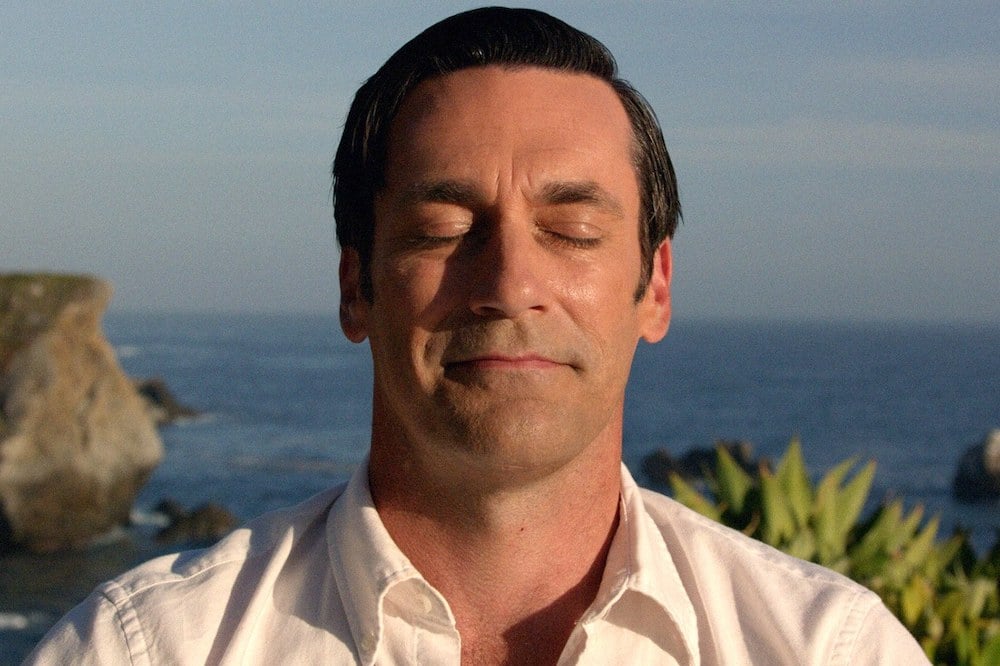
I occasionally fantasize about ditching my iPhone and all related apps for a flip phone and fewer distractions. In this dream life, I have no notifications blinking at me, I don’t care about exes liking old Instagram photos of mine after months of not talking, I have no inbox anxiety, and I never experience a phantom buzz (currently listed on WebMD as Phantom Vibration Syndrome). I sit with a contented smile cross-legged pose overlooking a cliff. I go on long walks, surrounded by exotic flora and fauna, with big, open skies overhead. Gazing at cloud formations becomes a meditation in itself.
Please consider this my formal pitch to The New Yorker: recovering tech worker of almost a decade and a half leaves the modern world behind to look at the sky, be with nature, and attend talks amongst other cloud enthusiasts. For several blissful days on a mostly-uninhabited island (unless you count the puffins) off the North Devon coast, she exists with only a notebook, disposable camera, and her conscious awareness.
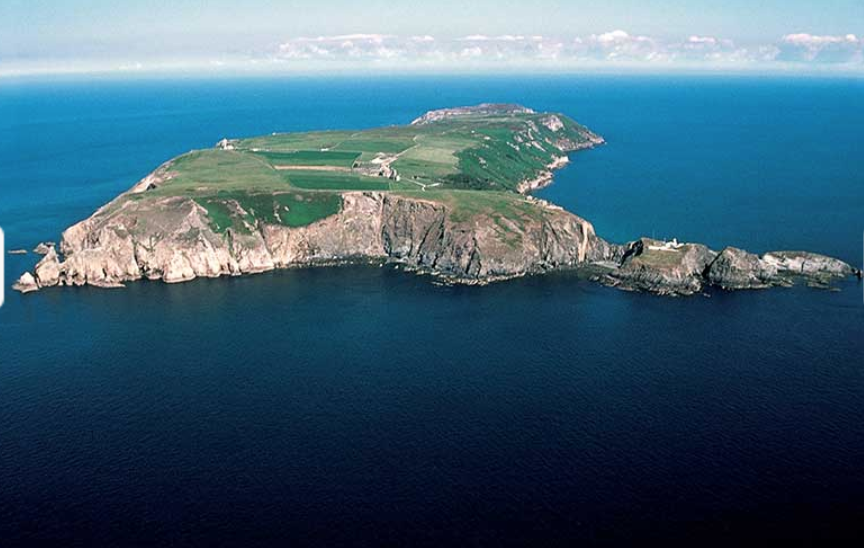
Read more about the upcoming sky gathering of the Cloud Appreciation Society on the isle of Lundy and see my earlier post on this very website from the fall. There’s a lot more cloud content on kottke.org if that’s your thing.
(First image via AMC, second via CAS)
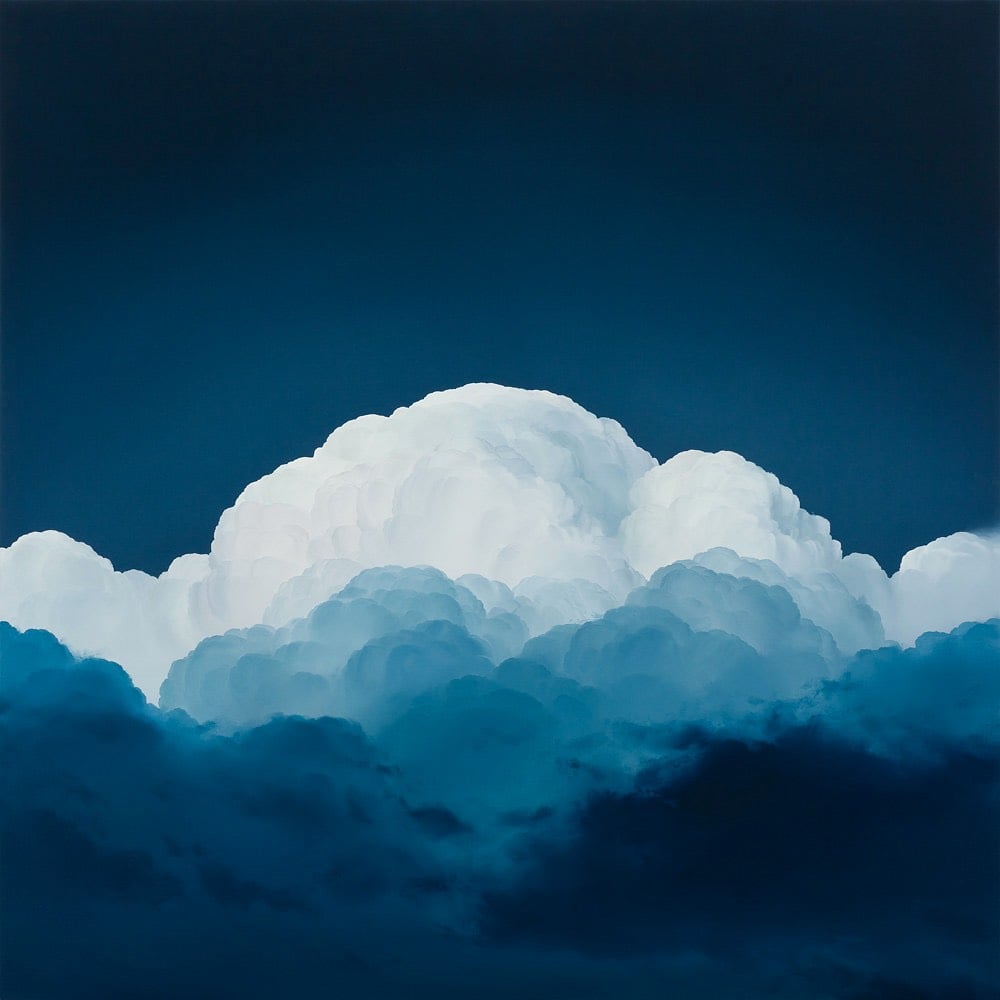
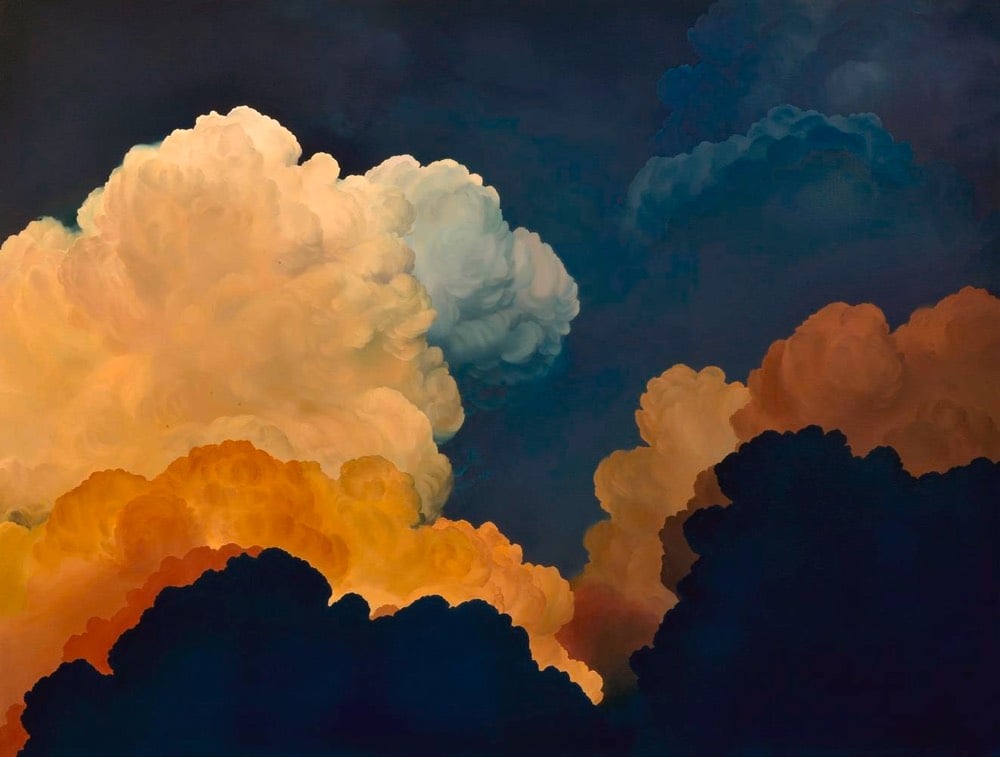
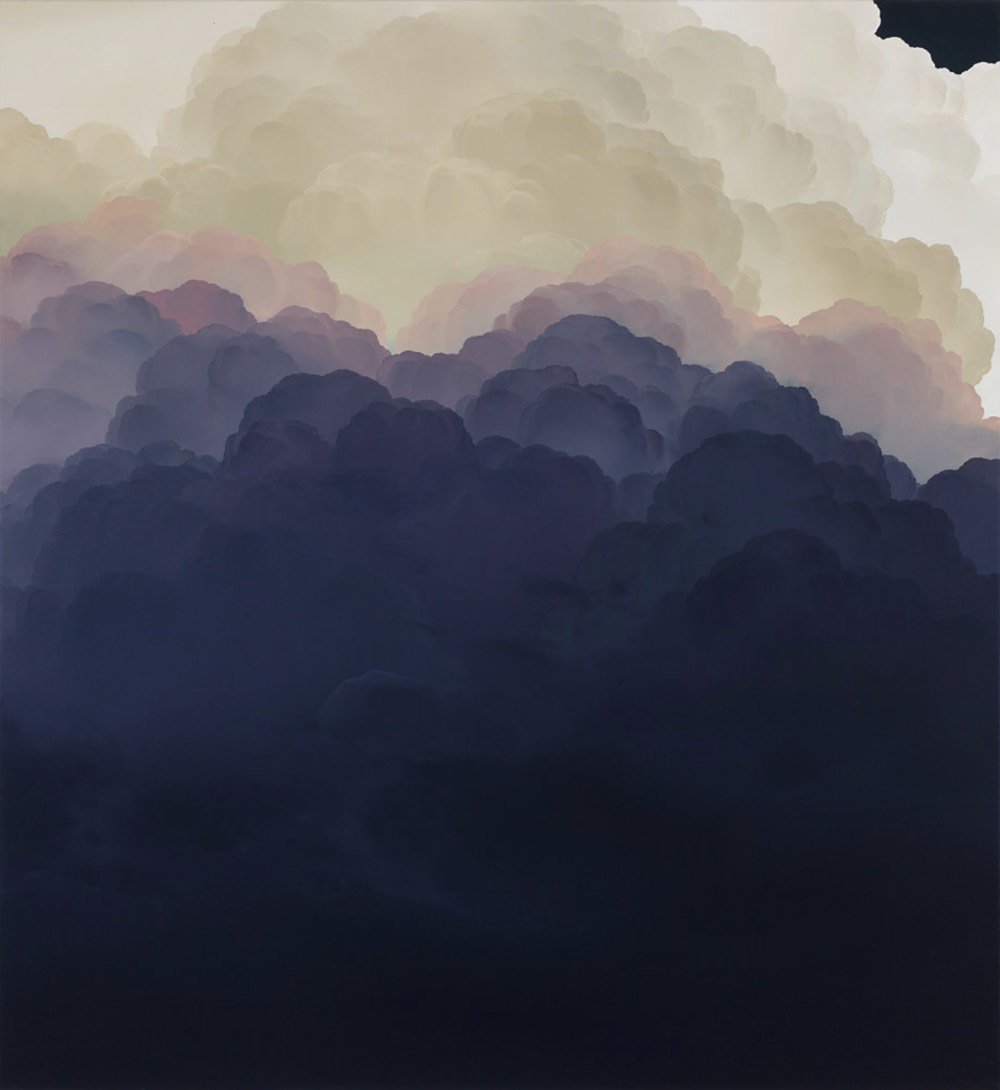
Ian Fisher’s paintings of clouds are surprisingly lifelike. If you scroll through the paintings on his site, you can see his representation of them improve…his most recent ones are difficult to distinguish from photographs of actual clouds.


Dutch artist Berndnaut Smilde creates ephemeral water vapor sculptures (you know, clouds!) in places you normally wouldn’t find them, like inside churches & museums. He shared some of his process with National Geographic:
The ingredients for Smilde’s clouds: just smoke and water vapor. He requires a cold and damp space with no air circulation, lest the clouds never form or fall straight to the ground. He mists an area with a spray bottle to put water vapor into the air. Then he turns on fog machines that spout tiny particles, and the vapor condenses around them.
Smilde runs around the forming cloud, coaxing it into a shape about 10 feet across and six feet tall. Then he steps back long enough for a photographer to snap several images. Once the air clears, he’ll start over, repeating the process dozens of times until he’s happy with the results. Later, he’ll retouch the photos to remove his tools.
(via moss & fog)
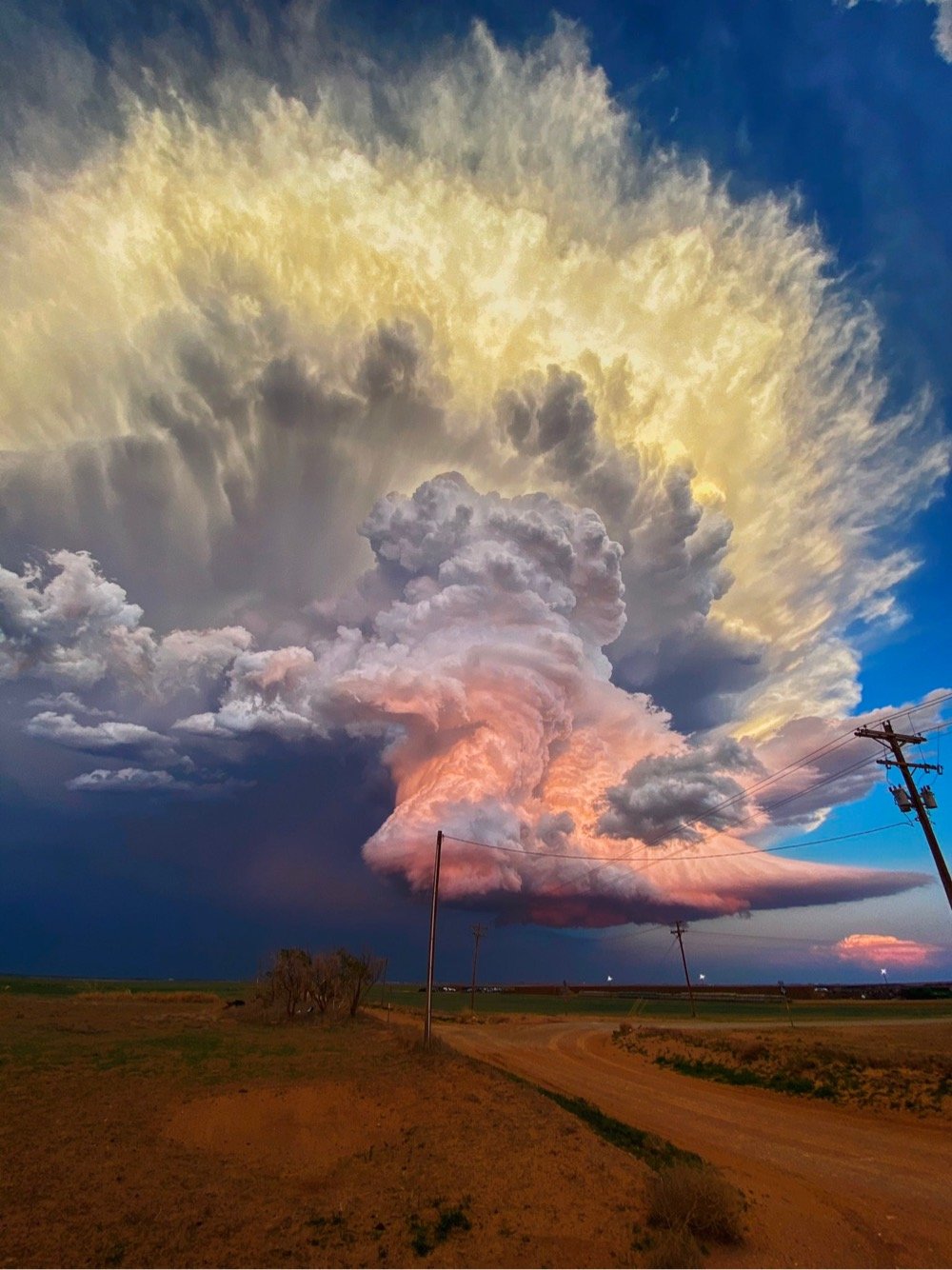
Mike Olbinski is back with another of his jawdropping storm chasing videos. I find clouds endlessly fascinating — it seems like there’s always something new to consider while watching these kinds of videos. This time around, I noticed how the clouds in several instances actually “opened up” when it started to rain, like a hatch that finally succumbed to the pressure of all that water pushing down on it. (Check out 1:38 for a particularly clear instance.)
Well, this sounds dreamy. The Cloud Appreciation Society (exactly what it sounds like) is hosting a gathering on the island of Lundy next spring. There are still slots available for campers.
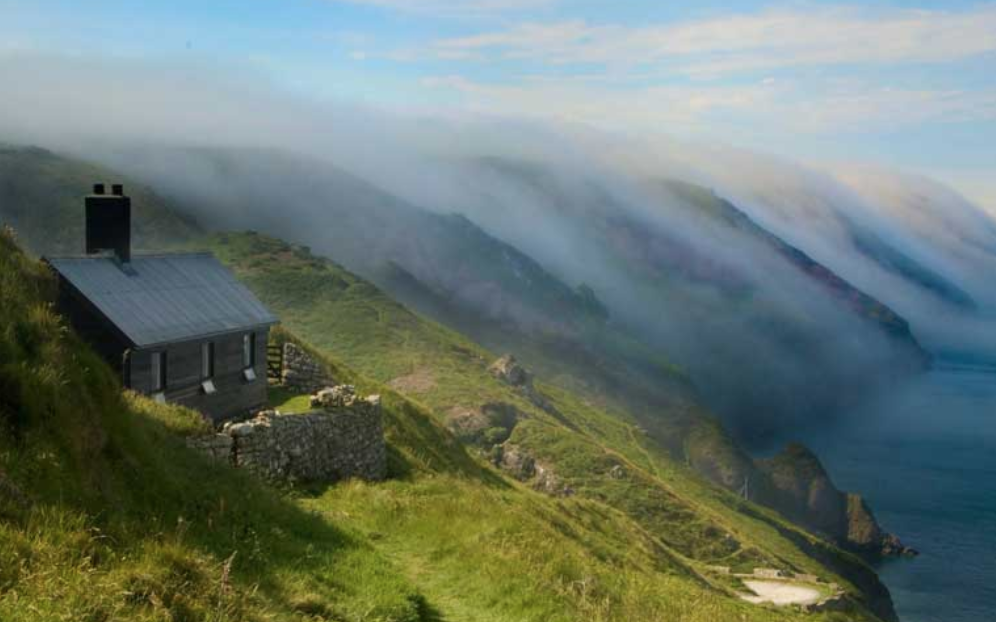
The tiny island in the Bristol Channel off Wales, named for the Norse word for “puffin,” has a pub, a church, three lighthouses, and craggy waterfront. It sounds pretty idyllic:
In Lundy, the sea is rarely out of sight, and the views are always breathtaking. There will be plenty of time to explore the wild stretches of grassland and heath which give way to natural ponds, steep cliffs and rocky beaches. The granite crags of this dramatic landscape is the perfect frame to the drama of its skies.
The Isle of Lundy’s topography, sparse population (28 as of 2007!), and mention of puffins reminds me of Far Afield, Susana Kaysen’s witty meditation on the Faroe Islands that I read last month. Her opening chapter in the Reykjavik airport is one of the best travel scenes I’ve read in ages.
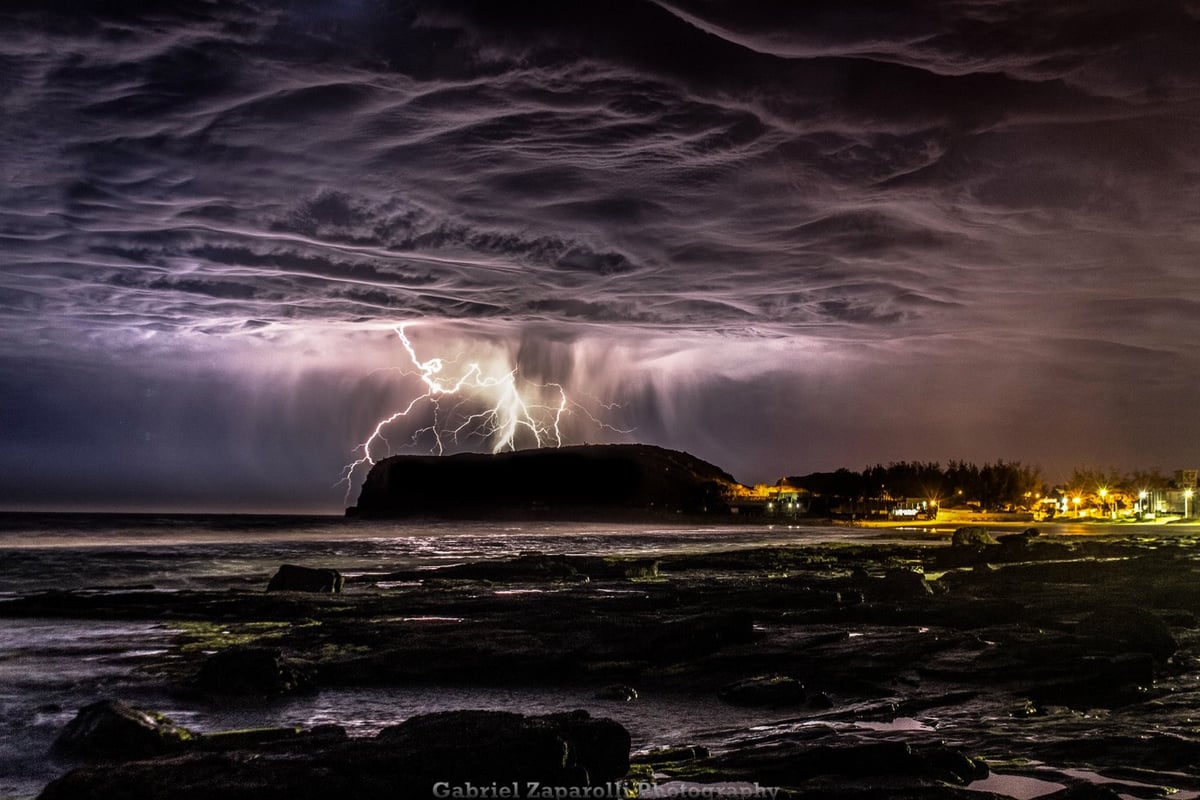
Holy moly, would you look at this photo taken by Gabriel Zaparolli!
This photo shows a distant lightning storm and asperitas clouds looming over the outskirts of Torres, Rio Grande do Sul, Brazil, as observed during the evening of June 10, 2018. On this long-exposure image it seems that most of the lightning consisted of cloud-to-ground strokes. Asperitas form in convective storms when the air in downdrafts (cooled by the sublimation of ice crystals) pushes through the cloud base.
Asperitas clouds plus lightning? What a capture.
Older posts

Socials & More