This pitch-perfect SNL commercial featuring Kate McKinnon & Billie Eilish advertises the bland budget business-ish hotel that can be found all across America.
Our rooms provide every comfort required by law: tiny soap in plastic, phone that blinks, Band-Aid-colored blanket, chair for suitcase, black & white photo of Ferris wheel, blow dryer that goes oooooooh, short glass wearing little hat, and small stain in place you have to touch.
And be sure to enjoy our hot tub; it’s always occupied by an eight-year-old boy in goggles staring at your breasts. He’s been in there for hours and he’s not getting out until you do.
I have stayed at this precise hotel many times in the past and I will again in the future. C+++++.
Street Gang: How We Got to Sesame Street, a documentary about the beloved show’s first two decades, debuts today on HBO Max. The film is based on Michael Davis’s 2009 book Street Gang: The Complete History of Sesame Street.
The documentary focuses on the first two experimental and groundbreaking decades of Sesame Street, highlighting this visionary “gang” that audaciously interpreted radical changes in society and engaged children with innovative new ways to entertain and educate.
Featuring exclusive behind-the-scenes footage and interviews with over twenty original cast members and creators, the documentary explores how the team incorporated groundbreaking puppetry, clever animation, short films, music, humor, and cultural references into each episode to keep kids and parents coming back, while never shying away from difficult conversations with children.
In a review, NY Times TV critic James Poniewozik says the film reminds us that Sesame Street was political right from the beginning:
“Sesame Street,” which premiered in 1969, was the project of Joan Ganz Cooney, a TV executive who was originally more interested in the civil rights movement than in education but came to see the connection between the two. “The people who control the system read,” she once said, “and the people who make it in the system read.” And she believed that the best way to get the kids of the 1960s to read, paradoxically, was through TV.
Her Children’s Television Workshop brought together educators and entertainers, including a puppeteer named Jim Henson and the director Jon Stone, an idealist attracted to Cooney’s idea of closing the literacy gap for inner-city Black children. “I think what drew Dad in really had to do with her political vision,” his daughter Kate Stone Lucas says in the documentary.
These days, movies, TV shows, and even commercials all use something called the Dutch angle,1 a filmmaking technique where the camera is angled to produce a tilted scene, often to highlight that something is not quite right. The technique originated in Germany, inspired by Expressionist painters.
It was pioneered by German directors during World War I, when outside films were blocked from being shown in Germany. Unlike Hollywood, which was serving up largely glamorous, rollicking films, the German film industry took inspiration from the Expressionist movement in art and literature, which was focused on processing the insanity of world war. Its themes touched on betrayal, suicide, psychosis, and terror. And Expressionist films expressed that darkness not just through their plotlines, but their set designs, costumes… and unusual camera shots.
This got me thinking about my favorite shot from Black Panther, this camera roll in the scene where Killmonger takes the Wakandan throne:
It’s the Dutch angle but even more dynamic and it blew me away the first time I saw it. I poked around a little to see if this particular move had been done before (if director Ryan Coogler and cinematographer Rachel Morrison were referencing something specific) and I found Christopher Nolan (although I’d argue that he uses it in a slightly different way) and Stranger Things (in the scene starting at 1:33). Anywhere else?
A few weeks ago, I posted about David Fincher’s new project with Netflix. Unfortunately, it’s not a third season of Mindhunter. But, here’s what it is: a 6-episode series of visual essays about movies and filmmaking, not unlike the YouTube videos I post here all the time (many of which you can find under the film school tag).
VOIR is a series of visual essays celebrating Cinema and the personal connection we each have to the stories we see on the big screen. From intimate personal histories to insights on character and craft, each episode reminds us why Cinema holds a special place in our lives.
Tony Zhou and Taylor Ramos of the dearly missed Every Frame a Painting are contributing to at least one of these visual essays, so that right here is reason enough to rejoice. VOIR drops Dec 6 on Netflix.
Oh, I’m excited for this one. I’m not saying The Great was the best show I’ve seen over the past couple of years, but it’s definitely one of the most fun and enjoyable. A synopsis:
The Great is a satirical, comedic drama about the rise of Catherine the Great from outsider to the longest reigning female ruler in Russia’s history. A fictionalized, fun and anachronistic story of an idealistic, romantic young girl, who arrives in Russia for an arranged marriage to the mercurial Emperor Peter. Hoping for love and sunshine, she finds instead a dangerous, depraved, backward world that she resolves to change. All she has to do is kill her husband, beat the church, baffle the military and get the court onside.
The Great was created by Tony McNamara, who co-wrote The Favourite — both have the same punchy, ribald dialogue. You can catch up on season one on Hulu while we wait for the season two premiere on Nov 19.
When the TV watching experience moved from checking “your local listings” or TV Guide and surfing channels with your remote to scrolling through visual onscreen menus on streaming services, key art was born. Key art graphics are the images that identify shows in streaming menus — ok here, it’s just easier to show you:
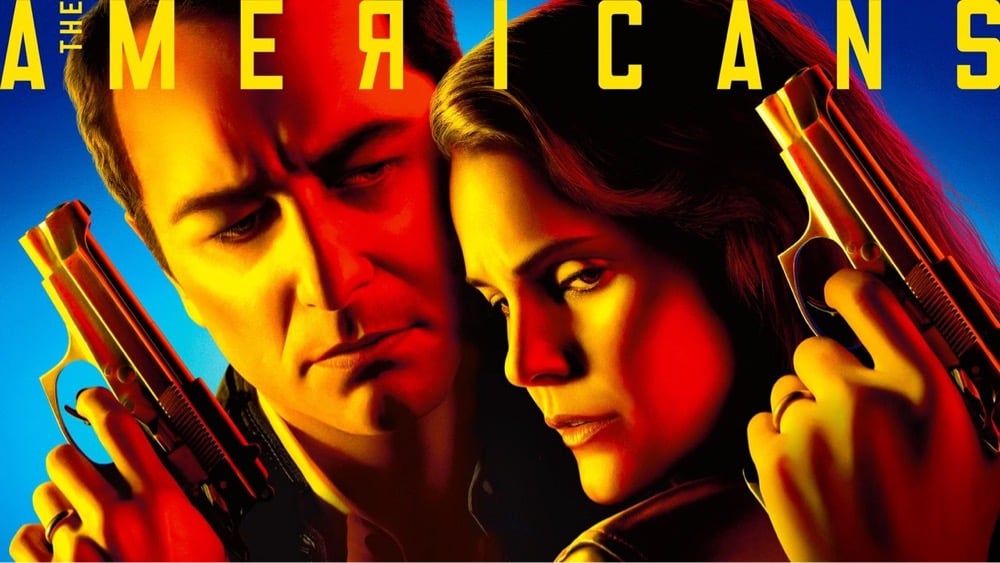
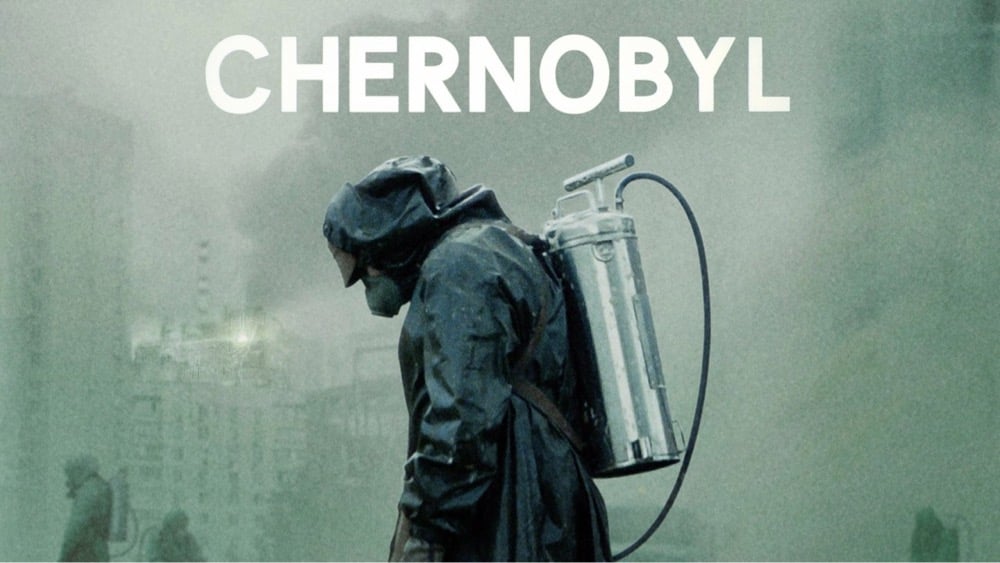
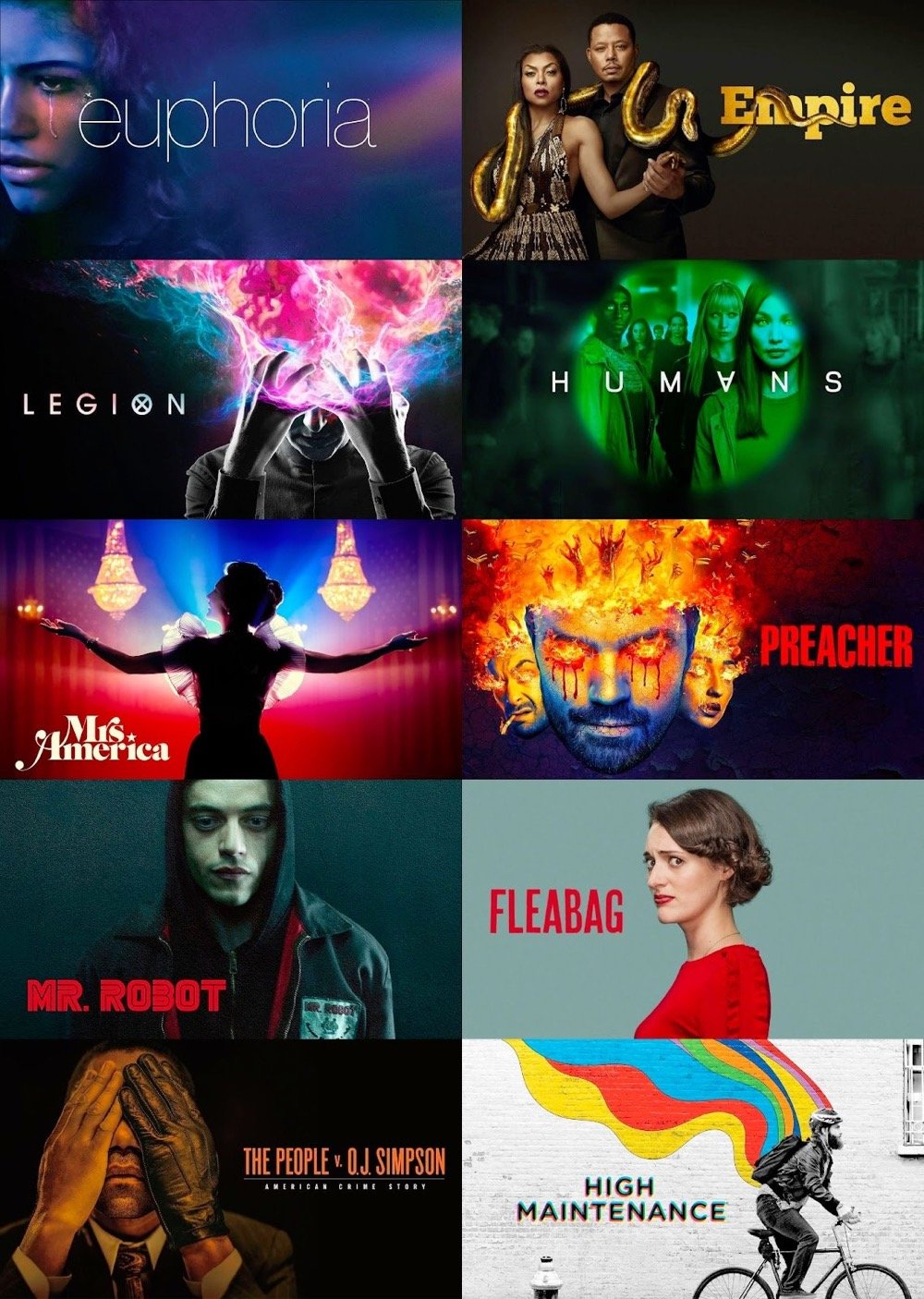
Like the best movie posters and book covers, these images are bold and simple promotional signifiers of a larger piece of media, but as Rex Sorgatz argues in today’s edition of Why is this interesting?, key art is its own thing with its own set of constraints and challenges.
Good key art is so evocative, so iconic, that it becomes the image that springs to mind whenever you think about a show:
One neglected characteristic ties all these images together: They are all horizontal.
It sounds trivial, but going wide helped differentiate TV key art as its own medium, distinct from book covers and movie posters. And because these images appear on streaming platforms, they are unencumbered by other marketing copy, like taglines, cast and credits, and multifarious blurbs.
There is a simple purity to key art.
Sorgatz maintains an archive of his favorite key art here.
After Anthony Bourdain died in 2018, I listened to the audiobook version of his fantastic Kitchen Confidential (read by Bourdain himself) and in retrospect, the trip he took to Tokyo documented in one of the final chapters was a clear indication that his career was headed away from the kitchen and out into the world. His long-time producer Lydia Tenaglia saw this too…she cold-called him after reading the book and pitched him on doing a TV show called A Cook’s Tour, where the intrepid Bourdain would travel to different locations around the world to experience the food culture there.
I met him at a point in his life where he had never really traveled before. He had written a book, Kitchen Confidential, and I had read somewhere that he was going to try to write a follow-up book called A Cook’s Tour. I approached him — I kind of cold-called him — and I said, “Listen, I work in television.” And at that point I was freelancing for other companies as a producer and a shooter and an editor. I called Tony, and he was still working in a kitchen at the time, and I said, “Would you mind if me and my husband, Chris, came and shot a short demo and we try to sort of pitch the idea of A Cook’s Tour — meaning you traveling the world, kind of exploring the way other people eat — as a television series?” And he was like, “Yeah, sure. Whatever.” I don’t think he had any expectations at that point. Again, he hadn’t really traveled.
A Cook’s Tour intrigued the folks at the Food Network and the show ended up running for 35 episodes over two seasons. And they are now all available to watch for free on YouTube. I’ve embedded the first episode above, where he goes (back) to Tokyo, but he also visits Vietnam, San Sebastian, Oaxaca, Scotland, Singapore, and Brazil during the show’s run. More from Tenaglia on how the show came about:
So that was the start of our relationship and our time together. We, fortunately, were able to pitch and sell that idea, A Cook’s Tour, to the Food Network. Me and Chris, my husband, and Tony, just the three of us, all went out on the road together for that first year, and we shot 23 episodes of A Cook’s Tour, and we kind of figured out the format of the show on the road. It was really Tony tapping into the references he did have — you know, films and books and things he had seen and knew about only through film and reading.
So he was able to bring all of those cultural references to the table, and the three of us together were able to kind of play with the format of what those visuals would look like, so that it wasn’t just about him eating food at a restaurant. It was really about everything that was happening around him — or the thoughts he was having internally as he had these experiences or the references that he had seen through film that he loved and books that he had read, like The Quiet American, and how those things related to what he was experiencing.
So it became this kind of sort of moving, evolving format that was very much based on, predicated on the location that we were in and those references that he could call up. The show just kind of began to take shape. I mean, really there was no format of the show going into it. We just said, “Hey, we’re going to travel around the world, and this guy … he’s a chef, and he’s written this great book, and he’s going to try food in other countries.” And that’s what sold the project to the Food Network at the time. Then, as we went and actually made the show, we really started to play with the format and turned it into something else.
I would say that 17 years later the show has gone through various iterations. We did the two seasons of A Cook’s Tour on the Food Network, and then we did eight seasons of No Reservations on the Travel Channel, and now we’re on Parts Unknown. And the show has evolved as Tony has evolved, as the crew has evolved, as the technology has evolved. The show has sort of turned into this kind of, you know, one man’s initial foray into the world, and I think today, 17 years later, he’s really kind of evolved into more of a cultural anthropologist.
The show’s very sociopolitical — it’s about people and characters. The food and the people are just the entry point. It’s really about all the context around it. The more you can bring story to that and the more you can bring references to that — film references … character references — the more you can introduce interesting, unique characters into the equation, I think that’s what keeps the show very fresh and why it’s continuing to evolve all these years later. Each show is very different from the one before it.
It’s fun to watch the prototype of what eventually became a very beloved and different show. (via open culture)
Oh, I’ve let it go too long again. It’s been almost four months since I’ve done one of these media roundups and there’s lots to share. If you’re just joining us — welcome but WHERE HAVE YOU BEEN THO?! — I do a post like this every few months with short reviews of all the movies, books, music, TV show, podcasts, and other things I’ve enjoyed (or not) recently. The letter grades are very subjective and inconsistent — sorry! Ok, here’s what I have for you today.
The Land That Never Has Been Yet. This podcast series by Scene on Radio on American democracy is essential listening. The episode on how a small group of libertarians have had an outsized influence on American life is especially interesting and maddening. (A)
The Legend of Korra. Watched this with the kids and we all enjoyed it. (B+)
The Expanse. A little uneven sometimes, but mostly compelling. I’ve got crushes on about 4 different people on this show. (B)
Galaxy Quest. The teens were skeptical about this one, but Alan Rickman’s presence won them over. I love this movie. (A)
The Truffle Hunters. The first movie I’ve seen in the theater since March 2020. The pace of the film is, uh, contemplative — I never would have lasted more than 10 minutes if I’d started watching this at home — but full of wonderful little moments. (B+)
The Ezra Klein Show, interview with Agnes Callard. I don’t catch every episode of Klein’s podcast, but this interview with Agnes Callard was particularly wide-ranging and good — I want to know her opinion on anything and everything. (A-)
NBC Sports’ Premier League recaps. I don’t get to watch as much football as I’d like, but I look forward to catching up with all the action at the end of the day. A lot of the networks’ recaps are pretty shabby — incomplete, rushed, no goal replays — but the ones from NBC Sports are really good. You see each of the goals (and significant near-misses) from multiple angles and get a real sense of the flow of the match. (A-)
Nomadland. I didn’t seem to like this quite as much as everyone else did. Frances McDormand is excellent as usual. (B+)
Mare of Easttown. Kate Winslet. I mean, what else do you have to say? I raced through this. (A)
Writing the Future: Basquiat and the Hip-Hop Generation. Great exhibition at the MFA of one of the golden ages of NYC. (A-)
The Premonition: A Pandemic Story by Michael Lewis. It’s a little early to write the definitive book on what went so wrong in America with the pandemic, but Lewis did about as well as can be expected. The CDC doesn’t fare well in his telling. (A-)
Alice Neel: People Come First. Great show at the Met of an outstanding portraitist. (A-)
Nixon at War. The third part of the excellent podcast series on the LBJ & Nixon presidencies. Nixon’s Watergate downfall began with the Vietnam War…when Nixon committed treason to prolong the war to win elected office. (A)
Rashomon. Hard to believe this was made in 1950. A film out of time. (A-)
Velcro ties. Unobtrusive and super handy for organizing cords — wish I’d gotten these sooner. (B+)
Be Natural: The Untold Story of Alice Guy-Blaché. Documentary about film director French film director Alice Guy-Blaché, who pioneered so much of what became the modern film industry, first in France and then in the United States. (B+)
Klara and the Sun by Kazuo Ishiguro. Compelling dystopian science fiction from Nobel-winner Ishiguro. An interesting companion book to The Remains of the Day. (A-)
Handshake Speakeasy. Super creative and delicious. Maybe the best new bar I’ve been to in years. (A)
The Fugitive. Great film…still holds up almost 30 years later. (A)
Speed. This doesn’t hold up quite as well as The Fugitive but is still entertaining. (B+)
Edge of Tomorrow. Underrated action/sci-fi movie. (A)
No Sudden Move. Solid crime caper movie from Soderbergh. Don Cheadle and Benicio del Toro are both excellent. (B+)
Black Widow. Struck the right tone for the character. Florence Pugh was great. (B+)
Summer of Soul. Wonderful documentary about 1969’s Harlem Cultural Festival. Director Questlove rightly puts the music front and center but cleverly includes lots of footage of people watching too (a la the Spielberg Face). Beyonce’s Homecoming used this to great effect as well. (A)
Loki. Loved the design and architecture of the TVA. Great use of color elsewhere as well. (B+)
Nanette. Very clever and powerful. (A)
Fleabag (season two). Perhaps the best ever season of television? (A+)
Consider the Oyster by MFK Fisher. The highest compliment I can pay this book is that it almost made me hungry for oysters even though I do not care for them. (B+)
The Green Knight. Even after reading Sir Gawain and the Green Knight and seeing this movie, I’m not entirely sure I know what this story is trying to convey, thematically or metaphorically, or if it’s even that entertaining. (B)
The Dark Knight Rises. Probably sacrilege, but this is my favorite of the Nolan Batmen. (A)
Bridge of Spies. Mark Rylance was superb in this and Spielberg’s (and Janusz Kamiński’s) mastery is always fun to watch. (B+)
Luca. A fun & straightforward Pixar movie without a big moral of the story. (B+)
Solar Power. Not my favorite Lorde album. (B-)
Reminiscence. I have already forgotten the plot to this. (B-)
The ocean. Got to visit the ocean three times this summer. One of my favorite things in the world. (A+)
The White Lotus. Didn’t really care for the first two episodes and then was bored and tried to watch the third — only made it halfway through. I “finished” it by reading Vulture recaps. Why do people like this show? (C-)
A Thousand Ships by Natalie Haynes. Between Emily Wilson, Madeline Miller, and now Natalie Haynes, I’ve gained a unique understanding of the Iliad and Odyssey. (B+)
TWA Hotel. A marvelous space. (A-)
Turbo. Like Cars + Ratatouille but by Dreamworks and with Snoop Dogg. (C)
Laserwriter II by Tamara Shopsin. A love letter to NYC, printers, Apple computers, and the late, great Tekserve. Another banger from Shopsin. (A)
Donda. Beeping out all the swear words while managing to keep the misogyny in seems apt for an artifact of contemporary American Christianity. Too long and very uneven, I hate that I really love parts of this album. (D+/A-)
Certified Lover Boy. Same ol’ same ol’ from the easy listening rapper. Nothing on here that I wanted to listen to a second time. (C-)
The Great British Baking Show. I’ve only seen bits of one season so far (#6), but I can see why so many people love this show. It’s the perfect combination of soothing but competitive and about a topic that everyone loves — baked goods. (B+)
Past installments of my media diet are available here.
The Wire creator David Simon wrote about his friend and colleague Michael K. Williams, who died suddenly last week at the age of 54. The Question Michael K. Williams Asked Me Before Every Season of ‘The Wire’:
And from that moment forward, his questions about our drama and its purposes were those of someone sharing the whole of the journey. It became something of a ritual with us: To begin every season that followed, Michael K. Williams would walk into the writers’ office and sit on the couch.
“So,” he would ask, “what are we going to say this year?”
He gave us an astounding gift — an act of faith from a magnificent actor who could have played his hand very differently. Television usually chases its audience — if they love them some Omar, you feed them more Omar. If they can’t stop looking at Stringer, you write more Stringer. Never mind story and theme.
Instead, Mike bent his beautiful mind to a task that even the best writers and show runners often avoid. He thought about the whole story, the whole of the work.
Perhaps more than any in that talented cast, I came to trust Mike to speak publicly to our drama and its purposes, to take personal pride in all that we were trying, however improbably, to build. He became increasingly political as the show aged, and in interviews took to addressing societal and political issues, his arguments ranging well beyond Omar’s arc.
“I started to realize that, oh, this is not about me,” Williams once told an interviewer, looking back. “It had everything to do with … just great tapestry, this great narrative of social issues … things that are wrong in our country.”
See also tributes from Wendell Pierce and other actors & filmmakers who worked with Williams.
From an interview with the Ted Lasso creative team, here’s co-creator and star Jason Sudeikis on where the idea for the show came from:
The thing Bill and I talked about in the pitch was this antithesis of the cocktail of a human man who is both ignorant and arrogant, which lo and behold, a Batman-villain version of it became president of the United States right around the same time. What if you played an ignorant guy who was actually curious? When someone used a big word like “vernacular,” he didn’t act like he knew it, but just stops the meeting like, “Question, what does that mean?”
Austin Kleon riffed on the unusual relationship between ignorance and curiosity:
That last point might be the most important: care is a form of attention, and unlike talent or expertise, it can be willed into being at any time.
If you care more than everybody else, you pay better attention, and you see things that others don’t see. To ask the questions that need to be asked, you have to care more than others about what happens, but care less about what others might think of you in the moment.
Which makes me think about my favorite scene from Lady Bird, summarized here by A.O. Scott:
Sister Sarah Joan (Lois Smith), the principal, has read Lady Bird’s college application essay. “It’s clear how much you love Sacramento,” Sister Sarah remarks. This comes as a surprise, both to Lady Bird and the viewer, who is by now aware of Lady Bird’s frustration with her hometown.
“I guess I pay attention,” she says, not wanting to be contrary.
“Don’t you think they’re the same thing?” the wise sister asks.
The idea that attention is a form of love (and vice versa) is a beautiful insight.
These thoughts resonated with me today because I recently had a falling-out with someone I care about, in part because I paid insufficient attention to who they were as a person. I was ignorant and incurious in our relationship, a disastrous combination that caused deep pain. In the aftermath, I instinctively reached for the comfort of a rewatch of the first season of Ted Lasso, hoping for some laughs. But what I especially noticed this time around was how much effort Coach Lasso puts into deciphering who people are, who they really are, so he can help each individual be their best selves, which is perhaps the hallmark of a wonderful partnership. It was a good reminder for me of attention as a form of love but also of the work I need to do to actually practice that consistently in my life.





Socials & More