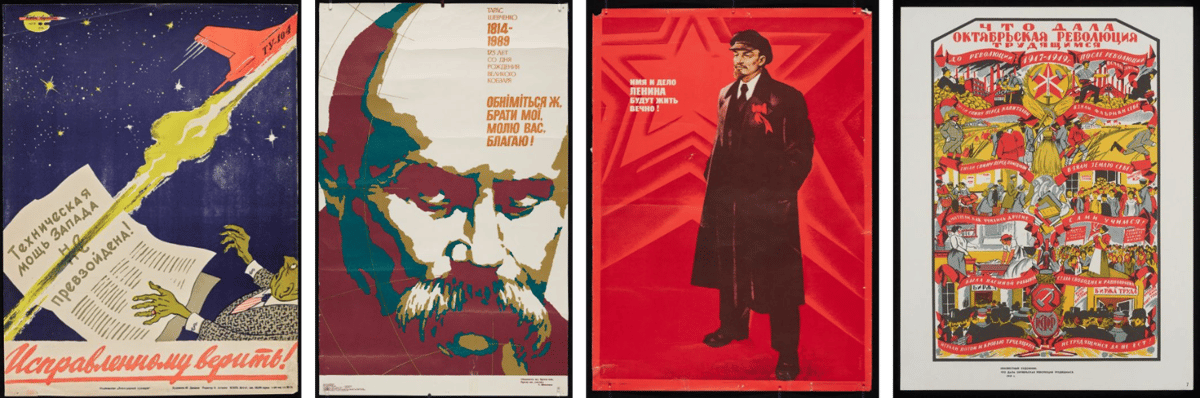
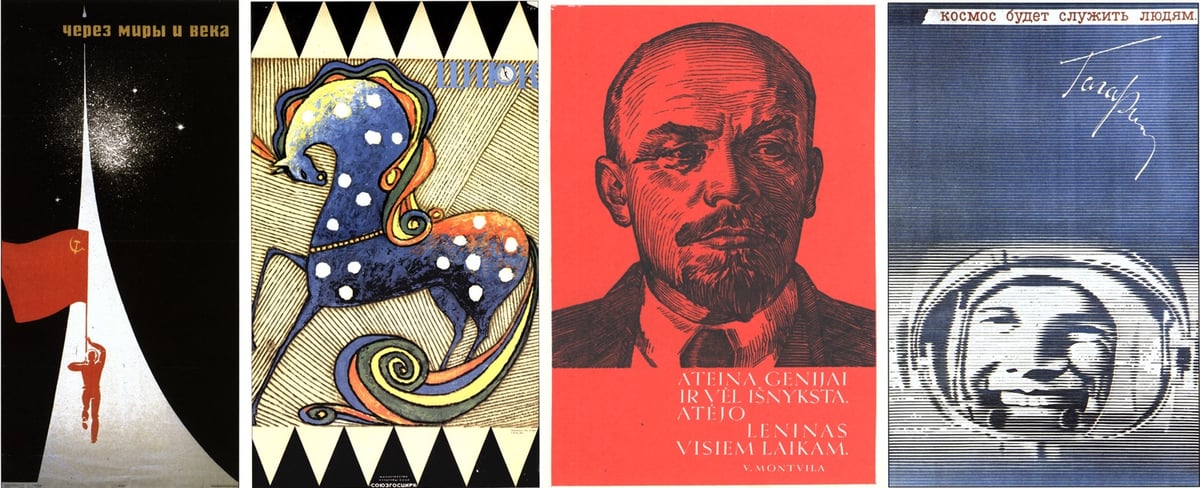
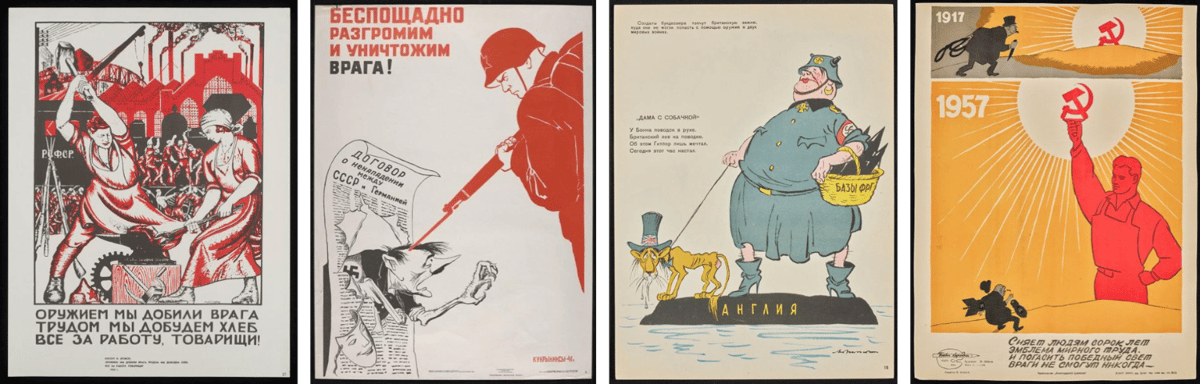
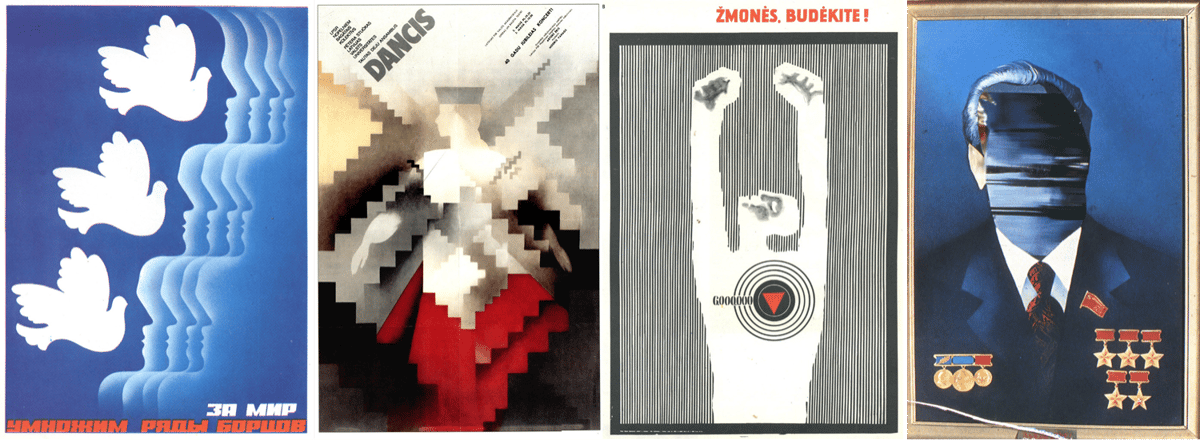
Princeton houses a large digital collection of posters from Russia and Eastern Europe, almost 5000 total item spanning 101 years (1904-2004). This album on Flickr contains nearly 1500 Russian & Soviet posters from 1917-1991 — not sure how much overlap there is between the two.
Ten of the most bizarre films and their posters, as chosen by Eternal Family. I linked to Eternal Family recently and this is a good guide to some of their weirdest stuff.
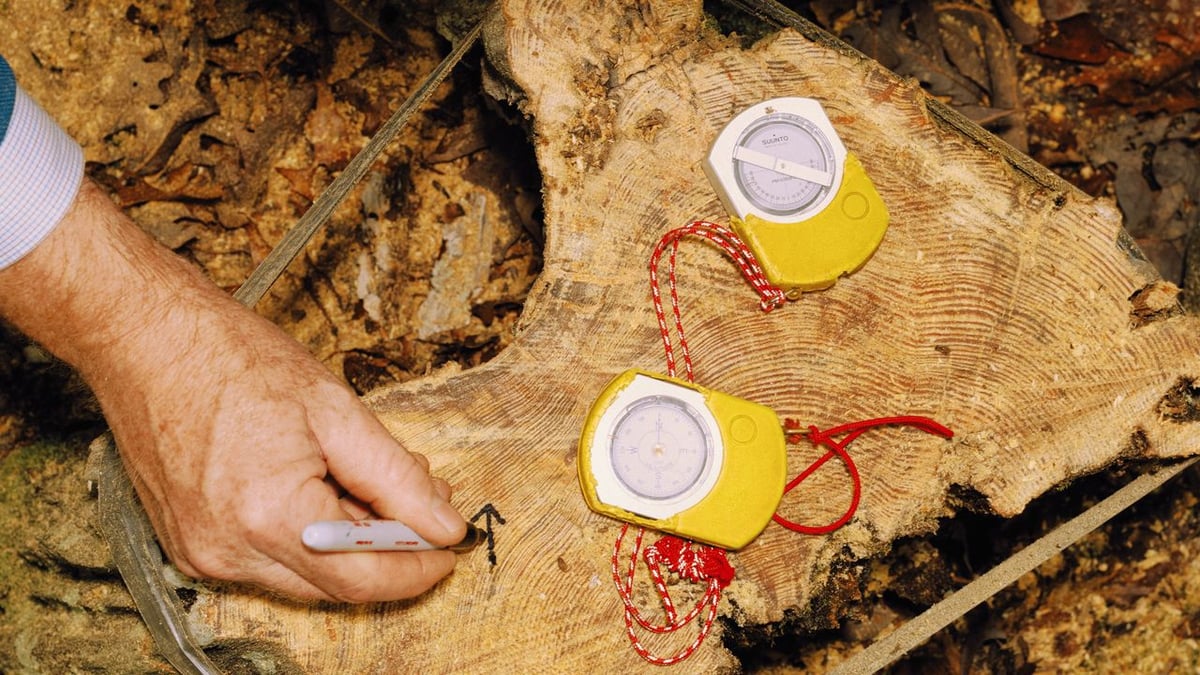
How Tree Rings Challenged the Myth of American Wilderness. “When one revisits colonial accounts of North America, one finds a striking amount of evidence that Native Americans set fire to the landscape.”
According to NASA, the Perseverance rover has driven just over 28 miles on the surface of Mars, making it the vehicle that has driven the farthest distance outside of Earth.
On Oct. 11, the rover’s odometer reached 28.10 miles (45.22 kilometers), eclipsing the record of 28.06 miles (45.16 kilometers) set by NASA’s Opportunity rover, which explored Mars from 2004 to 2018. Perseverance reached the mark on the 2,006th Martian day, or sol, of its mission, covering in five and a half years a distance that took Opportunity almost 15.
For a vehicle whose top speed is 0.1 mph and which stops all the time to do science, 28 miles is quite a distance. The route video is fun to watch…it resembles a dog’s path, sniffing out its favorite spots and doubling back along familiar routes.
BTW, the Guinness World Record for the number of miles driven by one vehicle on Earth is 3,039,122 miles. (And the guy kept driving it after the record was recorded…he reached 3,260,257 miles before he died.)
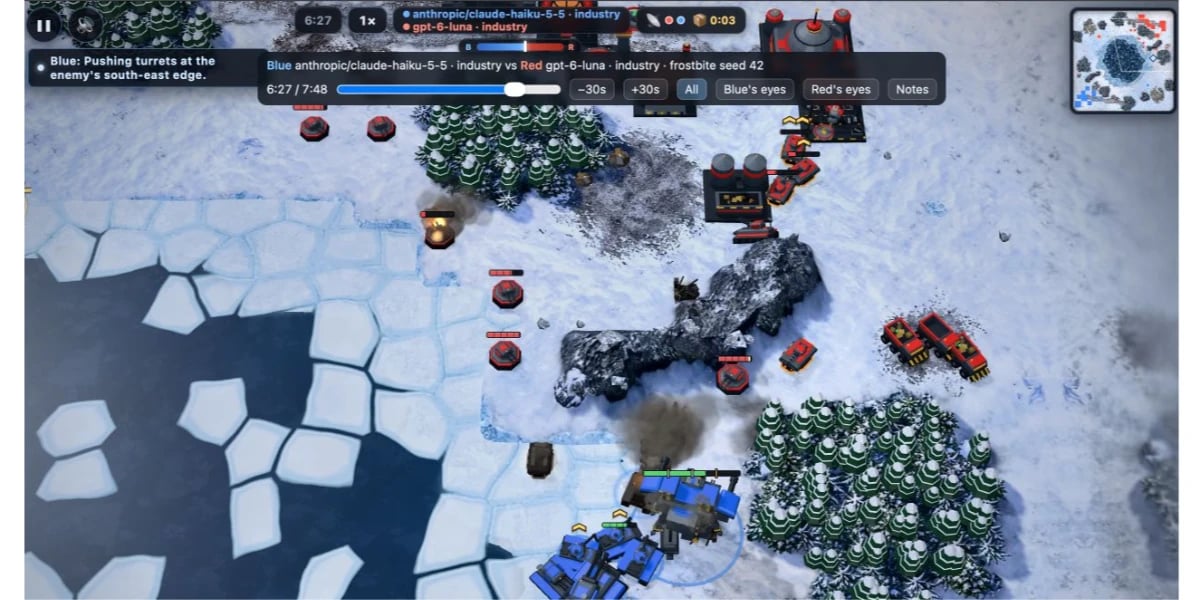
Simon Willison: “Battle Drones is heavily vibe coded — I’ve reviewed almost none of the code, and it’s built in a language (TypeScript) that I’ve hardly used myself.” There’s a French steampunk version too.


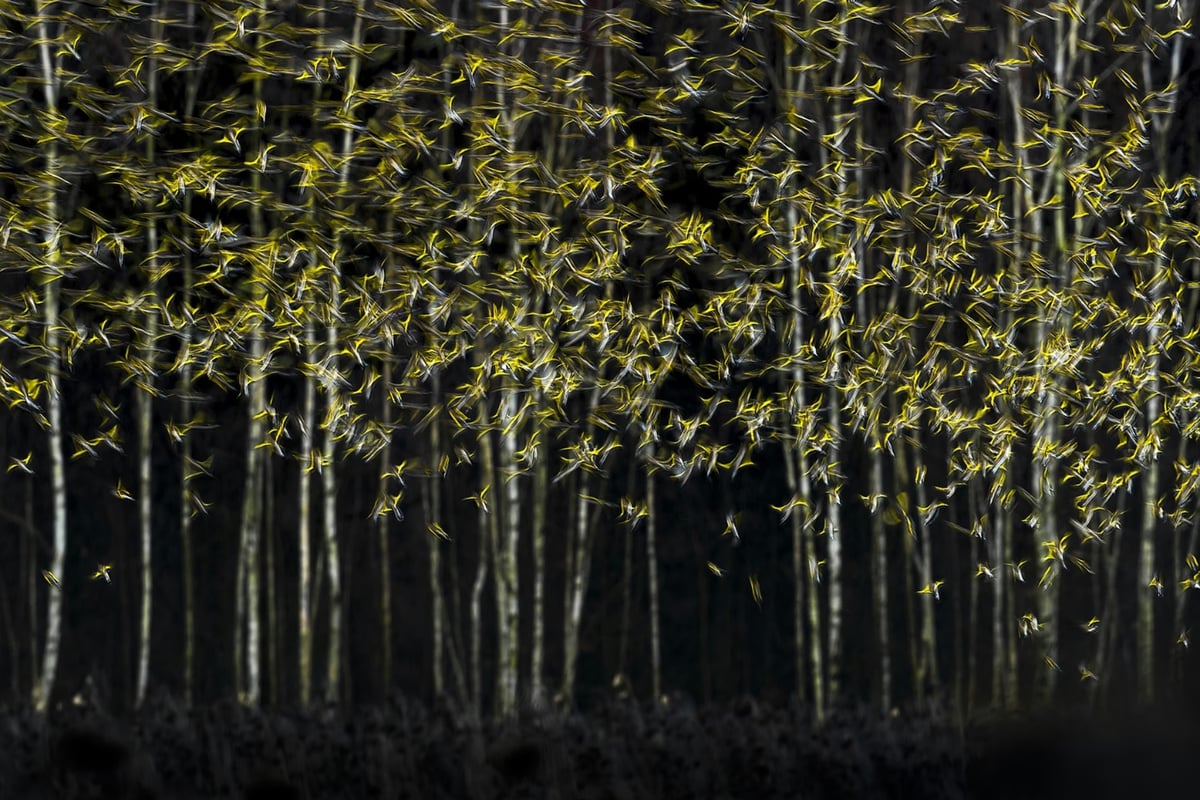
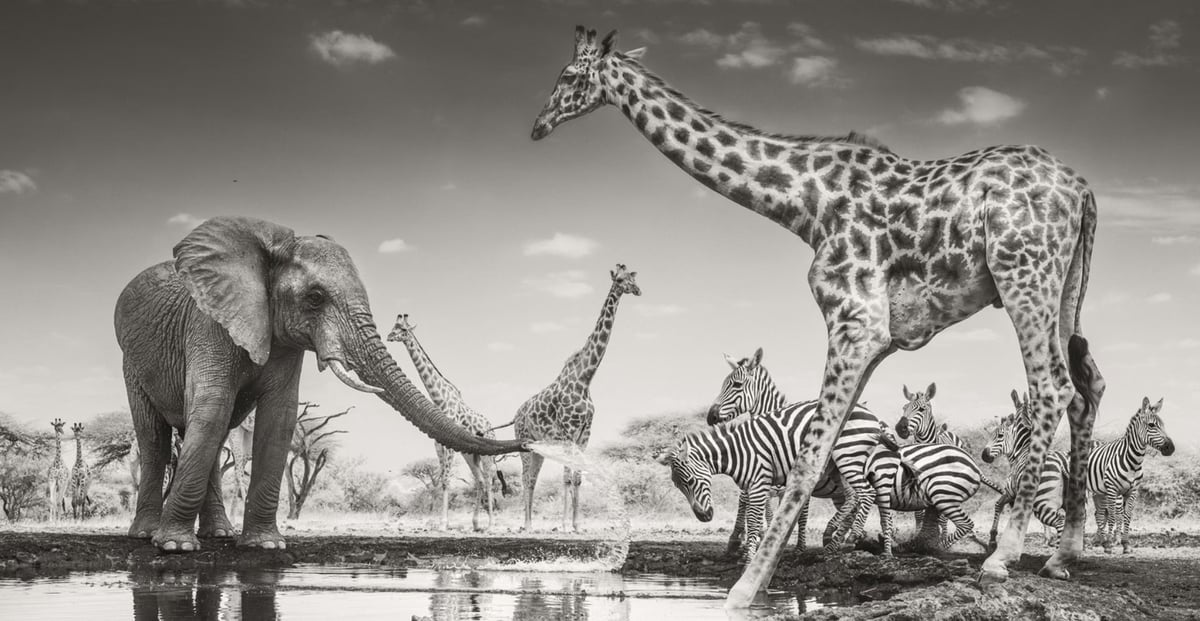

London’s Natural History Museum has announced the winners of the 2026 Wildlife Photographer of the Year, a competition that has been going since 1965. You can see a gallery of all the winners on the competition website (and also places like The Guardian and The Atlantic.)
Photos above by Kutub Uddin, Amelie Davis, Michał Michalski, James Lewin, and Alexis Tinker-Tsavalas.
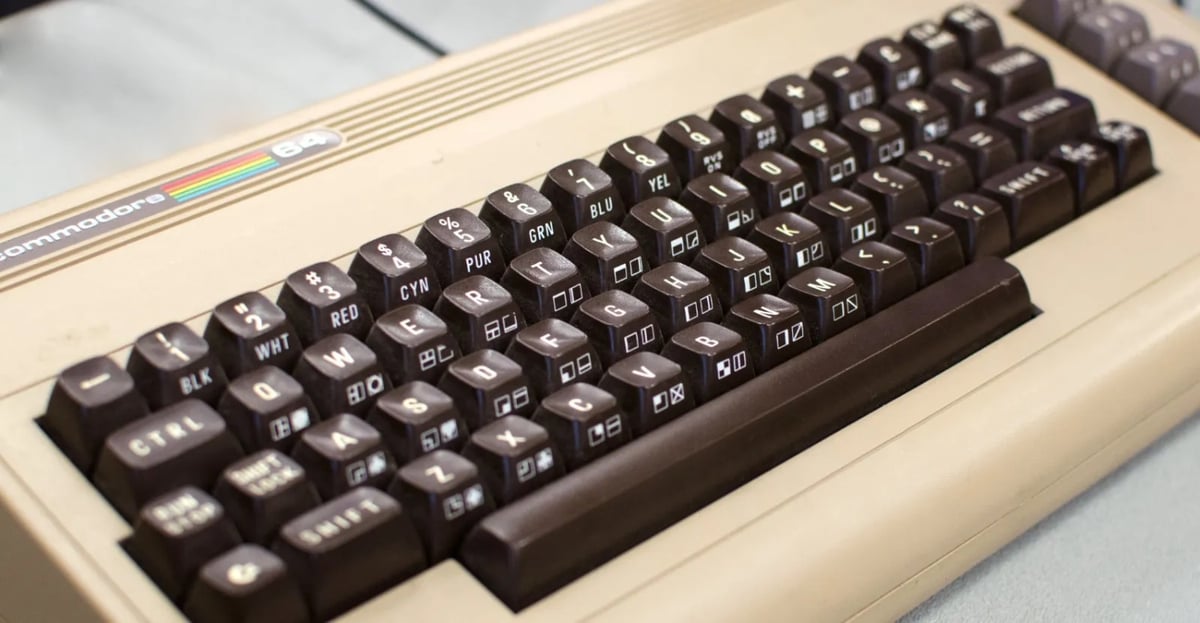
How to Install an App on Your Commodore 64. “Oh, don’t worry, you’ll just need to type in the code for that program. There’s an article explaining what MLX is, which you can read really quickly on page 93, and then you’ll find the code for it on page 94.”
The Tiny Computers app lets you play with old computers on the iPhone Duo. Ten machines included: “Macintosh, Commodore 64, IBM PC, Amiga 500, Windows 95, ThinkPad, iMac G3, iBook G3, PowerBook G4 and Windows XP.” XP even crashes sometimes. Love this.
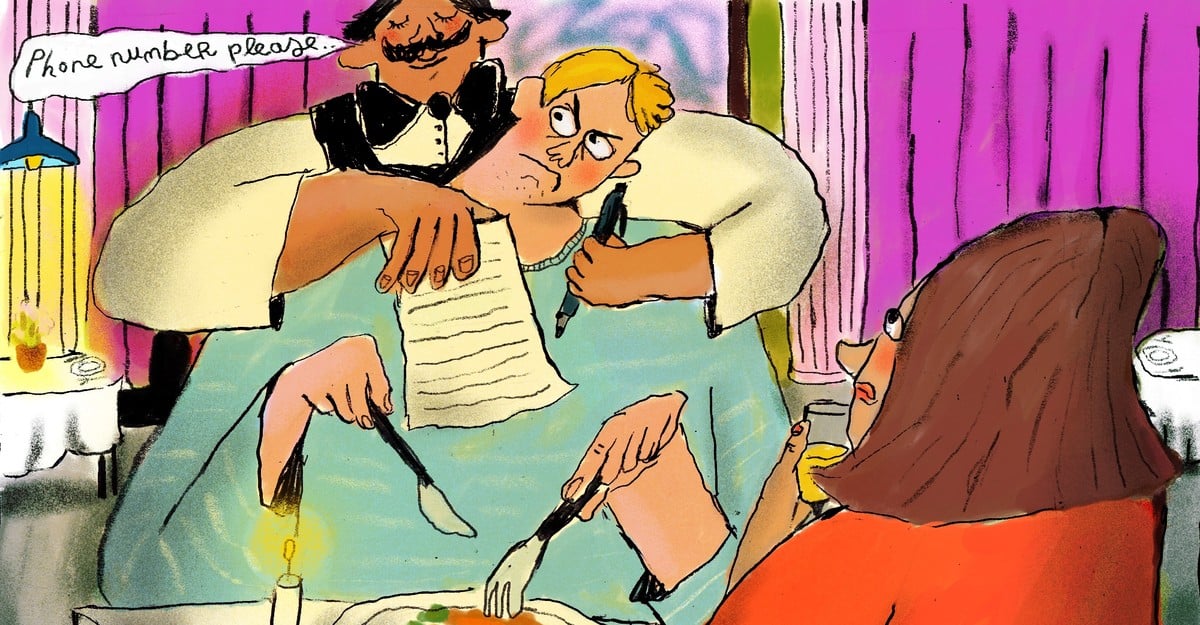
The One Question I Can’t Stand at Restaurants. “The idea of a restaurant I’d never been to using a dossier on me to decide, say, where I should sit, what I was likely to order, even whether I should be given a reservation at all, gave me chills.”
Seems like it’s a good time for an open thread. I cannot remember what number we’re up to, so it’s “Potato”. I just had french fries for lunch and ate the longest french fry I have ever seen.1 I should have taken a photo, but I was in consumption mode and not attention mode. My apologies for the oversight.
Anyhoo, I’ve been working on the site a lot this week (did you see Prometheus?)2 and have some cool stuff coming up. But I need to take a tiny step back to do some life admin and email3 today, so the site will be a little slower than usual. A fall summer Friday, if you will.
What’s going on in your world? I know the onset of dark & cold in the northern hemisphere makes life challenging for some of you this time of year; I hope you’re hanging in there. I’ve been thinking about what home means, taking long baths, walking a lot, and reading three books, listening to one book, and watching two TV shows, trying to keep everything straight.
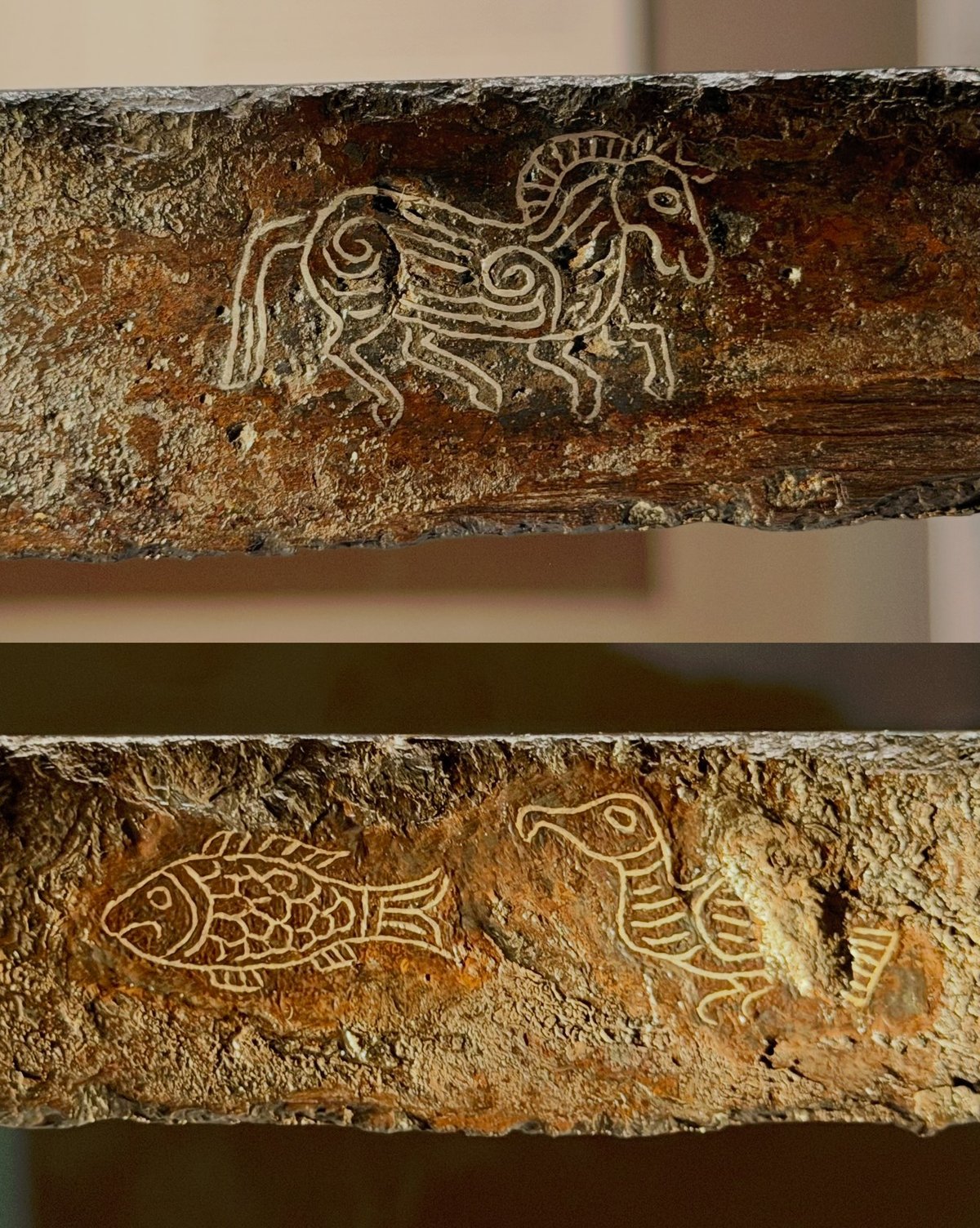
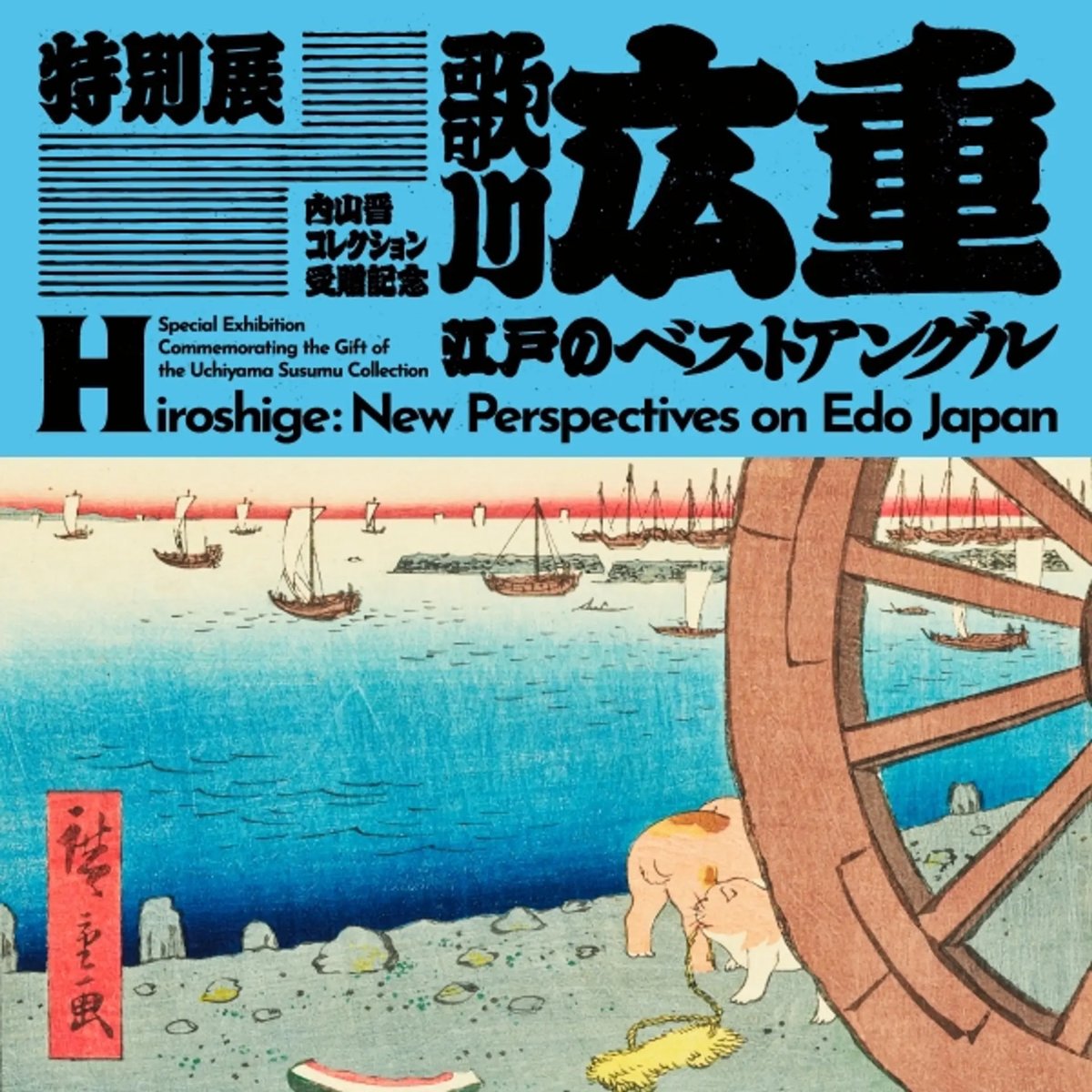
And here’s a couple of photos I took of some really cool engravings on a sword at the Tokyo National Museum.
“an interesting linguistics find! so I’m reading this text from 1908 and it keeps referencing ‘hp’ in the context of ‘not being at full hp’ ‘applying your full hp to a task’ etc.” But it’s not hit/health points…
For more than a year, marshalled by animator Andy Bailey, more than 1000 artists collaborated to create a hand-drawn, shot-for-shot, animated, flipbook version of Peter Jackson’s The Lord of the Rings: The Fellowship of the Ring. The entire three hours. 120,000 individually drawn pages. A couple of months ago, they released the first 11 minutes:
It’s pretty amazing. It doesn’t include the audio or music from the movie, but I bet you could mute the sound on this and simultaneously play the actual movie for the sound. Here’s an earlier sneak peek at some of the scenes:
This artist wrote about their participation in the project; they contributed 108 drawings that amounted to roughly 10 seconds of animation (and took 30-40 hours to do):
The first clip I claimed was a pretty iconic scene from the beginning of the movie. I chose to render it in pencil as it’s night time and I felt black and white would be more dramatic. As I worked through the frames, I did worry that the subtle variances in shading would make the clip look disjointed, but I think it adds a cool movement to the scene. There is that rough, quirky imperfection to hand drawing. You can see the final result with comparison below (digitized and compiled by Andy).
Here’s a clip of that scene:
I can’t wait to see the finished product — I hope they’re able to release it online.
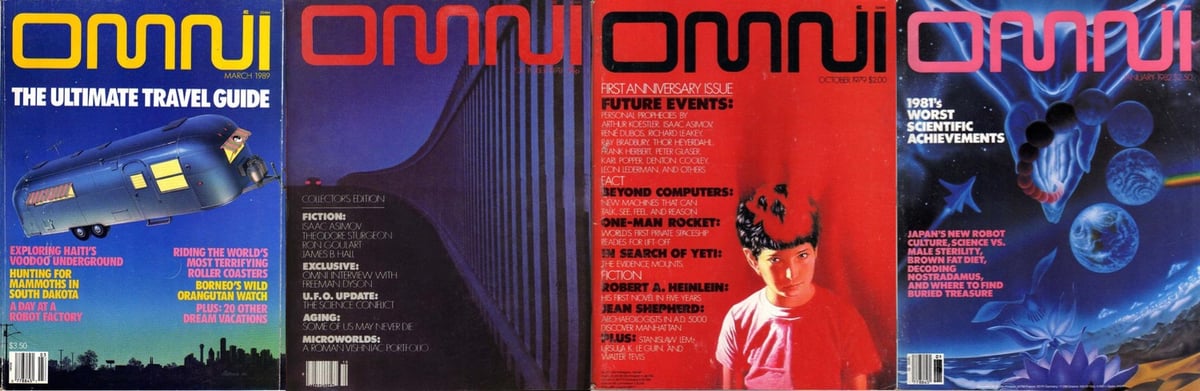
An archive of Omni magazine (1978-1995), courtesy of the Internet Archive. “Omni was a science and science fiction magazine published in the US and the UK. It contained articles on science, parapsychology, and short works of science fiction and fantasy.”
Railpass simulates a train ride in your browser window using real video footage. Choose from trains from around the world or add some weather to the mix. Sound on for the best ride.
This Is What It’s Like to Spend Your Life in Prison. “None of us want to be defined solely by the person we were in our youth, or by the worst thing we ever did. The men serving life without parole feel the same way.”





The winners of the 2026 Epson International Pano awards were announced recently, featuring some of the best panoramic photography in the world. Alan Taylor at the Atlantic shared some of his favorites and I shared some of mine above. Starting at the top, photos by Xuecheng Liu, Shimon Perlstein, Tomás Sánchez Ruiz, Preeti & Prashant Chacko, and Daniel Viñé Garcia.
P.S. In case you were wondering about the aspect ratio of panoramic images: according to the submission rules, the image’s longest side needs to be at least twice the length as the shortest side.
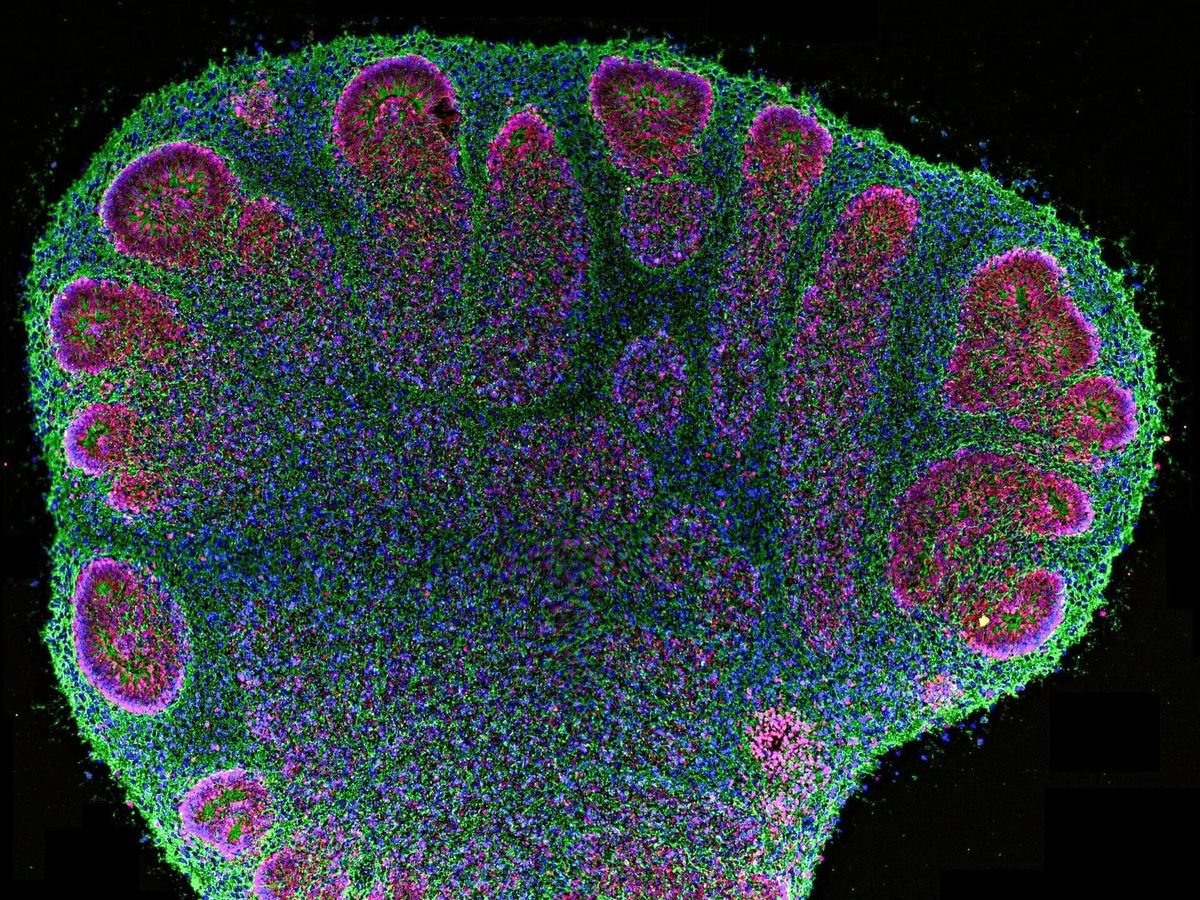
“Scientists have made a breakthrough toward the mind-bending goal of creating computers made of brains by demonstrating that human neural tissue can classify letters of the Braille alphabet.”
The title of this video is The Fastest Downhill Run Ever. I don’t know if that is true, but oh my god does it look dangerous to go this fast on a mountain bike through the streets of Genoa. (It looks slightly less nuts in the non-POV, but not by much.)
Sometime in the past few years, media sites like Bloomberg, The Economist, The Atlantic, Defector, Talking Points Memo, and the NY Times started offering a way for subscribers to share paywalled articles with friends and followers. These are commonly referred to as gift links.
Thousands of gift links are shared on websites and social media daily. Some helpful aggregated feeds and hashtags are available, but finding specific information can be difficult. Whenever possible here on KDO, I link to paywalled articles with gift links. To help in that endeavor, I’ve built a gift link discovery tool called Prometheus.
Prometheus collects gift links to paywalled news articles shared by subscribers — from the New York Times, the Washington Post, the Atlantic, and more. Links are gathered from Bluesky, Mastodon, and the web throughout the day, and you can search by keyword & URL and filter by publication.
Right now, Prometheus is only available to active kottke.org members while I’m testing and refining it — it’s definitely a beta tool rn. If you’re a member, check it out and let me know if you’ve got any feedback or notice any rough edges.
An informed public is the foundation of a healthy society — and while paywalls aren’t the only challenge here, they also aren’t helping. Big thanks to everyone sharing their gift links online and to these media companies for enabling their subscribers to share their journalism with others.
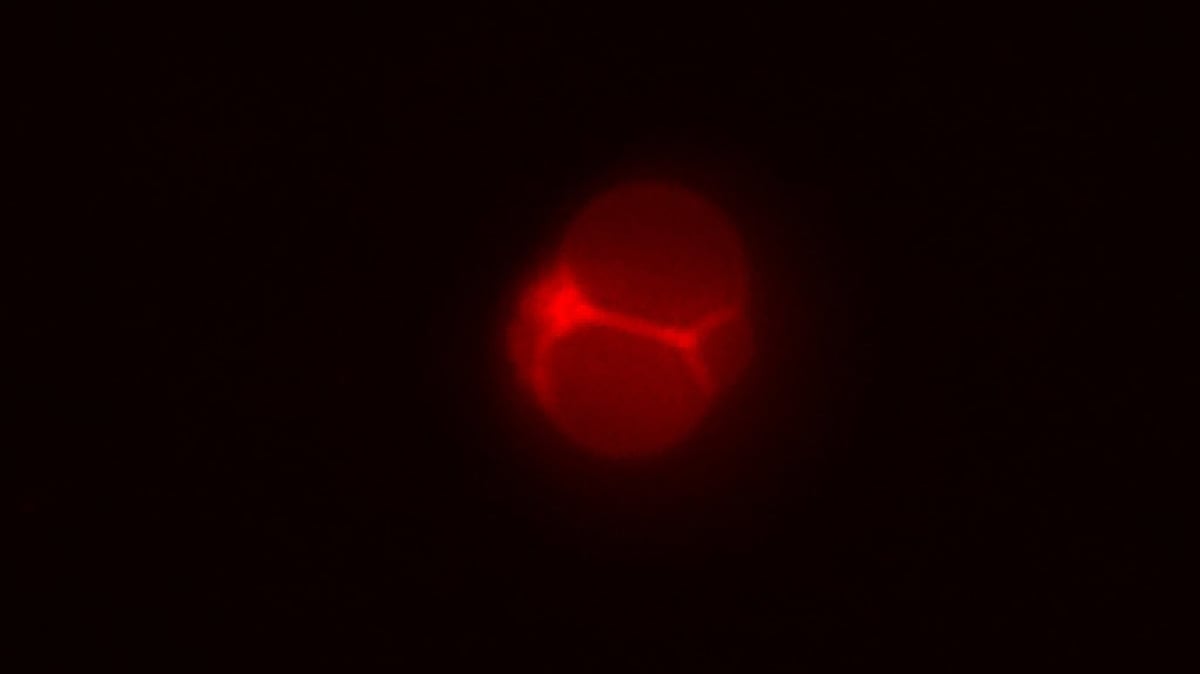
“A SpudCell can grow, copy its DNA, divide in two, and start its cell cycle all over again. But this cell is made by people, created from lifeless ingredients.” Um, what?
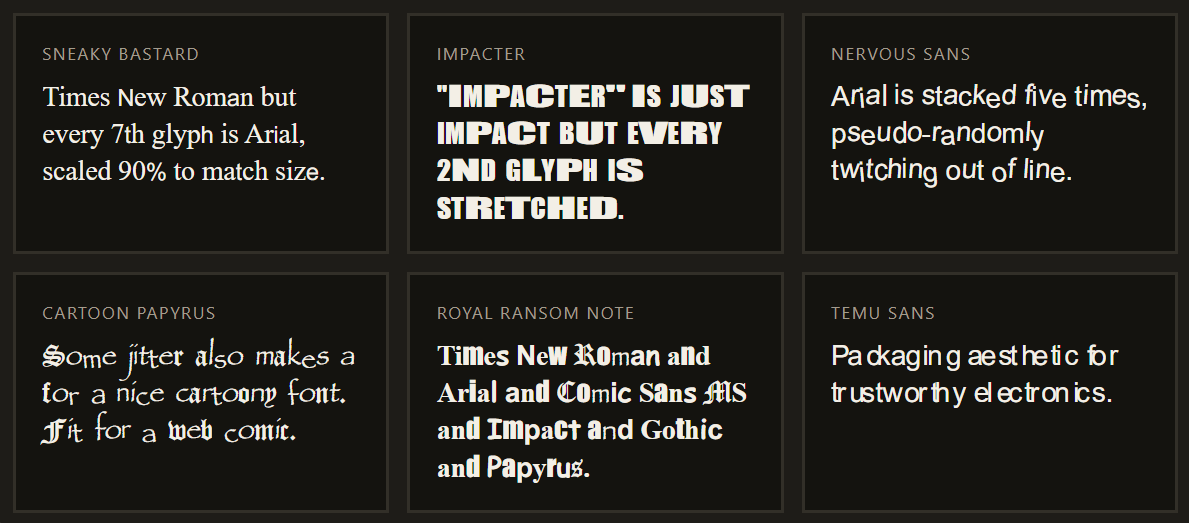
Bastardica is “a foundry for bastard web fonts. Mix, stretch and/or squish them.” E.g. Nervous Sans: “Arial is stacked five times, pseudo-randomly twitching out of line.” I quite like Impacter.
How did life on Earth arise? Three of the biggest inflection points were ~4 billion years ago when life first emerged, ~2 billion years ago when eukaryotic cells appeared, and ~580 million years ago when life got big.
For CBS News in 1985, Charles Kuralt profiled bike messenger David Leopold.
I don’t go slow. I don’t stop for red lights. I go against traffic. I disobey every traffic law there is.
Great street footage of NYC from 40 years ago. You might think that Leopold ended up as a stain on the pavement. In 2010, CBS News did a follow-up on him:
See also Leopold on David Letterman from 1985.
Newer posts







Socials & More