kottke.org posts about photography
Afghan-American visual artist Daniel Malikyar recently shared some great photos of what he calls “a fashion subculture unlike anything I’ve encountered before” that he found in a remote village in the mountains of Afghanistan.
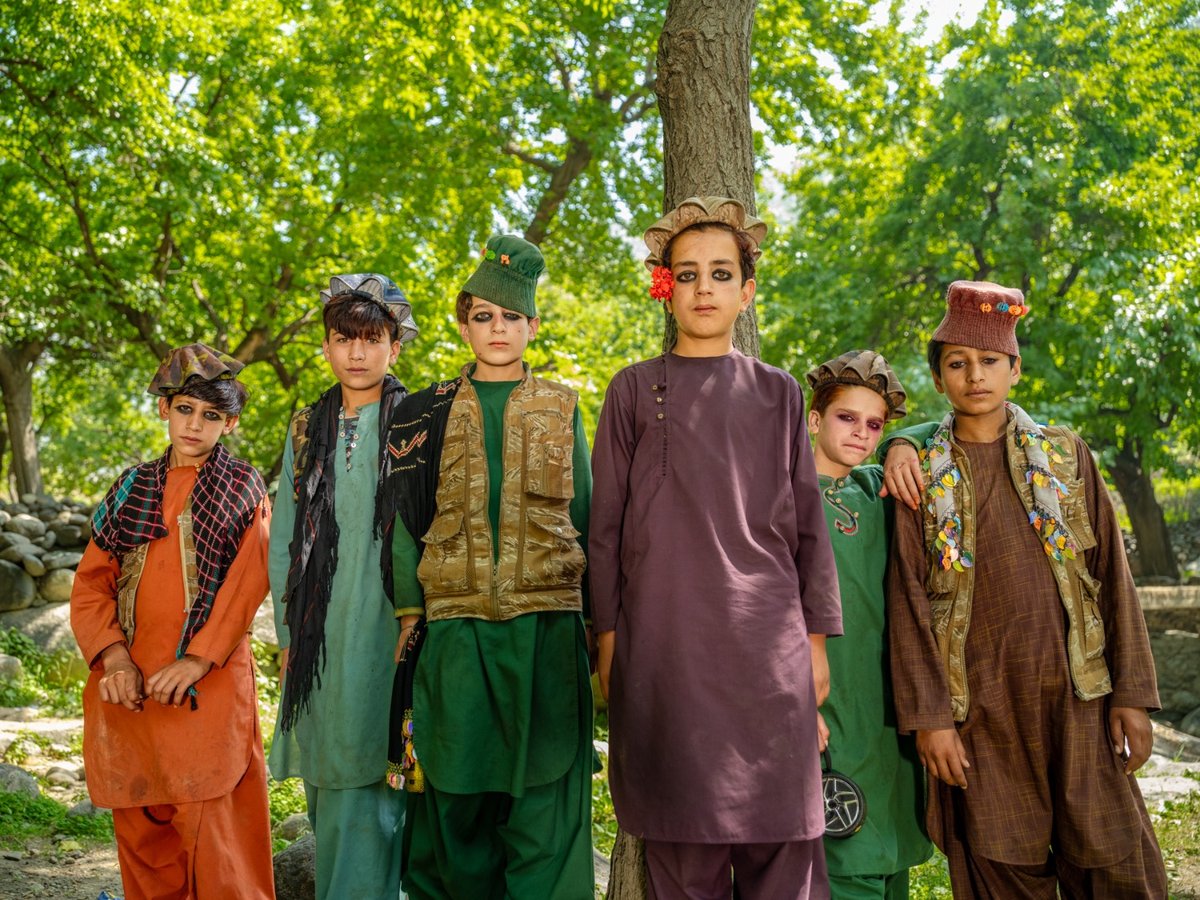
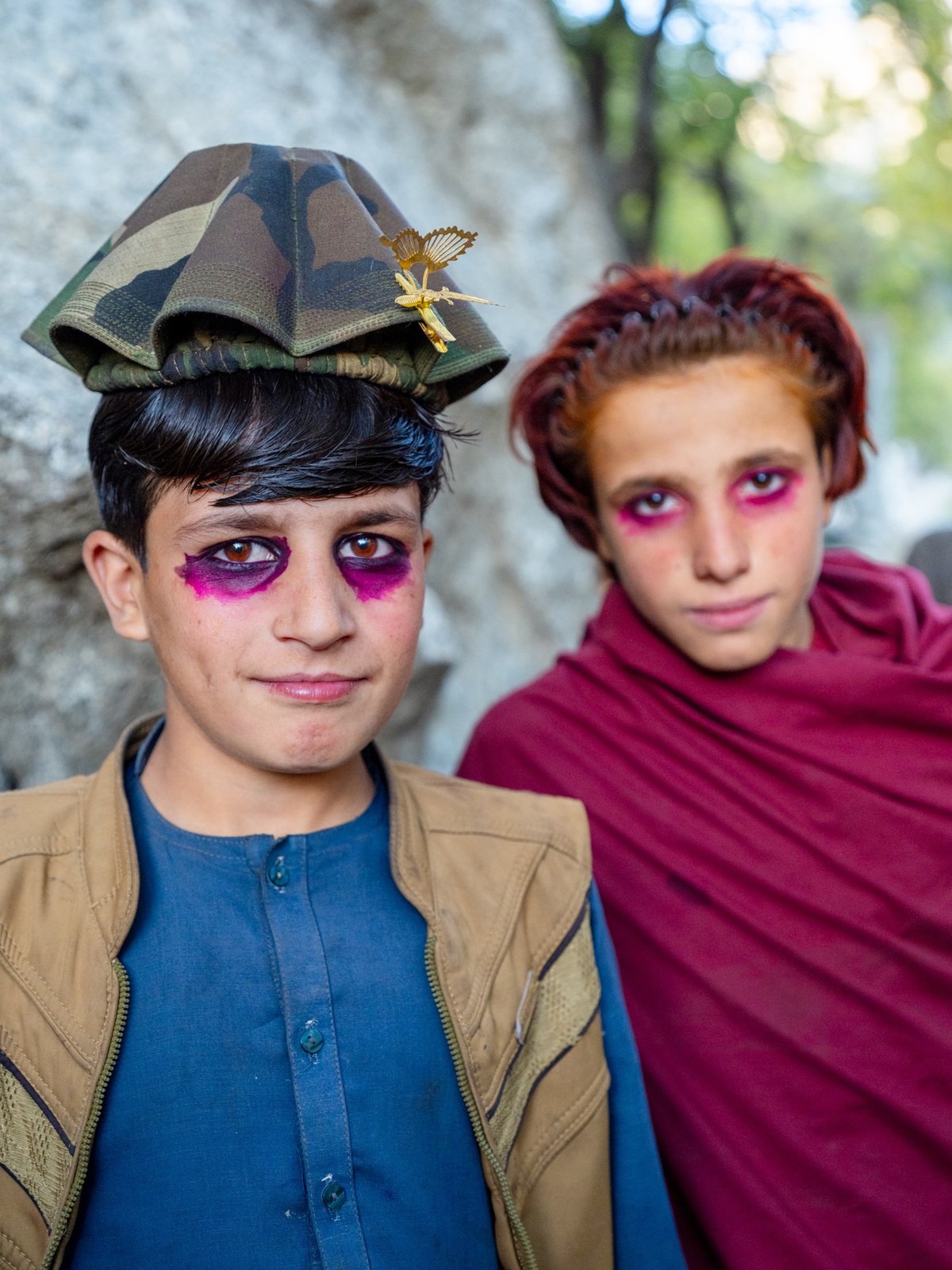
I met a group of boys in a remote village who had developed their own distinct sense of style. They wore colorful eyeliner called surma, painted their fingernails with henna, and dressed in embroidered clothing and handmade hats decorated with flowers and butterfly clips.
This wasn’t something they dressed up for. It was how they dressed every day, each with their own unique interpretation of style and self-expression.
With no access to the internet and limited resources, they had created something entirely their own.
These photos are part of Malikyar’s Afghanistan Book, which is available for sale from his website. He also produced a short video about these boys:
Be sure to check out the rest of his website and Instagram; amazing work.
Ok, I’m gonna use the word gobsmacking here because I think it’s completely appropriate. This image of an inkjet printer laying down ink on a piece of paper is gobsmacking.
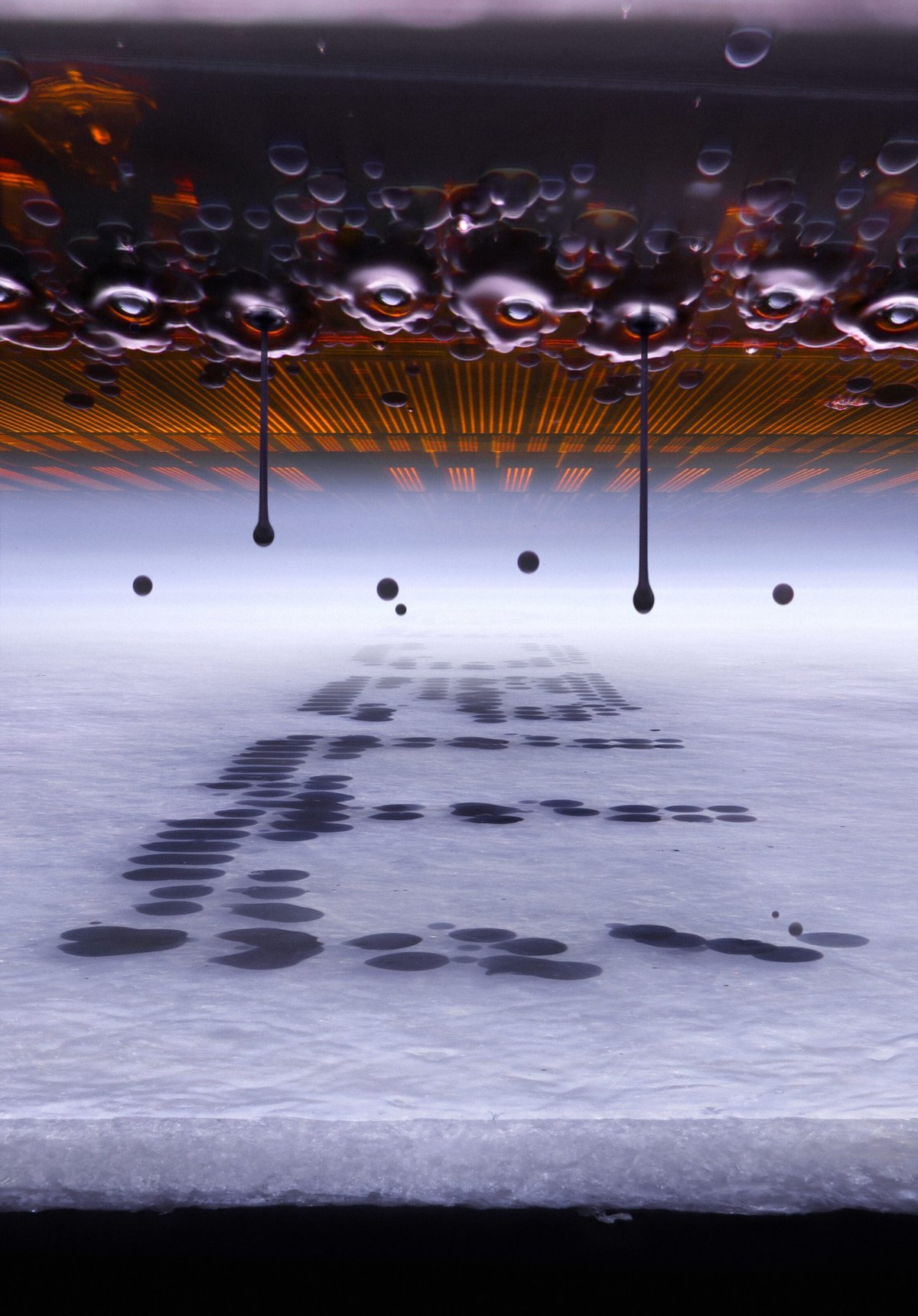
Like what?! You can check out photographer Ole Bielfeldt’s behind-the-scenes process on Instagram; he built a whole custom rig to capture this composite image.
The biggest challenge was speed and lighting.
The printhead, in the printer, moves at a very high speed over the paper. Simultaneously, the ink droplets get injected at around 20 m/s. So to capture the ink droplets mid air and get my lens close enough, this required me to build a custom setup where, instead of the printhead moving over the paper, the paper moved below the printhead. This allowed me to keep the nozzles in focus while printing.
As the max shutter speed of 1/8000s on my camera is way too slow, I used a high speed flash setup. Here the flash acts as the effective shutter, freezing the droplets mid air. I then used focus stacking to capture the depth of the scene.
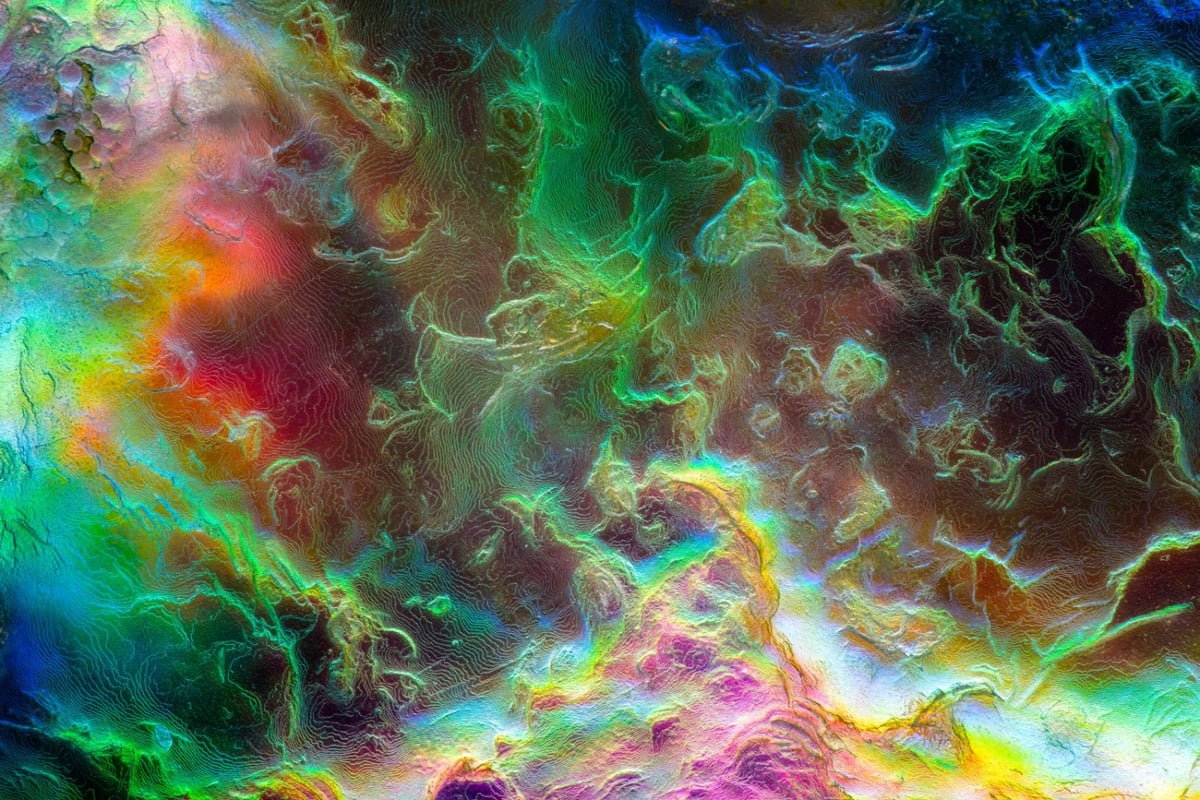
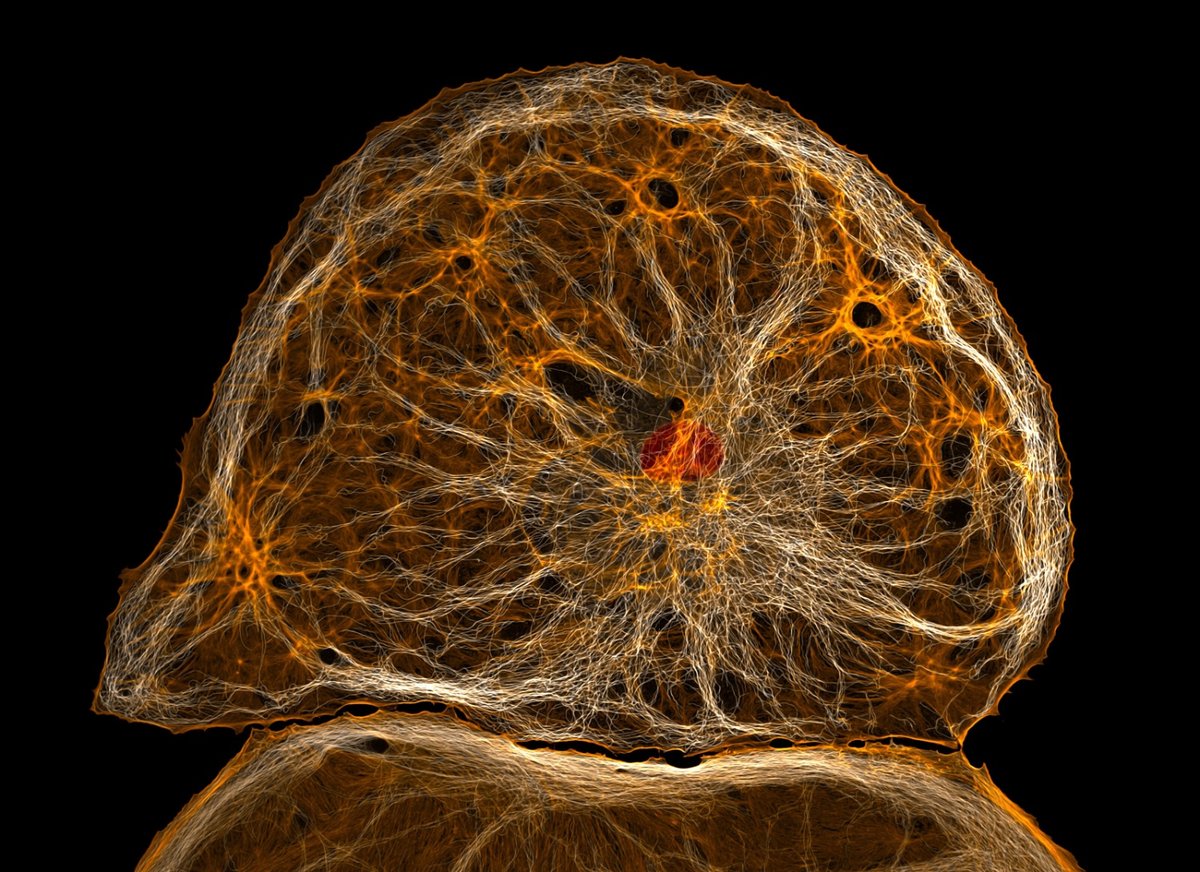
Bielfeldt’s took the top spot in the Nikon Small World 2026 Photomicrography Competition. The top 20 images are all quite something…here are a couple more of my favorites, from Justin Theodore Benttinen and Dr. Francisco Lázaro-Diéguez.
(via curious about everything)
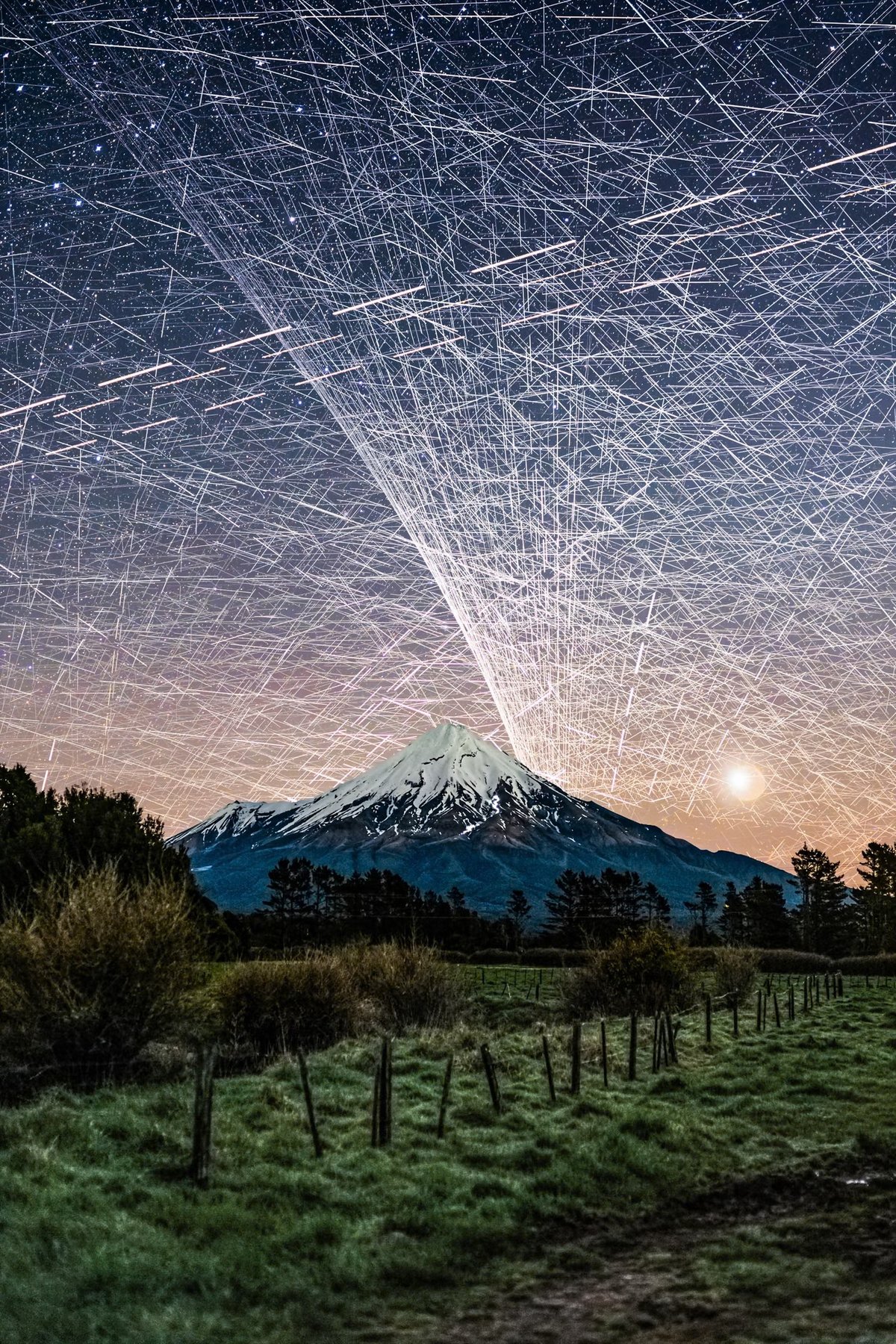
To create this composite image, photographer Brendan Larsen captured almost 600 photographs over a two-hour period and then manually stitched them together.
This is the most time-consuming photo edit I’ve EVER done!
I left my camera photographing the night sky over Mt Taranaki for nearly TWO HOURS, capturing 578 photographs.
The result? An estimated 14,450 satellite trail appearances, representing approximately 1,400 individual satellites! 😱
I manually masked in EVERY SINGLE TRAIL from the original photographs — approximately 45 HOURS of editing to create this one image!
The Guardian has more on how he created the image (which, despite many online commenters’ beliefs, is not AI):
Larsen, 51, says he set his camera up to take an unlimited number of eight-second-long shots, with a two-second gap in between each photo. “I left her running for two hours and captured 578 photos … That was the easy part.”
The hard part came next. Larsen spent about 45 hours layering the individual photos – each of which contained about 25 satellites – over one another, using Adobe Photoshop. Much of the time was spent painstakingly erasing stars, to reveal the satellites.
“I could start to see the pattern emerging and realised: ‘Wow, this looks really awesome.’ I knew if I carried on it would look even better and more impressive in terms of satellite numbers.”
Fellow photographer Vincent Laforet called Larsen’s image “an important photograph”:
I was initially startled. Then confused. Then fascinated all in quick succession.
And then I felt a deep sense of betrayal once I realized that what I was tracking with my eyes were a series of small satellites. And btw: that they likely had ruined my long exposure that I was capturing at the time.
I remember asking in the moment:
Who gave anyone permission do this?

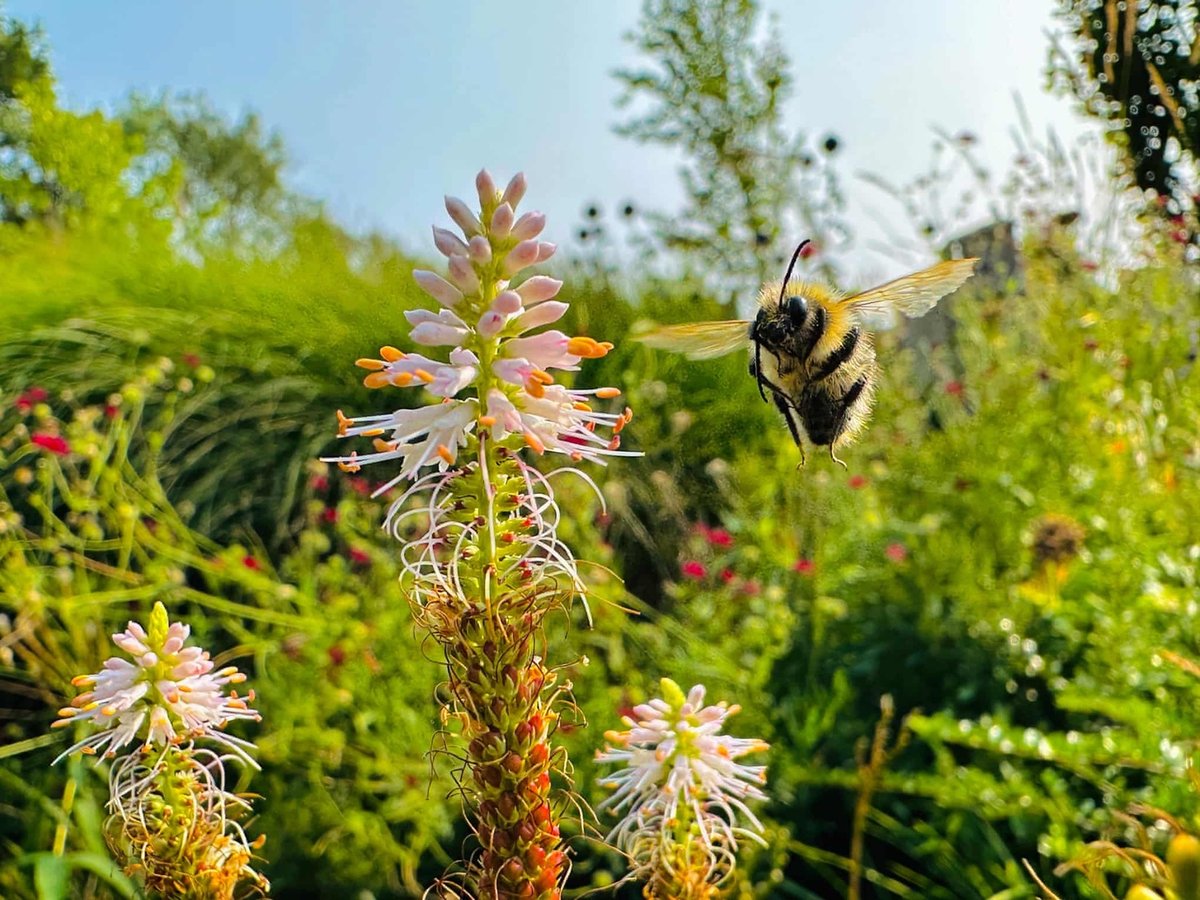
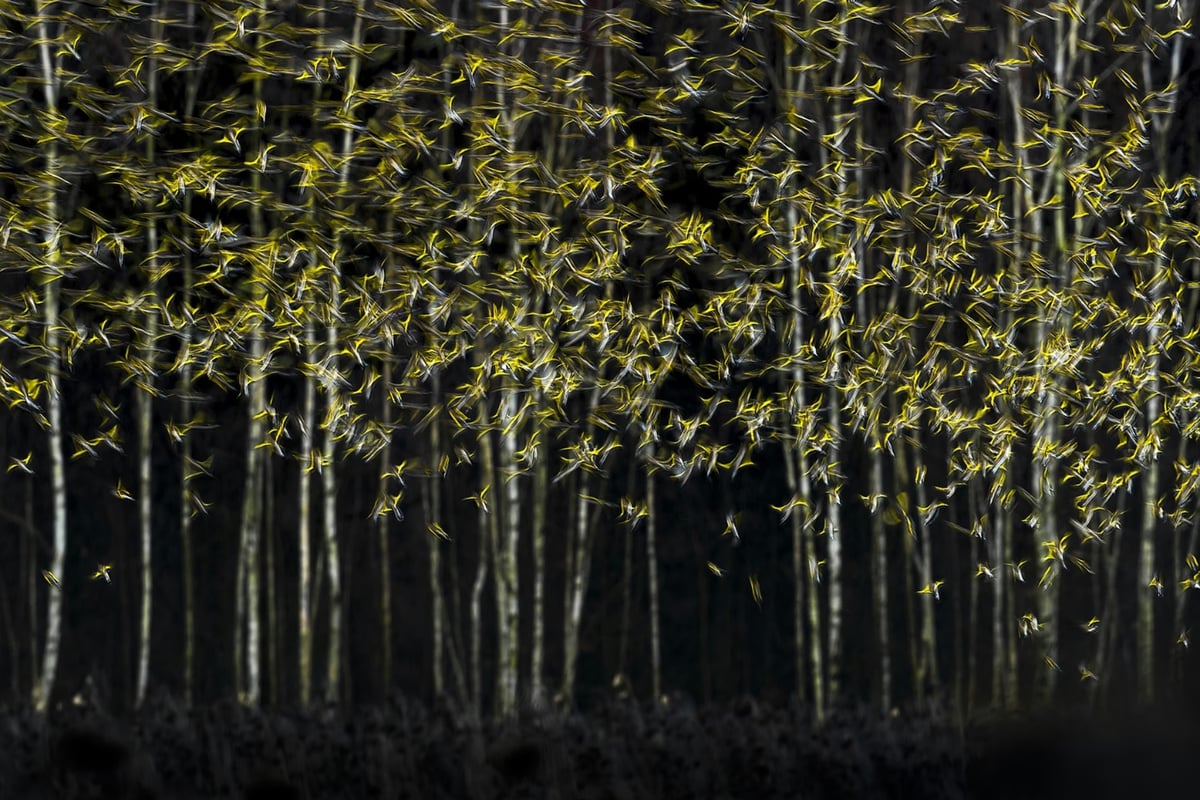
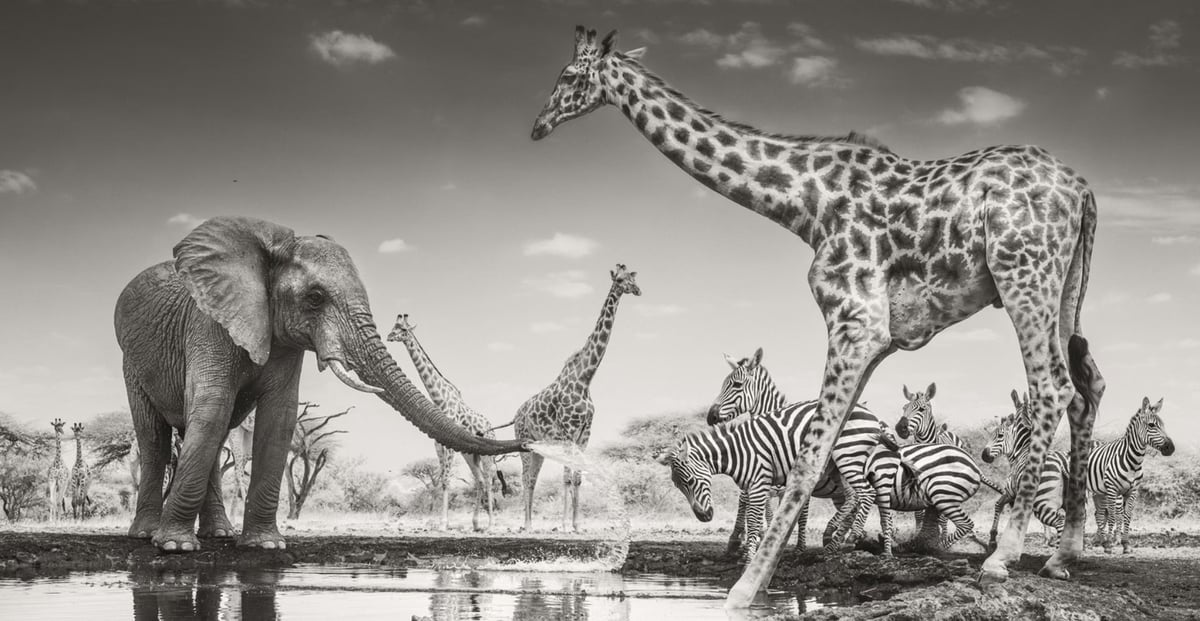

London’s Natural History Museum has announced the winners of the 2026 Wildlife Photographer of the Year, a competition that has been going since 1965. You can see a gallery of all the winners on the competition website (and also places like The Guardian and The Atlantic.)
Photos above by Kutub Uddin, Amelie Davis, Michał Michalski, James Lewin, and Alexis Tinker-Tsavalas.
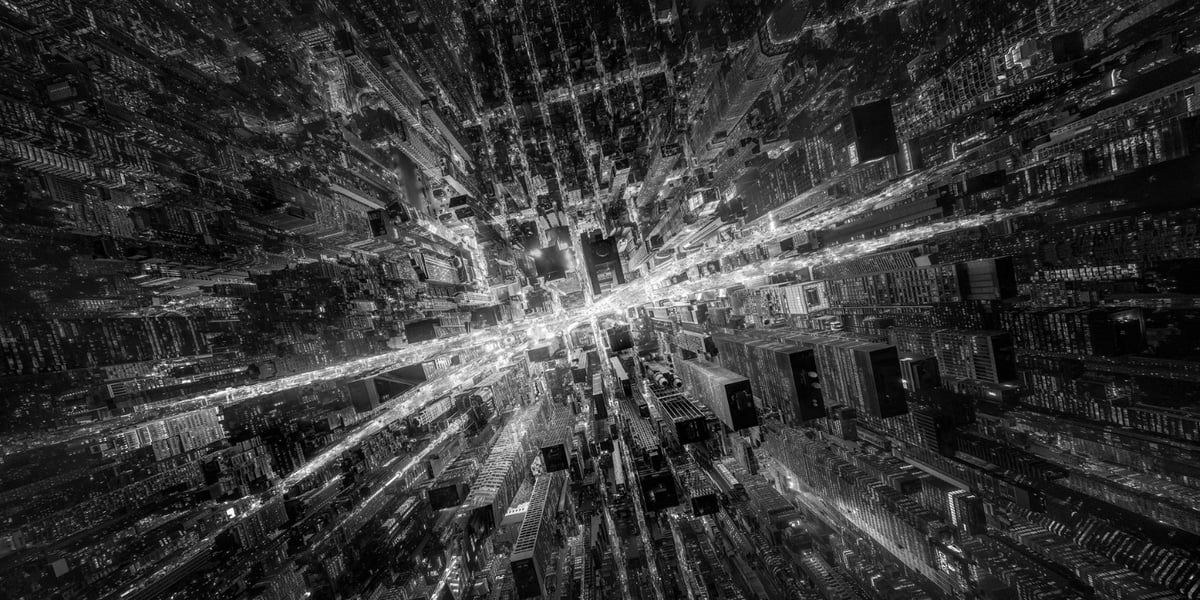
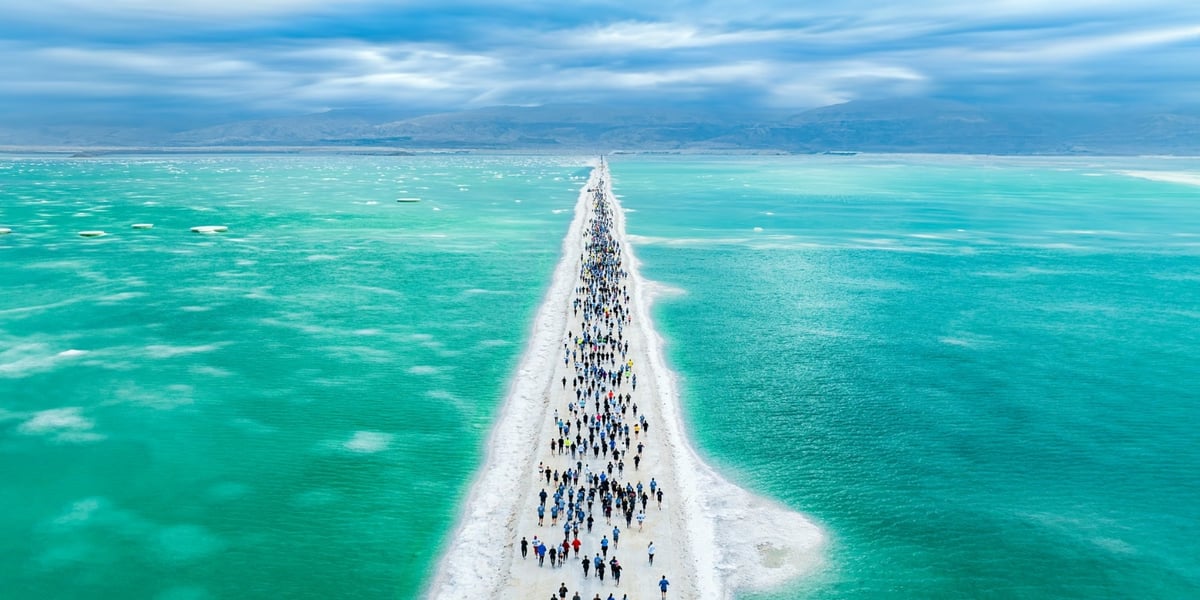
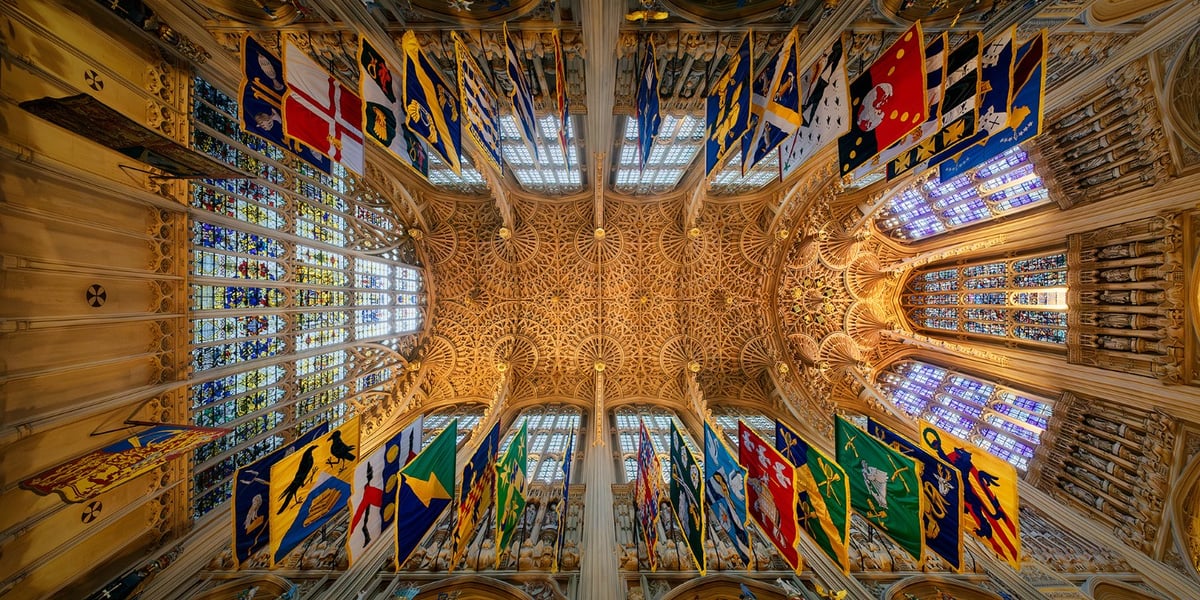
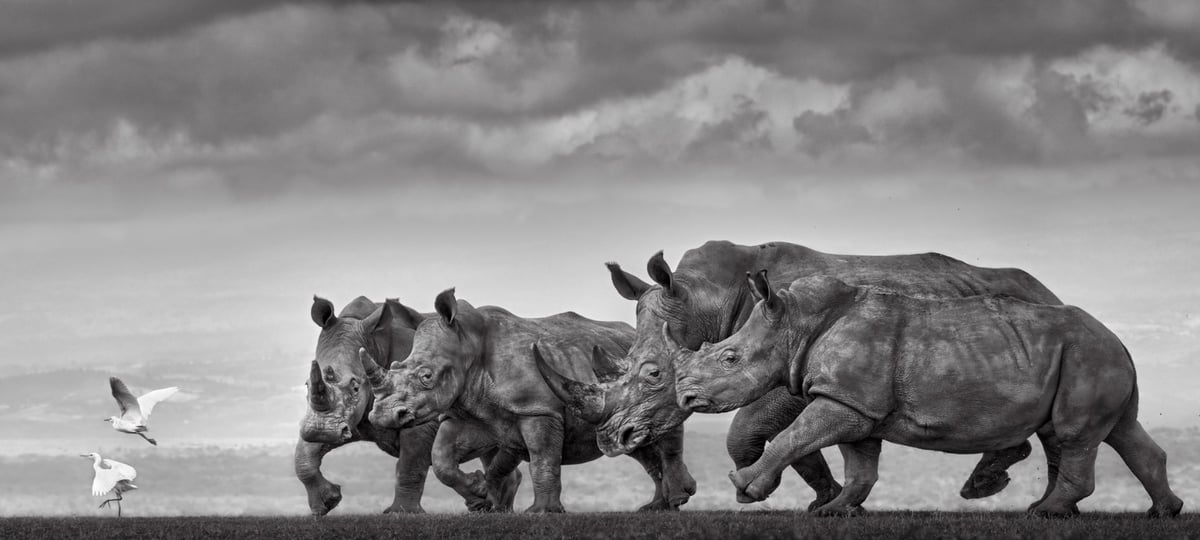
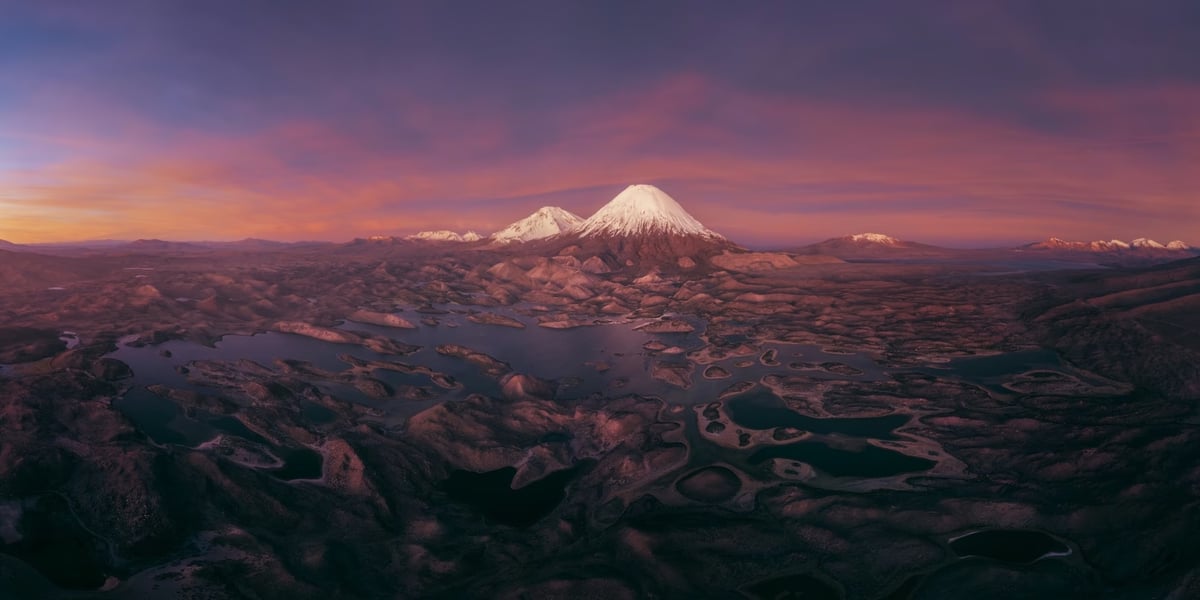
The winners of the 2026 Epson International Pano awards were announced recently, featuring some of the best panoramic photography in the world. Alan Taylor at the Atlantic shared some of his favorites and I shared some of mine above. Starting at the top, photos by Xuecheng Liu, Shimon Perlstein, Tomás Sánchez Ruiz, Preeti & Prashant Chacko, and Daniel Viñé Garcia.
P.S. In case you were wondering about the aspect ratio of panoramic images: according to the submission rules, the image’s longest side needs to be at least twice the length as the shortest side.
Here are some photos I’ve taken during my time in Tokyo so far. I’ve been posting new stuff more or less daily to Instagram. Somehow I’m already about halfway through my stay.
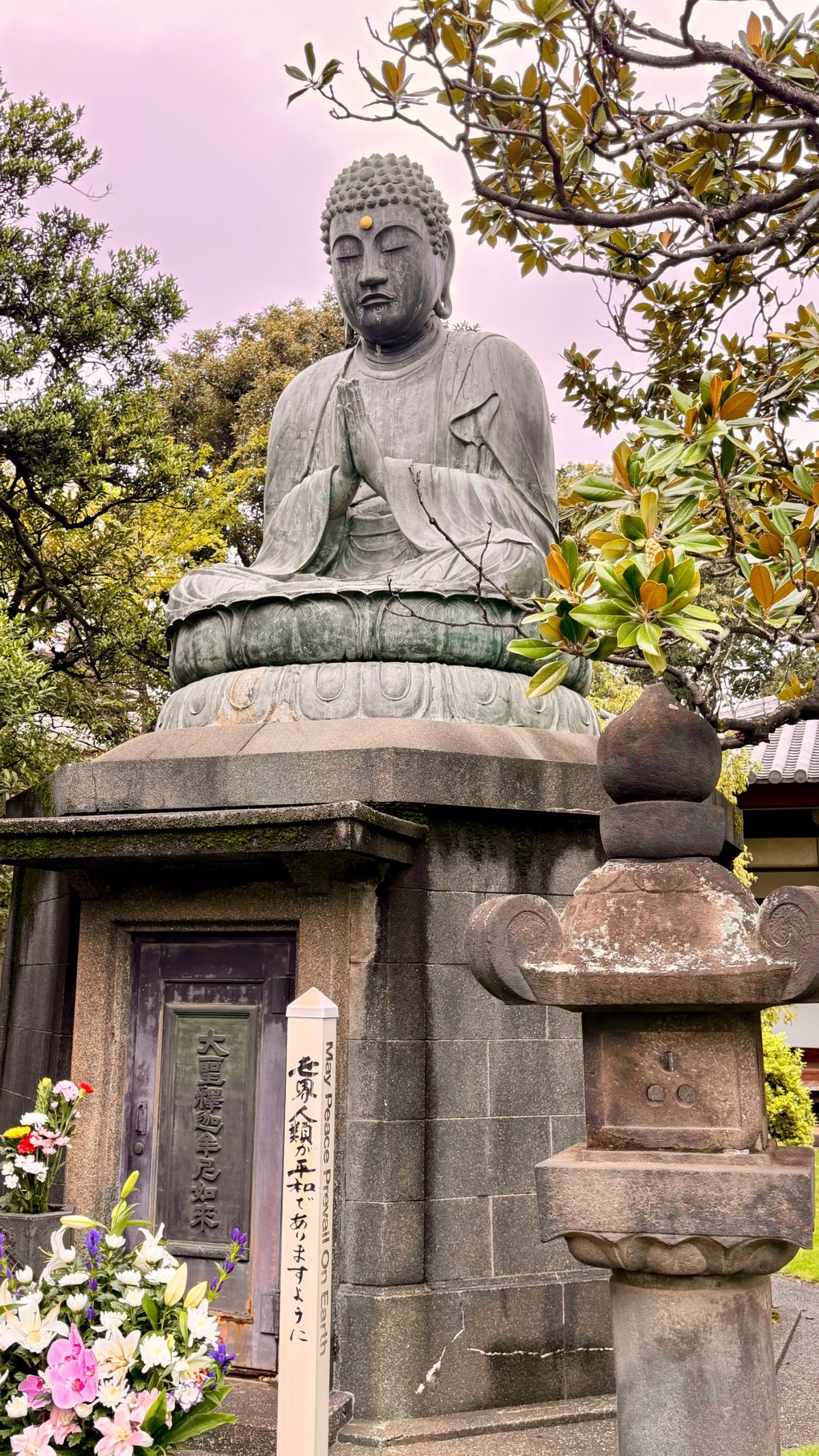

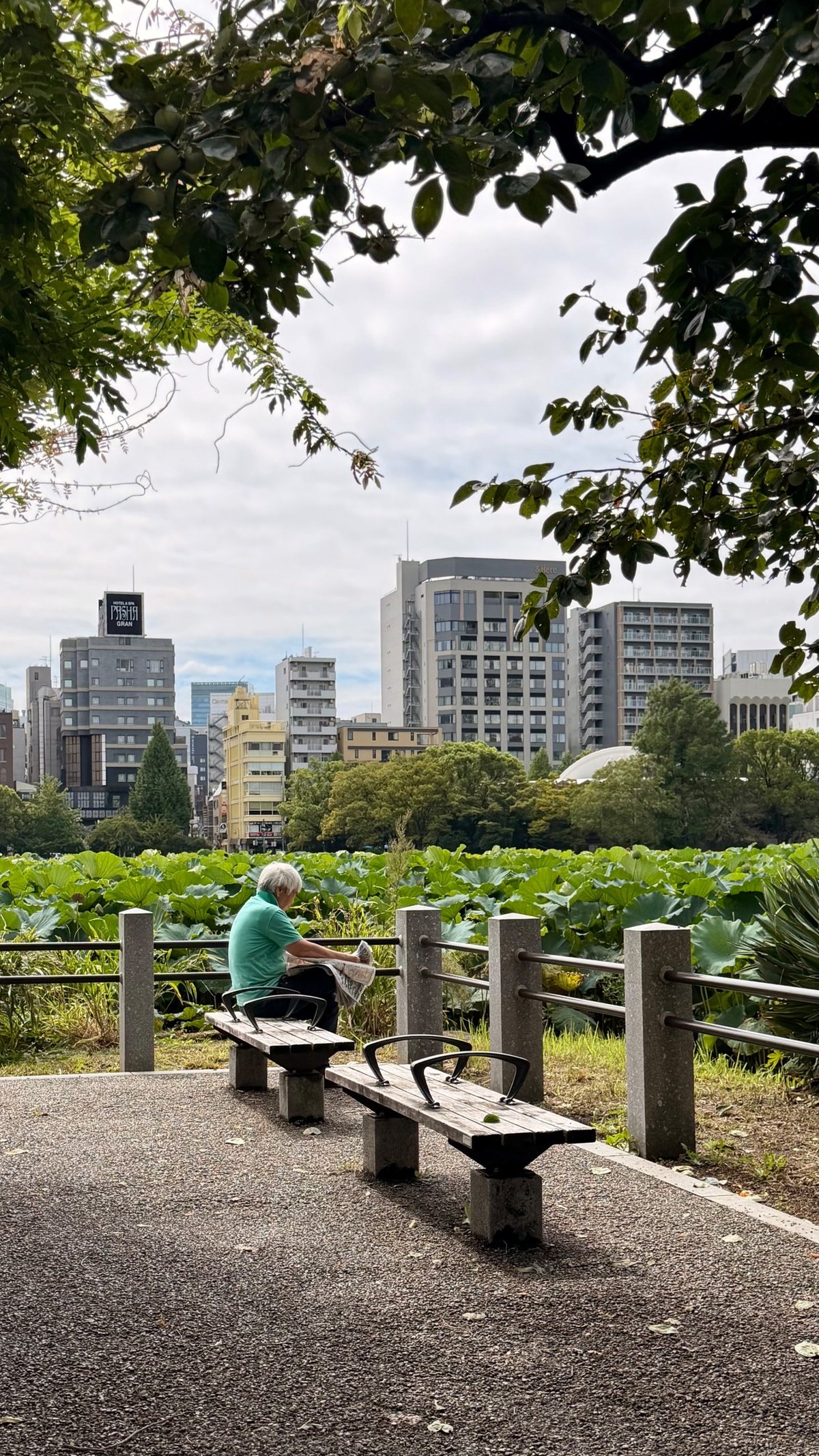
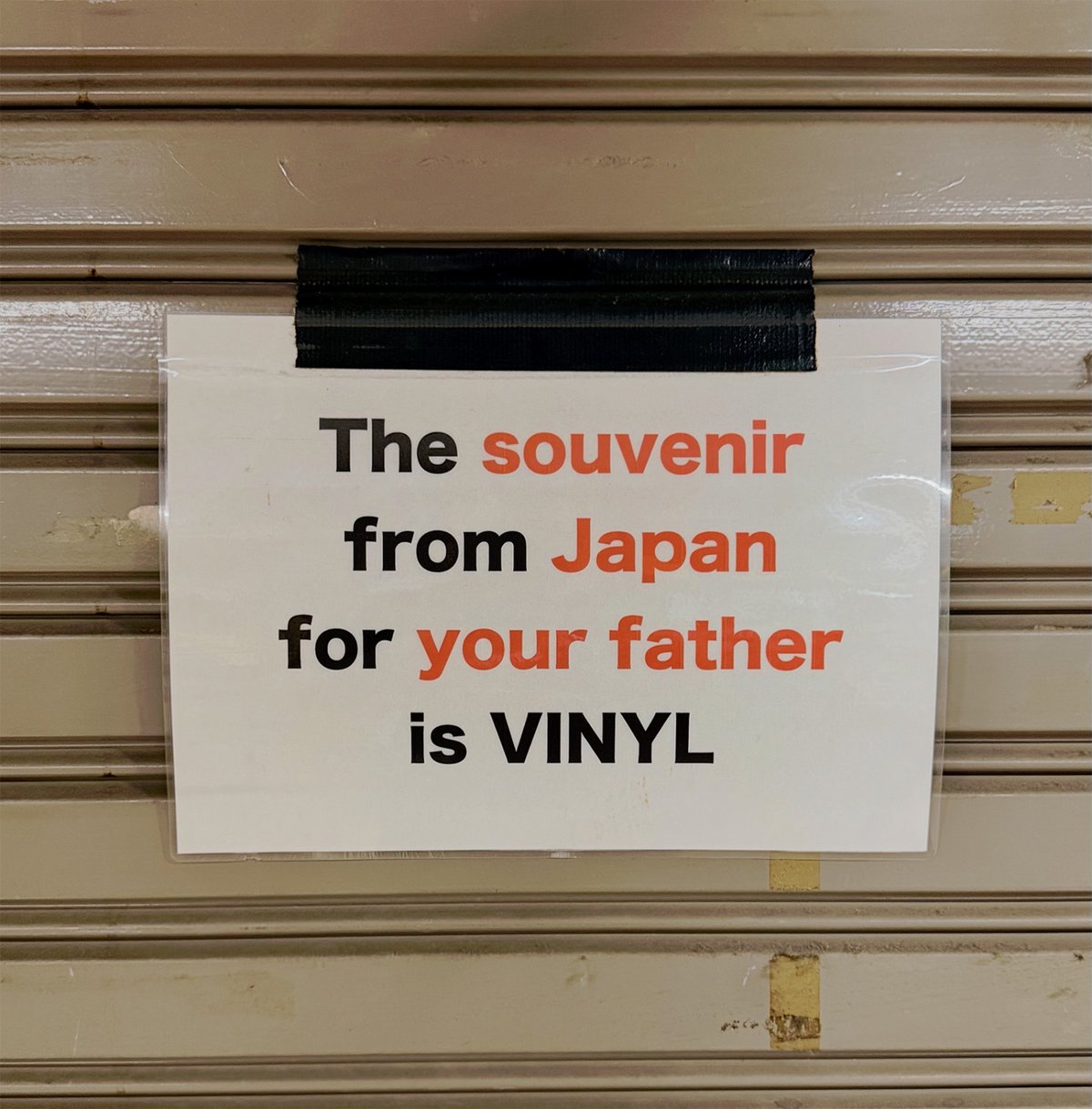
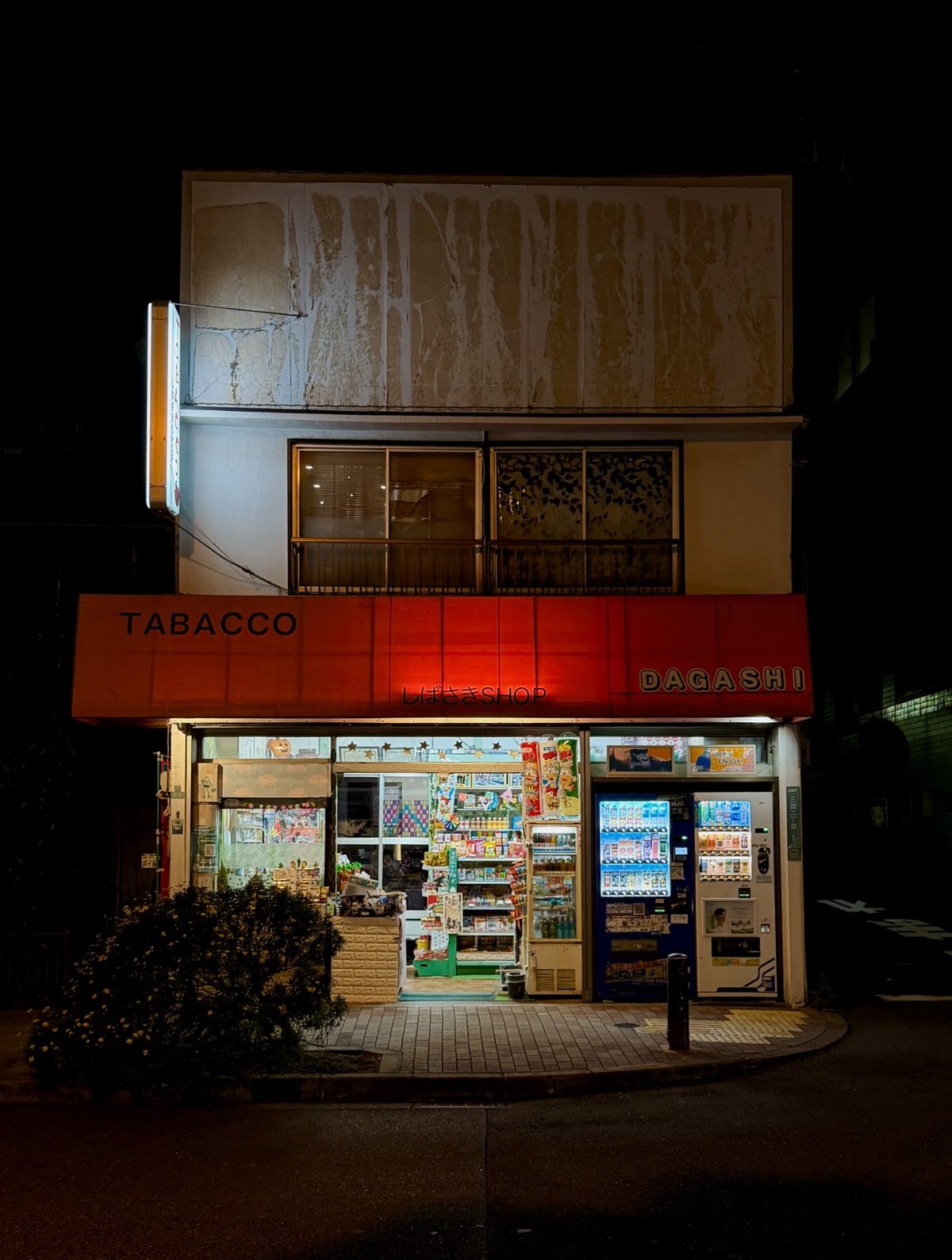
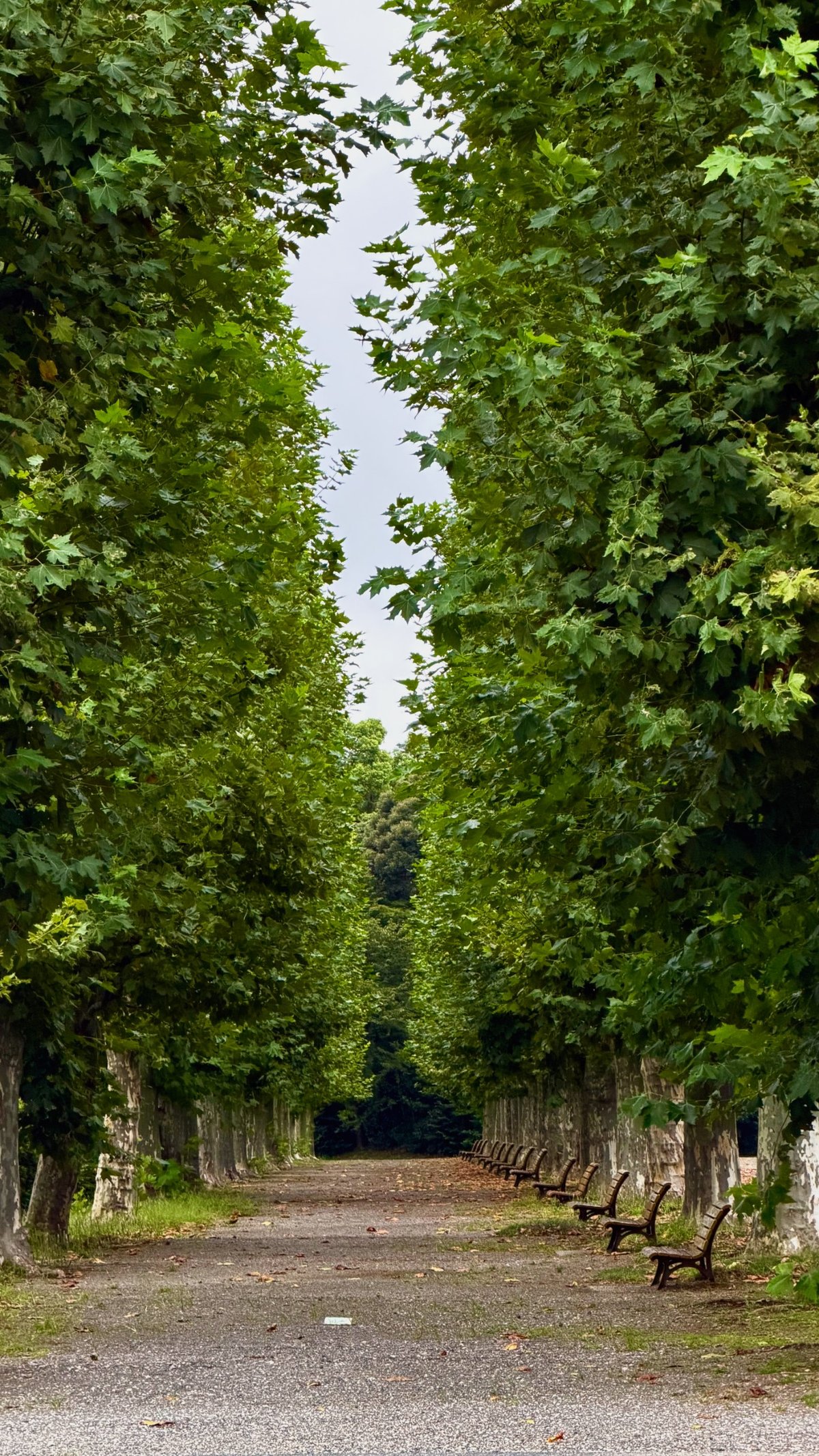
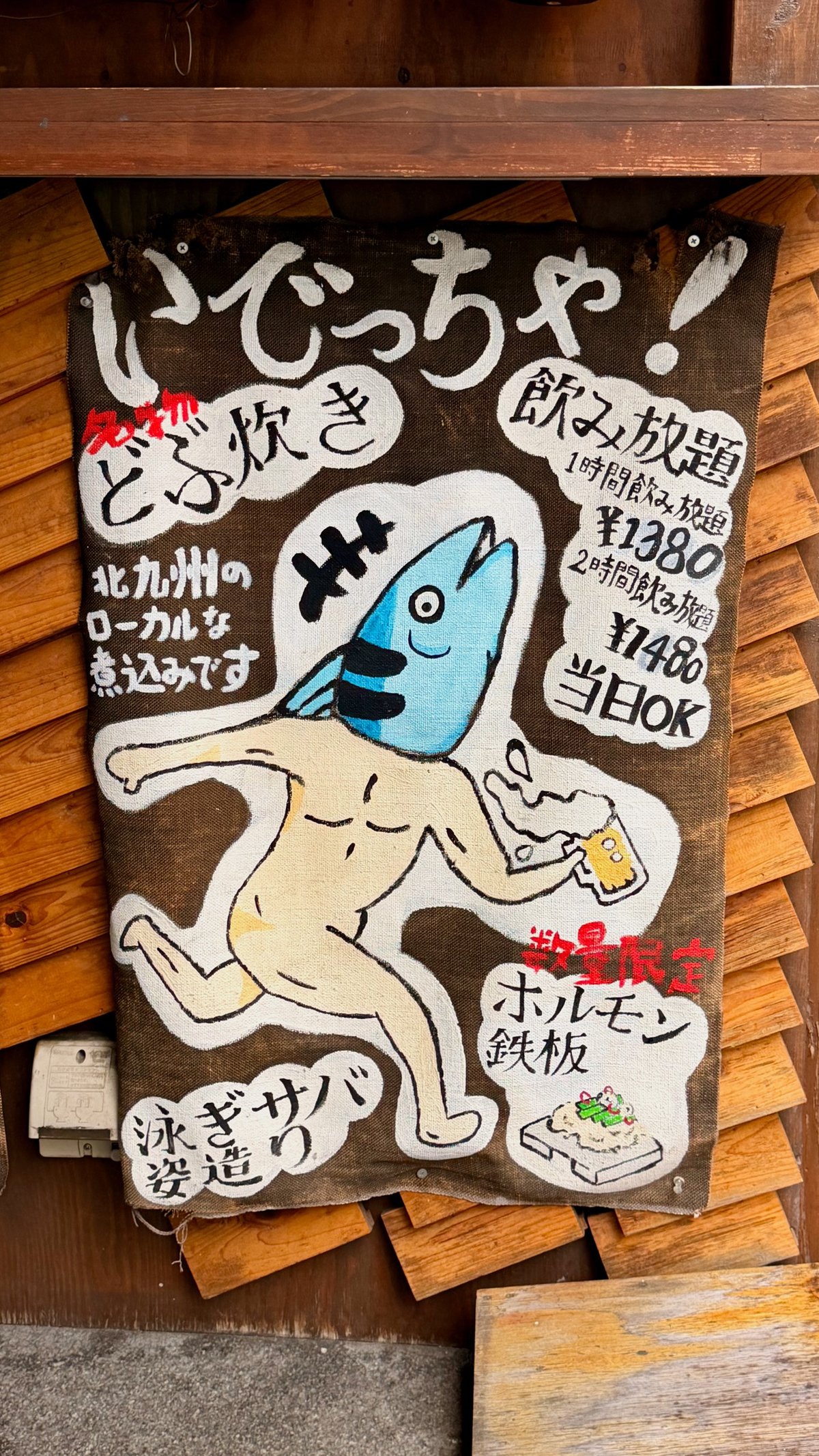
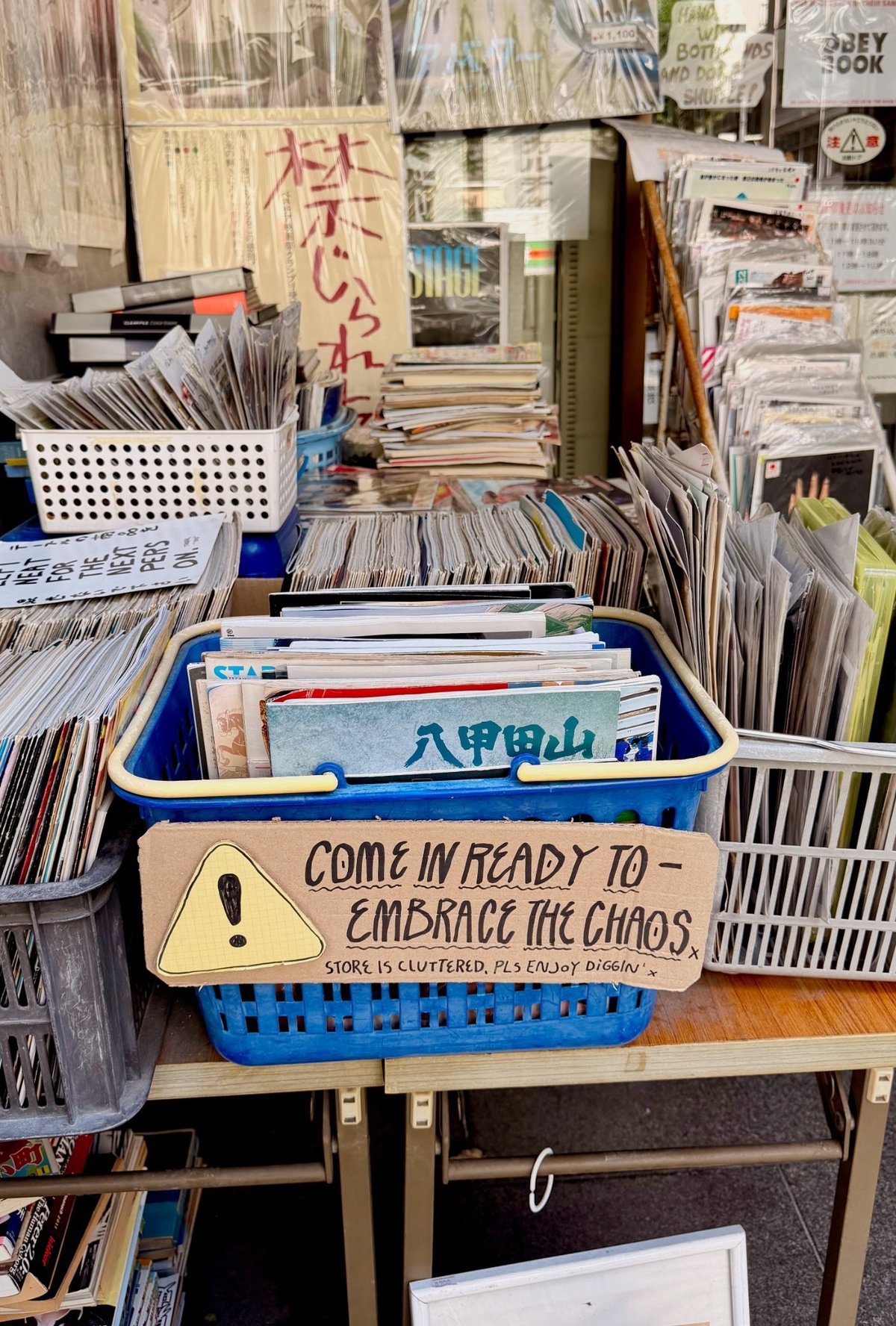
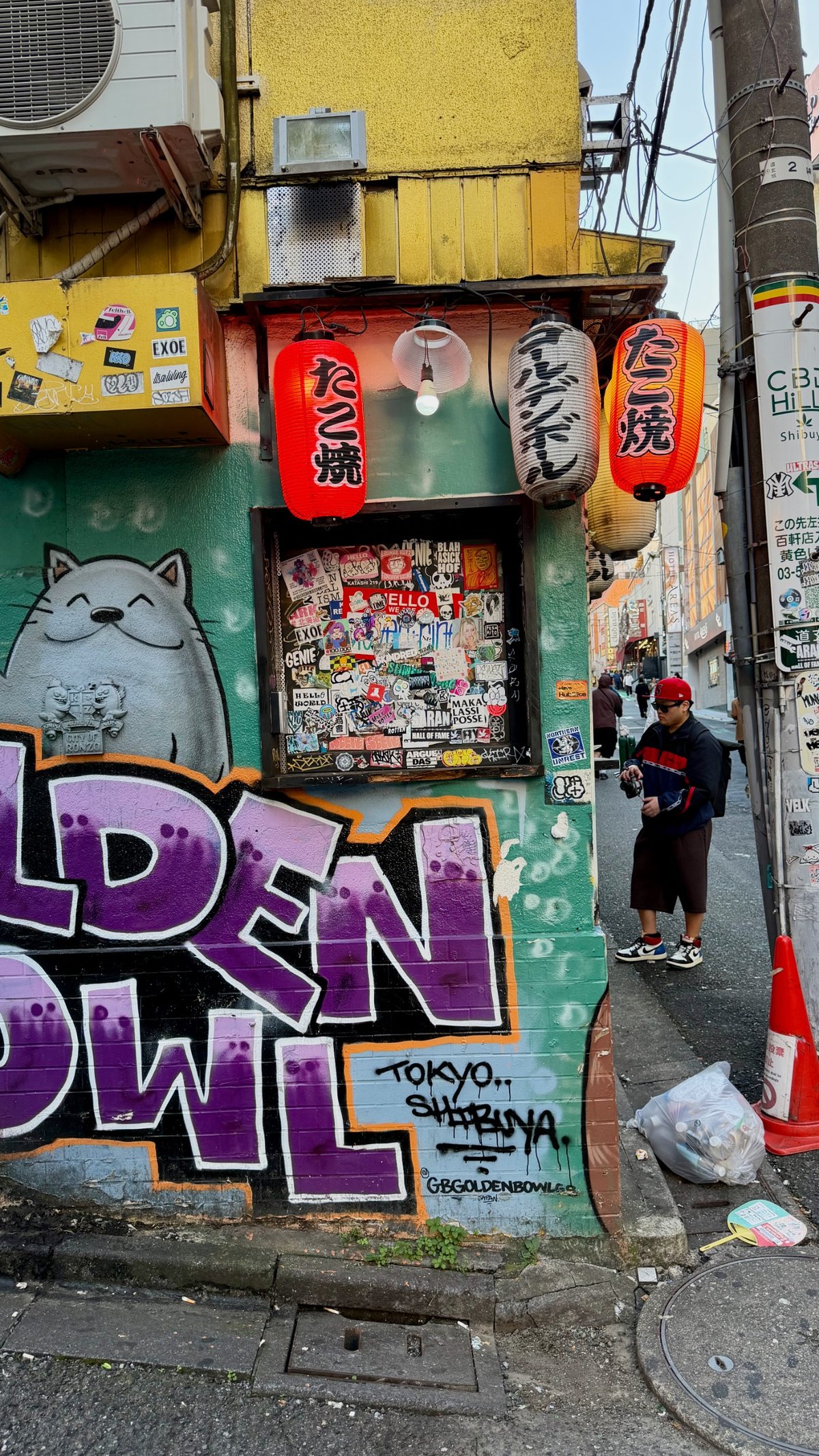
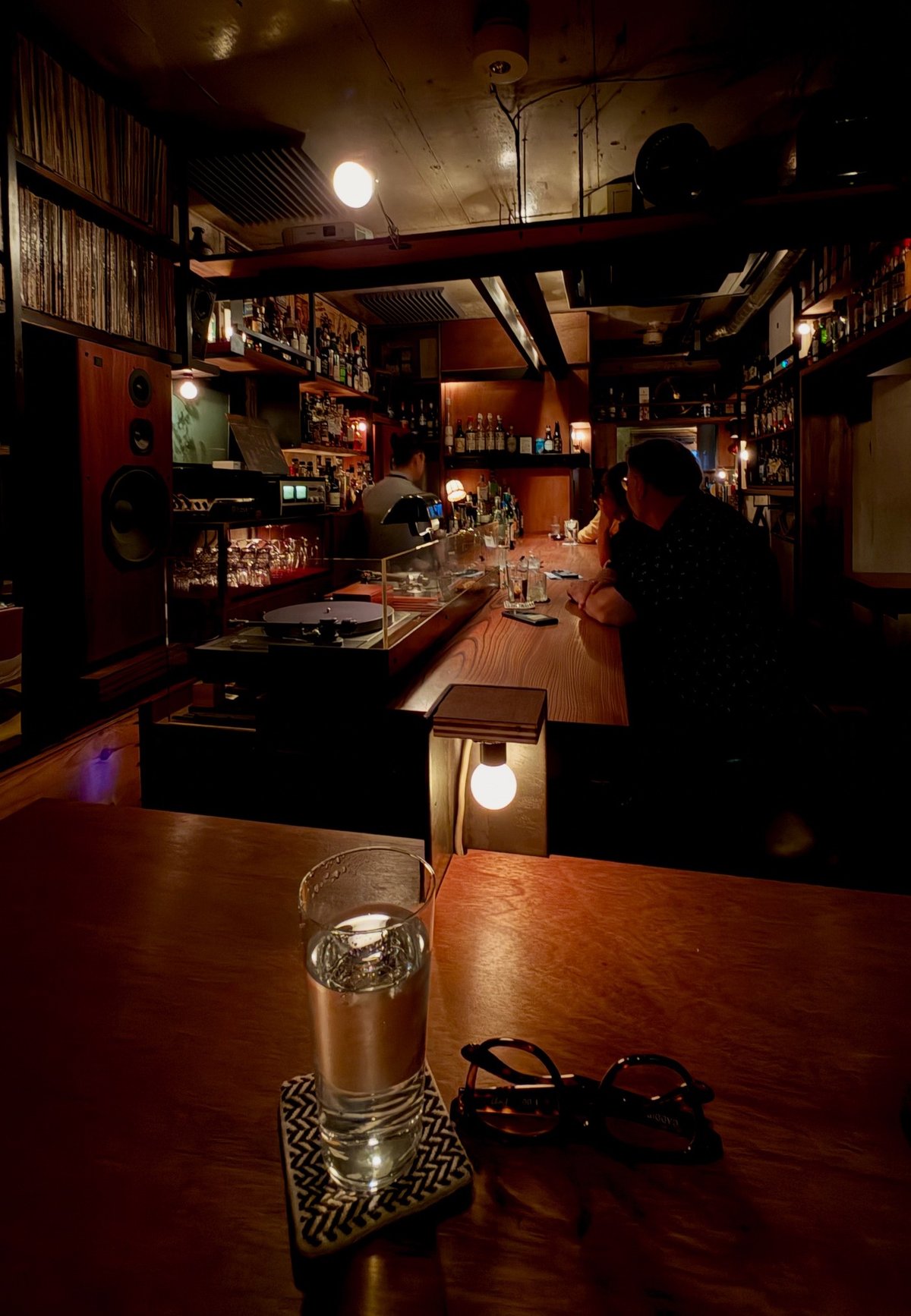
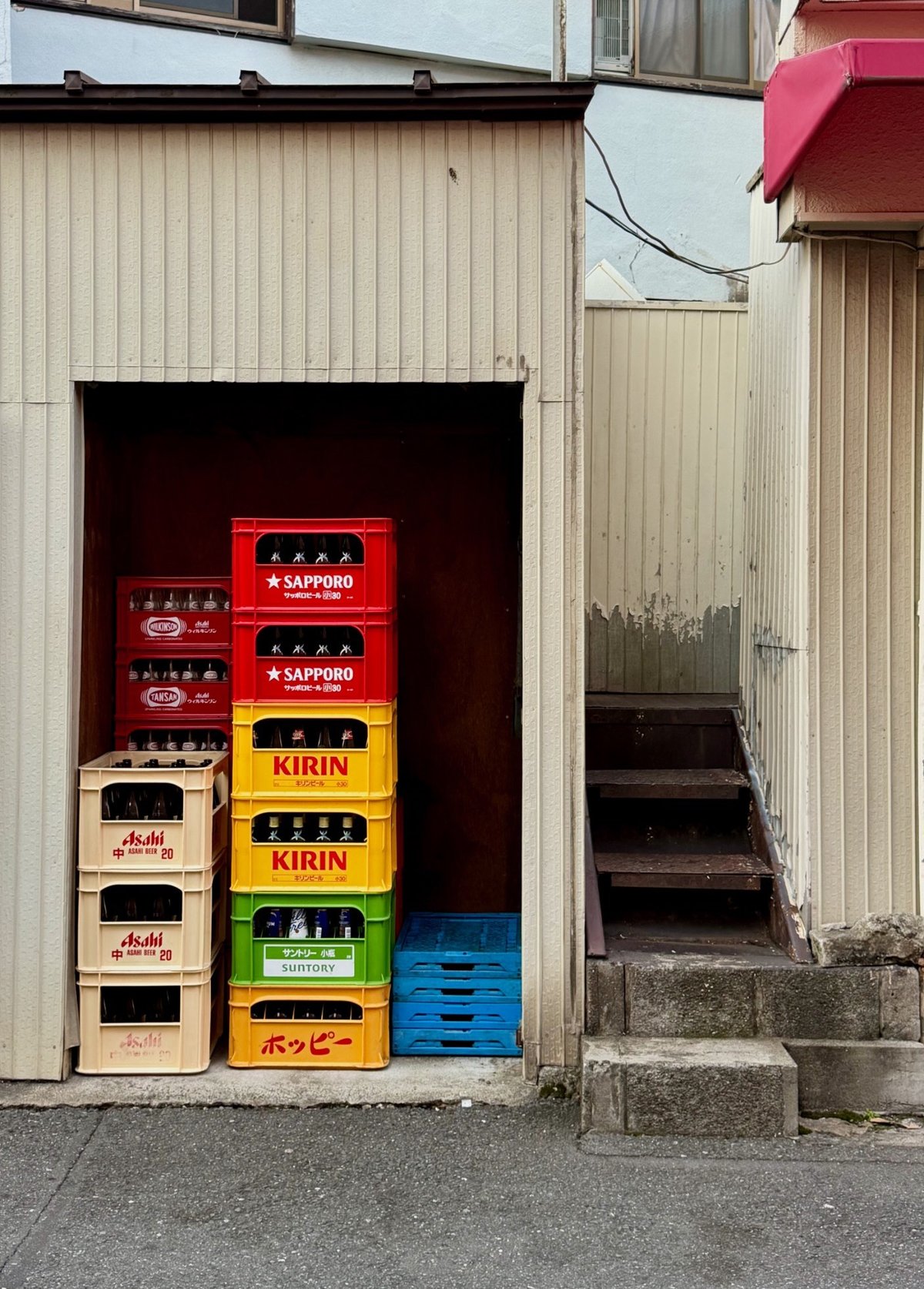
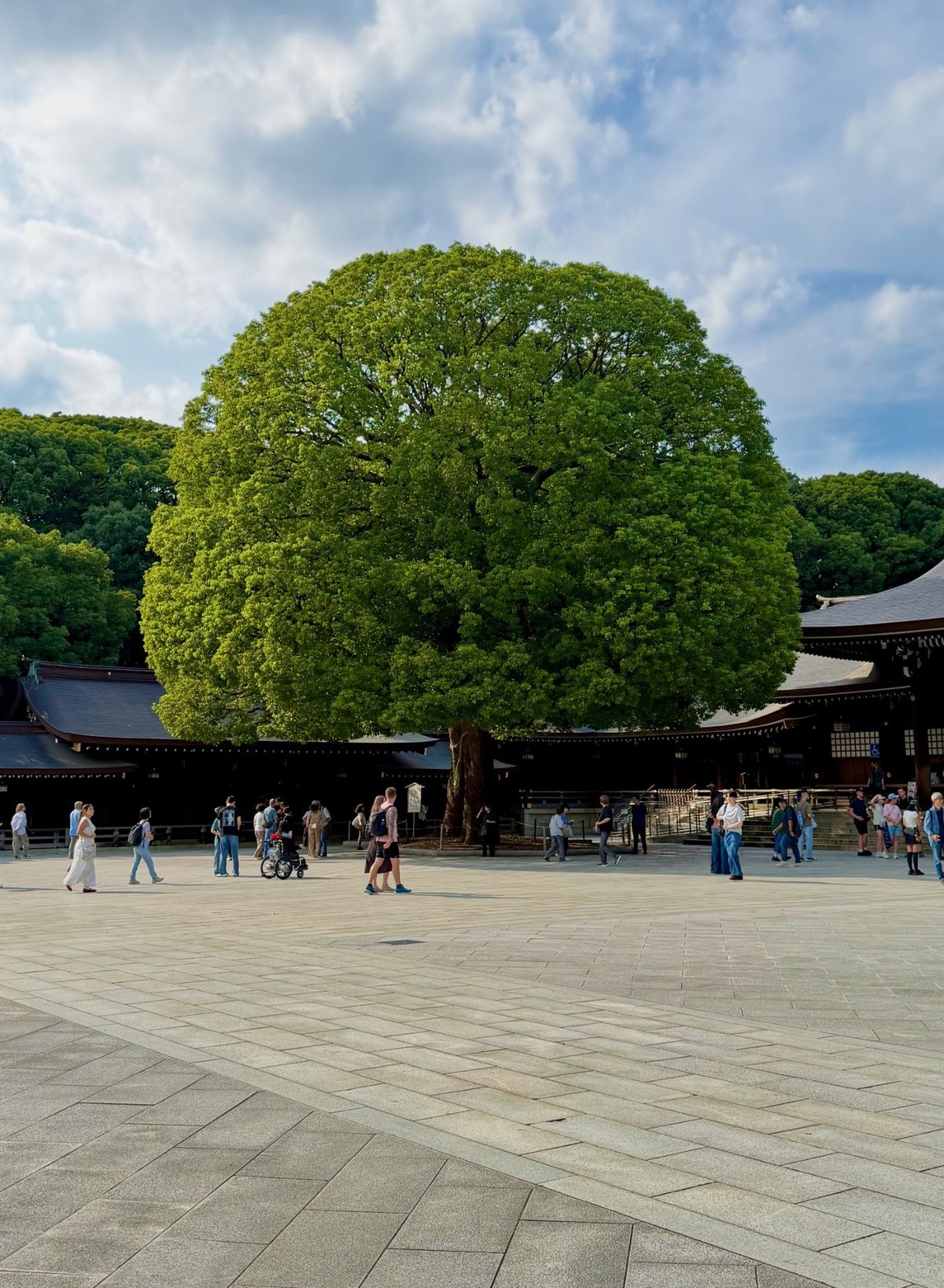
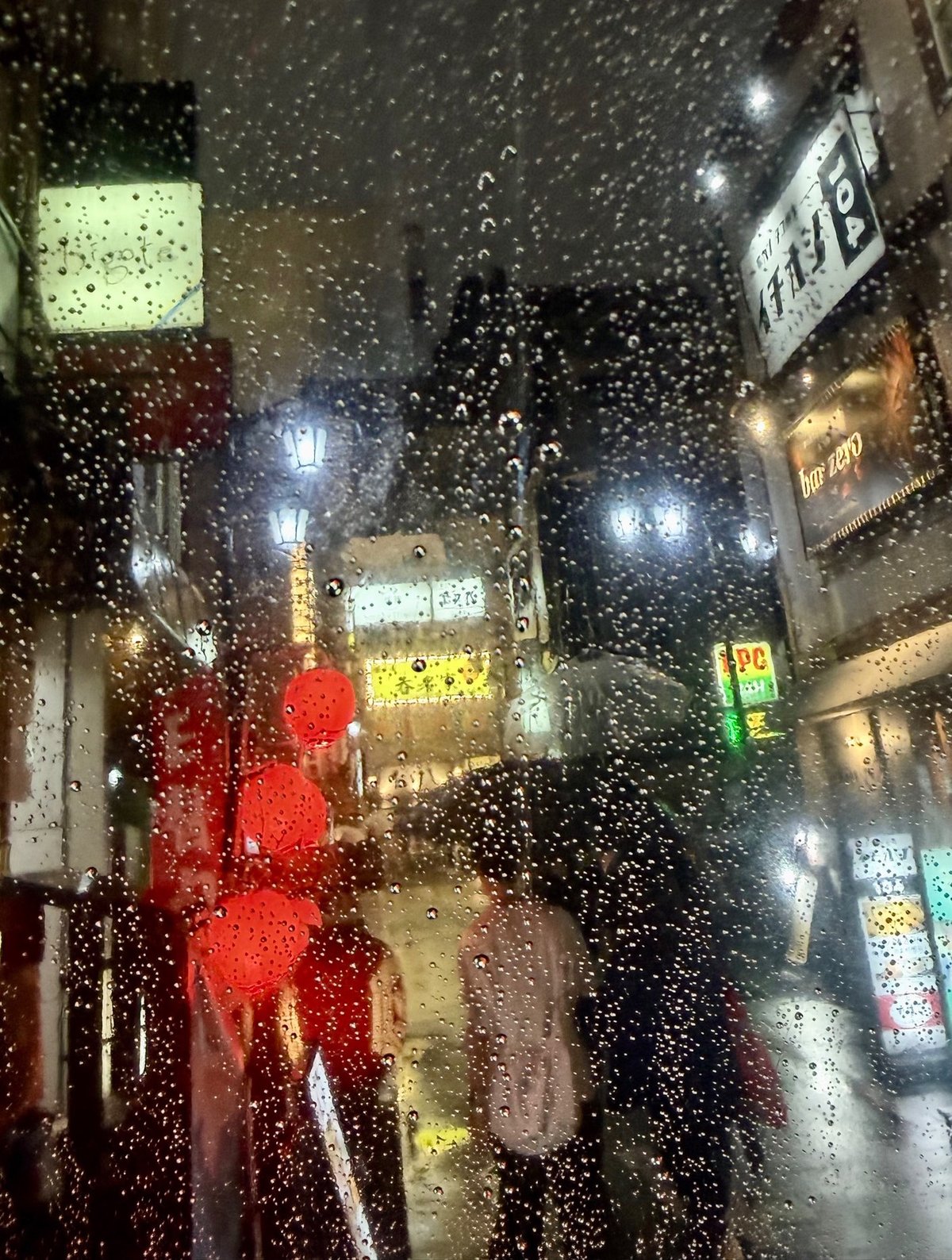
Somehow these images both capture and don’t even come close to capturing my experience here. That kinda place, I guess.
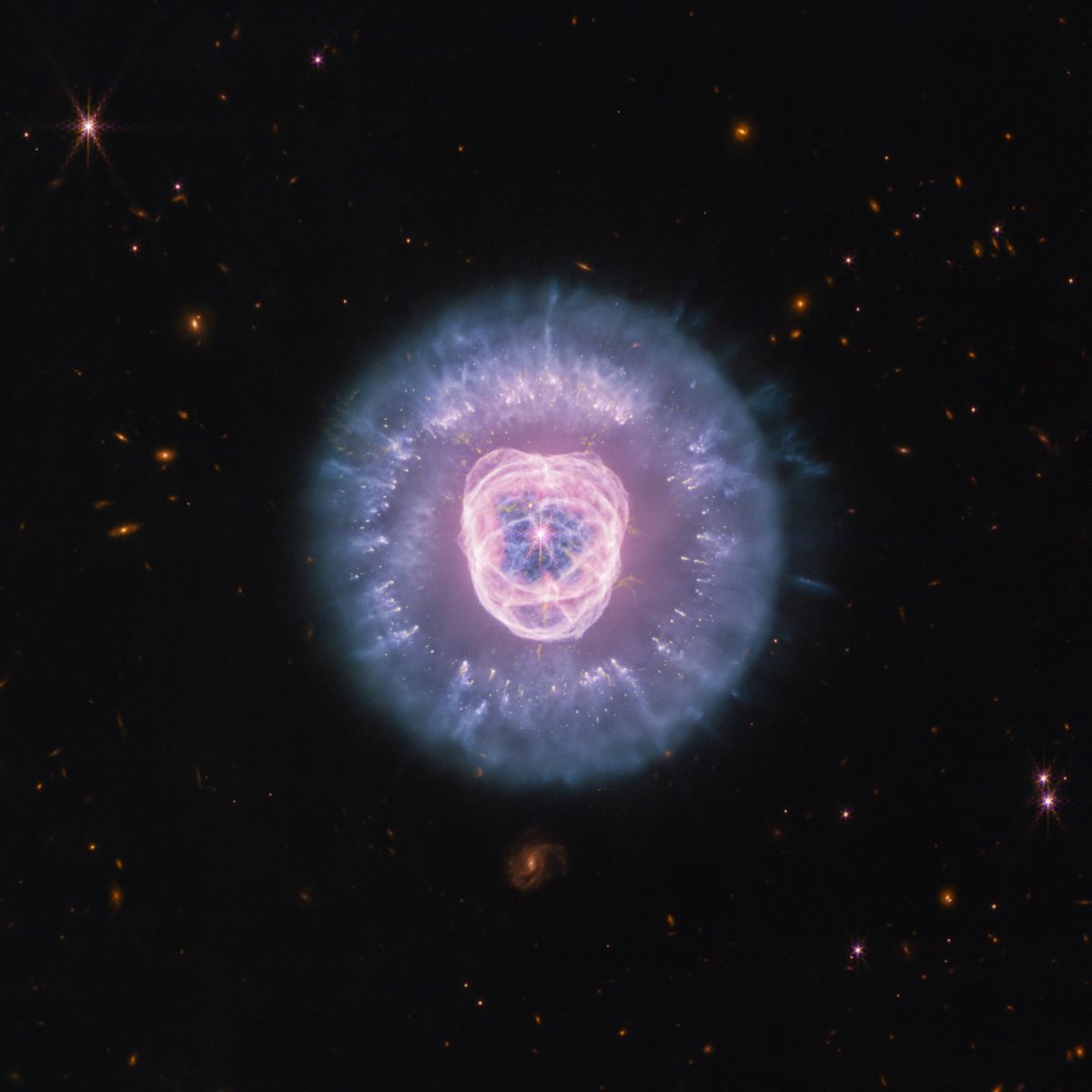
NASA’s JWST recently snapped this image of the Lion Nebula (NGC 2392).
Massive stars undergo supernova explosions at the end of their lives, but these kinds of events are few and far in between. Most of the universe’s stars have lower masses, like the one belonging to NGC 2392. When a lower-mass star can no longer sustain itself with nuclear reactions in its core, the star becomes unstable and pulsates, losing its mass by shedding its outer layers, which then turn into shells of gas and dust called a planetary nebula. (Stars at this life stage are responsible for producing much of the universe’s observable dust.) The star’s radiation drives the ejected material away, leaving behind the very hot stellar core, also known as a white dwarf.
In the Lion Nebula’s case, the death of the oxygen-rich central star has left behind a white dwarf that is “cooking” everything from the inside and producing a bubble of ionized gas as it does. The gas bubble, which forms the lion’s face, is expanding over time and destroying dust that is in its path. Understanding why the swept-up gas has a complex structure of rings and shells, a common feature in planetary nebulae, is an ongoing endeavor.
The mane of the lion is the interior of a dust shell that is being illuminated by the white dwarf at the center. The tufts of hair, which look like cometary tails of material, are compact clumps of dust that have survived the stellar core’s radiation and protect the material that lies behind them.
Webb’s imagery “freezes” this planetary nebula in time, though the star’s death, and its tumultuous effects, go on. NGC 2392 will continue to undergo changes as its gas and dust migrate away from the stellar core. Astronomers estimate the lion will eventually disperse in approximately 10,000 years — a relatively short period in astronomical terms.
The Hubble imaged the nebula in 2000 in visible light, but the JWST’s infrared cameras are higher resolution and better at capturing the gas and dust details.
Discovered by William Herschel in 1787 and “visible with a small telescope”, the nebula was called the Eskimo Nebula until recently — NASA discontinued using that name in 2020 because “certain cosmic nicknames are not only insensitive, but can be actively harmful”. (via robin sloan)
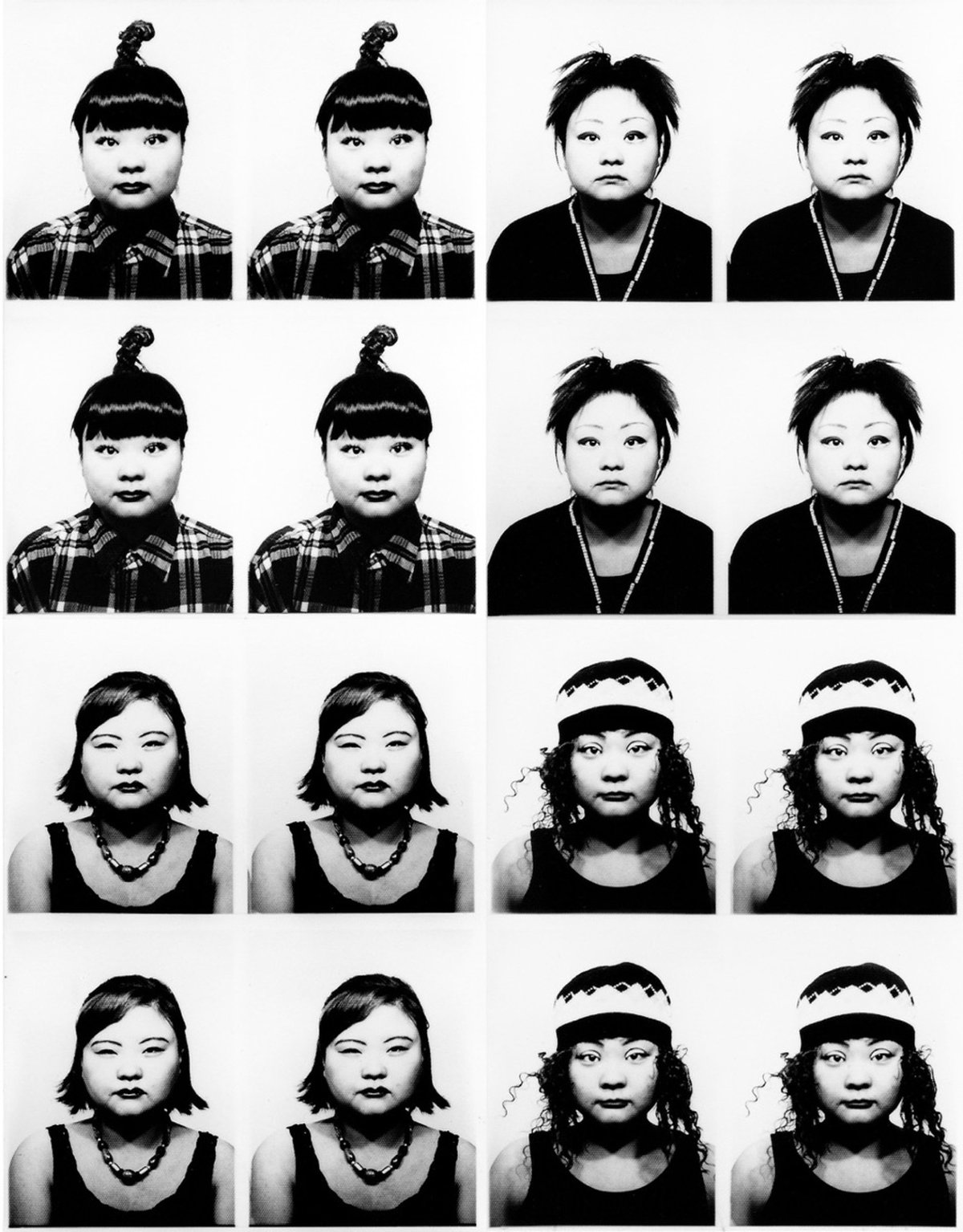
Japanese photographer and artist Tomoko Sawada works primarily in self-portraiture. For her first project, she visited ID photo booths to take hundreds of photos of herself, dressed, posed, and presented differently. Eugenie Shin of Tokyo Weekender calls that 1998 project, ID 400, “a dizzying grid of strangers who are all actually the same woman”.
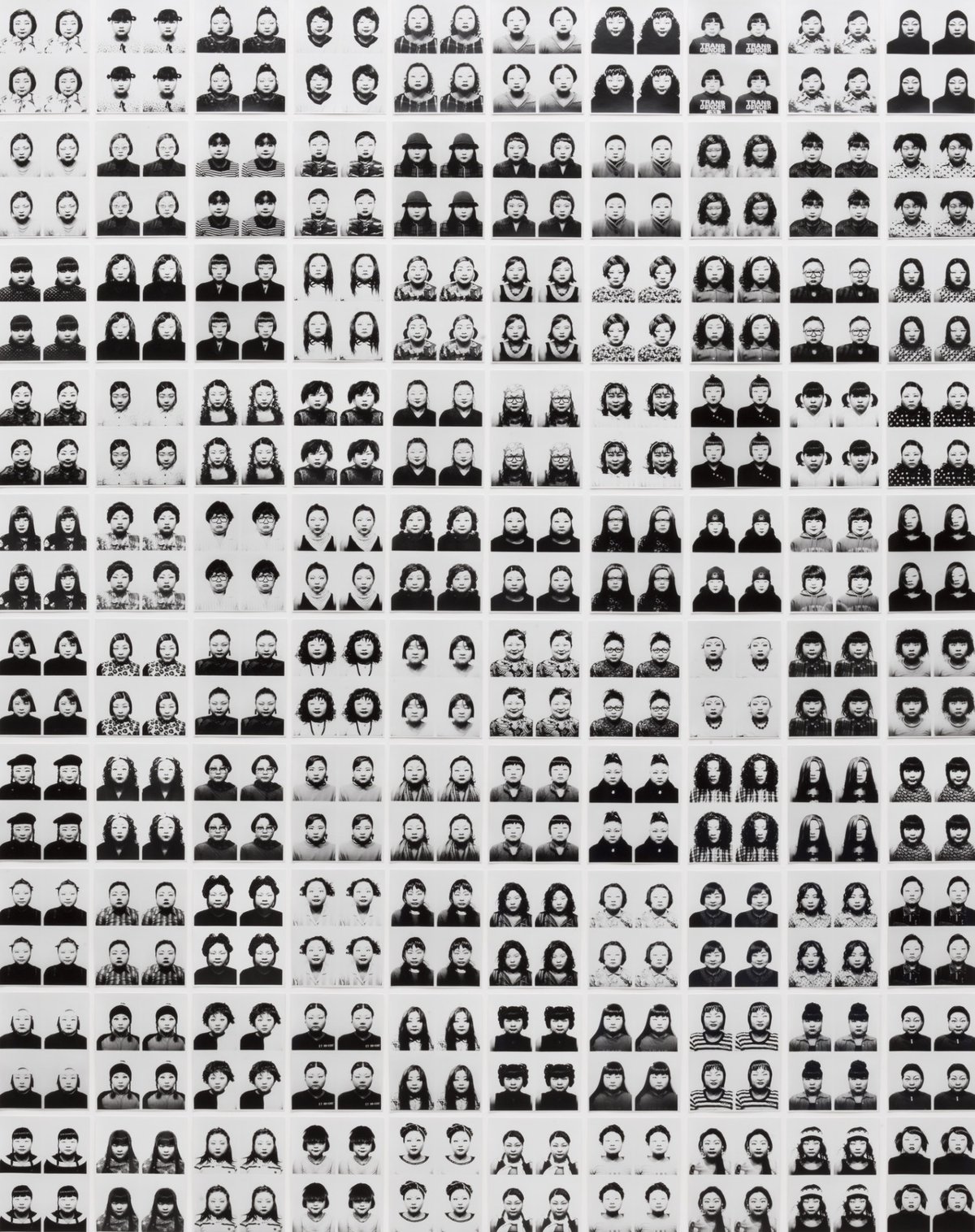
For subsequent projects, Sawada says she’s continued to “examine the relationship between outer appearance and inner self through different concepts”.
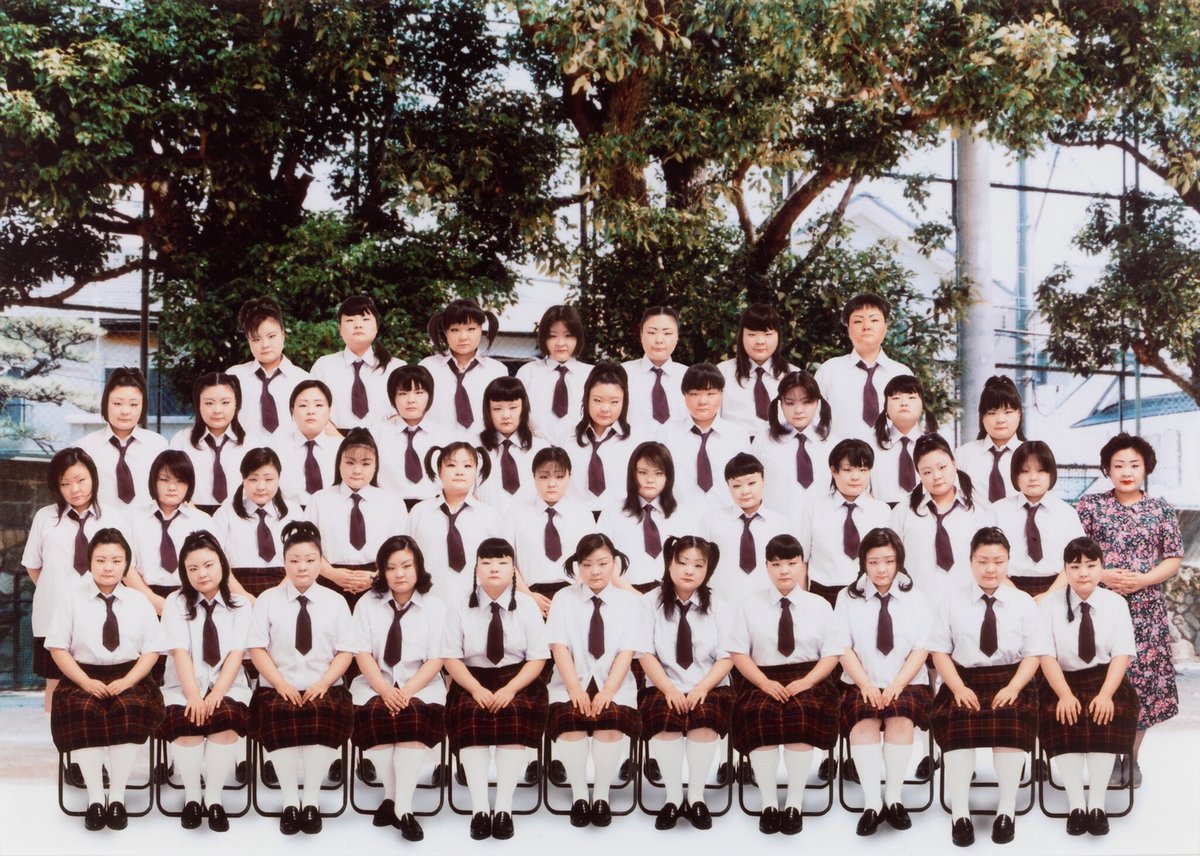
(via tokyo weekender)
Agustín Ferrando Trenchi became a little obsessed with the moon as a kid. As an adult, he’s taken tons of photos and hundreds of hours of footage of the moon. After seeing an airplane fly close to the moon while he filmed, Trenchi began a quest to capture a plane flying across the face of the moon.
Over the course of 10 years, he took photos and videos of birds and statues silhouetted by the moon, but planes eluded him.
I realized if I wanted to film this, I was going to have to try a different approach. It wasn’t just going to happen by accident. So in February of this year, taking advantage of being in London, I decided to go near one of the busiest airports in the world to maximize my odds as much as possible.
But while we were on our way, I had second thoughts. I felt like it took the fun out of it. It didn’t make sense to force it that much either. So we got off.
I’m not going to spoil the video, but the whole thing is just so lovely — a meditation on obsessions, journeys, and finding meaning in your life. (via virginia)
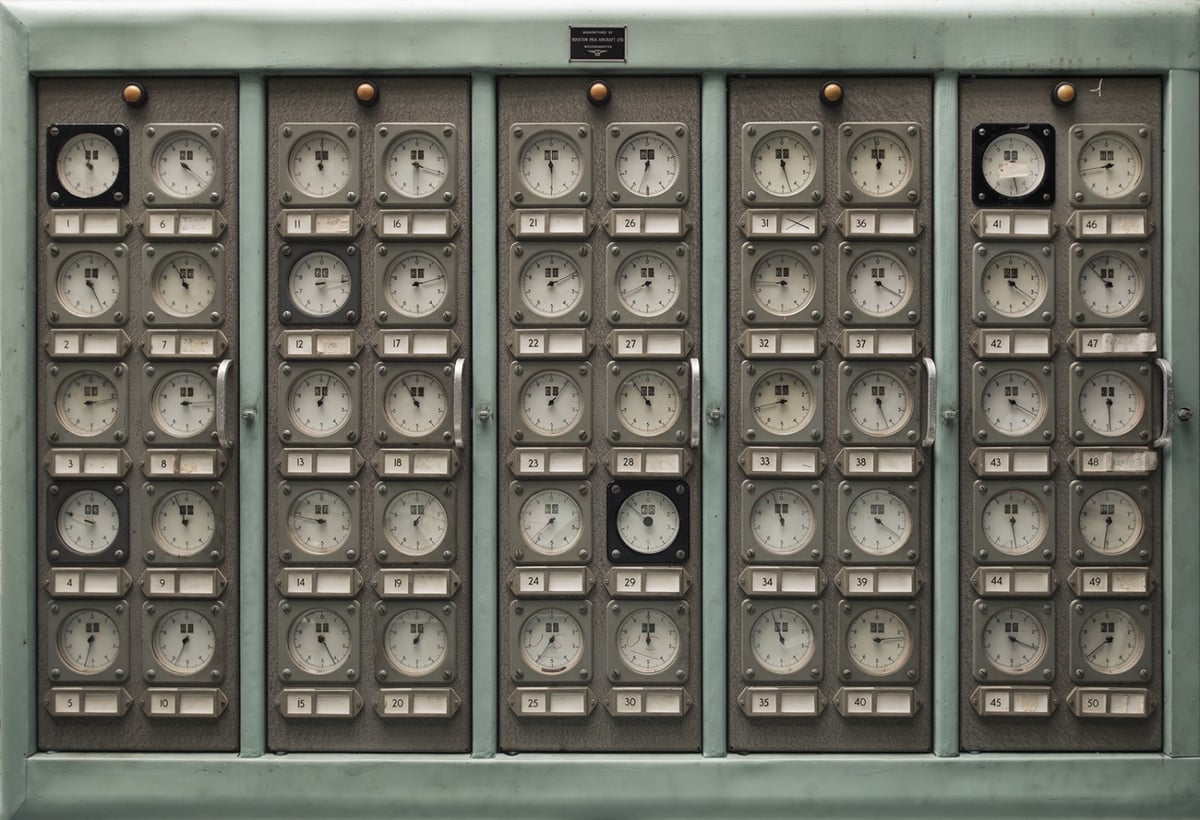
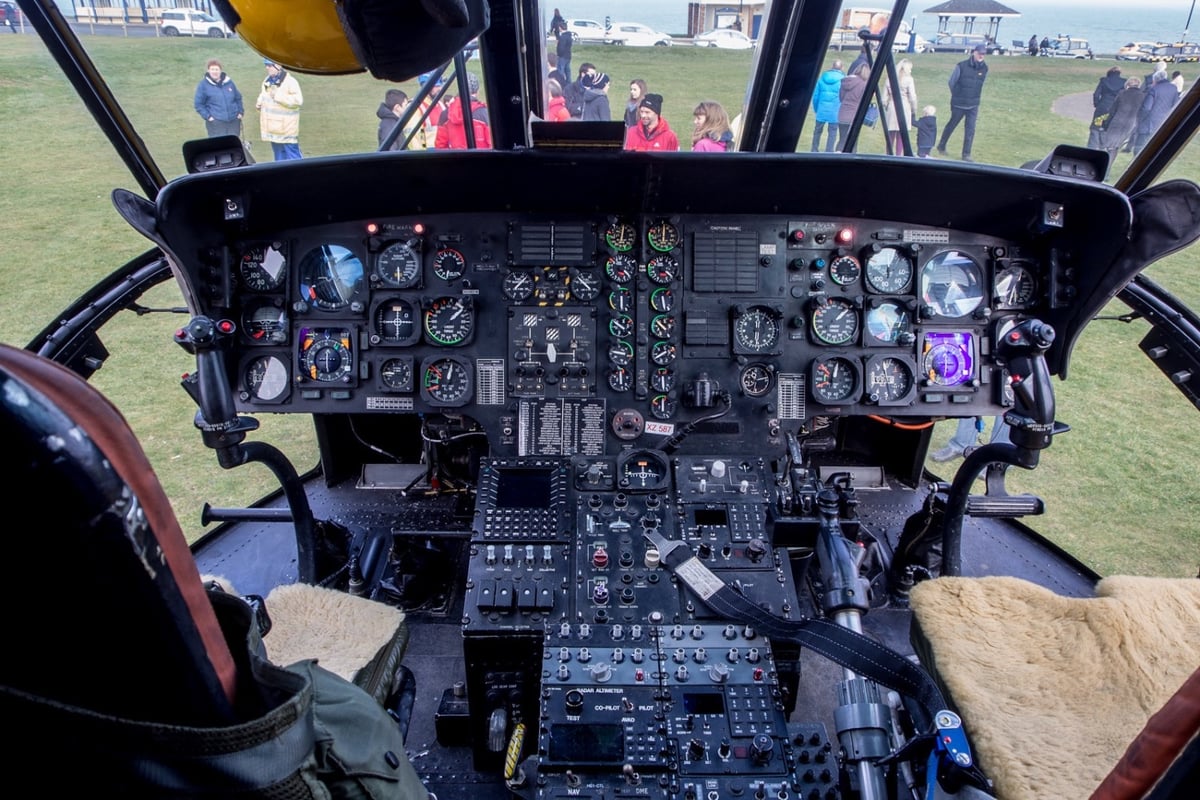
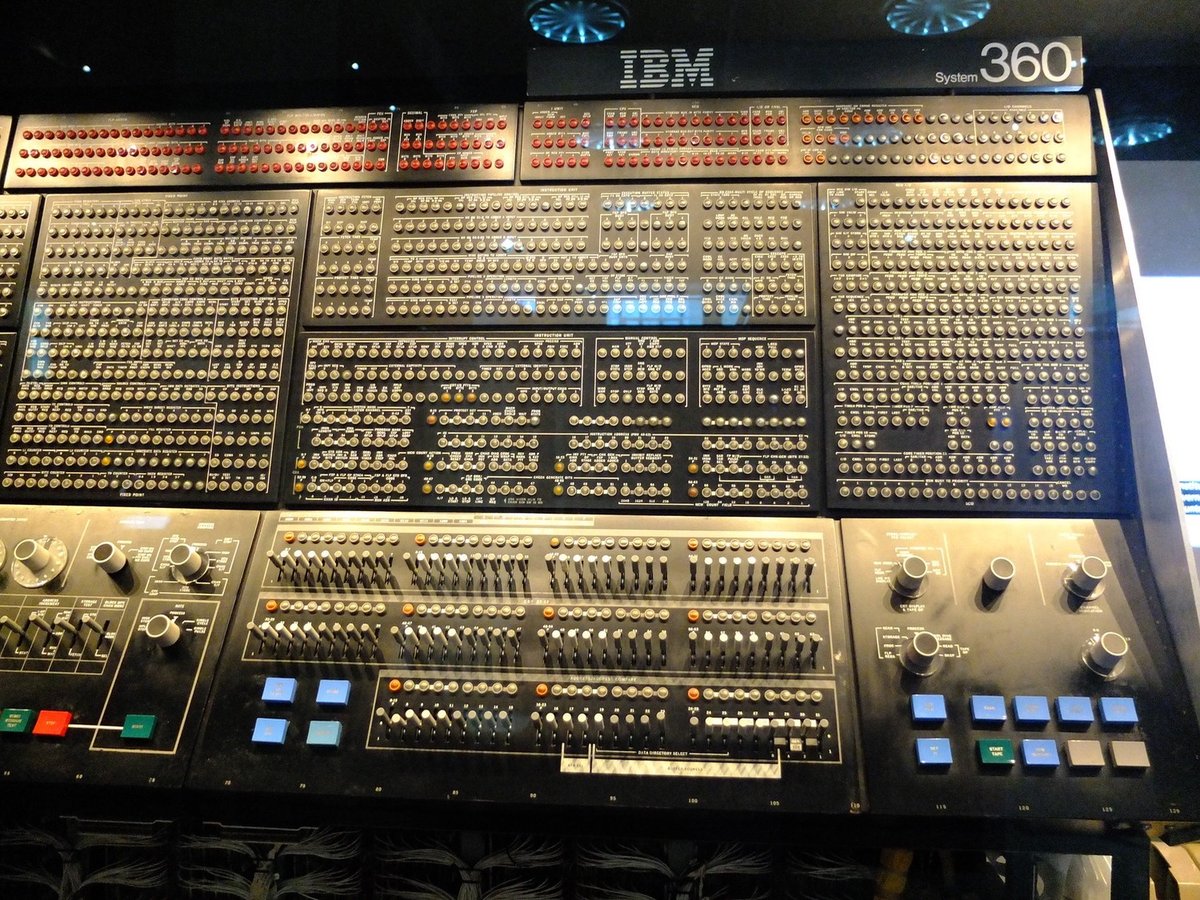
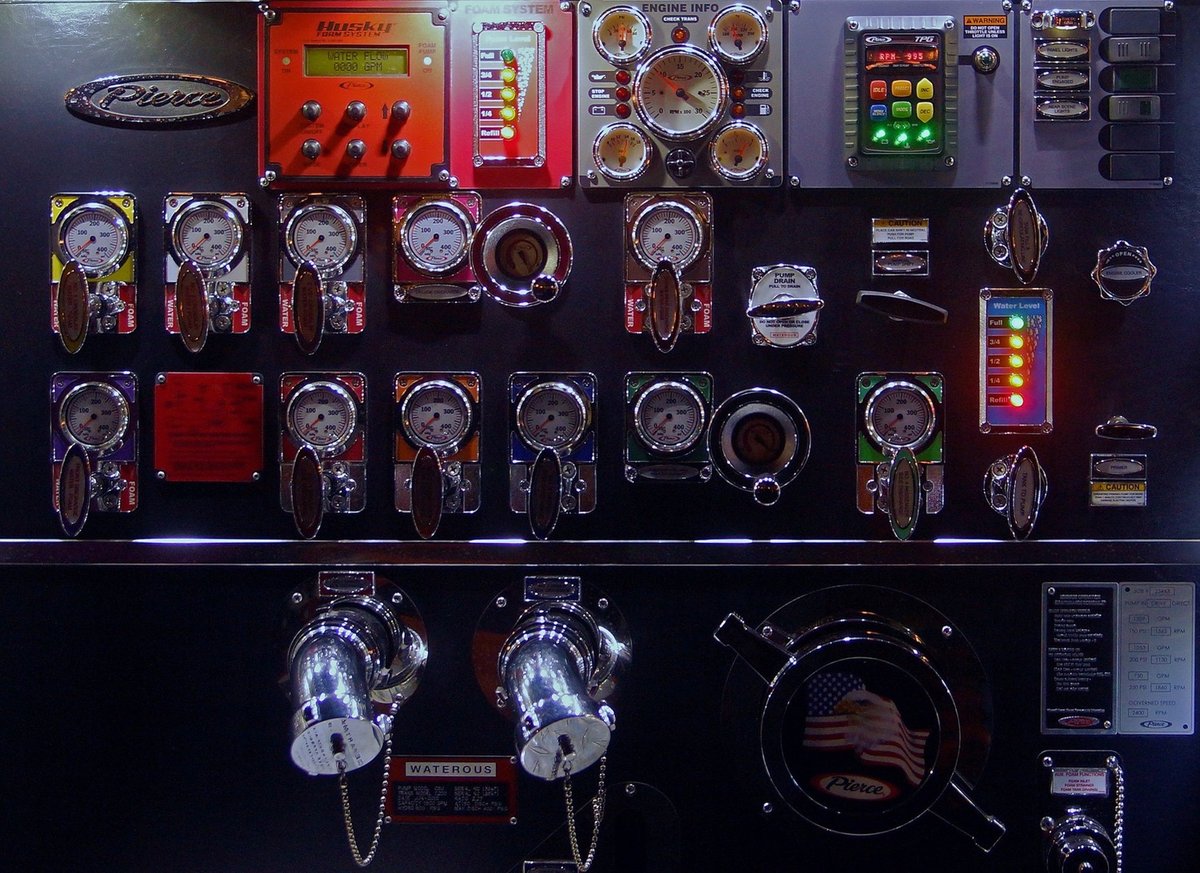
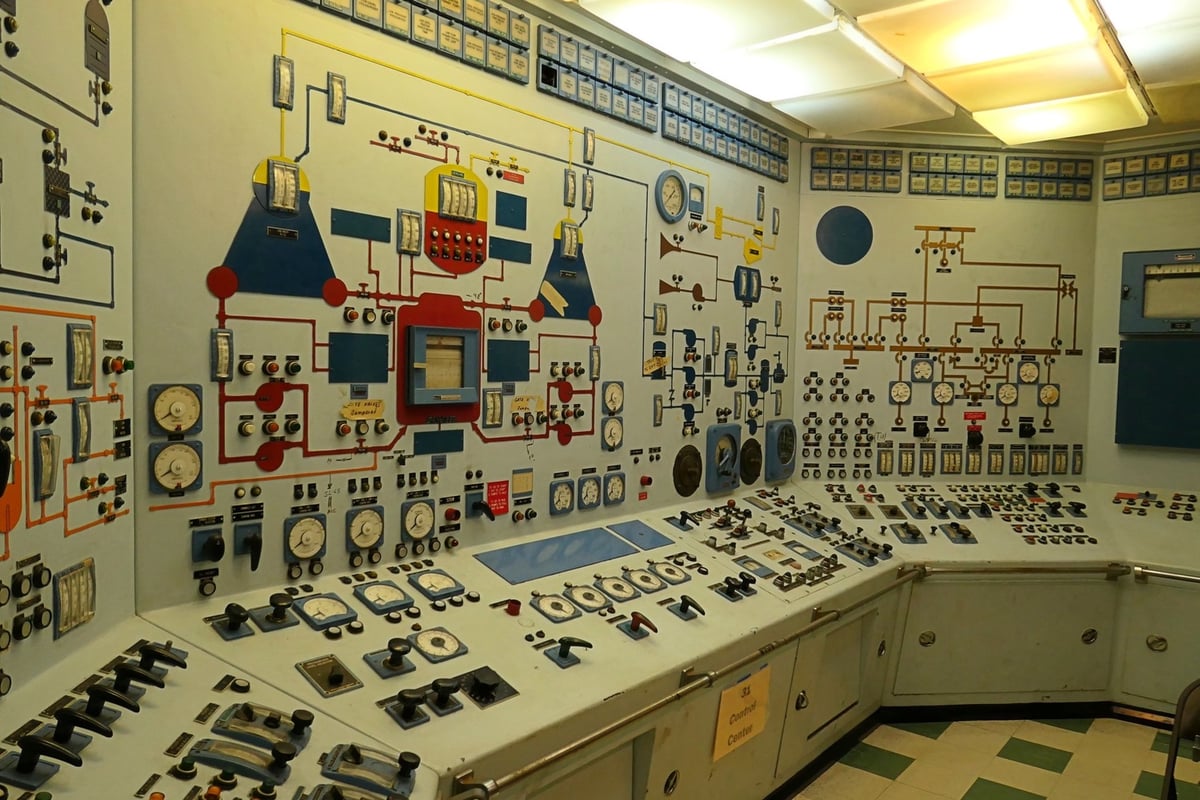
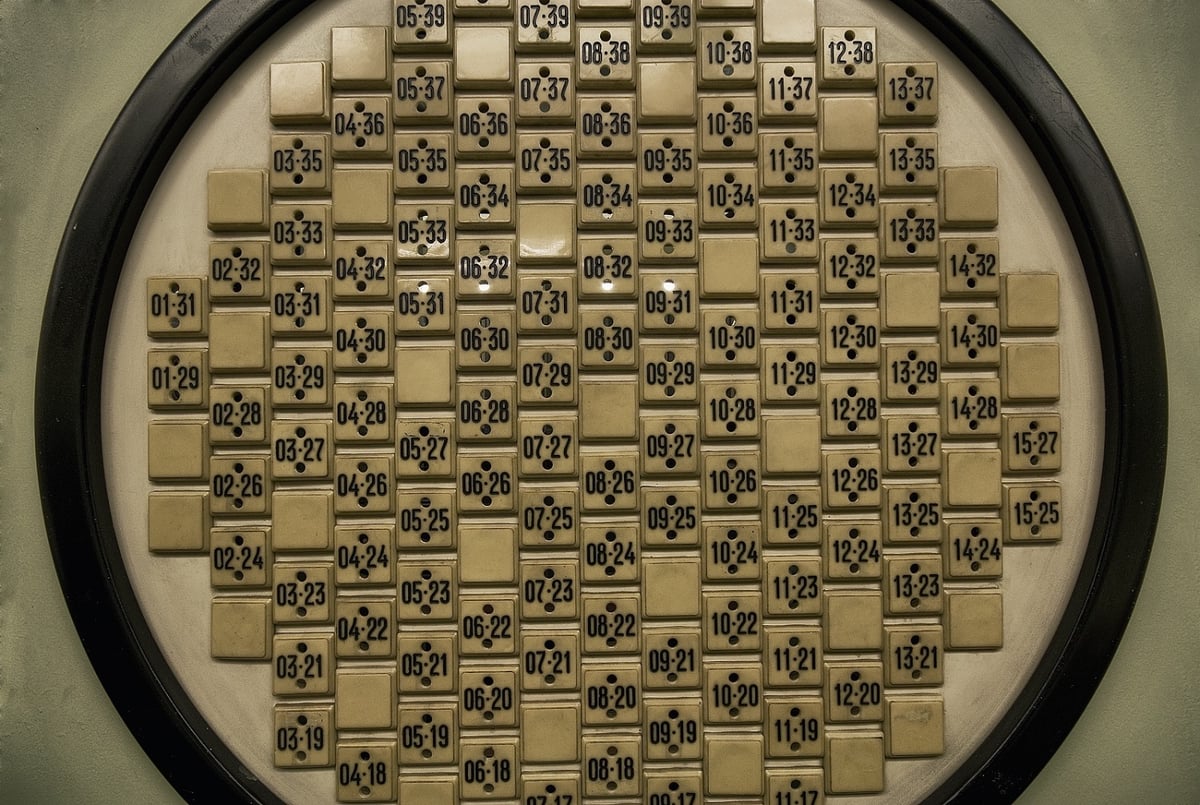
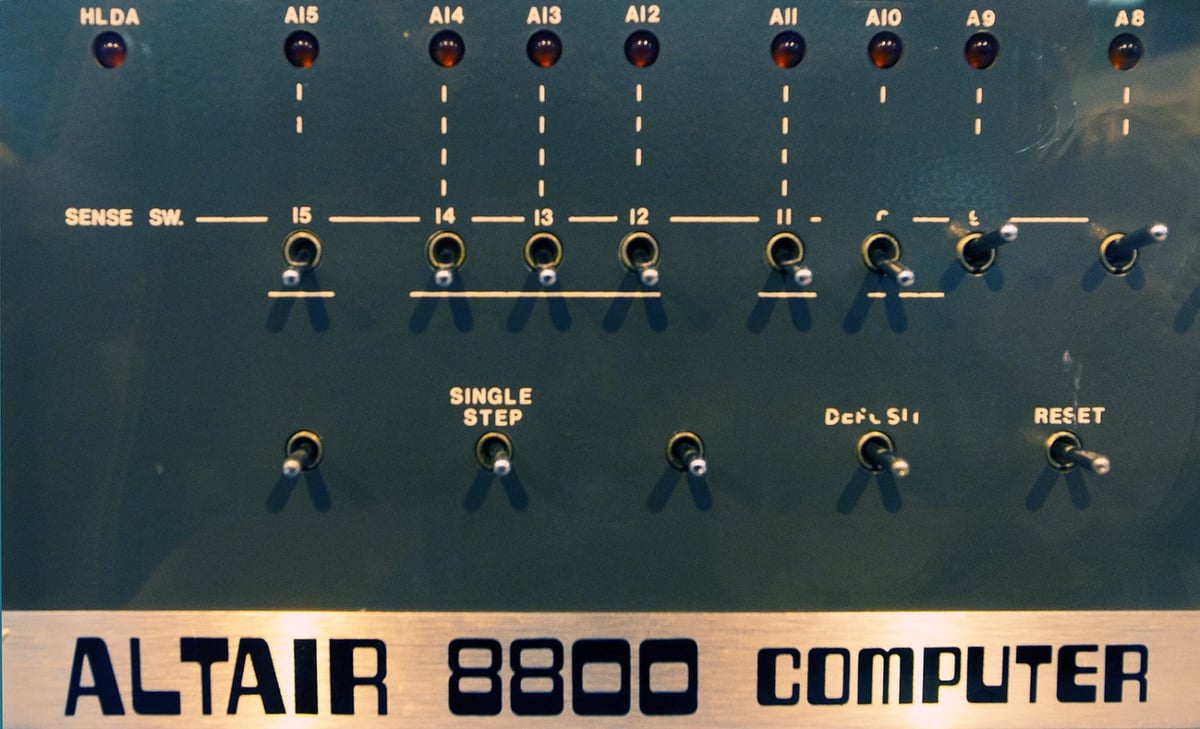
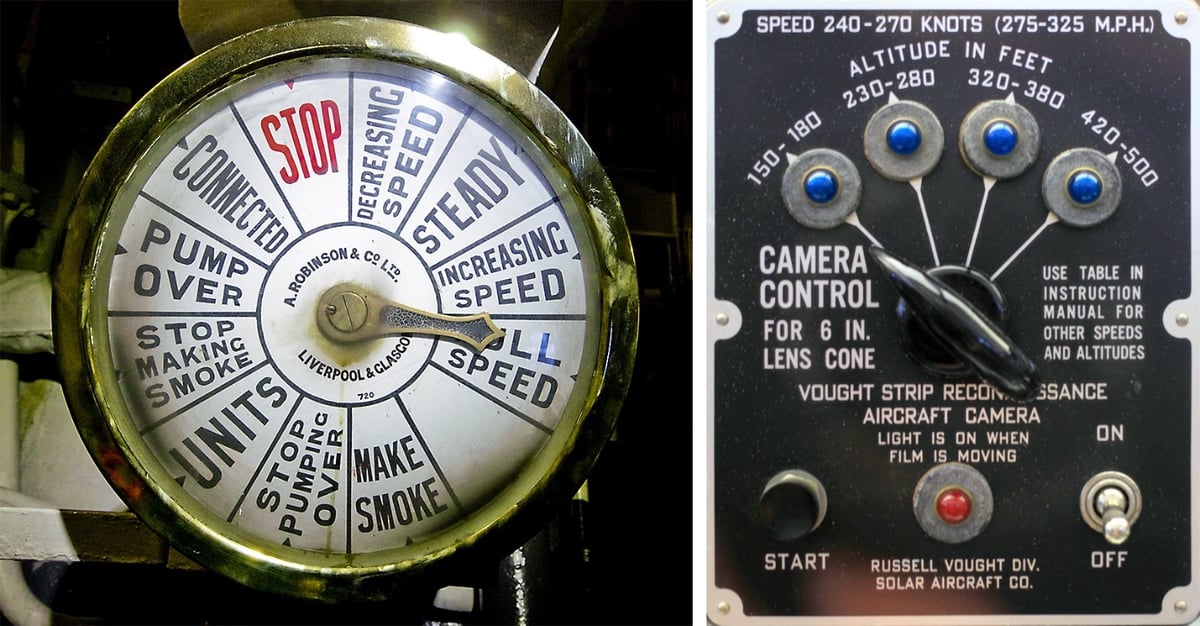
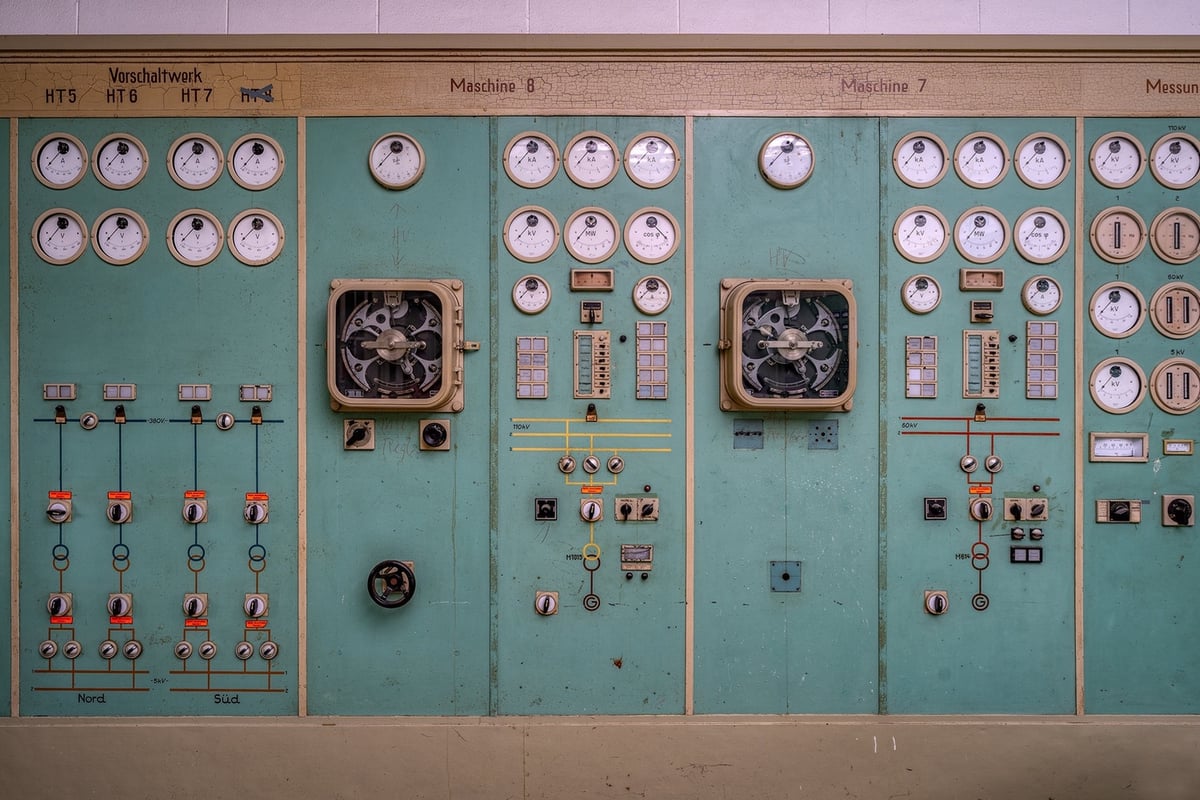
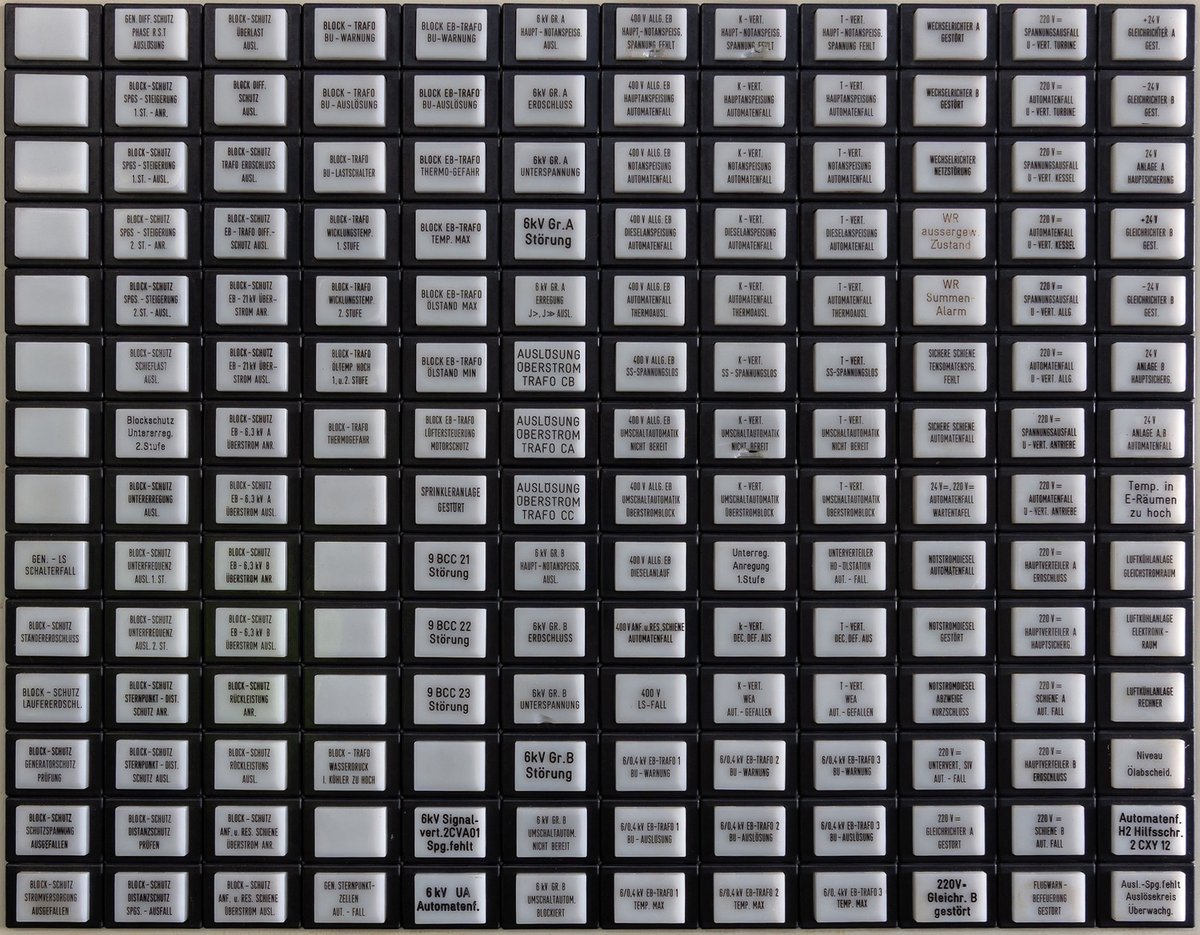
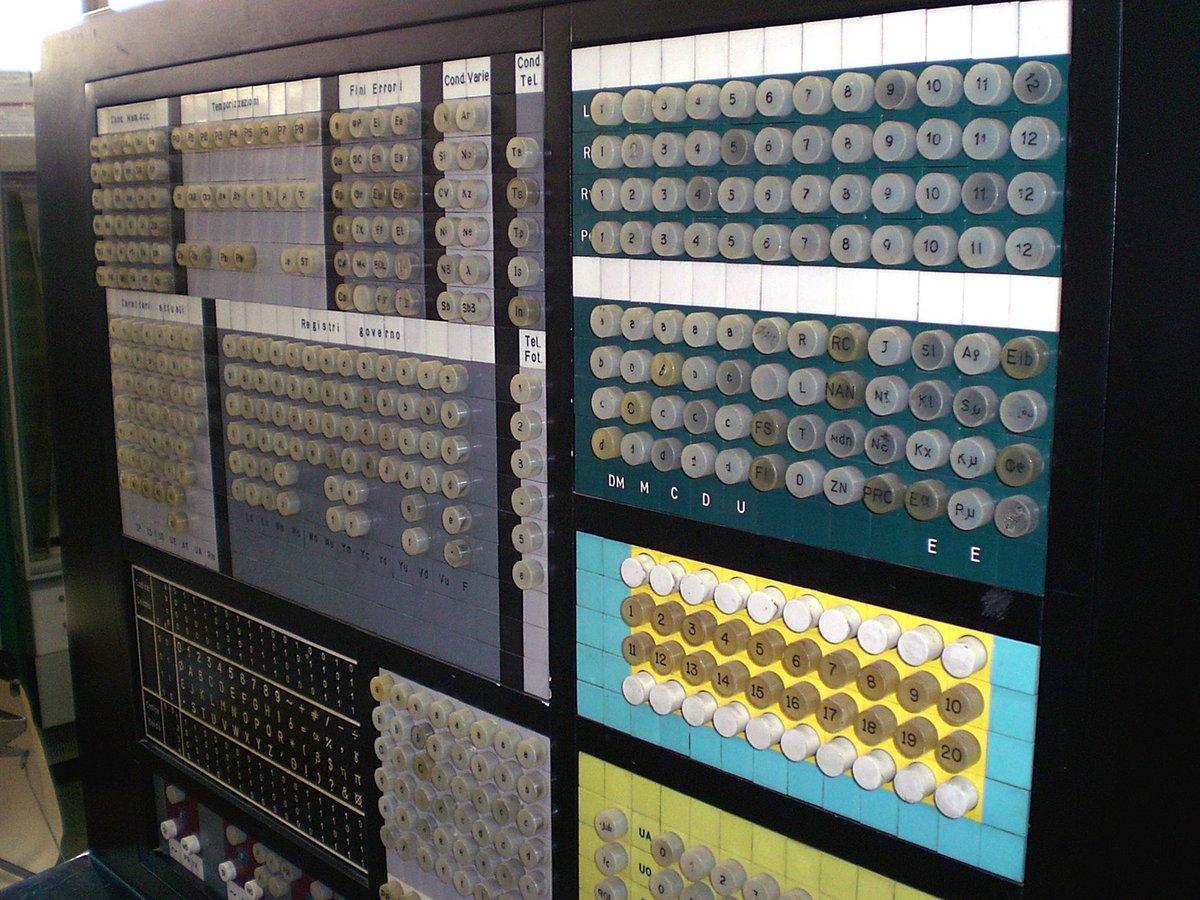
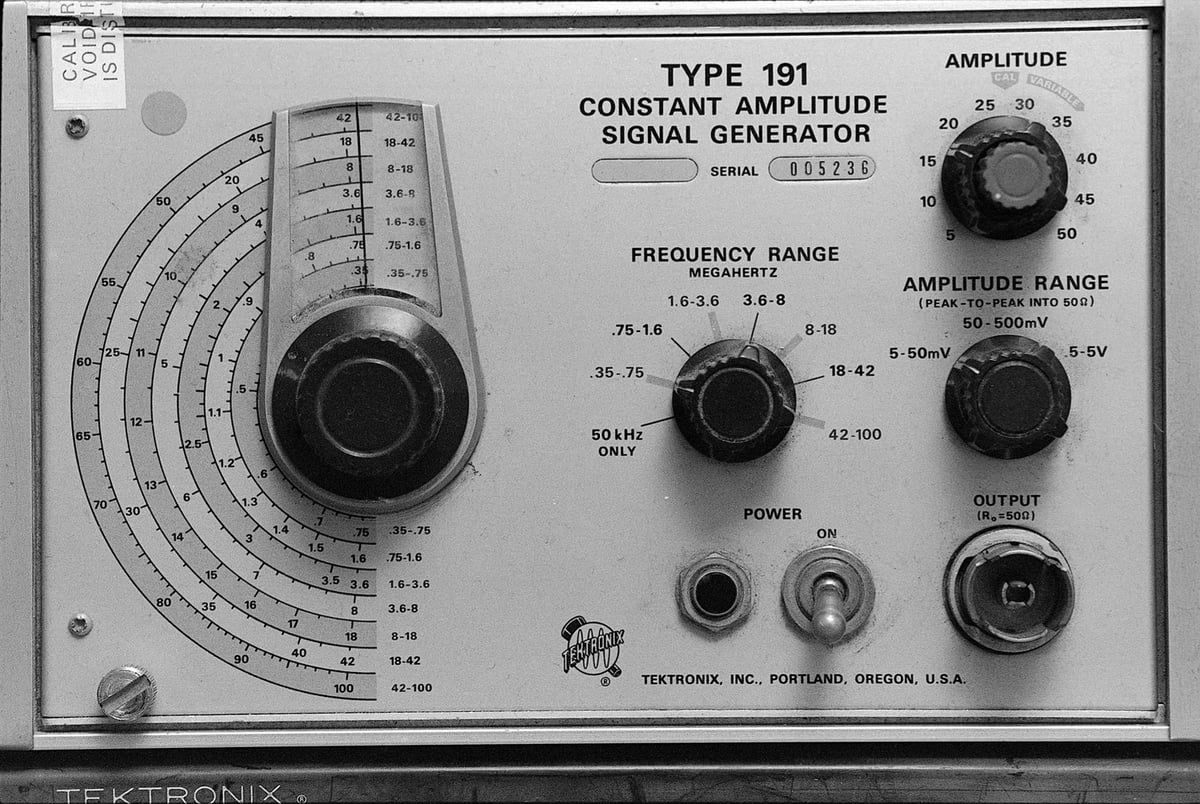
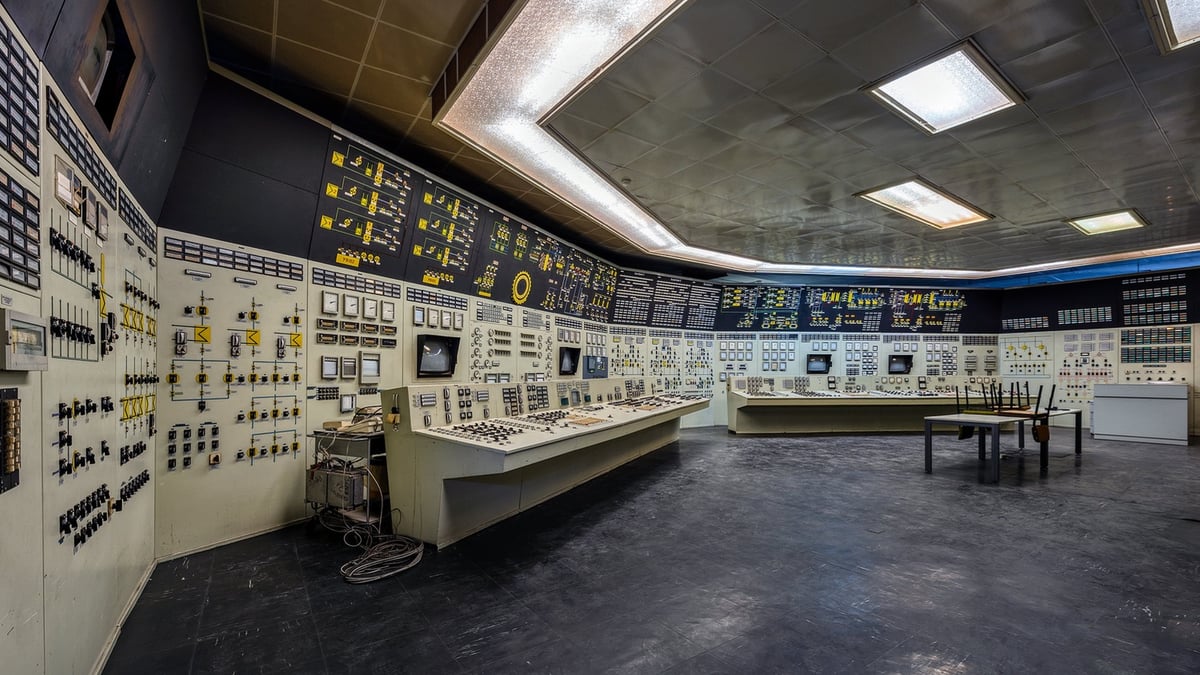
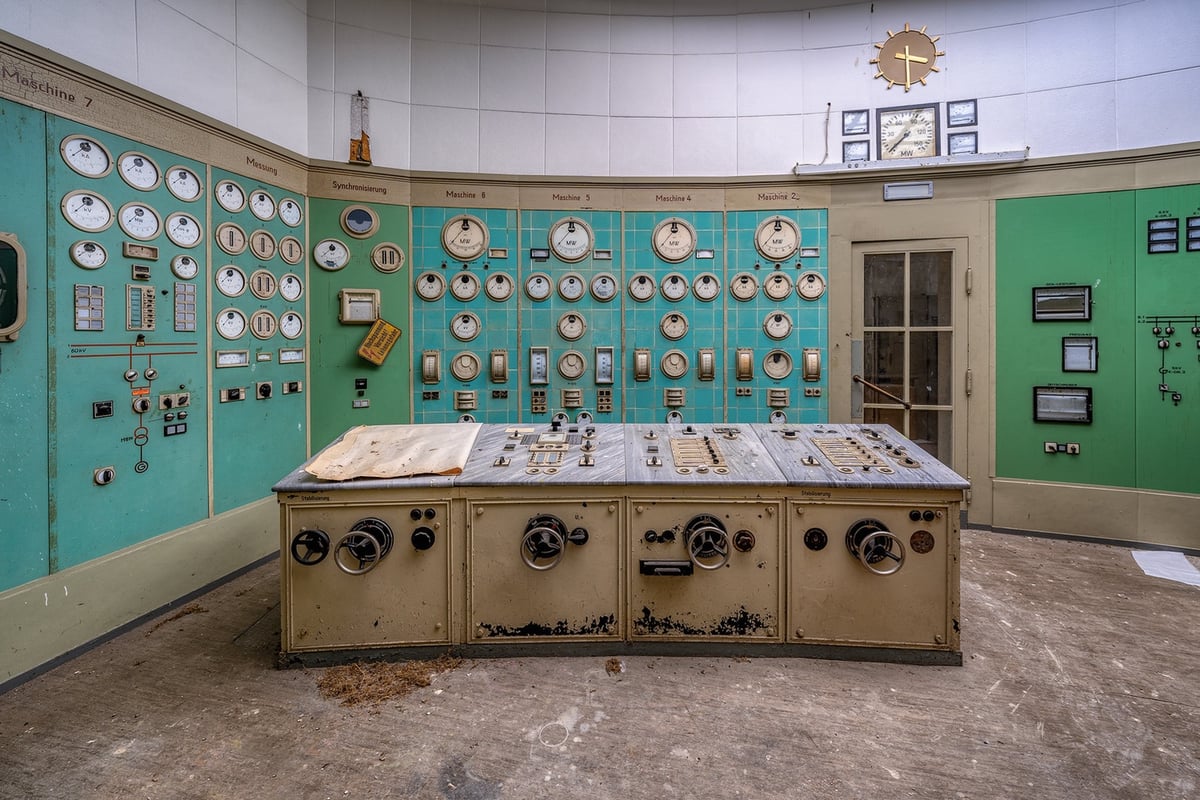
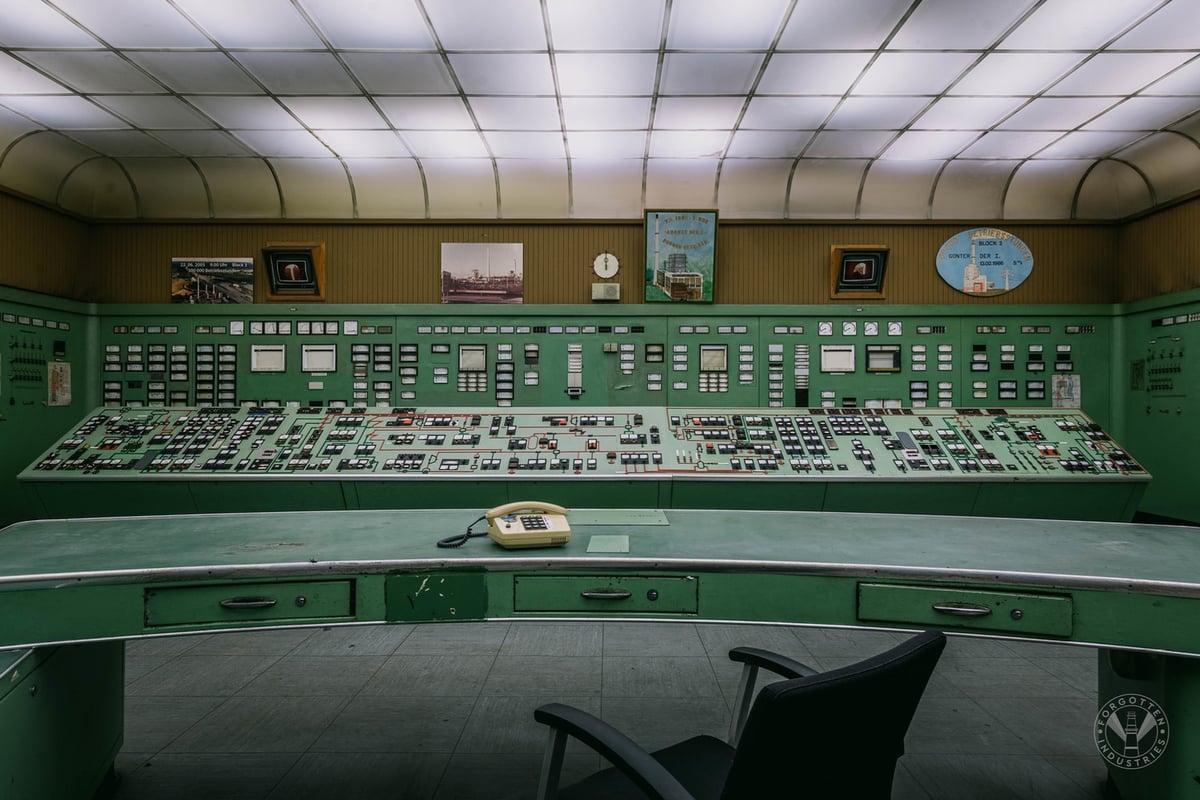
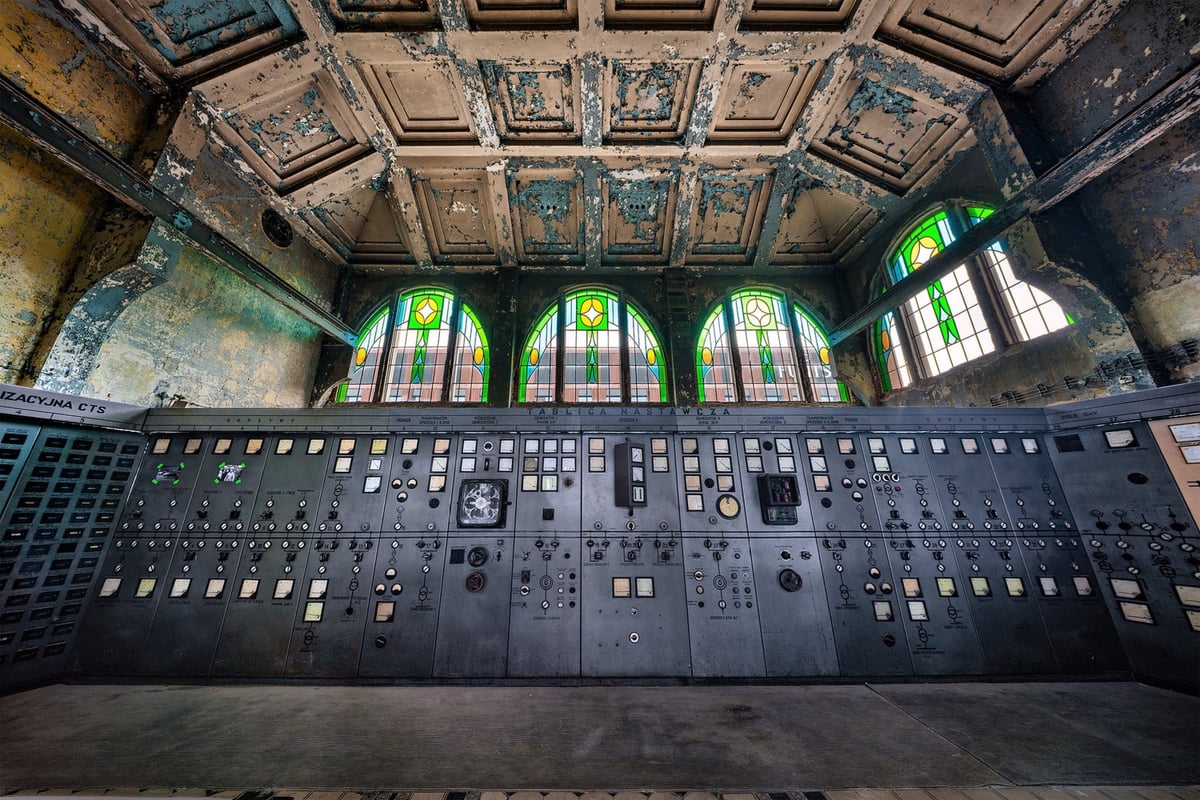
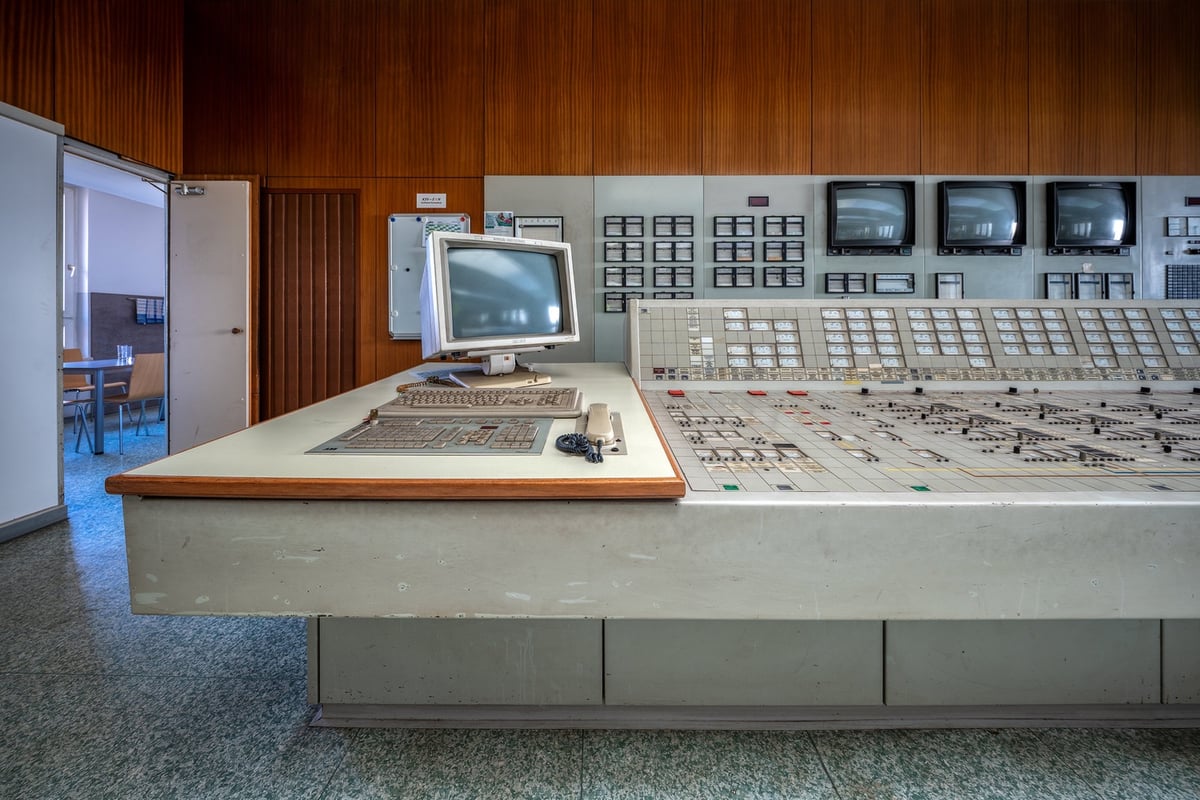
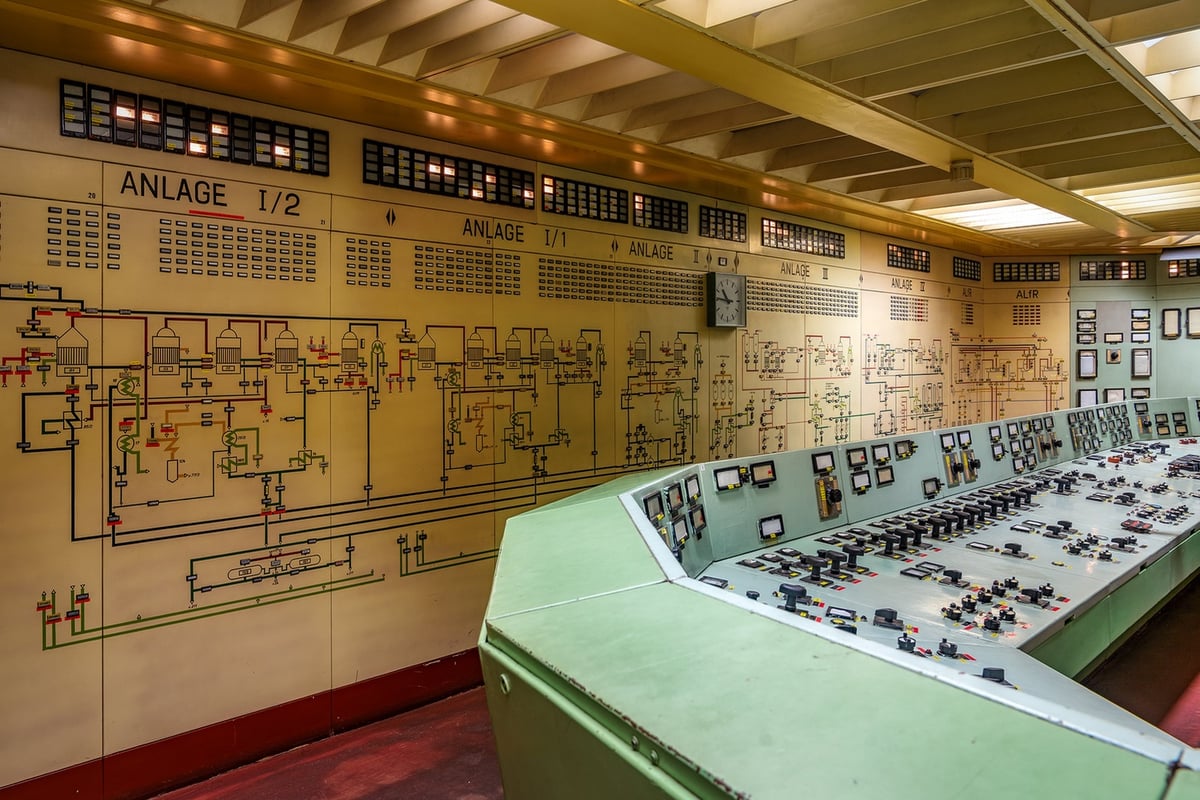
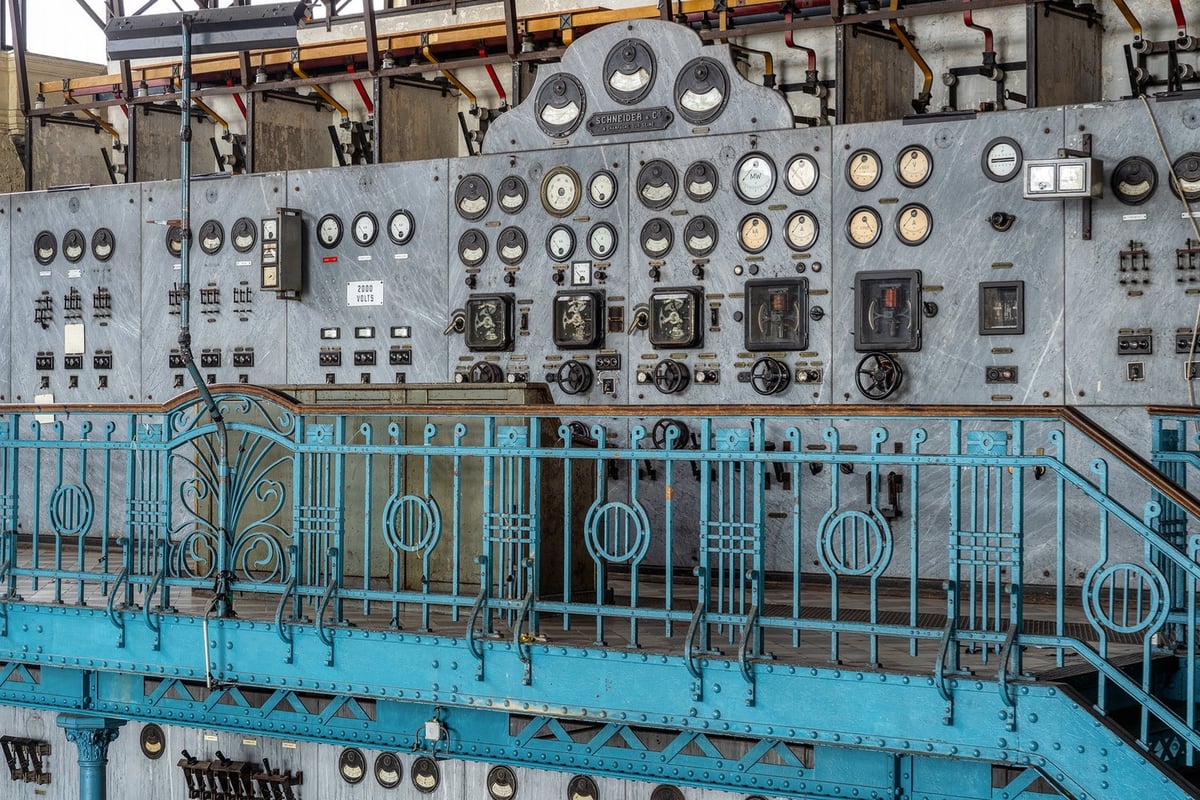
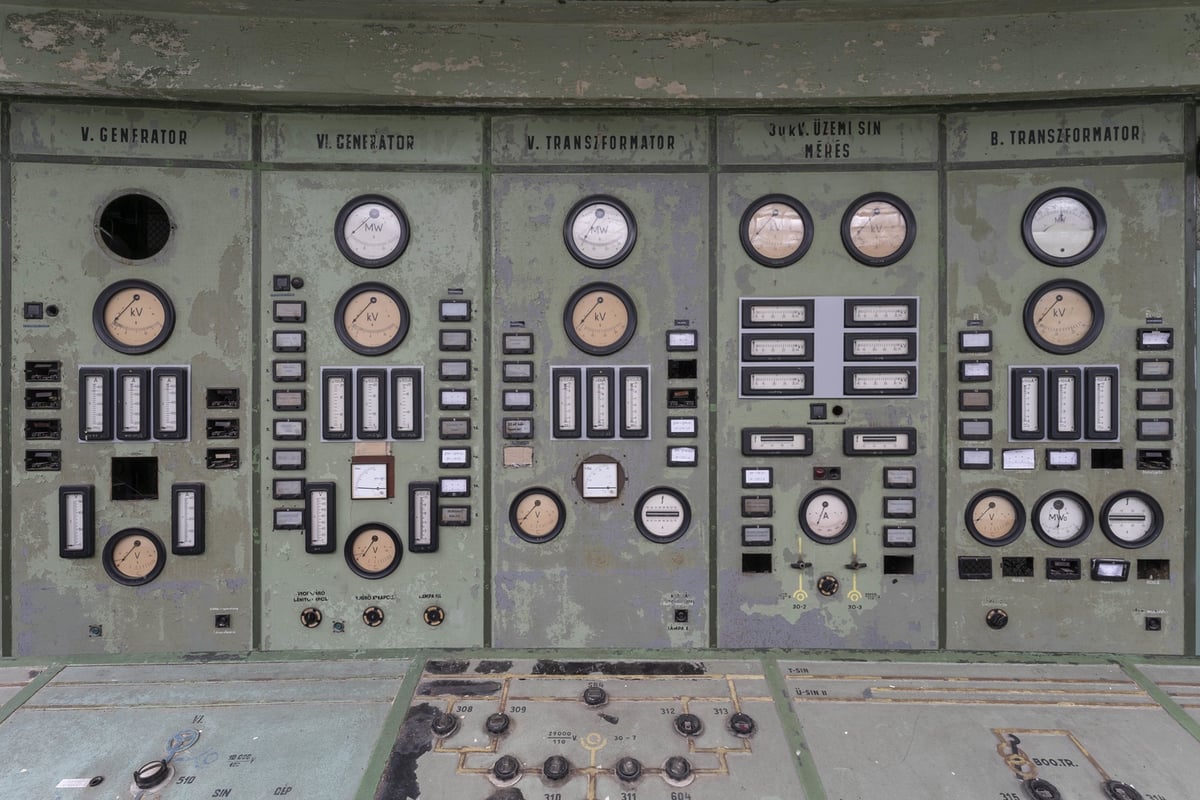
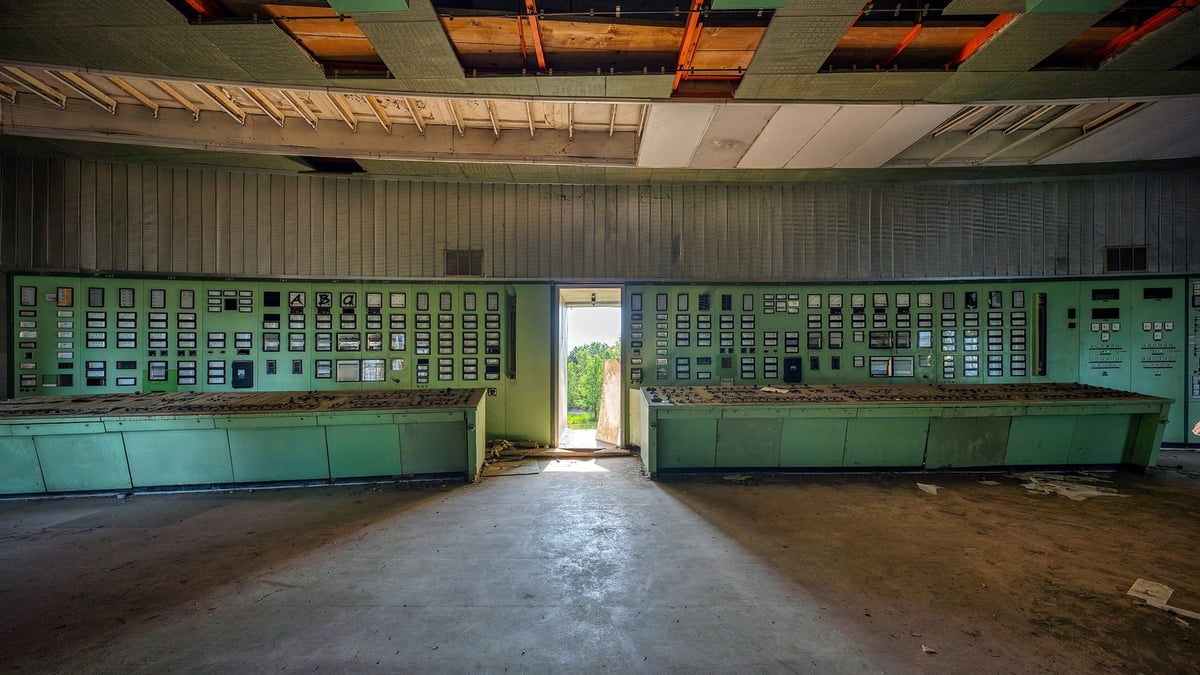
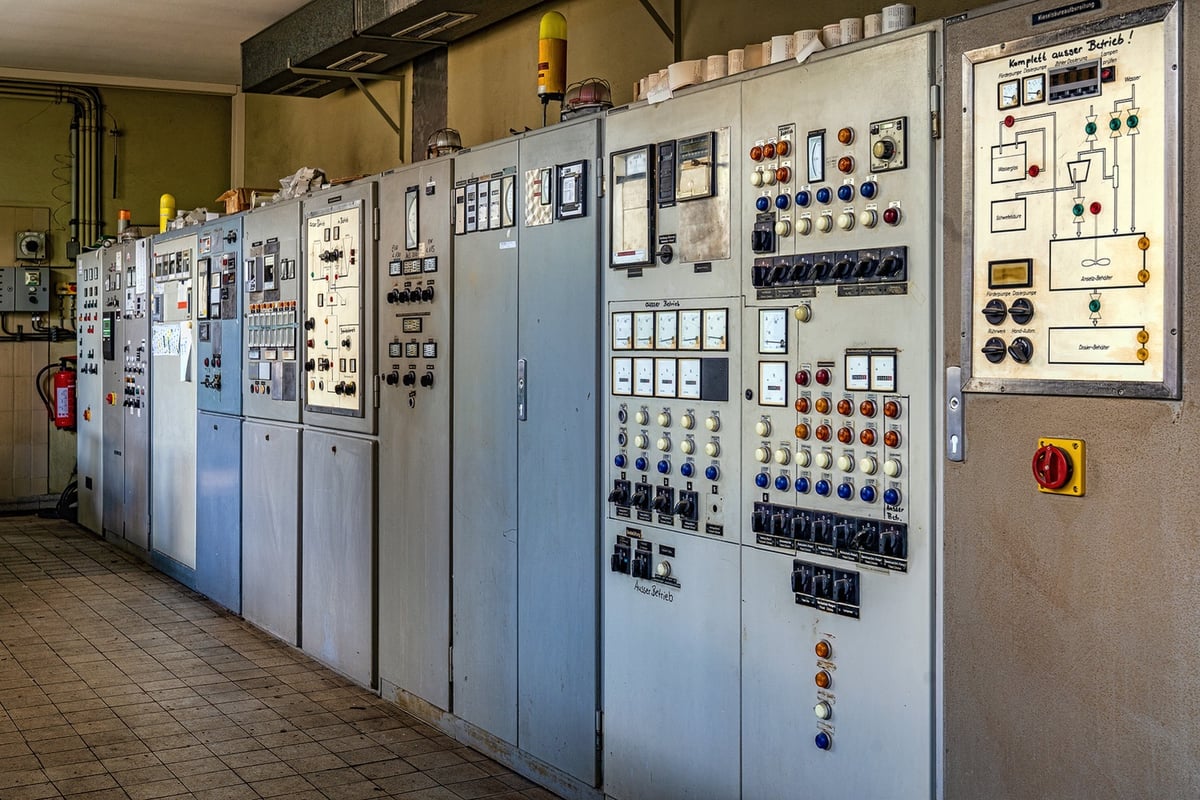
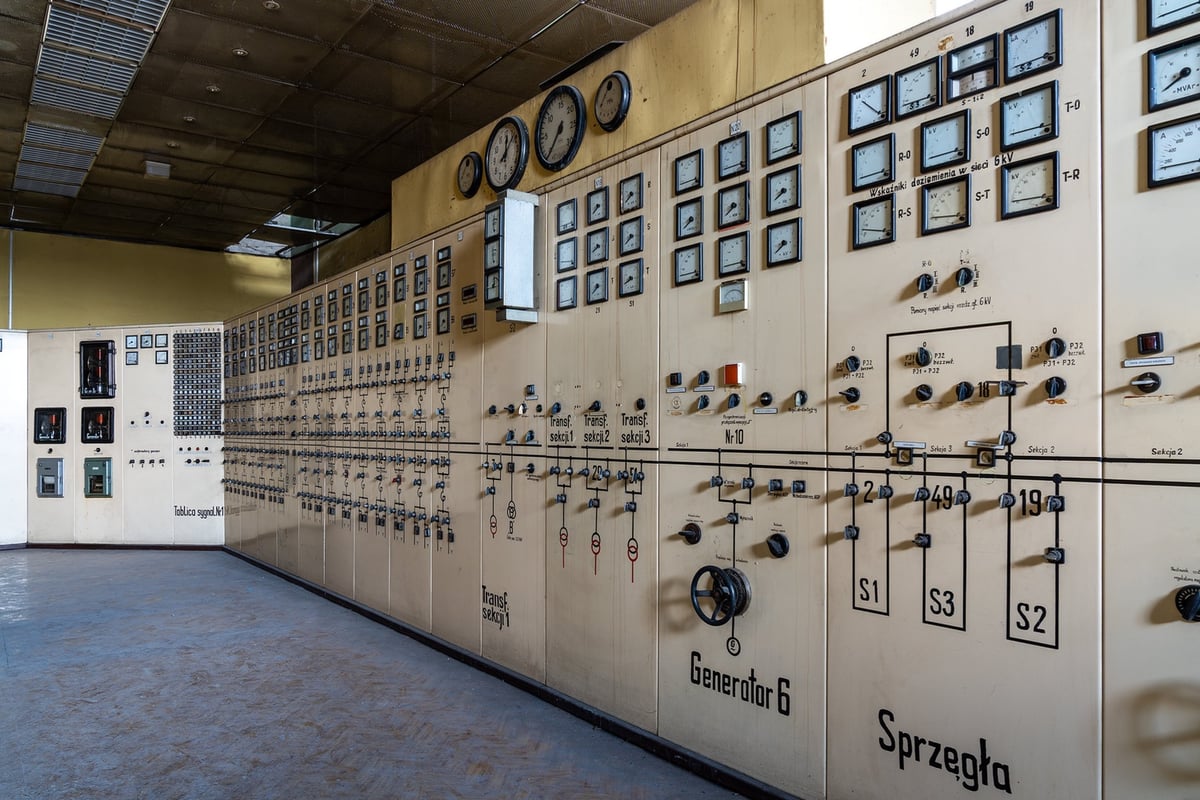
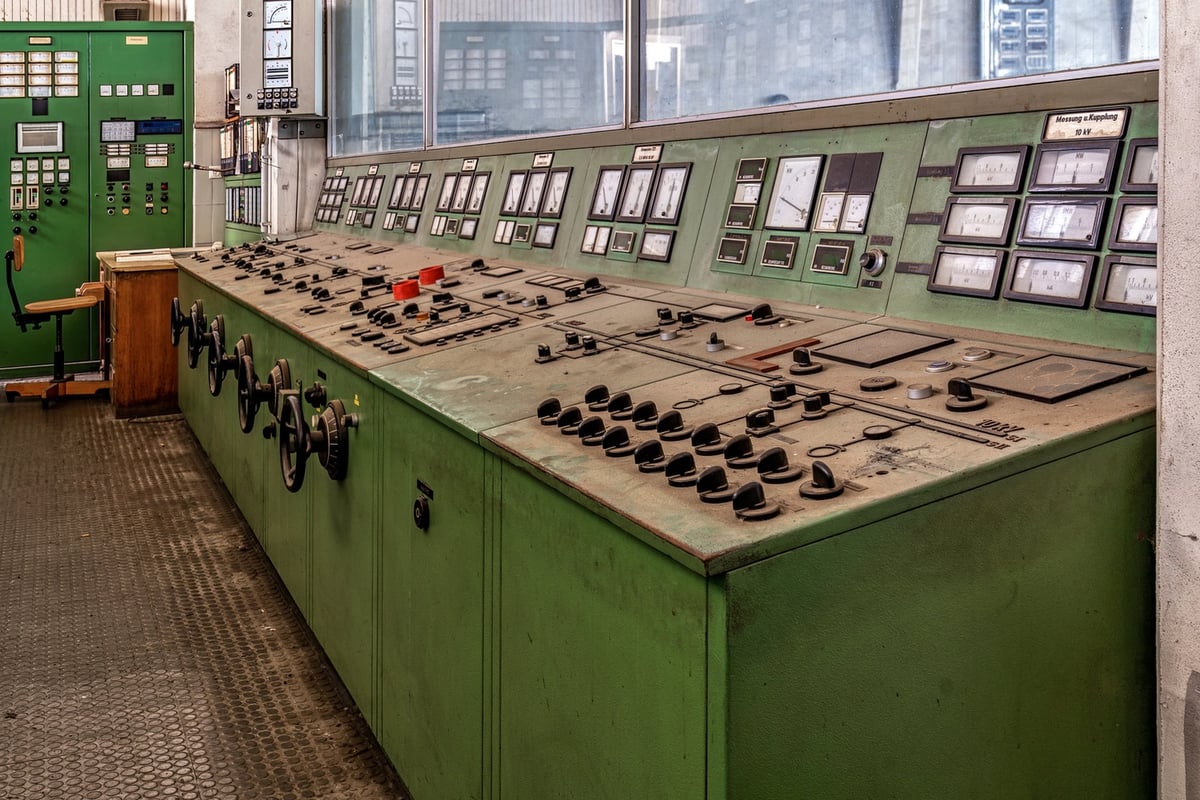
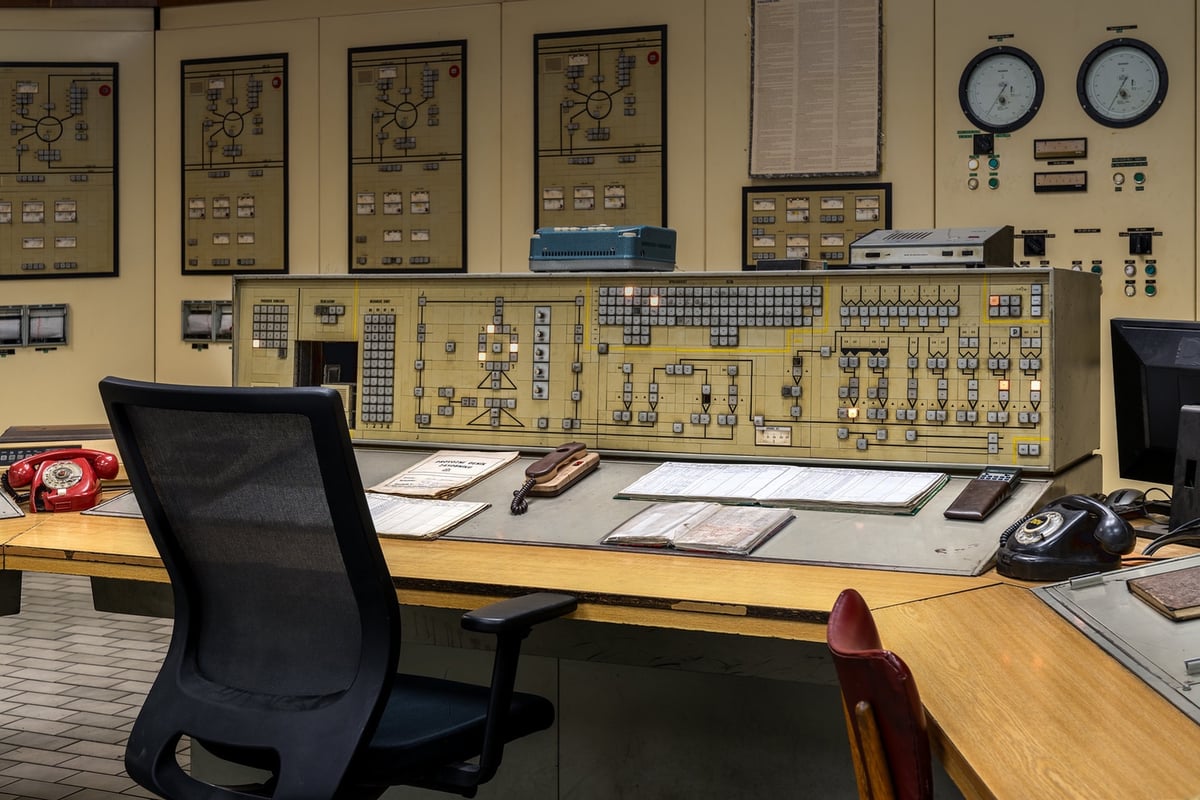
To go along with my recent post about control rooms, here’s the Control Panels group on Flickr, containing almost 3000 photos of control interfaces for all kinds of things.
You’ll see some of the same photos as in the Control Rooms group, but when you get past the first couple of pages, there’s more variety: fiddly knobs, entire walls of nearly identical switches, dials, inscrutable gauges, soda machine interfaces, bump it and you might die buttons, computers with switches, Swinging Fingers (!!), and many more…
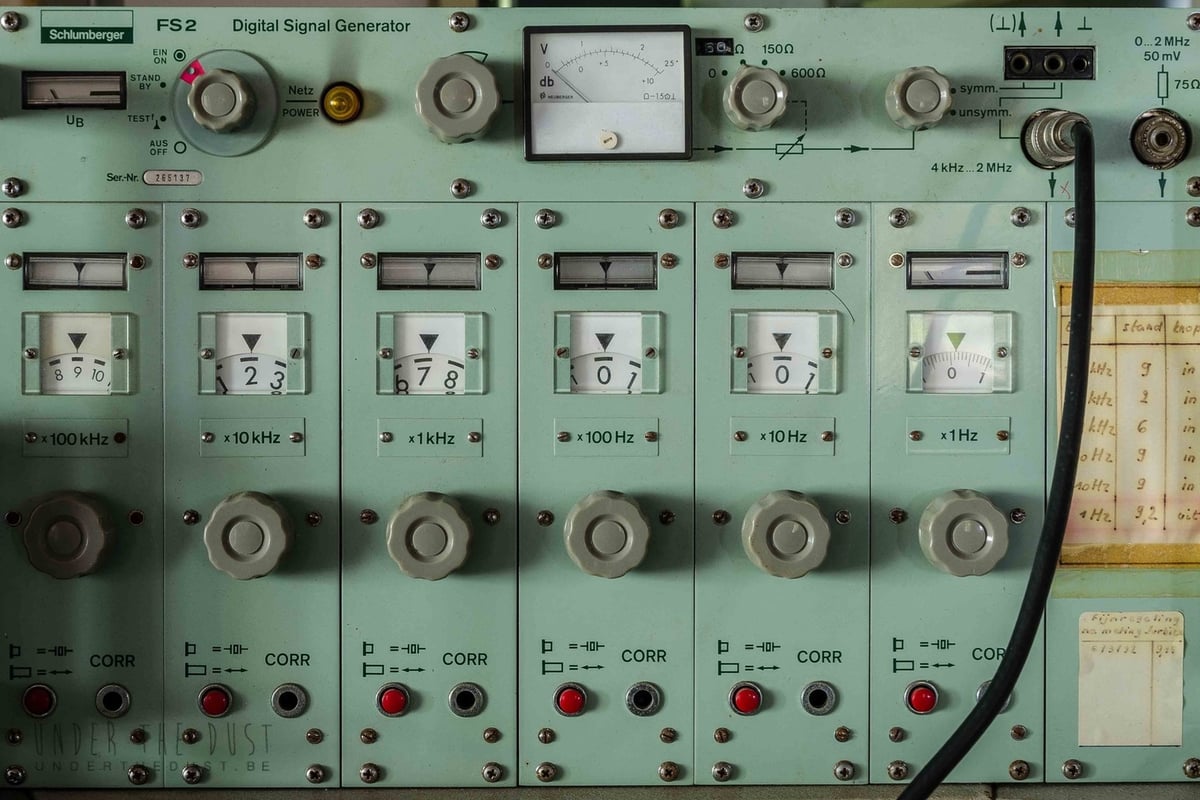
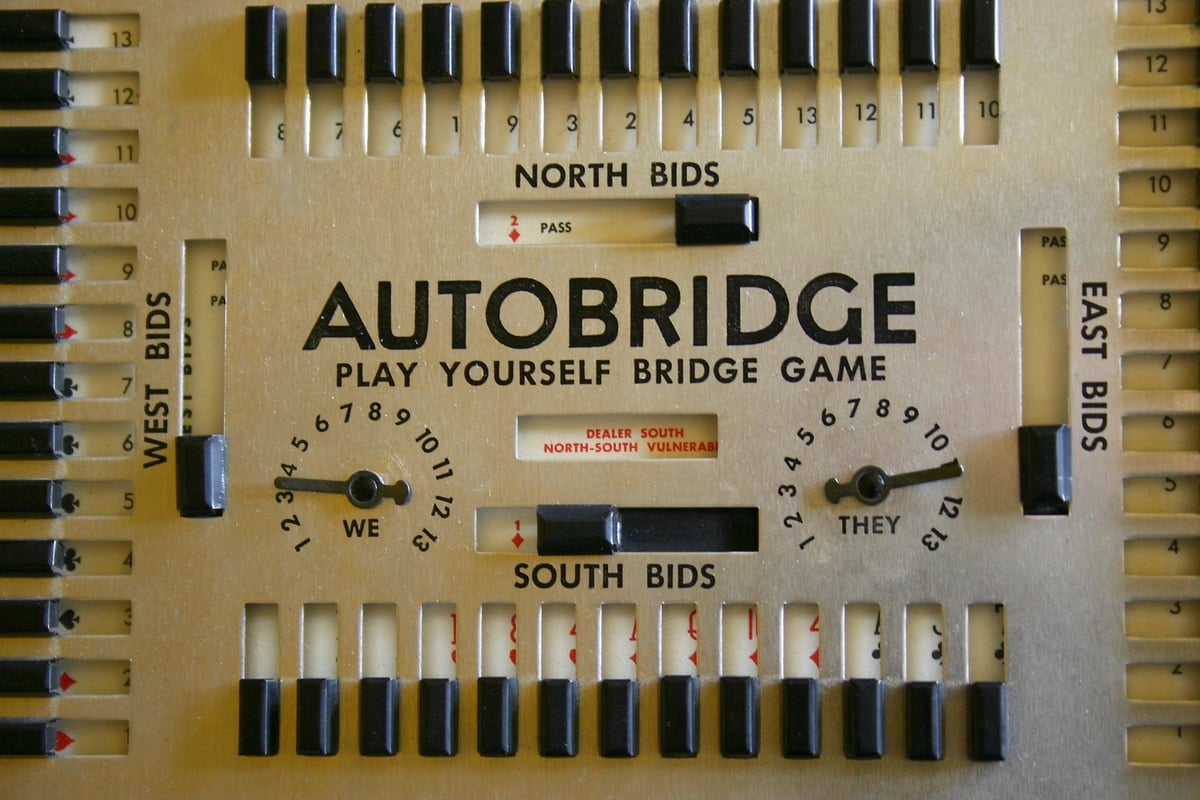
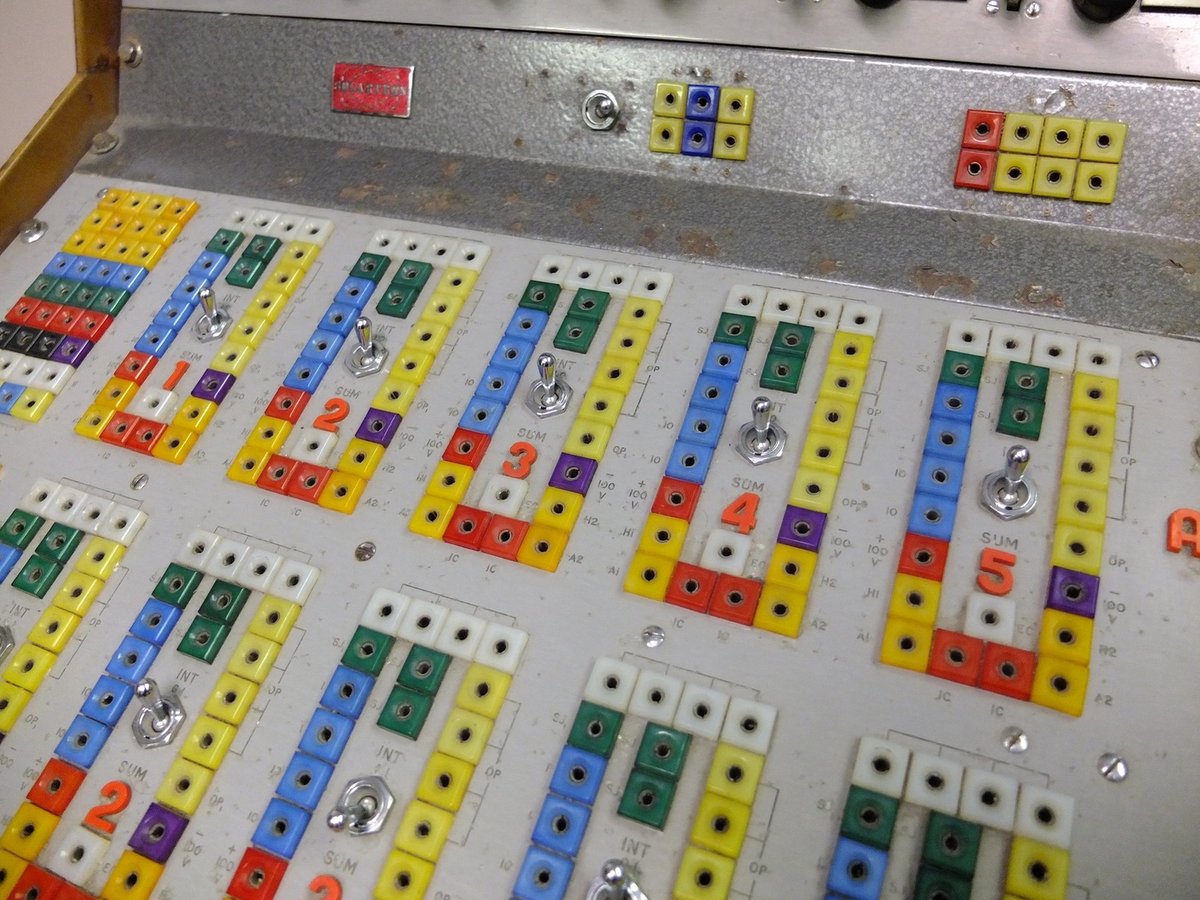
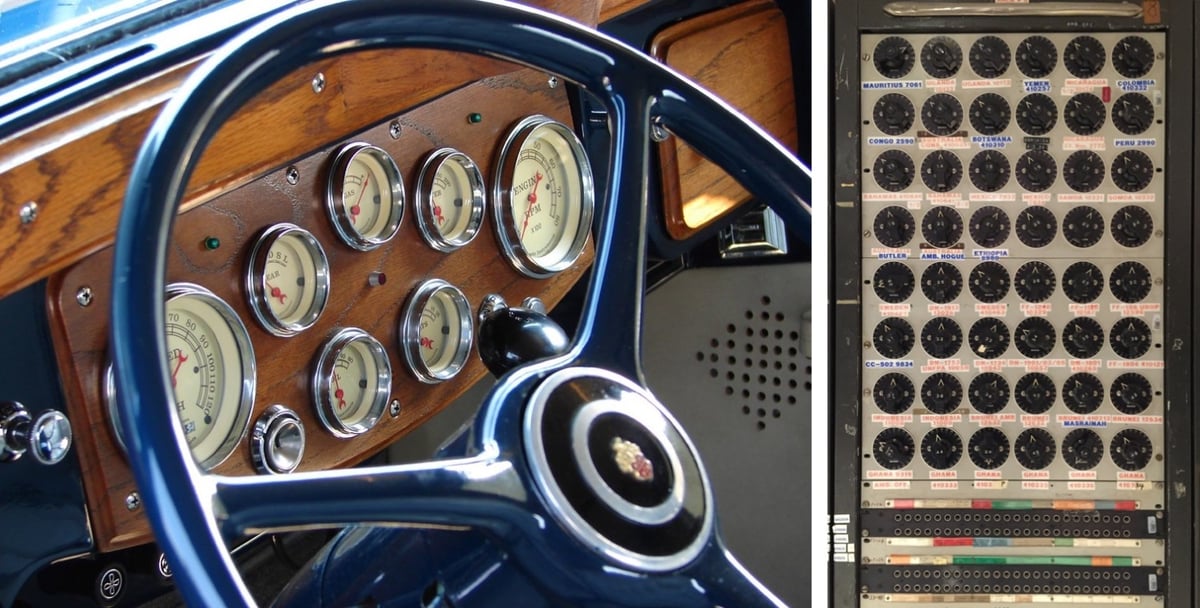
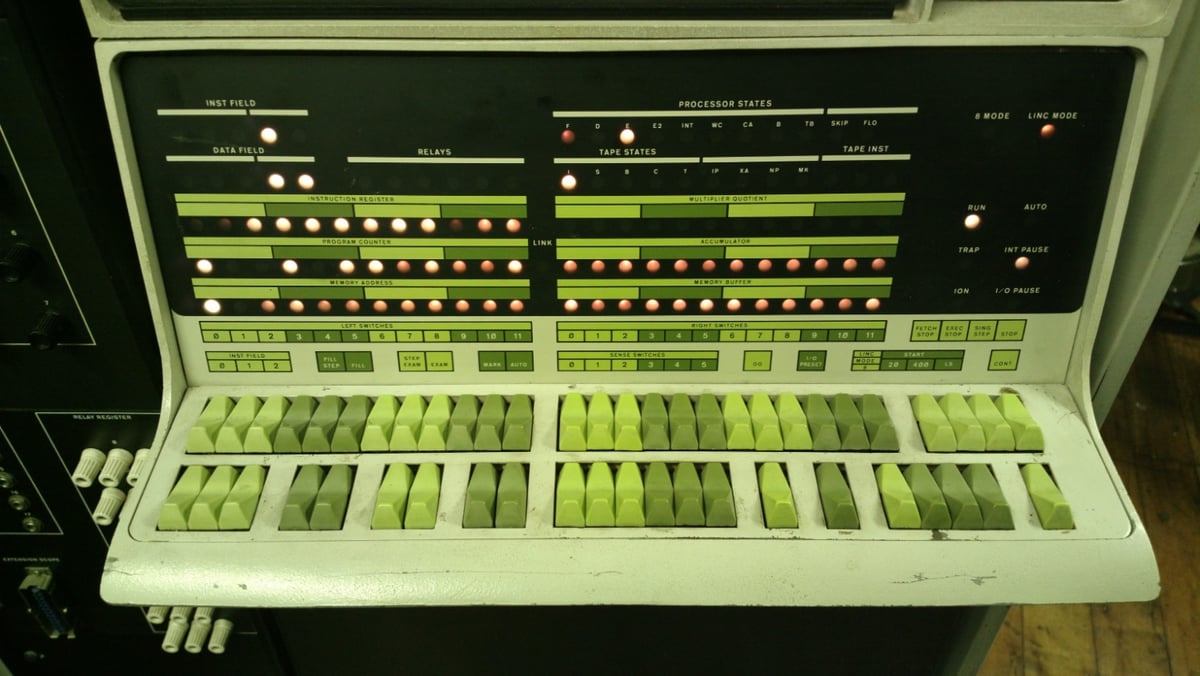
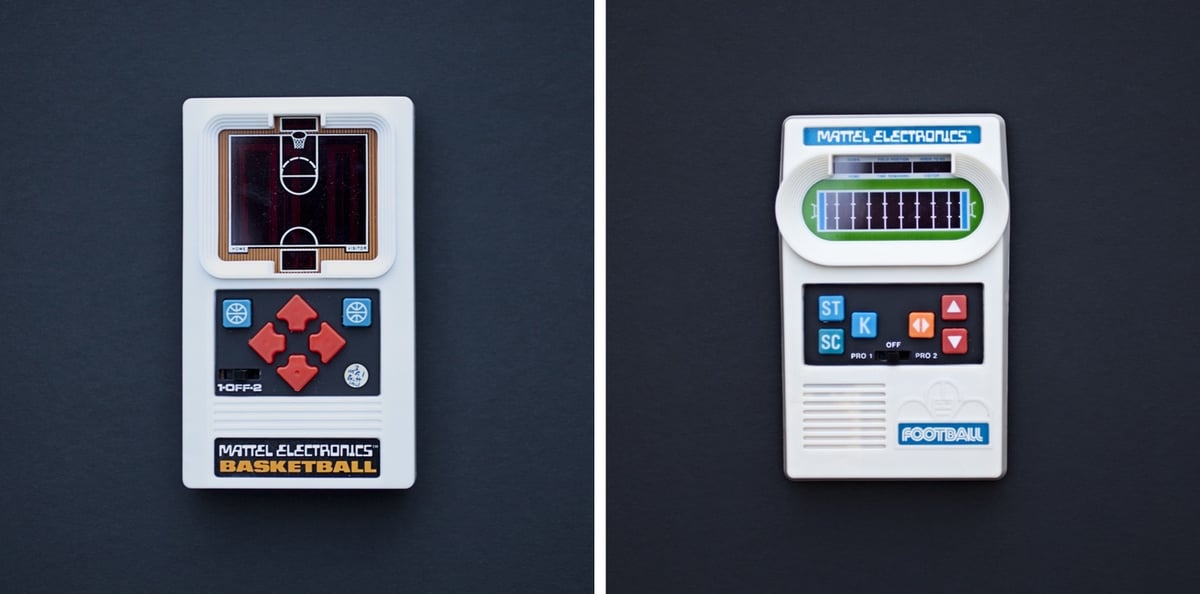
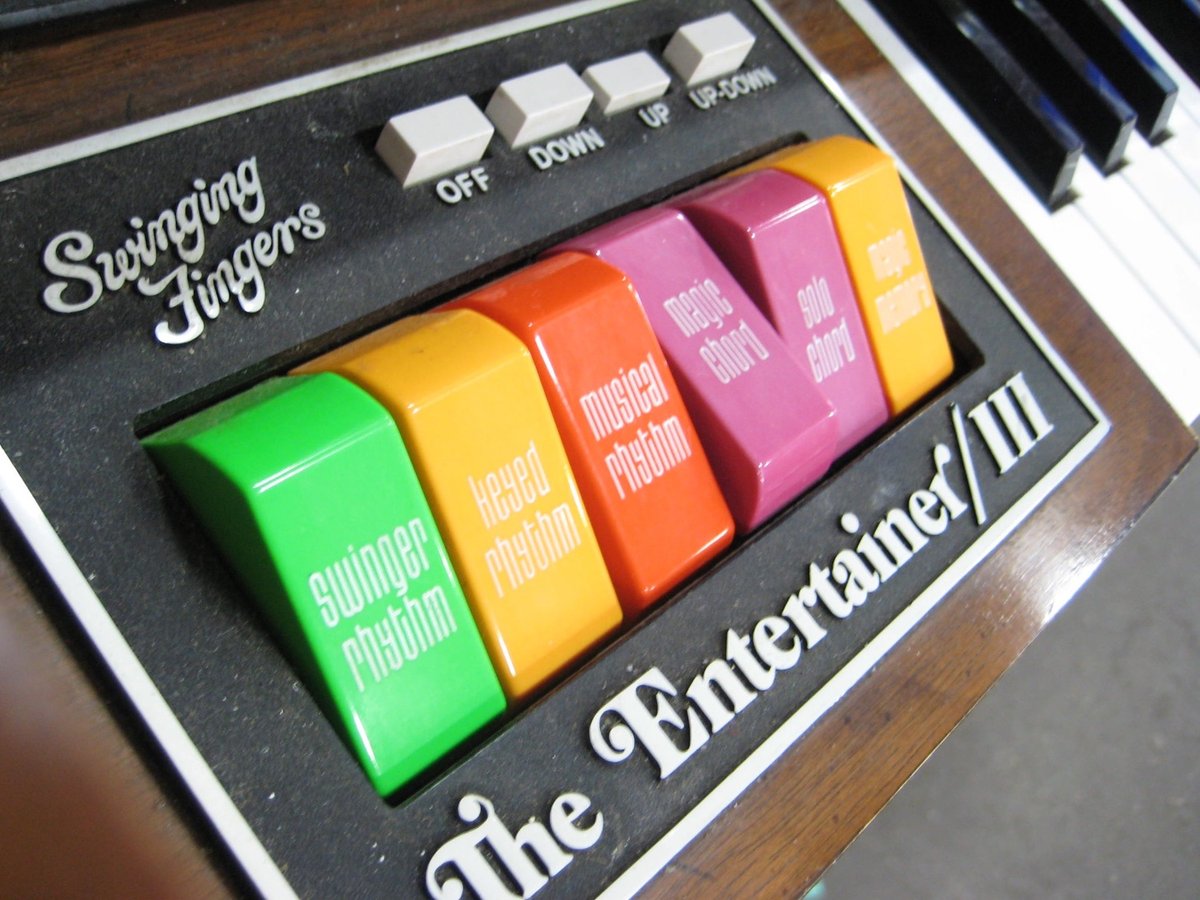


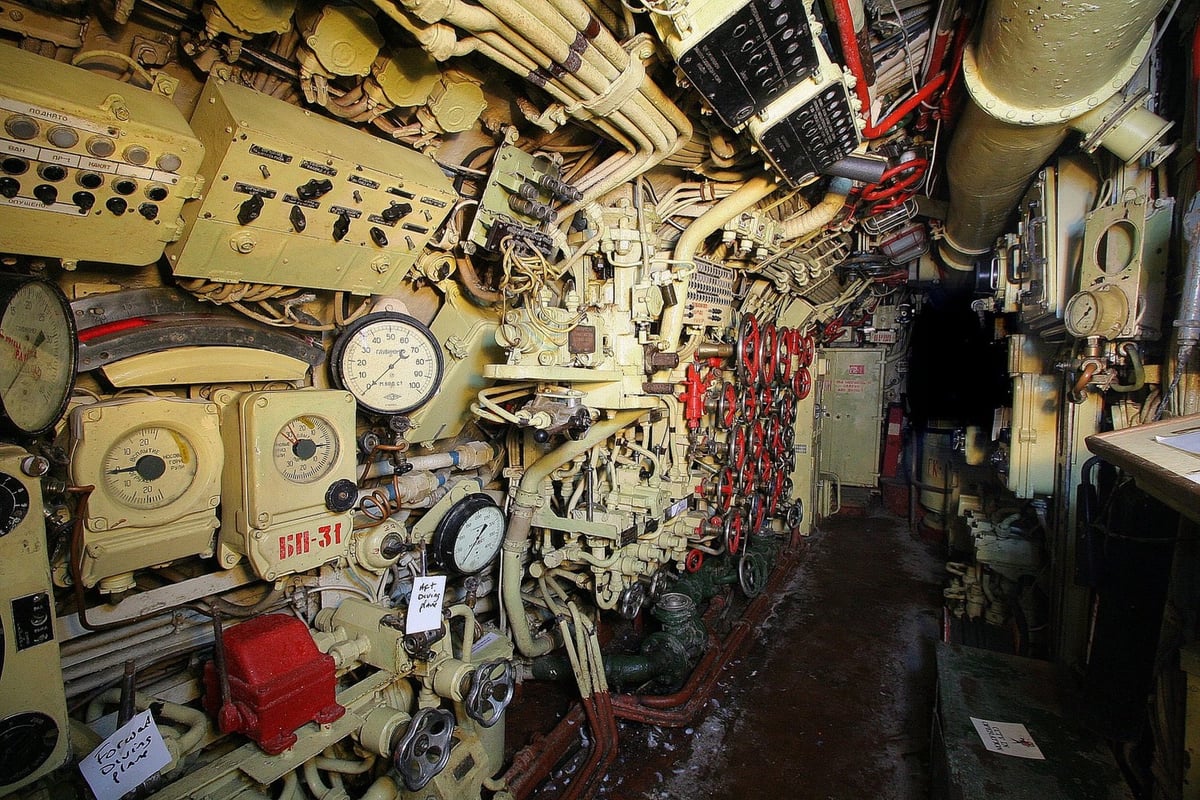
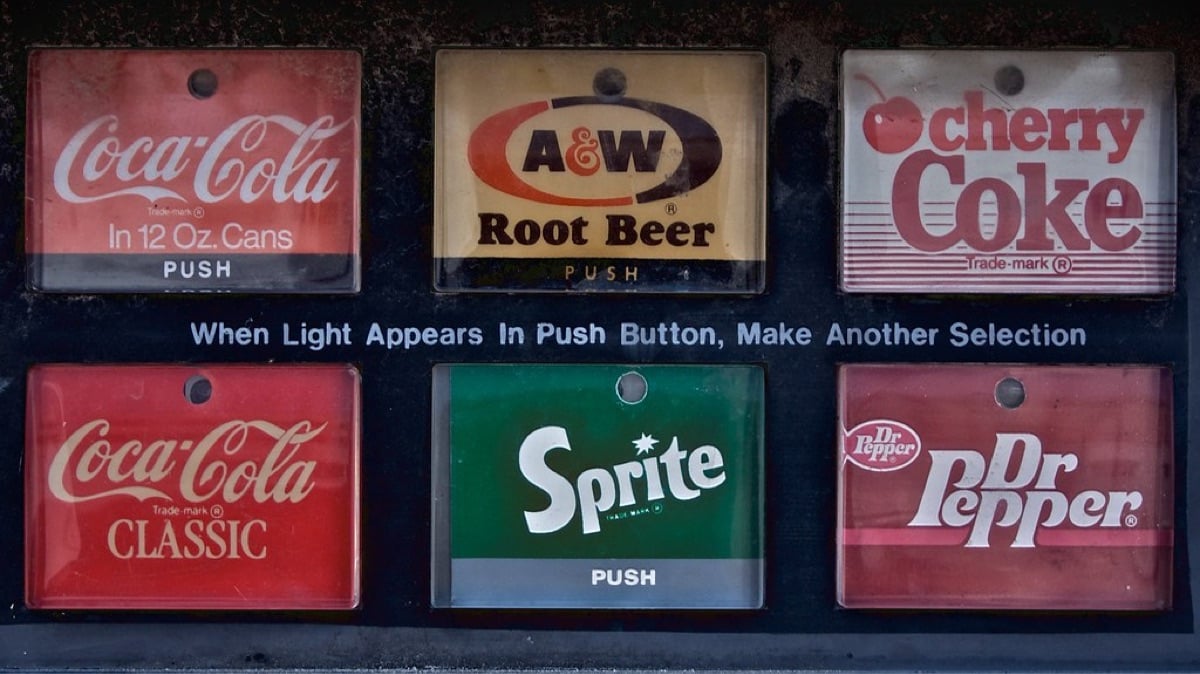
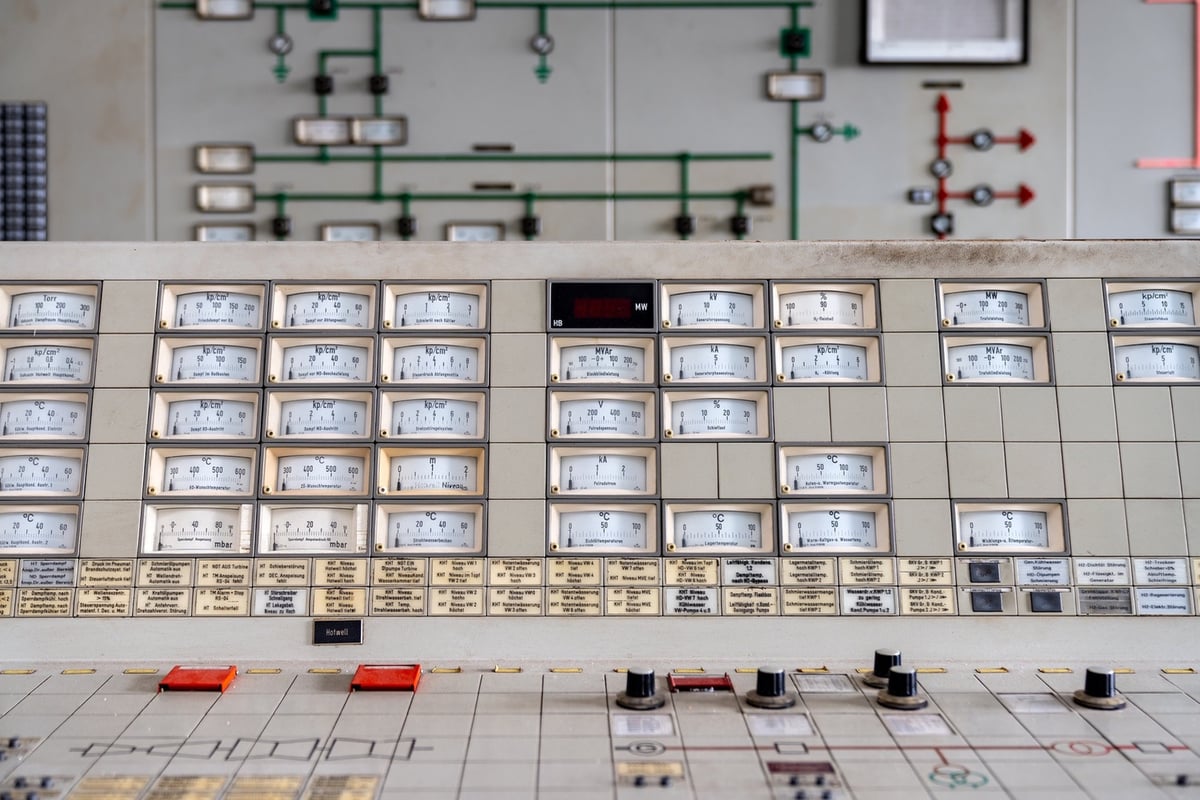
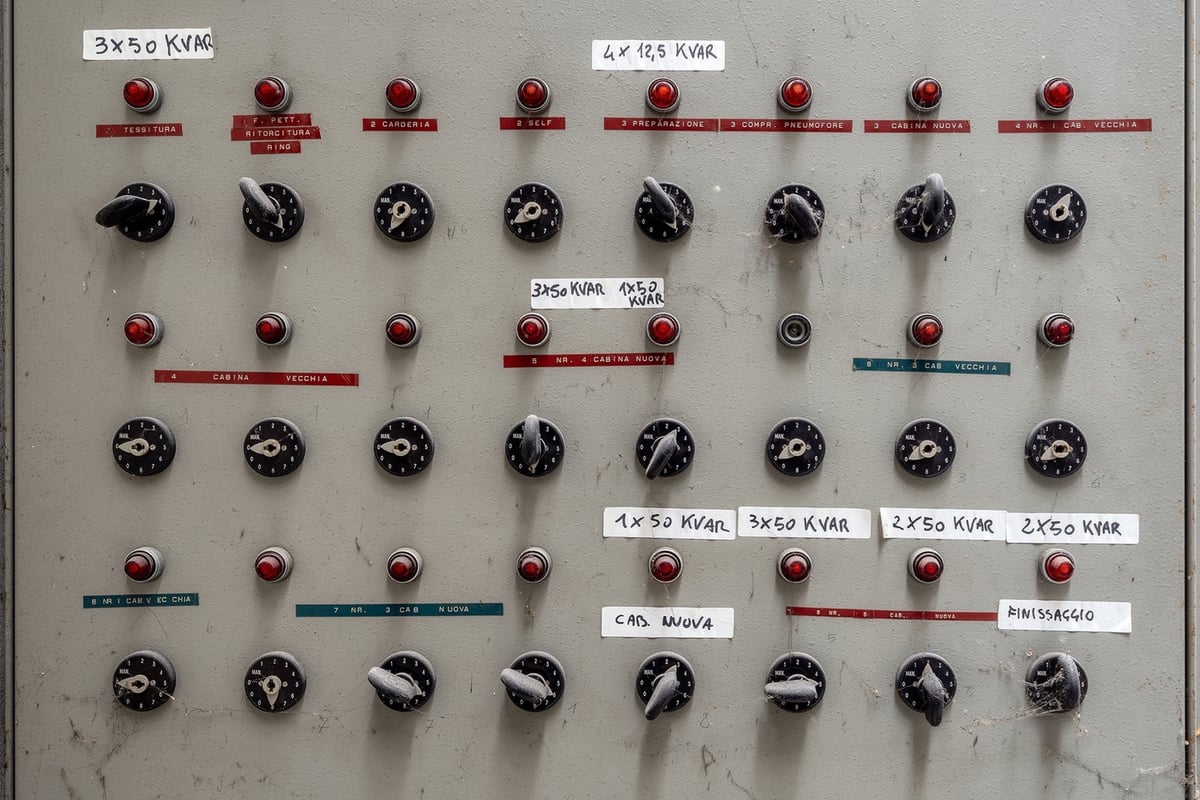

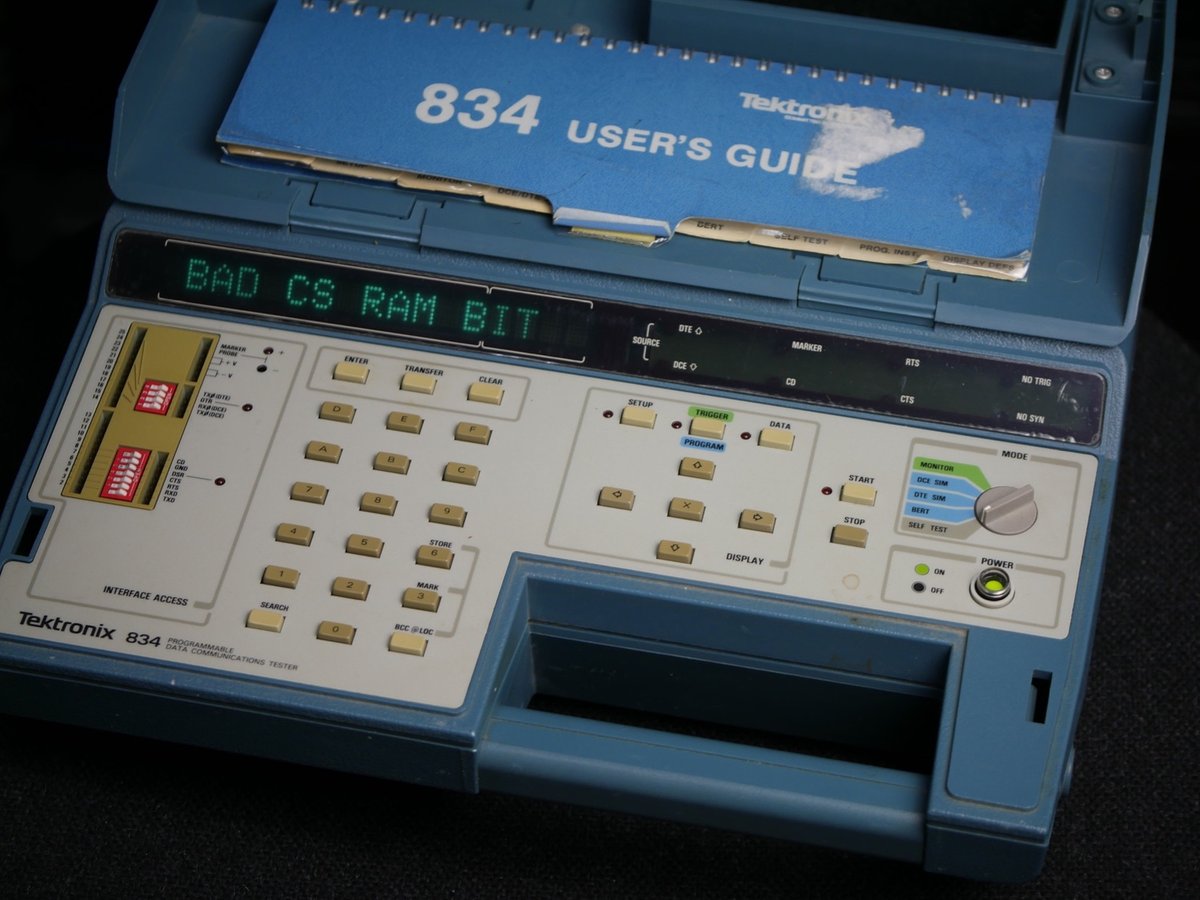
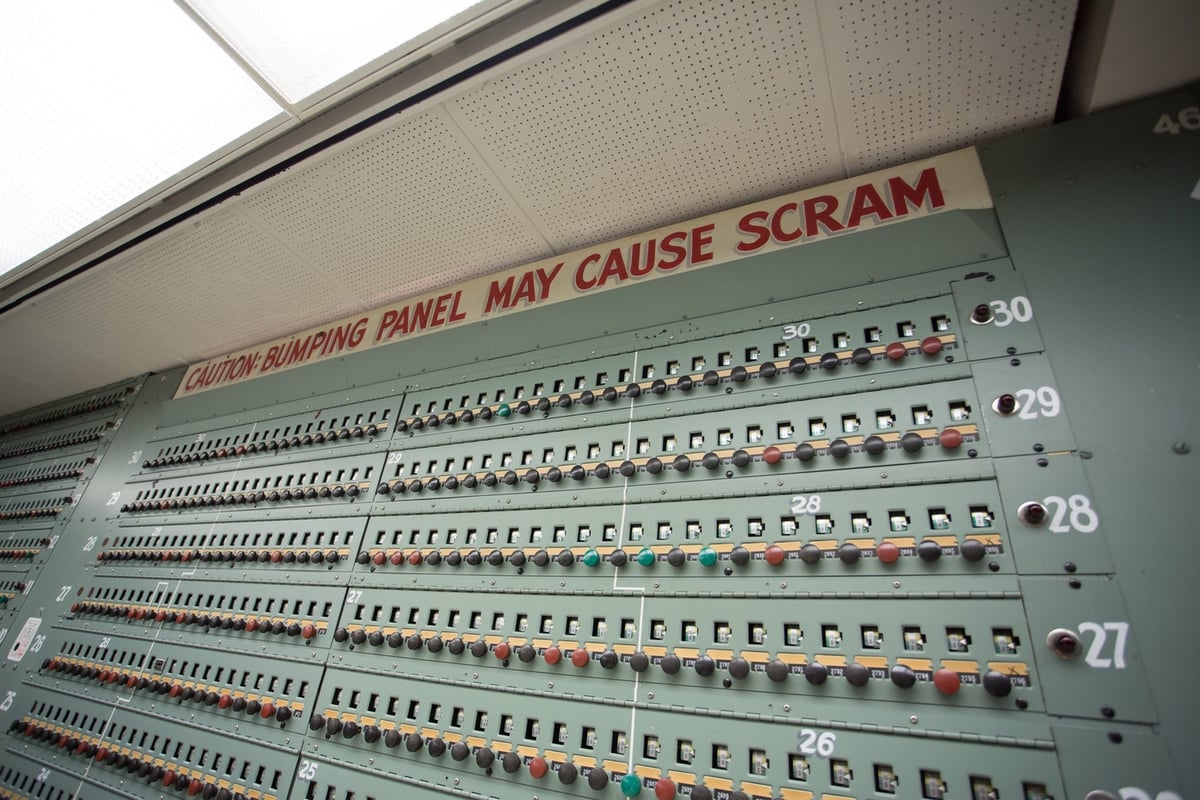
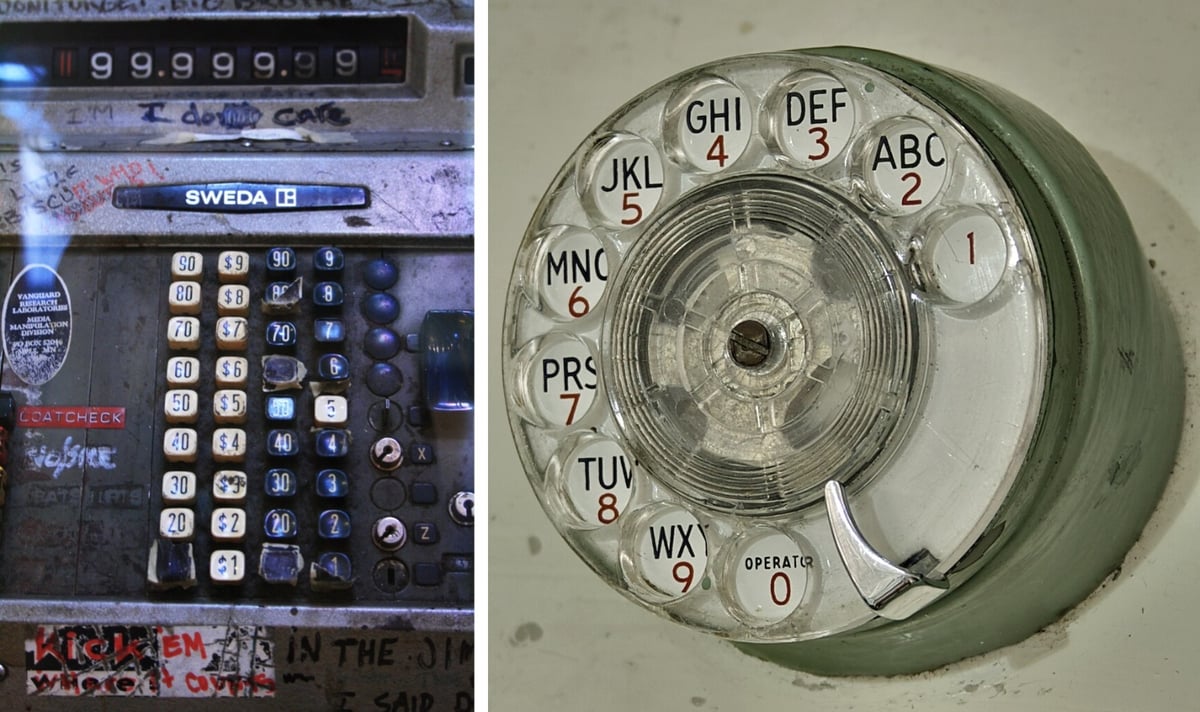
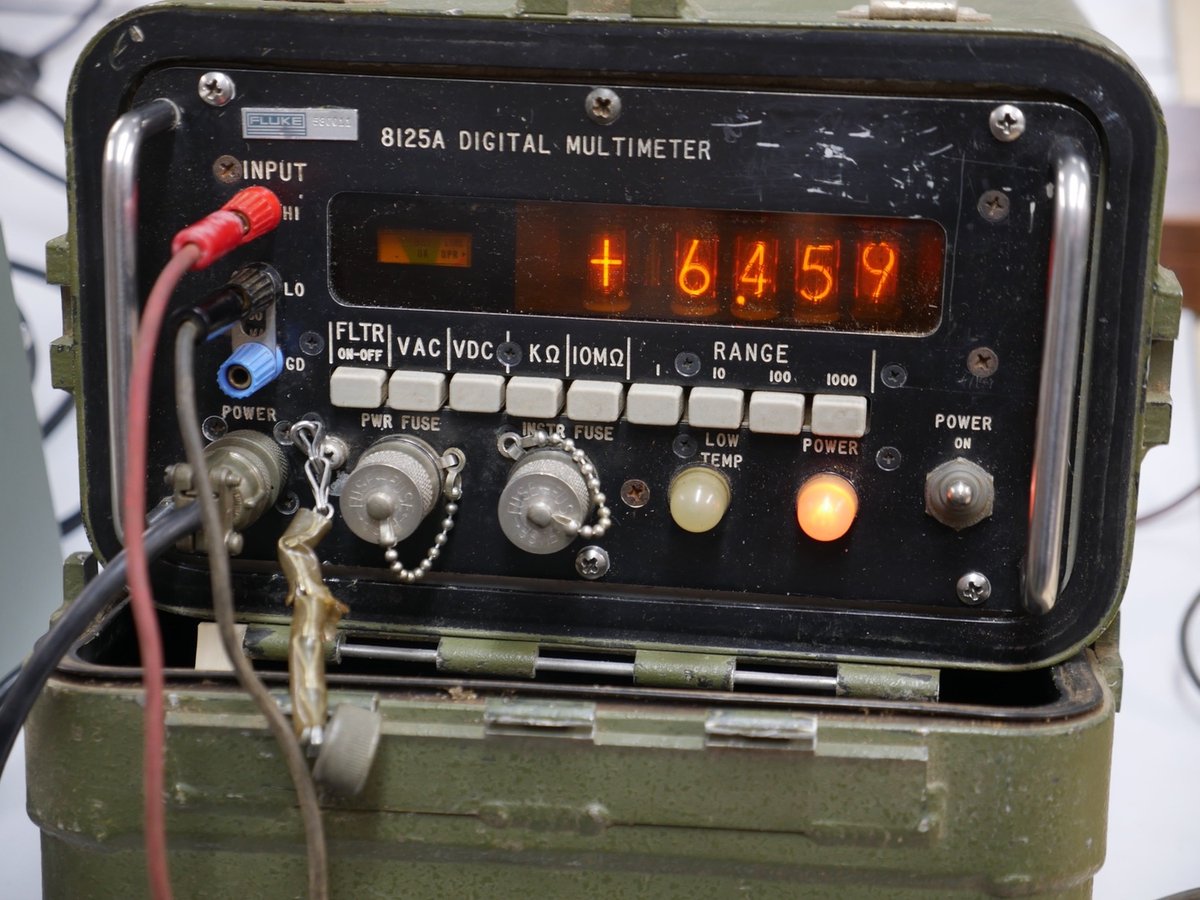
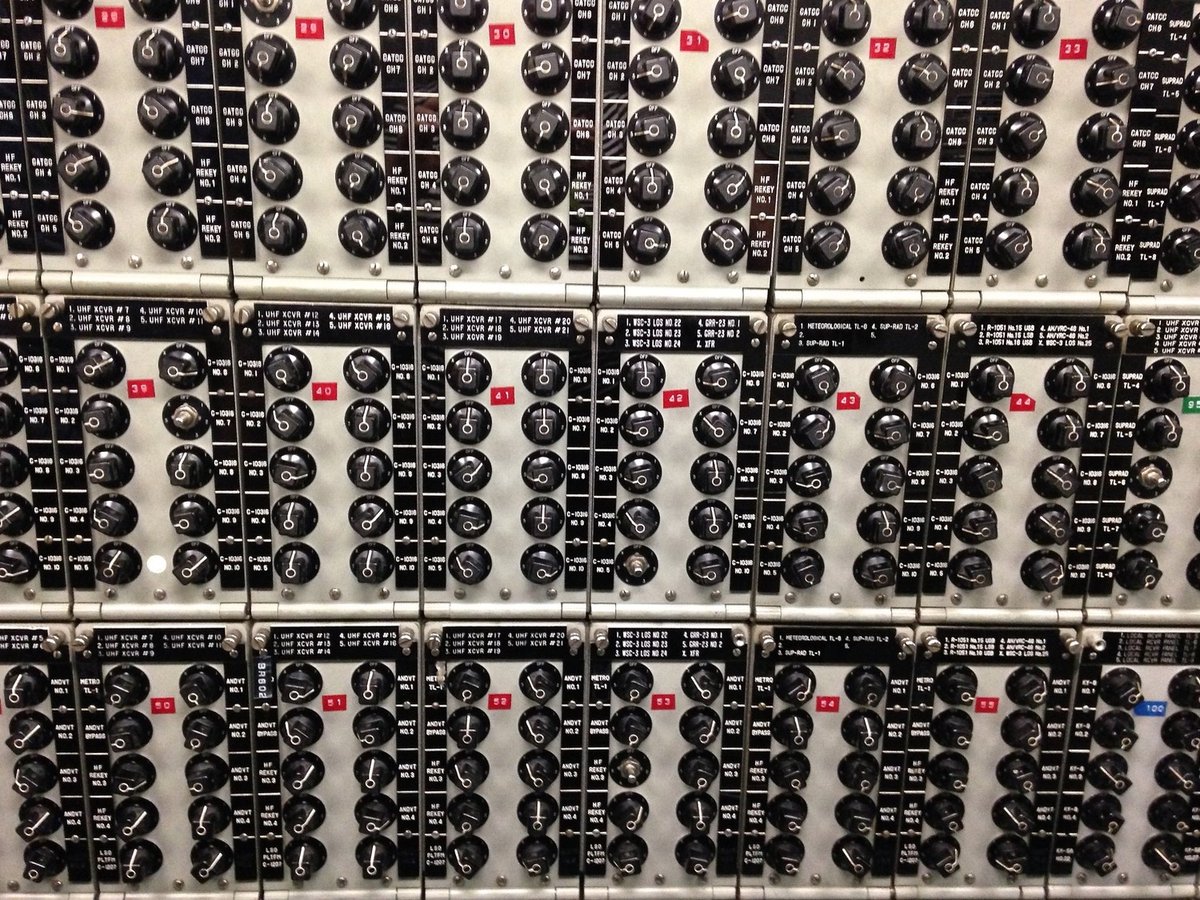
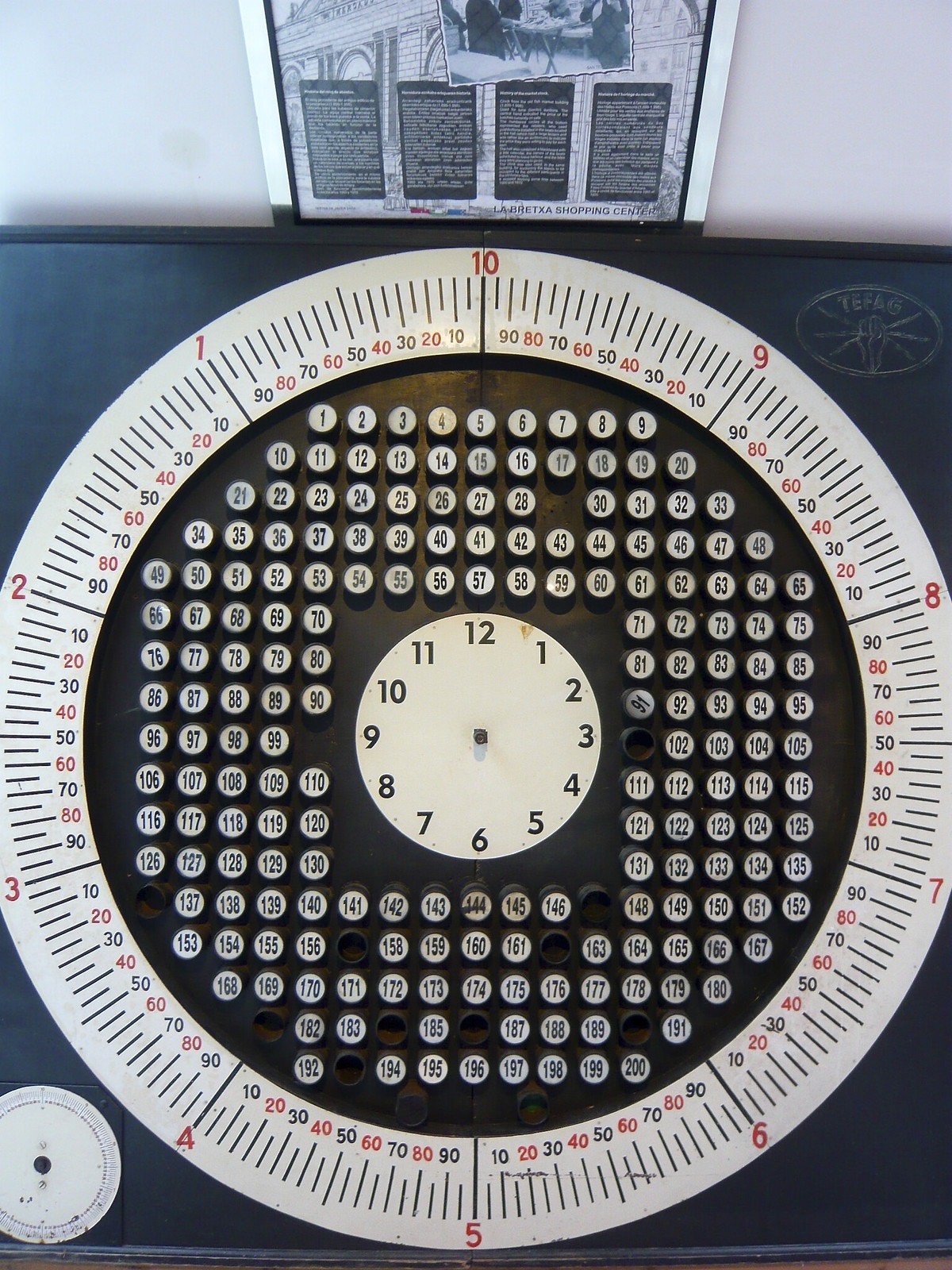
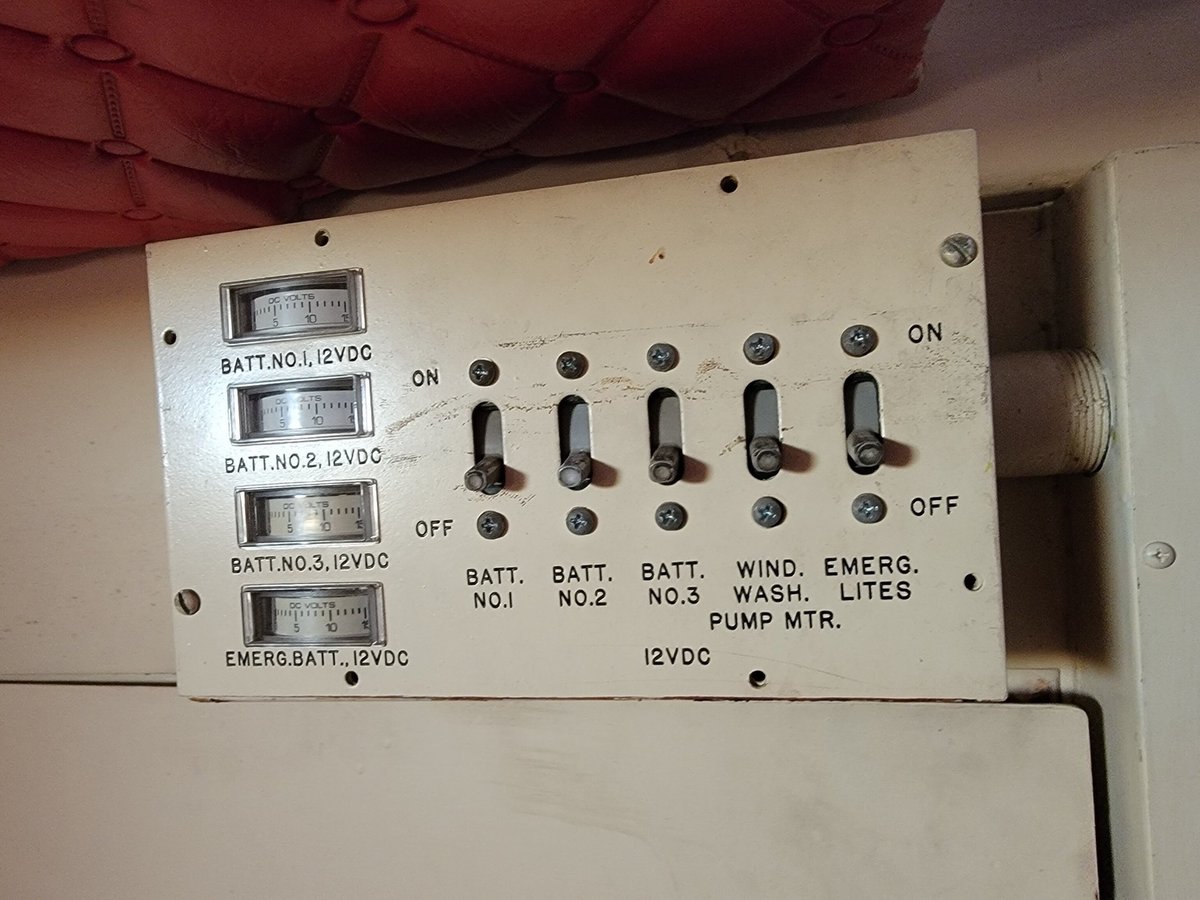
How much Gorton did you spot?
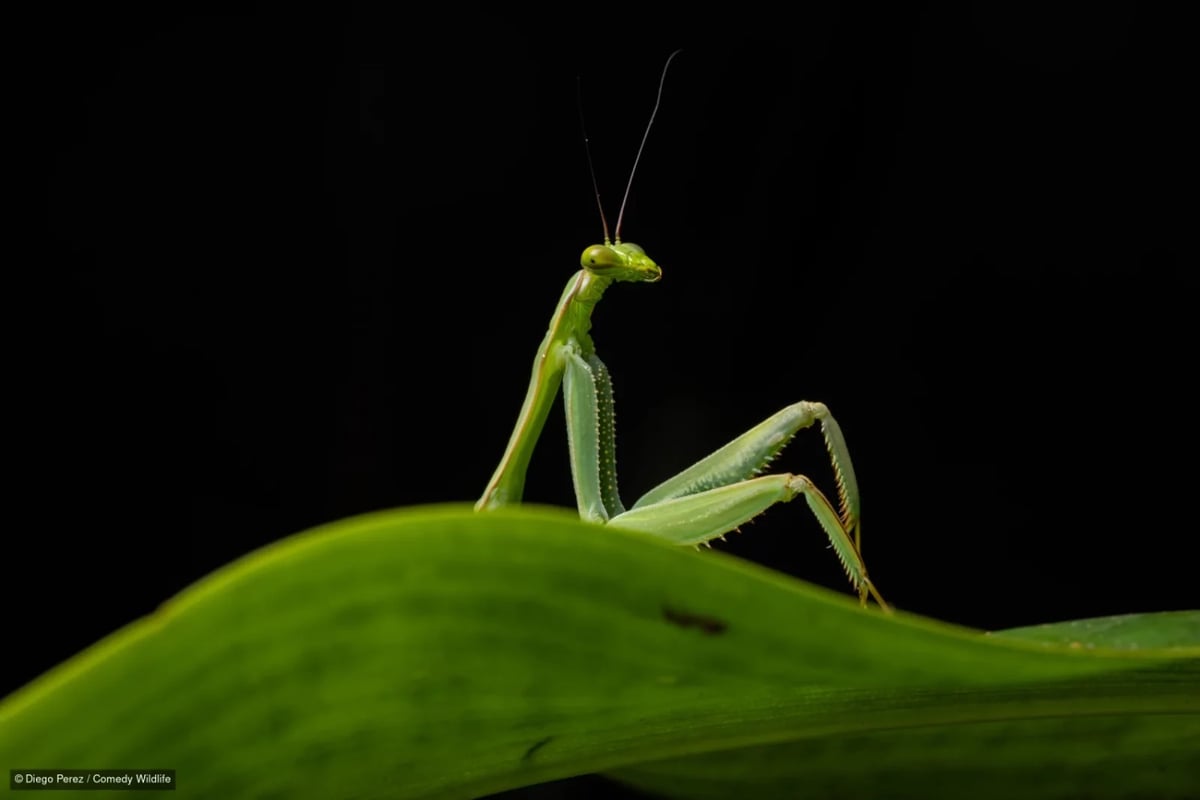
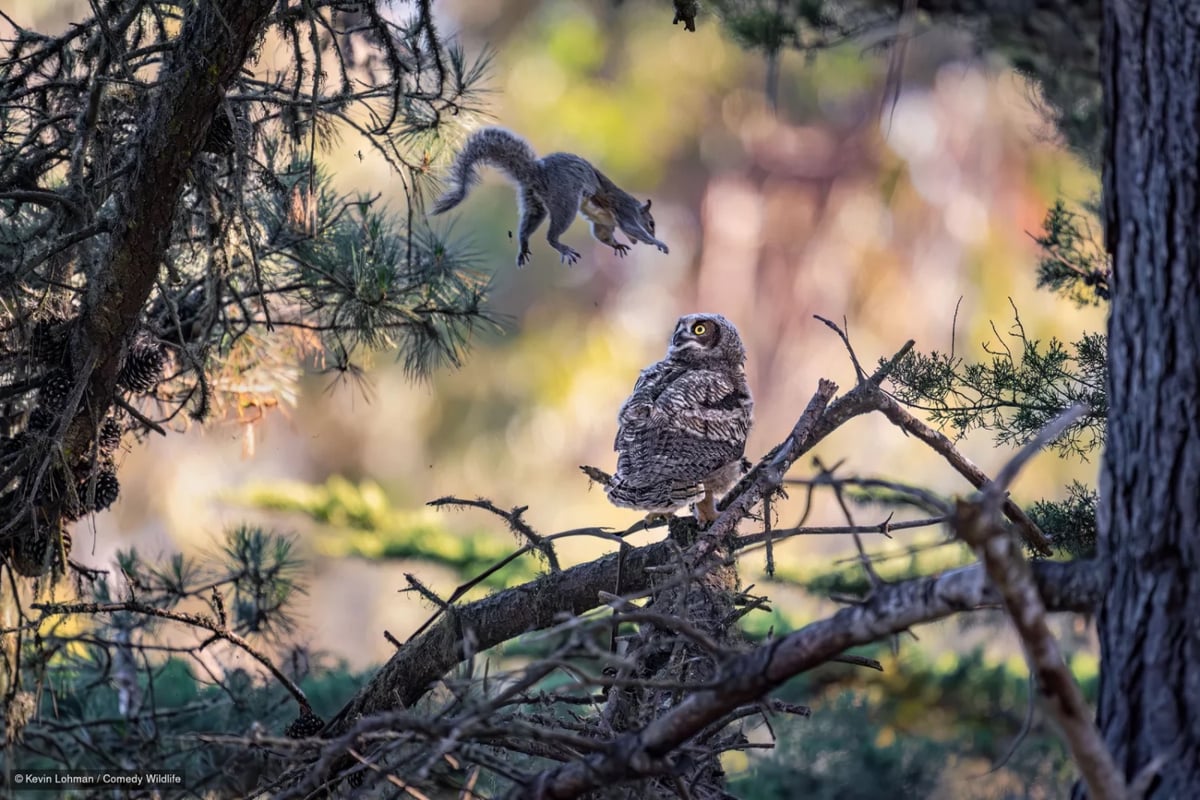
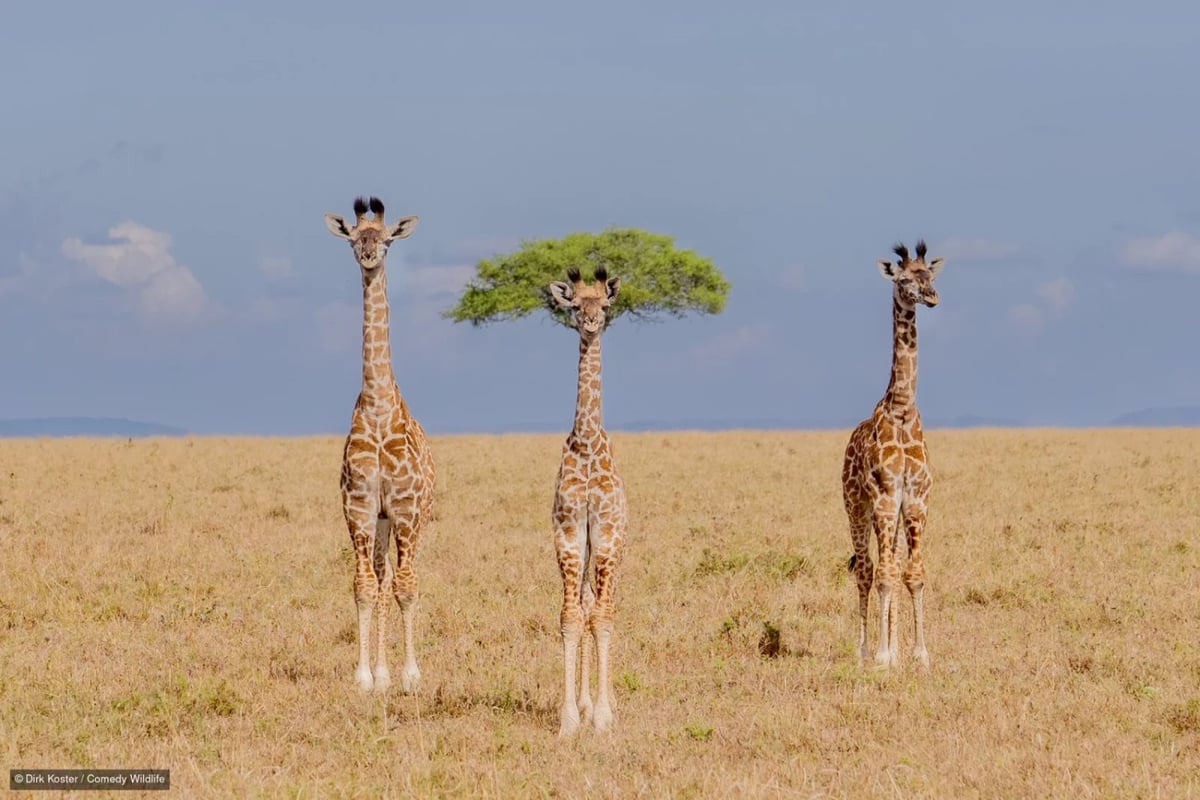
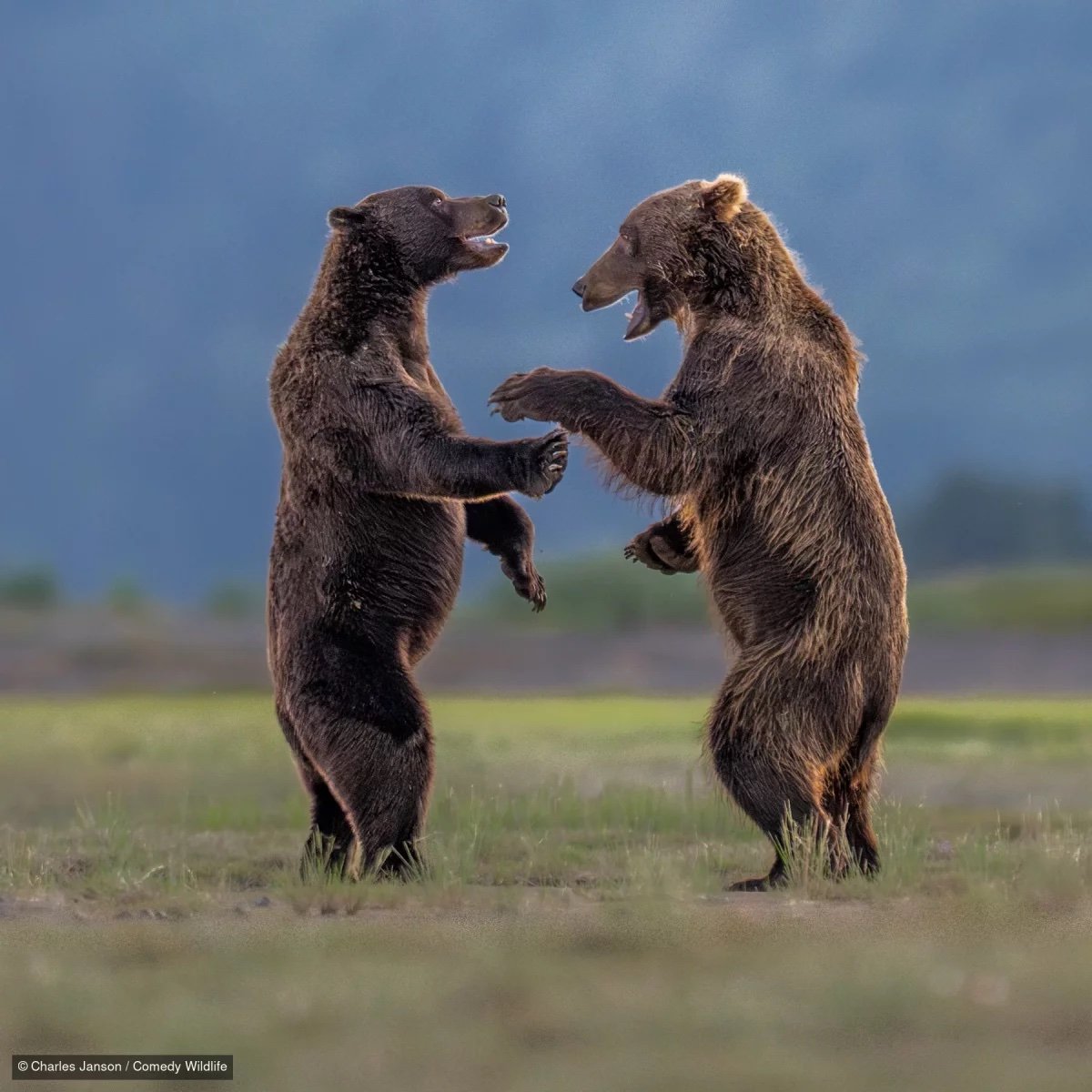
The Comedy Wildlife Awards have announced the finalists for the 2026 competition and, well, these awards never miss. You can almost hear the background music for some of these…
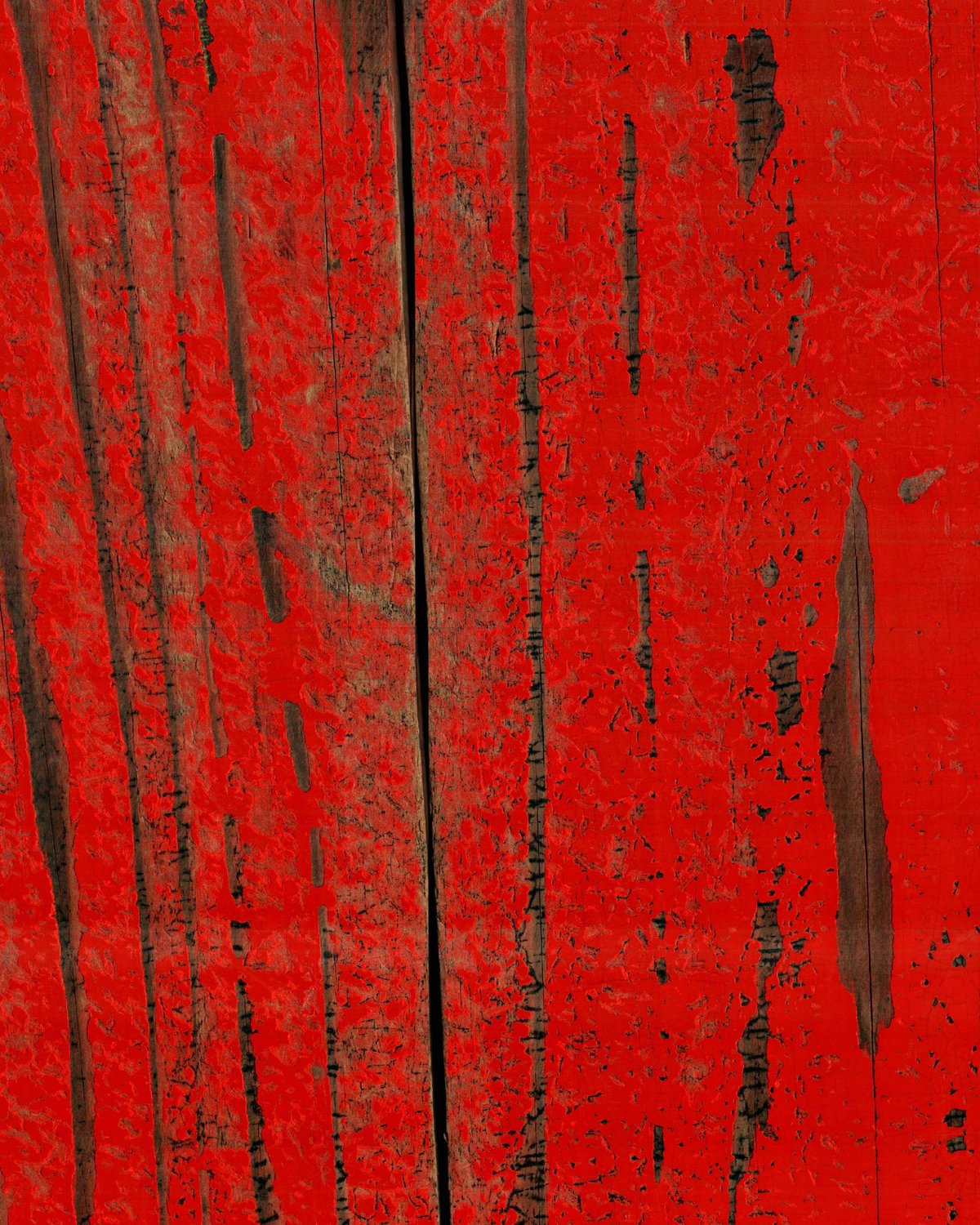
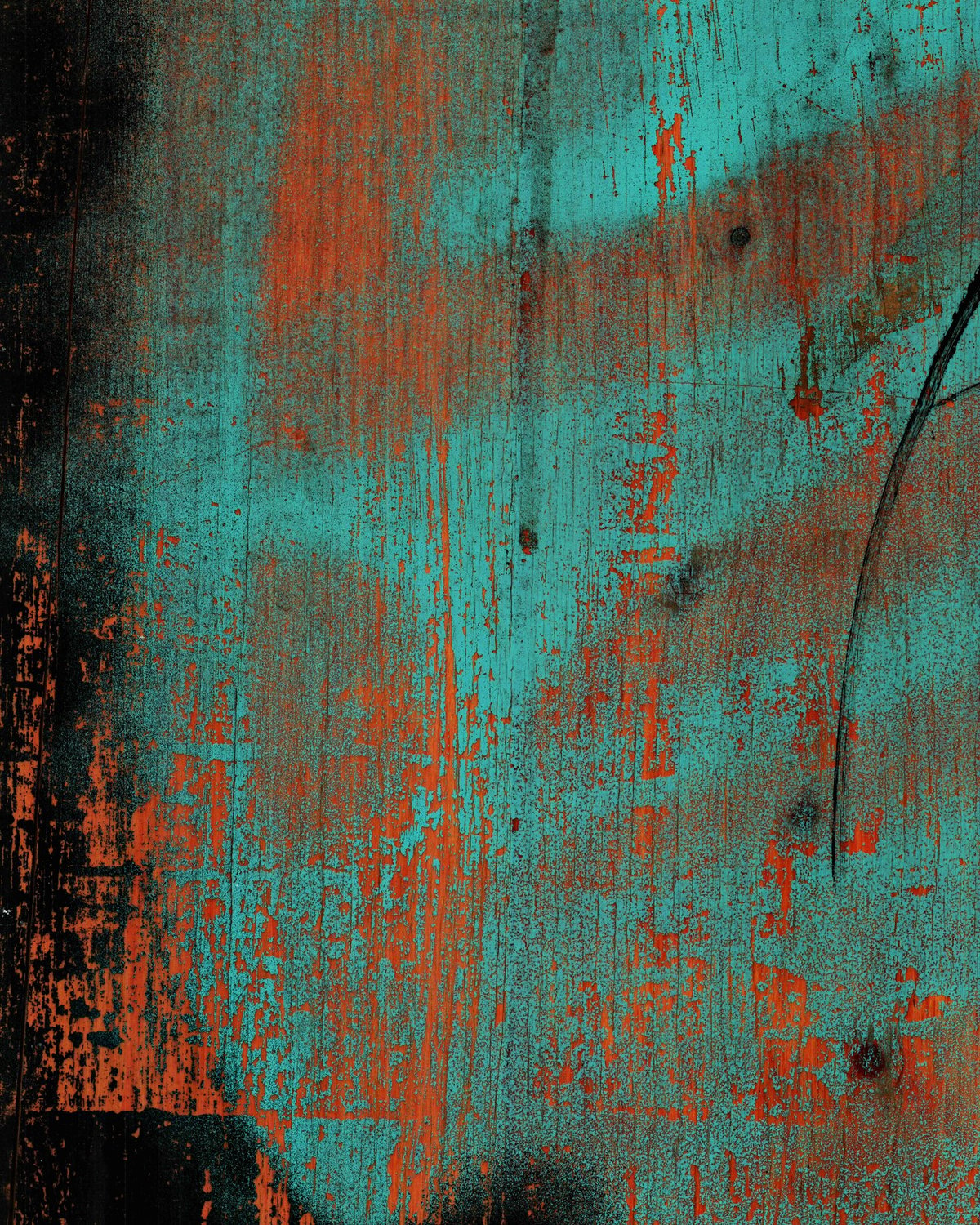
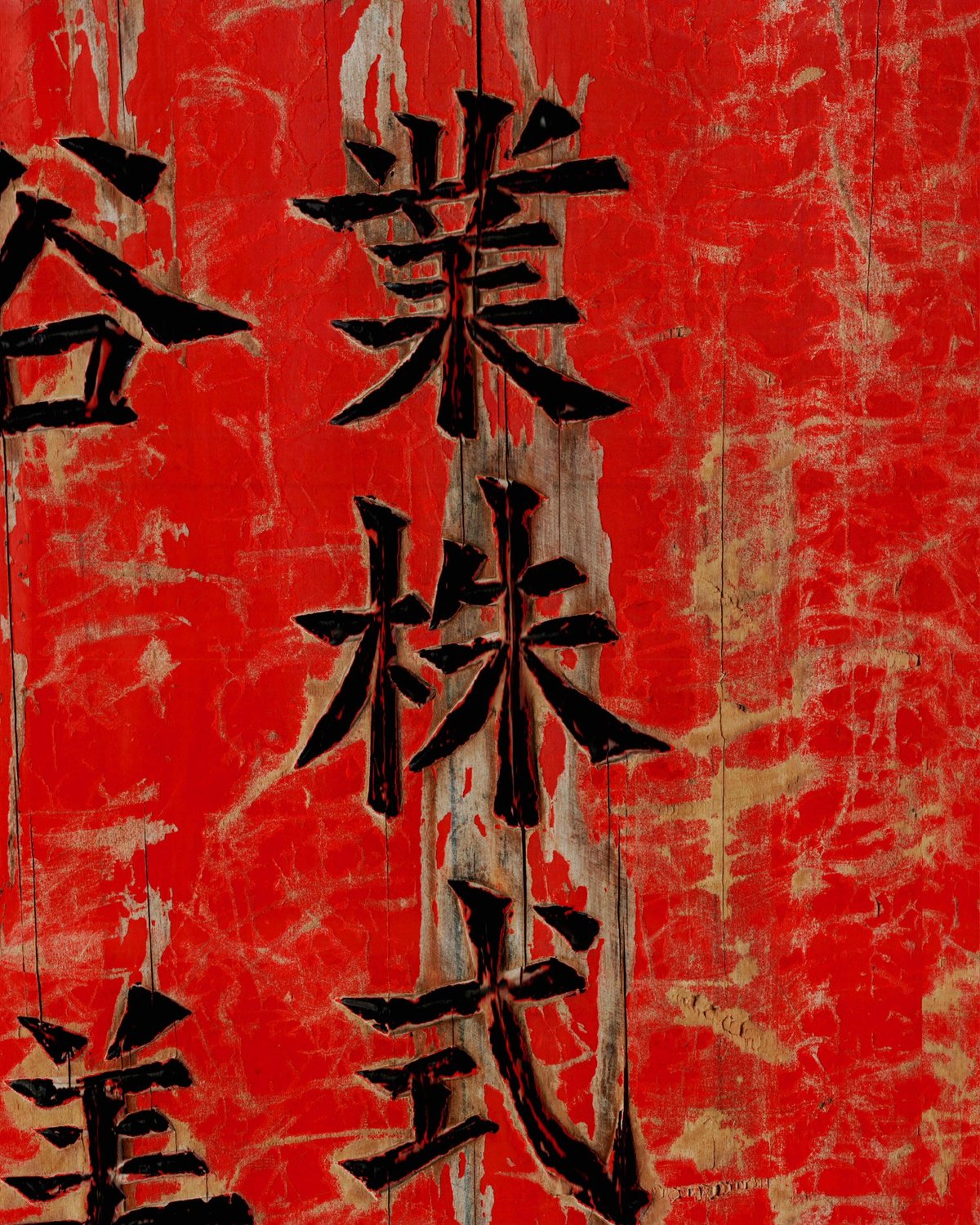
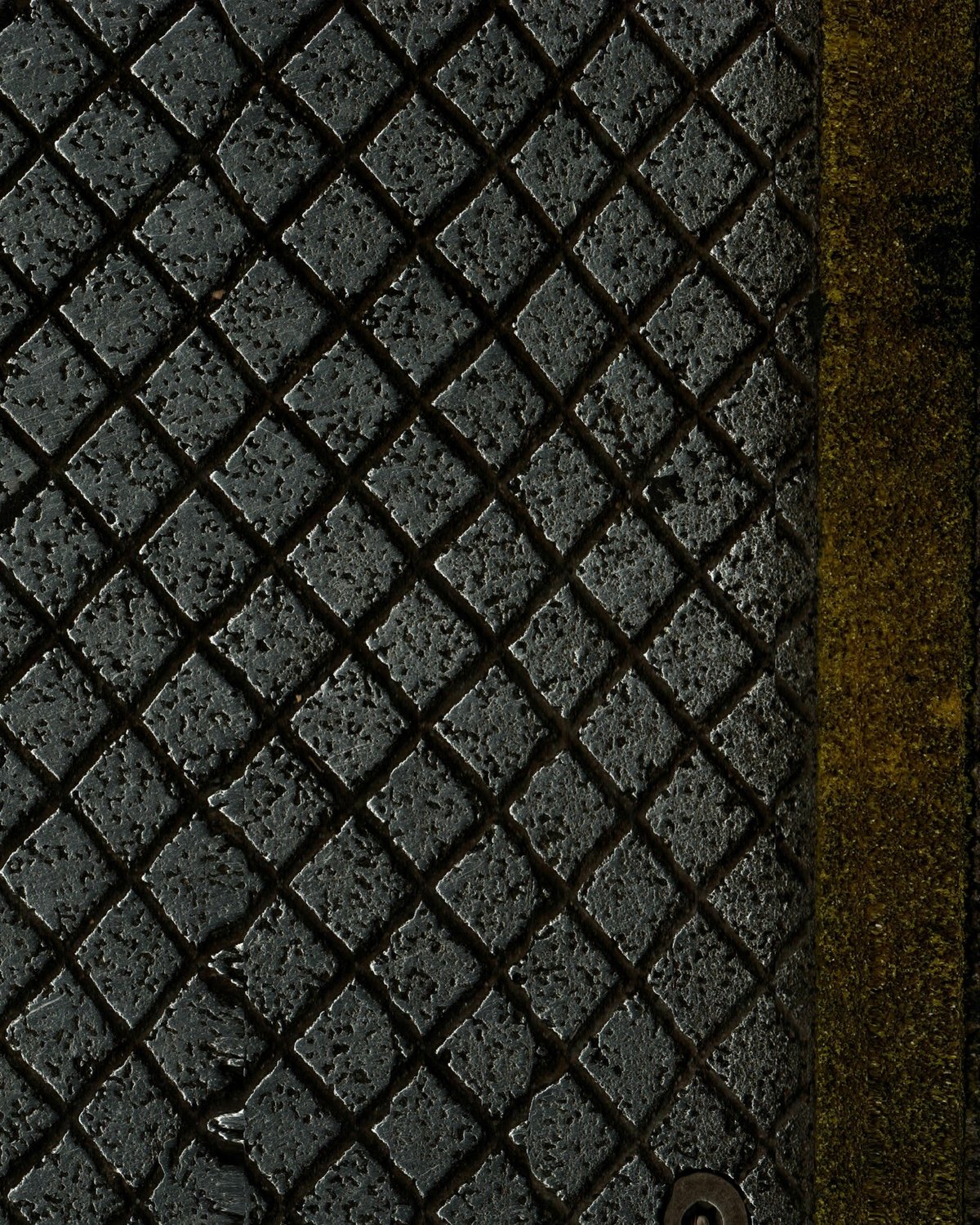
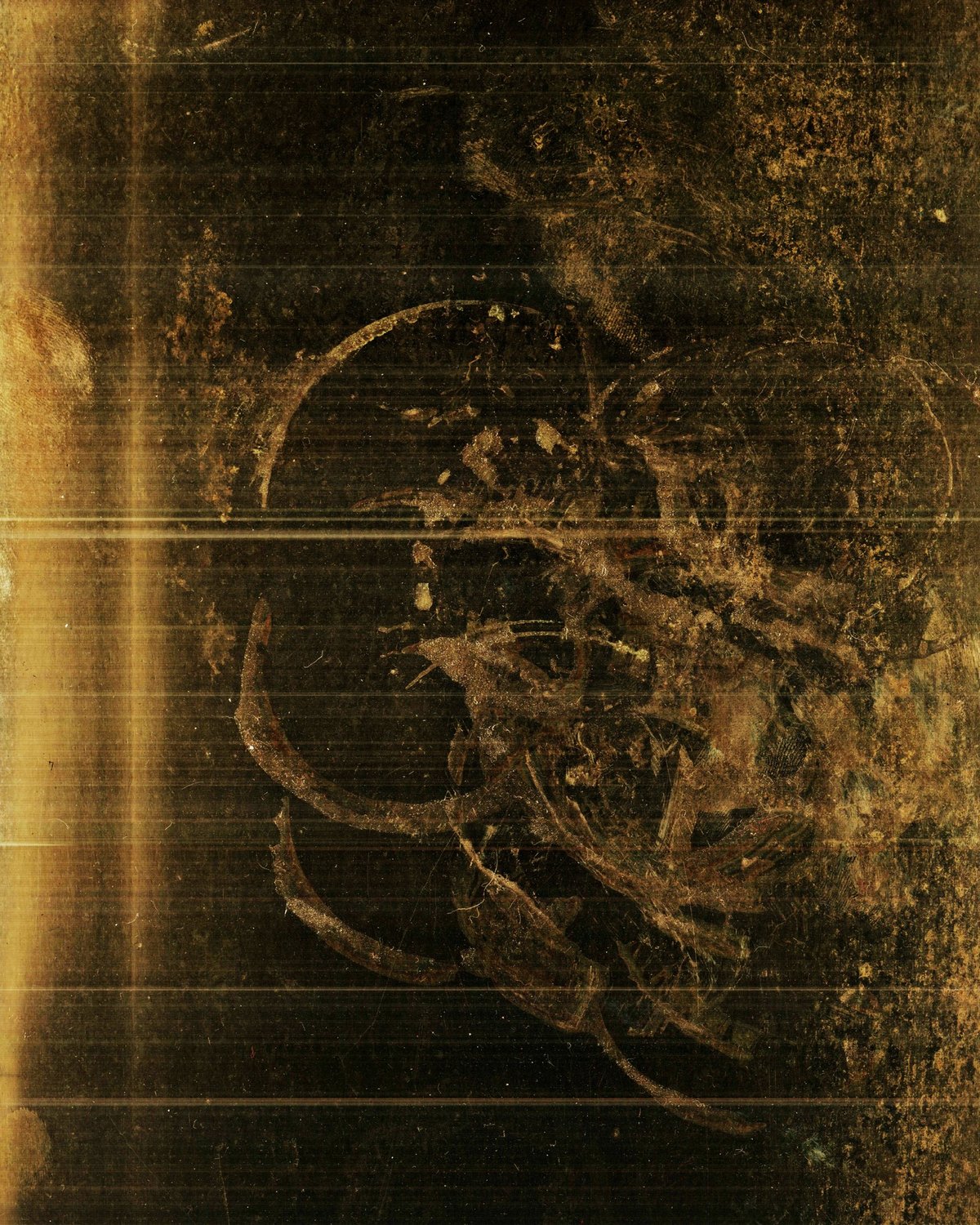
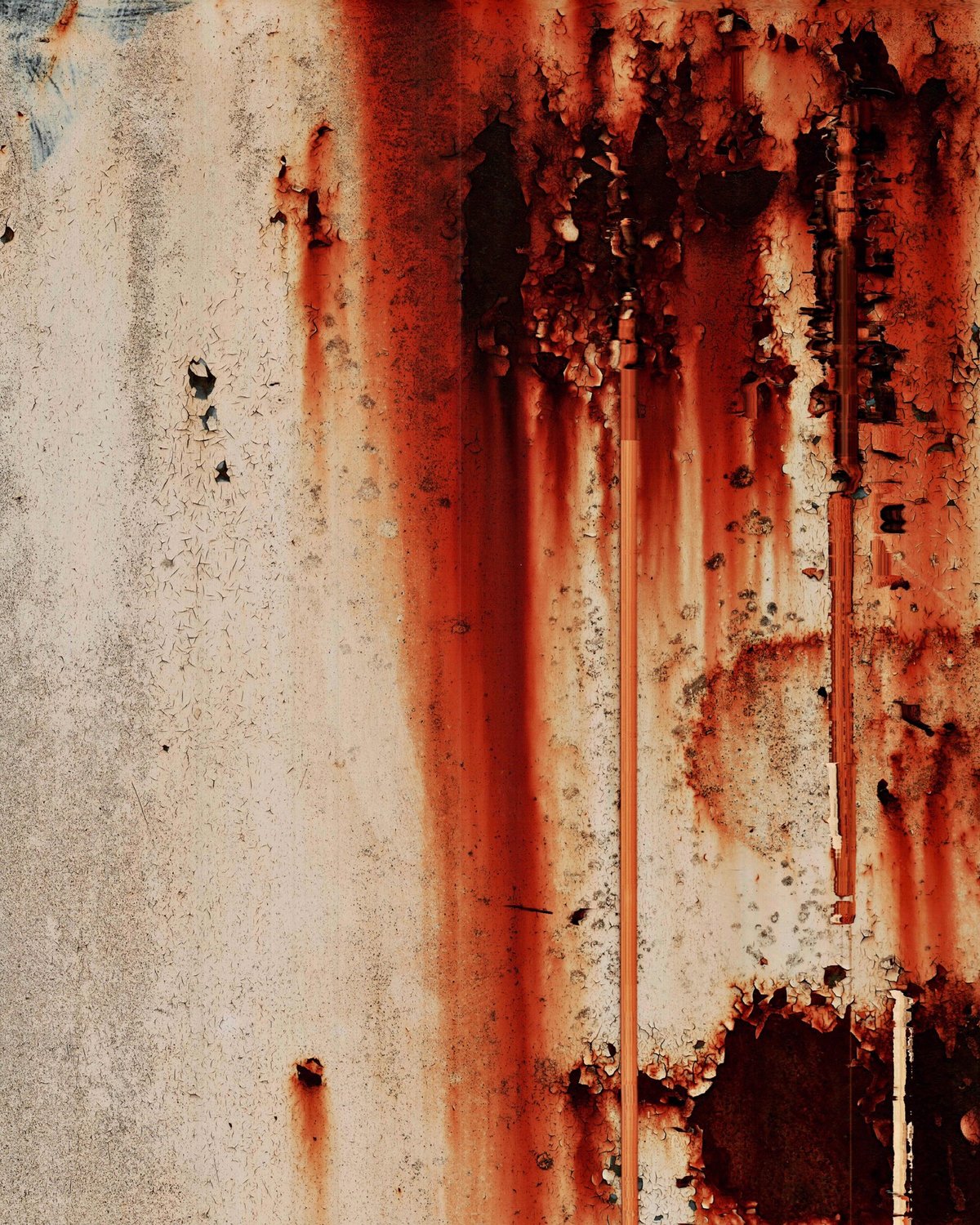
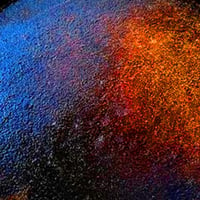
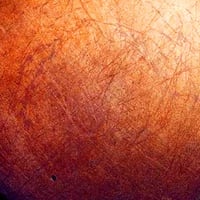
Using a handheld scanner, designer/illustrator Noah Nolet captures textures from surfaces in cities around the world, including Tokyo, LA, Paris, Kyoto, NYC, and Berlin. On his website, he offers city packs of hundreds of scans for sale and free sample packs as well. You can also check out how he captures the textures on Instagram and YouTube. This is a modern take on stone rubbing.
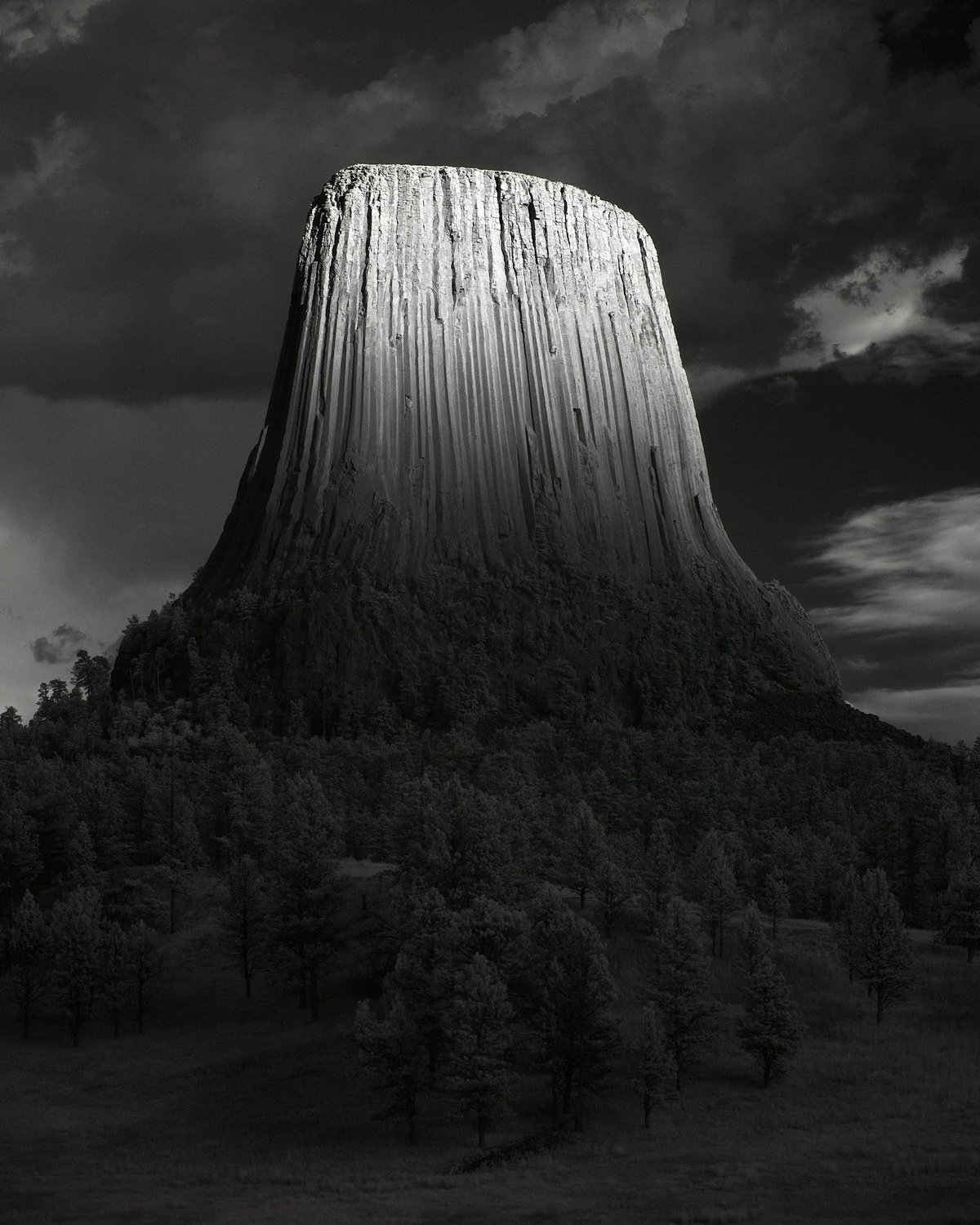
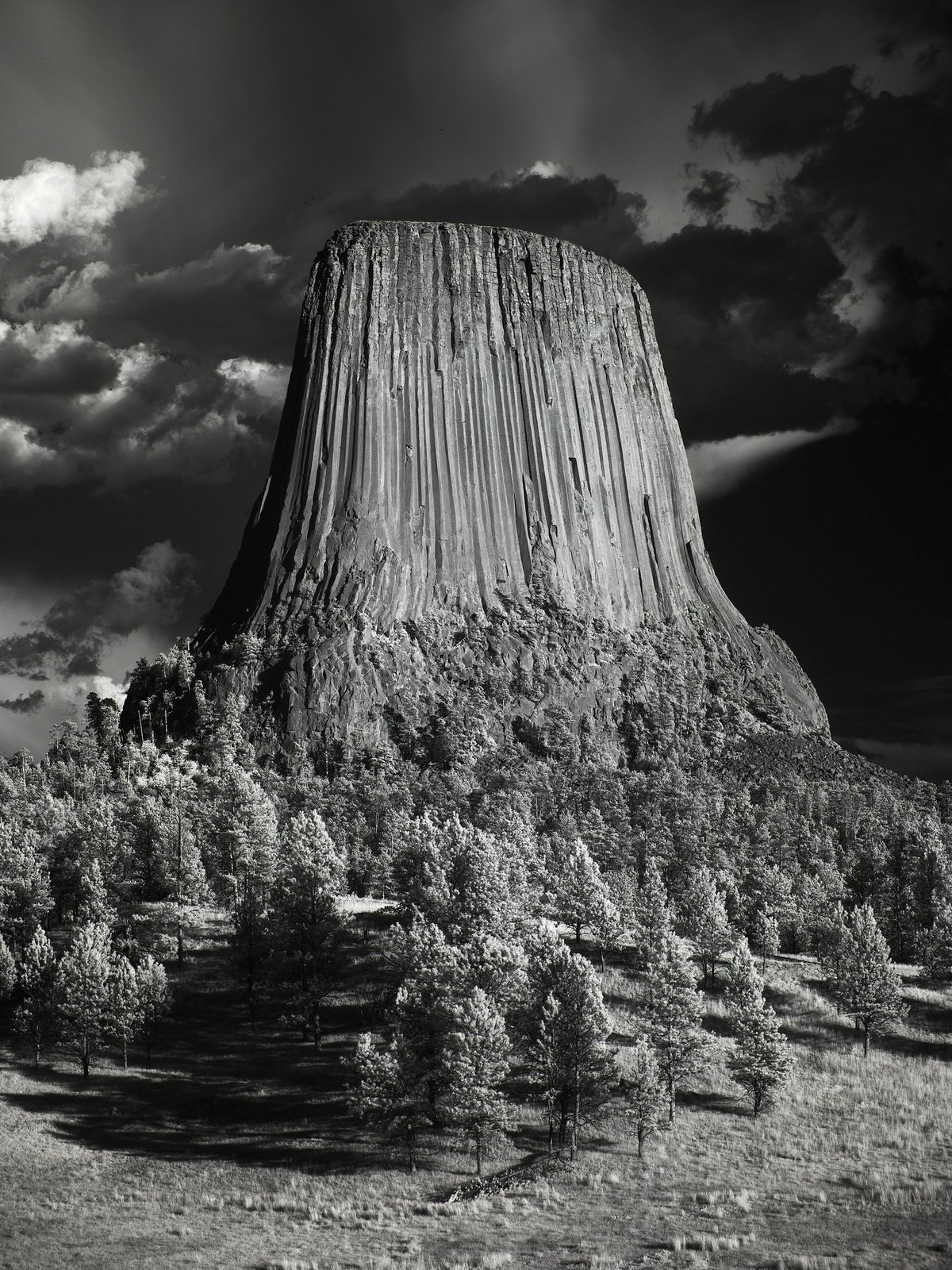
I love these black & white photos of Devils Tower by Zac Henderson.
A butte of a rare kind of volcanic rock that formed a mile underground 50 million years ago, Devil’s Tower is visible now thanks to erosion of sedimentary rock. The tower features the world’s largest known example of columnar jointing. Its massive stone columns, as much as 10 feet in diameter, formed as magma cooled and contracted, creating great stress that the rock alleviated through fracturing. The columns come in 5, 6, and 7 sided varieties.
These photographs were captured over the course of 3 days with the ultimate goal of capturing the full moon streaking behind the tower. The black and white images in this series were captured late in the day while waiting for the moon to rise. These photographs were captured in 830nm infrared and helped create intense contrast between direct sunlight and shaded regions of the image. The resulting set of photographs are a study of afternoon light and shadow on the surface of the tower.
If you ever get the chance to see Devils Tower in person, I recommend it. (via colossal)
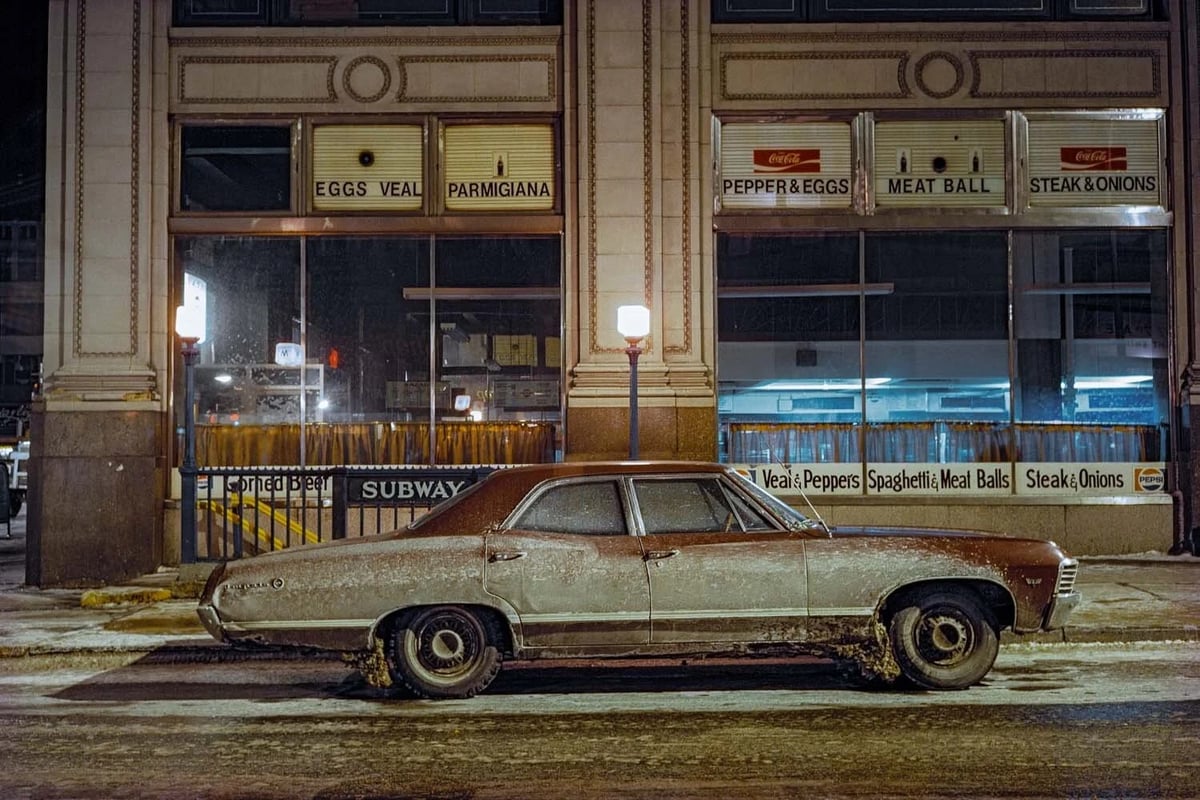
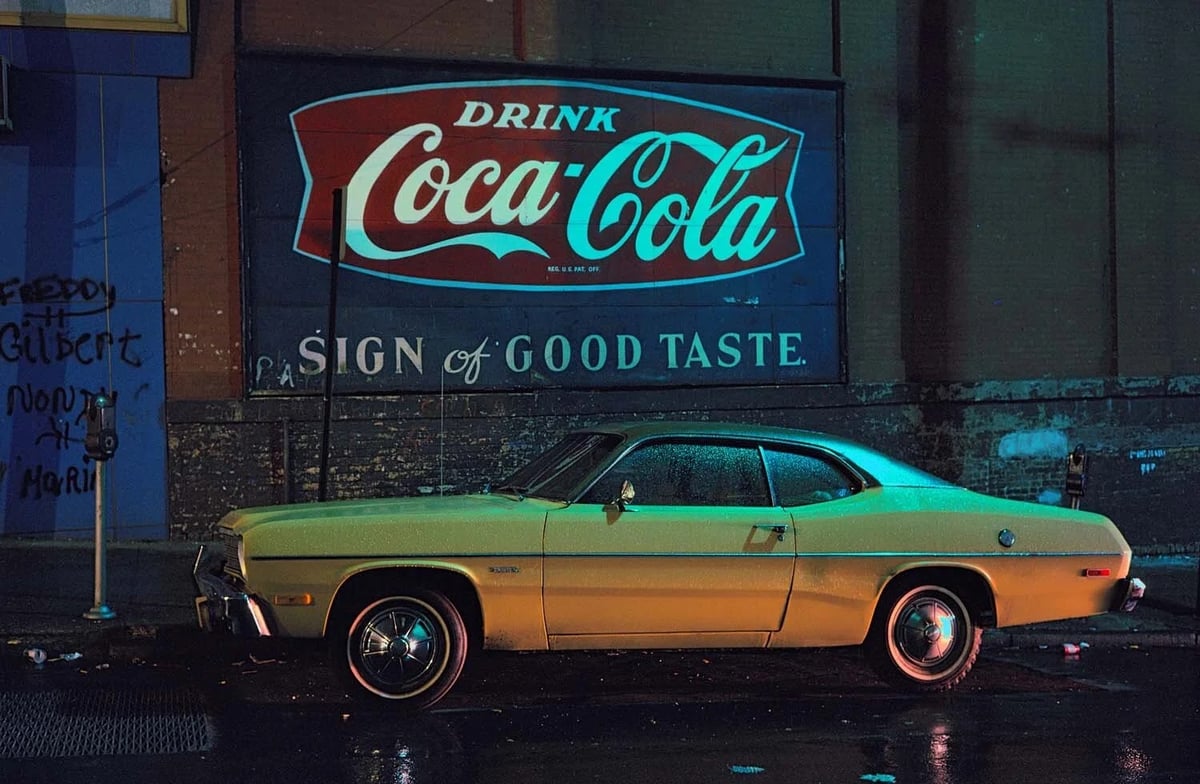
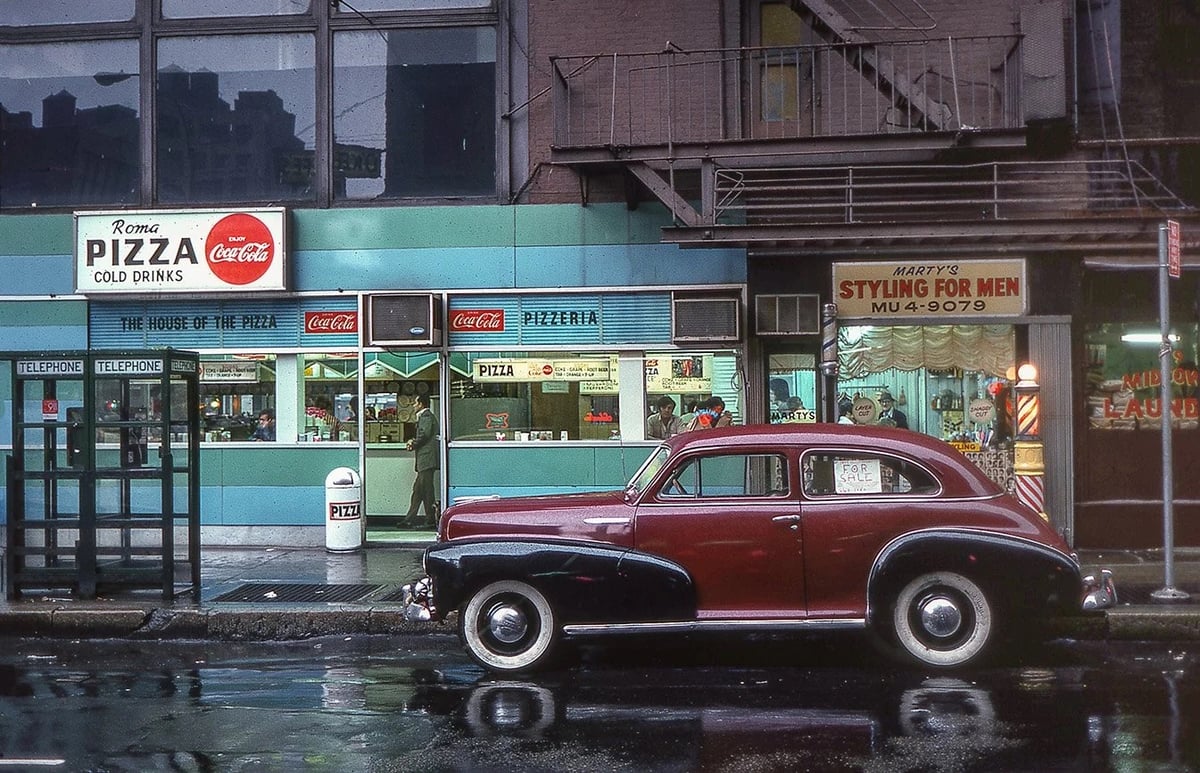
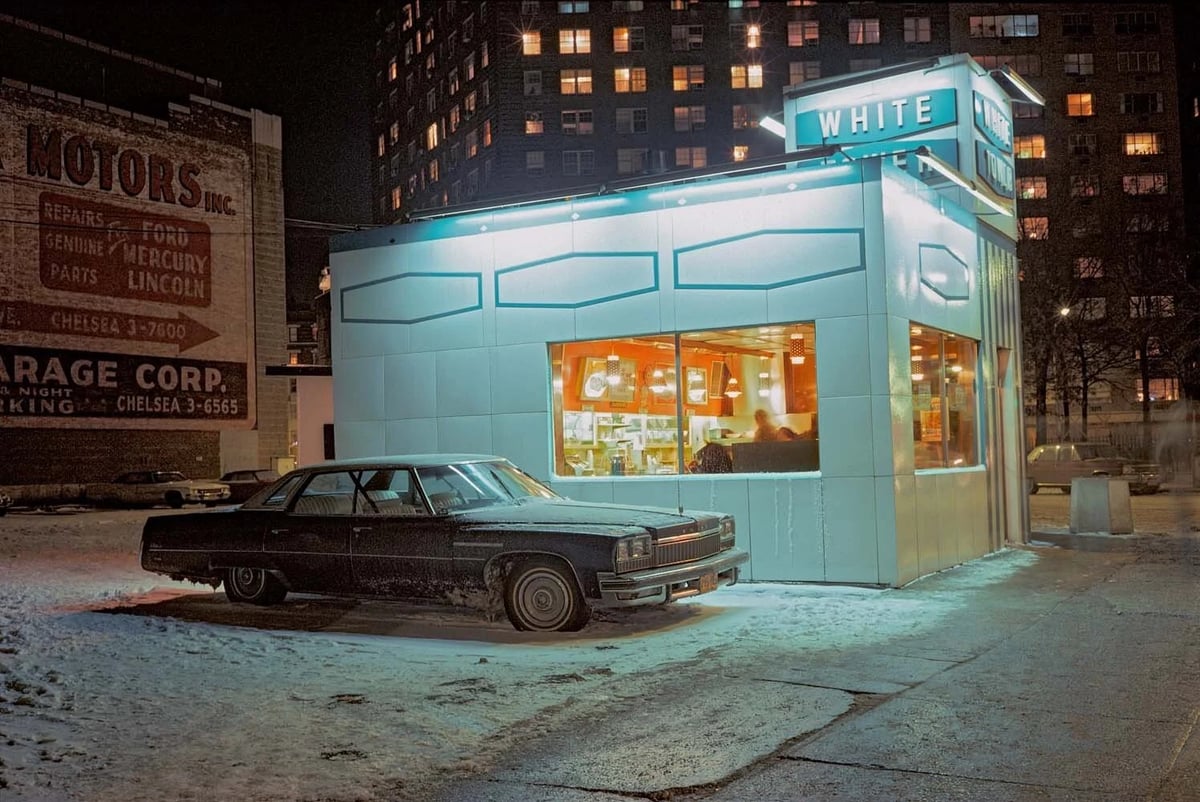
In the 70s, photographer Langdon Clay took photos of cars parked on NYC streets at night and compiled them into a project: Cars, New York City | 1974-1976.
Using his Leica CL, Kodachrome 25, and a 40 millimeter lens, Clay traversed the streets of 1970’s Manhattan finding automobiles that paralleled their environment. The cinematic images are a result of time exposure, sodium vapor street lights, and the tenacity of youth.
Luc Sante wrote about Clay’s car photographs for the New Yorker:
One of the things that used to make America so distinctive was its cars. If you lived there, you would really have to go abroad for a while and then come back to appreciate the difference. In most countries of the world, cars were modest things, little bean-shaped units designed to take two or three people from here to there. In America, cars were real estate. They were enormous boats in which you could eat, sleep, make love, change clothes, throw parties, maintain an office, practice unlicensed dentistry—or take your six best friends out for a spin. They were a testament to America’s unlimited natural resources: oil, steel, rubber, naugahyde, and, above all, space. American cars could be so huge because the nation’s highways were endless, its city streets were wide, and there was abundant free parking everywhere you went. And that included New York City then, since most of its population took the subway.
A 2016 book featuring these images is out of print, but you can find copies for several hundred dollars. (via atlas obscura)
Older posts



Socials & More