kottke.org posts about photography
Albert Kahn sent photographers all over the world in the early 1900s and amassed over 72,000 color photos in the process. Here are a few shots of his from Paris on the eve of World War I.
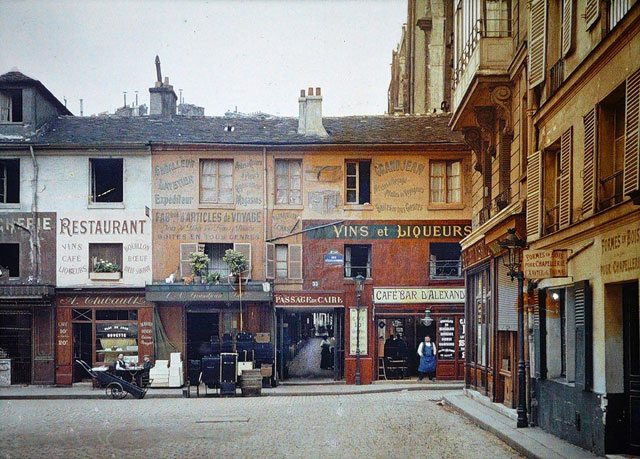
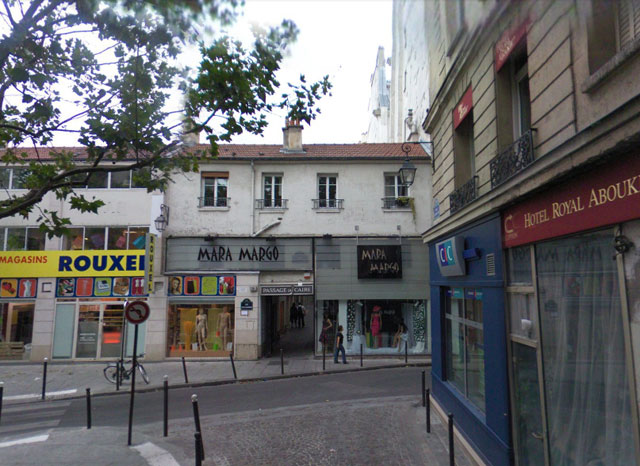
That photo is of the entrance to the Passage du Caire at the corner of Rue d’Alexandrie and Rue Sainte-Foy in the 2nd arrondissement. Here’s what it looks like today:
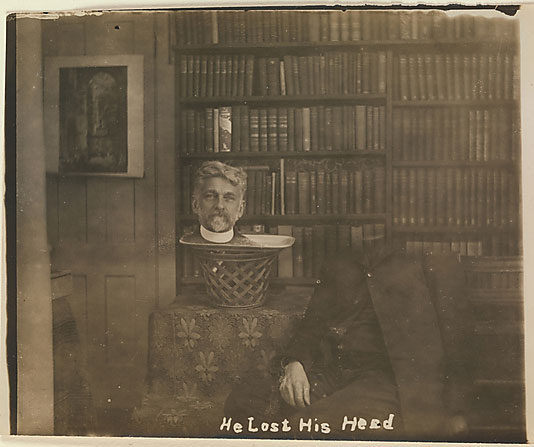
NYC’s Metropolitan Museum of Art has an exhibit running until January 27, 2013 featuring over 200 photos employing old timey trickery.
For early art photographers, the ultimate creativity lay not in the act of taking a photograph but in the subsequent transformation of the camera image into a hand-crafted picture.
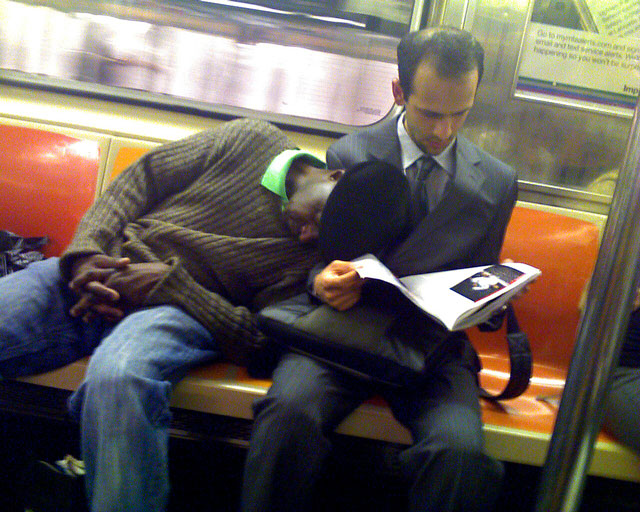
Some dude next you on the subway falls asleep on your arm and you just go on about your business. That’s about right. (via gothamist, photo by molossoidea)
A new series of photographs from Shinichi Maruyama shows the nude human form in motion. (Totally SFW.)
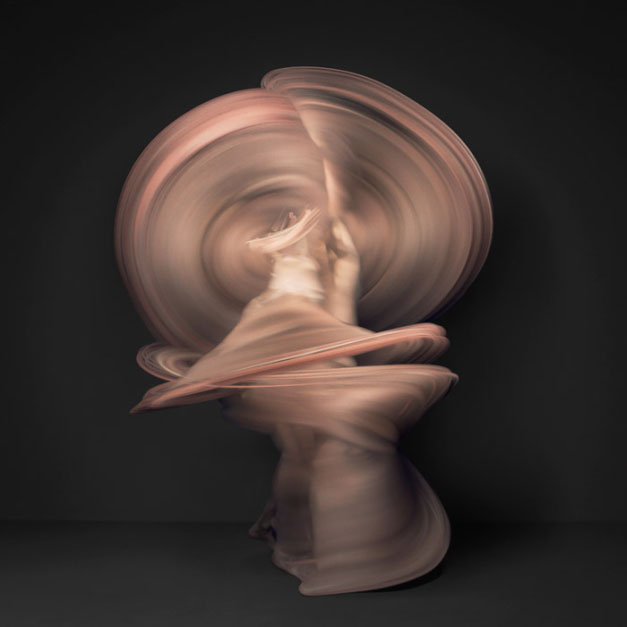
According to Petapixel, these are not long exposure shots (like these).
Although the photographs look like long-exposure shots, they’re actually composite images created by combining ten thousand individual photographs of each dancer. The result is a look in which each model’s body is (mostly) lost within the blur of its movement.
You may remember Maruyama from his hand-thrown water sculptures.
In their book Store Front: The Disappearing Face of New York, James and Karla Murray are documenting the changing commercial facade of NYC’s streets. A recent post on their blog focuses on a strip of Bleecker St between 6th and 7th Avenues in the West Village. This is Murray’s old location circa 2001, before they moved across the street into a bigger space, expanded that space, and opened an adjacent restaurant:
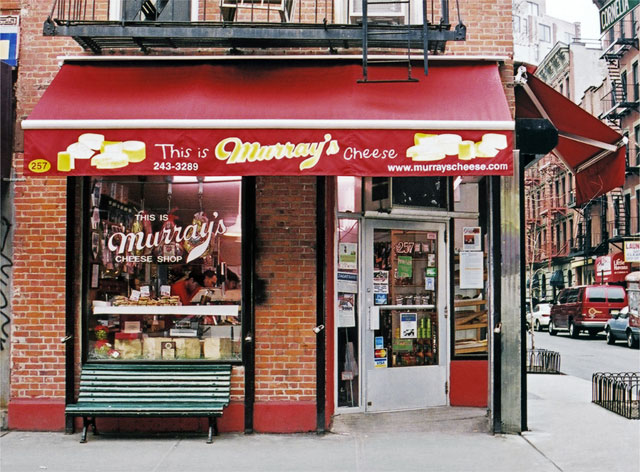
I moved to the West Village in 2002 and, after a few stops in other neighborhoods around the city, moved back a couple years ago. Walking around the neighborhood these days, I’m amazed at how much has changed in 10 years. Sometimes it seems as though every single store front has turned over in the interim. (via @kathrynyu)
A little late for Veteran’s Day, but this is a great collection of photography from Vietnam. These two stick out for me (both photos by Horst Faas):
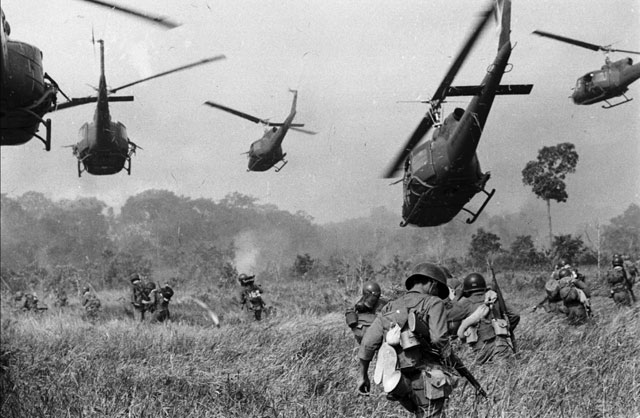
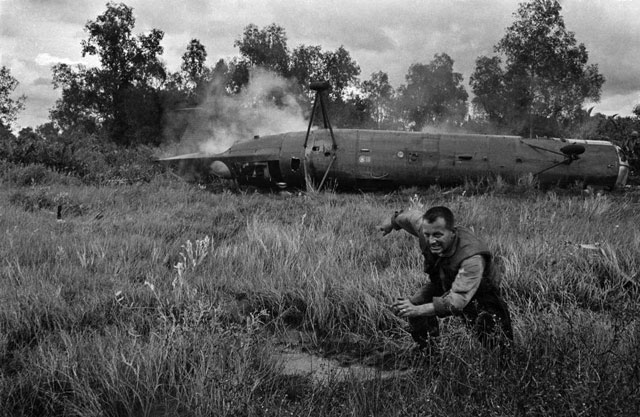
Some images NSFW and may be disturbing, etc. (via @Colossal)
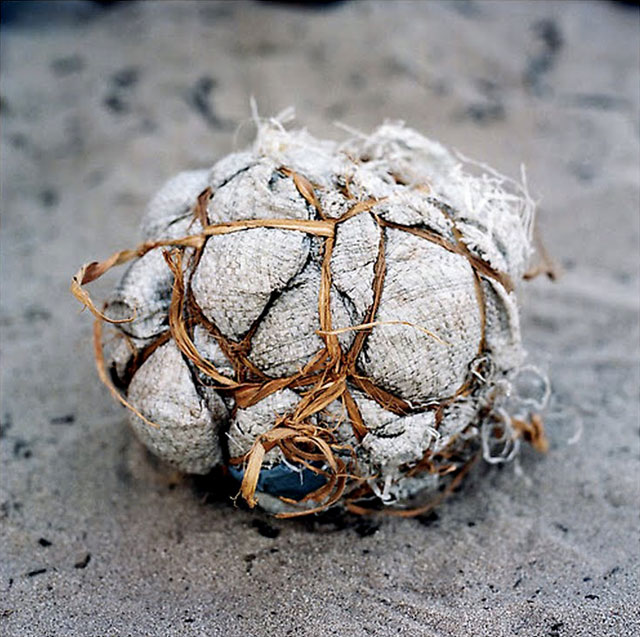
Photographer Jessica Hilltout has documented the game of soccer/football/futbol around the world, from the secondhand footwear to the improvised goals to the makeshift balls:
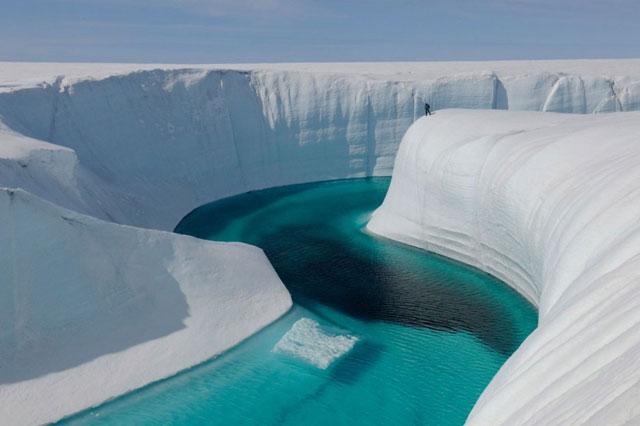
Photographer James Balog (the guy behind a new documentary called Chasing Ice) spent years taking pictures of the melting glaciers. In a variety of ways, these photos are quite incredible.
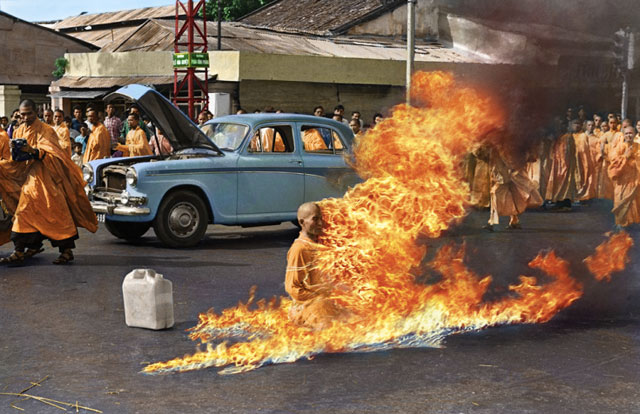
Early color photography is a particular interest of mine, so Sanna Dullaway’s efforts to colorize historical photos, including those of Abraham Lincoln, Thích Quảng Đức, and Anne Frank, are an intriguing twist on the theme.
German photographer Hugo Jaeger traveled around Poland after the Nazi invasion and documented daily life there. Life has a selection of Jaeger’s color photos from that time.
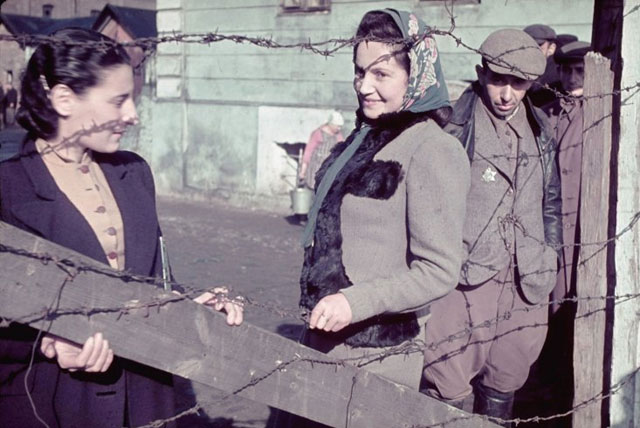
Why would Hugo Jaeger, a photographer dedicated to lionizing Adolf Hitler and the “triumphs” of the Third Reich, choose to immortalize conquered Jews in Warsaw and Kutno (a small town in central Poland) in such an uncharacteristic, intimate manner? Most German photographers working in the same era as Jaeger usually focused on the Wehrmacht; on Nazi leaders; and on the military victories the Reich was so routinely enjoying in the earliest days of the Second World War. Those pictures frequently document brutal acts of humiliation, even as they glorify German troops.
The photographs that Jaeger made in the German ghettos in occupied Poland, on the other hand, convey almost nothing of the triumphalism seen in so many of his other photographs. Here, in fact, there is virtually no German military presence at all. We see the devastation in the landscape of the German invasion of Poland, but very little of the “master race” itself.
It is, of course, impossible to fully recreate exactly what Jaeger had in mind, but from the reactions of the people portrayed in these images in Warsaw and Kutno, there appears to be surprising little hostility between the photographer and his subjects. Most of the people in these pictures, Poles and Jews, are smiling at the camera. They trust Jaeger, and are as curious about this man with a camera as he is about them. In this curiosity, there is no sense of hatred. The men, women and children on the other side of the lens and Jaeger look upon one another without the aggression and tension characteristic of the relationship between perpetrator and victim.
It’s still amazing the extent to which early color photography can transport us back to the past in a way that black & white photography or even video cannot.
Danxia refers to a “type of petrographic geomorphology” found in China. What that means is you get these mountains that look as though they were decorated with crayons by a five-year-old channelling Dalí.
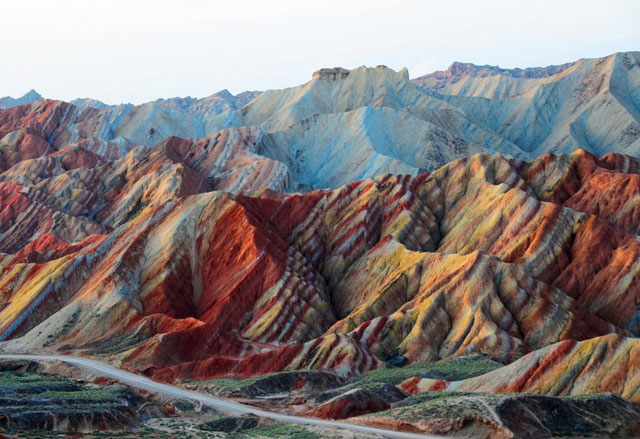
That shot was taken by Melinda ^..^ on Flickr…you can find dozens of her Danxia photos here. A kottke.org reader suggests that Tiny Wings creator Andreas Illiger was influenced by the Danxia landforms in developing the iconic scenery for the game.

Not a bad theory. (thx, christopher)
What if Andreas Gursky, Garry Winogrand, and Henri Cartier-Bresson put cheesy watermarks all over their photographs?
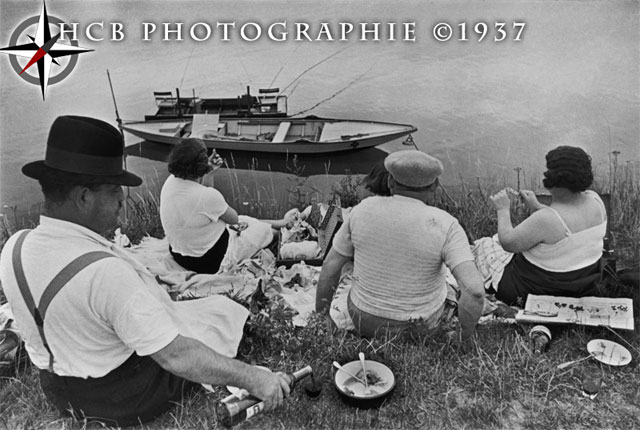
(via @jenbee)
In Reckless Unbound, photographer Christy Rogers takes photographs of brightly-clothed people underwater resulting in photos that resemble Baroque paintings. GUP Magazine says:
Without the use of post-production manipulation, Rogers’ works are made in-camera, on the spot, in water and at night. She applies her technique to bodies submerged in water during tropical nights in Hawaii. Through a fragile process of experimentation, she builds elaborate scenes of coalesced colours and entangled bodies that exalt the human character as one of vigour and warmth, while also capturing the beauty and vulnerability of the tragic experience that is the human condition.
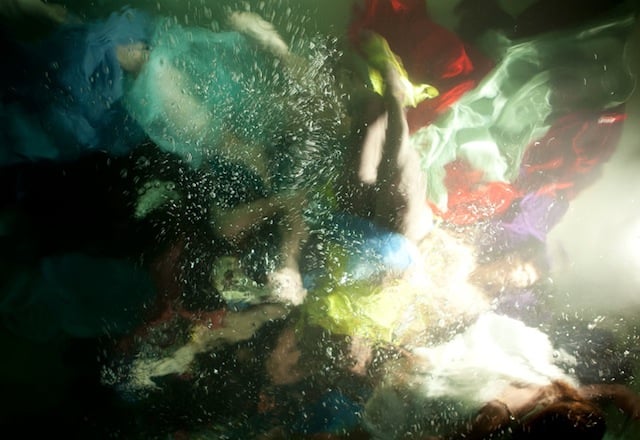
(via @robinsloan)
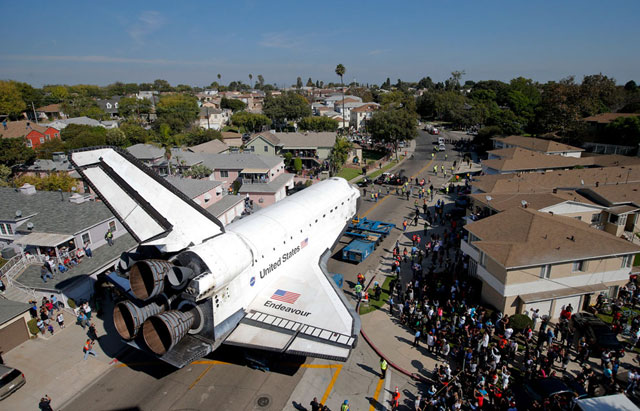
On Saturday, the Space Shuttle Endeavour was driven 12 miles through the streets of Los Angeles on its way to the California Science Center. It was a tight fit at times.
From New Zealand photographer John Crawford, a series called Aerial Nudes.
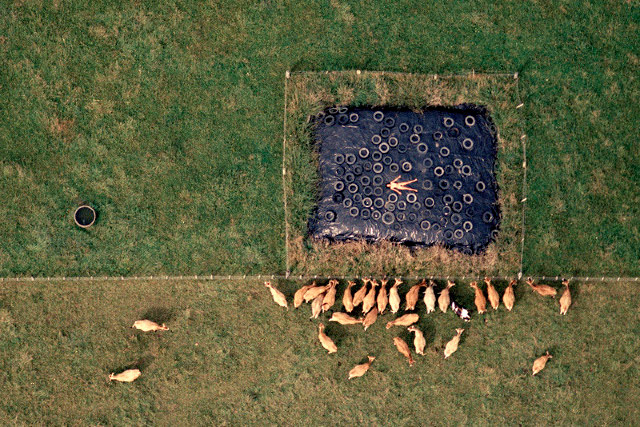
Technically not safe for work but your coworkers would need to be sitting at your desk with a magnifying glass to be offended so… (via @coudal)
Newer posts
Older posts


Socials & More