



“McTrot is a continuously open, honor-system endurance challenge. A McTrotter visits every McDonald’s in the borough of Manhattan, eating one food item at each, on foot. Self-supported with the obvious exception of eating at McDonald’s. No prize.” Current record is 13 hours.

Advertise here with Carbon Ads
This site is made possible by member support. 💞
Big thanks to Arcustech for hosting the site and offering amazing tech support.
When you buy through links on kottke.org, I may earn an affiliate commission. Thanks for supporting the site!
kottke.org. home of fine hypertext products since 1998.
Beloved by 86.47% of the web.
Entries for November 2026

The Directing Genius of Akira Kurosawa Explained
This video from StudioBinder looks at how Akira Kurosawa made his films.
In this video essay, we break down Kurosawa’s filmmaking techniques across Seven Samurai, High and Low, Rashomon, Ikiru, Yojimbo, and more. From dynamic blocking and layered composition to bold movement and weather-driven cinematography, Kurosawa didn’t just direct scenes — he engineered visual storytelling with precision.
See also Where to Start With Akira Kurosawa and Akira Kurosawa — Composing Movement. (via open culture)
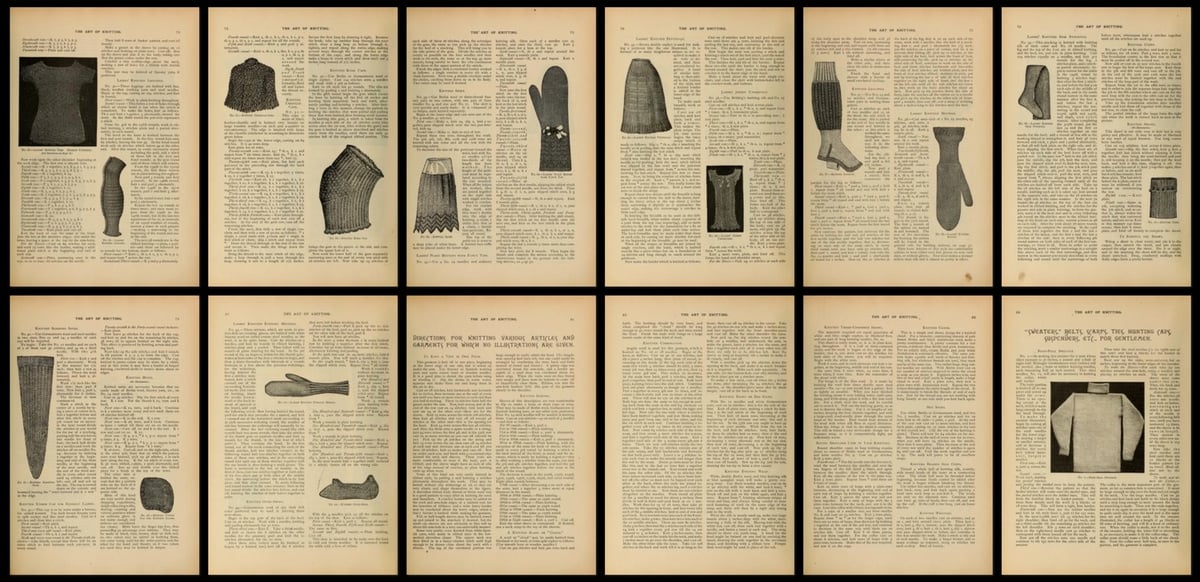
Courtesy of the Smithsonian and the Internet Archive: The Art of Knitting (1892), full of knitting patterns, stitches, and lore from more than 130 years ago.
“Reading the air — kuuki o yomu in Japanese — is a constant exercise, and misreading the air can blow business deals or ruin relationships.”

Tired Women in Art. “I’d never really considered exhaustion as a theme in art, and yet there are so many examples of it.” (And what is a still life if not complete exhaustion?)

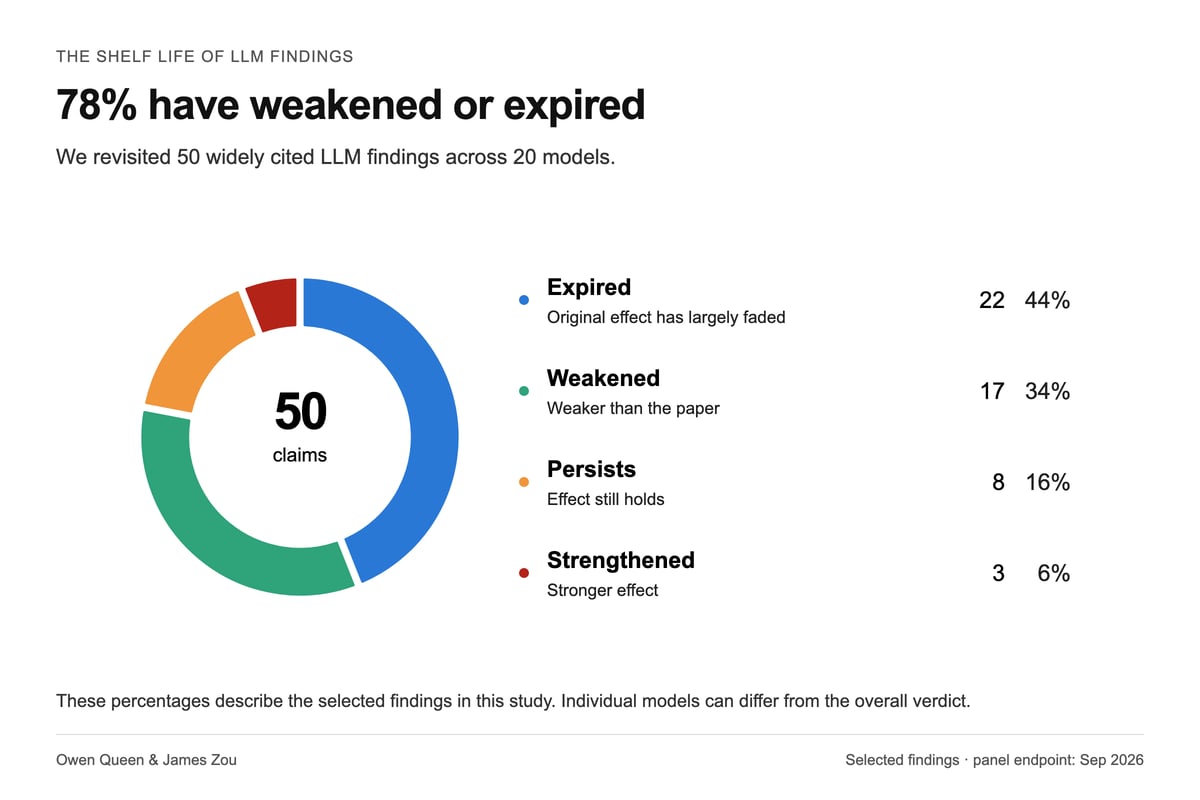
The Shelf Life of LLM Findings. “How long does a published finding about LLMs remain true? What we know about AI may have a surprisingly short shelf life.”
Site Outages and a Slower Holiday Week
Hey folks. Like the rest of the internet & other tech infrastructure, KDO has seen some outages in the past week or so, amounting to a few hours of downtime. Our time here together isn’t what I would call mission critical — reading the site an hour or two after you’d originally wanted to is not the worst thing in the world — but it’s still a bummer to have the site be unavailable.
The reasons for the KDO downtime have been various, but that it occurred around the same time as some of these other outages isn’t, IMO, coincidental. Security researchers and developers armed with LLMs are going bananas finding exploits in a bunch of the software and infrastructure underpinning, well, everything. On the other side of the aisle, sysadmins are scrambling to fix all of these newly found exploits.
But of course, poking holes in things is easier & faster than plugging them. LLMs can help with the patching,1 but it’s asymmetric warfare — being slow & careful with upgrades and patches isn’t a luxury you have when so many things are coming at you on a daily basis. Hopefully the situation won’t get too much worse before it gets better, but in the meantime, I’m thankful for everyone who is trying to keep these systems running. 🙏
Second thing: after a few months on the other side of the world, I’m spending some time with my family for Thanksgiving, and so the site will be a bit slower this week and very early next week. I’ve been pushing quite a bit over the past several weeks and it’s nice to take a bit of a break.
And it’s probably hurting in other cases, with inexperienced teams rolling out LLM-coded “upgrades” that do more harm than good. ↩
The Nine Inch Nails Live Archive: download and stream 1900+ recordings from 1200+ NIN concerts.

Fragmented Landscapes
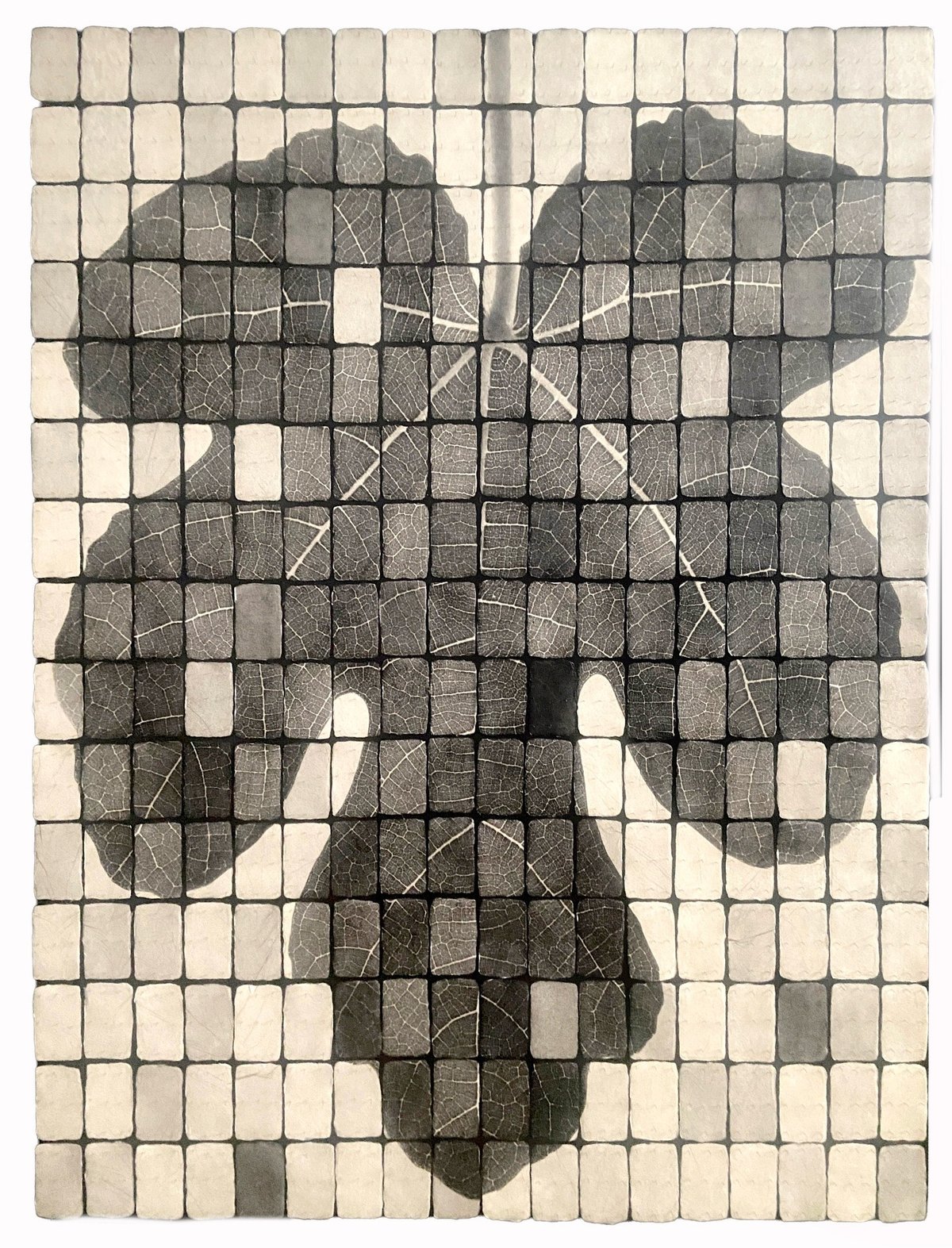
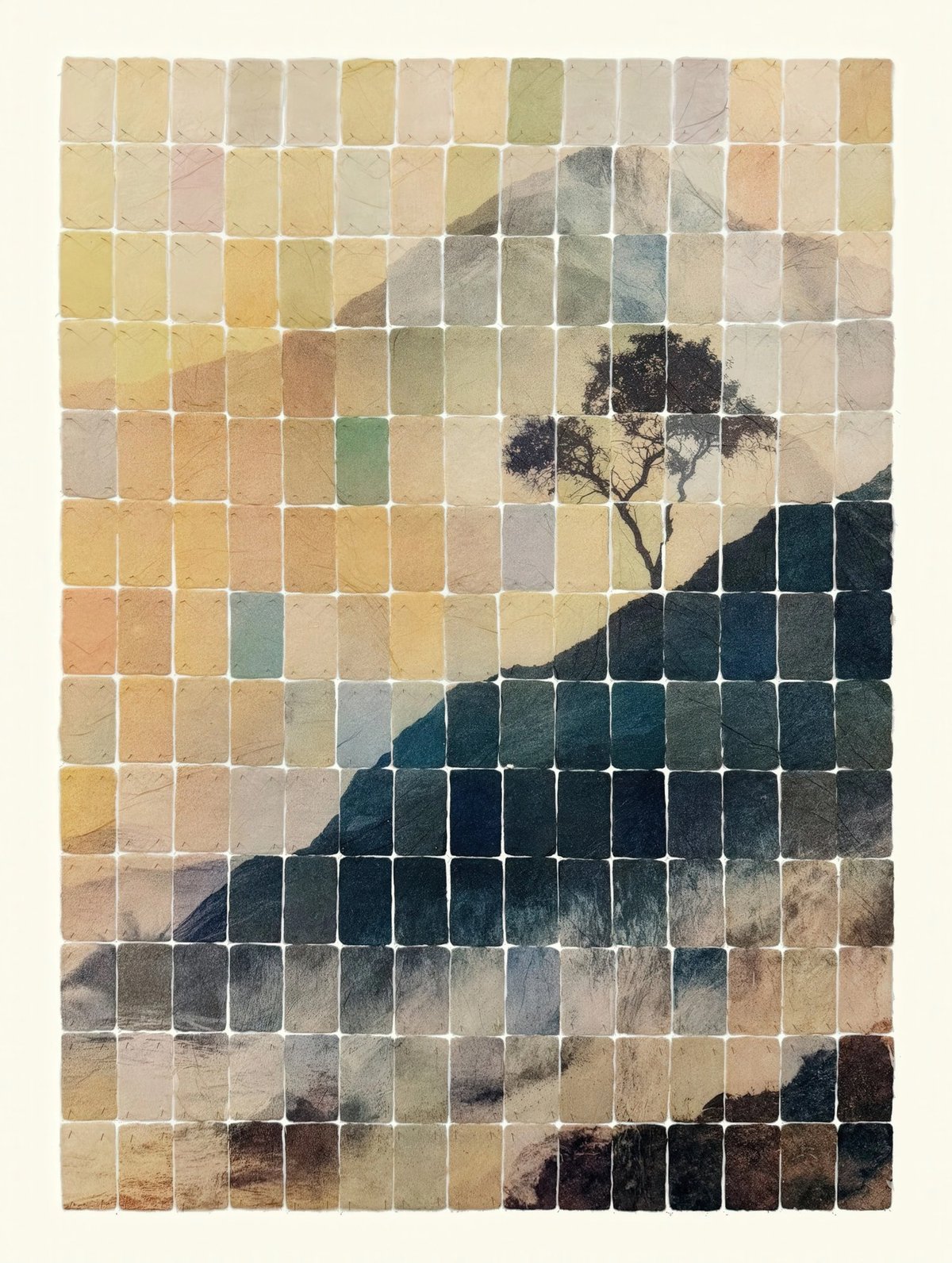
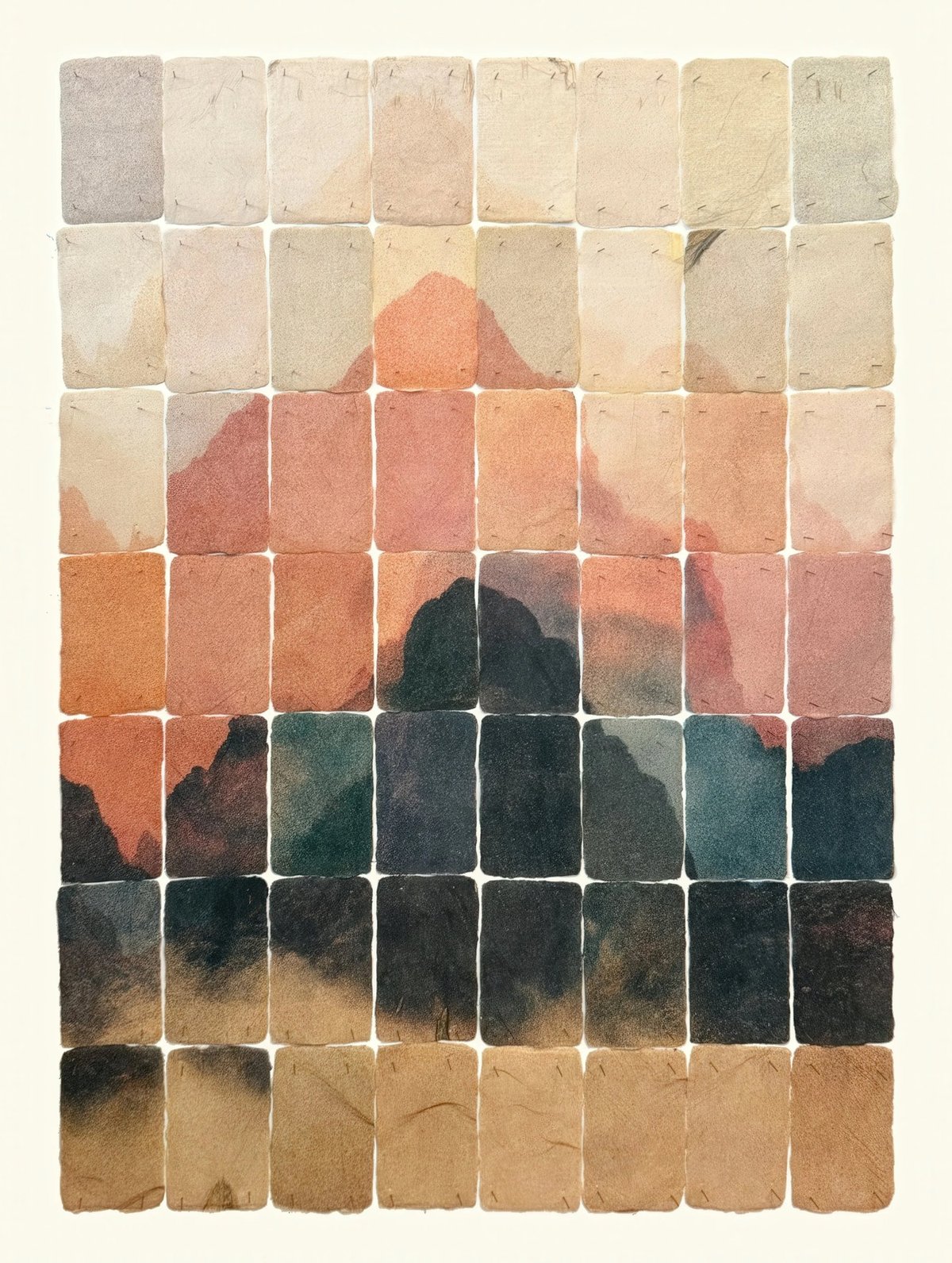
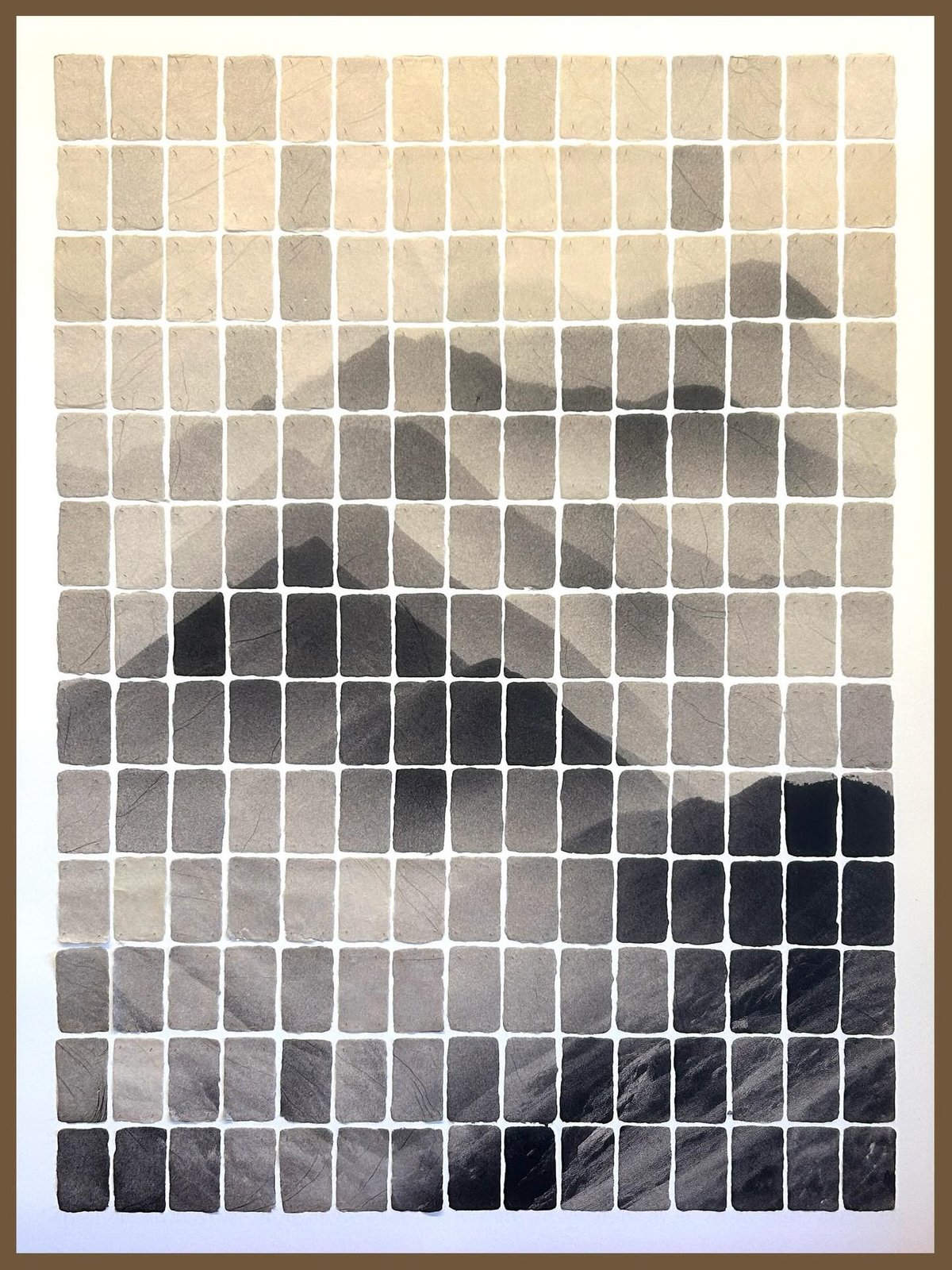
I don’t think it’s a surprise at this point when I tell you that I love these artworks by Antwerp-based artist Joost Vandebrug. (I mean, tell me they don’t aesthetically rhyme with the KDO logo circles/moons…)
Joost Vandebrug explores how separate views and moments come to be seen as a whole. His landscapes gather fragments into places that feel familiar, even when no single place could contain them. The image takes shape through remembering and looking, while the joins keep its construction visible.
Each work is built from dozens of photo-emulsion transfers on handmade paper cards. I transfer and reassemble them individually. Nothing is ever the same — every card has its imperfections. When I lay them together, they form a new landscape — part remembered, part reinvented.
Yeah, I love everything about this — the chunky pointillism, analog pixel art, small multiples, even Magic the Gathering vibes (if you think of the artworks as playable decks). Check out more of his work on his website and Instagram. Thanks to my pal Yen for the intro to his work; she snapped a photo of Vandebrug’s work in a gallery she visited recently.
How Everything Became Fake. “There’s so much cognitive effort in constantly sorting out what’s real from what’s not… maybe it’s easier to just let it all glide by.”
What the Death Penalty Says About Us. “It’s dehumanizing, and some would say it dehumanizes the society that’s willing to impose it.”

Quick new feature for the Video Closet: Lazy mode picks a video at random from the archive (or from the current search results) and plays it. You don’t have to make any decisions today, my friends.
Massive if true: “I believe I have, working with Claude, discovered a proof of the Riemann Hypothesis.” Levent Alpöge said of working with Claude: “what I saw…so amazed me that I believe it is one dawn across science of something far greater”.

The Buddhist A.I. Sect That Wants to Take Over Silicon Valley. I’m sorry, what? Sir, this is a Wendy’s, not Apocalypse Mad Libs. And they’re based in VT?
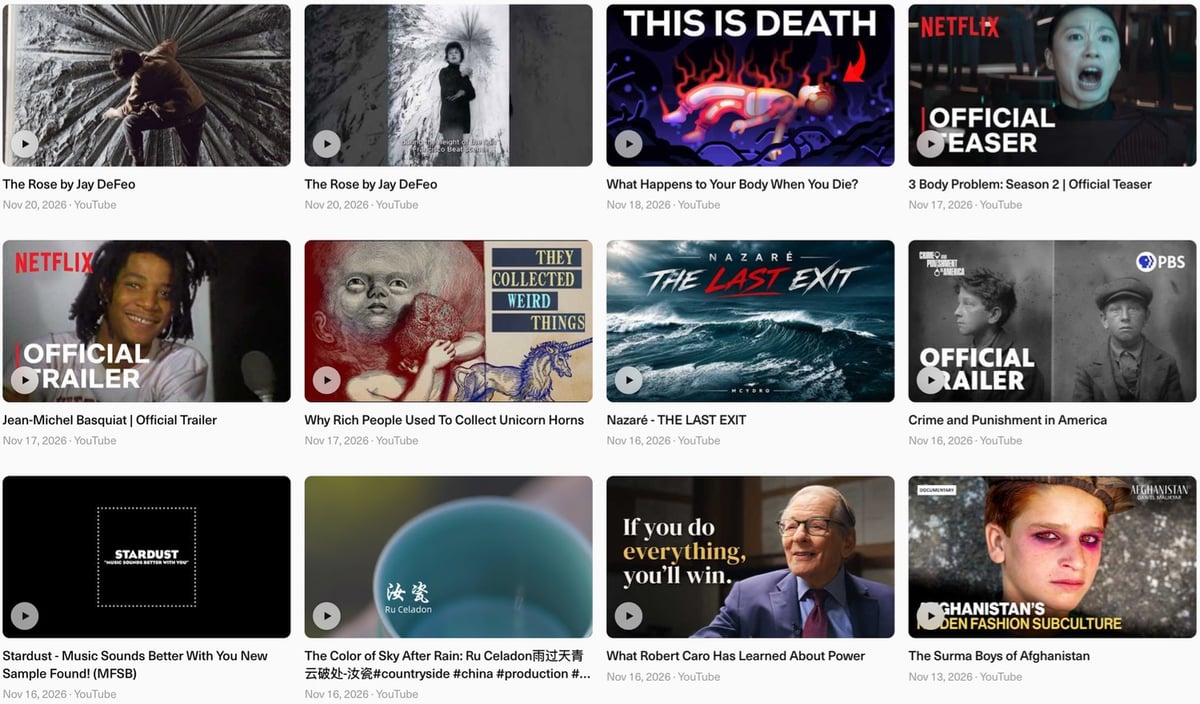
The Rose by Jay DeFeo
Jay DeFao’s The Rose is one of my favorite pieces at The Whitney (or anywhere really). The story of how this art world behemoth somehow survived to become of the jewels of American art is wild.
First exhibited in 1969, The Rose was taken to the San Francisco Art Institute, where it was covered with plaster for support and protection, and finally stored behind the wall of a conference room. Legend grew about the painting, but it remained sealed until 1995, when Whitney curator Lisa Phillips had it excavated and restored by a team of conservators, who created a backing strong enough to support the heavy paint.
Another more entertaining look at the painting’s (sculpture’s?) journey.
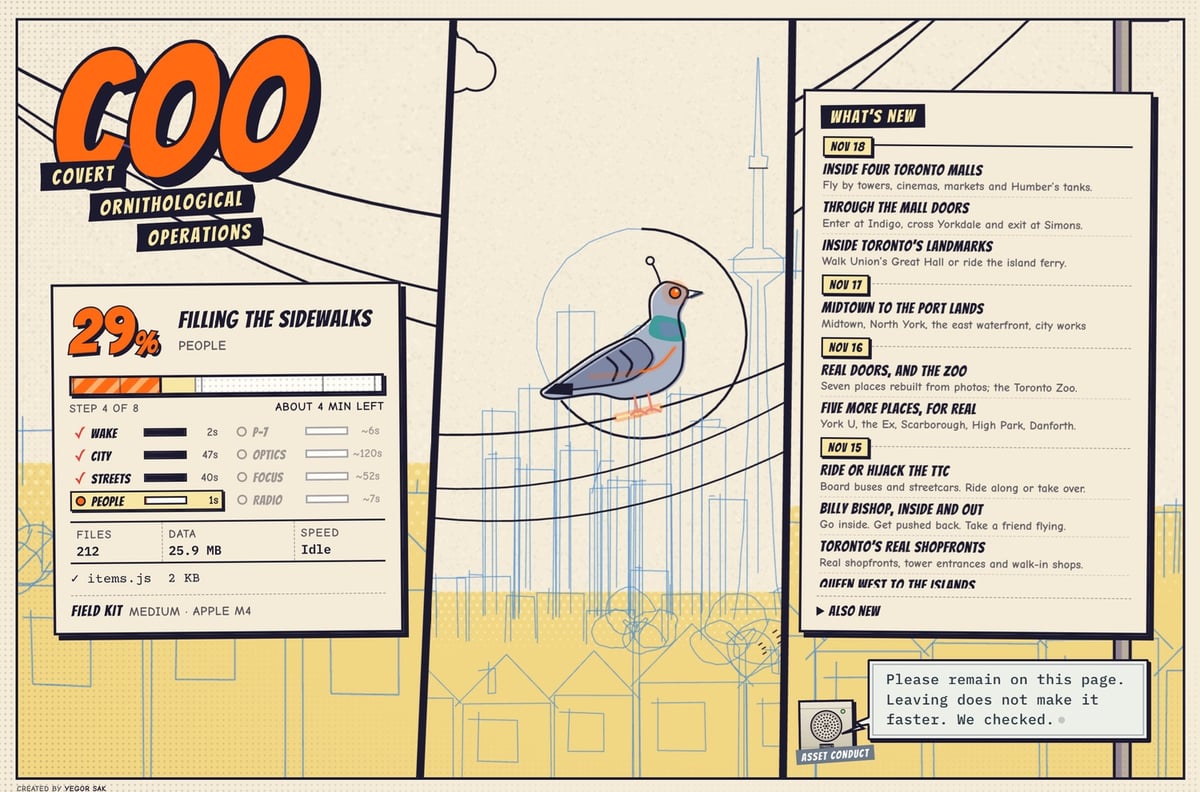
I Spent a Year Talking to Anthropic Employees. “I have found them surprisingly earnest in their dedication to making AI go well. But their concerns are also idiosyncratic and insular, often far removed from the concerns that most people hold about AI.”
Stock Photos of Muscular Men in Odd Places

Muscle Plus is a free stock photo site that features Japanese bodybuilders in unusual places and situations. From Tokyo Weekender:
There are men declaring their love in the middle of a tea plantation, men frolicking among sunflowers and men who have been abandoned in cardboard boxes, sometimes in the woods, sometimes by the roadside. The last scenario has proved popular enough to warrant an entire category, sute macho, or “abandoned buff guy,” borrowing its premise from the stray kittens left in cardboard boxes by Japanese roadsides.




Some of the names are great too. These two are called “The person summoned from another world wasn’t a hero, but a muscular, disposable guy” and “A muscular man who can’t fall asleep in an unfamiliar bed”:


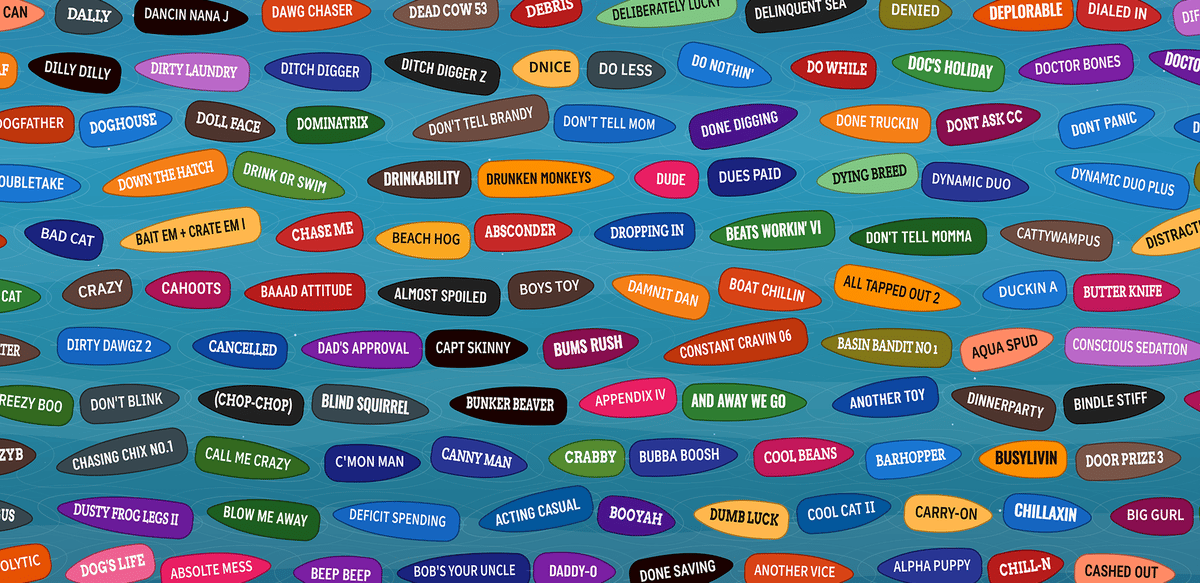
A visual exploration of 50,000 boat names, including Nauti-Boy, Port Folio, Afternoon Delight, Red October, Bilboat Baggins, Sea Slut II, Spirited Away, and Kessel Run.

Life Feeling Too Expensive? “Sober economic assessments don’t necessarily affect how people feel when they’re staring at the skyrocketing costs of the big items needed to achieve a middle-class life.” (Housing, education, health care, child care…)

50 Unforgettable Love Stories, including The Age of Innocence, Giovanni’s Room, The Remains of the Day, Normal People, Middlemarch, and Romeo & Juliet.

The end of the beginning. “Thinking about Anthropic, it’s strange to imagine a product as profound and pathbreaking as Claude to be ‘merely’ its Apple II. Yet that’s surely correct.”
Weird Little Apps is a website collecting, well, all of the neat little apps that people have been building lately.

The Energy Tax of Living in a New Place
Laura Serbest writing on Instagram:
Before moving abroad, I was really independent. I loved socialising, visiting new places, trying new things. But over the past few years I’ve become so much more anxious and reserved, and I only just realised why.
When you live somewhere familiar, life is second nature. You know the language, the systems, the culture, and the social expectations. You have routines, support and things are predictable.
But when you live abroad, the energy required to participate in life increases. Socialising, going to appointments, buying a coffee, answering the phone. Everything requires so much more planning, energy and courage.
When you’re already mentally exhausted, you have less energy for the things you want and should do. You avoid situations that feel difficult. You become more reserved, less confident, more isolated and less independent.
I’m writing this at the airport after spending 2.5 months in Tokyo and feeling the above acutely. I’ve never been what you’d call outgoing, but after the initial rush of being here wore off after a few weeks, I definitely noticed myself becoming “more reserved, less confident, more isolated and less independent”. Some days, I barely left my apartment because I couldn’t bear summoning the energy to make a plan, negotiate a new restaurant, or figure out how to get from point A to point B on the train. I sought out places that were easy: online ticketing, digital ordering screens, English menus, chain stores & restaurants.
The confidence piece is probably the hardest for me. I have to work hard in social situations with people I don’t know, and doing that in a language I don’t speak and in a cultural context I don’t fully understand is challenging, especially when I need to do it 10 times a day. I rely on humor in situations like these and, well, I don’t know how to be funny in Japan.1 Confidence tends to be a pervasive trait — a dip in one area of your life causes an overall decline across many areas. And all this is coming after living for the past decade in a place where I never felt like I fit in.
Anyway, it’s been eye-opening, this shift in energy & confidence. I’m onto the next place soon, but this is something I definitely need to keep an eye on.
Tbh, I’m barely funny in English on a good day. But it’s the attempt that counts. ↩
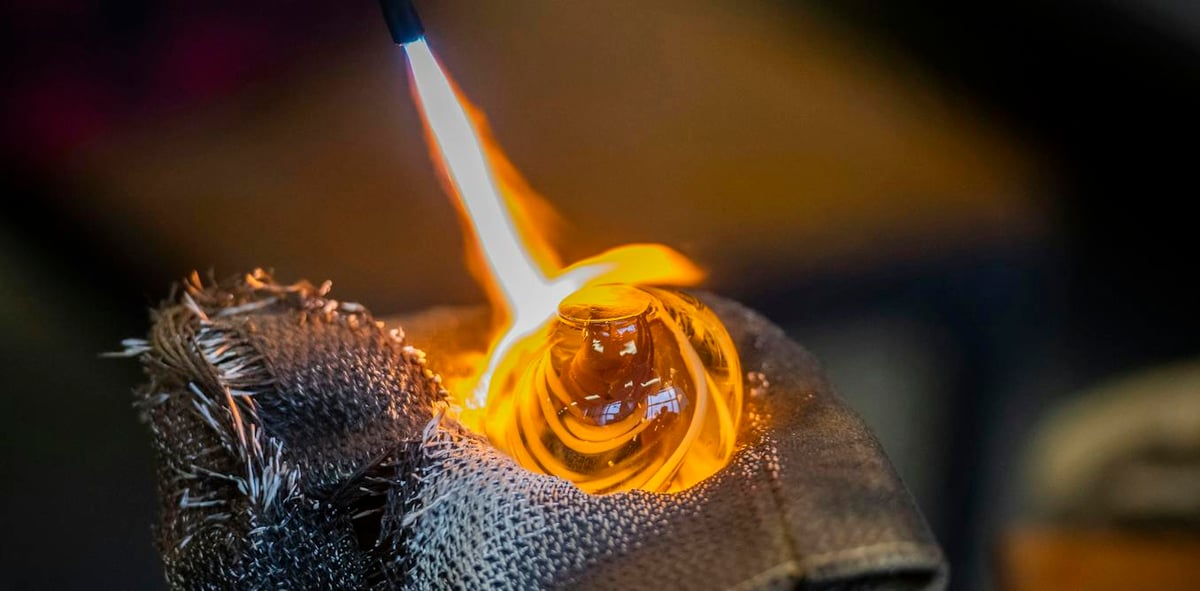
The science of glassblowing. “The constant stimuli of the glass studio may not seem anything like a sterile science lab, and yet glass artists need to accrue knowledge of physics and chemistry to achieve any kind of control with this dynamic material.”
New short design documentary “about the life and work of the pioneering designer, Patrick Whitney”, directed by Gary Hustwit: What Are People For?

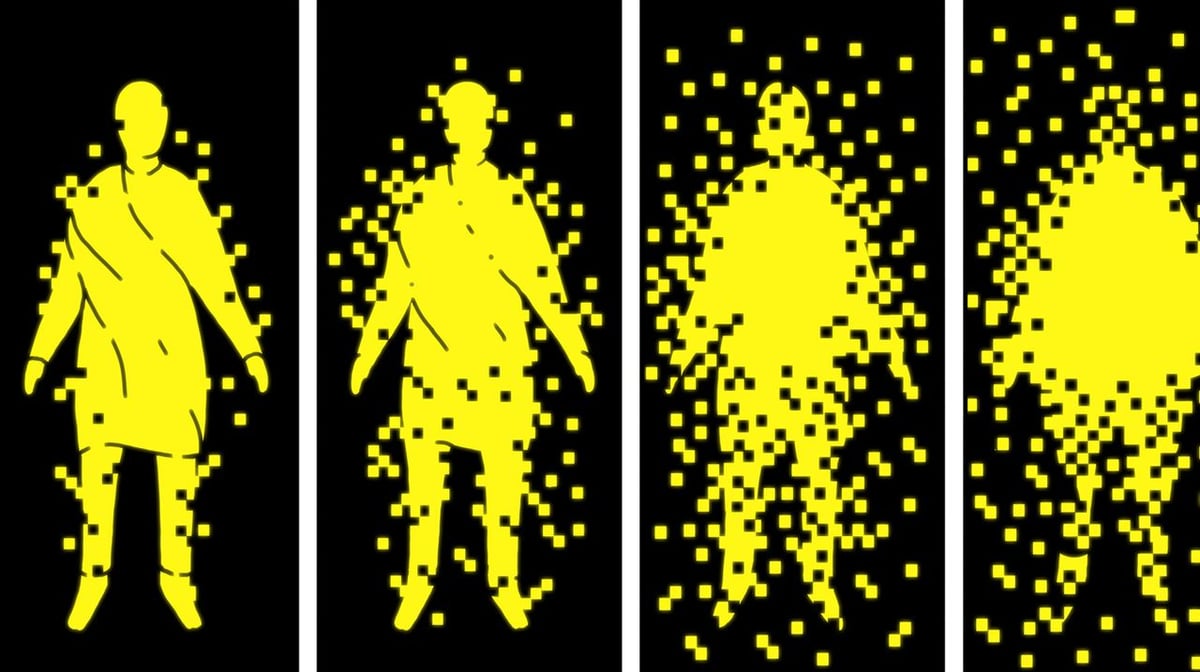
What Happens to Your Body When You Die?
Kurzgesagt explores what happens to your body when you die.
Death isn’t a single switch that shuts down your entire body at once. When your heart stops beating and your brain goes silent, trillions of cells inside you are still alive, desperately trying to keep themselves running. Death isn’t a single moment, but a slow and surprisingly complex process that can last for weeks.
What actually happens when you die? What makes death so mysterious, and which cells are the last survivors within your body?
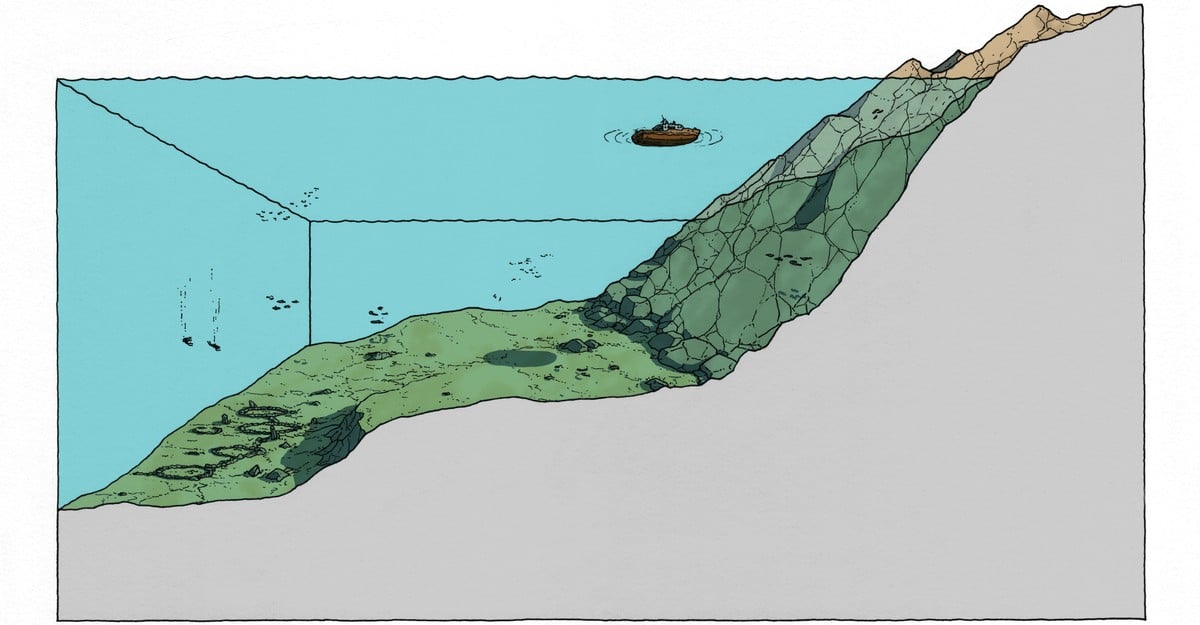
“During the past 20,000 years, huge stretches of formerly inhabited land along the world’s coastal shelves have disappeared underwater, taking with them tens of thousands of years of human history.”
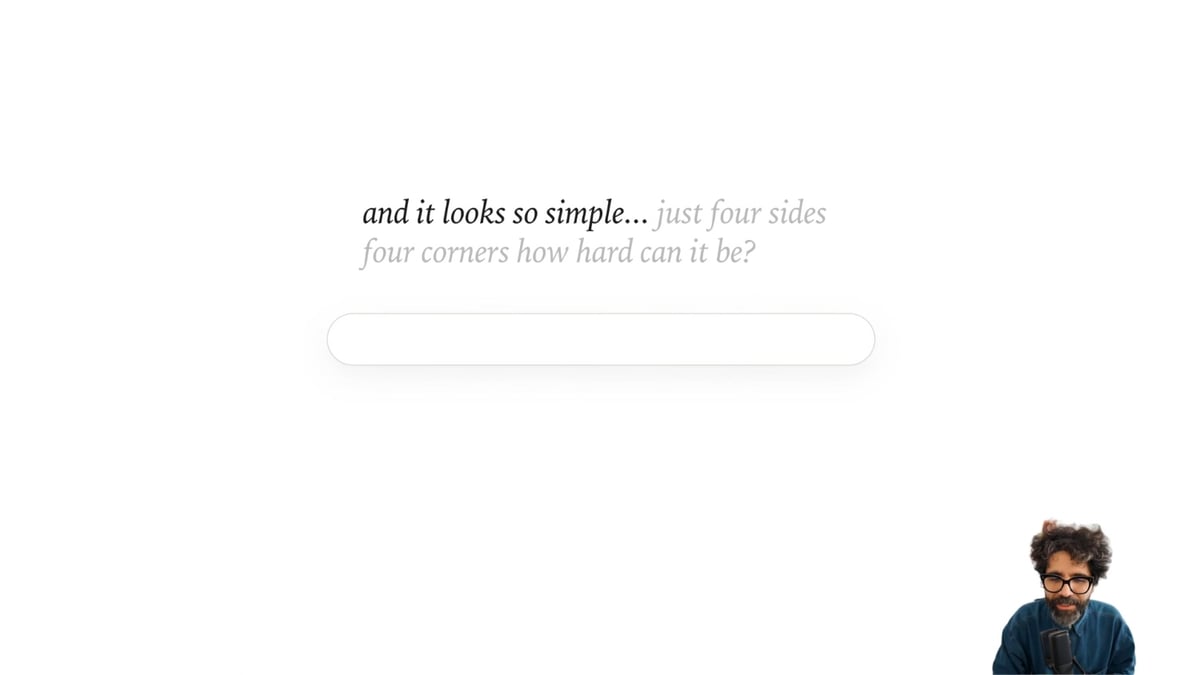
If you want to know what interface designers do, check out this interactive exploration of designing a seemingly simple text input. “Every little decision is a rabbit hole.”
Ta-Nehisi Coates interviews Stacey Abrams about the midterm results (archive link). “What we saw on Tuesday was a moment where people realized that the power to improve their own lives had become so desperately thin that they had to use it or lose it.”

Beautiful Bacteria





Tal Danino is a synthetic biologist who works with bacteria, scientifically and artistically. His aesthetic explorations of bacteria, Microbial Rainbow and Microuniverse, have resulting in a book called Beautiful Bacteria (Amazon). You can check out more of his bacterial photos at TED, The Guardian, Seed, and The Marginalian.
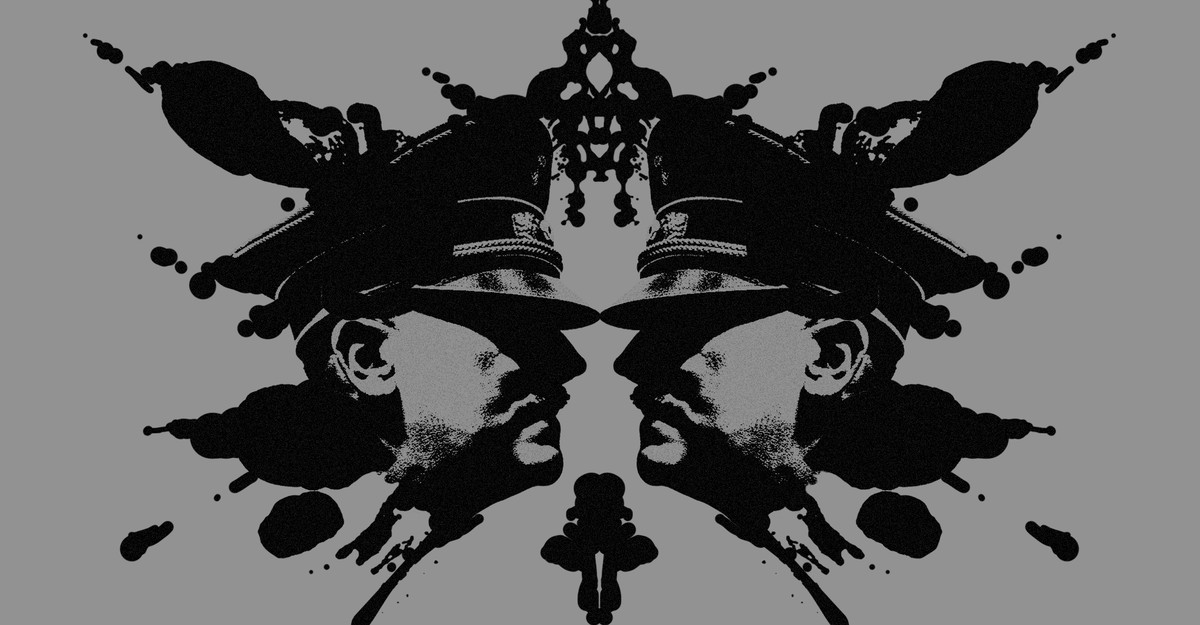
A secret US report from 1943 evaluated Adolf Hitler’s psychological profile. “Langer noted that Hitler accused his political opponents of the ‘bombardment of lies’ that Hitler himself assailed them with.”
This cloud forest in Costa Rica is losing its clouds. “Tropical cloud forests make up only 0.4% of the Earth’s land surface, but support 15% of all birds, mammal, amphibians and tree fern species, half of them found only in cloud forests.”

Oooh, finally! The teaser trailer for the second season of 3 Body Problem is out and they’ve announced a premiere date: January 14th.
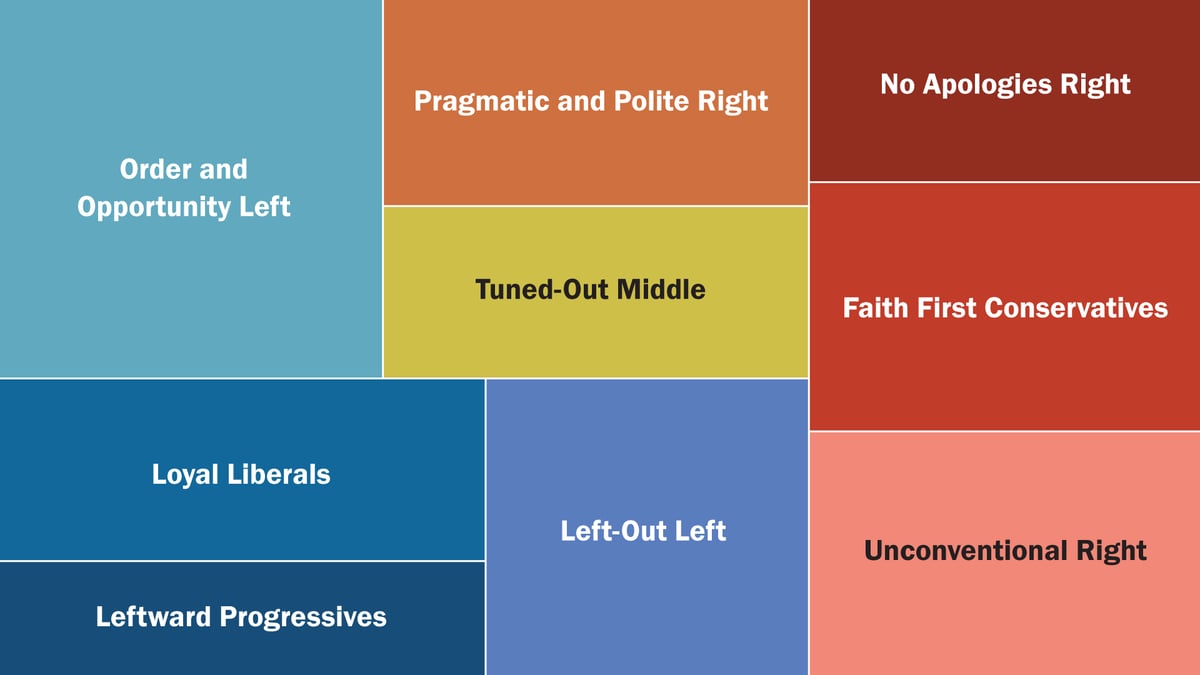
Pew Research Center identified 9 main US political groups: No Apologies Right, Faith First Conservatives, Unconventional Right, Pragmatic & Polite Right, Tuned-Out Middle, Order & Opportunity Left, Left-Out Left, Loyal Liberals, Leftward Progressives.
An Inconvenient Life
Lyndsay Rush, who describes herself as a “part-time poet, full-time dingdong”, goes by the handle of @maryoliversdrunkcousin on Instagram. Her forthcoming collection of poems is called Microdosing Hope (out in March 2027). I liked this one she shared recently, called An Inconvenient Life:
I want a dumb phone and a smart president
I want slow fashion and fast friends
I want to be bored and benevolent, silly and still
I want innovation that doesn’t kill and news that doesn’t break
I want your email to find me lingering and lallygagging
pondering and present
I don’t want to save time just to waste it;
Staring at screens of various sizes
Tapping away the years
Scrolling past everything that makes a good life
good
Trailer for a new documentary on Jean-Michel Basquiat. Authorized by his family, out on Netflix Dec 11th.
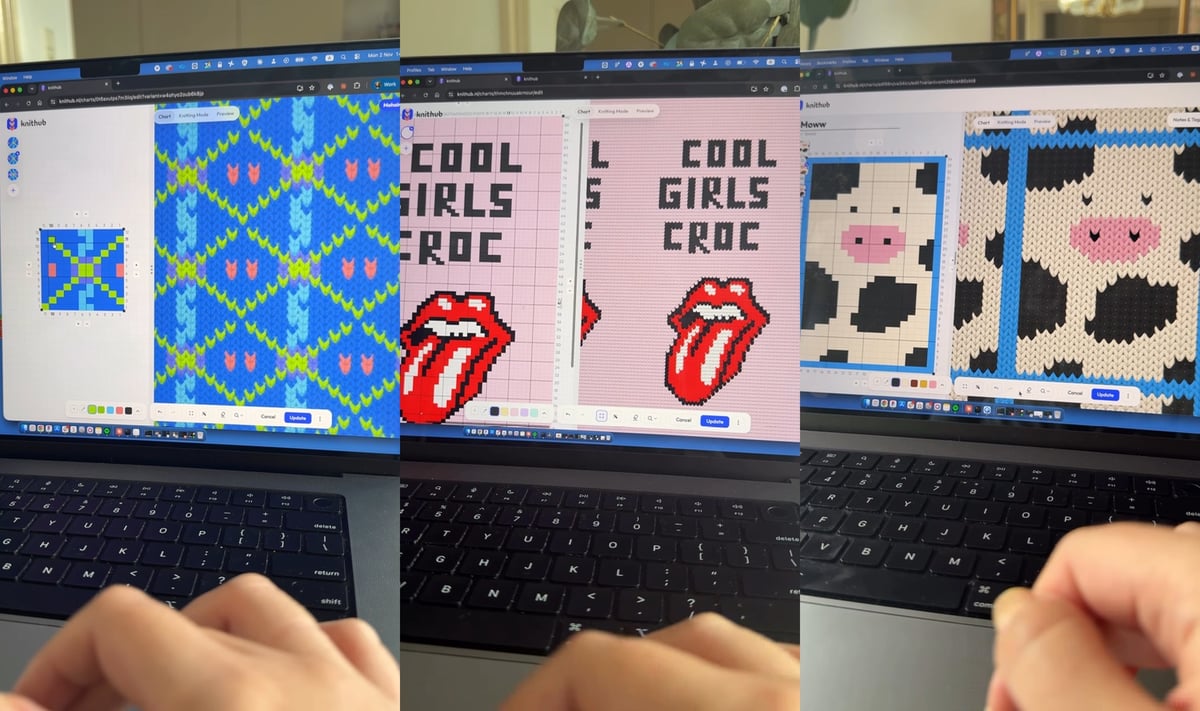
Knithub is an app for creating and previewing knitting and crochet patterns. Available on the web, iOS, and Android.
ChatGPT Analyzed 32,245 of My Text Messages. “There are moments where I think you are plainly the harder person to be friends with.”

Why Rich People Used To Collect Unicorn Horns
During the Renaissance, spurred by the accelerating arrival of items from all over the world, wealthy Europeans began assembling handcrafted curios and unusual artifacts from the natural world in wonder cabinets, or wunderkammers. In this video, Evan Puschak takes a look at how this practice evolved and what it says about that period in history.
This was the period of the scientific revolution when thinkers were re-evaluating their reliance on ancient wisdom in the light of all the novel things arriving daily from around the world. “What grounds were there,” Steven Chapen writes, “for crediting ancient limits on the stock of factual knowledge? Every day, new phenomena presented themselves about which the ancient texts were silent.”
What was needed for the growth of real knowledge, according to philosophers like Francis Bacon, was not an interpretation of old texts, but an inventory of new facts.
I first heard about wunderkammers sometime in the late 90s when people started comparing them to weblogs and wikis. Here’s Julian Dibbell writing for Feed in May 2000:
A Web log really, then, is a Wunderkammer. That is to say, the genealogy of Web logs points not to the world of letters but to the early history of museums — to the “cabinet of wonders,” or Wunderkammer, that marked the scientific landscape of Renaissance modernity: a random collection of strange, compelling objects, typically compiled and owned by a learned, well-off gentleman. A set of ostrich feathers, a few rare shells, a South Pacific coral carving, a mummified mermaid — the Wunderkammer mingled fact and legend promiscuously, reflecting European civilization’s dazed and wondering attempts to assimilate the glut of physical data that science and exploration were then unleashing.
Just so, the Web log reflects our own attempts to assimilate the glut of immaterial data loosed upon us by the “discovery” of the networked world.
Some 26 years later, I still think about kottke.org that way. I mean, what is the Video Closet if not a cabinet of wonders?
Courtesy of The Internet Archive, you can read & explore 250,000 articles from the past 30 years of Salon, which recently ceased publication.

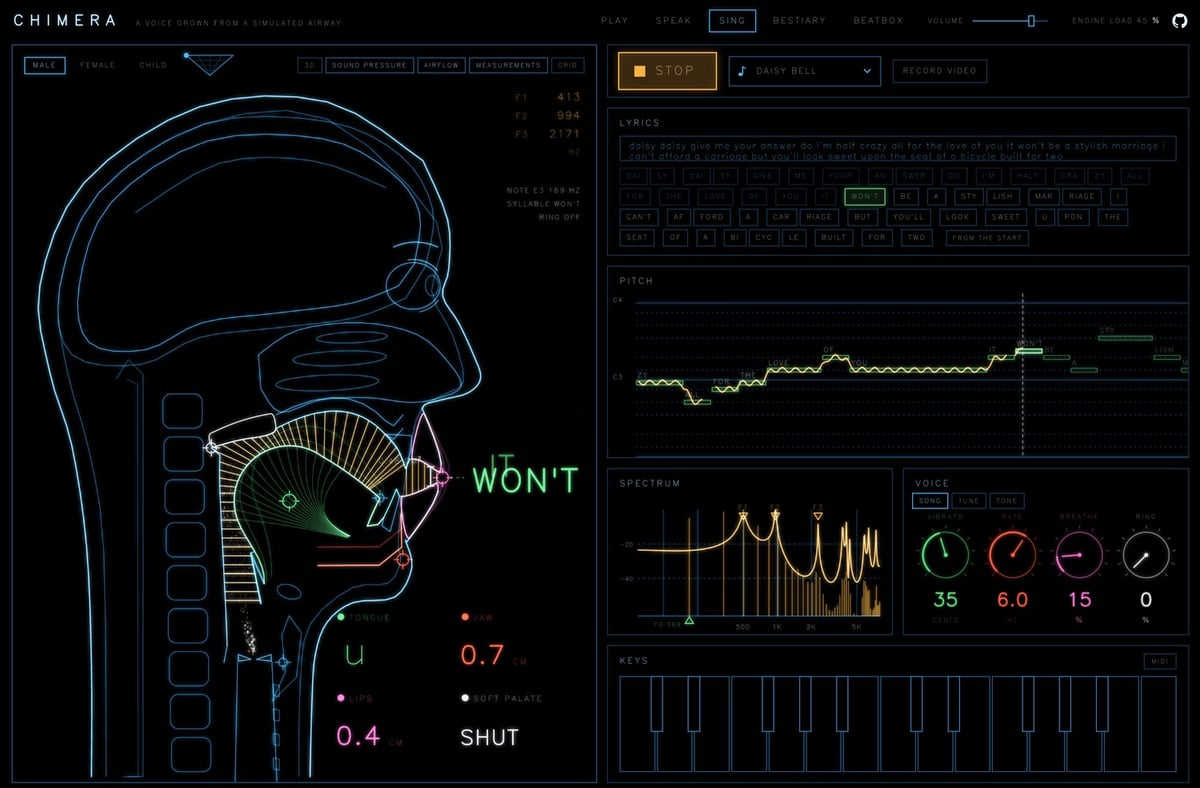
I had way too much fun playing around with this vocal simulator. You can make it talk, sign, beatbox, and do some animal sounds. Some folks are using it to sing songs like California Dreamin’ and yodeling.
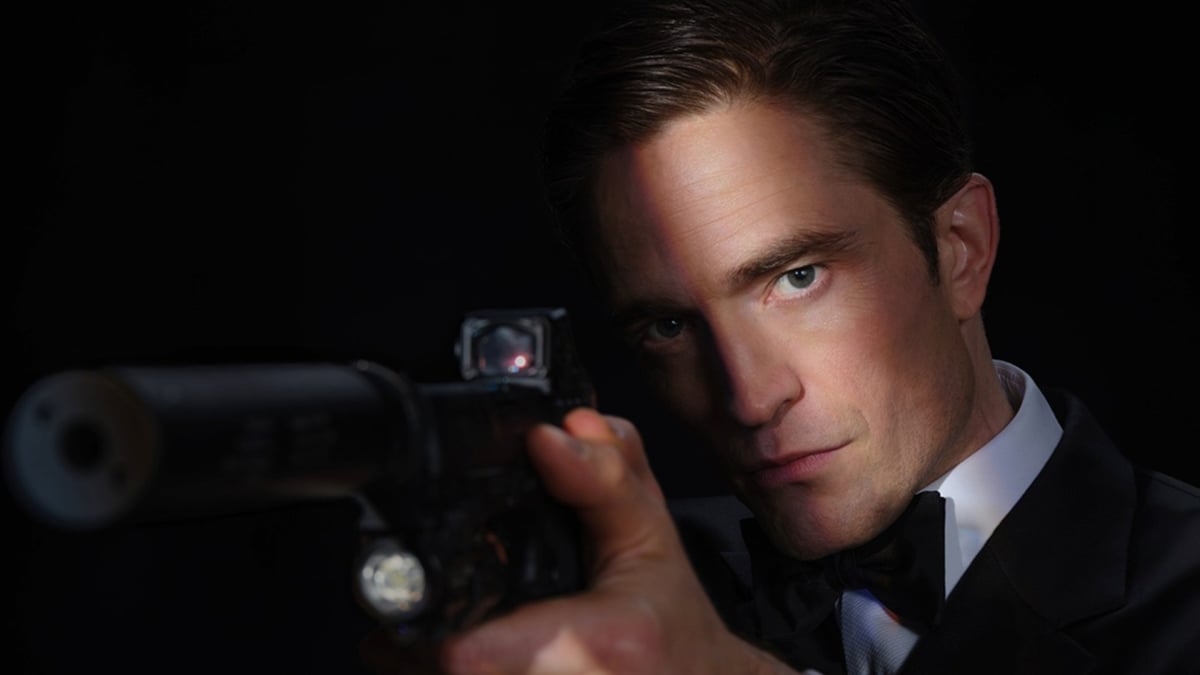
Robert Pattinson is the next James Bond. I know a lot of people don’t think this is a great fit, but I think Pattinson + Villeneuve will be quite good.
Waves have been in the news lately: El Niño battering the west coast of the US, surf spots popping off. Waves, waves, waves, waves, waves, waves, waves, waves, waves, waves, waves, waves, waves, waves, waves, waves. Beautiful. Terrifying.
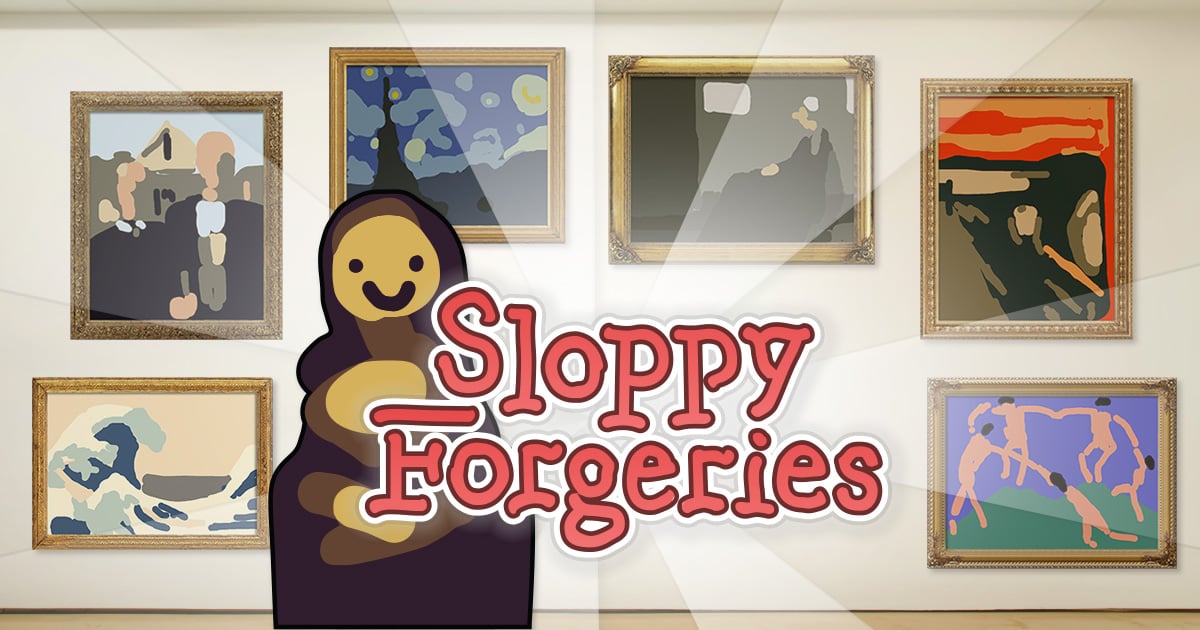
Sloppy Forgeries is a competitive painting game in which you have a short time to draw the best version of one of 50 different masterpieces (Mona Lisa, Hokusai, Starry Night, etc). There are local and online multiplayer modes.
Crime and Punishment in America
Documentary filmmaker Lynn Novick, who co-directed The Vietnam War and The US and the Holocaust with Ken Burns, has directed an 8-hour PBS series called Crime and Punishment in America.
A sweeping look at the American criminal justice system, from the origins of prisons and policing to our continued fascination with crime, the film traces the contours of our imperfect system and how it influences nearly all parts of our society: the media, economics and politics. Through the voices and testimony of those who have committed crimes, experienced incarceration, enforced the law, or lost loved ones to violence, the series explores the cost of America’s choices and the enduring tension between crime and punishment, vengeance and mercy, justice and redemption.
And from the trailer:
We think about our history in terms of progress, but we have become consumed with practices of punishment.
When I think about crime and punishment in America, I think that it says we are a very unforgiving country.
This looks great. It starts airing on PBS tonight, Nov 16.
Quick one: a previously unknown sample from Stardust’s Music Sounds Better With You has been located.
Making beautiful porcelain cups that are “the color of sky after rain, where clouds break apart”, using traditional Chinese methods. This is so chill & meditative and the end result is incredible.
What Robert Caro Has Learned About Power
Dwarkesh Patel recently interviewed Robert Caro for his podcast. They talked about loneliness, if JFK could have passed LBJ’s legislation, and how Caro gets people to talk. From the transcript:
Dwarkesh Patel: This raises another question that I wanted to ask you. You’re interviewing all these people, and in many cases, they must know that it’s not good for them to tell you what you want to know. In many cases, they tell you anyway. How do you get people to tell you things that they know they shouldn’t tell you?
Robert Caro: You ask terrific questions. Sometimes you’re sitting there and you know this person doesn’t want to talk to you about what you want to get out of them, like John Connally on how Johnson used money to get political power. I’m thinking, “But I’ve been through the notes. Connally collected the money and gave it out at Johnson’s instructions, so he’s the only guy who can tell me how Johnson did this, how he judged who to give money to.”
Sometimes Johnson would write on a request for money. If the guy asked for $1,500, Johnson would write, “Okay, 1,500.” Sometimes he’d write 500, sometimes he’d write no, but sometimes he’d write, “No, never.” I asked Connally what that meant, and he said, “This guy was never going to get money from Lyndon Johnson.” Then when you ask why he felt this way about this particular congressman, that’s when the really fascinating stories emerge.
Caro is 91 now, so every interview with him is a precious jewel, but one wonders if he’s got the time to finish that fifth LBJ book.
Socials & More