


Leave Land and Remain Land
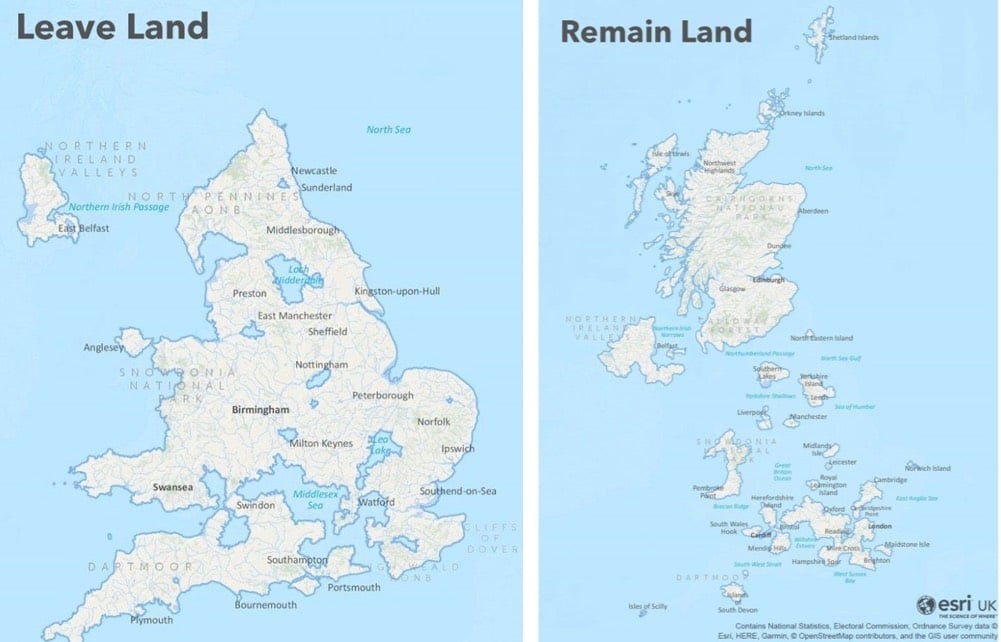
These two maps by Esri UK show the parts of the UK that voted to leave the EU and which parts voted to remain.
See also the NY Times’ maps of Trump’s & Clinton’s Americas from the 2016 election. (via @goodwinmj)

This site is made possible by member support. 💞
Big thanks to Arcustech for hosting the site and offering amazing tech support.
When you buy through links on kottke.org, I may earn an affiliate commission. Thanks for supporting the site!
kottke.org. home of fine hypertext products since 1998.
Beloved by 86.47% of the web.
These two maps by Esri UK show the parts of the UK that voted to leave the EU and which parts voted to remain.
See also the NY Times’ maps of Trump’s & Clinton’s Americas from the 2016 election. (via @goodwinmj)
Costumes from a “mundane” Halloween party in Japan, featuring “a girl who just gave blood and now can’t do anything for a few minutes” and “guy at hotel breakfast buffet”.
This is a real treasure: a free, searchable database of hundreds of thousands of Japanese woodcut prints, from many collections, spanning from the early 18th century to contemporary artists. It’ll even do reverse image search and find alternate prints of the same woodcut.
A few favorites I browsed from the collection:
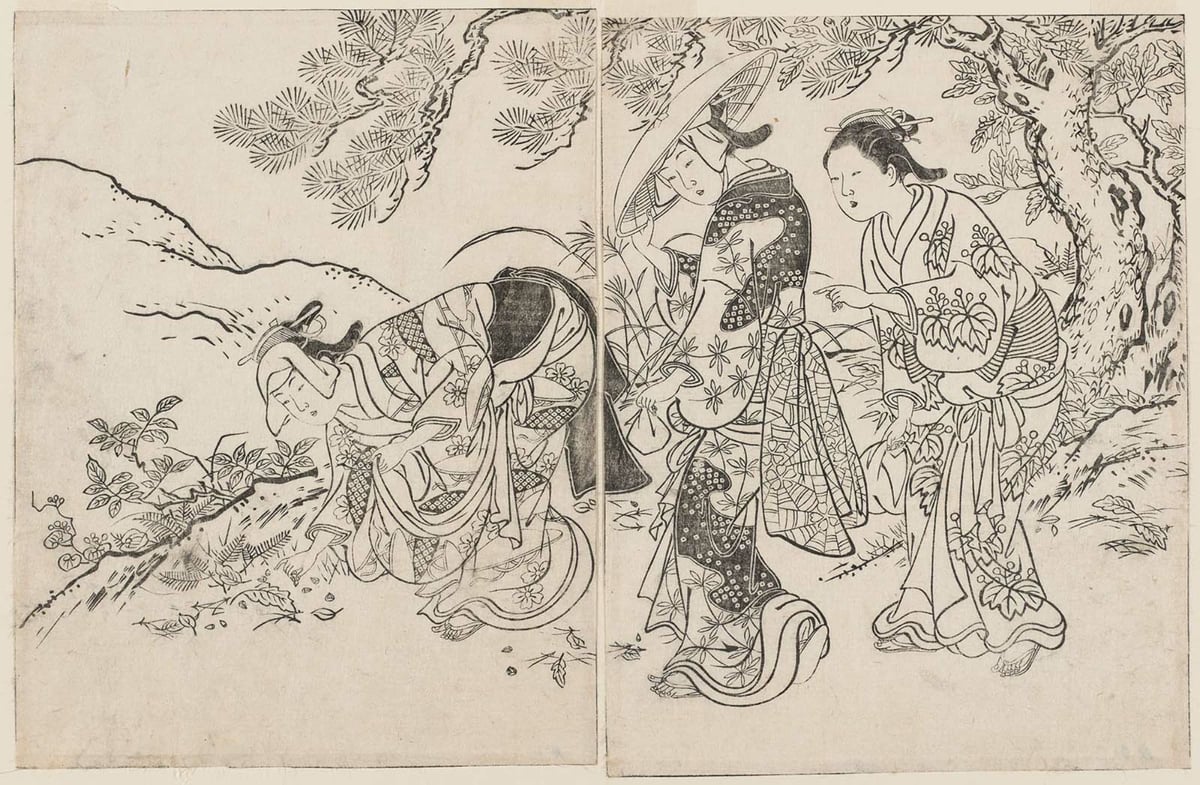
(Nishikawa Sukenobu, 1731)
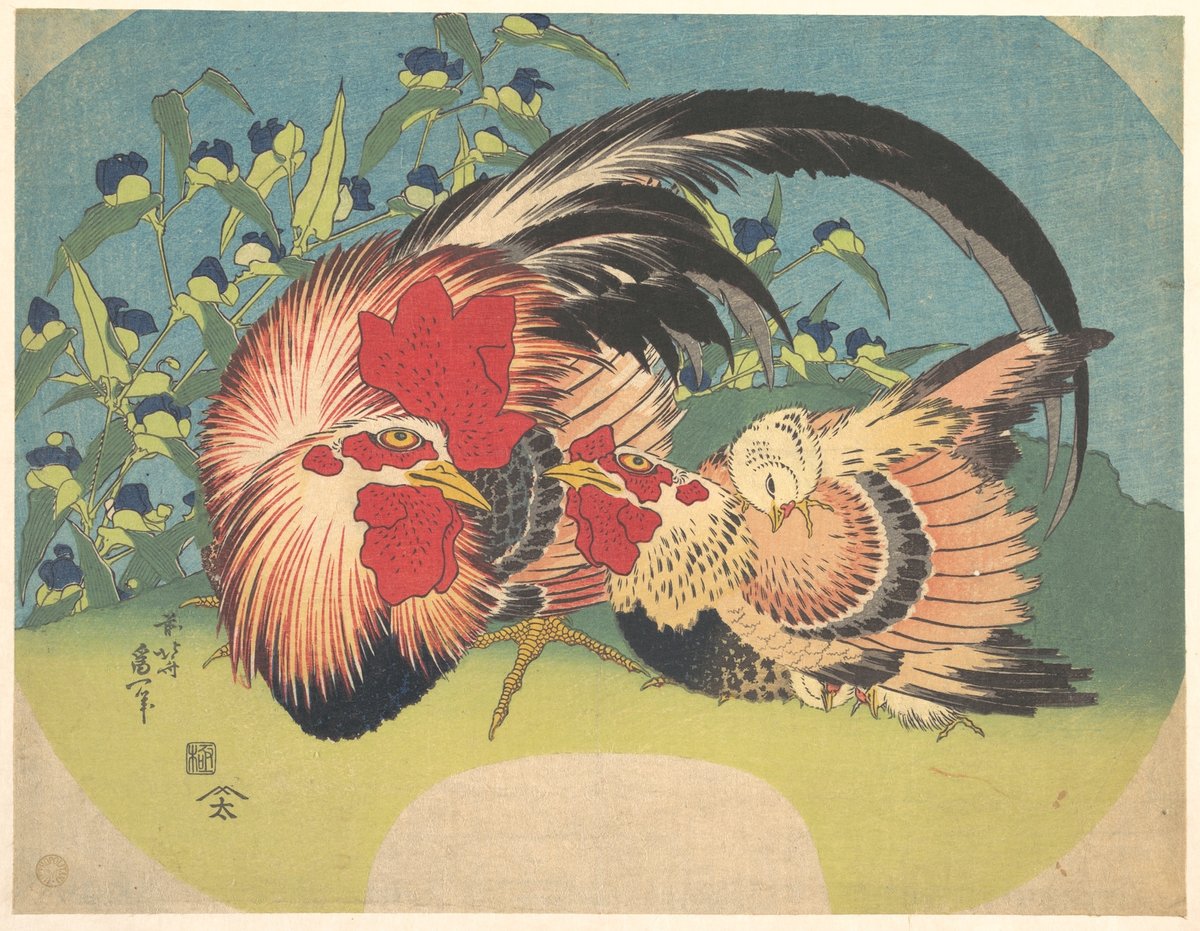
(Katsushika Hokusai, 1830)
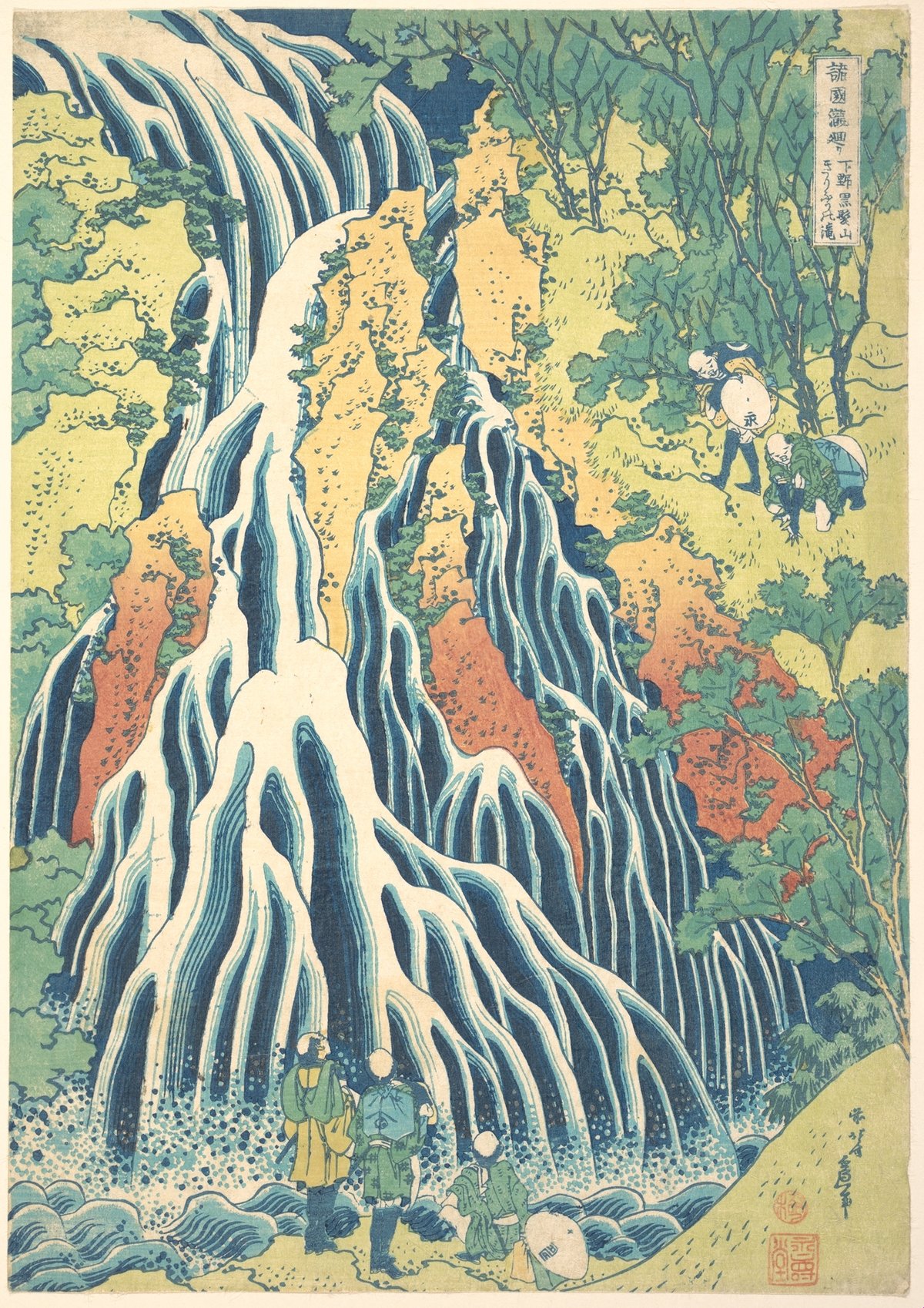
(Katsushika Hokusai, 1832)
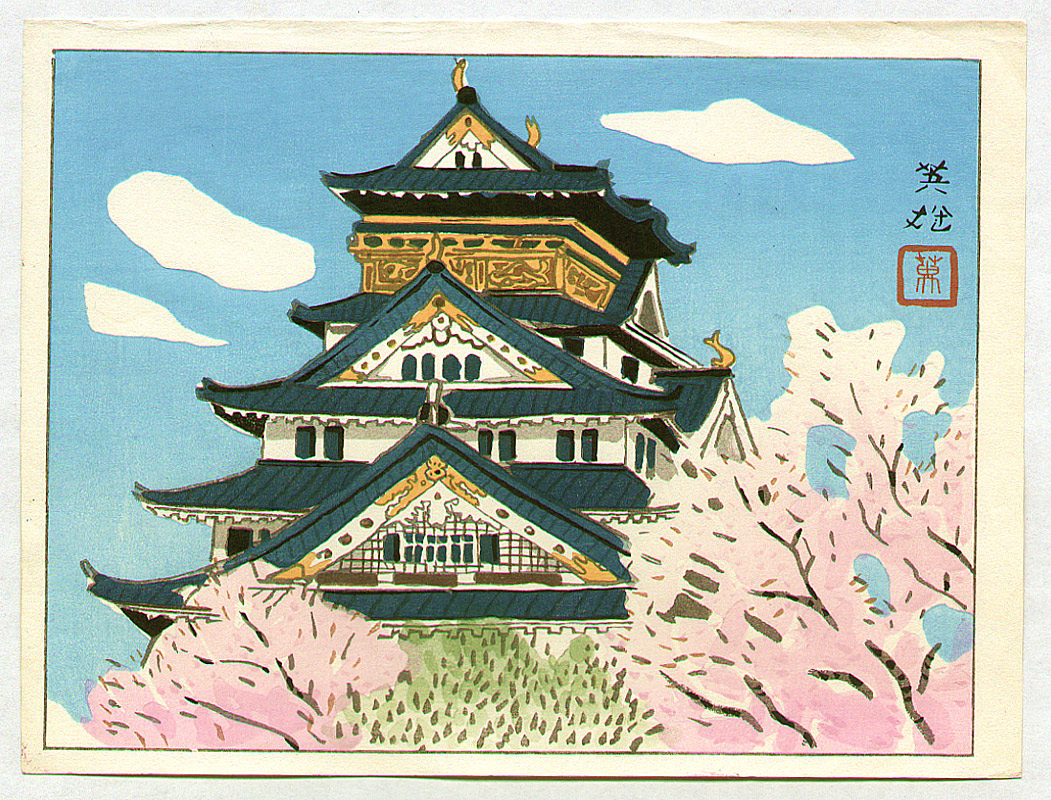
(Hagiwara Hideo, 1950s)
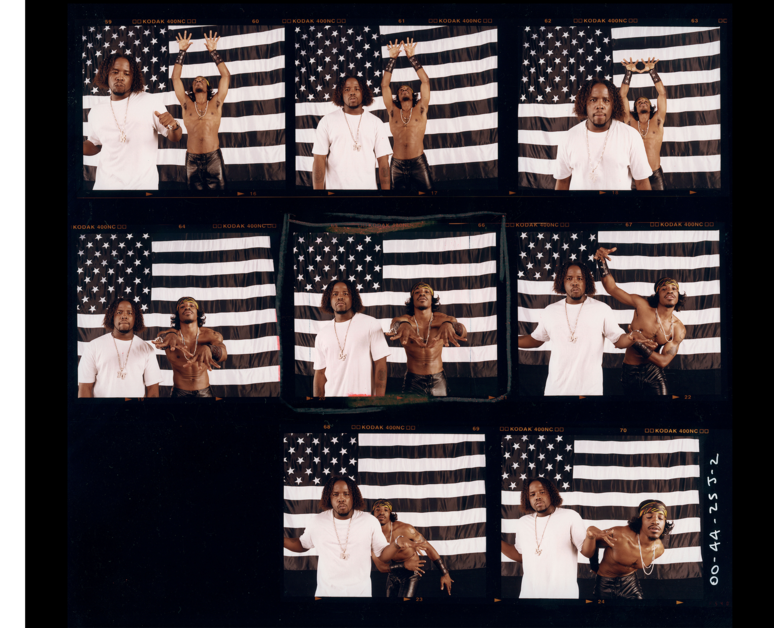
Hua Hsu reviews Contact High, a visual history of hip-hop by Vikki Tobak that takes interviews, essays, and outtakes from over 100 photographers through all of hip-hop’s history, from early b-boys and b-girls breaking to iconic album covers.
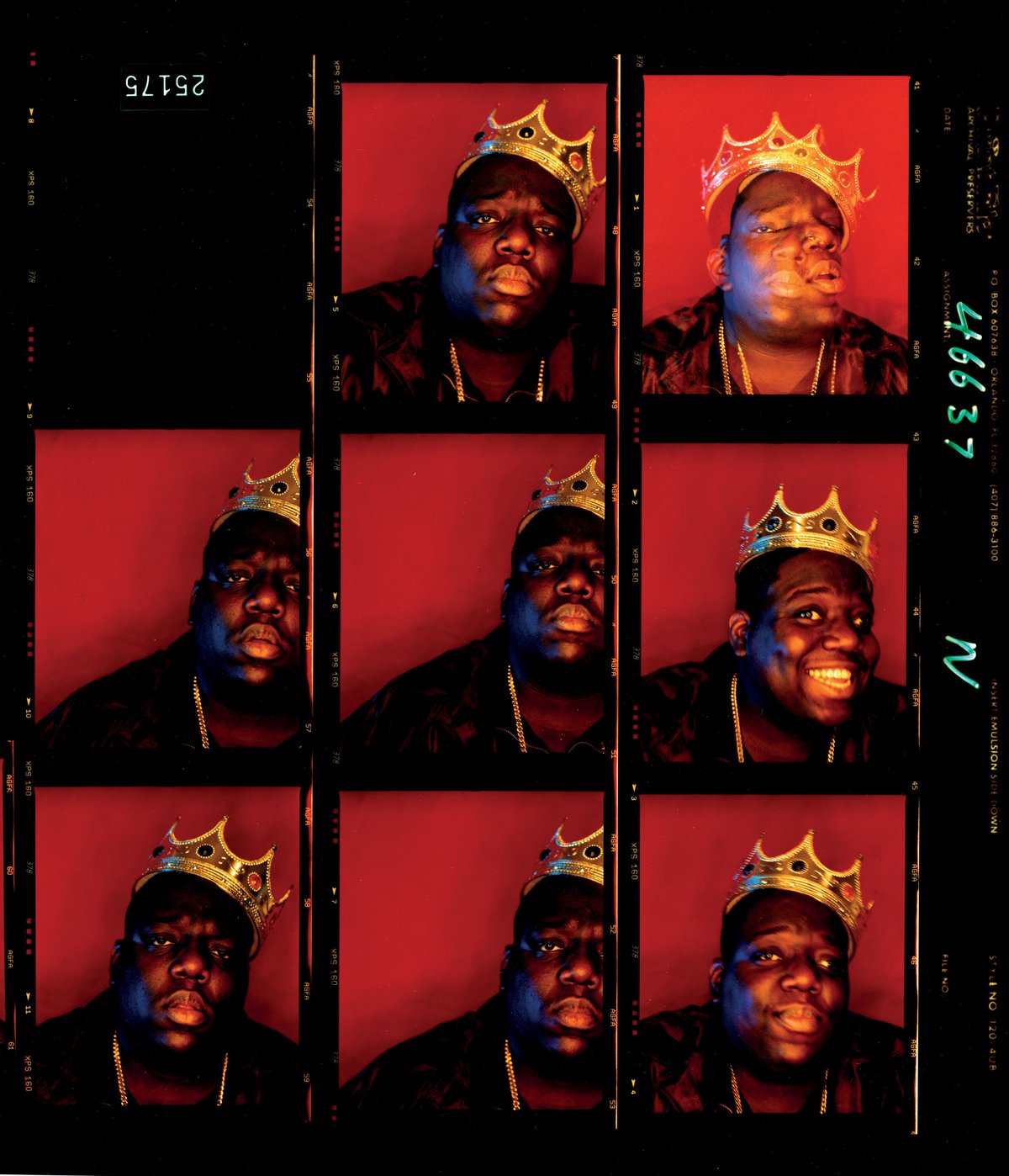
There’s something thrilling about seeing Michael Lavine’s outtake versions of OutKast’s “Stankonia” cover, where André 3000 has his hands up rather than pointed toward the viewer in a hex, or alternate versions of Danny Clinch’s famed portrait of a shirtless Tupac and his “Thug Life” tattoo, where he’s looking down at the ground with a measure of peace, rather than toward the sky or directly at the viewer in defiance. These images are like portals into alternate time lines. There’s a lone photo of the Notorious B.I.G., wearing a crown and grinning, surrounded by a dozen versions of him flashing a tragic scowl. The crown was the photographer Barron Claiborne’s idea, meant to evoke Biggie as the king of New York. Biggie’s close friend and producer, Sean “Puffy” Combs, feared that it made him look like the Burger King.
Here are a few photos and contact sheets from the book, including Biggie in his crown, plus outtakes from Baduizm by Marc Baptiste, and the Rock Steady Crew’s Frosty Freeze by Martha Cooper.
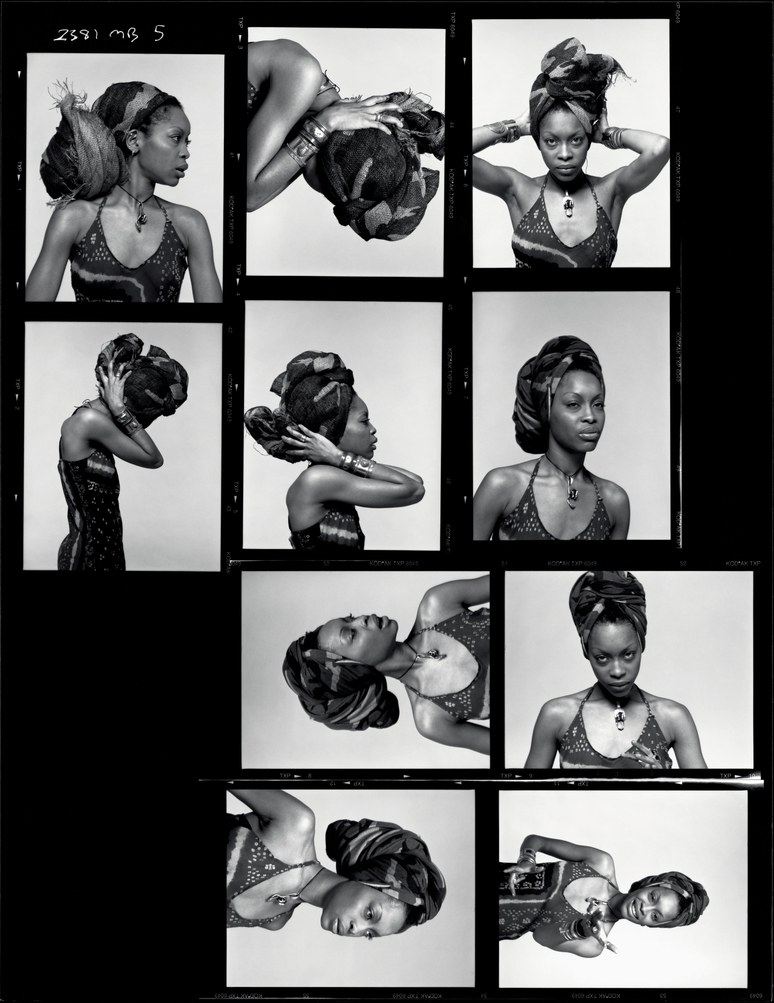
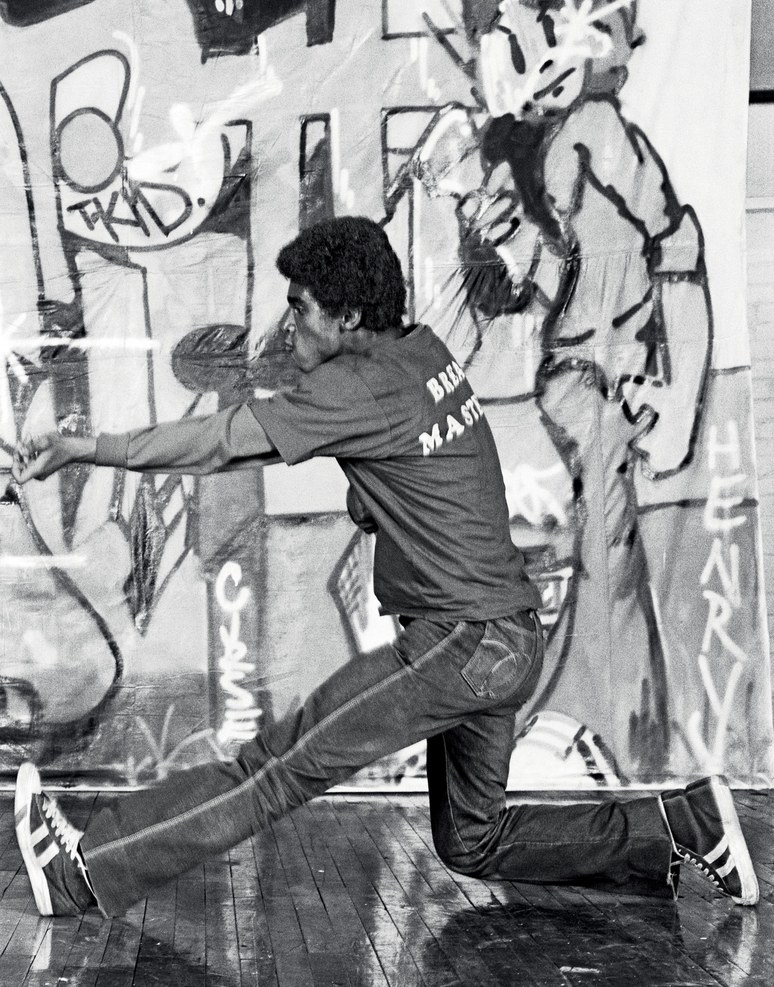
This was taken in 1981. I love it so much.
For No Film School, Joanna Naugle breaks down the history of women editing film, a role women dominated in the silent and early sound era (when film editing was seen as 1) tedious and 2) like sewing), only to have men take over when the job became more visible and lucrative. Still, there’s a slew of famous and should-be-famous female editors, or rather, famous film edits that were usually made by a woman who’s better known in the industry than outside it. Special attention is given to Thelma Schoonmaker, Anne V. Coates, and Dede Allen, among others.
In an article published by the Yale School of Forestry & Environmental Studies, Nicola Jones details some of the ways that the Earth’s climate zones have shifted in response to our changing climate. Each effect is accompanied by a map, so you can actually see the magnitude. Her first example is that the tropics are getting bigger by 30 miles per decade.
In a paper published in August, Lu and colleagues tracked how and why the Hadley cell is expanding. They found that since satellite records started in the late 1970s, the edges of the tropics have been moving at about 0.2-0.3 degrees of latitude per decade (in both the north and the south) .The change is already dramatic in some areas, Lu says — the average over 30 years is about a degree of latitude, or approximately 70 miles, but in some spots the dry expansion is larger. The result is that the boundary between where it’s getting wetter and where it’s getting drier is pushing farther north, making even countries as far north as Germany and Britain drier. Meanwhile, already dry Mediterranean countries are really feeling the change: In 2016, for example, the eastern Mediterranean region had its worst drought in 900 years. The last time the tropics expanded northward (from 1568 to 1634, due to natural climate fluctuations), droughts helped to trigger the collapse of the Ottoman Empire.
Two quick things to note here. 1. As Jones states a couple of paragraphs above this one, the “tropics” are actually mostly dry. We think of weather in the tropics as hot and wet, but it’s actually hot and dry. The expanding tropics means hotter, drier weather for more of the planet. 2. Re: that bit on the Ottoman empire, I bet there’s an interesting book to be written on how climate change (natural and not) is a huge and unacknowledged driver of socioeconomic & political change (the Little Ice Age, the role of climate change in driving the Syrian civil war, the migrant caravan in Mexico may be climate driven, etc.)
Back to the article, some of the other shifts highlighted are:
- Tornado alley in the US has shifted 500 miles east in 30 years.
- Plant hardiness zones are moving north in the US at 13 miles per decade.
- The permafrost line has moved 80 miles north in 50 years in parts of Canada.
- The wheat belt is pushing poleward at up to 160 miles per decade.
Here’s the maps showing the shift in tornadic activity:
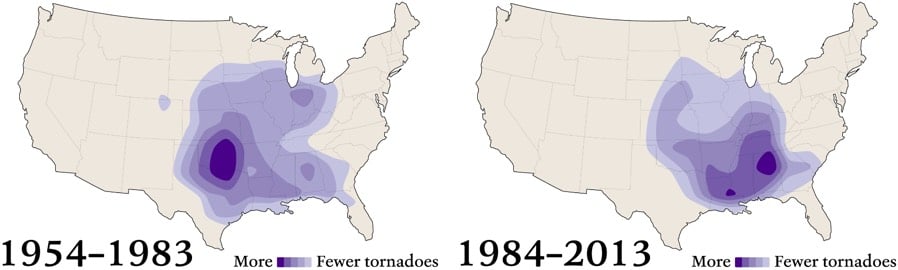
Climates shift and people have to move. Two more decades of this and you’re going to see hundreds of millions of climate refugees that the world is not equipped to handle.
Update: I received a couple of responses that consider climate’s role in history: Geoffrey Parker’s Global Crisis and Climate Change and the Health of Nations by Anthony McMichael. (thx, @ThomasintVeld & jonathan)
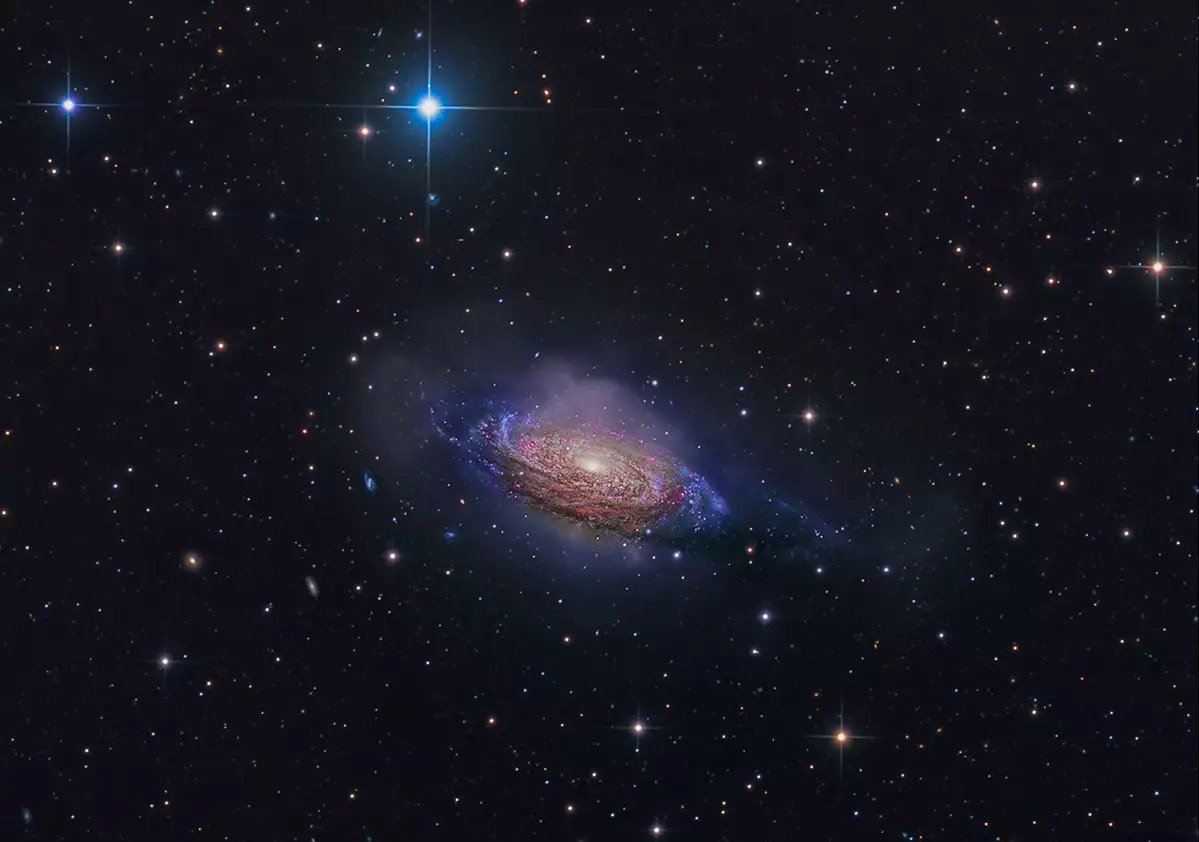
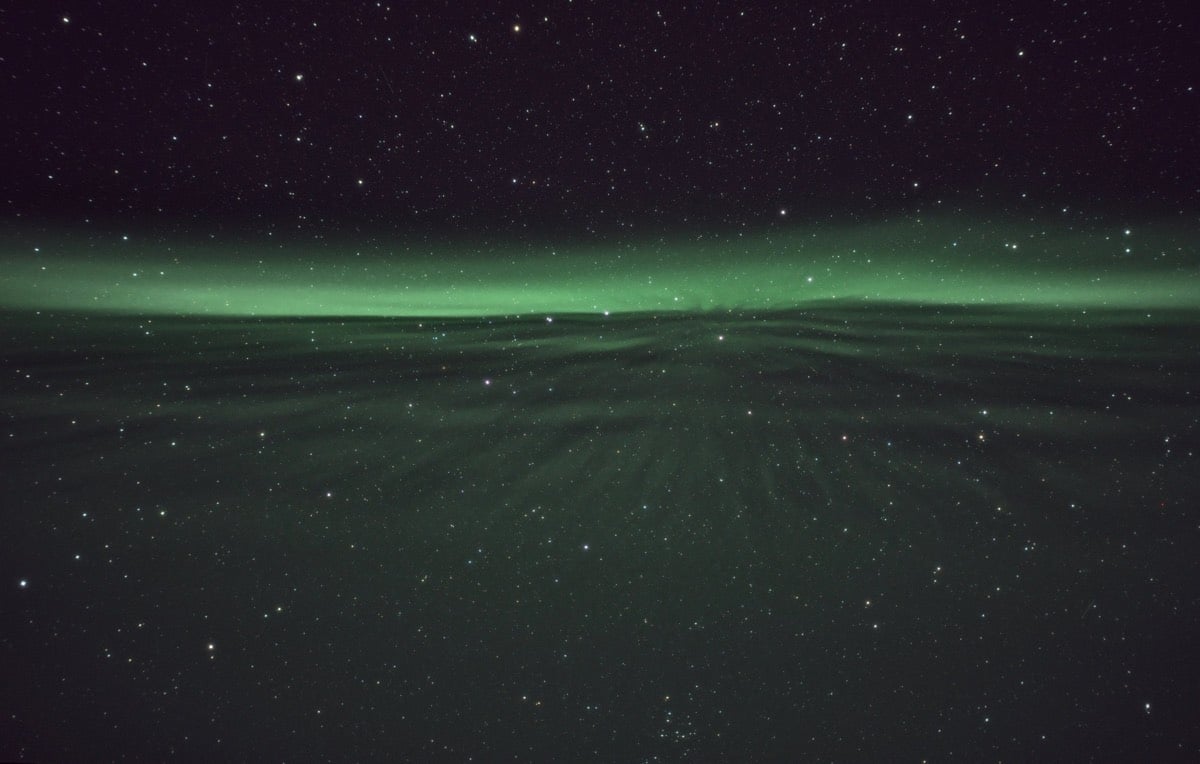
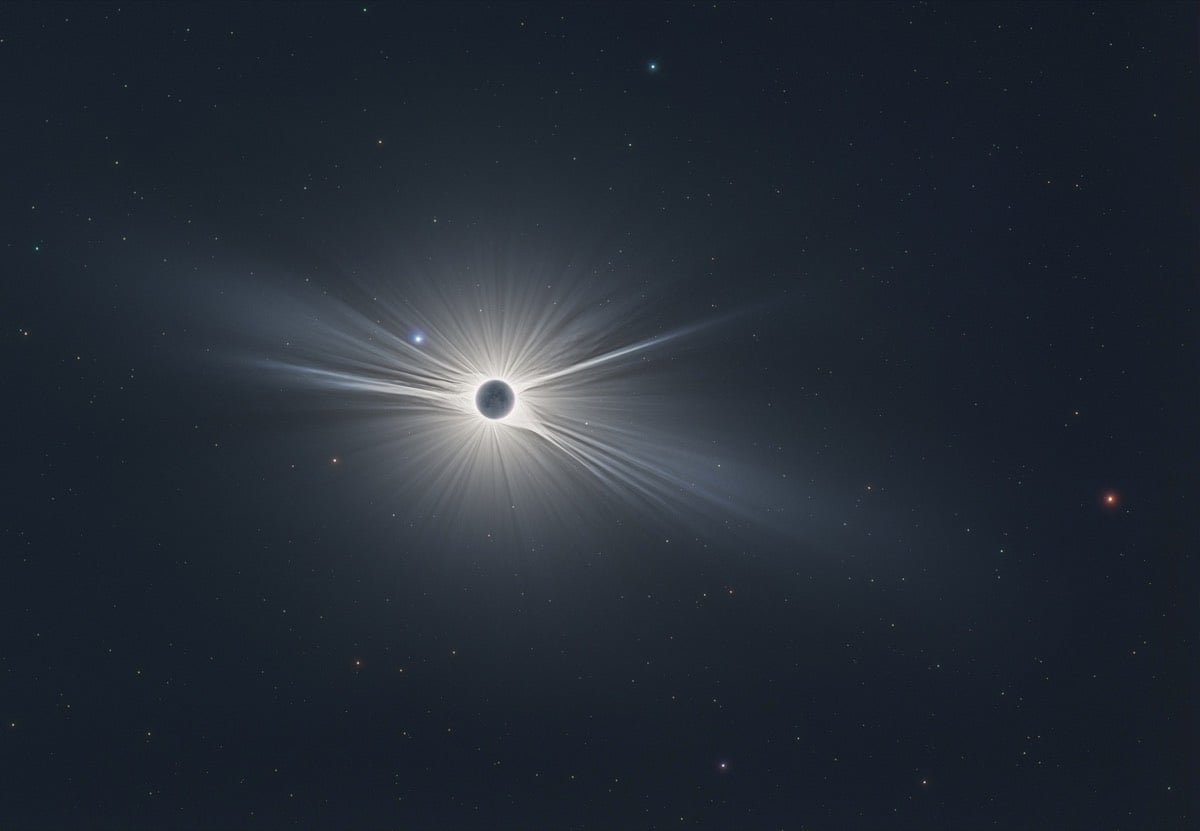
The Royal Observatory Greenwich in the UK has announced the winners of the Astronomy Photographer of the Year for 2018.
Above are three of my favorites from the overall winners list. From top to bottom are Steven Mohr’s photo of the NGC 3521 galaxy (stitched together using hundreds of exposures), Nicolas Lefaudeux’s photo of an aurora (which he somehow turns into a landscape image), and Lefaudeux’s shot of the 2017 eclipse (you know I’m a sucker for a good eclipse photo).
If you find yourself in London before May, the winning photos are on display at the National Maritime Museum or in book form everywhere.
If you don’t have a pro account, Flickr is going to *permanently* delete all but your 1000 most recent photos in January. All those conversations presumably gone too. :(
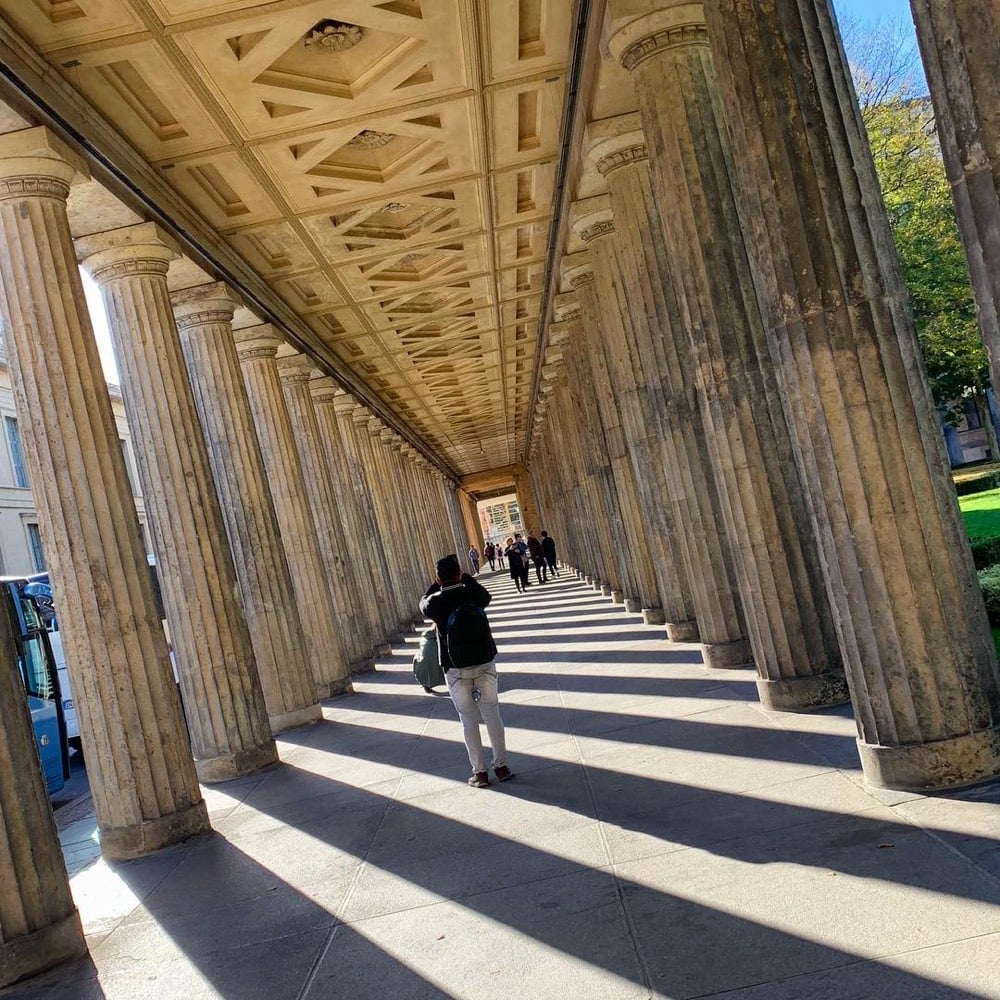
Even for a city almost 800 years old, Berlin has seen more than its fair share of history, especially in the 20th century. Watching the fall of the Berlin Wall on television 29 years ago this month was one of my most memorable experiences as a teen. In 2001, my girlfriend and I visited Berlin, loved it, and wanted to return soon. But you know how that goes sometimes, and I didn’t make it back there for a visit until mid last month, when I spent the better part of a week exploring Germany’s largest city. Here are of my impressions from the trip.
Museum-going is one of my favorite things to do when travelling and Berlin has a bunch of great ones. And they’re not generally these behemoths like the Met or Louvre…they’re reasonably sized places you can knock out in a couple of hours. The recreation of the Ishtar Gate at the Pergamon is one of my favorite things at any museum I’ve been to.
The public transportation in Berlin is great. One ticketing scheme covers buses, trams (in the old East Berlin), surface trains (S-Bahn), and subways (U-Bahn). I bought a weekly pass and used it to travel all over the city. One afternoon with no fixed agenda, I explored by randomly hopping on trams and trains and getting off when things started looking interesting…navigation by an arbitrary stupid goal.
Yes, I had the currywurst. And a kartoffelpuffer (served with a massive dollop of delicious sour cream w/ herbs in it). I preferred the knackwurst I got from Konnopke’s Imbiß and the schnitzel from Scheers, which reminded me a bit of Crif Dogs (but for schnitzel). The guy at Konnopke’s made an “ick” face when I asked for ketchup with my knackwurst instead of mustard. *shrug*
According to Pedometer++, I walked 65 miles over a 7 day period in Berlin.
At the Neues Museum, I read a bit of Homer’s Iliad on a papyrus scroll from more than 2000 years ago. The kids and I have been reading Emily Wilson’s translation of The Odyssey so that was a nice moment of connection across the centuries. (I also saw the bust of Nefertiti there.)
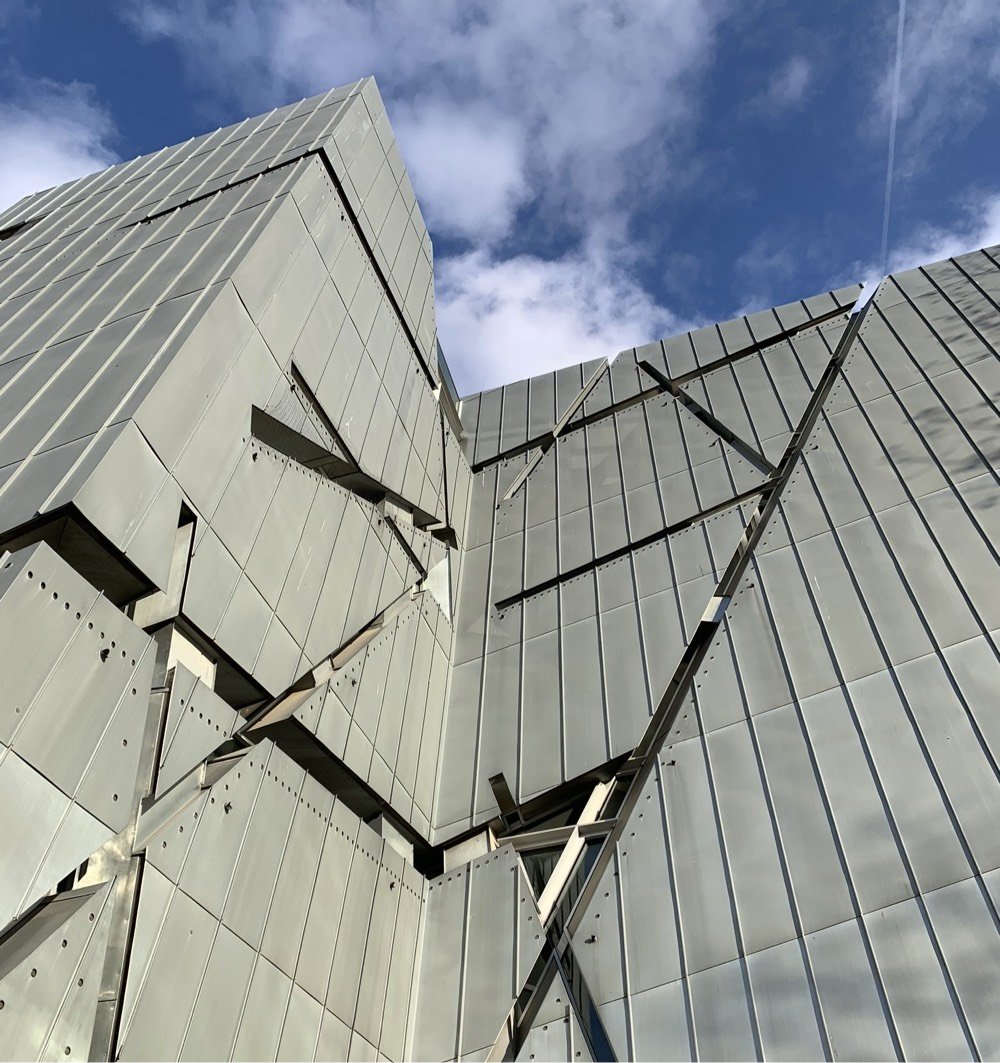
My favorite thing about public transport in Berlin is that instead of having entry turnstiles and swiping your ticket when you get on the bus, you simply buy a ticket and get it stamped on the platform to validate it. That’s it. With my weekly pass, I had to stamp it once to “activate” it, but after that, I could just get on the tram or subway without worrying about it. I love this system…it eliminates so much infrastructure, makes it easier to use public transport, and doesn’t track you around the system like smartcards do. It also makes it easier to ride for free, although there are teams of ticket inspectors moving throughout the system checking for valid tickets. Fines of €60 on up are assessed & paid on the spot.
A team of three undercover ticket inspectors got onto a tram I was riding…they were young, dressed a bit like hooligans, and looked way more like they were gonna steal wallets than officially check tickets. After nonchalantly boarding, they announced themselves to the passengers, pulled out their badges, and worked very quickly, impatiently looking at tickets before the tram pulled into the next stop and scofflaws could escape.
The Memorial to the Murdered Jews of Europe is an open-air memorial of more than 2700 concrete slabs arranged in a grid pattern. While I was there, I saw it being used as a bench, a picnic area, a playground, a hide-n-go-seek maze, a selfie background, a parkour apparatus, and as the backdrop for Instagram influencers…pretty much everything but thoughtful reflection about the murder of 6 million people. See also Yolocaust.
Everyone kept telling me that the city had changed so much since I’d been there, but one of the only differences I could detect was that in 2001, it was pretty easy to tell which parts of the city had been in East Berlin and which had been in West Berlin, just by looking at the buildings and streets. Now, aside from the presence of random Soviet monuments and the tram in the former East Berlin, I couldn’t really tell. After almost 30 years, Berlin finally seems like a single city again (at least to this outsider).
The Deutsches Technikmuseum (German Museum of Technology) is actually huge and completely amazing, especially the collection of trains and train cars housed in the massive buildings of a former railway company. The smell of grease and oil that hit me walking into the exhibition took me right back to when I was a kid, helping my dad fix cars in the garage. As I mentioned in this post, the exhibition included a freight car that was used for transporting Jews to concentration camps that you could walk inside of “and try to imagine, in some small way, you and your children cheek to jowl with 80 other people, on the way to be murdered”. An intense experience.
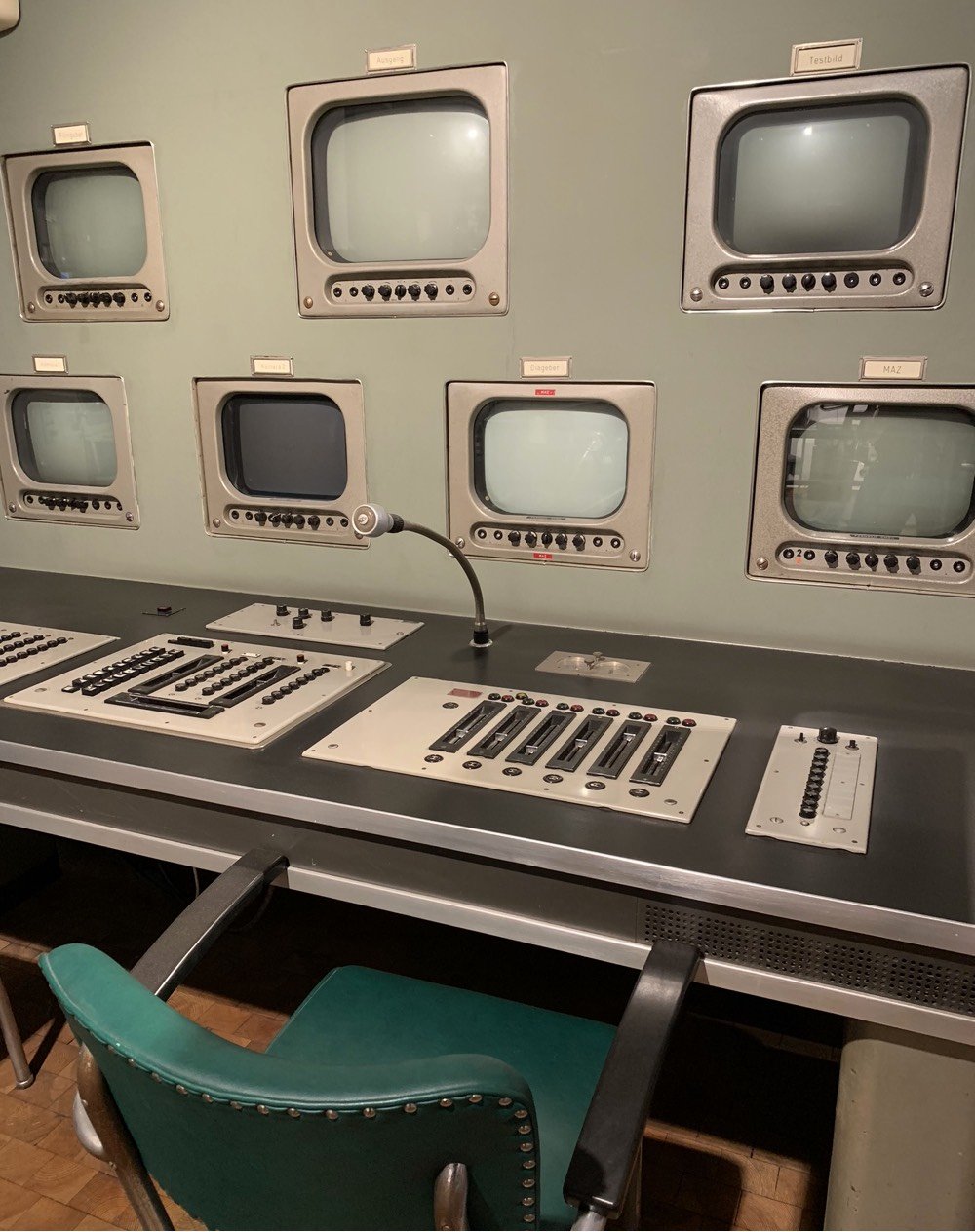
The massive seven-story KaDeWe department store has an entire floor dedicated to food (in addition to the eatery on the top floor) and the butcher cases must have featured over 120 different kinds of sausage & wurst…it was unbelievable. I spent more than an hour wandering through and ended up having dinner, some scrambled eggs with a side of potatoes and onions — the menu had a disclaimer on the bottom of each page: “Of course our potatoes and onions are made with bacon!” Duh, this is Germany.
The permanent exhibition at the Topographie Des Terrors is a must-see presentation of how the Nazis persecuted, imprisoned, and murdered millions in the 30s and 40s. While sobering and completely gutting in parts, this was one of my favorite things I did in Berlin.
While not quite public transport, Berlin has a thriving bike share scene. I signed up for Mobike because they seemed to have the most inventory. As a bike-friendly city to begin with, there are lots of places on the streets to park these dockless bikes, although locals have complained about bike littering. This was my first time using a dockless bike, and like with WiFi on a laptop or pairing a Bluetooth speaker, the first time feels a little magical.
My favorite meal was at the restaurant in my hotel. That’s a bit of an odd thing to hear because we’re used to hotel restaurants being kind of a default mediocre. But the food at the Michelberger’s restaurant was delicious, surprising, and inventive. I had the burrata w/ pear & dukkah and the arctic char w/ smoked mashed potatoes & buttermilk. Just thinking about that meal is making me hungry!
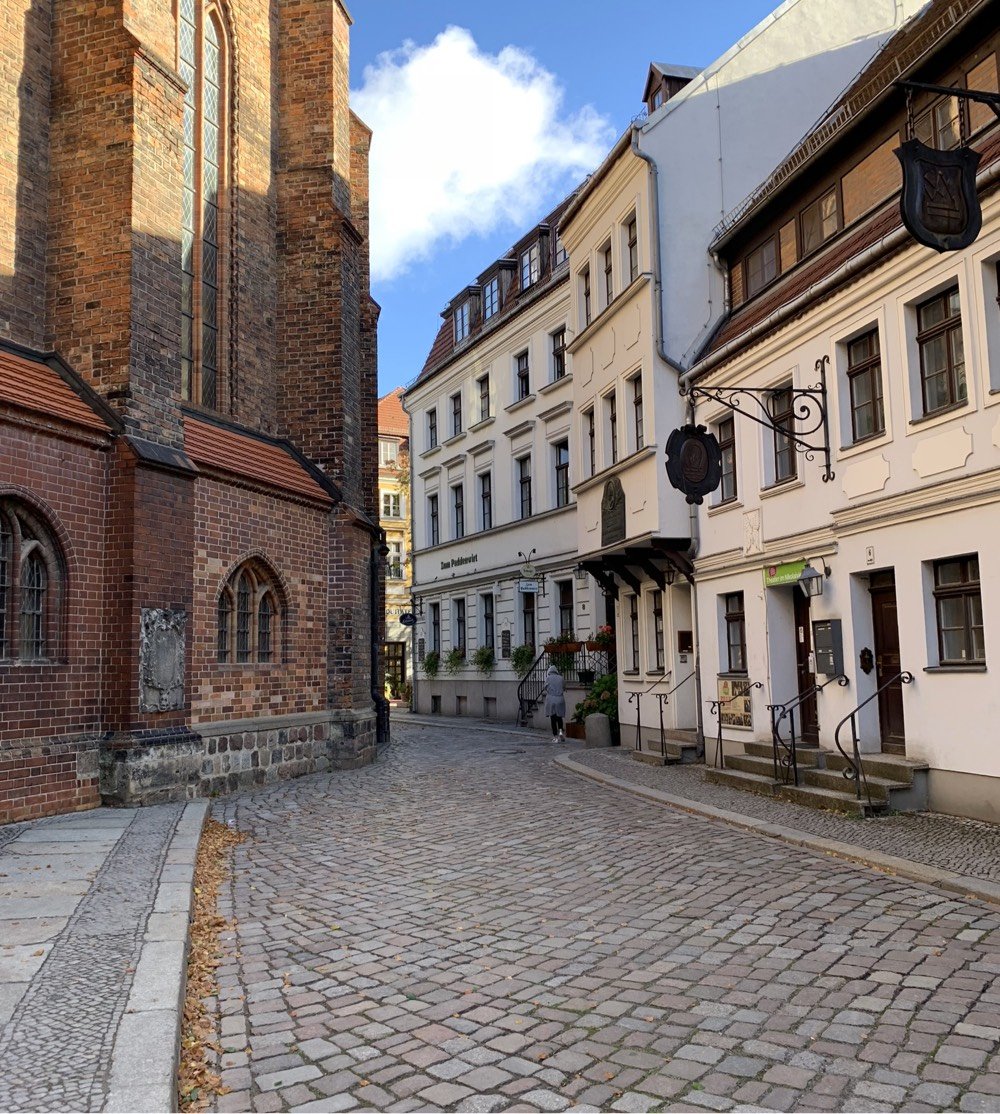
Berlin reclaimed Tempelhofer Field as a public park after the Tempelhof airport closed in 2008. I’d never walked on a large runway like that before…they’re huge! I was supposed to meet up with Felipe of Fotostrasse to take a more extensive tour of the area, but it was rainy and I was sick, so I only managed a quick solo visit. Next time!
I only posted a couple of pics from Berlin on Instagram, but I did post a bunch of Instagram Stories (collected here). And thanks to everyone on Twitter and Instagram who offered suggestions for my trip! I had a great time and I will definitely be back, hopefully before 17 more years have passed.
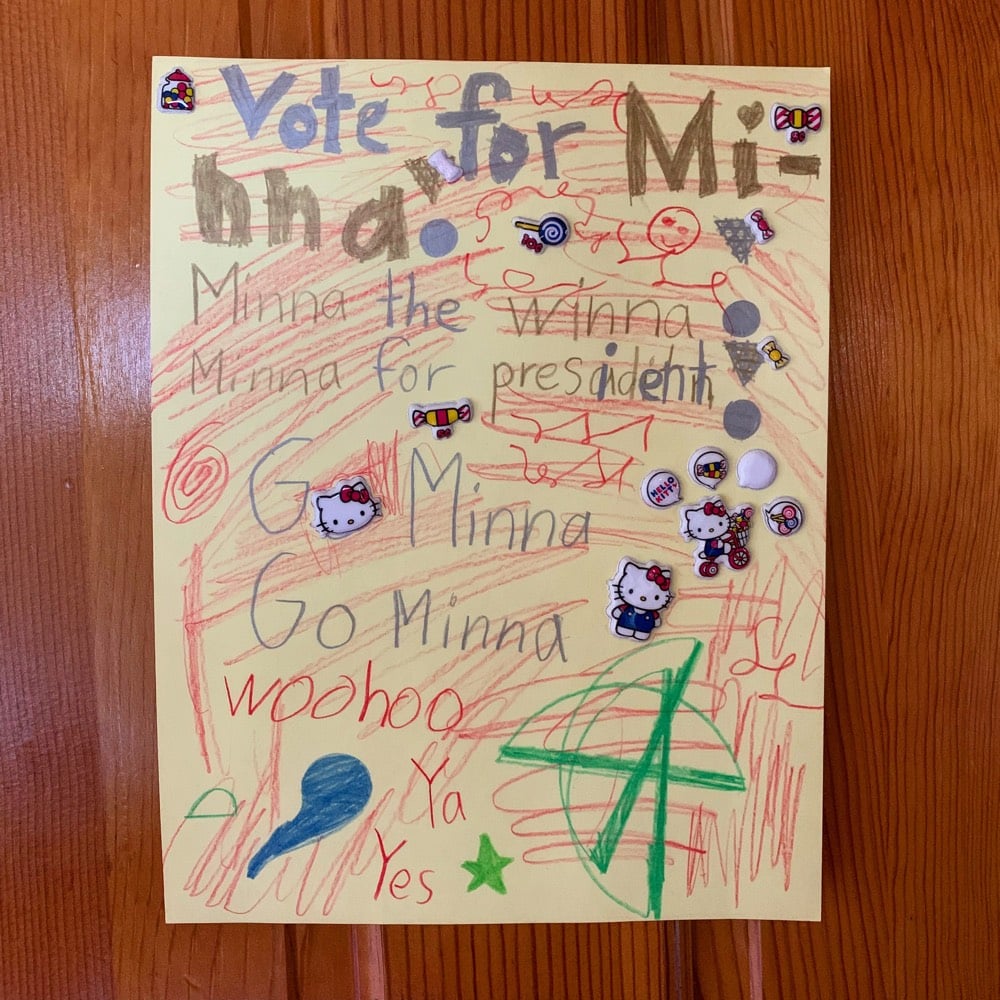
Inspired by the Clinton campaign, my daughter Minna made this campaign poster just before the 2016 Presidential election and taped it to her bedroom door, right next to my desk. I see that poster every day as I work and it reminds me of how fired up she was about a woman becoming President and how she saw herself in that effort. We all know how the election went and what the consequences have been so far, but that poster is still hanging proudly on her bedroom door.
Lately though, “Vote for Minna” has taken on a new meaning for me. No longer a simple campaign command, I now think of it as a guiding principle for my political activity. Self-interest in America is at record levels and I’m opting out. When I head to the polls on Tuesday, I’ll be voting with the best interests of my daughter and all of the other young people of America and the world in mind. They’re gonna need a stronger, safer, and better America and we can help. Vote for Emma. Vote for Kelsey & Miko & Isaac & Vic. Vote for Kira. Vote for Dae’Anna. Vote for Muzoon. Vote for Garrett & Gavin. Vote for Hauwa & Ruth & Kauna & Saratu. Vote for Anthony. Vote for Minna. Vote.
We’re the Organizers of the Google Walkout. Here Are Our Demands. “We demand an end to the sexual harassment, discrimination, and the systemic racism that fuel this destructive culture.”
For his newest project IDENTITYCHRIST, Joseph Lee is pushing representational abstract painting to its limits.
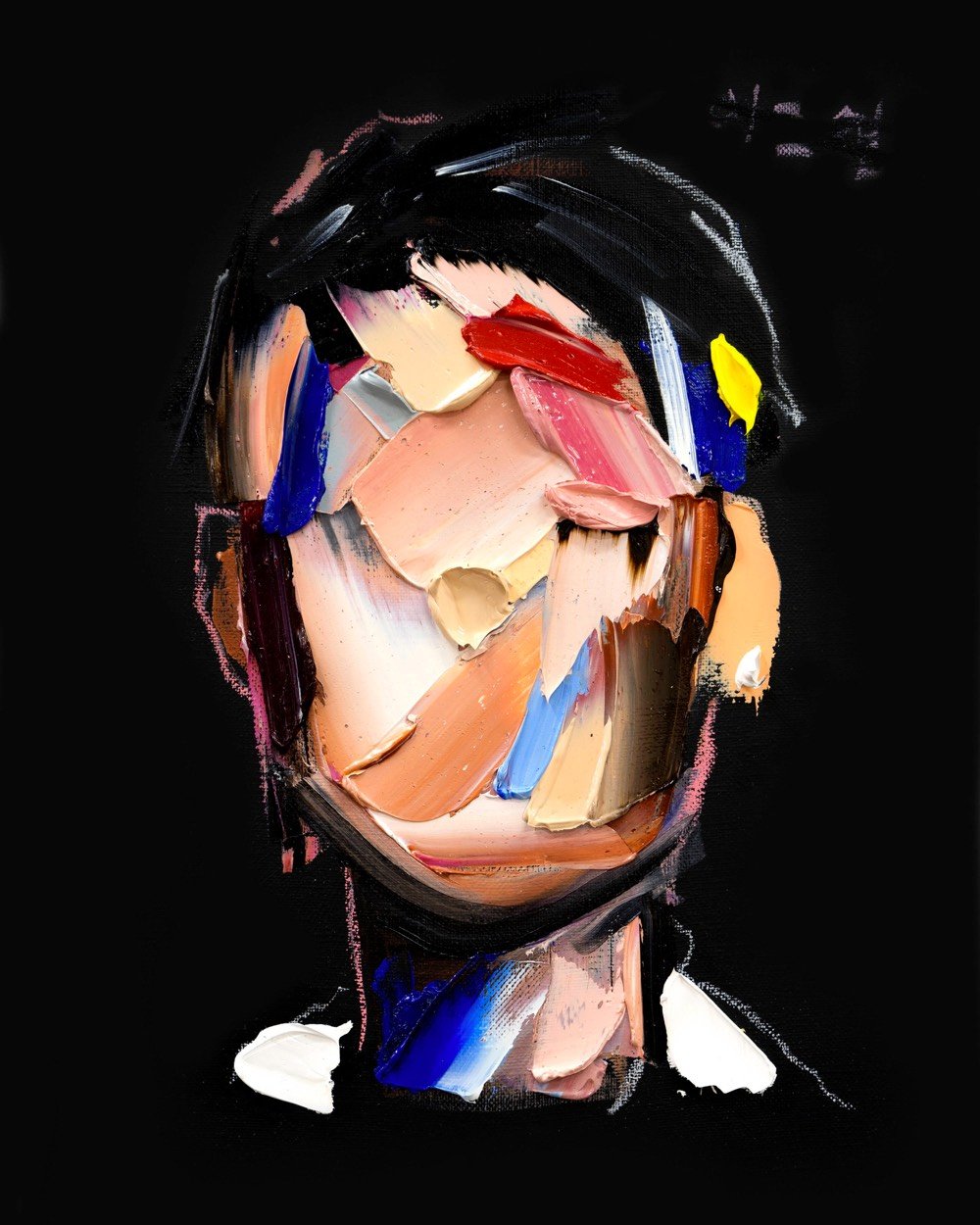
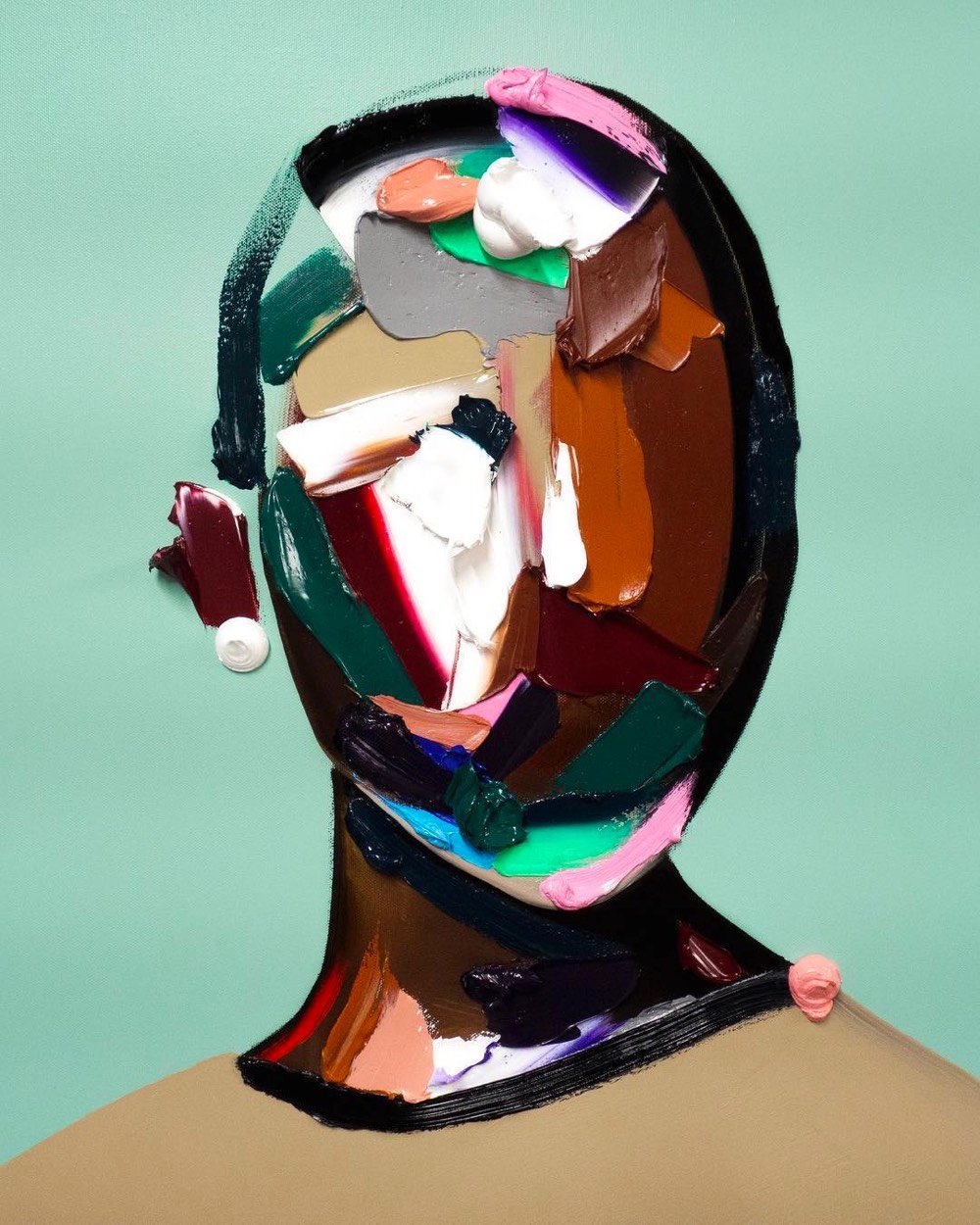
I love how rough these are but you can still tell they’re people. Prints are available.
P.S. Lee is also an actor — you may have seen him playing the brother of the lead character in Searching, which is worth watching if only for the unique way the story is told. (via colossal)
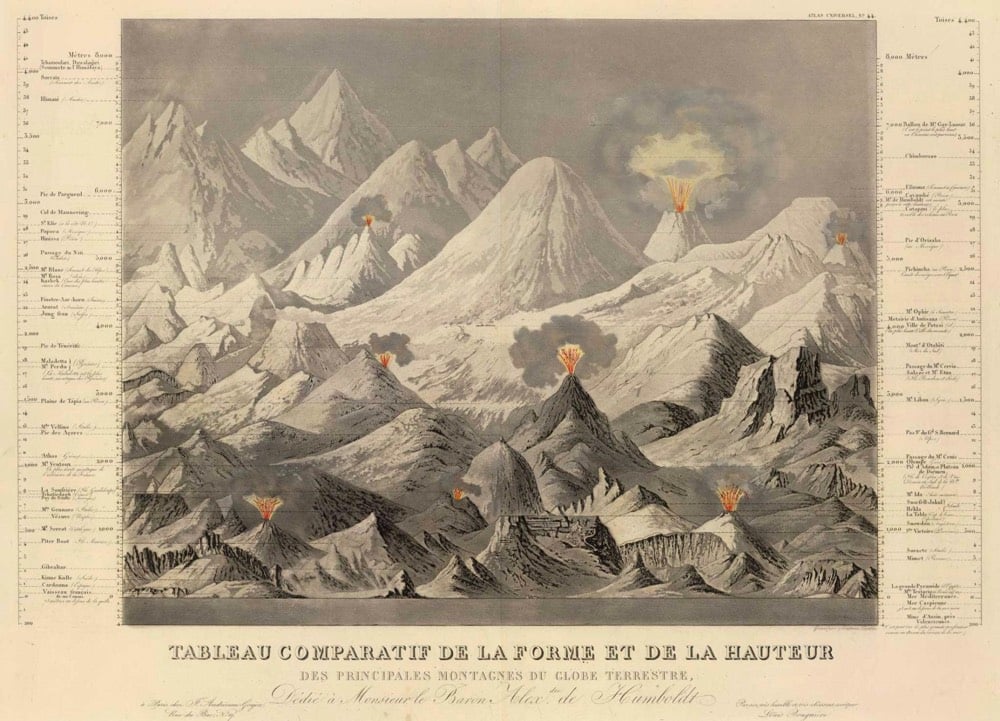
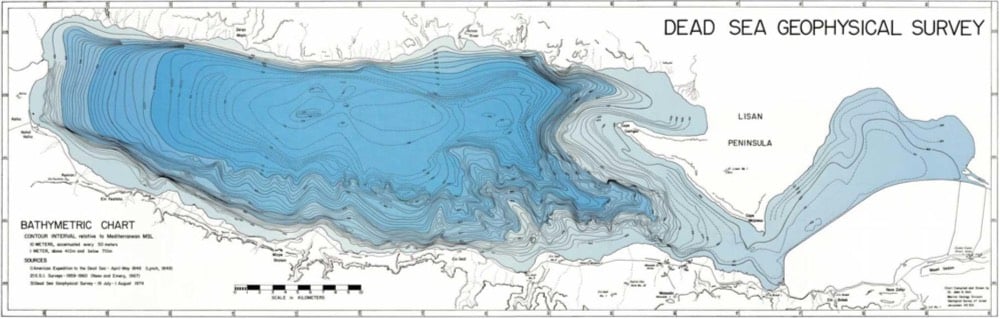
The folks behind the National Geographic cartography blog All Over the Map have come out with a book of the same name that is a “guided tour through the world’s most incredible maps”.
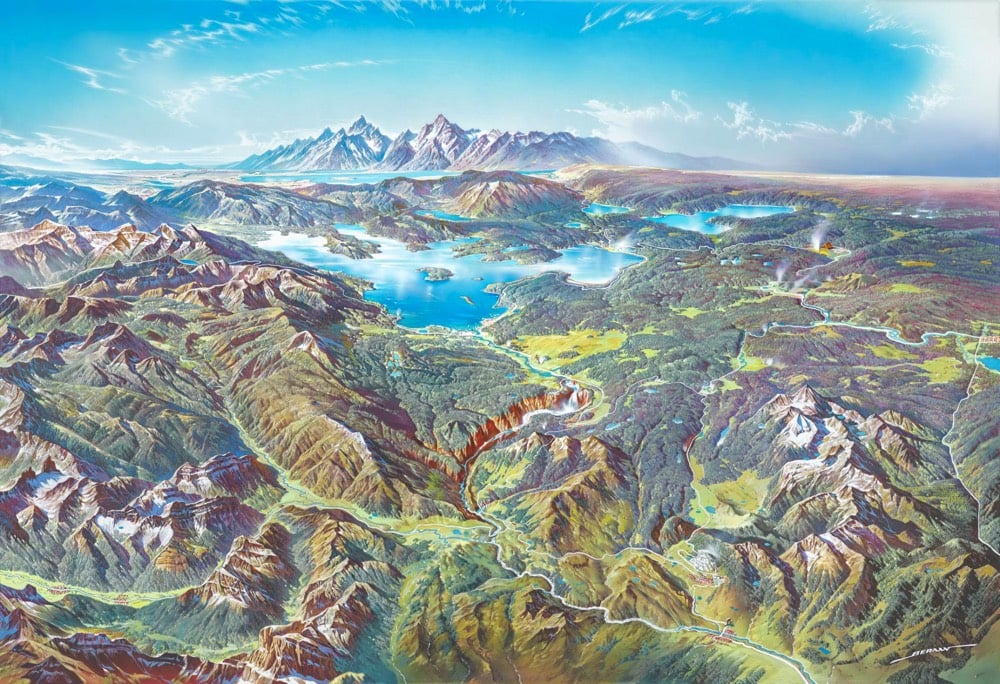
Just to give you a taste of the kind of stuff they feature, recent entries include maps of the most extreme places on Earth and Heinrich Berann’s panoramic paintings of national parks.
Socials & More