kottke.org posts about book covers

A book? (I love books.) About book cover design? (I love book cover design.) By book cover designer Peter Mendelsund? (I love Peter Mendelsund. Platonically. More as a concept, really — we’ve never met.) And co-written by David Alworth? (I don’t know David Alworth but he seems like a solid chap.) The Look of the Book checks a lot of my boxes and might do so for you as well.
As the outward face of the text, the book cover makes an all-important first impression. The Look of the Book examines art at the edges of literature through notable covers and the stories behind them, galleries of the many different jackets of bestselling books, an overview of book cover trends throughout history, and insights from dozens of literary and design luminaries.
See also The Best Book Cover Designs of 2020.

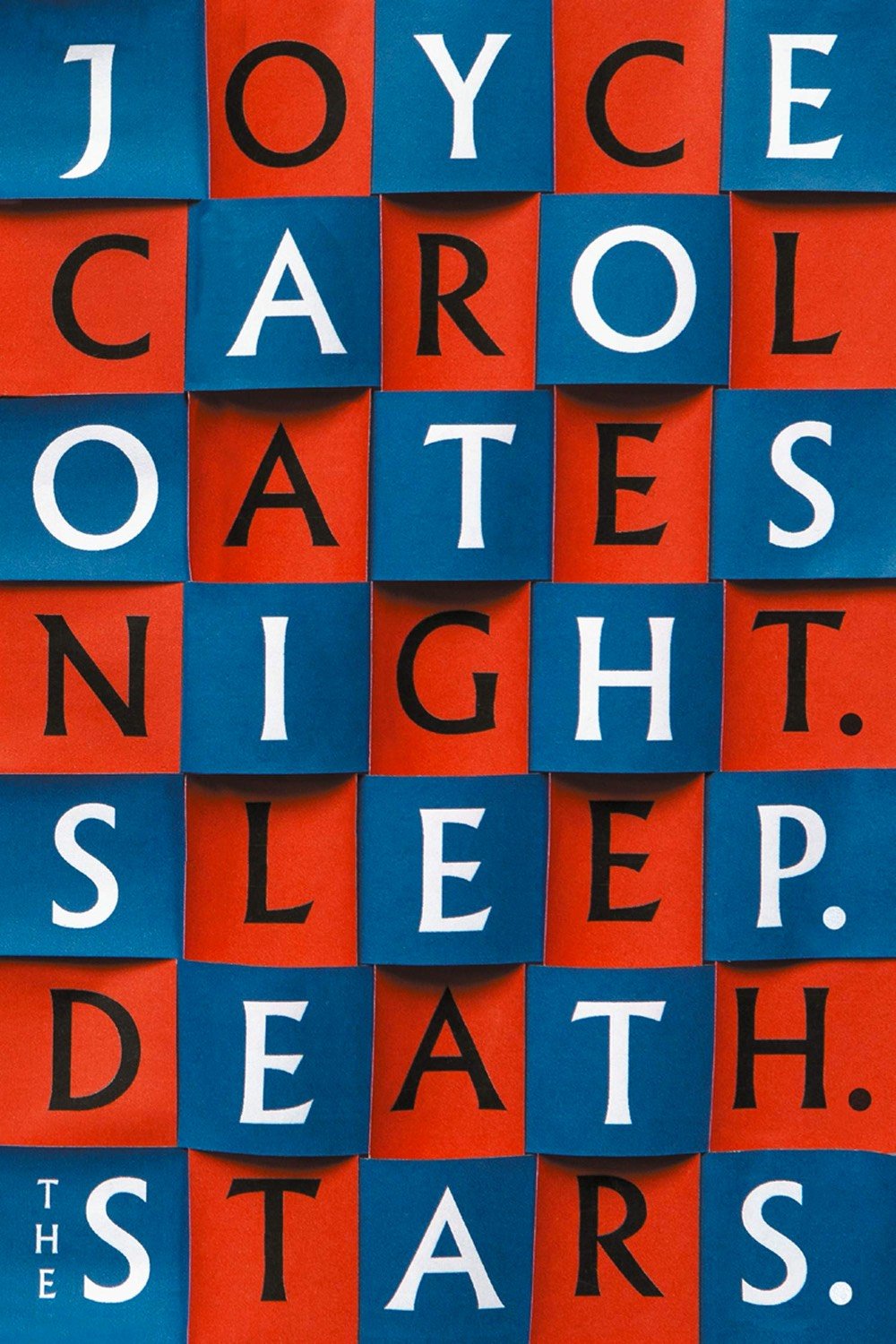



Well, what an unprecedented year that was! *sigh* 2020 is not a great year for ledes, so let’s skip right to the chase: many books were published this year and some of them had great covers. Lit Hub has the best roundup, with a selection of 89 covers chosen by book cover designers. Mark Sinclair’s ten selections for Creative Review are excellent as well. Electric Lit and Book Riot shared their cover picks as well.
I chose a few of my favorites and shared them above. From top to bottom: Zo by Xander Miller designed by Janet Hansen, the UK cover for Night. Sleep. Death. The Stars. by Joyce Carol Oates designed by Jamie Keenan (the US cover for comparison), Anger by Barbara H. Rosenwein designed by Alex Kirby, Uncanny Valley by Anna Wiener designed by Rodrigo Corral, and Verge by Lidia Yuknavitch designed by Rachel Willey. Looking at great work like this always gets my “maybe I should have been a book cover designer” juices flowing…
See also The Best Books of 2020.
Update: Oh good, the annual list from The Casual Optimist is here: Notable Book Covers of 2020. A cover that he highlighted that I particularly liked is from Michael Nylan’s translation of The Art of War by Sun Tzu designed by Jaya Miceli.

The NY Times list of The Best Book Covers of 2020 is out as well.


Over on his Instagram, Raj Haldar is making modernist versions of book covers for children’s books. So far there’s Goodnight Moon, The Snowy Day, The Very Hungry Caterpillar, Haldar’s own P Is For Pterodactyl, and a few others. Here’s what he says about Goodnight Moon:
Today, I’ve reduced ‘Goodnight Moon’ to nothing more than a few circles, rectangles, and triangles. What’s amazing, and a testament to how deeply this classic picture book is embedded in our collective consciousness is that even as a collection of the most simple forms, the cover is thoroughly recognizable.
(via print)

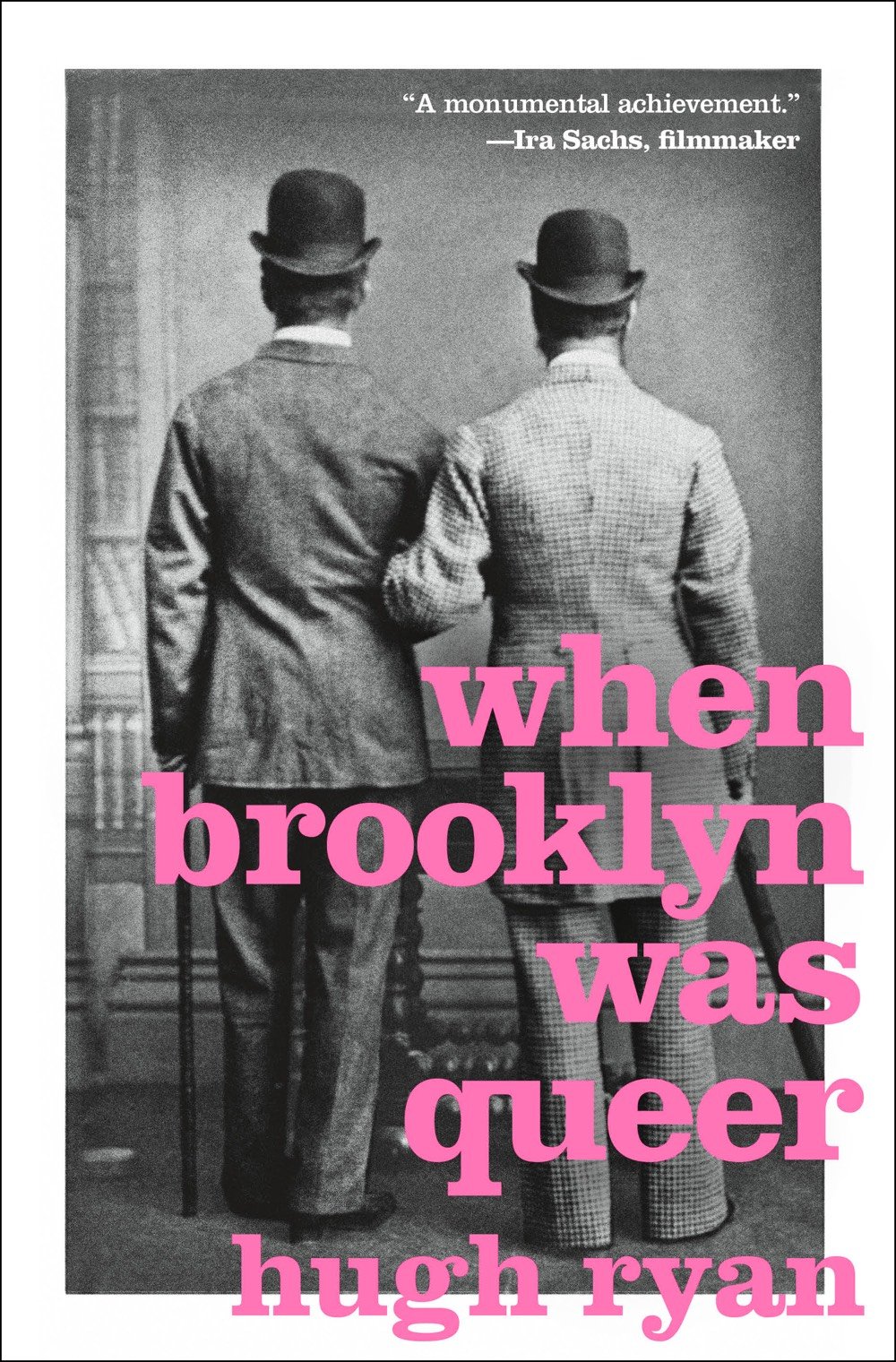


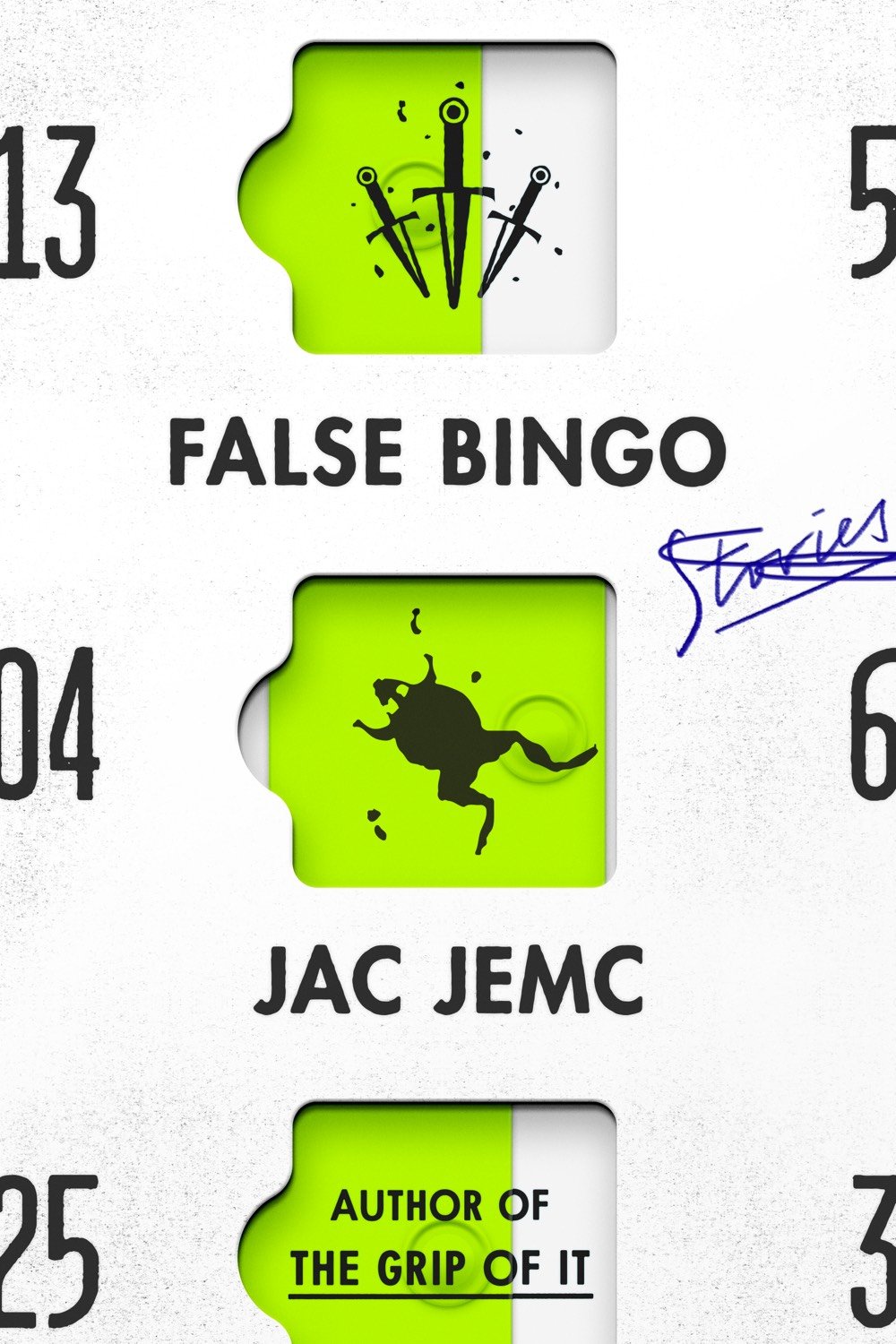
The AIGA has announced the winners of its annual 50 Books / 50 Covers competition for books published in 2019. The competition recognizes excellence in both book design and book cover design — some of the winners placed in both categories. You’ll notice there are not a lot of books here that you’d find on the front table of the bookstore — the winners tend to be from smaller publishers and/or academic in nature and/or about art or design. For lists containing more mainstream books, check out the lists from the NY Times, Buzzfeed, and Lithub.
The books pictured above (from top to bottom) are Rusty Brown by Chris Ware, When Brooklyn Was Queer by Hugh Ryan, Love Drones by Noam Dorr, Signal. Image. Architecture. by John May, and False Bingo by Jac Jemc.
The New Yorker asked five designers to design book covers for the Mueller Report in the event that it’s eventually published. Here are my two favorites, by Michael Bierut and Na Kim:

Book covers have long been one of my favorite design objects and with all the talented cover designers at work out there, 2018 produced a number of notable covers. In choosing some of my favorites below, I consulted Literary Hub’s 75 Best Books Covers of 2018 (according a panel of book designers), Paste’s 18 Best Book Covers of 2018, and The Casual Optimist’s Book Covers of Note 2018.
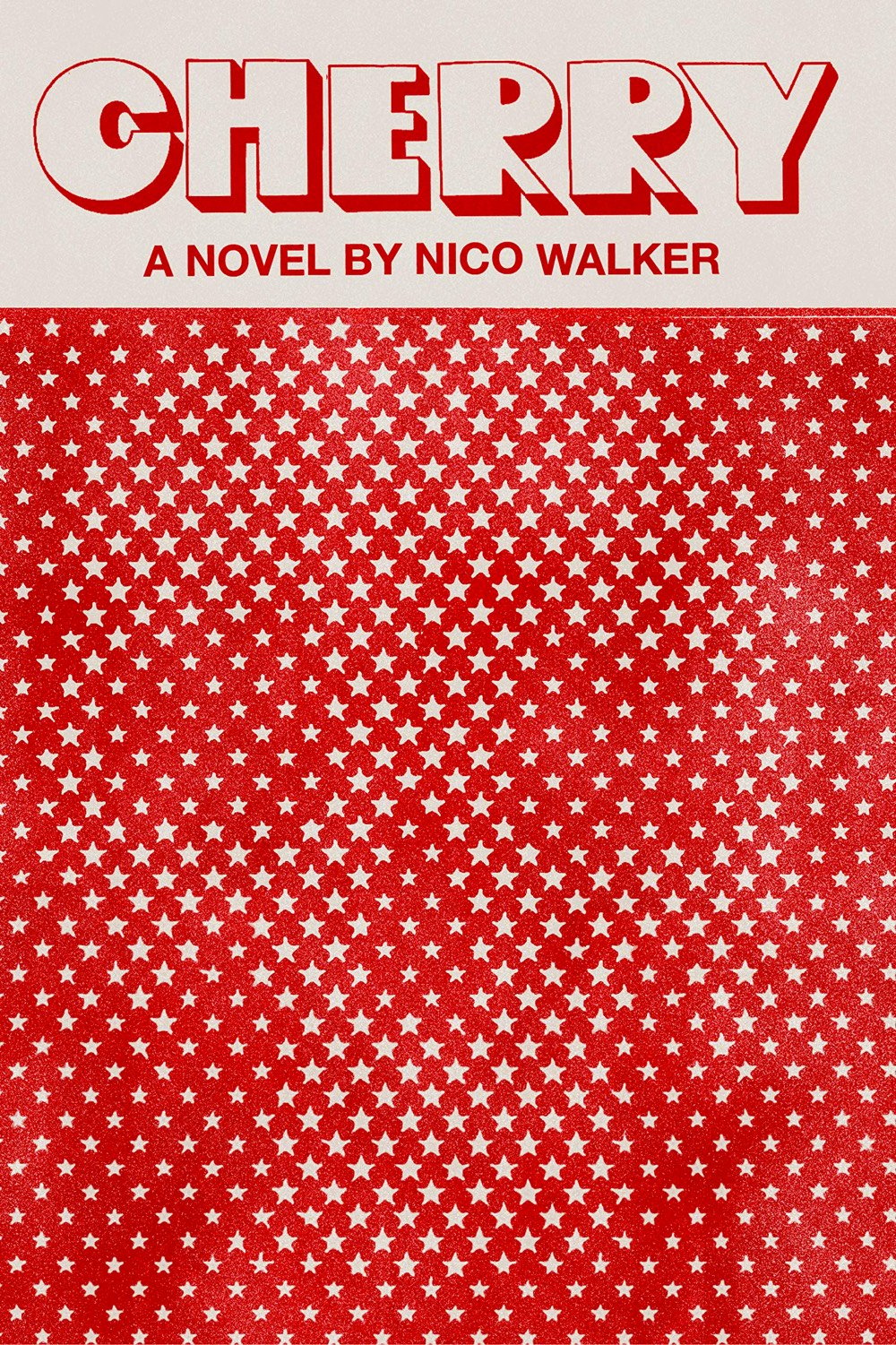


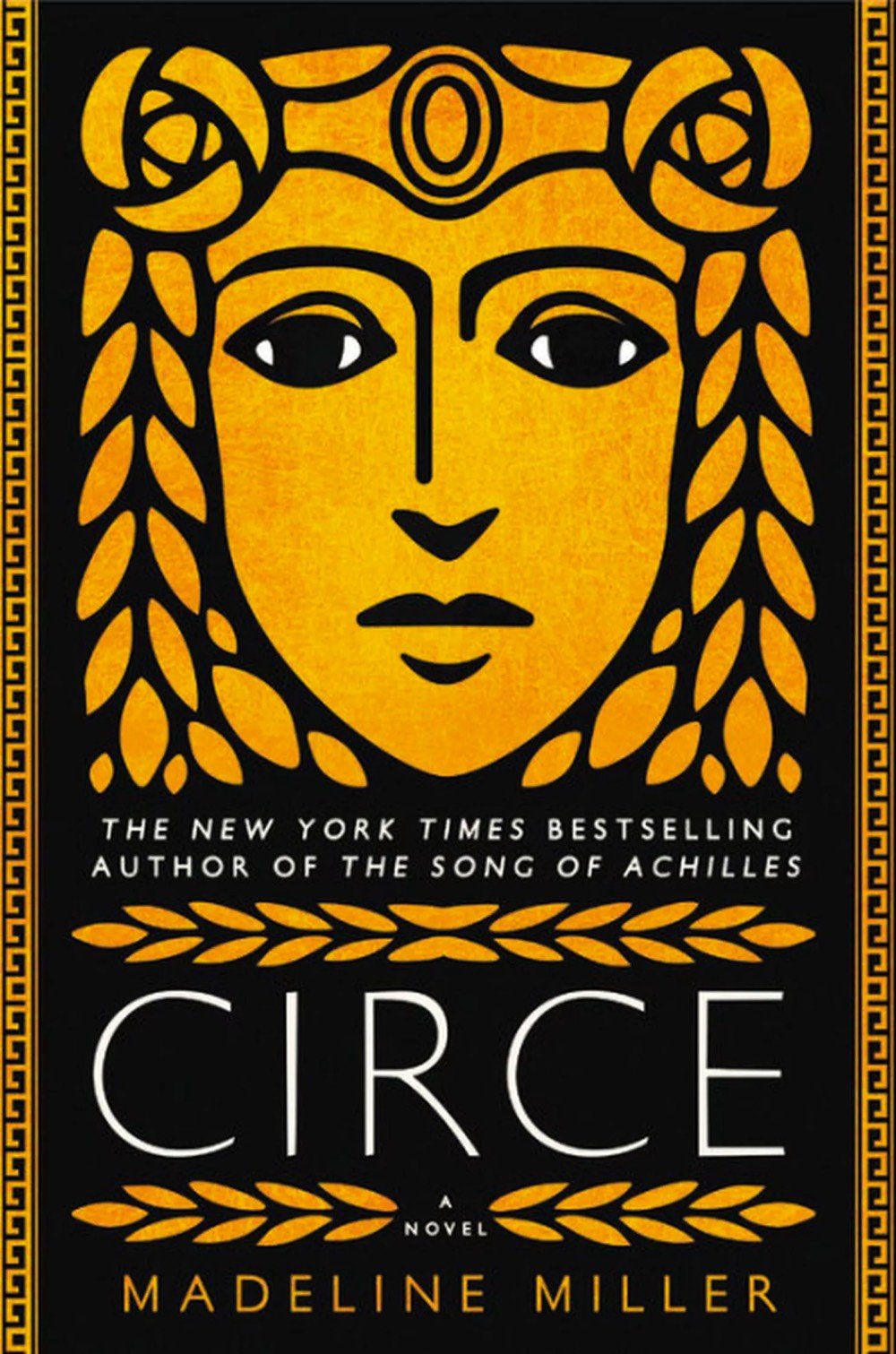
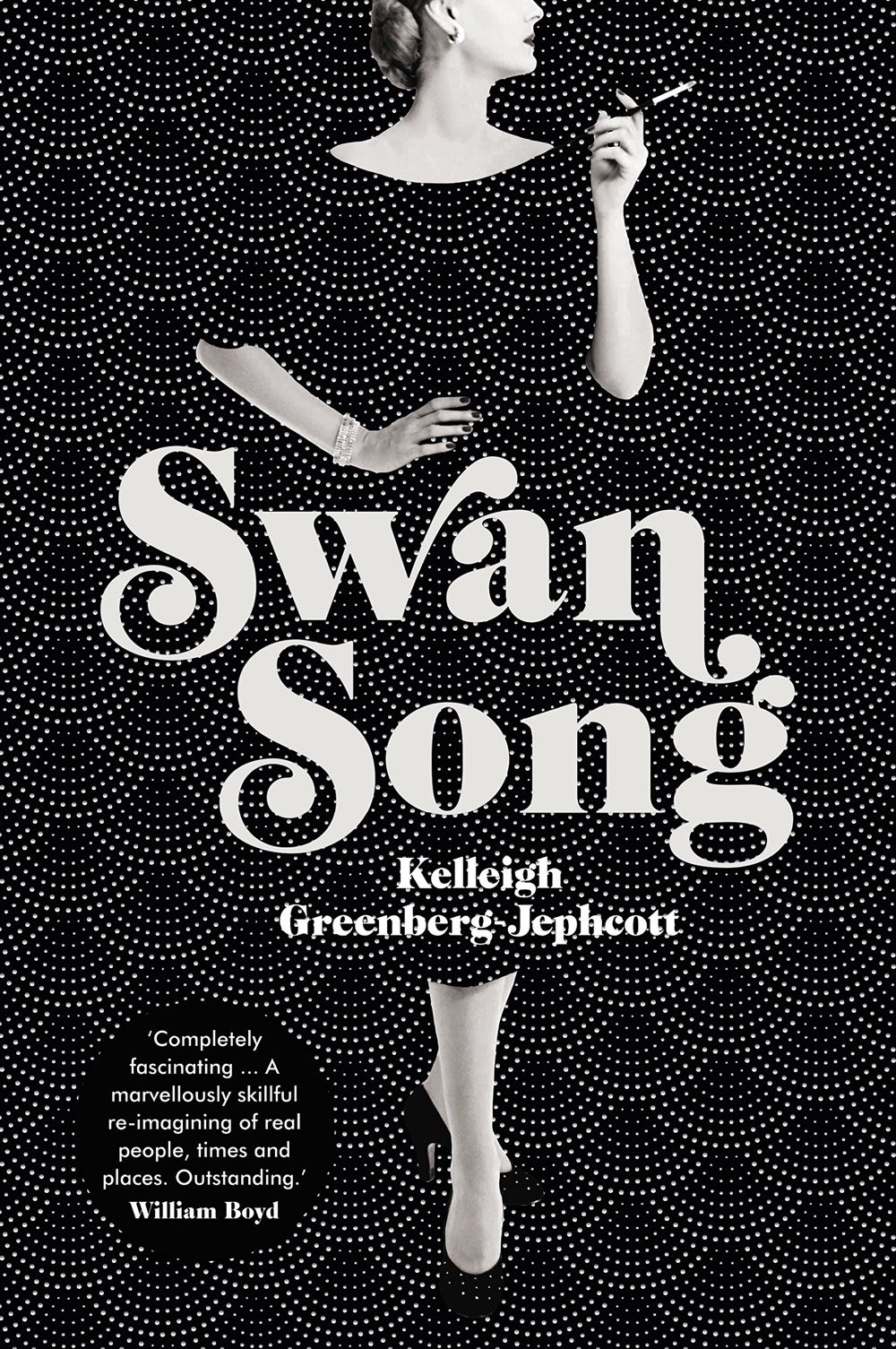
From top to bottom, Cherry by Nico Walker (designed by Janet Hansen), Hippie by Paulo Coelho (designed by Tyler Comrie), My Year of Rest and Relaxation by Ottessa Moshfegh (designed by Darren Haggar), Circe by Madeline Miller (designed by Will Staehle), and Swan Song by Kelleigh Greenberg-Jephcott (designed by Lauren Wakefield).

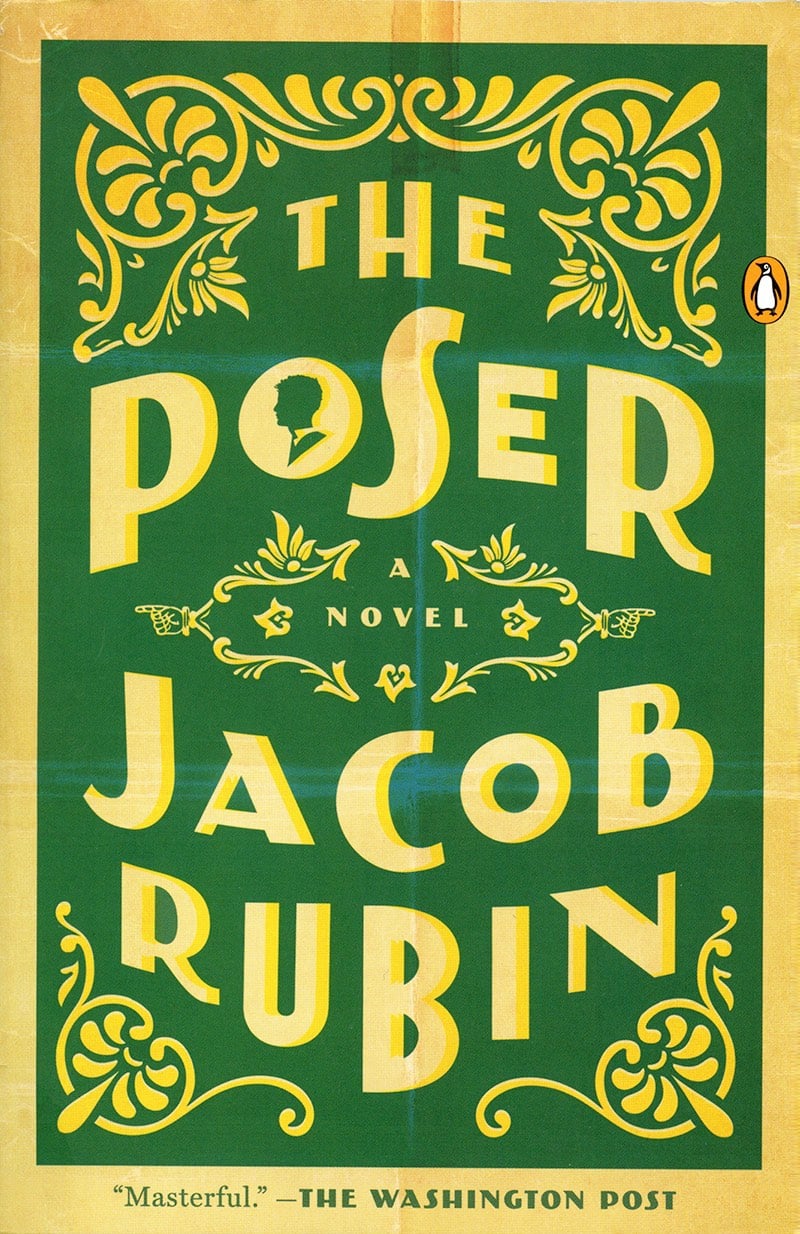
Design Observer and the AIGA have announced their selections for the 50 best designed books and 50 best designed book covers for 2016. You can browse the entire selection in the AIGA archive. Lovely to see Aaron James Draplin’s Pretty Much Everything, Koya Bound, and the Hamilton book on the list. Oh and I love this cover for The Poser.
The AIGA and Design Observer have announced the results of the 50 Books/50 Covers competition for books published in 2015. The competition recognizes excellence in design of books and, separately, book covers. Here are a couple of my favorite covers:


Oreo by Fran Ross was designed by Erik Carter and Moon-Kie Jung’s Beneath the Surface of White Supremacy was designed by Anne Jordan and Mitch Goldstein.
At the NY Times, Nicholas Blechman weighs in with his picks for the best book covers of 2014.

Dan Wagstaff, aka The Casual Optimist, picked 50 Covers for 2014.

From Jarry Lee at Buzzfeed, 32 Of The Most Beautiful Book Covers Of 2014.

Paste’s Liz Shinn and Alisan Lemay present their 30 Best Book Covers of 2014.

And from much earlier in the year (for some reason), Zachary Petit’s 19 of the Best Book Covers of 2014 at Print.

The book cover for Naive Set Theory by Paul Halmos is so so good:

The cover is a riff on, I think, Russell’s Paradox, a problem with naive set theory described by Bertrand Russell in 1901 about whether sets can contain themselves.
Russell’s paradox is based on examples like this: Consider a group of barbers who shave only those men who do not shave themselves. Suppose there is a barber in this collection who does not shave himself; then by the definition of the collection, he must shave himself. But no barber in the collection can shave himself. (If so, he would be a man who does shave men who shave themselves.)
Reminds me of David Pearson’s genius cover for Benjamin’s The Work of Art in the Age of Mechanical Reproduction.
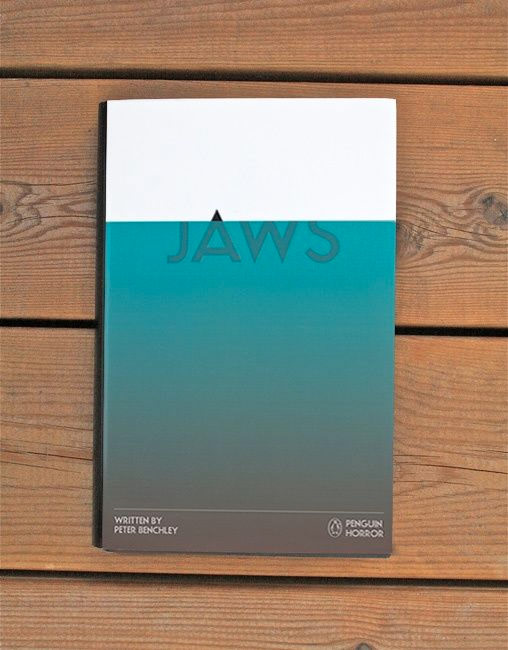
No idea if this is for sale anywhere (I couldn’t find it) or if it’s just a design exercise, but this cover for Peter Benchley’s Jaws designed by Tom Lenartowicz is inspired. (via ★interesting)
A new series of George Orwell’s books are being published by Penguin and this is the cover for 1984:

Cover design by David Pearson…more covers from the same series here. (via @torrez)
The results of a competition to design a better cover for Nabokov’s Lolita are being packaged into a book due out in June.
Among the problems Nabokov’s Lolita poses for the book designer, probably the thorniest is the popular misconception of the title character. She’s chronically miscast as a teenage sexpot-just witness the dozens of soft-core covers over the years. “We are talking about a novel which has child rape at its core,” says John Bertram, an architect and blogger who, three years ago, sponsored a Lolita cover competition asking designers to do better.
Now the contest is being turned into a book, due out in June and coedited by Yuri Leving, with essays on historical cover treatments along with new versions by 60 well-known designers, two-thirds of them women: Barbara deWilde, Jessica Helfand, Peter Mendelsund, and Jennifer Daniel, to name a few. They don’t shy away from frank sexuality, but they add layers of darkness and complication. And like Jamie Keenan’s cover — a claustrophobic room that morphs into a girl in her underwear — they provoke without asking readers to abdicate their responsibility.
Of the covers shown, Peter Mendelsund’s is a favorite:

Newer posts
Older posts








Socials & More