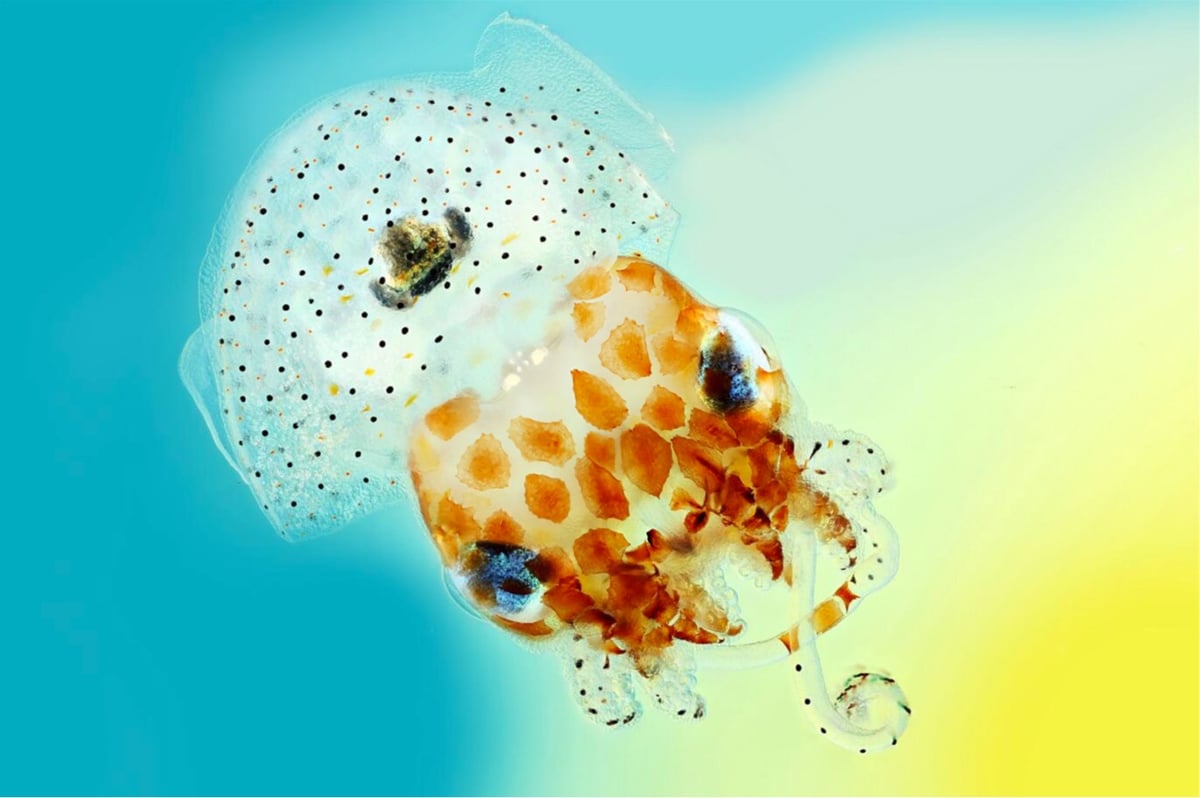
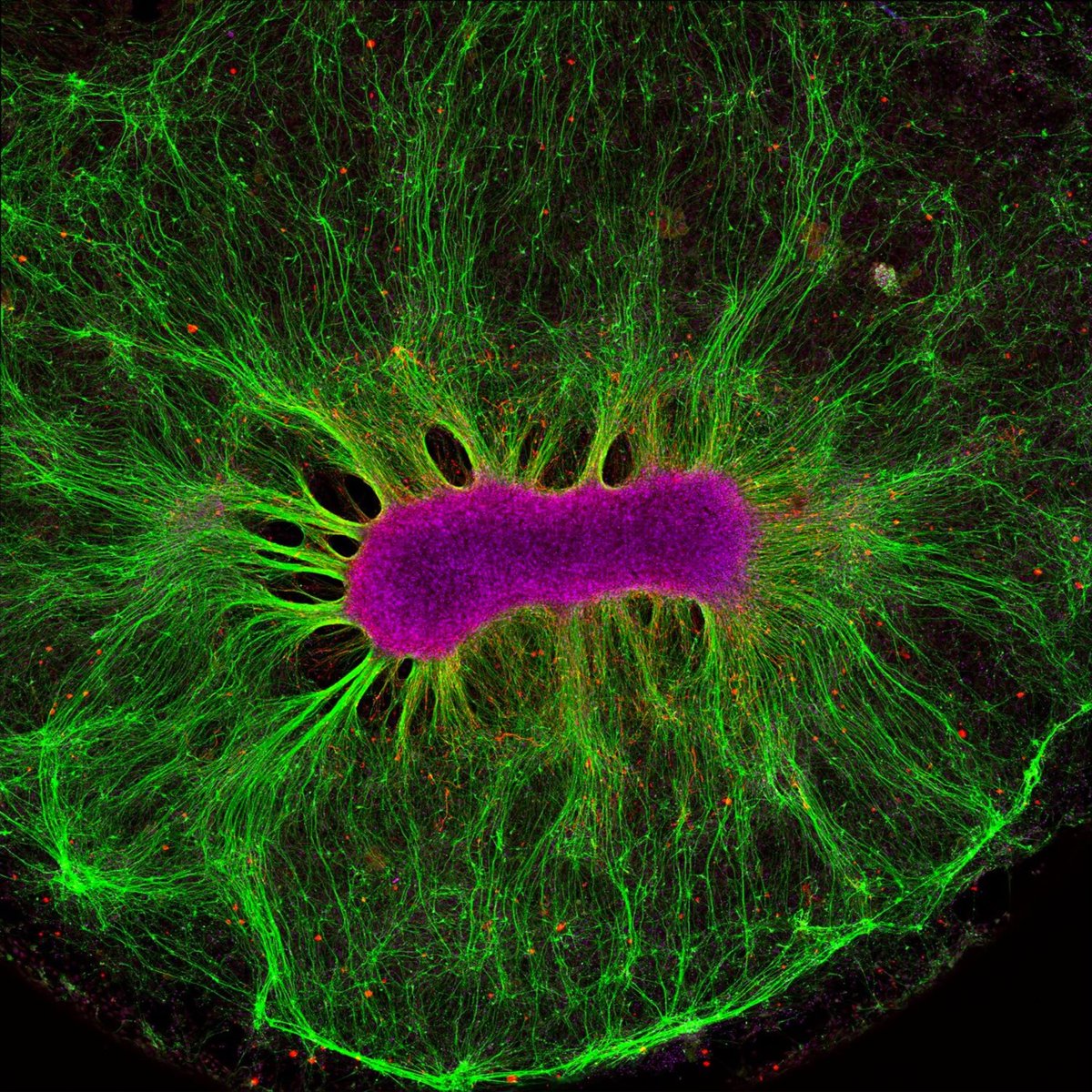
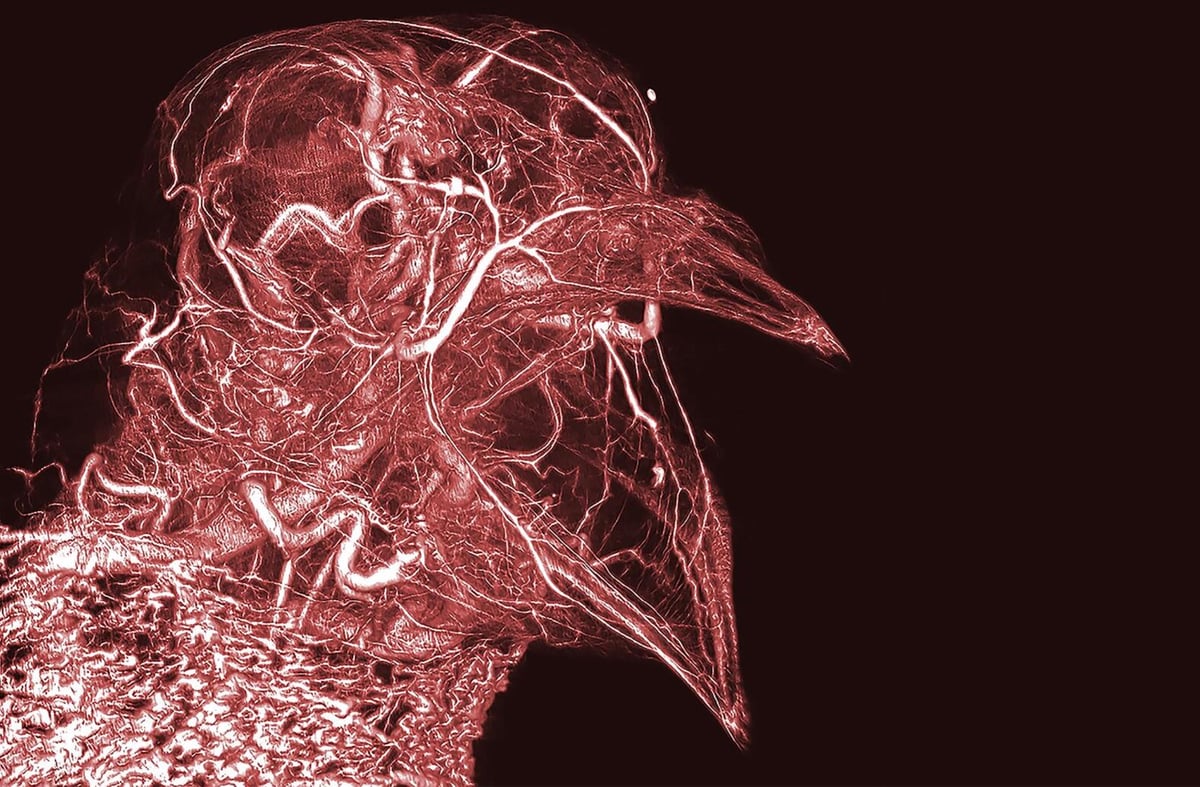
The Wellcome Image Awards 2017 recognize the best images related to healthcare and biomedical science taken during the past year.
The Wellcome Image Awards are Wellcome’s most eye-catching celebration of science, medicine and life. Now in their 20th year, the Awards recognise the creators of informative, striking and technically excellent images that communicate significant aspects of healthcare and biomedical science. Those featured are selected from all of the new images acquired by Wellcome Images during the preceding year. The judges are experts from medical science and science communication.
From top to bottom, there’s Mark R. Smith’s photo of a baby Hawaiian bobtail squid, neural stem cells growing on a synthetic gel photographed by Collin Edington and Iris Lee, and Scott Echols’ image of a pigeon’s blood vessel network. (via digg)
From the MIT Technology Review, the 10 Breakthrough Technologies of 2017:
Reversing Paralysis
Self-Driving Trucks
Paying with Your Face
Practical Quantum Computers
The 360-Degree Selfie
Hot Solar Cells
Gene Therapy 2.0
The Cell Atlas
Botnets of Things
Reinforcement Learning
The piece on Hot Solar Cells caught my eye:
Solar panels cover a growing number of rooftops, but even decades after they were first developed, the slabs of silicon remain bulky, expensive, and inefficient. Fundamental limitations prevent these conventional photovoltaics from absorbing more than a fraction of the energy in sunlight.
But a team of MIT scientists has built a different sort of solar energy device that uses inventive engineering and advances in materials science to capture far more of the sun’s energy. The trick is to first turn sunlight into heat and then convert it back into light, but now focused within the spectrum that solar cells can use. While various researchers have been working for years on so-called solar thermophotovoltaics, the MIT device is the first one to absorb more energy than its photovoltaic cell alone, demonstrating that the approach could dramatically increase efficiency.
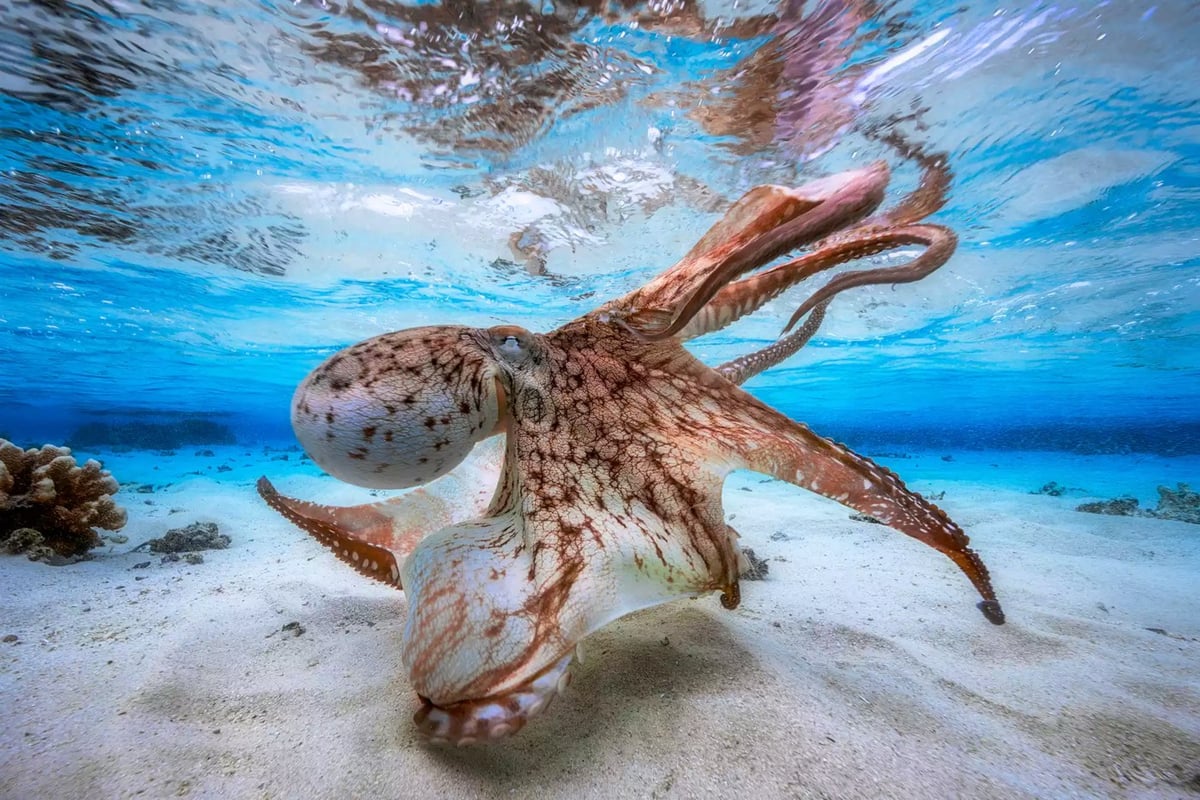
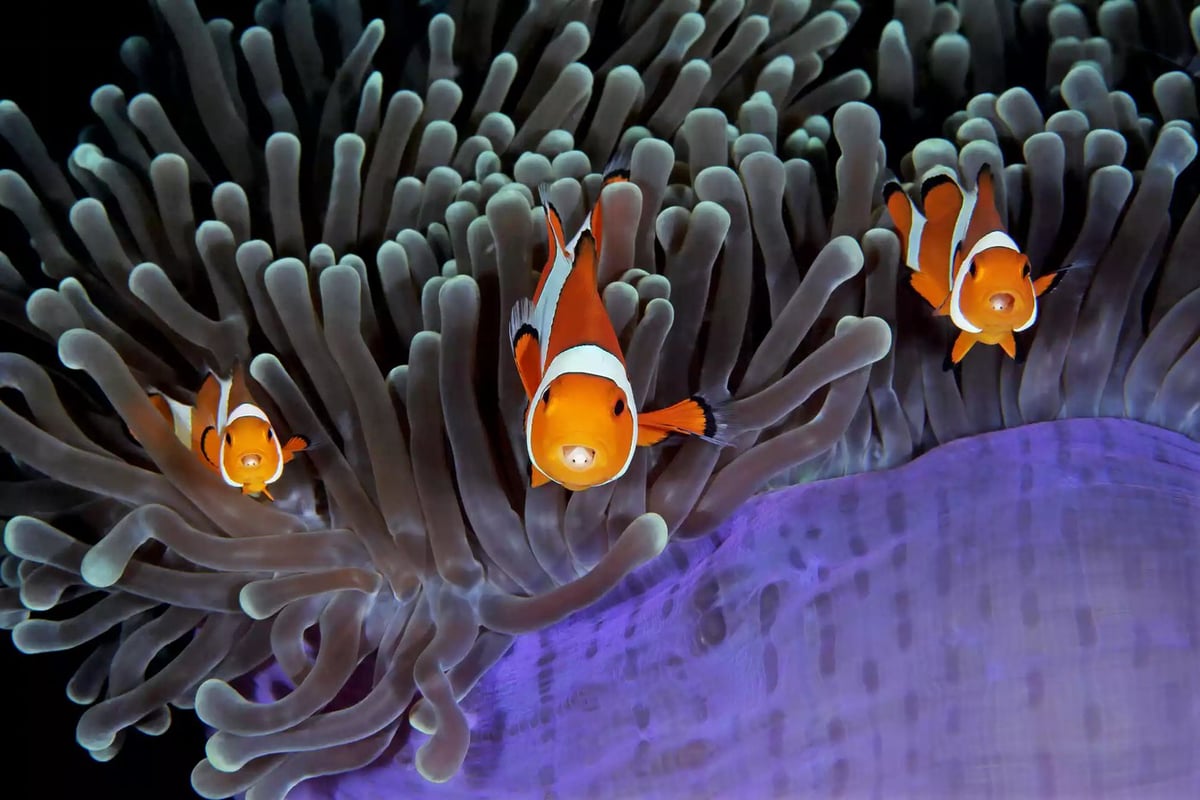
In Focus is featuring some of the winning shots from the 2017 Underwater Photographer of the Year awards. The top one is Dancing Octopus taken by Gabriel Barathieu and the bottom one is by Qing Lin, who took the photo near Lembeh, Indonesia, which is home to some of the strangest marine life in the world.
If you look at Lin’s photo of the clownfish for more than a second or two — pay attention…this is the nightmarish side to living on the reef that Pixar kept from you in Finding Nemo — you will notice not just three pairs of eyes but six pairs of eyes. In the mouth of each clownfish is a parasitic isopod looking right at the camera. The isopod enters the fish through the gills, attaches itself to the fish’s tongue, feeds on the blood in the tongue until it falls off, and then attaches itself to the tongue stump. And the fish uses the isopod as a replacement tongue! Cool! And gross!





Socials & More