Fish in the Netherlands travel upstream to spawn in the spring, but unfortunately for the fish in Utrecht, the boat lock on the river through the city is closed in the spring. Ecologists put a camera on the bottom of the lock, and viewers around the world can watch a livestream of the camera and, when they see a fish, press a doorbell to open the lock allowing the fish the opportunity to continue swimming upstream to their destiny.
This is a YouTube livestream of the doorbell camera, which is what gets shown to viewers on days like today when more than 900 people are watching the camera, but fear not because they post a weekly highlight reel.
You probably missed the pike and ide, but perch, common roach, and freshwater bream should be swimming by around now.
PS the domain is visdeurbel.nl, which translates into English as Fish Doorbell, and I think Dutch is a very charming language. (via @danirabaiotti.bsky.social)
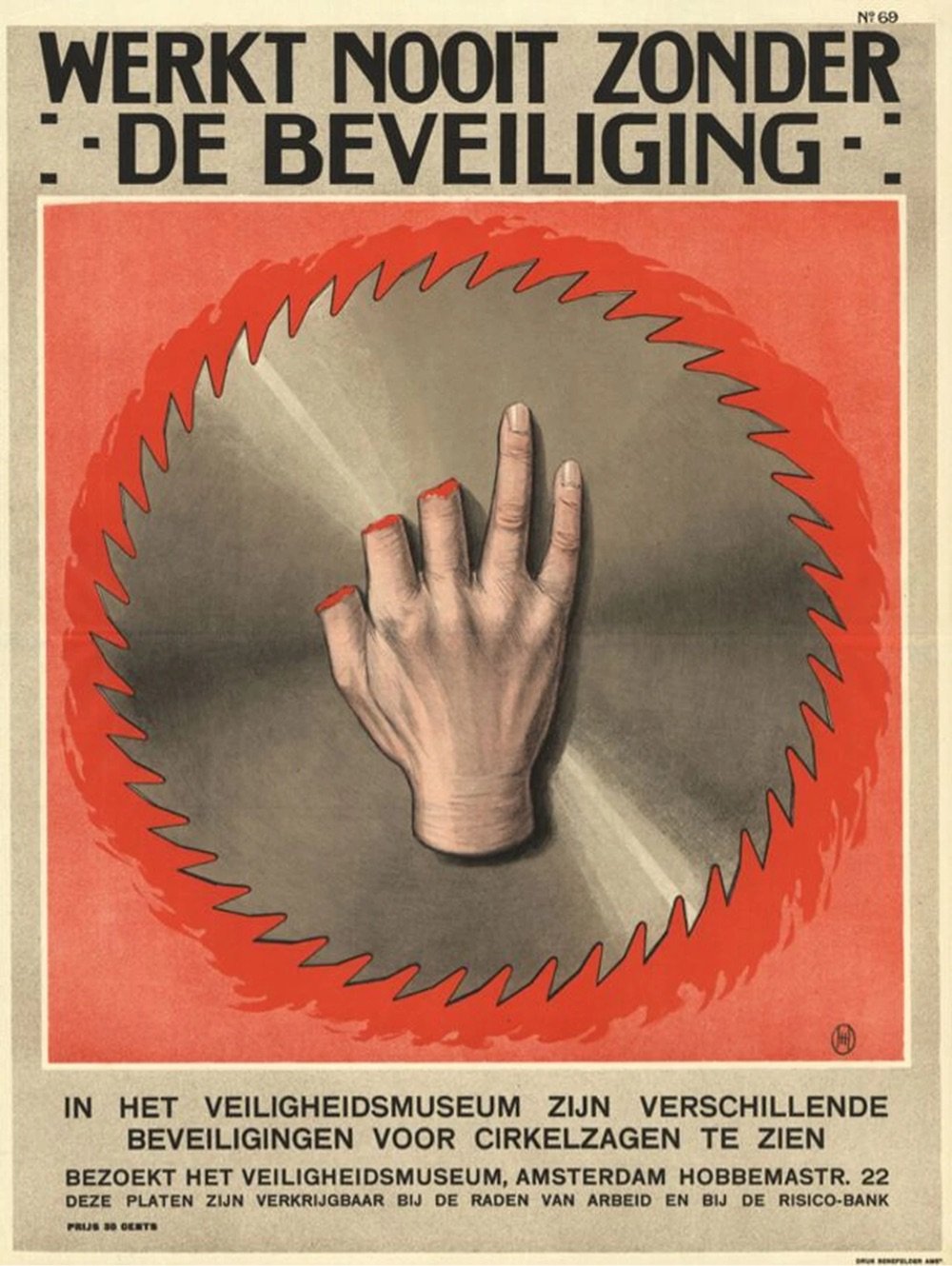
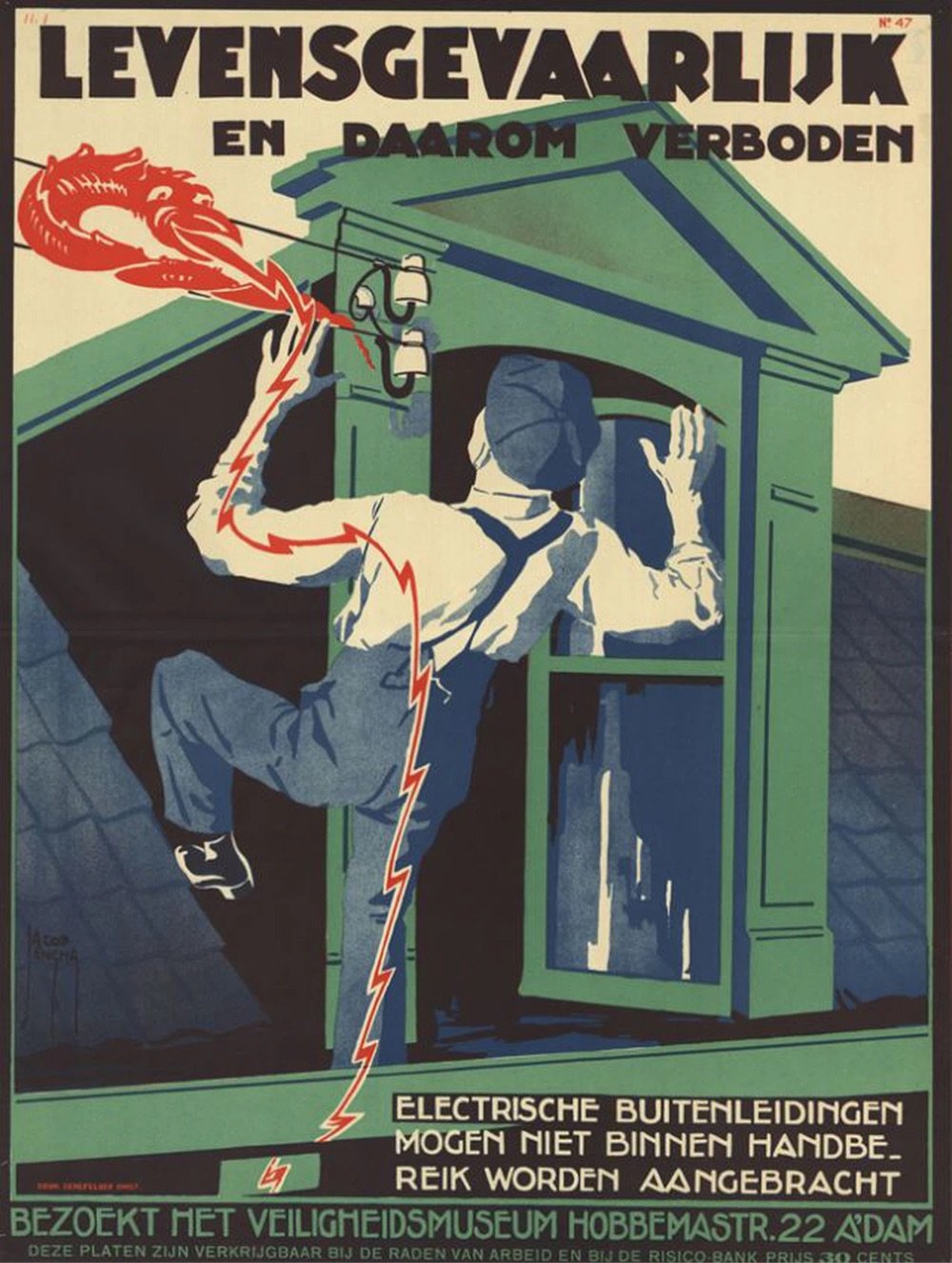
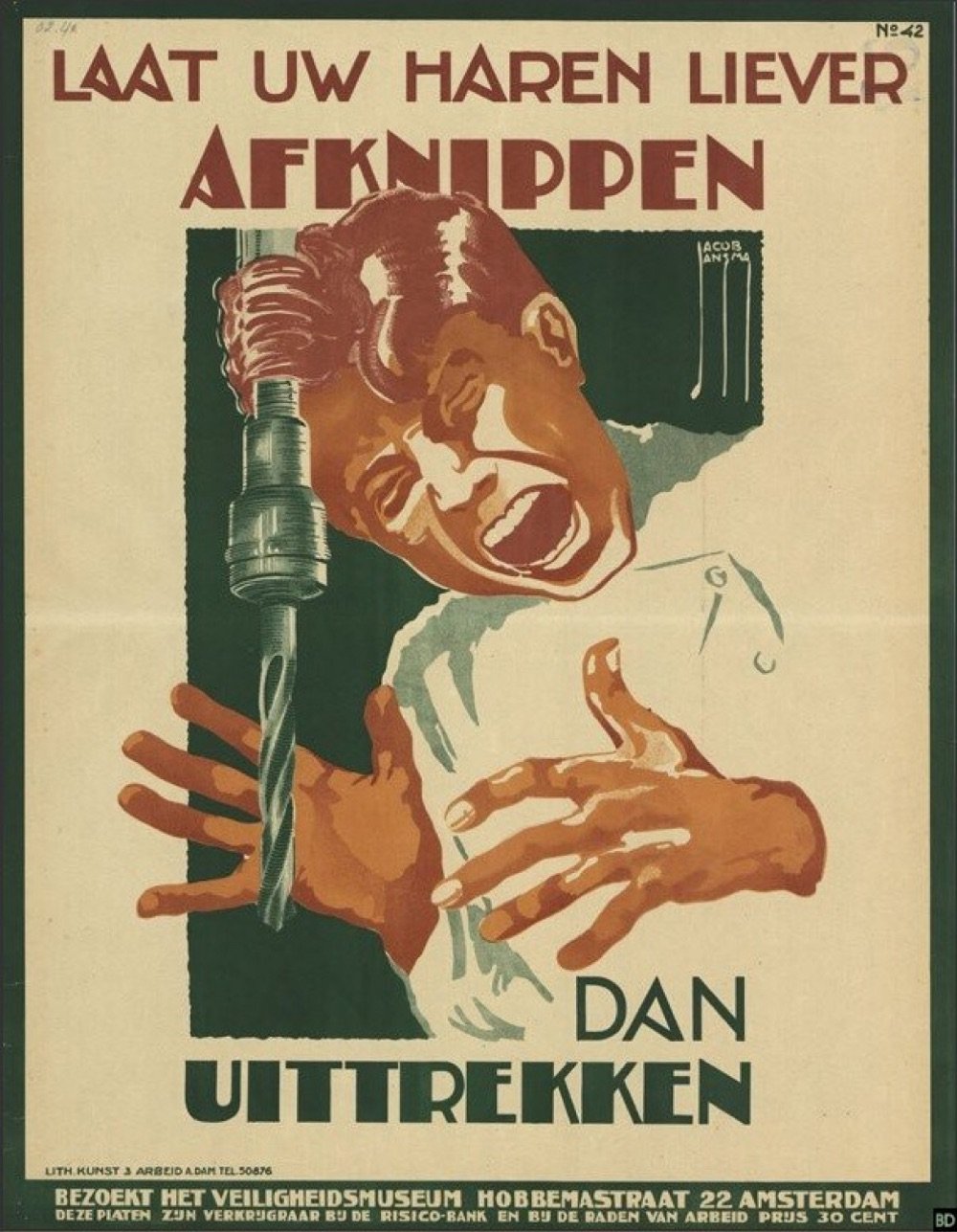
When it came to making safety posters, the Dutch were pretty hardcore — a lot of these vintage posters look more like horror film adverts than safety warnings. (via meanwhile)
This video highlights one of the ways in which the Netherlands makes their streets safer for pedestrians: continuous sidewalks. Instead of sidewalks ending at the curb and picking up on the other side of the street, many sidewalks in Dutch cities continue across roadways, at the same height and using different surface materials, forcing cars to slow and signaling to drivers to be alert for pedestrians.
It’s hard to describe how much nicer it is to walk in an environment like this. It feels like the people walking are in control and that drivers are a guest in their environment, not the other way around.
(via @davidfg)
This is a captivating 4K time lapse video of a boat navigating the canals and waterways of the Netherlands. Infrastructure nerds will appreciate all of the bridges, locks, piers, signals, etc.
I love these sorts of transportation time lapse videos — see a Beautiful 30-day Time Lapse of a Cargo Ship’s Voyage and a Night Time Lapse of the Milky Way from an Airplane Cockpit for instance. The small map in the corner is a solid addition to the genre. (via open culture)
The creation and adoption of surveillance systems based on Artificial Intelligence often feels like it’s widely outpacing the speed at which cities and countries can legislate any kind of control. So it’s always an encouraging sign when new well considered decisions are rendered and put the public good and human rights first.
One such decision is the Dutch courts’ ruling that a welfare surveillance system violates human rights.
A Dutch court has ordered the immediate halt of an automated surveillance system for detecting welfare fraud because it violates human rights … The case was seen as an important legal challenge to the controversial but growing use by governments around the world of artificial intelligence (AI) and risk modelling in administering welfare benefits and other core services.
It’s especially encouraging since disfranchised and minority populations are usually the ones facing the brunt of surveillance, with little recourse for corrections and / or without the means to pursue legal options.
Deployed primarily in low-income neighbourhoods, it gathers government data previously held in separate silos, such as employment, personal debt and benefit records, and education and housing histories, then analyses it using a secret algorithm to identify which individuals might be at higher risk of committing benefit fraud.
One hopes the decision will have repercussions far outside the Netherlands.
Alston predicted the judgment would be “a wake-up call for politicians and others, not just in the Netherlands”. The special rapporteur presented a report to the UN general assembly in October on the emergence of the “digital welfare state” in countries around the globe, warning of the need “to alter course significantly and rapidly to avoid stumbling, zombie-like, into a digital welfare dystopia”.
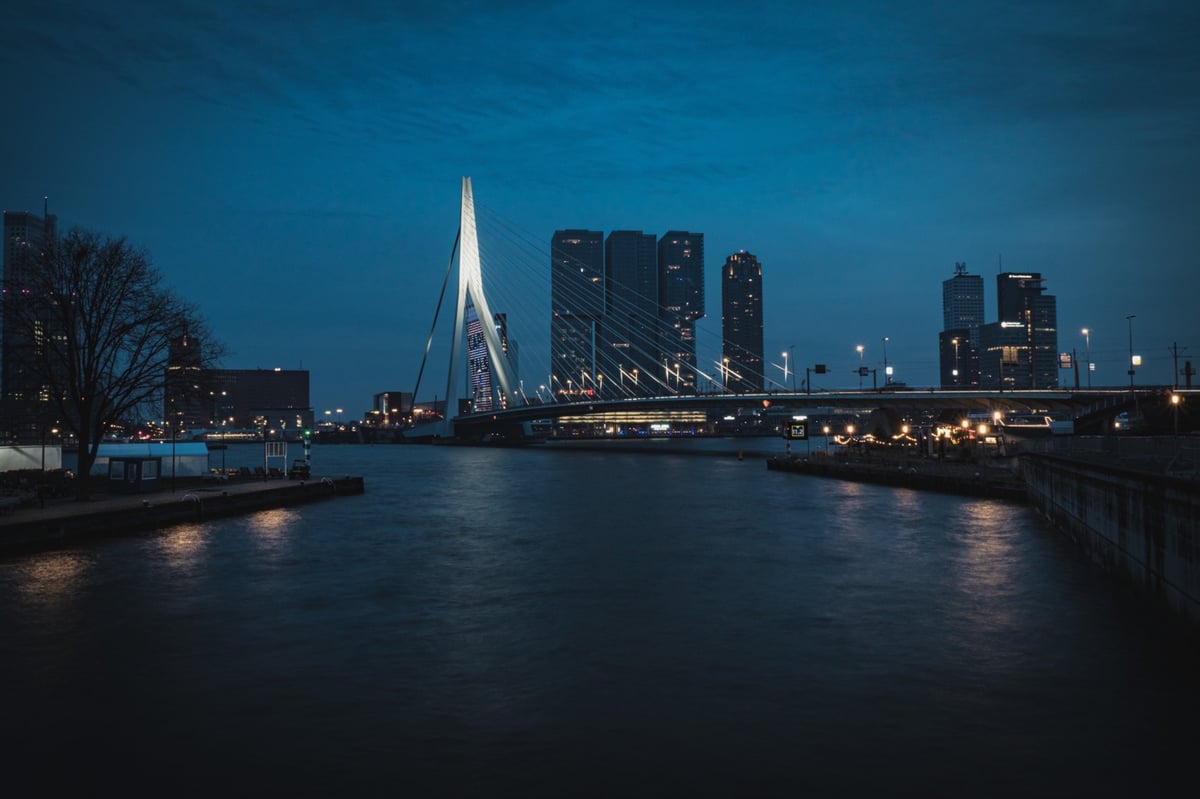
Image credit: Rotterdam at night by Joël de Vriend.




Socials & More