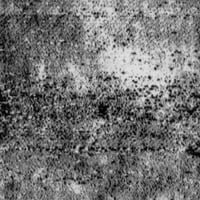



Incredibly Realistic 3D Models of the Moon’s Surface (From 1874!)

A gem of a find by The Public Domain Review of a collection from the Rijksmuseum: photographs of plaster models of the Moon’s surface that were made from observations of the Moon through a telescope.
Peering through a self-made telescope, James Nasmyth sketched the moon’s scarred, cratered and mountainous surface. Aiming to “faithfully reproduce the lunar effects of light and shadow” he then built plaster models based on the drawings, and photographed these against black backgrounds in the full glare of the sun. As the technology for taking photographs directly through a telescope was still in its infancy, the drawing and modelling stages of the process were essential for attaining the moonly detail he wanted.
These are incredible; I love them so much. While Nasmyth’s models were spikier than the Moon’s actual surface, they still look amazingly realistic for something produced in the 1870s. (The 1870s!)


The book from which these were taken also contains this page, where Nasmyth seems to hypothesize that certain mountain ranges on the Moon (and Earth?) are formed by “shrinkage of the globe”:

You win some, you lose some. 🤷♂️
See also Henry Draper’s photographs of the Moon from the 1860s and 1870s.
Socials & More