




Three-Body Orbits
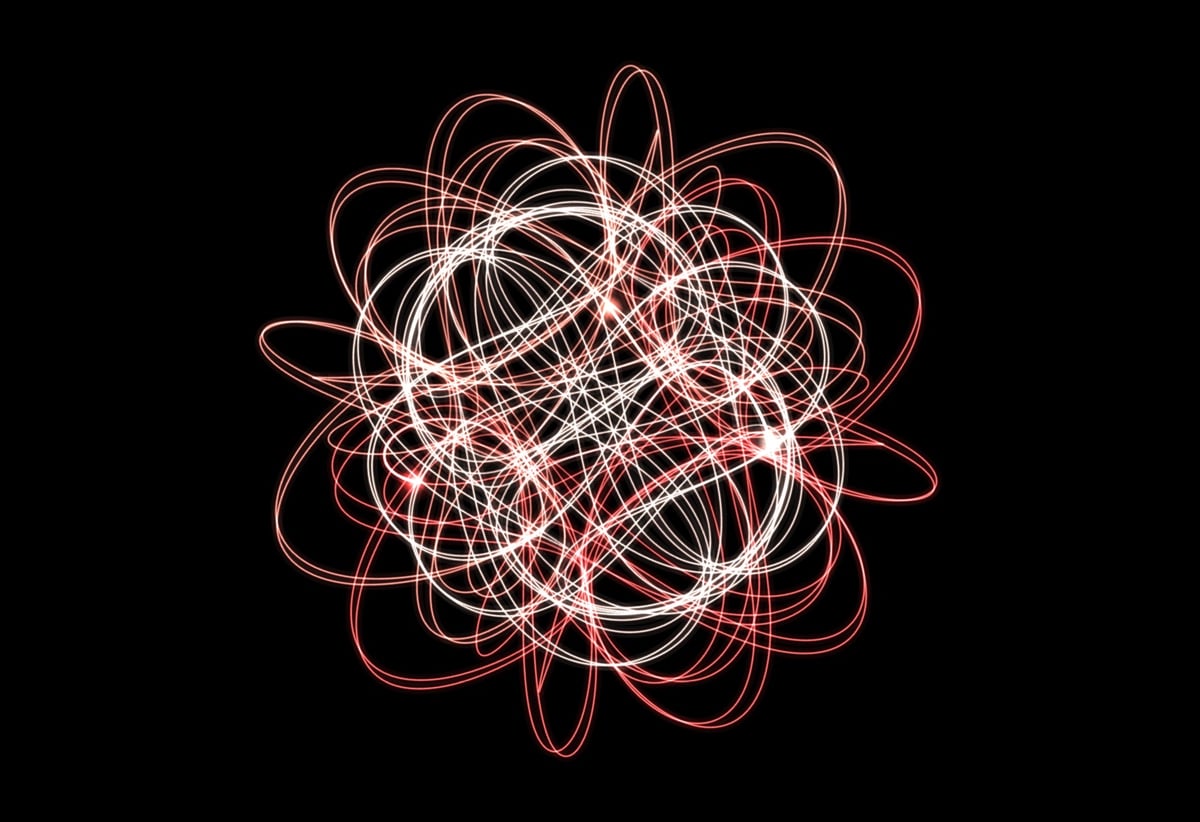
There are no generalized solutions to the three-body problem. Say you have three planets orbiting each other: it’s impossible to calculate how they will move using Newton’s laws of motion and gravity.
Unlike the two-body problem, the three-body problem has no general closed-form analytic solution. The differential equations that govern the motions of three gravitating bodies are not integrable and cannot be solved to give explicit formulas for the positions of the bodies as a function of time. For most initial conditions, the dynamical system for three orbiting bodies is chaotic, and the only way to predict their motions is to estimate them using numerical methods.
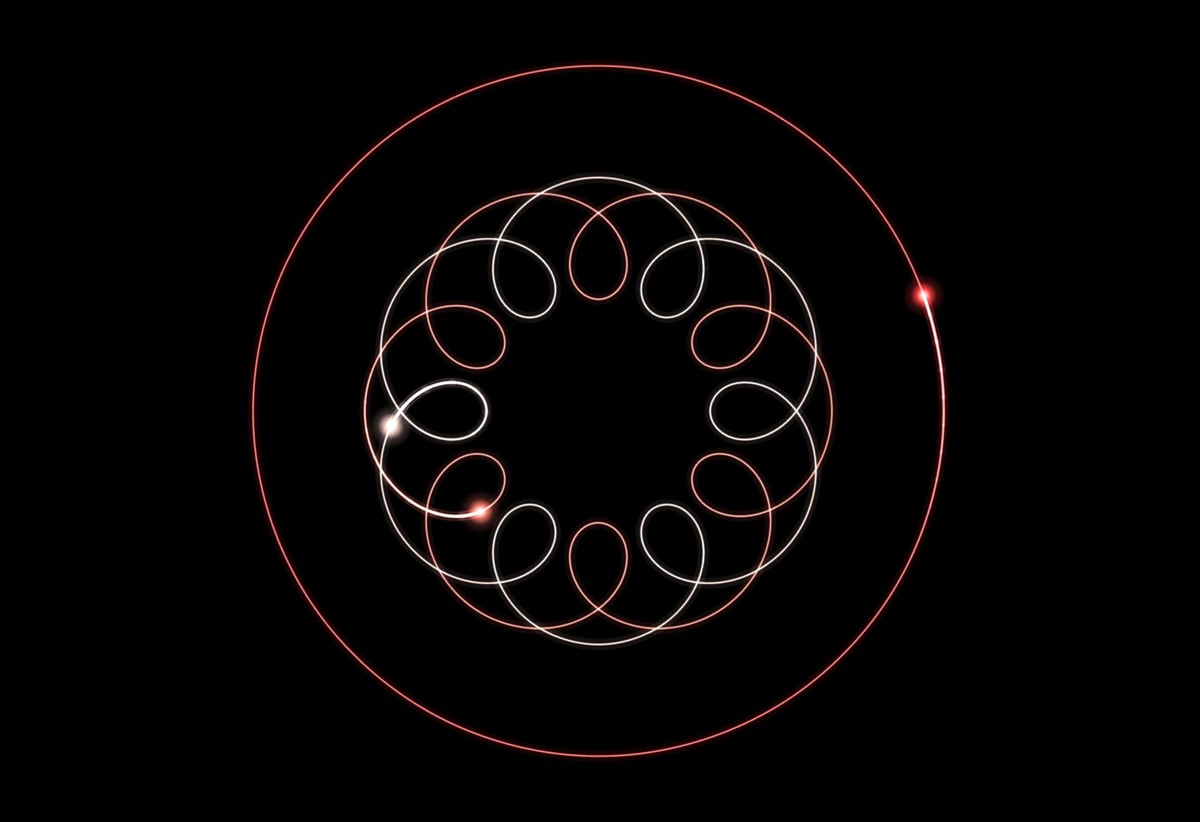
But thousands of stable three-body orbits have been found — their paths repeat after a given interval. The Three Body Orbits website is an atlas of some of those orbits: you can watch each three-body system play itself out in a wide variety of different shapes and complexities. There’s this simple figure 8, this slightly less simple one, and this one that looks like a spirograph.
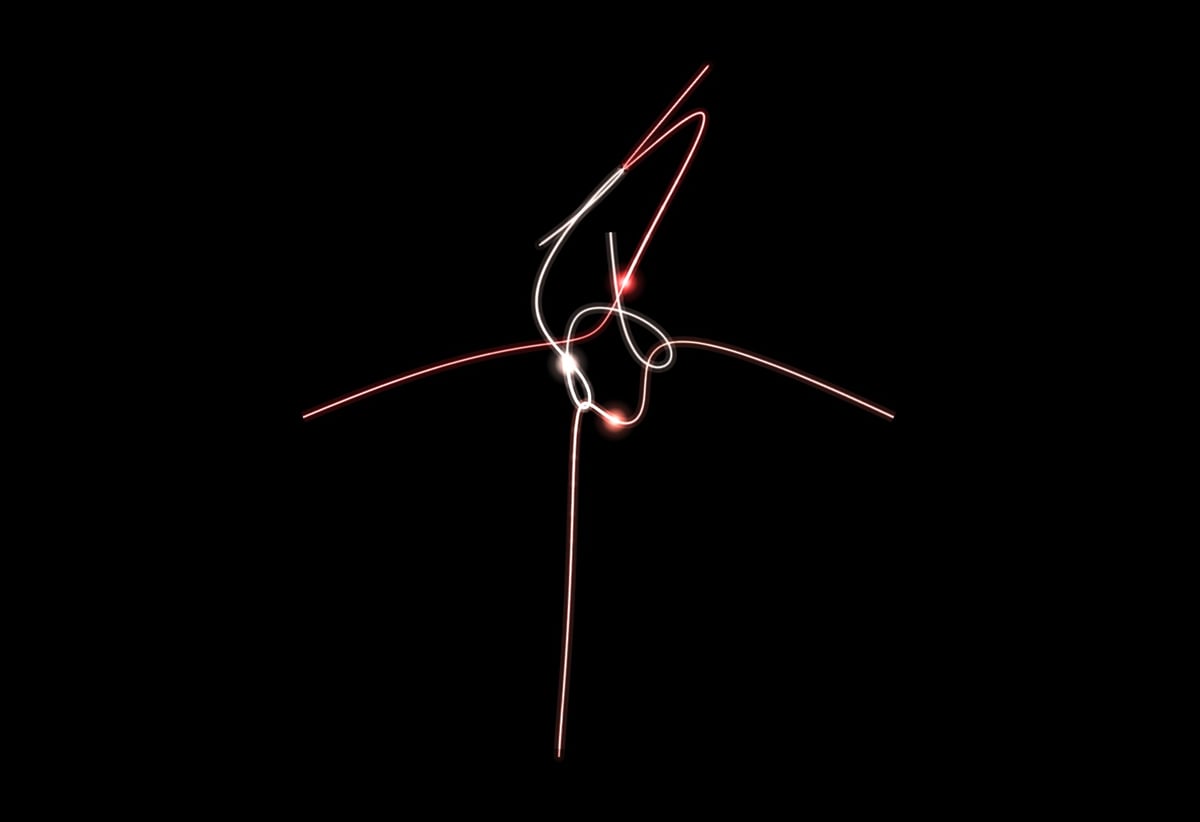
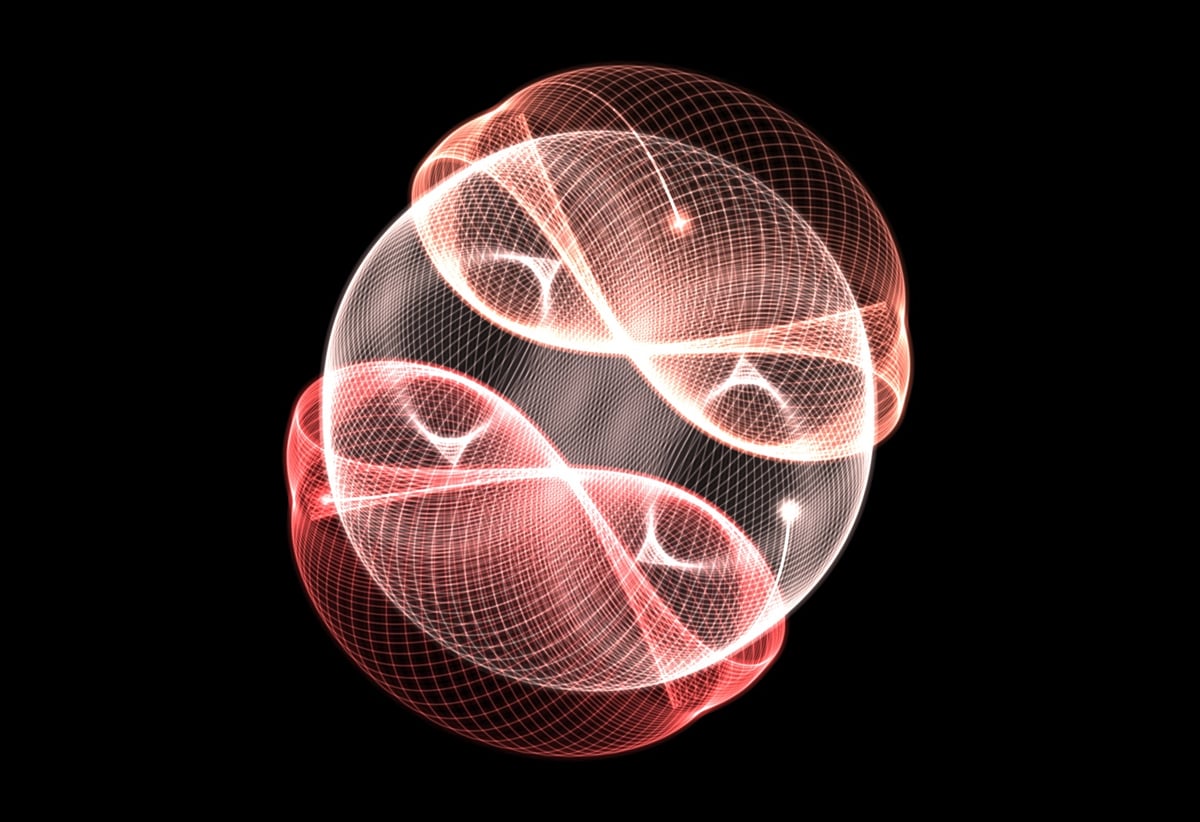
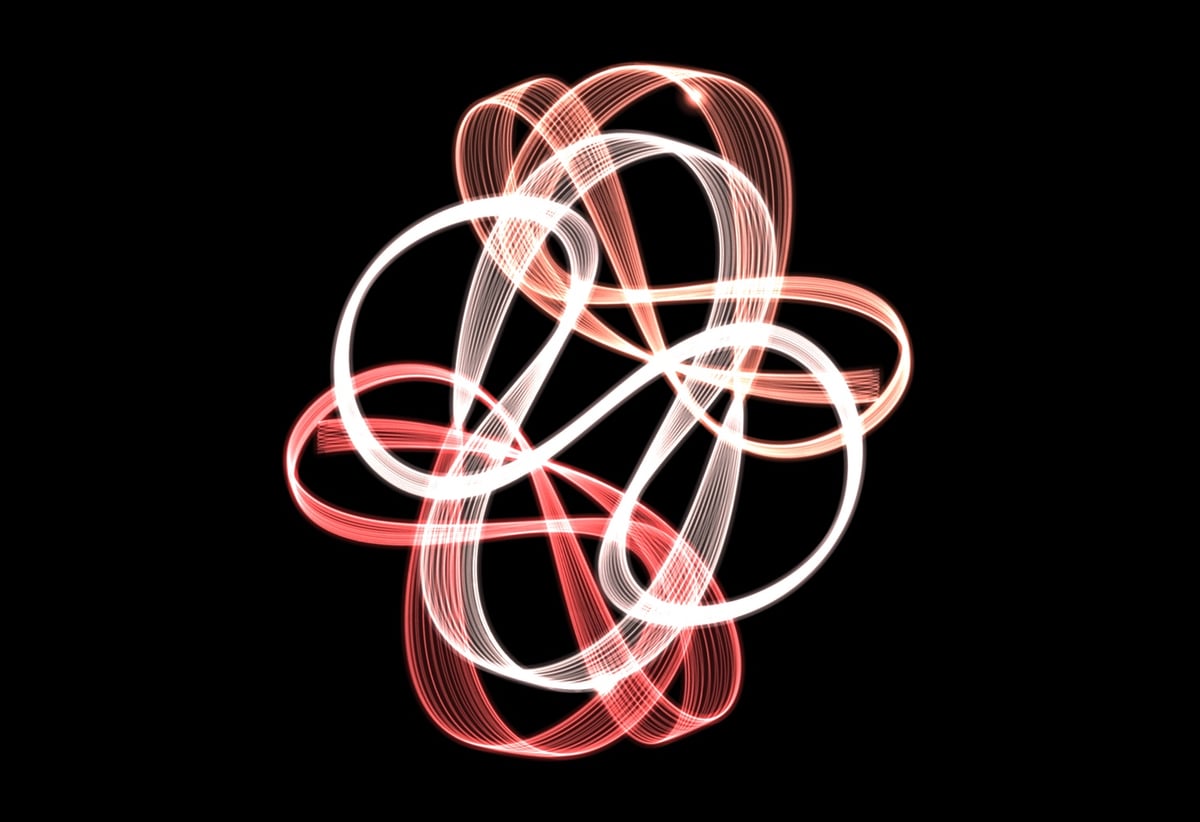

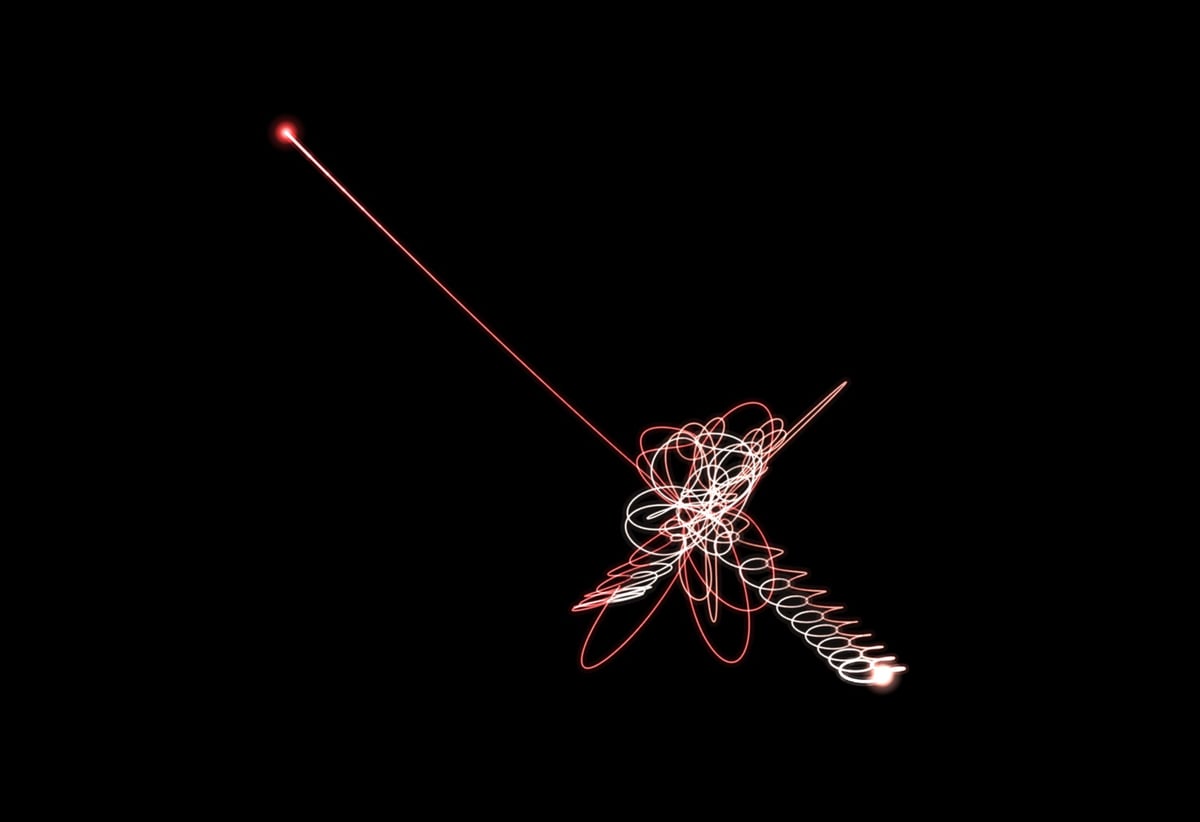
The site even enables you to search for new stable solutions to the problem in your browser. This is what one of my unsuccessful tests looked like — two of the planets locked in a gravity death spiral while the other one peaces out in the other direction:
Comments 1
This is the one I'm hoping AI solves, mostly to hear what Cixin Liu says if it happens.
If you feel like this comment goes against the grain of the community guidelines or is otherwise inappropriate, please let me know and I will take a look at it.
In order to comment or fave, you need to be a kottke.org member. Check out your membership options.
Note: If you are a member and tried to log in, it didn't work, and now you're stuck in a neverending login loop of death, try disabling any ad blockers or extensions. Or try logging out and then back in. Still having trouble? Email me!