




The Backward Index
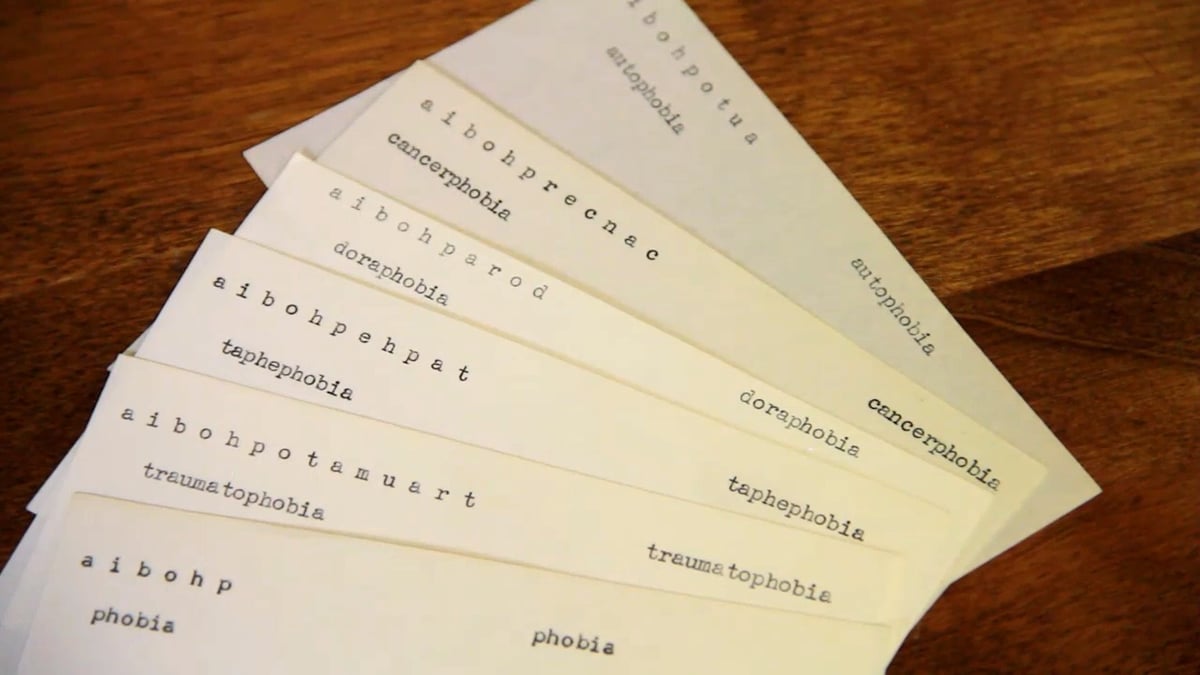
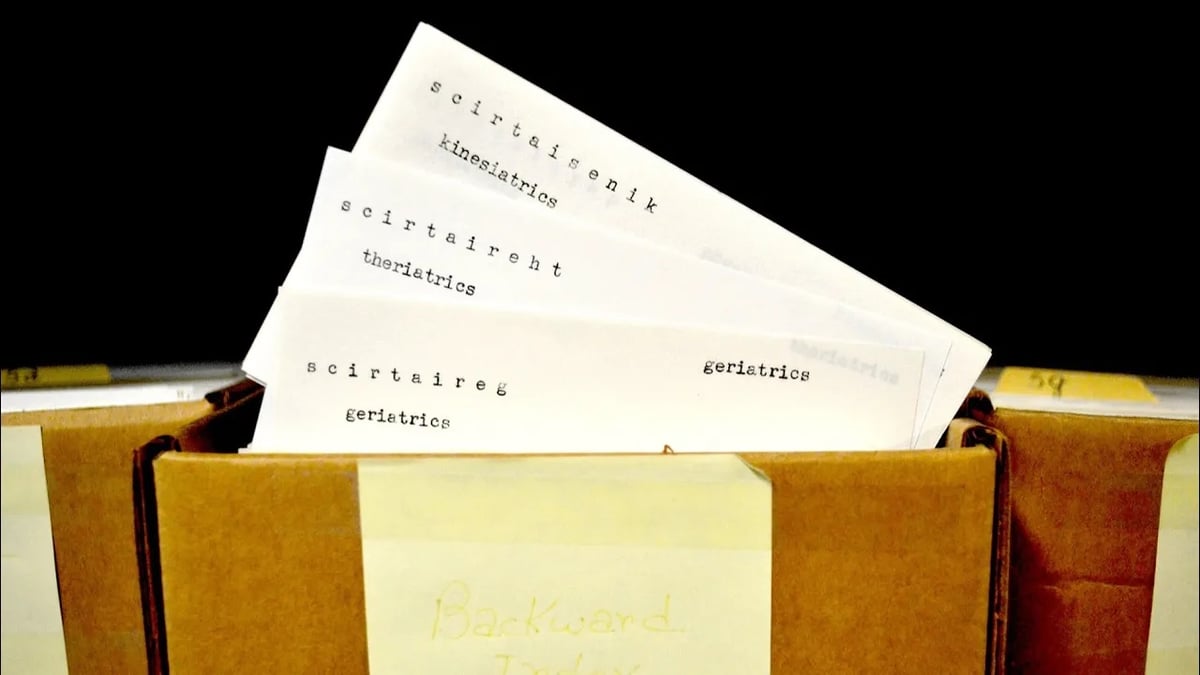
How do dictionary makers keep track of similarly suffixed words, like those ending in -ism, -graphy, -ness, or -ology? With a computer, it’s simple, but how did they do it before the computing age? Starting in the 1950s, lexicographers at Merriam-Webster typed all of the words in the dictionary out backwards and organized them alphabetically into a collection called the Backward Index.
The Backward Index evidently turned out to be a useful tool in the pre-electronic age. For example, it could help identify a set of related terms that should be defined in similar ways, including open compounds (Highland pony, Shetland pony, Welsh pony), closed compounds (blocklike, clocklike, rocklike, socklike, chalklike), and morphologically related terms (phytopathological, ethological, lithological, ornithological). Thus, looking up all the diseases that end in –itis or all the doctrines and theories that end in –ism was now possible. Since rhymes depend on word endings, initial research for a rhyming dictionary also made use of the Index, where sequences such as seepy, steepy, weepy, sweepy and dorty, forty, shorty, snorty, porty, sporty, rorty, torty show up regularly.
The index of reversed words eventually grew to 315,000 entries, each one typed up by one of M-W’s many typists.
We do know a few facts. One is that they were typed up. They were typed up by the typist and I interviewed several retired Merriam-Webster employees, at least a couple of them in their 90s. And they all recall this work. They all recall the file and they say, well, that’s what the typists did when there was no manuscript for them to type. When in the process of making the Unabridged Dictionary, for example, there was an enormous amount of copy at the beginning of the project. But then as the typesetting went on, what happened was through revision and later stages of editing, there was less and less and less of the actual manuscript to type. And that left some of the typing pool available to do other projects. And their assignment was to, when they had the time, to type the headwords in the dictionary backwards.
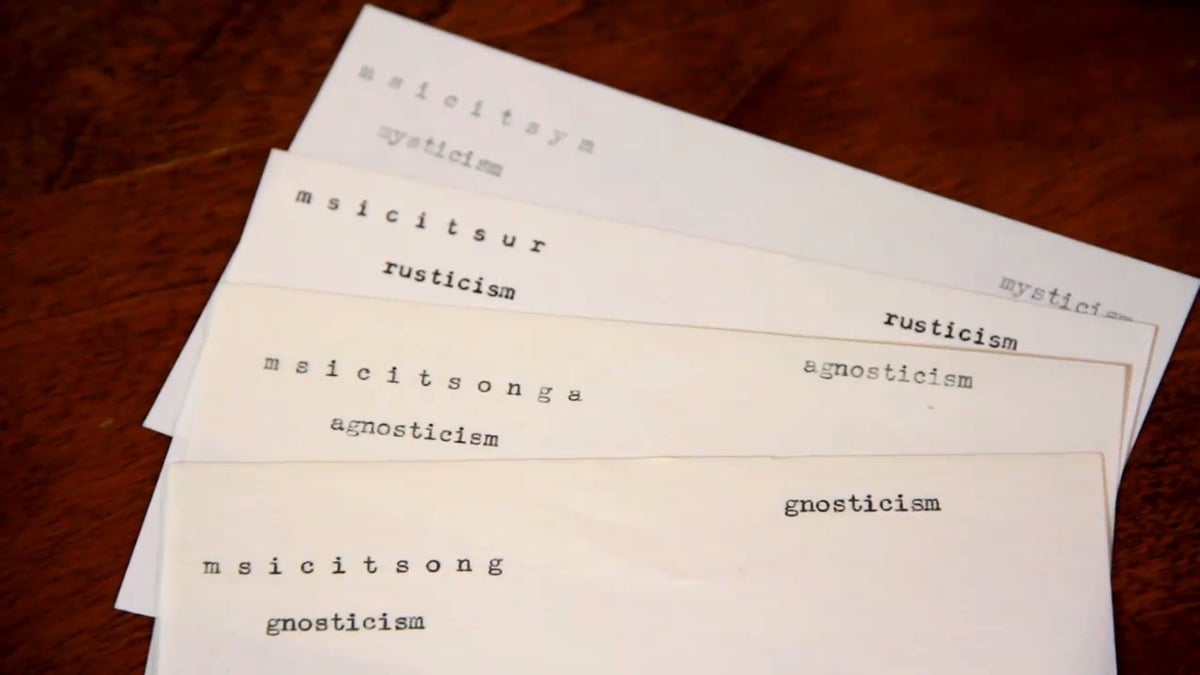
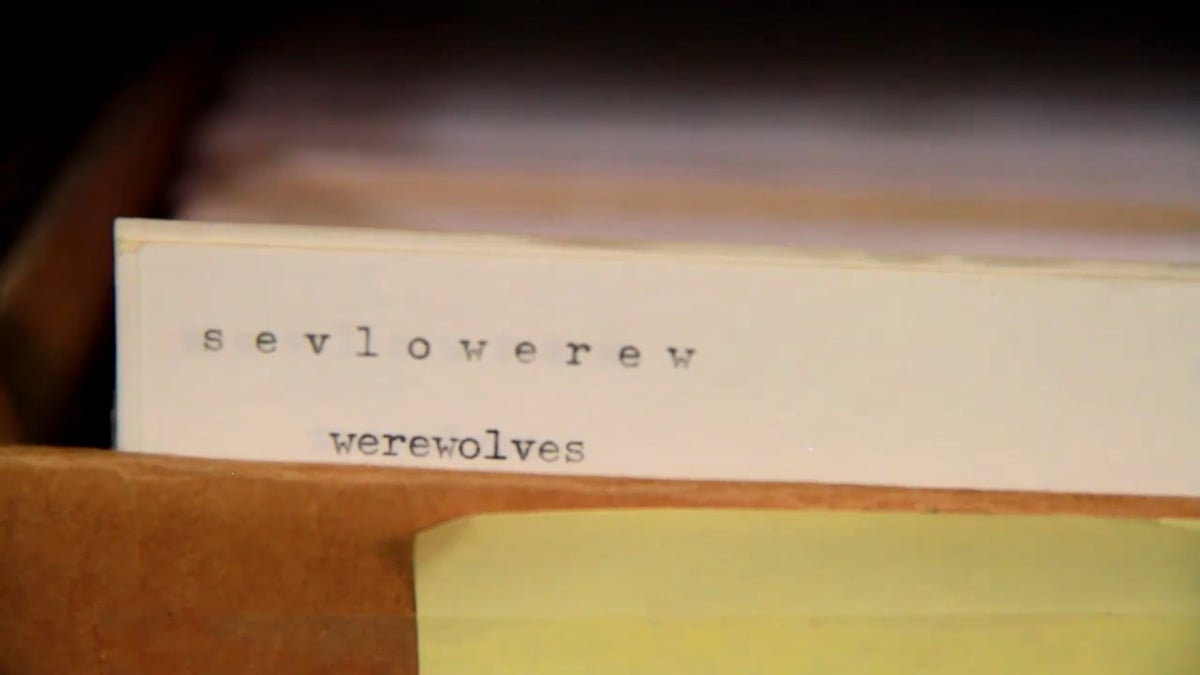
Here are some more examples of entries from the Backward Index:
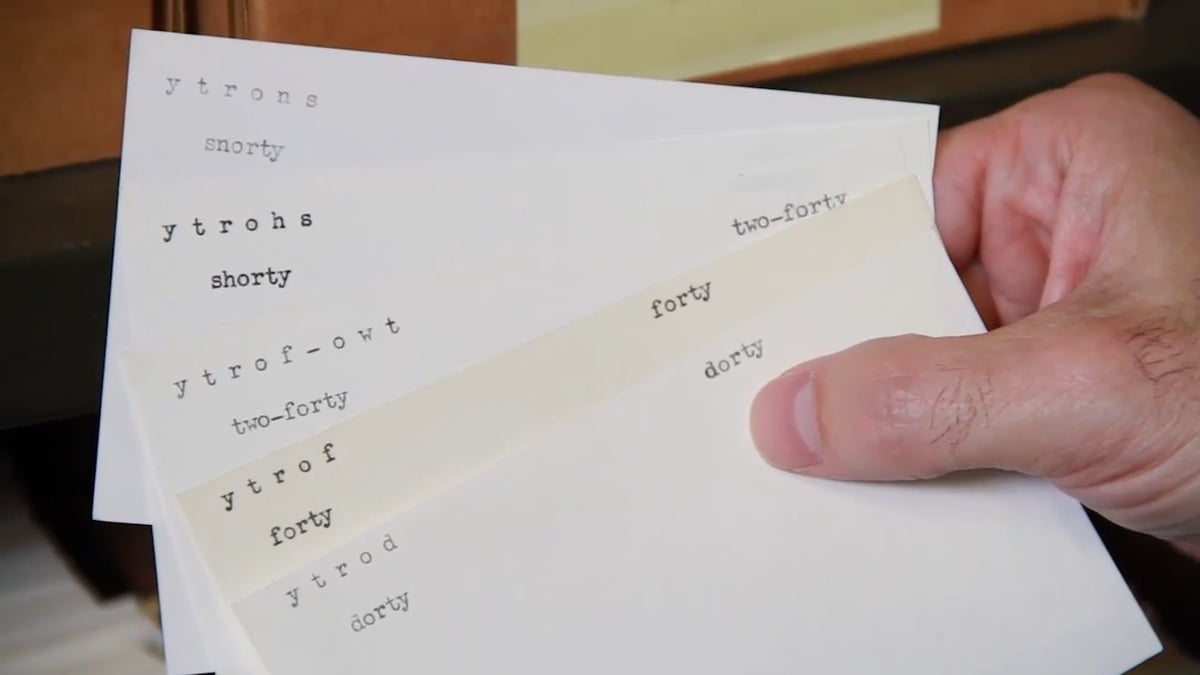
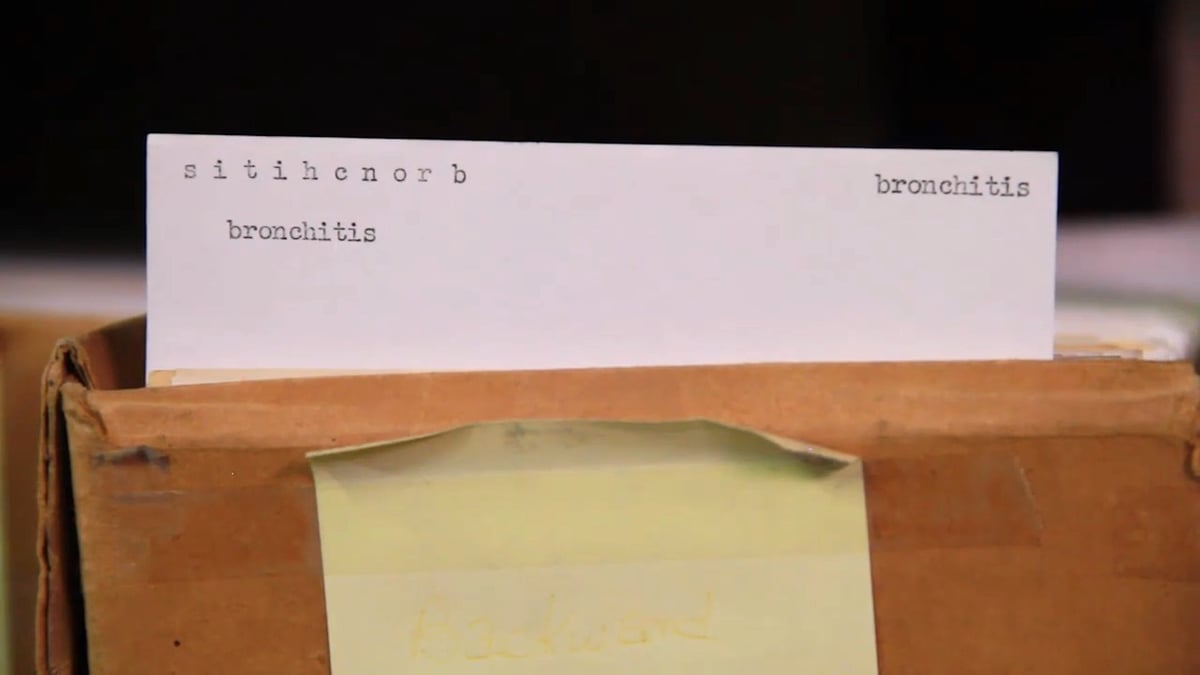
(thx, margaret)
Comments 1
It'd be fun if we could do this in our own brains. Pretending the day is a sentence, and every time you end up in bed happy, you could read backwards and see what words and actions came before and start to see all the patterns of our own lives. Maybe it'd be easier to think of our emotions, whether happy or sad, as having been etymologically rooted through the verbs of our day.
If you feel like this comment goes against the grain of the community guidelines or is otherwise inappropriate, please let me know and I will take a look at it.
In order to comment or fave, you need to be a kottke.org member. Check out your membership options.
Note: If you are a member and tried to log in, it didn't work, and now you're stuck in a neverending login loop of death, try disabling any ad blockers or extensions. Or try logging out and then back in. Still having trouble? Email me!